6 Incredible Texas Waterfalls That Are Worth the Drive
I love the face people make when I tell them I am heading out to chase waterfalls in Texas. Deserts, they think. Cattle and heat and a whole lot of highway. Where exactly is the water supposed to come from?
Here is the secret they are missing. Under all that limestone runs a whole world of springs, and where the rock breaks and the creeks tumble, Texas hides some of the most quietly spectacular falling water in the country.
Some of these you can swim under. Some you earn with a short hike through the trees. And one of them is still growing, inch by inch, while you read this sentence.
Below, six Texas waterfalls worth pointing the car toward. They run from the heart of the Hill Country all the way out to the edge of Big Bend, and every one of them is open to anyone willing to make the trip.
1. Gorman Falls, Colorado Bend State Park
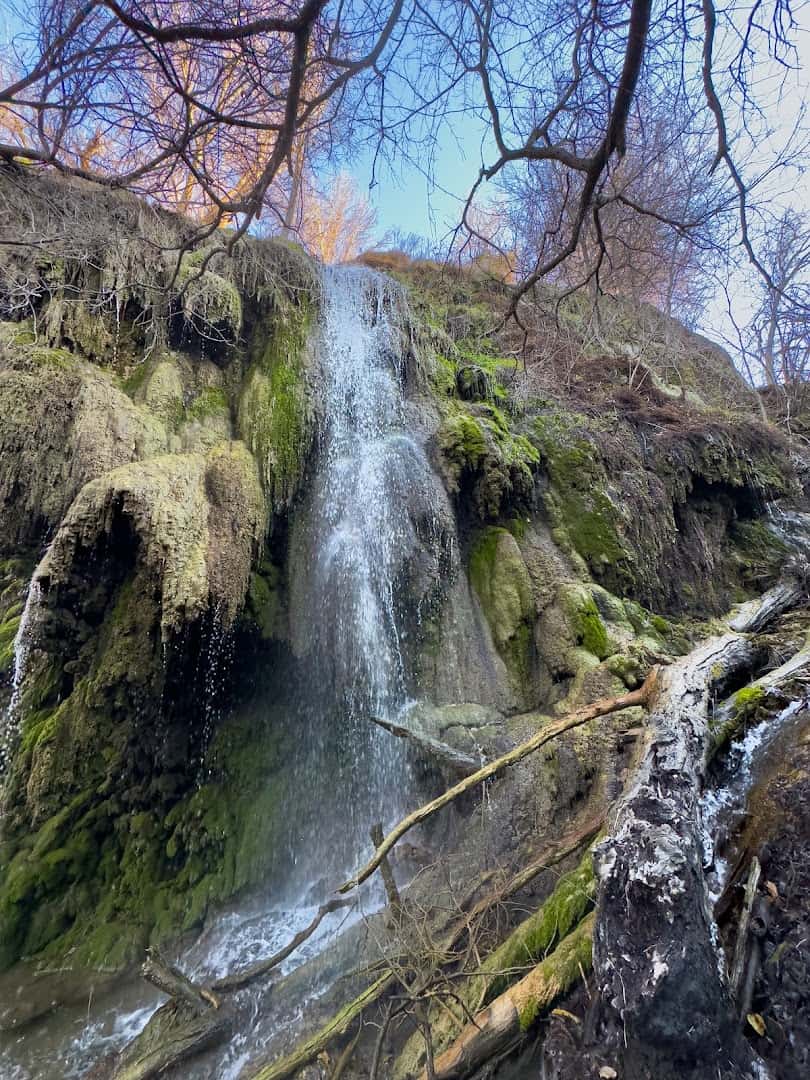
Most waterfalls wear their rock down over time. Gorman Falls does the opposite. Spring water carries dissolved minerals over the ledge, and as it drips, calcium carbonate builds up into soft, moss covered mounds that look almost alive.
That slow chemistry has made the falls roughly 70 feet tall and, over millions of years, about 60 feet thick. It is the only living travertine waterfall in the state, and the green, dripping wall of it feels closer to a rainforest than to central Texas.
You reach it on a 1.5 mile trail that ends with a steep, rocky descent guided by cable handrails. Come at the right hour and the light filters through the canopy and lands on all that wet green stone.
The park sits on a wild bend of the Colorado River, and the falls are only part of the draw. There are spring fed swimming spots, wild caves, and some of the darkest night skies in the region once the sun drops.
Take your time on the final stretch down. The falls themselves are for looking, not swimming, so the delicate formations stay intact for the next person who makes the walk.
Photographers love the early light here, when the sun slips through the canopy and every wet ledge glows. Give yourself extra time, because the climb back up rewards a slow pace as much as the falls themselves do.
Where: Colorado Bend State Park, 2236 Park Hill Dr, Bend, TX 76824. A ranger guided tour is the easiest way to see the falls up close, so check the park calendar before you go.
2. Hamilton Pool Preserve, Dripping Springs
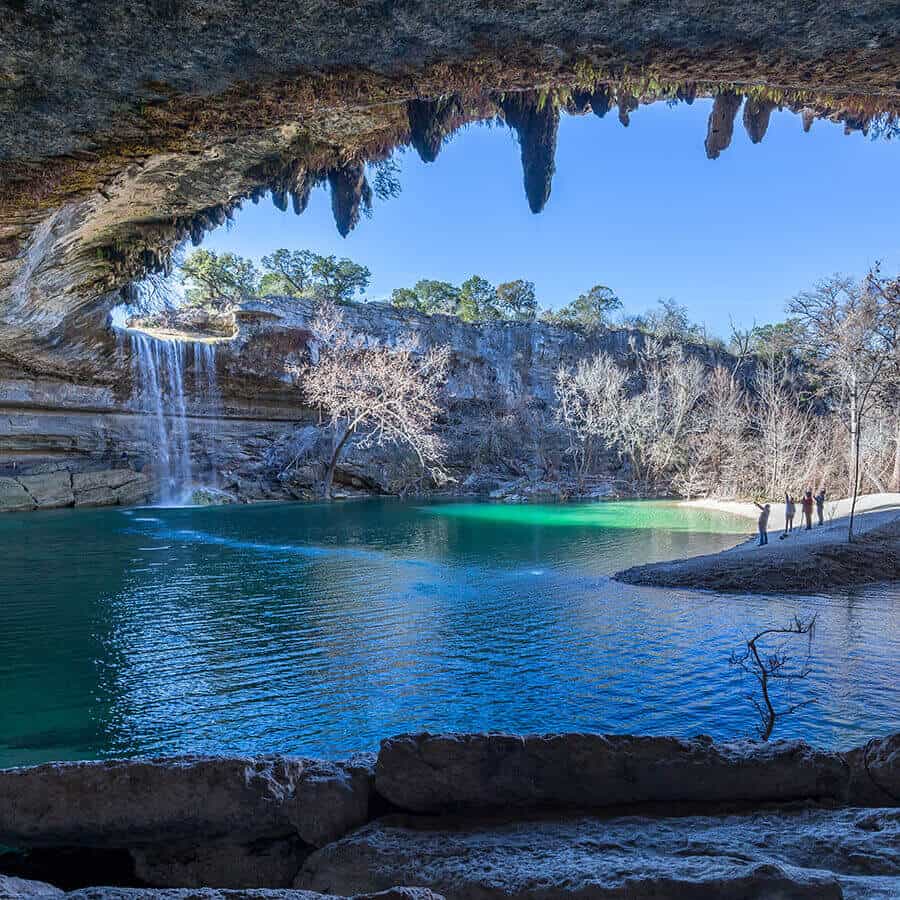
Thousands of years ago this was an underground river running through a limestone cave. Then the dome collapsed, and what it left behind is one of the most photographed swimming holes in Texas.
Hamilton Creek spills about 50 feet over the rim of a jade green grotto, into a pool tucked under a curved stone ceiling still hung with ferns and stalactites. Even in a dry summer the waterfall keeps a trickle going, and the pool level barely moves.
The whole place feels hushed the moment you step down into the canyon. Cool air pools at the bottom, the light turns soft and green, and the city you drove from feels a very long way off.
The preserve was protected by Travis County back in 1990, and it shows in how carefully it is run. A short trail leads down to the pool, and another follows the creek toward the Pedernales River if you want to keep walking.
This is the one spot on the list you cannot just show up to. Reservations are required every single day, booked online before you arrive, and swimming opens only when bacteria levels cooperate. Plan ahead and the reward is a swim in a collapsed cathedral.
Photographers flock here for good reason. The way light bounces off the water and up onto that curved stone ceiling turns the whole grotto a soft, glowing green that shifts hour by hour through the day.
Where: 24300 Hamilton Pool Rd, Dripping Springs, TX 78620. Book your entry slot through the Travis County Parks site before you drive out.
3. Krause Springs, Spicewood
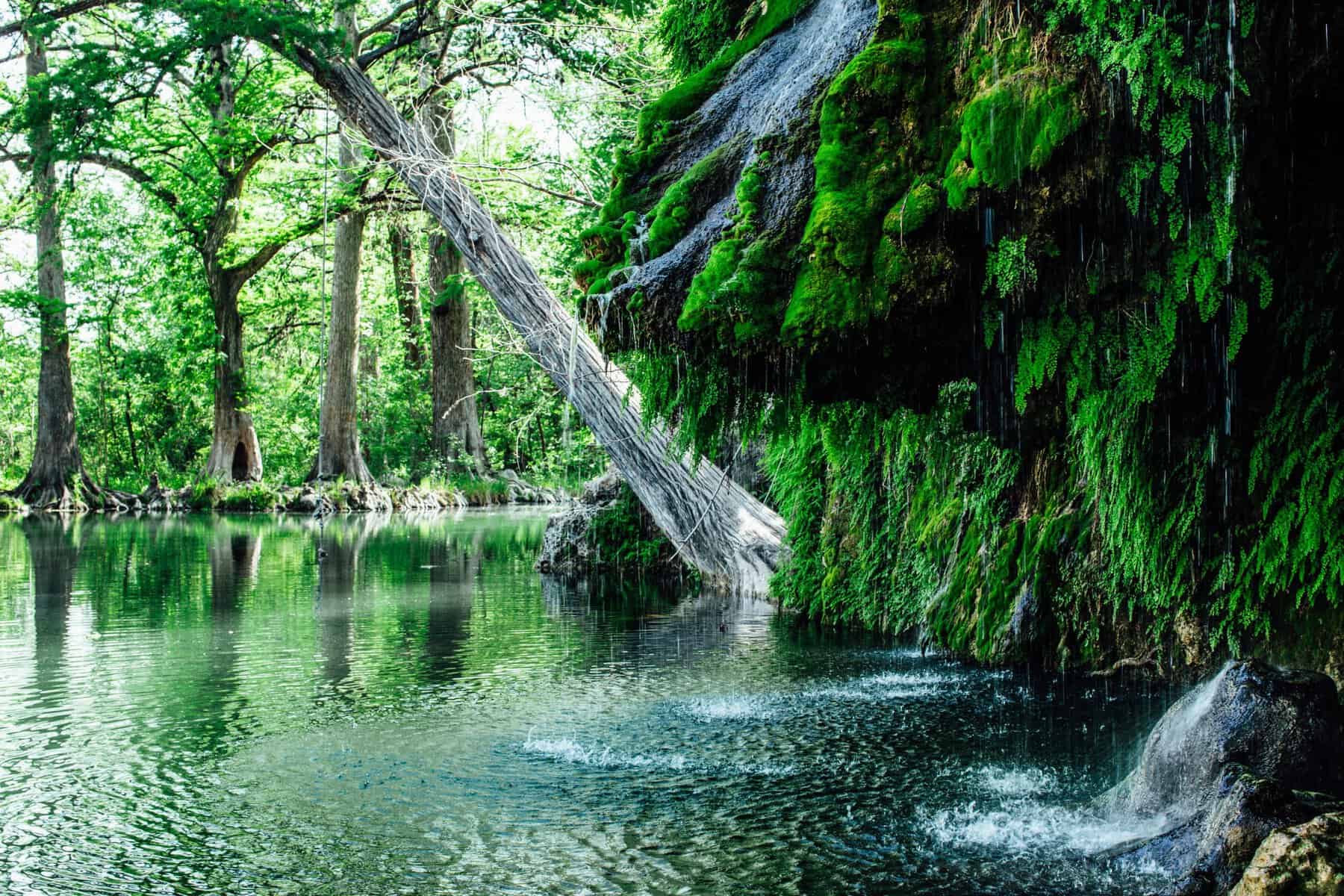
Some Texas swimming holes feel discovered. Krause Springs feels loved. The Krause family has run this 115 acre property since 1955, and it now sits on the National Register of Historic Places.
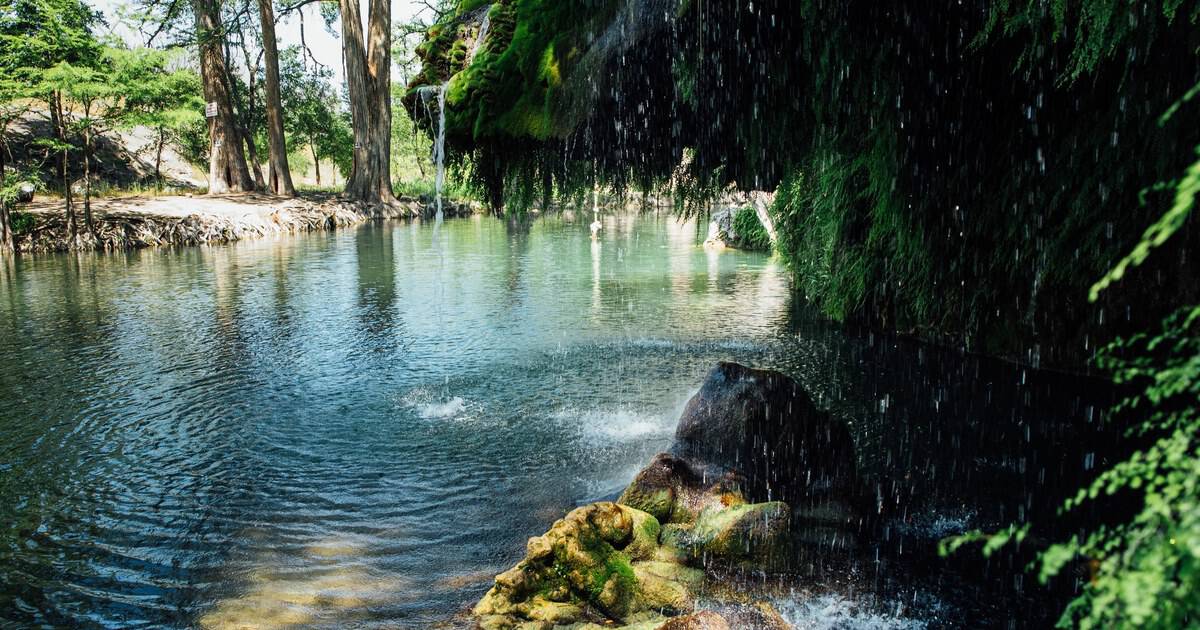
Thirty two natural springs feed the place. They fill a manmade pool up top, then spill down into a natural swimming area where a waterfall pours over the rocks and a small cave hides behind the curtain of water. You can actually swim in and duck behind it.
Start at the butterfly garden near the entrance, then follow the cool 68 degree water down toward the shade. There is tent and RV camping, stone masonry picnic pavilions built by hand, and a rope swing for anyone feeling brave.
On a hot afternoon the whole hillside hums with cicadas and dripping water. It is the kind of place families come back to summer after summer, and you understand why on the first jump in.
What makes it special is how little it has changed. The springs have flowed here for as long as anyone can remember, and the family has kept the grounds much the way they always were, all shady cypress, hand laid stone, and cold, clear water.
Bring water shoes for the rocky spots and a towel for the sun deck up top. Weekends fill early in summer, so an early arrival buys you a quiet hour before the swimming holes come alive with laughter.
Where: 424 County Road 404, Spicewood, TX 78669. Open daily from mid February through mid November, with a small admission fee.
4. McKinney Falls State Park, Austin
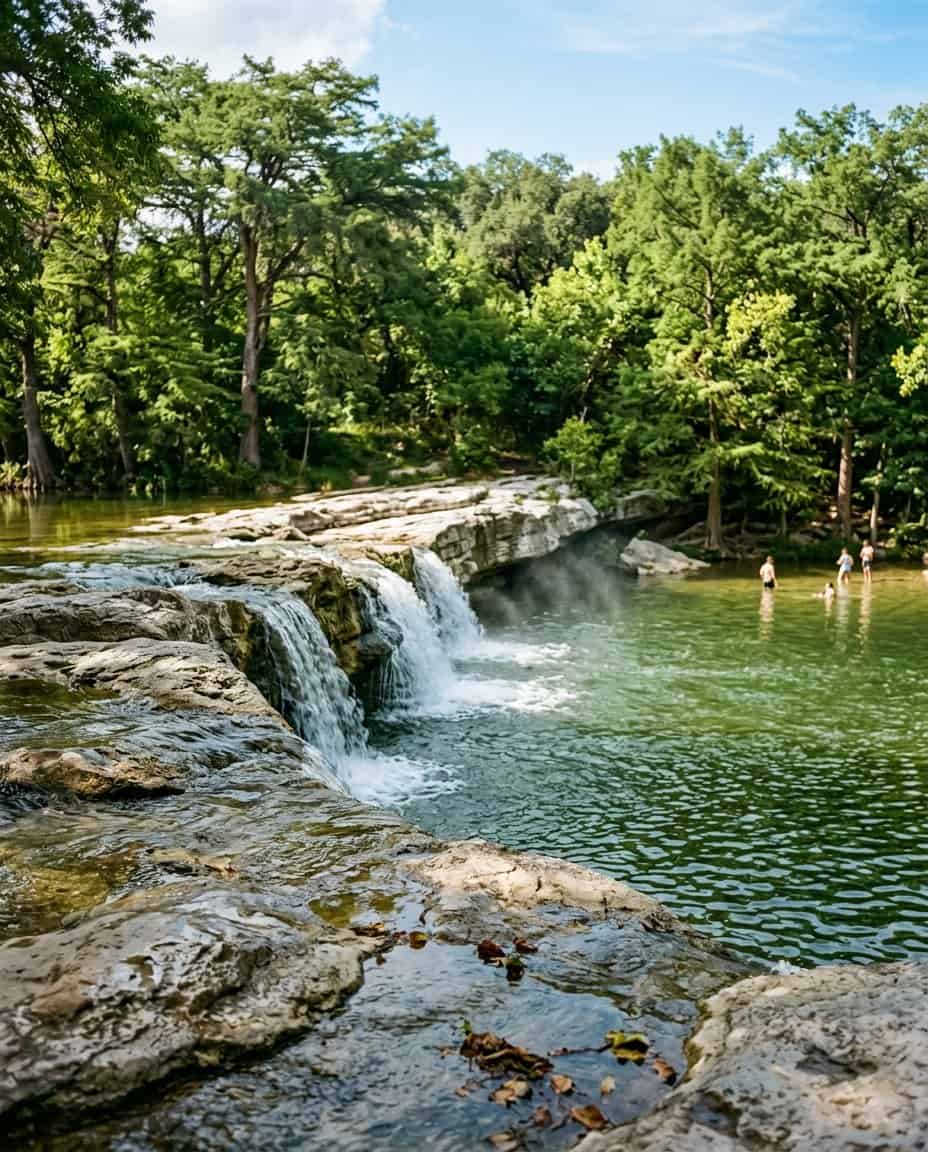
You do not have to leave the city for this one. McKinney Falls sits inside Austin’s own limits, where Onion Creek tumbles over broad limestone ledges into calm swimming holes shaded by giant bald cypress.
There are two falls to find. The Upper Falls is the scenic one, with deeper water for stronger swimmers, while the Lower Falls runs shallower and easier, a favorite for families with little ones splashing around.
Stretch the visit with the Homestead Trail, which passes the stone ruins of Thomas McKinney’s 1850s home and gristmill. You can still trace the old walls and picture the mill wheel turning on the creek.
McKinney was one of the earliest Anglo settlers in the area, and this stretch of Onion Creek was the center of his world. Standing among the ruins with the falls in earshot, the history stops feeling like a plaque and starts feeling real.
It is a rare combination, a genuine waterfall and a real slice of frontier history, all a short drive from downtown coffee shops and taco trucks.
Pack a picnic and plan to linger. The park has campsites, easy interpretive trails, and shady banks made for an afternoon, so it works just as well for a slow family day as for a quick morning swim.
Where: 5808 McKinney Falls Pkwy, Austin, TX 78744. Cross Onion Creek when water levels allow to reach the Homestead Trail on the far side.
5. Cattail Falls, Big Bend National Park
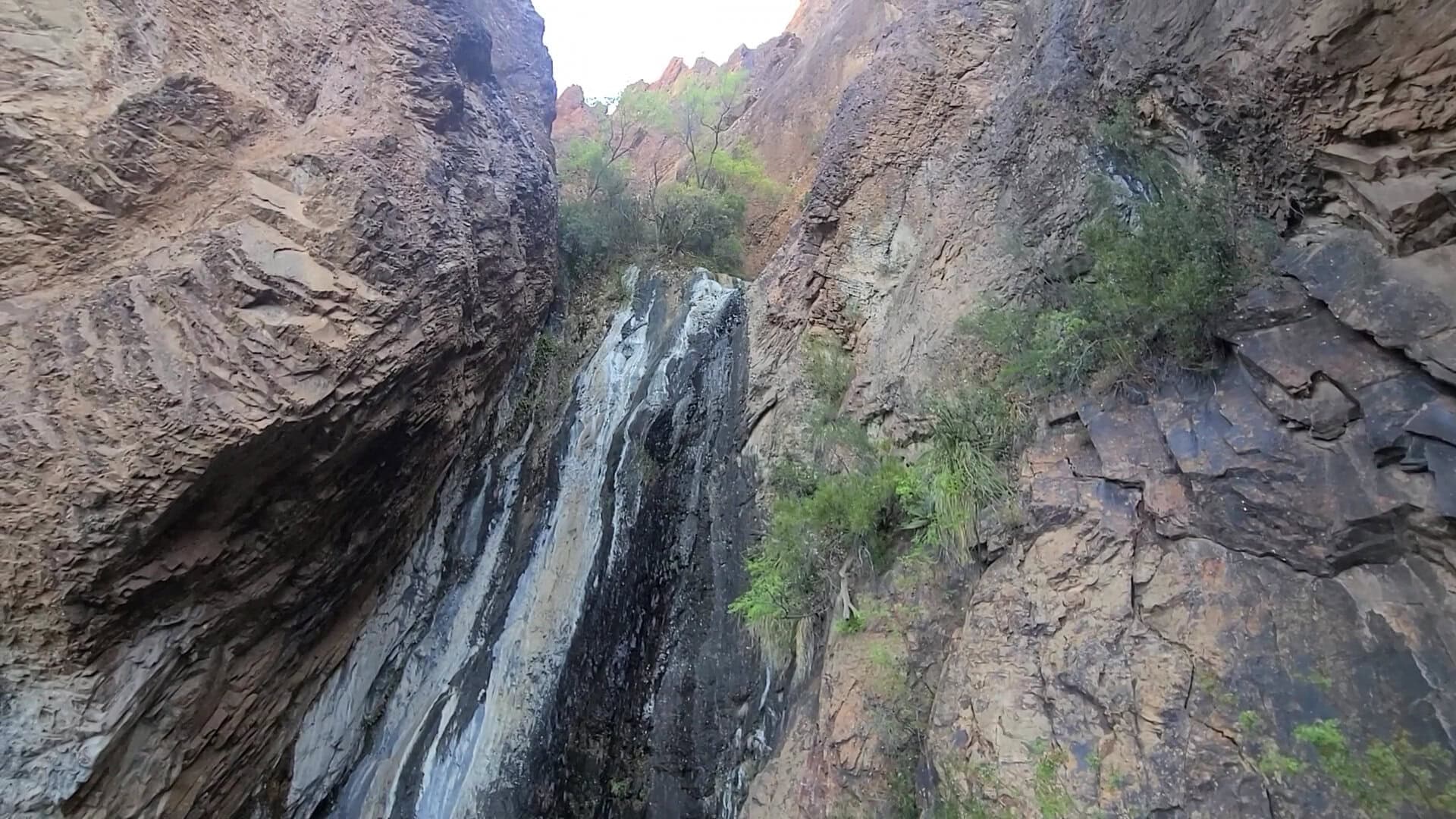
This is the one you have to want. Cattail Falls does not appear on the official park map, on purpose, because the spring above it supplies water to the Chisos Basin and the park works hard to protect it.
The reward for the roughly 1.5 mile walk is an 80 foot pour off spilling into a wooded canyon of green pools. It is a lush oasis dropped into the middle of the desert, and you will hardly believe you are still in the same park.
A year round spring keeps at least a ribbon of water falling over the ledge, even when the rest of the country is baking through a long, dry August afternoon.
The contrast is the magic here. You cross open, sun baked country, turn into a shady corridor of oak and cottonwood, and suddenly there is birdsong and the sound of water on stone.
Tread lightly out there. No swimming, no climbing on the falls, and pack out everything you carry in. This is fragile country, and keeping it beautiful is part of the deal you make by knowing about it.
Go early in the day and carry more water than you think you need. The desert sun climbs fast out here, and the shade of that hidden canyon feels twice as sweet once you have earned it under an open sky.
Where: Big Bend National Park. Park at the Oak Spring trailhead off Ross Maxwell Scenic Drive, then follow the gravel track and the marked path in.
6. Chalk Ridge Falls Park, Belton
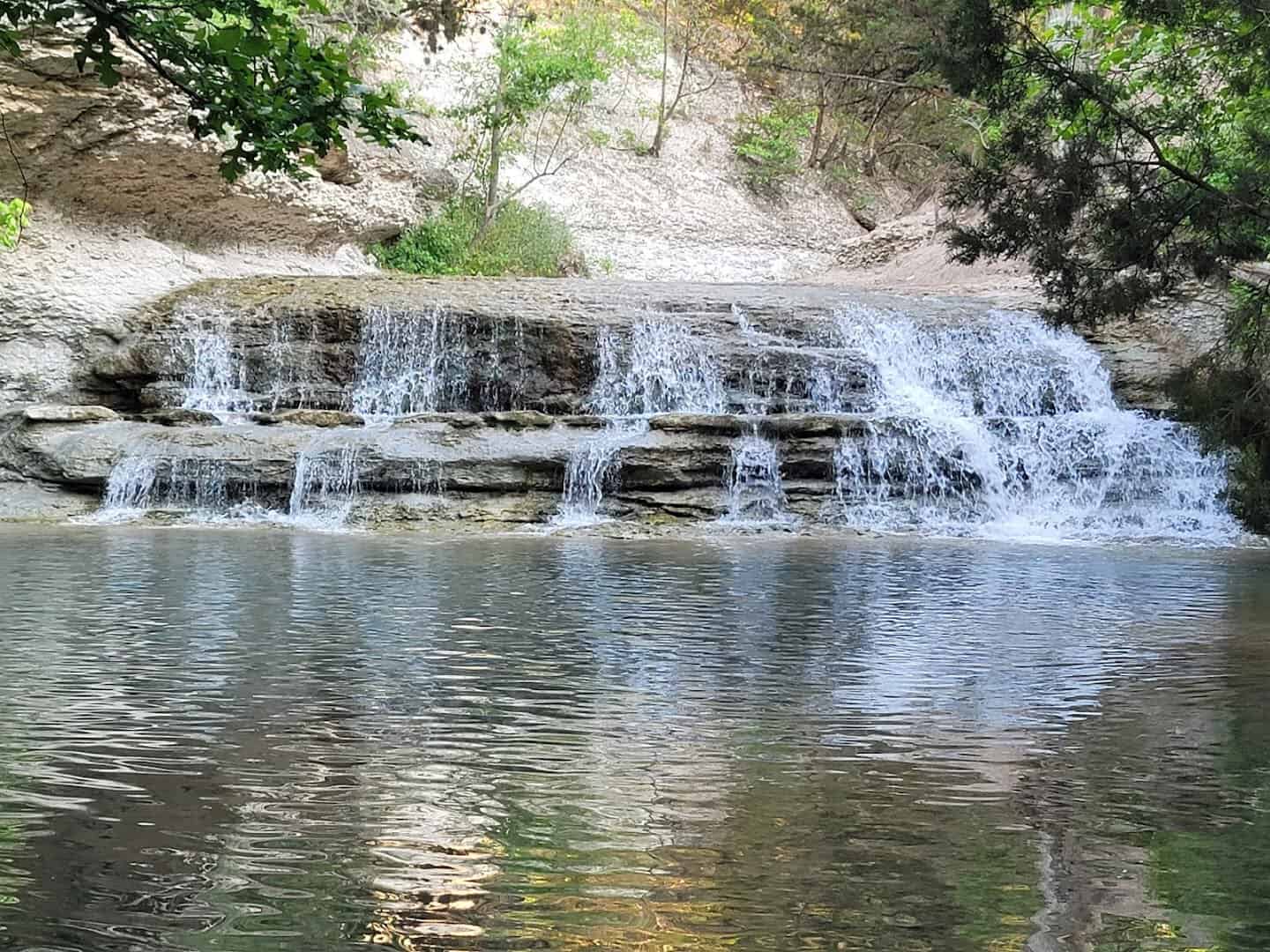
Just below the Stillhouse Hollow Dam, the Lampasas River drops through a shady 90 acre pocket of Bell County that feels far more remote than it actually is. Chalk Ridge Falls is the kind of easy win the whole family can share.
The waterfall sits about half a mile from the parking lot along a creekside trail that stays mostly shaded, winding past big trees and clear pools. The full path runs around 2.5 miles out and back if you want to keep exploring.
Bring a picnic and make an afternoon of it. The trail is gentle enough for young kids, and there are quiet spots along the water where you can sit and listen to the falls do their thing.
Because it sits so close to Interstate 35, it makes an easy detour on a road trip, yet the moment you step onto the trail the traffic disappears behind the trees and the birds.
Best of all, it costs nothing. The U.S. Army Corps of Engineers keeps the park free to enter, and leashed dogs are welcome to come along for the walk.
Keep an eye out for the swinging suspension bridge along the trail, a favorite with kids who love the gentle bounce over the water. It is a small thrill that turns an easy stroll into a proper little adventure.
Where: Chalk Ridge Falls Park, Belton, TX 76513, about 10 minutes from the Belton courthouse square and roughly an hour north of Austin.
Start Planning Your Texas Waterfall Run
So the next time somebody tells you Texas is all dust and highways, you will know better. From a living travertine wall to a collapsed grotto to a hidden desert oasis, the water is out there waiting for anyone willing to go look.
Pick one, check the hours and the water levels before you head out, and pack good shoes with grip. Then load up the car and go find out for yourself just how much falling water this big, dry, wonderful state has been hiding all along.
Featured image: @ Krause Springs

Stella Raines
Editor-in-Chief
Stella brings over a decade of storytelling experience to TX Headlines. With roots in West Texas and a love for road trips, she leads the editorial team with an eye for the hidden stories that make Texas unforgettable.
More Stories
This North Texas Bluebonnet Trail Winds 40 Miles Through Wildflower Country Each Spring
This Short Texas Trail Delivers Jaw-Dropping Canyon Scenery for Barely Any Effort
This Easygoing 2.7-Mile Texas Trail Ends at a Secret Waterfall and Hills Full of Wildflowers