This Easygoing 2.7-Mile Texas Trail Ends at a Secret Waterfall and Hills Full of Wildflowers
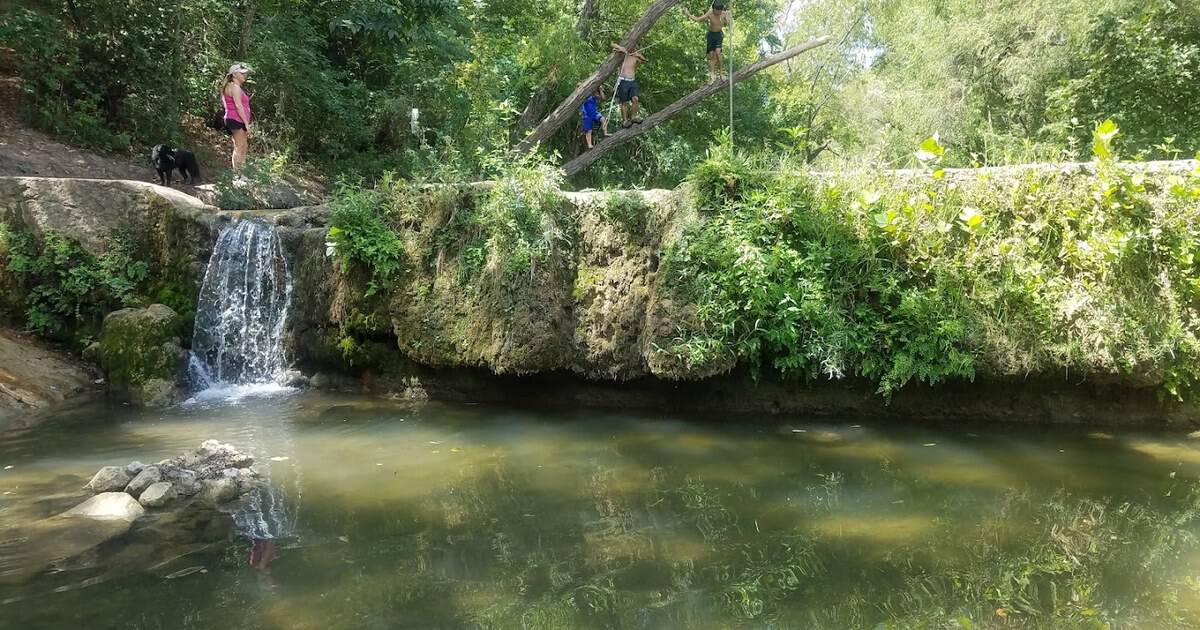
There is a certain kind of trail I will drop everything for. It is the one that hides a waterfall at the end and does not make you earn it with six brutal miles first.
I love a big backcountry slog as much as anyone. But some Saturdays you just want the payoff without the punishment, a short walk that still feels like a real escape.
That is exactly what you get at St. Edward’s Park, a quiet 80-acre pocket of Bull Creek tucked into northwest Austin. It hides a canyon, a creek, and a little falls almost nobody outside the neighborhood knows about.
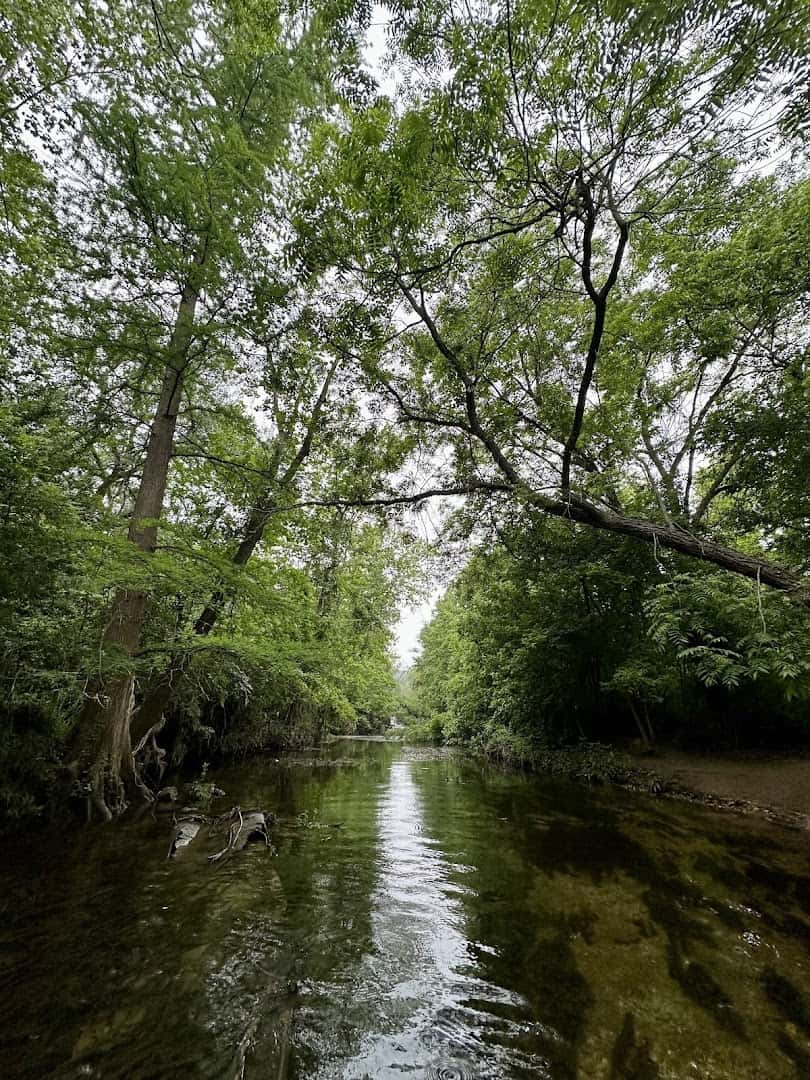
The whole place has a kind of cool green hush: water sliding over limestone, juniper after rain, birdsong in the shade. It sits close enough to the city that you can be back home before lunch.
Below, I will walk you through the 2.7-mile loop that ends at the falls, the wildflower hills you pass on the way, the bluffs worth the extra climb, and everything you need to actually go.
A Creek That Hides in Plain Sight
You would never guess this canyon is here. One minute you are on a curvy two-lane road west of Loop 360, and the next you are dropping down toward a clear creek running over shelves of pale limestone.
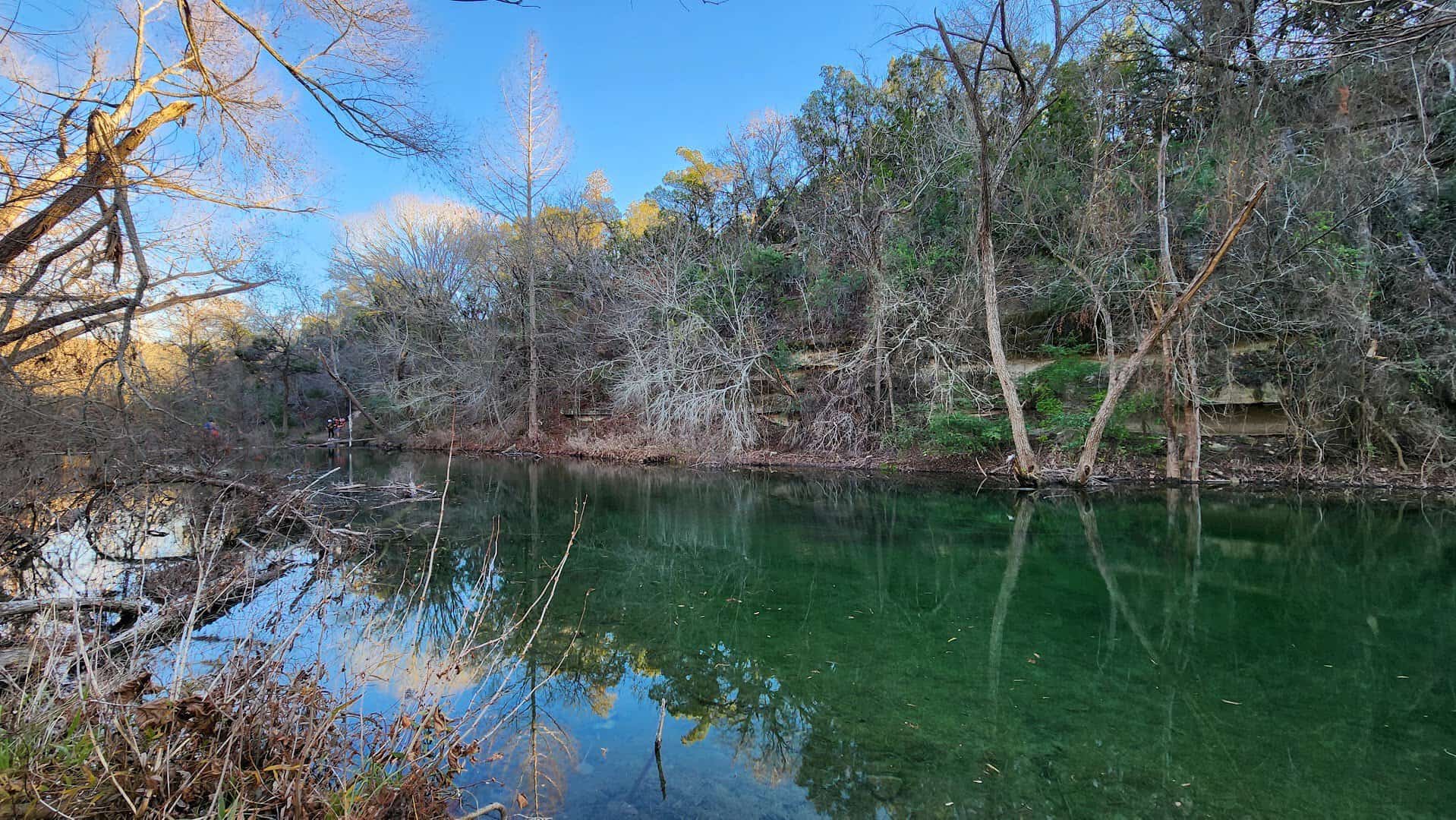
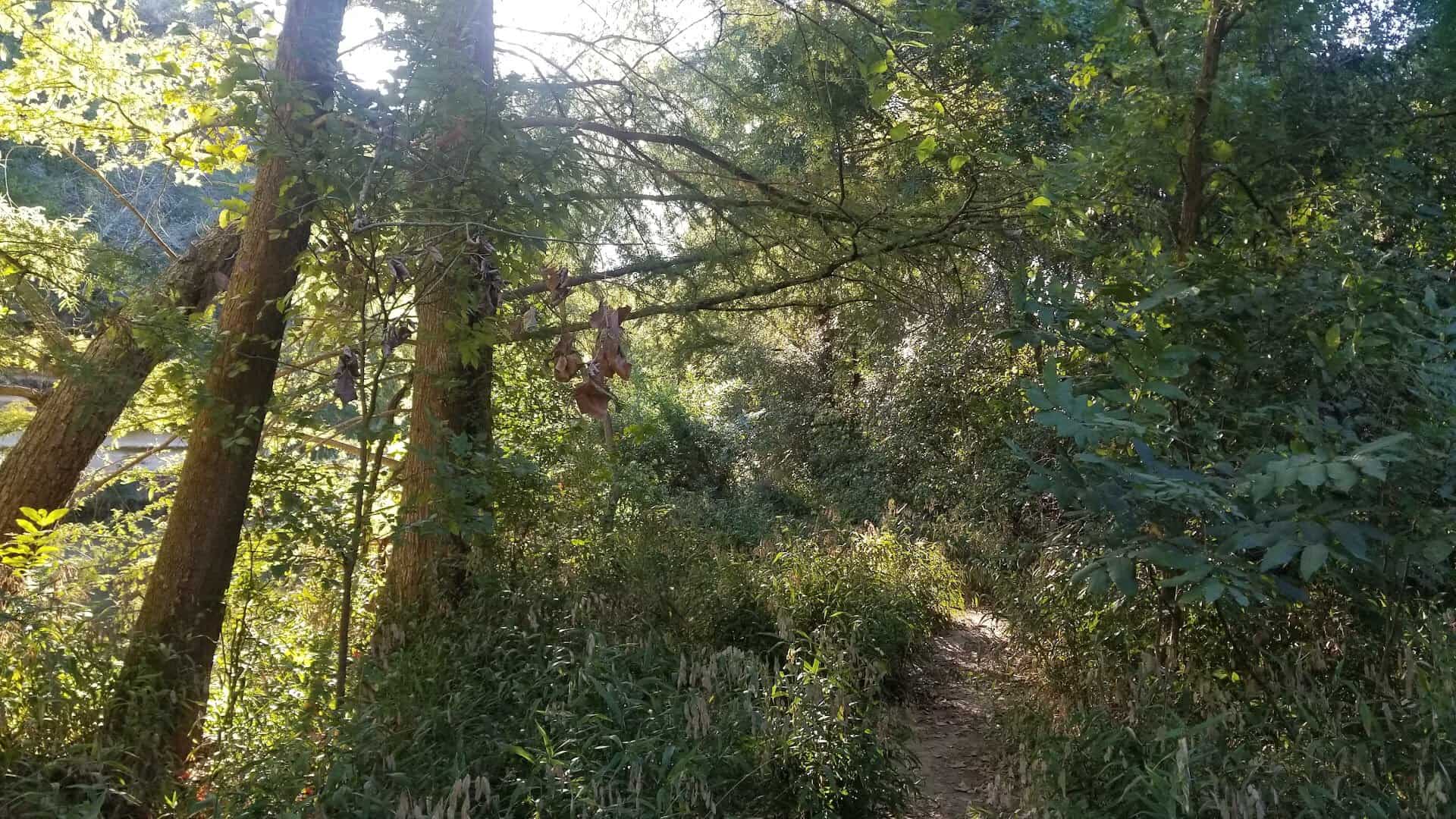
Bull Creek is the star. It carves through the park in slow bends, pooling into swimming holes in some spots and thinning into shallow riffles in others. Oak and juniper lean over the water and keep most of the trail in shade.
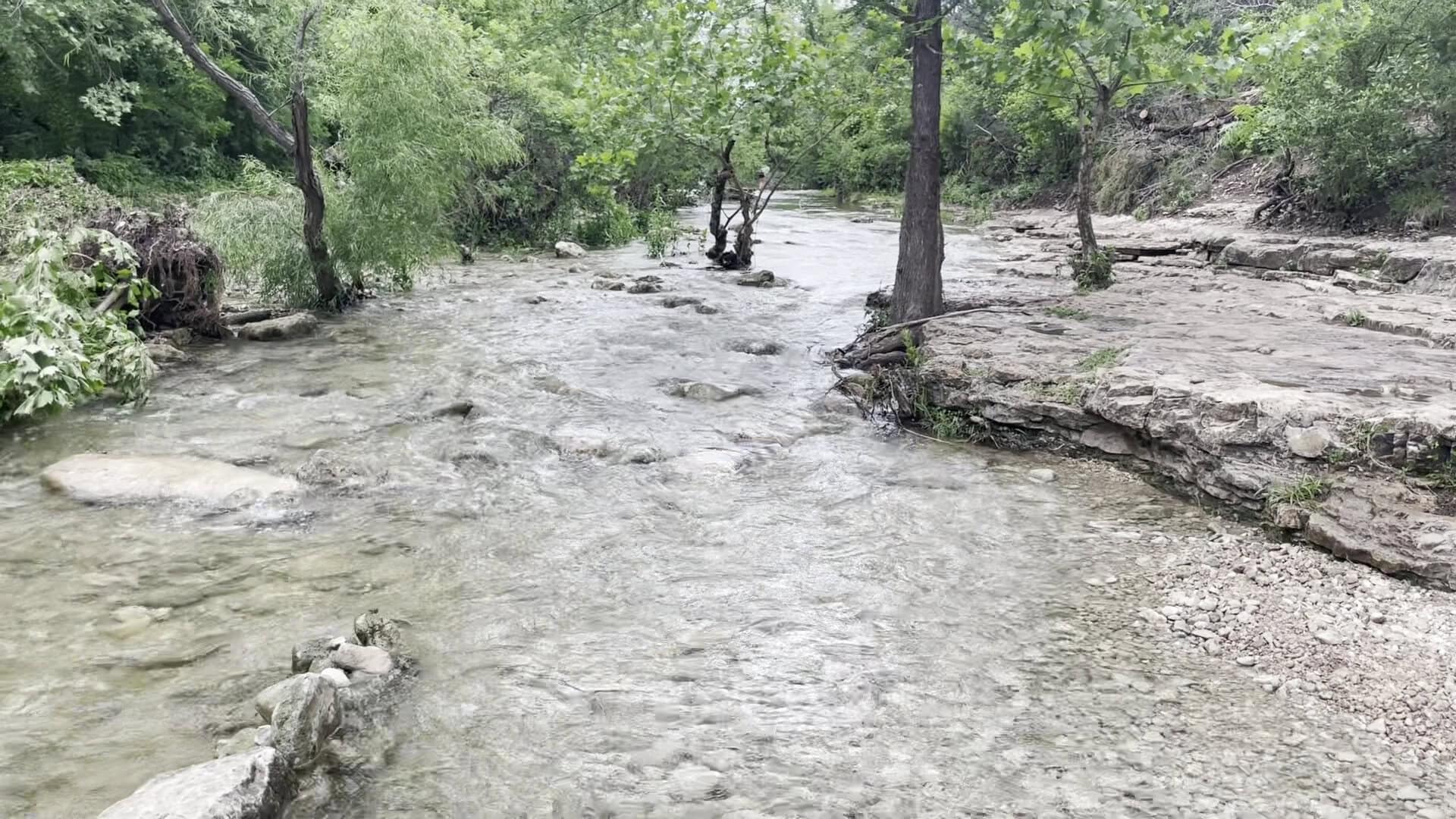
That shade matters more than you think come July. Central Texas summers do not play around, and a creek corridor with a real tree canopy is worth its weight in sunscreen.
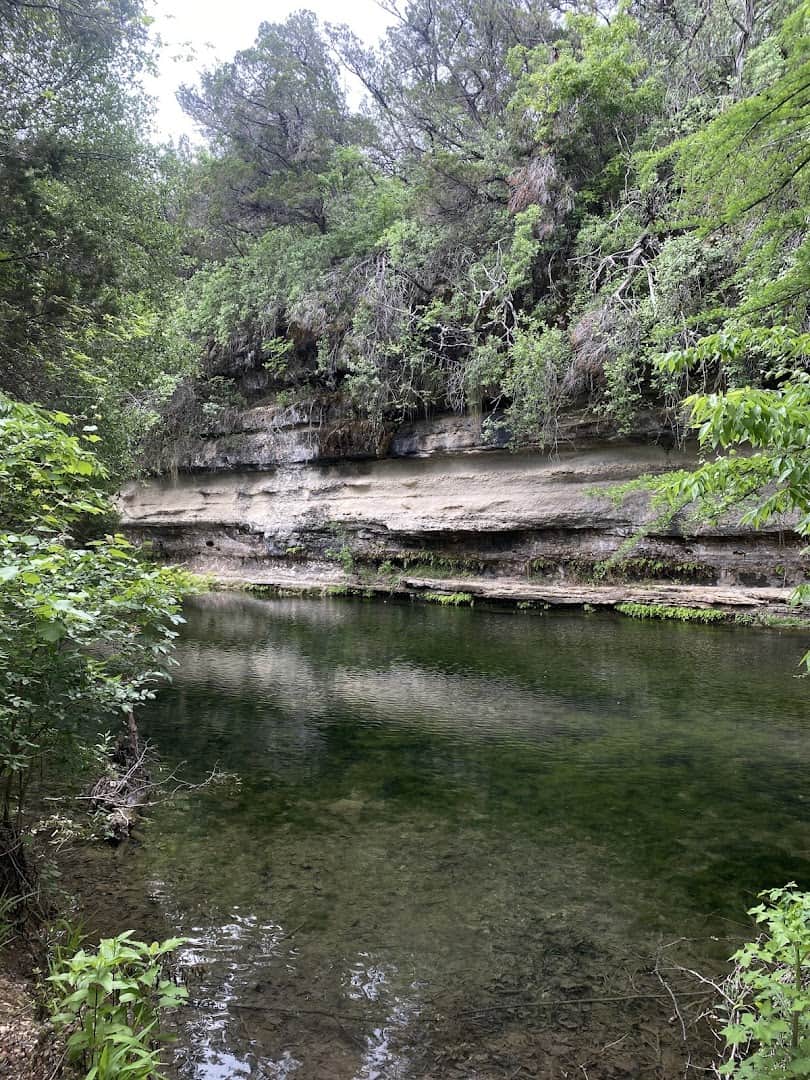
The rock does something wonderful here. Water spills over natural ledges and a low old dam, so even in a dry spell you get little ribbons and curtains of it. After a good spring rain, those trickles turn into a genuine, roaring show.
Turtles sun themselves on half-submerged logs. Herons stalk the shallows. It is one of the healthiest little wetlands in all of Austin, and standing beside it you would swear you were an hour out of town instead of ten minutes.
The Trail You Came For
The route that has people talking is the color-coded Green and Red Loop, and it clocks in right around 2.7 miles. Think gentle rollers, not switchbacks.
You climb about 150 feet across the whole thing, and it is spread out so evenly it barely registers. The trails are marked with colored blazes, so you always know which fork you are on.
Green and Red together make the full loop. The Creek Trail runs about two miles as an out-and-back if you want it shorter and flatter, and there are yellow and blue routes too. All told, the park packs 3.59 miles of trail into its little canyon.
This is a beginner’s trail in the best sense. Families do it with little kids. Dog owners do it with leashed pups. Trail runners use it as a lunch-break lap. Nobody needs poles, boots, or a topo map to enjoy the afternoon.
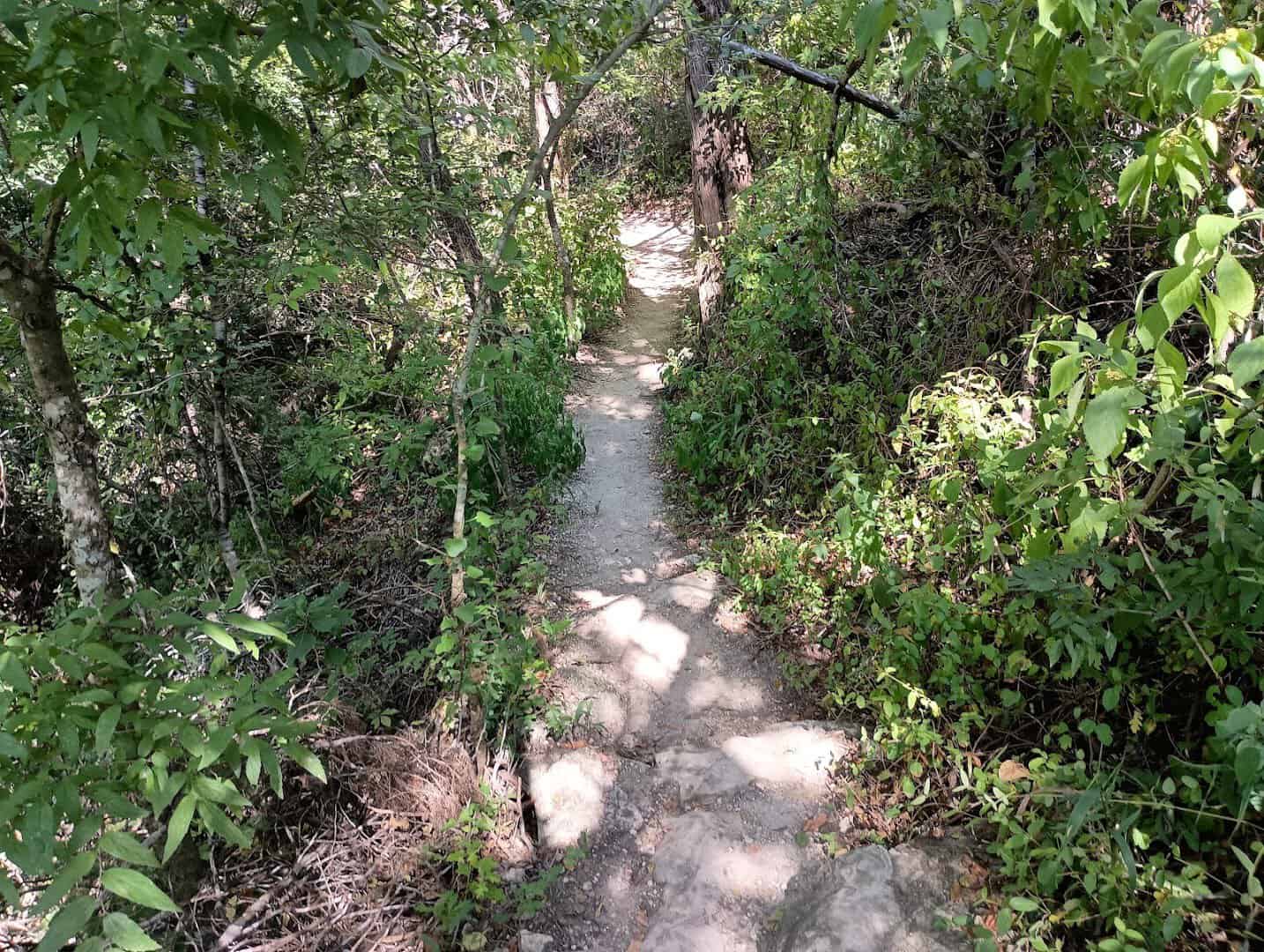
What makes it feel bigger than its mileage is the variety. In under three miles you move from shaded creek bottom to open meadow to a limestone ridge with a view, then back down to the water. Every quarter mile looks like a different park.
Following the Water to the Falls
Keep to the left along the creek and the trail delivers on its promise. The path parallels Bull Creek upstream, close enough that you hear it the whole way.
Eventually it opens onto the little waterfall that everyone comes to find. It is not a hundred-foot cascade, and it does not need to be.
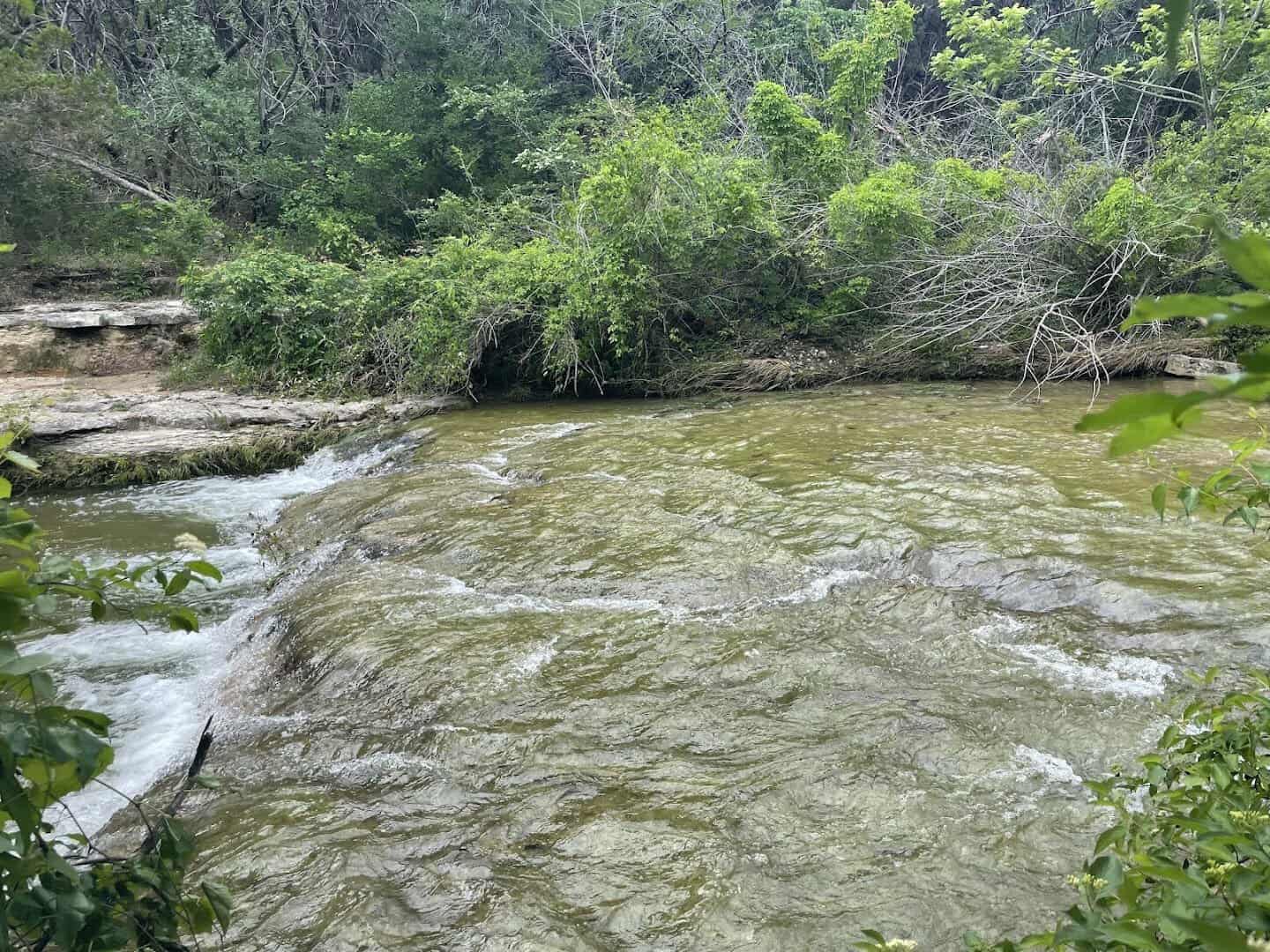
Water pours over the old dam and the limestone lip into a wide, calm pool below. It is the kind of scene that makes you sit down on a warm rock and lose track of an hour.
There is a rope swing right beside it, strung from a leaning tree, and on a hot day you will find happy people using it. The pool is a beloved swimming hole, shady and clear, fed straight from the creek.
Come after a March or April rain and the falls are at their most dramatic. Go in the still heat of late summer and you get a gentler trickle and a quiet pool almost to yourself. Both are worth the walk.
The nicest part is how little effort it takes to reach. Plenty of Texas waterfalls demand a long drive and a steep climb. This one sits at the end of a gentle stroll, which makes it a favorite for anyone hiking with kids or short on time.
Wildflowers on the Hills
Time your visit for spring and the second half of the promise blooms right in front of you. From roughly February through April, the park’s open meadows and sunny slopes fill in with color.
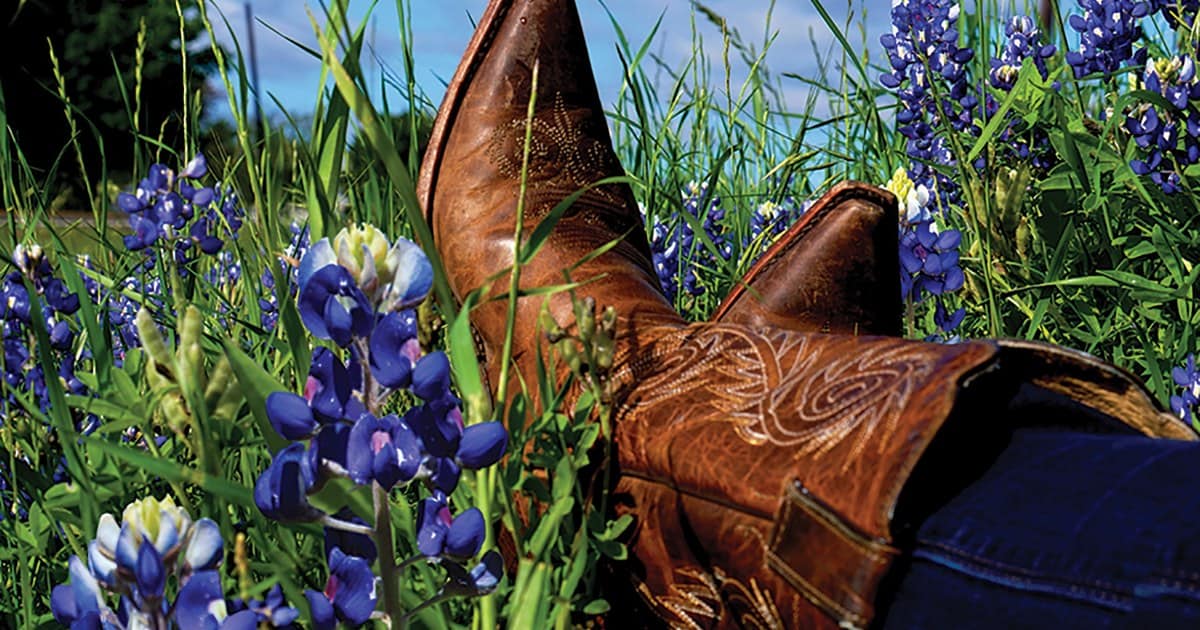
You get bluebonnets in loose sheets, orange spikes of Indian paintbrush, and yellow composites scattered through the prairie grass. One writer compared the spring meadows here to something out of a Monet painting, and on a good year that is not much of an exaggeration.
The exposed stretches away from the creek are where the flowers really put on their show. They mix in with prairie grass and the occasional prickly pear, a reminder that you are standing on Hill Country limestone.
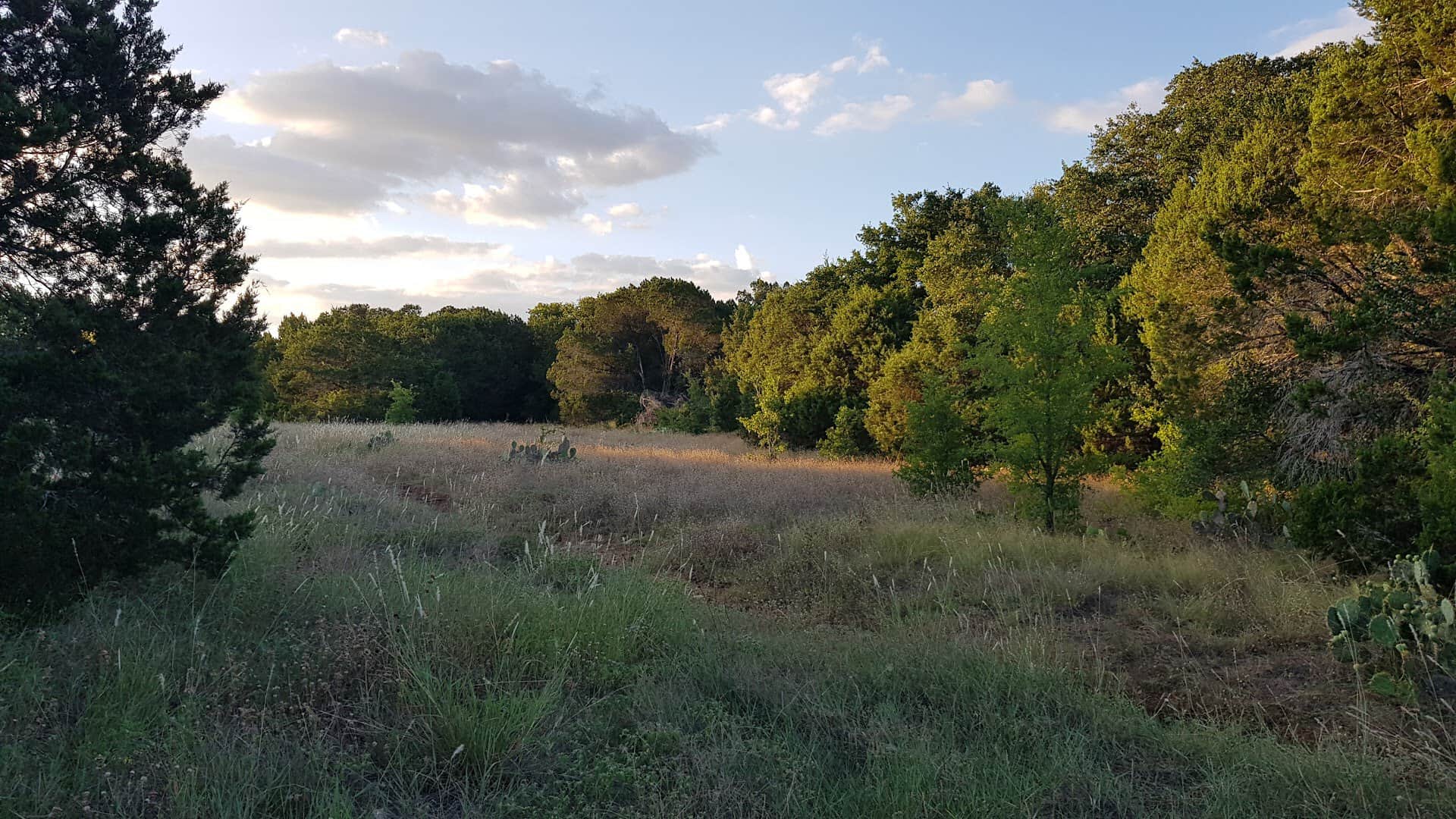
It is a lovely reason to slow down and let the trail runners pass. Bring a camera, because bluebonnet season in this canyon is short and photogenic.
Did you know spring is also when the water runs highest here? Winter and spring rains feed the creek, so the same season that lights up the wildflowers also gives you the fullest waterfall. You genuinely get both at once.
Up on the Bluffs
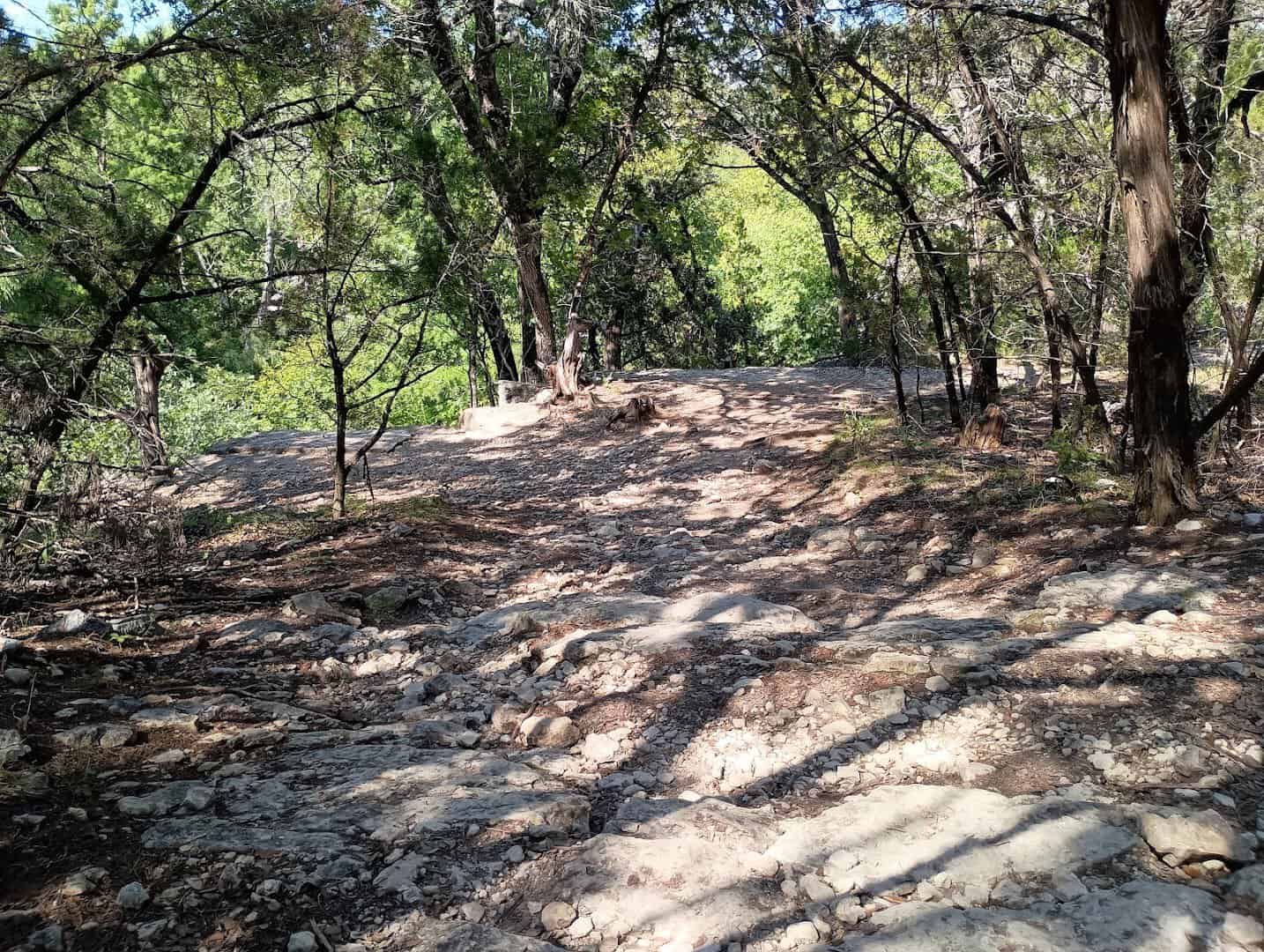
If your legs want a little more, the Hill Trail climbs the limestone bluffs on the far side of the creek. This is the one moderately challenging stretch in the park, a short scramble up the rock rather than a long grind.
The reward at the top is a wide look down the Bull Creek valley: the water threading below, the swimming holes glinting, the tree canopy rolling out toward the hills. It is a proper overlook, the kind you do not expect to find inside city limits.
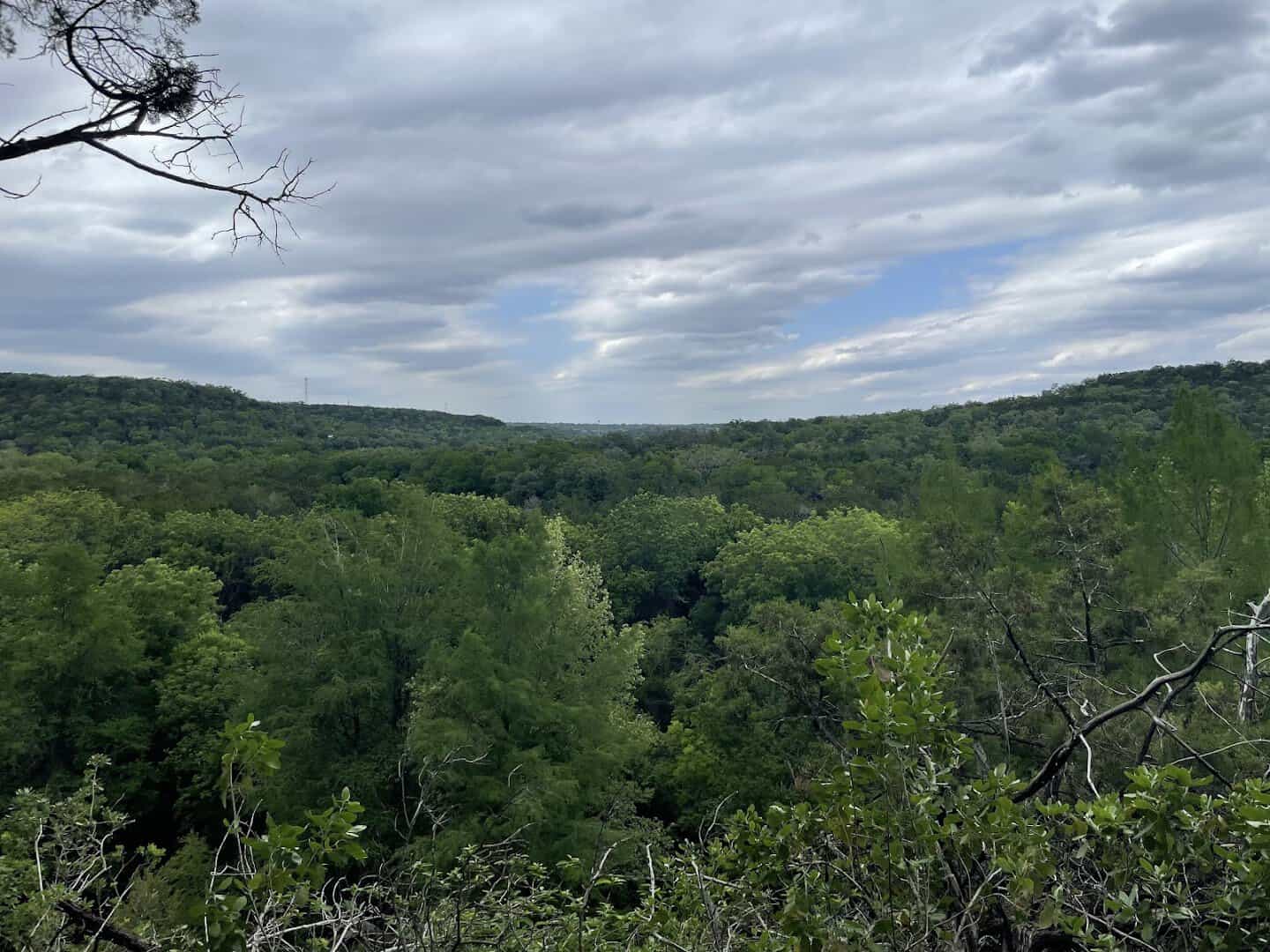
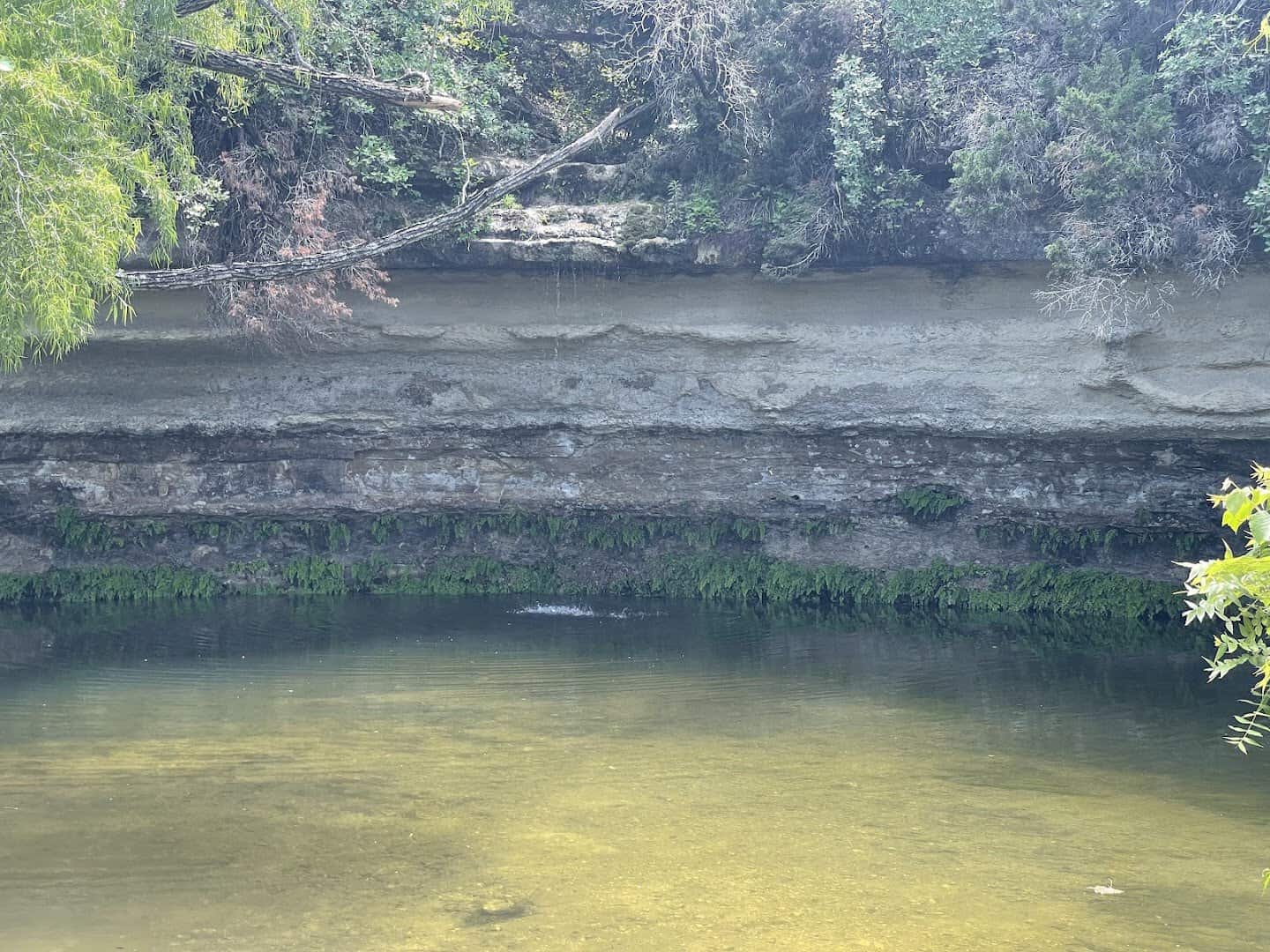
Across the creek those high bluffs frame the whole valley. From up there you finally see how the park fits together, and how the quiet stretches of Bull Creek show off their sheer rock faces, cool and clear even in the middle of town.
Who Else Loves This Canyon
You are in good company out here, and not just with other hikers. The land south of the creek belongs to the Balcones Canyonland Preserve, a protected patch set aside for rare Hill Country songbirds.
That means the birding can be excellent, especially in spring when migrants move through the oaks and junipers. Bring a pair of binoculars along and you might happily trade the waterfall for a whole morning of quiet listening.
The park is also a gentle mountain biking spot. It is not a bombing-hills destination, but the flat lower trails suit beginners while the rockier ridge sections give stronger riders something to chew on.
Anglers and waders share the creek with the turtles and herons, too. On a warm afternoon the pools fill with families splashing, dogs shaking off, and the occasional kid working up the nerve for the rope swing.
How the Valley Became a Park
People have loved this stretch of Bull Creek for a very long time. The Upper Bull Creek Valley was settled back in the 1850s by a mix of southern American, German, and Irish families who farmed the bottomland.
Among the longest to stay were the Boatrights. A low dam on the creek, the one your waterfall spills over today, was built by Lee Boatright and his family in 1974, creating that picturesque pool that fish and wildlife still gather in.
Part of the land eventually passed to St. Edward’s University, which is how the park got its name. The City of Austin bought 80 acres from the university in 1986, then added ten more acres just north the following year.
The story is still being written. In 2021 the city picked up another parcel near Spicewood Springs Road. The plan is to link St. Edward’s to nearby Bull Creek District Park into one long green corridor, the way the Barton Creek Greenbelt stitches its own trails together.
Before You Lace Up
A few honest pointers will make your visit smoother. The biggest one is parking. There is a small lot that holds around 15 cars and a shoulder pull-off near a white mailbox with room for only a handful more.
Pro tip: come early, especially on a spring weekend. The lots fill fast, and getting there before mid-morning means an easy spot and a quieter trail. It is also cooler for you and your dog.
There are no restrooms and no water fountains on-site, so bring your own bottle and go before you arrive. Leashed dogs are welcome, and families with young hikers do great here, but pack out whatever you pack in.
One thing to know: the land north of Bull Creek is the City of Austin park, while the south side falls under the preserve, which has stricter rules about staying on marked trails. When in doubt, follow the blazes and keep to the path.
How to Get There
Where: St. Edward’s Park, 7301 Spicewood Springs Road, Austin, TX 78759. The park sits along Spicewood Springs Road west of Loop 360, and it is open daily from 5 a.m. to 10 p.m. There is no entry fee.
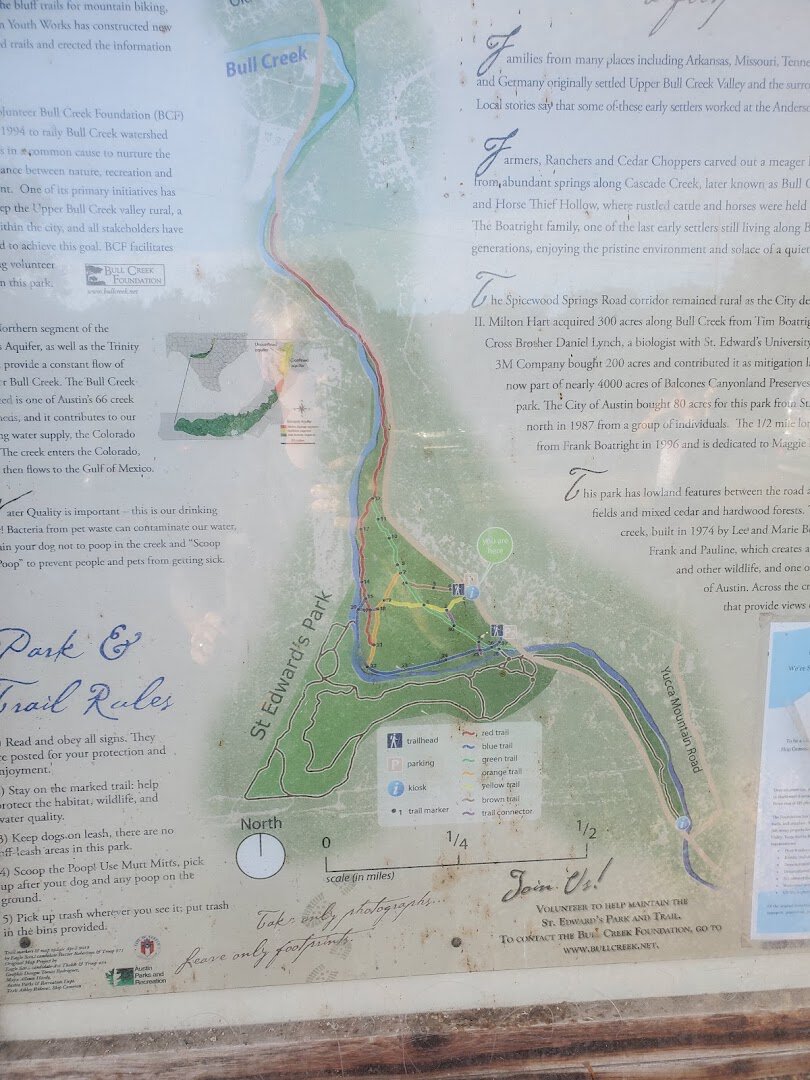
From central Austin, take Loop 360 to Spicewood Springs Road and follow the curvy two-lane west until you spot the small parking areas on your left. If the main lot is full, the shoulder pull-off is just a little farther along.
Point the Car Toward Bull Creek
Some of the best days out do not ask much of you. Fill a water bottle, clip on the leash, and give yourself a slow morning on this little loop.
You will come back with muddy shoes and a grin. Whether you go for the waterfall, the wildflowers, the bluff view, or just an easy walk by the water, this is a place that keeps giving back more than it asks.
It reminds you how much wild beauty hides right at the edge of the city, ten minutes from the traffic. Pack a snack, pick a warm rock by the pool, and stay a while. Bull Creek is waiting.
Featured image: Leah Baize via St. Edward’s Park

Stella Raines
Editor-in-Chief
Stella brings over a decade of storytelling experience to TX Headlines. With roots in West Texas and a love for road trips, she leads the editorial team with an eye for the hidden stories that make Texas unforgettable.
More Stories
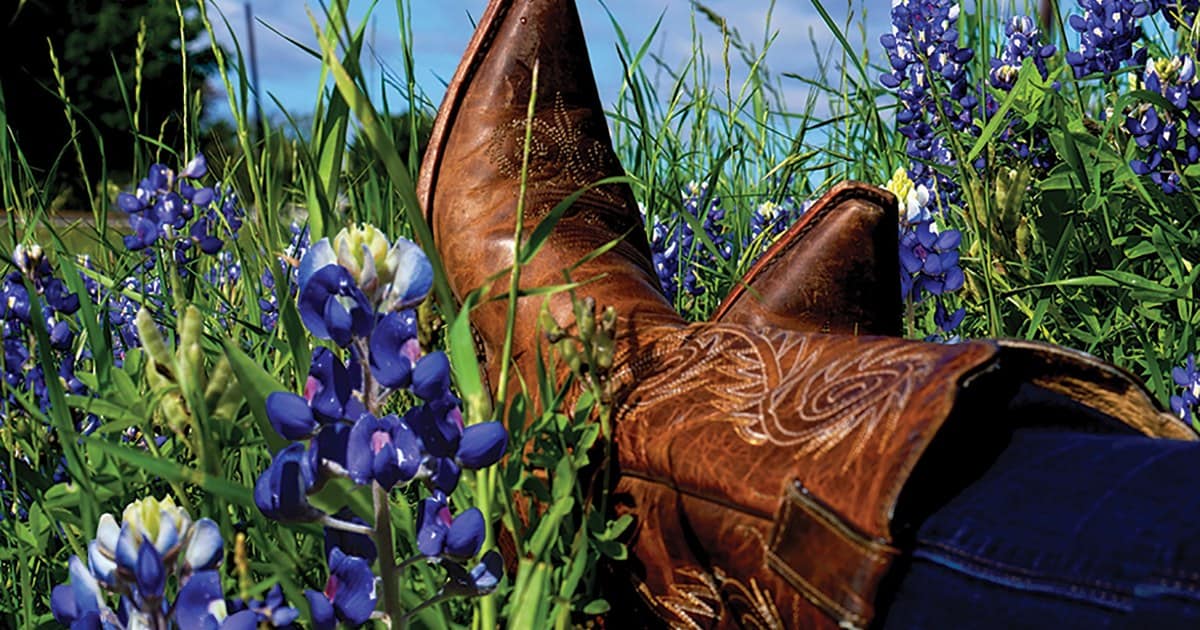
This North Texas Bluebonnet Trail Winds 40 Miles Through Wildflower Country Each Spring
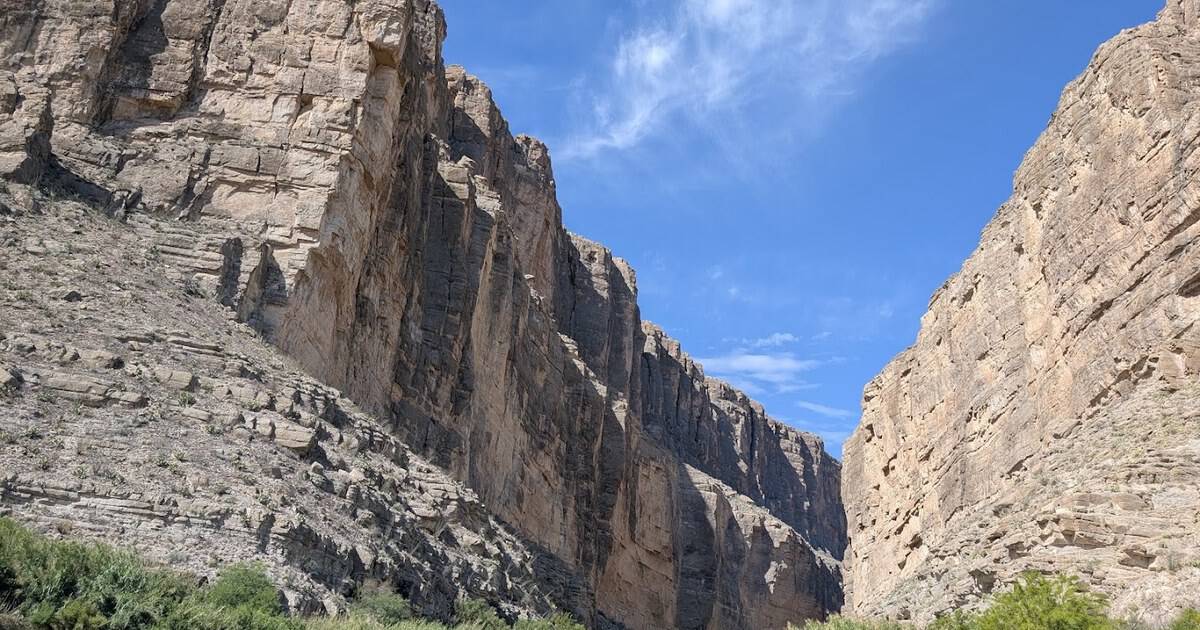
This Short Texas Trail Delivers Jaw-Dropping Canyon Scenery for Barely Any Effort
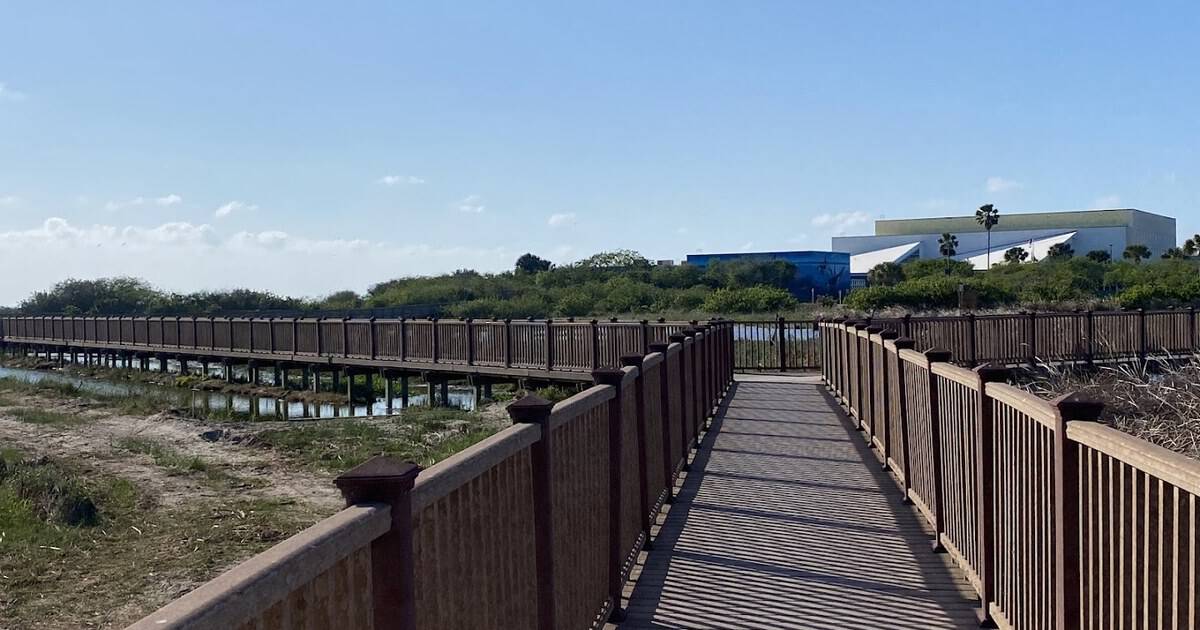
This Free Texas Coastal Boardwalk Is Priceless for Birdwatchers
This Small Texas Town Is the Official Bluebonnet City, and Spring Turns It Blue
Tags