This Free Texas Coastal Boardwalk Is Priceless for Birdwatchers
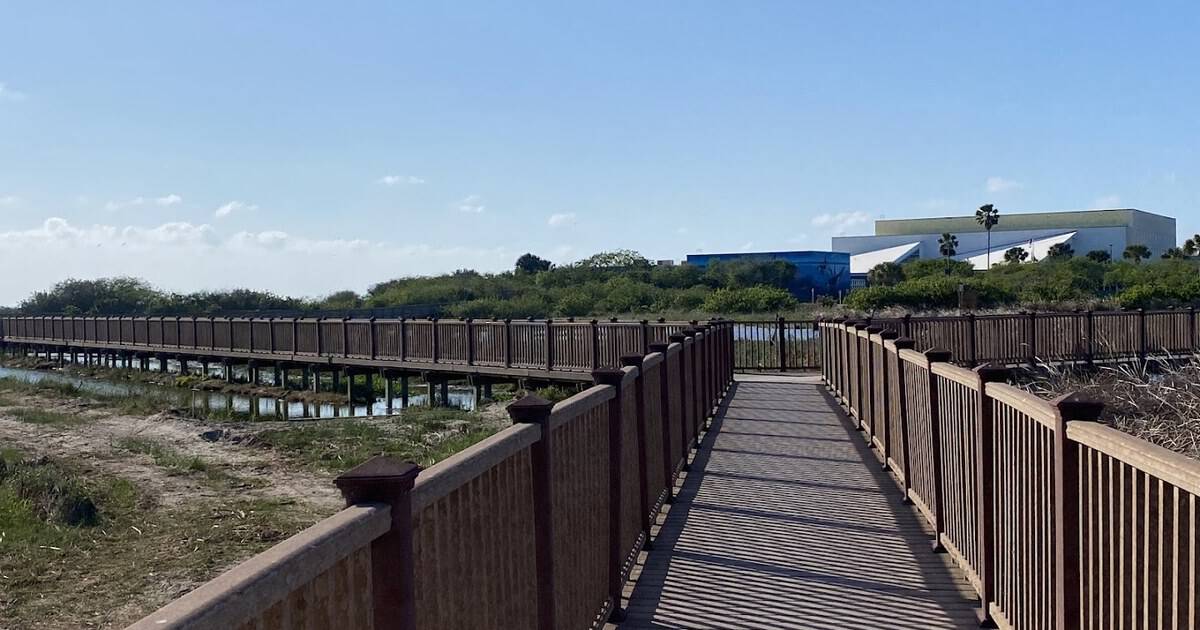
I have a rule about the Texas coast. The moment that ends up sticking with you is almost never the one you paid the most for.
Nobody warns you that the best part of a South Padre Island trip might cost you exactly nothing.
You save for the beach house, the boat charter, the baskets of fried shrimp. Then the moment that sticks turns out to be a slow walk over a marsh at first light, watching a pink bird stalk the shallows while your whole vacation budget sits untouched in your pocket.
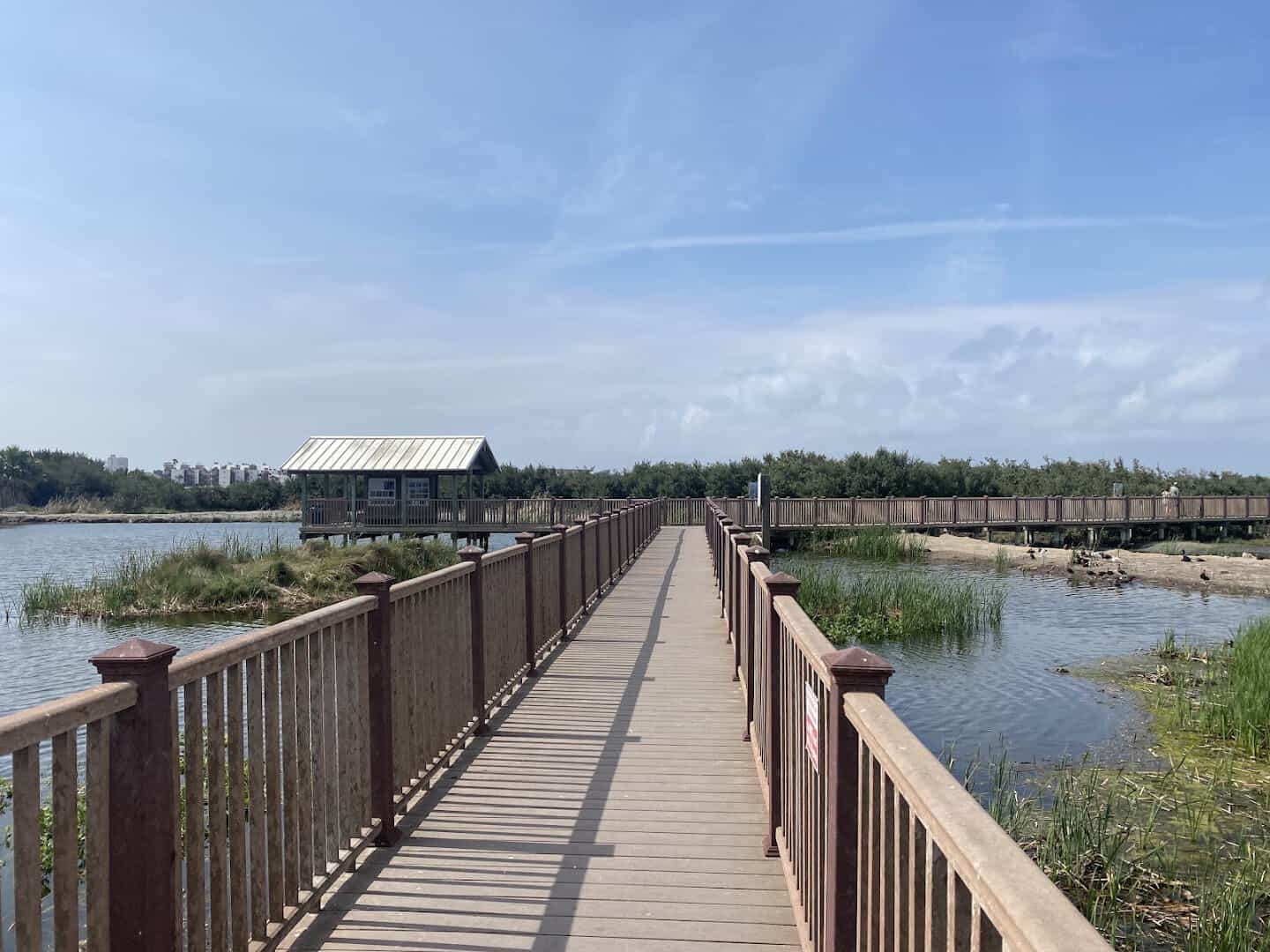
That walk happens on the salt-marsh hush of the Laguna Madre Nature Trail, a free boardwalk that slips off the bay side of South Padre Island and out over the wetlands. No ticket booth. No wristband. No closing time.
Just a wooden path, a scatter of benches, and one of the richest bird stages in the Western Hemisphere laid out in front of you.
Below, I’ll show you what you’ll see out there, why this stretch of water is a genuine natural wonder, the bigger paid center next door if you want to go deeper, and how to plan a visit that stays free.
A Boardwalk That Asks for Nothing
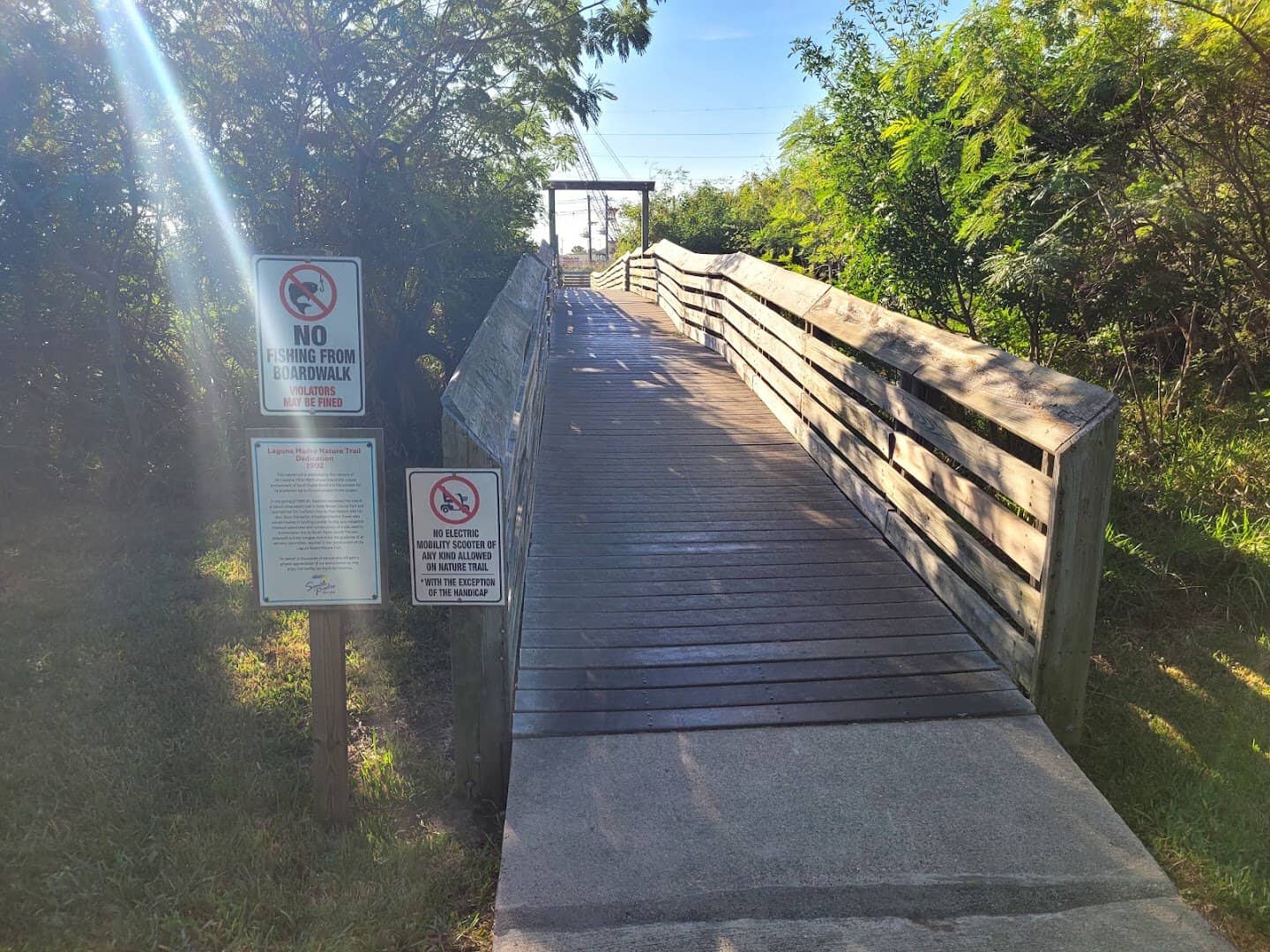
Here is the part that surprises people. The trail is open twenty-four hours a day, every single day, and it never charges a cent. Roll up at dawn, at noon, or under a full moon, and the gate is always wide open.
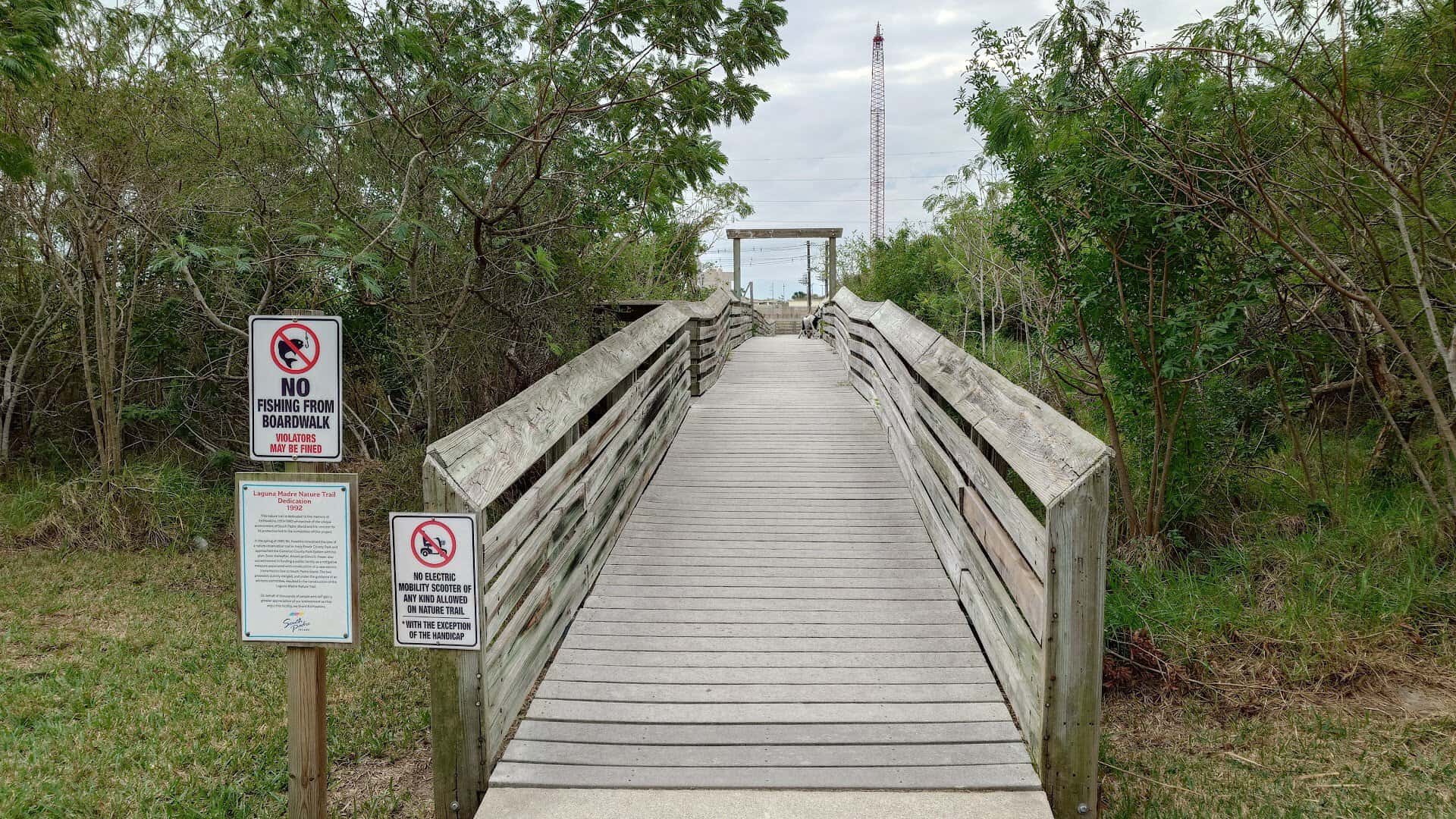
The boardwalk reaches about 1,500 feet out into the marsh behind the island’s convention center. It is not a marathon. Most people amble out and back in under an hour, longer if the birds are busy, which they usually are.
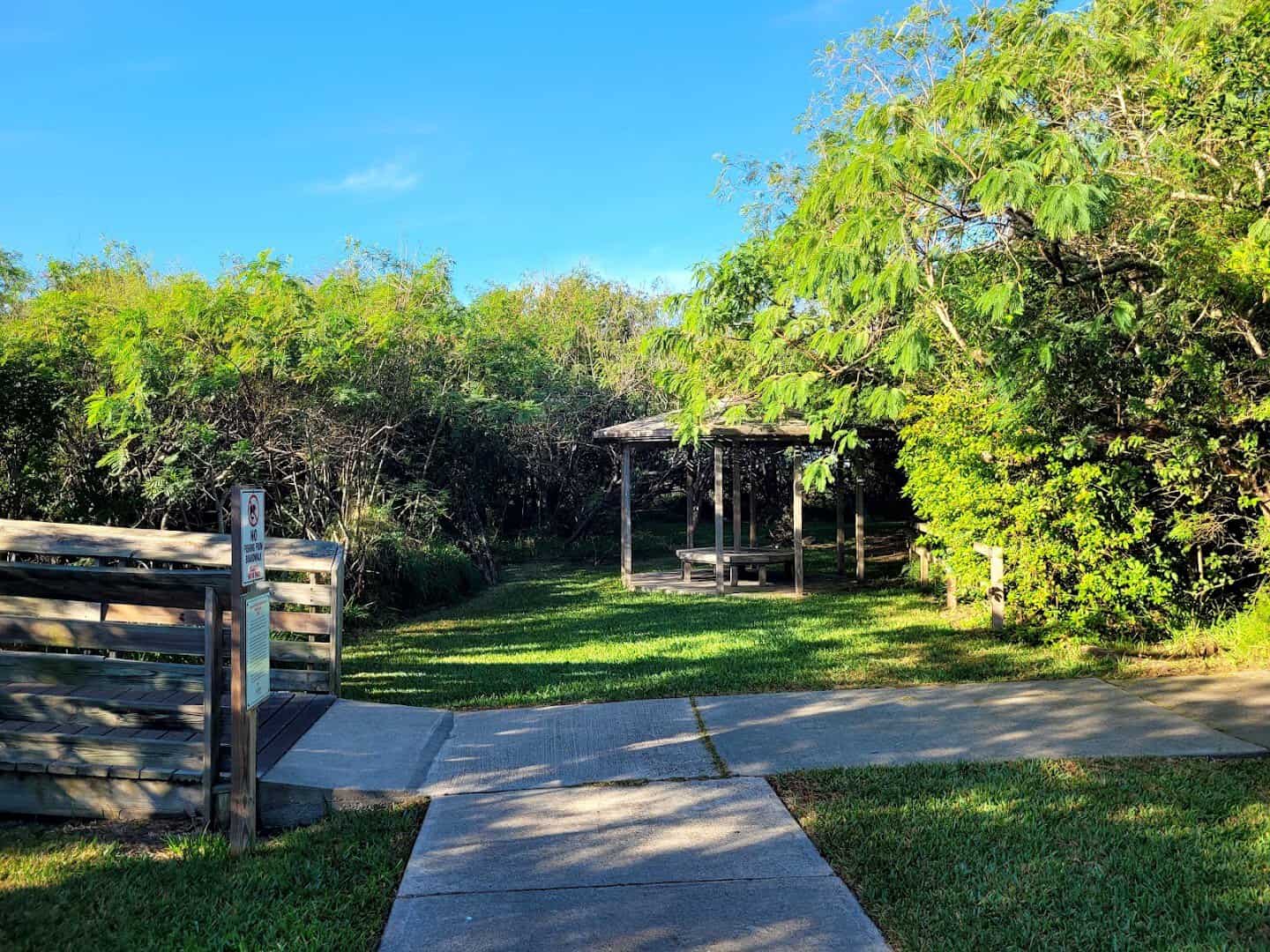
It is built for absolutely everyone. A paved stretch leads onto a wide wooden boardwalk with railings, roughly eight feet across and laid nearly flat. Strollers roll fine. Wheelchairs roll fine. Grandparents and toddlers move at the same happy pace.
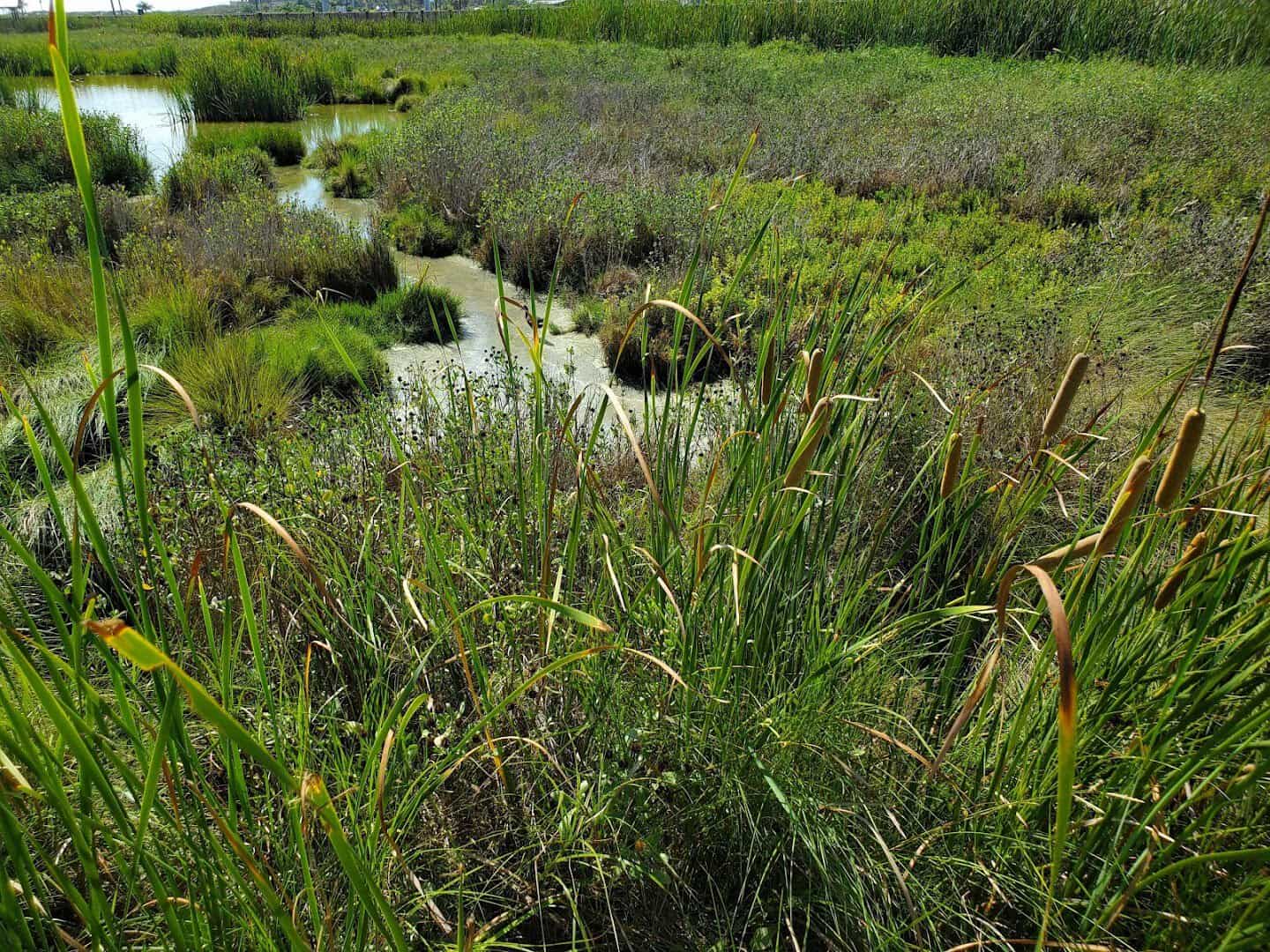
What hits you first is the quiet. Past the parking lot the traffic falls away and the marsh takes over, all rustling cordgrass and the small splashes of things you cannot quite see yet.
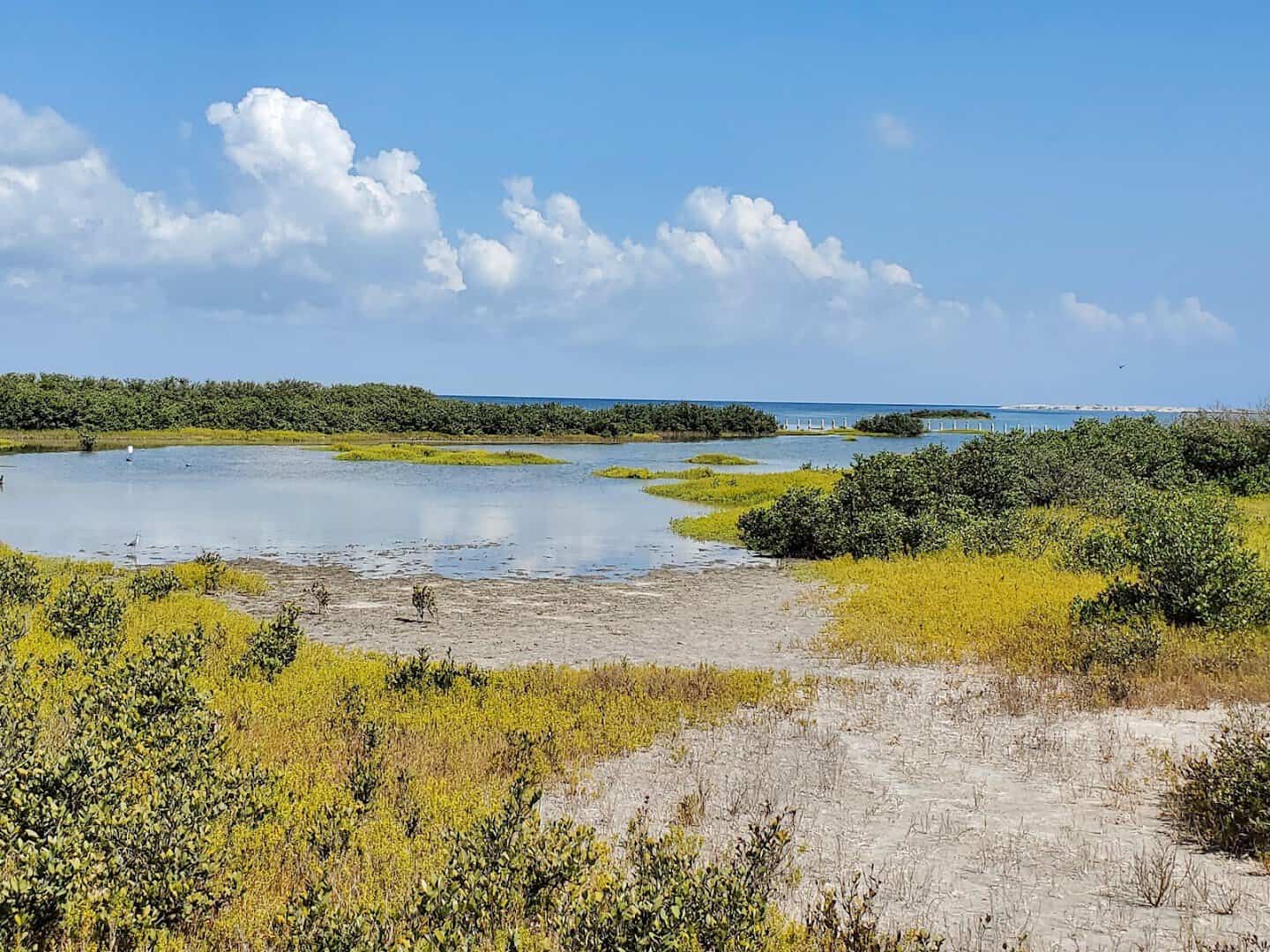
Come at golden hour and the water turns the color of a ripe peach. Benches sit at intervals, angled toward the best sightlines, so you are never far from a spot to sit and simply watch the shallows do their thing.
Little plaques along the rail name the plants and the birds. You come for a walk and leave knowing a slough from a spartina, which is the sneakiest kind of free education there is.
The air out here smells like warm salt and mud in the best way, that green low-tide tang that tells your whole body you have left the parking lot behind. Fiddler crabs wave from the bank. Mullet flick silver at the surface.
None of it is staged for you. That is the quiet magic of a marsh boardwalk. The wildlife was here long before the wood was, and it carries on with its morning whether one person is watching or twenty.
The Real Reason to Come: The Birds
South Padre Island sits on one of the great flyways of the continent. More than 300 species of birds have been recorded moving through this one small island, and the local tourism office does not undersell it.
They call the area “one of the best birding locations in the Western Hemisphere.” Stand on the boardwalk for ten quiet minutes and you will believe them.
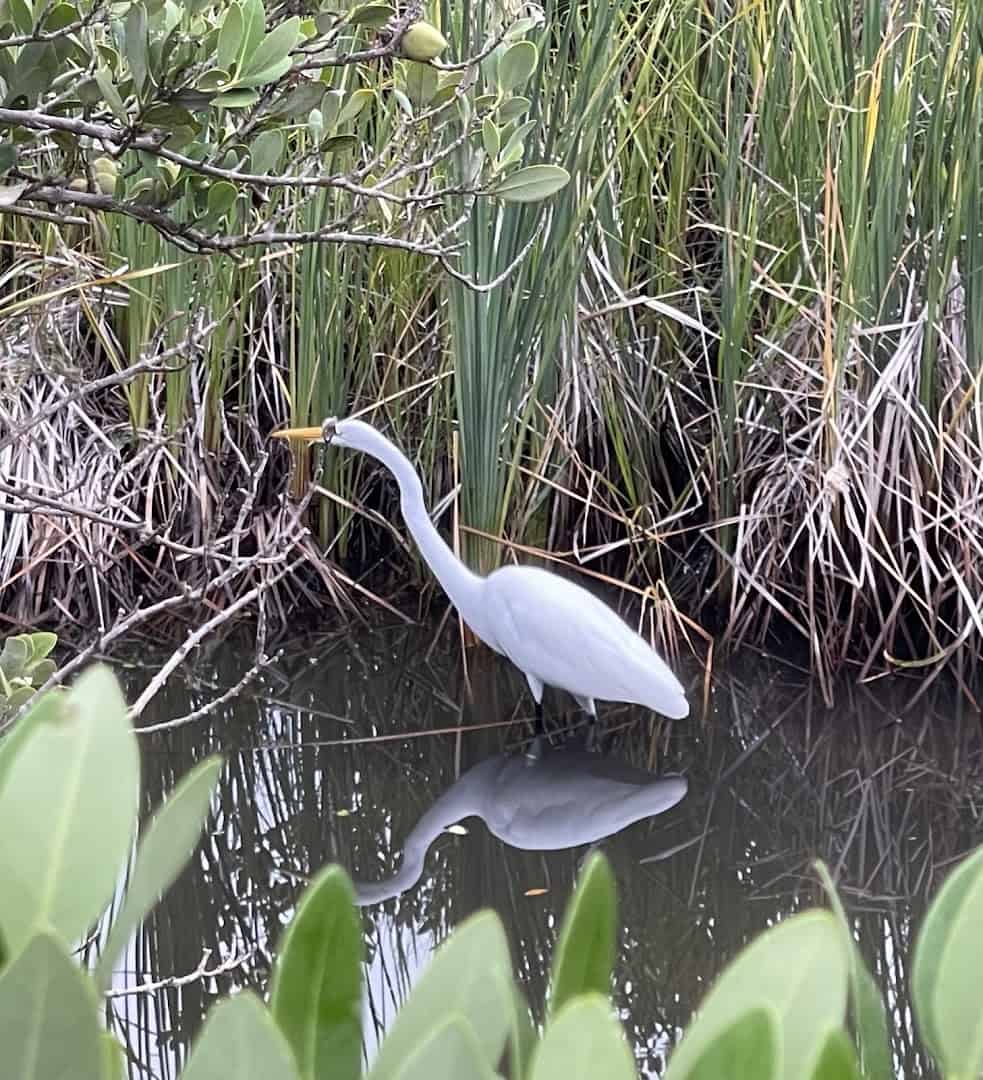
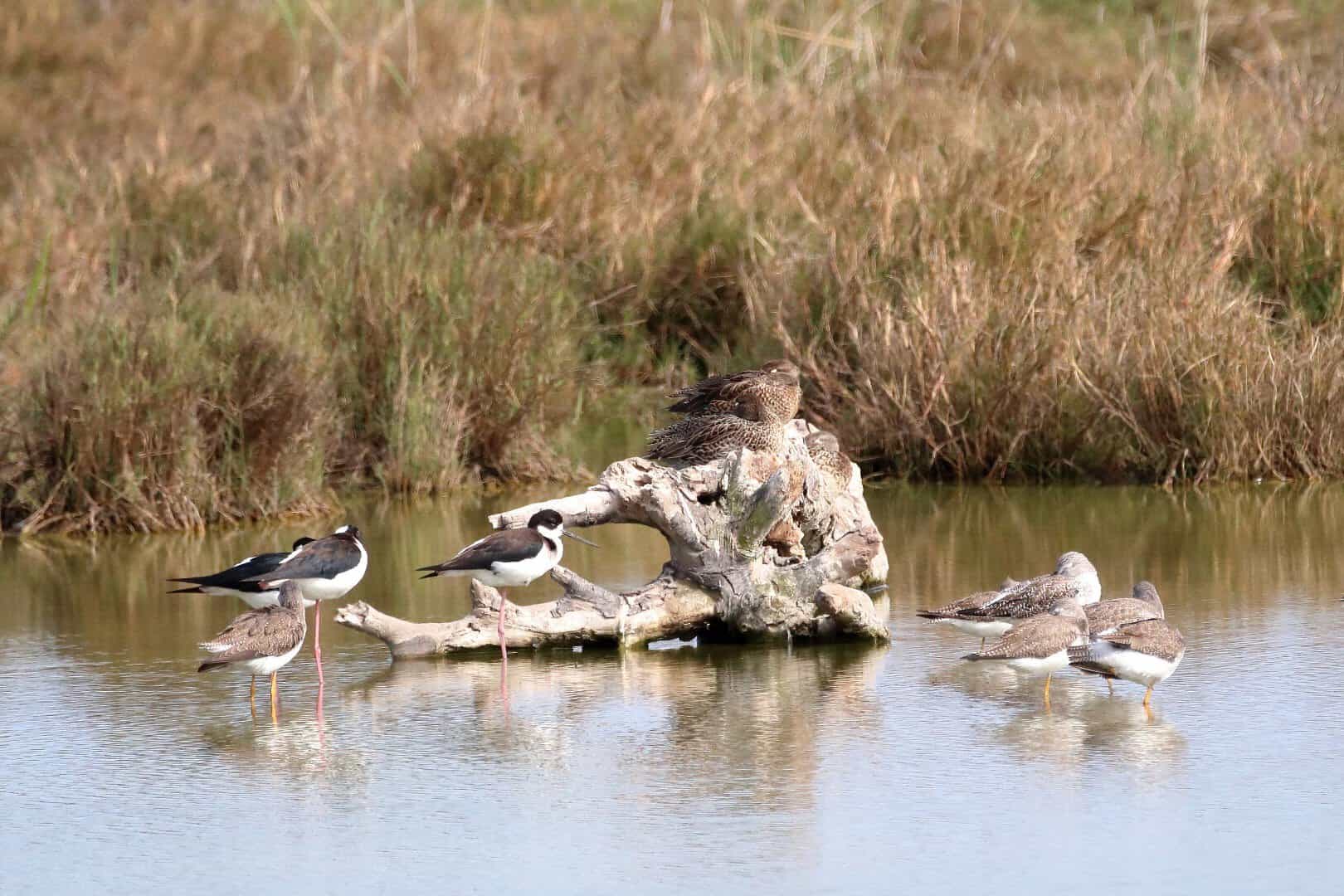
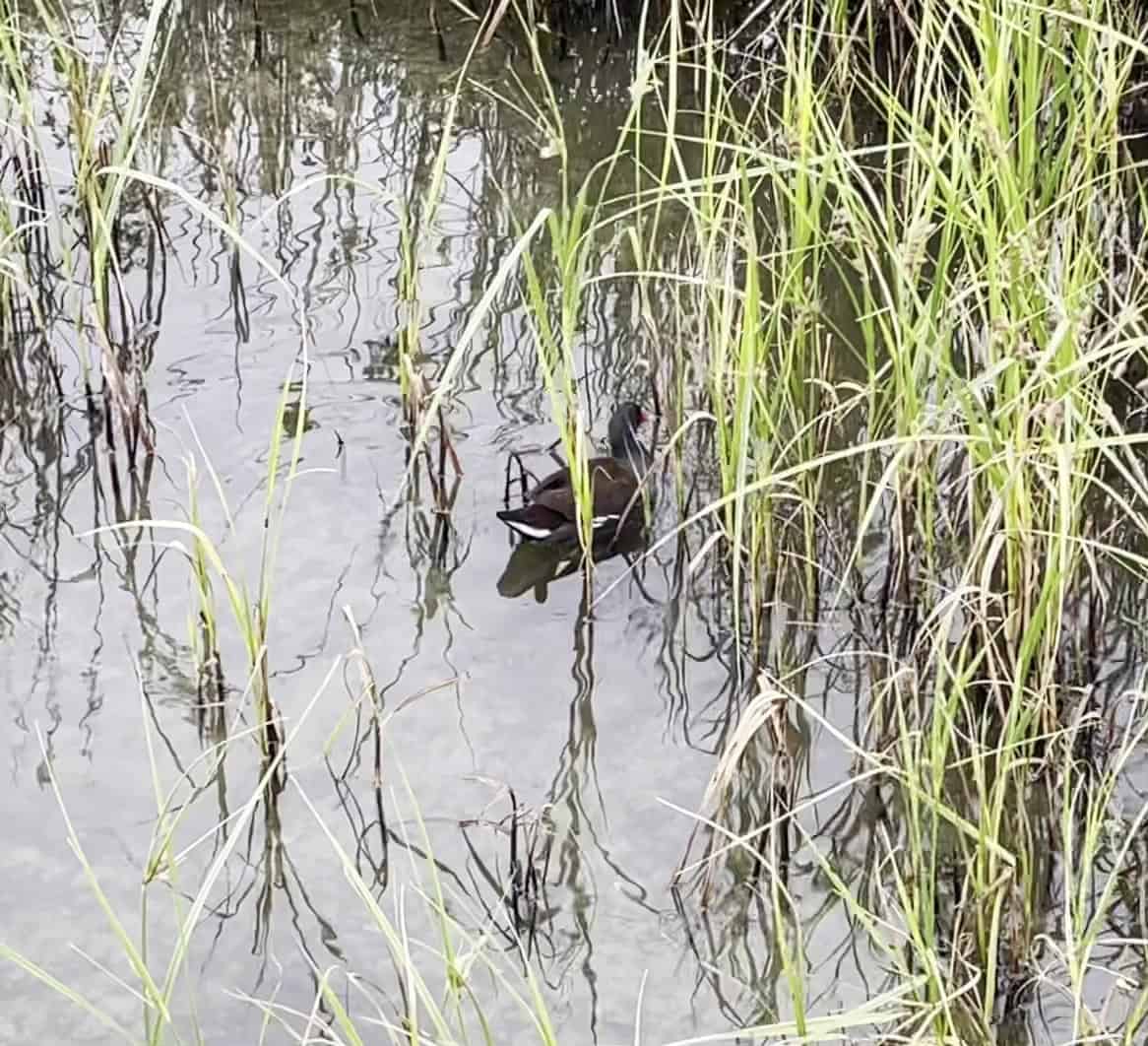
Great blue herons hold still in the shallows like tall gray statues. Snowy egrets pick through the grass on bright yellow feet. White ibis probe the mud with long curved bills, working the edges of the water in loose, busy crowds.
Then there is the one everyone hopes for. The roseate spoonbill is flamingo pink, a little bit ridiculous, and impossible to look away from the first time you watch it swing that spoon-shaped bill back and forth through the water.
Watch a while and the cast keeps growing. A belted kingfisher rattles past and drops like a dart. A reddish egret breaks into its wild little dance, wings flared, feet stomping, chasing fish through the shallows like it forgot anyone was looking.
I was so excited the first time I ever laid eyes on a roseate spoonbill that I forgot to breathe for a second. It does that to almost everybody. There is no getting used to a bird that color.
Timing only sweetens it. Spring migration peaks from March through May, when songbirds pour back north and the island lights up with color. Fall runs September through November. Winter packs the water with ducks and shorebirds.
Did you know a painted bunting looks like a kid colored it in and refused to stay in the lines? Red, blue, and green all on one small bird. They turn up here too, and spotting one feels like winning a tiny lottery.
Bring binoculars if you own a pair. If you don’t, come anyway. The herons, egrets, and ibis are big and bold and close, and half the joy is watching them fish a few feet from the rail.
Wings of an Entirely Different Kind
The trail folds in a butterfly garden, planted on purpose to pull in fluttering visitors alongside the birds. The beds are stocked with flowers, seeds, and leafy cover chosen for exactly that job.
South Texas sits on a butterfly highway much the way it sits on a bird one. The Rio Grande Valley draws species you simply will not find farther north, so a slow lap of the garden on a warm afternoon can turn up more wings than you expected to count.
It is a good reminder that this place is not only for the serious birder with a spotting scope and a life list. A kid chasing one orange butterfly across the boardwalk gets exactly as much out of the morning, and it costs the whole family the same beautiful nothing.
That mix is the point. A grandparent, a toddler, and a weekend birder can all walk the same short loop and each leave feeling like the trail was built for them.
A Lagoon Unlike Almost Any Other on Earth
The water your boardwalk floats over is no ordinary bay. The Laguna Madre is a hypersaline lagoon, saltier than the sea itself, and that makes it genuinely rare.
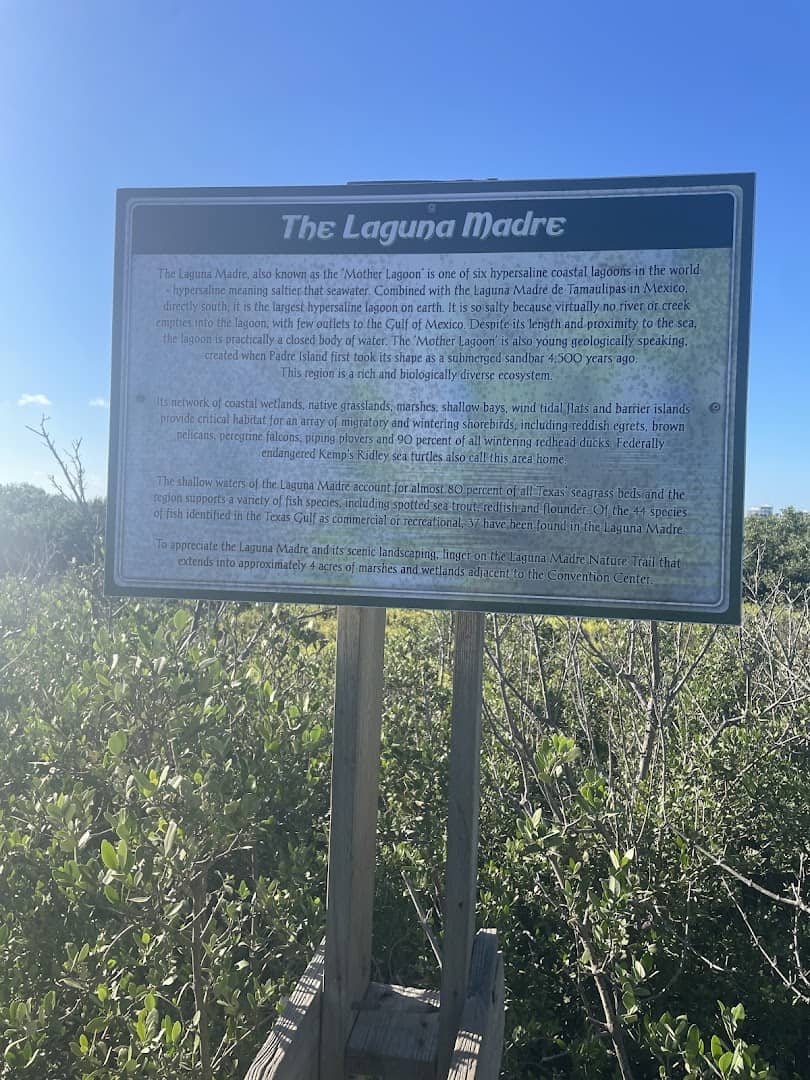
It is the only hypersaline lagoon in North America and one of only about five in the entire world. You are not standing over a pretty view. You are standing over a natural wonder that happens to be free.
The lagoon runs about 130 miles down the Texas coast, yet stays skinny, averaging around five miles across, and shockingly shallow, mostly under four feet deep. Paired with its twin below the border in Mexico, it strings together some 277 miles of shoreline.
All that shallow, salty, sunlit water grows something remarkable underneath it: seagrass. The Laguna Madre holds more than 75 percent of the seagrass along the whole Texas coast, vast underwater meadows that feed the food web the birds are cashing in on.
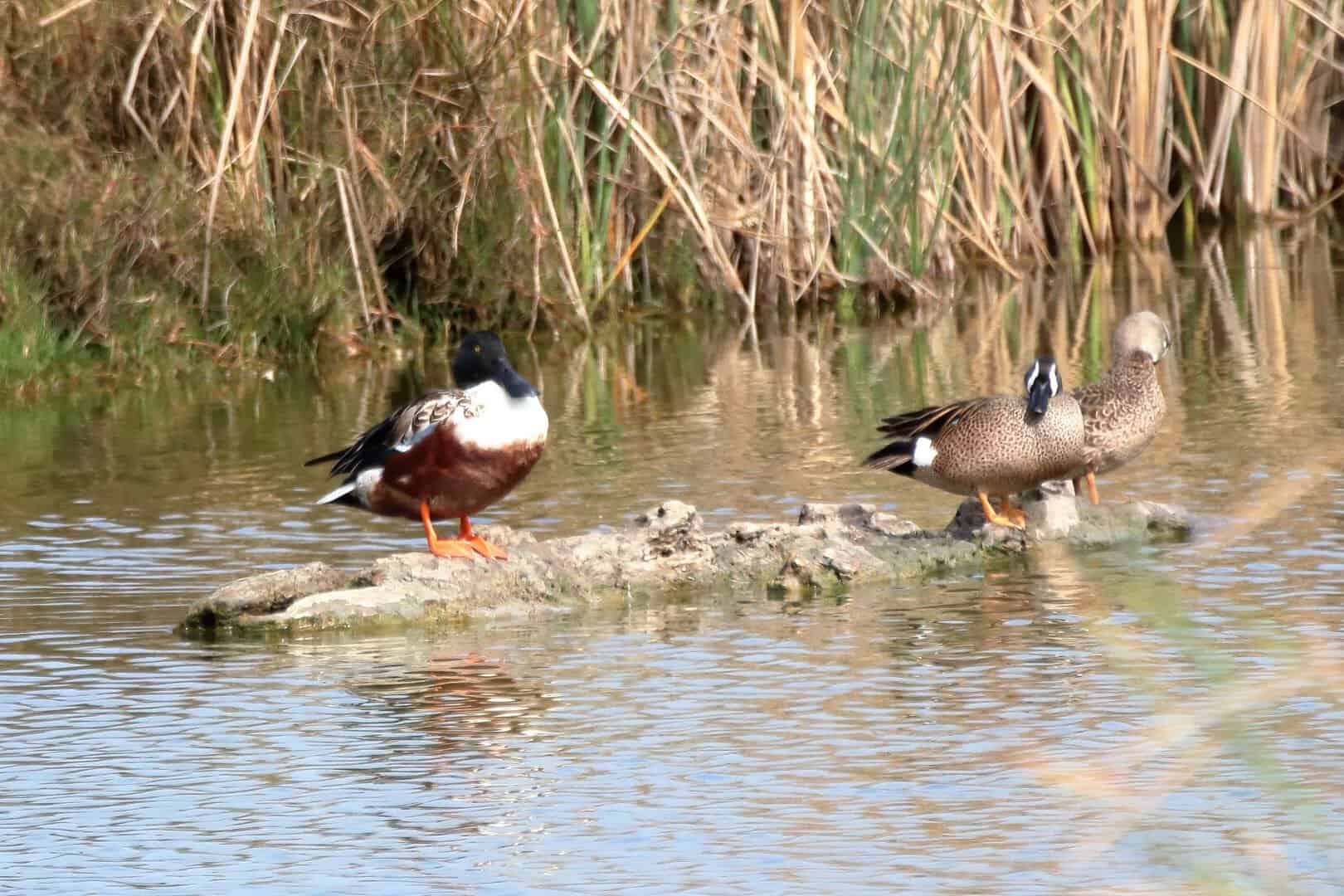
That underwater grocery store draws a jaw-dropping crowd. Roughly 80 percent of North America’s entire redhead duck population winters right here, gorging on the grass.
So when the story goes that this place is free to visit and priceless to experience, it is not just a nice turn of phrase. You are looking at one of the last places of its kind on the planet, and the fee to see it is zero.
The Grander Cousin, If You Want More
A short way down Padre Boulevard sits the free trail’s fancier relative, the South Padre Island Birding, Nature Center and Alligator Sanctuary. This one does charge admission, and it earns it if you have the time.
The center opened its doors on September 26, 2009, with design work started years earlier by Richter Architects of Corpus Christi. It spreads across roughly 50 acres of reclaimed coastal habitat.
It is also one of nine sites in the World Birding Center, a partnership of Texas Parks and Wildlife, the U.S. Fish and Wildlife Service, and the local towns that host each one.
Inside, more than 3,300 feet of boardwalk carry you over the marsh without wetting a shoe, past five shaded bird blinds built for patient watching. A five-story observation tower lifts you up for an unobstructed sweep of the island and the lagoon beyond.
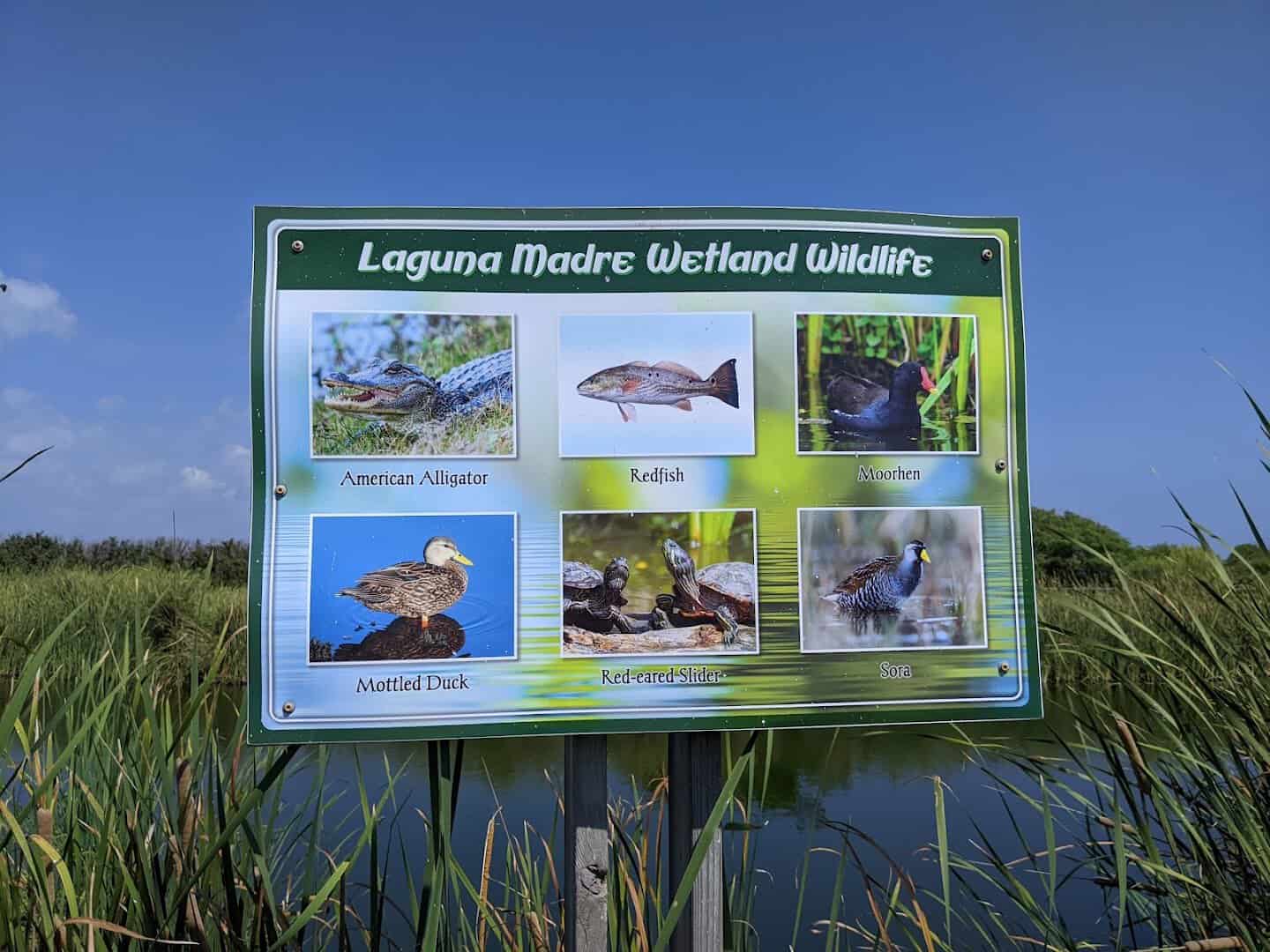
There is an alligator sanctuary here too, home to rescued gators including a local celebrity named Big Padre. More than 330 species have been logged on the grounds, which ranks it among the most bird-diverse spots in the whole state.
Admission runs about $15 for adults, with lower rates for seniors, military, students, and children, and little ones under four get in free. Think of it as the deluxe chapter. The free trail is the story; the center is the optional sequel.
Pro Tips for a Perfect Free Morning
Pro tip: go early. Birds work hardest in the cool hours just after sunrise, the light is soft and pink, and you will often have the boardwalk nearly to yourself before the beach crowd stirs.
Parking is free at the trail, which keeps the whole outing honest. Pack water, a hat, and sunscreen, because the marsh offers almost no shade and the South Texas sun means business even in the mild months.
Wear something you don’t mind getting a little buggy. This is a living wetland, so a light insect repellent in the warm season is your friend. A few mosquitoes is a fair trade for a front-row seat to a working lagoon.
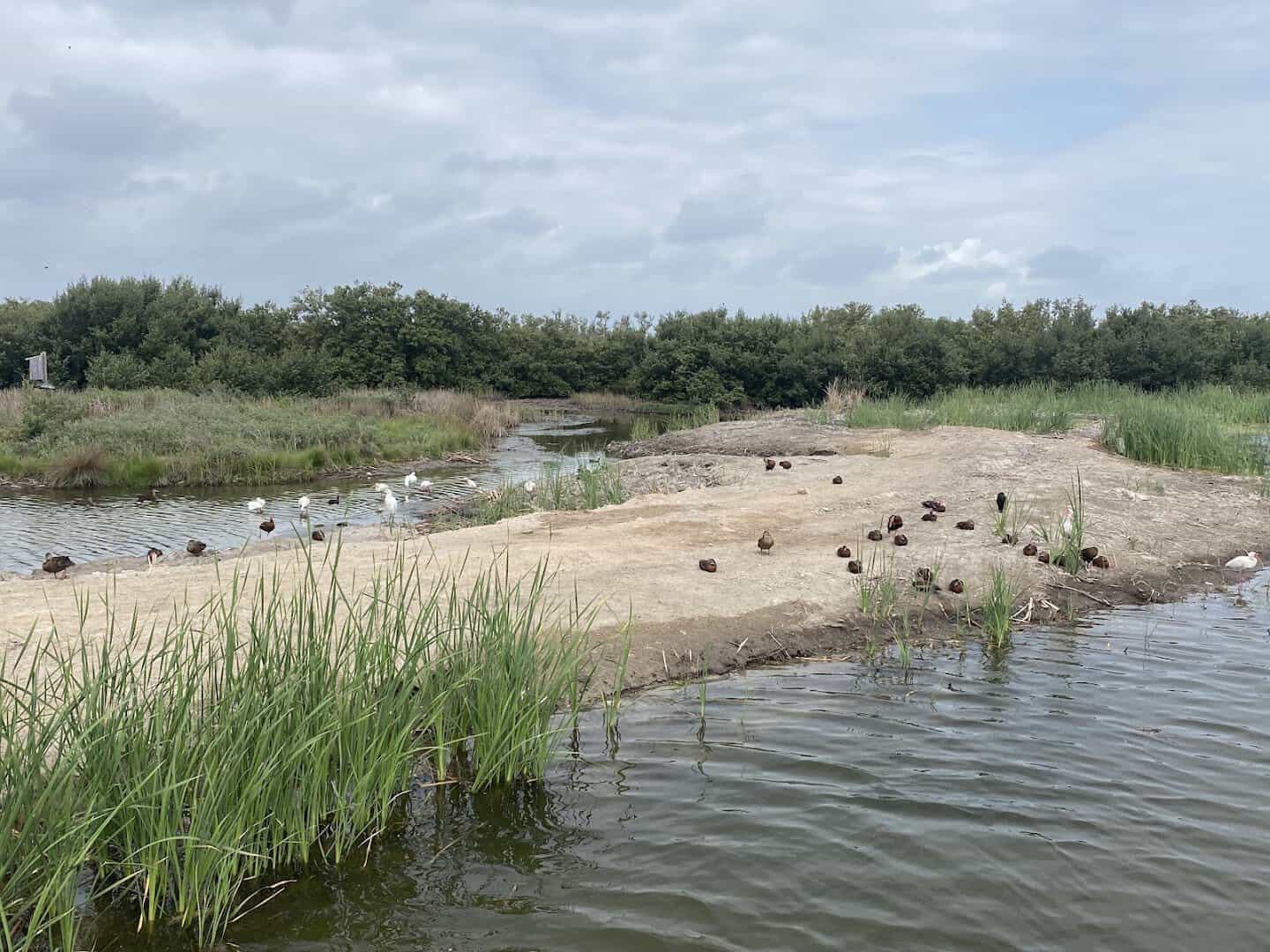
Above all, move slowly and stop often. Birds reveal themselves to the patient. Stand still at a bench for five minutes and the marsh that looked empty fills right back in around you, heron by heron, splash by splash.
How to Get There
The Laguna Madre Nature Trail sits behind the South Padre Island Convention Centre on the bay side of the island. Once you are on the main drag through town, it is an easy find.
Where: 7355 Padre Blvd, South Padre Island, TX 78597. Open 24 hours, free admission, free parking. The paid Birding and Nature Center is a short drive south on the same boulevard.
Plan Your Free Walk on the Water
You do not have to spend big to touch something genuinely wild in Texas. Next time you point the car toward the coast, leave one slow morning open, grab the binoculars, and walk out over the only hypersaline lagoon on the continent while the spoonbills wade past.
It costs nothing and it asks nothing, and it will hand you a memory you would happily have paid for. That is a rare deal anywhere, and it is waiting at the end of a quiet wooden boardwalk on the edge of South Padre Island.
Featured image: Spring Booth via Laguna Madre Nature Trail

Stella Raines
Editor-in-Chief
Stella brings over a decade of storytelling experience to TX Headlines. With roots in West Texas and a love for road trips, she leads the editorial team with an eye for the hidden stories that make Texas unforgettable.
More Stories
This North Texas Bluebonnet Trail Winds 40 Miles Through Wildflower Country Each Spring
This Short Texas Trail Delivers Jaw-Dropping Canyon Scenery for Barely Any Effort
This Easygoing 2.7-Mile Texas Trail Ends at a Secret Waterfall and Hills Full of Wildflowers
This Small Texas Town Is the Official Bluebonnet City, and Spring Turns It Blue
Tags