This Quiet Texas Coast Town Is a Working Fishing Village Where the Shrimp Comes Straight Off the Boat
The first evening I ever spent on Aransas Bay, I sat on the tailgate of a borrowed truck and watched a shrimp boat come in with the light behind it. Nobody was performing for anybody.
The captain lifted a hand at the folks on the pier, the folks lifted a hand back, and a pelican dropped onto a piling like it owned the place. I had come looking for a beach town.
What I found instead was a working fishing village that had quietly refused to turn itself into one.
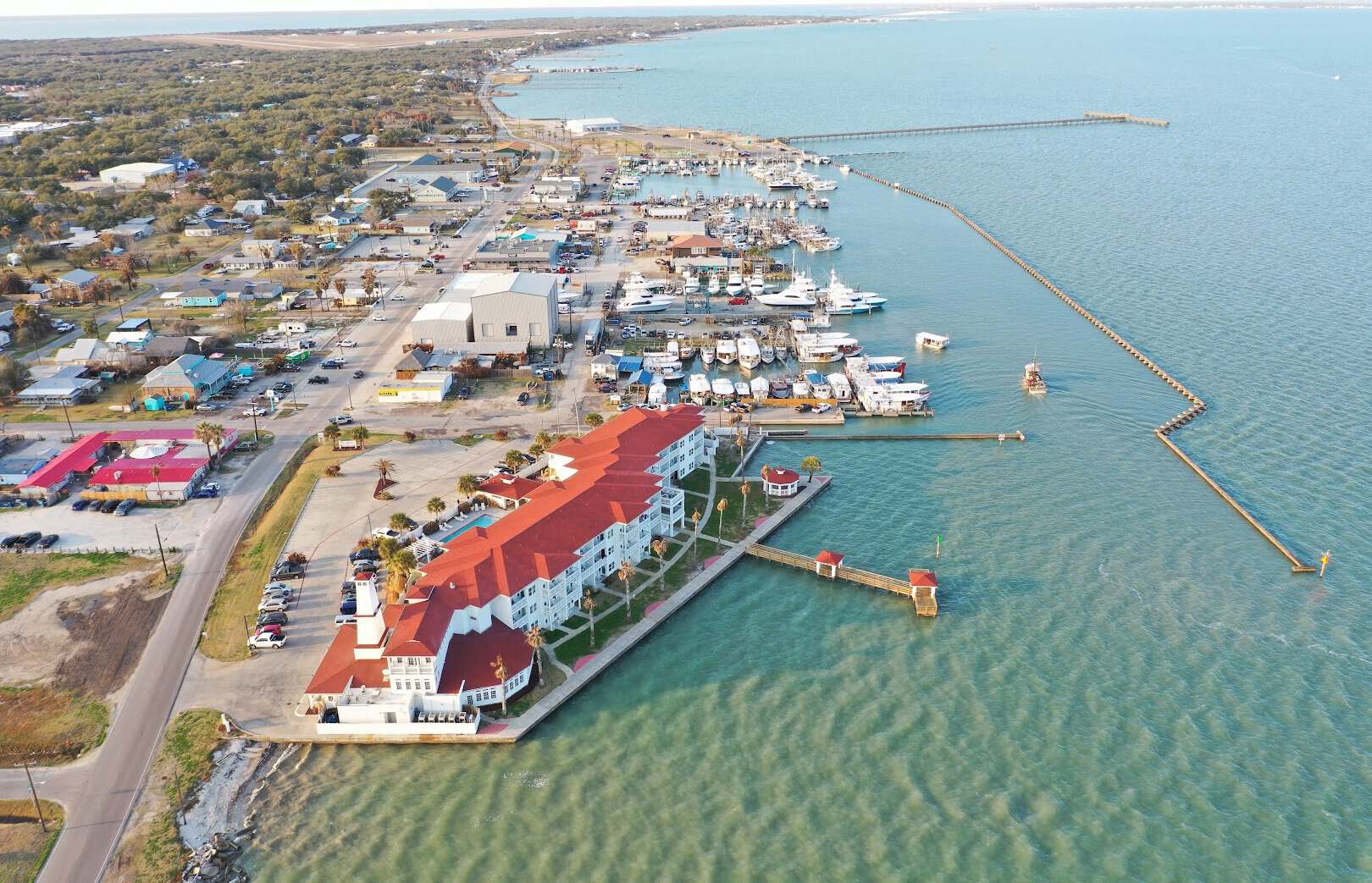
That town is Fulton, a little dot on the Texas Gulf Coast tucked just north of Rockport in Aransas County. It sits about thirty miles up Highway 35 from Corpus Christi.
It has the kind of salt-air stillness that most of the coast traded away decades ago for parking meters and beach bars. Fulton never made that trade.
Below, discover a town of roughly 1,500 people where the shrimp comes straight off the boat, the birds outnumber the tourists, and a thousand-year-old oak stands a short drive up the road. Here is why you should point the car south and go find it.
A Harbor That Still Does an Honest Day’s Work
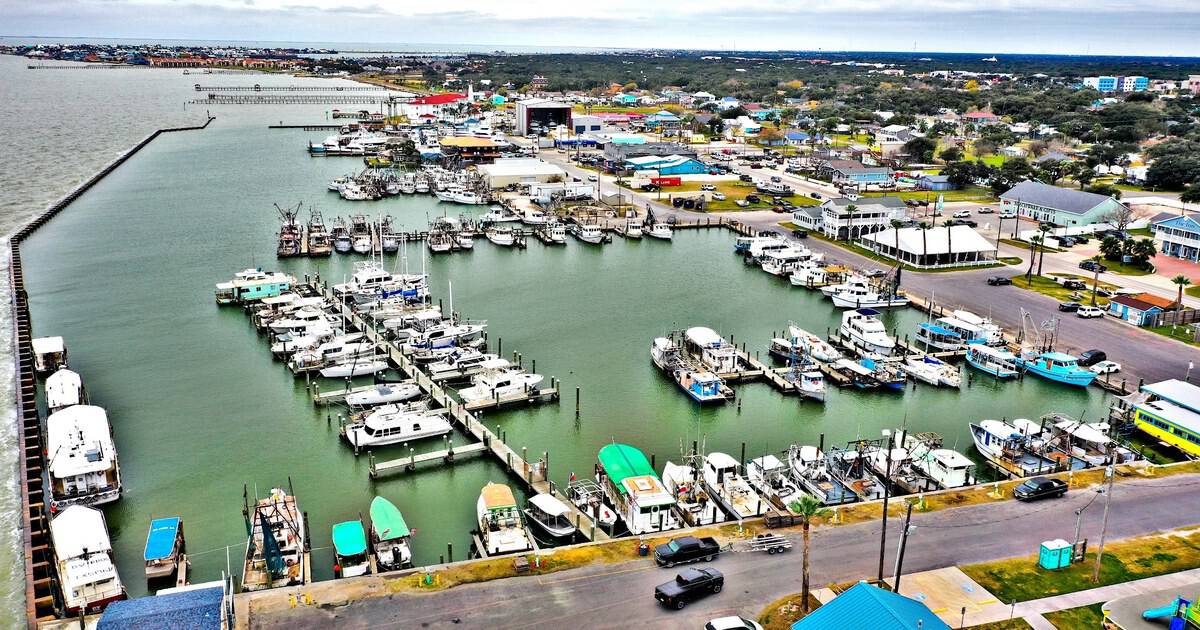
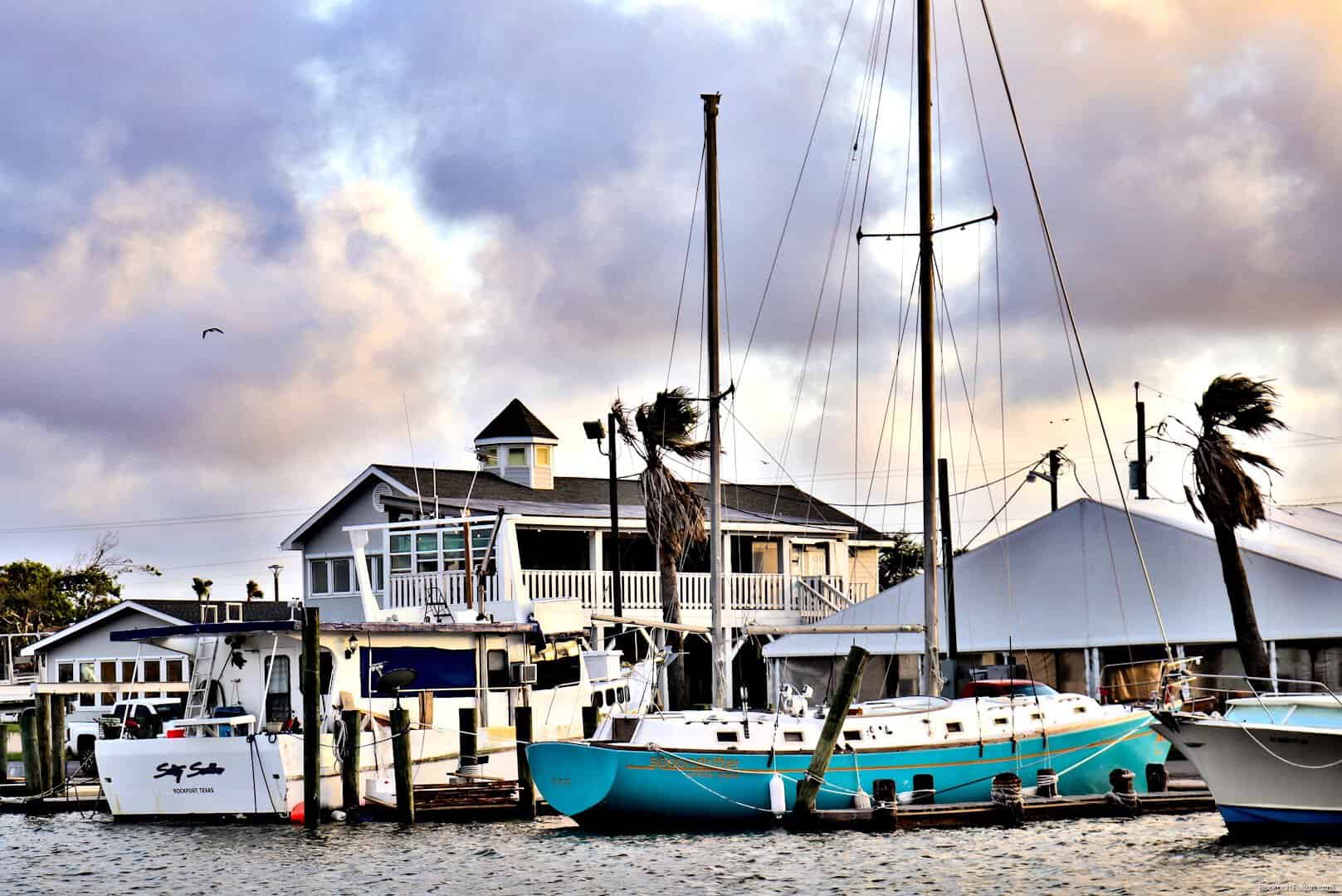
Fulton Harbor is not a marina full of weekend yachts. It is a working harbor, and you can tell the second you walk up.
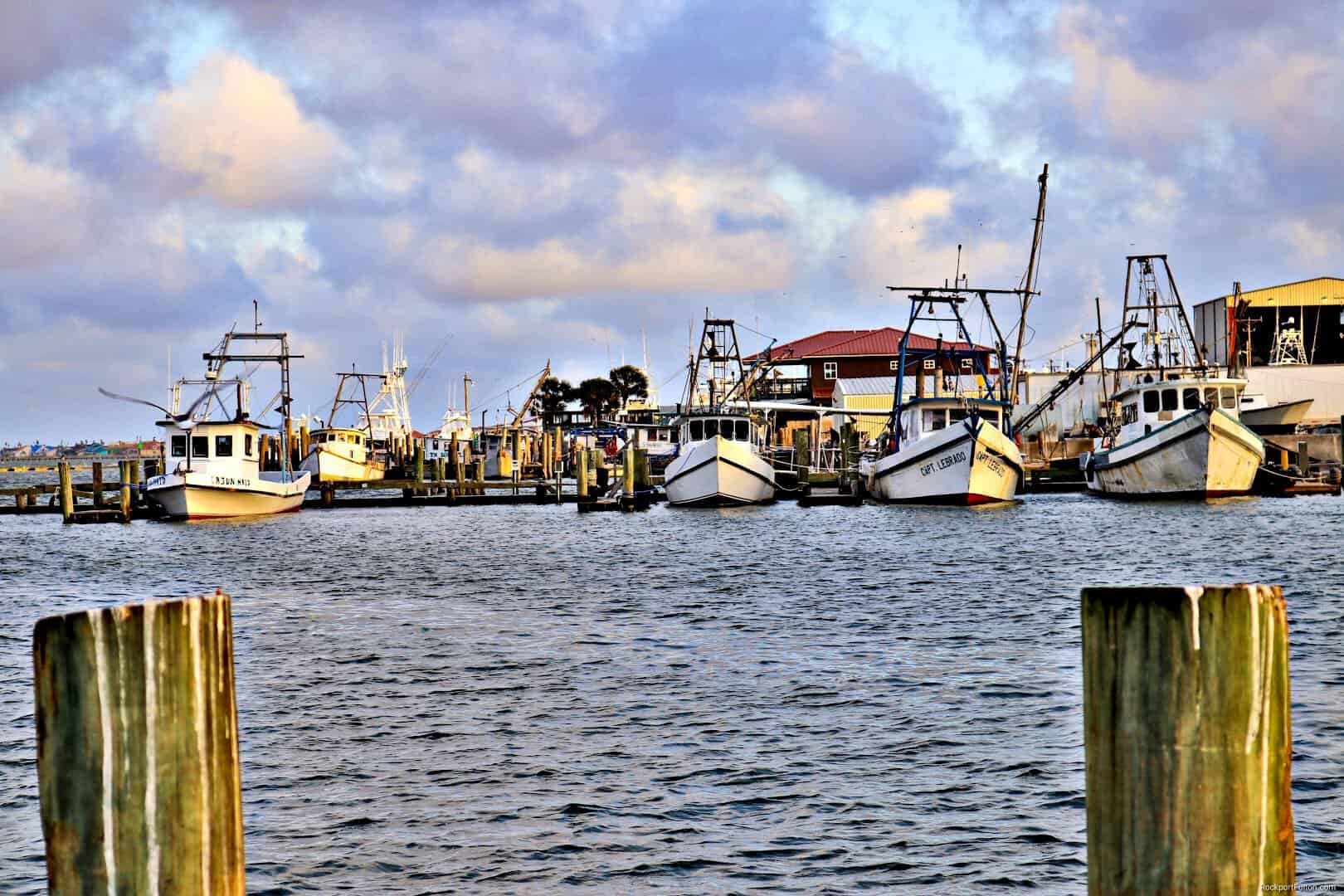
Shrimp boats sit low in the water with their nets folded like sleeping wings. Deckhands hose down the morning’s mess. Somewhere a diesel engine coughs to life and settles into a hum.
The whole place smells of salt, bait, and cut fish, which sounds unglamorous until you realize it is the smell of a town that still feeds itself.
You can stand at the edge of the harbor and watch boats ease in and out of the channel toward the open bay. Sunrise here is a local secret, all pink water and quiet, and it costs nothing but the discipline to get up for it.
Kids drop lines off the free public piers while their parents talk to whoever is cleaning the day’s redfish. The rhythm of the harbor runs on tides and weather, not on a visitor schedule.
What you will not find is the machinery of a tourist strip. No neon, no timeshare towers, no line of surf shops selling the same three T-shirts. Just water, boats, and people who work them.
Where the Shrimp Comes Off the Boat
If you eat one thing in Fulton, eat the shrimp. And you will not have to look hard.
Alby’s Seafood has been the anchor for more than four decades. It runs as both a public market and a kitchen, so you can buy fresh shrimp, oysters, crab, and fish to cook yourself, or order a po’boy and a seafood basket right there.
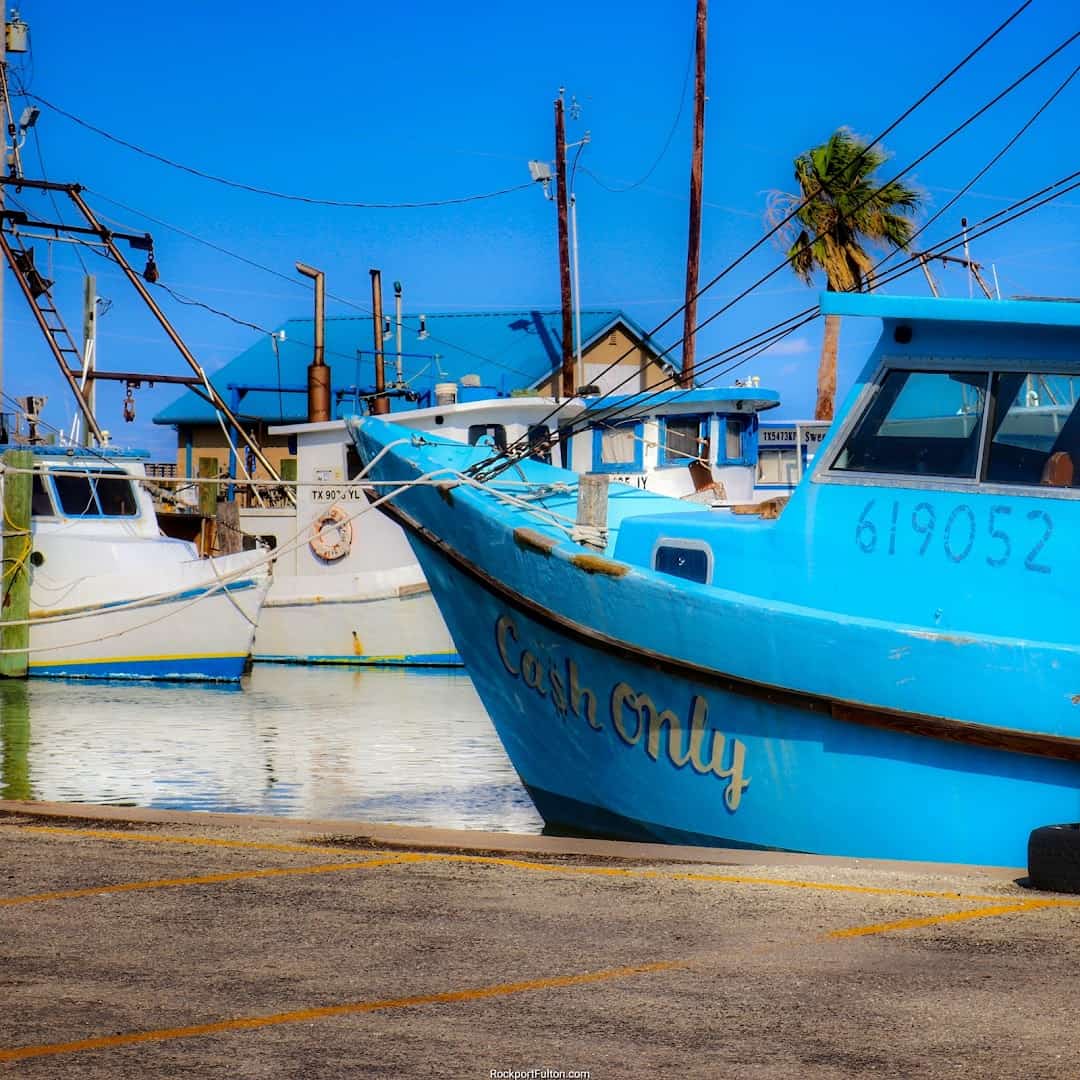
My vote goes to the fried shrimp, sweet and snapping-fresh, at prices that feel like a coastal town looking out for its own.
Just across the street sits Pier 77, run by a local family with roots in the fishing business. It is cash only, takes no reservations, and piles the plates so high that people keep coming anyway. That is the whole personality of the place in one sentence.
For a table with a view, Charlotte Plummer’s Seafare looks out over Fulton Harbor and sends out platters, gumbo, and tacos built on the day’s catch. One diner summed it up better than I could, calling the shrimp gumbo and shrimp tacos “perfectly seasoned and full of flavor.”
Part of the joy is the market side of things. You can walk into Alby’s, point at shrimp that were swimming that morning, and carry a bag of them back to your rental to peel over the sink.
There is something honest about eating a meal you can trace to a boat you watched come in. Pro tip: order the shrimp however the chalkboard says it is coming in that day. The menu follows the boats here, not the other way around.
A Thousand Feet of Fishing Over Open Water
The Fulton Fishing Pier reaches about 1,200 feet out into Aransas Bay, and it is the beating heart of the town’s outdoor life.
Anglers come for black drum, redfish, and speckled trout, and the pier stays open around the clock so you can chase them at any hour. Modern LED lights glow down into the water at night, drawing bait and the bigger fish that hunt it.
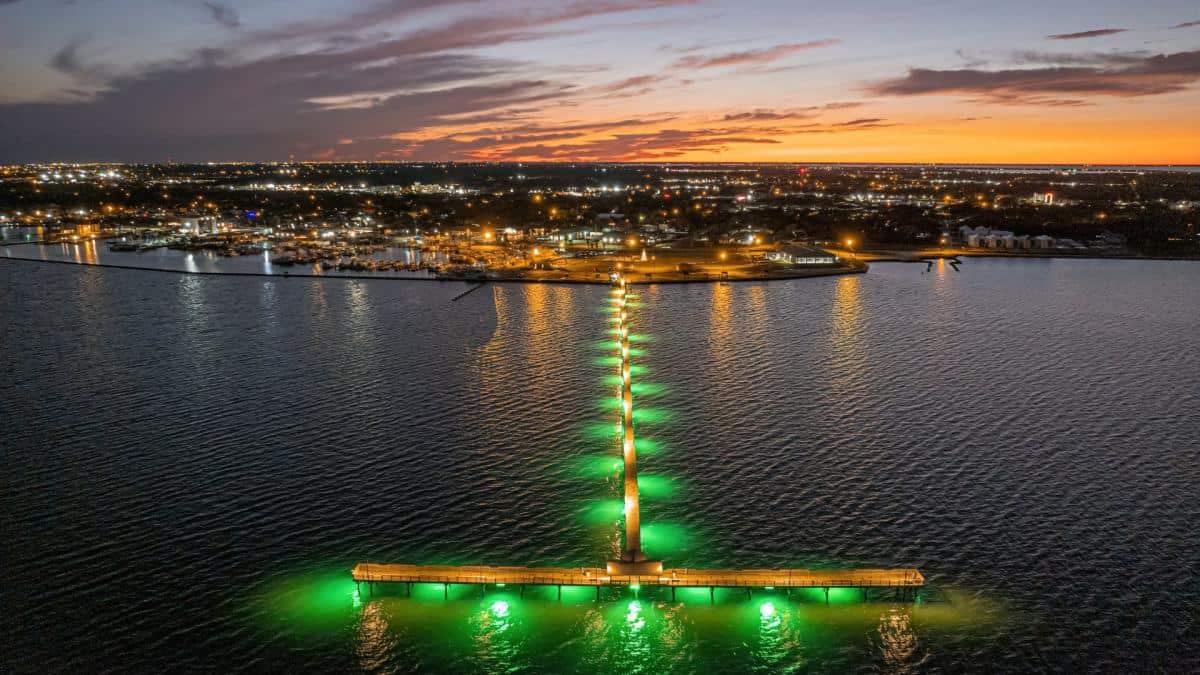
There is a small fee per rod, and an attendant works the daylight hours to rent tackle and hand out snacks.
Even if you never bait a hook, the pier earns the walk. You can stroll out over open bay, feel the wind change halfway down, and watch the whole town shrink behind you into a low green line of oaks and rooftops.
It is also the best free seat in Fulton for the sunset. Come evening, the light goes gold and then rose across the water, the gulls settle, and somebody always has a line in.
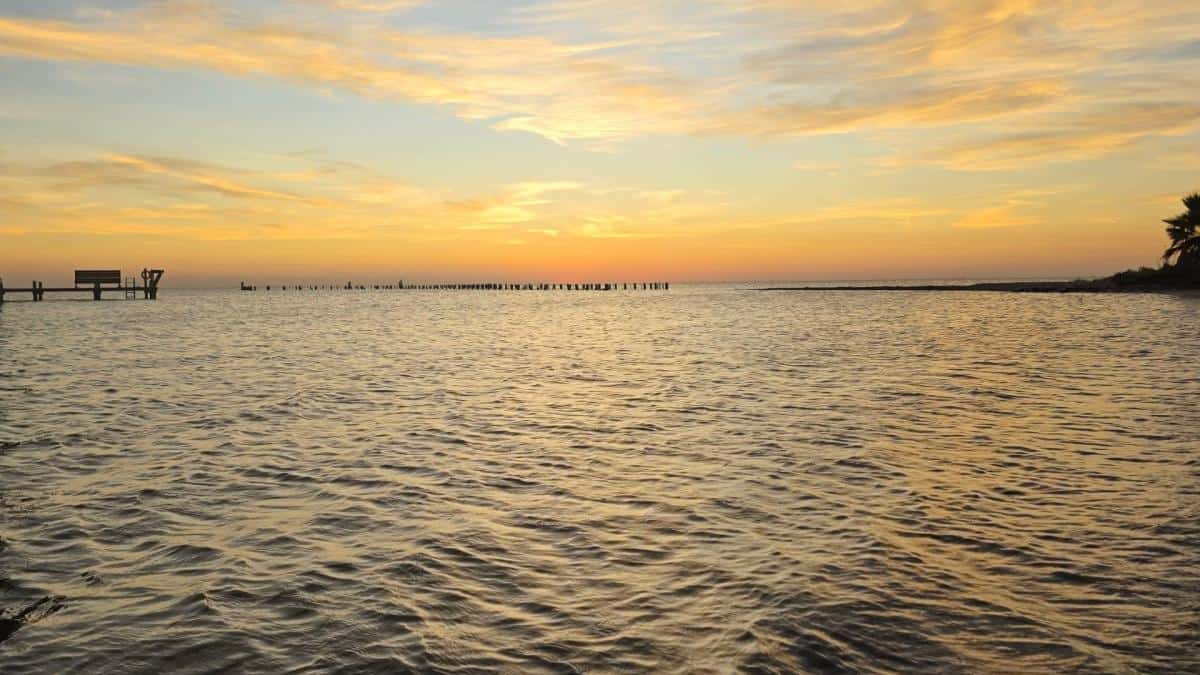
Nobody rushes you off. You can lean on the rail until the last color drains out of the sky and the pier lights flicker on.
Did you know? Bait stands like the Fulton Harbor Bait Stand and the Aransas Bay Bait Company keep anglers stocked, so you can arrive empty-handed and still be casting within the hour.
The Birds Are the Other Locals
Fulton sits on the Aransas Loop of the Great Texas Coastal Birding Trail, and the birds treat the place like it belongs to them.
Roseate spoonbills wade the shallows in their impossible bubblegum pink. Herons and egrets stalk the marsh grass. Pelicans crash-land on the pilings.
The first time I watched a spoonbill sweep its spoon-shaped bill through the water, I forgot I was holding a coffee cup and let it go cold.
The real showstopper arrives in winter. From November through March, whooping crane tours leave right from Fulton Harbor and carry you toward the nearby Aransas National Wildlife Refuge, a 70,000-acre sanctuary that shelters the only wild migrating flock of whooping cranes on earth, around 265 of them at last count.
These birds stand over five feet tall with a seven-foot wingspan, and the refuge that protects them has been voted the top birding spot in the country. More than 370 species pass through the area across the year.
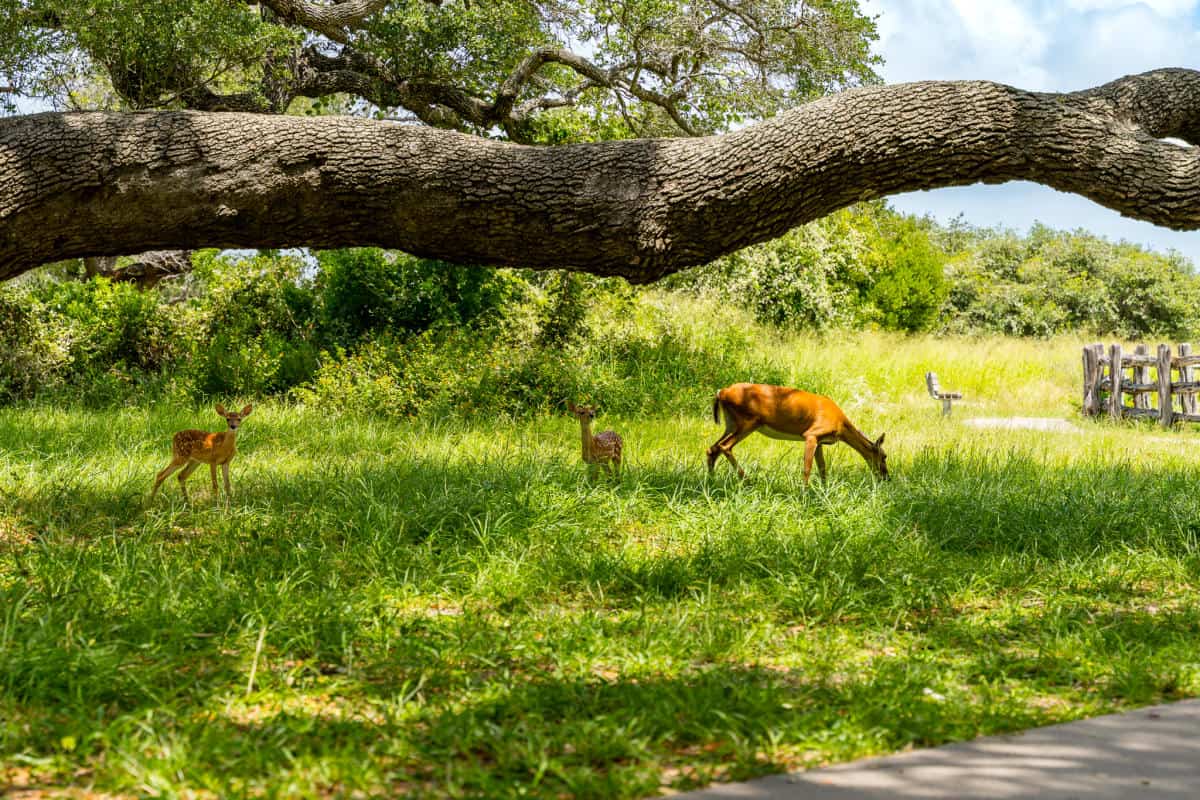
Even a casual walker with no binoculars ends up seeing something worth a photo. Closer to town, the small Linda S. Castro Nature Sanctuary packs coastal prairie, oak motts, and seasonal ponds into just a few quiet acres.
The Thousand-Year-Old Neighbor Up the Road
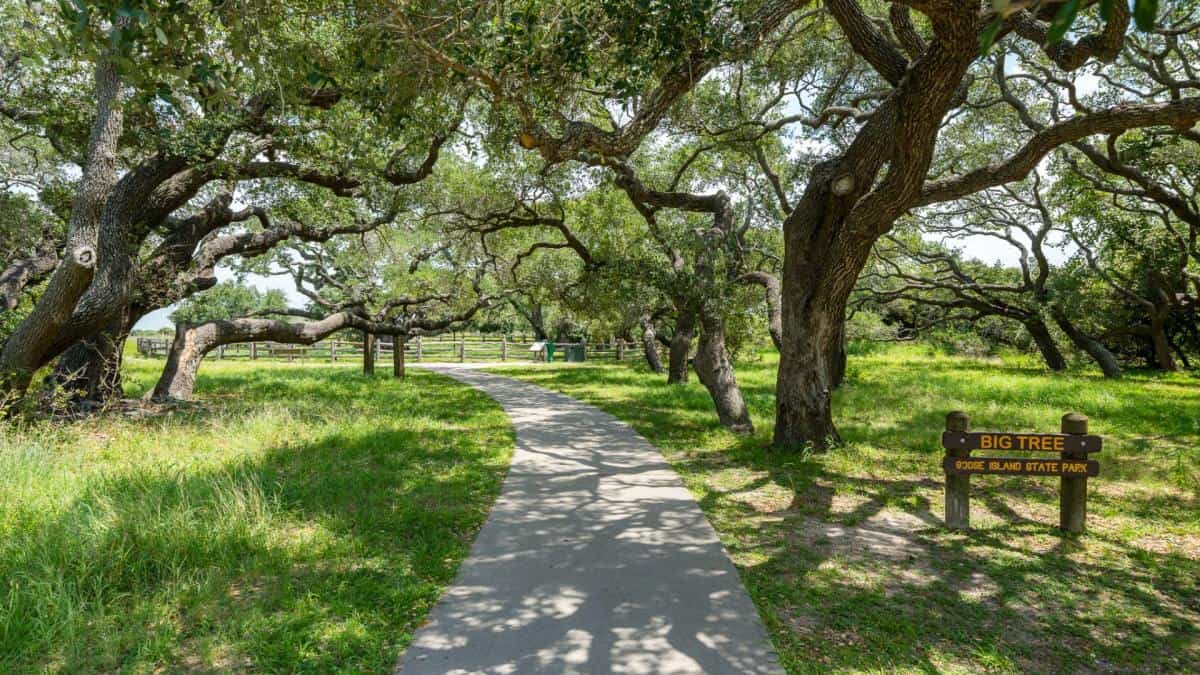
Drive about twelve miles north of town toward Lamar and you reach Goose Island State Park, where one of the oldest living things in Texas has been keeping watch over this coast since long before the Fultons arrived.
They call it the Big Tree. It is a coastal live oak estimated at more than 1,000 years old, with a trunk circumference of 35 feet, a height of 44 feet, and a crown that spreads a full 90 feet across.
Standing under it does something to your sense of time. This tree was already ancient when the first Spanish ships passed offshore.
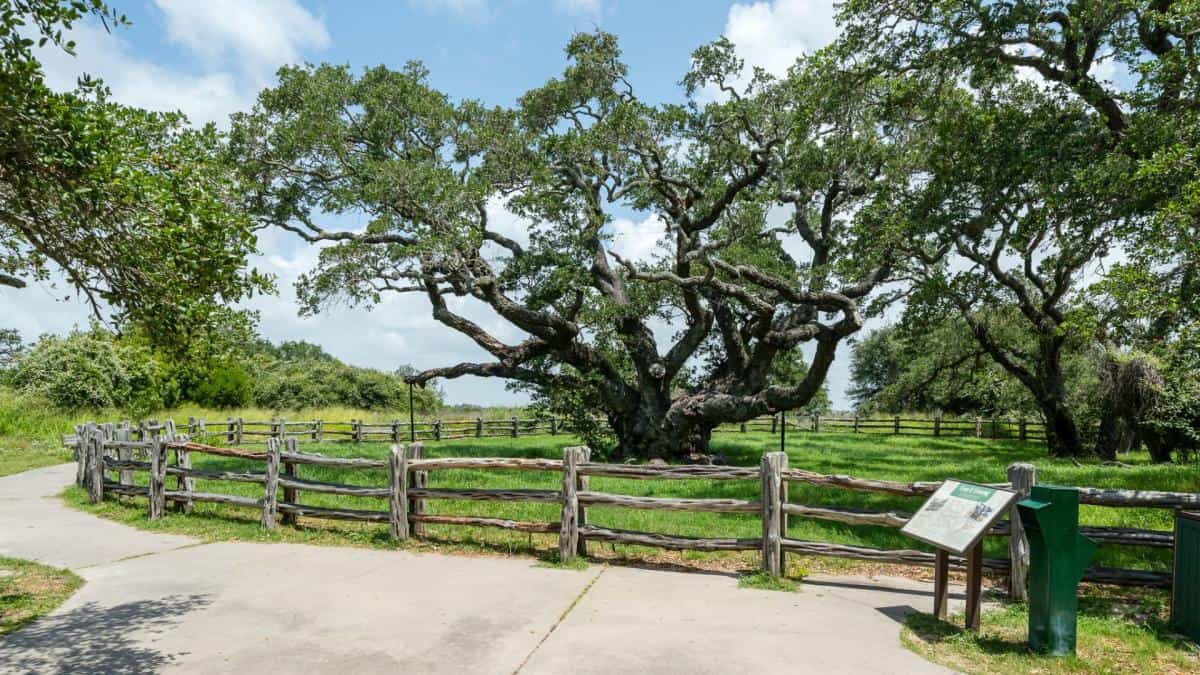
Scientists believe it has weathered at least fifty hurricanes, along with wildfires, droughts, and floods, and it is still throwing shade every summer.
The park around it is worth the stop on its own, with camping, birding, and shoreline along Aransas and St. Charles Bay. Bring a picnic and eat it in the shade of something older than the country.
The Big Tree is a survivor in the truest sense. When Hurricane Harvey tore through this coast in 2017 and flattened buildings for miles, the old oak came through it standing, the same way it has ridden out every storm since before Texas was Texas.
The Cattle Baron Who Built a Palace on the Bay
Fulton looks humble now, but it was once the seat of a fortune. The town was founded in 1866 and named for George Ware Fulton Sr., an East Coast entrepreneur who married into land on Aransas Bay.
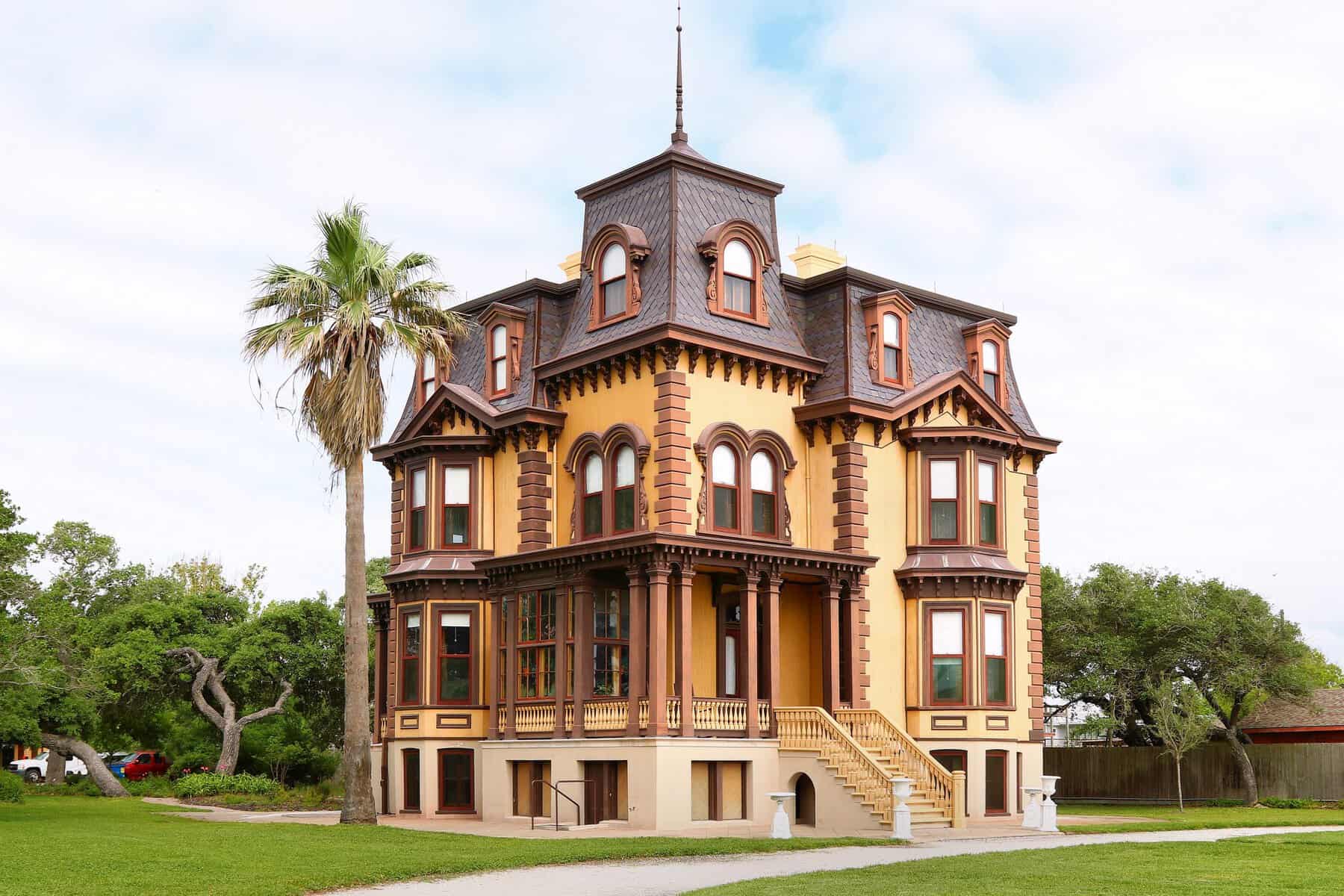
He turned that land into a ranching and meatpacking empire through the Coleman-Fulton Pasture Company. Between 1874 and 1877, Fulton and his wife Harriet built a four-story mansion overlooking the water and named it Oakhurst, for the windswept oaks around it.
What they built was astonishing for the Texas coast of the 1870s. The house was done in elegant French Second Empire style, and it was the only home in the area with central heating, gas lighting, and indoor plumbing that ran both hot and cold water.
There were three bathrooms and two built-in copper tubs at a time when most Texans were still hauling water by the bucket.
The Fulton fortune rode on cattle tallow and hides shipped from Rockport to New Orleans. By 1890 the town had shrunk to about 200 people and made its living from a turtle-canning plant and a deep-sea fishing trade.
Tourism only began creeping in after 1920, and Fulton did not even formally incorporate as a city until 1978. That slow, unhurried path is exactly why it still feels the way it does.
Today the house is the Fulton Mansion State Historic Site, restored and open for tours, and it remains the grandest thing in a town that otherwise wears its plainness like a badge.
How to Get There
Fulton sits on Highway 35 on the shore of Aransas Bay, just north of Rockport and about thirty miles up the coast from Corpus Christi, roughly three hours from San Antonio and four from Houston.
Where: Fulton Mansion State Historic Site, 317 S. Fulton Beach Rd., Rockport, TX 78382, open Tuesday through Saturday 10 a.m. to 4 p.m. and Sunday 1 p.m. to 4 p.m.
Where: Alby’s Seafood, 3402 N. Highway 35, Fulton, TX 78358.
Where: Goose Island State Park and the Big Tree, about twelve miles north near Lamar off Highway 35.
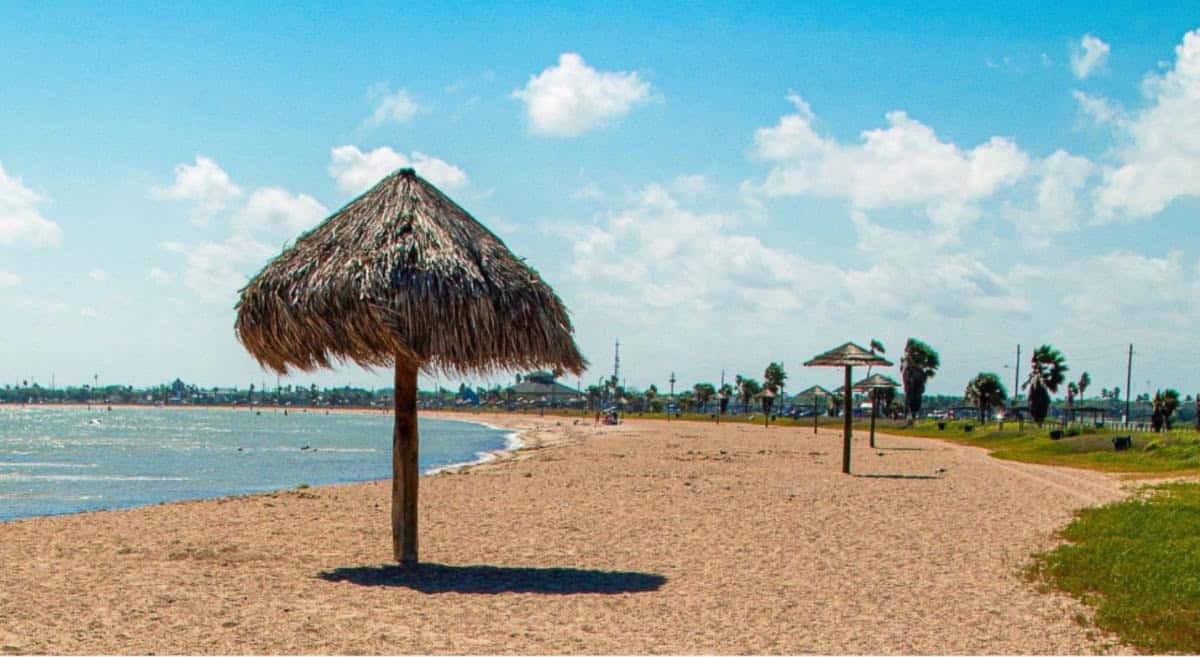

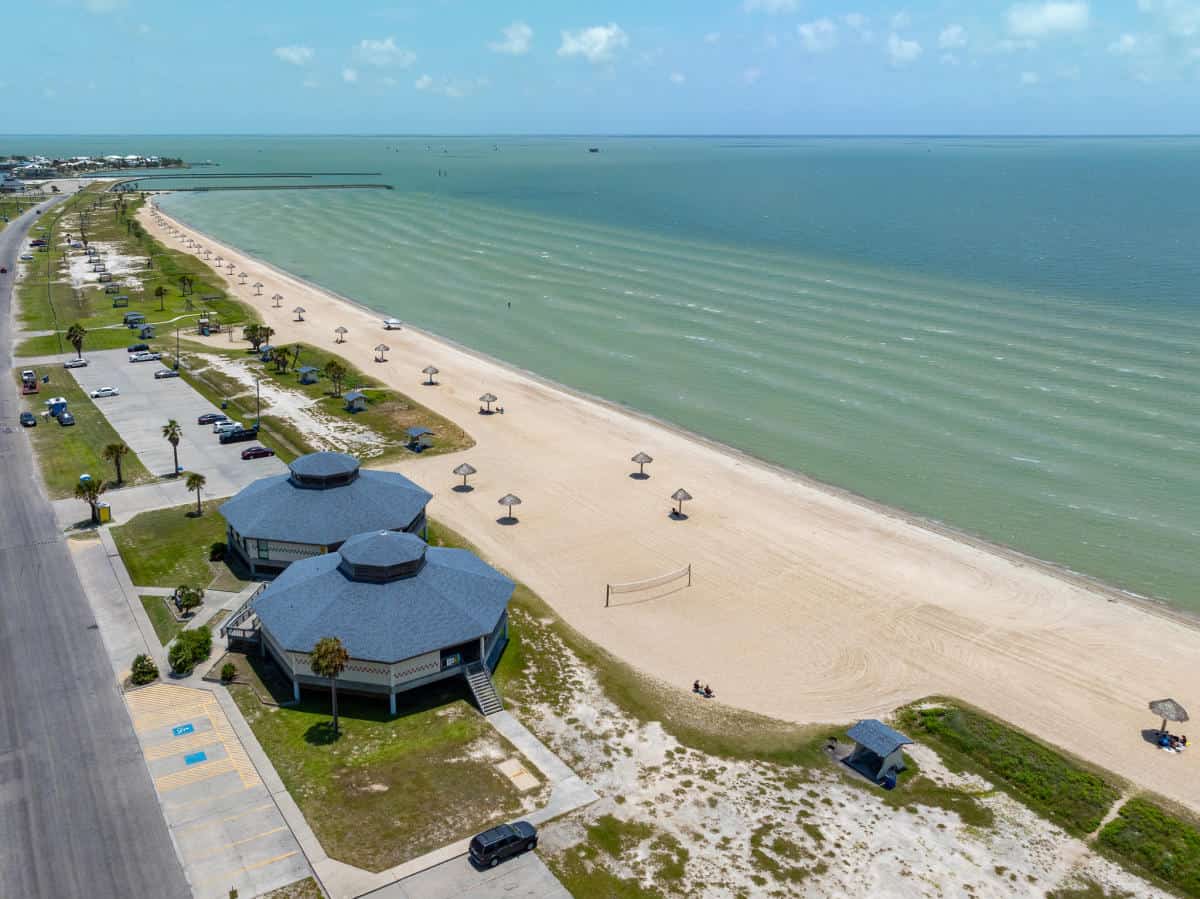
Rockport Beach, if you want sand between your toes, sits about ten minutes down the road with calm, shallow water that is easy on little swimmers.
Come in the cooler months if you can. Winter brings the whooping cranes and mild, breezy days, and the crowds that fill the rest of the Texas coast in July never quite find their way here.
Go Before Everyone Else Catches On
Fulton is the rare Texas coast town that never got the memo about becoming a resort, and it is all the better for it.
Come for the shrimp off the boat, stay for the spoonbills and the sunset, and drive up to stand under a tree that was here a thousand years before you. Pack a cooler, roll the windows down on Highway 35, and let the salt air do the rest.
This is the quiet coast Texas used to have everywhere, and it is still right here waiting.
Featured image: Brian Grunberger via Fulton Harbor

Stella Raines
Editor-in-Chief
Stella brings over a decade of storytelling experience to TX Headlines. With roots in West Texas and a love for road trips, she leads the editorial team with an eye for the hidden stories that make Texas unforgettable.
More Stories
This Quirky Small Texas Town Is Rich in Charm, History, and a Love of Trains
This Tiny Texas Hill Country Town Is All Pink Granite, Wide-Open Skies, and Easygoing Days
This Tiny Texas Town Was a Ghost Town Until Its 1878 Dance Hall Brought It Roaring Back
This Gorgeous Texas Hill Country Town Is Still Affordable and Largely Undiscovered
Tags