This Gorgeous Texas Hill Country Town Is Still Affordable and Largely Undiscovered
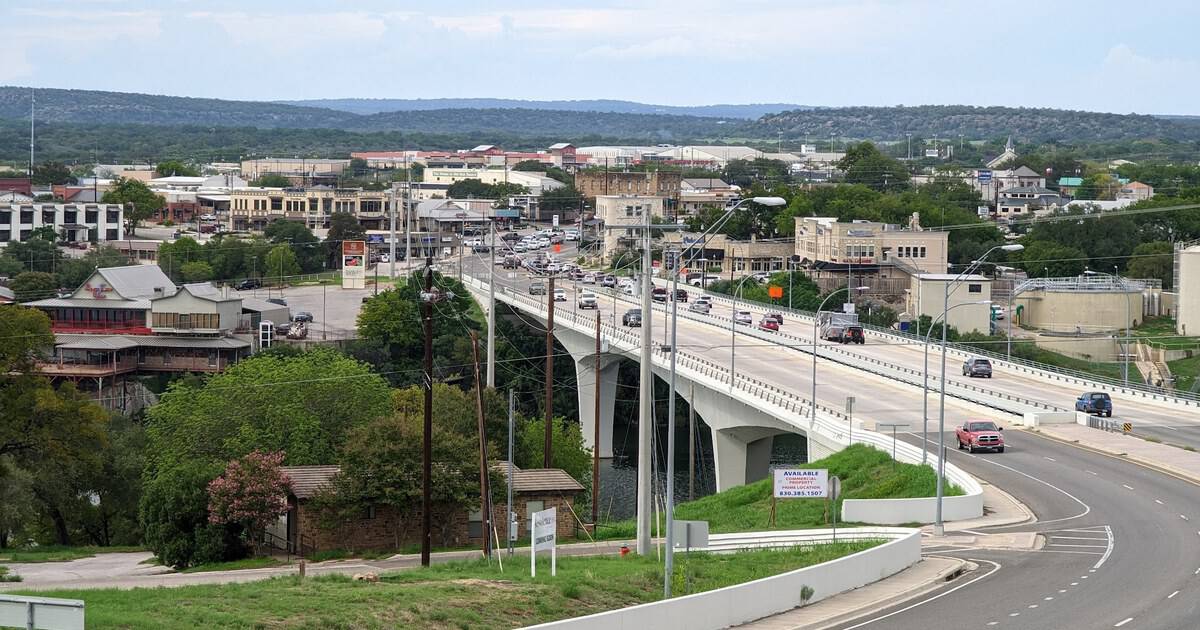
Everybody keeps telling me the Texas Hill Country has been found. The cute towns are packed, the tasting rooms book out weeks ahead, and a lake weekend now costs about what a beach trip used to.
So I stay suspicious of anyone who swears there is still a bargain out here. Then you land in Marble Falls, and the suspicion quietly melts away by the second cup of coffee.
This granite-and-water town about an hour northwest of Austin runs on a kind of unhurried lakeside calm that its flashier Hill Country neighbors spent themselves out of years ago.
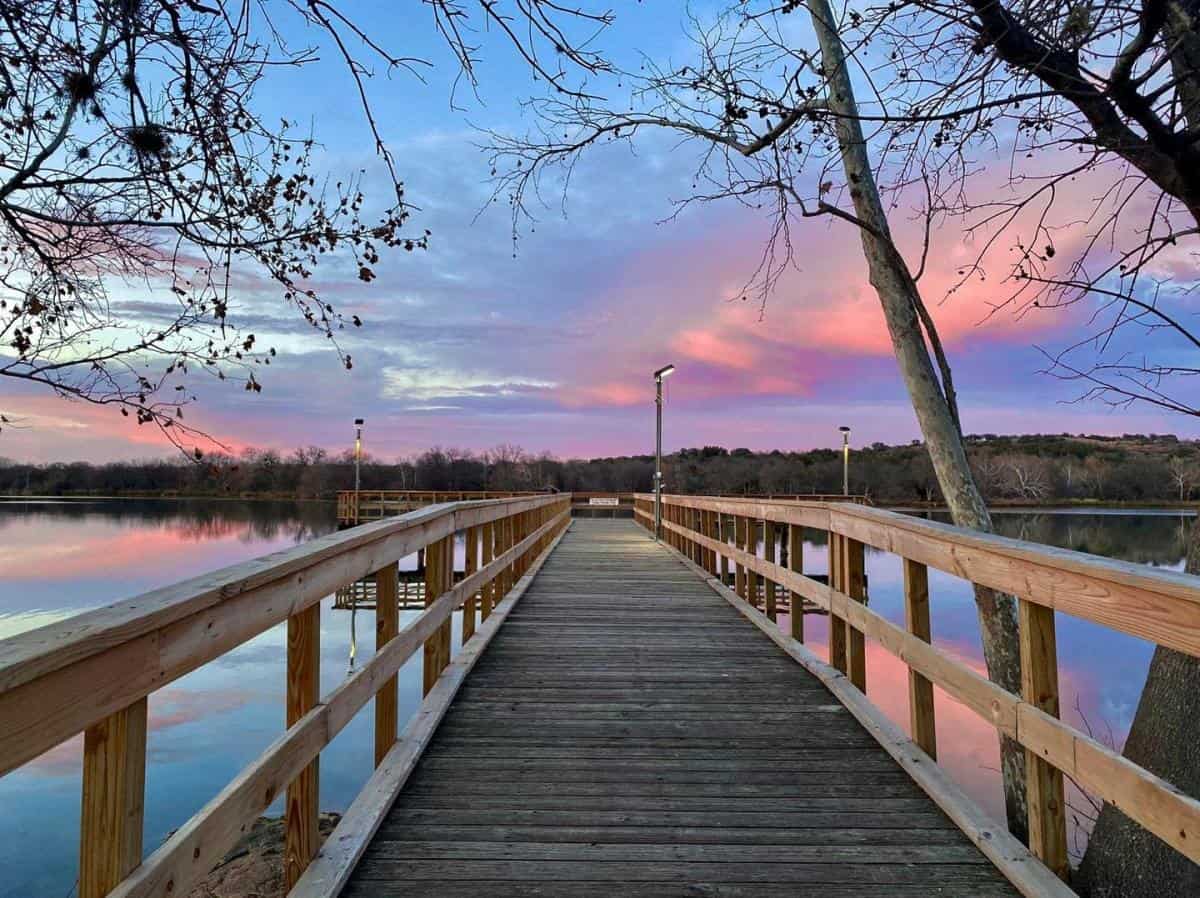
It is affordable, easy on the eyes, and still mostly off the tourist radar. Below, here is why it earns a weekend before the rest of Texas catches on, from a daily pie ritual to a pink mountain that helped build the state capitol.
A Town You Can Actually Watch the Water From
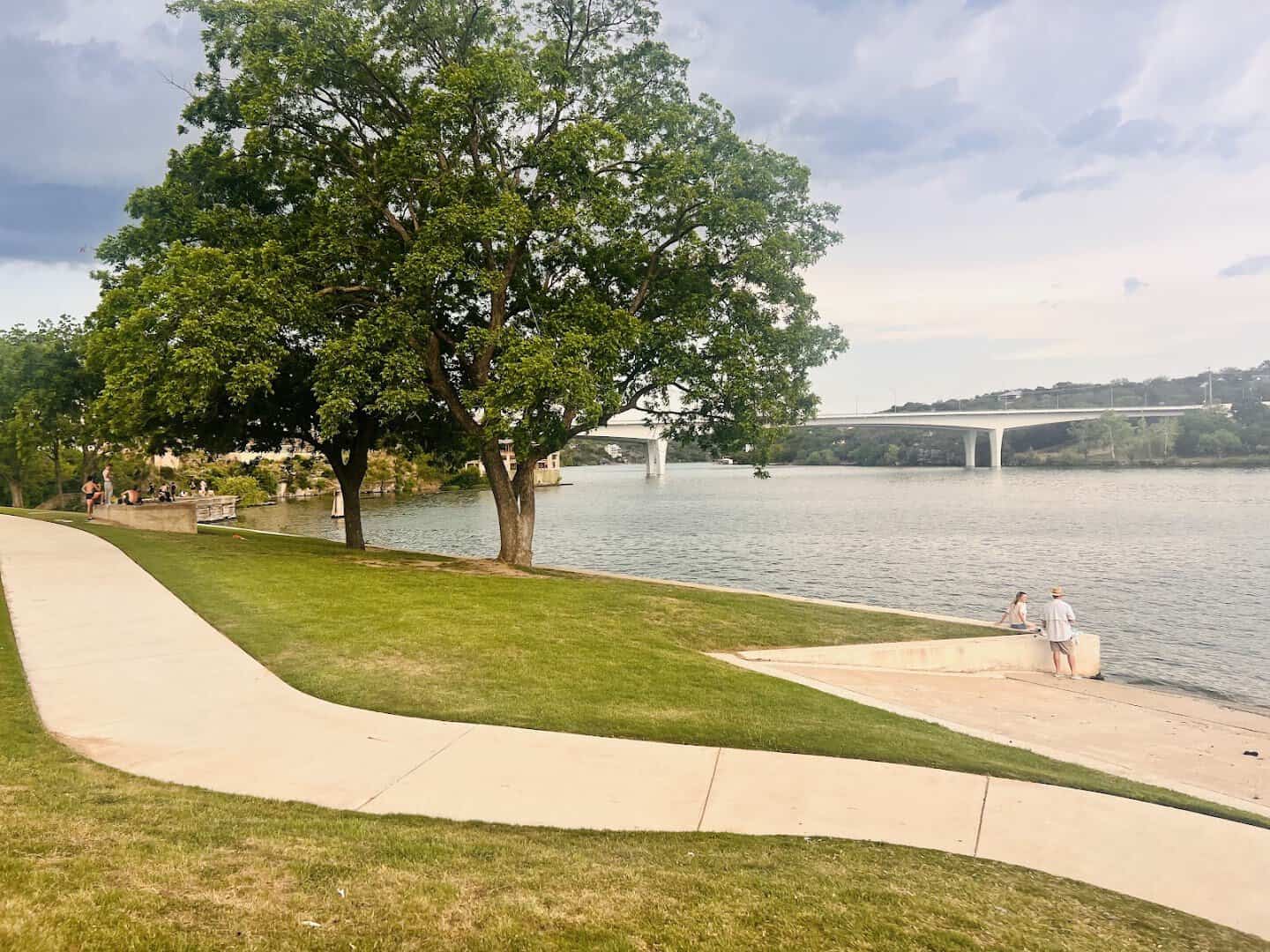
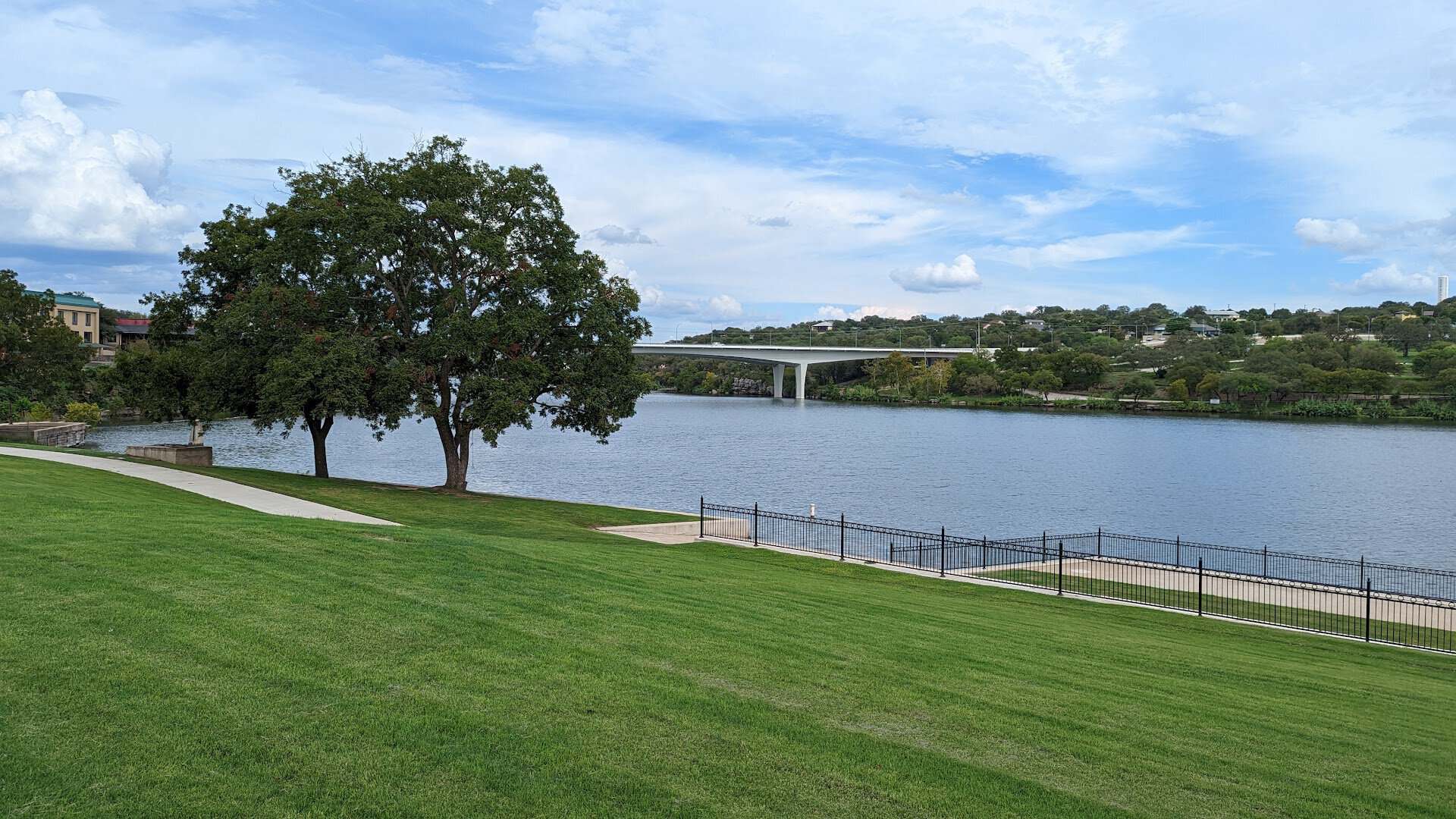
Most lake towns tuck their water behind private docks and gated driveways. Marble Falls does the opposite. Lake Marble Falls sits right at the foot of downtown, so you can see it from the street, which is something almost no Texas lake town can honestly claim.
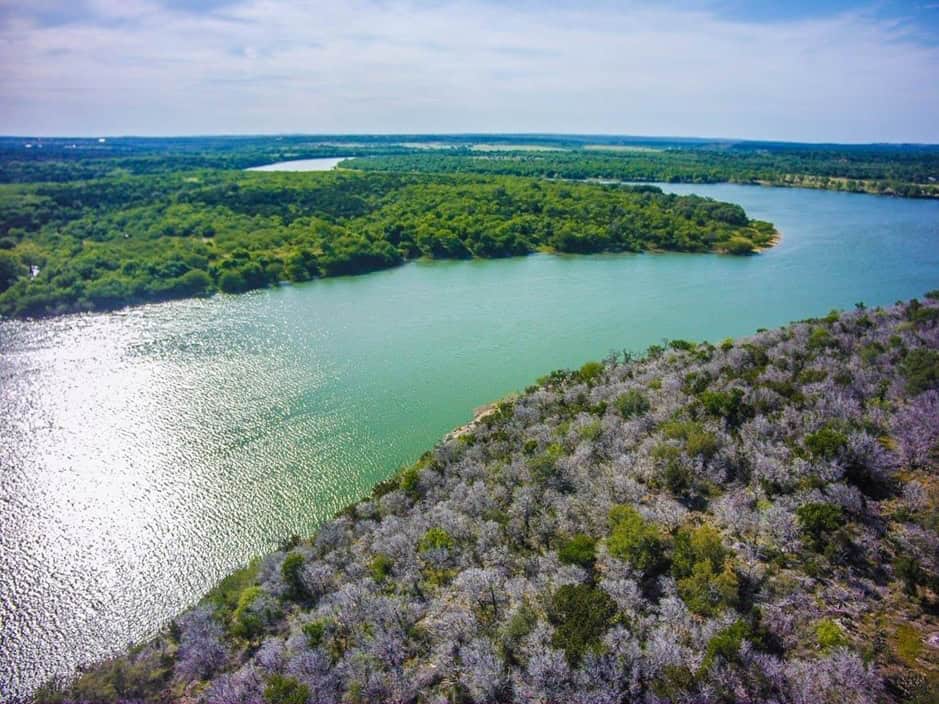
The lake itself is a wide, calm stretch of the Colorado River, part of the Highland Lakes chain that the Lower Colorado River Authority strung across the region. Max Starcke Dam finished the job in 1951, backing the old rapids up into flat, easy water.
The dam is worth a look in its own right. When the authority opens the floodgates after a heavy Hill Country rain, the spillway roars to life and people gather on the banks to watch the white water thunder through the gates.
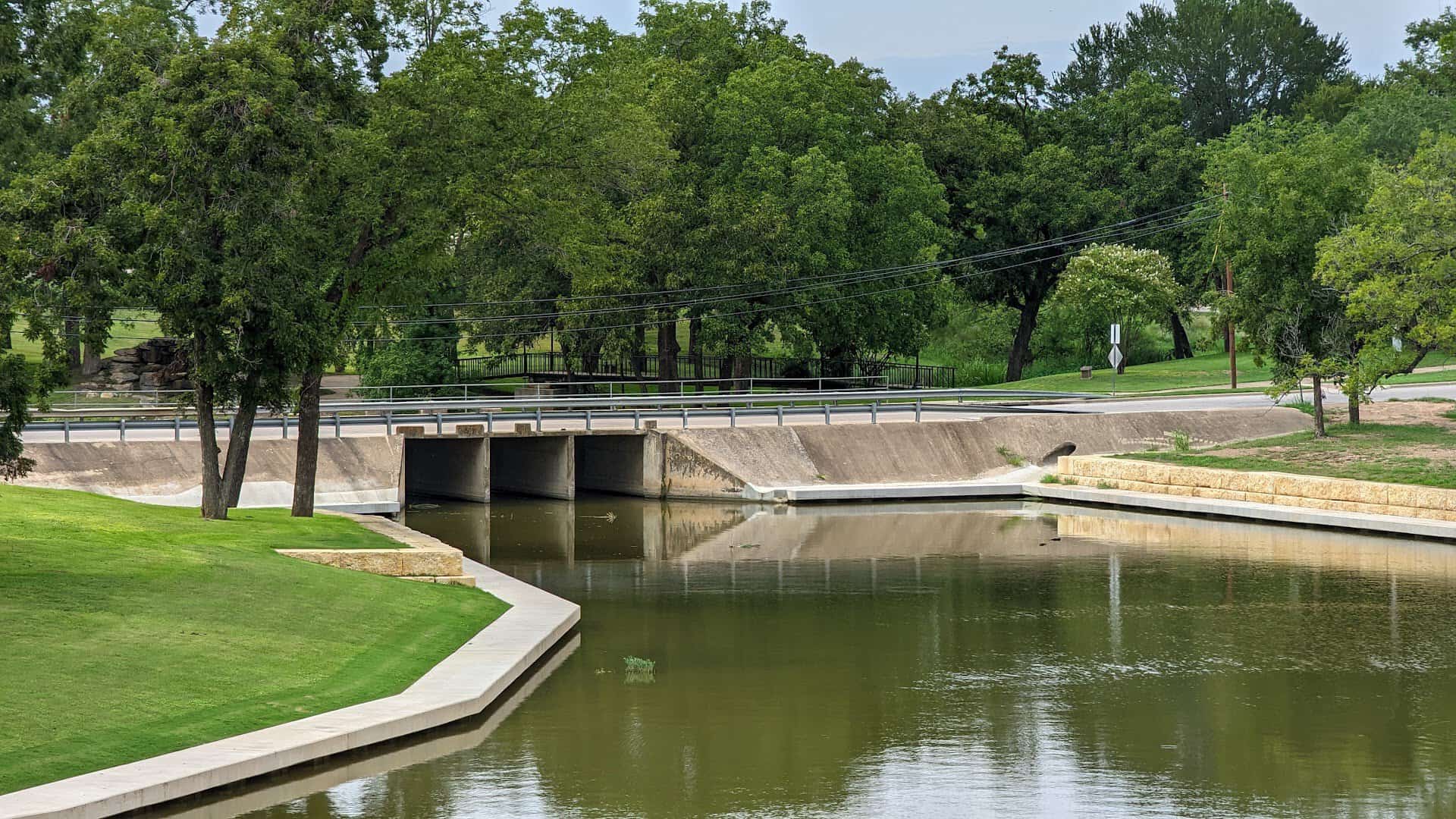
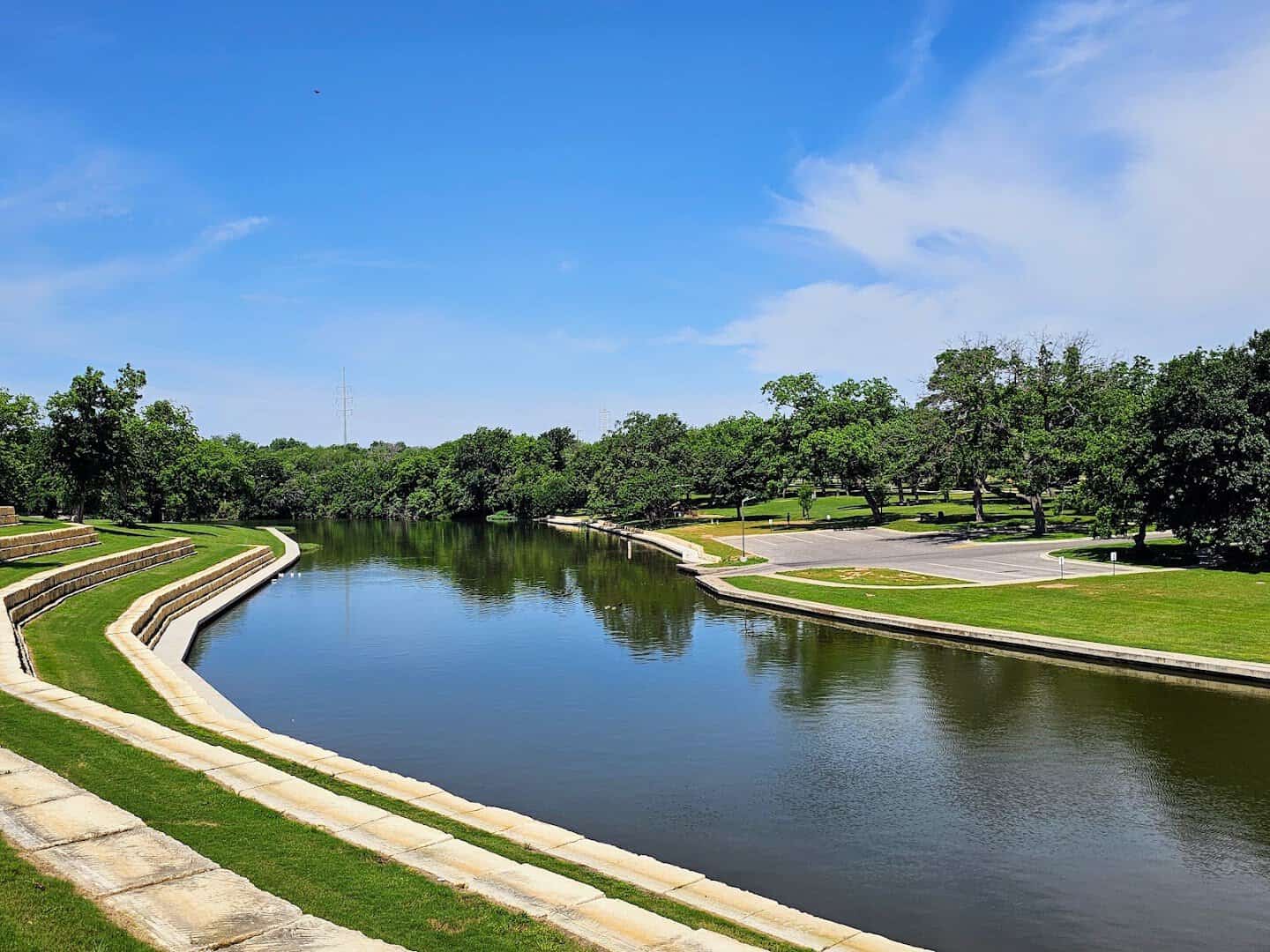
That water is the whole personality of the place. You can kayak it, fish it for bass, paddleboard across it, or just claim a bench at Lakeside Park and watch the herons work the shallows while nobody once tries to hurry you along.
Limestone outcrops frame both banks, pink and gray and rugged, so even a lazy hour by the shore feels a little cinematic. This is scenery shaped by the land itself, not poured by a resort developer, and you can feel that difference in your shoulders.
Main Street Was Built for Wandering
Downtown Marble Falls has an energy you cannot fake. Small shops line the blocks, most of them around long enough to feel like fixtures, and the place quietly dares you to park once and lose an entire afternoon on foot.
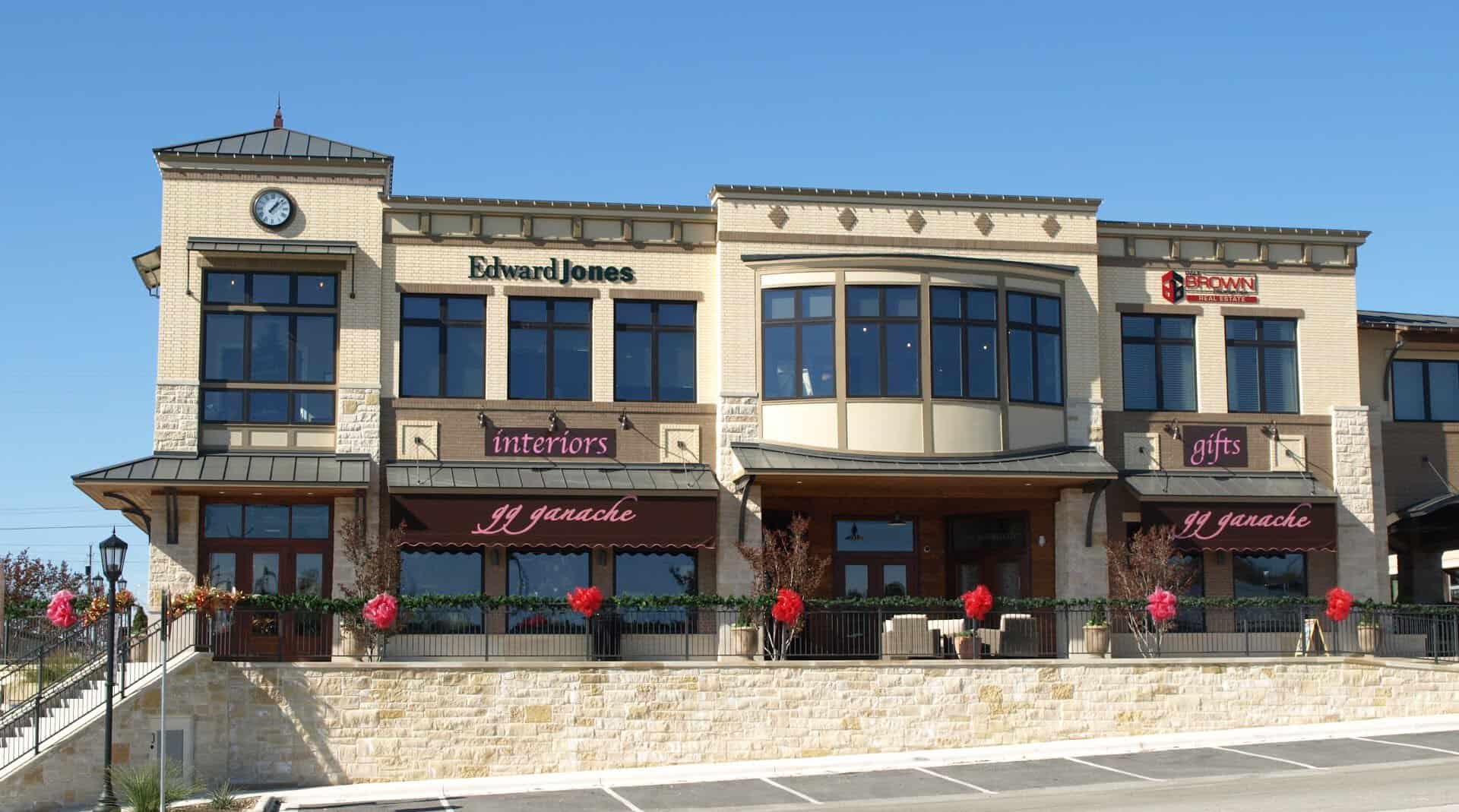
You will find boutiques and hardware stores, bakeries and little galleries tucked between old storefronts that clearly have stories to tell. The sidewalks are generous, the benches are plentiful, and nobody is working very hard to sell you anything you did not come for.
Public art has crept in over the years too. Murals brighten building walls and sculptures turn up near the waterfront, giving the town a creative pulse that feels earned rather than staged for visitors passing through.
On weekends, seasonal vendors set up near the lake with produce, crafts, and the kind of small talk that lasts twenty minutes. The whole downtown reads more like a friendly neighborhood than a tourist zone, and that is the thing you notice most.
Pie o’Clock Is a Genuine Institution
If Marble Falls has an official ritual, it happens at the Blue Bonnet Cafe between three and five on weekday afternoons. They call it Pie Happy Hour, and it is exactly as wholesome as it sounds.
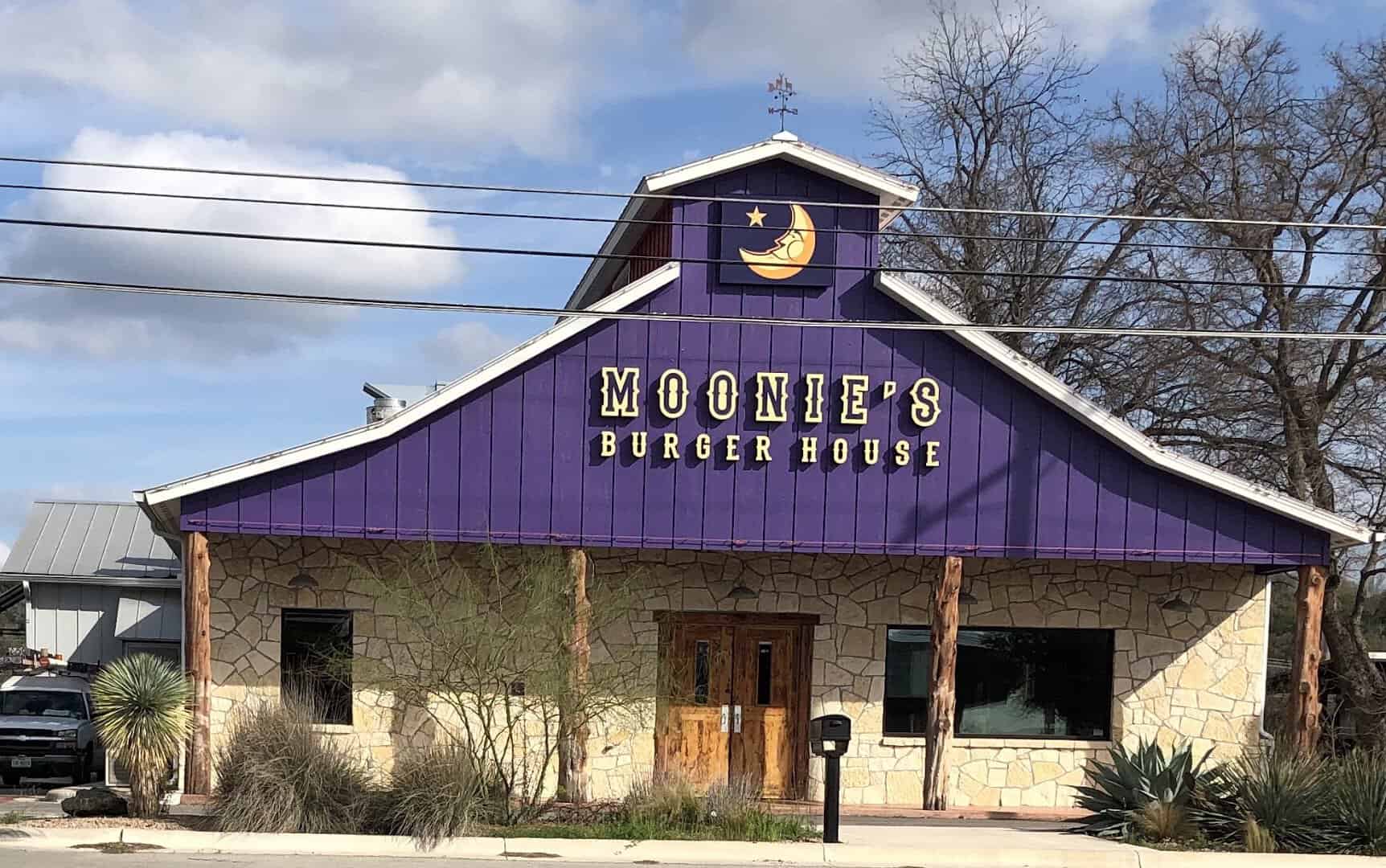
For a few dollars, about $4, you get a fresh slice and a drink from a dozen flavors baked that same morning. The cafe has fed this town since 1929, moved to its Highway 281 home in 1946, and a local family has kept it running since 1981.
Did you know? The cafe is named after a blue hat, not the state wildflower, and Lyndon Johnson once held breakfast meetings in one of its side rooms. The chicken-fried steak and the all-day pancakes have their own devoted following.
Barbecue has arrived in force lately too. Smokehouse 44 opened in 2025 with a pitmaster who came up through Lockhart, and the post-oak smoke drifting down Highway 281 handles most of the advertising it needs.
None of it feels precious. Portions are generous, prices are fair, and the service tends to treat you like a regular on your first visit. Eating your way through town is one of the better ways to understand what makes it tick, and it will not wreck your budget.
The Blind Man Who Dreamed Up a Town
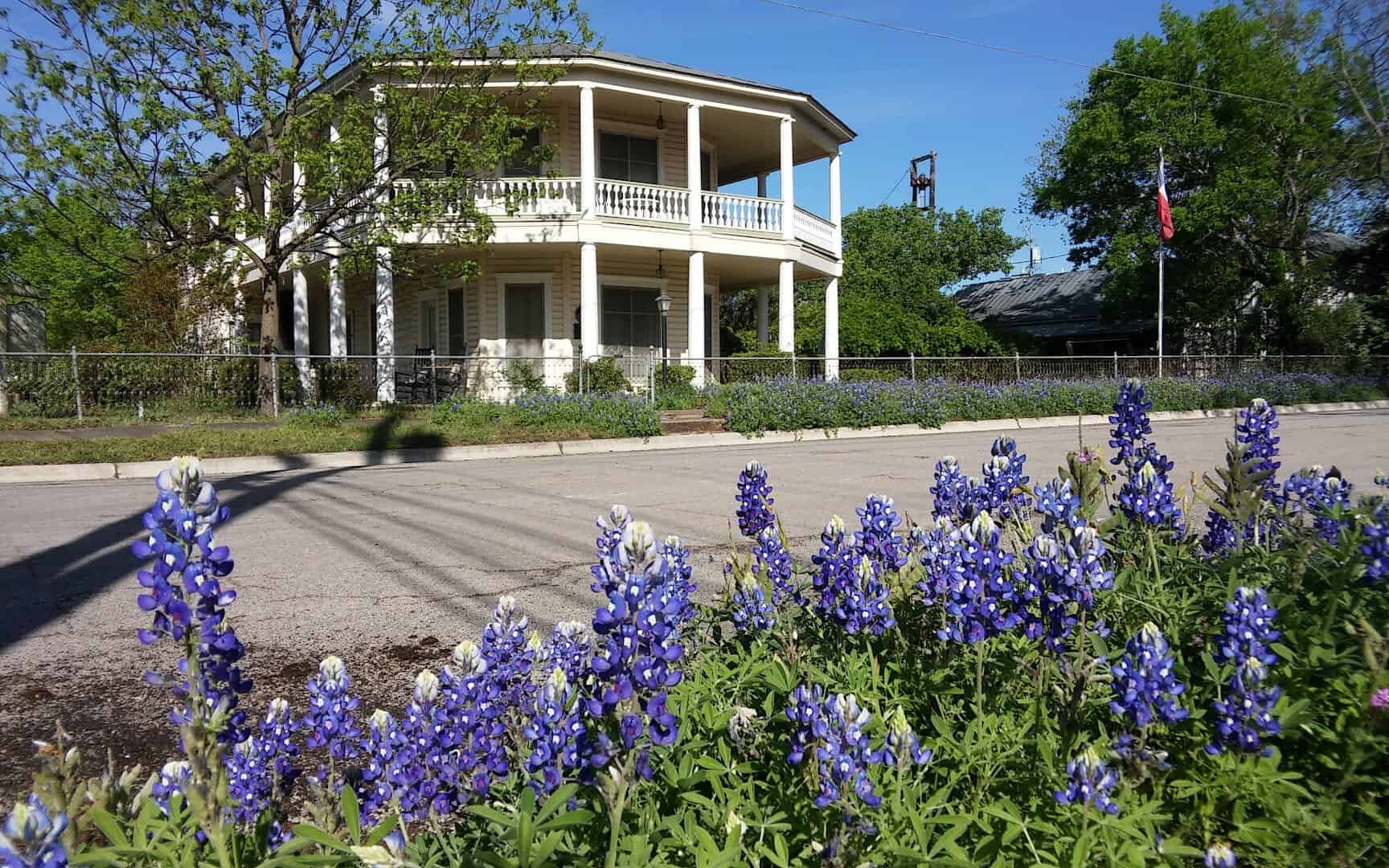
Marble Falls exists because of one stubborn man who could not see it. Adam Rankin Johnson, a former Confederate general nicknamed Stovepipe, was blinded by his own men in an 1864 skirmish and spent the next sixty years building the future he had first pictured with working eyes.
He had seen the falls on the Colorado back in 1854 and never let the idea go. By the 1880s he controlled the land, and on July 12, 1887, lots in his new townsite went up for sale. Locals came to call it the blind man’s town.
It grew fast. Within a few years there were churches and general stores, a cotton gin, a gristmill, a hotel, and a weekly paper. By the time the town incorporated in 1907, it was already a real Hill Country hub.
About those falls the town is named for: they were actually limestone, not marble, and early settlers simply guessed wrong at the rock. The rapids vanished under the lake in 1951, though when the authority lowers the water for maintenance, the original falls briefly rise back into view.
The Pink Mountain That Helped Build the Capitol
A mile west of downtown sits a solid dome of pink granite that locals just call Granite Mountain. The stone, sometimes sold as Sunset Red, glows a warm rose color that photographers chase as the afternoon light drops low.
In 1885, the mountain’s owners offered the state all the granite it needed for a new capitol in Austin, free of charge, if Texas would only build a railroad out to haul it away. Texas said yes.
What followed was an epic. Thousands of flatcar loads of that pink stone rolled toward Austin over the next few years, and the finished capitol still wears it today. The same granite later went into the Galveston Seawall, among other Texas landmarks.
The quarry never really stopped. It is still worked today, which means the mountain that helped raise the capitol more than a century ago is a living piece of the town, not a museum exhibit behind glass.
Bluebonnets, Berries, and Big Country Skies
Spring here is a show. Starting in late March the roadsides and open fields fill with bluebonnets, Indian paintbrush, and evening primrose, and the back roads out toward Burnet turn into some of the best wildflower drives in the state.
What makes it different is the elbow room. You can pull over, step out, and stand in a field of blue without competing with tour buses, which is a luxury the more famous wildflower routes gave up a long time ago.
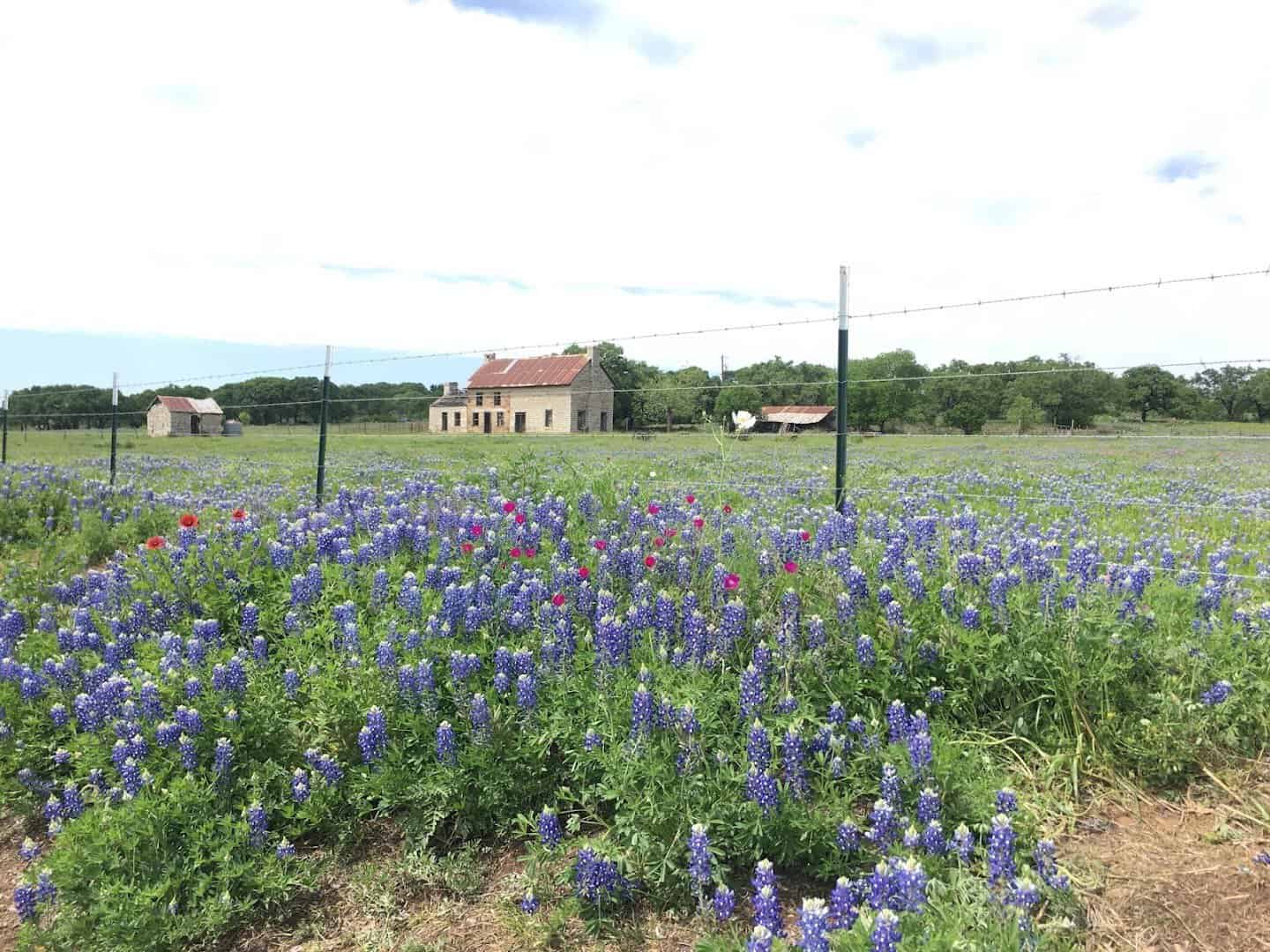
For a hands-on version, Sweet Berry Farm on the edge of town lets you pick your own strawberries and blackberries in spring, then swings into a fall festival with a corn maze, a pumpkin house, and hayrides. Admission is free and you pay only for what you do.
Pro tip: come at golden hour in bluebonnet season, when the low sun sets the whole Hill Country glowing and the granite ledges pick up that same warm pink. It is the kind of light people drive hours just to stand inside.
Wild Country Right on the Doorstep
The outdoors around Marble Falls stretches far past the lake. Balcones Canyonlands National Wildlife Refuge spreads across roughly 28,000 acres of cedar and oak canyon nearby, protecting rare birds that nest almost nowhere else on earth.
This is one of the last strongholds of the golden-cheeked warbler, a small songbird that raises its young only in the Texas Hill Country, alongside the black-capped vireo. For serious birdwatchers, the refuge is a real pilgrimage rather than a pleasant detour.
A short drive north, Longhorn Cavern State Park hides a cave carved out by an ancient underground river and dressed up by Civilian Conservation Corps crews back in the 1930s. Guided walking tours wind you through cool, sculpted stone even on the hottest Texas afternoon.
Add in miles of rolling Hill Country roads that road cyclists and mountain bikers quietly adore, plus shaded trails through cedar and oak, and the outdoor menu here starts to look absurdly deep for a town this size. Most of it costs little or nothing to enjoy.
Two Million Lights Beside the Lake
Come winter, the town pulls off something special. Every year Lakeside Park lights up for the Walkway of Lights, a lakeside stroll strung with around two million bulbs and more than 350 sculptures made entirely of light.

It runs for weeks from late November into early January, and it has been a beloved local tradition for well over three decades now. You walk the shoreline path in the cold with a cup of cocoa, the reflections doubling on the black water beside you.
It is the sort of hometown holiday event that big cities try to manufacture and rarely land. Here it feels unforced, a whole town’s worth of goodwill wired up and switched on beside the lake it loves.
Still a Bargain, and Still a Secret
The first thing you notice when you start pricing a life here is how reasonable everything feels. Housing costs run well below Austin, which sits about an hour east, and everyday spending stays refreshingly gentle on the wallet.
The town has grown steadily, with the population climbing just past nine thousand, yet it has not hit the tipping point where growth swallows the character. There is still room here, physically and financially, to plant roots without feeling squeezed.
That is the quiet magic of Marble Falls. It is the kind of place you wish you had discovered five years ago, and are honestly glad you found before everyone else did.
How to Get There
Where: Marble Falls, TX 78654. Downtown runs along Main Street just off US Highway 281, about an hour northwest of Austin. The Blue Bonnet Cafe anchors the food scene at 211 US Highway 281.
Aim for a weekday if you can, when Pie Happy Hour hits its stride and Main Street is at its quietest. Spring brings the wildflowers, fall brings the berry farm, and winter brings the lights, so there is no wrong season to point the car this way.
Start Planning Your Hill Country Escape
So book the weekend, grab a slice of pie for the road, and go see this lake town while it still feels like a secret. Marble Falls has waited quietly on the Colorado for over a century, and it would love for you to find it first.
Featured image: Ghantasala Veerapratap via Marble Falls

Stella Raines
Editor-in-Chief
Stella brings over a decade of storytelling experience to TX Headlines. With roots in West Texas and a love for road trips, she leads the editorial team with an eye for the hidden stories that make Texas unforgettable.
More Stories
This Quirky Small Texas Town Is Rich in Charm, History, and a Love of Trains
This Tiny Texas Hill Country Town Is All Pink Granite, Wide-Open Skies, and Easygoing Days
This Tiny Texas Town Was a Ghost Town Until Its 1878 Dance Hall Brought It Roaring Back

10 Texas Places You’ll Visit Once and Return to Every Year
Tags