This Tiny Texas Hill Country Town Is All Pink Granite, Wide-Open Skies, and Easygoing Days
Some towns want you to hurry. They line up the attractions, hand you a map, and start the clock the second you park. I have never been able to relax in a place like that.
My favorite Texas days are the slow ones. The kind where the biggest decision by noon is whether to get the brisket or the pork chop, and the answer is usually both. That is the whole appeal of a town that never learned to rush.
There is a corner of the Hill Country that runs entirely on that pace. It sits about two hours northwest of Austin, built out of sun-warmed granite and wrapped in wide-open sky.
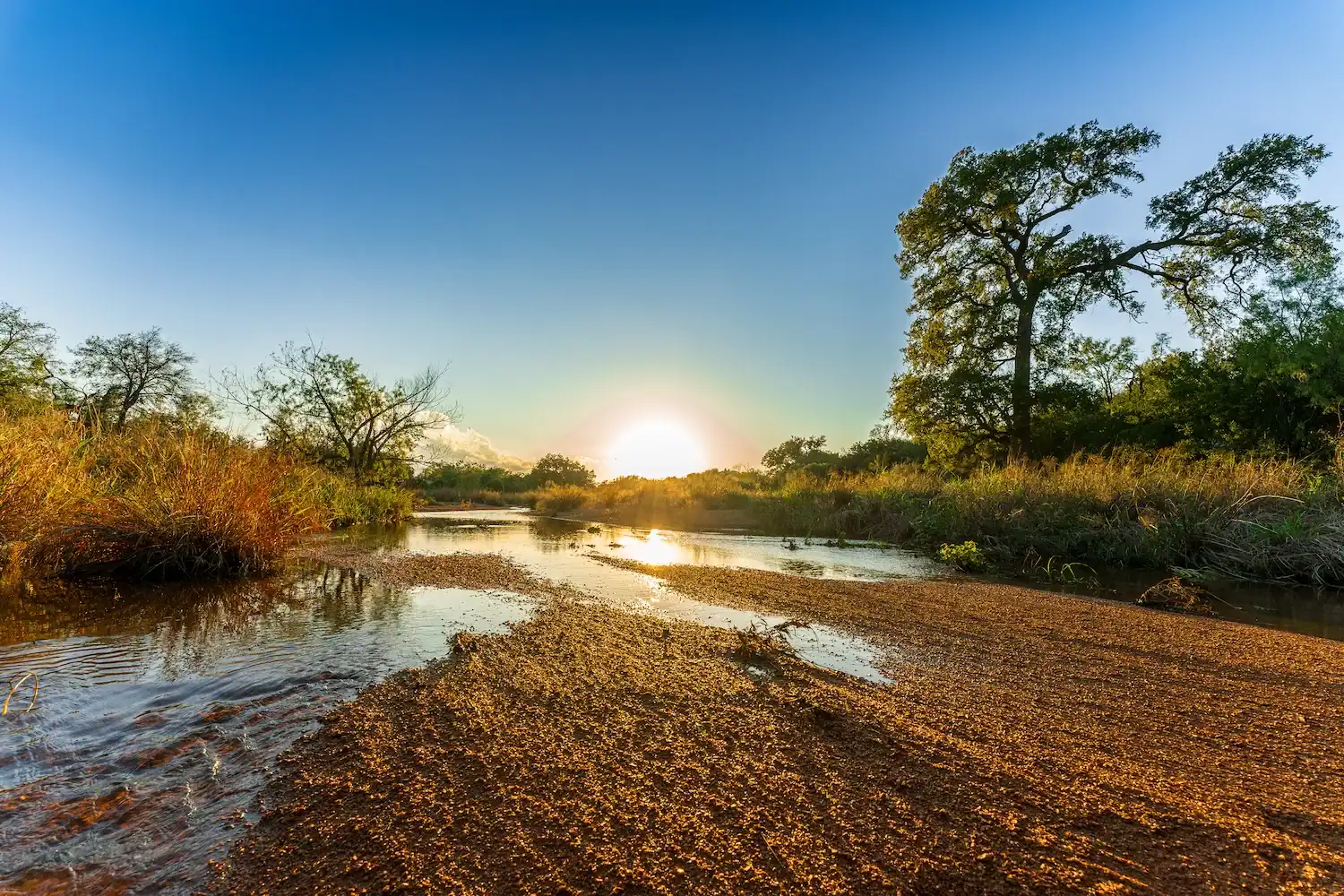
The town is named for the clear river that curls right through the middle of it. That town is Llano, and it may be the most unbothered place in the whole state.
Here is why Llano deserves a weekend, and why you will want to drive slower once you get there.
A Square Where Nothing Feels Rushed
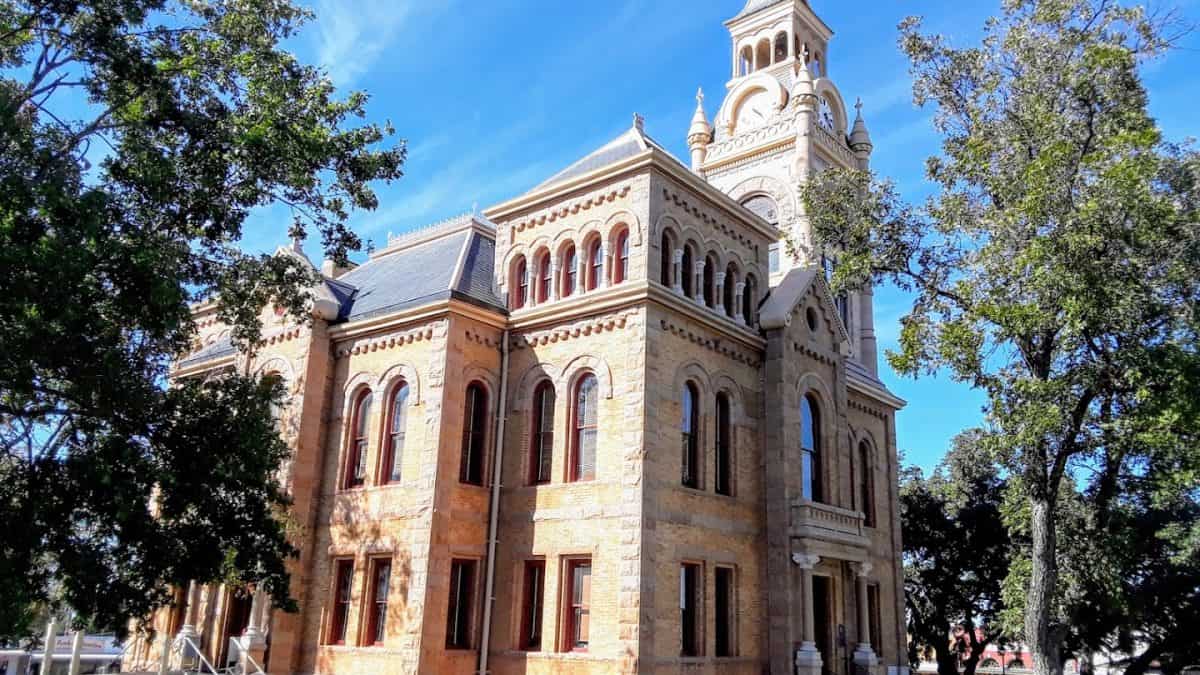
The heart of Llano is its courthouse square, and the courthouse itself is the kind of building you pull over for. It went up in 1893 out of local granite, with arched windows and a clock tower that watches over the whole downtown.
Around it sits a square that never got over-renovated into something fake. The shops still sell real things. You can wander from an antique store to a bakery to a saddle shop without feeling like you walked into a theme-park version of small-town Texas.
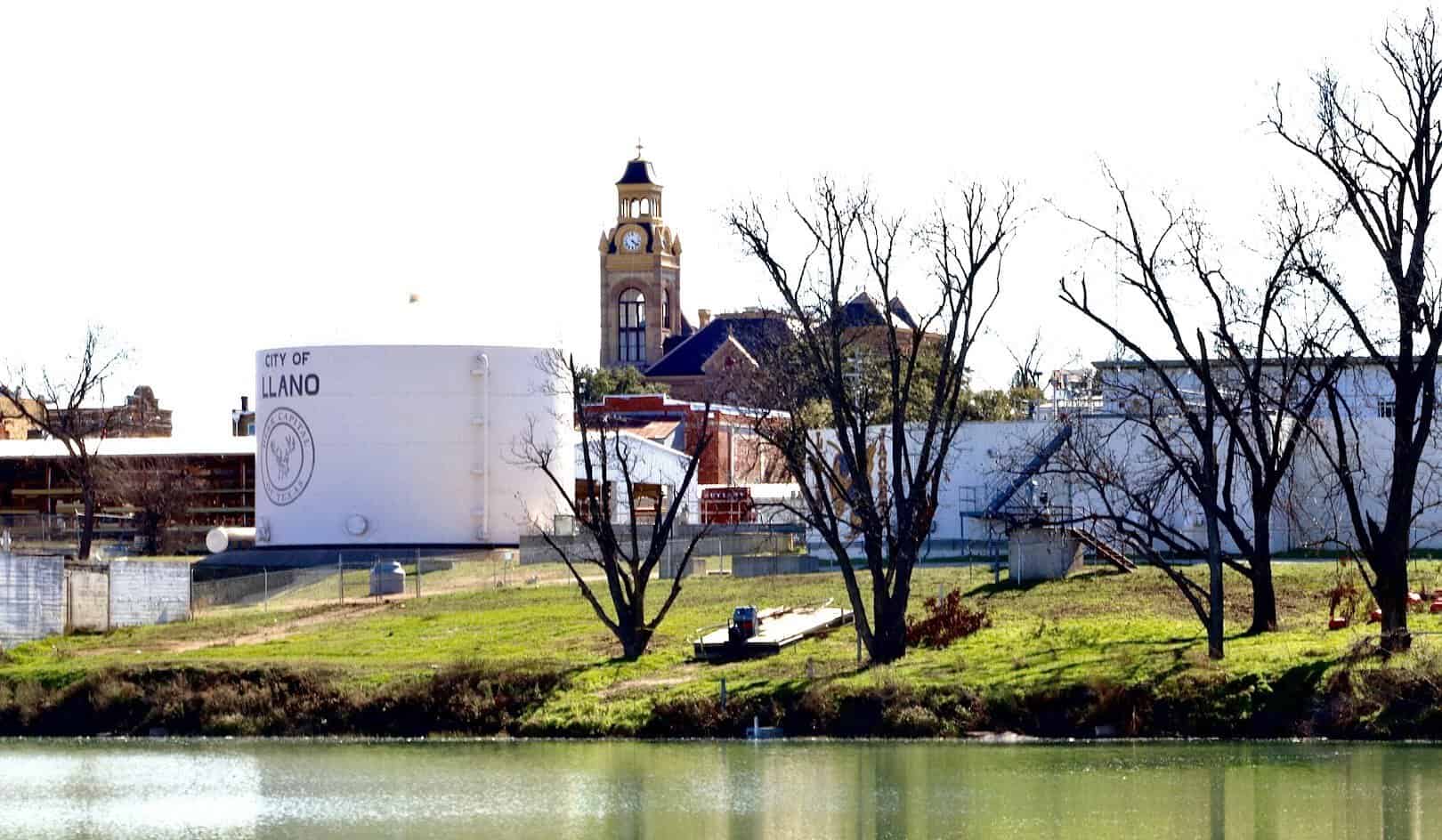
That is the trick of the place. It is charming because nobody tried too hard to make it charming. The brick storefronts have been here for more than a century, and they wear it well.
Give yourself a morning to just walk it. Coffee in hand, no schedule, is exactly how Llano wants to be seen. You will get more out of an aimless hour here than a packed itinerary anywhere else.
The River That Runs Through Town
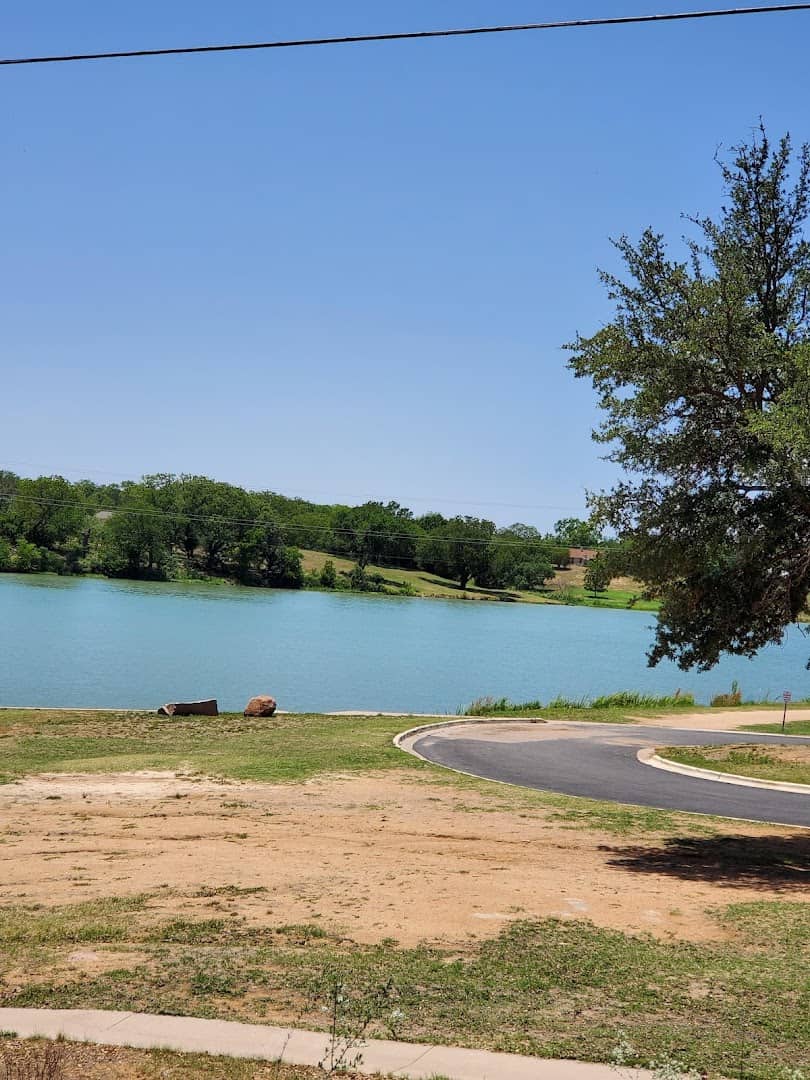
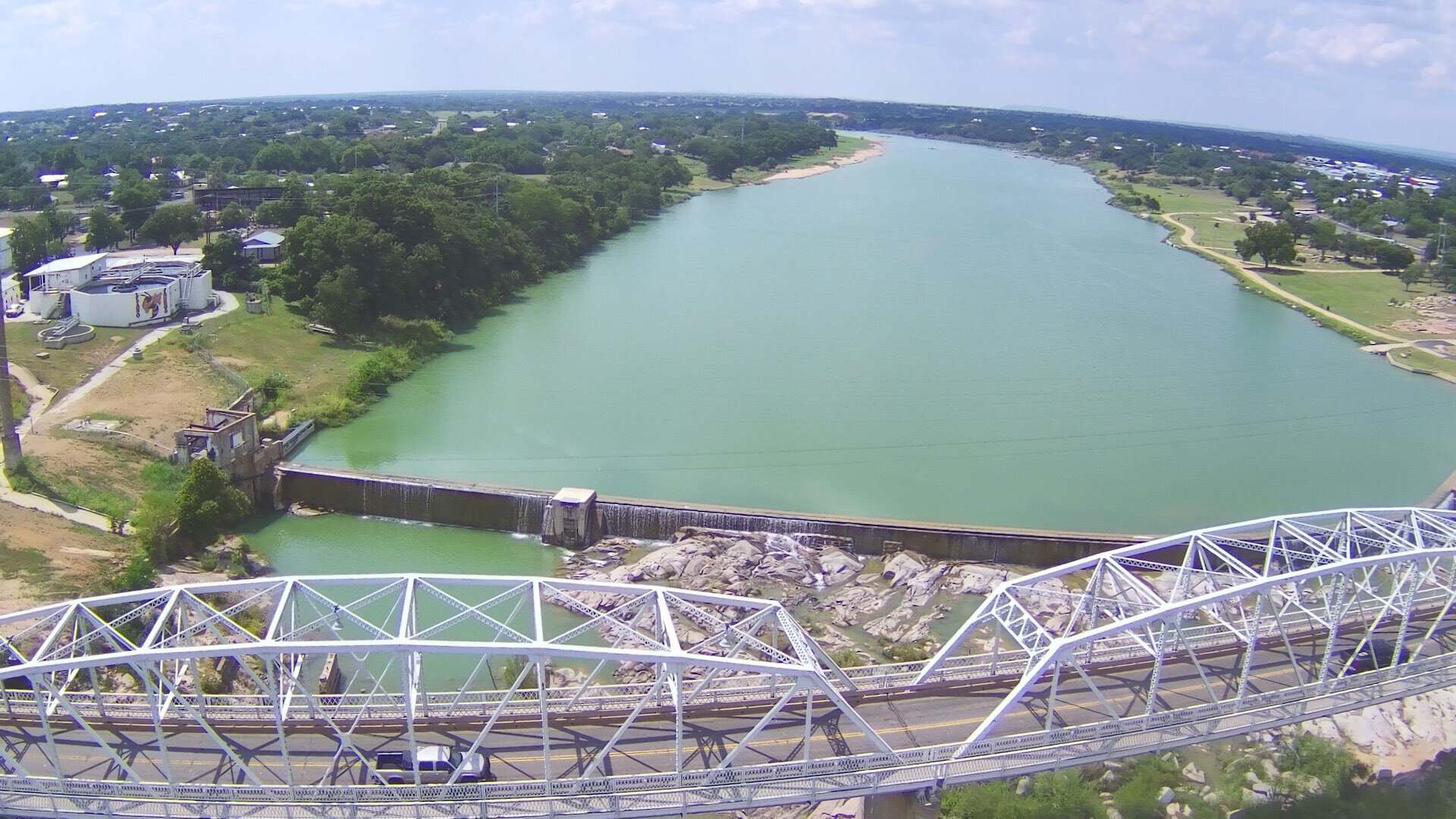
You do not have to drive to find water here. The Llano River runs straight through the middle of town, clear and cool over a bed of pink granite and limestone.
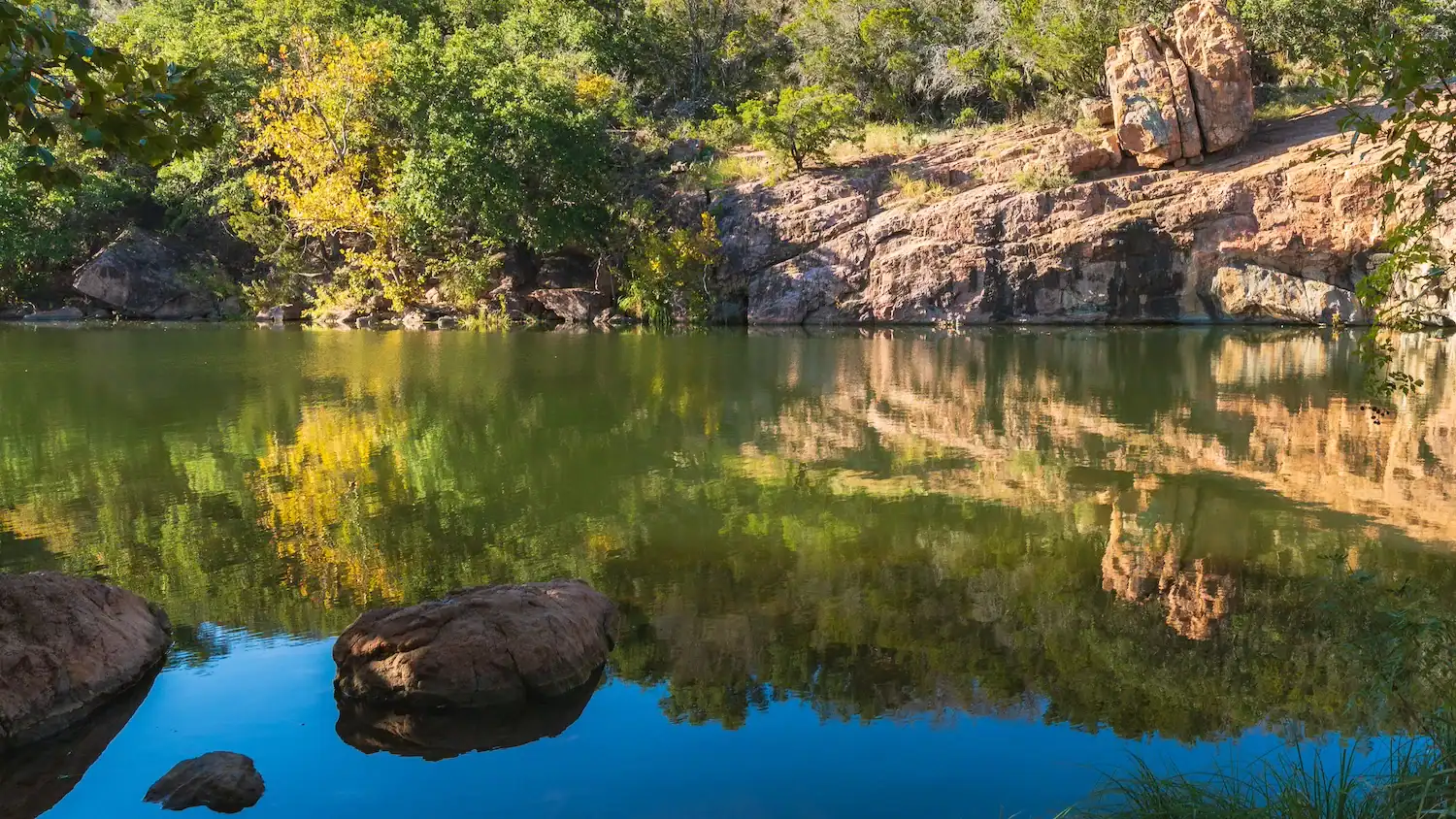
It is the reason a lot of people fall for the place. In summer the swimming holes fill up with families, shallow and easy in some spots, deeper in others.
The granite slabs along the bank make natural spots to spread a towel and do nothing for a while. That is not wasted time here. That is the whole point.
There is easy access all over town. Robinson City Park and Badu Park both give you shade, a place to launch a kayak, and enough room to spread out without a crowd breathing down your neck.
Anglers love it too. The Llano is known for Guadalupe bass, largemouth, Rio Grande cichlids, and a whole roster of sunfish, and fly fishermen come from across the state to work its runs.
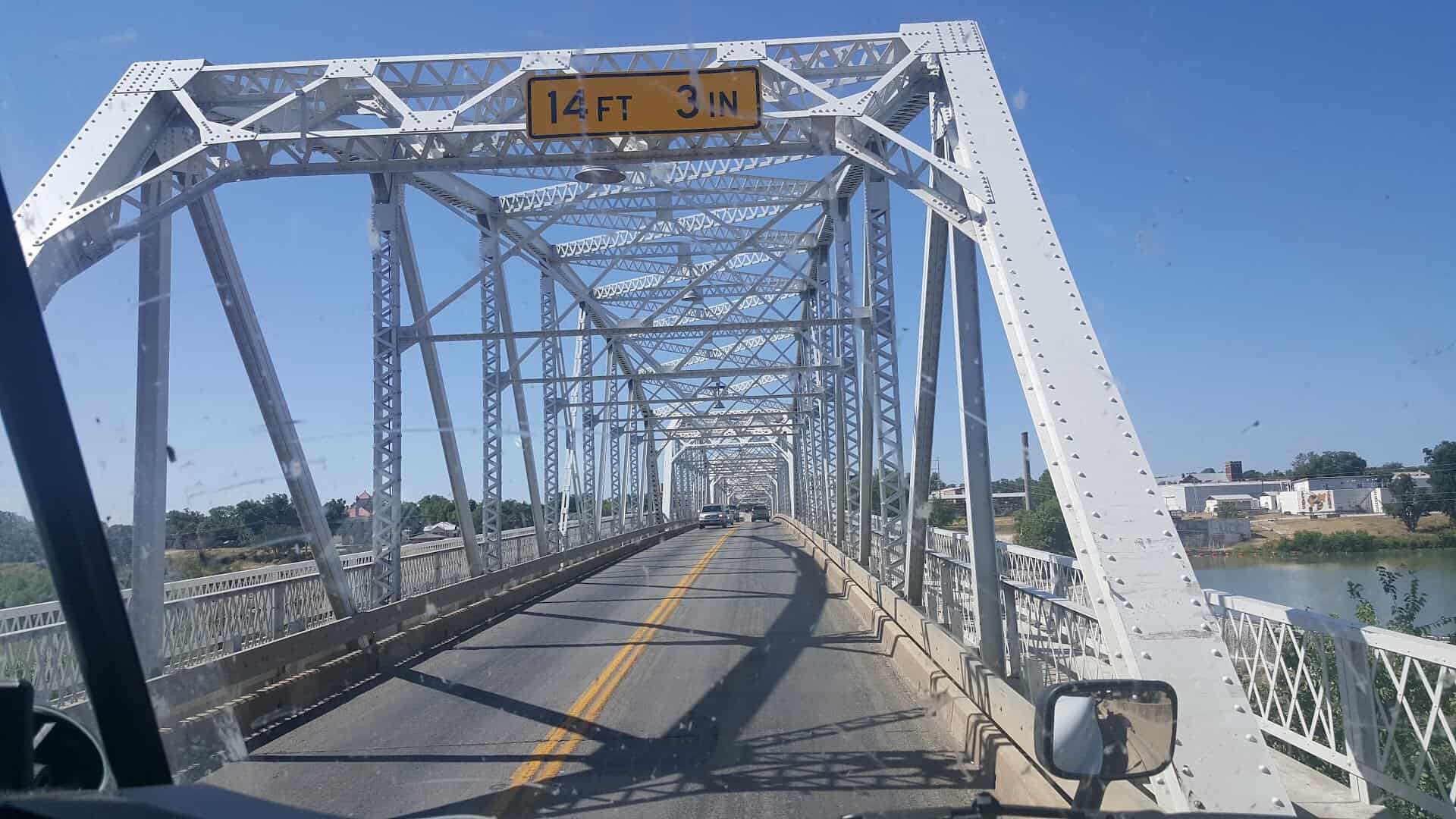
The river is the town’s front porch as much as its playground. On a warm evening you will find folks fishing off the rocks, kids skipping stones, and somebody’s dog convinced the whole thing was built for him.
Here is a fun one: people still pan for gold and gemstones in the Llano River gravel. The odds of striking it rich are slim, but the odds of a genuinely good afternoon are excellent.
Barbecue, Pie, and No Reason to Rush Lunch
Let me be honest about the real reason a lot of folks first point their car toward Llano. It is the barbecue, and specifically it is Cooper’s, an institution here since Tommy Cooper opened it in 1962.
Terry Wootan took the place over in 1992 and kept the whole ritual intact. You do not order from a counter. You walk up to the open pits out front, the pitman lifts the lid, and you point at the piece you want.
Brisket, ribs, sausage, chicken, and cabrito all sit right there over the mesquite coals. The signature order is the Big Chop, a pork chop close to two inches thick, smoky outside and juicy through.
The brisket is no slouch either, starting its smoke around four in the morning. Cooper’s is famous enough that George W. Bush had it catered to his Crawford ranch, once telling a crowd, “We’re fixin’ to eat Cooper’s barbecue from Llano, Texas.”
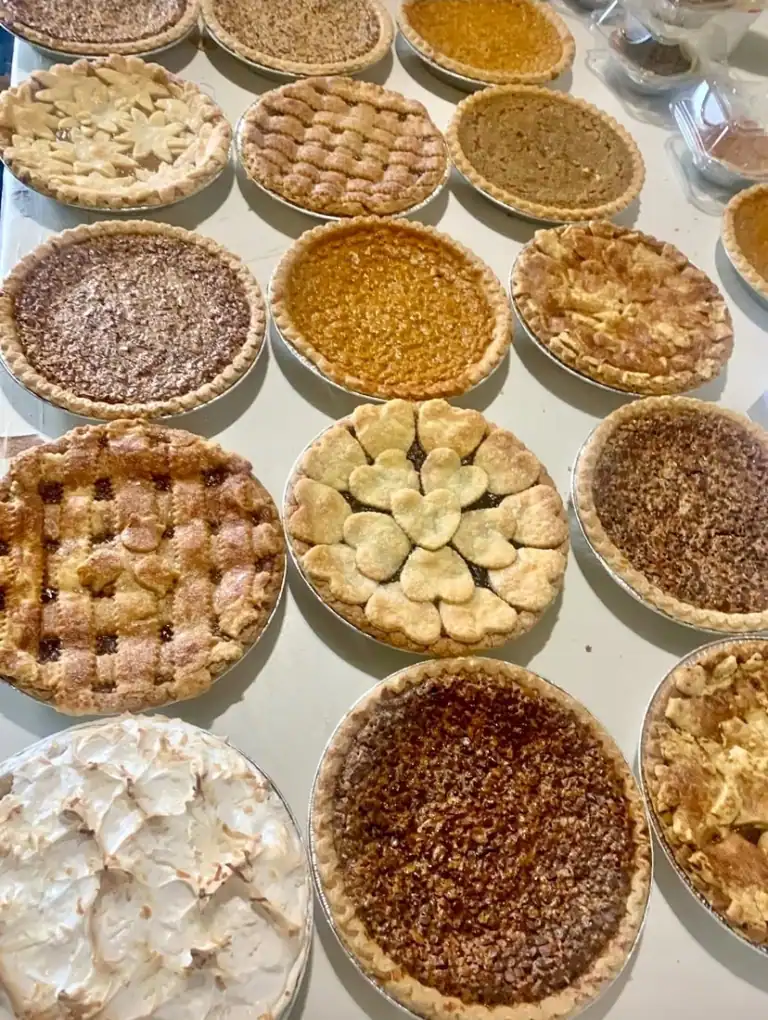
Save room for something sweet, because Llano’s bakeries and cafes are known for pie by the caseful. A good slice caps a barbecue lunch nicely, and if you still want more meat, Inman’s has served its family recipes, turkey sausage above all, since 1967.
Rock Heaven in the Heart of the Hill Country
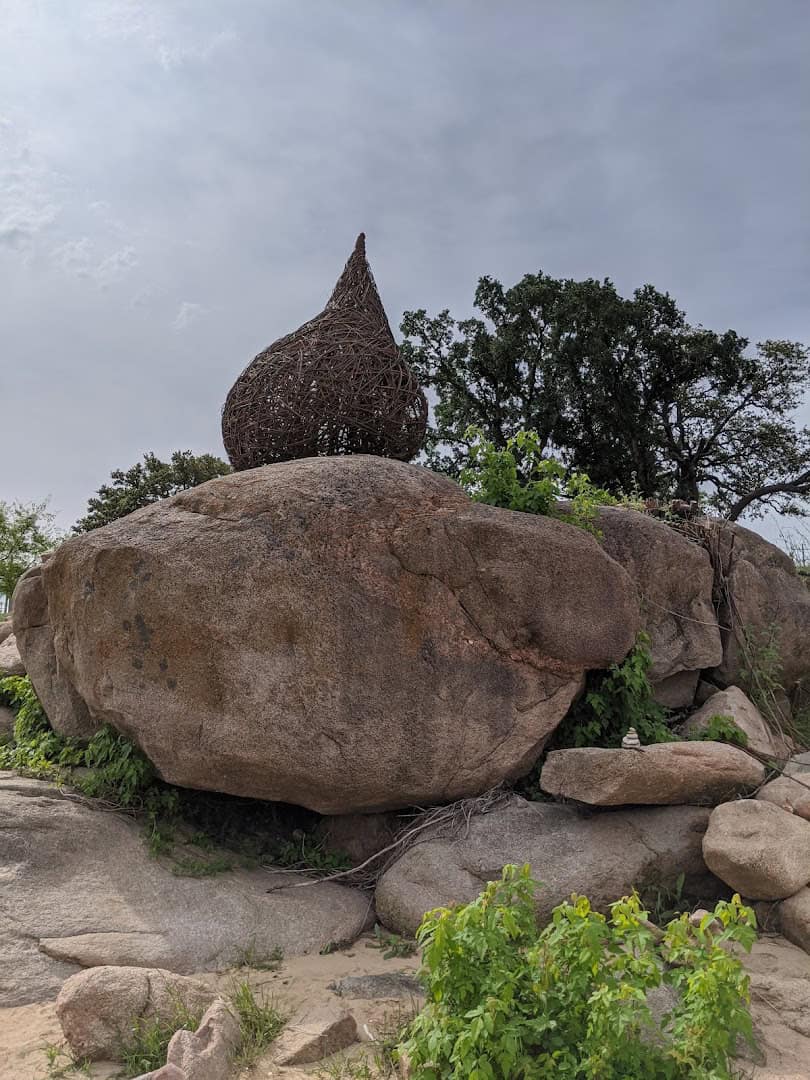
Llano sits on top of something genuinely rare. The whole area is part of the Llano Uplift, a roughly circular dome of ancient rock about 1.5 billion years in the making.
Geologists have counted more than 240 rocks and minerals in the county. The star of the collection is llanite, a dark granite flecked with pale blue crystals that is found nowhere else on Earth.
It is more than a billion years old, and Llano wears it proudly. You can see the largest polished piece of it at the Badu House, a handsome 1891 building whose bar top is a single sweep of blue-speckled stone.
The house was the home of N.J. Badu, a mineralogist who settled in Llano precisely because of his fascination with the local rock. These days it draws people for live music and a good meal as much as for the geology.
Rockhounds treat this county like a treasure map, and honestly, so should you. Even if you cannot tell a feldspar from a fence post, knowing the ground under your feet is older than almost anything on the planet gives the town a quiet kind of awe.
Old Buildings With Stories to Tell
Llano rewards anyone who likes to poke around old buildings. The Dabbs Railroad Hotel, built in the early 1900s along the river, once put up travelers stepping off the train and still watches over the water.
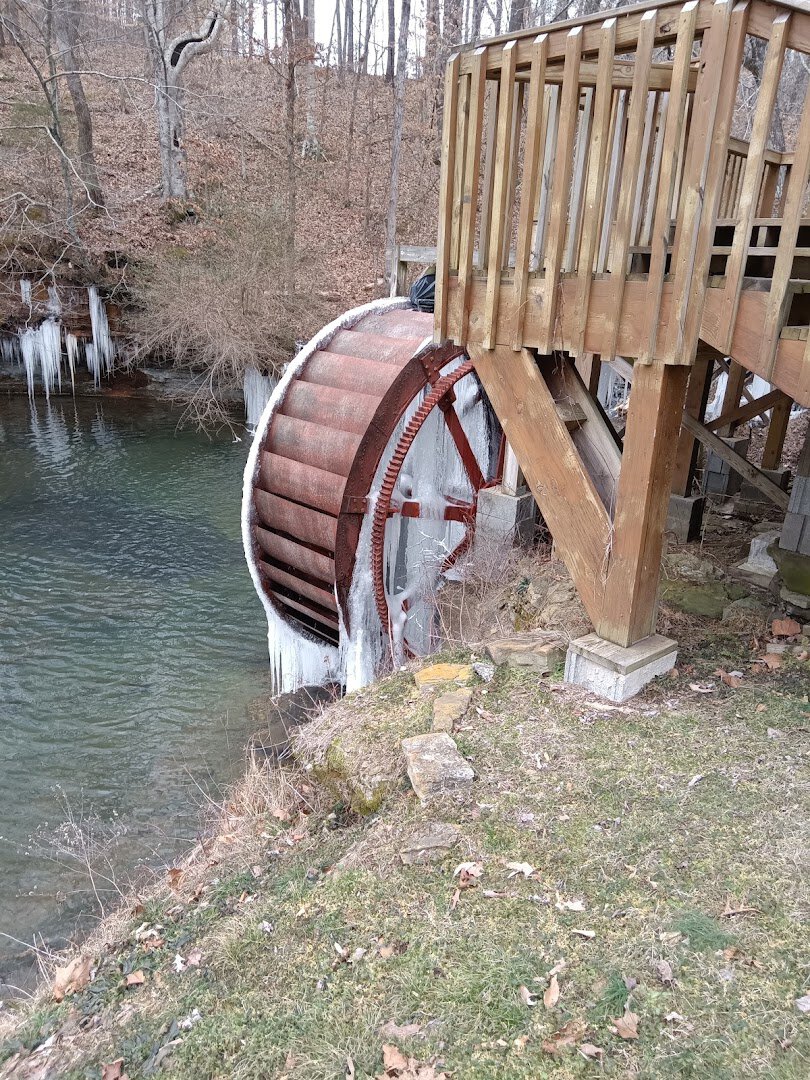
The town is full of these little touchstones, from an old mill wheel to weathered stone facades that have seen more than a century of Hill Country weather. Slow down and they start telling you the story of how Llano grew.
For the bigger picture, stop into the Llano County Museum on Bessemer Avenue. Its exhibits walk you through the ranching, mining, and railroad history that shaped this whole stretch of the Hill Country.
It is a small museum, the kind you can see in an unhurried hour. But it ties the granite and the river and the courthouse together into one story, and it is worth the stop before you head home.
A Town Built on Granite and Grit
Llano became the county seat in 1856, chosen in an election held under a live oak on the south bank of the river. By 1858 the population had already passed a thousand, with cattle, hides, and pecans heading out to market.
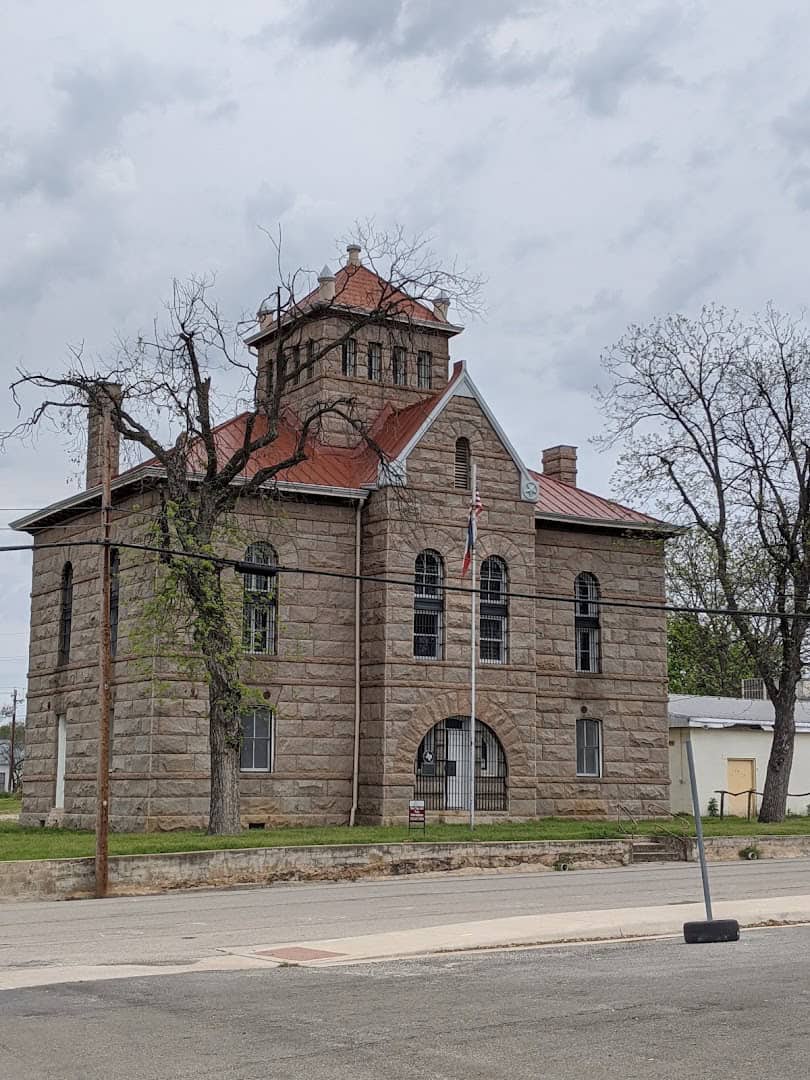
The real boom came later. Starting around 1888, when J.K. Finlay polished the first stone from his mill, the granite industry took off. Sculptor Frank Teich opened Teich Monument Works in 1900, and skilled stone cutters poured into town.
Millions of tons of Llano-area granite left by rail for buildings all over the country. The stone helped raise structures as far away as New York and Seattle, and the same family of pink granite faces the Texas State Capitol.
That history is why the courthouse and so much of the old square are built of stone rather than wood. The town quite literally rose out of what was under it, and you are walking on its own bedrock.
The Deer Capital of Texas
Come fall, Llano wears another title entirely. It calls itself the Deer Capital of Texas, and it earns the name. It is a point of real local pride.
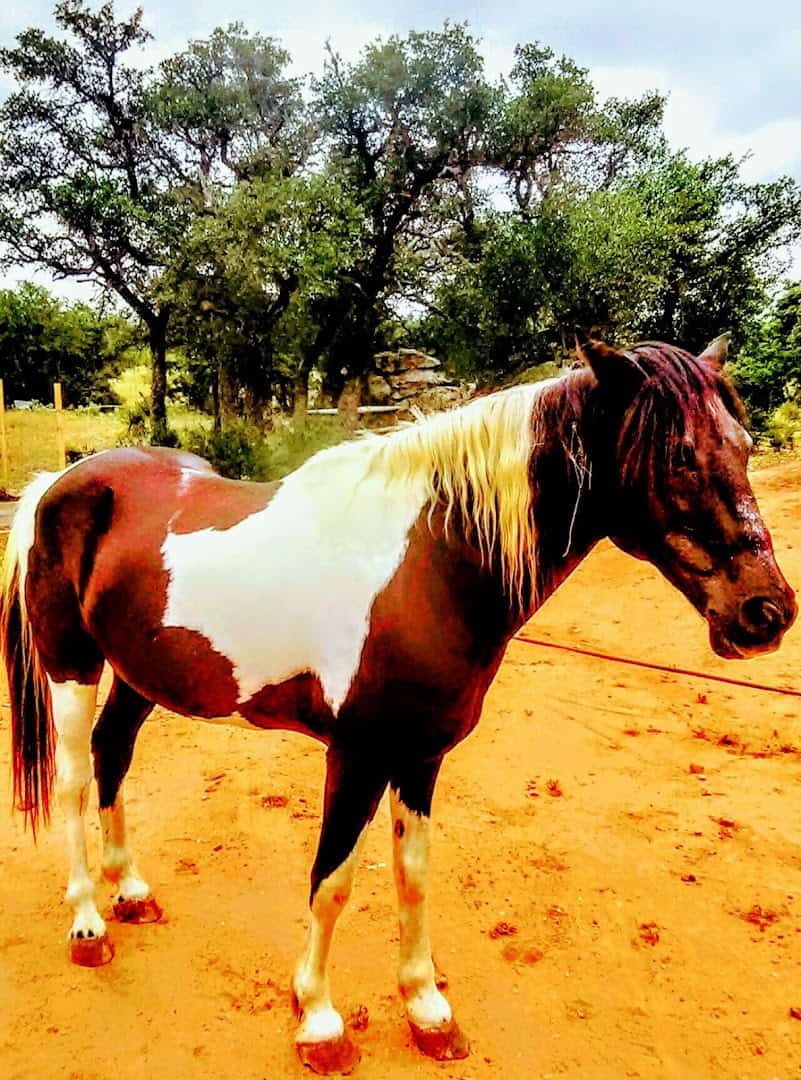
Somewhere between six and eight thousand hunters roll into the county every season, drawn by some of the best white-tailed deer country in the state. From November into early January, the little town fills up with folks in camo and orange.
You do not have to hunt to enjoy the show. The wildlife is everywhere in the surrounding ranch country, and the season gives Llano a friendly, full-up energy that spills into the cafes and shops downtown.
It is a reminder that this is still working ranch land at its core. The wide-open spaces around town are not just scenery, they are somebody’s livelihood, and that is exactly what you came for.
A Pink Granite Giant Just Down the Road
Save an afternoon for the drive south to Enchanted Rock. About twenty-five miles from town, this massive pink granite dome rises some 425 feet above the surrounding country and covers hundreds of acres.
The hike to the top is short but steep, a walk straight up bare stone that leaves your legs burning and your jaw somewhere near the ground. From the summit the Hill Country rolls out in every direction.
Come at golden hour if you can. Late light turns the whole dome warm and rosy, and the view over the surrounding hills is the kind of thing you remember long after the sunburn fades.
One heads-up: Enchanted Rock caps the number of visitors it lets in, so reserve a day pass ahead of time, especially on weekends and holidays. It saves you from driving out only to be turned away at the gate.
How to Get There
Llano sits at the crossroads of State Highways 16, 29, and 71, which makes it an easy roll-in from most of Central Texas. From Austin it is about a two-hour drive west, and the road itself is half the fun.
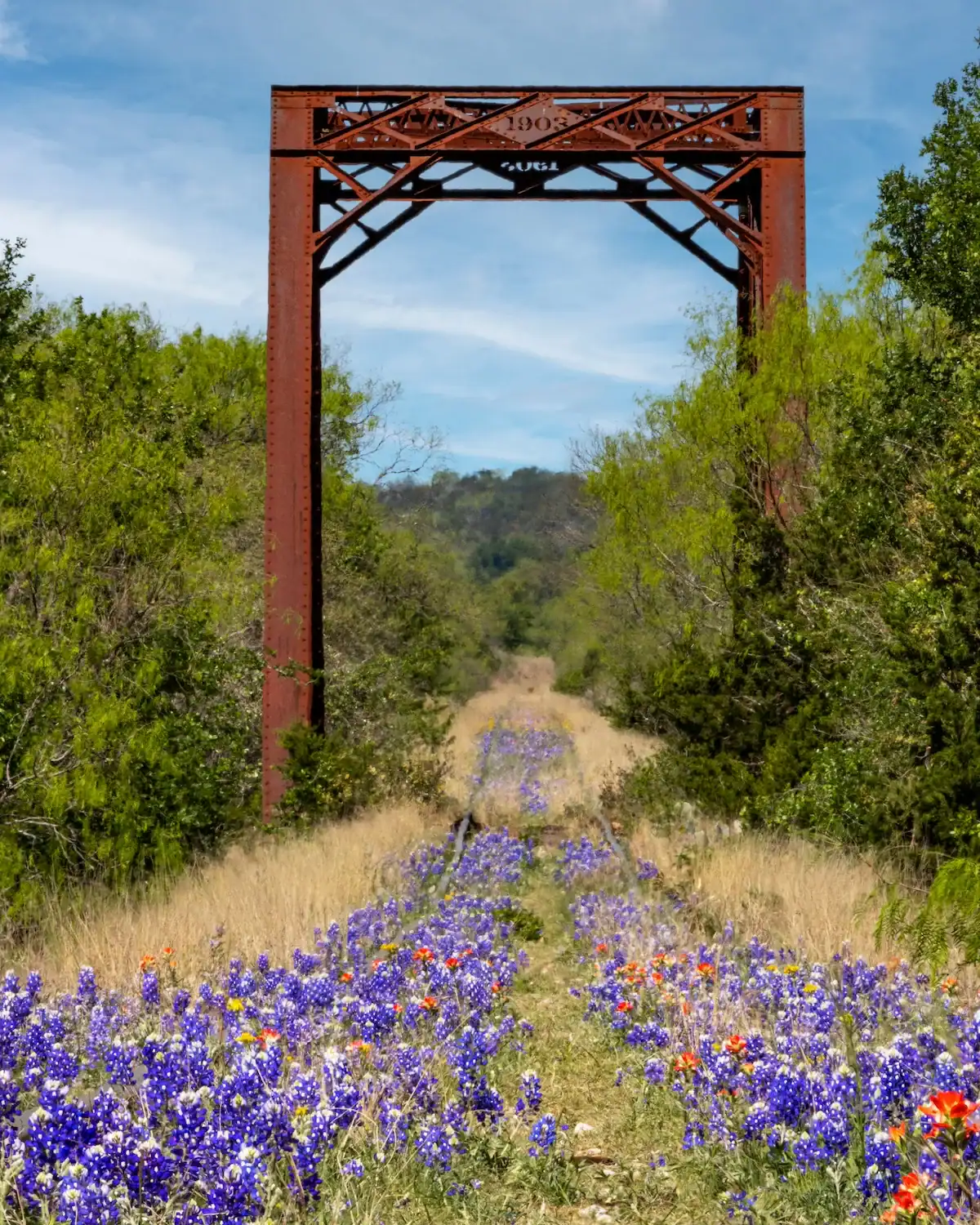
The last stretch runs past ranch fences, low water, and long views that start slowing you down before you even arrive. That is the town setting the mood early. By the time you reach the square, you are already on Llano time.
Where: Llano County Courthouse, 801 Ford St, Llano, TX 78643. Park near the square and let the town unfold on foot from there.
Start Planning Your Slow Texas Weekend
Llano is not trying to be the flashiest stop in the Hill Country, and that is precisely its gift. It hands you a granite courthouse, a clear river, a legendary plate of barbecue, and a whole lot of open sky, then lets you set your own pace.
So grab a friend, point the car northwest, and give yourself a couple of days with nowhere in particular to be. Walk the square, wade in the river, order the Big Chop, and let this easygoing little town remind you how good slow can feel.
Featured image: Ella Bella via Llano

Stella Raines
Editor-in-Chief
Stella brings over a decade of storytelling experience to TX Headlines. With roots in West Texas and a love for road trips, she leads the editorial team with an eye for the hidden stories that make Texas unforgettable.
More Stories
This Quirky Small Texas Town Is Rich in Charm, History, and a Love of Trains
This Tiny Texas Town Was a Ghost Town Until Its 1878 Dance Hall Brought It Roaring Back
This Gorgeous Texas Hill Country Town Is Still Affordable and Largely Undiscovered

10 Texas Places You’ll Visit Once and Return to Every Year
Tags