This Quirky Small Texas Town Is Rich in Charm, History, and a Love of Trains
There is a particular sound that pulls me straight back to being a kid. A train whistle carrying across town at night, low and long and a little lonesome.
I have loved that sound my whole life. And I have always thought a town built around it must have a good story tucked away somewhere.
This one does. Tucked into the geographic heart of the state, this Central Texas county seat has a lived-in charm that no marketing team invented.
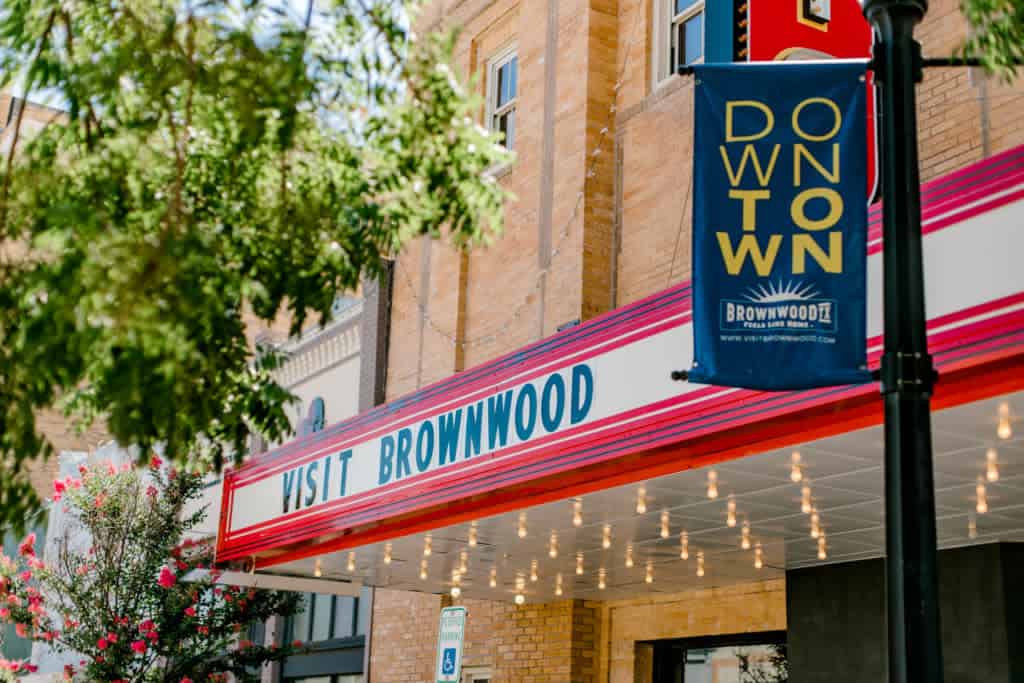
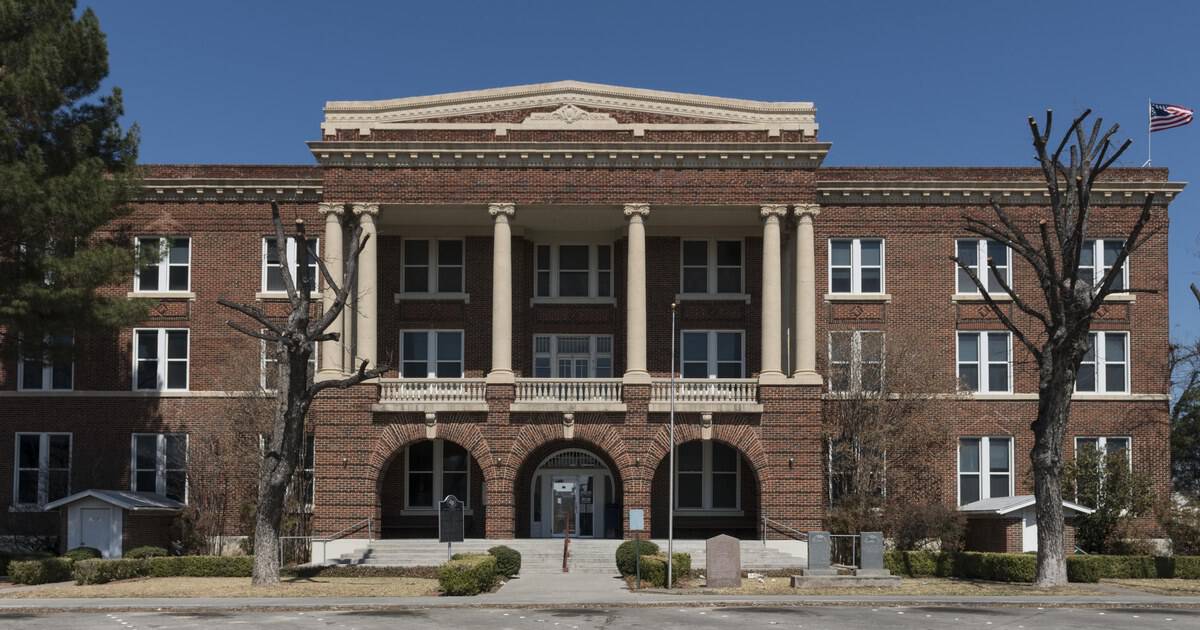
Below, I want to walk you through the brick streets, the train cars, the castle-shaped jail, and the wartime past that made this quirky small town what it is. Its name is Brownwood, and it wears a century and a half of history without a hint of fuss.
Brick Streets and a Downtown That Still Works
Start where the town started, on Center Avenue. The buildings here went up in the late 1800s and early 1900s, and many still carry their hand-carved cornerstones and original painted signage high on the brick.
What I love is that these are not museum pieces behind velvet ropes. They are working storefronts. A bookshop, a coffeehouse, a theater, all doing business inside walls that watched the cattle-and-cotton boom roll through.
Wander a few blocks over to Coggin Avenue and the homes take over the story. Victorian gingerbread, Colonial Revival columns, and low Craftsman porches sit side by side, each one built in the flush early years when money and confidence were running high.
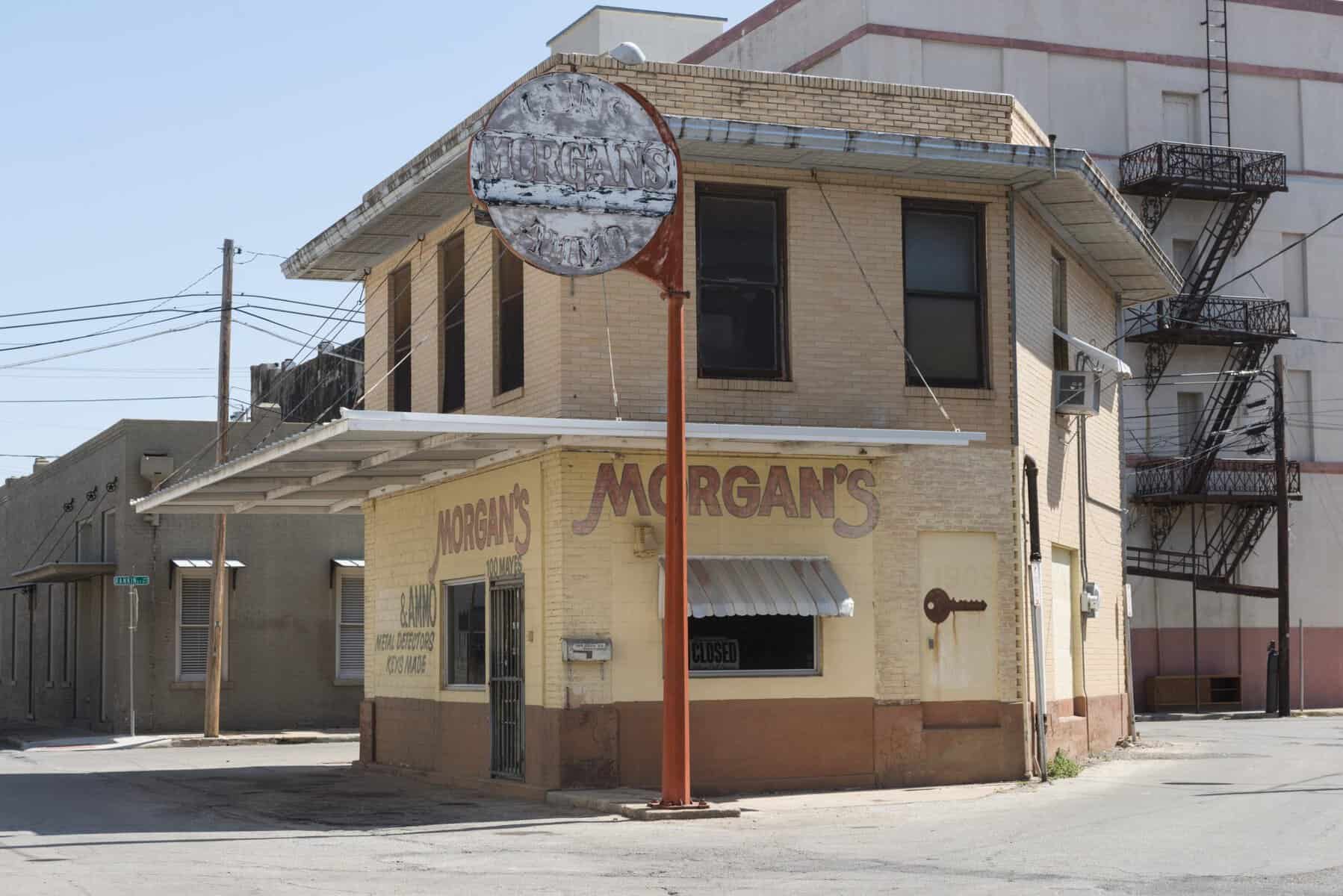
Come at golden hour and the old brick glows a warm rust color. It is the kind of downtown that rewards a slow walk and a good pair of shoes, and it is small enough that you can see most of it on foot in an afternoon.
The square anchors it all. Storefronts wrap the blocks around the courthouse, and the whole district has that unhurried rhythm of a place where people still run errands downtown. Stop for coffee, poke into a shop, and let the afternoon go where it wants.
The Town That Fell in Love With Trains
Here is the quirk that gives Brownwood its personality. This is a railroad town down to its bones, and it never stopped celebrating the fact.
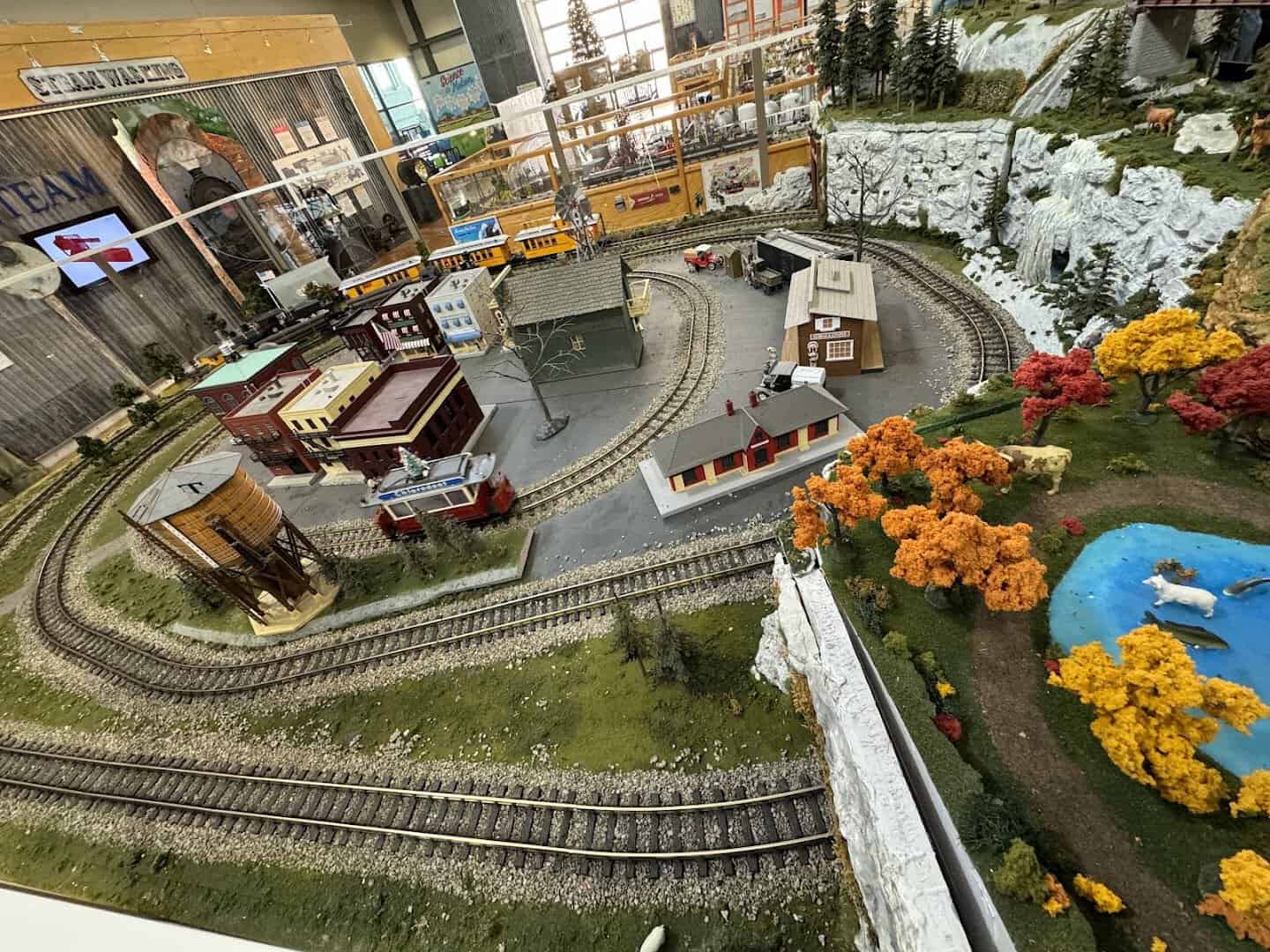
The heart of it is the Martin and Frances Lehnis Railroad Museum, which doubles as the town visitor center. Inside you will find lanterns, signal equipment, photographs, and running model trains in every size, telling the story of the railroad across Central Texas and the wider Southwest.
It sits right across from the historic Santa Fe Depot and the old Fred Harvey House, so you can see where the real trains actually pulled in. That depot once fed and hosted travelers stepping off the line, back when a rail stop was a town’s front door.
The railroad is the reason Brownwood grew from a courthouse hamlet into a real city. The first Gulf, Colorado and Santa Fe train rolled in on the last day of 1885, and the town took off. Its population jumped from 725 in 1880 to nearly 4,000 by 1900.
At the peak, fifteen trains a day passed through Brownwood during World War II. The museum tells that story with the affection of a place that knows exactly where its fortunes came from.
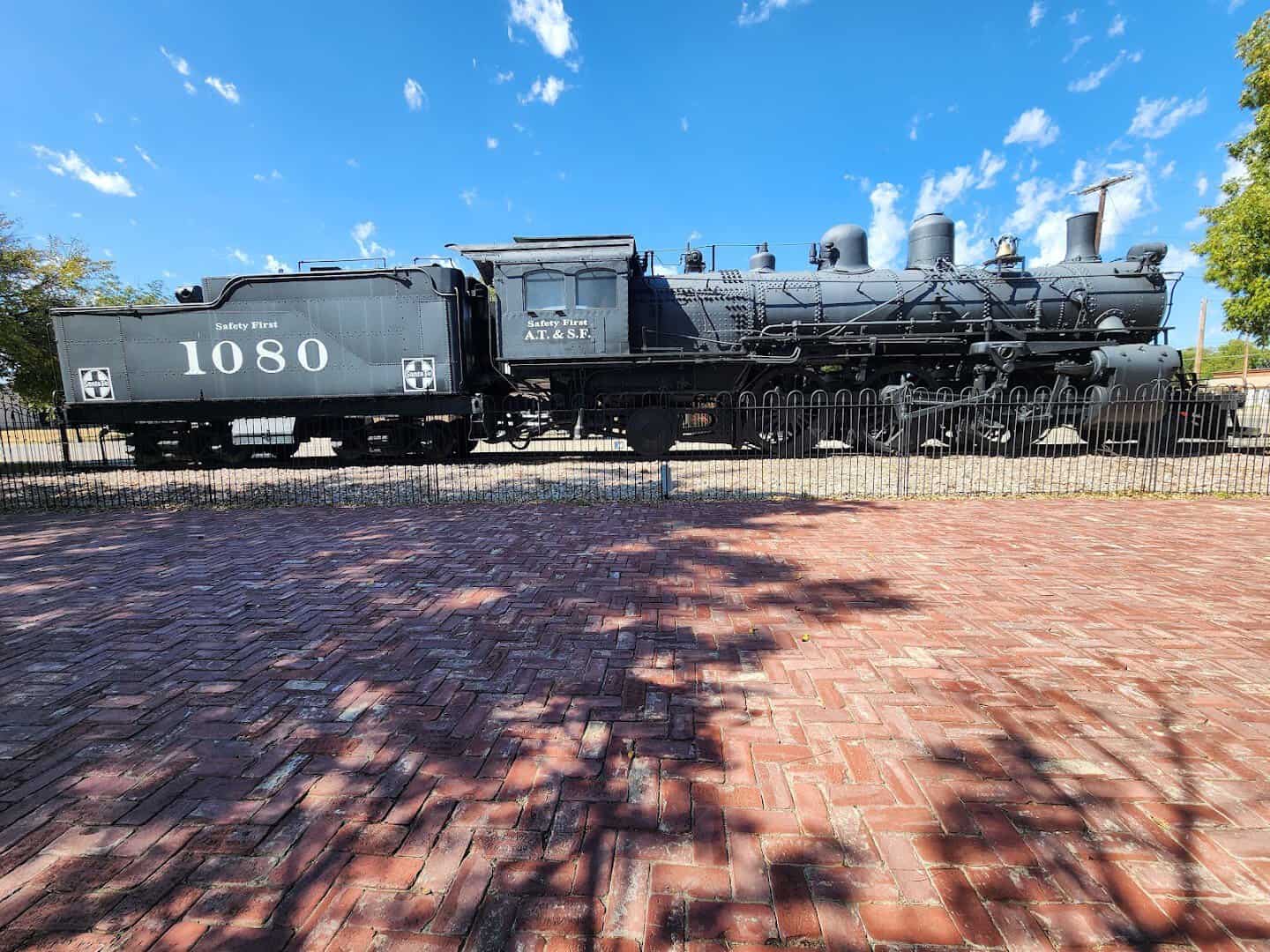
On Saturdays the museum runs a mini-train from 10 to 3, weather permitting, and rides are just two dollars a person. Pro tip: bring the kids on a Saturday, because a two-dollar train ride is one of the great small-town bargains left in Texas.
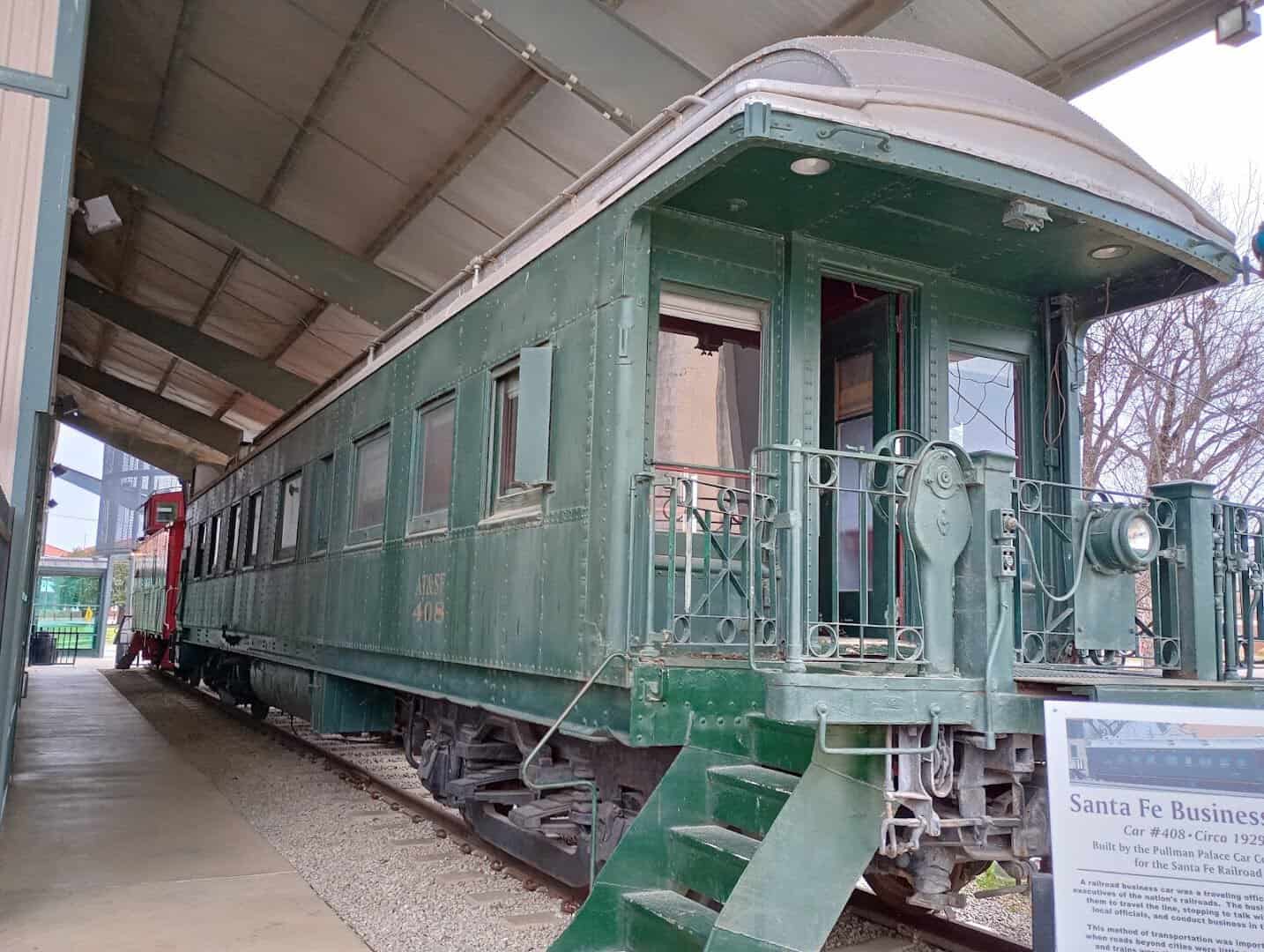
Then there is my favorite touch of all. The Runaway Train Café is a 1950s-style diner set inside a genuine renovated rail car. You slide into a booth for a cheeseburger and a hand-spun milkshake, the whole room wrapped around you like a dining car frozen in time.
A town obsessed enough with trains to eat lunch inside one is a town after my own heart.
A Jail That Looks Like a Castle
Have you ever wanted to spend an afternoon in jail? Brownwood makes it easy, and oddly delightful.
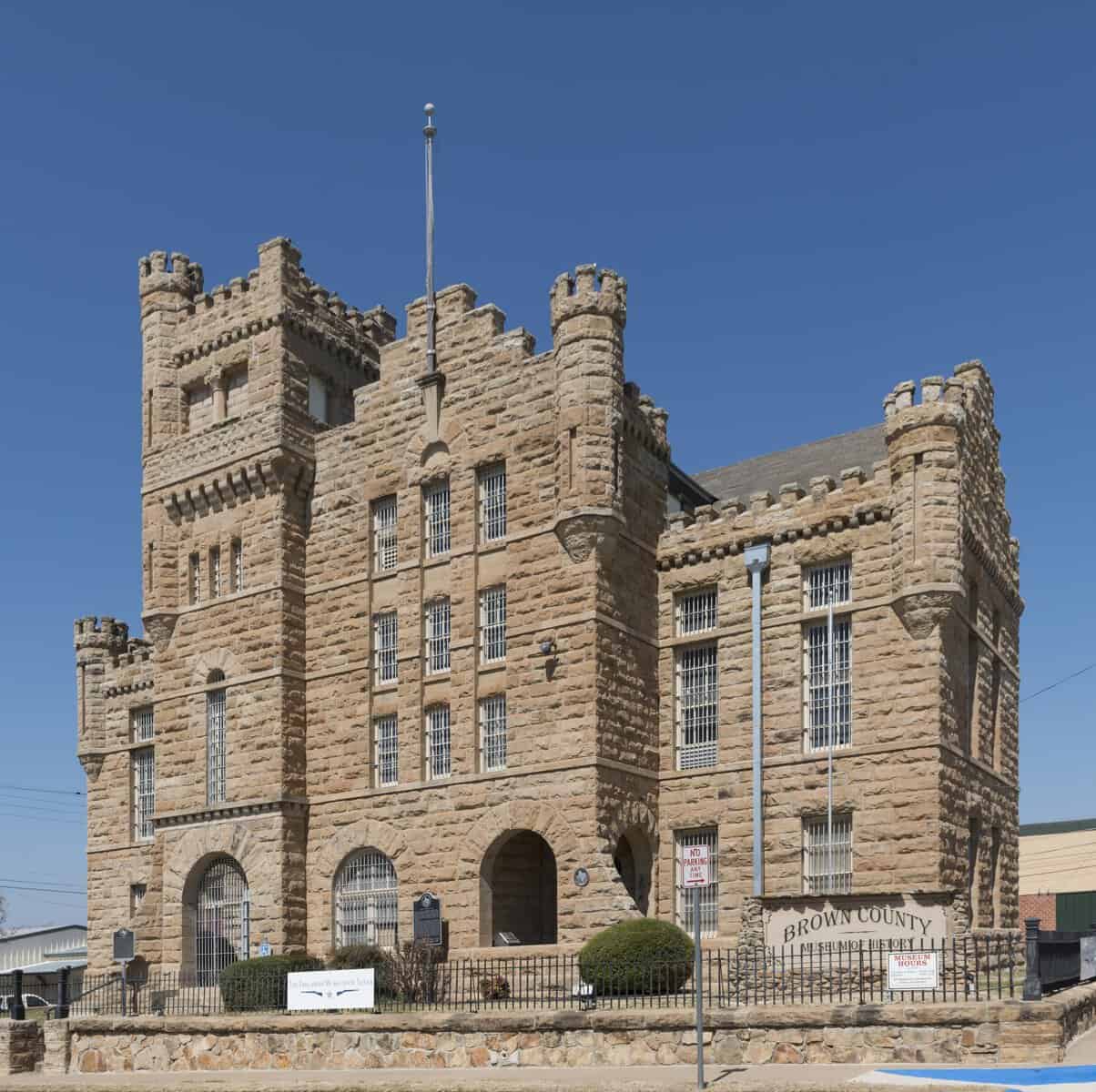
The Brown County Museum of History lives inside a four-story stone jailhouse from 1903 that honestly resembles a small medieval castle, turrets and all. The original cell blocks are still intact, so you tour real cells while you learn the county’s past.
The exhibits stay close to the ground, in the best way. Rather than a parade of famous names, the museum leans into the stories of ordinary people, along with genealogical records that draw folks tracing their own Texas roots.
You move from artifacts of the Penateka Comanche who lived here first, to pioneer settlers, to the wartime years, all inside a building that once locked people up. It is history you can feel in the cold stone under your hand.
A Brief History of Brown County
The county and its seat both carry the name of Henry Stevenson Brown, an early Texas soldier and trader. When Brown County was organized in 1857, tiny Brownwood was chosen as the county seat.
The town did not start where it stands now. It began on the east side of Pecan Bayou, but in the late 1860s a land-title dispute and a poor water supply pushed residents to look elsewhere.
A settler named Greenleaf Fisk solved the problem by donating a sixty-acre site on the west bank of the bayou. The whole town picked up and relocated to the ground it occupies today.
By 1876, Brownwood counted about 120 residents, three churches, and its first bank. A single schoolhouse pulled triple duty as a town hall and a place to worship. From that seed, the railroad and the courthouse square did the rest.
You can still read the era in the surviving landmarks. The Old Log Jail, a squat two-story log building measuring just twelve by twenty feet, went up in 1879 and served until 1922. It landed on the National Register of Historic Places in 1983.
Higher learning arrived early too. Howard Payne University opened as a college in 1889, one of Central Texas’s oldest schools, and today it enrolls around eight hundred students and houses the Douglas MacArthur Academy of Freedom.
When a Quarter-Million Soldiers Came to Town
Brownwood’s biggest chapter arrived in a hurry. On September 19, 1940, the War Department authorized a sprawling new training post called Camp Bowie just outside town, and construction began eight days later.
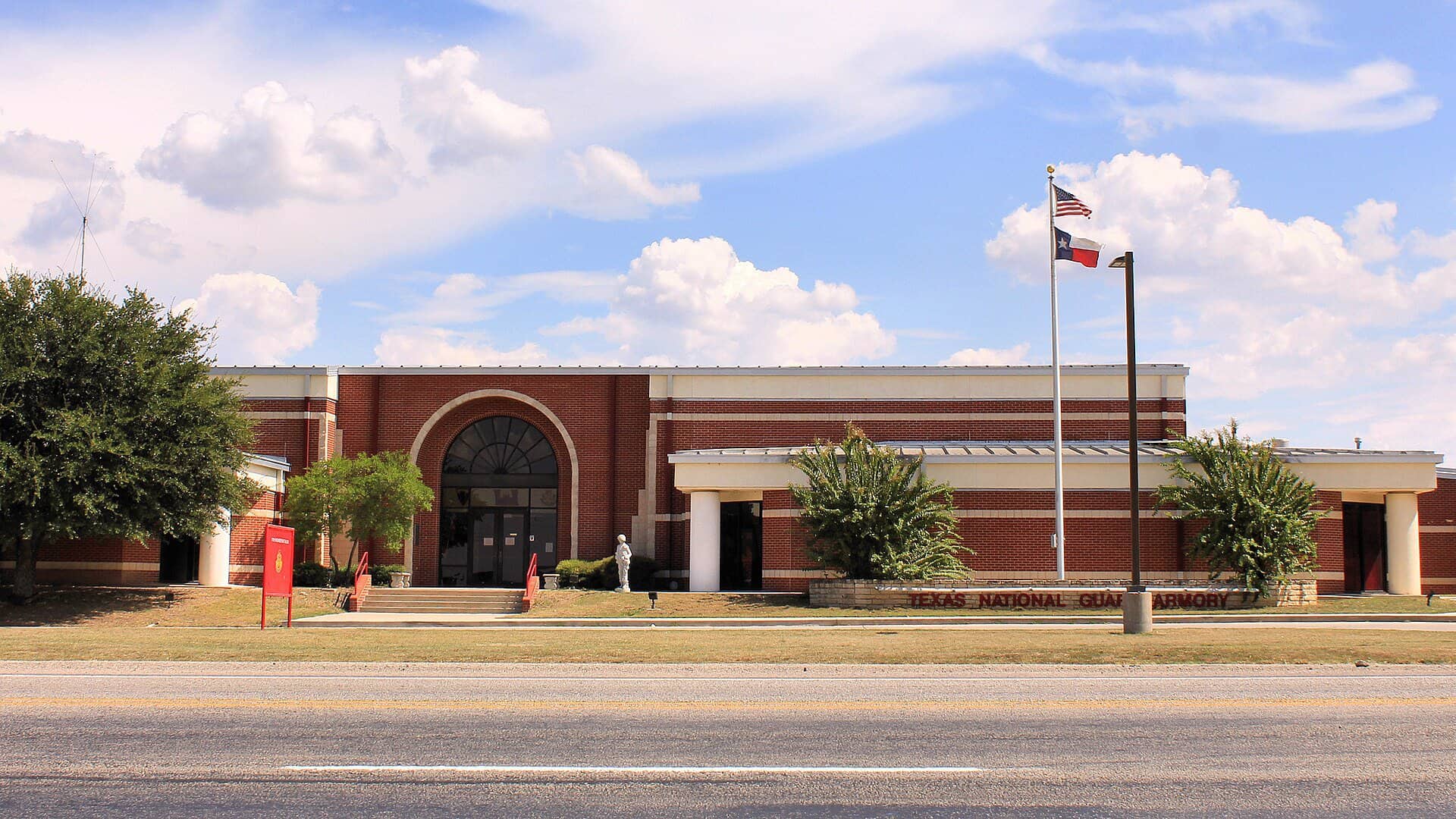

It was the first major defense project in Texas of the World War II era, and more than fifteen thousand workers built it. By October 1942 the camp had swelled to 123,000 acres, most of it training ground dotted with thousands of canvas tents.
The famous 36th Infantry Division, Texas’s own, mobilized here in late 1940. From Brownwood they shipped out to lead the hard Allied landing at Salerno, Italy, on September 9, 1943. In all, roughly a quarter of a million men passed through the camp.
Did you know? Beginning in August 1943, the camp also held German prisoners of war, many of them captured from Field Marshal Rommel’s Afrika Corps. The post was decommissioned in 1946, and a memorial park keeps that remarkable chapter alive today.
Where the Locals Eat
For a town this size, Brownwood punches well above its weight at the table. My kind of eating is exactly what you find here: unpretentious, made with real care, and every so often genuinely surprising.
The Turtle Restaurant is the standout, a farm-to-table spot serving dishes like Peruvian lomo saltado and curried fig and poblano chicken. There is a gelateria right next door for dessert. It is the sort of ambitious little kitchen you do not expect to stumble on out here.
For breakfast, point the car toward Ricardo’s Tortilla Bakery, where the menu runs to more than twenty kinds of breakfast burrito, plus homemade menudo and barbacoa on weekends. If you cannot decide, well, that is half the fun of it.
Need caffeine and a slower morning? Common Grounds Coffeehouse pours the coffee and turns out breakfast tacos and homemade treats. Out toward the countryside, Skies Over Texas Winery pairs its wines with wood-fired pizza, live music, and a game of cornhole on the lawn.

Lake Days and Wide-Open Nature
When you are ready to trade brick for water, Lake Brownwood State Park waits just northwest of town. The lake spreads across roughly seven thousand acres, ringed by hiking trails, fishing spots, and a swimming beach.
Much of the park’s rustic charm comes from the Civilian Conservation Corps, whose crews built stone cabins and the refectory here back in the 1930s. Those honest, hand-laid buildings are still in use today. An overnight stay in one feels like a small trip back in time.
Golfers have their own reason to linger. The Hideout Golf Club, out near the lake, lays an eighteen-hole championship course across rolling ranch country, with an infinity pool and cabins for anyone who wants to make a weekend of it.
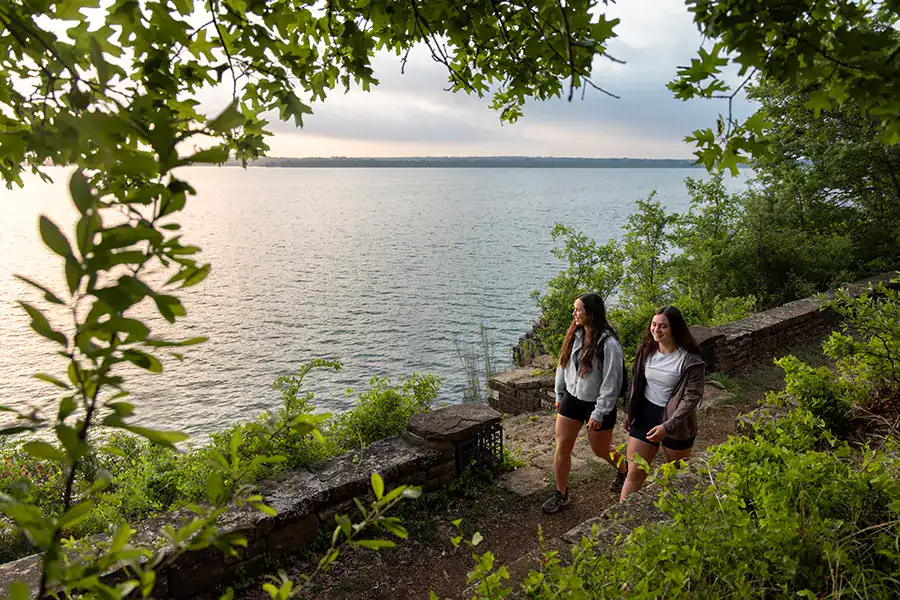
Closer in, the Riverside Nature Center sits along Pecan Bayou and leans into native plants and gentle conservation lessons. It is an easy green pause if the kids need to stretch their legs before the next stop.
Curtain Calls and Curated Shelves
Brownwood keeps its culture downtown and close at hand. The Lyric Theatre has been the town’s stage since 1920, a full century of plays, musicals, and concerts under one classic marquee.
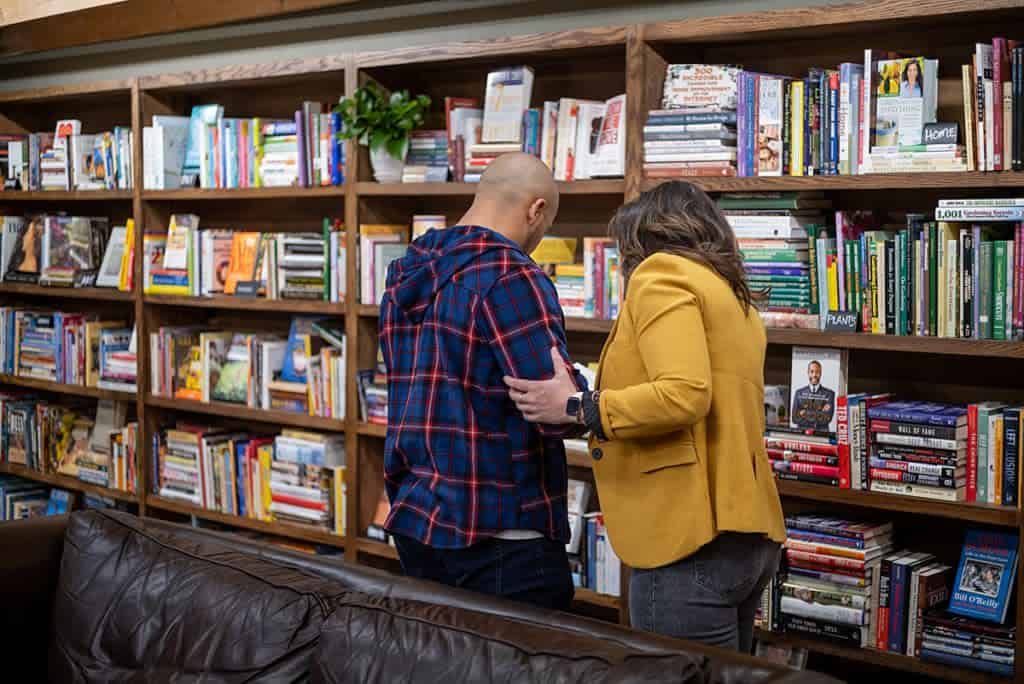
A short stroll away, the Intermission Bookshop tucks new and used titles into a former World War II-era theater. It is the kind of independent bookstore where you go in for one thing and leave with three. Between a show and a stack of books, an evening downtown plans itself.
The town keeps its whole story close, too. The Adams Street Community Center served Brownwood’s African American community during the segregation era, and today it hosts cultural events and exhibitions. It is a reminder that a small town’s history belongs to everyone who built it.
How to Get There
Brownwood sits in the center of the state, an easy road trip from Austin, the Metroplex, or San Angelo. Make the Lehnis Railroad Museum your first stop, since it doubles as the visitor center and will point you toward whatever is happening that weekend.
Where: 700 E Adams St, Brownwood, TX 76801
Start Planning Your Brownwood Weekend
Some towns shout for your attention. Brownwood just quietly keeps doing the thing it has always done, running its trains, filling its diners, and looking after a downtown that never stopped mattering.
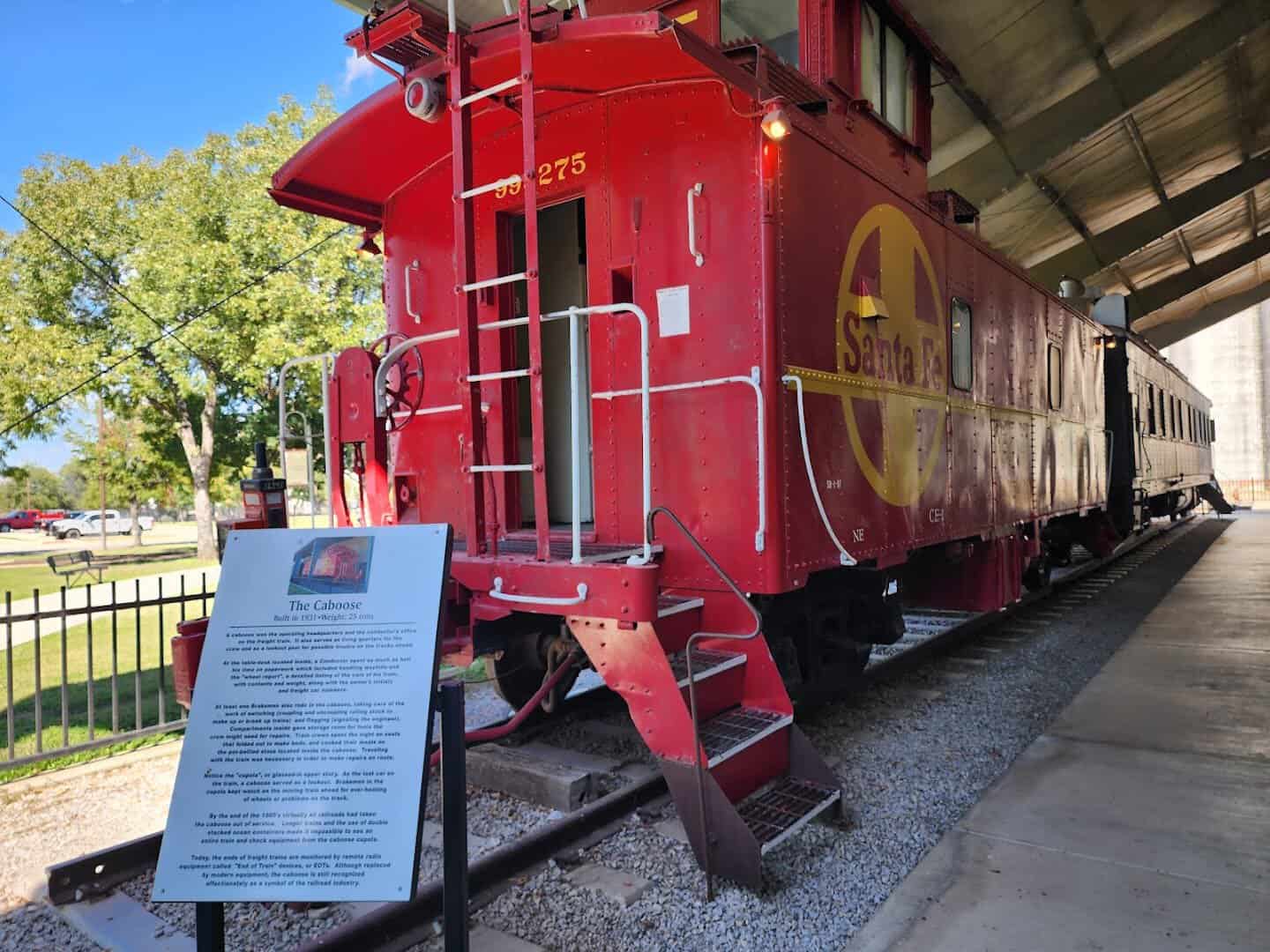
So pick a Saturday, ride the two-dollar train, and tour a castle that used to be a jail. Let this quirky little corner of Central Texas show you how much charm a small town can still hold. Just try not to plan your next trip before you finish this one.
Featured image: Carol M. Highsmith, Library of Congress

Stella Raines
Editor-in-Chief
Stella brings over a decade of storytelling experience to TX Headlines. With roots in West Texas and a love for road trips, she leads the editorial team with an eye for the hidden stories that make Texas unforgettable.
More Stories
This Tiny Texas Hill Country Town Is All Pink Granite, Wide-Open Skies, and Easygoing Days
This Tiny Texas Town Was a Ghost Town Until Its 1878 Dance Hall Brought It Roaring Back
This Gorgeous Texas Hill Country Town Is Still Affordable and Largely Undiscovered

10 Texas Places You’ll Visit Once and Return to Every Year
Tags