This Storied Texas River Town Is the One Hill Country Stop Worth Building a Weekend Around
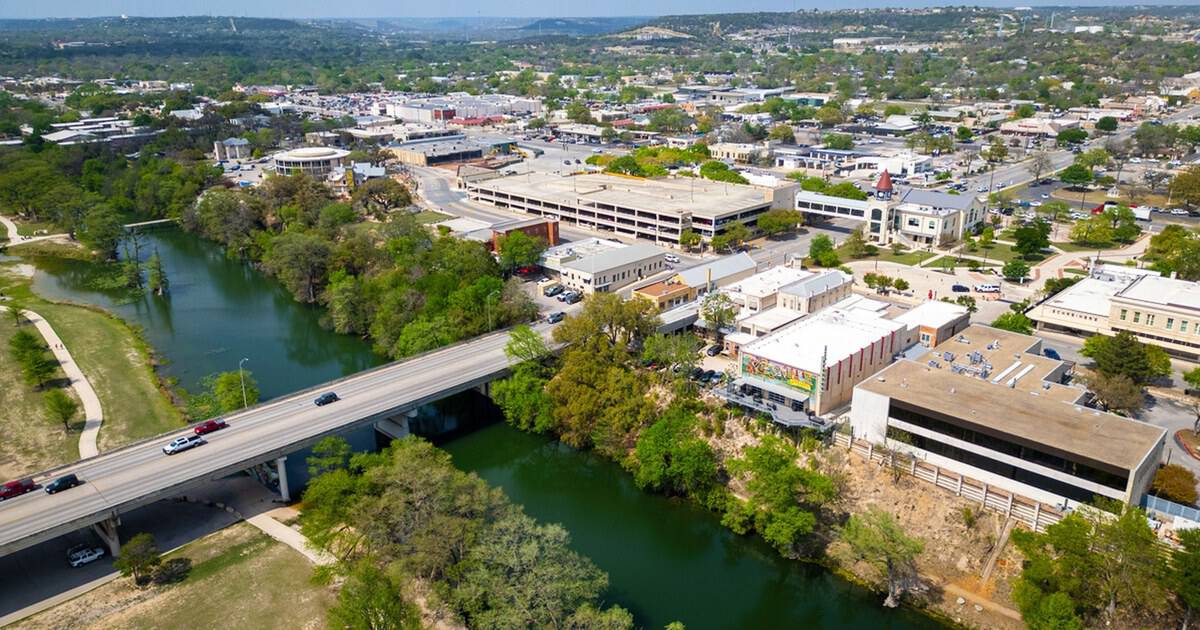
The first time I traded a crowded lake for a slow, clear river, something in my shoulders finally let go. Rivers do that to a person. They ask you to drift instead of hustle, and Texas has a handful worth rearranging a whole weekend around.
If you only have room for one river town this year, point the car toward Kerrville. The easygoing seat of Kerr County sits right on the Guadalupe, in the heart of the Hill Country. The place runs on a kind of unhurried river magic, the sort a town cannot fake.
Here is why this one earns the trip: a swimmable green river, a walkable downtown stuffed with art, a world-class music festival, and a history deeper than most cities twice its size. Below, we will wander through all of it.
The Guadalupe Runs Right Through the Middle of It
Most towns keep their river at arm’s length. Kerrville pulls it into the center of things. The Guadalupe threads straight through downtown, clear and spring-fed and that particular Hill Country green that looks almost too pretty to be real.
The heart of it all is Louise Hays Park, sixty-four riverside acres of shade, walking paths, playgrounds, and easy water access, right in town and completely free to enjoy. On a warm afternoon you can spread a blanket, dip your feet, and watch the current slide by.
Summer is tubing season, when the river fills with families floating the cool water at a pace best described as “no pace at all.” If you would rather paddle, Kerrville Kayak and Canoe rents kayaks and canoes seasonally from a spot right under the Highway 16 bridge.
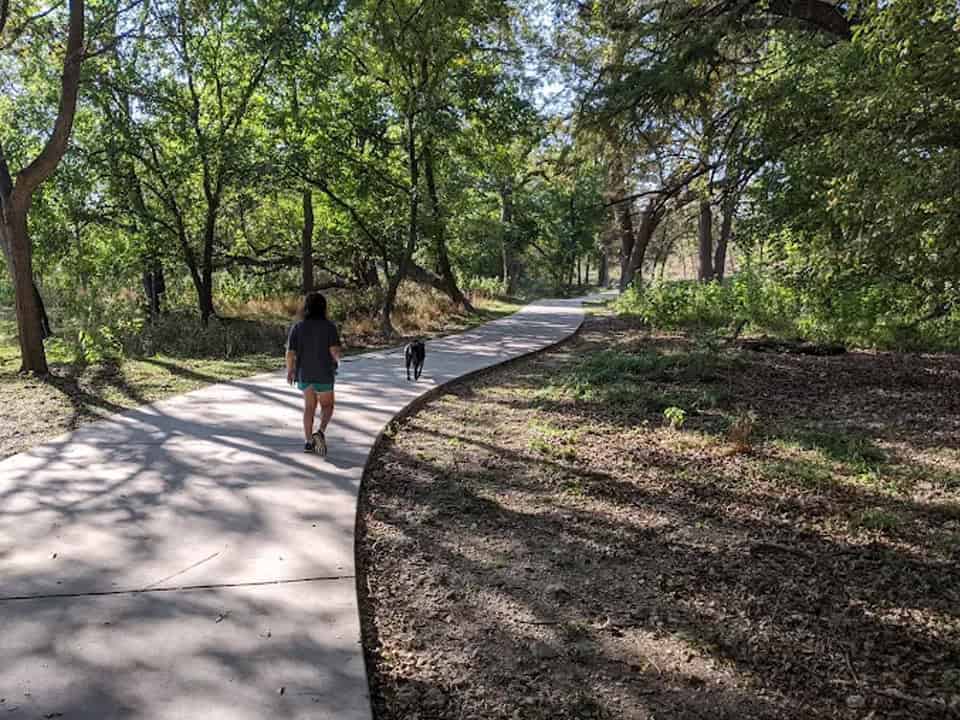
Prefer to stay dry? The Kerrville River Trail runs about six miles, a wide ten-foot path alongside the Guadalupe from Kerrville-Schreiner Park to just west of the Riverside Nature Center. It is flat, scenic, and perfect for a morning walk or an easy bike ride.
Anglers love this stretch too. The clear water holds bass and catfish, and there are easy bank spots and a lighted fishing pier for casting a line at dusk. Bring a chair, a little patience, and let the afternoon stretch out as long as it wants to.
If you have kids, the shallow, gentle edges near Louise Hays Park make for stress-free splashing. This is family river time at its most classic, the kind of afternoon that ends with tired, happy children and a cooler full of melted ice.
A Downtown Made for Slowing Down
Historic downtown Kerrville is the kind of main street you slow down for. Local shops, antique stores, galleries, and coffee spots line the blocks, all under a big painted “Welcome to Kerrville” mural that pretty much sums up the mood.
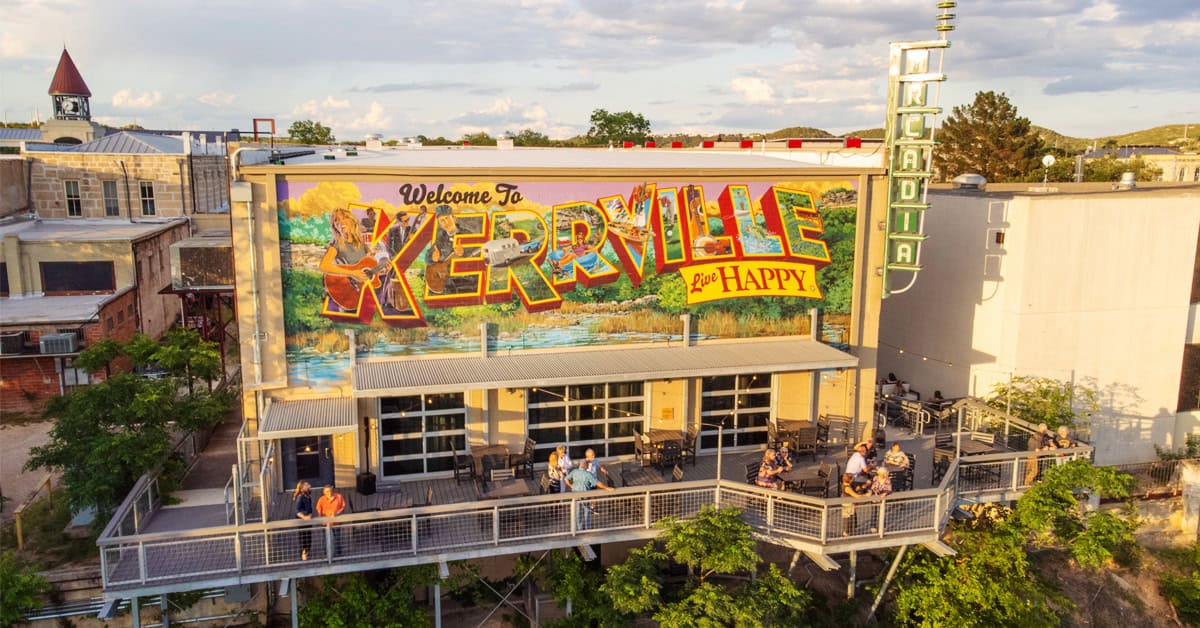
Come hungry. There are more than a hundred places to eat around town, from real Texas barbecue and hearty Tex-Mex to cozy cafes and a bakery or two. Most of the best sit within a short walk of the river, so you are never far from a shady patio.
Then there is James Avery, the artisan jewelry company founded here that still calls Kerrville home. Its visitor center tells the story of the family business, with original and past designs on display. It is part museum, part store, and worth an hour of browsing.
Public Art Around Every Bend
Kerrville does not hide its creative streak. The town has scattered more than two dozen public art pieces across its downtown, parks, and riverfront, turning an ordinary stroll into a treasure hunt for the next mosaic, mural, or sculpture.
My favorite is “Lupe,” a giant glittering mosaic of a Guadalupe bass, the official state fish of Texas, perched near the water at Louise Hays Park. It is playful, proudly local, and the kind of thing that makes you grin and reach for your camera.
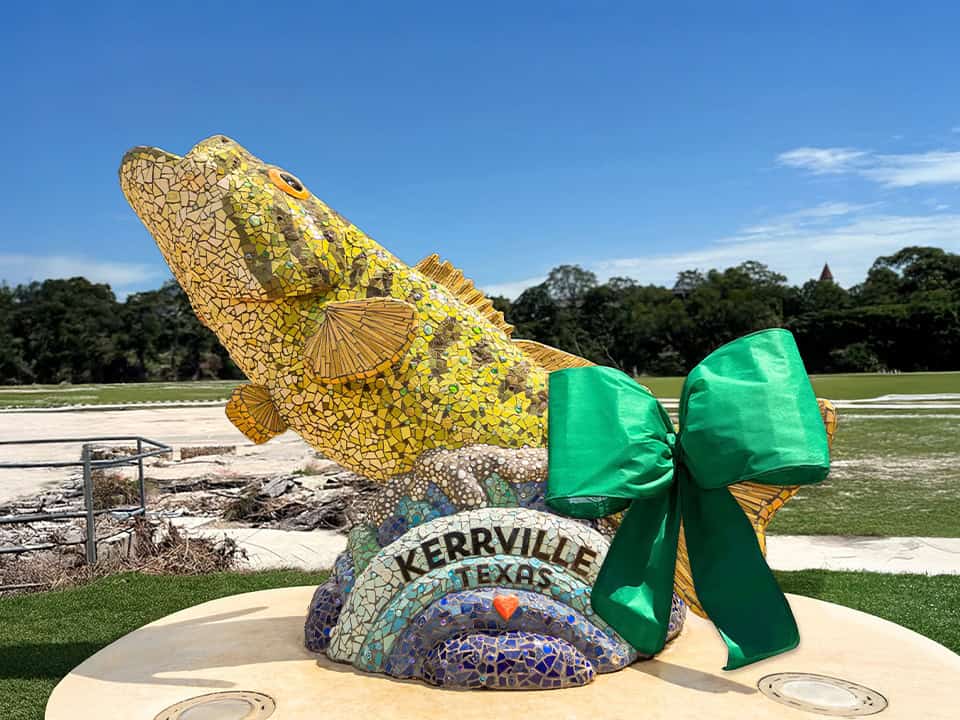
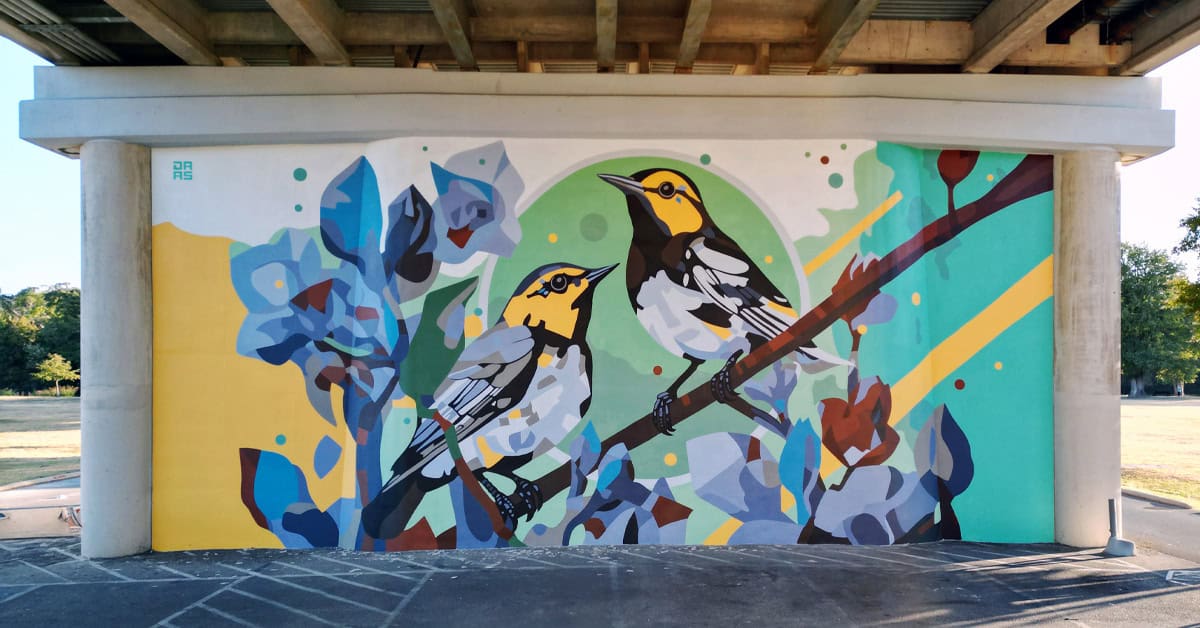
Keep your eyes open for the bright murals tucked under bridges and splashed across downtown walls. Between those, the Museum of Western Art, and the Kerr Arts and Cultural Center, this little river town packs in more art than places ten times its size.
A Cowboy-Art Museum That Punches Above Its Zip Code
You do not expect a small Hill Country town to hold a museum this good. The Museum of Western Art is a serious, beautifully built home for the art of the American West, and it is one of Kerrville’s quiet points of pride.
It opened on April 23, 1983, originally as the Cowboy Artists of America Museum, built to celebrate the painters and sculptors keeping frontier stories alive. The fourteen-thousand-square-foot building was designed by the late O’Neil Ford, a giant of Southwestern architecture, and the vaulted brick ceilings alone are worth the visit.
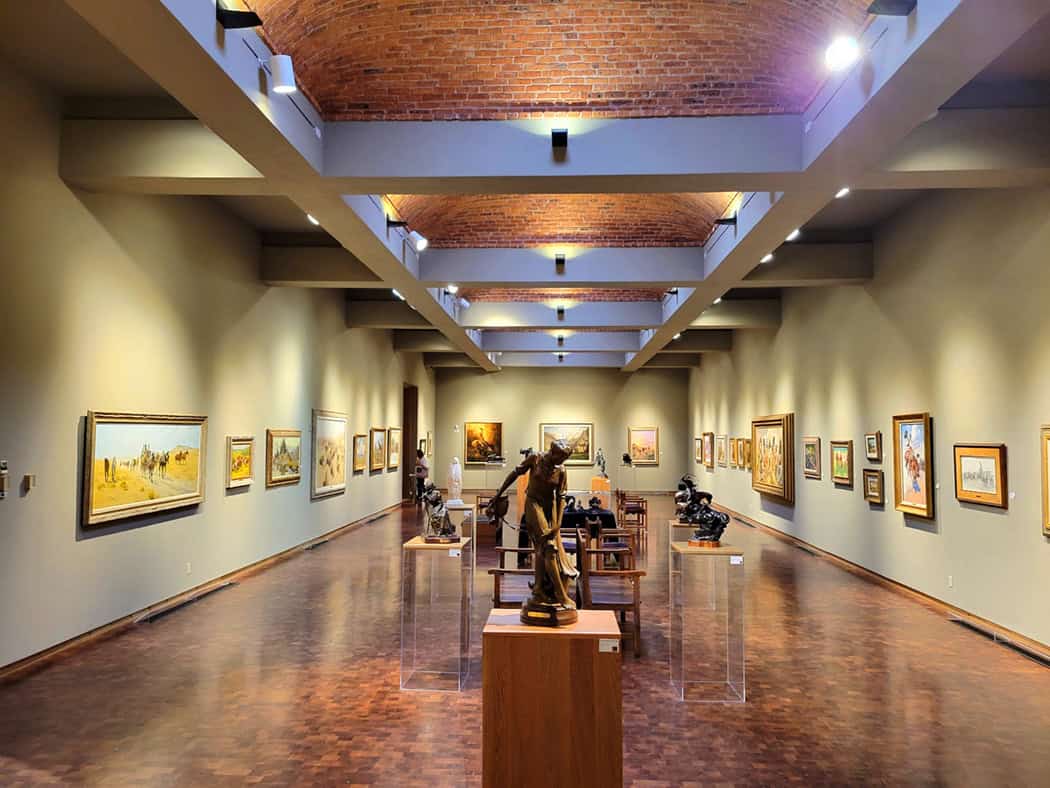
The museum took its current name in 2003. Inside you will find bronzes, paintings, and rotating exhibitions, plus hands-on programs that make it a great stop with kids in tow. Did you know it began life as the home of the Cowboy Artists of America?
The town’s arts streak does not stop there. Downtown’s Cailloux Theater, an 800-seat performing arts venue, keeps a year-round calendar of concerts, plays, and community shows, so there is often something worth catching on stage after the sun goes down.
The Folk Festival That Put This Town on the Map
There is a specific kind of joy in hearing a song written straight from someone’s heart, sung under an open Texas sky. That is the whole spirit of the Kerrville Folk Festival, one of the longest-running music festivals of its kind anywhere in the country.
It began in 1972, the vision of Austin music promoter Rod Kennedy, who staged the first one at the Kerrville Municipal Auditorium alongside the very first Texas State Arts and Crafts Fair. The Flatlanders played that inaugural year, and former President Lyndon Johnson was reportedly in the audience.
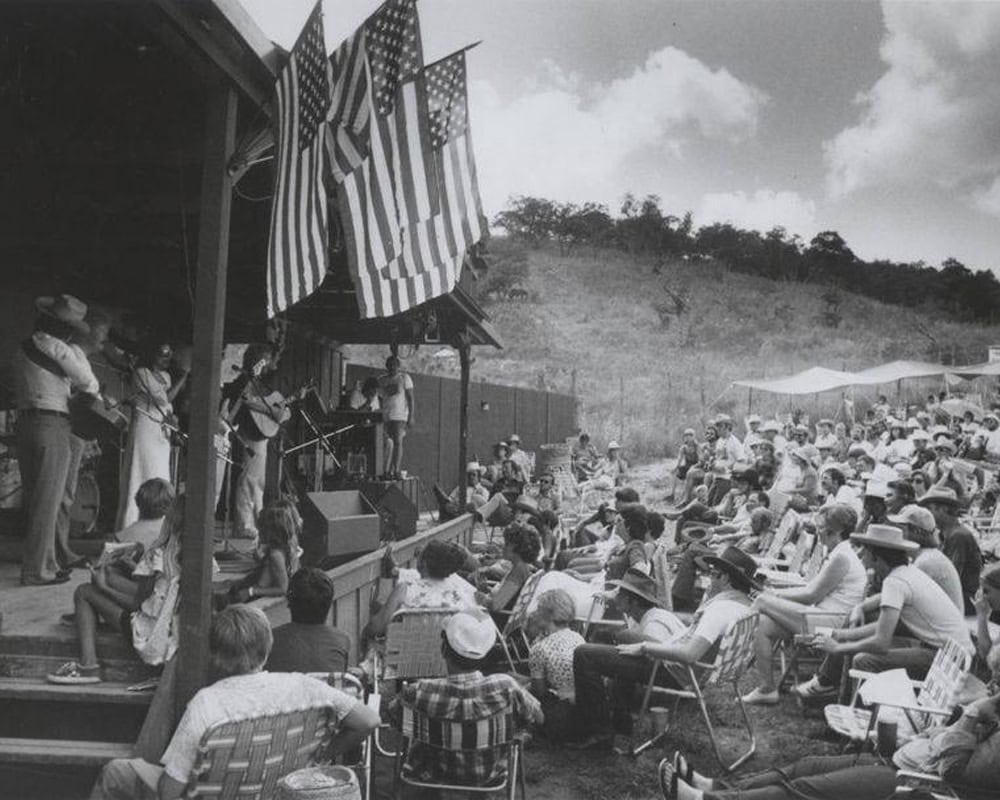
By 1974 the festival had found its forever home at Quiet Valley Ranch, a sixty-acre spread south of town on Highway 16. It grew into an eighteen-day celebration each spring, famous for its New Folk songwriting competition and a campfire culture where strangers become friends by the second night.
Room to Roam at Kerrville-Schreiner Park
When you want more nature than a downtown park can offer, Kerrville-Schreiner Park delivers. This five-hundred-seventeen-acre park sits just south of town on State Highway 173, wrapping around its own stretch of the Guadalupe River.
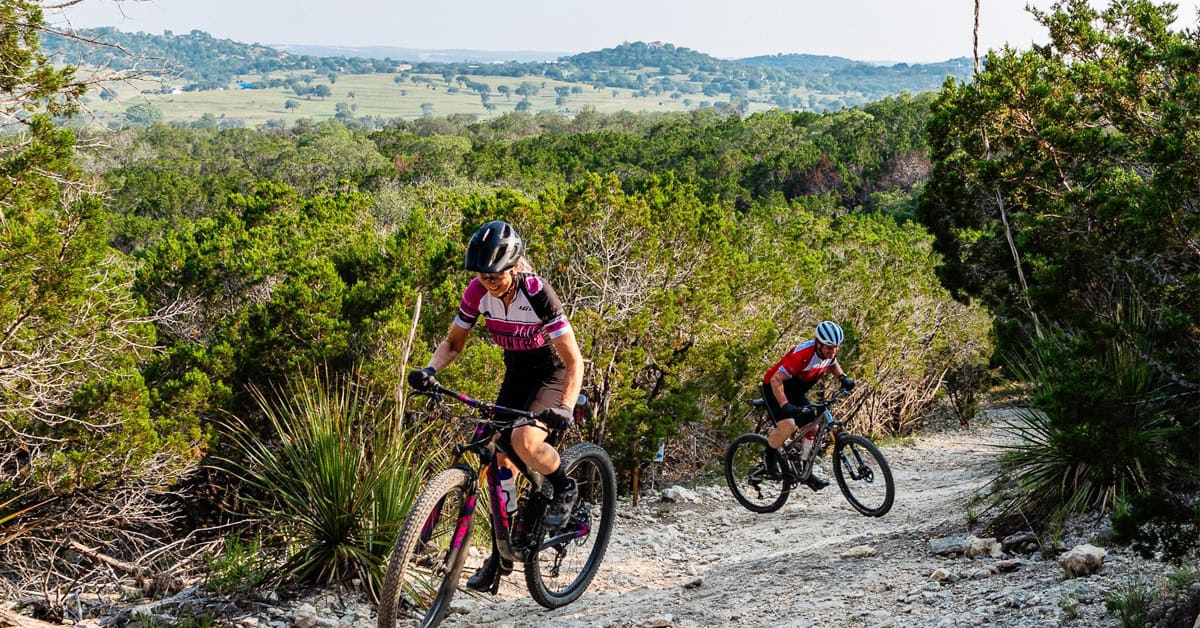
There are more than thirteen miles of hiking and biking trails winding through cedar and oak, plus a boat ramp, a lighted fishing pier, picnic areas, and a playground. It is a favorite for a lazy afternoon of casting a line or watching the water go by.
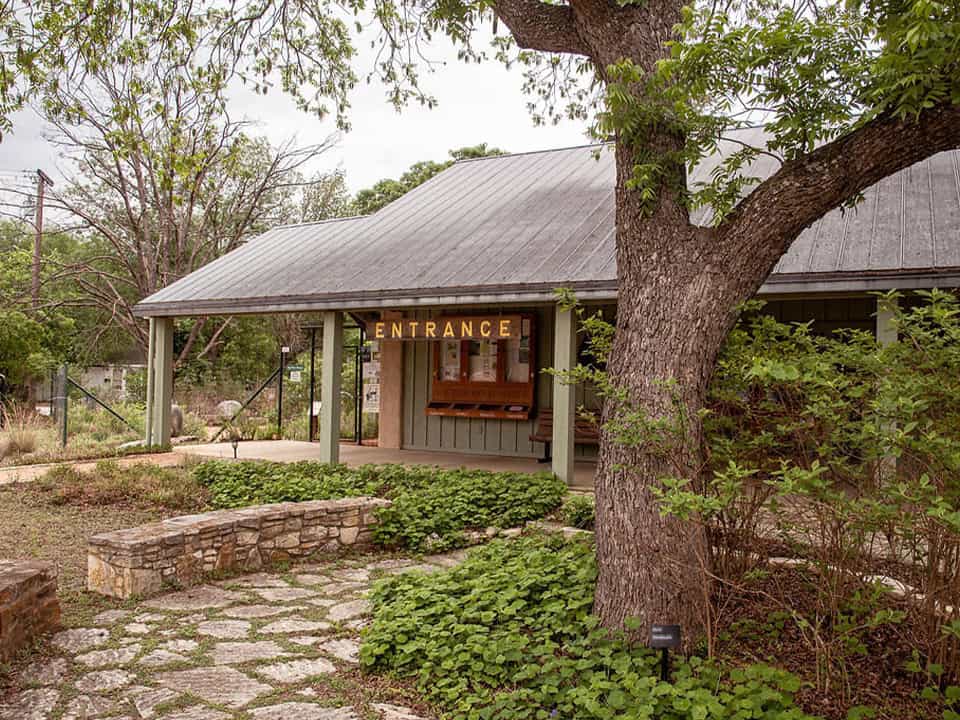
Campers, this is your spot. The park offers tent sites, RV hookups, and cabins, so you can fall asleep to the river and wake up with the trail outside your door. Pro tip: reserve cabins well ahead for spring and fall weekends, when the weather is finest.
Closer to town, the Riverside Nature Center is a lovely, low-key stop, a botanical garden and arboretum devoted to native Hill Country plants. It is a quiet, blooming place to learn what actually grows out here, and the wildflower displays in spring are a real treat.
A Brief History, From Shingle Camp to Hill Country Capital
Kerrville’s story starts with cypress trees and hard work. In the 1840s, a frontiersman named Joshua D. Brown led a small group of settlers to the Guadalupe to make shingles from the riverside cypress. The rough little camp was first called Brownsborough.
The name did not stick. The town was soon renamed for Major James Kerr, a veteran of the Texas Revolution and a friend of Brown’s.
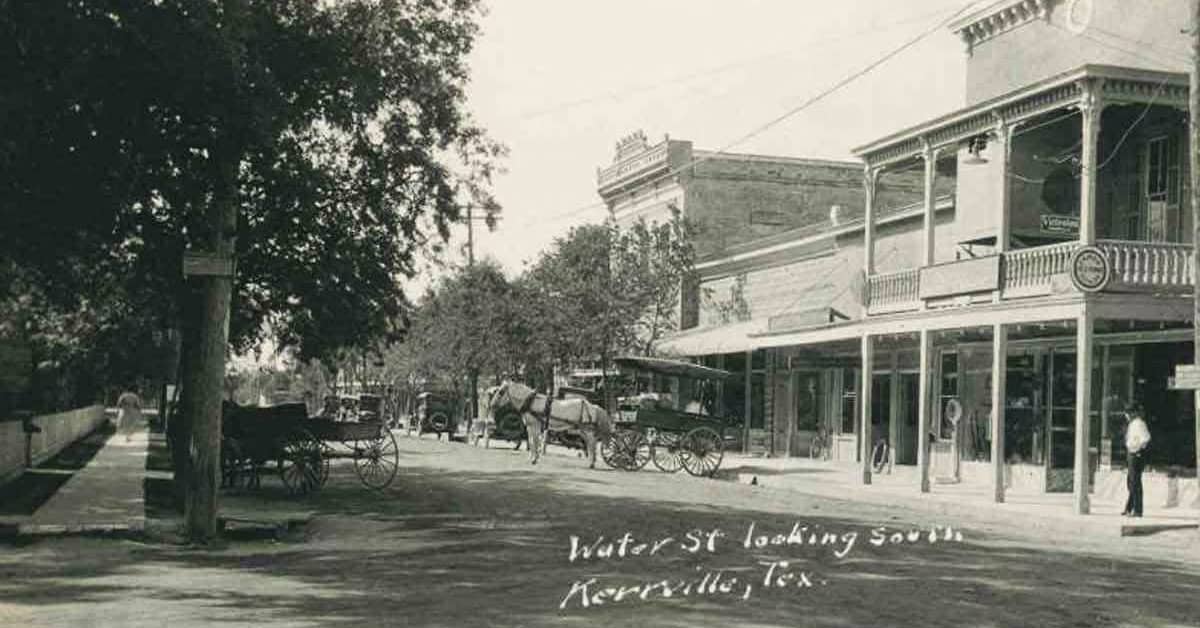
In 1857, German master miller Christian Dietert and millwright Balthasar Lich built a grist and saw mill on the river, and a real town began to take shape.
Then came Charles Schreiner, a Texas Ranger turned merchant, banker, and rancher. People still call him the “father of the Hill Country.” By 1890 his wool-warehousing and commission system had made Kerrville a hub, and he later founded the school that became Schreiner University.
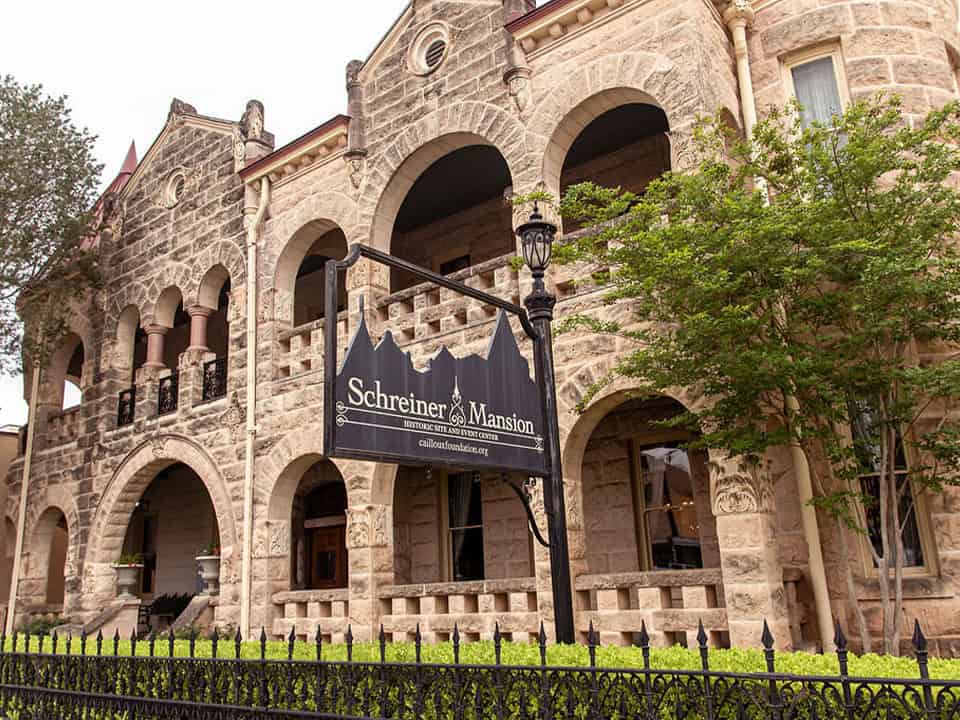
You can still stand in his home. The Schreiner Mansion, built in 1879, was designed by San Antonio architect Alfred Giles and raised by German stonemasons as the first limestone house in Kerrville. Today it holds the Hill Country Museum, where the town’s story is laid out room by room.
Why the River Stays So Clean and Green
People always ask what makes the Guadalupe here look the way it does. The answer is geology. The river is fed by Hill Country springs that filter through limestone, which lends the water that famous clarity and cool, jewel-toned color.
That spring-fed nature is also why the water stays cool even in the thick of a Texas summer. It has drawn people to these banks for nearly two centuries. Come at golden hour and the whole river seems to glow.
Pro Tips for Your First Visit
Timing matters here. Spring and fall bring the most comfortable weather and the wildflowers, while summer is peak season for the river. If music is your thing, aim for late May into June to catch the folk festival in full swing.
Pack water shoes for the rocky riverbed, bring a refillable bottle, and do not overschedule yourself. Kerrville rewards a slower pace, so leave room to linger over lunch or a riverside sunset. Many of the best things here, from the park to the public art, cost nothing at all.
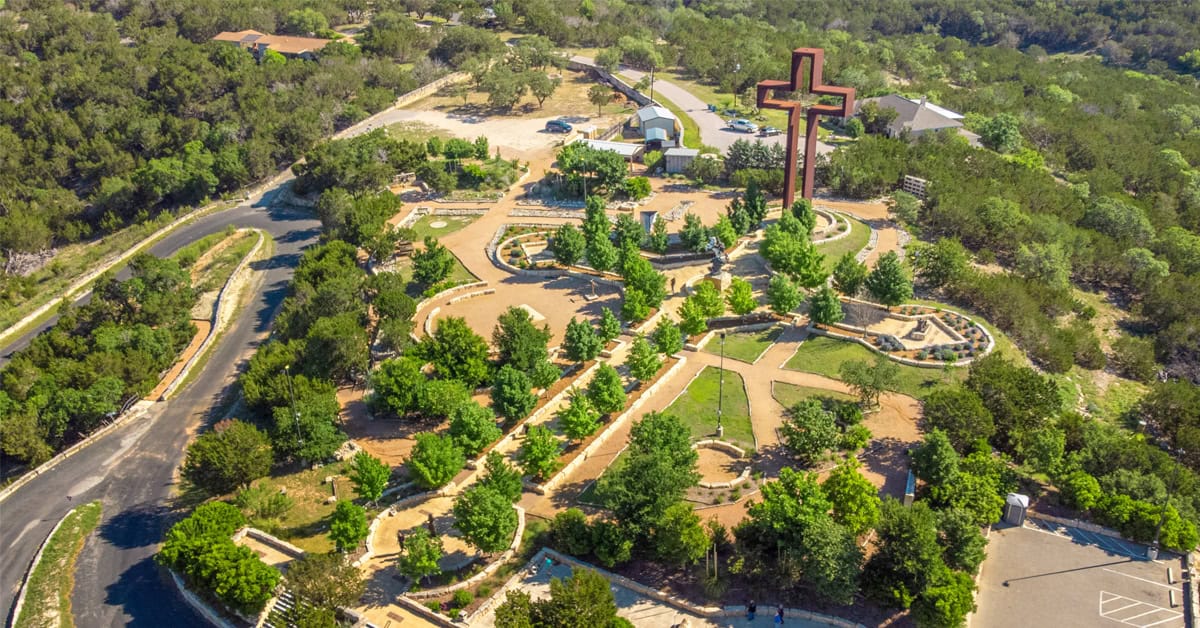
If you are making a road trip of it, Kerrville sits at an easy crossroads of the Hill Country, close to Fredericksburg, Bandera, and the wineries and dance halls that make this corner of Texas so beloved. One town becomes a whole itinerary before you know it.
How to Get There
Kerrville is about sixty-five miles northwest of San Antonio, an easy hour or so straight up Interstate 10, which makes it a simple day trip or an effortless weekend from anywhere in Central or South Texas.
Where: Louise Hays Park, 202 Thompson Drive, Kerrville, TX 78028. From there the river, downtown, and most of the attractions are all within a few minutes.
Start Planning Your Hill Country River Escape
Some towns you visit once and check off a list. Kerrville is the kind you keep coming back to, a little greener and a little more relaxed each time.
Between the clear water, the art on every corner, the music, and the deep history, it makes a real case for the one Texas river town you cannot skip.
So load the cooler, grab your water shoes, and give yourself a whole weekend on the Guadalupe. Just do not blame me when you start browsing real estate before you have even packed up to leave.
Featured image: Visit Kerrville

Stella Raines
Editor-in-Chief
Stella brings over a decade of storytelling experience to TX Headlines. With roots in West Texas and a love for road trips, she leads the editorial team with an eye for the hidden stories that make Texas unforgettable.
More Stories
This Quirky Small Texas Town Is Rich in Charm, History, and a Love of Trains
This Tiny Texas Hill Country Town Is All Pink Granite, Wide-Open Skies, and Easygoing Days
This Tiny Texas Town Was a Ghost Town Until Its 1878 Dance Hall Brought It Roaring Back
This Gorgeous Texas Hill Country Town Is Still Affordable and Largely Undiscovered
Tags