This Hidden Texas Spring Has Crystal-Clear Water and a Gloriously Laid-Back Vibe
I have chased cold spring water my whole life. Not pool water that has been baking all afternoon, not lake water the color of sweet tea, but the real thing that runs cool no matter how hard the Texas sun is trying to flatten you.
East Texas, it turns out, has been quietly hiding one of the best places in the state to find exactly that feeling.
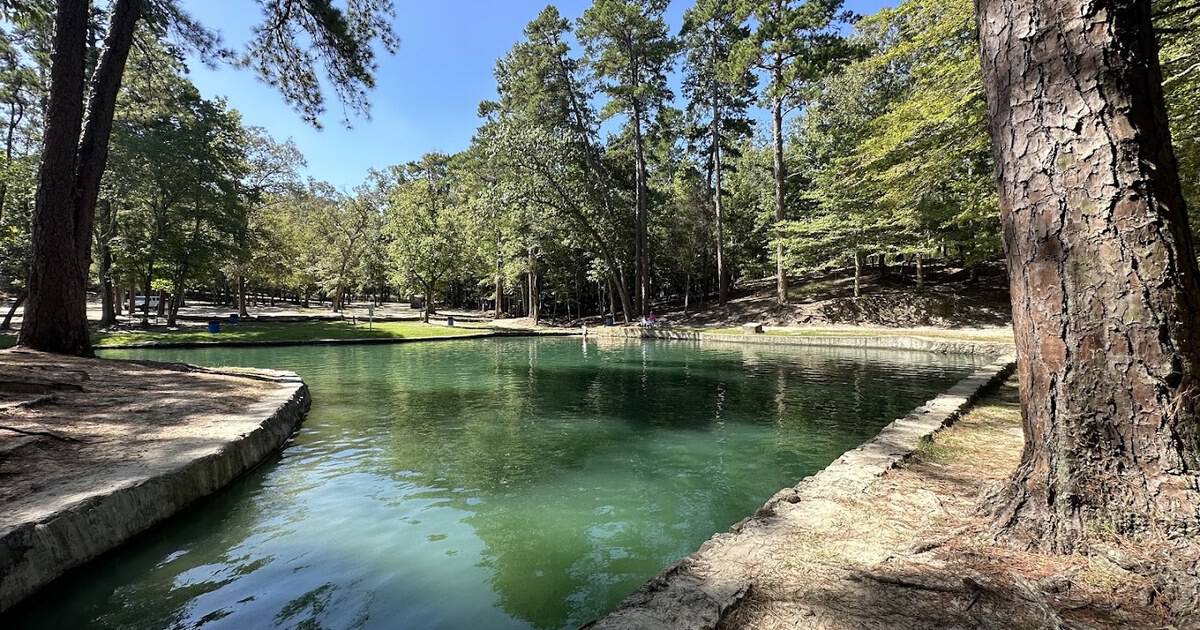
Tucked into the Piney Woods near Garrison sits Camp Tonkawa Springs, a spring-fed swimming hole so clear you can count the pebbles on the bottom.
Below, I will walk you through the water, the century of history behind it, the deer that wander right up to your campsite, and everything you need to plan the drive.
Water So Clear It Almost Isn’t There
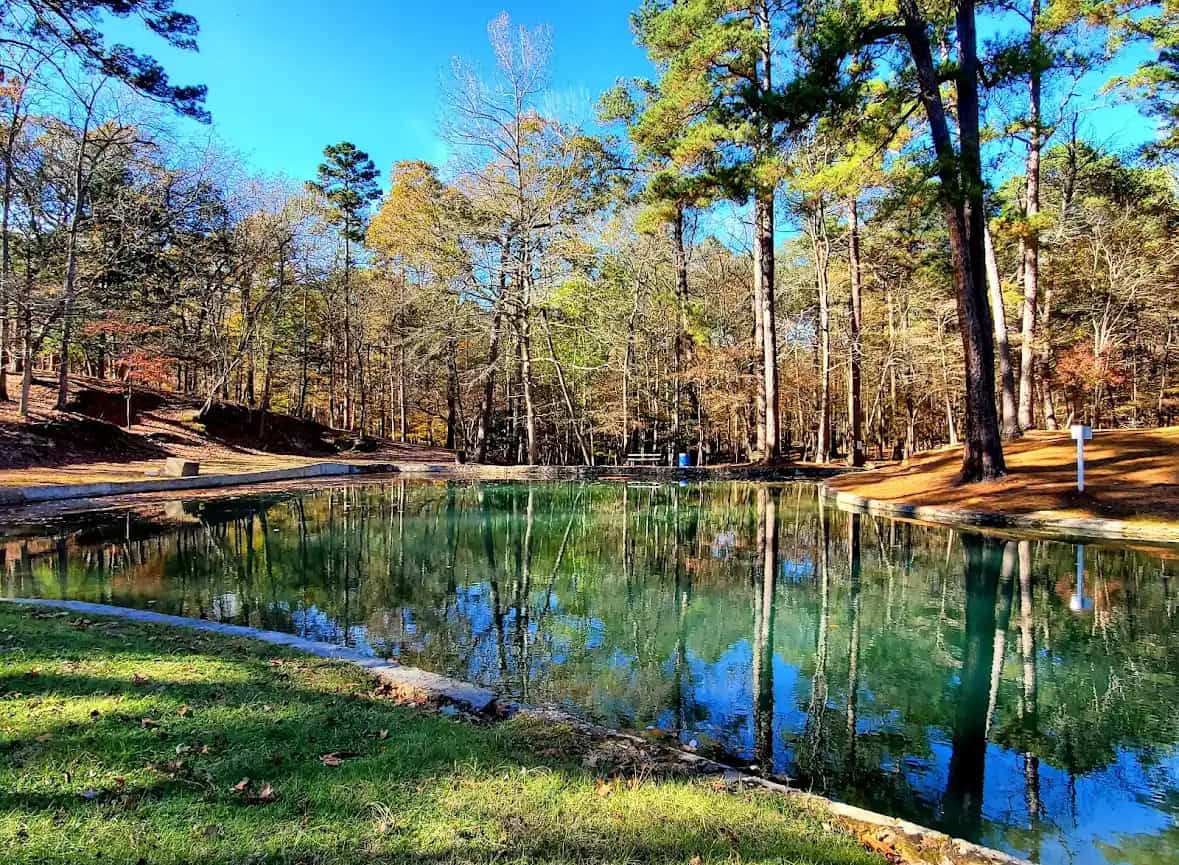
The heart of the whole place is the spring. A bubbling ground spring pushes up through the earth, forms a short creek, and feeds a rock-lined swimming hole that runs somewhere between 100 and 150 feet across.
You can just look at the water and understand why people drive hours for it. It stays cool and constant year-round, hovering right around the high 60s by most accounts.
A steady flow keeps it moving and never lets it warm up. On a 98-degree Garrison afternoon, that first step in will take your breath clean away.
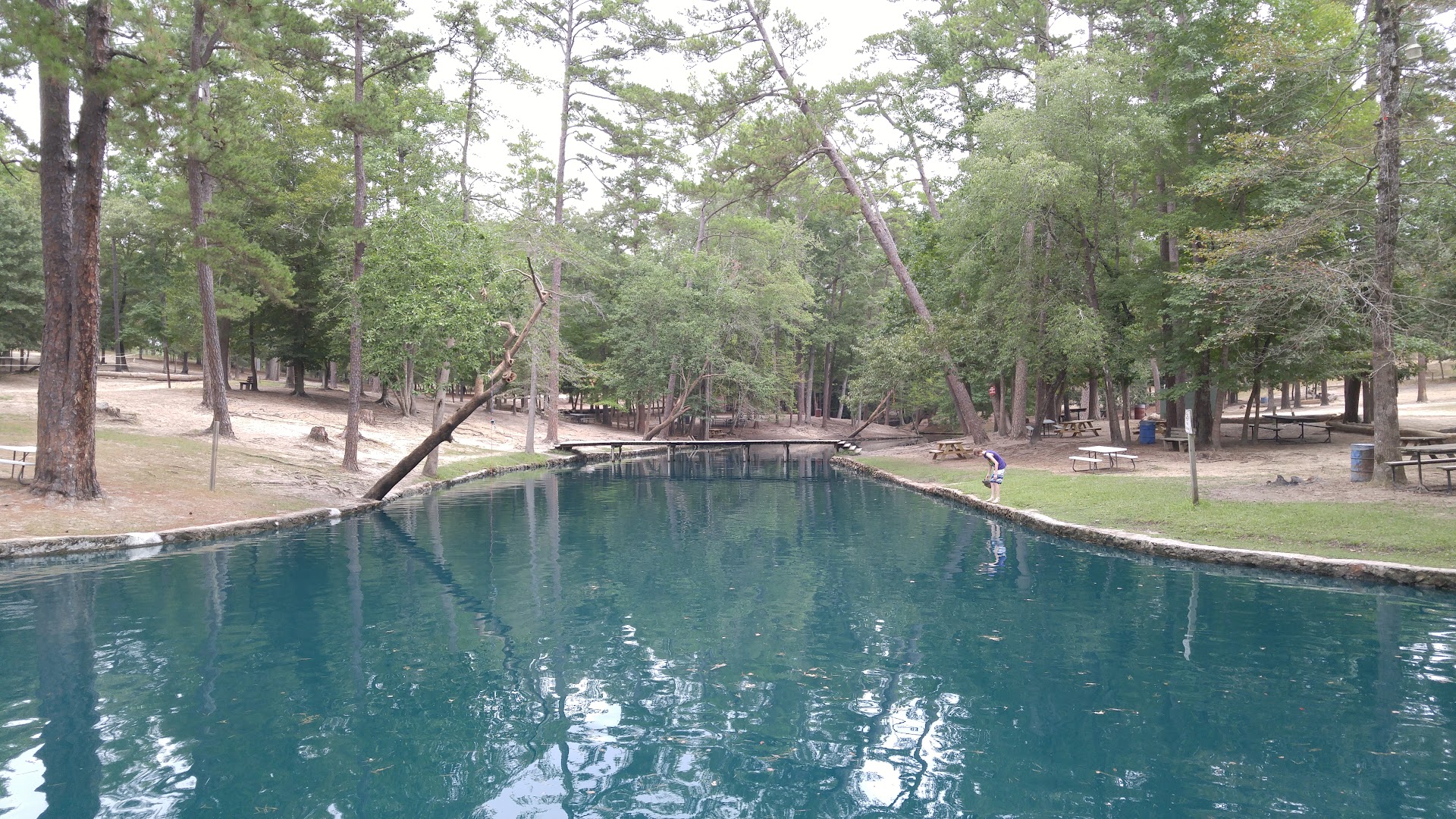
The bottom is white sand in places and smooth rock in others, so there is no murky guessing about what you are stepping on.
Float on your back and look straight down, and you can see your own toes. That is rarer than it sounds in this part of the country, where most swimming water hides its floor under a foot of green.
There is a rope swing for the brave, shallow edges for the little ones, and enough room that a busy Saturday never feels like a crowded city pool. Families stake out a shady spot on the bank, coolers come out, and the afternoon just slows down.
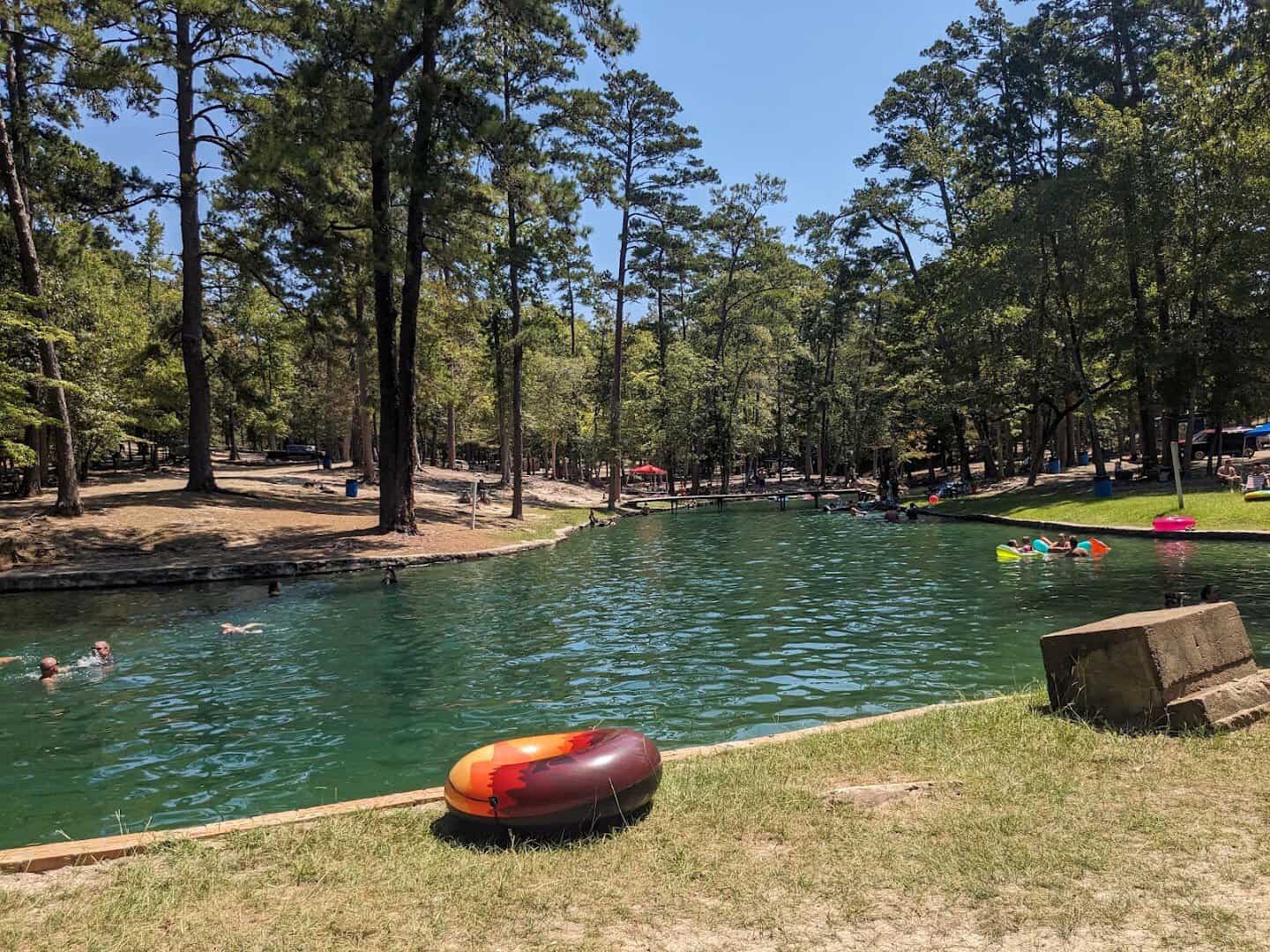
The regulars have their rituals here, claiming the same shady corners year after year. Newcomers get folded in fast, because somebody always waves you over to share a patch of grass.
Because the spring feeds it constantly, the water refreshes itself instead of sitting still like a stock tank. That is the difference you feel the moment you wade in. It is alive, moving, and genuinely cold, the way a real spring should be.
A Swim Wrapped in Pines
Half of what makes this spot special is where it sits. The swimming hole is cradled by the tall pines and hardwoods of the East Texas forest, so shade is never far and the air smells like warm needles and clean water.
Songbirds carry on overhead, a breeze moves through the canopy, and there is no highway noise to remind you where you came from.
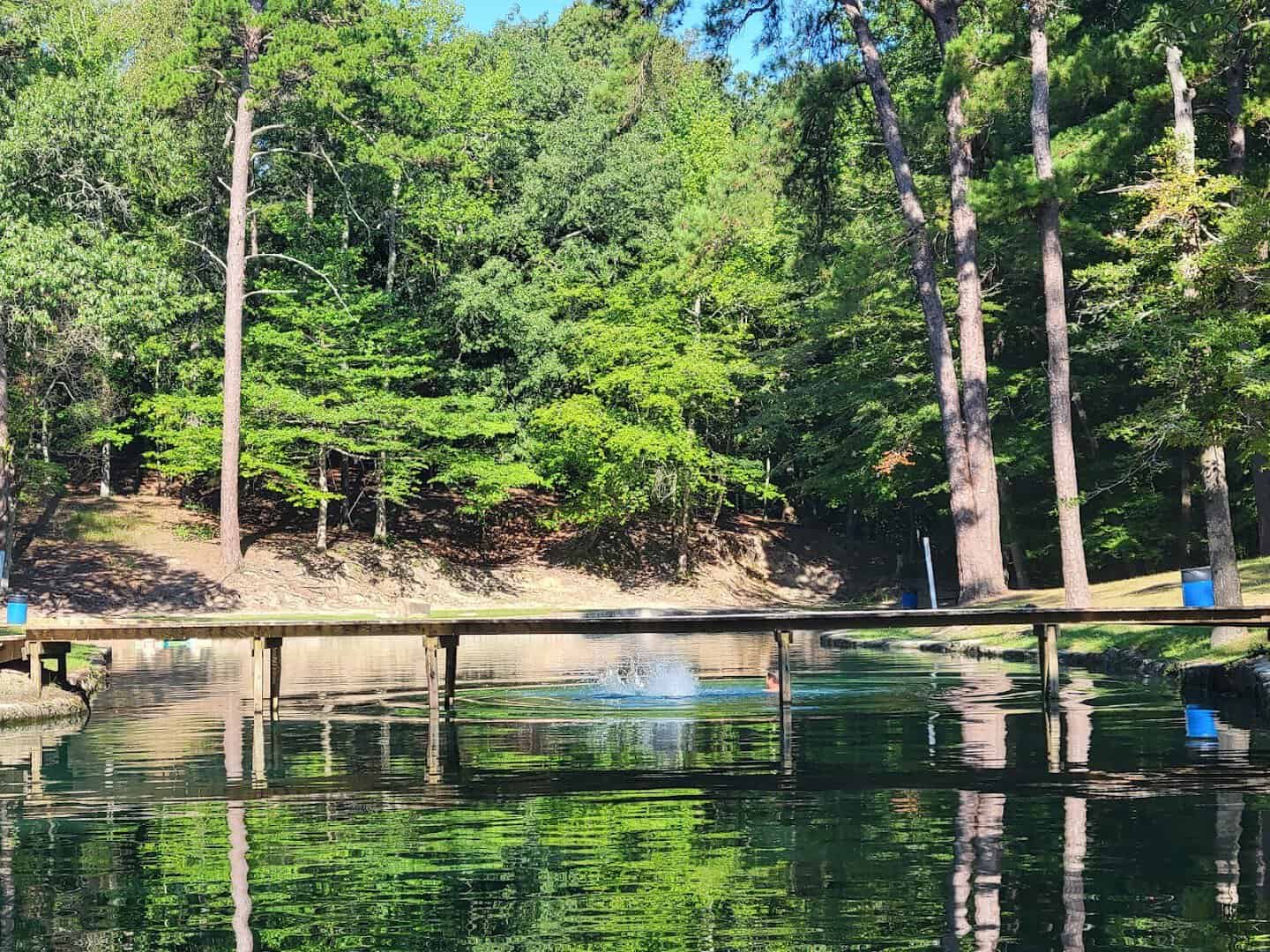
You could be a hundred years back in time, which, as it happens, is roughly how long people have been coming here to cool off.
When you climb out to dry in the sun, you do it on grass under trees, not on hot concrete. Little things, but they add up to the laid-back feeling the whole place is known for.
A Spring With a Wildly Colorful Past
People have been swimming in this water for well over a hundred years, and the story of how it got here beats most small-town legends.
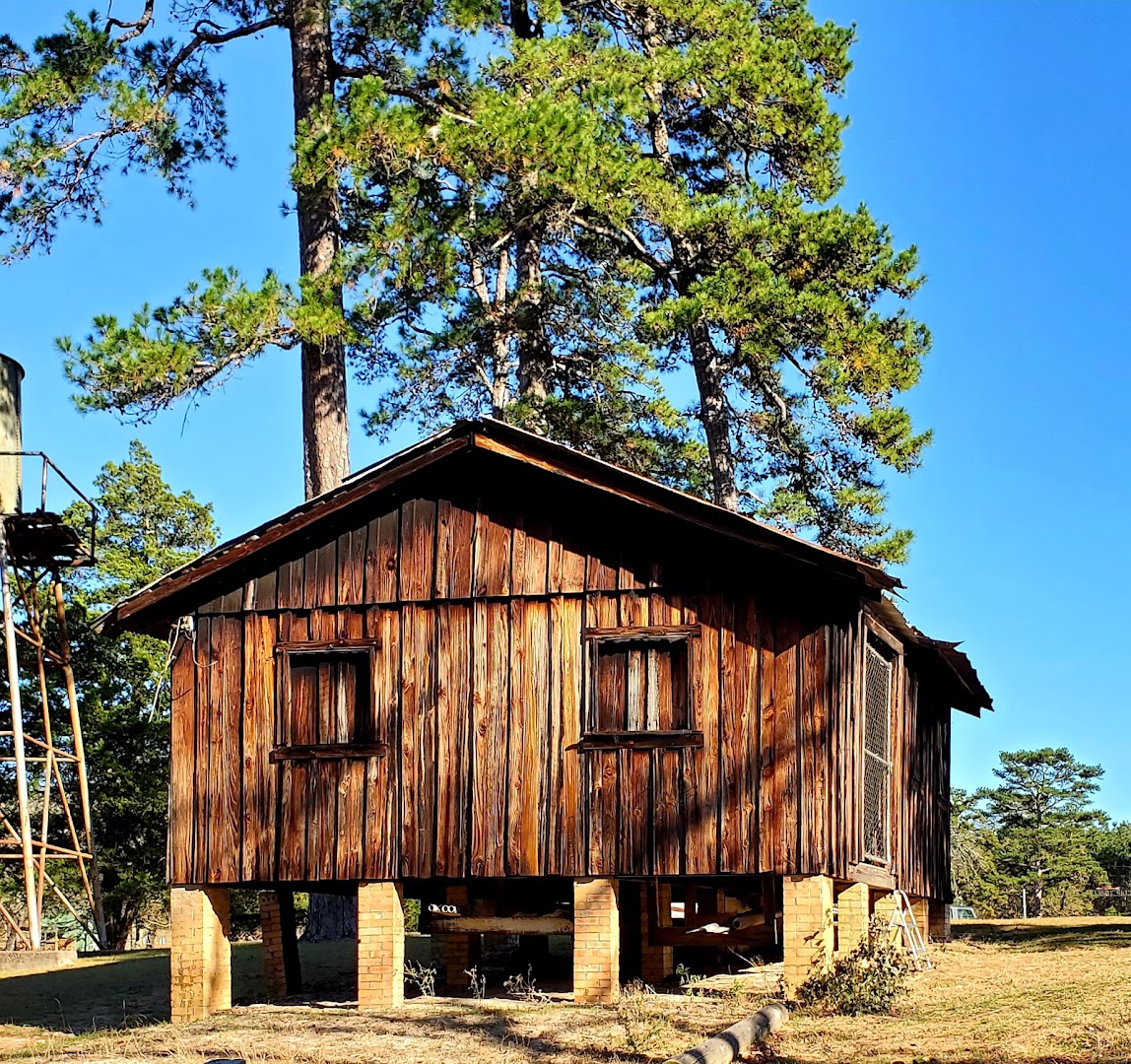
Back in the 1800s, the springs and the roughly 300 acres around them were handed over through a government land grant to a full-blooded American Indian.
The Tonkawa were one of the historic peoples of central and east Texas, known as skilled hunters who followed the buffalo. Their name has outlasted almost everything else on this land, still stamped on the spring, the creek, and the front gate.
By the early 1900s the spring was doing real work. Its flow turned a wheel that powered a gristmill, grinding corn for families across the county. The water was an engine before it was ever a getaway.
In the early part of the 20th century, the Tucker family bought the land, and in the 1930s they leased it to the Boy Scouts.
The Civilian Conservation Corps built the stone retaining walls that still ring the spring. Troops pitched their tents here for decades, learning to swim in that cold, clear water.
Then came the strangest chapter. In the 1980s, the Ozarka Water Company pumped from these very springs, bottling the water and shipping it out under a label Texans have known for generations. When the bottling ended, the grounds even hosted organized fox hunts.
Only in 2001 did the owners open the pool to the public and add the campground you can visit now. Did you know? The same water you are splashing in once ground somebody’s cornmeal and later sat on grocery shelves with a price tag on it.
When the Water Vanishes, the Rock Bed Talks
Here is the detail that gives longtime visitors chills. In the driest late summers, when rain has been scarce for months, the swimming hole can shrink back toward its source.
By some local accounts, when the water pulls back it exposes the creek’s rock bed, and carved into that stone are old petroglyphs. Excavations around the property have reportedly turned up hundreds of Native American artifacts over the years.
Whether or not you ever catch the water low, it is a good reminder of how long this spot has mattered to people. You are swimming in a place that was sacred and useful long before anybody thought to call it fun.
Deer for Neighbors and Peacocks in the Pines
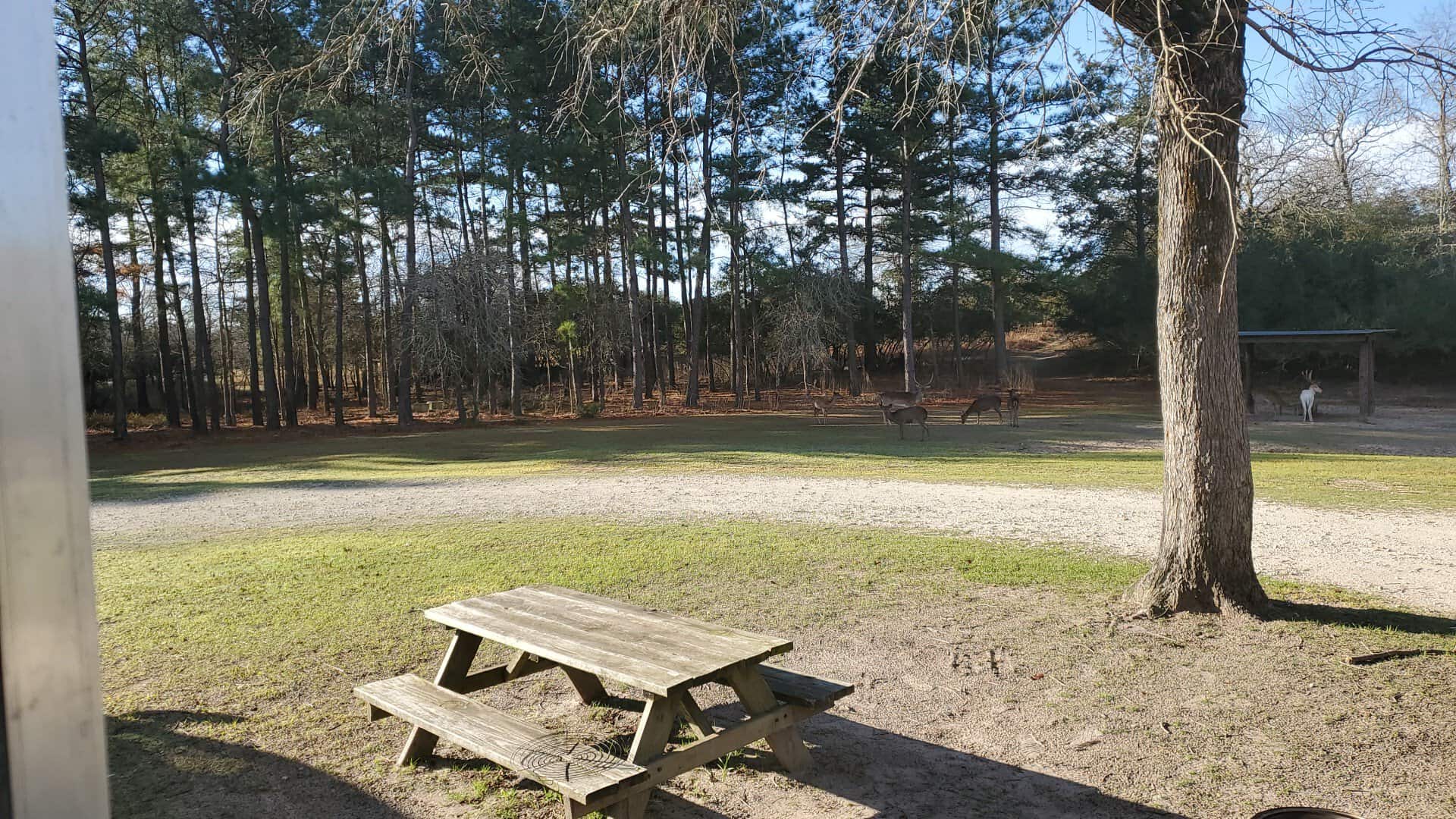
The wildlife at Camp Tonkawa Springs is half the charm, and none of it is behind a fence. Fallow deer and black buck roam the grounds freely, and they have grown so used to gentle visitors that they will often walk right up to your site.
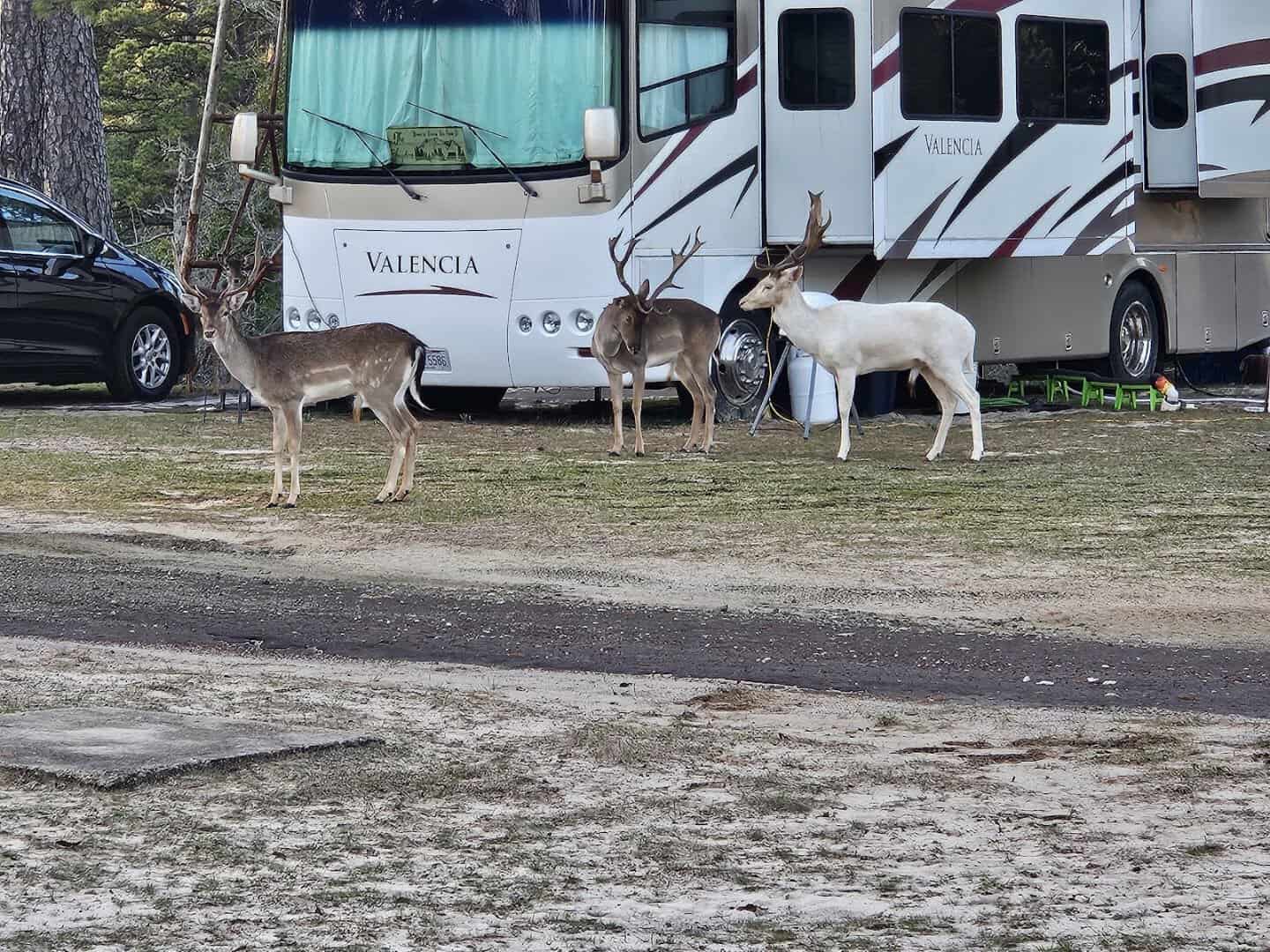
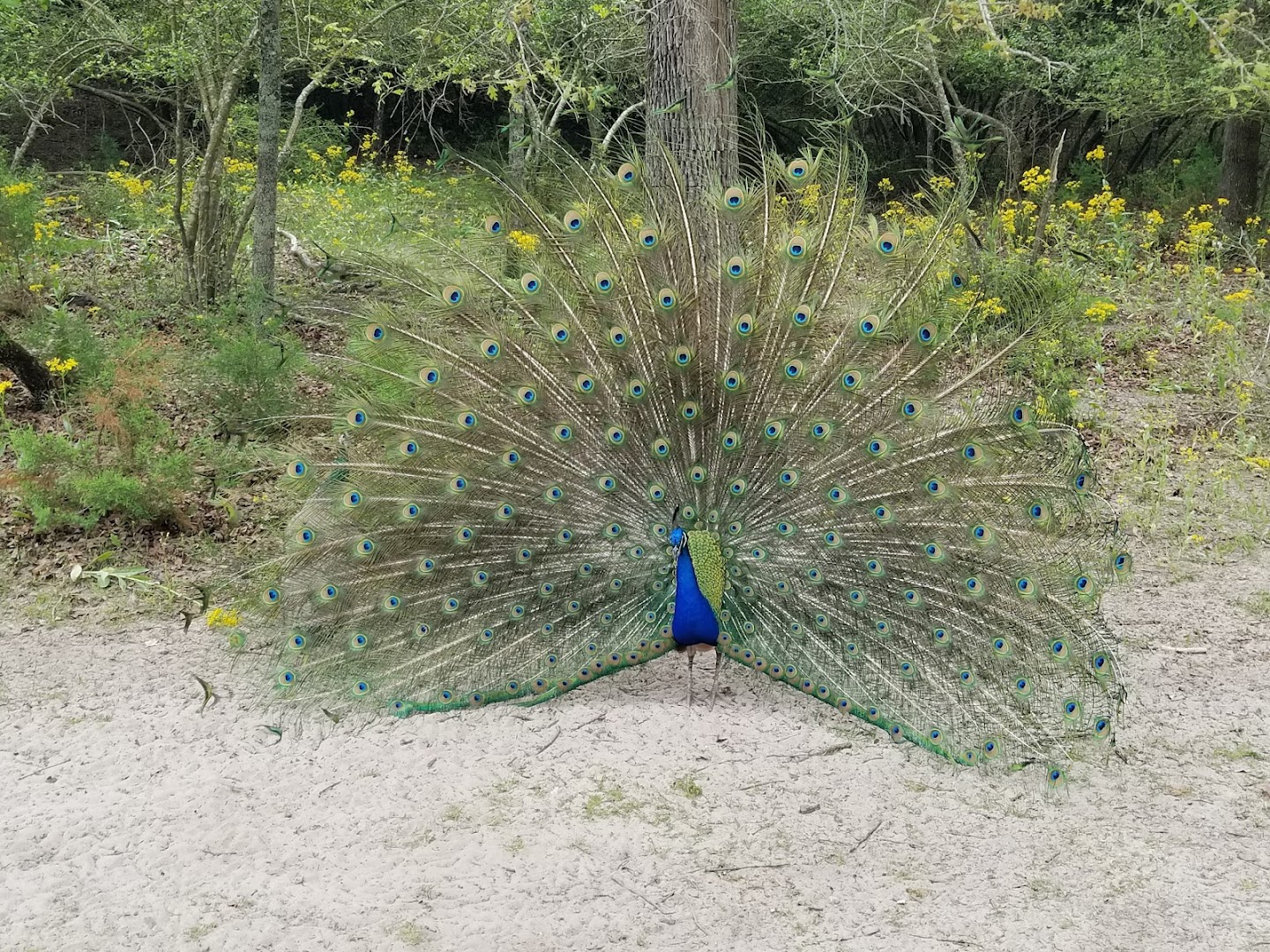
Kids light up the first time a spotted fallow deer eases over to investigate a picnic table. Peacocks strut through the trees, guineas fuss around the edges, and the whole place hums with the kind of easy animal life you only get out in the country.
Bring a little something to feed the friendly ones, keep it calm, and you will feel less like a tourist and more like you borrowed a slice of somebody’s very lively backyard.
Pitch a Tent or Park the Rig
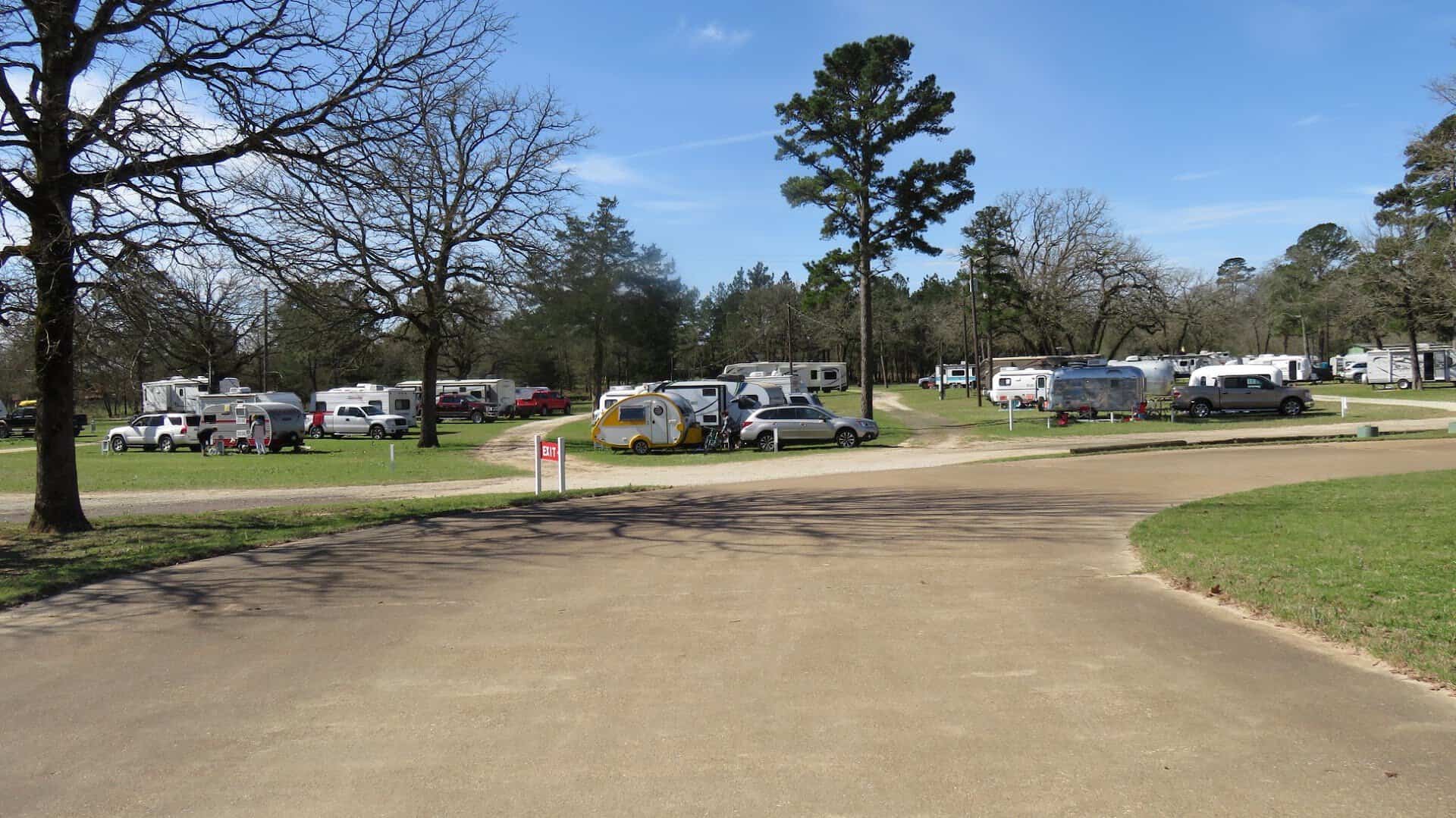
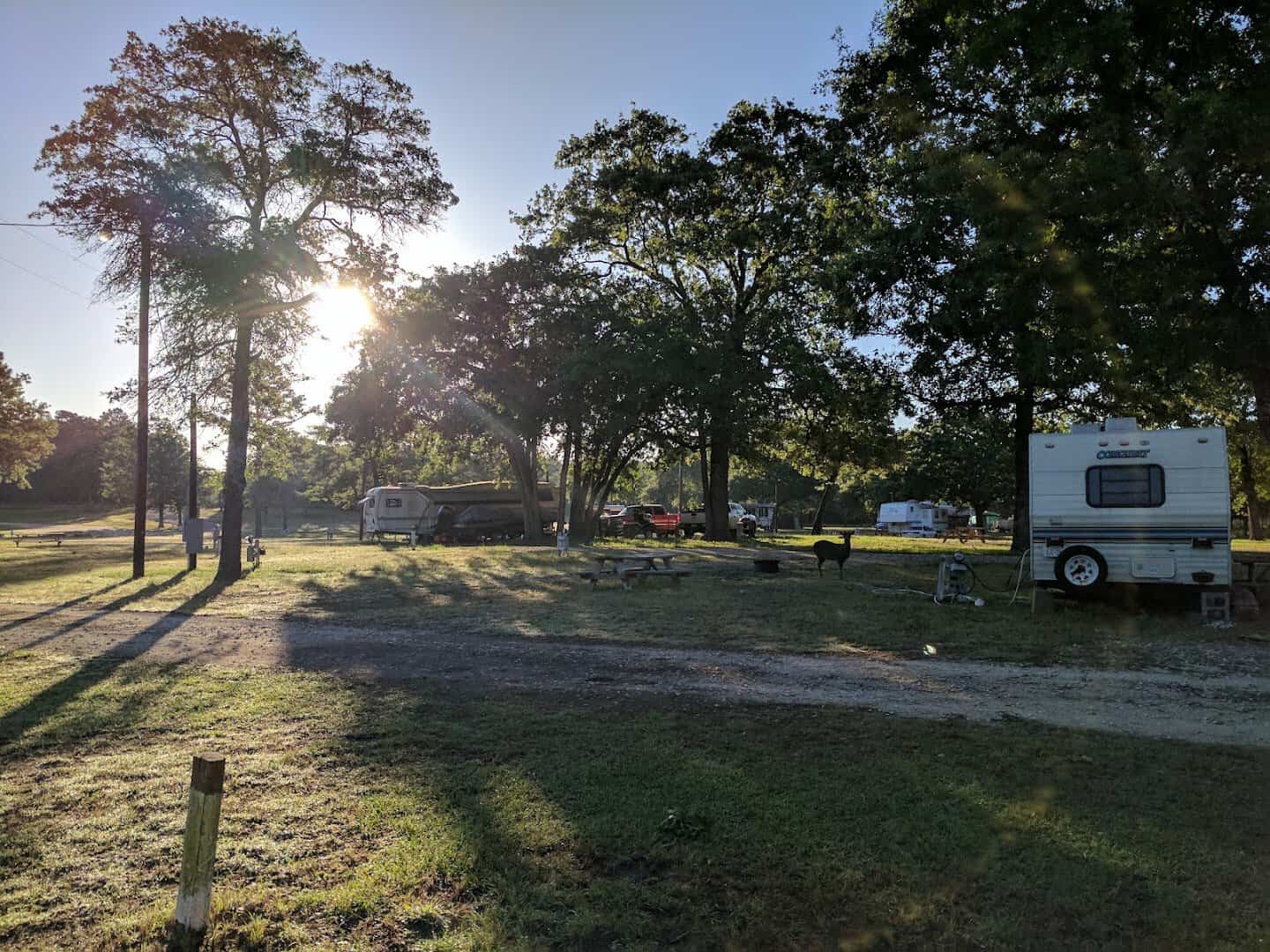
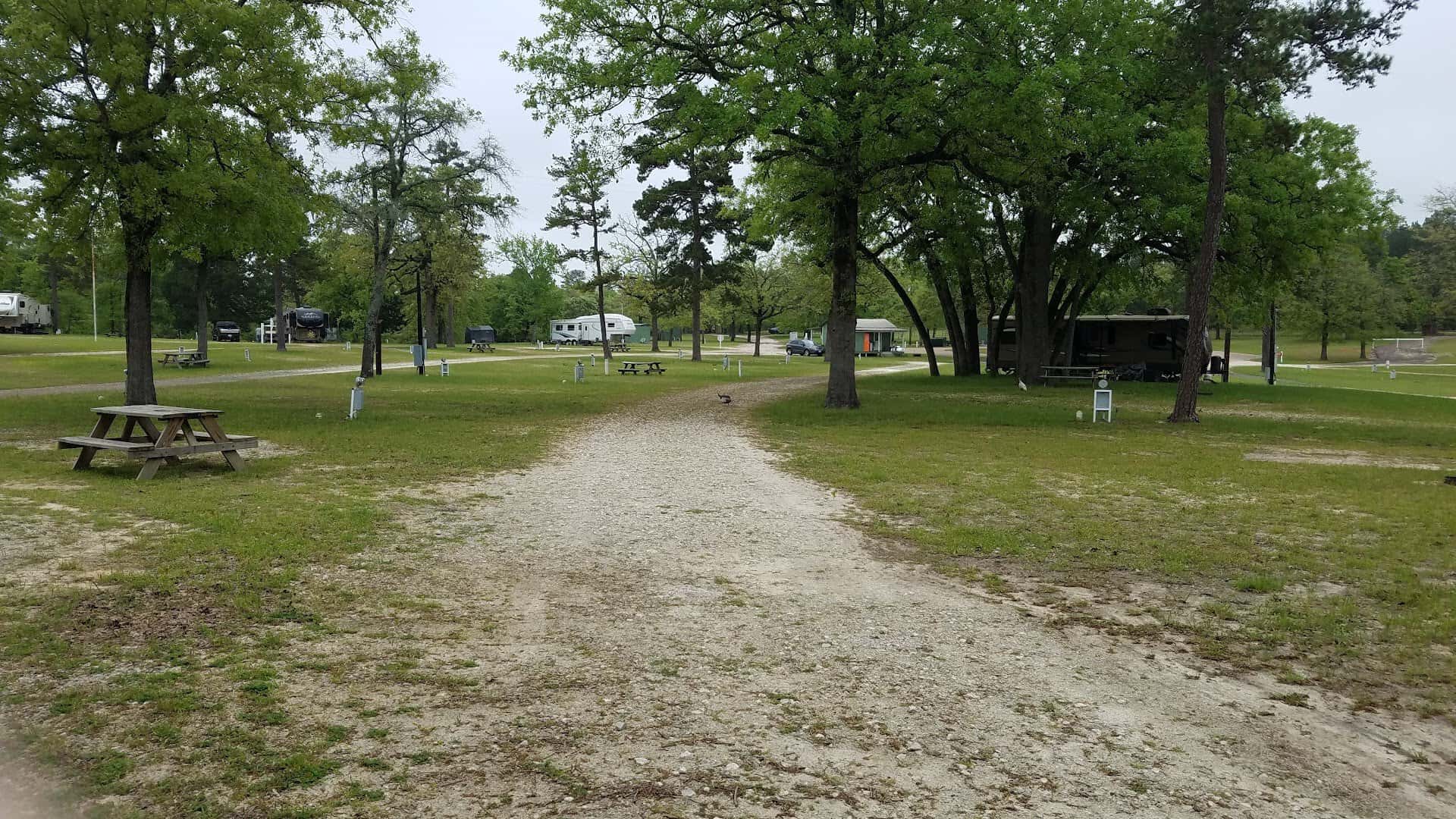
You do not have to leave when the sun drops. The camp keeps around 75 to 80 sites, so a spur-of-the-moment weekend is usually doable, though a call ahead in peak summer never hurts.
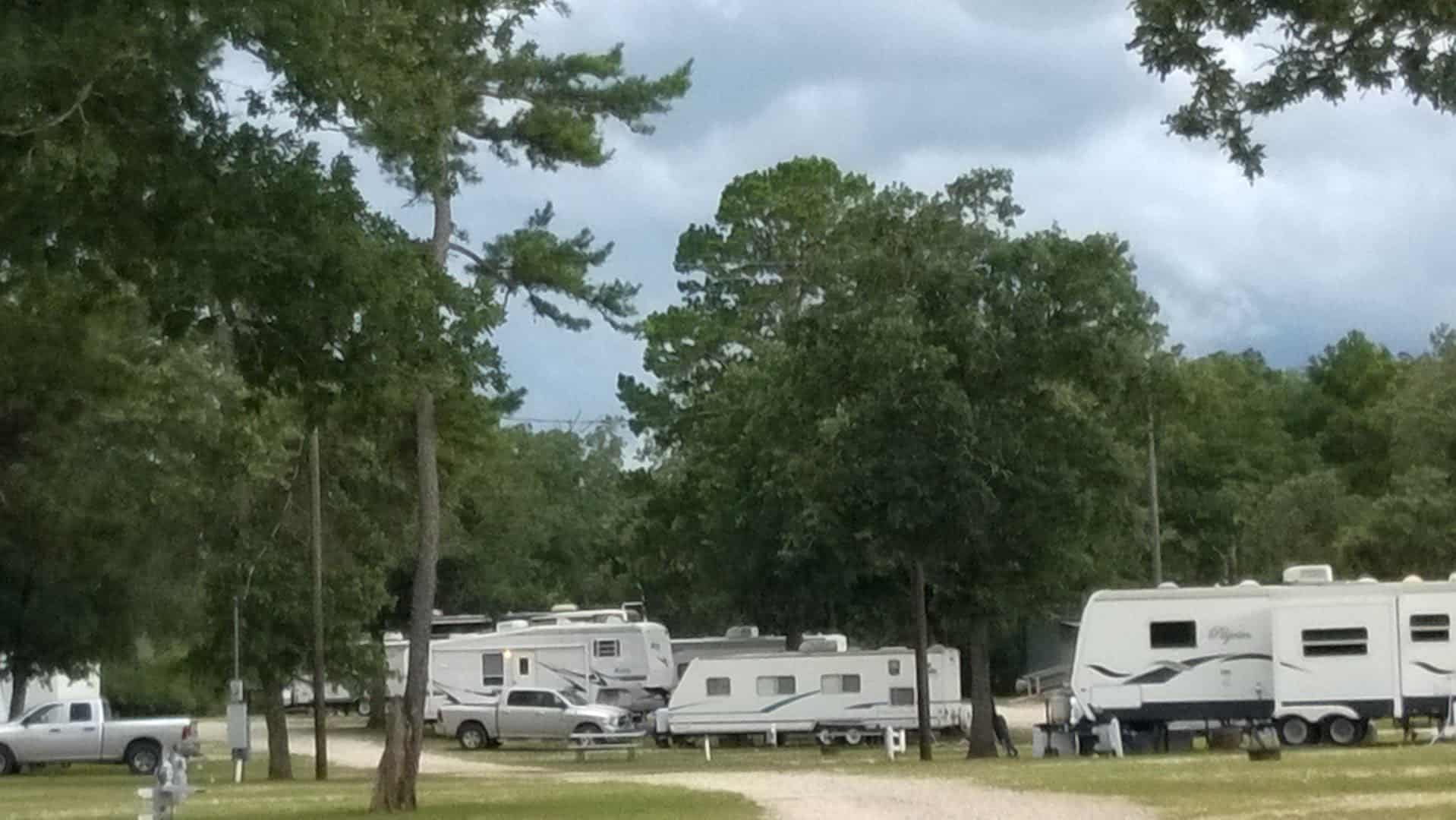
RV travelers get roughly 65 pull-through sites, some stretching to 60 feet, wired for 20, 30, and 50-amp hookups. Tent campers get their own spots tucked back in the woods, quiet and shaded and steps from the water.
The practical stuff is handled too. There are clean restrooms and hot-water showers, a laundry, changing rooms, two clubhouse-style recreation rooms, and a big covered pavilion for family reunions and church groups.
It stays open year-round, and pets are welcome. Waking up in these woods is its own reward, with morning light filtering green through the pines and the deer coming around looking for breakfast.
Best of all, the spring is right there waiting before the day heats up. An early swim, before the crowds arrive, is the quietest the water ever gets.
More Than a Swim
Once you have dried off, there is plenty to do, though a nap in the shade is a completely respectable choice out here.
You will often find an impromptu volleyball game going, a horseshoe match clanging away, or someone taking a slow walk on the forest trails. Birdwatchers do well in these woods, and the picnic areas make it easy to turn a swim into a whole lazy day.
My kind of afternoon is exactly this: cold water, a shady bank, a game breaking out somewhere behind me, and nowhere I need to be for hours.
Make a Weekend of It in Nacogdoches
The spring sits about 12 miles from Nacogdoches, which bills itself as the oldest town in Texas. That makes an easy pairing for a full weekend, and it gives the non-swimmers something to look forward to.
After a morning in the water, you can drive down for antique shops, a good meal, brick streets made for wandering, and the shady old campus of Stephen F. Austin State University. Cool off, dry out, then go find some air conditioning and pie.
The town leans into its history the same way the spring does, with old storefronts, historical markers, and gardens worth a slow stroll. It is a gentle counterpoint to a day of splashing, and it keeps everyone in the family happy.
Pro Tips Before You Go
A few honest heads-ups will make the trip smoother. First, cell service out here is basically nonexistent, so download your directions and tell someone your plans before you lose the bars.
Pro tip: swim shoes are worth it. The bottom is mostly friendly sand and rock, but a little foot protection keeps the day complaint-free for the kids.
Day swimming runs a small per-person fee, commonly cited around $10 for ages six and up, with a discounted family day midweek. Prices do change, so call ahead to confirm the latest rates and hours before you load the car.
Come early on summer weekends if you want a prime shady spot on the bank. Pack a cooler, since you are a good way from the nearest store, and bring cash to be safe.
Summer is the season this place was made for, when the heat makes that cold water feel like a small miracle. Late spring and early fall are quieter, though, if you would rather have the bank mostly to yourself.
How to Get There
Camp Tonkawa Springs sits deep in Nacogdoches County, about 12 miles north of Nacogdoches and roughly 5 miles south of Mount Enterprise.
From Highway 259 you will turn onto County Road 1087 for about four and a half miles, then onto County Road 153 to the entrance.
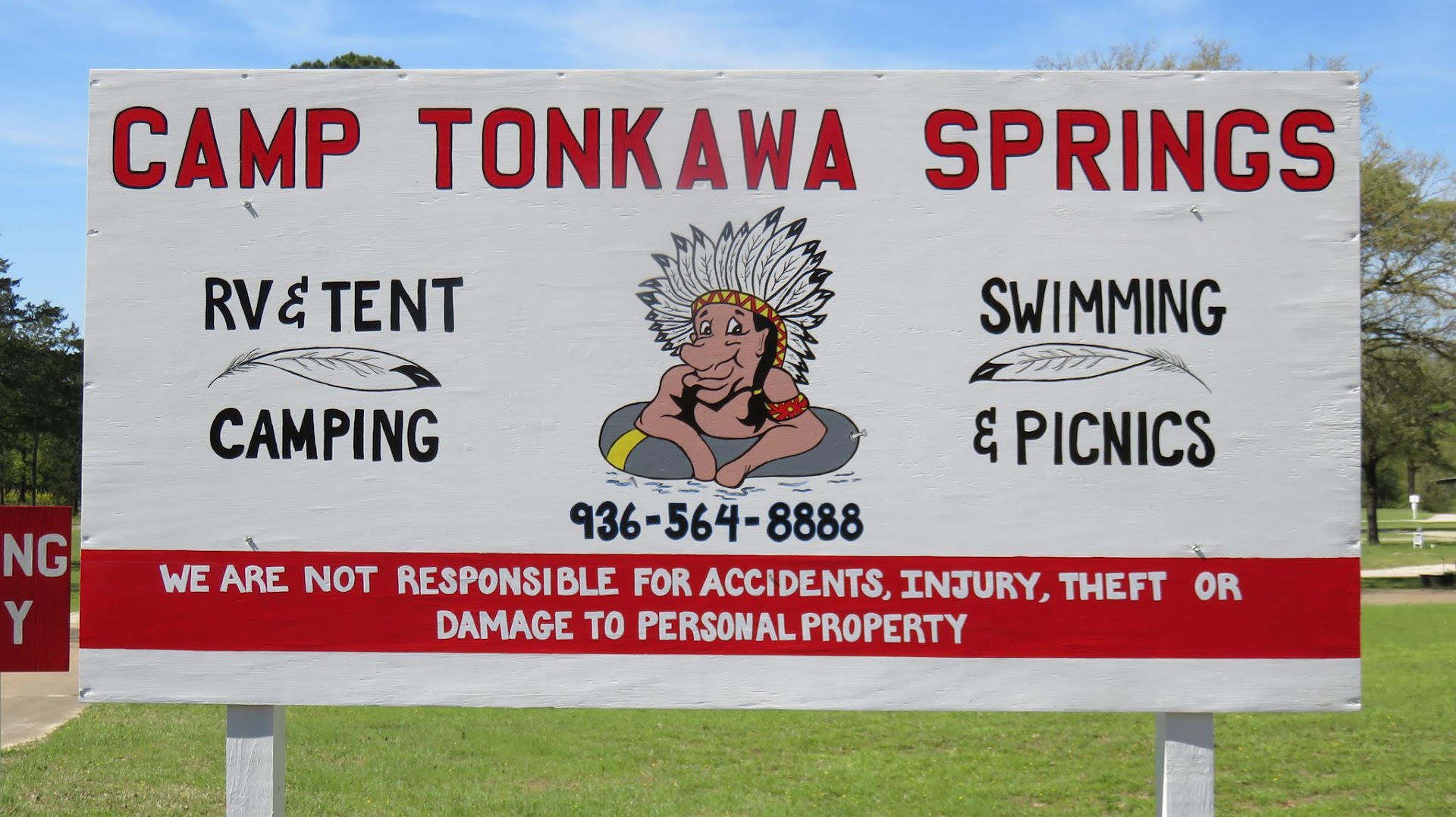
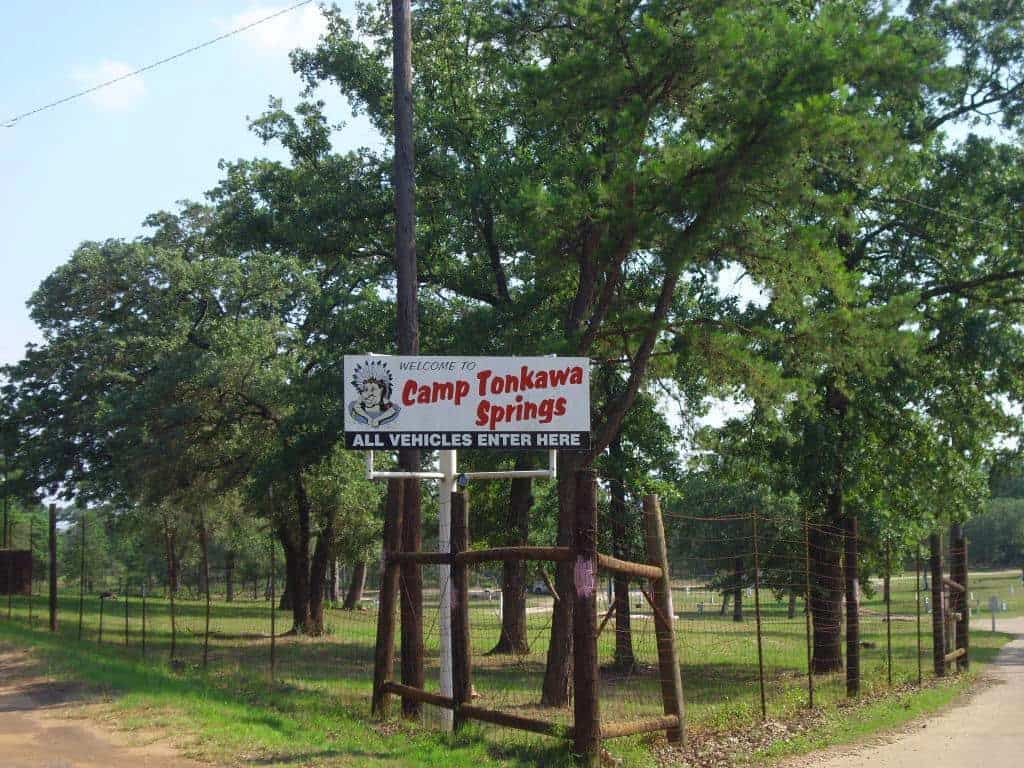
Where: 4675 County Road 153, Garrison, TX 75946. Phone ahead at 936-564-8888, because the office is your best source for current hours, swim fees, and site availability.
Point the Car East
Whether you live in Texas or you are just passing through the Piney Woods, this is the kind of place that reminds you the best spots are rarely the ones on the billboards. Cold, clear water, deer for neighbors, and a hundred years of history hiding down a county road.
Pack the swimsuits, throw in the cooler, and go find the water while the summer holds. Just do not be surprised when you start planning your next trip before you have even dried off.
Featured image: Michael Young via Camp Tonkawa Springs

Stella Raines
Editor-in-Chief
Stella brings over a decade of storytelling experience to TX Headlines. With roots in West Texas and a love for road trips, she leads the editorial team with an eye for the hidden stories that make Texas unforgettable.
More Stories
This Lush Texas Garden Is Free to Explore and Full of Scenery People Usually Pay to See
This Sprawling Texas Preserve Hides a Wilder Side of the Hill Country
This Easy Texas Nature Trail Is Shaded, Bench-Lined, and Full of Wildlife
This Stunning Texas Garden Is Blanketed in Native Wildflowers and Laced With Peaceful Trails
Tags