This Sprawling Texas Preserve Hides a Wilder Side of the Hill Country
Everyone thinks they know the Hill Country. Hamilton Pool, a winery crawl, a float on the Guadalupe, home by dark. I used to think that was the whole menu too, until I started asking where the people who live out there actually go when they want room to breathe.
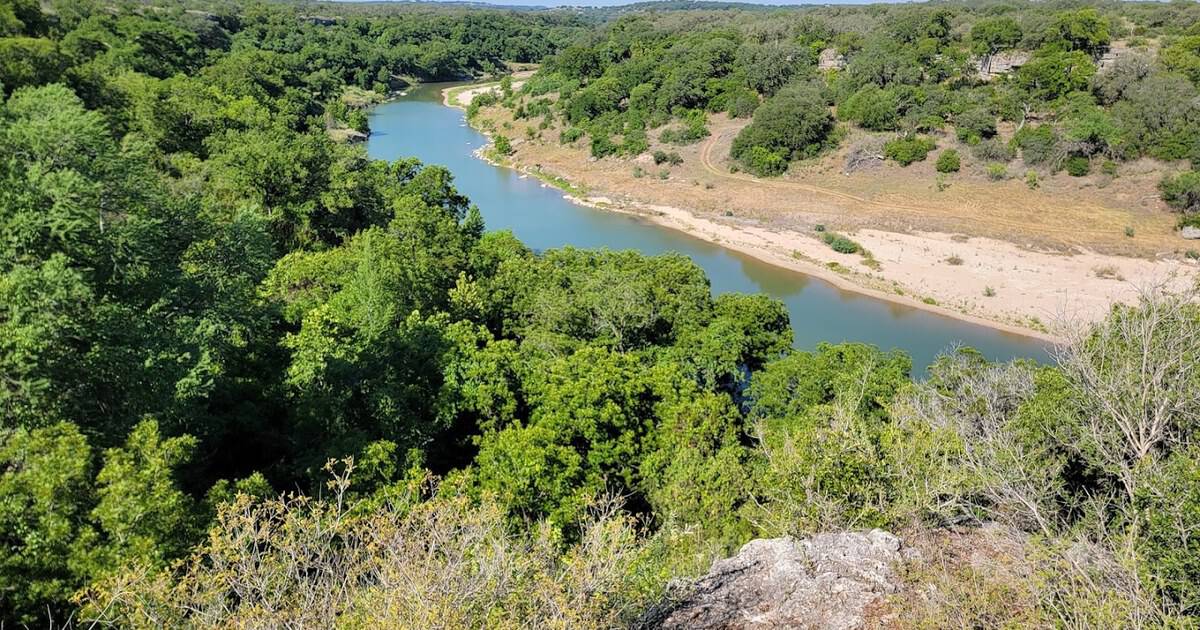
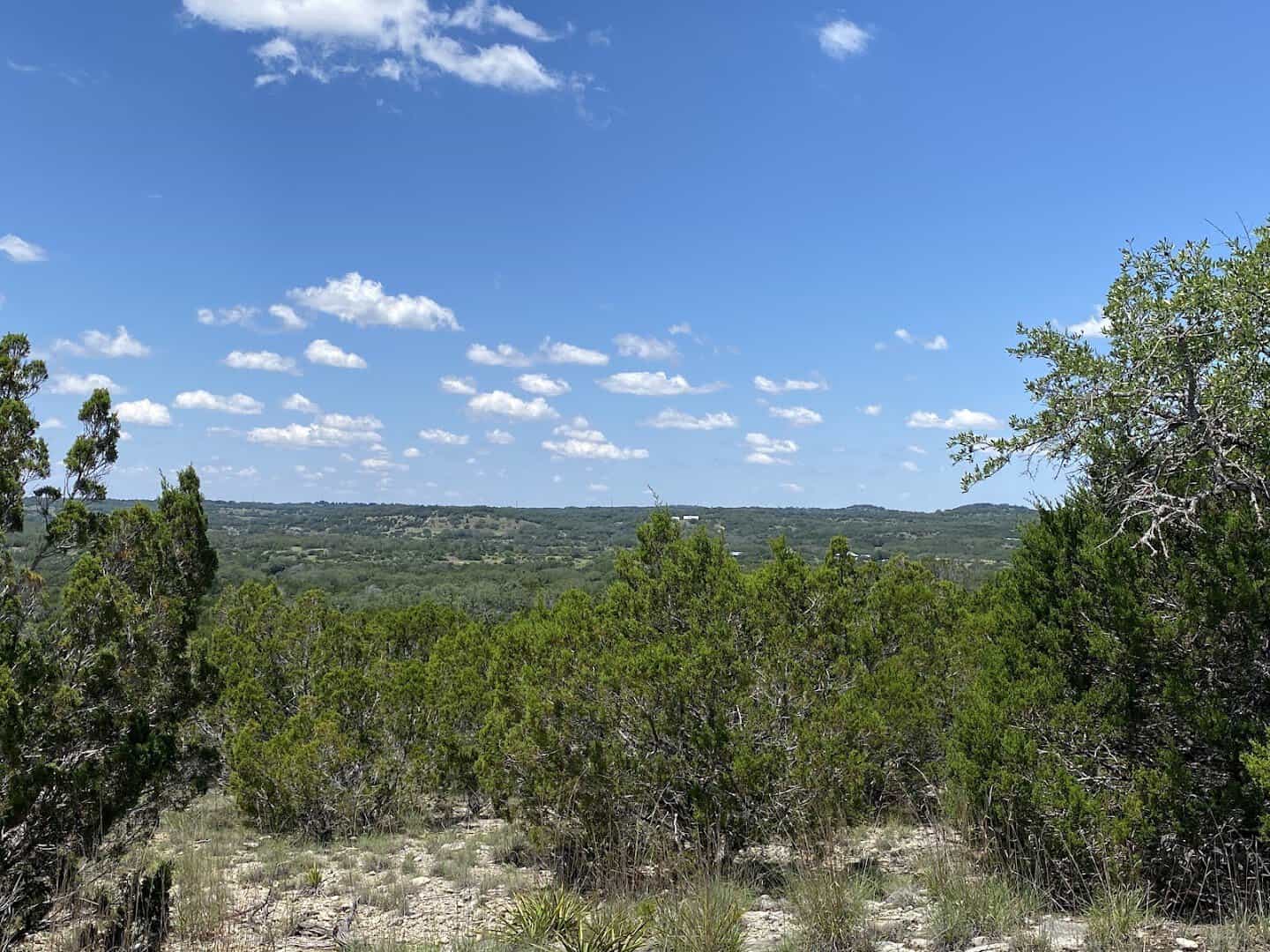
The answer, more often than not, is a working ranch turned public park about thirty miles west of Austin, in Dripping Springs. It is 2,427 acres of limestone and river, and it feels like the Hill Country before anyone put a tasting room on it.
This is Milton Reimers Ranch Park, and it is the largest single piece of parkland Travis County has ever bought. Below, here is what all that space actually gives you, from the cliffs the climbers found to the darkest sky anywhere near Austin.
Room You Can Actually Feel
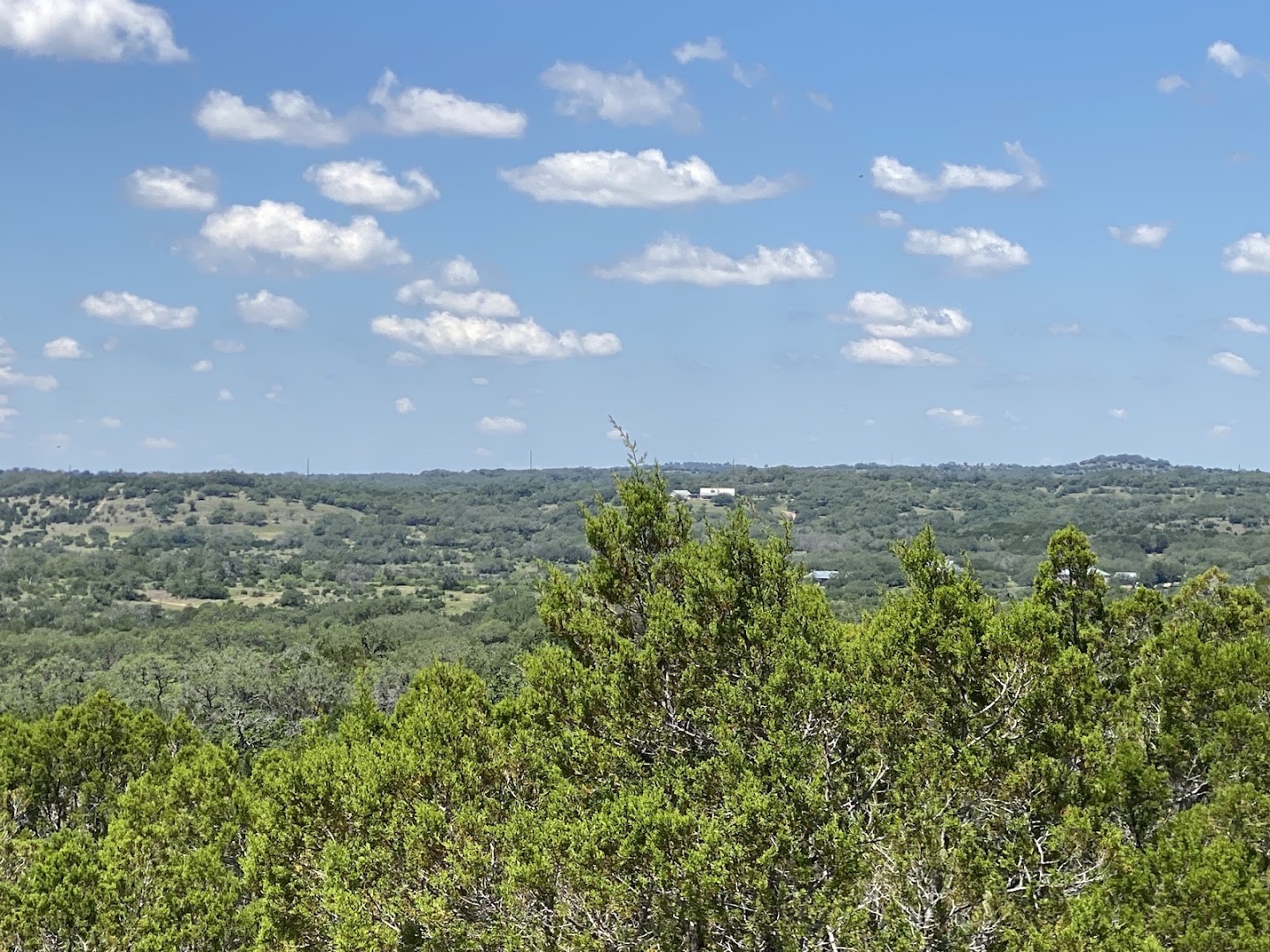
The first thing you notice is that the crowd thins the moment you turn off Hamilton Pool Road. There is a gravel entrance booth, a stretch of cedar and live oak, and then the land just opens up in front of you.
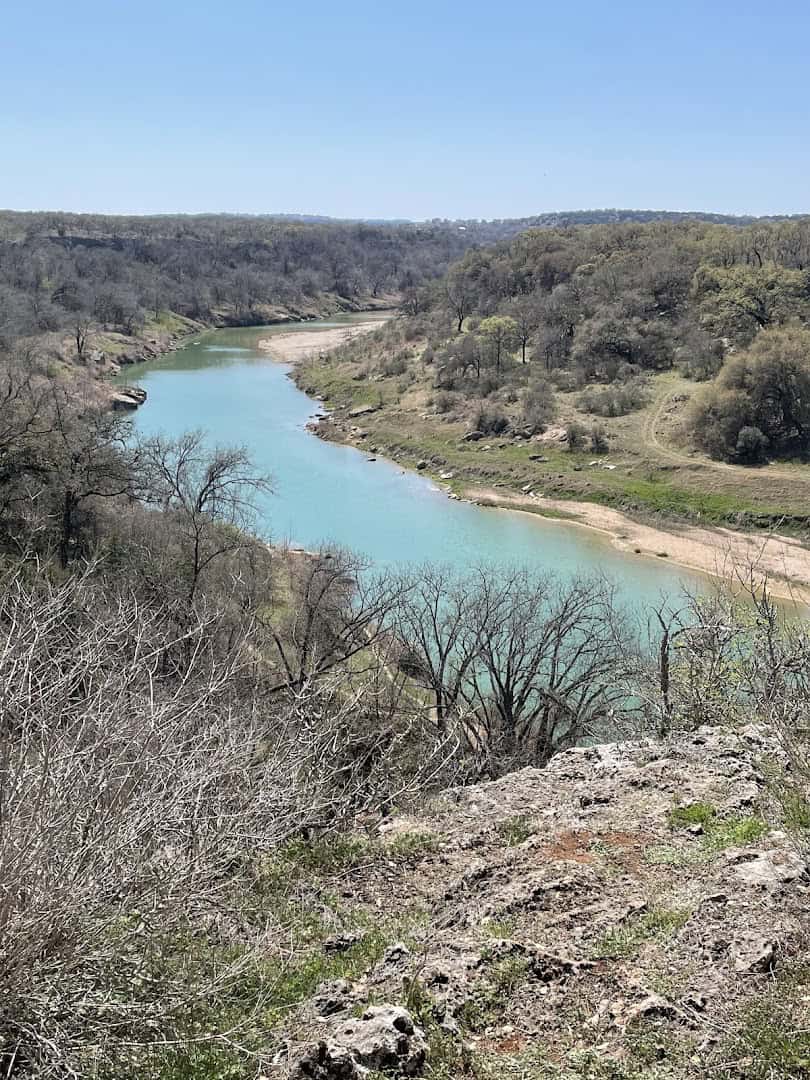
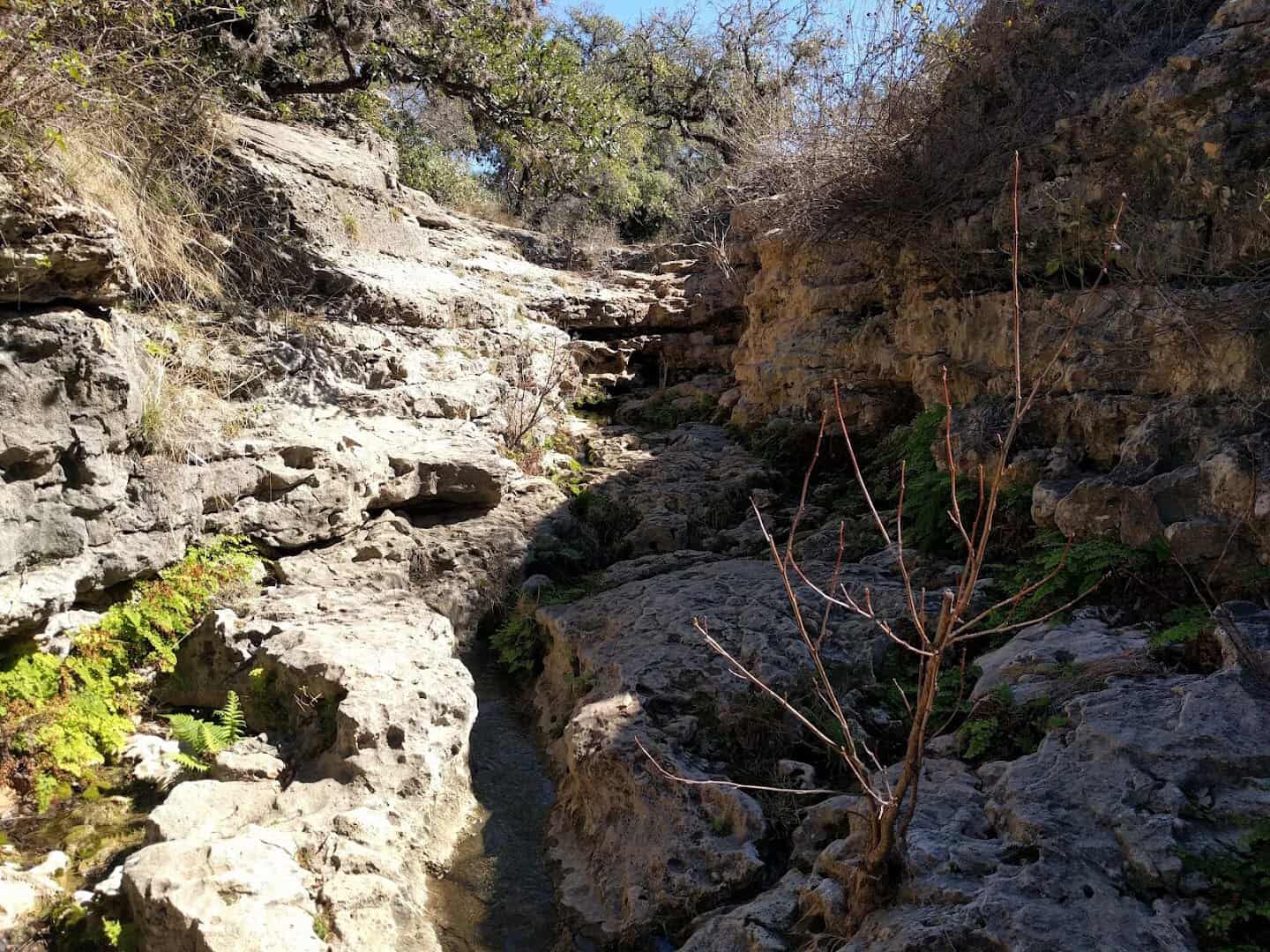
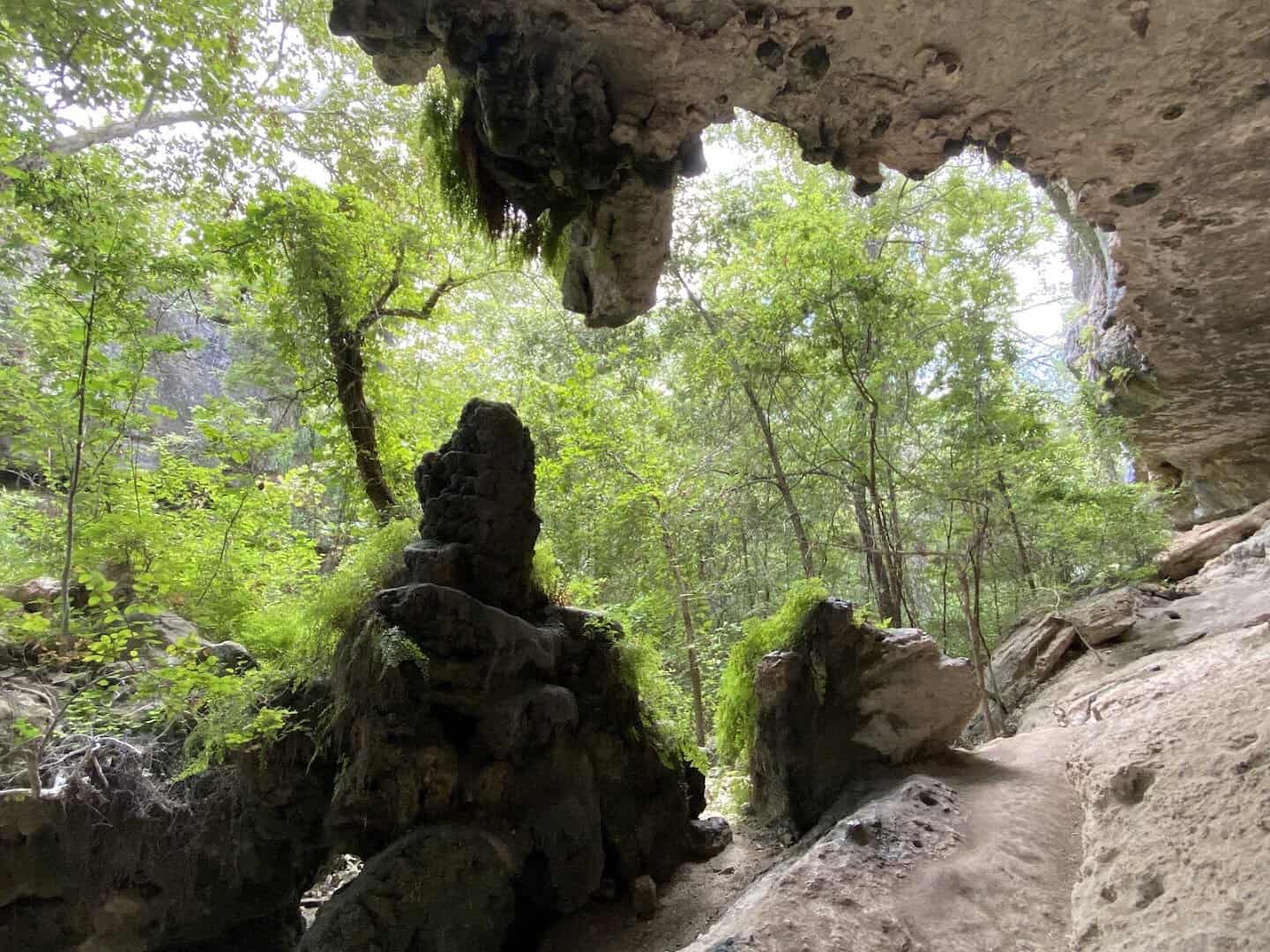
Nearly three miles of the Pedernales River run along the bottom of the property. Above it, bands of pale limestone step up into bluffs that top out around fifty feet. Rocky singletrack threads through the cedar. Creek drainages cut down to the water over limestone shelves.
It is big enough that you can spend a whole day here and cross paths with only a handful of people. On a weekday morning, you might have a stretch of riverbank entirely to yourself, which almost never happens at the famous swimming holes down the road.
That scale is the point. Most Hill Country escapes are one thing: one pool, one overlook, one swimming hole. This is a whole landscape you move through, and the mileage below explains why locals treat it like a backyard.
The Cliffs That Started It All
Climbers found this place back in the 1980s, long before the county owned an acre of it, and they are the reason it is public at all. The limestone canyon above the Pedernales turned out to be some of the best sport climbing in Texas.
At its peak the canyon held more than 450 bolted routes, graded from an easy 5.4 all the way up to a brutal 5.14. The rock reads differently wall to wall. Some faces are pocketed like Swiss cheese, all holds and holes. Others go nearly blank, smooth as a chalkboard.
The walls carry names that tell you climbers named them, not a marketing team. Zoe’s Wall, Shortcake, Crankenstein, the House of Pain. The famous Prototype Wall shaped the whole area for years, until part of that cliff face collapsed in early 2019 and took a run of routes with it.
You do not have to climb to feel it. Walk the base of the canyon and look up at chalk marks fading on the stone forty feet overhead. The scale of the place lands there in a way no roadside overlook quite matches.
The climbing is still the busiest thing out here on a cool, dry weekend. You will see ropes, crash pads, and chalk bags heading down toward the canyon from the parking lot, no permit or guide required beyond the gate fee.
Here is what makes the story worth knowing. Climbers did not just use this canyon, they saved it. The same people who had spent twenty years scaling these walls turned into organizers when the ranch went up for sale, and that is the reason anyone can walk in today.
Eighteen Miles of Handlebar Country
The mountain bikers came next, and the park now carries more than eighteen miles of trail built for them. It is classic Central Texas riding, rocky and technical, with roots and ledges and just enough flow to keep you honest.
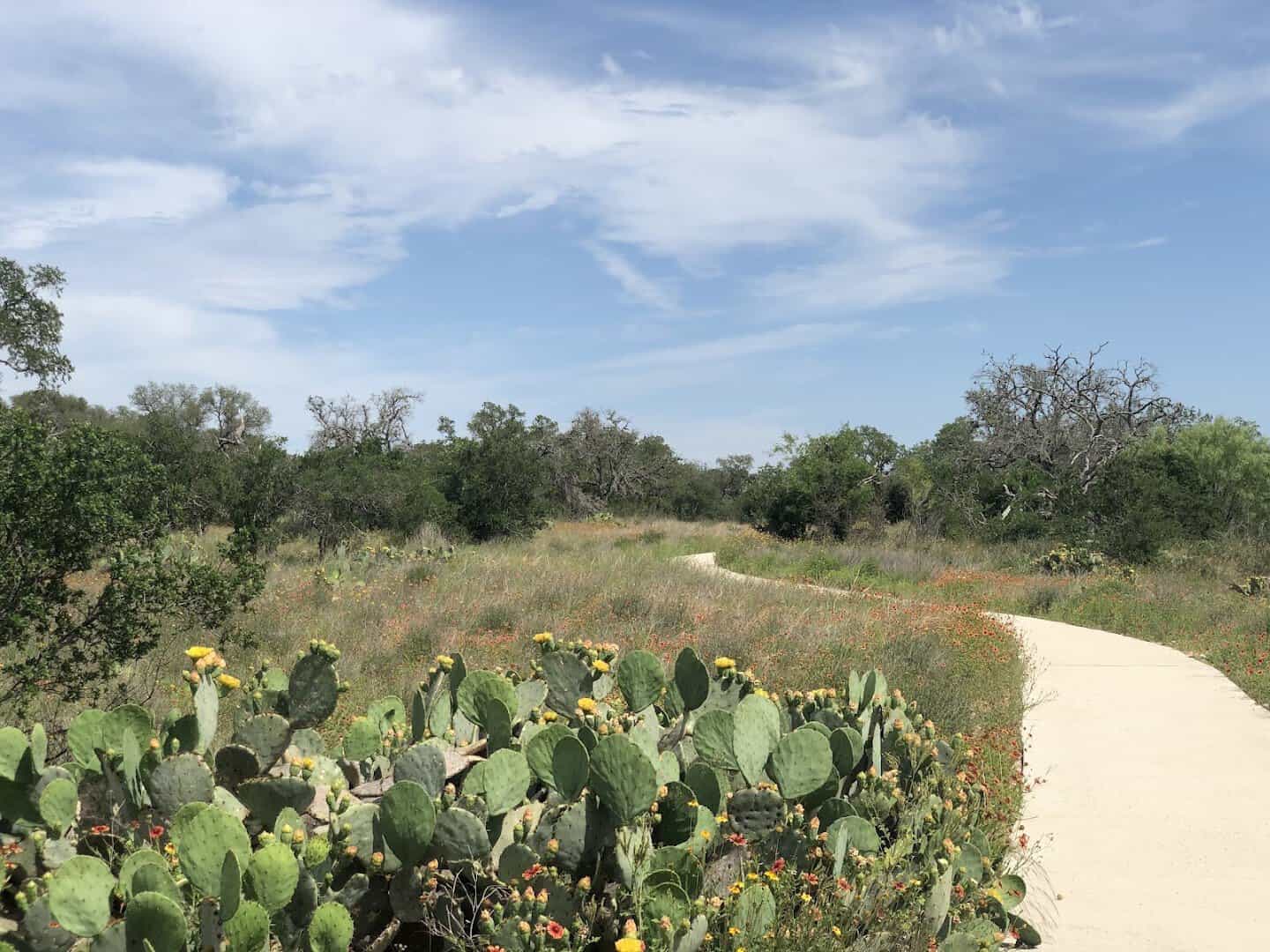
The trail system loops through cedar and oak on the upland part of the ranch, well above the river. Beginners get gentler outer loops that ease you into the terrain. Riders who want to be humbled by rock gardens can find that here too.
One local rule matters more than any other. The bike trails close after any real rain and stay closed until they dry out completely. It keeps the tread from rutting, so check the park’s trail status before you load the bike, not after you arrive.
Prefer your own two feet? There are miles of hiking trail as well, including a River Trail that runs the frontage and puts anglers right on the bank. Pro tip: the walk down to the water is short but steep. Save some legs for the climb back up.
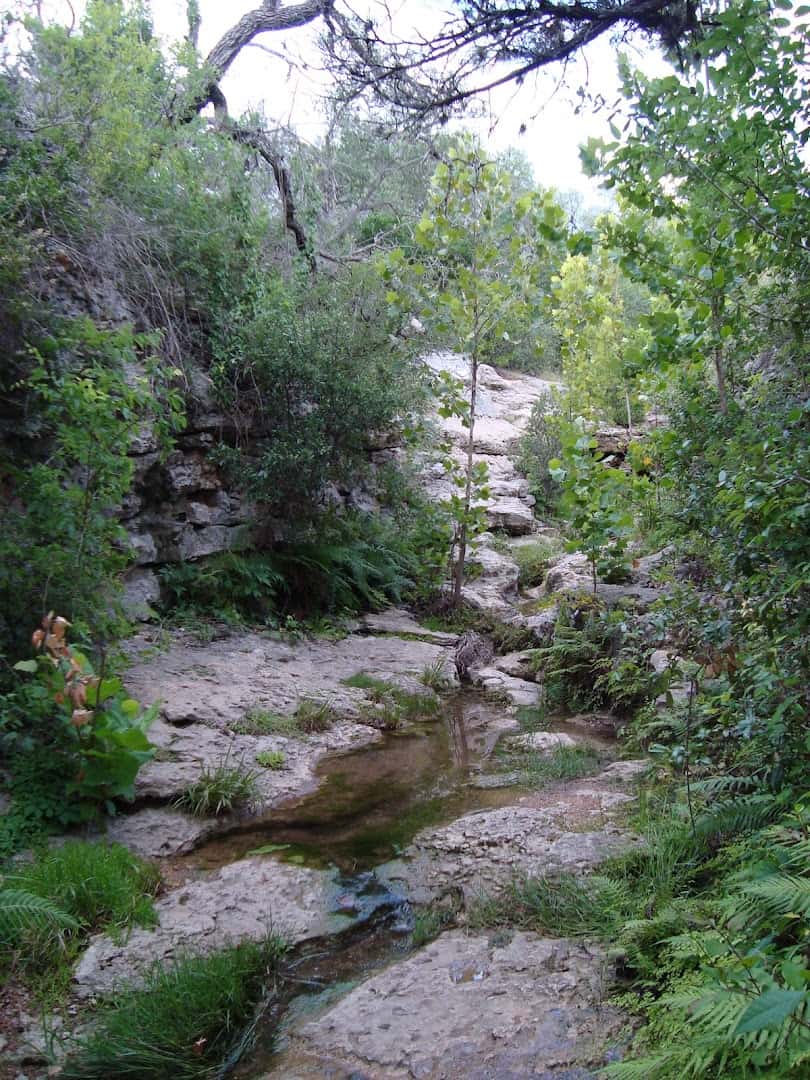
The upland trails connect to the climbing canyon and the river access, so you can build a loop that touches a little of everything in a morning. Wear real shoes with grip. This is Hill Country limestone, not a paved greenbelt, and it turns slick at the creek crossings.
Down to the Pedernales
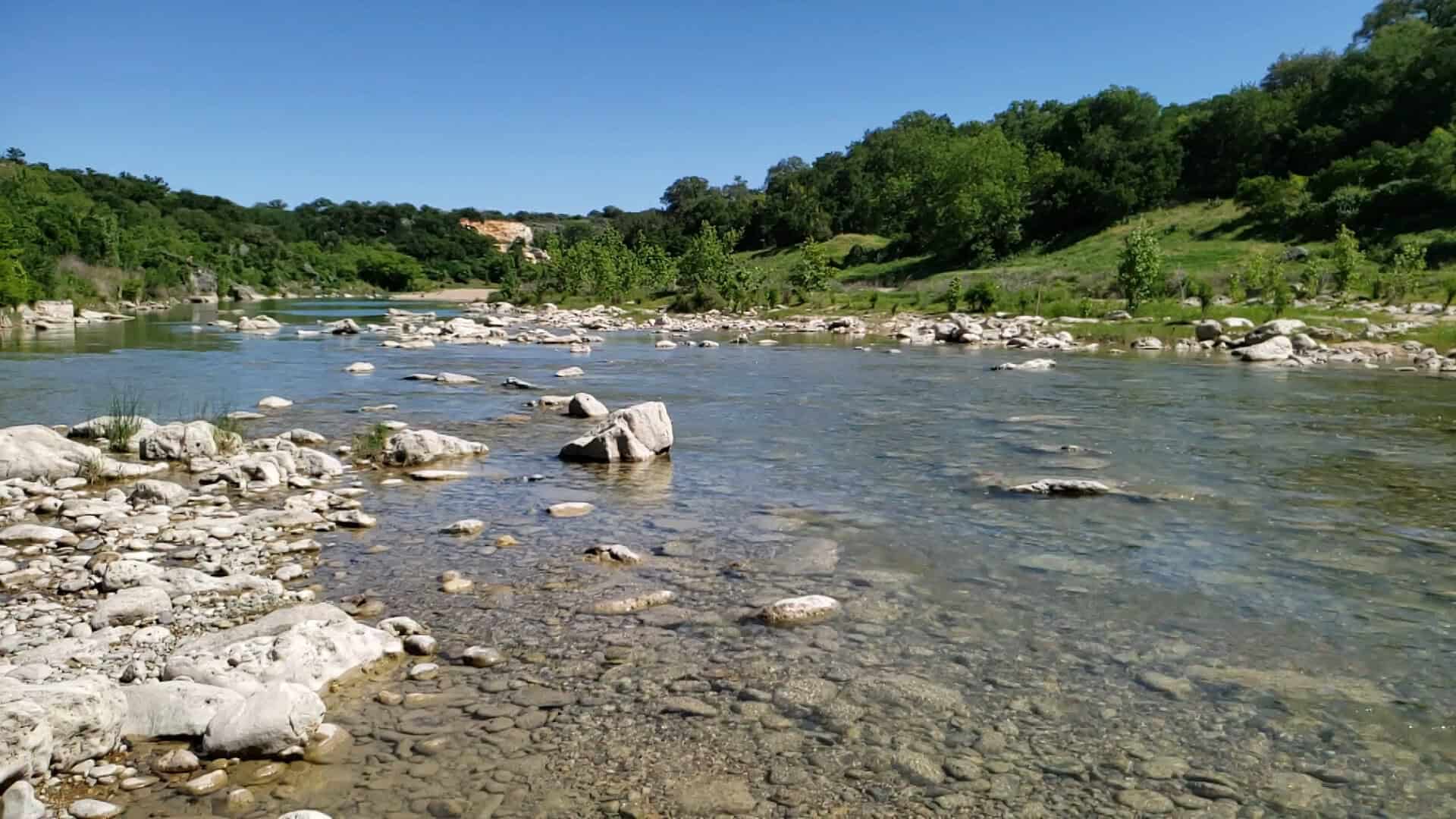
The river is the reward at the bottom of that grade. The Pedernales here is wide, green, and slow enough for wading. On a hot afternoon the limestone shelves along the bank make natural spots to sit and let your feet dangle in the current.
The swimming access is a short hike from the parking area, about a quarter mile down a real grade to the water. There is no lifeguard and no roped-off area, so this is unhurried, on-your-own river swimming rather than a manicured pool with a snack bar.
When the river is running full, this is gentle paddling water too. Kayakers and paddleboarders put in along the frontage and drift the calm stretches, with three miles of bank meaning you are never far from a spot to pull out and rest.
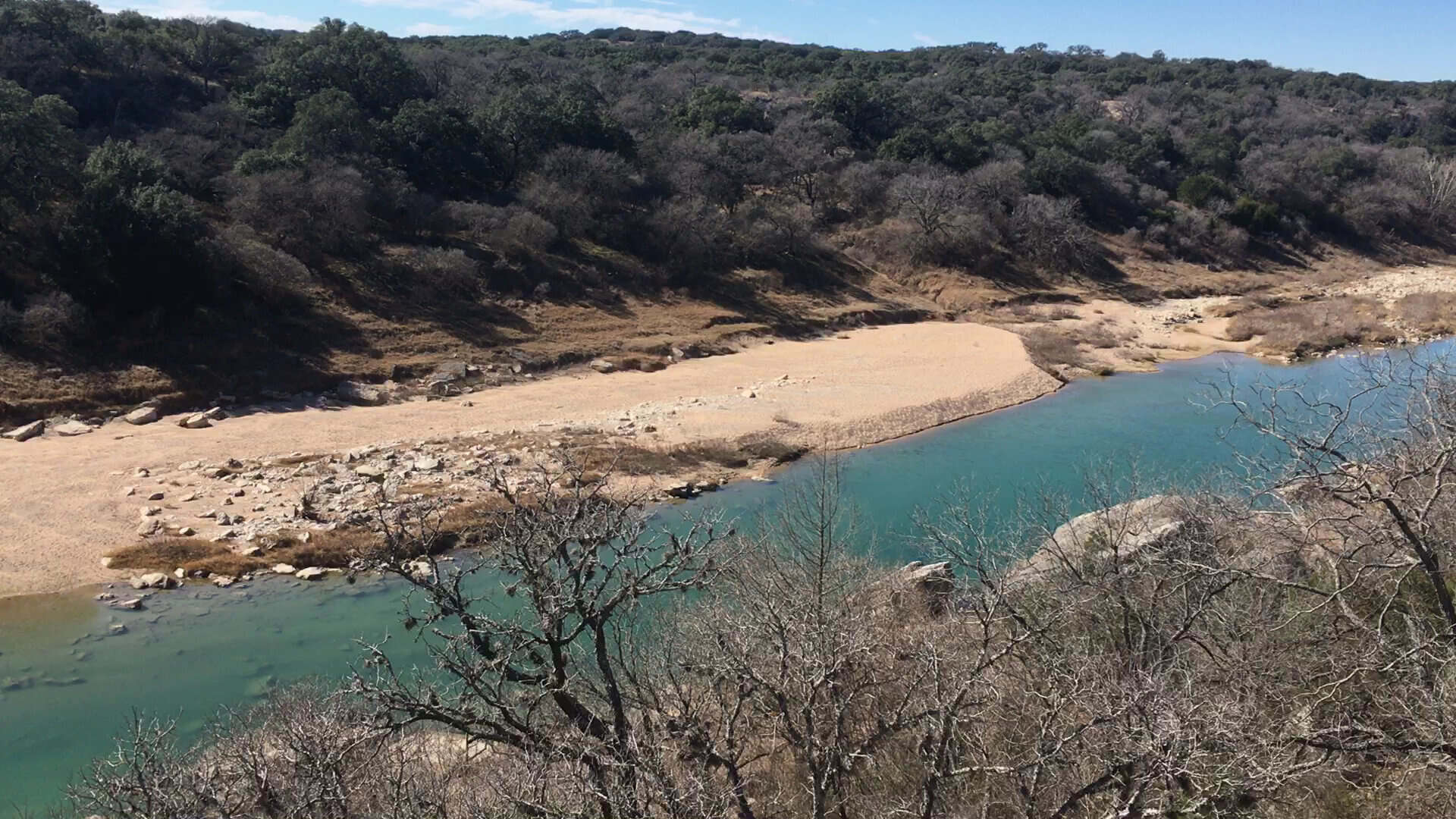
People have fished this water for generations. White bass run up the Pedernales in late winter and spring, and the accessible banks along the River Trail draw anglers after bass and perch. Bring a line and a valid Texas fishing license.
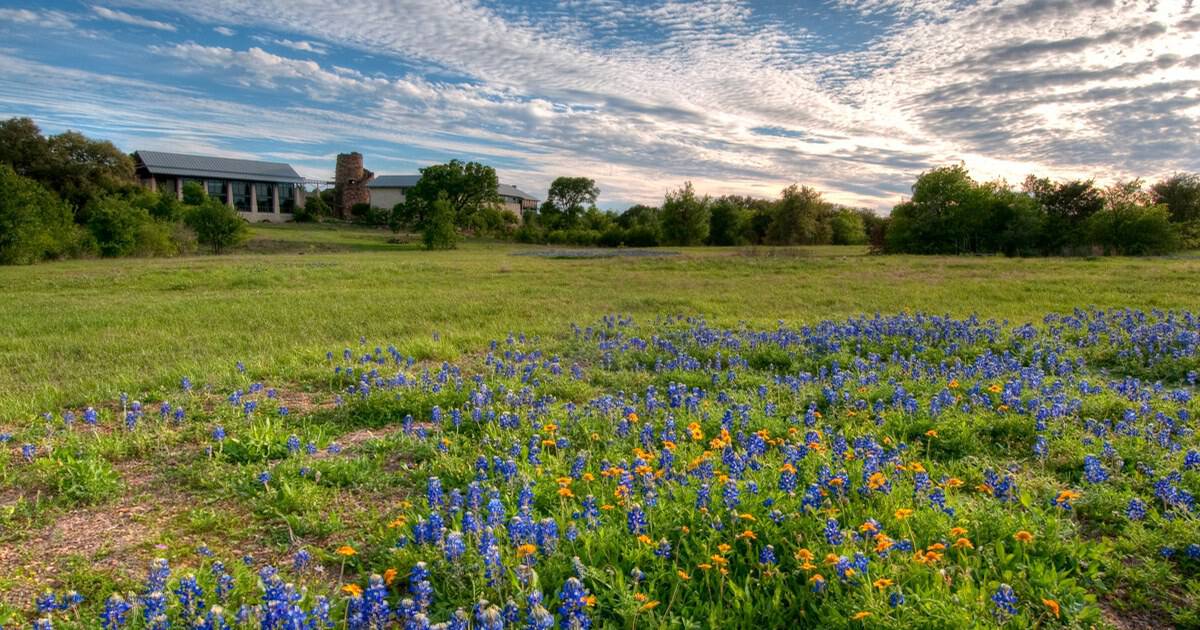
Spring turns the whole corridor into a show. Wildflowers come up along the trails, the water runs clear, and the cedar smells sharp and green after rain. Bluebonnets and Indian paintbrush pepper the upland meadows in a good year.
Come early. The park opens at seven in the morning, and the low, gold light on the water at that hour is worth setting an alarm for. It is also the coolest part of a Texas summer day, before the limestone starts throwing heat back at you.
The Darkest Sky Near Austin
Most people leave when the light goes. That is exactly when this place turns into something rare. In 2021 the park earned an International Dark Sky Park designation, one of only a handful in Texas, because it sits far enough from the city glow to keep a genuinely dark sky.
On the ranch sits the Reimers Observatory, opened in 2015 and run by county parks staff alongside volunteer astronomers. It marked ten years of programs in 2025 and puts on roughly a hundred public sessions a year for families, students, and first-time stargazers.
Inside are two serious telescopes, one twenty-five inches across and another fifteen, the kind of glass that pulls Saturn’s rings and faraway galaxies into sharp view. Programs need a reservation, so book ahead rather than showing up and hoping for a spot.
Did you know a truly dark sky shows the Milky Way as a solid band of light, not a faint smear? This close to a major city, that is almost unheard of, and it is one more thing all that empty acreage quietly protects.
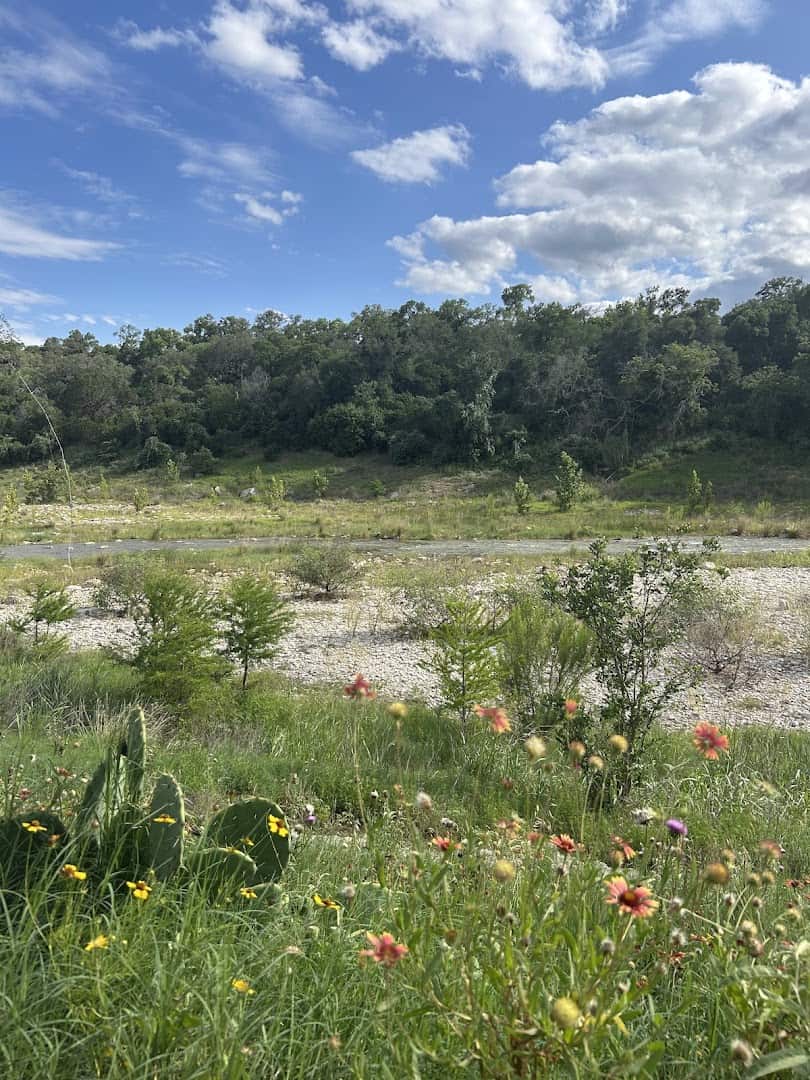
The park itself closes at civil twilight, so an observatory session is how you actually get to be here after dark. Book one on a clear, moonless night, let your eyes adjust for twenty minutes, and the sky fills in with stars most Austinites never see from home.
Who Else Lives Here
The quiet is full of residents. White-tailed deer move through the meadows at dawn, armadillos root along the trail edges, and a lucky visitor now and then spots a bobcat slipping through the cedar without a sound.
The birding is the real prize. The endangered golden-cheeked warbler nests in these Ashe juniper stands, a songbird that breeds nowhere on earth but Central Texas. Black-capped vireos, hawks, and waterfowl fill out a list that pulls birders out here with binoculars and patience.
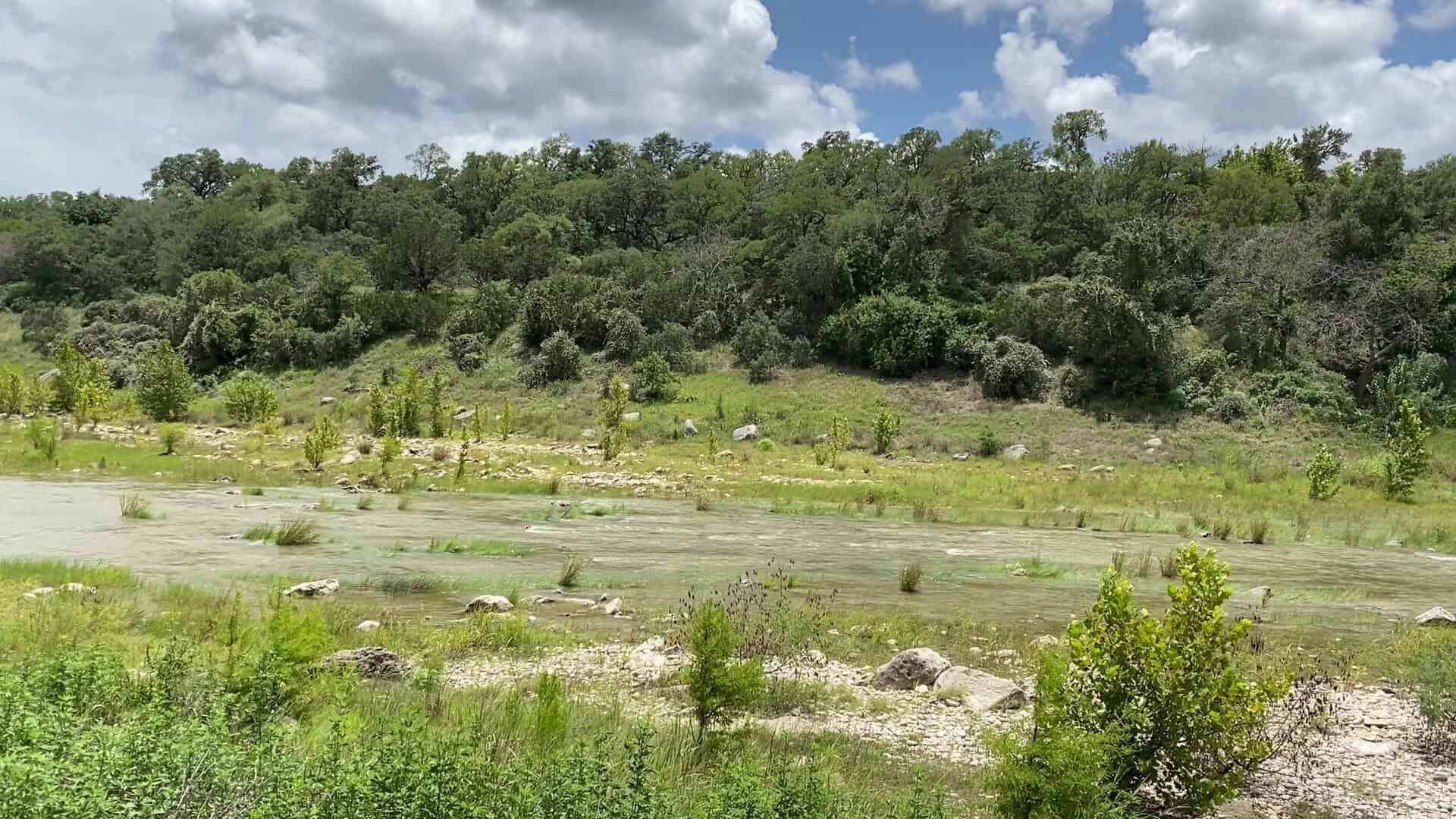
Spring and fall bring the birders out in force, scopes on shoulders, working the tree line at first light. The park has run guided bird walks when staffing allows, and patient visitors log dozens of species along these trails on a good morning.
It all adds up to a place that still works like real Hill Country habitat rather than a manicured park. That is not an accident. Keeping the land wild was the whole reason a working ranch became public in the first place.
From One Family’s Ranch to Everyone’s
The Reimers family had lived on this land since 1893. Milton Reimers was a fourth-generation rancher who ran cattle, sheep, and goats across these acres the way his family had for decades before him.
In the 1960s he opened part of the riverfront to the public as a private park, charging a small fee to fish, swim, and camp. Locals have been coming ever since, which is why so many of them still talk about it like a family place.
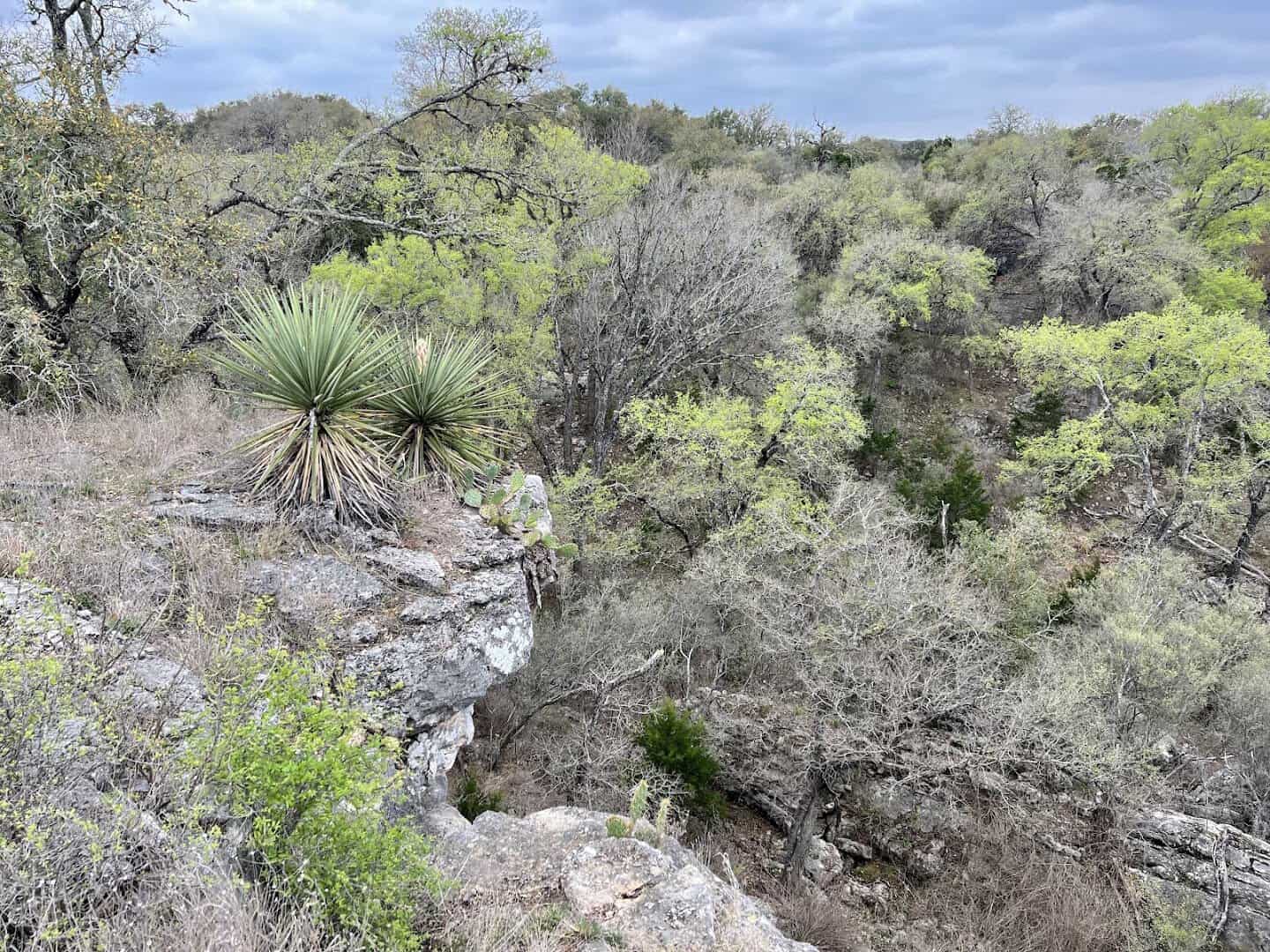
By the early 2000s the family wanted the land preserved rather than carved into subdivisions as development crept steadily west from Austin. The climbing community organized, gathered signatures for a ballot measure, and pushed the county to act before a developer could.
In November 2005, Travis County voters approved a sixty-two million dollar parks bond that included the money to buy the ranch. It became the largest parkland purchase in county history, and the working ranch quietly became everyone’s ranch.
The Reimers name stayed on the gate after the sale went through. Locals who learned to swim in this river as kids now bring their own, and that kind of continuity is about the best thing you can say about a saved piece of Texas.
Know Before You Go
A few practical things make the day smoother. Entry is $5 per person, $3 for seniors sixty-two and up, and free for kids twelve and under and for disabled veterans. Trailer parking runs $7, and Travis County residents can buy an $80 annual permit.
Here is the one that trips people up. The entrance booth takes cash only, no cards, so stop for bills before you drive out that far. There are no reservations for day use, and the observatory is the one exception that does require booking ahead.
The park keeps a clean-and-quiet rulebook that fits its habitat. No camping, no glass, no ground fires, no alcohol, and dogs stay leashed. It opens at seven each morning and closes at civil twilight, which shifts with the season through the year.
How to Get There
The park sits off Hamilton Pool Road in the hills west of Austin, an easy hour from downtown and a natural pairing with a Dripping Springs afternoon of wineries, distilleries, and barbecue on the way home.
Where: Milton Reimers Ranch Park, 23610 Hamilton Pool Road, Dripping Springs, TX 78620
Go Find the Quiet Side
The Hill Country everyone photographs is real, but that is not the whole story. Out past Dripping Springs sits a wilder, quieter version where the river runs slow and the limestone stacks up. Bring a swimsuit and cash, and you will see why the locals keep this one quiet.
Featured image: Howard Polley via Milton Reimers Ranch Park

Stella Raines
Editor-in-Chief
Stella brings over a decade of storytelling experience to TX Headlines. With roots in West Texas and a love for road trips, she leads the editorial team with an eye for the hidden stories that make Texas unforgettable.
More Stories
This Lush Texas Garden Is Free to Explore and Full of Scenery People Usually Pay to See
This Easy Texas Nature Trail Is Shaded, Bench-Lined, and Full of Wildlife
This Hidden Texas Spring Has Crystal-Clear Water and a Gloriously Laid-Back Vibe
This Stunning Texas Garden Is Blanketed in Native Wildflowers and Laced With Peaceful Trails
Tags