This Lush Texas Garden Is Free to Explore and Full of Scenery People Usually Pay to See
Nobody warns you that the best afternoon in Southeast Texas costs exactly nothing. I have been trained, like you, to expect a ticket booth at the gate of anything green and beautiful. A card reader. A per-child surcharge that turns a simple family outing into a small financial decision.
So when a place hands you 23 acres of tropical color, koi ponds, and rose arbors and asks for nothing in return, my first reaction is suspicion. The second is delight.
That is the trick the Beaumont Botanical Gardens pulls off every single day. Tucked inside Tyrrell Park on the west edge of Beaumont sit 23 acres of tropical hush, the oldest public garden in Southeast Texas, and it is free.
Not “free the first Tuesday of the month.” Not “donation suggested, wink wink.” Free, every day, dawn to dusk, for anyone who walks through the gate.
Below, let’s wander the whole place: the conservatory that feels like a rainforest, the antique roses, the birds that stop here crossing the continent, and how a group of garden club members built all of it from ten bare acres.
Twenty-Three Acres and Not a Turnstile in Sight
The scale is the first surprise. You might picture a modest municipal flower bed and instead find 23.5 acres spreading out under the pines, stitched together by paved paths that loop from one themed garden to the next.
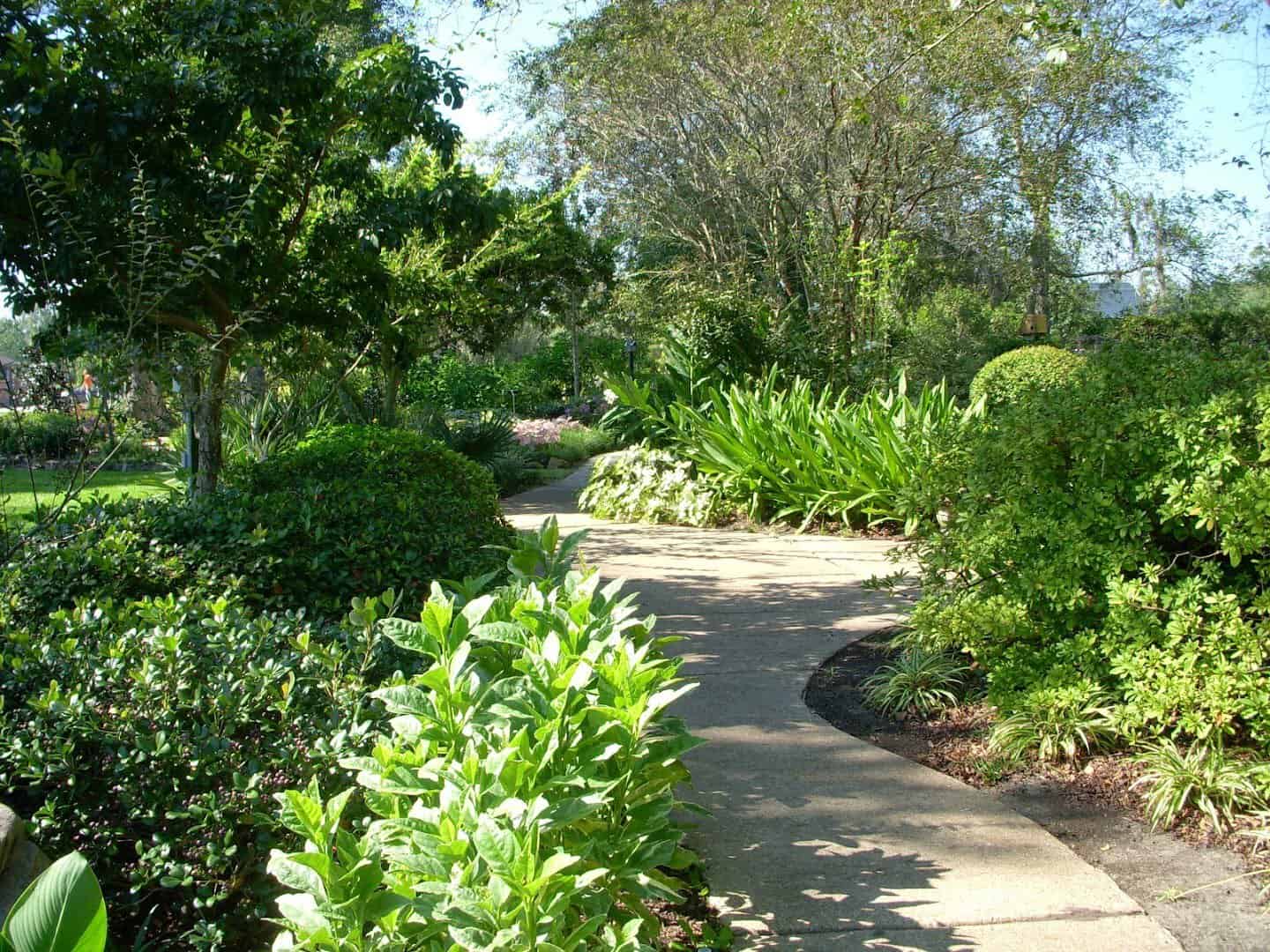
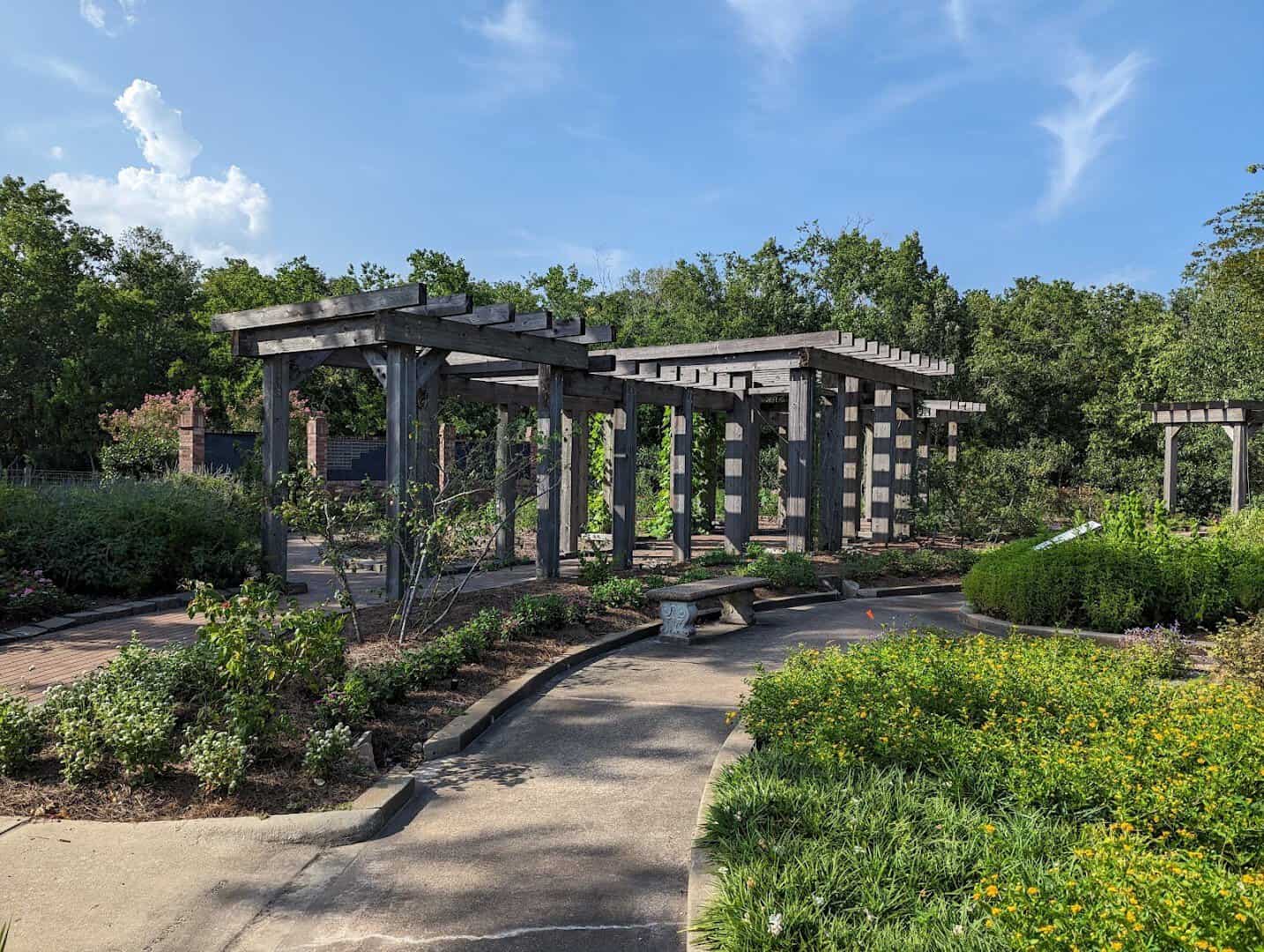
The main artery is called the Friendship Walk, a wide concrete path built so wheelchairs, strollers, and walkers can reach nearly everything without fighting gravel or roots. Benches sit in the shade at regular intervals. You can do the whole circuit slowly, and slowly is the point.
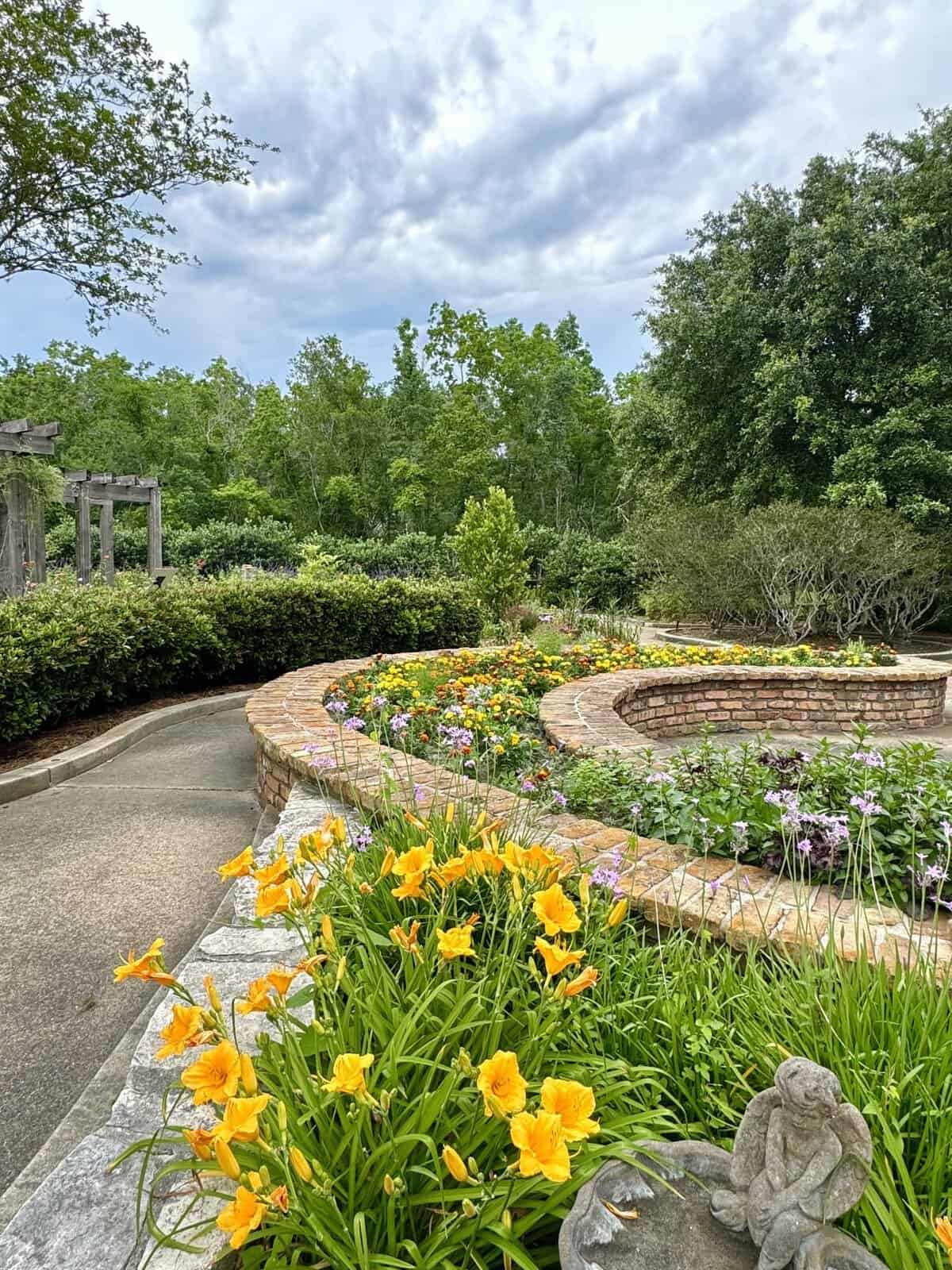
There are seventeen distinct gardens here, added a piece at a time between the mid-1980s and the early 2000s. A rose garden gives way to a camellia collection, then a Japanese-styled corner, then daylilies, then herbs.
Turn again and you meet a stand of palms and spiky agaves that look almost desert-strange next to all the Gulf Coast lushness. It is a lot of different worlds packed into one easy loop.
The Japanese-styled garden is the spot people photograph most. Clipped greenery, still water, and a footbridge give it that composed, unhurried calm the style is built for, and it makes a lovely pause halfway around the loop.
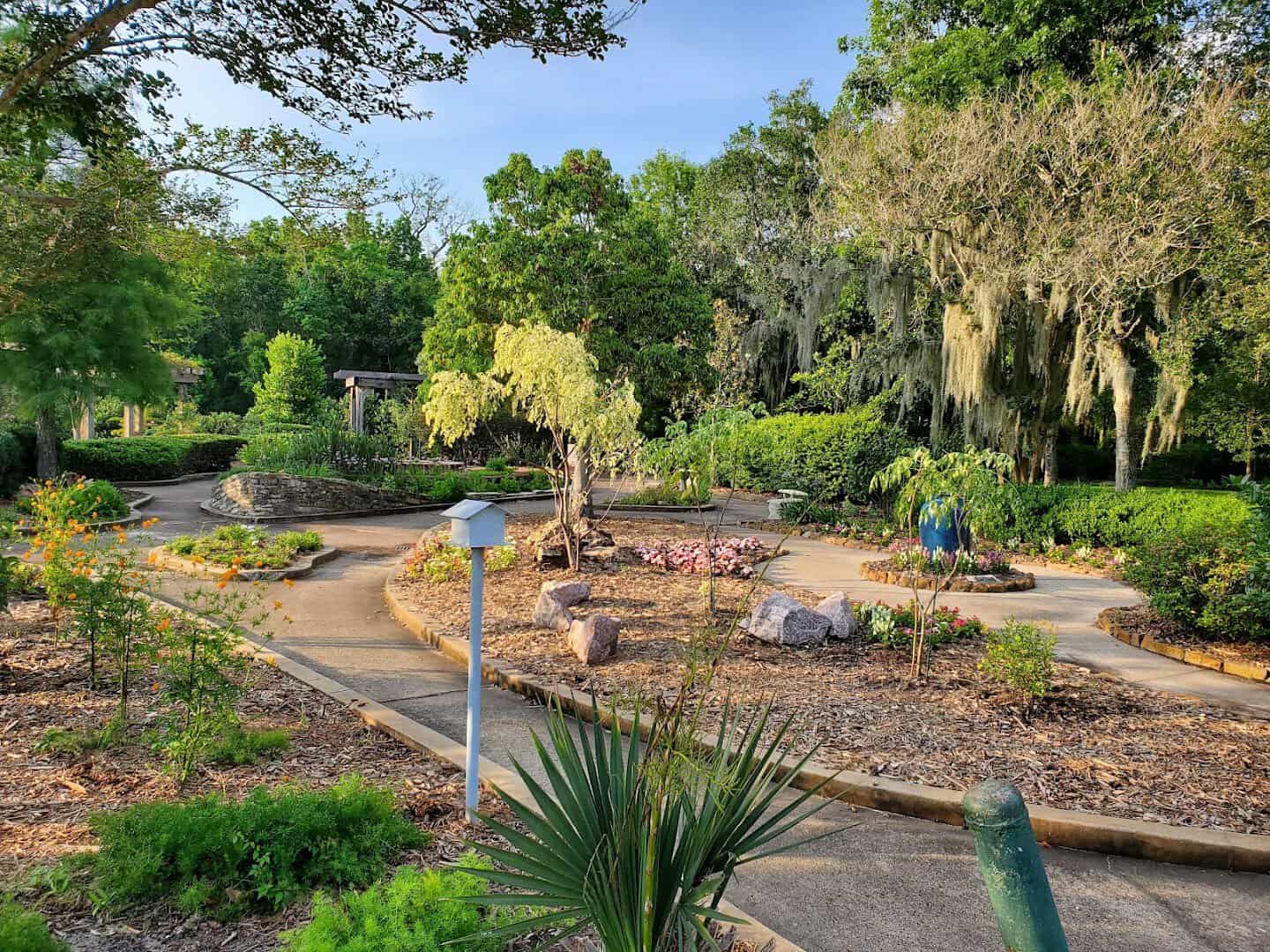
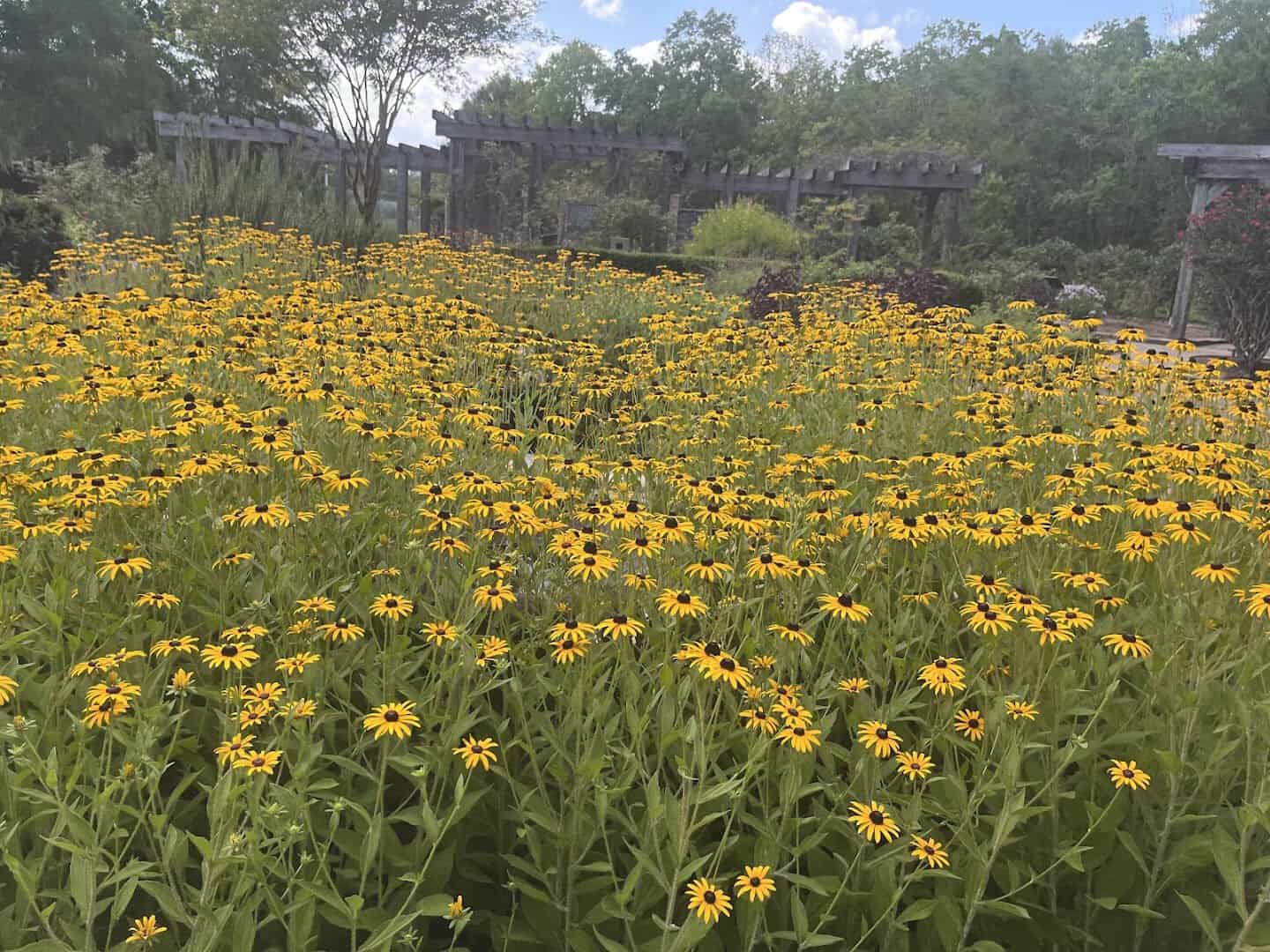
The native plant garden is worth slowing down for. It gathers the trees, shrubs, and wildflowers that actually belong to this corner of Texas, a quiet reminder that the showiest tropical is not always the point.
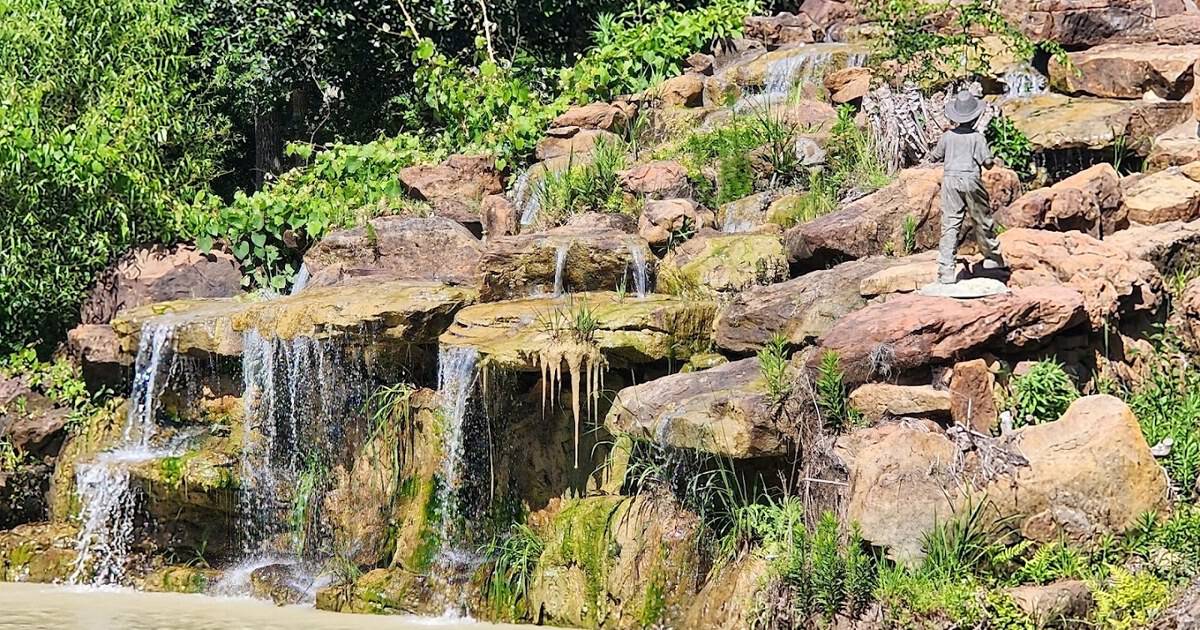
You can hear water almost everywhere. Ponds and small pools are scattered through the grounds, some dotted with water lilies, and the newer rock waterfalls burble in the background. The sound drops your shoulders about two inches without your permission.
Step Into the Conservatory and Leave Texas Behind
The centerpiece is the Warren Loose Conservatory, and stepping inside it is the closest thing Beaumont has to a passport stamp. It is a 10,000-square-foot glass house, billed as the second-largest conservatory in any public garden in Texas.
Inside, the air goes warm and humid. A waterfall spills down a rock face. A koi pool holds fat, bright fish that drift up to the surface when a shadow passes, hoping you brought lunch. Orchids and bromeliads tuck into every corner.
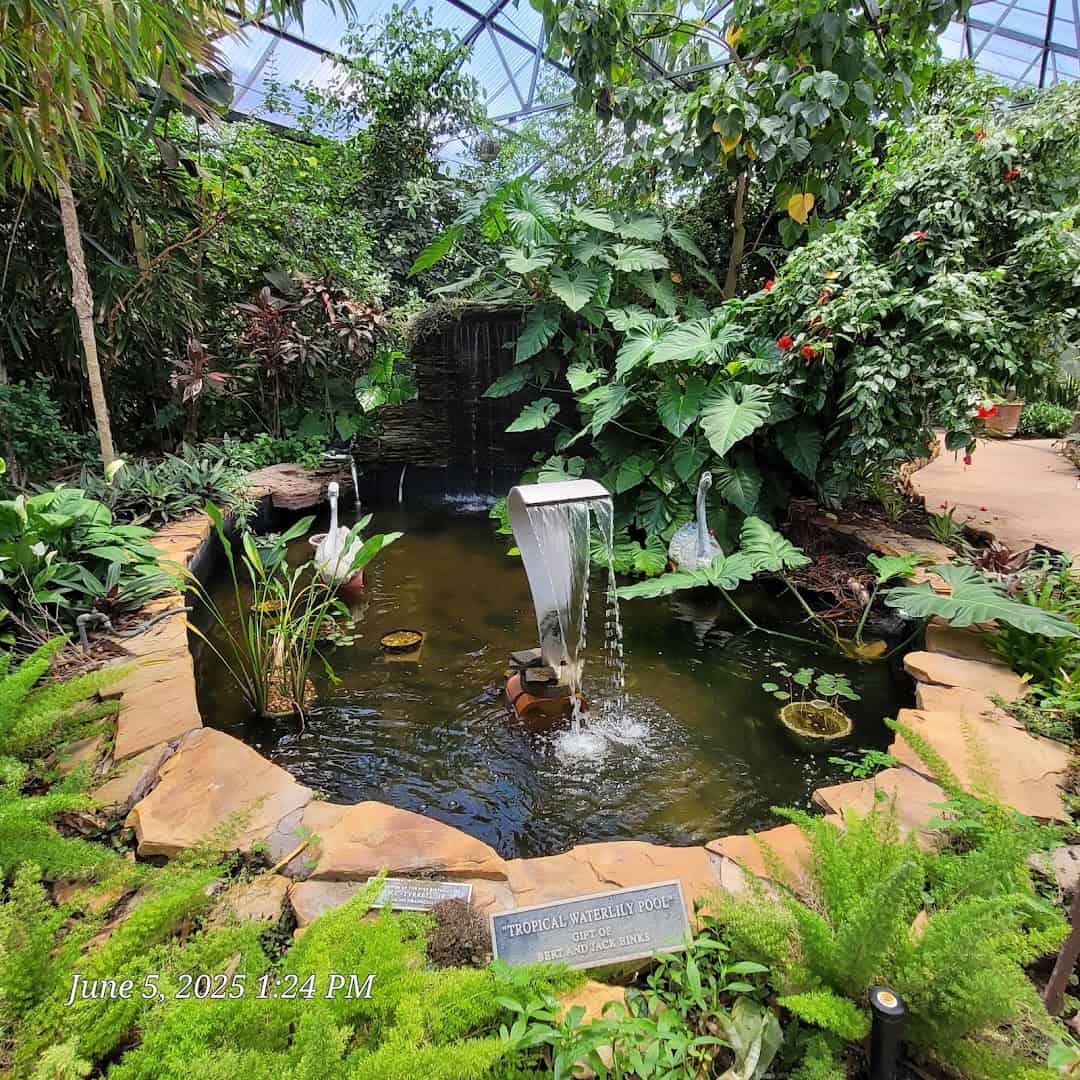
The conservatory was dedicated in September 1997 and named for Warren Loose, a world-traveling horticulturist who specialized in bromeliads and cryptanthus, the small star-shaped plants sometimes called earth stars.
His name on the building is a nod to a simple fact. A lot of what grows here was chosen by people who genuinely loved these plants, not by a contractor filling space.
The plant nerds do not stop at the glass house. The Bob Whitman Propagation House, added in 2001, is a working greenhouse full of rare bromeliads and orchids, where the collection is quietly grown on and refreshed. It is the engine room behind all that easy beauty out front.
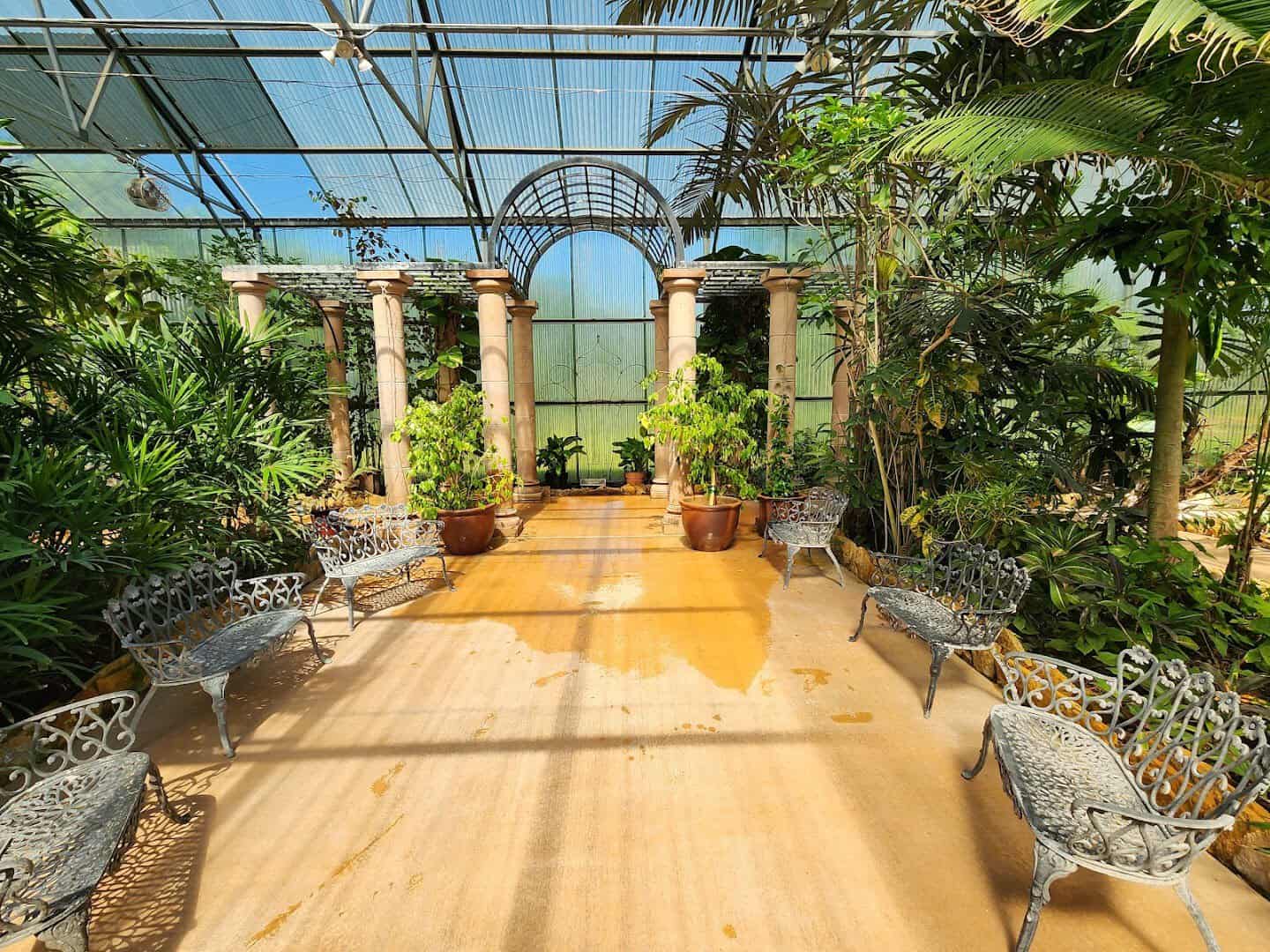
One catch worth knowing before you drive out: the conservatory keeps shorter hours than the grounds. It opens Monday through Friday, roughly 9 a.m. to noon and 1 to 4 p.m., and closes on weekends. The outdoor gardens never close.
Roses From the 1800s and a Garden Built for Monarchs
If you have a weakness for old roses, this is your place. The Memorial Rose Arbor grows antique varieties, some of them strains that date back to the 1800s, the climbing and fragrant kinds your great-grandmother might have recognized.
Modern roses grow here too, so the beds run from heritage blooms to today’s showy hybrids. It is a small history lesson you can smell.
Nearby, the Butterfly Garden is planted with intent. It is stocked with milkweed, the one plant monarch caterpillars will actually eat, which makes it a certified stop for monarchs riding the great migration south. Visit in spring or fall and the air can fill with orange wings.
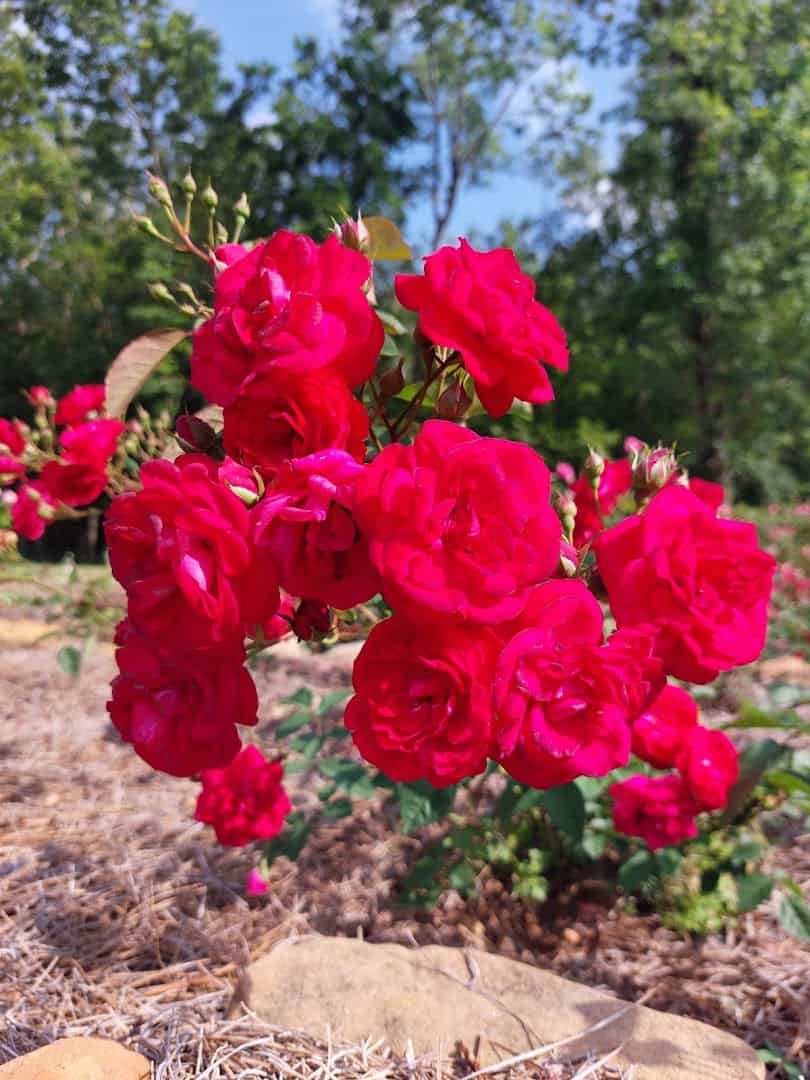
The camellia collection is another quiet star, glossy and cool-season, throwing out blooms when most of the country has gone gray. Beaumont’s mild, wet climate is camellia heaven, and the garden clubs leaned into it hard.
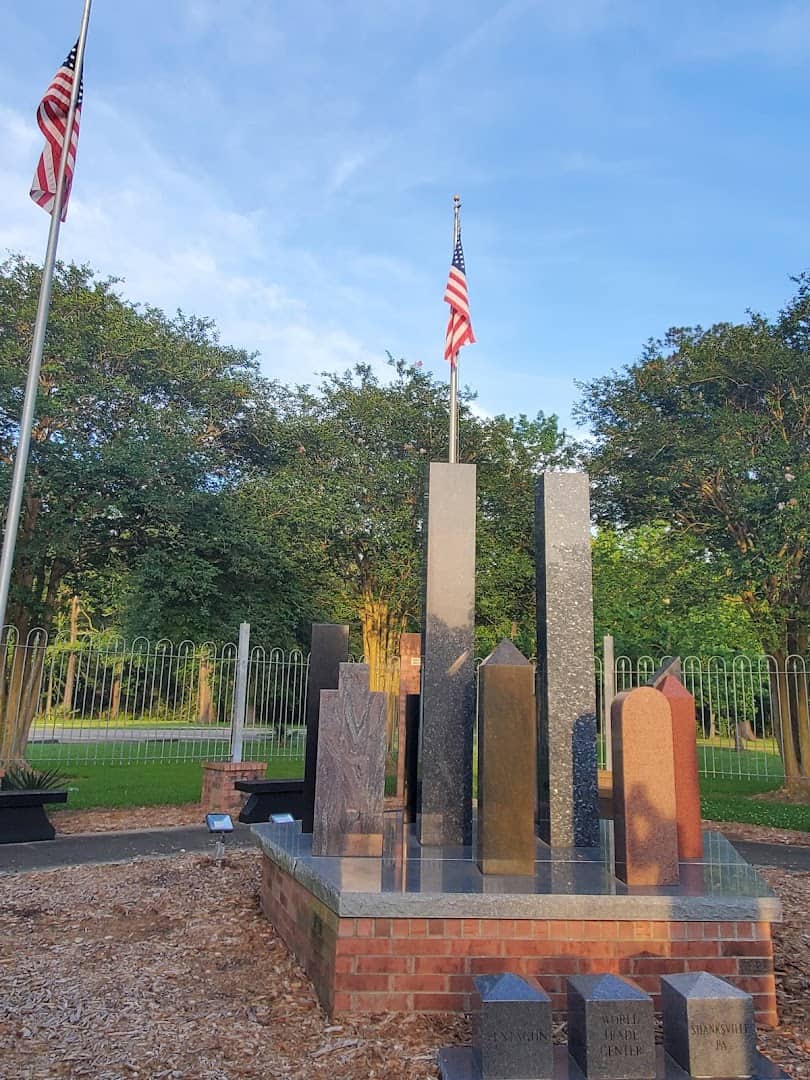
Then there is the tenderest corner of all. A memorial garden on the grounds honors the victims of September 11, a small, deliberate space that asks you to slow down and remember.
You stumble onto it between the roses and the ponds, and it lands differently than you expect.
You Are Standing on a Bird Superhighway
Here is a fact that reframes the whole visit: the gardens sit squarely on one of North America’s great migratory bird flyways. Tyrrell Park is a listed stop on the Great Texas Coastal Birding Trail, and the botanical gardens are part of that draw.
Spring and fall, exhausted songbirds drop out of the sky here to rest and feed before or after crossing the Gulf of Mexico. Bring binoculars and you might tick warblers, buntings, and orioles off your list in a single morning, framed by flowers instead of a parking lot.
Just beyond the manicured beds, the wilder half of Tyrrell Park takes over, with wetlands and marsh that pull in herons, egrets, and ducks. The garden is the polished front porch of a much bigger natural area.
If birds are your thing, walk a little farther. The same Tyrrell Park holds the Cattail Marsh Wetlands, hundreds of acres of ponds and reeds with a boardwalk out over the water.
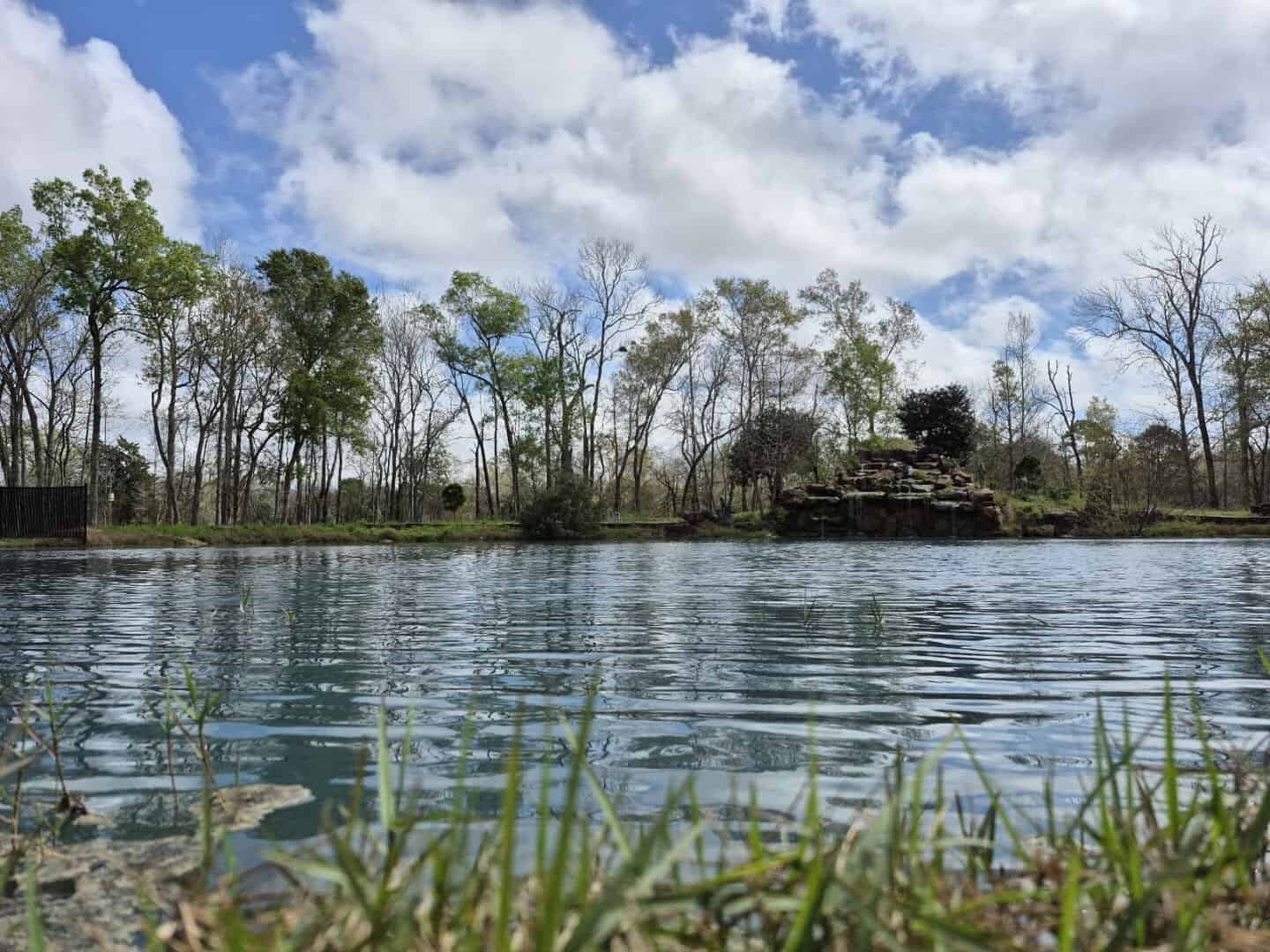
It is a short drive from the garden gate and one of the best free wildlife spots anywhere in the region. Herons stalk the shallows, alligators sun themselves, and the whole thing is open to the public without a fee.
Did you know? The gardens draw around 10,000 visitors a year, and staff have logged guests signing in from El Salvador, Mexico, England, and Ohio. A free garden in Beaumont quietly pulls in the world.
How Garden Club Members Built a Public Garden From Scratch
The origin story starts with volunteers, not a budget line. On April 12, 1951, a group came together as the Beaumont Council of Garden Clubs with one stated goal: to build a public garden the whole city could use.
It took them years. In 1968, the City of Beaumont set aside ten acres inside Tyrrell Park for the council to develop. The Beaumont Garden Center building was dedicated in August 1971, giving the group a real home base.
The formal name Beaumont Botanical Gardens came in 1996, and by 1999 the city had expanded the footprint to the full 23.5 acres you can walk today.
The Binks Horticultural Center opened in February 2000, and the conservatory had been dedicated three years earlier. The turn of the century is really when the place became what it is now.
The gardens have taken their hits. Hurricane Rita in 2005 and Hurricane Ike in 2008 both tore through Southeast Texas and battered the grounds. Each time, the volunteers came back and rebuilt.
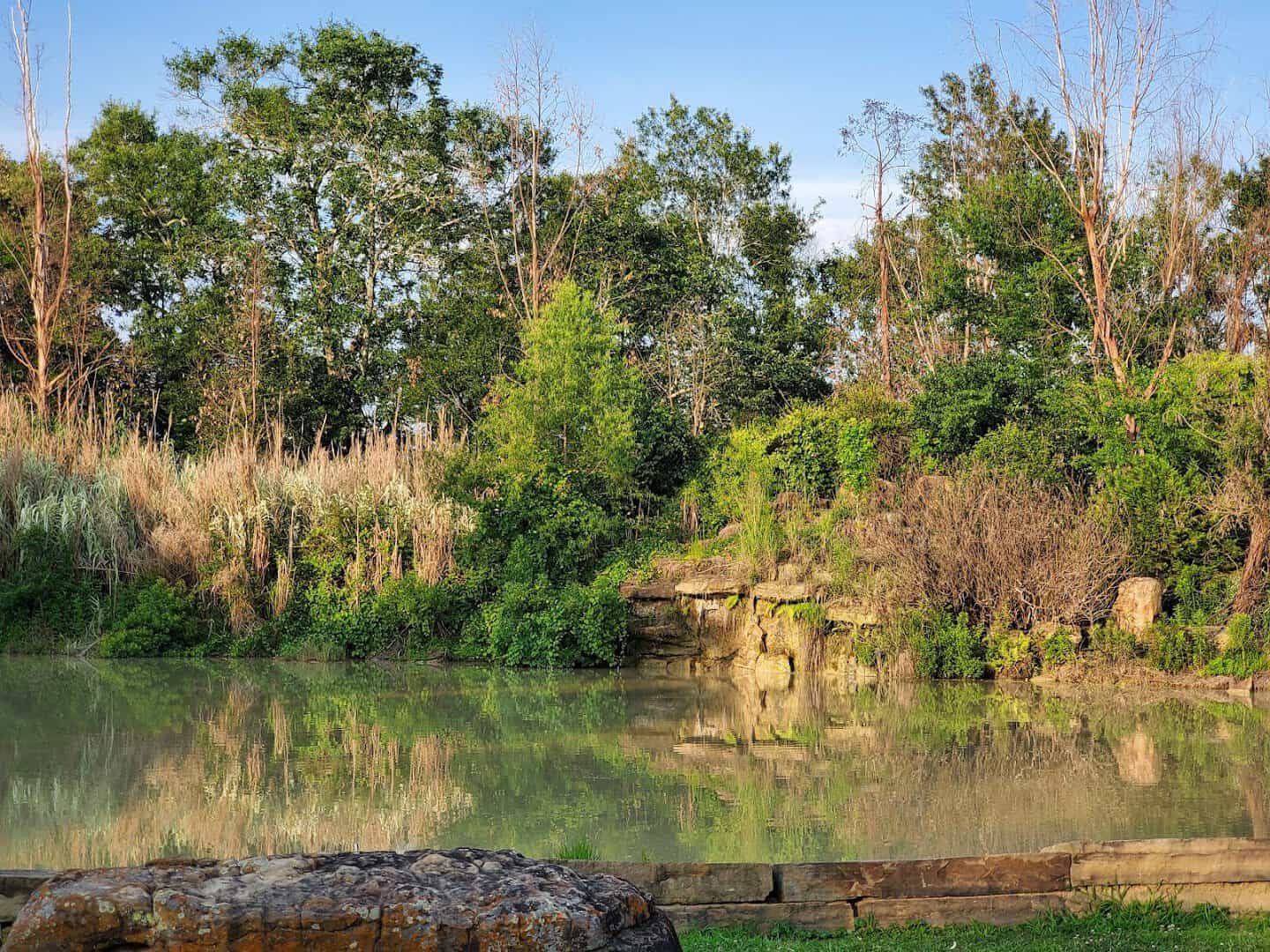
They used the recovery to add better drainage, bigger ponds, and new rock waterfalls. The garden you see now is partly a story of stubbornness.
Why It Stays Free
The free admission is not an accident or a soft launch about to end. It is the whole philosophy. The gardens are maintained by the Beaumont Council of Garden Clubs and the city, and keeping the gate open to everyone is treated as the mission.
Doug Oldbury, one of the gardeners who has cared for the grounds, put it plainly to a local paper. “People with children sometimes have a hard time finding a place where they don’t have to spend 10 or 12 dollars to enter,” he said. “Here, admittance is completely free.”
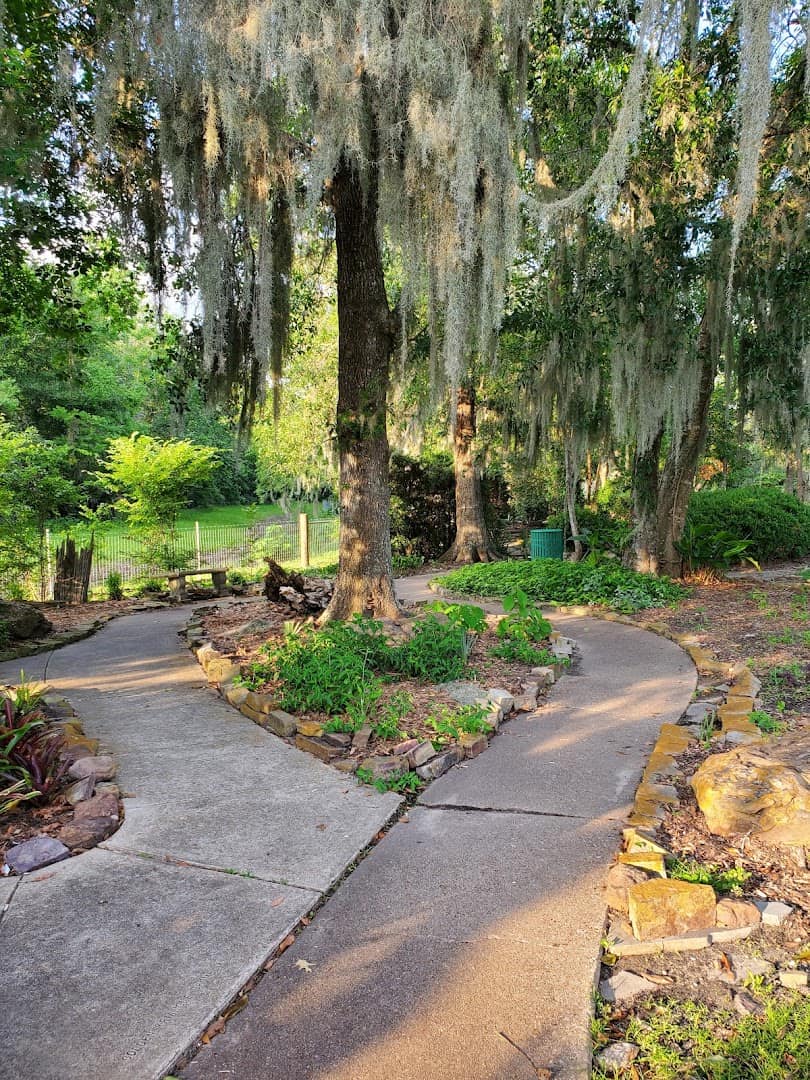
He also described what the place is really for. “It’s a great place to escape,” he said. “There are lots of people who come after hours just to sit in the shade and read.” That is the truest sales pitch a garden can have.
Pro Tips for Your First Visit
Pro tip: come on a weekday morning if you want the full experience. The grounds are open dawn to dusk every day, but the conservatory only opens Monday through Friday, so a weekend visit means the glass house stays locked.
Spring and fall are the show-off seasons. That is when the roses peak, the monarchs pass through, and the migrating songbirds turn the trees into a birdwatcher’s dream. Summer is lush but Gulf Coast humid, so go early and bring water.
Wear comfortable shoes and give yourself a couple of hours. The Friendship Walk makes the whole place accessible, and there are picnic areas, so packing a lunch turns a garden stroll into an easy half-day that still costs nothing.
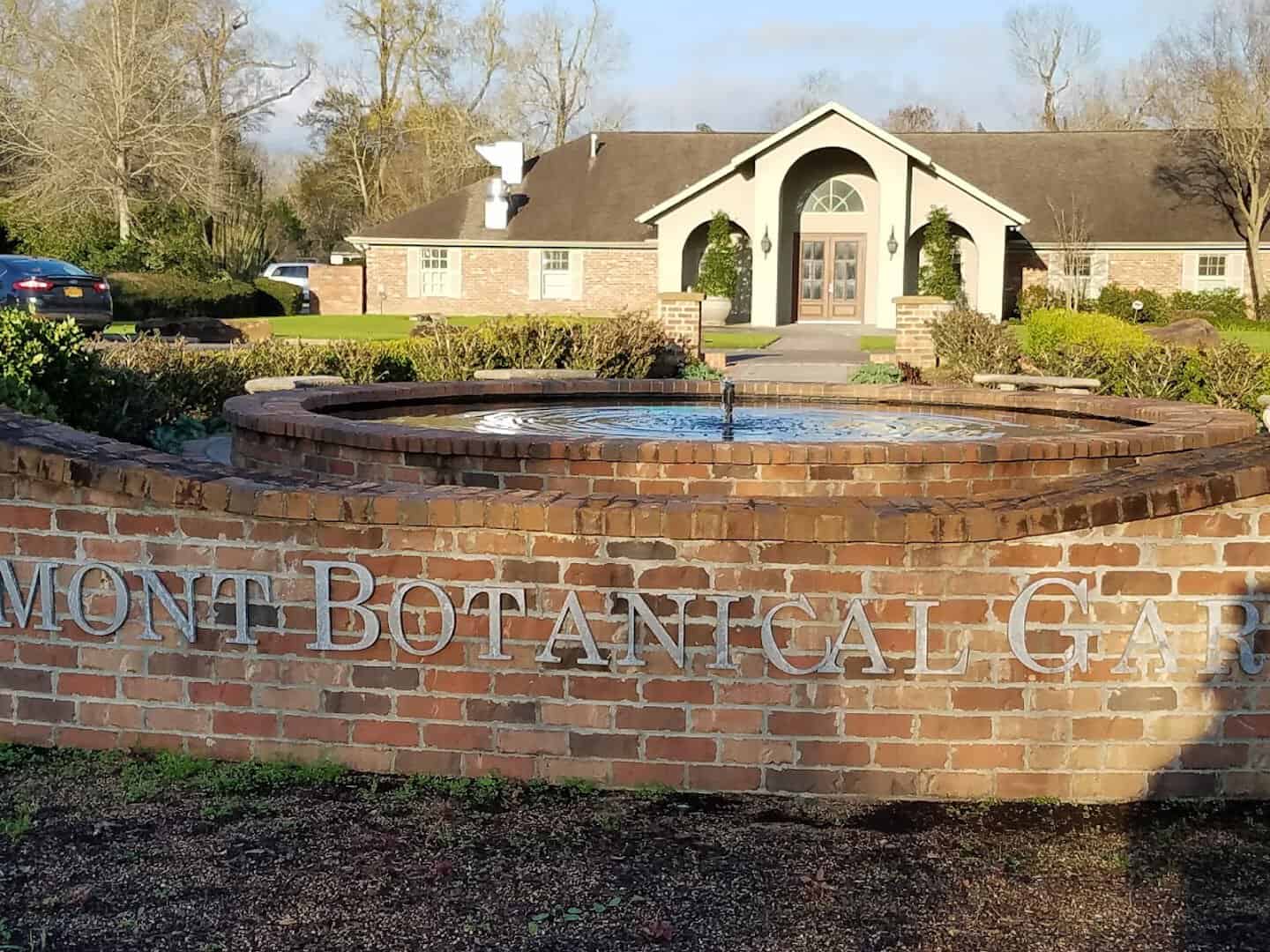
The Garden Center building overlooks the grounds and the conservatory and can be rented for events. If you are hunting for a green backdrop for a small gathering, that is a quietly affordable option most people never think to ask about.
How to Get There
The gardens sit in Tyrrell Park on the southwest side of Beaumont, only about five minutes off Interstate 10, which makes them an easy detour on any drive across Southeast Texas.
Where: Beaumont Botanical Gardens, 6088 Babe Zaharias Drive, Beaumont, TX 77705. Grounds open daily from dawn to dusk. Warren Loose Conservatory open Monday through Friday. Admission is free.
Go Spend a Free Afternoon
Not every good thing in Texas asks for your credit card. This one asks only that you show up, take your time, and let 23 acres of roses, koi, and tropical green do their quiet work on you.
So pack a picnic, grab your binoculars, and point the car toward Beaumont. Walk the Friendship Walk, duck into the conservatory, and find the bench in the shade that the regulars already know about. Remember what a garden felt like before somebody figured out how to charge for it.
Featured image: Scott Meaux via Beaumont Botanical Gardens

Stella Raines
Editor-in-Chief
Stella brings over a decade of storytelling experience to TX Headlines. With roots in West Texas and a love for road trips, she leads the editorial team with an eye for the hidden stories that make Texas unforgettable.
More Stories
This Sprawling Texas Preserve Hides a Wilder Side of the Hill Country
This Easy Texas Nature Trail Is Shaded, Bench-Lined, and Full of Wildlife
This Hidden Texas Spring Has Crystal-Clear Water and a Gloriously Laid-Back Vibe
This Stunning Texas Garden Is Blanketed in Native Wildflowers and Laced With Peaceful Trails
Tags