This Stunning Texas Garden Is Blanketed in Native Wildflowers and Laced With Peaceful Trails
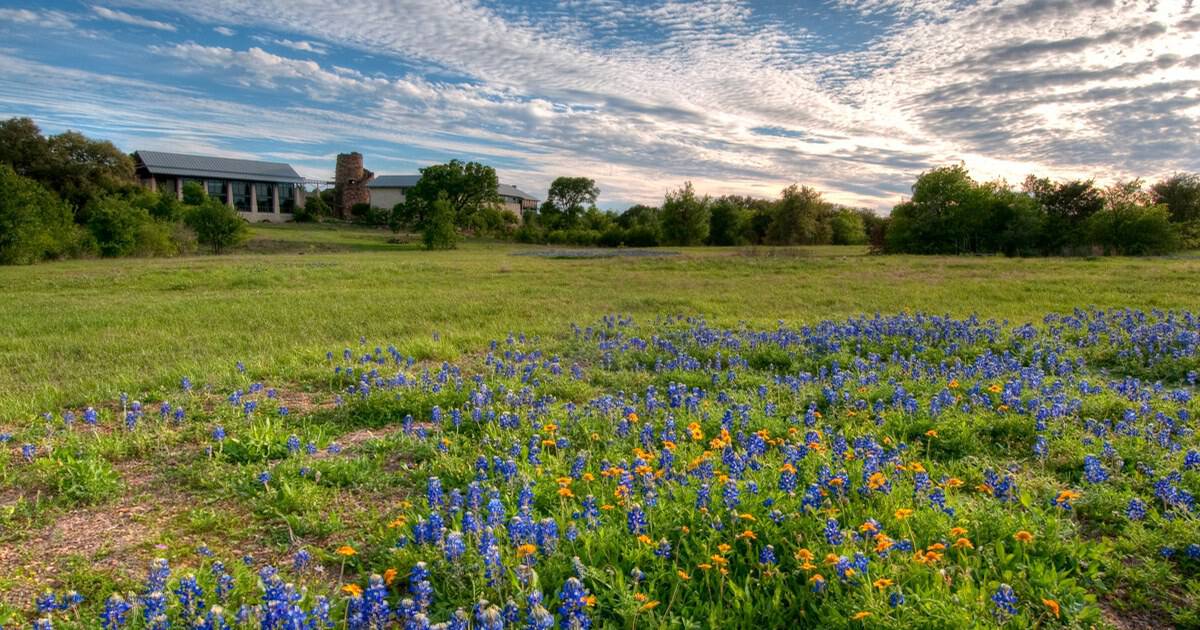
I have chased Texas bluebonnets up and down this state for years. Nobody warns you how sudden it is: one week the Hill Country shoulders are dusty green, and the next a cold front and a good rain flip a switch and the whole roadside goes electric with blue.
So I pull over at gas stations and fence lines just to stand in it. I am never the only one who stopped. There is always another car with its hazards on and somebody crouched in the flowers with a phone.
So I have a lot of feelings about the one place that grows all of it on purpose. Just southwest of downtown Austin sits a 284-acre wonderland where native Texas plants are not a happy accident on the side of a highway. They are the entire point.
Below, I will walk you through the meadows, the miles of quiet trails, the themed gardens, and the strange and beautiful stone tower that catches the rain, plus everything you need to plan the trip.
A Wash of Blue That Goes Further Than You Expect
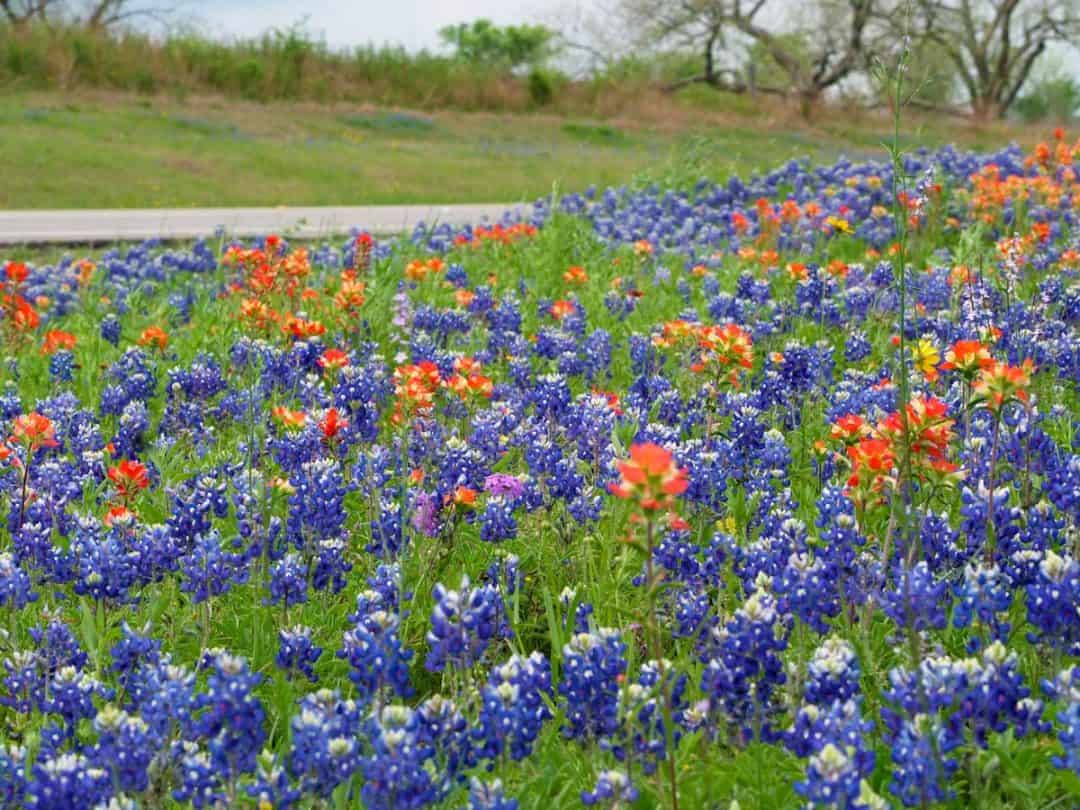
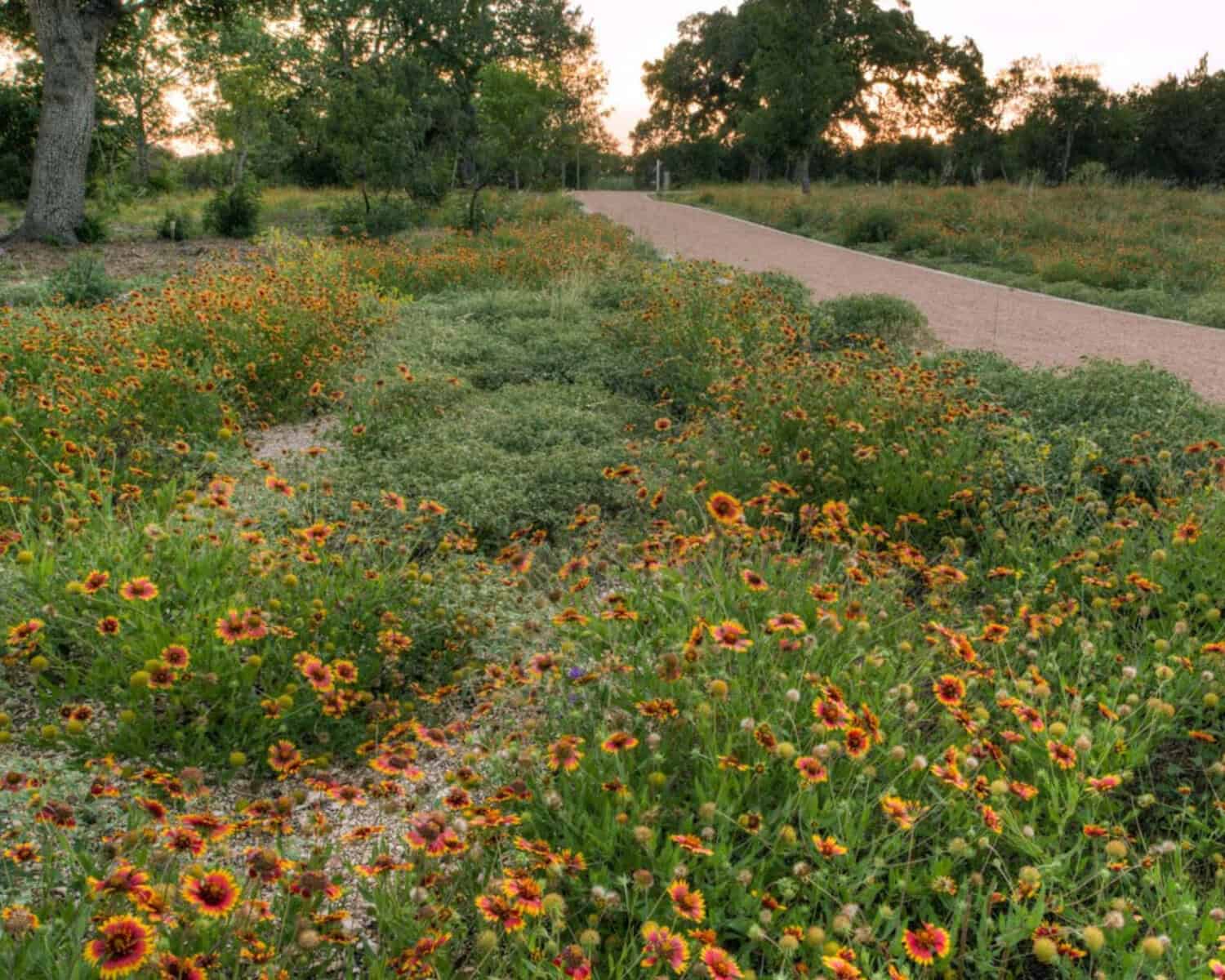
Come in spring and the meadows do the thing you drove out for. Bluebonnets roll across the open ground in a solid sheet of blue-purple, stitched through with the orange of Indian paintbrush and the yellow of coreopsis.
It is louder than a roadside patch and calmer at the same time. There is room to breathe here, so the color reads as a landscape instead of a snapshot.
“Is it always this blue?” a friend asked me once, standing at the edge of a bluebonnet field. The honest answer is no. Wildflowers keep their own calendar, and that is part of the fun of it.
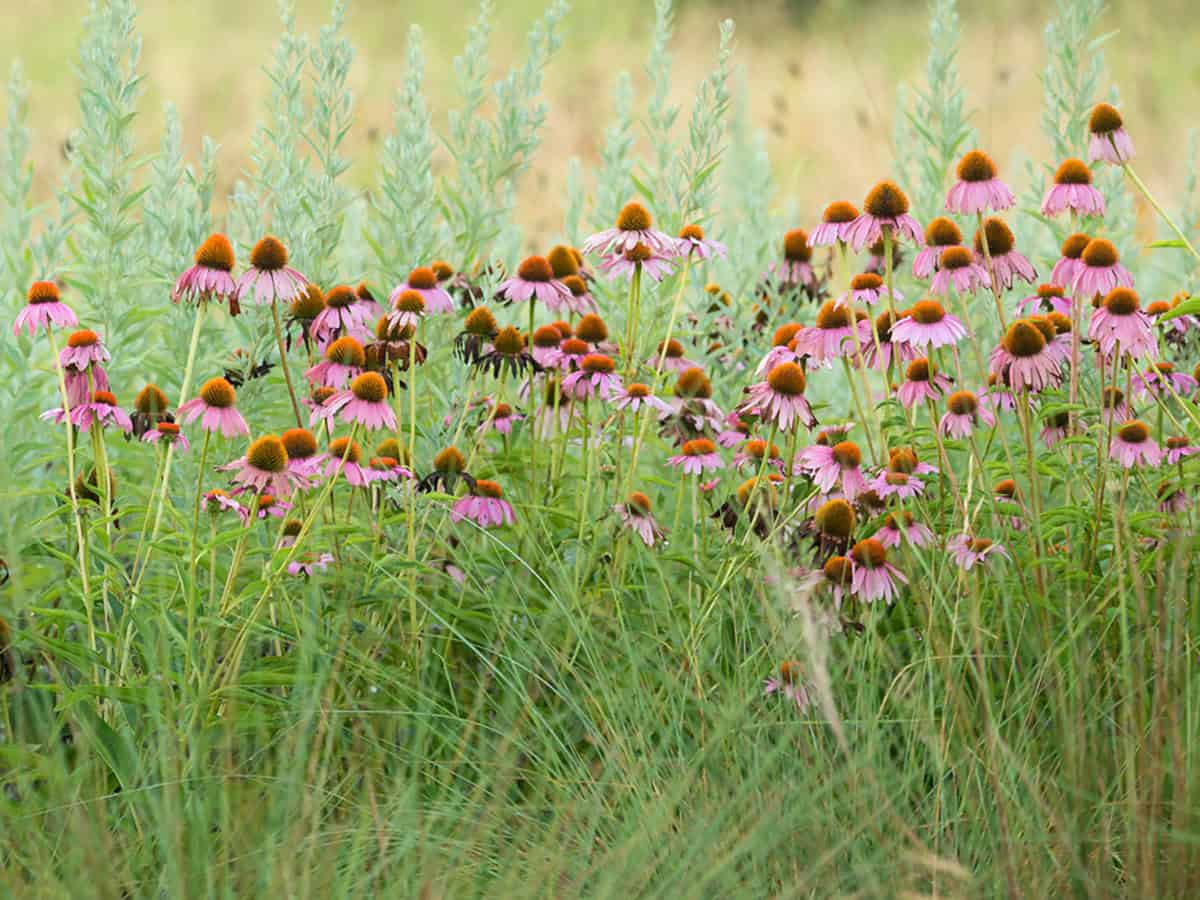
Peak bluebonnet color usually lands from mid-March into April, but something is blooming most of the year. Summer brings the tall prairie flowers, fall brings gold and rust, and the gardens are planted so there is always a reason to look down.
This is the official State Botanic Garden and Arboretum of Texas, and it grows more than 900 species of native Texas plants. That is not a marketing number. The place runs as a research institution as much as a public garden.
The plants are pulled from ecoregions all over the state, so a single walk takes you from Hill Country limestone to West Texas desert to Gulf Coast prairie. It is Texas in miniature, arranged so you actually notice the differences.
Behind the scenes the team keeps the largest native plant database in the country, with profiles on more than 9,000 North American species. Gardeners across the state lean on it to figure out what will actually thrive in their own yards without a hose running all summer.
Miles of Trails, and Room to Get Quiet
The meadows are the headline, but the trails are where I would spend the afternoon. More than two miles of paths wind out through the natural areas, so you can trade the tidy gardens for something wilder in about five minutes of walking.
The Restoration Research Trail runs mostly through open meadow, with clumps of trees and brush scattered across it. It is working land. Different sections are managed with fire, winter mowing, or fall mowing to study how the prairie repairs itself, and small markers tell you which is which.
The John Barr Trail folds a shorter loop inside it, so you can pick your distance depending on the heat and the mood. On a weekday morning you can walk a good while and hear more birdsong than footsteps.
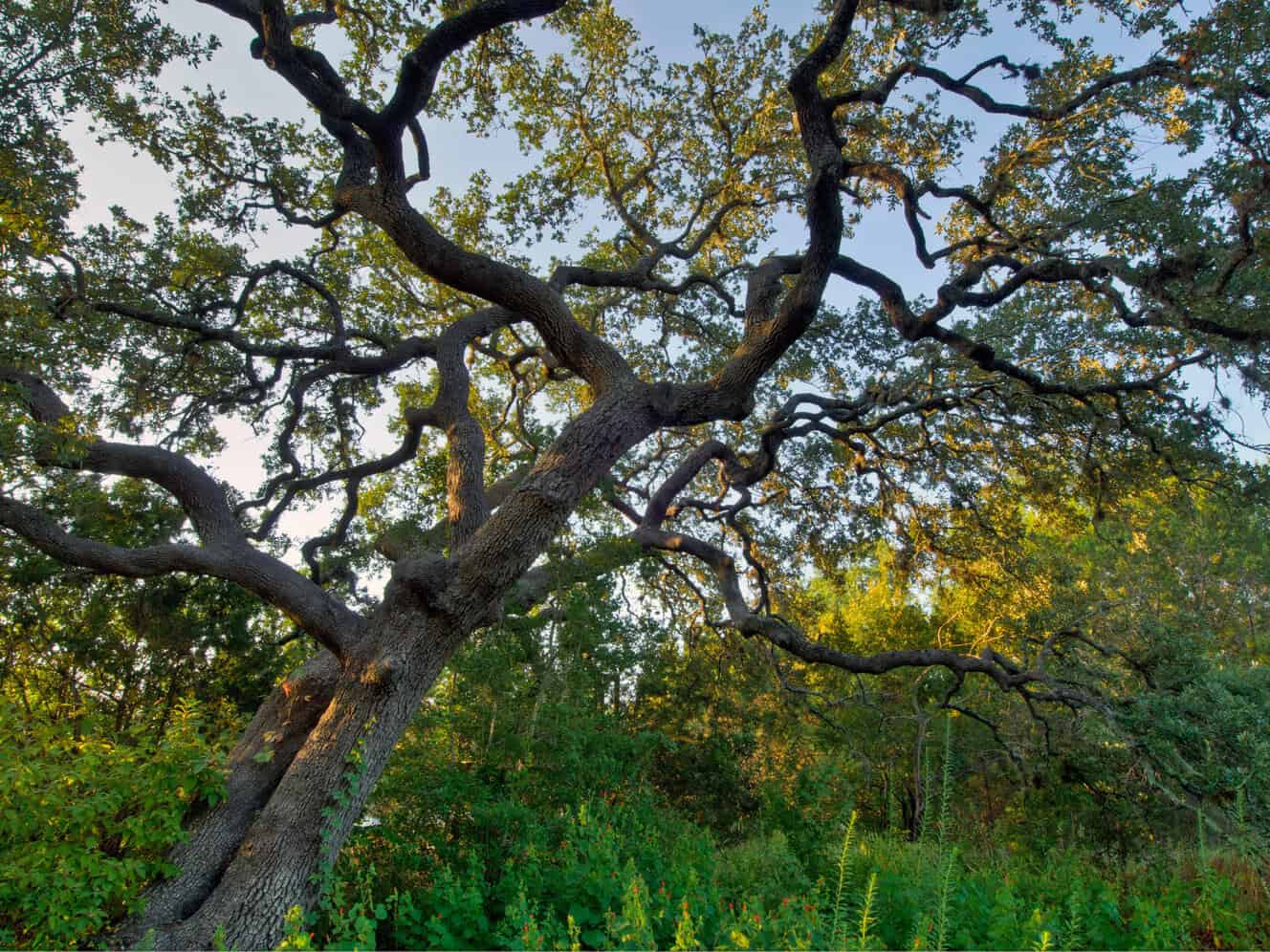
Then there is the Arboretum Trail, a paved one-mile loop through 16 acres of native trees. This is the Mollie Steves Zachry Texas Arboretum, and it opened in spring 2012 to show off every one of the 53 oak species native to Texas.
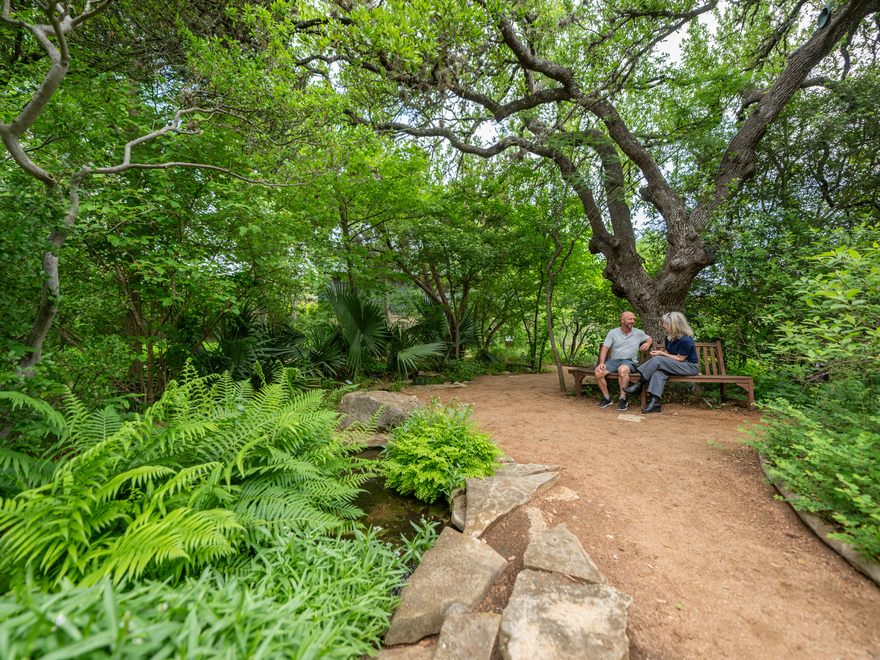
Walk it to the grove they call the Cathedral of Oaks. Wooden swings hang under the branches, and it is exactly the kind of shade you want when an Austin afternoon starts to bite.
Did you know the arboretum also has a Hall of Texas Heroes? It is a run of young oaks grown from historic trees around the state, so you are essentially walking past living history that is still filling out.
Gardens With a Point of View
Closer to the entrance, the Central Gardens trade wild for designed, and they are a masterclass in what a native Texas yard can look like when someone thinks it through.
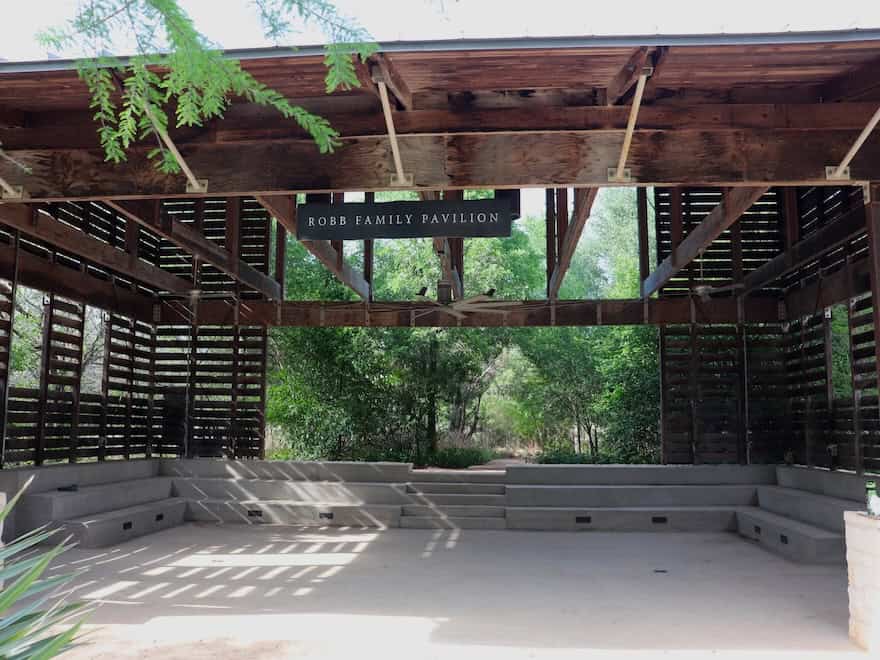
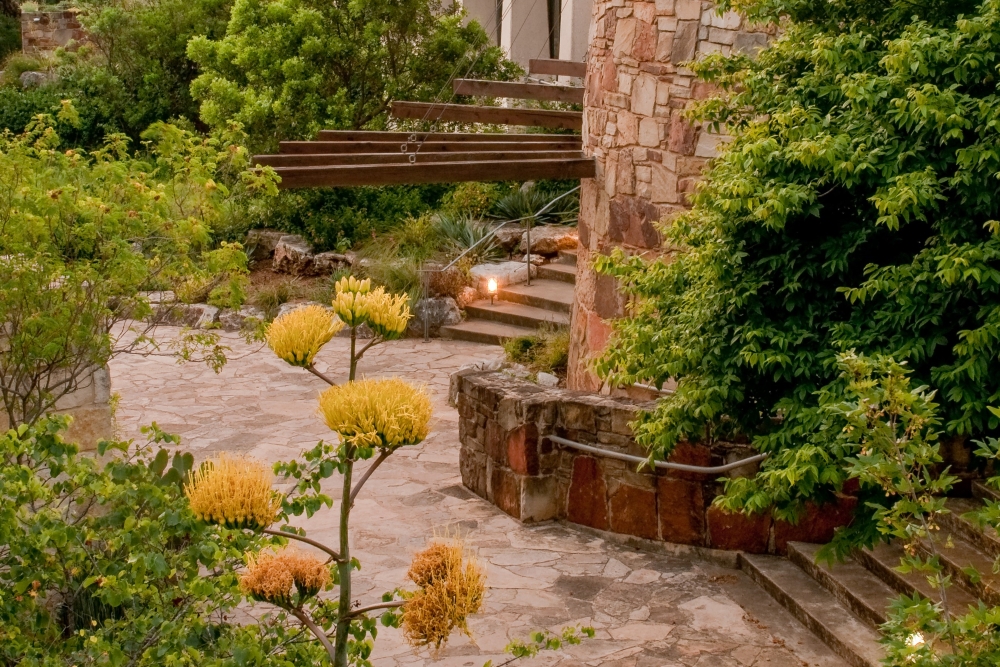
You will find a Hill Country Garden, a West Texas Garden, a dry creek bed, and a seed silo garden, each one a different slice of the state’s plant life. The theme gardens are basically a catalog you can walk through.
The pollinator gardens are my favorite loitering spot. On a warm day the air is busy with bees and the flicker of butterflies, and if you stand still long enough you stop being a visitor and start being furniture.
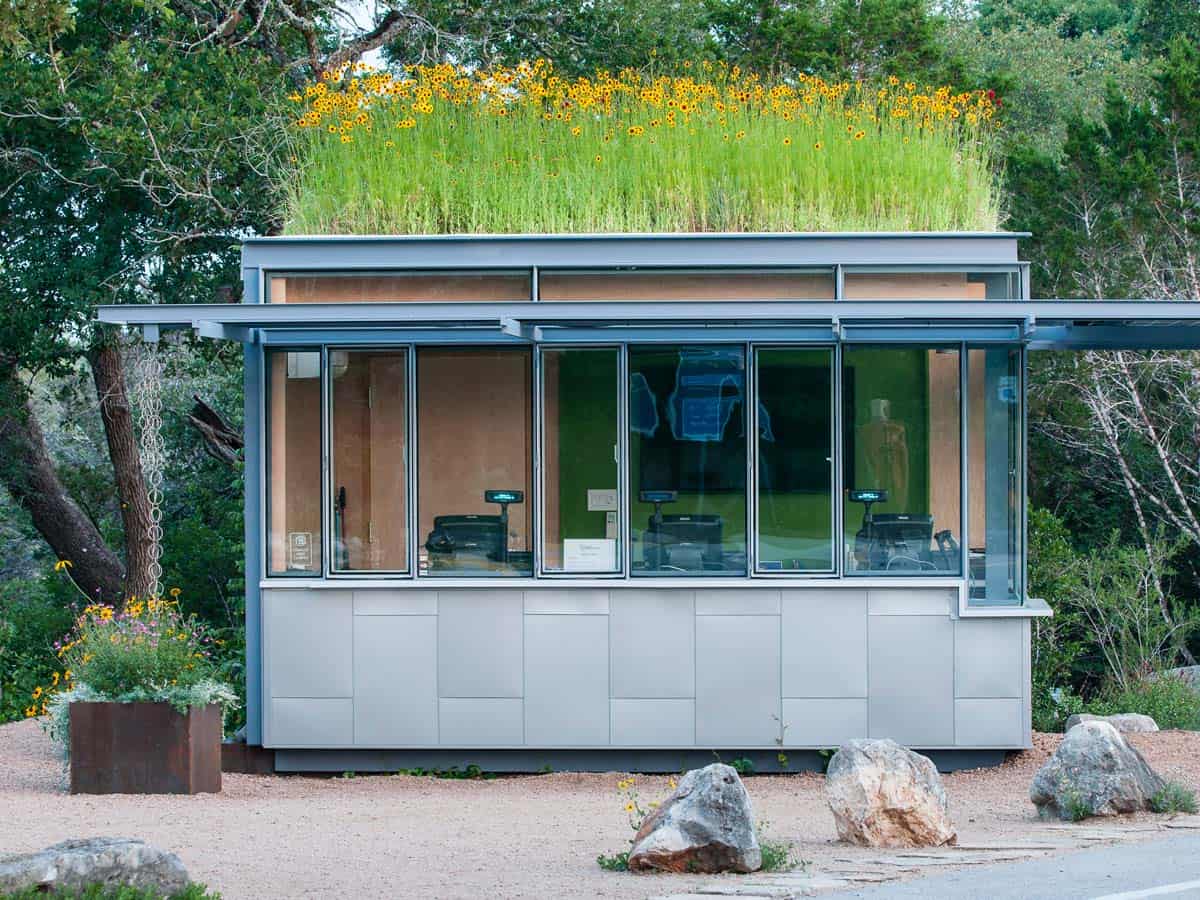
Near the entrance, the Welcome Garden sets the tone with big sweeps of grasses and seasonal color, and one building wears a living green roof planted with hardy natives. Even the rooflines here are trying to teach you something.
Everything here is planted to prove a simple idea Lady Bird spent her life on. Native plants are not just prettier, they are tougher, they drink less water, and they belong to the place. The gardens are the argument, made in color.
A Whole Garden Built for Kids
If you are bringing children, point them straight at the Luci and Ian Family Garden. It opened in May 2014, covers about four and a half acres, and it was clearly designed by people who remember being seven.
There is a spring-fed creek to splash in, oversized structures to scramble on, caves and nooks to disappear into, and a giant nest big enough to climb inside. It is nature play, not a plastic playground, and it fits the rest of the place perfectly.
Pro tip: on a hot day, the creek is the whole ballgame. Pack a towel and a change of clothes and accept that shoes are optional and staying dry is not happening.
Something New Every Season
The gardens are never quite the same twice, and not only because of the flowers. The center rotates exhibits and events through the year, so a spring trip and a fall trip can feel like two different places.
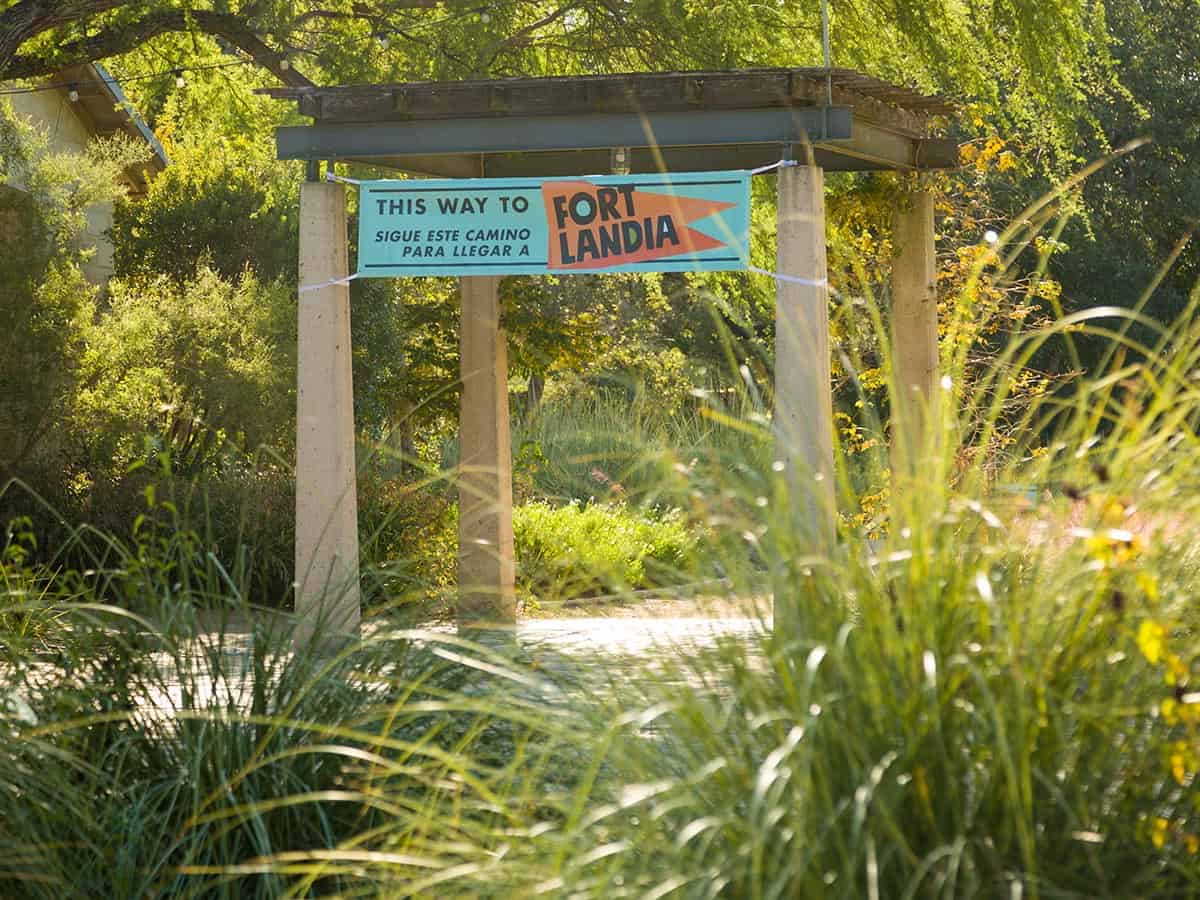
In the cooler months, the outdoor fort exhibit called Fortlandia scatters wildly imaginative play structures through the grounds, each one dreamed up by a different designer. Kids treat it like a treasure hunt, and plenty of adults quietly do too.
There are plant sales where you can take a piece of the place home, guided walks when the blooms peak, and a gift shop and gallery near the entrance for when the Texas sun finally wins and you need a break in the shade.
The Tower That Drinks the Rain
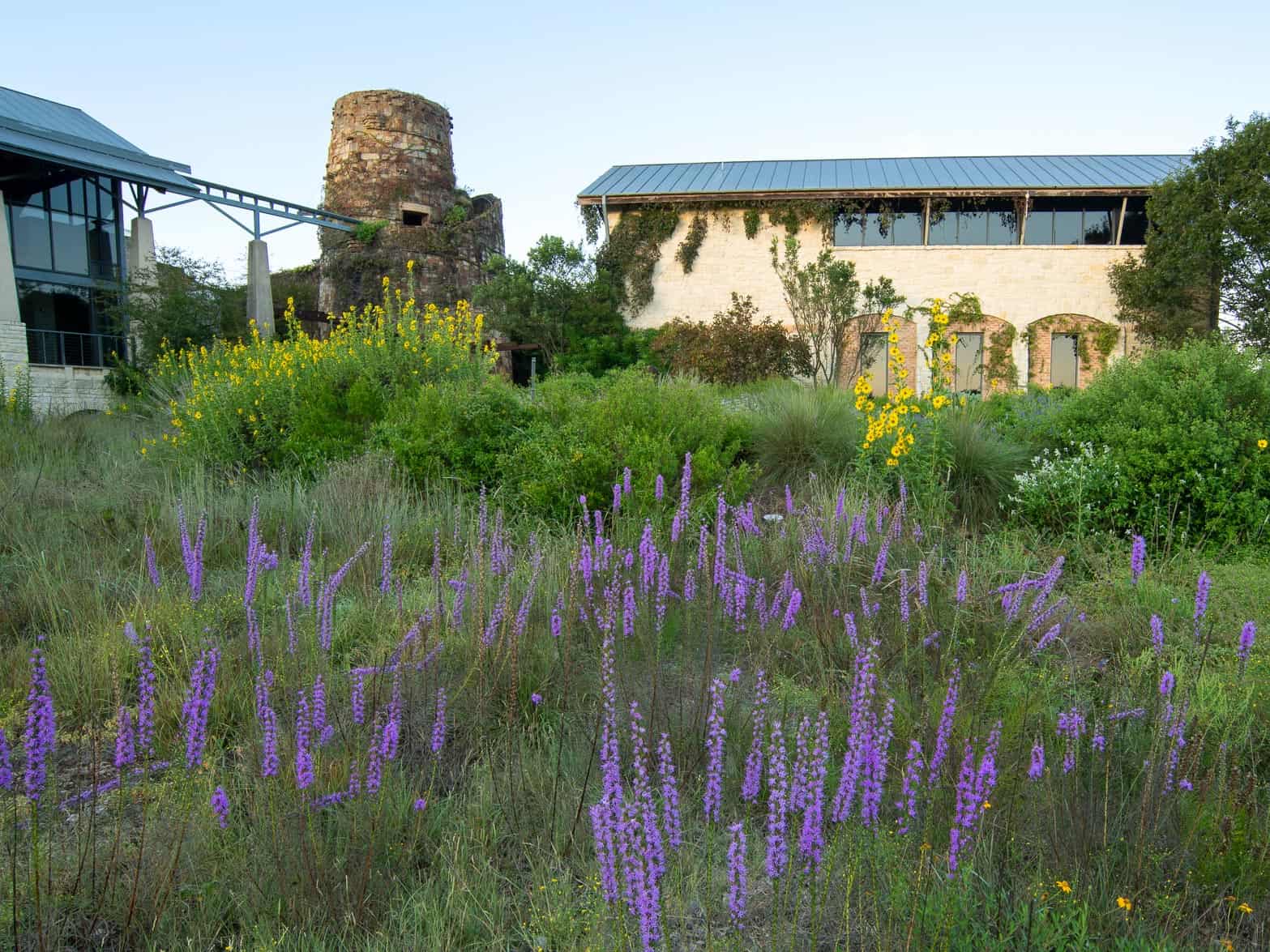
Walk in and you pass under low sandstone arches, an aqueduct that looks like it wandered off from an old Spanish mission. It is beautiful, and it is also doing a job.
The whole entrance is a giant rainwater harvesting system. Water runs off the roofs, down the aqueduct, and into a stone cistern shaped like a silo, part of one of the largest rooftop collection setups in North America. It gathers around 300,000 gallons of rain a year.
The centerpiece is a 45-foot stone observation tower crowned with a metal dragonfly. Climb it for a view out over the meadows, and take a second to appreciate that the prettiest structure on site is really a very elegant water tank.
That thinking was ahead of its time. The center’s design became a prototype for the LEED green building standard and the Sustainable SITES Initiative, which is a fancy way of saying a lot of eco-friendly buildings borrowed their homework from here.
How a First Lady Grew All This
The whole thing started with Lady Bird Johnson, who spent decades pushing to plant native flowers along America’s highways and public spaces instead of paving and mowing everything flat.
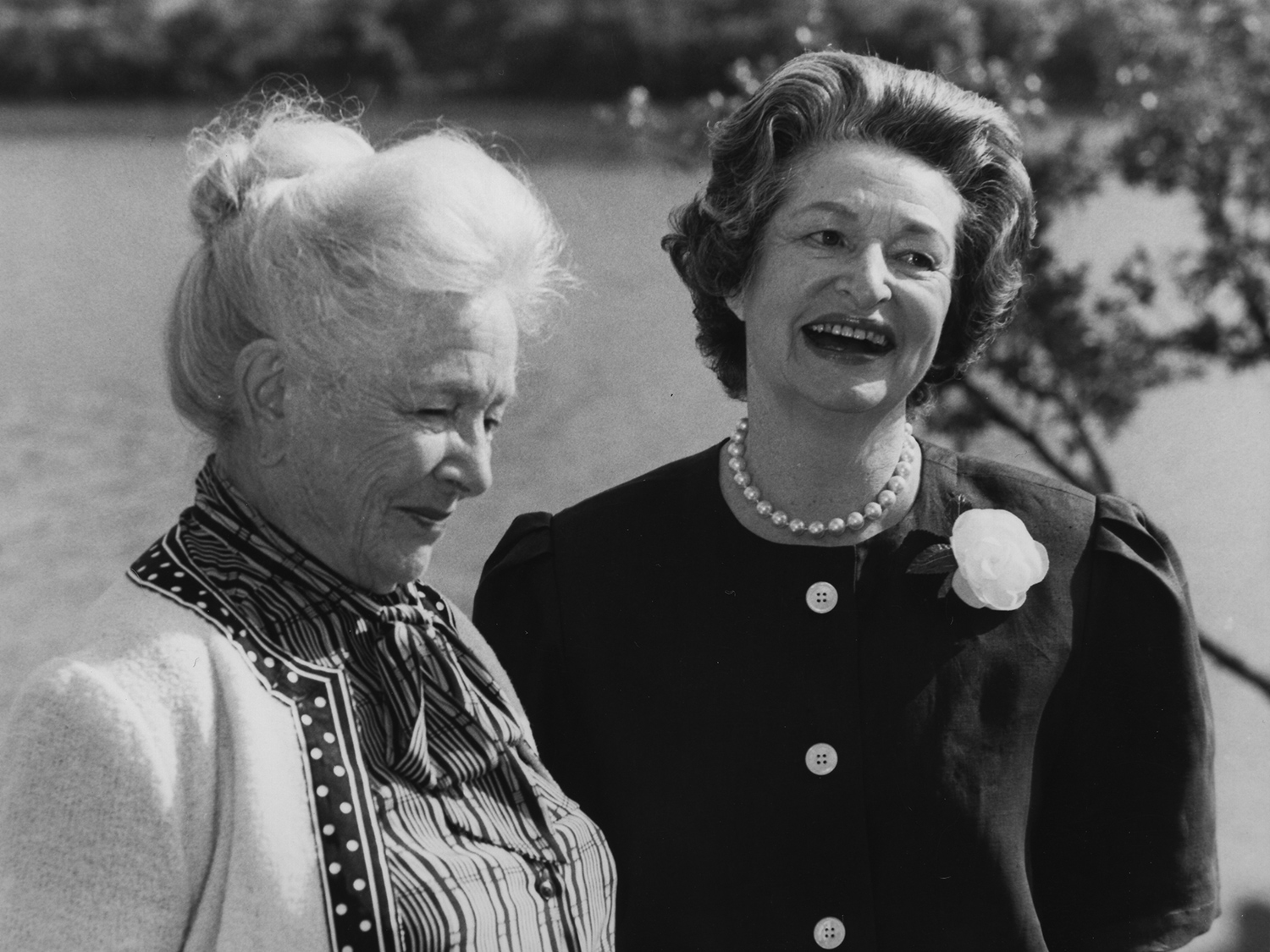
In 1982, on her 70th birthday, she put in her own land and money and founded the National Wildflower Research Center, joined by the actress Helen Hayes. The mission was plain. Study native plants, and get people to fall for them.
It started on 60 acres of donated land in East Austin, a modest research plot compared to what it grew into. By 1995 the center had outgrown that first home and moved to this Hill Country site, where it had room to become a real destination.
It was renamed for Lady Bird in 1997, and in 2006 it became part of the University of Texas at Austin, where the research still runs today. Somewhere north of 185,000 people now come through the gates every year to see what she started.
The buildings came from the San Antonio firm Overland Partners, in that warm native limestone that makes the place look like it grew out of the ground rather than getting dropped on it. Which, honestly, is the whole idea.
Planning Your Visit
From September through May the gardens are open 9 a.m. to 5 p.m., with last entry at 4. In the summer heat, June through August, they open early and close early, 7 a.m. to 3 p.m., so plan around that cooler morning window.
Admission runs a little higher on weekends. Monday through Thursday, adults are $15, seniors and military $12, and youth ages 3 to 17 are $9. Friday through Sunday those tick up to $18, $15, and $12. Kids under 2 and members get in free.
Tip: if you are here for the bluebonnets, go on a weekday morning in early April if you can swing it. Softer light, fewer crowds, cheaper ticket, and the flowers have not been walked flat yet.
Wear real shoes, bring water, and give yourself at least two or three hours. Between the meadows, the trails, and the arboretum, this is a place that rewards slowing down, not speed-walking.
How to Get There
Where: Lady Bird Johnson Wildflower Center, 4801 La Crosse Ave, Austin, TX 78739. It sits about 10 miles southwest of downtown, right where the city softens into the Hill Country.
Go Stand in the Blue
Whether you live in Austin or you are just passing through on a spring road trip, this is the one garden that gives you the whole Texas landscape in a single afternoon, native, wild, and cared for on purpose.
So watch the bloom reports, pick a morning, and go put your shoes in the grass. Bring a friend who will wait while you take the same photo forty times. Just try not to plan your whole spring around one blue field. Ask me how I know.
Featured image: @ Lady Bird Johnson Wildflower Center

Stella Raines
Editor-in-Chief
Stella brings over a decade of storytelling experience to TX Headlines. With roots in West Texas and a love for road trips, she leads the editorial team with an eye for the hidden stories that make Texas unforgettable.
More Stories
This Lush Texas Garden Is Free to Explore and Full of Scenery People Usually Pay to See
This Sprawling Texas Preserve Hides a Wilder Side of the Hill Country
This Easy Texas Nature Trail Is Shaded, Bench-Lined, and Full of Wildlife
This Hidden Texas Spring Has Crystal-Clear Water and a Gloriously Laid-Back Vibe
Tags