12 Underrated National Parks in the USA to Visit Before the Crowds
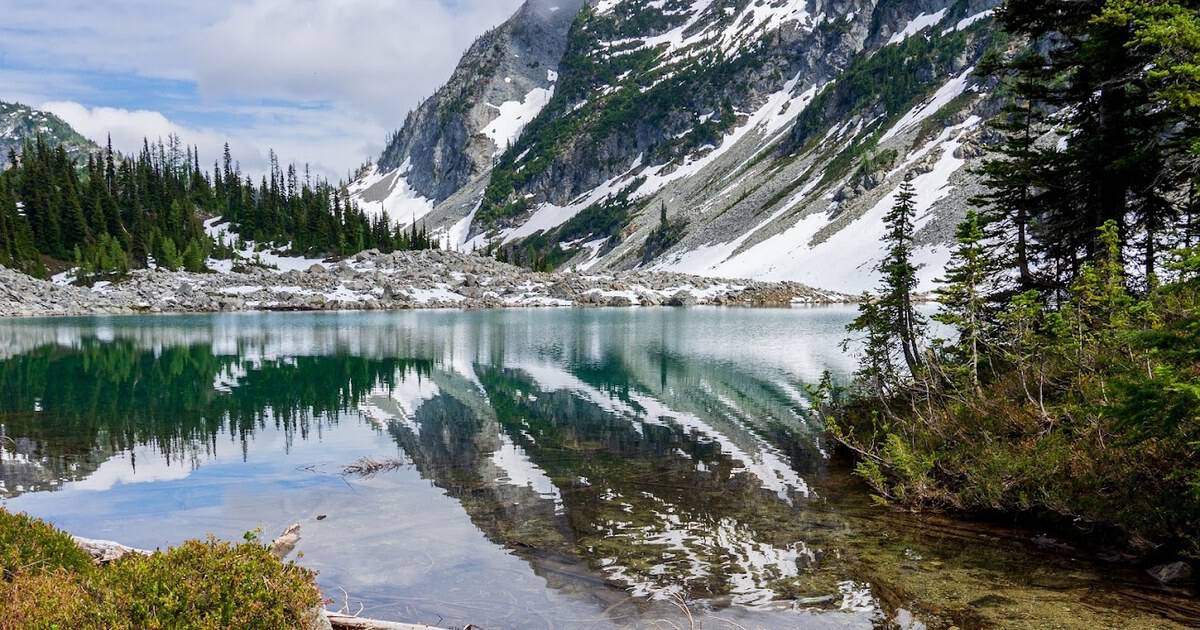
The most beautiful photo I never took was of a national park parking lot. It was full by eight in the morning, and the overlook just past it held more tripods than trees.
I love the famous parks. I just love them a little less in July, shoulder to shoulder with a few thousand new friends, all of us waiting for the same postcard.
Here is the good news. America has 63 national parks, and a small handful soak up most of the crowds. The rest offer the same quiet grandeur with room to breathe. Below, discover twelve parks where the trails stay open, the parking stays easy, and the view stays yours.
1. Great Basin National Park, Nevada
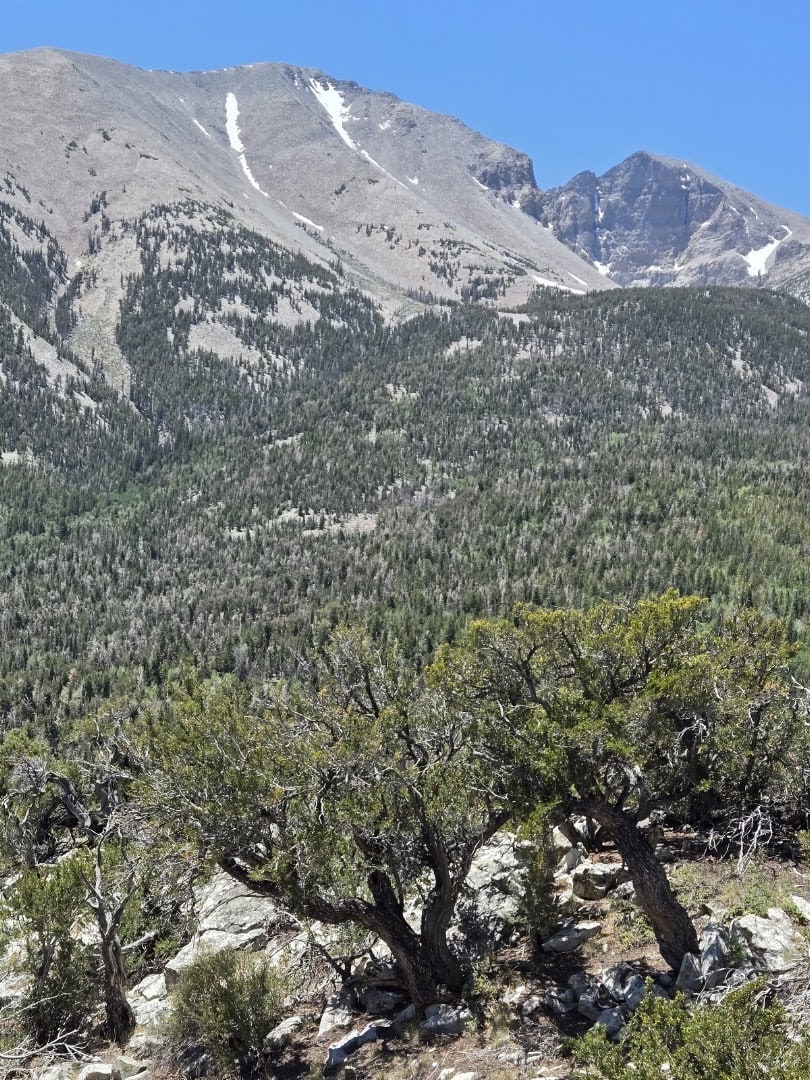
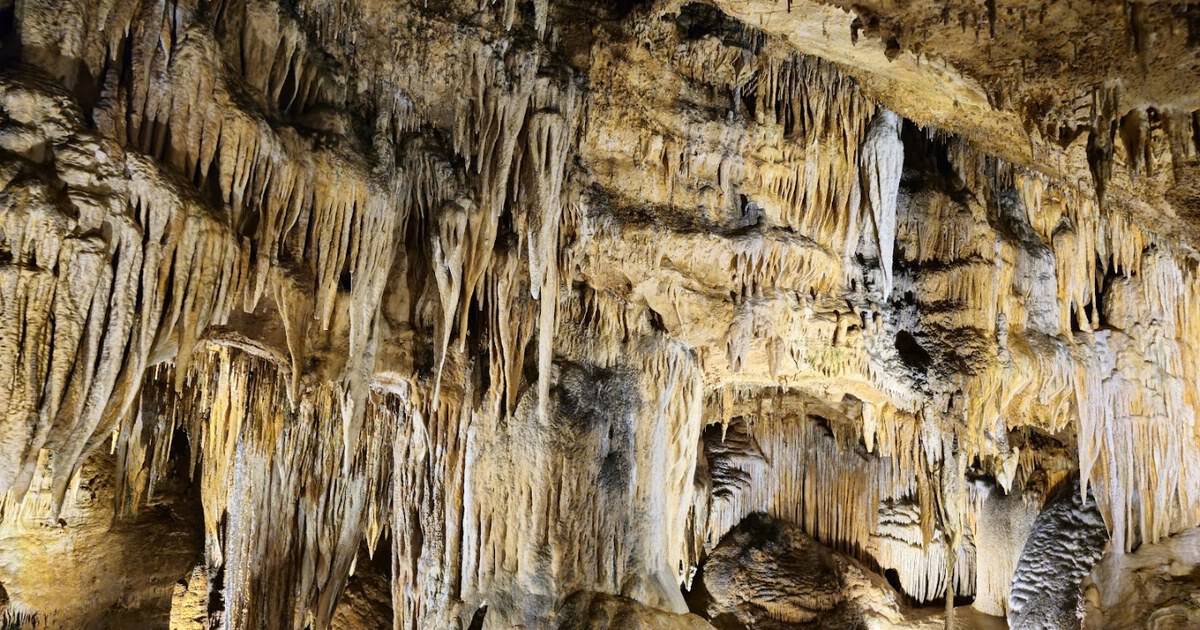
Tucked against the Utah line in Nevada’s loneliest corner, this park is a whole world stacked into one. Down below, Lehman Caves twists through more than 300 delicate shield formations, cave decorations you will not see many other places on Earth.
Up top, ancient bristlecone pines cling to the slopes of Wheeler Peak. Some of these gnarled trees have been alive for nearly 5,000 years, older than the pyramids. At night the sky puts on the real show, because this is some of the darkest, most star-crammed air in the country.
With roughly 140,000 visitors a year, you will often have a trail to yourself. Did you know a ranger leads you through the caves by the glow of a single lantern?
Where: Great Basin National Park, near Baker, Nevada. The Lehman Caves Visitor Center sits about 5 miles west of Baker off Nevada Highway 488, roughly 5 hours north of Las Vegas.
2. North Cascades National Park, Washington
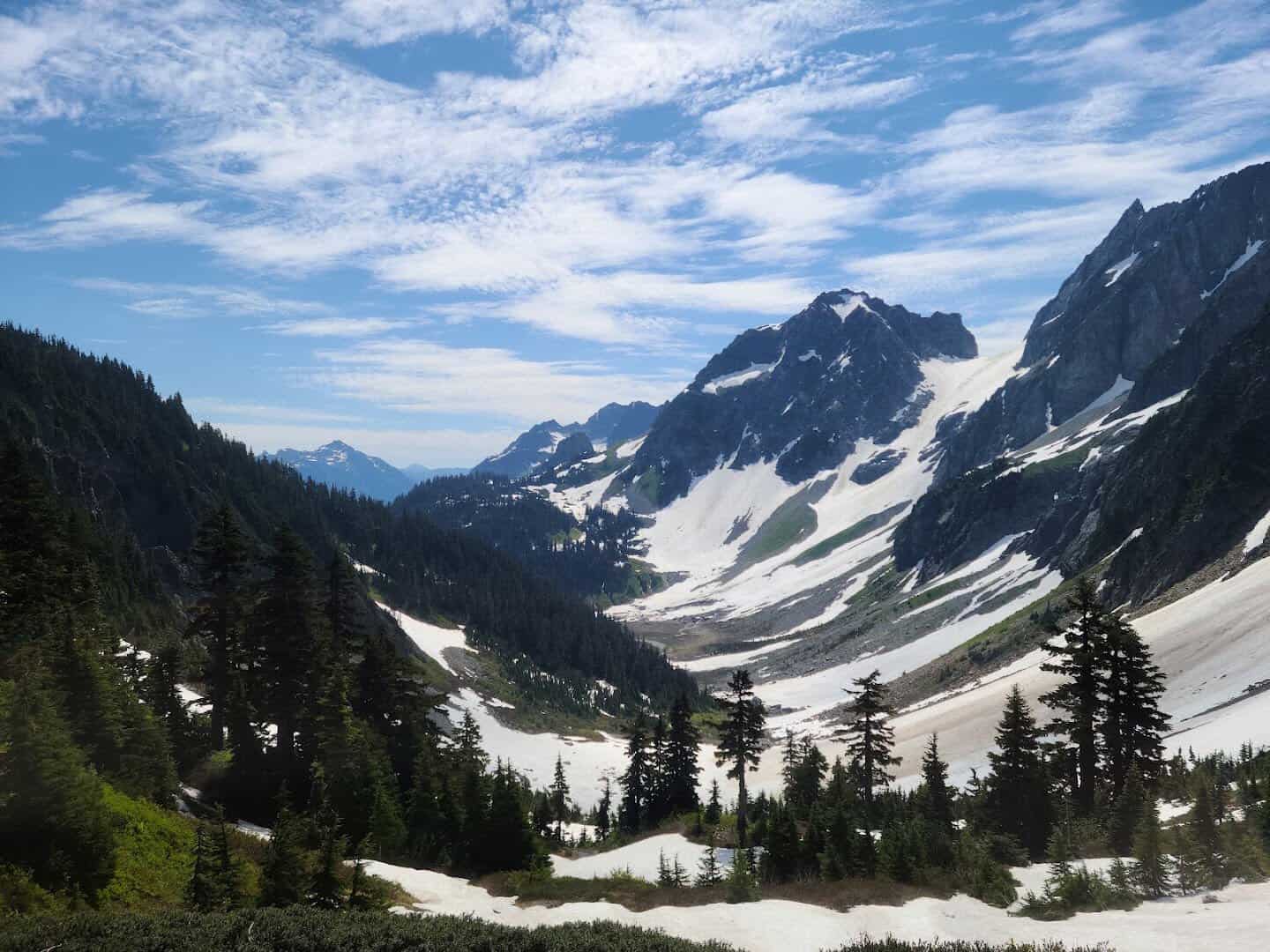
People fly to Switzerland for scenery that sits three hours from Seattle. The North Cascades bristle with jagged, glacier-carved peaks that locals fondly call the American Alps, and the comparison is not a stretch.
The park holds more than 300 glaciers, more than Glacier and Yosemite combined. Meltwater feeds Diablo Lake, whose surreal turquoise color comes from glacial rock ground into powder so fine it hangs in the water.
Here is the wild part. This is the least visited national park in the lower 48, drawing around 30,000 people a year while nearby Rainier pulls millions. You can hike all day and pass no one.
Where: North Cascades National Park, gateway town Marblemount, Washington. Follow the North Cascades Highway (State Route 20) about 100 miles northeast of Seattle to the visitor center at Newhalem.
3. Congaree National Park, South Carolina
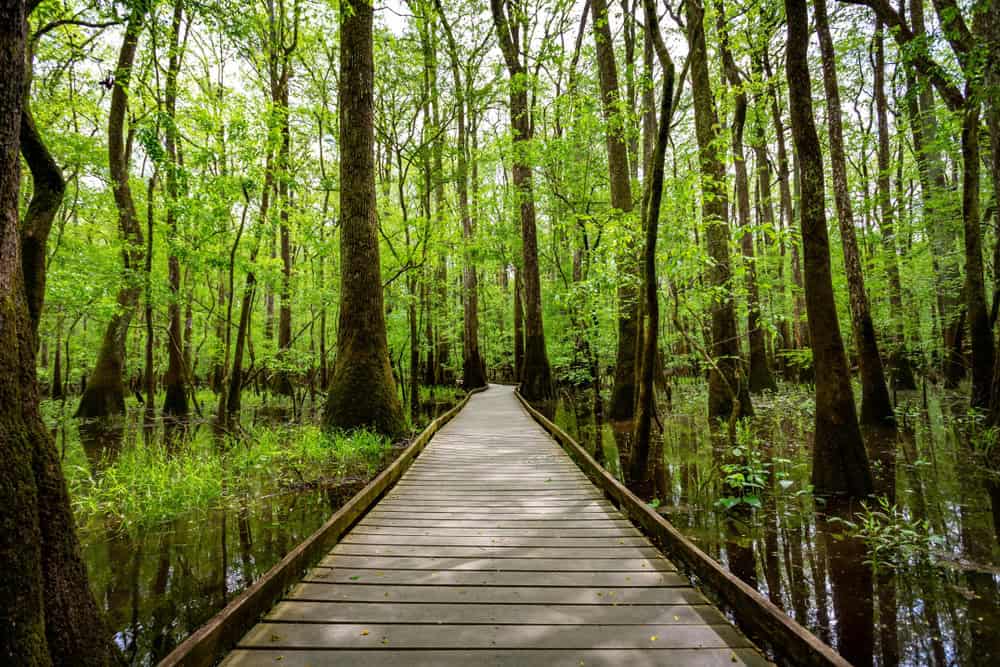
Not every national park is a mountain. Just southeast of Columbia lies the largest intact stretch of old-growth bottomland hardwood forest left in the country, a green cathedral of some of the tallest trees in the eastern United States.
A 2.4-mile elevated boardwalk loops you past towering bald cypress, their knobby “knees” poking up from the dark water. My favorite reason to go comes in late spring. For about two weeks, usually late May into early June, thousands of synchronous fireflies blink in unison here.
It is one of only a few places on the planet where fireflies flash together like a slow, silent heartbeat. Bring a red flashlight and just watch.
Where: Congaree National Park, near Hopkins, South Carolina. The Harry Hampton Visitor Center is about 20 miles southeast of downtown Columbia off Old Bluff Road.
4. Black Canyon of the Gunnison National Park, Colorado
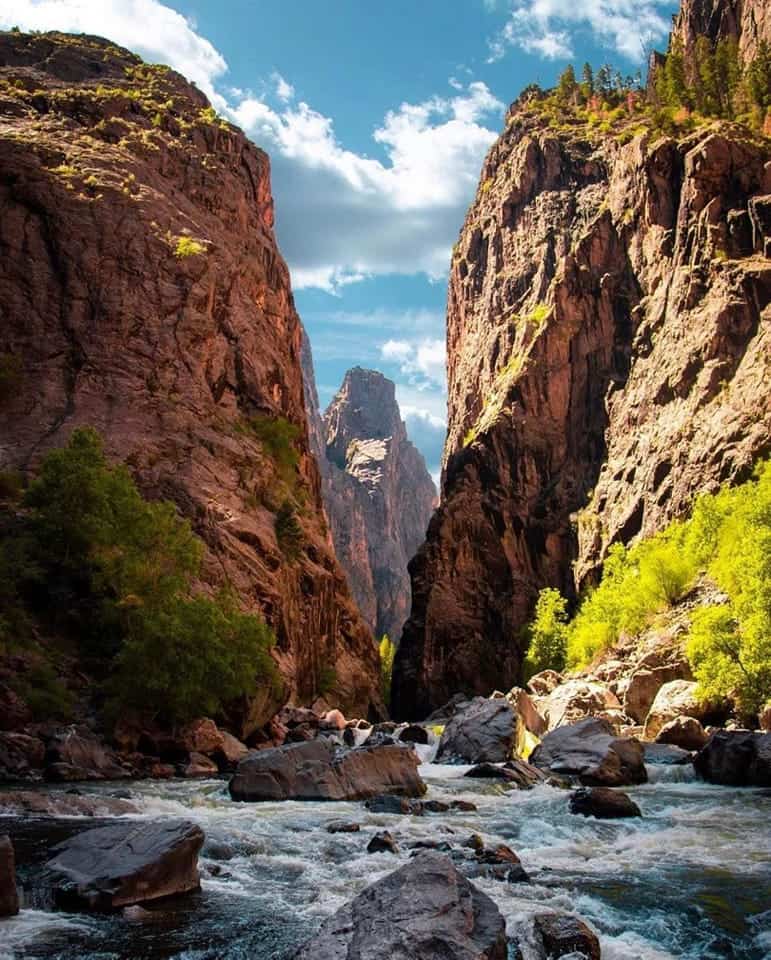
Some canyons are wide and soft. This one is neither. In western Colorado the Gunnison River has sliced a chasm so narrow and so deep that sunlight barely reaches the bottom, which is exactly how it earned the name “Black.”
Peer over the rim and the walls plunge as much as 2,000 feet to the river below. The showstopper is the Painted Wall, a 2,247-foot cliff streaked with pale pink bands of stone, making it the tallest cliff in all of Colorado.
The rock down there is nearly 1.7 billion years old. Standing at Pulpit Rock overlook, I dare you not to feel gloriously, wonderfully small.
Where: Black Canyon of the Gunnison National Park, near Montrose, Colorado. The South Rim entrance is about 15 miles east of Montrose via U.S. 50 and State Highway 347.
5. Pinnacles National Park, California
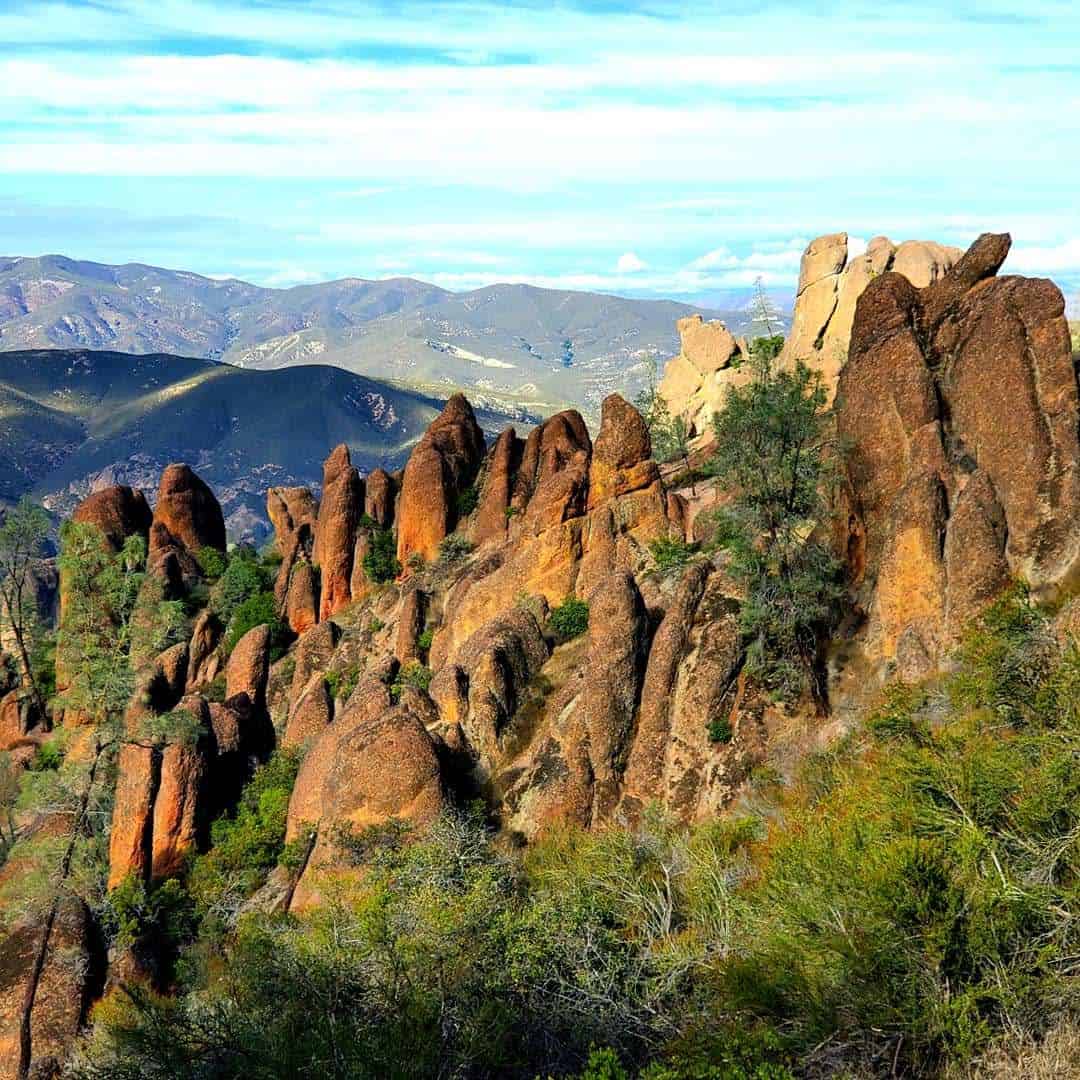
Born from a volcano that erupted 23 million years ago and then drifted nearly 200 miles up the San Andreas Fault, Pinnacles is a fever dream of towering rock spires an hour inland from the Monterey coast.
Squeeze through its talus caves, dim tunnels formed by giant boulders wedged between canyon walls, with just a flashlight and a little nerve. Bats live in there. So do the stars of the show above.
This is one of the best places on Earth to spot a wild California condor. These giants stretch nearly 10 feet wing to wing, and in 1987 only 22 remained alive anywhere. Watching one soar over the crags is a genuine second chance in flight.
Where: Pinnacles National Park, near Soledad, California. The west entrance is off State Route 146 east of Soledad, about 40 miles south of Gilroy; the two entrances do not connect by road.
6. Isle Royale National Park, Michigan
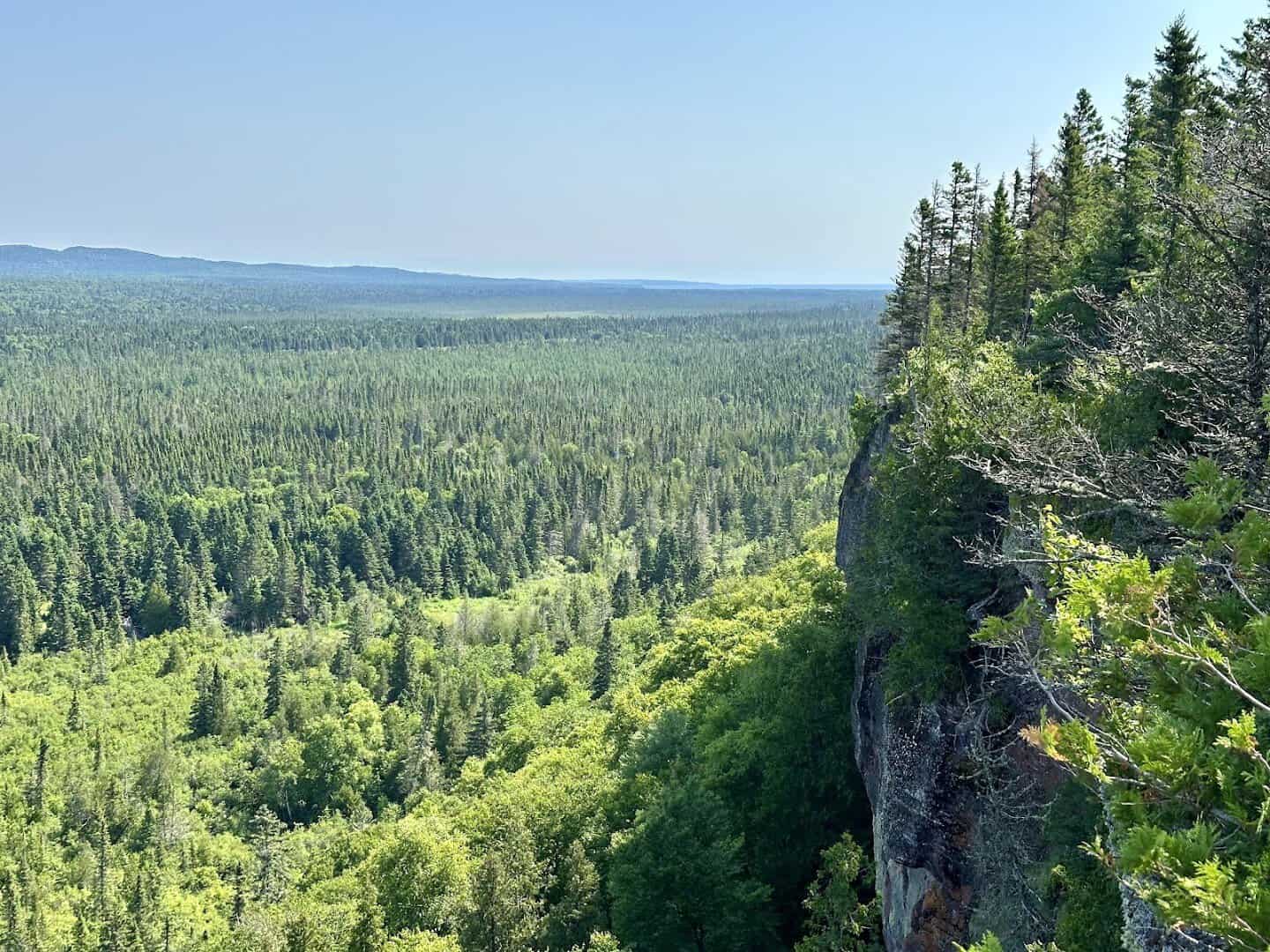
You cannot drive here, and that is the whole point. This wilderness island floats in Lake Superior, reachable only by ferry or seaplane, which is why it draws fewer visitors in a year than Yellowstone sees on a busy afternoon.
What you get in return is real solitude, plus one of the most famous wildlife stories in science. Wolves and moose have shared this island since the 1940s, and researchers have tracked their tug of war here longer than anywhere on the planet.
Backpackers and paddlers get the island nearly to themselves. Spot a moose wading a quiet cove and you will understand the trip instantly.
Where: Isle Royale National Park, Michigan. Ferries run from Houghton (about 6 hours to Rock Harbor) and Copper Harbor (about 3.5 hours); seaplanes leave from Hancock and land in under an hour.
7. Capitol Reef National Park, Utah
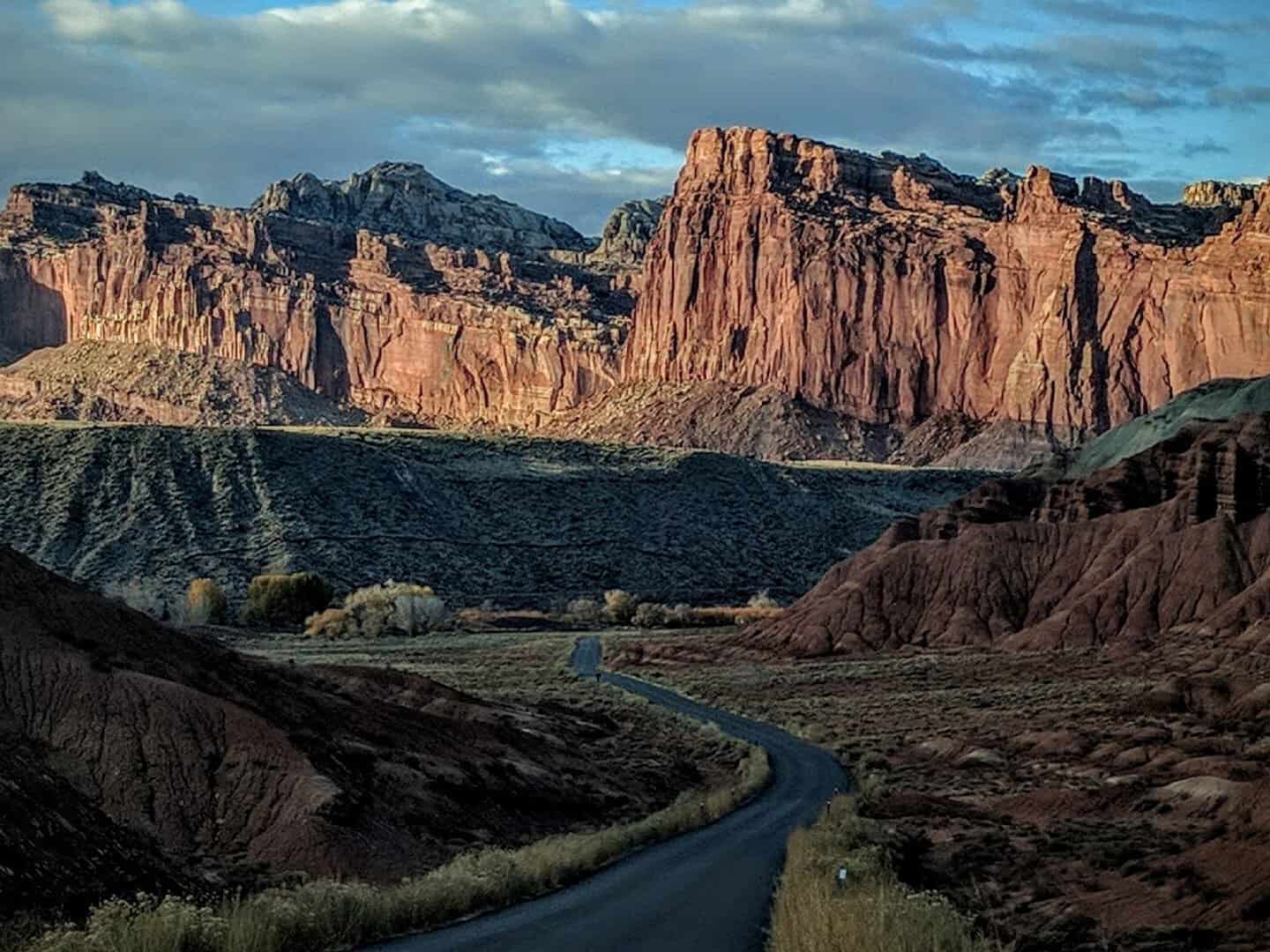
Utah’s Mighty Five parks are famous, but this one is the quiet middle child that everyone speeds past. That is their loss. Capitol Reef guards the Waterpocket Fold, a nearly 100-mile wrinkle in the Earth’s crust folded into cliffs, domes, and slot canyons.
The sweetest surprise is Fruita, a green pioneer oasis of historic orchards. In season you can pick your own cherries, apricots, apples, or peaches right off the trees. Stop by the Gifford Homestead for a fresh mini fruit pie.
Pro tip: brave the rugged Cathedral Valley loop for sandstone monoliths that rise from the desert like temples, with almost nobody around to share them.
Where: Capitol Reef National Park, near Torrey, Utah. The visitor center sits on State Highway 24 about 11 miles east of Torrey, roughly 3.5 hours south of Salt Lake City.
8. Lassen Volcanic National Park, California
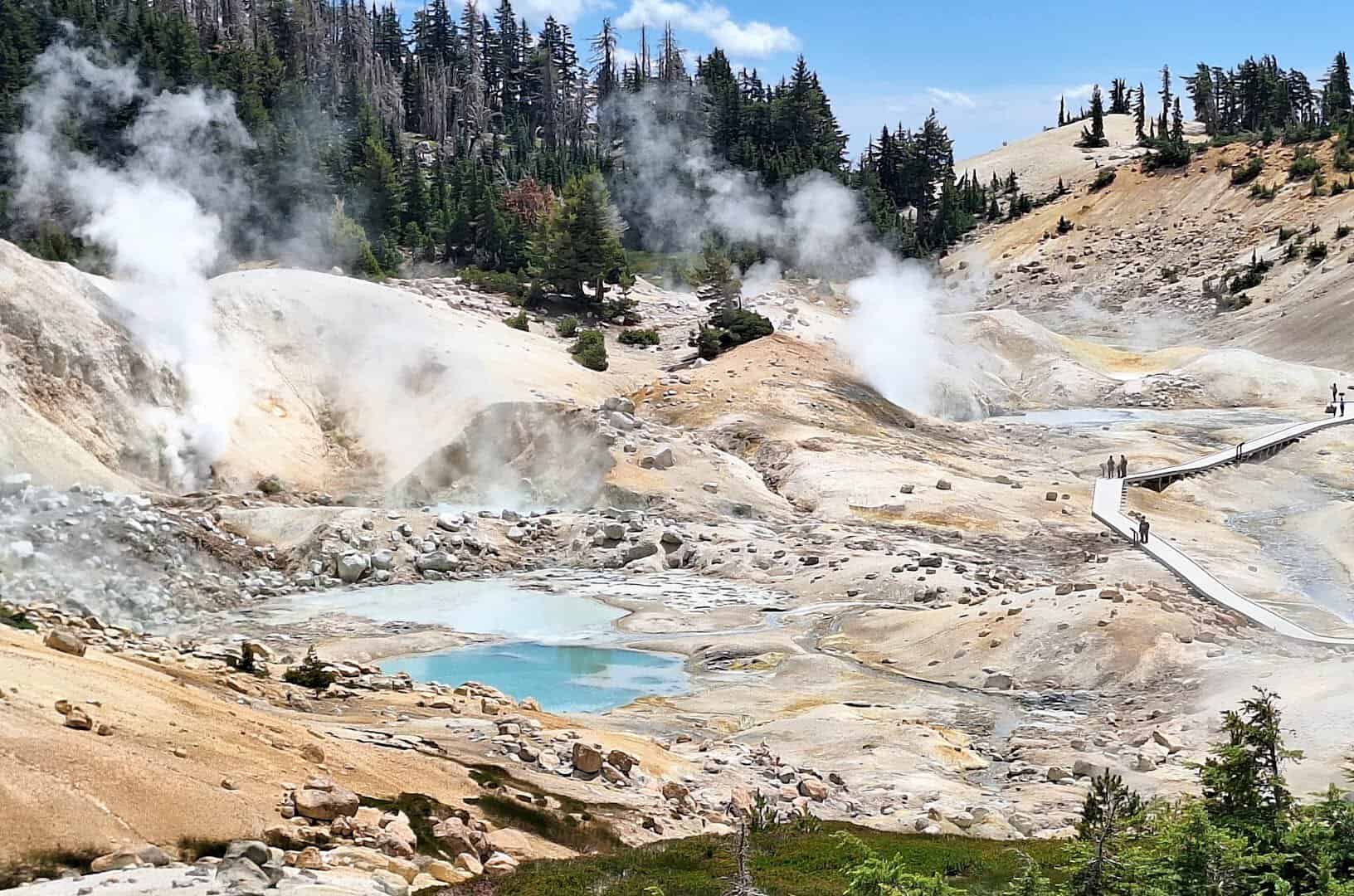
Everyone knows Yellowstone bubbles and steams. Far fewer know that Northern California hides its own hissing, otherworldly landscape, and you will likely share it with a fraction of the crowd.
Lassen is one of the only places in the world where you can see all four types of volcano in a single park. The star attraction is Bumpass Hell, 16 acres of boiling springs, gurgling mud pots, and roaring steam vents reached by an easy 3-mile round-trip trail.
A boardwalk carries you right over the churning, sulfur-scented basin. Add clear alpine lakes and wildflower meadows, and it is a geology lesson that feels like another planet.
Where: Lassen Volcanic National Park, near Mineral, California. The Kohm Yah-mah-nee Visitor Center is off State Highway 89, about 45 miles east of Redding.
9. Voyageurs National Park, Minnesota
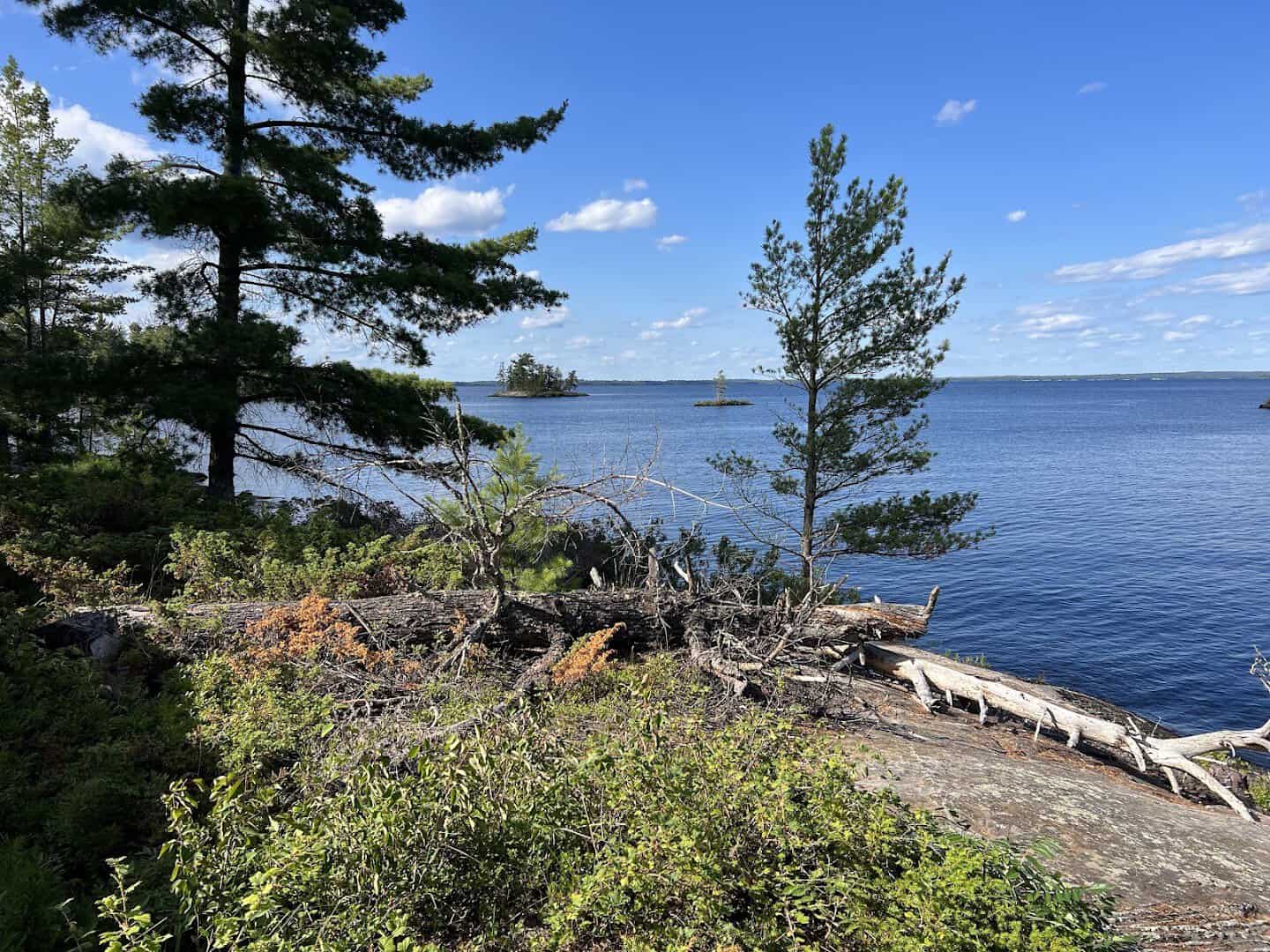
Here is a park where you trade your car keys for a paddle. On Minnesota’s northern edge, Voyageurs is a maze of interconnected lakes and forested islands best explored by canoe, kayak, or a rented houseboat you sleep aboard.
Tie up on your own private island for the night, cast a line, and wait for dark. With almost no light pollution for miles, this is one of the finest spots in the country to catch the northern lights shimmering green across the water.
Named for the French-Canadian fur traders who once paddled these routes, it rewards anyone willing to get out on the water.
Where: Voyageurs National Park, near International Falls, Minnesota. The Rainy Lake Visitor Center is about 12 miles east of International Falls, roughly 4.5 hours north of Minneapolis.
10. Guadalupe Mountains National Park, Texas
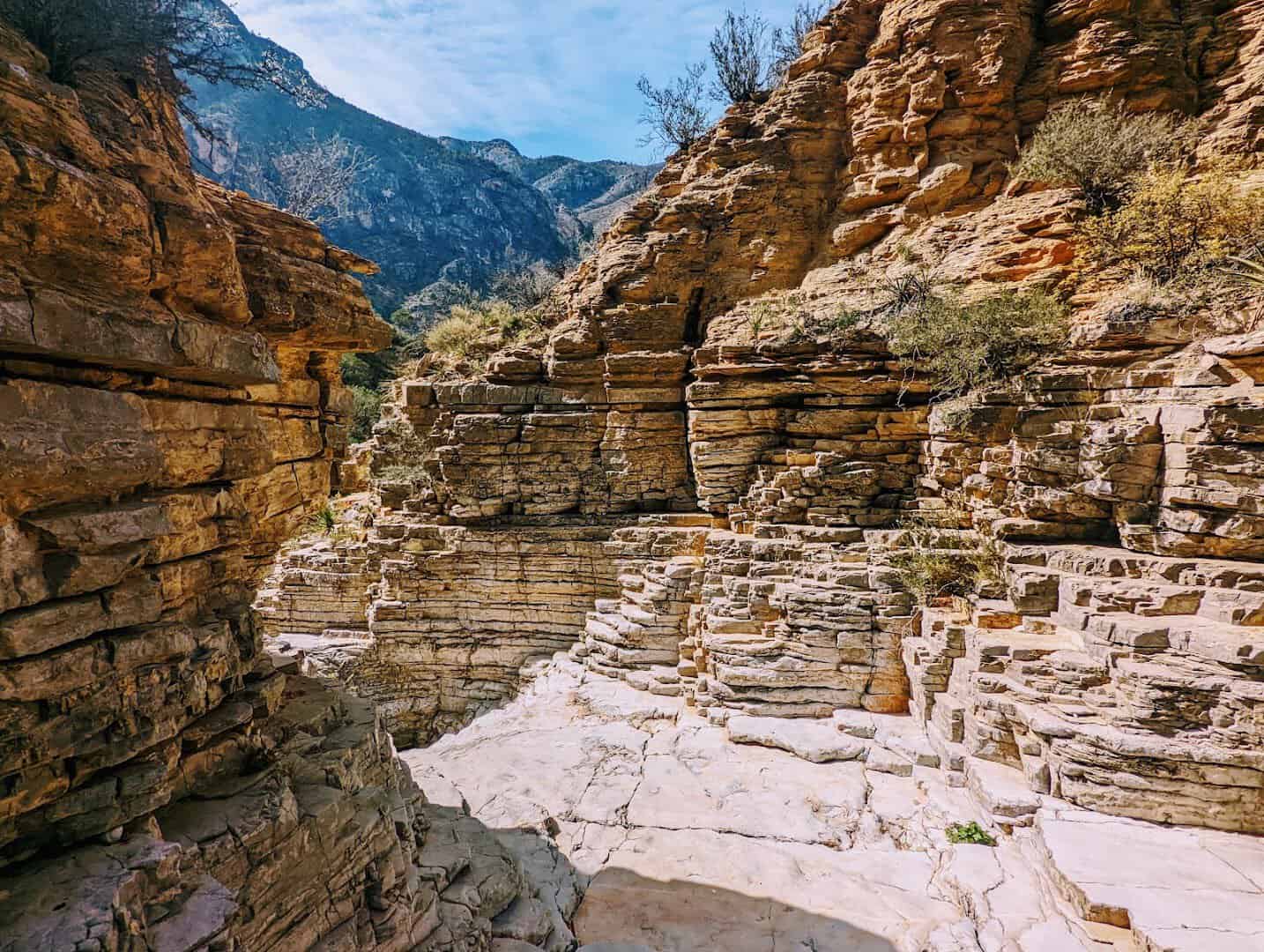
I could not leave my home state off this list, and I did not have to. In far West Texas, the Guadalupe Mountains rise abruptly from the desert to Guadalupe Peak, at 8,751 feet the highest point in all of Texas.
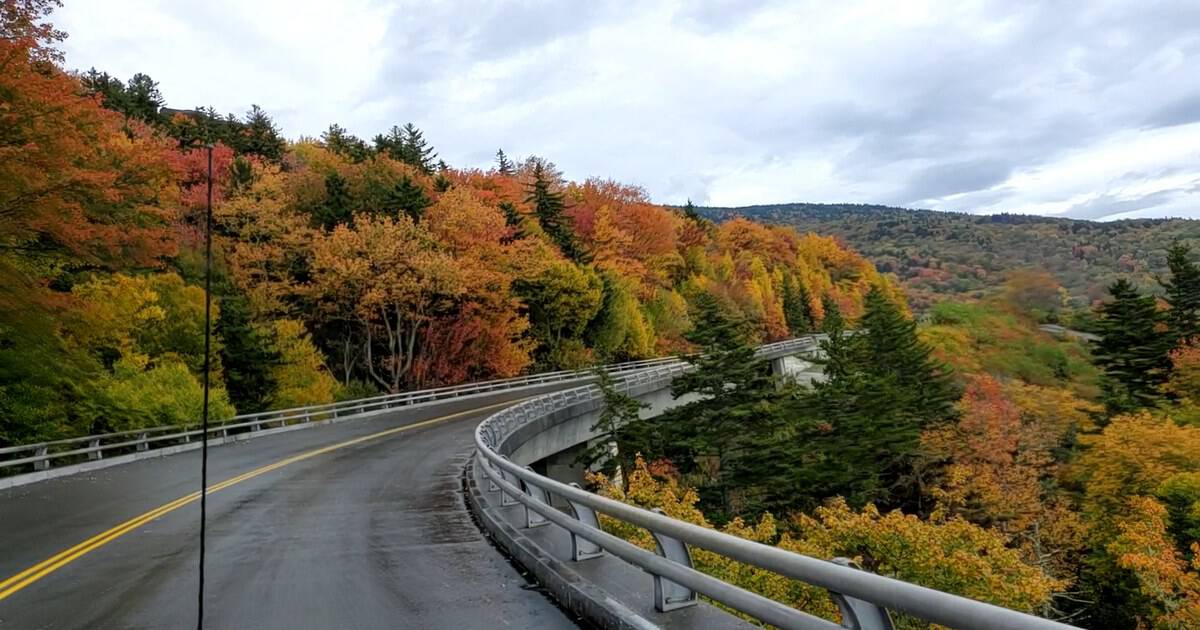
The real secret sits in McKittrick Canyon, one of the only places in Texas with bigtooth maples. Every fall, usually the last two weekends of October, this hidden canyon blazes with red, orange, and gold foliage against pale limestone walls.
It is the best fall color in the state, and it hides in the desert. Time your visit for a weekday, lace up, and drink in an autumn Texas keeps mostly to itself.
Where: Guadalupe Mountains National Park, near Salt Flat, Texas. The Pine Springs Visitor Center is on U.S. 62/180, about 110 miles east of El Paso.
11. Dry Tortugas National Park, Florida
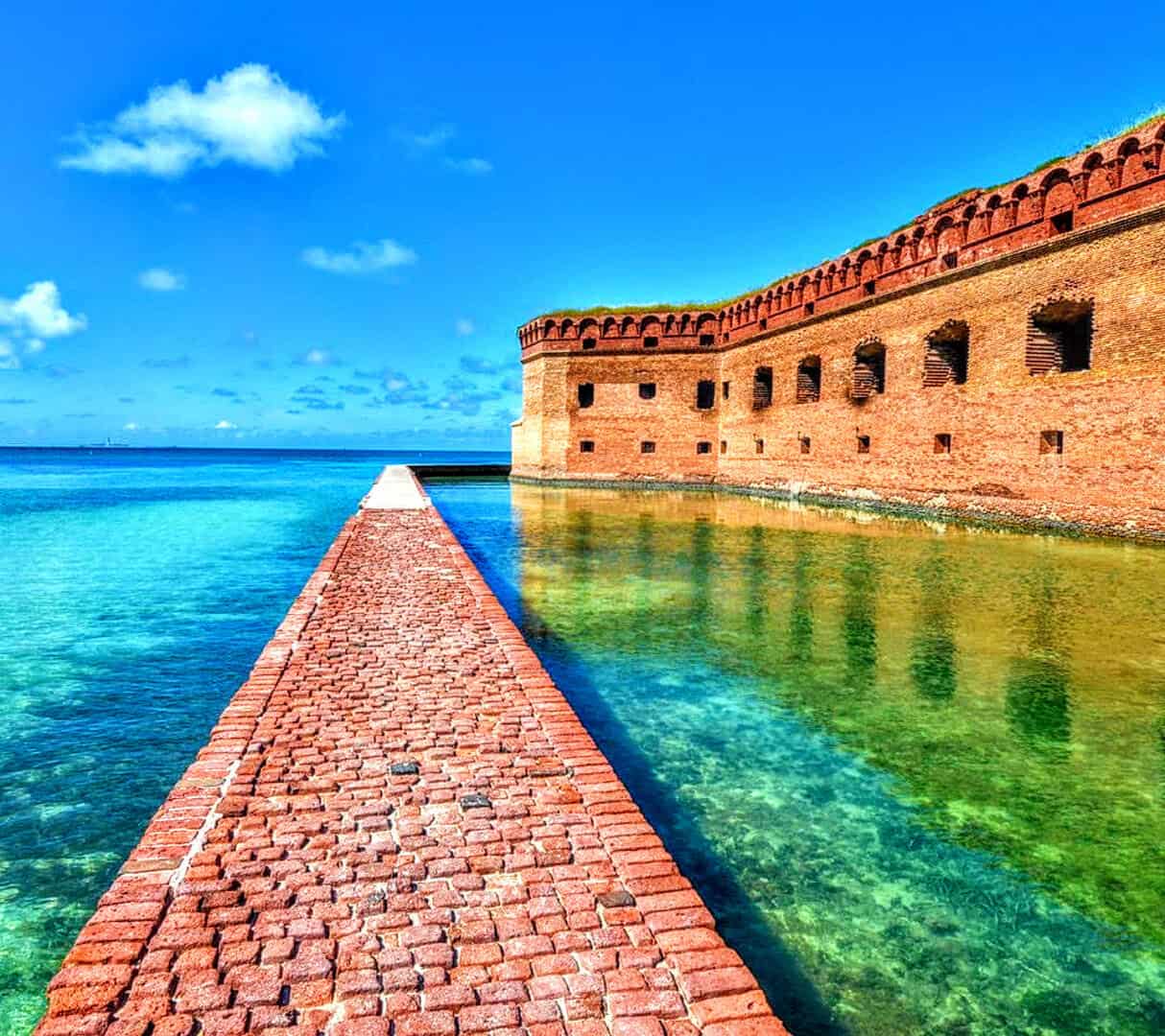
Almost all of this park is open water, which is a big reason so few people make it out here. Dry Tortugas floats about 70 miles west of Key West, a cluster of tiny islands ringed by some of the most vivid coral reefs in the United States.
On Garden Key stands Fort Jefferson, a massive 19th-century brick fortress rising straight out of the turquoise sea. Snorkel just off its moat wall and you drift over coral, tropical fish, starfish, and queen conch in warm, shallow water.
Getting here takes a ferry or a seaplane, so the reef never feels crowded. It is about as close to a private tropical island as a national park gets.
Where: Dry Tortugas National Park, Florida. Reach Garden Key by the Yankee Freedom ferry or a seaplane from Key West, about 70 miles across open Gulf water.
12. Katmai National Park, Alaska
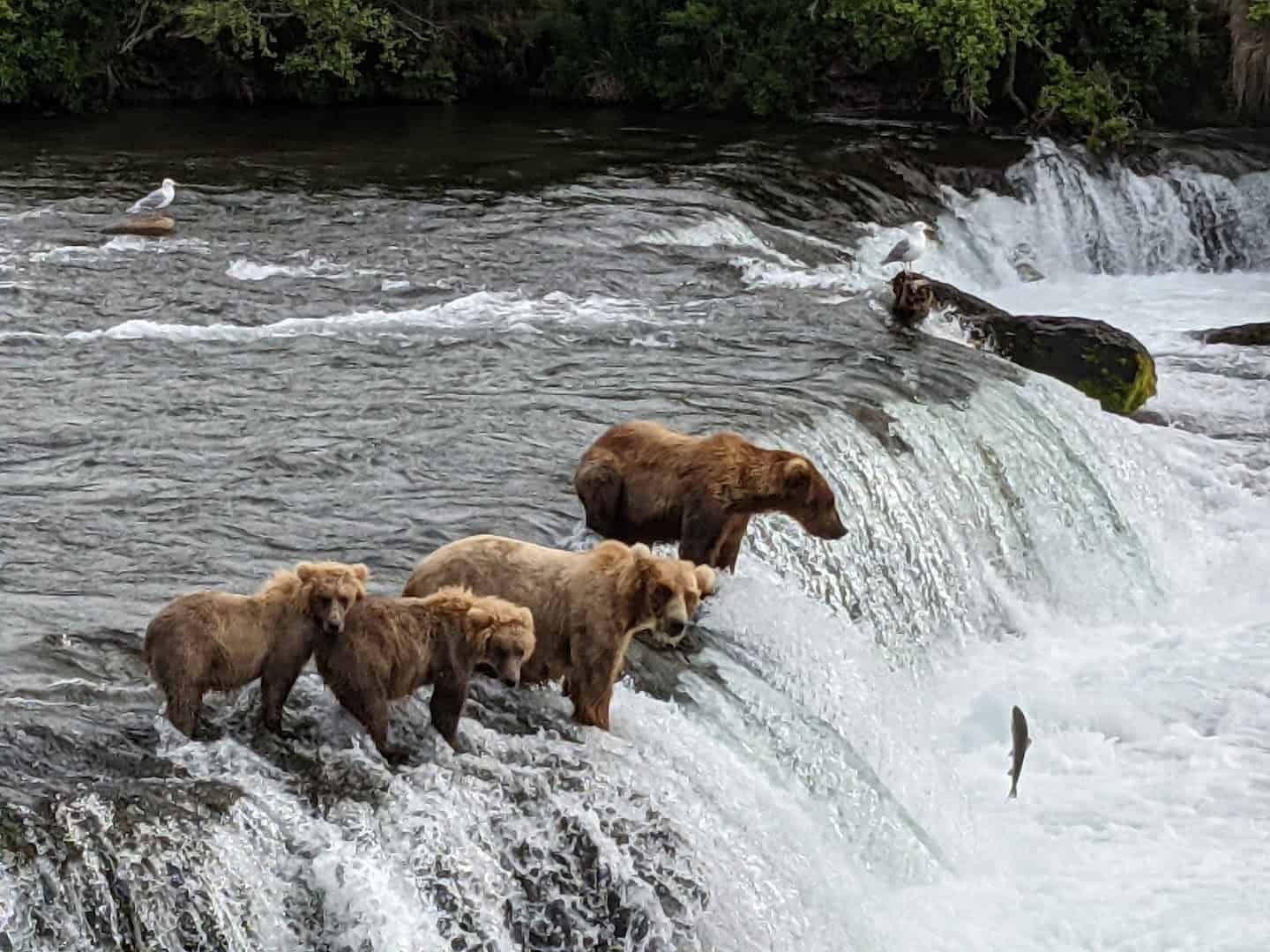
If you have ever watched the internet crown a chubby champion during Fat Bear Week, you already know the star of this park. Katmai, deep in the Alaskan wilderness, holds the highest concentration of protected brown bears on the planet.
The place to see them is Brooks Falls, where dozens of enormous bears line up along the tumbling water to snatch leaping sockeye salmon mid-air. From an elevated viewing platform you watch this ancient feast from a safe, jaw-dropping distance.
There are no roads in. Reaching Brooks Camp is half the adventure, and June through September is prime time. Few travel days on Earth top a floatplane and a river full of bears.
Where: Katmai National Park, near King Salmon, Alaska. Fly commercial to King Salmon, then take a 30-minute floatplane or boat across Naknek Lake to Brooks Camp.
Start Planning Your Quiet Escape
The famous parks earned their fame, but the crowds found them too. These twelve prove that wonder still hides in the quiet corners, from a Texas canyon of maples to an Alaskan river of bears.
So pick one, book the ferry or the floatplane or just the tank of gas, and go see it while the trails are still yours. The best view is the one you get to keep all to yourself.
Featured image: Dylan Zoebelein via North Cascades National Park

Stella Raines
Editor-in-Chief
Stella brings over a decade of storytelling experience to TX Headlines. With roots in West Texas and a love for road trips, she leads the editorial team with an eye for the hidden stories that make Texas unforgettable.