12 Historic Small Towns in America Frozen in Time
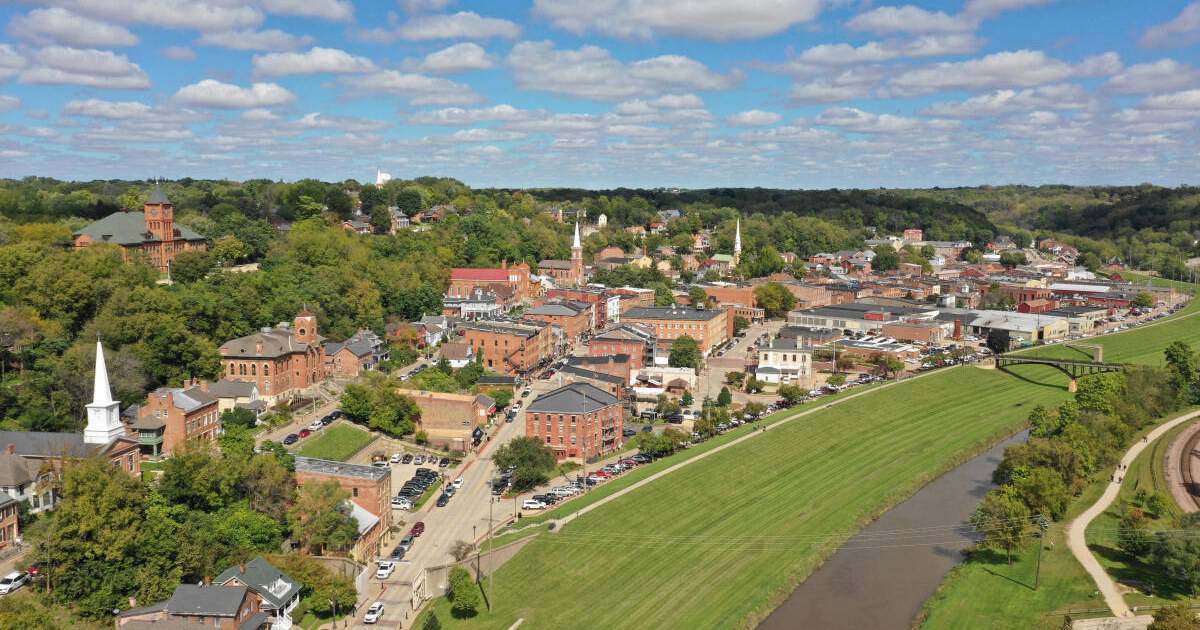
There is a particular hush that settles over a street time chose not to modernize. I have felt it in old downtowns across the country, that quiet sense that the clock paused a century ago and nobody minded one bit.
America is dotted with these places, whole towns of weathered brick and gaslit corners where the past never packed up and left. Some were mining camps, some riverports, some Victorian spa resorts that simply stopped changing at their most beautiful.
They survived for all kinds of reasons. A railroad rerouted, a river silted up, a boom went bust. Whatever the cause, the towns held onto their old faces, and today those preserved streets are exactly the reason to visit.
Below, discover twelve historic small towns that still feel wonderfully frozen in time, each one lovingly preserved and waiting for a wander. Pack comfortable shoes and a camera, because these are the kind of streets you slow down for.
1. Williamsburg, Virginia
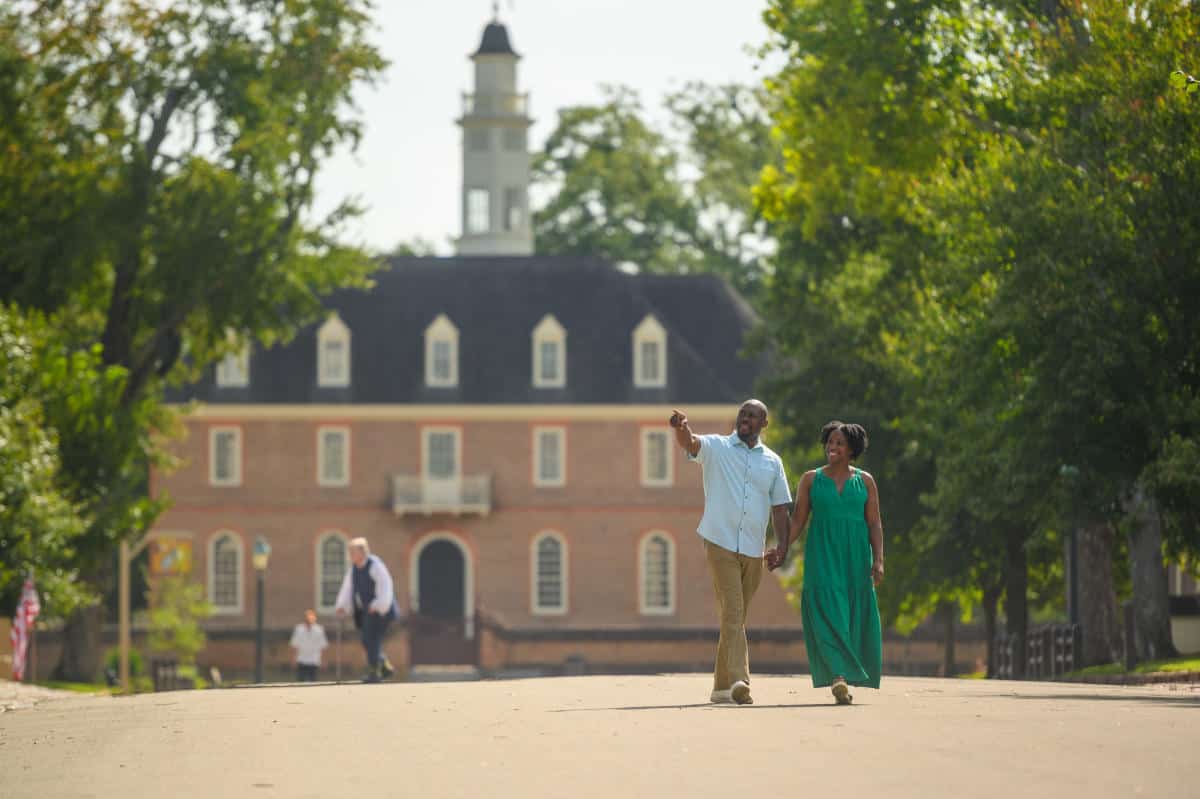
Costumed silversmiths, fife-and-drum corps, and horse-drawn carriages fill the lanes of Colonial Williamsburg, the largest living-history museum in the country. As Virginia’s capital from 1699 to 1780, its restored 18th-century core drops you straight into the founding era.
John D. Rockefeller Jr. funded the painstaking restoration beginning in 1926, reviving hundreds of buildings along Duke of Gloucester Street. Blacksmiths hammer, colonial taverns pour cider, and interpreters in period dress bring the Revolutionary generation to life every single day.
Just beyond the Historic Area, the College of William and Mary has kept its colonial buildings in daily use since 1693, and nearby Jamestown and Yorktown round out the Historic Triangle.
Where: Williamsburg sits in southeastern Virginia, roughly 50 miles east of Richmond off Interstate 64; the Historic Area centers on Duke of Gloucester Street.
2. St. Augustine, Florida
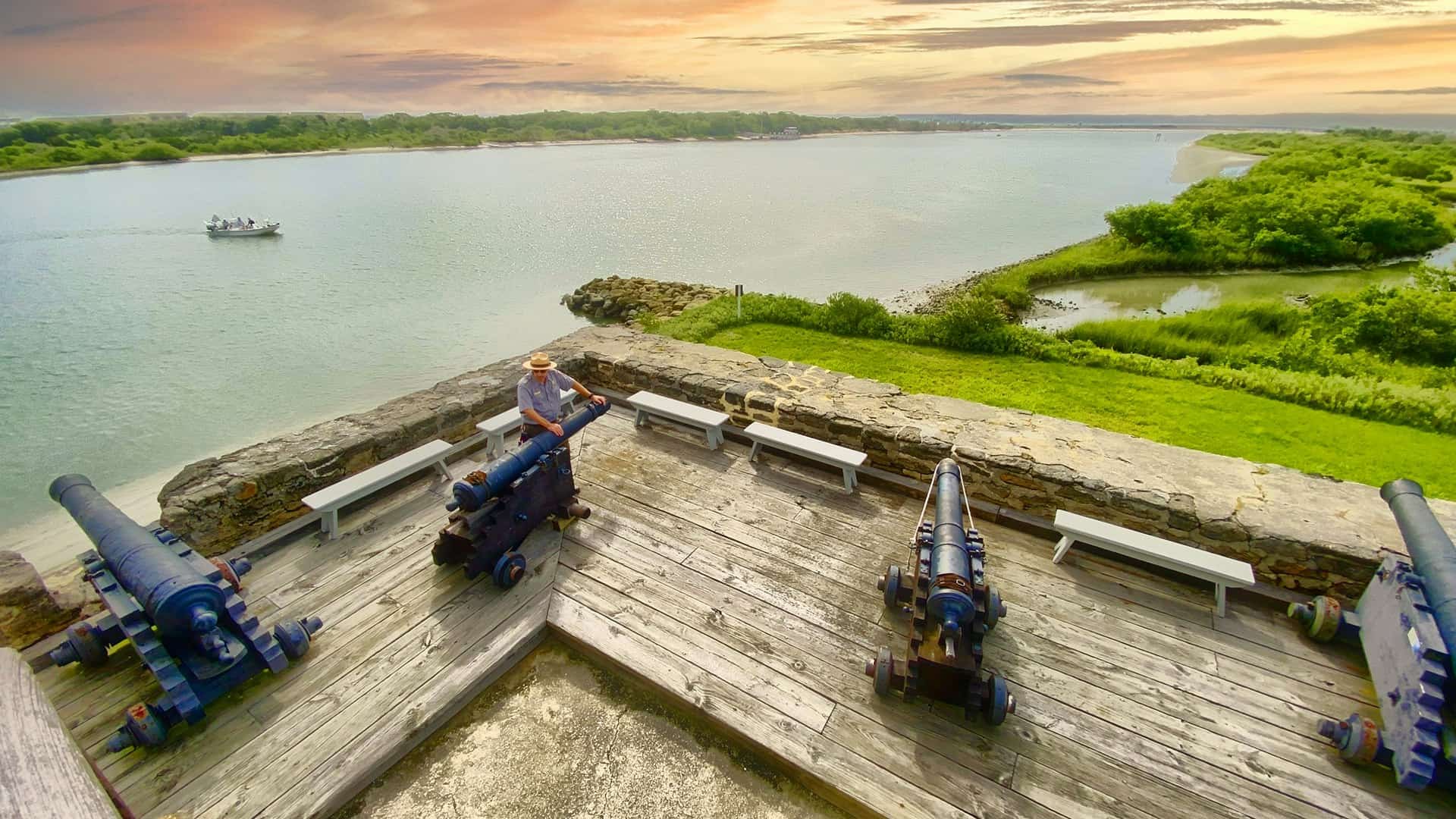
Founded in 1565 by Spanish admiral Pedro Menendez de Aviles, St. Augustine is the oldest continuously occupied European-established city in the continental United States. Walking its narrow lanes feels like strolling through four and a half centuries at once.
The coquina-stone Castillo de San Marcos has guarded the bayfront since the 1600s, and pedestrian St. George Street winds past coquina cottages, courtyards, and Spanish colonial balconies. Pro tip: come at dusk, when the old city glows under lanterns.
Henry Flagler’s 1888 Hotel Ponce de Leon still dazzles as Flagler College, its Gilded Age towers rising just blocks from the Spanish quarter and the palm-lined bayfront.
Where: St. Augustine hugs Florida’s northeast coast, about 40 miles south of Jacksonville via Interstate 95 and State Road 16; head for the historic district downtown.
3. Galena, Illinois
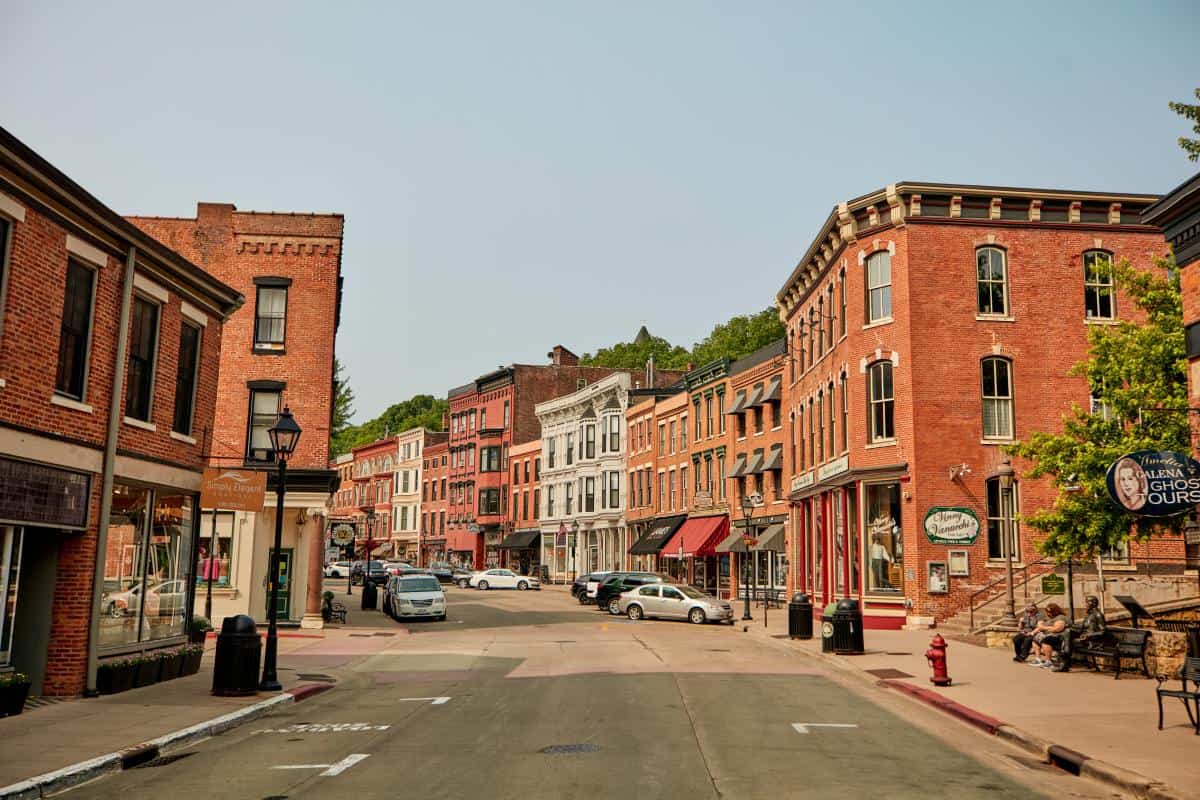
Tucked into rolling hills near the Mississippi, Galena boomed on lead mining in the 1800s and then, remarkably, barely changed. Around 85 percent of the town sits within a National Register historic district, with roughly a thousand pre-1900 buildings still standing.
Red-brick Main Street looks much as it did in the 1840s, and Ulysses S. Grant lived here before and after the Civil War. Grant launched his 1868 presidential campaign from the DeSoto House Hotel, still welcoming guests today.
When river trade and railroads moved on, the town’s boomtown look simply froze in place. Today boutiques, galleries, and inns fill those same 19th-century brick storefronts.
Where: Galena is in far northwestern Illinois, about 15 miles east of Dubuque, Iowa, along U.S. Highway 20; the historic core runs down Main Street.
4. Mackinac Island, Michigan
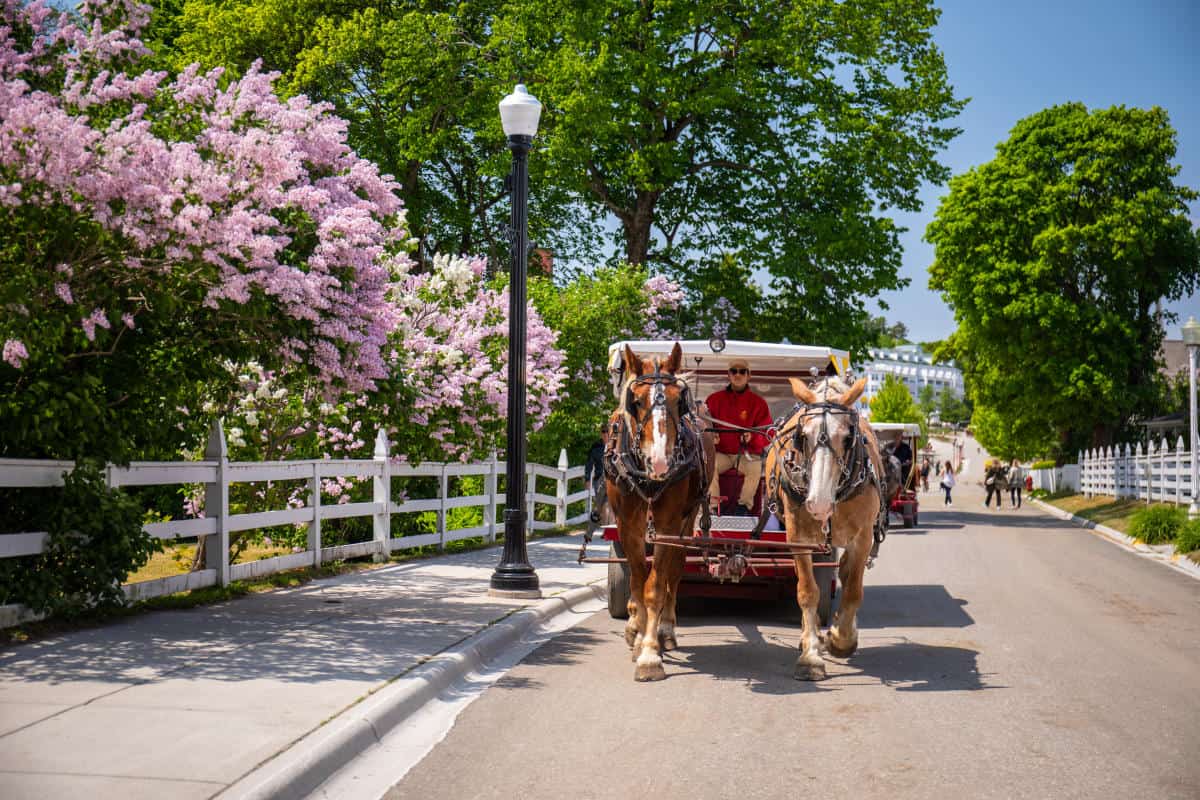
On Mackinac Island, motor vehicles have been banned since 1898, so travel happens by horse-drawn carriage, bicycle, or your own two feet. The clip-clop of hooves and the smell of fresh fudge make the whole island feel gloriously suspended in time.
Victorian cottages line the bluffs, Fort Mackinac watches over the harbor, and the grand old hotel that opened in 1887 still stretches its famous long porch toward the lake. Did you know? The island’s fudge shops date back generations.
Most of the island is a state park, and limestone landmarks like Arch Rock have drawn summer travelers since the Gilded Age, when the bluff-top cottages first went up.
Where: Mackinac Island sits in Lake Huron between Michigan’s two peninsulas; ferries run from Mackinaw City and St. Ignace, both just off Interstate 75.
5. Cape May, New Jersey
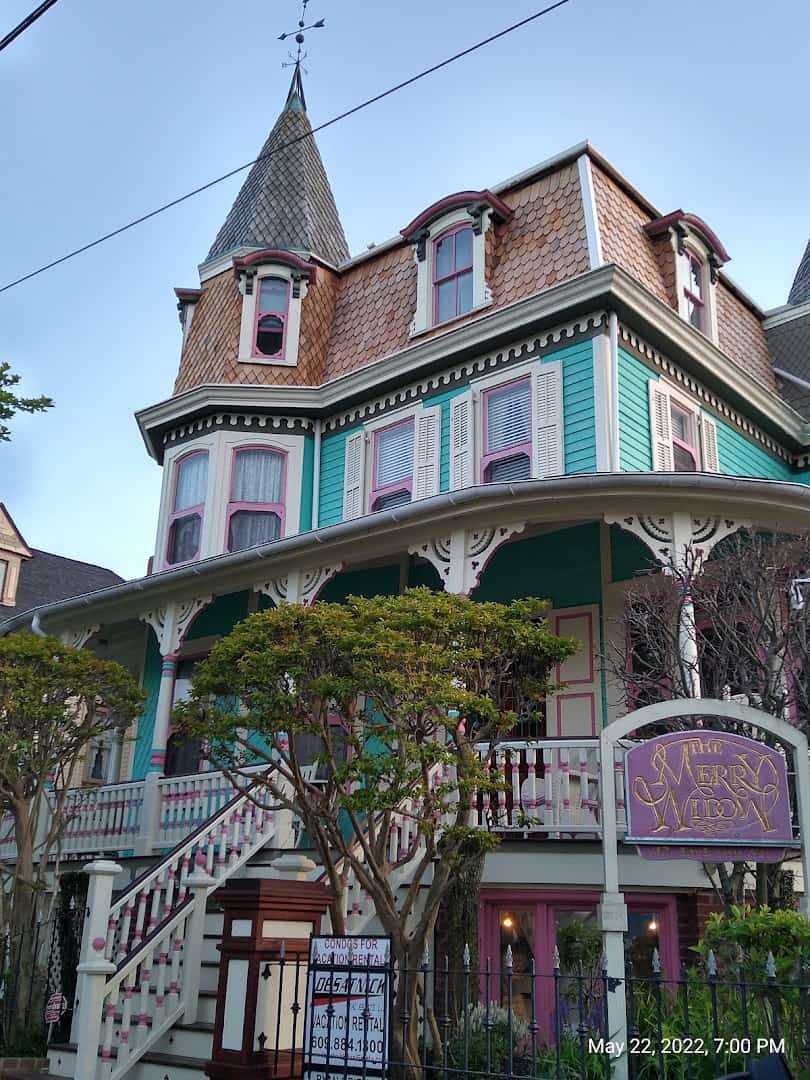
Cape May is the only city in America designated a National Historic Landmark in its entirety, and one look at its painted porches explains why. More than 600 Victorian buildings, many dripping with gingerbread trim, crowd this seaside resort at the state’s southern tip.
After an 1876 fire, the town rebuilt almost entirely in ornate Victorian style, leaving one of the largest collections of 19th-century frame buildings anywhere. Wide beaches, a promenade, and pastel “painted lady” cottages complete the postcard.
Guided trolley and mansion tours run year-round, and the 1859 Cape May Lighthouse still throws its beam over the dunes at the very tip of the state.
Where: Cape May anchors the southern tip of New Jersey, about 40 miles south of Atlantic City at the end of the Garden State Parkway.
6. Jim Thorpe, Pennsylvania
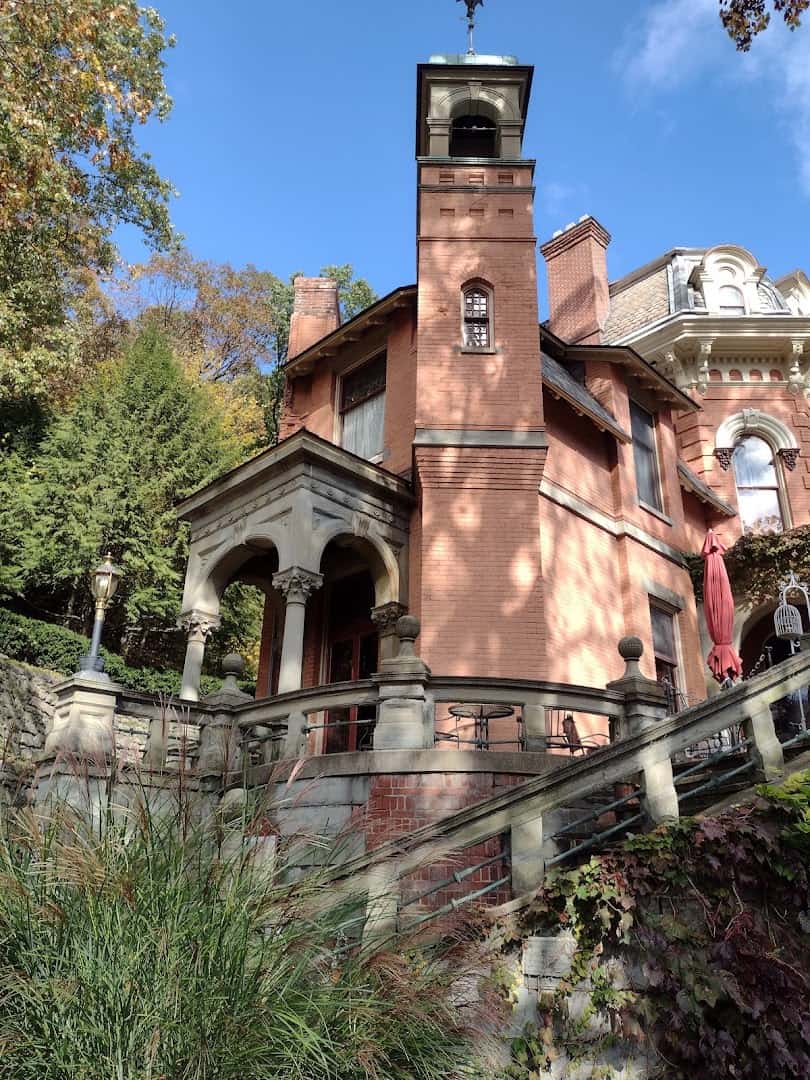
Cradled in a steep Lehigh River gorge, Jim Thorpe earned the nickname “the Switzerland of America” for its terraced streets and mountain views. Formerly Mauch Chunk, this Victorian railroad town looks almost untouched since its 19th-century coal-baron heyday.
Elegant mansions line Broadway, once called Millionaire’s Row, and the Italianate Asa Packer Mansion of 1861 still stands fully furnished as a museum. Railroad magnate Asa Packer was briefly the richest man in Pennsylvania, and his hillside home shows it.
Steam trains still roll out of the restored 1888 station for scenic runs through Lehigh Gorge, and the brick townhouses of Stone Row recall the coal era’s easy prosperity.
Where: Jim Thorpe is in Carbon County, northeastern Pennsylvania, about 80 miles north of Philadelphia off the Northeast Extension of Interstate 476.
7. Madison, Indiana
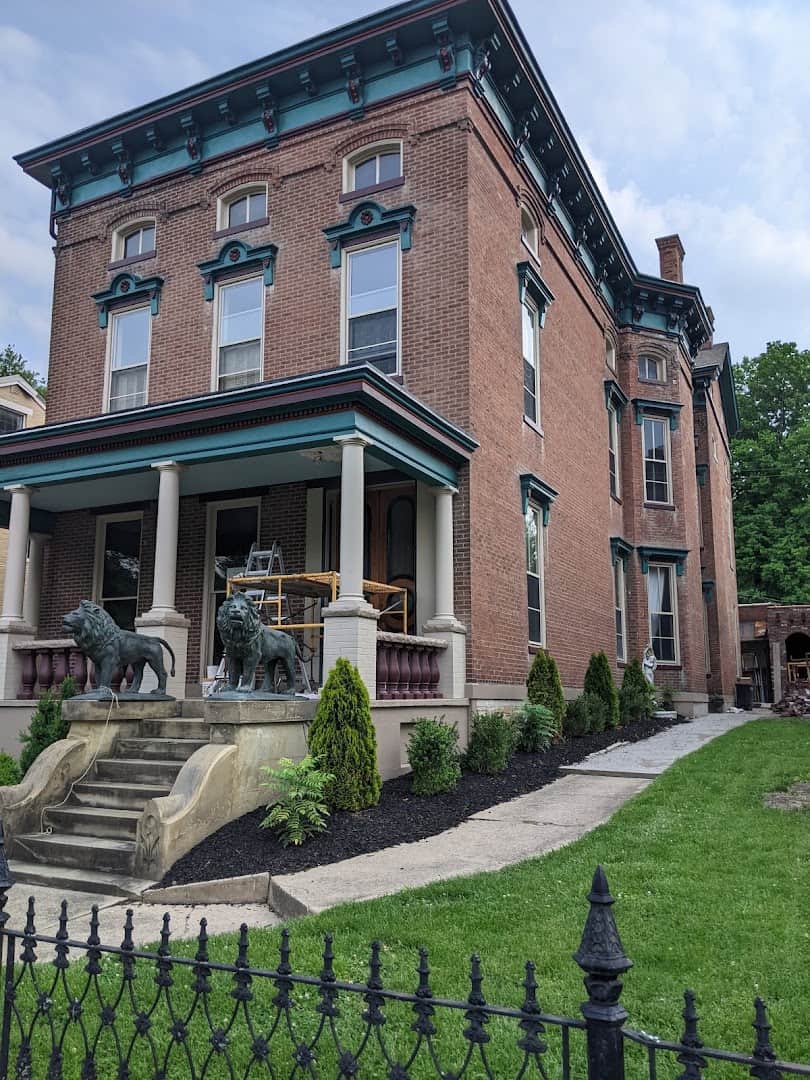
Overlooking the Ohio River, Madison preserves the largest contiguous National Historic Landmark district in the country, an astonishing 133 blocks of 19th-century streets. Nearly every decade and style of the 1800s is represented, from Federal to Italianate to Gothic Revival.
Founded in 1809, the town grew rich as a river port and early railroad terminus, then quietly held onto its architecture as other towns rebuilt. Strolling Main Street feels like paging through a catalog of American small-town history.
The 1844 Lanier Mansion, a Greek Revival showpiece above the river, anchors a district so intact that filmmakers borrow its streets to stand in for the 1800s.
Where: Madison lies on the Ohio River in southeastern Indiana, about 50 miles northeast of Louisville, Kentucky, along State Road 56 and U.S. 421.
8. Eureka Springs, Arkansas
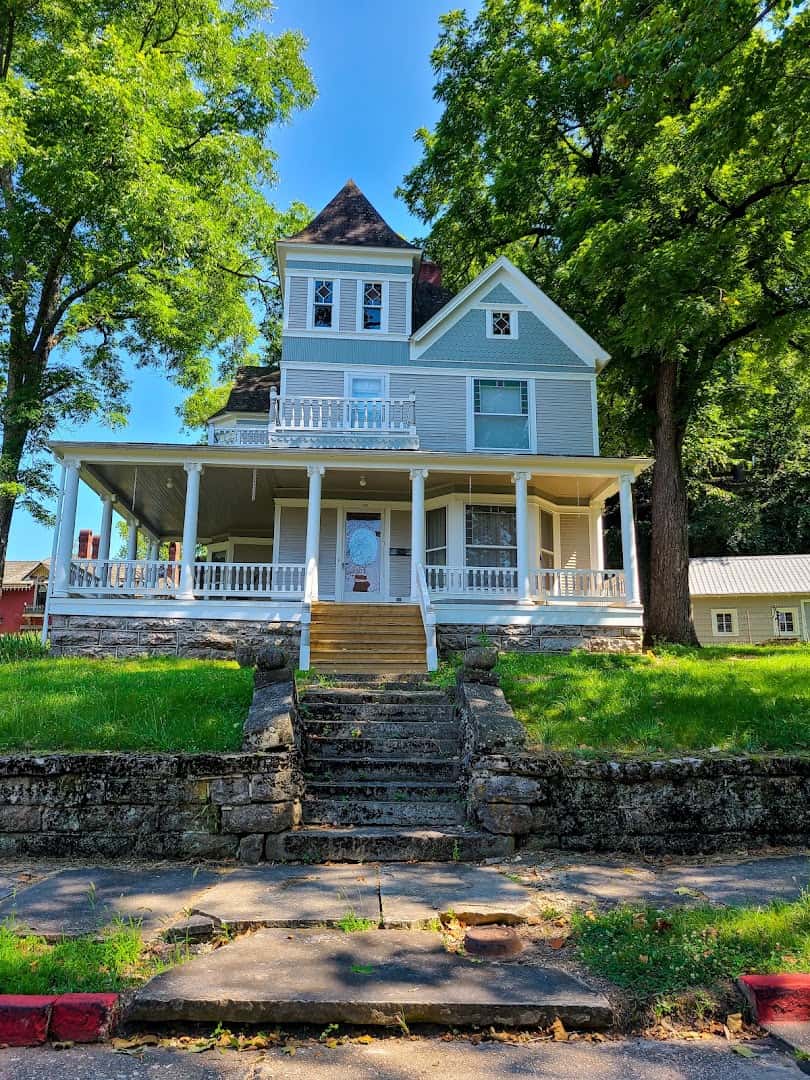
Built into the steep Ozark hillsides, Eureka Springs has streets so winding that no two buildings seem to sit at the same level. Virtually the entire downtown is listed on the National Register, holding the largest collection of Victorian architecture in the central states.
The town sprang up in 1879 around dozens of natural springs believed to heal, and by the 1880s it was a premier Victorian resort. With little new building since, its ornate storefronts and homes remain beautifully intact.
The grand 1886 Crescent Hotel crowns the ridge above town, and not a single traffic light interrupts the loop of stone-walled lanes that ripple down the hillside.
Where: Eureka Springs is in the Ozarks of northwest Arkansas, about 55 miles northeast of Fayetteville via U.S. Highway 62; the historic loop circles downtown.
9. Bardstown, Kentucky
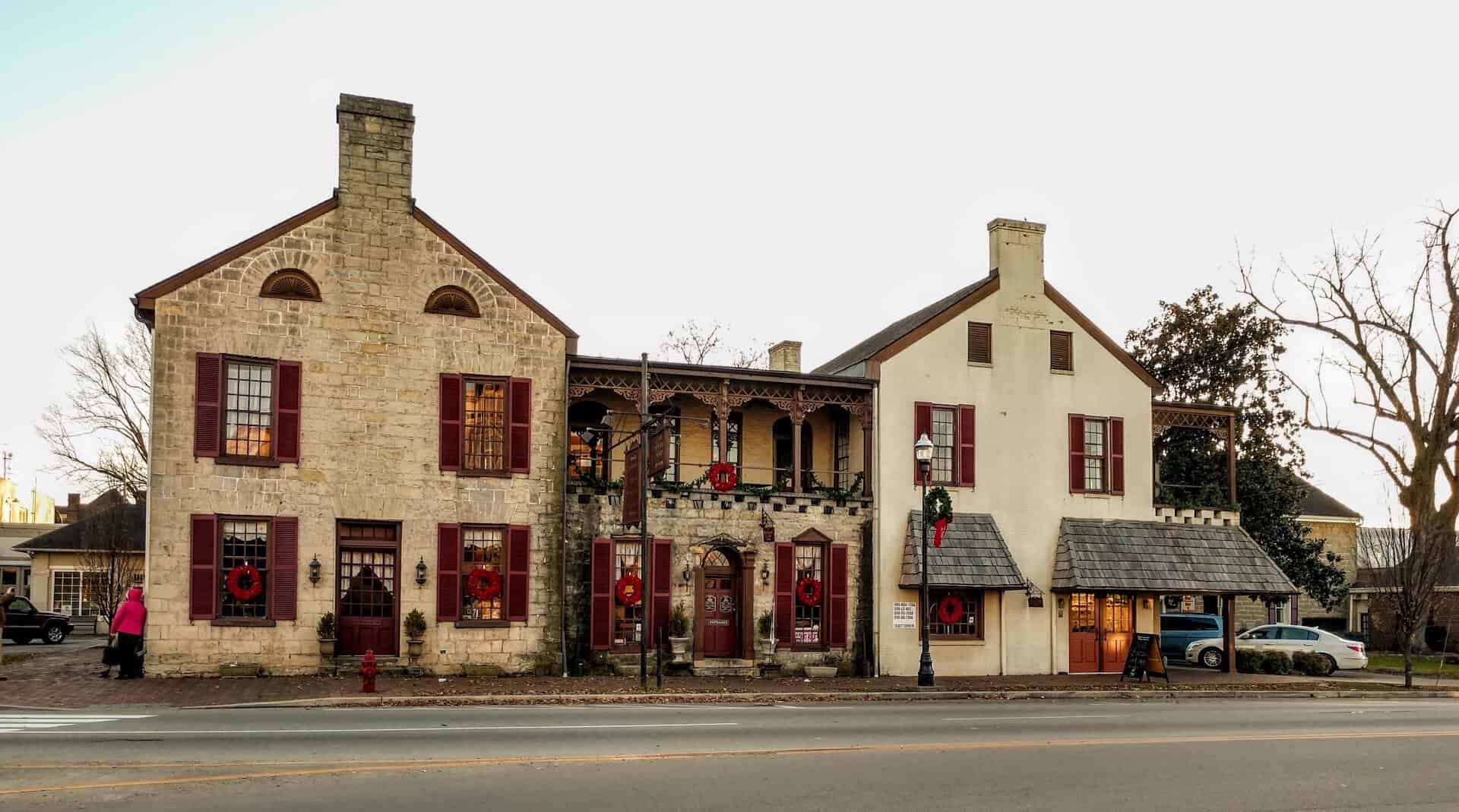
Settled in 1780, Bardstown is Kentucky’s second-oldest town, and its 26-block historic district still centers on Georgian and Federal buildings from the earliest frontier days. More than a third of them date from the 1780s to the 1850s.
The Old Talbott Tavern, built in 1779, still serves travelers, and the 1818 Federal Hill mansion inspired the song “My Old Kentucky Home.” St. Joseph Proto-Cathedral, the first Catholic cathedral west of the Alleghenies, anchors the town.
Local lore counts Daniel Boone, a young Abraham Lincoln, and outlaw Jesse James among the Talbott Tavern’s early guests. Today Bardstown pairs its frontier streets with Kentucky’s bourbon trade.
Where: Bardstown sits in central Kentucky, about 40 miles south of Louisville via the Bluegrass Parkway and U.S. 31E; the historic district surrounds Court Square.
10. Telluride, Colorado
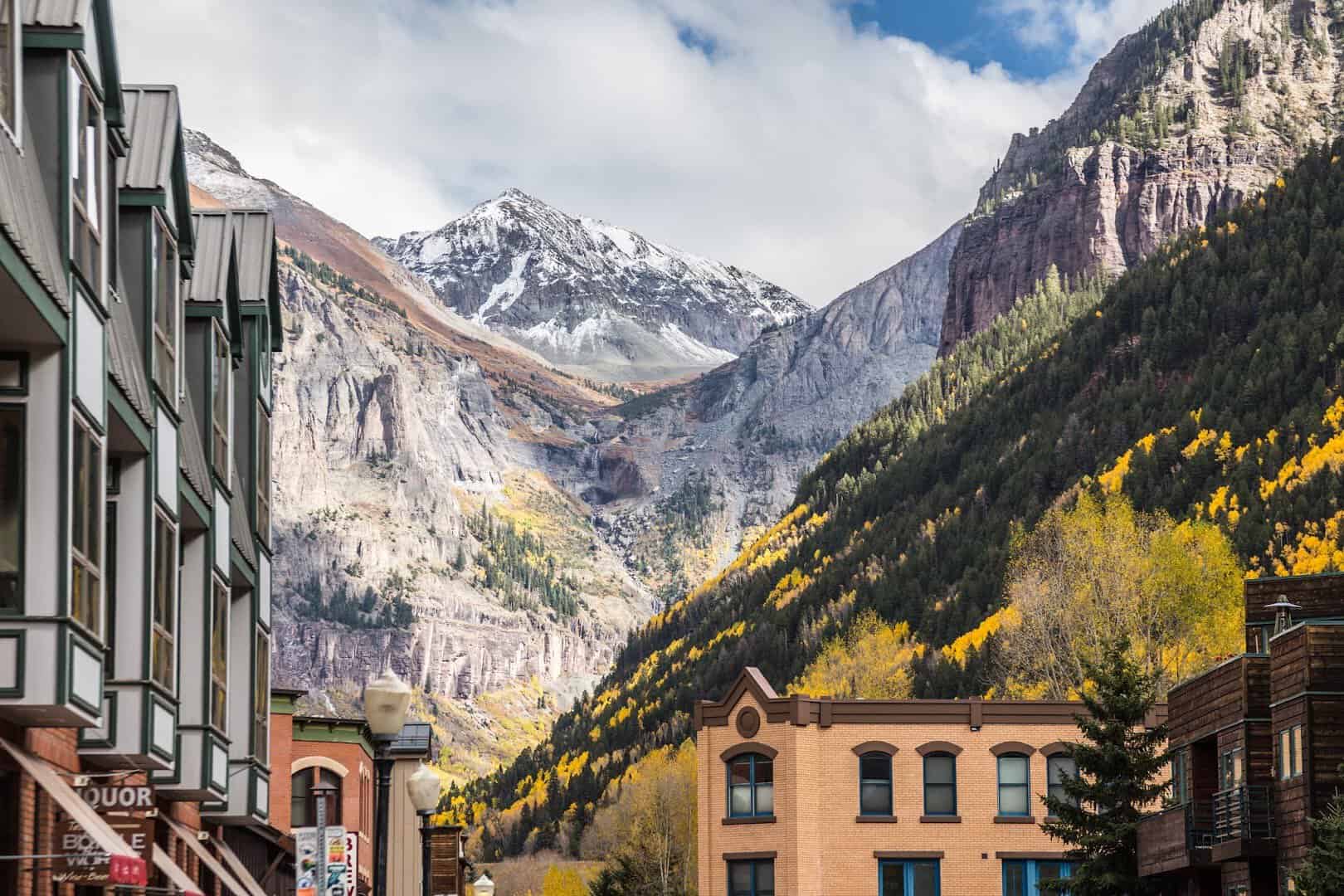
Ringed by 13,000-foot peaks at the head of a dramatic box canyon, Telluride keeps a compact grid of Victorian houses, miners’ cabins, and false-front storefronts beneath the ski slopes. The whole town has been a National Historic Landmark district since 1961.
Founded in 1878, Telluride boomed as a silver and gold mining center until 1913, and roughly 300 contributing buildings still line Colorado Avenue. The New Sheridan Hotel and clapboard cottages preserve the look of a genuine boomtown.
At the canyon’s head, Bridal Veil Falls plunges down the cliffs, and a free gondola links the historic grid to the slopes, so the old town and the mountains stay one place.
Where: Telluride is in southwestern Colorado’s San Juan Mountains, about 125 miles south of Grand Junction via U.S. 550 and State Highway 145.
11. Bisbee, Arizona
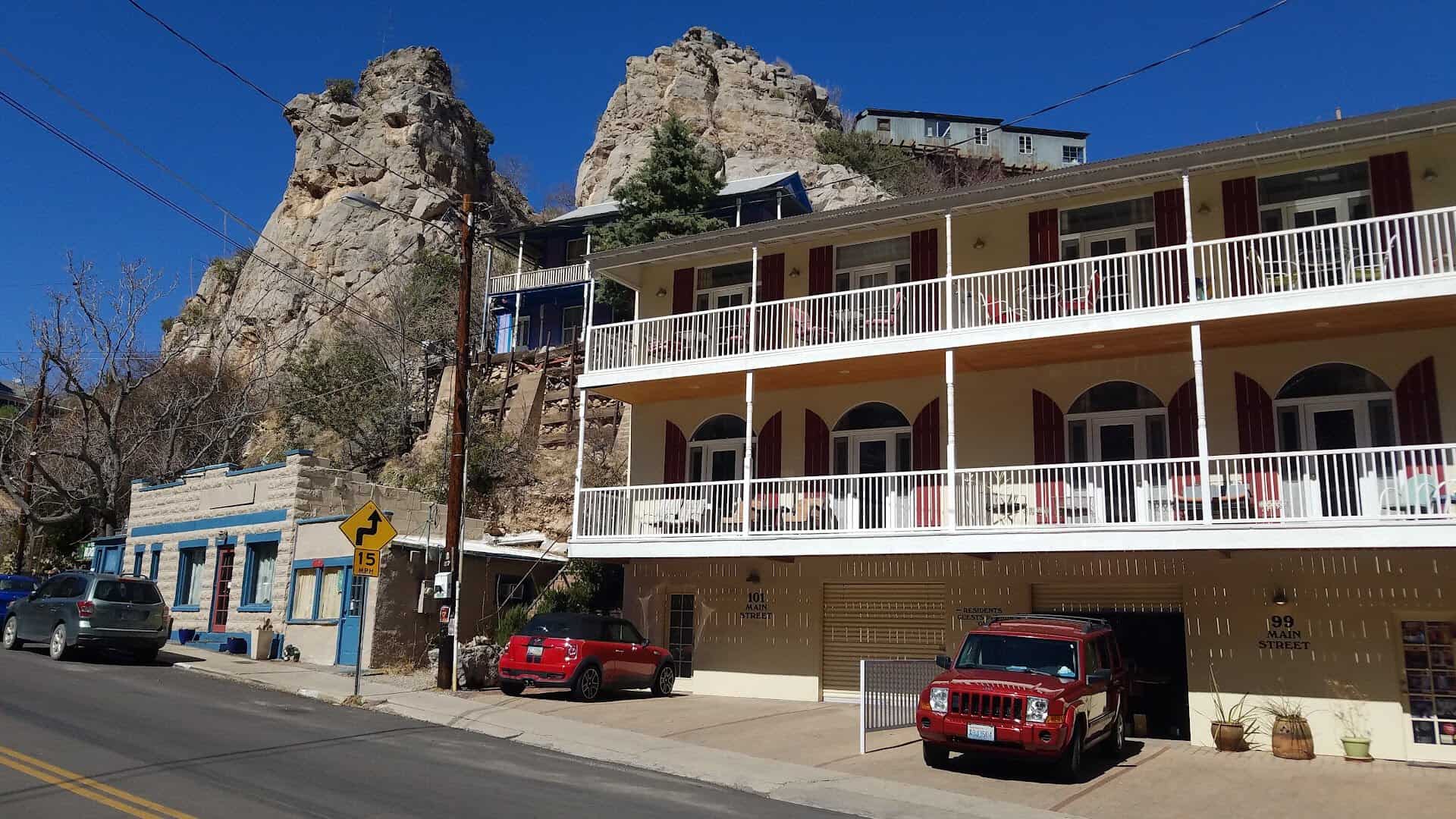
Draped across the mile-high Mule Mountains, Bisbee climbs its canyon walls in staircases and switchbacks, a copper town that refused to fade. Founded in 1880, it once produced more copper than anywhere on earth, and its Victorian core survived beautifully intact.
Old Bisbee is a National Historic District packed with well-preserved turn-of-the-century buildings, steep painted staircases, and art galleries. Brewery Gulch still hums, and the St. Elmo Bar has poured since 1902, making it among Arizona’s oldest.
The Copper Queen Hotel has hosted guests since 1902, and the Queen Mine tour rolls visitors deep underground on the same ore cars the miners once rode to work.
Where: Bisbee is in far southeastern Arizona, about 90 miles southeast of Tucson via State Highway 80; Old Bisbee’s historic streets climb from Main Street.
12. Jefferson, Texas
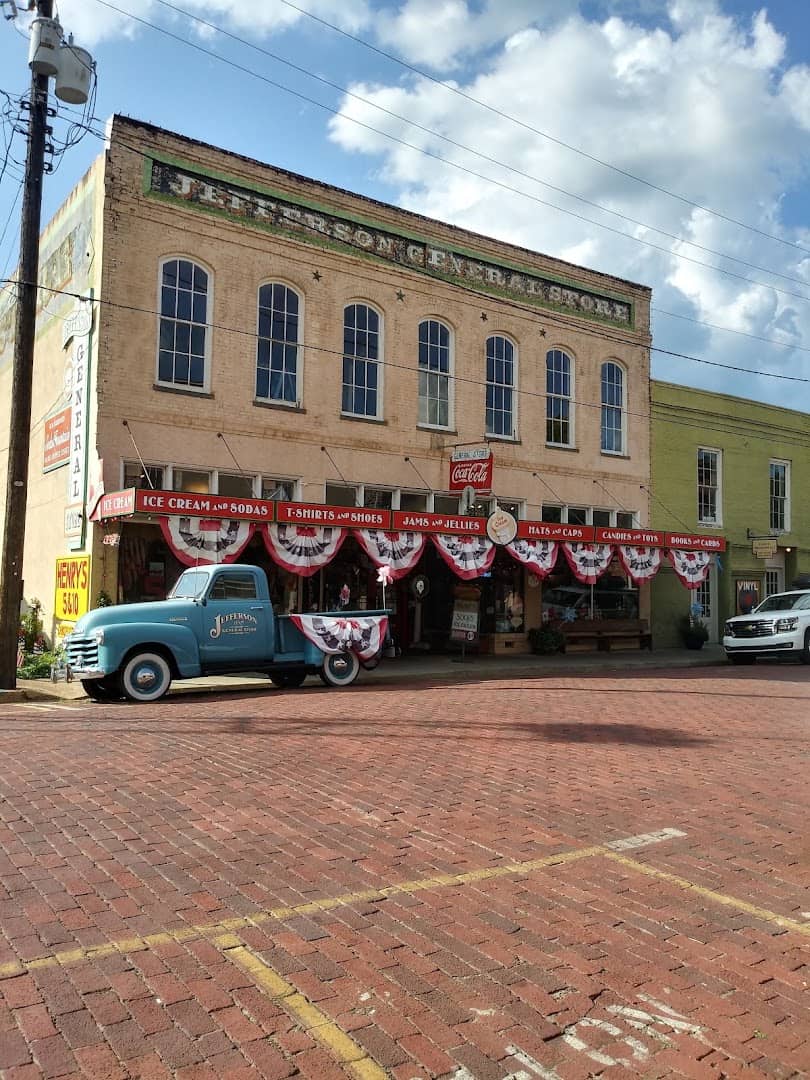
In its steamboat heyday, Jefferson was the largest inland port in Texas, second only to Galveston, with boats reaching it up the Big Cypress Bayou from New Orleans. Today its brick streets and 19th-century storefronts make it East Texas at its most historic.
The Excelsior House hotel has welcomed guests since 1858, making it the oldest continuously operating hotel in Texas, its register signed by Ulysses S. Grant and Oscar Wilde. Bayou tours and antebellum homes keep the riverport era alive.
Antique shops fill the old brick warehouses, mule-drawn carriages clatter past the storefronts, and many of the town’s bed-and-breakfasts occupy the very mansions that cotton money built.
Where: Jefferson sits in northeast Texas, about 60 miles west of Shreveport, Louisiana, via Interstate 20 and U.S. Highway 59; the historic district lines Austin Street.
Start Planning Your Trip Back in Time
Whether you live nearby or you are just passing through, these towns are proof that plenty of America still stands right where it was built. Pick a direction, fill the tank, and go wander a street that time decided to keep.
Featured image: @ Galena

Stella Raines
Editor-in-Chief
Stella brings over a decade of storytelling experience to TX Headlines. With roots in West Texas and a love for road trips, she leads the editorial team with an eye for the hidden stories that make Texas unforgettable.