12 Otherworldly Desert Destinations to Explore in the Cooler Months
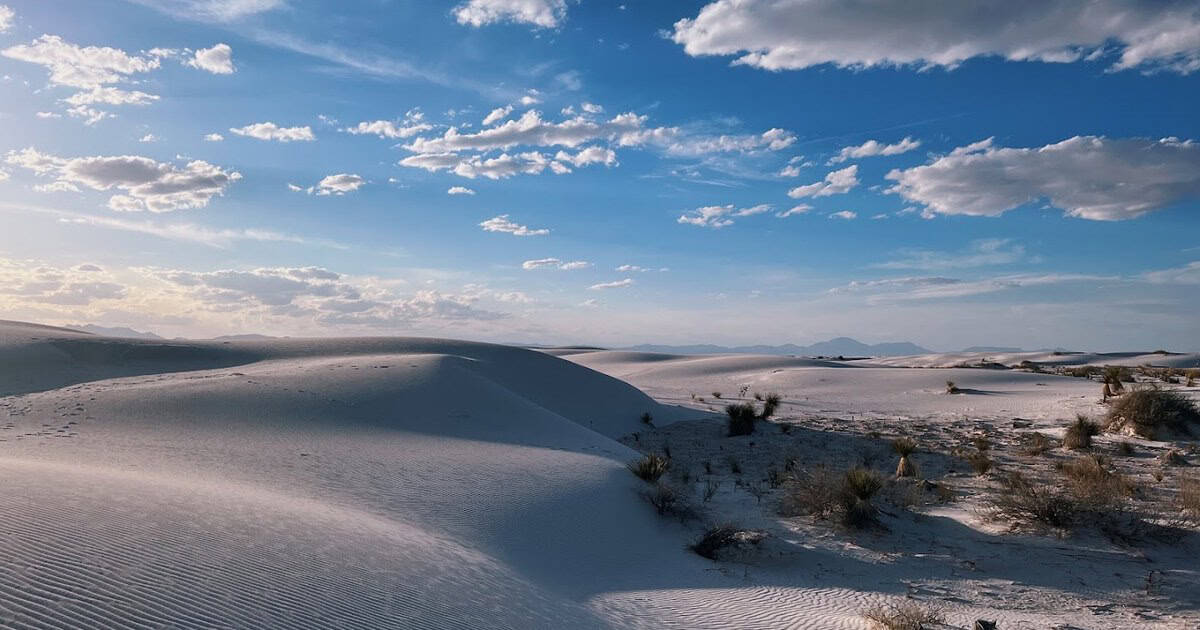
I used to think of deserts as empty places, the parts of the map you drove through fast with the windows up. Then I started looking at pictures of them in winter light, and I changed my mind completely.
What I found was moonlike stillness, whole landscapes that look borrowed from another planet and feel best when the heat finally breaks. Below, I have gathered twelve desert places across the country that come alive once the cooler months arrive.
These are the spots where fall, winter, and early spring are the sweet season. The crowds thin, the light turns golden, and a walk that would flatten you in July becomes the kind of afternoon you never forget. Pack a jacket for the mornings and go.
1. White Sands National Park, New Mexico
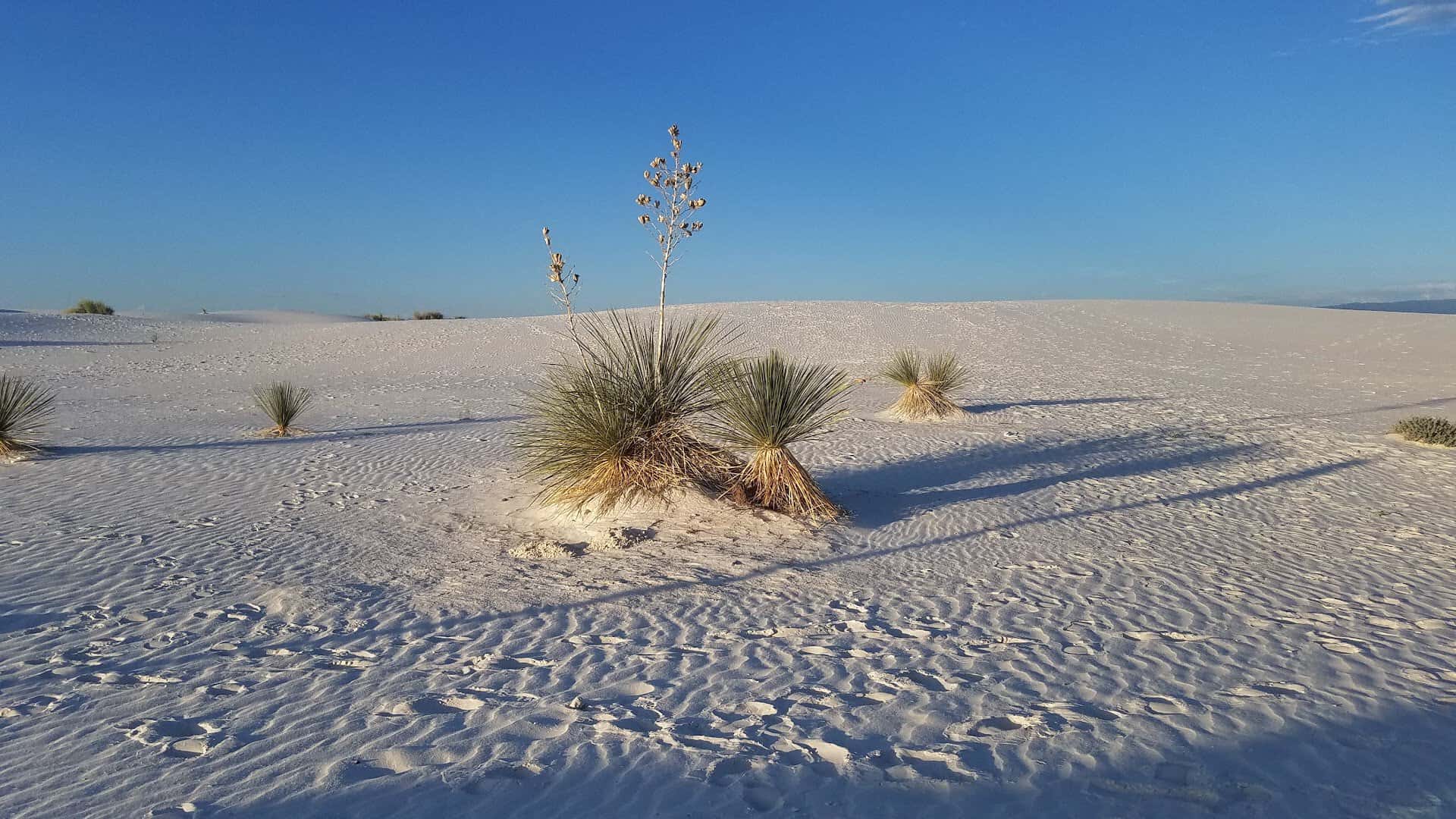
Imagine sledding down a hill that looks like snow but is warm gypsum sand the color of sugar. That is a normal afternoon here. The dunes glow soft pink at sunset, and cooler months mean you can hike deep into them without the summer glare.
This is the largest gypsum dunefield on Earth, roughly 275 square miles of rolling white. Rangers lead sunset strolls, and the visitor center sells plastic saucers made for the slopes.
Pro tip: bring the wax the gift shop recommends, because a slick saucer flies far faster down the white slopes. Full moons also bring special after-hours walks worth planning your trip around.
Where: Off US-70 between Las Cruces and Alamogordo, New Mexico. The park entrance sits about 15 miles southwest of Alamogordo.
2. Joshua Tree National Park, California
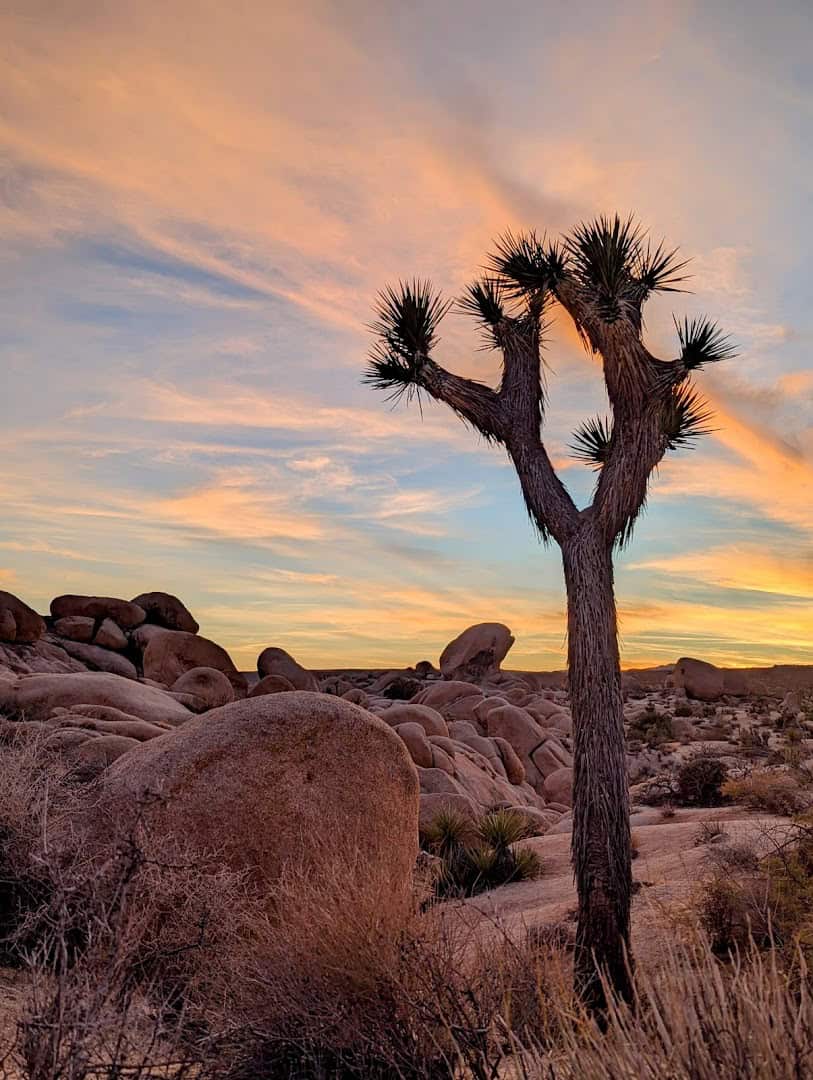
Two deserts meet here, and the result is pure Dr. Seuss. Spiky Joshua trees throw wild shadows at dusk while boulders the size of houses pile up like something a giant left behind. Winter is when climbers, stargazers, and wanderers all show up.
The park spans nearly 800,000 acres where the high Mojave meets the low Colorado Desert. Nights are famous for dark skies, and the cool season keeps daytime hikes comfortable.
Keys View at sunset gives you the whole Coachella Valley spread out below, with the San Andreas Fault line visible on a clear day. Stay after dark and the stars pour out overhead.
Where: Near Twentynine Palms, California, off Highway 62. It is about two and a half hours east of Los Angeles.
3. Death Valley National Park, California
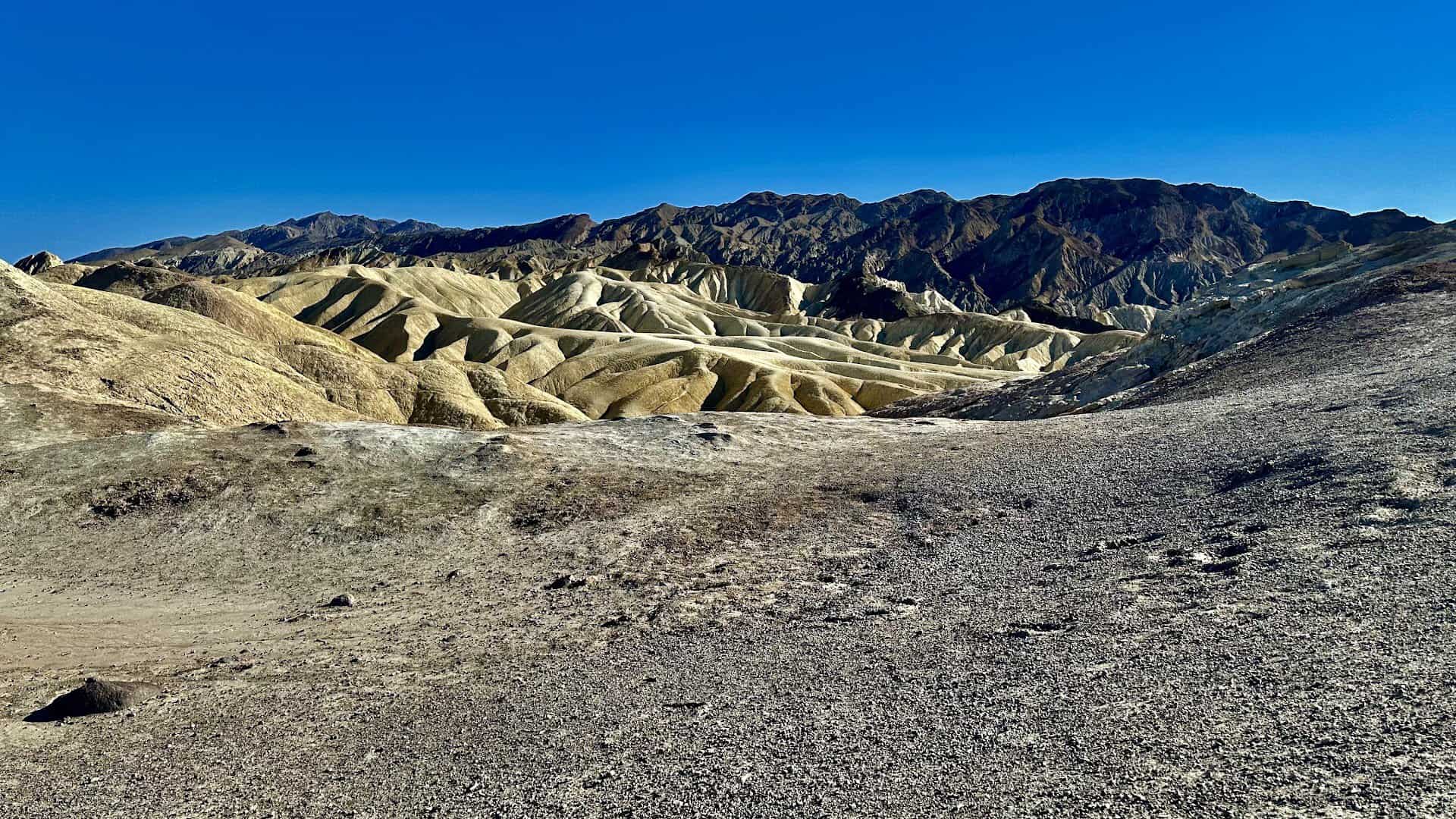
The name sounds grim, but the reality in winter is glorious. This is the lowest, driest place in North America, and once the furnace cools you can walk the salt flats at Badwater Basin, 282 feet below sea level, under a warm blue sky.
Come for the color: golden badlands at Zabriskie Point, painted hills at Artists Palette, and dunes that ripple at Mesquite Flat. Cooler months are the only sane time to explore this park on foot.
Did you know it is also one of the darkest parks in the country? On a moonless winter night the Milky Way arcs so bright it casts a faint shadow. Sunrise at Zabriskie is the classic first stop.
Where: Reach Furnace Creek, California via CA-190. It is roughly two hours northwest of Las Vegas.
4. Monument Valley, Arizona
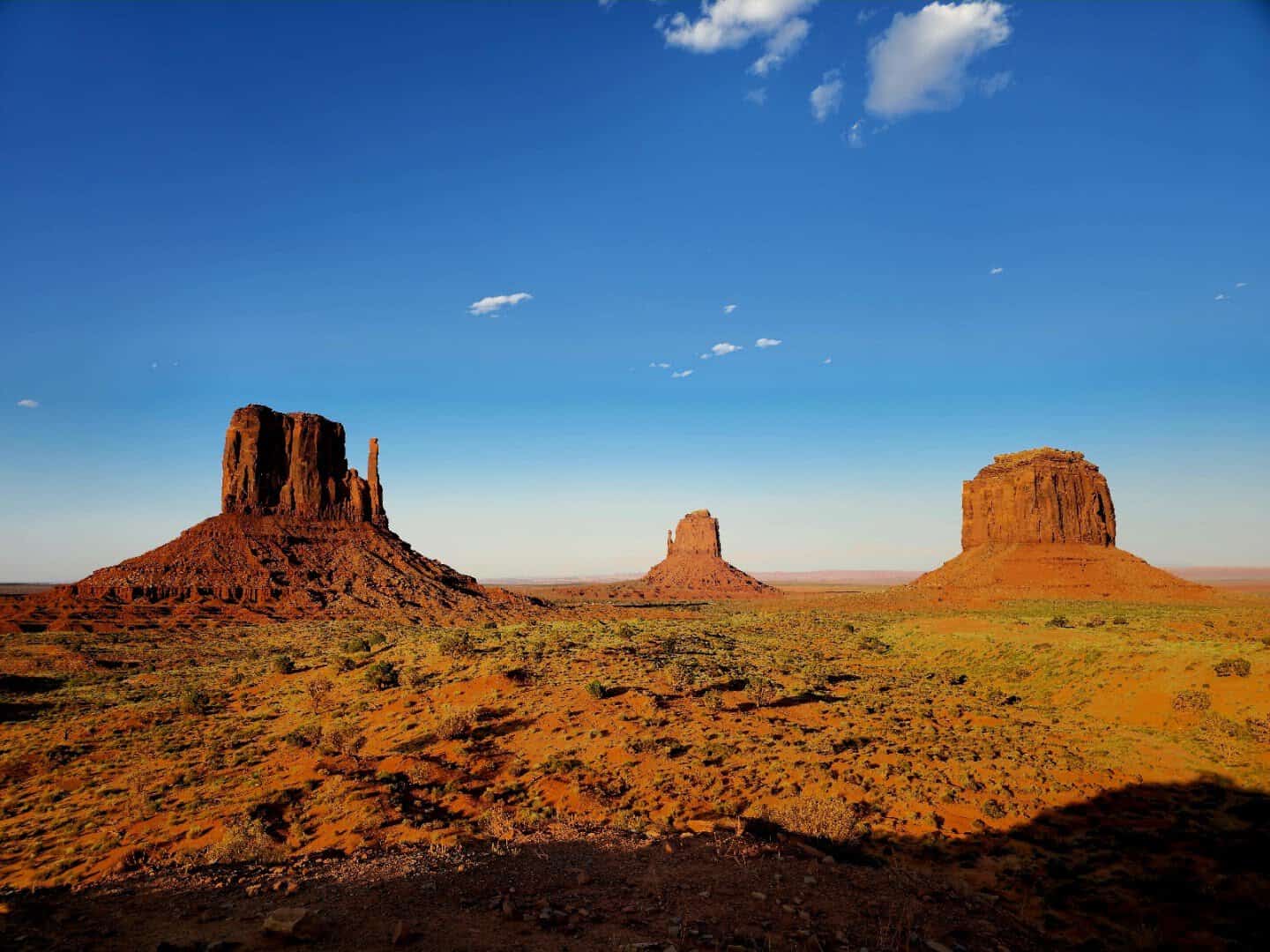
You already know this view even if you have never been. Those towering red sandstone buttes rising off a flat desert floor have starred in a hundred Westerns. Standing among them in person, with cool air and long shadows, is something else entirely.
The valley sits on Navajo Nation land and is run as a tribal park. A 17-mile scenic loop road takes you past the most famous formations at your own pace.
For the spots the loop road cannot reach, Navajo guides lead backcountry tours to hidden arches and quiet corners. Go at sunrise, when the buttes catch the first gold light and the crowds are still asleep.
Where: Near Oljato-Monument Valley, Arizona, along US-163 at the Arizona and Utah border.
5. Antelope Canyon, Arizona
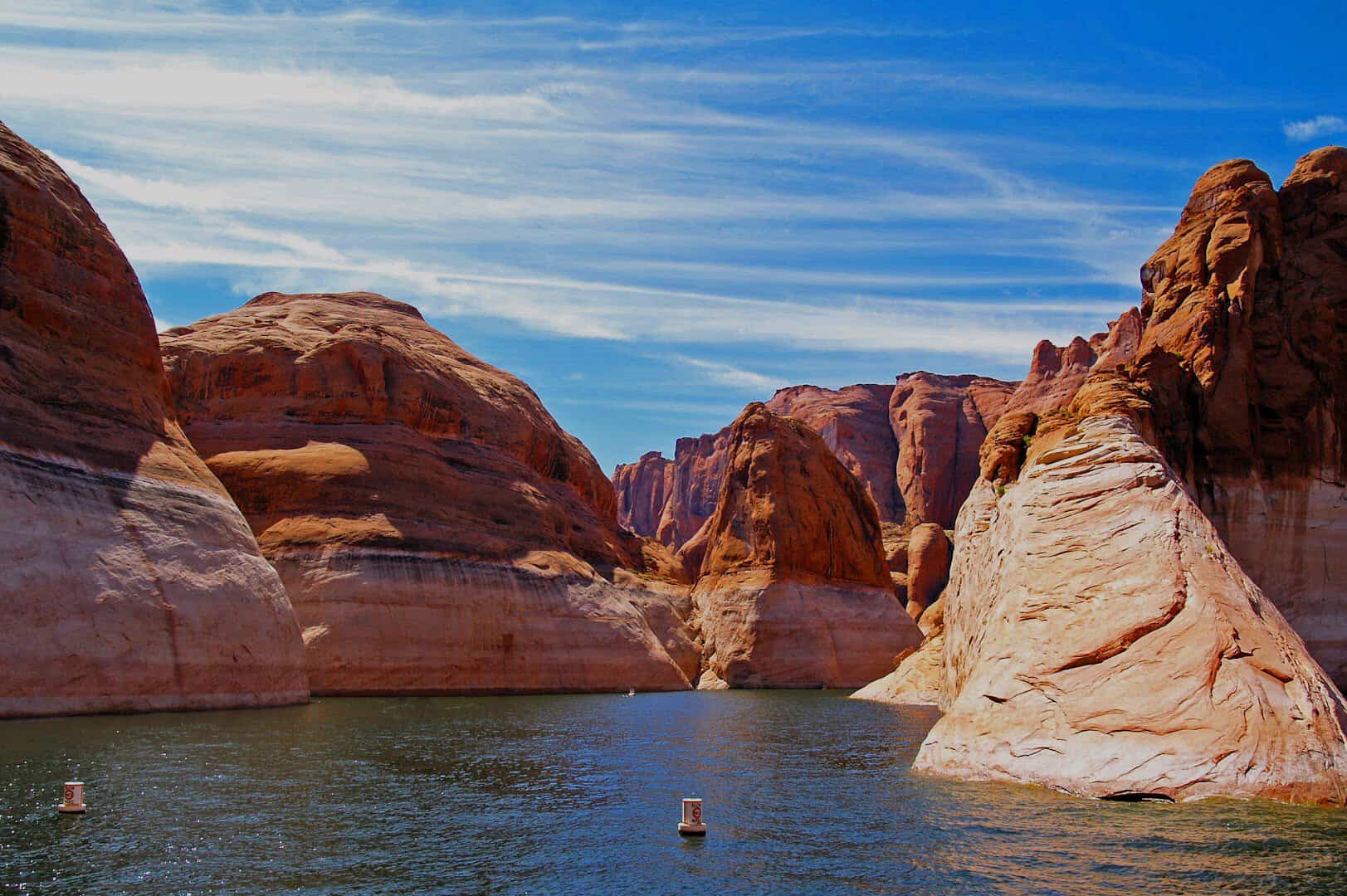
Picture walking through a crack in the earth where the walls swirl like frozen orange water and beams of light pour down from above. Flash floods carved these narrow slot canyons over countless years, and the smooth curves look almost too perfect to be real.
Access is by guided tour only, always with a Navajo guide, which keeps the place protected and the story alive. Cooler months bring softer crowds and gentler temperatures for the short walk in.
The famous light beams show best around midday in the cooler months, when the sun climbs high enough to spill straight through the narrow openings above. Both the Upper and Lower canyons reward a slow, wide-eyed look, so give yourself time to stare.
Where: Just east of Page, Arizona, off Highway 98. Tours depart from Page.
6. Valley of Fire State Park, Nevada
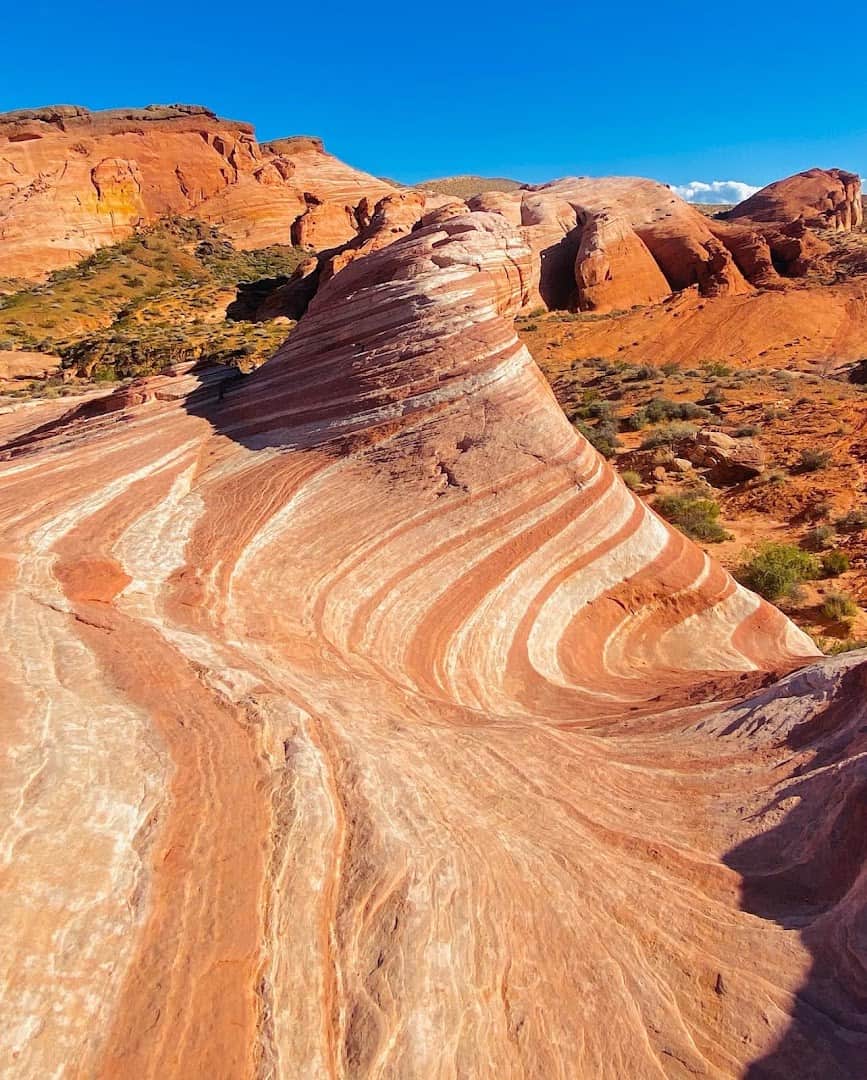
The rocks here really do look like they are on fire. Brilliant red and orange sandstone formations blaze against the desert, twisted into arches, waves, and beehive domes. In the cool season you can hike the whole thing without the summer heat that closes trails.
This is Nevada’s oldest state park, dedicated in 1935, and it hides ancient petroglyphs chipped into the rock centuries ago by the Ancestral Puebloans.
The Fire Wave trail leads to a striped sandstone swirl that looks hand-painted, an easy walk that pays off big. Sunset turns every surface molten orange, so linger for the last light.
Where: Near Overton, Nevada, about 50 miles northeast of Las Vegas off Interstate 15.
7. Saguaro National Park, Arizona
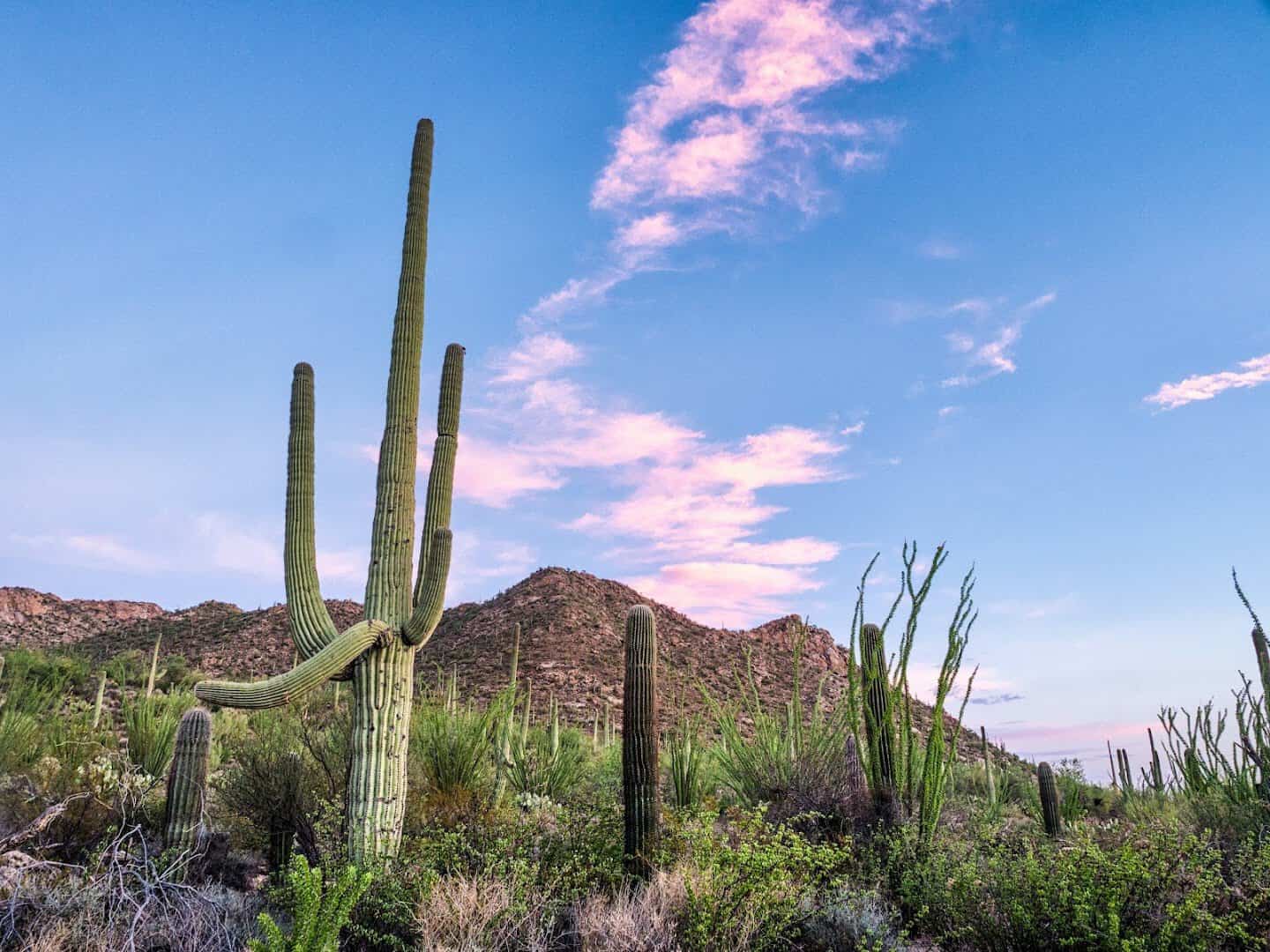
Nothing says the American desert like a giant saguaro with its arms raised to the sky. These cactus giants can live 150 years and grow taller than a house. Walking a forest of them at golden hour, when the light goes warm, feels genuinely magical.
The park wraps around Tucson in two districts, east and west. Winter is peak season here, with mild days perfect for the many trails and cactus-lined loop drives.
Some of these cactuses were already standing before Arizona became a state in 1912. Look closely and you may spot a tiny woodpecker peeking from a hole it drilled in a saguaro’s trunk.
Where: On both sides of Tucson, Arizona. The two districts sit east and west of the city.
8. Big Bend National Park, Texas
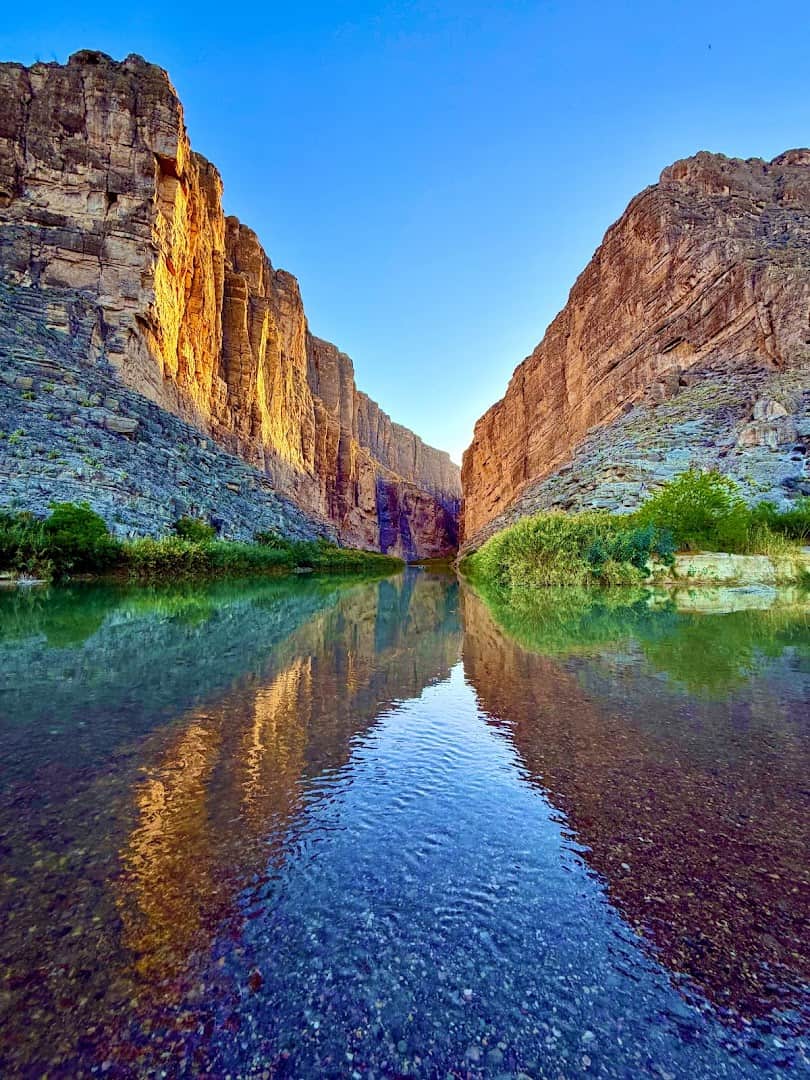
My own state hides one of the wildest deserts in the country, and cooler months are when it shines. The Chihuahuan Desert stretches to the horizon while the Rio Grande carves deep canyons and the Chisos Mountains rise green in the middle of it all.
At over 800,000 acres, Big Bend is famous for some of the darkest night skies in North America. Fall through spring brings comfortable hiking, from the Santa Elena Canyon walls to the high Chisos Basin.
After a long trail, soak in the historic hot spring that bubbles up right beside the river at a cozy 105 degrees. Watch for javelinas and roadrunners crossing the desert scrub as you drive.
Where: Near Terlingua, Texas, reached via US-385 from Marathon or FM-170 along the river.
9. Great Sand Dunes National Park, Colorado
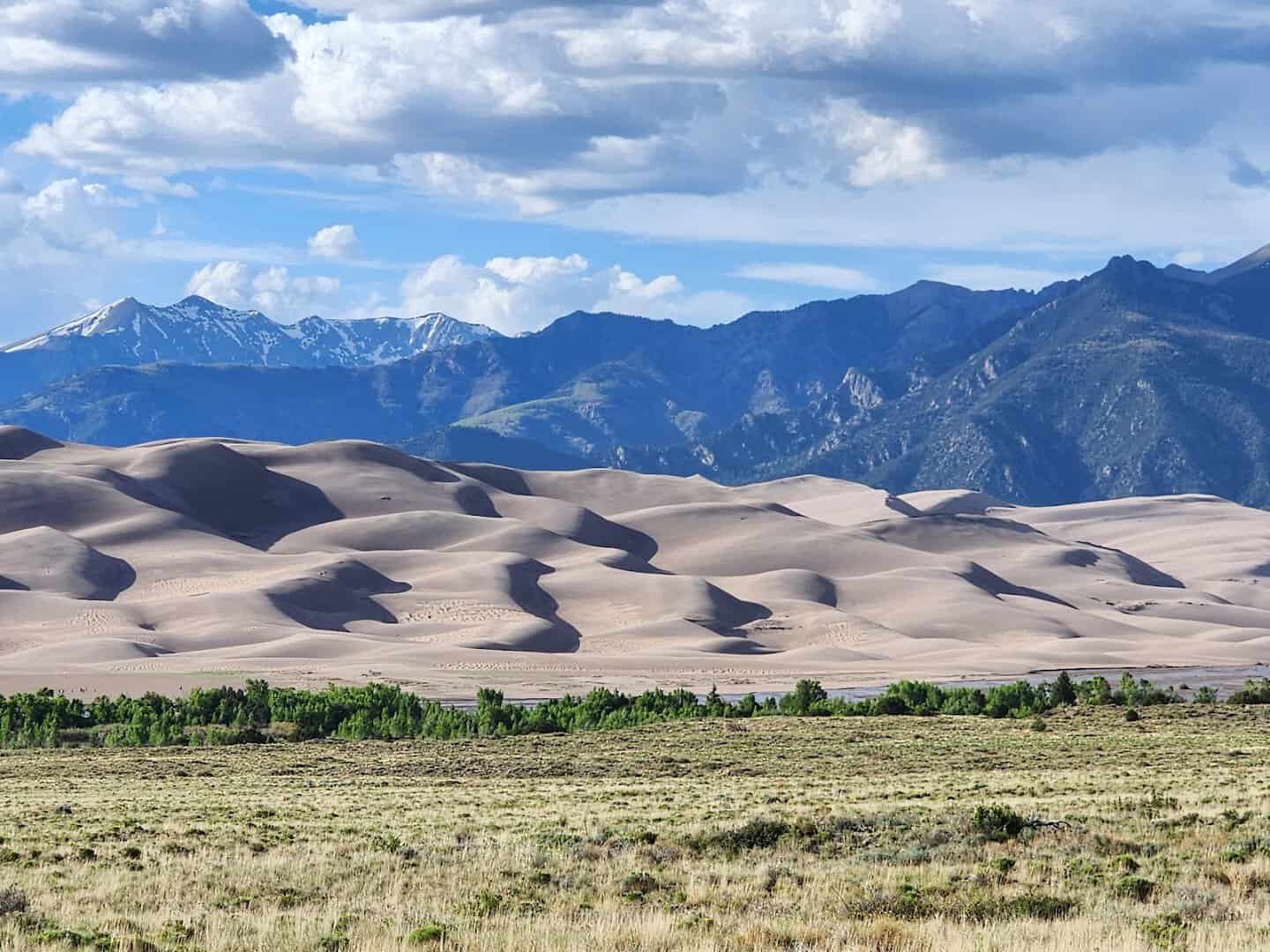
This one bends the brain: the tallest sand dunes in North America, some rising 750 feet, piled against snowcapped mountains. You can sandboard down a dune in the morning and stare at white peaks the same afternoon. It should not work, yet it does.
The dunes cover about 30 square miles at the foot of the Sangre de Cristo range. The high elevation keeps the sand from ever getting July-hot, so cool months stay comfortable.
In spring, snowmelt forms Medano Creek at the base, a shallow ribbon of water kids splash through for hours. Rent a sandboard in the nearby town before you arrive, since the dunes have no rentals.
Where: Near Mosca, Colorado, off Highway 150, about 35 miles northeast of Alamosa.
10. Bisti/De-Na-Zin Wilderness, New Mexico
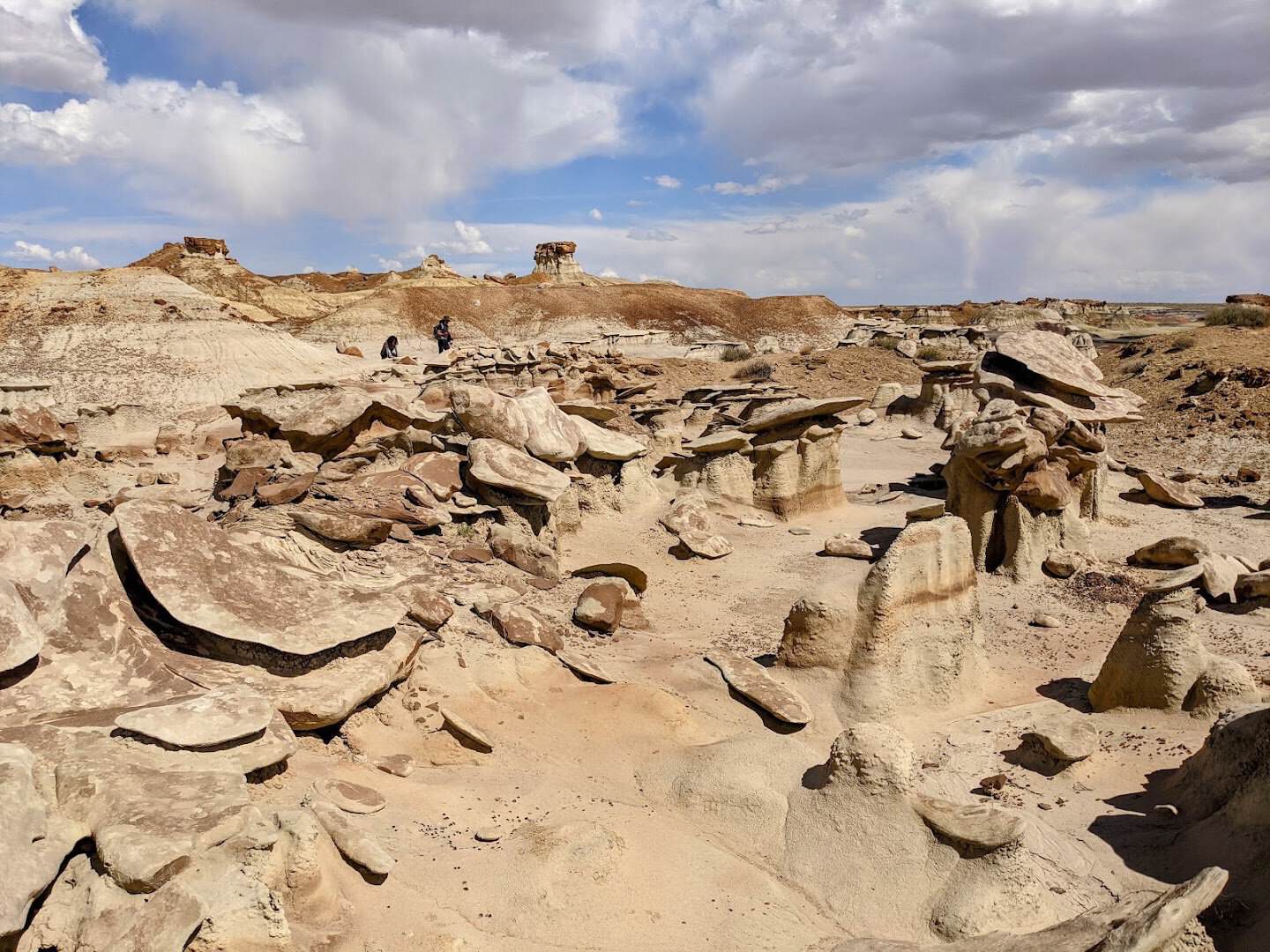
If any place on this list looks truly alien, it is this one. A remote badland of hoodoos, cracked clay, and petrified wood shaped into forms that seem sculpted by hand. People call the strangest rocks cracked eggs and stone wings, and the names fit.
There are no marked trails, just open desert you explore on foot, which makes every visit feel like your own private discovery. Cooler months are ideal since there is no shade out here at all.
Photographers love the low winter sun that rakes across the formations and deepens every shadow. Bring a map and a full water bottle, then let curiosity pick your path across the clay.
Where: South of Farmington, New Mexico, off Highway 371. A dirt lot marks the wilderness access.
11. Mojave National Preserve, California
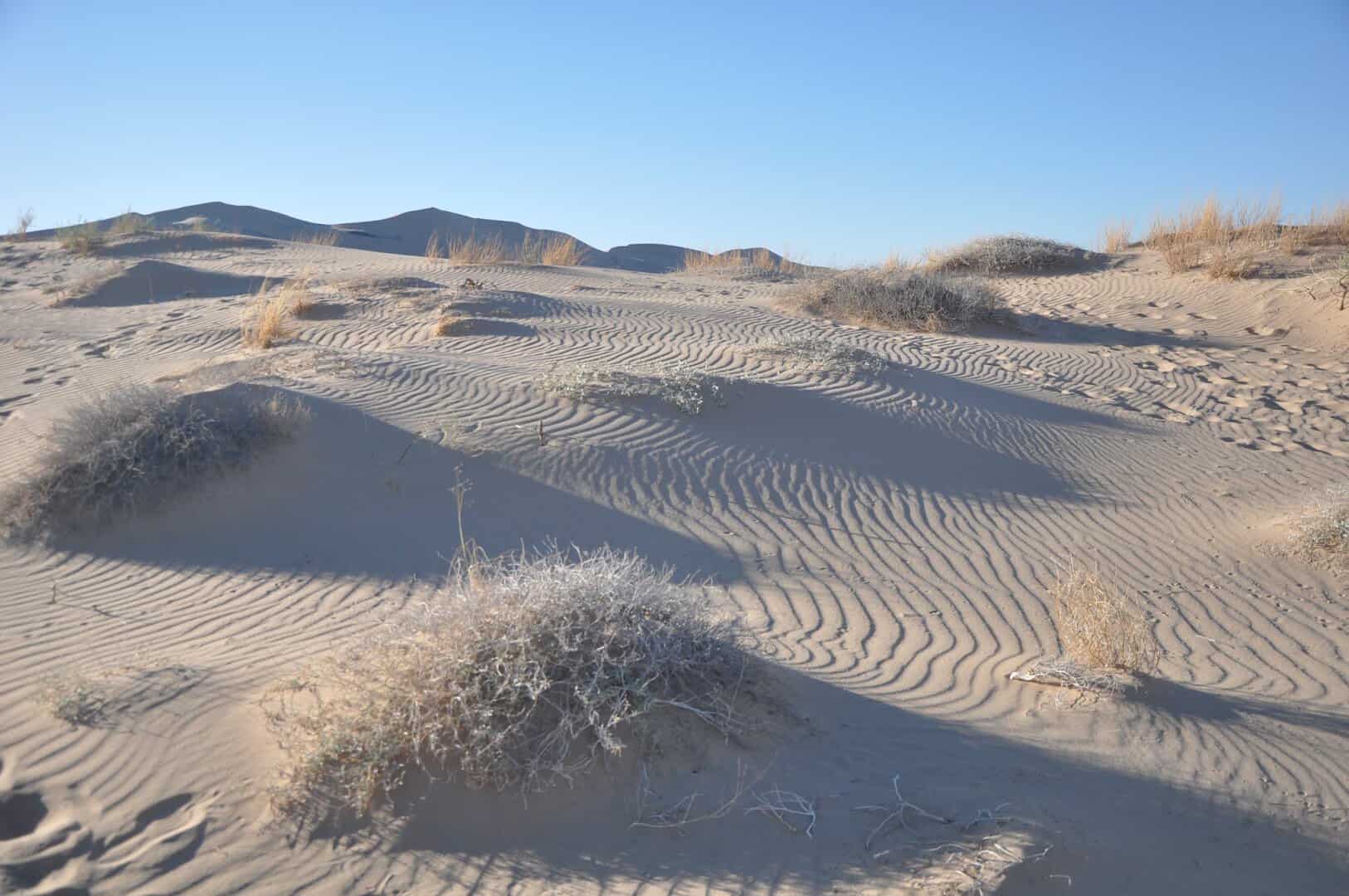
Between the interstates hides a quiet giant most people blow right past. Singing sand dunes, a forest of Joshua trees, cinder cones from old volcanoes, and a red rock canyon all sit inside one enormous, uncrowded preserve. Cool weather is the invitation to slow down.
At 1.6 million acres, this is one of the largest protected areas in the country, and it stays wonderfully empty even in peak season.
Climb the Kelso Dunes and you might hear the sand hum and boom under your feet as it slides. The restored Kelso Depot, a grand old railroad stop, makes a fine first stop for the day.
Where: Near Baker, California, between Interstate 15 and Interstate 40.
12. Organ Pipe Cactus National Monument, Arizona
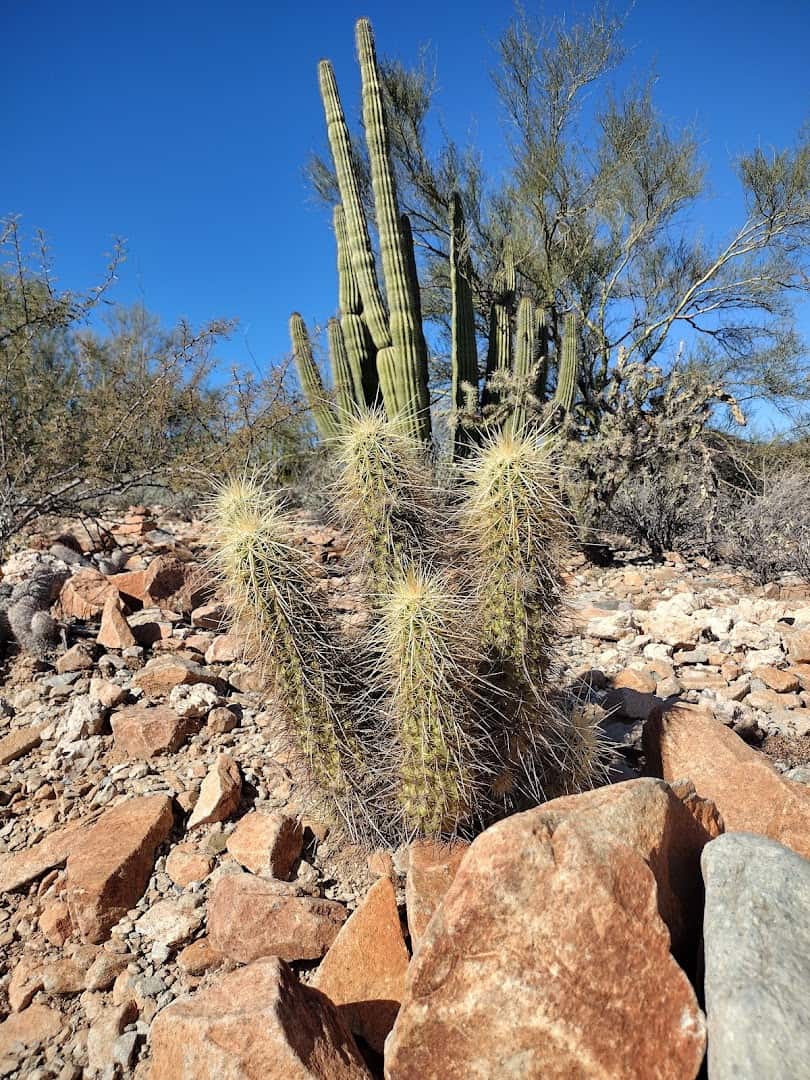
Here grows a cactus you will not easily find anywhere else in the United States: the organ pipe, a many-armed giant that clusters like a pipe organ against the sky. This slice of the Sonoran Desert is lush, rugged, and best walked in the cool season.
Named an international biosphere reserve, the monument protects a desert so rich it feels almost tropical after a rain. Scenic drives like the Ajo Mountain Loop wind past the signature cactuses.
Winter days here are warm and bright, made for a long, slow ramble past blooming ocotillo and creosote. Time a visit near dusk and the whole desert seems to soften and glow.
Where: South of Ajo, Arizona, off Highway 85 near Lukeville.
Plan Your Cool-Season Desert Escape
The desert saves its best self for the months everyone else forgets it. When the heat lifts, these strange and beautiful places open up, quiet and golden and waiting for you to wander in.
You do not need to visit all twelve to feel it. Pick the one that pulls at you most, whether that is white gypsum you can sled or red buttes straight off a movie screen, and build a weekend around it.
Check the park websites for winter hours before you drive, since some remote roads close after storms. Then throw a warm layer in the bag, top off your water, and go see a piece of another world for yourself.
Featured image: Grace Hall via White Sands National Park

Stella Raines
Editor-in-Chief
Stella brings over a decade of storytelling experience to TX Headlines. With roots in West Texas and a love for road trips, she leads the editorial team with an eye for the hidden stories that make Texas unforgettable.