Visit This Hidden Gem That Has the Largest Adobe Structures in Texas
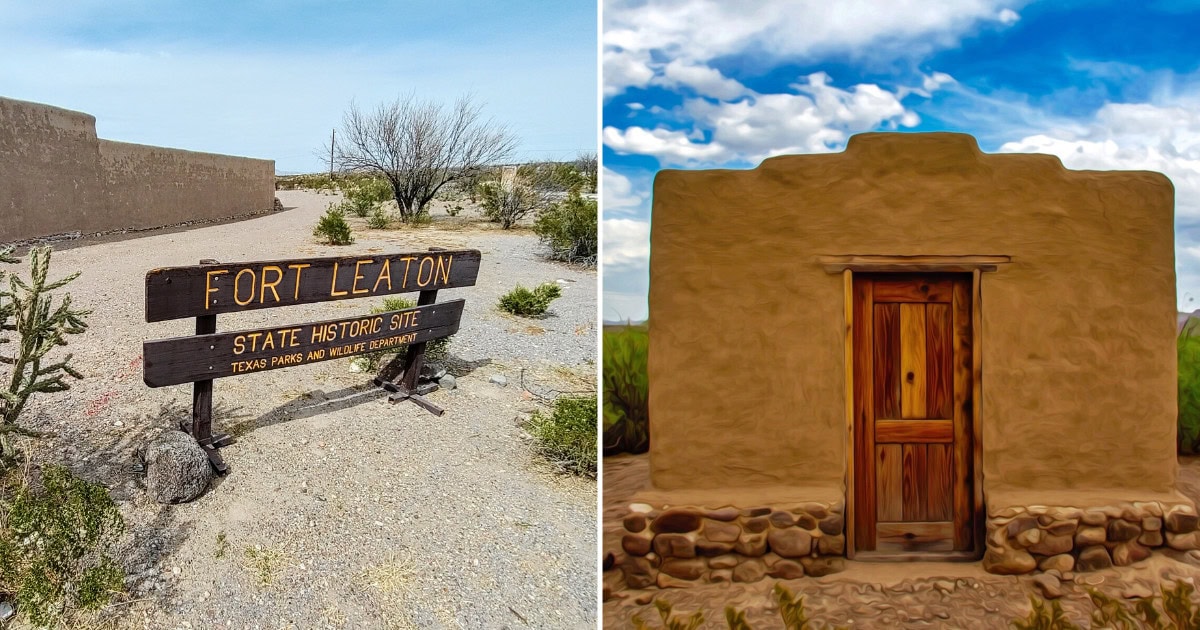
The forty-room compound rises from the desert floor like something out of a different century—which it is.
Fort Leaton State Historic Site, located just outside Presidio in far West Texas, contains the largest adobe structure in the state.
It’s a sprawling fortress of thick earthen walls that once served as home, trading post, and private fortification along the Rio Grande.
Built in the 1830s and expanded in 1848, the complex survived financial ruin, abandonment, and decades of decay before being restored and opened to the public.
Today it stands as one of Texas’s most evocative glimpses into frontier life—and one of its least-visited historic sites.
Where Fort Leaton Is Located
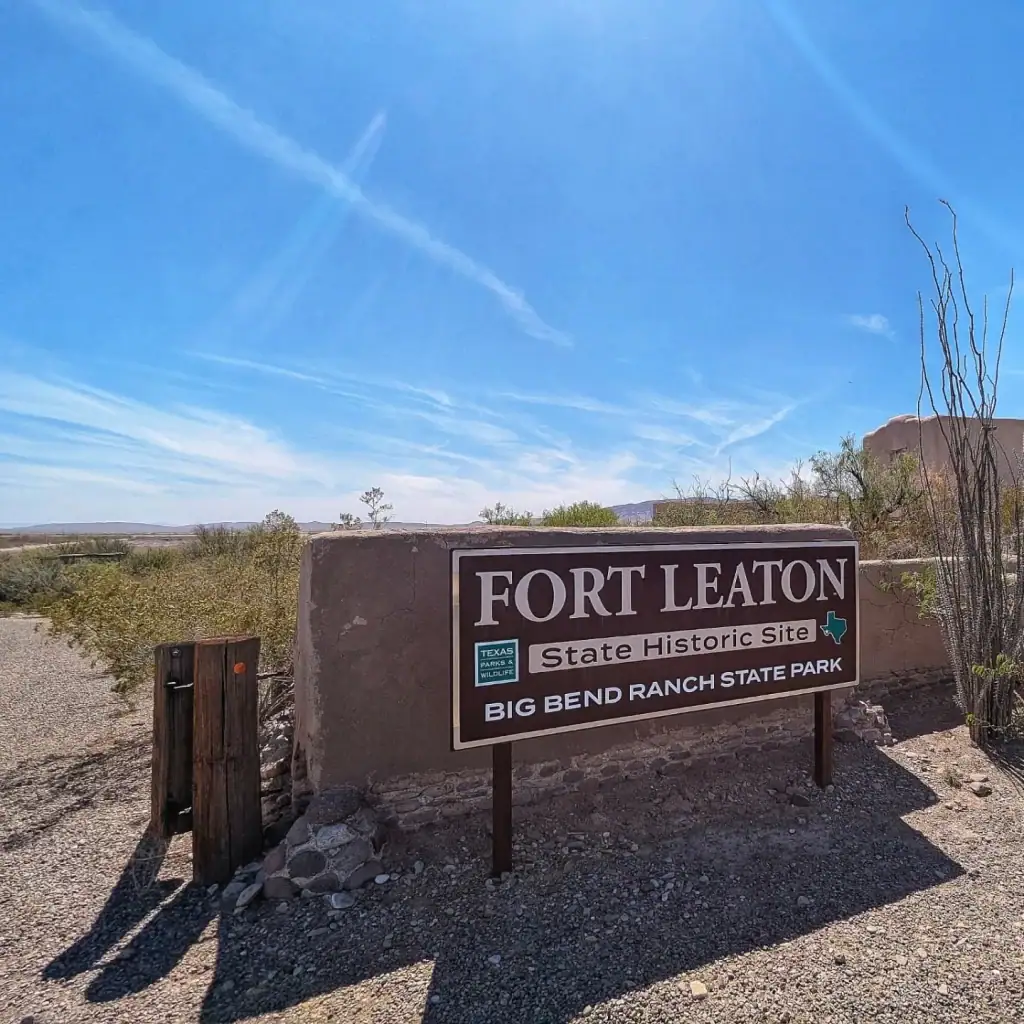
The fort sits on FM 170 (the River Road), about four miles southeast of Presidio and roughly 200 miles south of Marfa.
This is La Junta de los Rios—”the joining of the rivers”—where the Rio Conchos, flowing from Mexico, meets the Rio Grande.
The confluence has drawn human settlement for thousands of years: the water and fertile soils made farming possible in an otherwise harsh desert landscape.
The setting is dramatic. The compound occupies about one acre on a shelf above the Rio Grande flood plain, with sweeping views across the river into Chihuahua, Mexico. Desert hills and dry washes stretch to the north.
FM 170, widely considered one of the most scenic drives in Texas, continues east into Big Bend Ranch State Park—Fort Leaton serves as the western gateway and visitor center for that massive park.
The Adobe Structures
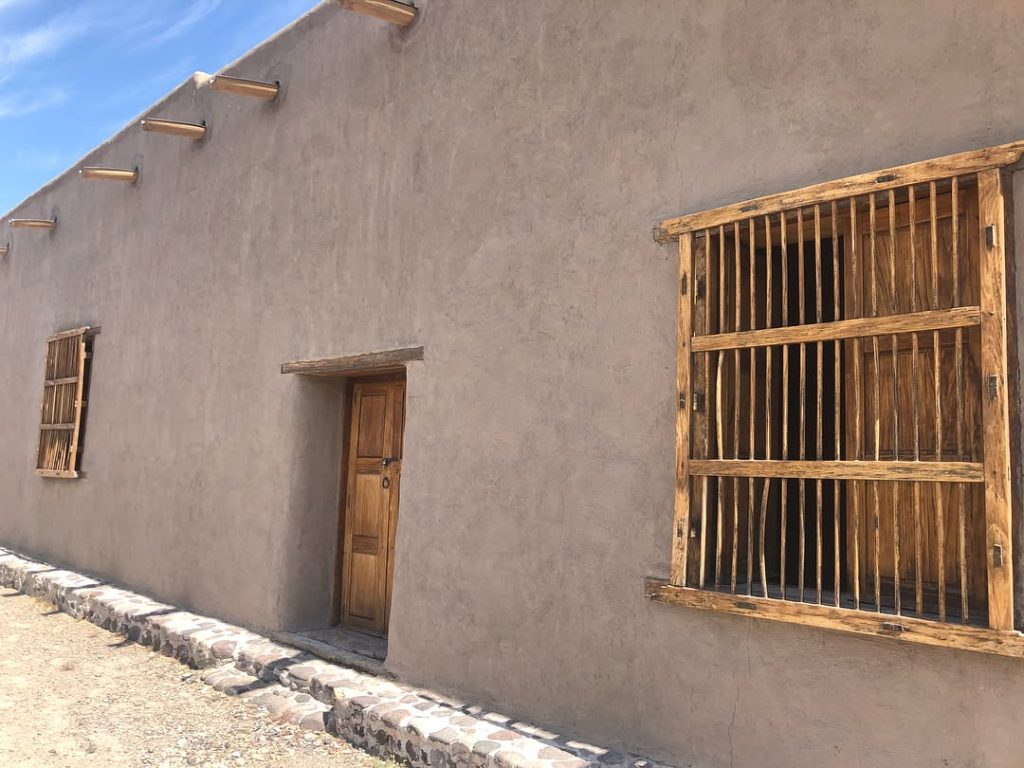
Fort Leaton is the largest adobe structure in Texas, with forty rooms organized around two interior courtyards (patios).
The compound measures approximately 200 feet along its long side (running parallel to the river) by 140 feet across.
The walls are built of adobe bricks measuring eighteen inches long, twelve inches wide, and five inches thick—with some exterior walls reaching up to three feet in thickness.
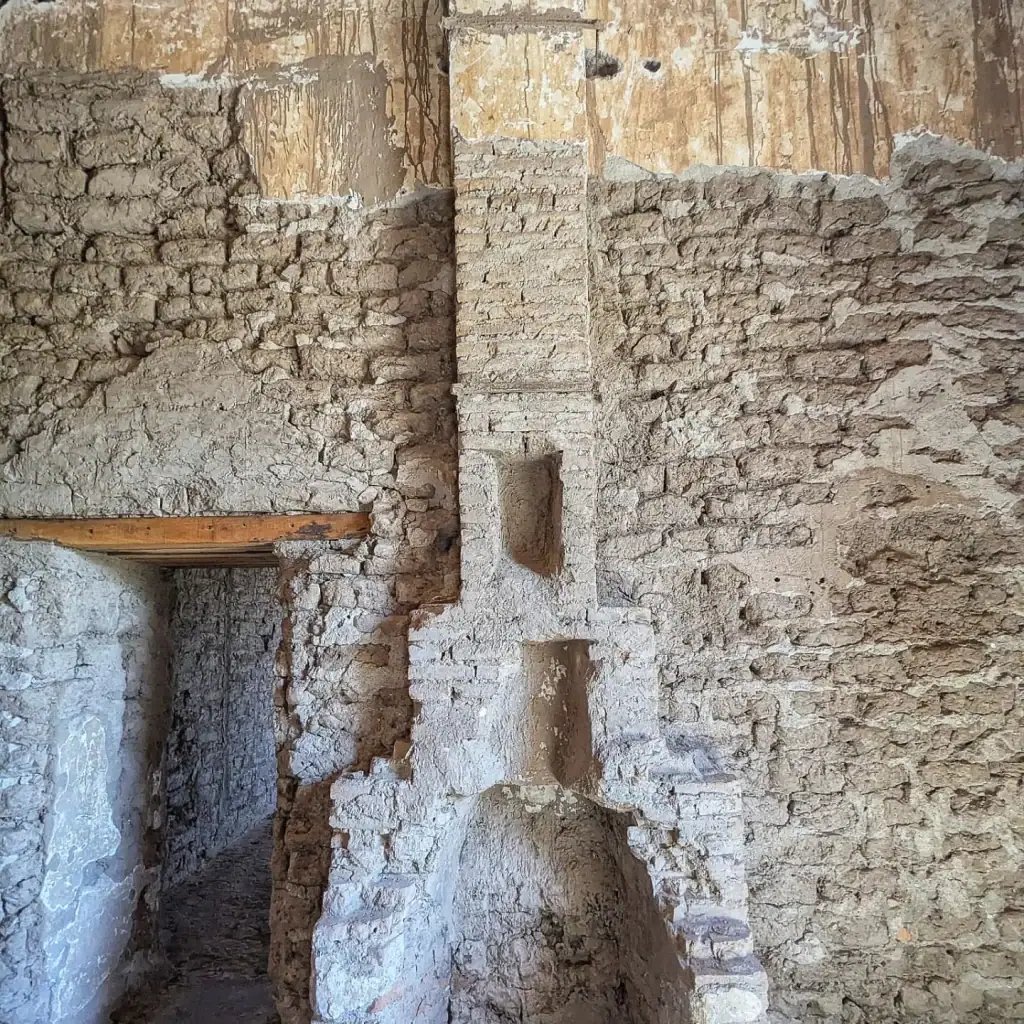
Much of the present building is a reconstruction on historic foundations.
Restoration began in 1936 under a county works project with federal support, and archaeological work in 1969 and 1971 uncovered additional rooms, corrals, and the limits of the original walls.
The fort includes both restored rooms furnished with period pieces and ruined areas left to show the original construction.
Exploring the Historic Site
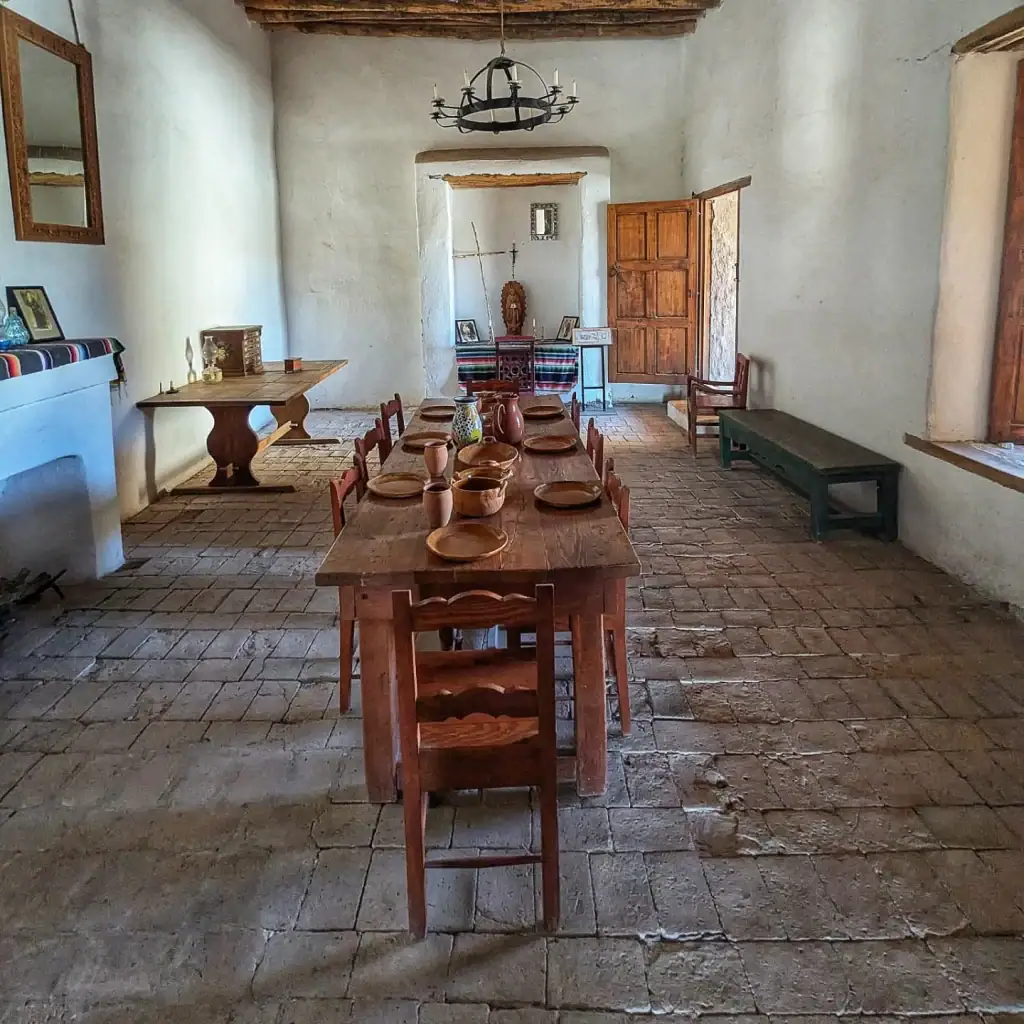
Self-guided tours are available year-round. Guided tours are offered November through April, with additional programs on archaeology, nature, and dark skies.
The interior includes a mix of restored rooms plus exhibits on the history and archaeology of the La Junta region, going back to Native American settlement around 1500 BC.
A half-mile nature trail loops around the fort grounds. A shaded picnic area and restrooms are available. The Texas State Park Store sells souvenirs and books.
Planning Your Visit
Fort Leaton is open daily from 8 AM to 4:30 PM, closed on Christmas Day. Day-use admission is $5 per person for ages 13 and older. Guided tours cost extra—call 432-229-3613 for schedules.
Fall through spring offers the most comfortable weather. Summer temperatures in the Chihuahuan Desert are extreme.
The fort also serves as a check-in point for Big Bend Ranch State Park visitors—if you’re continuing east on FM 170, you’ll need permits for camping, backpacking, and river use.
Facilities are limited. Bring water and sun protection. The road to the fort is paved (FM 170), but once you enter Big Bend Ranch State Park to the east, conditions become rougher.
Where Adobe Walls Hold Old Stories
Fort Leaton is one of roughly thirty state historic sites in Texas, but few feel as atmospheric or as isolated.
The thick walls still hold the desert heat at bay. The courtyards still offer shade. The views across the Rio Grande look much as they did in 1848, when Ben Leaton stood here calculating his next trade.
The stories embedded in these adobe bricks—of ambition, resilience, and eventual ruin—are as complicated as Texas itself.

Stella Raines
Editor-in-Chief
Stella brings over a decade of storytelling experience to TX Headlines. With roots in West Texas and a love for road trips, she leads the editorial team with an eye for the hidden stories that make Texas unforgettable.
More Stories
This Historic Texas Market Is Full of Handmade Goods You Won’t Find in Any Store

This Pay-What-You-Want Texas Art Store Lets You Fill a Bag and Name Your Price

This Centuries-Old Texas Cathedral Transforms Into a Dazzling Light Show After Dark
This Charming Small Texas Town Guards the World’s Largest Pecan and the State’s Best Barbecue
Tags