This Otherworldly State Park in Corpus Christi Looks Like a Secret Sand Kingdom
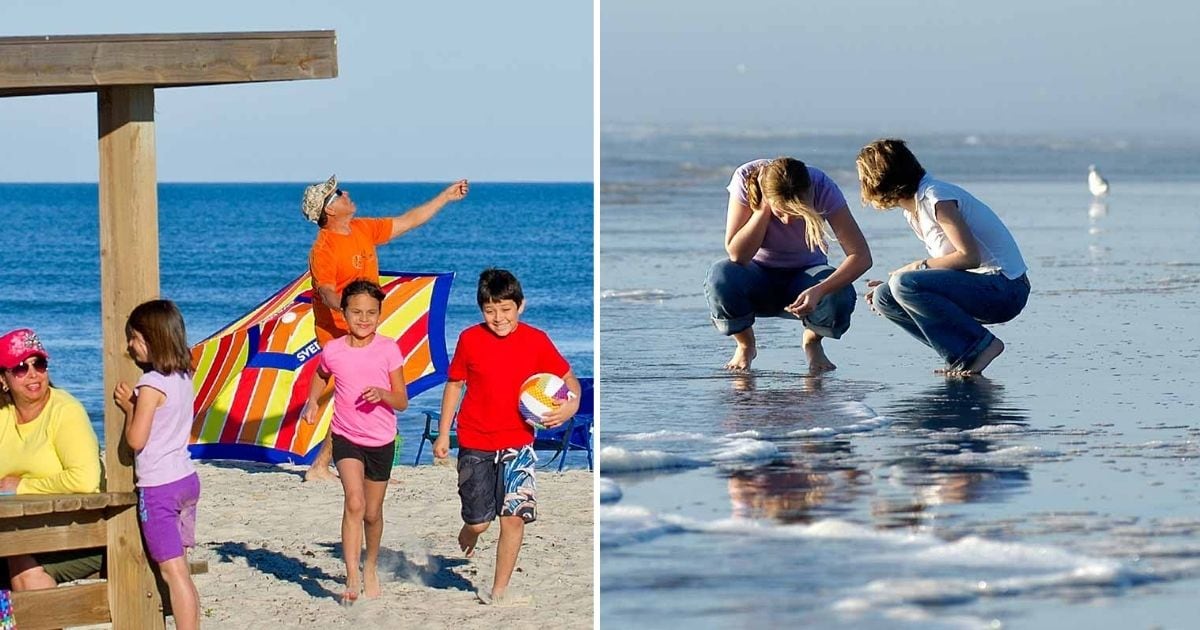
This summer, I challenge you to take a beach day one step further — to a barrier island on the Gulf.
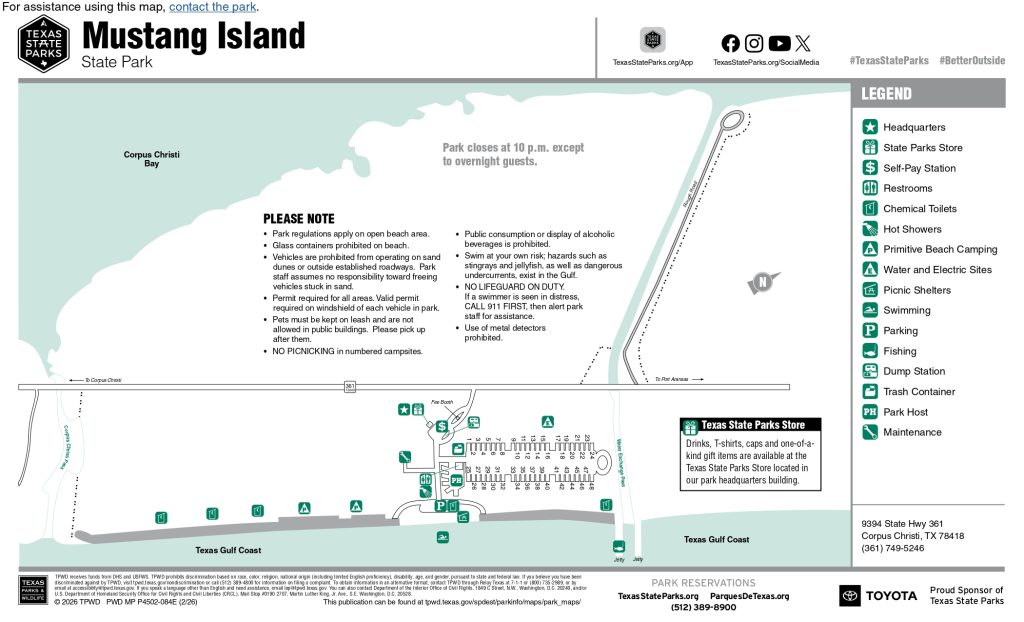
You’ve now arrived at Mustang Island State Park, in Corpus Christi, Texas.
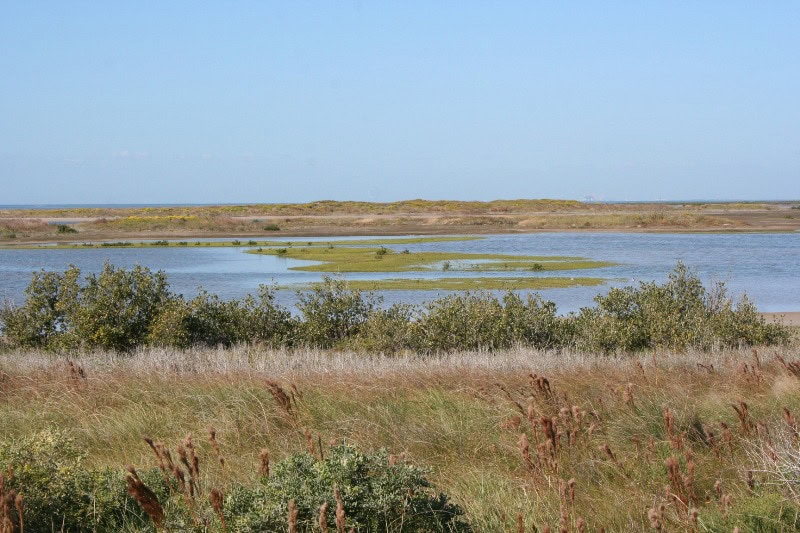
Gentle dune slopes. Shrubs dotting the landscape. Blue water stretching all the way to where the sky meets the Gulf.
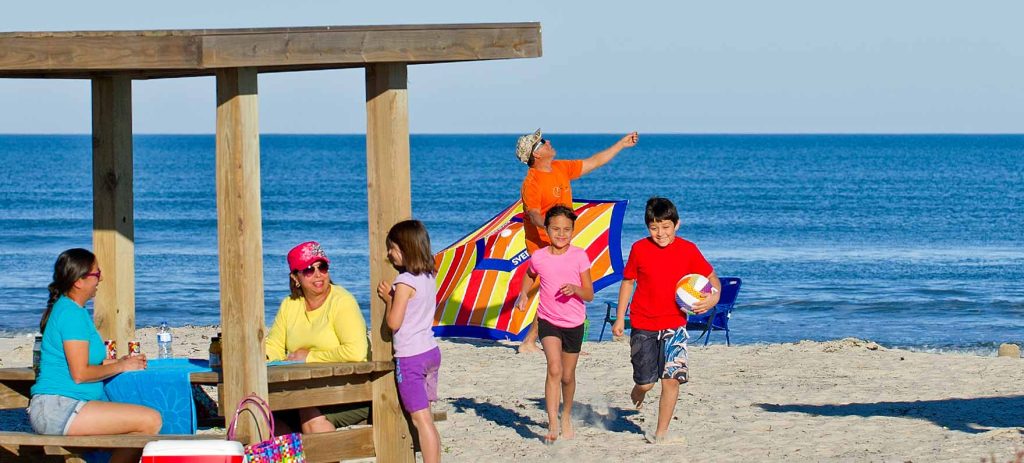
You’re in your happy place.
Dive into the Details
The park fills up fast in spring and summer, so make reservations online or by phone well ahead of your visit.
The busy seasons are spring and summer. Hours are from 8 a.m. to 5 p.m. daily.
The entrance fee is $7 every day for adults. It’s free for any kids who are 12 years old or younger.
They often reach capacity at the park, so it’s recommended to get reservations for both camping and if you’re going for the day.
The July average high here is 94 degrees Fahrenheit. The average rainfall, year-round, is 30.2 inches.
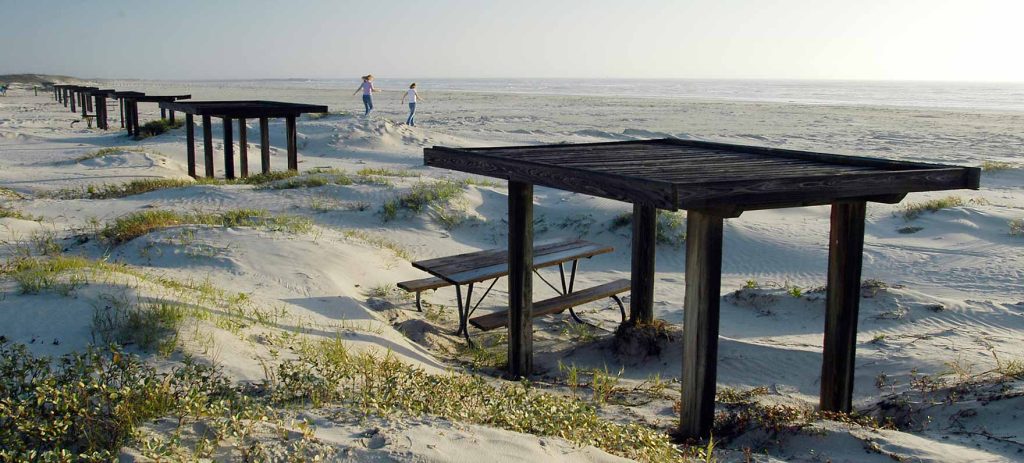
The elevation is 8 feet — fitting for a flat, coastal barrier island.
Nearby state parks are the Lake Corpus Christi State Park and the Goose Island State Park.
If you want to pair Mustang Island State Park with other area attractions, look for the following: the Texas State Aquarium, the USS Lexington, Port Aransas, and the Copano Fishing Pier.
Have fun on the Great Texas Coastal Birding Trail (Central Texas Coast) or at Padre Island National Seashore or the Aransas National Wildlife Refuge.
At Mustang Island, they have 5 miles of coastline. It’s not a lot, but that’s plenty for a day with your family or a few friends at the Gulf Coast.
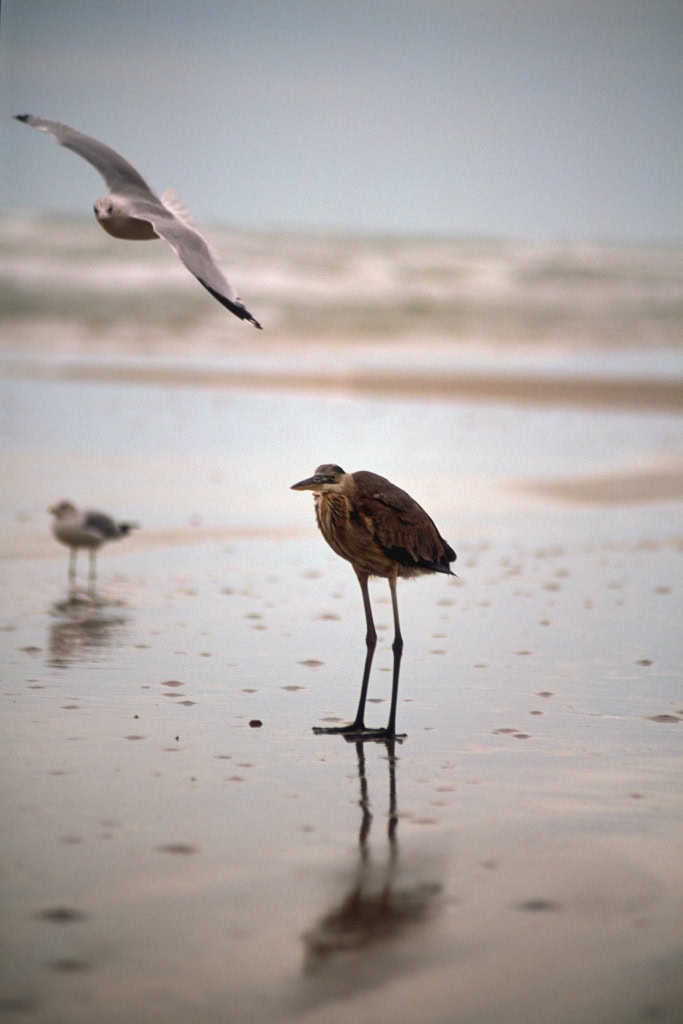
Relax on the beach at the state park, go fishing in the bay, photograph the coastal birds, and hike out on the barrier island park.
One great thing about this barrier island is that it’s a little ways removed from the regular beachgoers on the coast that’s tied into the dining, shopping, hotels, and tourist crowds.
Out here, you’re able to let loose and enjoy a day under the sun and in the waves.
It’s laid-back, so you can choose what you’d most like to do.
Popular activities include playing on the beach, swimming, surfing, and building sandcastles.
You can also go camping, bring a picnic, kayak, and geocache. Bird watching is particularly exciting during spring and fall migrations.
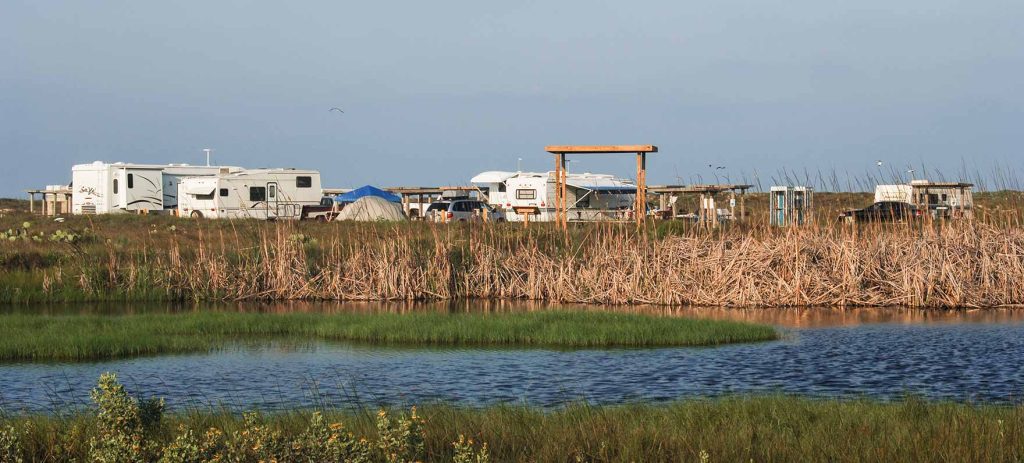
Love to go camping? Stay on one of the island’s 48 water and electric campsites or 50 drive-up primitive sites. Note that the water and electric campsites are about a third of a mile down from the beach.
There are portable toilets along 2 miles of the beach at this state park. If you’d rather use full restrooms and showers with hot water, head over to the water-electric campground for those.
The Mustang Island Paddling Trail runs along the western shore of Corpus Christi Bay in three segments.
In total, the trail covers 20 miles of paddling. These trails take you through some of the best shallow-water fishing spots in Texas, too, if you like to go fishing.
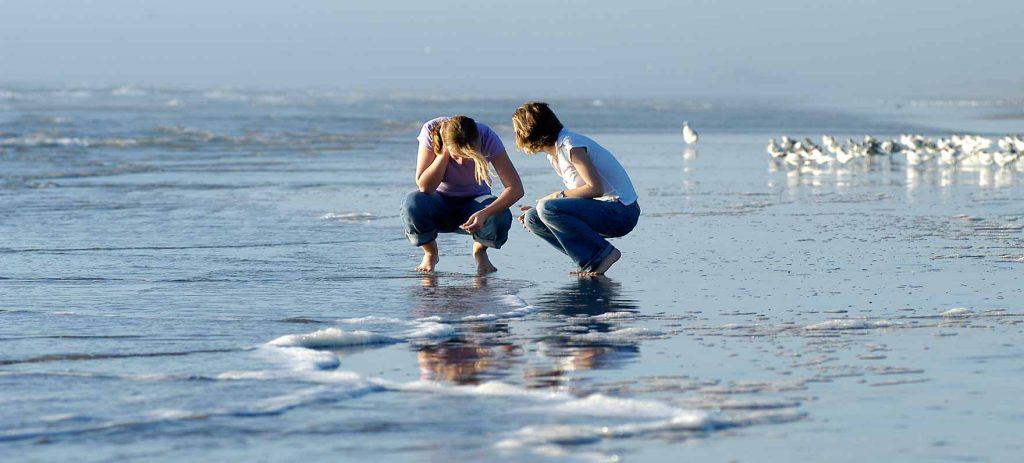
Or if you’re more into birds, paddling this trail brings you up-close views of many coastal birds.
Mustang Island State Park has a park store where they sell a few supplies and gift shop items.
Two beach wheelchairs are available to loan out, free of charge. Ask the park staff members when you arrive at the park.
How about Ranger Programs?
They have programs on birding, stargazing, beach combing, nature walks, and other topics. Check out their Events page for the most up-to-date information on programs and more.
Let’s talk about camping at Mustang Island.
The cheaper option is a primitive, drive-up campsite. These are $13 per night, plus the entrance fee.
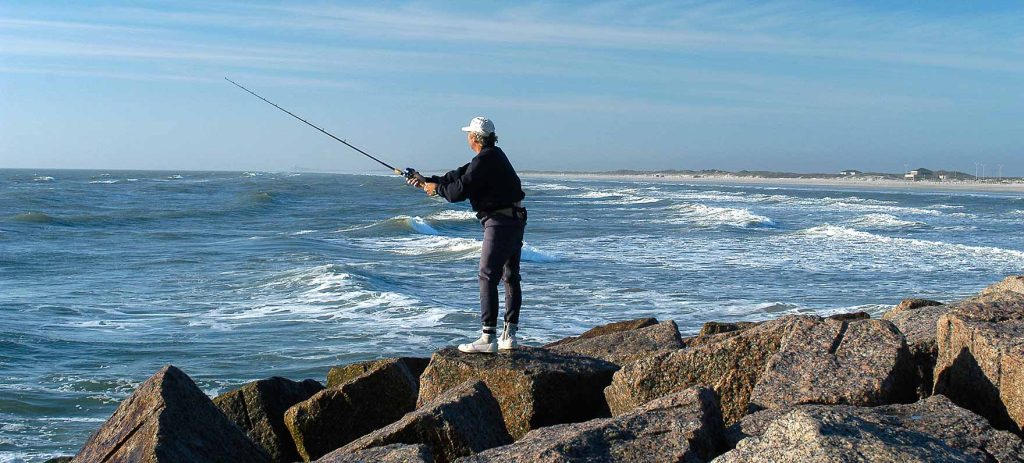
You can have up to 8 people per site at the primitive campsites. They have 50 of these campsites on the island.
Since they’re primitive campsites, they aren’t designated sites. But they take up about a 1.5-mile stretch of the beach at the state park.
These sites are closed periodically because of weather conditions. Always monitor for the latest storms, alerts, and so on.
Call the park before you come to camp to check up on beach conditions and whether the sites are available or not.
You’re allowed to have small beach campfires in the primitive campsites area.
Restrooms are about one and a half miles away from these primitive campsites. Keep that in mind as you plan for a trip.
A beach bathhouse with full restrooms is located near the park’s headquarters.
Swimming? You’re permitted to go swimming, but know that there are no lifeguards stationed here. You’ll need to be alert and watchful for both yourself and others as you swim.
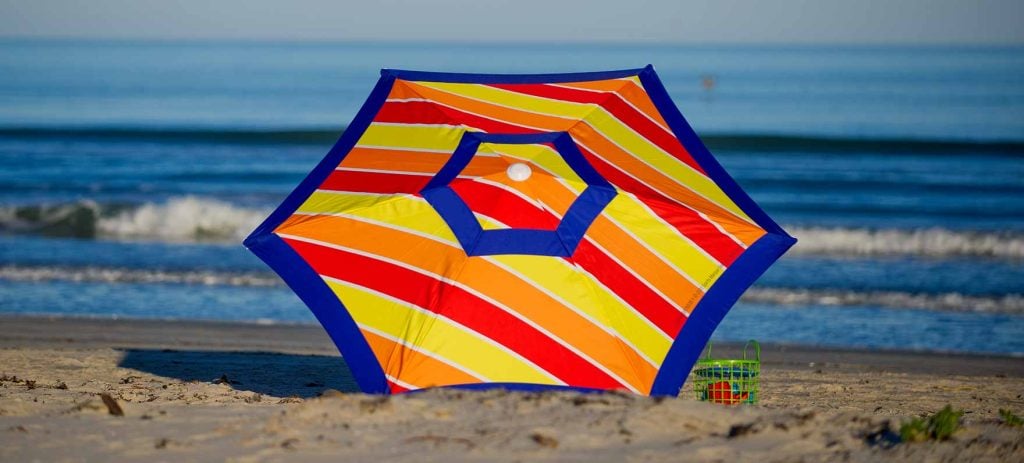
These primitive campsites are non-reservable, so try to go at off-peak times if you’re worried about campsites filling up quickly.
Your other option for camping are the campsites with electricity. These cost $25 per night, a bit more than the primitive campsites.
That cost is in addition to the entrance fee you pay. Budget accordingly!
You can have up to 8 people at these campsites, too. They have 48 of these campsites with electricity at Mustang Island.
These sites aren’t on the beach, exactly. That’s a bit of a bummer, but if you’re there multiple days, you’ll get plenty of time in the sun, waves, and sand.
The campsites with electricity are separated from the water by sand dunes. They’re about 400 yards from the water.
These campsites don’t have any fire rings. You’re allowed to have campfires on the beach, just not at the campsite.
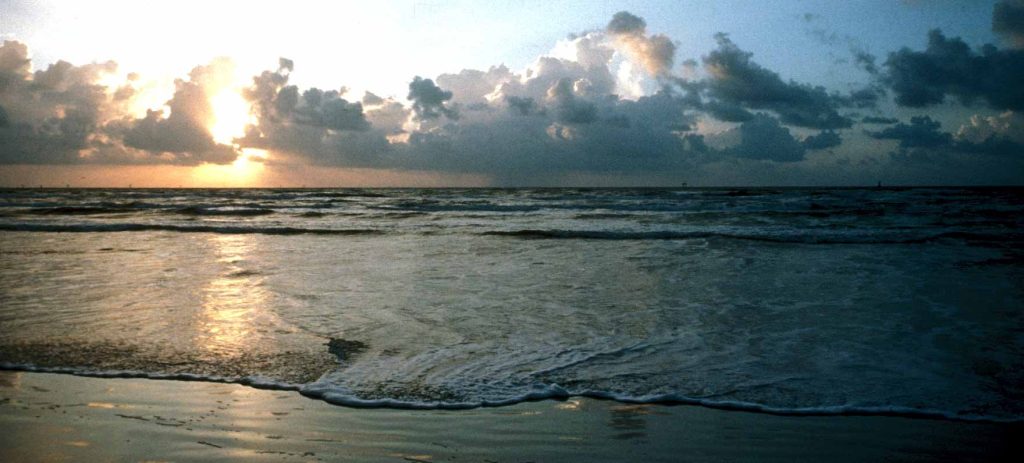
You’re permitted to cook outside in the grills at the campsites.
Amenities at these sites include a picnic table, a water hookup, a 50-amp hookup, a shaded shelter, and close by, restrooms with showers.
While they don’t have state park events coming up at the moment, be sure to check back on Mustang Island’s Events tab for events they’ll host.
A Whole New World
What I love most about Mustang Island is that it’s a barrier island, home to an ecosystem of so many plants and animals.
Geology is more than just rocks — it’s the story of how the world around us was shaped, how it shifts, and how it all fits together.
Mustang Island is 18 miles long. It varies from a mere 3,000 feet wide on the south side to more than 2 miles wide on the north end.
It’s part of a longer chain of barrier islands. This chain runs along Texas’ Gulf Coast.
Barrier islands like this one help protect our bays and the mainland from waves, wind, tides, and storms that blow in off the Gulf of Mexico.
Where did these islands come from?
About 18,000 years ago, as an ice age came to a close, the sea level was lower than it is today. Rivers carried sediment from the sand and soil out to the Gulf, making sandbars.
As time went by, the sea level went up, and ocean currents pulled sand off the sandbars and brought it closer to what we know today as the shoreline.
That sand built up, turning into long, narrow barrier islands about 2,500 years ago.
Did you know these barrier islands are made up almost entirely of sand?
Be aware that barrier islands are dynamic landforms. They’re constantly changing, sculpted by the climate, wind, waves, tides, ocean currents, storms, and yes, humans.
Coastal dunes help protect barrier islands, which in turn, protect the bay and mainland. If hurricane-powered waves strike, these coastal dunes help absorb the impact.
Sand dunes along our Gulf coast are as high as 30 feet or more. The average dune is usually about 15 to 20 feet tall. On the back of the dunes, vines and coastal grasses find shelter from the wind and salty spray. They also help to stabilize the dunes.
These dunes aren’t permanent, by any means. Strong storms wash sand away, blustery winds blow the sand to a new location, and walking and driving on the dunes damages them, too. Just one day’s damage takes years to heal and restore.
What kind of animals will you find on the barrier island? That’d be anything from pocket gophers to spotted ground squirrels to grasshopper mice to rice and cotton rats. You’ll also spot opossums, raccoons, coyotes, and white-tailed deer.
About 600 species of saltwater fish call these coastal waters home. The bay side of the island is like a nursery for sea creatures. Shrimp, crabs, and fish make their way through these protected waters before heading out to the open Gulf.
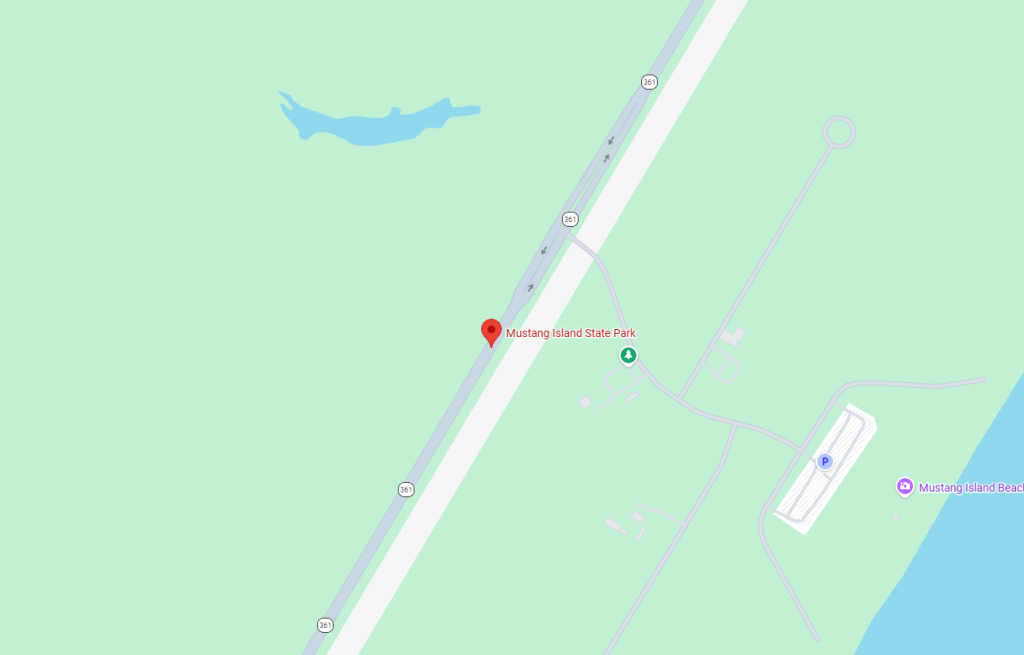
Where’s the park located? Plug “Mustang Island State Park” into your Maps app.
Where: Mustang Island State Park, 9394 TX-361, Corpus Christi, Texas 78418
Mustang Island State Park is your summer haven — teeming with wildlife, wrapped in warm Gulf sunshine, and covered in miles of open sand.
Find them online at tpwd.texas.gov/state-parks/mustang-island, follow along on Facebook, Instagram, X, LinkedIn, and YouTube, and pull up directions on Google Maps before you head out — because five miles of Gulf Coast barrier island are best enjoyed when you’ve got a plan.

Shelby Brooks
Travel Writer
Shelby Brooks was born and raised in the North Dallas area. For her studies in creative writing, and later for work as a writer and editor, Brooks lived in Sherman, Fort Worth, Denton, and for many years, Aggieland (College Station). Brooks travels within Texas, to theme parks in Orlando, up to the Big Apple in NYC, and to beaches across the U.S.
More Stories

These 11 Breathtaking Texas Churches Look Almost Too Beautiful to Be Real

This Vintage Texas Train Glides Through the Pines for Wine, BBQ, and a Sky Full of Stars

This Sprawling Texas Flea Market Has Over 5,000 Vendors and Food at Every Turn

This Sprawling Texas Bookstore Turns Browsing Into an All-Day Adventure
Tags