These Texas Experiences Are Worth Every Mile of the Drive
Are you hearing a little voice in your ear whispering, “If not now, when?”
If so, you are not alone.
Many Texans over 50 have spent decades focused on careers, raising families, paying mortgages, building businesses, and managing the endless responsibilities of everyday life. Vacations were squeezed into corners of busy schedules. Interesting ideas were filed away for “someday.”
Then something changes.
Your old Texan curiosity begins to resurface. Places you’ve always wanted to visit, experiences you’ve always meant to try, and roads you’ve always wanted to take suddenly seem more important than they did before.
And while there are countless ways to spend this newfound freedom, Texans have a unique advantage. Some of the most memorable experiences in the country are sitting right in their own backyard.
Texas offers plenty of opportunities to finally say yes to the things that have been waiting patiently on the someday list.
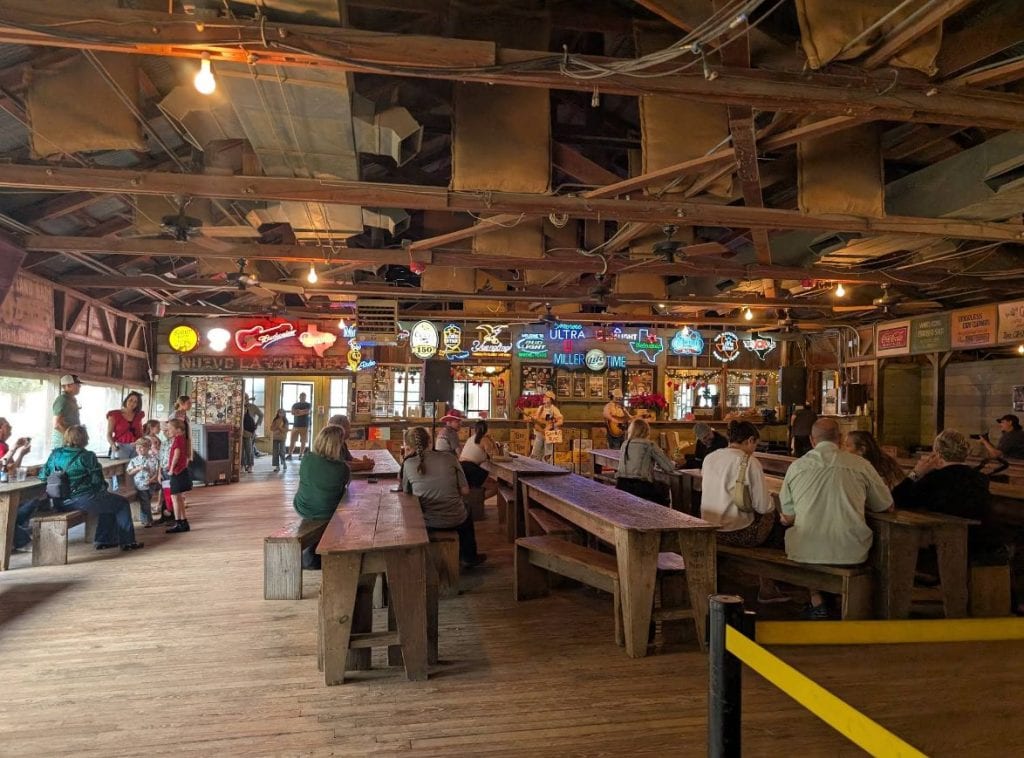
Gruene Hall
Have you ever noticed that a favorite song can make you feel twenty years younger in less than thirty seconds?
Music has a way of transforming time. Suddenly you’re remembering old friends, first dates, road trips, weddings, heartbreaks, and all the moments that helped shape your life.
The older we get, the more powerful that feeling can become.
Perhaps that is why old Texas dance halls still hold such appeal. They connect us to something that remains remarkably unchanged by age: the simple joy of music, movement, and human connection.
For well over a century, dance halls have been part of the social heartbeat of Texas. In many German and Czech communities, they served as far more than entertainment venues. Long before smartphones, streaming services, and even television, dance halls were gathering places where neighbors met, courtships began, weddings were celebrated, and communities stayed connected.
They are living traditions where people still gather to dance, laugh, celebrate, and lose track of time.
And if there is one thing many Texans discover after 50, it is that joy never really gets old. Sometimes it is just waiting for the right song.
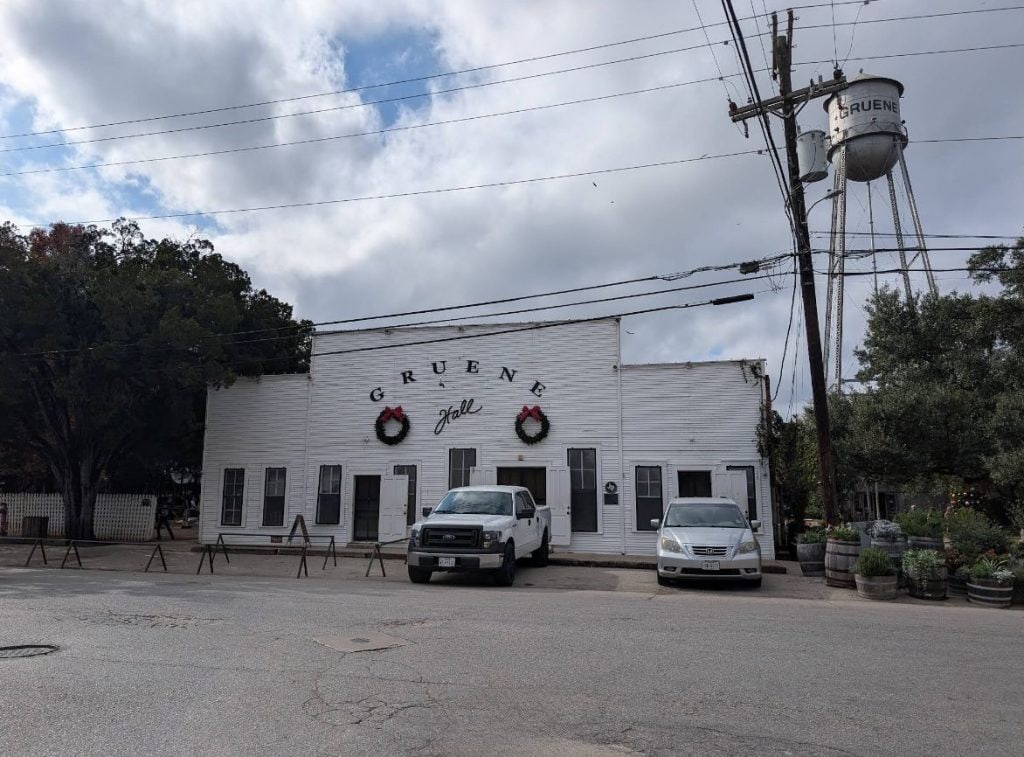
If that sounds like you, Gruene Hall is waiting. As it has been since 1878.
Built by German settlers in the small community of Gruene, not far from San Antonio, the weathered building remains the oldest continually operating dance hall in Texas. The structure itself feels refreshingly uncomplicated and has remained remarkably unchanged for nearly 150 years. Worn wooden floors, a simple stage, open-air ventilation, and walls that have absorbed generations of music and conversation.
The only real change at Gruene Hall has been its performers.
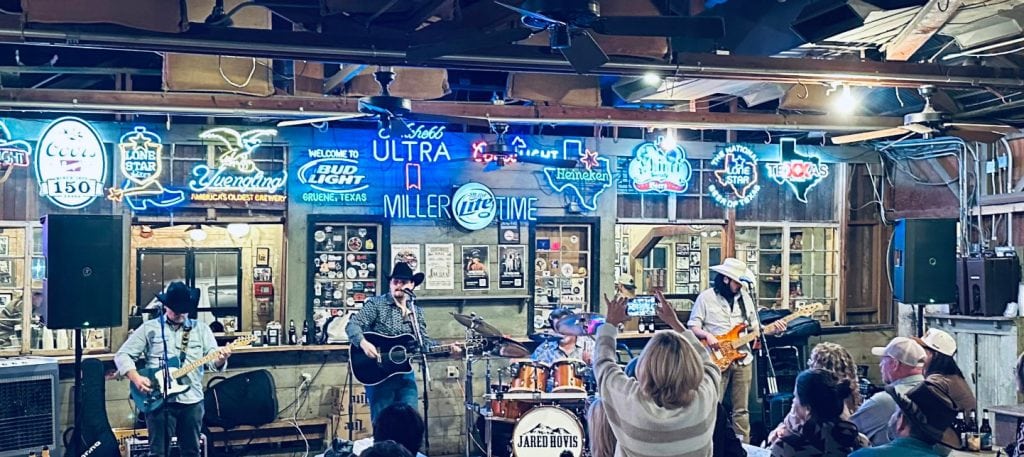
Over the decades, the hall has hosted everyone from Willie Nelson and George Strait to local musicians whose names never appeared on national stages. Yet the spirit of the place has remained remarkably consistent.
Make no mistake: this isn’t a venue built for spectators. If you have been meaning to work on your two-step, you have arrived at your destination.
That spirit is especially apparent during the Friday Afternoon Club. What began as an informal local gathering in the 1970s evolved into one of the most beloved traditions in the Hill Country. Music starts while the sun is still high. Couples dance before dinner. Friends linger over conversations. Nobody seems particularly concerned about what time it is, but somehow everyone, well, mostly everyone, still makes it home at a decent hour.
A living Texas icon, Gruene Hall has earned countless accolades for preserving an authentic piece of Texas culture. Here, feel free to let your hair down — Gruene Hall has always been that kind of place.
The experience feels uniquely Texan because it combines music, history, community, and authenticity in a way that cannot be manufactured. You’ll arrive expecting a historic building and leave remembering how you felt while standing inside it.
A Historic West Texas Ranch
Most Texans over 50 grew up with two versions of Texas.
There is the Texas they know from everyday life. And then there is the Texas that lives in their imagination.
That is the Texas of dusty ranch roads disappearing toward distant mountains. The Texas of horseback riders silhouetted against a sunset. The Texas of mesquite smoke drifting from a campfire. The Texas of rodeos, cattle drives, and weathered ranch gates opening onto land that seems to stretch forever.
It is the Texas found in family stories, western movies, country songs, and history lessons.
For many Texans, a question lingers quietly in the background:
Does that Texas still exist?
Then they arrive somewhere like Cibolo Creek Ranch.
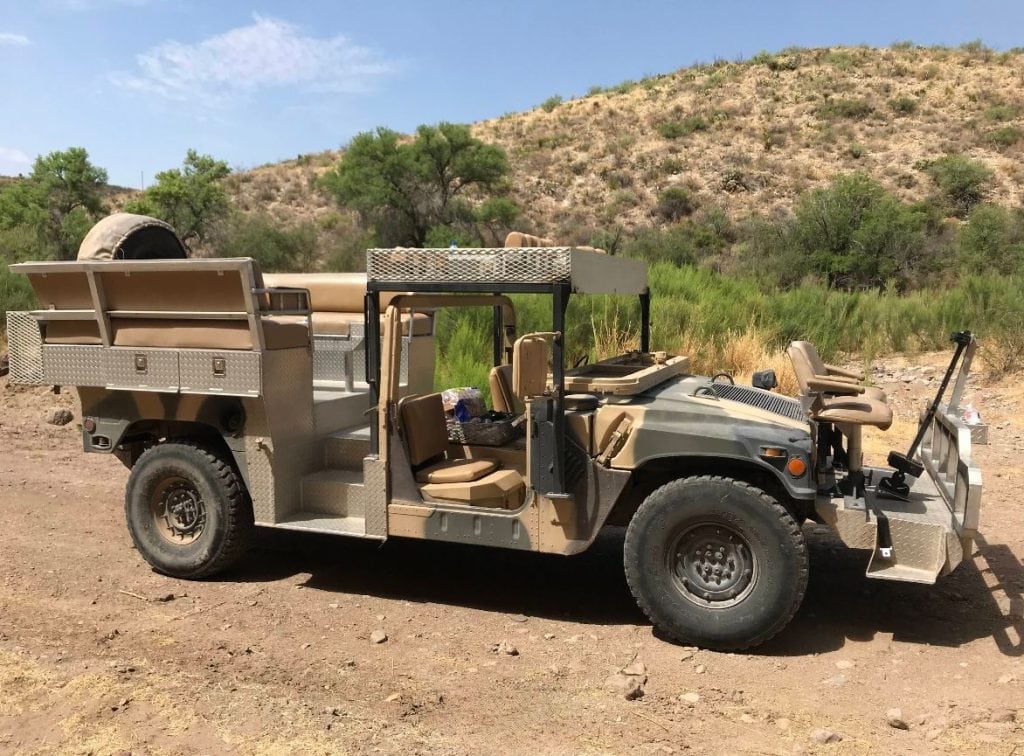
Located near the Chinati Mountains between Marfa and the Mexican border, the historic 30,000-acre property traces its roots to the nineteenth century, when survival in this remote landscape required grit, resilience, and a willingness to live far from almost everything.
This is not glamping. It is not a themed resort built to resemble ranch life. It is a real piece of Texas history that now allows visitors to experience a landscape that has changed surprisingly little over generations.
You feel that history almost immediately.
Morning arrives cool and quiet. Coffee steams in the crisp desert air while sunlight slowly works its way across distant peaks. Somewhere in the distance, a horse nickers. A gate clangs shut. Boots crunch across gravel. The scent of sagebrush and dry earth hangs lightly in the morning air.
As the day unfolds, something you haven’t felt in a long time begins to stir.
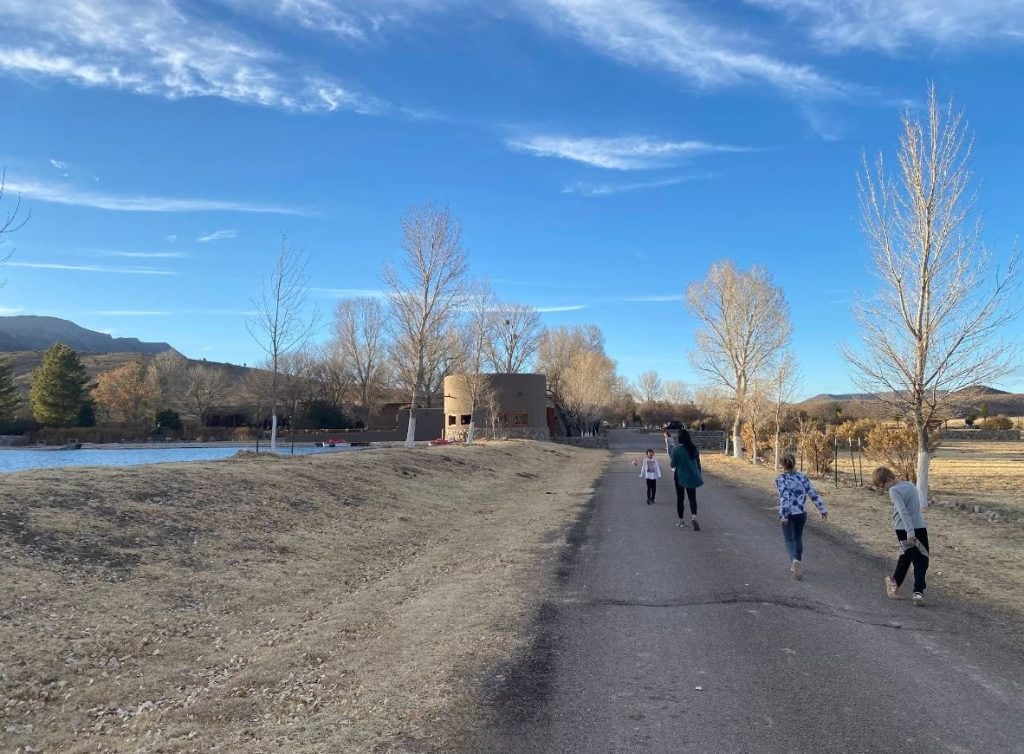
You might try your hand at skeet shooting. You might discover that mounting a horse looks much easier in western movies than it does in real life. You might simply spend an afternoon watching the landscape change color as clouds drift across the mountains.
The sensory details are what stay with you.
The creak of saddle leather. The rhythmic sound of hooves on a trail. Wind brushing across open grassland. The smell of mesquite smoke drifting from an evening fire.
As the desert cools, conversations linger a little longer. Ice clinks in a glass. The day’s adventures become stories shared over dinner. One by one, stars begin appearing overhead.
Fortunately, modern ranch life comes with a few advantages. The stars may be the same ones early settlers saw overhead, but tonight you’ll be enjoying a comfortable bed and a good meal rather than a bedroll on the ground.
By evening, the distractions of everyday life feel very far away. There are no notifications competing for your attention. No schedule demanding anything from you. Just the vastness of West Texas settling in around you.
And that may be the greatest surprise of all.
You arrive wondering whether the Texas of your imagination still exists.
You leave knowing that it does.
Marfa

Imagine driving down a lonely stretch of West Texas highway and suddenly spotting what appears to be a Prada boutique sitting alone in the desert.
Not near a city.
Not attached to a shopping center.
Just – there.
Luxury handbags displayed in a storefront window. Designer shoes carefully arranged on shelves. Nothing but scrub brush, open land, and distant mountains in every direction.
Welcome to Marfa.
Population: roughly 1,700. Global reputation: considerably larger.
If Gruene Hall reconnects Texans with joy and a West Texas ranch reconnects them with the Texas of their imagination, Marfa does something entirely different.
It reminds us that Texas can still surprise us.
By the time many Texans reach 50, they have a pretty good idea of what they think Texas is. Cowboys. Oil. Football. Barbecue. Maybe Austin’s tech scene.
But Texas has always been more complicated than its stereotypes.
Not every Texan dreams of owning a horse. Not every Texan wants to work in tech. Some are drawn to art, architecture, photography, design, literature, and ideas. Marfa has quietly become a destination for exactly those people.
A community of fewer than 2,000 residents tucked into one of the most remote corners of Texas has somehow become one of the world’s most talked-about small-town cultural destinations. Visitors journey from New York, Los Angeles, London, Tokyo, and Berlin to experience a place that appears, at first glance, to be little more than a tiny desert town.
The transformation began in the 1970s when minimalist artist Donald Judd arrived searching for something increasingly difficult to find elsewhere: space. Not gallery space. Actual space. Big skies. Open land. Silence. Light.
Over time, Marfa evolved into a place where contemporary art, world-class dining, and West Texas desert culture exist side by side in a way that feels completely unexpected.
It is a curious thing. And Marfa seems determined to challenge your curiosity at every turn.
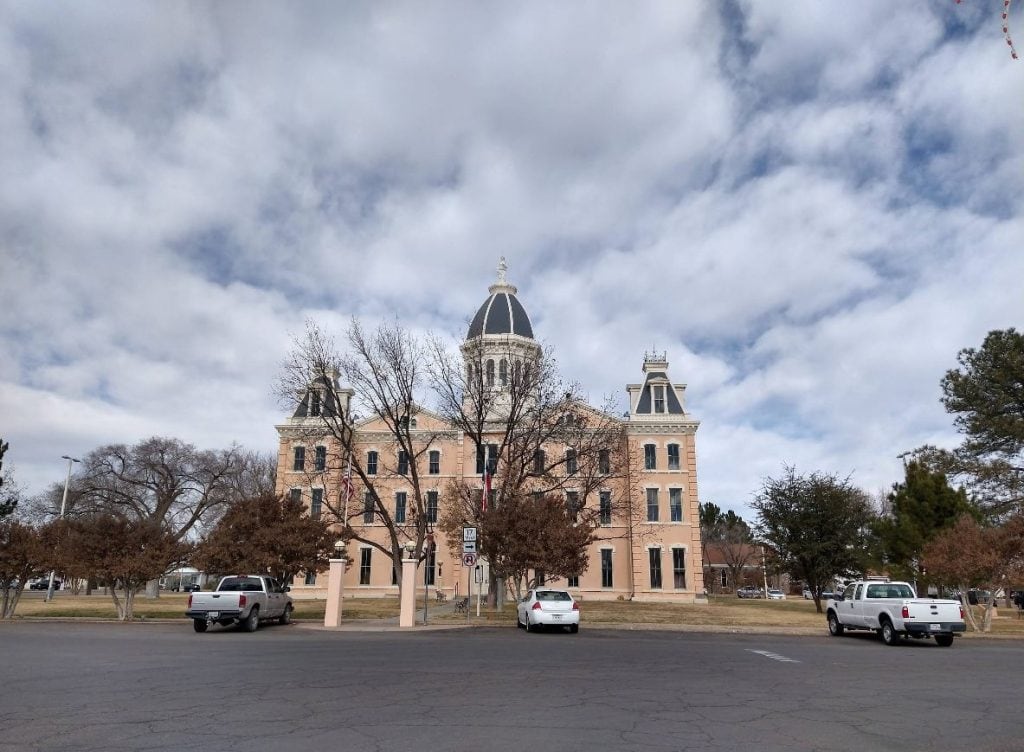
One moment you might be admiring a neon sign from a hotel that no longer exists. The next, you’re viewing artwork created by World War II prisoners of war or discussing an installation that leaves you with more questions than answers. Later, you may find yourself playing bocce at your hotel while debating what you’ve seen all day.
Then there is Prada Marfa.
Perhaps the most photographed art installation in Texas, it is not a functioning store at all. It is a permanent work of art sitting improbably in the desert, challenging visitors to decide for themselves what it means.
Nothing about Marfa feels expected.
That is exactly why people become so attached to it.
For travelers over 50, Marfa offers something increasingly valuable: the chance to be surprised. To discover a side of Texas that has little to do with familiar myths and everything to do with creativity, reinvention, and possibility.
A reminder that there are still places capable of expanding the way you see the world.
And perhaps the most surprising thing about Marfa is this:
It proves Texas still has secrets.

Kelly O’Brien
Travel Writer
I love traveling across the U.S. and discovering the kinds of places you don’t always hear about—the hidden gems, scenic drives, and towns with real character. I’m always chasing a mix of beauty, simplicity, and a bit of adventure, whether that’s out in nature or tracking down a great local spot to eat. It’s hard to say whether I’m more drawn to the mountains or the beach, so for now, I keep choosing both.