This Open-Air Texas Museum Lets You Wander Through 150 Years of Ranch History
Most museums keep history behind glass. You lean in, read a little card, nod politely, and shuffle to the next case. I have never fully loved that. History I can only squint at through a display case always feels like something that happened to other people, in some other world.
So I have a real soft spot for the kind of place where you can walk straight into the past instead. Out on the flat, wind-scrubbed plains of West Texas sits a museum with no big glass cases at all, just open sky and the low rooflines of another century.
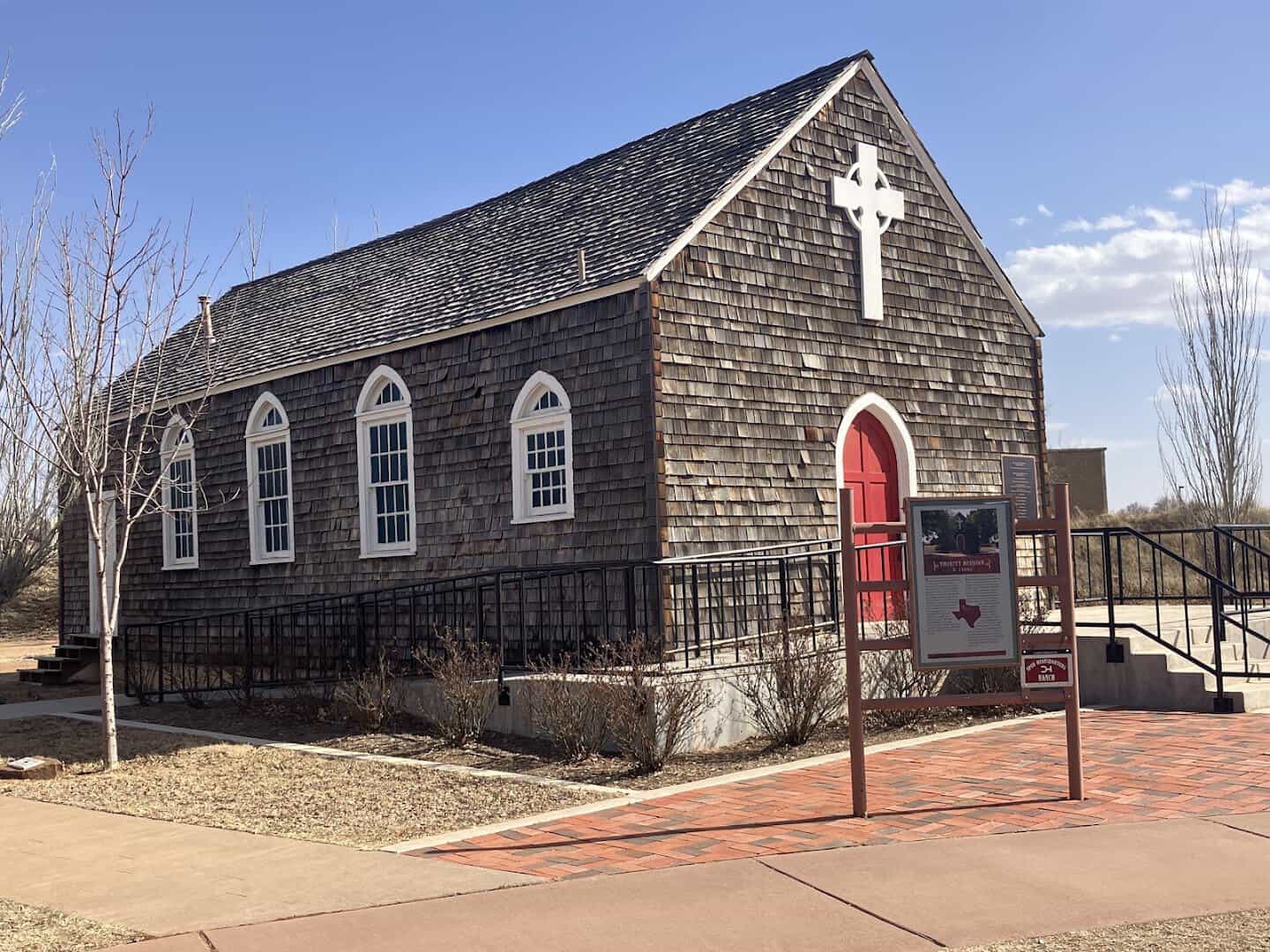
This is the open-air prairie of the National Ranching Heritage Center in Lubbock, and it lets you wander through more than 150 years of ranching history one weathered building at a time.
Below, here is what waits for you along its winding paths, why it costs nothing to see, and how to make a day of it.
Walking Straight Into the 1800s
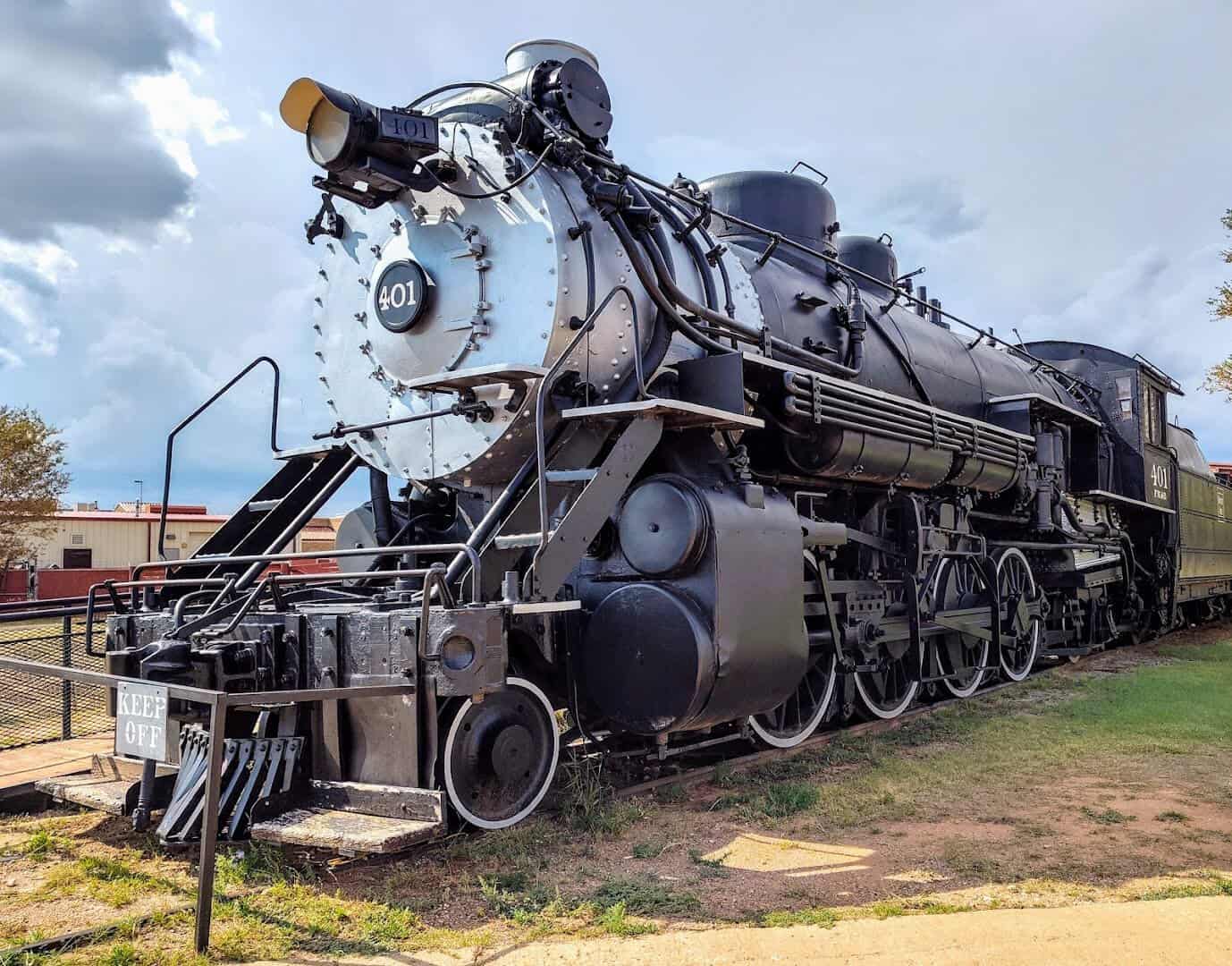
The heart of this place is not a lobby. It is a 1.5 mile ribbon of paved, wheelchair-friendly path that loops across roughly 19 acres, and strung along it are nearly 50 real ranch buildings that were carefully taken apart, moved here, and rebuilt piece by piece.
These are not replicas thrown up to look old. They are the genuine article, hauled in from across Texas and the Southwest and set down in the order they were built.
Start walking and you move forward through time. The path opens with rough dugouts and one-room shelters, the kind of homes where a family carved a life out of raw grassland, and it ends among tidy Victorian porches and a proper train depot.
You feel the whole arc of a working frontier in a single afternoon. Dirt floors give way to plank floors, then to wallpaper. That slow climb from survival to comfort is the real exhibit here, and you get to stroll right through the middle of it.
What surprises most first-timers is how quiet it all is. There are no velvet ropes and no crowds pressing behind you. You set your own pace, drift off the main path to peek in a window, and let the West Texas wind fill in the sound effects.
Every building carries a small marker explaining where it came from and which family once called it home, so you are never guessing. Read a few and the grounds stop feeling like scattered old structures and start feeling like one long, connected story.
The Oldest Building on the Prairie
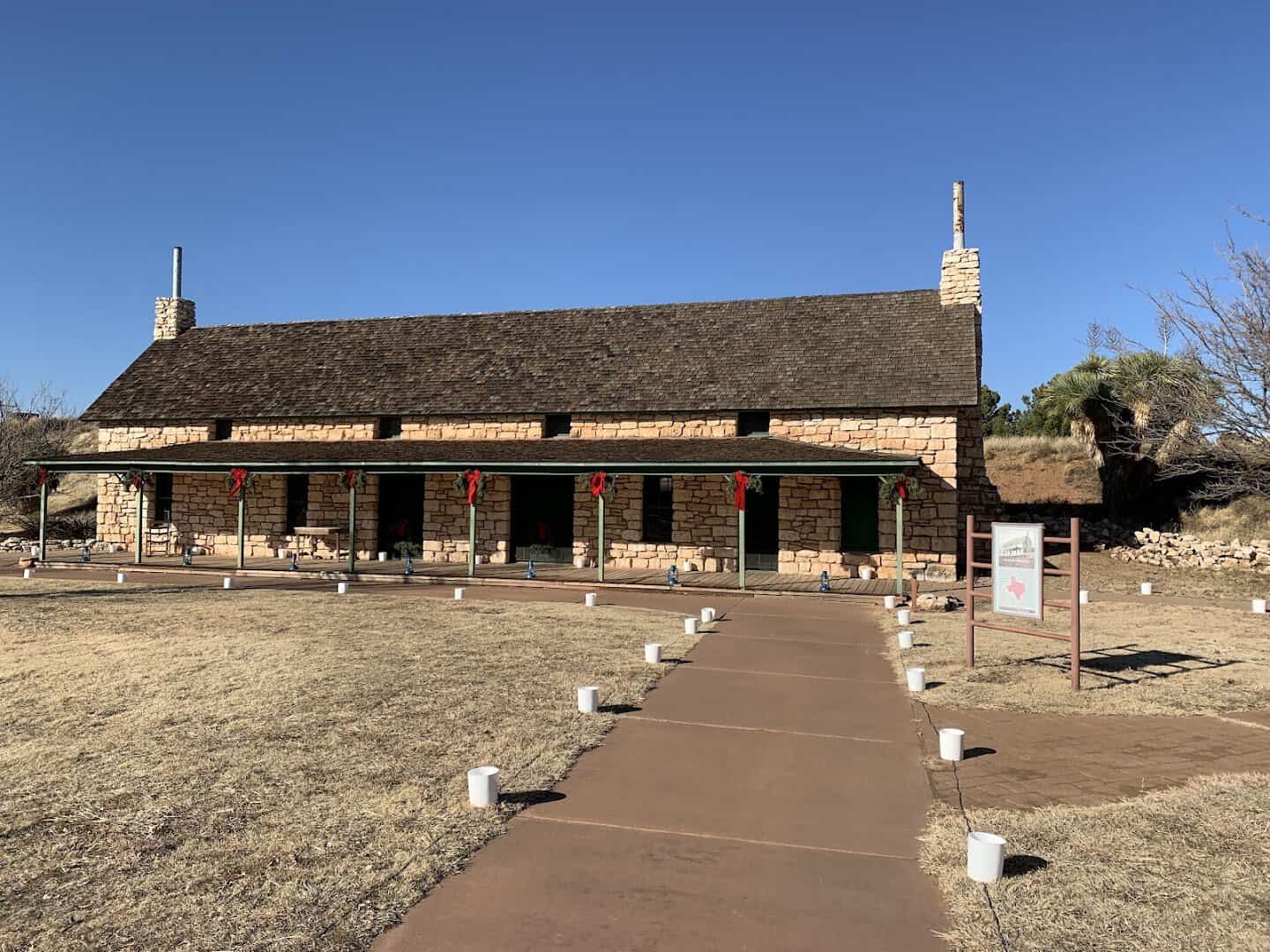
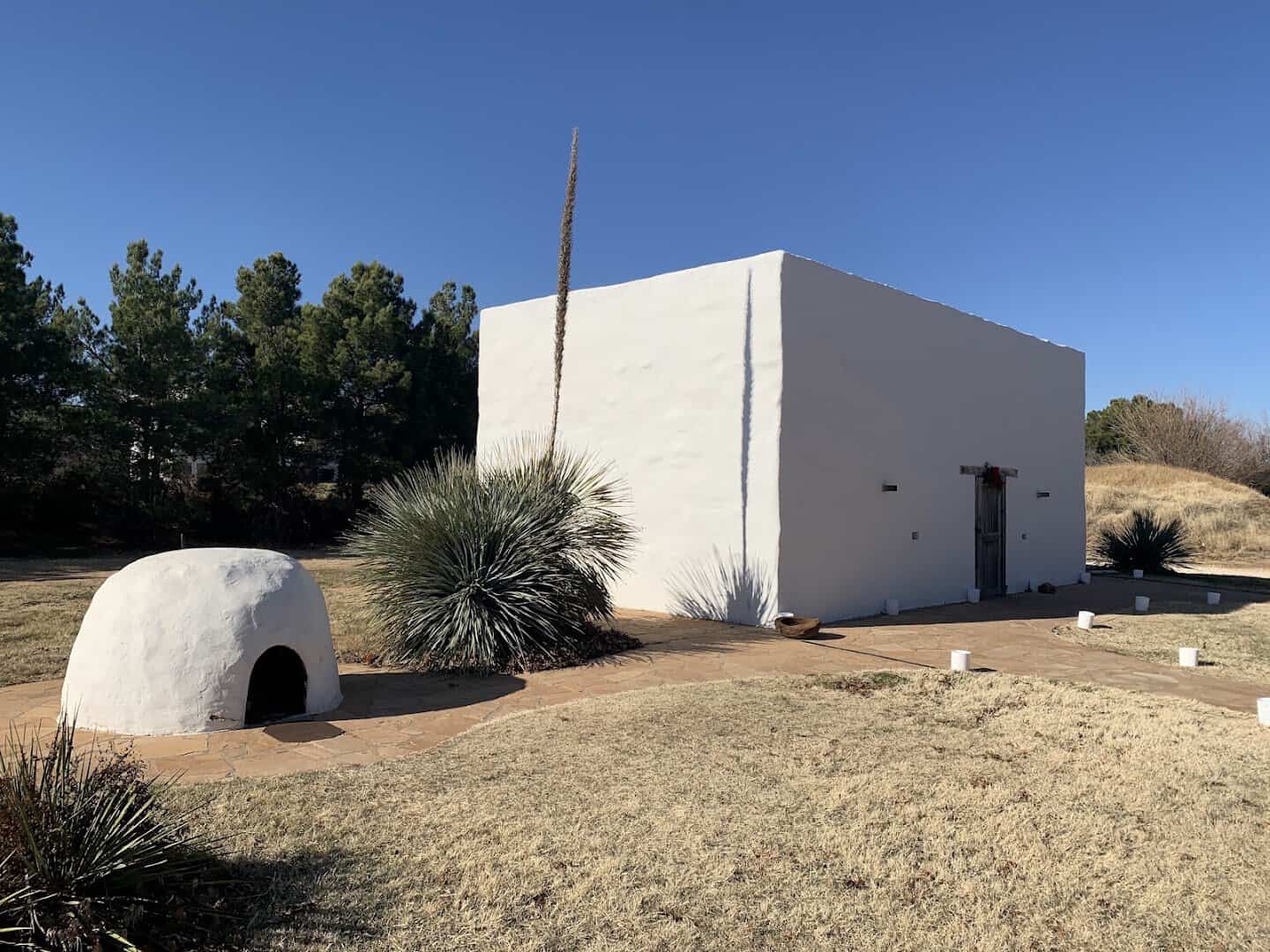
One structure quietly outranks all the others. It is a reproduction of San Jose de los Corralitos, a squat stone fortress-home that may represent the oldest style of standing ranch building in Texas, with roots reaching back to the 1780s.
Its walls are thick, its windows are little more than slits, and it was built as much to survive a raid as to keep out the weather. Stand beside it and the math lands hard: people were ranching this land before the United States had finished becoming a country.
Not far off sits the El Capote Log Cabin, dated to 1838, its timbers dark and hand-hewn. Between the two, you are looking at the very first chapters of the whole story, standing in the grass where anyone can reach out and touch them.
Did you know? Many of the buildings here are between 100 and 200 years old, which makes the grounds less a museum grounds and more a rescued town.
Homes That Tell the Whole Story
The best part is that you get to step through the front doors. Most of the houses are open, and walking their rooms tells you more about ranch families than any label ever could.
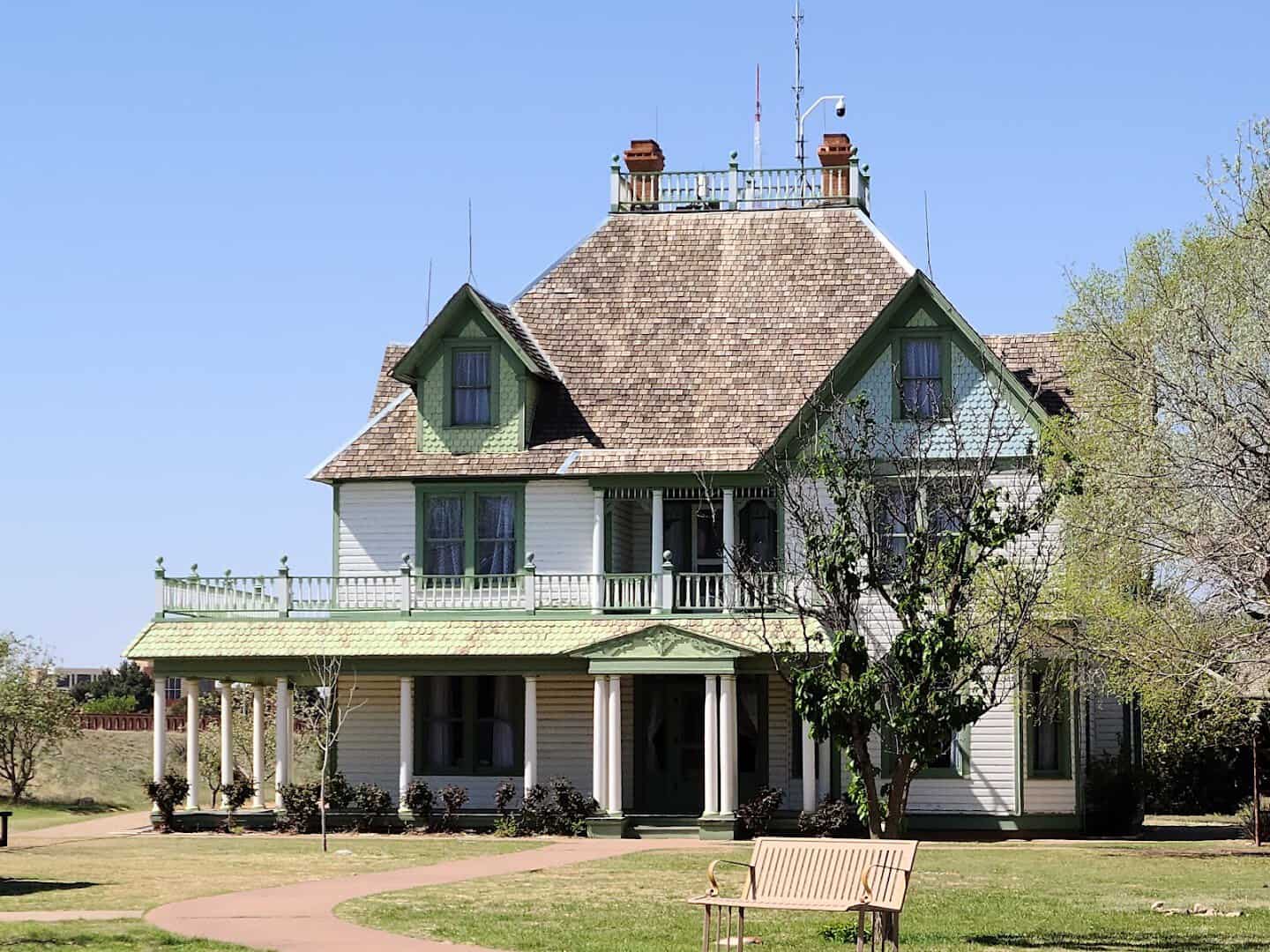
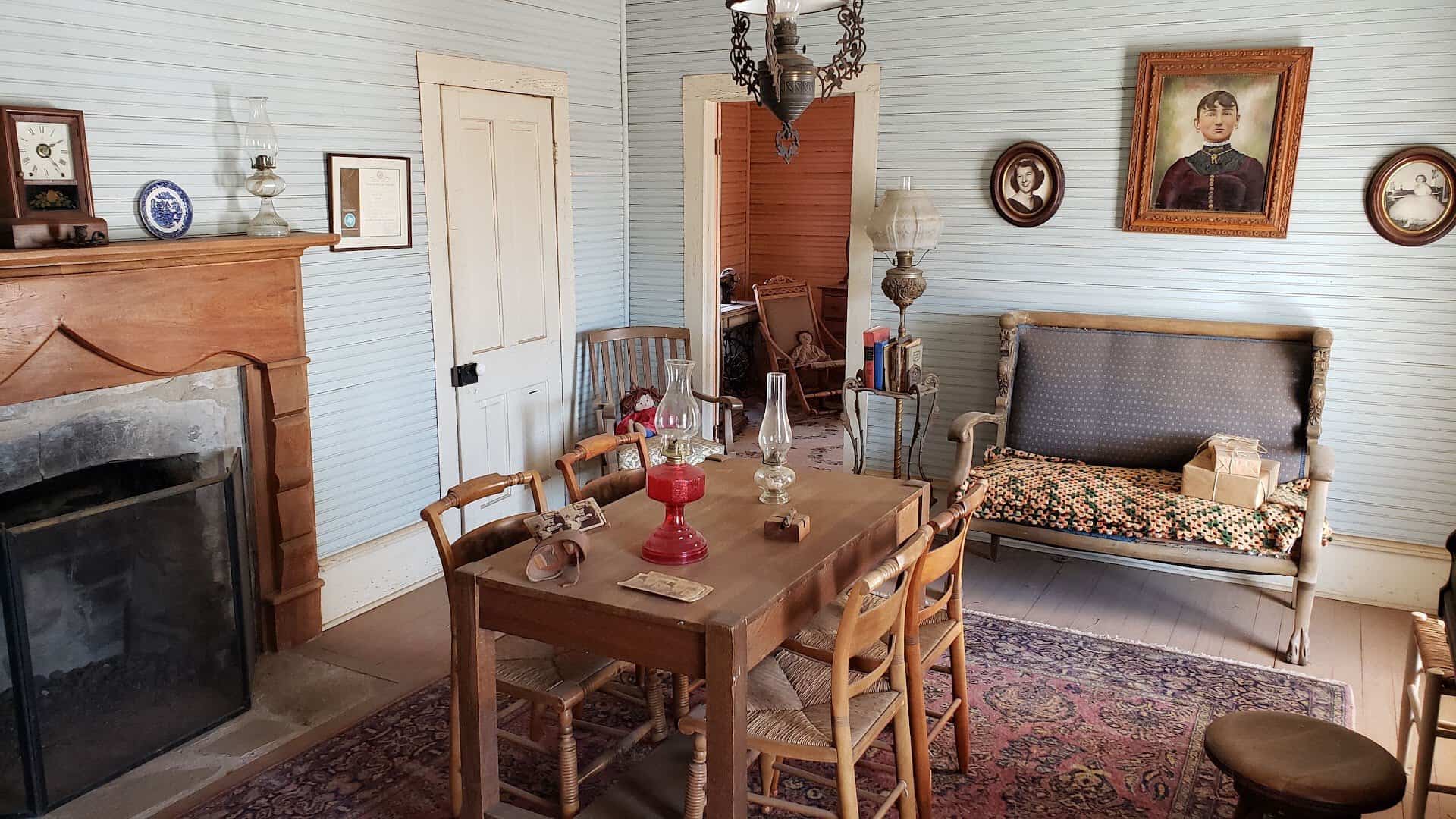
The showstopper is the Barton House, a grand 1909 Queen Anne dwelling with a captain’s walk perched on the roof. It was moved from Hale County and named for pioneer Joseph J. Barton, and its two stories of Victorian trim look almost impossibly fancy against the bare plains around it.
Then there is Hedwig’s Hill Dogtrot House from 1855, two log cabins joined under one roof with an open breezeway between them, a clever old trick for catching a summer wind.
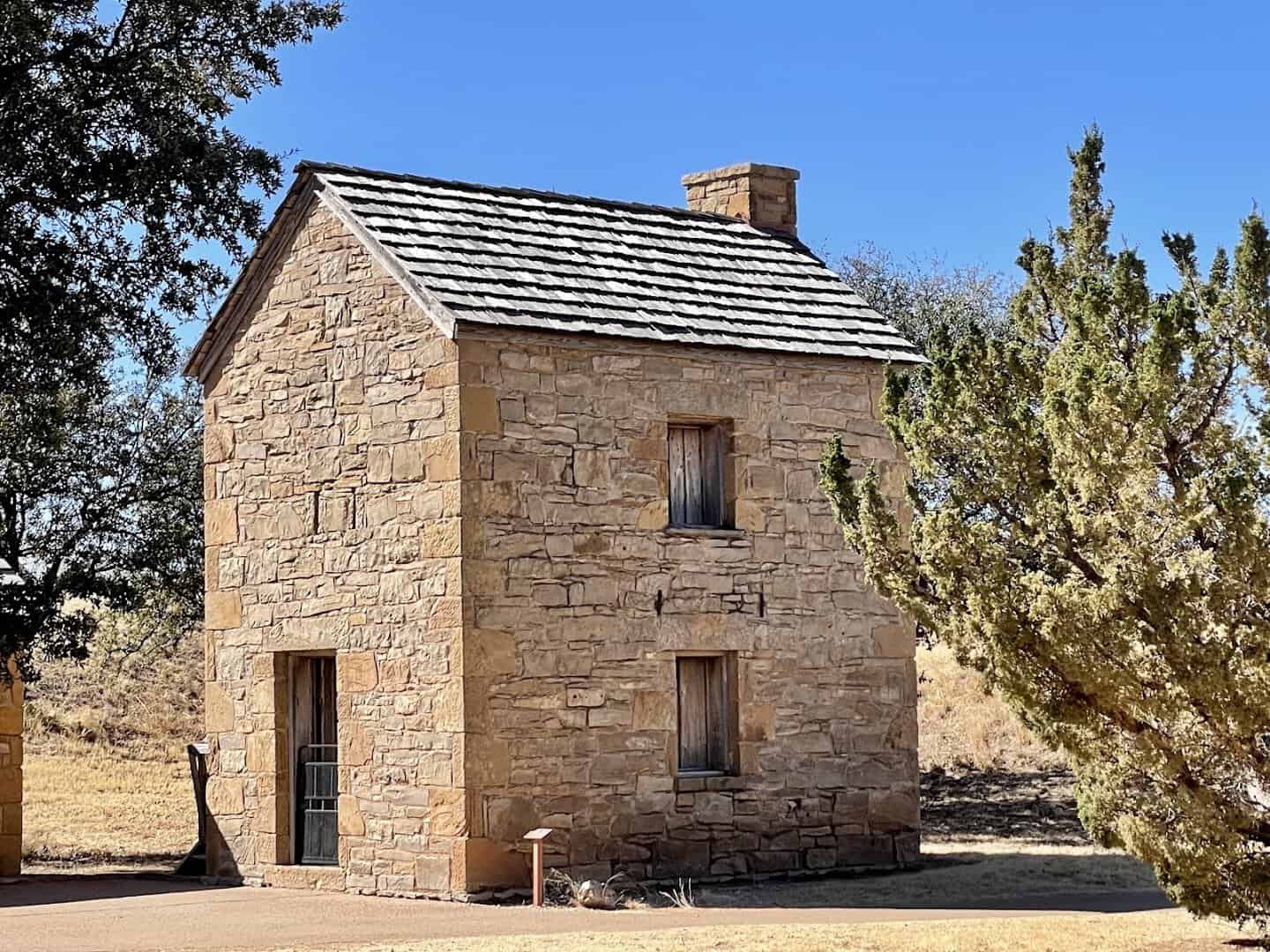
The Jowell House, built in the early 1870s, was raised more like a small fort, with an outside ladder instead of an interior stair so the family could pull it up in trouble.
The Harrell House grew in pieces between 1885 and 1917, named for sisters Fay and Myrtle Harrell. Each room you cross was added as a family put down deeper roots, and you can practically read their growing fortunes in the floorboards.
Barns, Depots, and Nineteen Bronze Steers
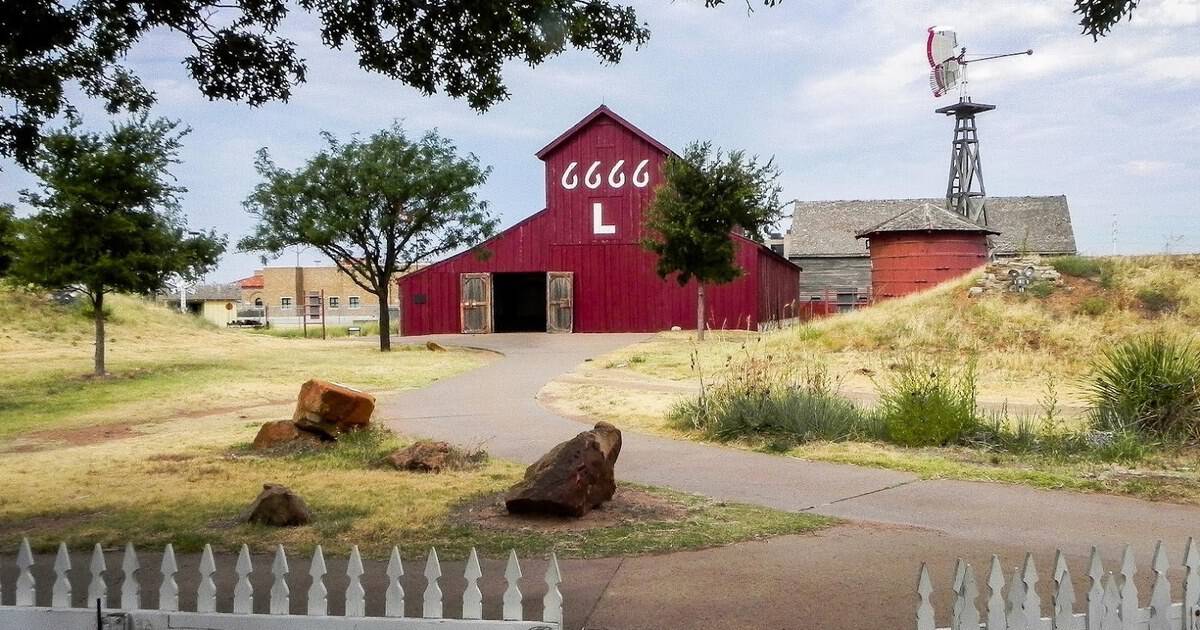
Ranching was never only about houses, and the grounds know it. You will pass a barn from the legendary 6666 Ranch, built in the 1870s by cattle baron Samuel Burk Burnett, and a set of weathered cattle-shipping pens brought in from the famous King Ranch.
There is a commissary from the Waggoner Ranch, a cookhouse from the Pitchfork Ranch, a blacksmith shop, a granary, a carriage house, and a late-1890s one-room schoolhouse where prairie children once learned their letters.
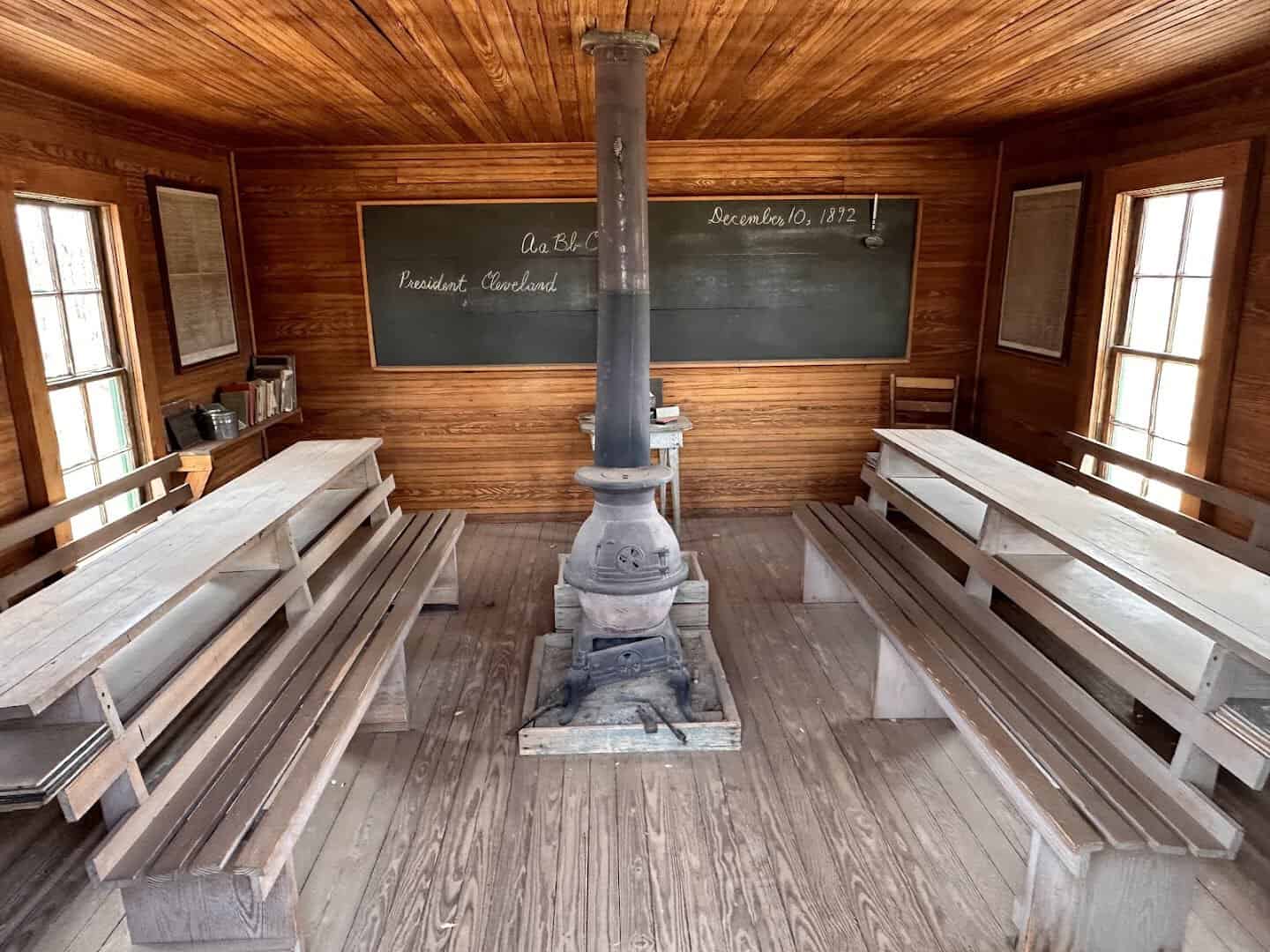
The one-room schoolhouse is a favorite stop, its rows of little desks facing a single chalkboard. It is easy to picture a lone teacher wrangling a dozen ranch kids of every age at once, all of them itching to get back outside.
The blacksmith shop is another. Ranchers had to make or mend almost everything themselves, from hinges to horseshoes, and the soot-dark forge in the corner is a reminder that self-reliance out here was not a slogan. It was Tuesday.
Three different kinds of windmill turn overhead, the tall steel flowers that made settling this dry country possible in the first place. Water was everything out here, and these machines pulled it up from deep underground.
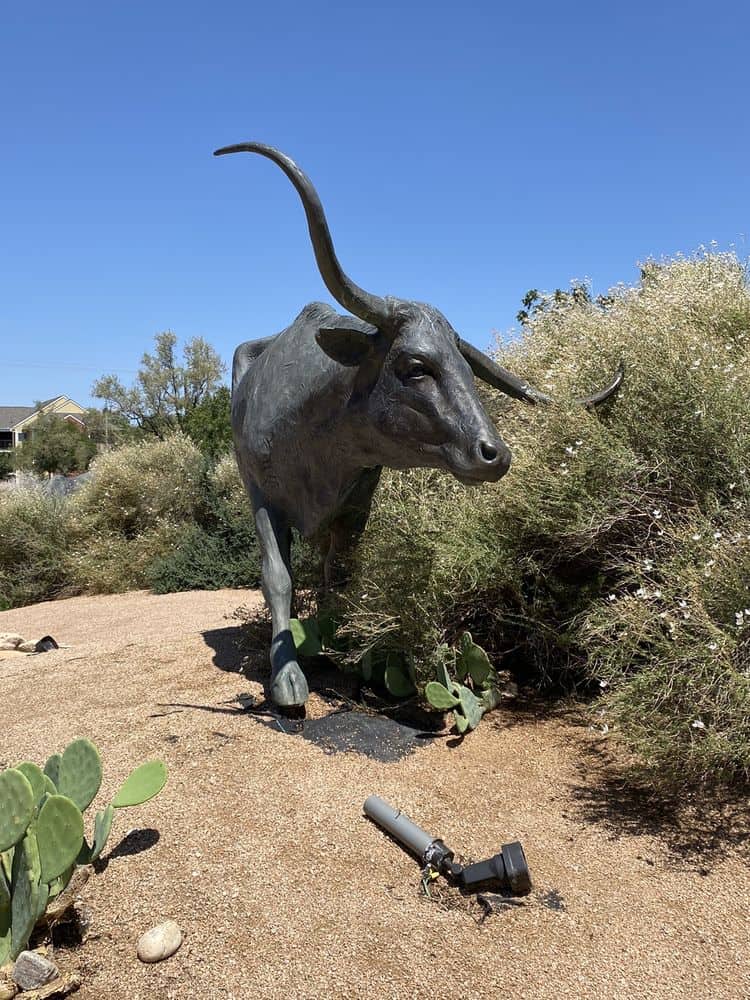
Even the entrance makes a statement. In Gibson Park, a herd of 19 life-size bronze steers strides across the lawn as if mid-trail-drive, part of the more than 40 bronze artworks scattered across the property. Kids love weaving between them, and honestly, so do the grownups.
Cool Off Inside the Galleries
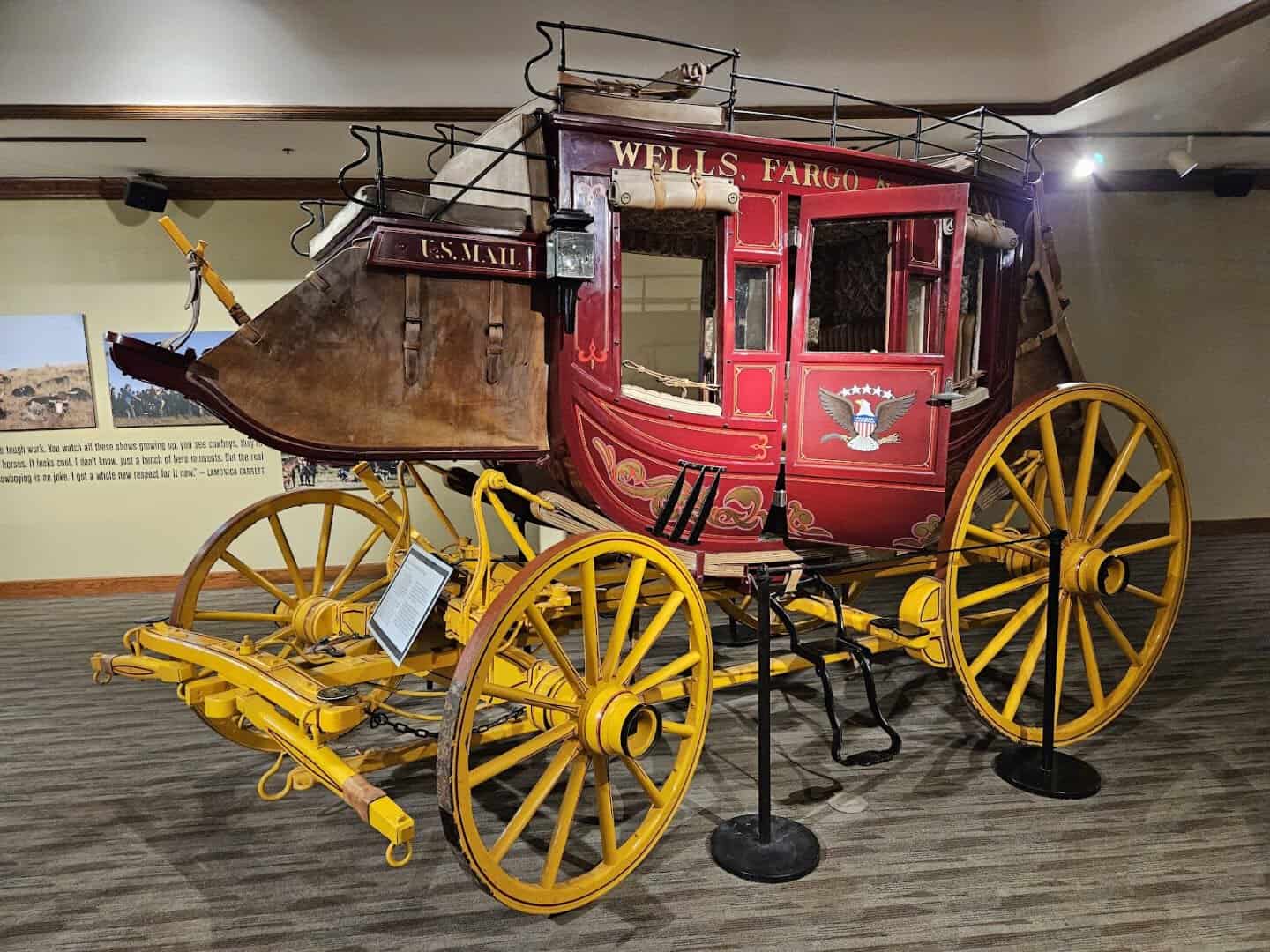
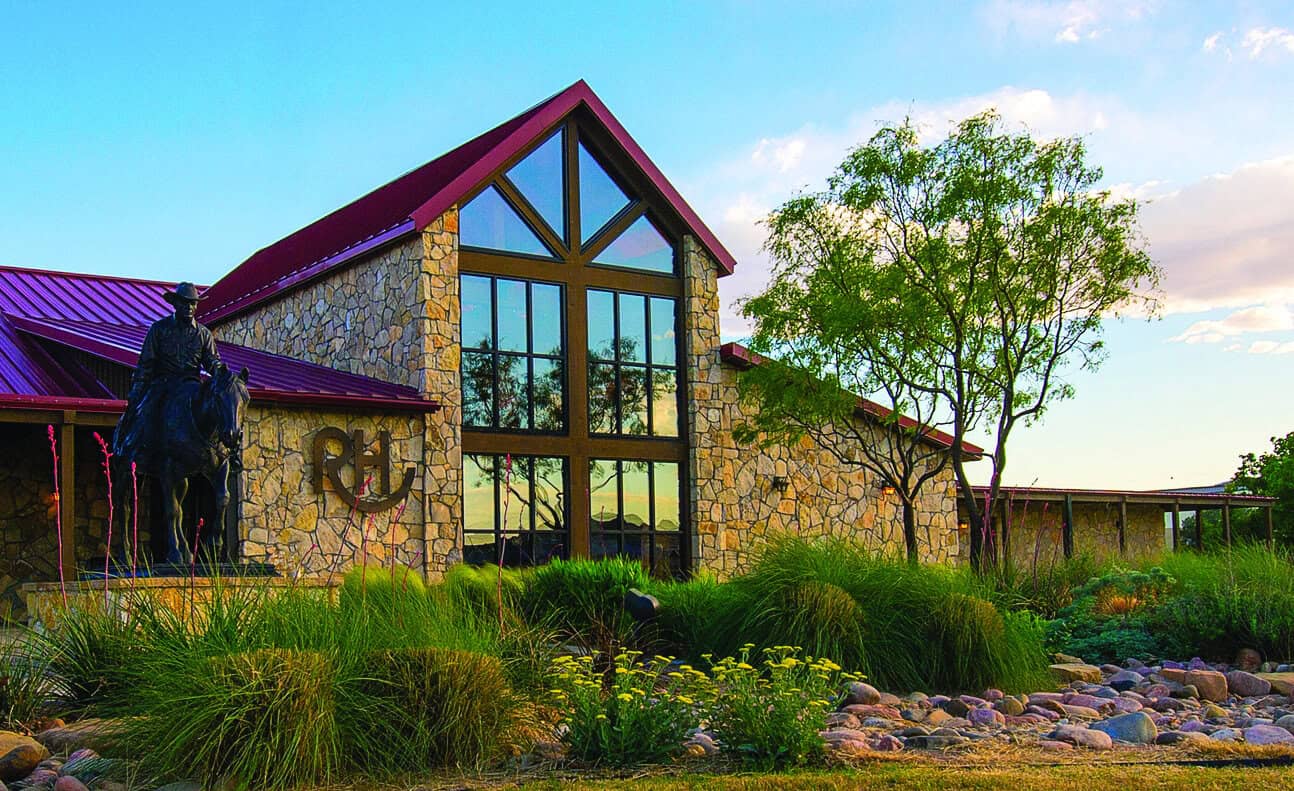
When the West Texas sun gets serious, the museum building is your reward. It runs about 44,000 square feet and holds seven galleries of saddles, spurs, branding irons, wagons, art, and the tools that built the cattle kingdom.
Wander the galleries and the objects start to add up. A hand-tooled saddle here, a wall of branding irons there, each brand a family name burned into iron. You begin to see ranching not as a single job but as a whole craft passed down through generations.
The newest addition is the Cash Family Ranch Life Learning Center, which opened in October 2023 and was clearly built with families in mind. It leans on Hank the Cowdog, the beloved West Texas book character, to turn ranch life into hands-on play for the youngest visitors.
It is the sort of space that keeps a five-year-old busy while a grandparent reads every placard, which is a rare and wonderful thing in a history museum. Nobody in the family is bored, and everybody leaves having learned something.
Pro tip: the signs throughout the grounds are printed in both English and Spanish, a nod to the deep Mexican and Spanish roots of Texas ranching that most museums skip right over.
How a Cattle Ranch Became a Museum
None of this happened by accident. The National Ranching Heritage Center opened in 1971, the product of years of effort by Texas Tech University and ranching families who did not want the old buildings to rot into the ground.
Rather than photograph a vanishing world, they decided to move it. Building by building, ranch by ranch, they relocated the real structures to this corner of the Texas Tech campus and rebuilt them true to form.
It was a slow and stubborn kind of preservation. Some buildings were dismantled log by log, each piece numbered, trucked hundreds of miles, and reassembled exactly as it had stood. The result is one of the largest collections of authentic ranch architecture anywhere in the country.
The place has kept growing for more than 50 years since. In 2024 the Texas Tech System approved a 28 million dollar expansion to add the Red Steagall Institute of Western Art, so the collection that started as a rescue mission is still reaching for its next chapter.
When the Ranch Glows by Candlelight
If you can time your trip for December, do it. Each year the grounds host Candlelight at the Ranch, and it turns the whole historic park into something out of a storybook.
More than 5,000 luminaries, campfires, and glowing hearths light the paths after dark, while volunteers in period dress bring the old buildings to life with reenacted holiday scenes from across the frontier West. Music drifts between the cabins, and the Barton House throws light from every window.
It has been a Lubbock tradition for decades, and it is the kind of evening that turns a history lesson into a memory. Bundle up, because the plains wind does not take the night off.
What to Know Before You Go
Here is the best part: admission is completely free, though donations are warmly welcomed and go straight back into keeping these buildings standing.
The galleries are generally open Monday through Saturday from 10 a.m. to 5 p.m., and Sunday from 1 to 5 p.m., with the outdoor historical park closing an hour earlier each day. It is worth calling ahead near Texas Tech and national holidays, when the gates may be closed.
Wear real walking shoes and bring water and a hat in warmer months, because that 1.5 mile loop is best taken slowly, and there is very little shade between the buildings. Give yourself a couple of unhurried hours at least.
Visitors leave genuinely surprised by how much is here. One traveler called it a true surprise in the middle of Lubbock, and families routinely walk out saying they had no idea a stroll through old buildings could be this much fun.
How to Get There
Where: 3121 4th Street, Lubbock, TX 79409, on the northwest edge of the Texas Tech University campus. Parking is free, and the visitor entrance leads you straight to Gibson Park and those bronze steers.
Point the Car Toward Lubbock
Some history you read about, and some you get to walk through. This is firmly the second kind, a whole century and a half of Texas ranching standing out in the open, waiting for you to wander its paths at your own pace.
So fill up the tank, point the car toward the South Plains, and give yourself an afternoon among the dugouts, the windmills, and the bronze steers. Just try not to fall so hard for that Barton House that you start pricing out captain’s walks for your own roof.
Featured image: @ National Ranching Heritage Center

Stella Raines
Editor-in-Chief
Stella brings over a decade of storytelling experience to TX Headlines. With roots in West Texas and a love for road trips, she leads the editorial team with an eye for the hidden stories that make Texas unforgettable.
More Stories
This Picturesque Texas Train Ride Steams Through the Piney Woods for a Relaxing Spring Day Trip
This Overlooked Texas Aviation Museum Is Home to a Real Spacecraft and the World’s Only Flying Pancake
This Giant Texas Flea Market Has 490 Booths You’ll Want to Wander Again and Again
This Underground Texas River Cavern Was Once a Secret Speakeasy and an Outlaw’s Hideout
Tags