This Old Fishing Village in Texas Has Seashells, Beaches, and More
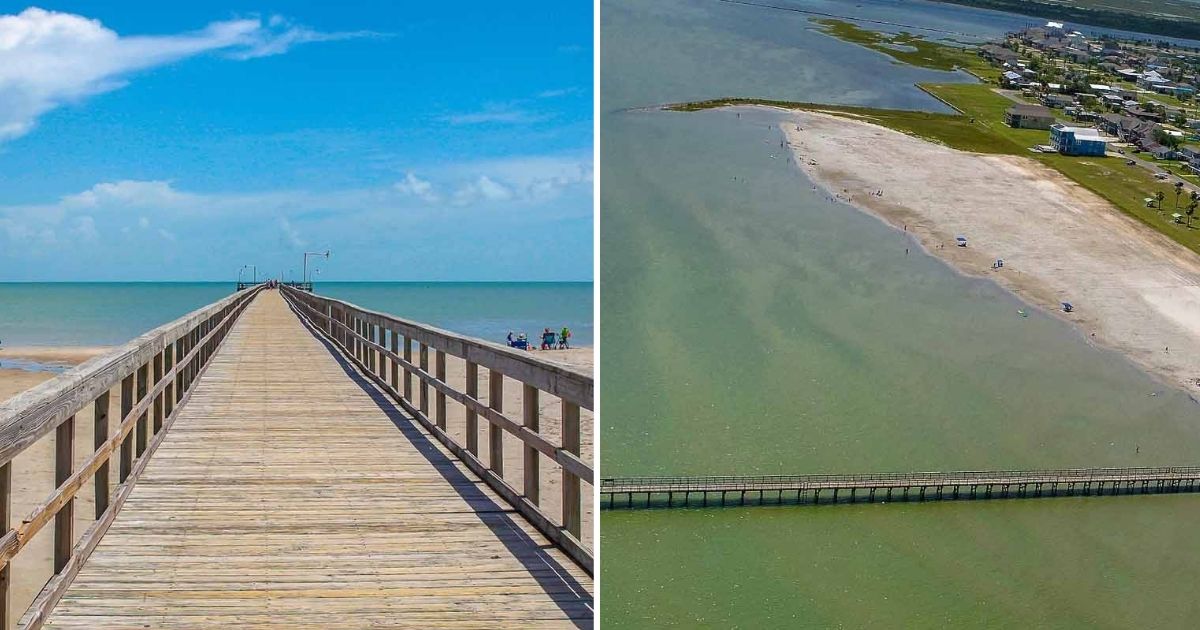
Where’s a good fishing spot between Galveston and Corpus Christi?
That’d be Port O’Connor in Calhoun County, Texas. It’s on the Gulf coastline, but not many people know about it.
Like many coastal towns, it has everything an angler could ask for.
Its nutrient-rich waters attract an abundance of fish, while its protected bays, marshes, and offshore areas are home to a wide variety of species.
Whether you’re fishing inshore or offshore, you’re in luck for a great haul on a visit to Port O’Connor.
The Early Years
As of 2020, Port O’Connor only had about 950 or so people. It’s on the large end of Texas small towns.
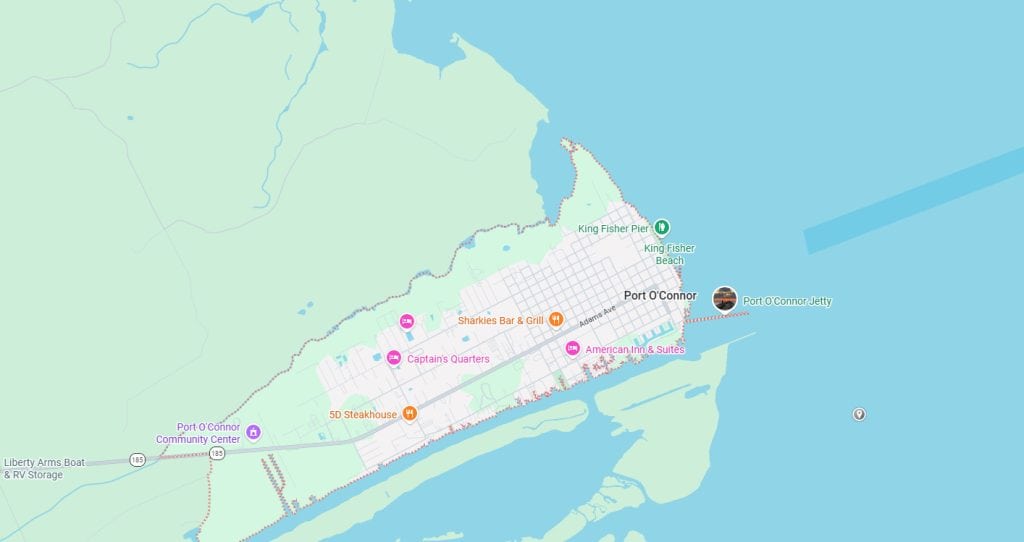
The town is located along State Highway 185 and Matagorda Bay in southern Calhoun County.
And its history goes way, way back.
The land used to belong to the Karankawa Indians. The tribe were expert hunters and fishermen — a legacy that still echoes in how residents engage with the land today.
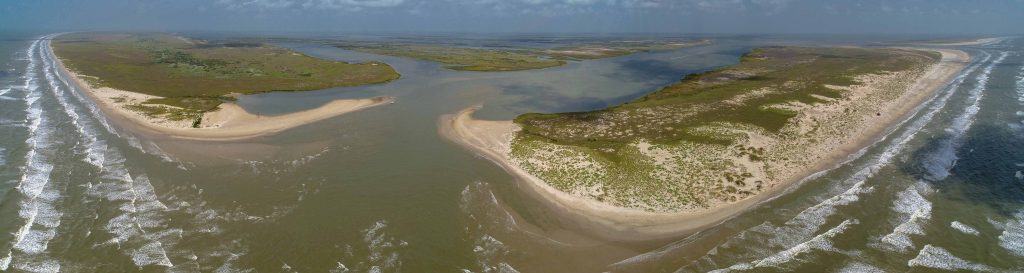
From Port O’Connor, you can see the old Pass Cavallo, a passage into Matagorda Bay from the Gulf, a few miles off the shore. It used to be a deep water route for ships from the 15th through the 19th centuries.
French explorer Robert de la Salle shipwrecked his fleet in 1684 along this route, before his party went ashore to explore.
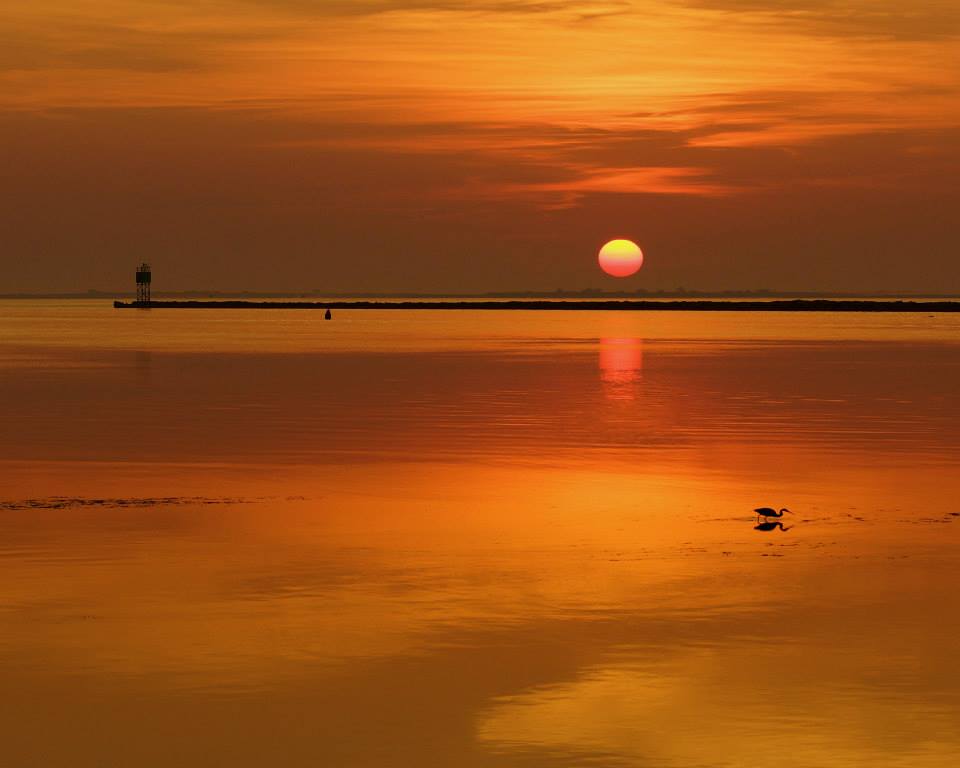
A beloved local landmark is the Matagorda Lighthouse, which is reflected in the shape of the Chamber of Commerce’s seal.
It’s reachable by boat on Matagorda Island.
It was a working lighthouse starting in 1873, but has since served as a historical (non-working) landmark. In 1984, the lighthouse was added to the National Register of Historic Places.
Interestingly, the lighthouse now runs on solar power — a fun fact to share with curious kids.
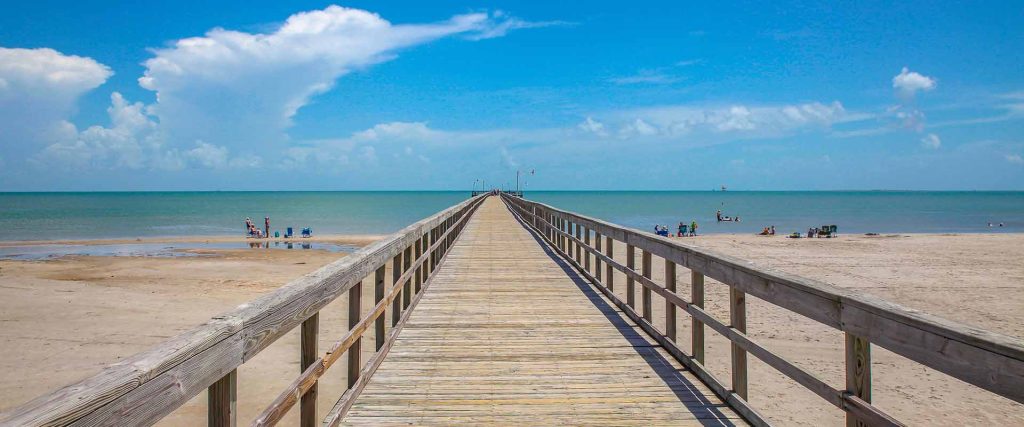
Locals in the town are also proud of Front Beach Pier. It was destroyed by Hurricane Claudette in 2003, but they rebuilt it in only one year following the loss.
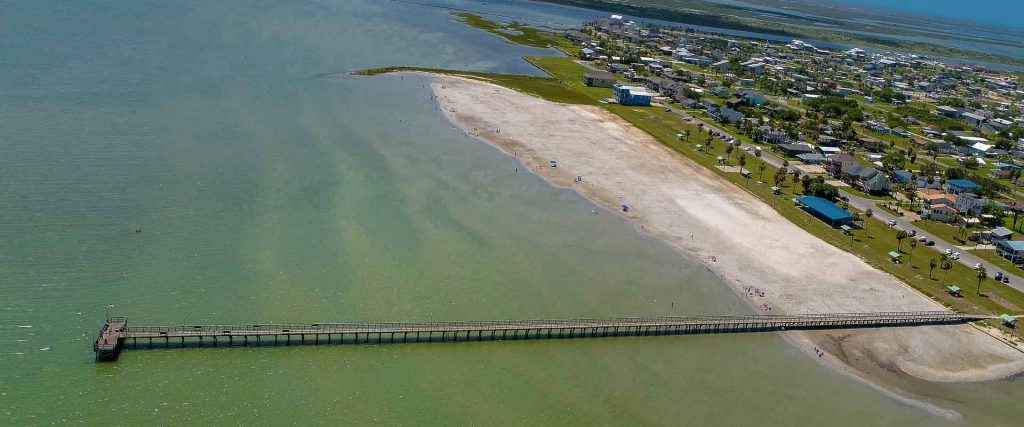
Most tourists don’t know about this history of rebuilding, though. It’s a great scenic outpost, too, to view the lovely Matagorda Bay.
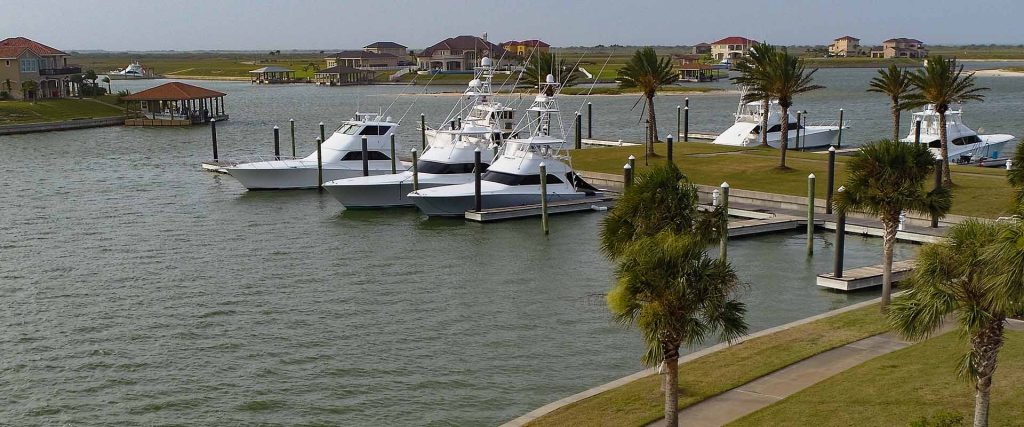
On land, the marina side of Clark’s Restaurant and Marina has been in business for over 90 years.
In 1909, the Calhoun Cattle Company built what’s present-day Port O’Connor on the 70,000-acre Alligator Head Ranch, previously owned by Thomas M. O’Connor.
Much of that land was purchased for only $600 — a remarkable figure by any era’s standards.
Only a couple of years later, the International-Great Northern Railroad extended its line to the town. Within three years, tourists arriving via the St. Louis, Brownsville, and Mexico Railway were staying at the town’s hotel and catching shows at the pavilion.
At the time, Port O’Connor held about 350 people.
The town had three general stores, two churches, two fish and oyster plants, a bank, an ice plant, and a lumber company.
Farmers grew figs and citrus fruit and sent them over to the town’s Fig Orchards Company for processing.
Port O’Connor stayed a small fishing village for many years, content with the simple life. Its primary sources of business were bay shrimp and oyster boats.
The population doubled in size by the 1940s, alongside a rise in the number of local businesses.
In 1936, Port O’Connor had three churches and a school dedicated to their town.
Another big change came in 1939, when the Gulf Intracoastal Waterway linked New Orleans with Corpus Christi, and in turn, connected these little towns along the Gulf.
From a tiny fishing village, the town grew into a popular summer fishing destination. This became especially true when the Matagorda Ship Channel and Jetties were completed.
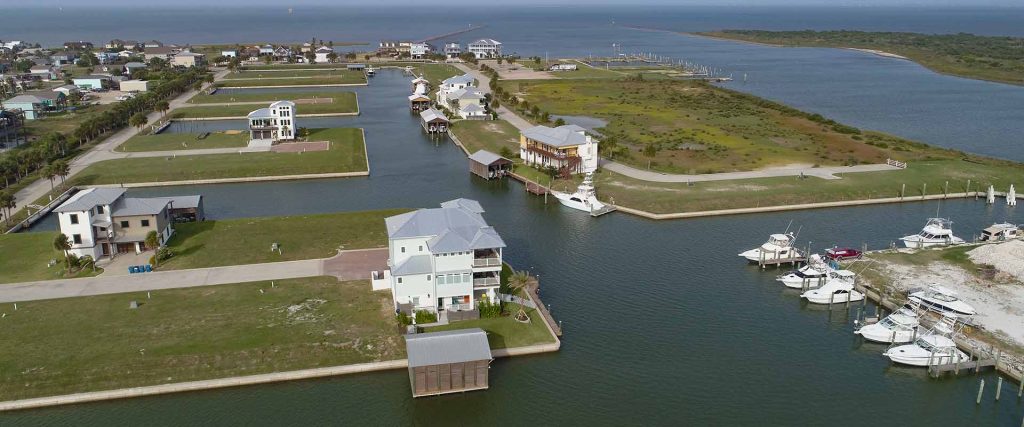
Fishermen from Houston came over and built summer weekend or retirement homes in Port O’Connor. The deep water channel to the Gulf also opened up substantial opportunities for shrimping.
As is common along the Gulf Coast, hurricanes struck the town in 1919, 1942, and 1945. These storms left behind damages, but Hurricane Carla in 1961 leveled the entire town. It destroyed their five-block downtown area.
Recovery was aided by the town’s proximity to Matagorda Air Force Base. In time, they were able to rebuild what they’d lost.
Offshore oil drilling in the ’60s through the ’80s unlocked another business opportunity for Port O’Connor. These offshore oil companies also ushered in more deep sea fishing.
The number of businesses continued to increase year after year into the late 1900s and early 2000s. In the late 1980s, it was known as a fishing, tourist, and retirement center.
Today, sports fishing is the main economic driver of Port O’Connor. Fishing guides operate across the full range of waters, from the shallow bays to the deep Gulf.
Things to Do in Port O’Connor
The Port O’Connor Chamber of Commerce refers to the town as “The Best Kept Secret on the Texas Coast.”
Maybe part of that’s because Galveston and Corpus Christi are the big fish in the pond, in terms of summer destinations for many Texans and out-of-state or international travelers.
Going to a small fishing town in between these top destinations doesn’t seem like a logical choice for families, couples, or retirees.
But it’s exactly where they’d find fishing, duck hunting, outdoor recreation activities, shopping, hotels, dining, and more.
Size isn’t an indicator of quality.
In some ways, it’s these “best kept secrets” that make all the difference in a good vacation versus a fantastic one. They’re quiet, not overcrowded, and full of hidden gems.
Port O’Connor is home to 26 miles of beaches and 34 professional fishing and hunting guides.
The most common thing to do in Port O’Connor is fishing, followed by recreational boating and coastal sightseeing.
In the past, the town was known for commercial shrimping, because of its direct access to Matagorda Bay, and its position just a few miles from the Gulf of Mexico.
The town is a go-to place for bay, off-shore, and wade fishing, especially for redfish, trout, and flounder.
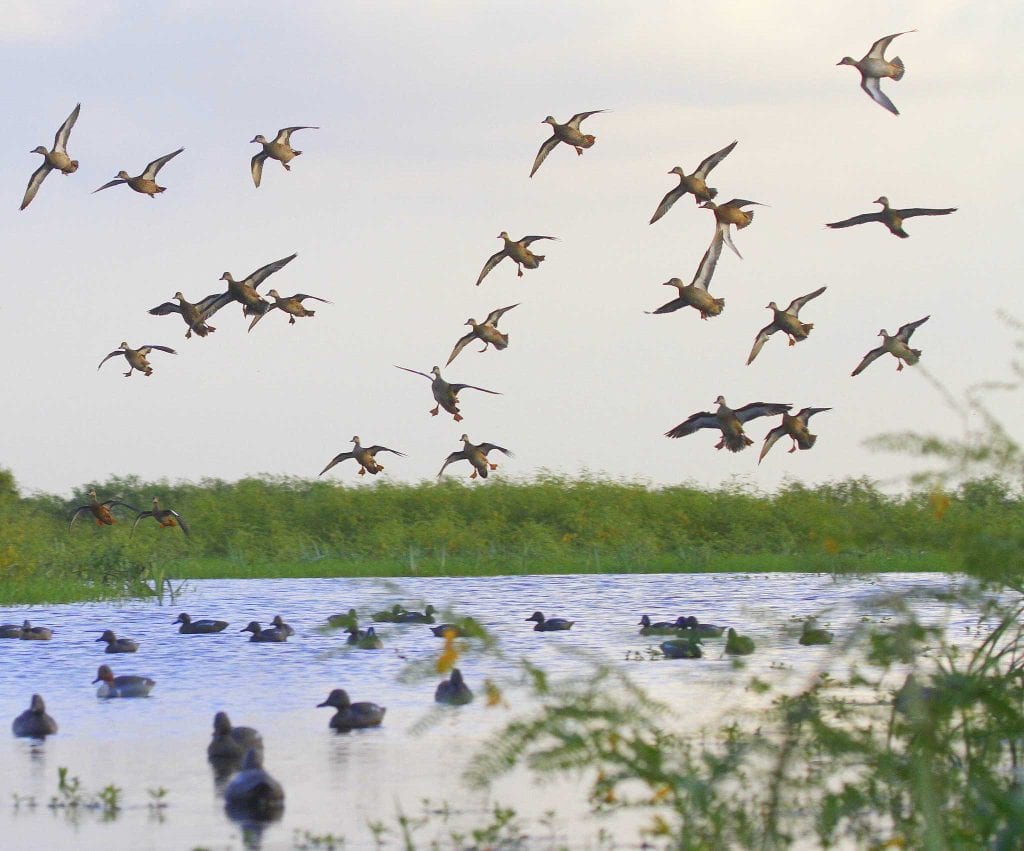
How about hunting? In the winter months, hunters come for the duck, geese, and other waterfowl.
If you love to curl your toes in the sand, there’s a recently expanded King Fisher Beach.
Bird watching is a growing pastime at Port O’Connor, which is now one of the best birding hot spots in the Lone Star State.
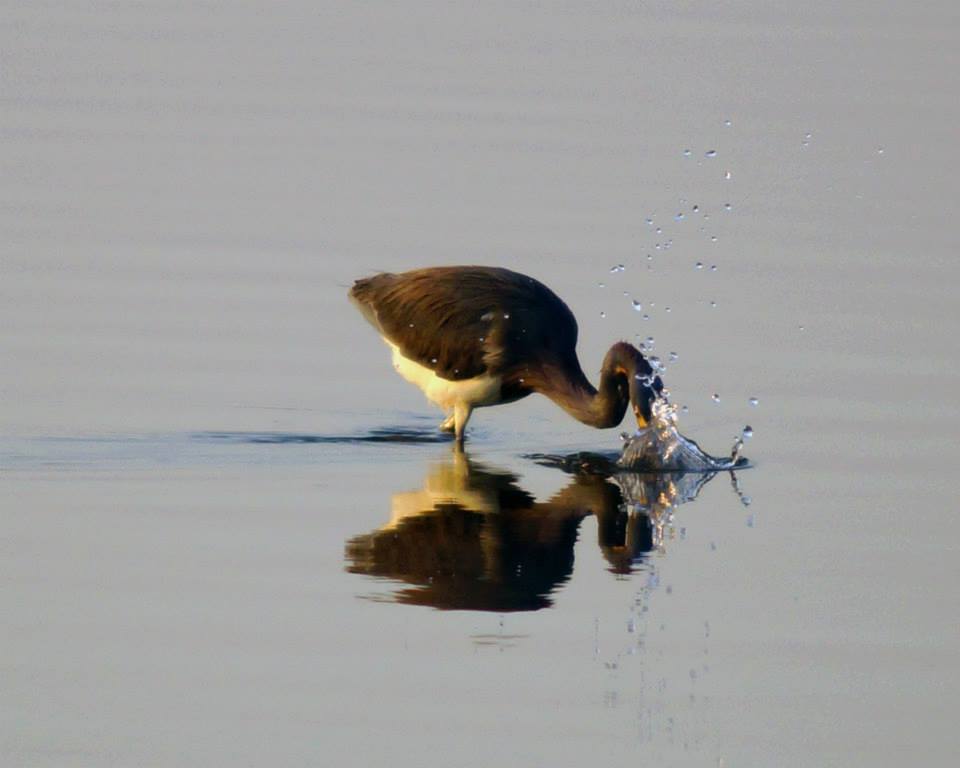
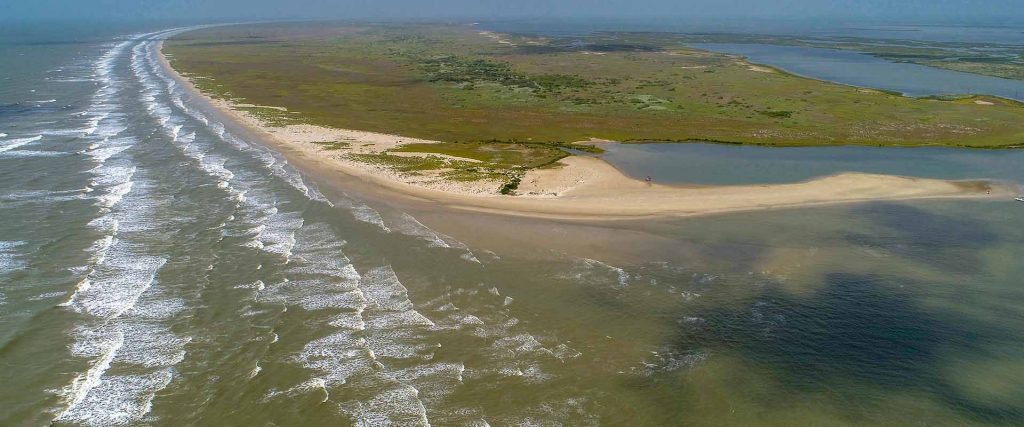
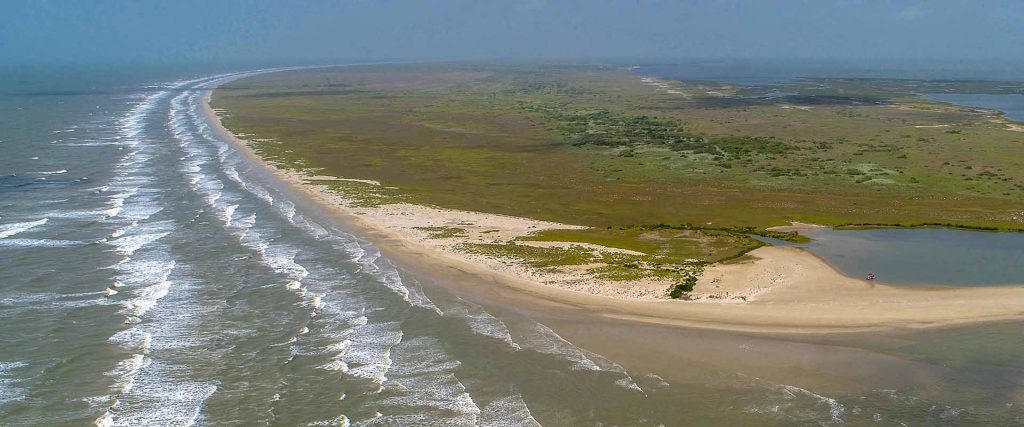
Two and a half miles offshore lies Matagorda Island, a preserved natural habitat. It used to be an army air base, but now the barrier island is a National Preserve.
The island is home to a variety of endangered migratory birds such as whooping cranes. Tourists come from across the country to see these birds
Birders also recognize Port O’Connor as the location where the highest number of bird species have been spotted in the United States.
For outdoor recreation, visitors can fish from a kayak or simply paddle the calm waters for the pleasure of it.
Local bars along the beach offer dining, dancing, and more, for those who love a town with nightlife.
Events at Port O’Connor include their Annual Crawfish Festival, fireworks on the first Saturday in July, Trunk-or-Treat at the beach, and a Christmas Lighted Boat Parade.
How’s the weather in Port O’Connor?
Summers are warm to hot (as are Texas summers). Winter stays cool, but gets icy on occasion.
Spring through autumn includes wind gusts blowing in from the Gulf. These can be anywhere from a light breeze to high winds (be cautious).
In the winter, the area has some cold fronts that bring strong north winds (“northers”). These northers can last several days, so be prepared for cold weather.
Humidity, being near the coast, is high, so don’t expect your hair to behave.
Hurricanes aren’t ruled out as a possibility. The area has had several in the past 100 years, so check the news and weather stations for any alerts.
Naturally, since Port O’Connor has a small-town feel, there are a few things you and your kids will love about this area.
Mail is only handled by the town’s general post office, which doesn’t deliver mail door-to-door. Small towns!
In the late ’90s, a few women started a local, free newspaper called Dolphin Talk. I really like that name, an appropriate one for a newspaper in a small coastal village. The newspaper covers stories on local events and news in Port O’Connor and the surrounding regions.
King Fisher Beach is at the end of Highway 185 (Adams Street) on Park Street. This park has a handful of covered picnic areas with barbecue pits.
At King Fisher, you’ll find showers and restrooms, as well as a volleyball court and a fishing pier.
It’s a prime spot to build sandcastles and go looking for seashells. The tide leaves some great treasures on the shore for you to find.
It’s not a secret, though! So, go out early in the morning if you’d like to get the best seashells.
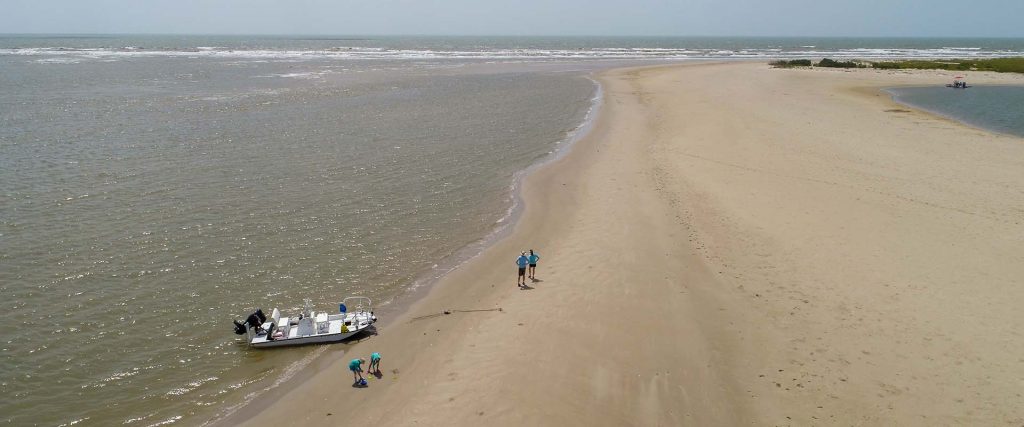
Sunday Beach is on Matagorda Island. You’d need to get there via a boat from either the Gulf or Pass Cavallo. It’s a good place to go camping, searching for seashells, fishing, or bird watching.
Sunday Beach doesn’t have any fees, permits, or restrictions, which is a nice perk.
However, keep in mind that this beach doesn’t have any electricity or drinking water available. Bring what you’d need with you, and keep yourself and others safe.
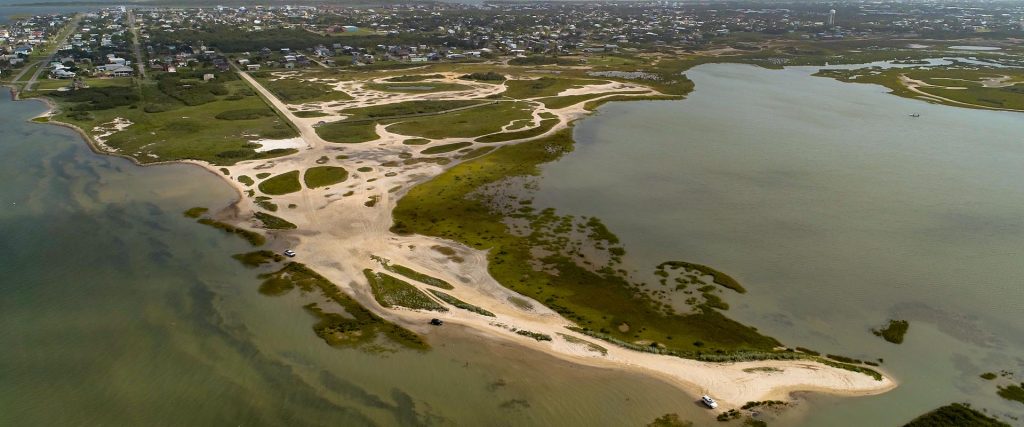
Where can you find seashells? Well, some of the best places are the little jetties along the Gulf Intracoastal Waterway, the Gulf beaches next to Pass Cavallo, and a few spots on Matagorda Island.
Where is this fishing village located? Type Port O’Connor Texas into your Maps app.
Where: Port O’Connor, Texas 77982
The Port O’Connor Chamber of Commerce is good about posting on their Facebook page about local businesses, discounts, dining, hotels, and more.
After many hurricanes, the village kept rebuilding. It’s not something a local would tell a tourist if they passed you on the street.
It’s written in the quiet resilience of their demeanor — strong, unassuming, and unwilling to make a fuss about either.
In fishing, as in life, patience and preparation are key.
But there’s also something to be said for relaxed shoulders and a tucked hat, legs crossed, as you wait out whatever storms — or wriggling fish — the day decides to bring.
Find them online at portoconnorchamber.com, follow along on Facebook and Instagram, and pull up directions on Google Maps before you head out — because the best kept secret on the Texas Coast is worth every mile of the drive.

Shelby Brooks
Travel Writer
Shelby Brooks was born and raised in the North Dallas area. For her studies in creative writing, and later for work as a writer and editor, Brooks lived in Sherman, Fort Worth, Denton, and for many years, Aggieland (College Station). Brooks travels within Texas, to theme parks in Orlando, up to the Big Apple in NYC, and to beaches across the U.S.
More Stories

These 11 Breathtaking Texas Churches Look Almost Too Beautiful to Be Real

This Vintage Texas Train Glides Through the Pines for Wine, BBQ, and a Sky Full of Stars

This Sprawling Texas Flea Market Has Over 5,000 Vendors and Food at Every Turn

This Sprawling Texas Bookstore Turns Browsing Into an All-Day Adventure
Tags