This Immersive Texas Aquarium Brings Rainforest Wildlife, Marine Life, and Exotic Animals Under One Roof
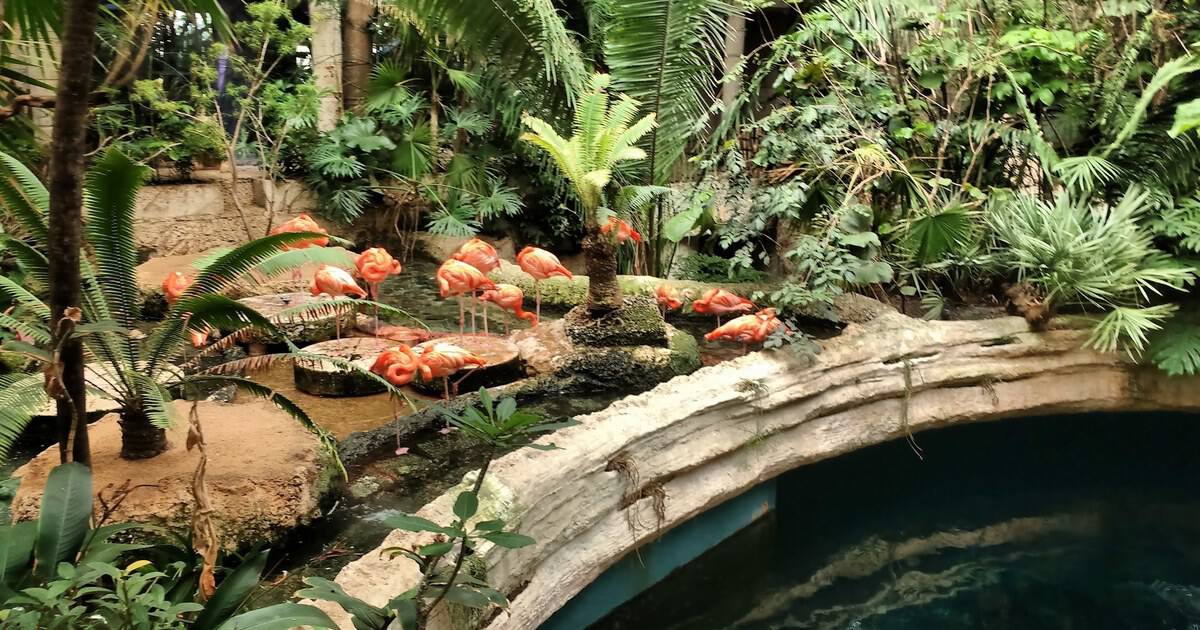
Nobody told me that one of the best rainforests in Texas sits three blocks from a downtown light rail stop, tucked inside a warehouse that used to hold freight.
I always assumed you had to fly to a different continent to stand under a canopy full of toucans. Turns out you just have to find parking in Dallas.
That surprise is the whole appeal of this place. It is an immersive jungle world where a rainforest canopy, a 400,000 gallon shark tank, and a roster of exotic animals all share one climate-controlled building.
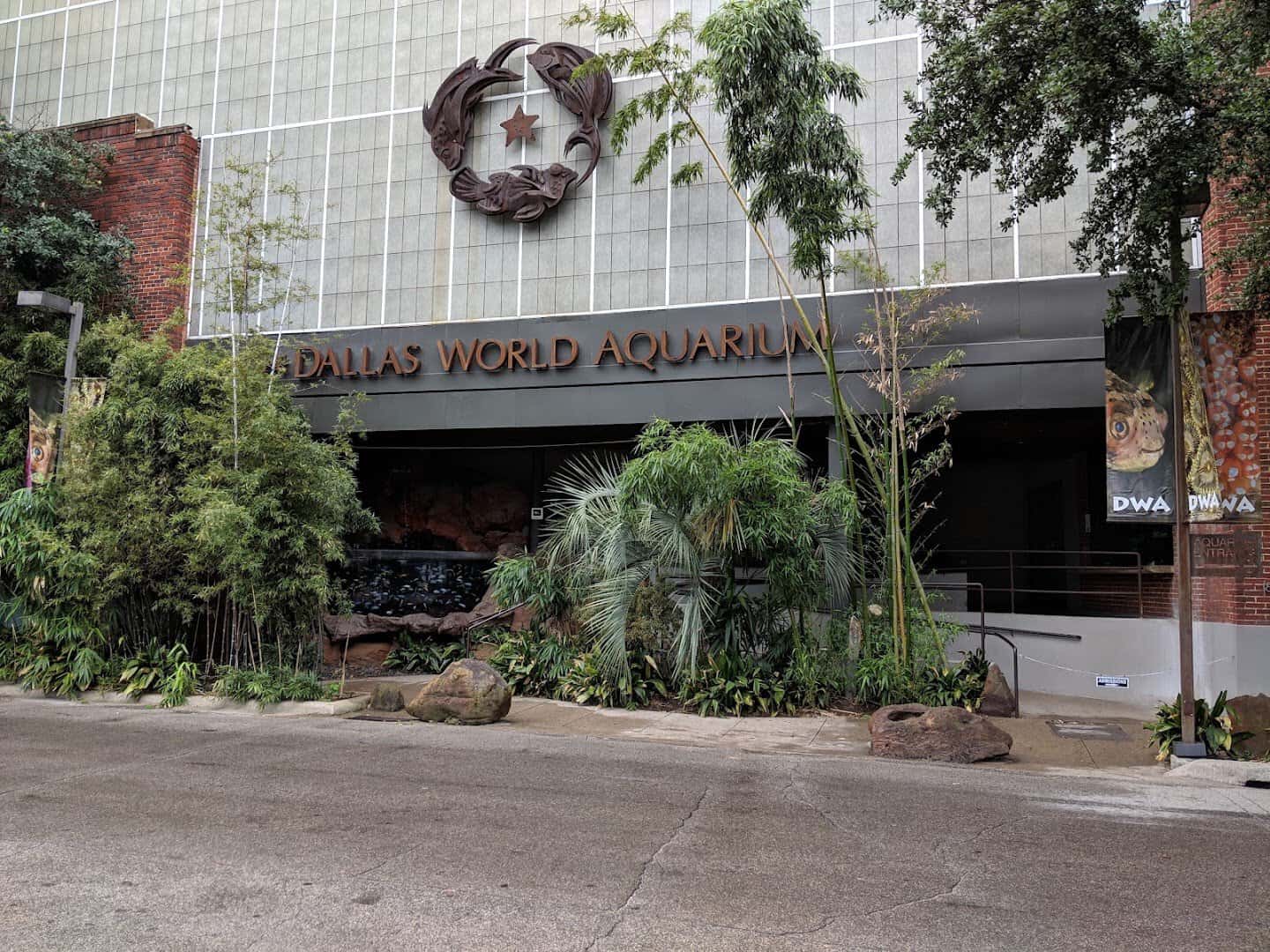
You start at the treetops and wind your way down to the ocean. By the end you have walked through several countries without ever leaving the West End.
Here is why this converted warehouse pulls families back season after season, what lives inside it, and everything you need to plan the trip.
A Rainforest Built From the Top Down
Most aquariums send you down a hallway of glass boxes. This one drops you into the canopy first and lets gravity do the rest.
You enter near the treetops, where the air turns warm and damp and the branches rustle with color. Free-flying birds dart overhead. Then the walkway spirals downward, level by level, past every layer of the forest until the marine tanks open up beneath your feet.
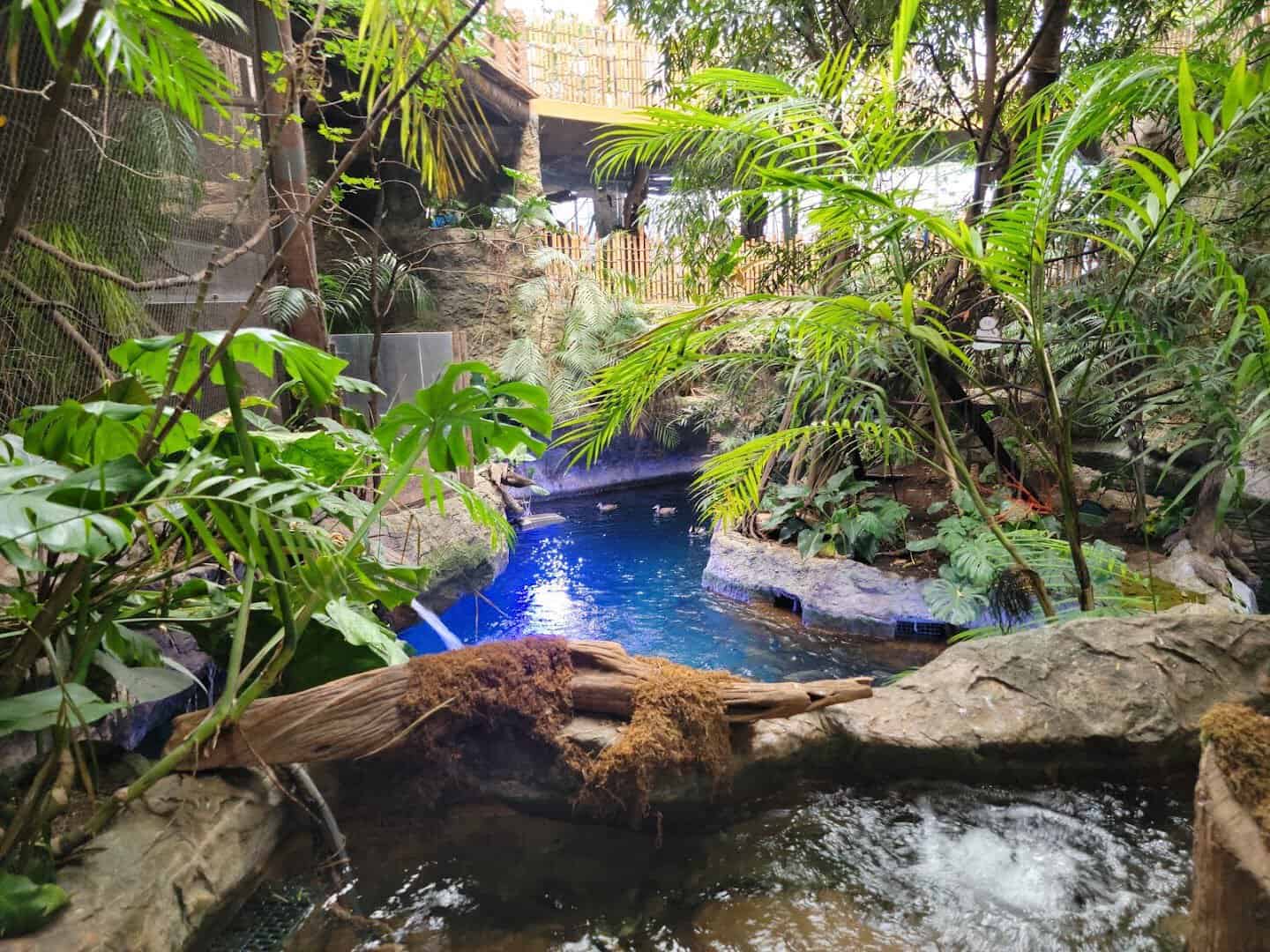
The Orinoco exhibit is the heart of it. Three full levels recreate the river basin of Venezuela, with a ramp that curls around the whole thing so you get a 360 degree view at every height.
One minute you are eye to eye with a bird in the branches, the next you are looking down on the water far below.
The humidity is real, not a gimmick. Plants grow from the walls. Water trickles somewhere out of sight. It genuinely feels like the forest closed over the roof and never let go.
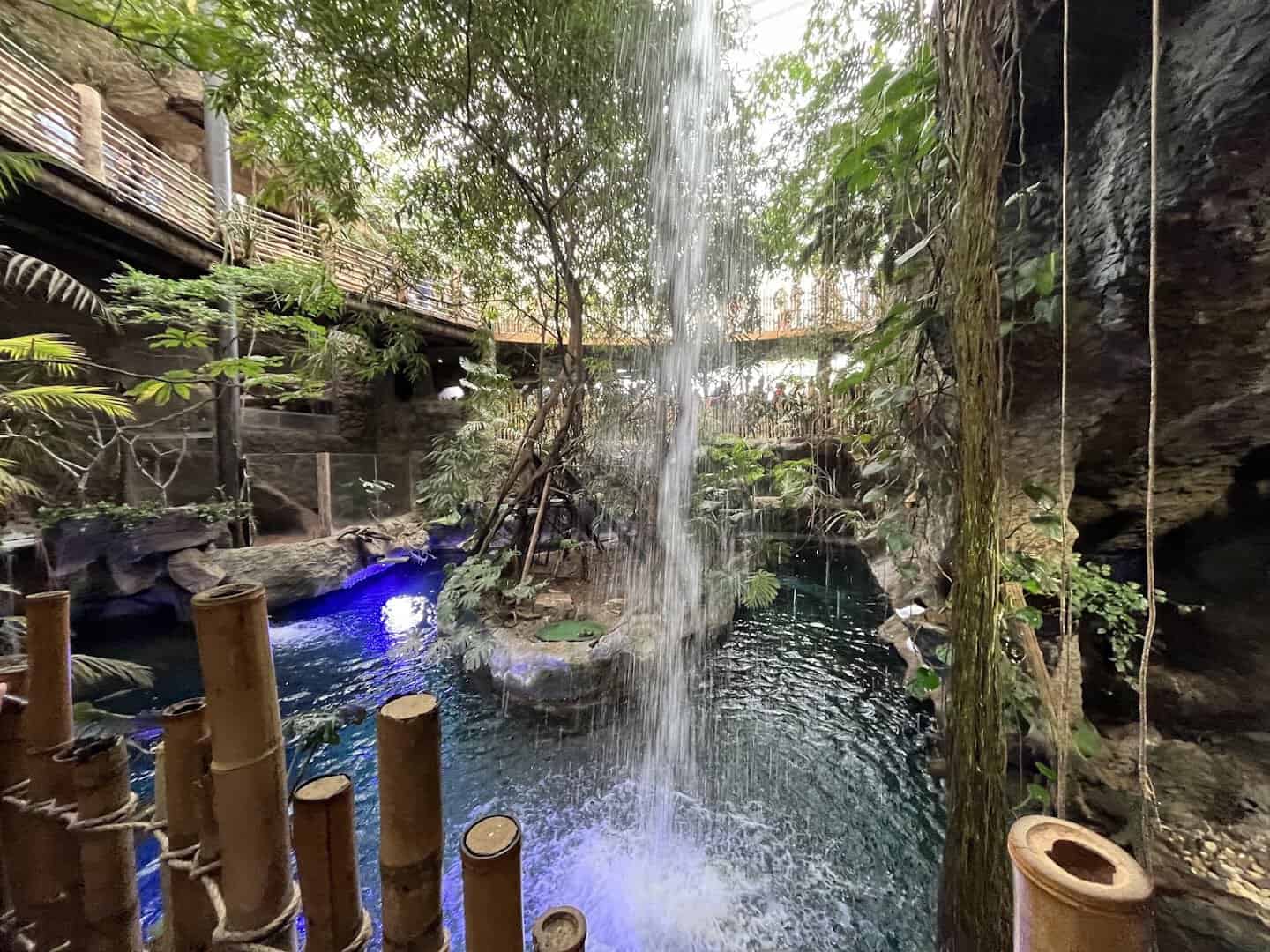
The layout is the clever part. Because you descend instead of walking a flat loop, you meet the animals the way you would in the wild, birds up top, mammals in the middle, fish at the bottom. It never feels like a hallway of tanks.
The Toucans Will Steal the Whole Trip
Up in the canopy, the treetops are peppered with birds that look painted on. Saffron toucanets, blue-crowned motmots, and gray-winged trumpeters move through the branches at eye level, close enough to study every feather.
The showstopper is the baby toucans. On the top floor you can hand-feed them blueberries, and watching a bird that vivid take fruit from your fingers is the kind of thing kids talk about for weeks.
Then there are the sloths. A staff member walks one out into the open on active duty, and you can stand right underneath as it moves branch to branch in glorious slow motion. It is like watching a nature film at quarter speed, and nobody rushes you along.
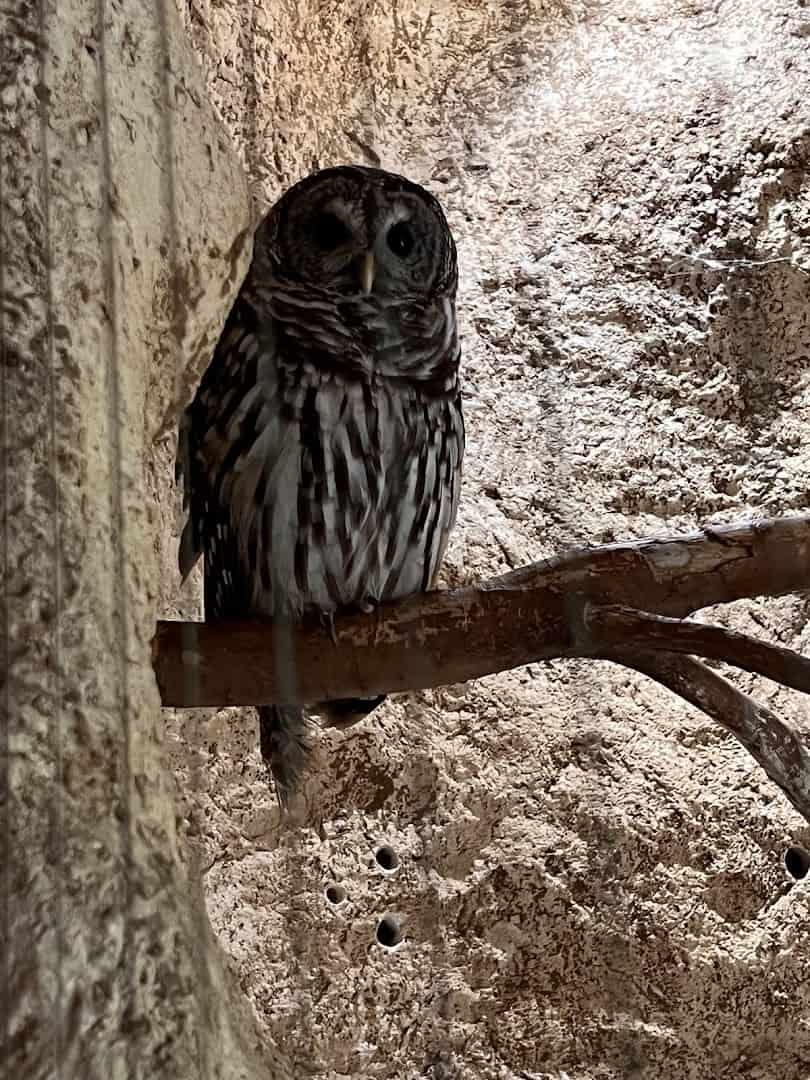
Pro tip: come on a weekday before 10:30 a.m. The animals are more active early, the crowds are thinner, and you will actually get a front-row spot for the sloth.
Manatees, Jaguars, and a Shoebill Named for Its Shoe
The animal list here reads like a wish list. Manatees glide through their pool like gray submarines.
One resident, Ayurami, is an Antillean manatee who arrived from a South American rescue center as a baby. She now weighs in with the gentle giants of her kind, animals that can reach 3,000 pounds.
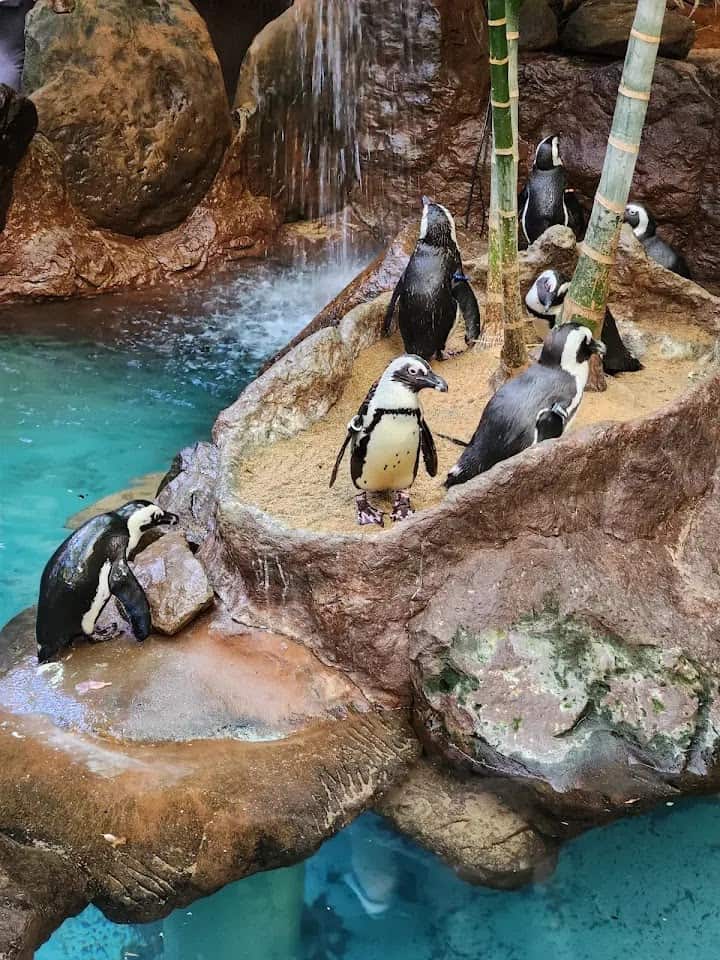
Jaguars prowl the Mundo Maya section, the same big cats woven all through Mayan mythology. Little blue penguins waddle nearby. Golden lion tamarins, pied tamarins, giant anteaters, and capybaras fill out a cast that spans Central and South America.
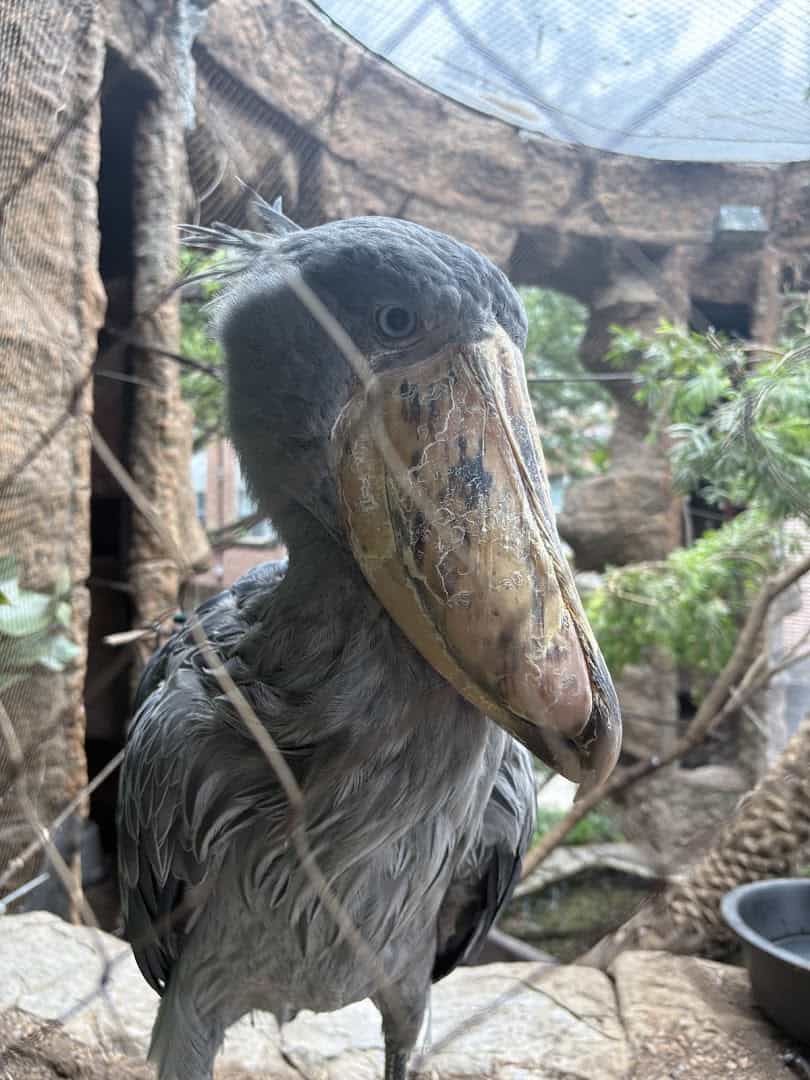
My favorite oddball is the shoebill stork near the entrance. It stands up to four and a half feet tall, holds statue-still for ages, and stares back at you with a prehistoric calm that is honestly a little unnerving. Once you see it, you understand the name.
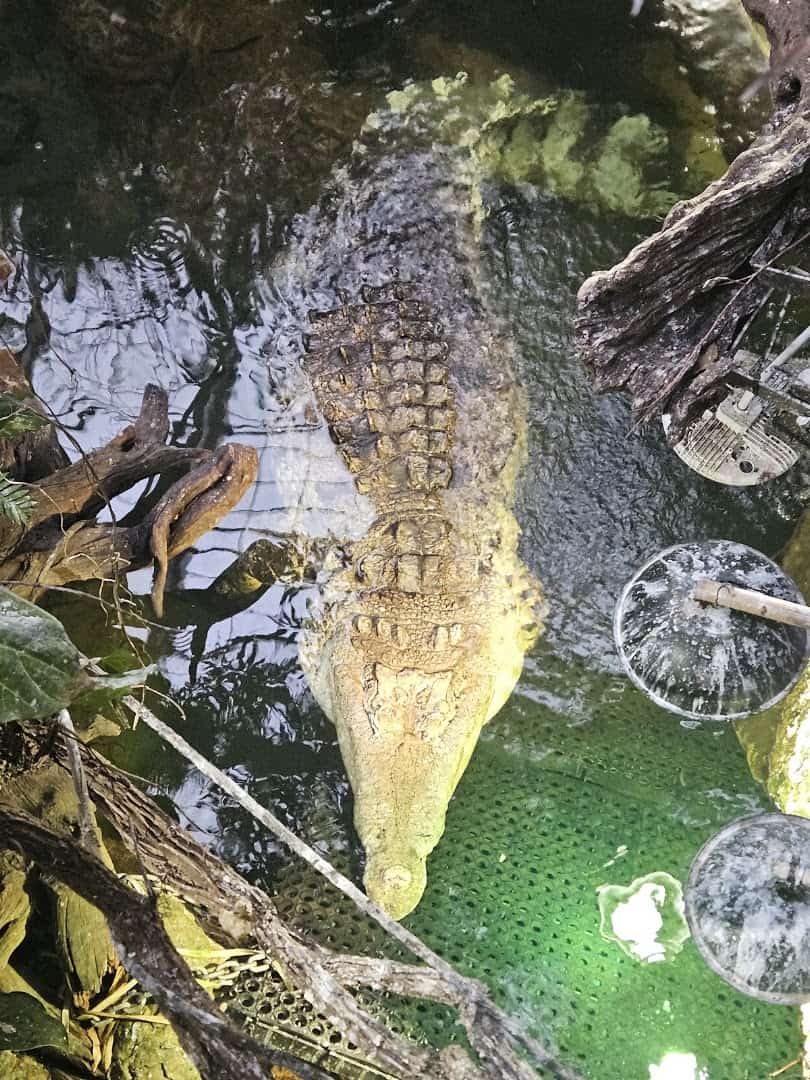
There are electric eels, red-bellied piranhas, and the critically endangered Orinoco crocodile too. Vampire bats hang in the dark. This is not a place you breeze through in twenty minutes.
Otters tumble through their pool. Anteaters swing their long snouts at ground level. Even the birds run deep, with gray-winged trumpeters and great tinamou picking through the leaf litter while saffron toucanets flash overhead. Every level hands you something new to notice.
The Cenote and the Sacred Well
The single best photo op waits in the Mundo Maya exhibit, and it is a piece of engineering worth the ticket on its own.
The Cenote is a 400,000 gallon shark tank shaped like the deep natural wells the Maya considered sacred. You look down into it and up through it, and sharks and rays cruise past on every side while a waterfall cascades over the stone above.
Did you know the real cenotes were treated as portals to the underworld? The exhibit leans into that mystery, all stone and shadow and blue water, so the whole space feels like you stumbled onto a ruin that happens to be full of sharks.
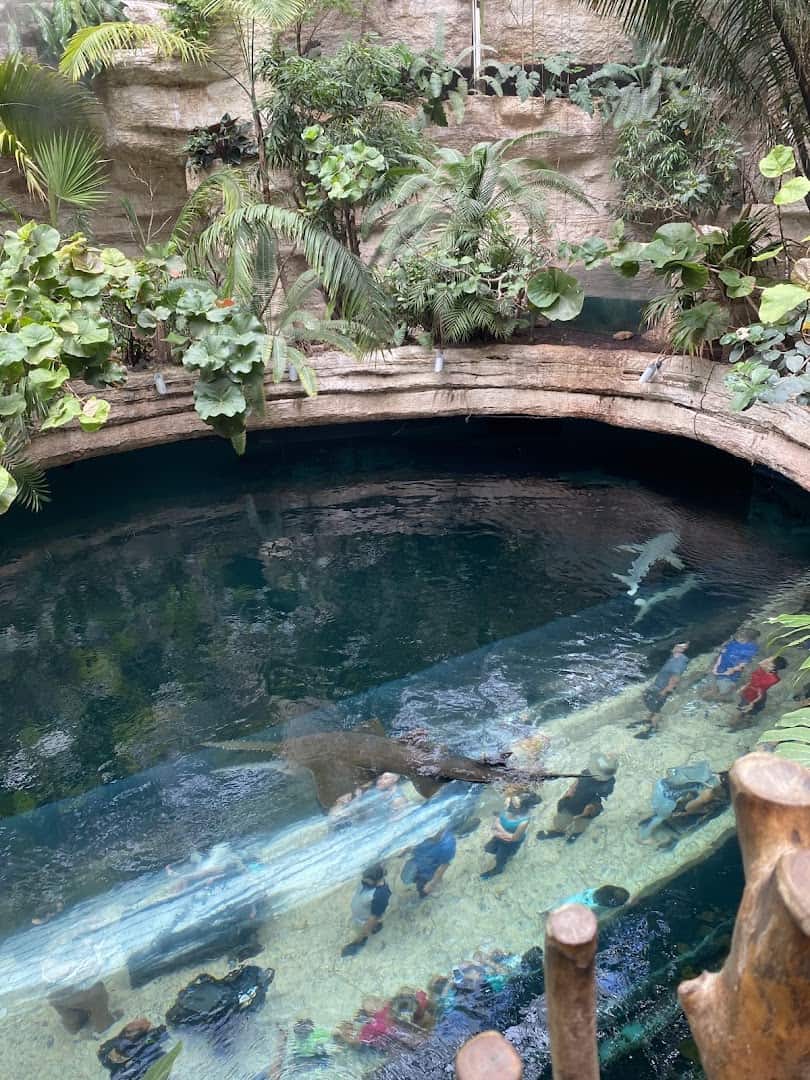
Bonnethead and brown sharks share the water with freshwater sawfish and rays. It is the moment the “aquarium” half of the name finally announces itself, and it lands harder because you climbed down through a jungle to reach it.
Where the Ocean Finally Opens Up
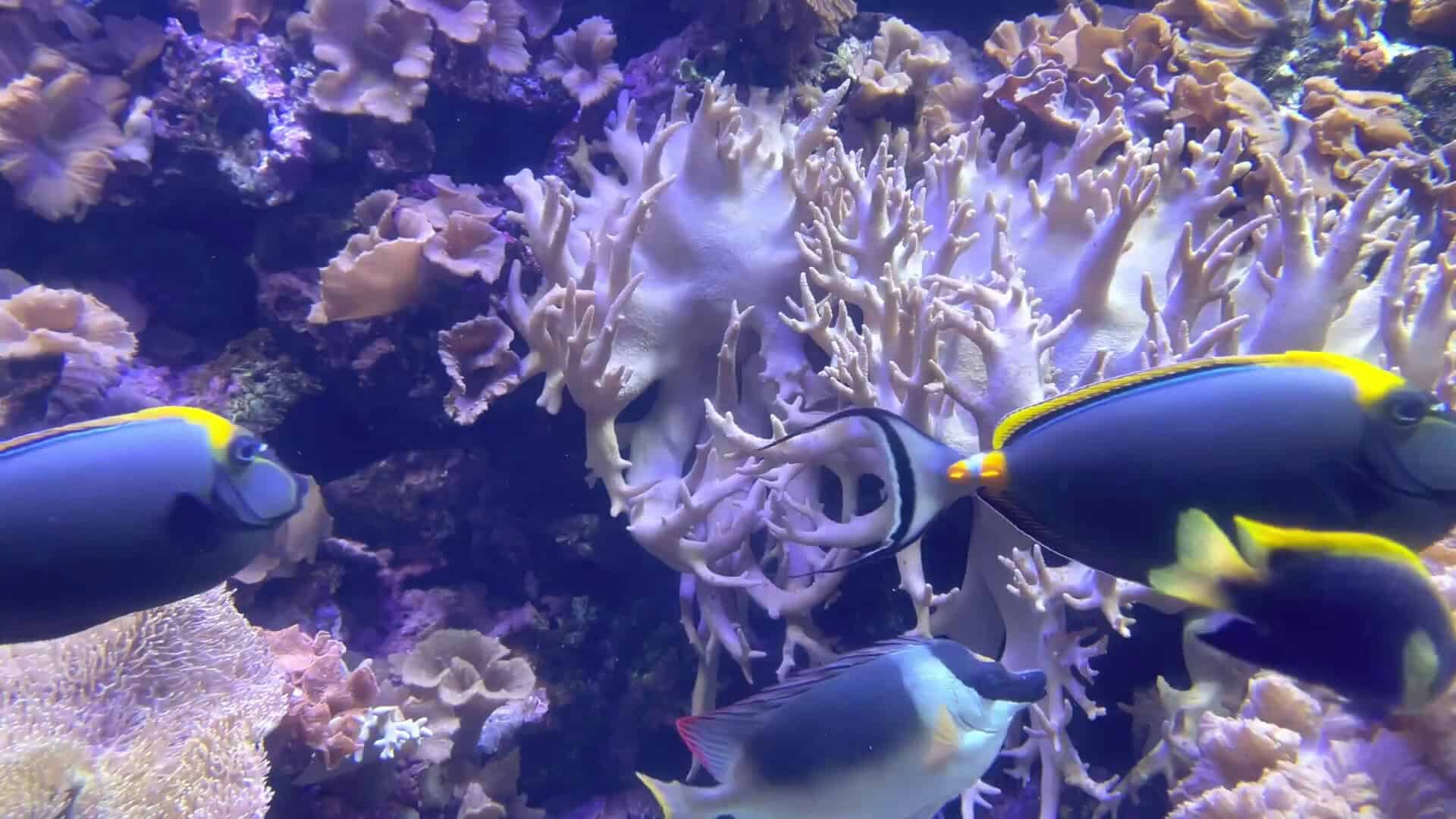
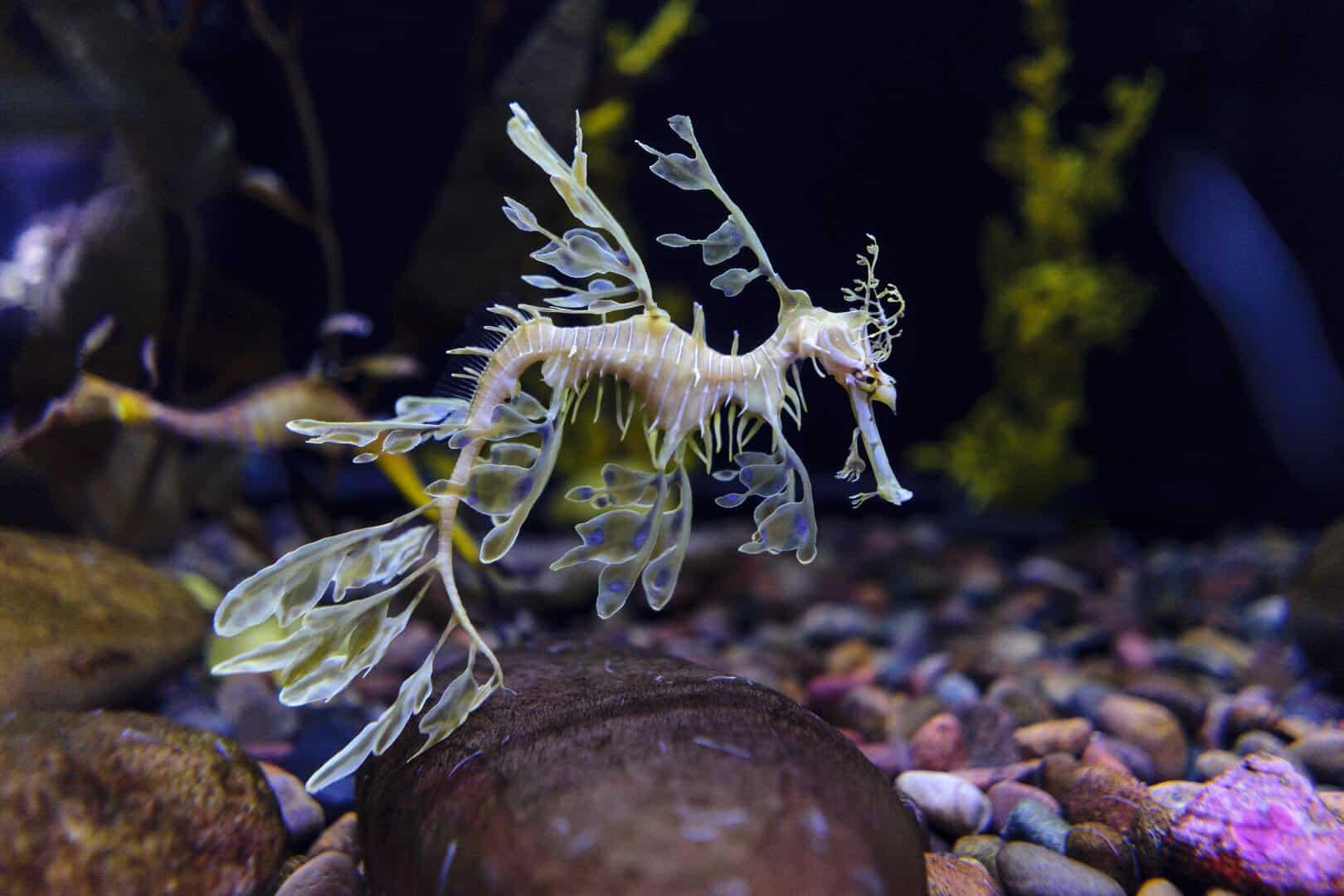
Keep descending and the marine tanks take over. Seahorses hover in their columns. Rays glide in slow circles. Tropical fish flash through the reef displays in colors that do not look real.
This is where the building’s clever design pays off. Because you traveled from canopy to river to ocean in one continuous downward path, the marine life feels earned, the last chapter of a journey rather than a room you wandered into.
The newest addition keeps that spirit going. The Cloud Forest Trek, opened in 2020, is a multi-sensory walk through a Colombian rainforest wrapped around a 25 foot high, 52 foot wide LED screen, with live plants and animals native to South America filling in around it.
The effect is disorienting in the best way. The screen shifts the light and the weather while real greenery presses in around you, so you half forget which parts are alive and which are projected. It is the most modern corner of a building that already bends reality a little.
More Than a Day Out
What surprised me most is how much of this place is quietly about conservation. This is a working institution, not just a pretty walkthrough.
The aquarium runs breeding and rescue programs tied to Venezuela, Peru, Costa Rica, Mexico, and Brazil, focusing on the animals and ecosystems of Central and South America. Ayurami the manatee is one small piece of that larger rescue story.
It has been accredited by the Association of Zoos and Aquariums since 1997 and a member of the World Association of Zoos and Aquariums since 2000. So the exotic animals you are admiring are part of real work to keep their wild cousins around.
Recent visitors tend to leave surprised. As one traveler put it, the place is “incredible and totally worth the visit,” a well designed cloud forest atmosphere that wins over kids and adults alike.
That reaction comes up again and again. People arrive braced for a modest downtown aquarium and walk out talking about the sloth, the manatee, and the sheer number of species packed into one old warehouse.
Many say it beats a summer trip to the zoo, since here the weather never ruins the day.
A Brief History of the Warehouse Jungle
The building started life as a 1924 warehouse in the West End Historic District, hauling freight instead of housing anteaters.
It opened to the public as an aquarium in October 1992, small at first and focused on marine tanks. The transformation into a full rainforest world came later, one ambitious exhibit at a time.
Orinoco, the three-level river recreation, opened in October 1997 and set the template: build up, not just out, and make the visitor walk through the ecosystem rather than past it.
Mundo Maya followed after construction that began in April 2002, opening in August 2004 with its sacred-well shark tank. The Cloud Forest Trek arrived in July 2020. Each addition pushed the place further from “aquarium” and closer to “indoor rainforest you can get lost in.”
Location did the rest of the work. The West End sits at the historic core of downtown Dallas, blocks from Dealey Plaza and the old rail yards, so a jungle full of jaguars ended up sharing a neighborhood with some of the most-visited history in Texas.
Tips Before You Go
Budget more time than you think. Most people spend two to three hours here, and anyone who reads the exhibit signs or lingers at the sloth can easily hit four.
The whole building is climate-controlled and indoors, which makes it a genuine lifesaver in a Texas August. When it is 104 degrees outside, a humid rainforest with penguins somewhere in it starts to sound perfect.
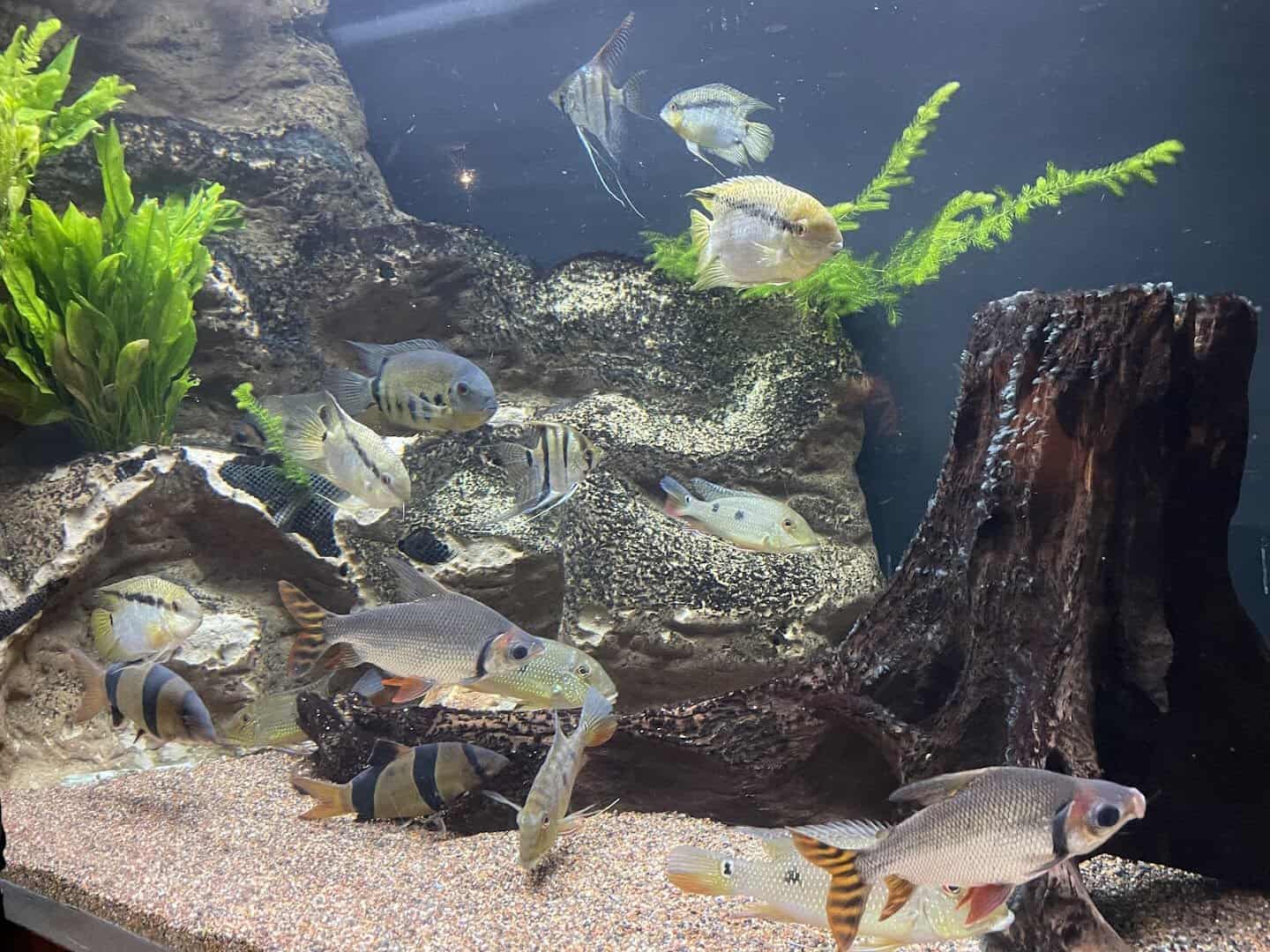
Wear shoes you can walk ramps in. The route runs top to bottom on a spiral of gentle slopes, which is stroller and wheelchair friendly, but it is a lot of gradual descent and your feet will notice by the exit.
Did you know the sharks and rays are fed on a set schedule? Ask a staff member about feeding times when you arrive and you can plan your loop to catch the tanks at their most active.
As of 2026, admission runs $34.95 for adults 13 to 64, $28.95 for seniors 65 and up, and $24.95 for children 3 to 12, plus tax. Kids under 2 get in free, and active or retired military pay the senior rate with one guest.
Hours are daily from 8:30 a.m. to 5:00 p.m., with last entry at 4:00 p.m. It closes on Thanksgiving and Christmas Day.
Parking lots sit right around the building from about $6 to $15. The West End DART station is three blocks away if you would rather leave the car at home.
How to Get There
Where: Dallas World Aquarium, 1801 N Griffin St, Dallas, TX 75202
It sits in downtown Dallas in the West End Historic District, easy to reach from I-35E or Woodall Rodgers Freeway, and walkable from the West End rail station on the DART Red, Blue, Orange, and Green lines.
Plan Your Trip Into the Canopy
Whether you live in Dallas or you are just passing through on I-35, this is one of those rare stops that surprises grown-ups as much as it thrills the kids. You go in expecting fish and come out having met a manatee, fed a toucan, and stood under a sloth.
Grab your tickets, wear comfortable shoes for all those ramps, and give yourself the whole morning. The rainforest under the skyscrapers is waiting, and it is a lot closer than you think.
Featured image: Pedro Garcia via Dallas World Aquarium

Stella Raines
Editor-in-Chief
Stella brings over a decade of storytelling experience to TX Headlines. With roots in West Texas and a love for road trips, she leads the editorial team with an eye for the hidden stories that make Texas unforgettable.
More Stories
This Picturesque Texas Train Ride Steams Through the Piney Woods for a Relaxing Spring Day Trip
This Overlooked Texas Aviation Museum Is Home to a Real Spacecraft and the World’s Only Flying Pancake
This Giant Texas Flea Market Has 490 Booths You’ll Want to Wander Again and Again
This Underground Texas River Cavern Was Once a Secret Speakeasy and an Outlaw’s Hideout
Tags