This Fascinating Texas Aviation Museum Is Home to a Real Spacecraft You Never Knew You Could Visit
I will never get over the fact that we figured out how to fly. Give me a rickety old biplane, a moon rocket, or a paper airplane folded from a receipt. The idea alone still stops me cold.
People looked up, got jealous of birds, and actually did something about it. That is one of my favorite things about being a human, and I go a little giddy any time I get close to the machines that pulled it off.
So a building packed with the real ones is my idea of a perfect afternoon. In Dallas, tucked into a quiet corner of Love Field, sits a place that delivers exactly that: hangar-sized wonder, floor to ceiling, from the Wright brothers to the far edge of space.
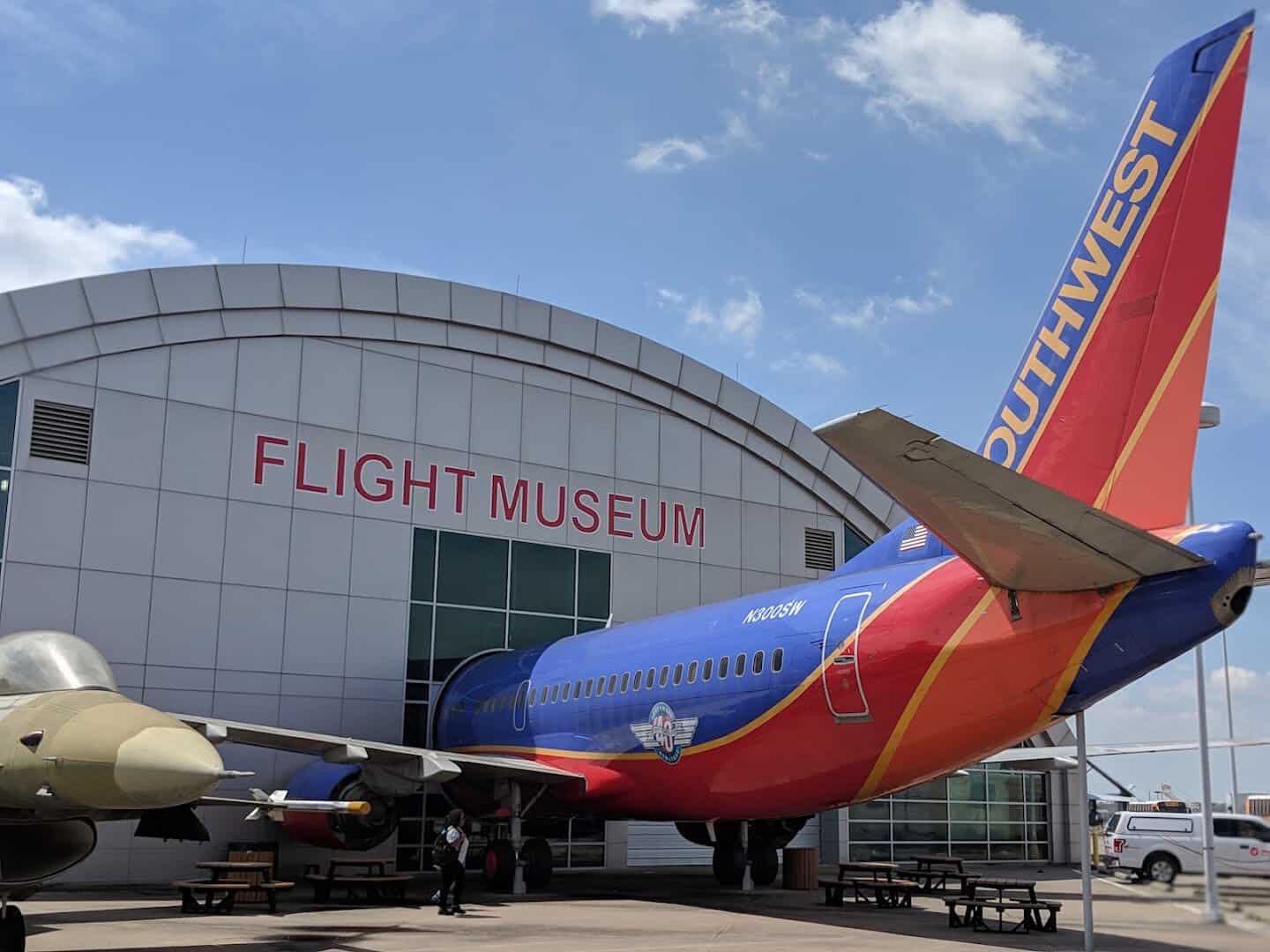
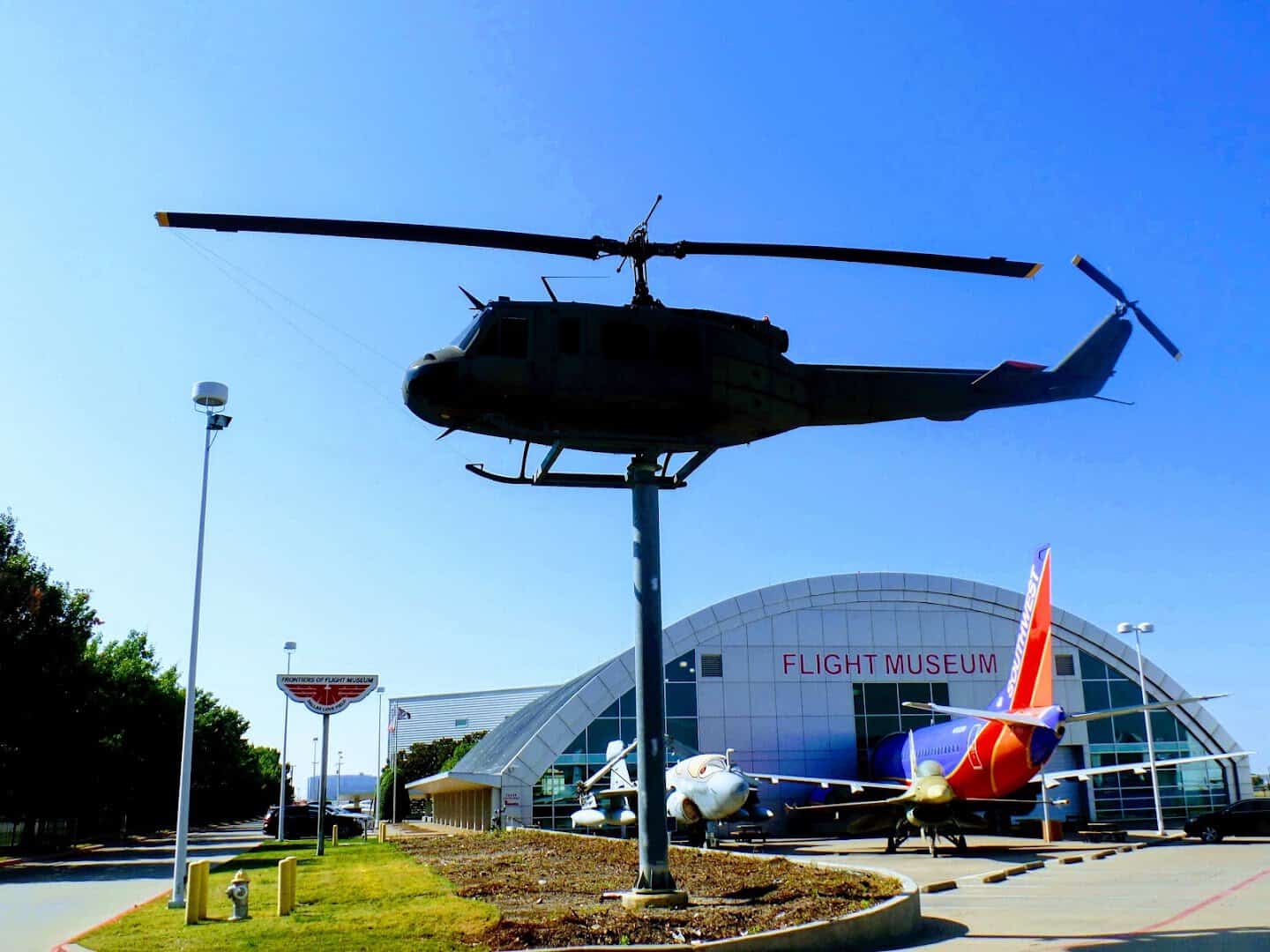
The Frontiers of Flight Museum is one of those spots locals drive past for years without stopping. Here is why this under-the-radar museum belongs on your Texas travel list, and what you will find parked inside that you honestly won’t believe is just sitting there.
Under One Enormous Roof
Picture two climate-controlled hangars, connected on both levels, holding roughly 30 full aircraft and more than 35,000 artifacts. That is the museum in one breath. It fills 100,000 square feet, and the ceilings climb up and up to make room for the tails.
You walk in and the planes are right there, close enough to read every rivet. There are no velvet ropes holding you at a polite distance. The air has that faint hangar smell of metal and machine oil.
One reviewer put it plainly, calling it “a quite nice air museum that avoids most of the cliches,” and I think that sells it short. It has the unique pieces the big-name museums would love to have.
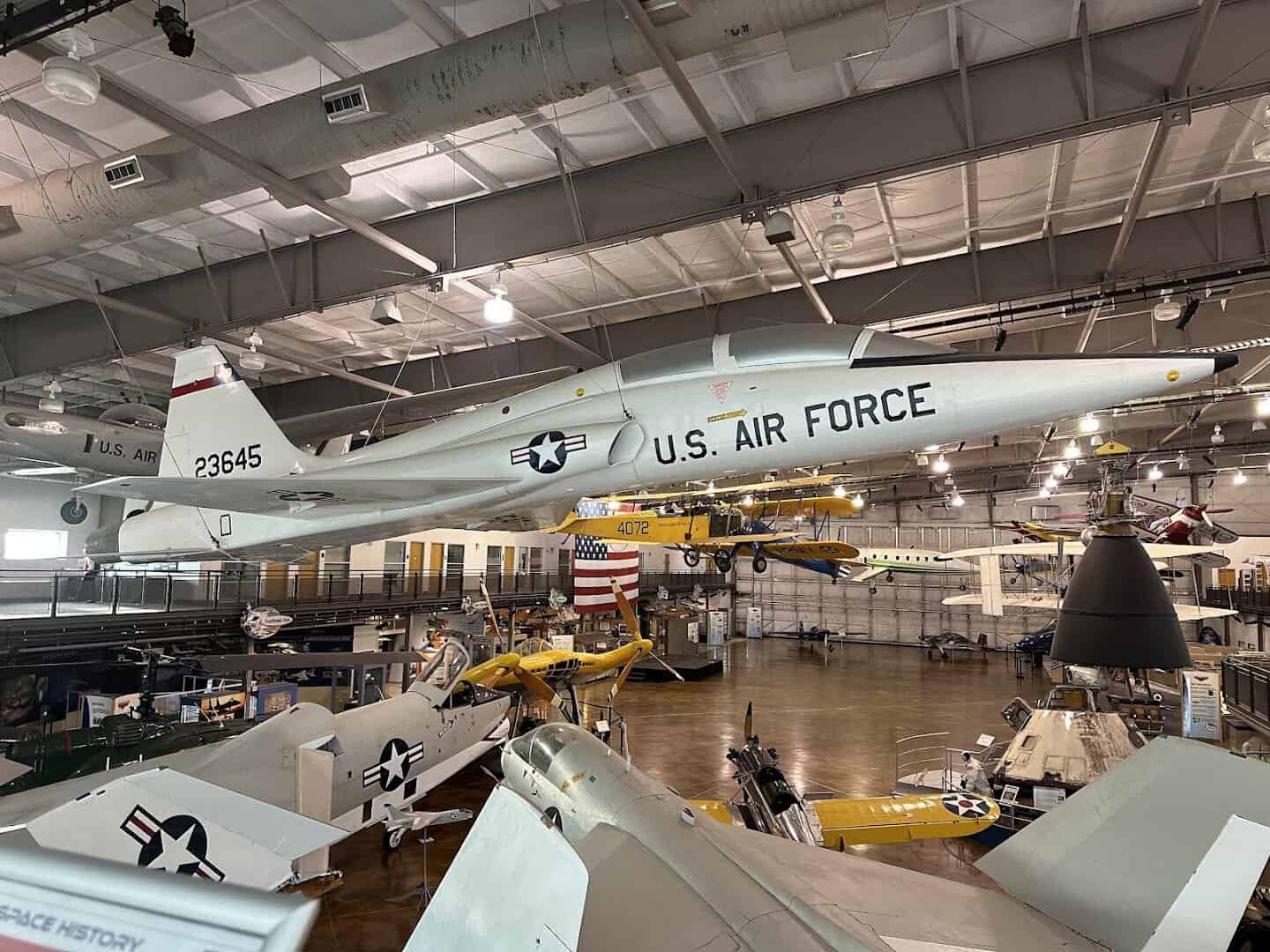
The lineup jumps across a century of flight. A full-size model of the 1903 Wright Flyer. A Sopwith Pup replica from World War I. A DC-3 you can walk beneath. A Boeing 737 nose you can climb into.
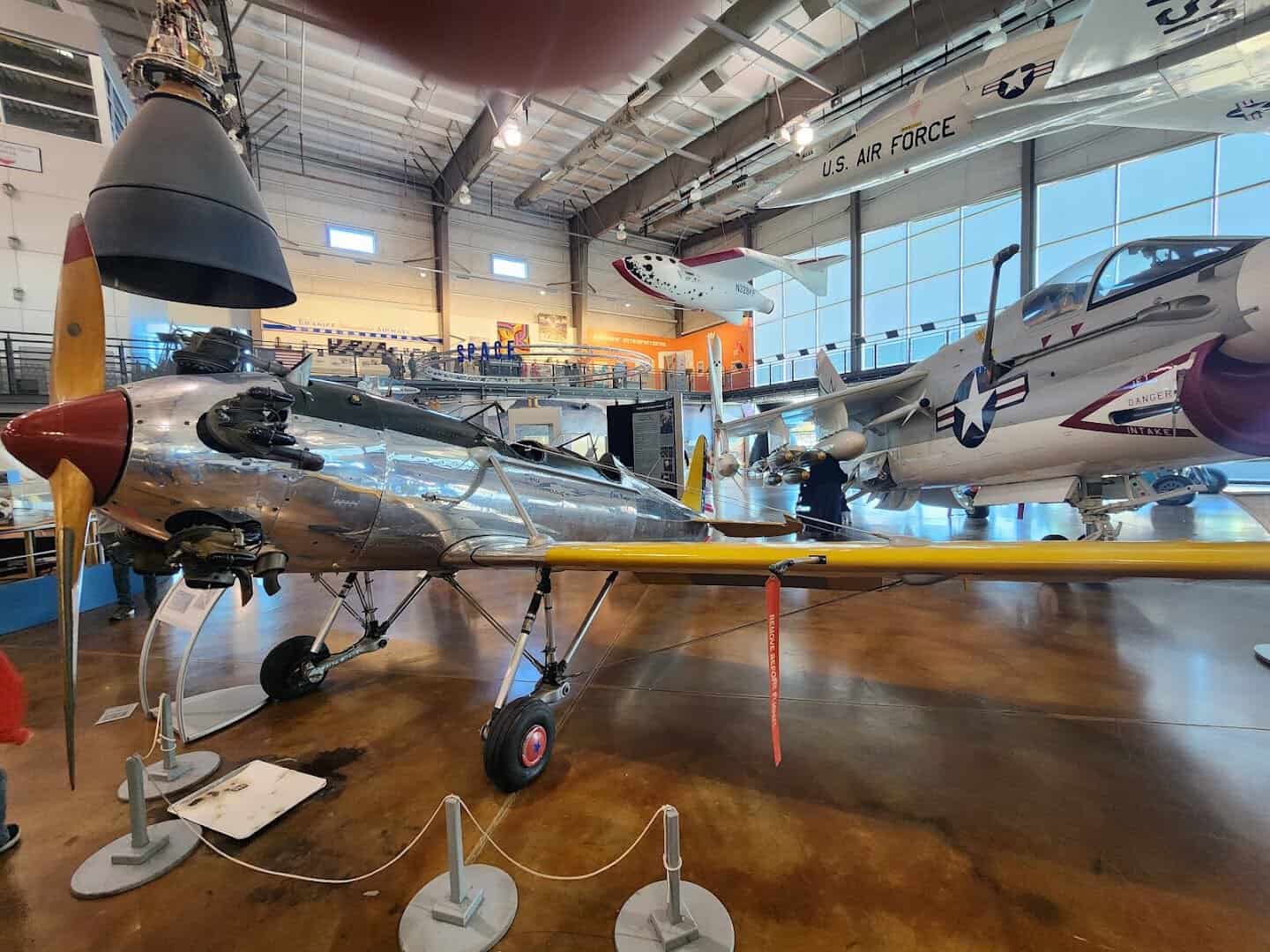
Because so many of the aircraft sit out in the open at floor level, you get right up under them. You can crane your neck at a fighter jet’s belly, then turn around and face a helicopter head-on. Kids figure this out in about four seconds and start running.
The Spacecraft That Circled the Earth
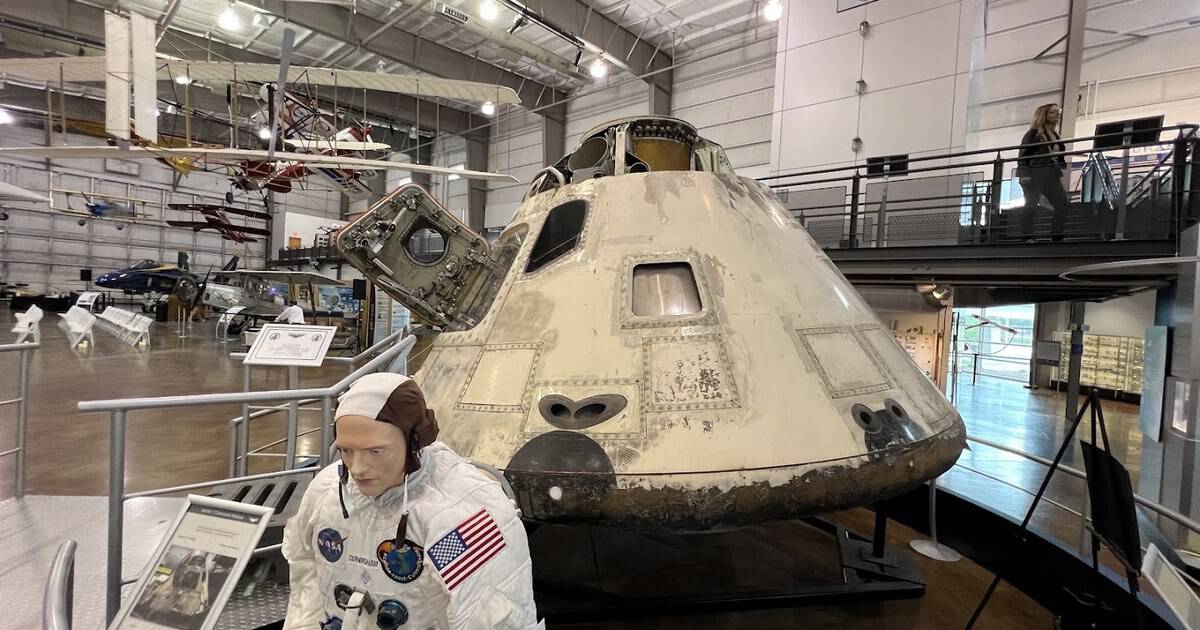
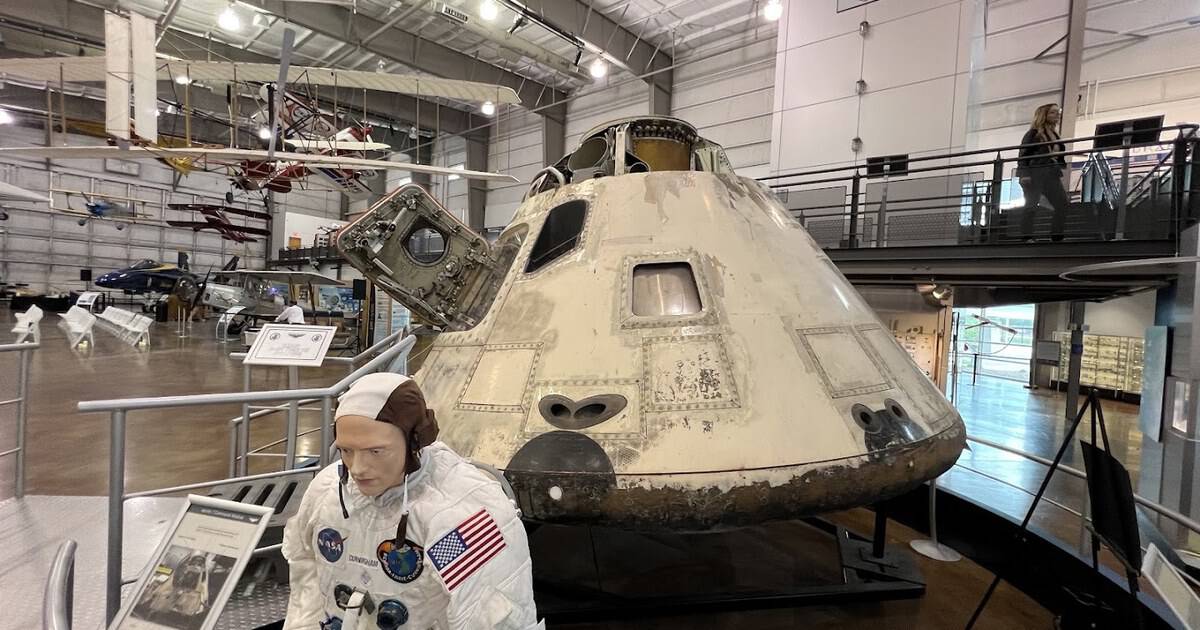
Here is the part that makes people stop mid-sentence. The museum owns the actual Apollo 7 Command Module. Not a copy. Not a mock-up. The real capsule that carried three astronauts into orbit.
Apollo 7 launched in October 1968 as the first crewed flight of the Apollo program, with Wally Schirra, Donn Eisele, and Walter Cunningham aboard. It circled the Earth 163 times over eleven days. The capsule still wears the scorch marks from punching back through the atmosphere.
You can climb a small platform and peek straight into the cramped cabin where those three men lived for those eleven days. It is tiny. Almost comically tiny. Have you ever wondered how much room a person got on the way to space? Less than you think.
The space corner does not stop there. There is a genuine moon rock, the only one on public display in North Texas. Donn Eisele’s silvery pressure suit stands nearby, along with molds of Neil Armstrong’s gloves.
What gets me is that you do not have to fly to Washington or Houston to see any of this. A capsule that touched space and came home sits quietly off Lemmon Avenue, waiting for anyone curious enough to walk in.
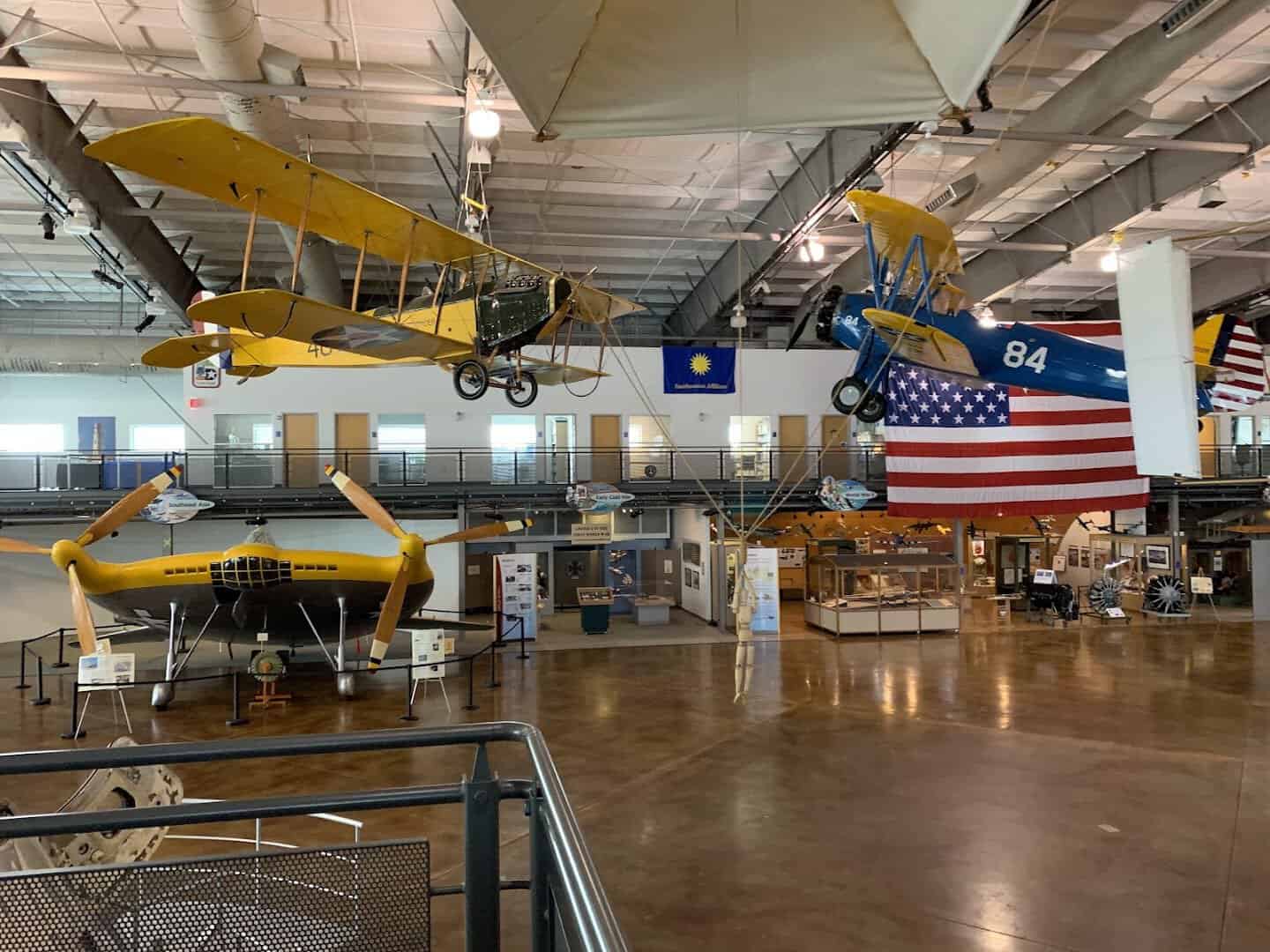
Did you know the same wing that honors moon landings also tells the story of the Hindenburg? The museum has run a “Flying Hotel” exhibit on the great airships, right down from a real spacecraft. From gasbags to orbit, all under one roof.
From Warbirds to the Tuskegee Airmen
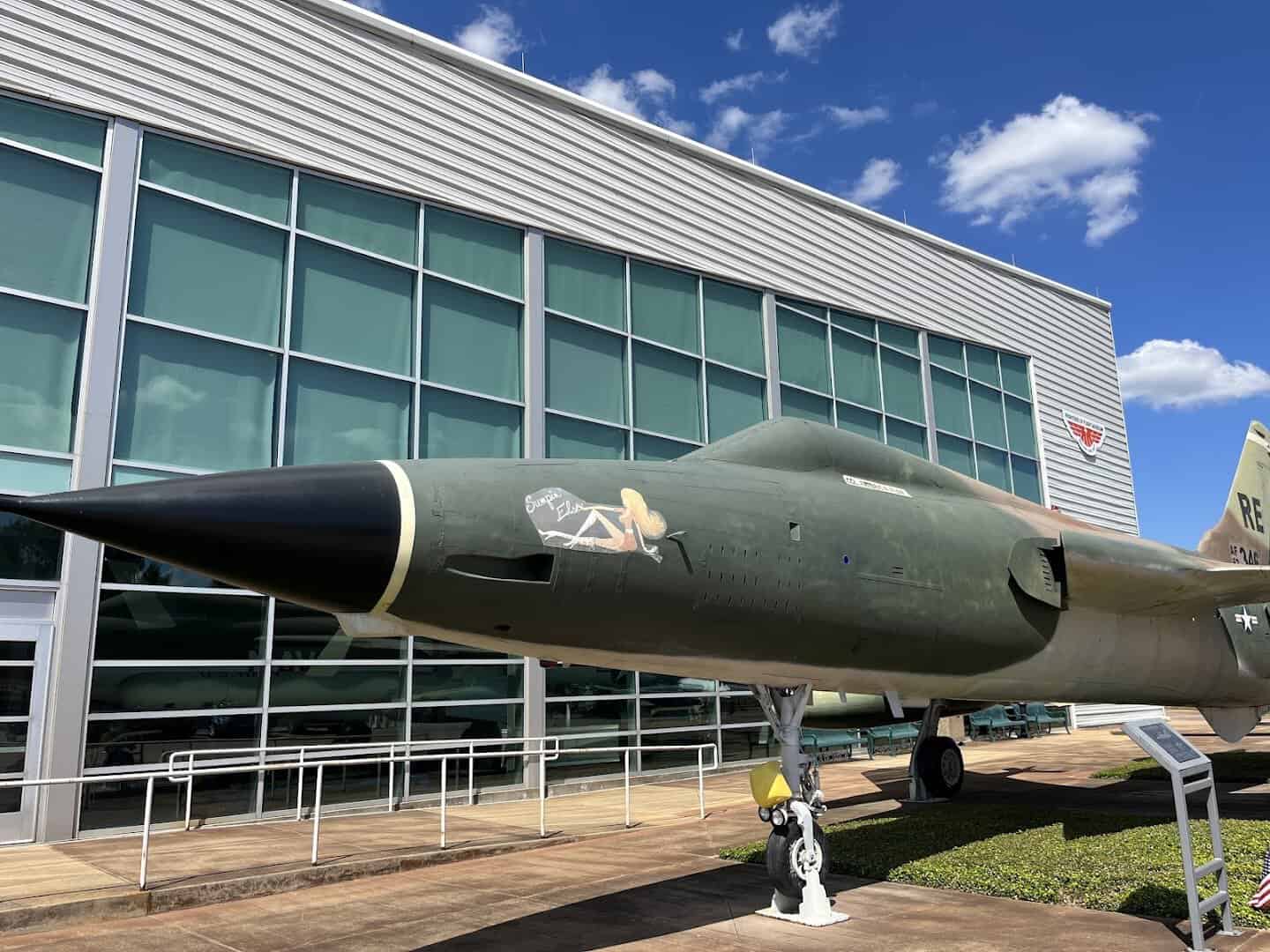
The military side of the collection is where the history gets personal. An F/A-18 Hornet and a Vietnam-era Huey helicopter anchor a room that reaches from the trenches of one war to the jungles of another.
Above and around them hang more than 200 model aircraft from World War II, a dizzying swarm of fighters and bombers that lets you see how fast flight changed once the world went to war.
One exhibit I love honors the Tuskegee Airmen, the first Black military pilots in the United States. Their story of flying with distinction while fighting prejudice at home is exactly the kind of history a good museum refuses to let you forget.
Dallas itself has deep aviation roots, and you feel them here. This was a city that built airplanes for decades, and the museum treats that local legacy as something worth celebrating rather than quietly filing away in a back room.
A Whole Room for Small Explorers
If you are traveling with young kids, this is where you will lose an hour and not mind at all. The museum builds real hands-on play into the visit rather than treating children as an afterthought.
They can crawl through pretend cockpits, work simple controls, and burn off energy in a discovery zone made for the under-ten crowd. It is the rare museum where the little ones beg to stay longer than the grown-ups.
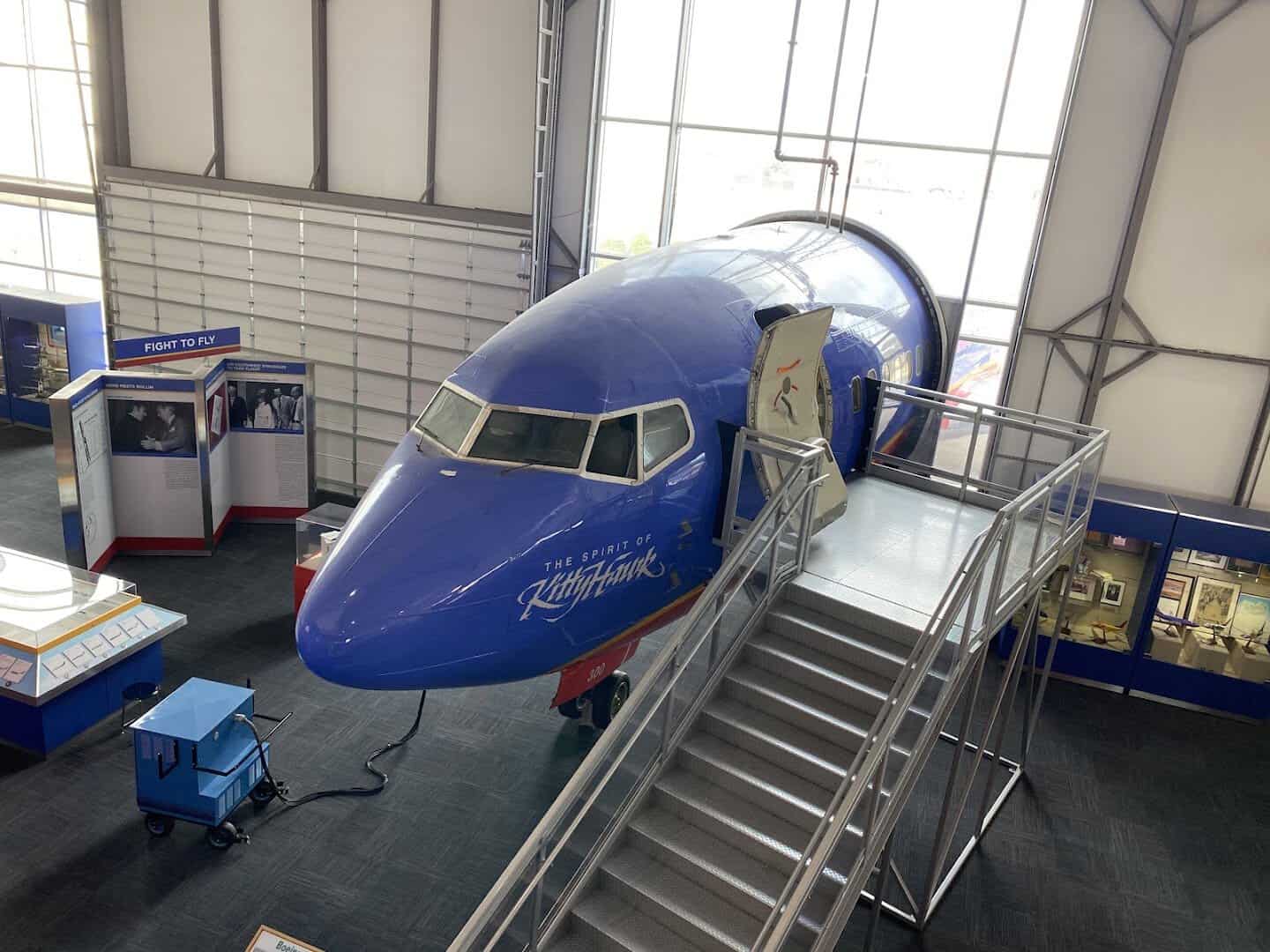
Older kids drift toward the flight simulators and the real cockpits, and there is enough to read and touch that a curious ten-year-old stays hooked. Everyone finds their level here, which is harder to pull off than it sounds.
The whole place also runs busy with camps, scout programs, and school field trips. On any given weekday a wave of students might be scattered across the floor, sketching wings and firing questions at the docents.
The Plane Shaped Like a Pancake
Every great museum has one object people cross town to see. Here it is a disc-shaped experimental aircraft that looks like it wandered in from a science-fiction poster.
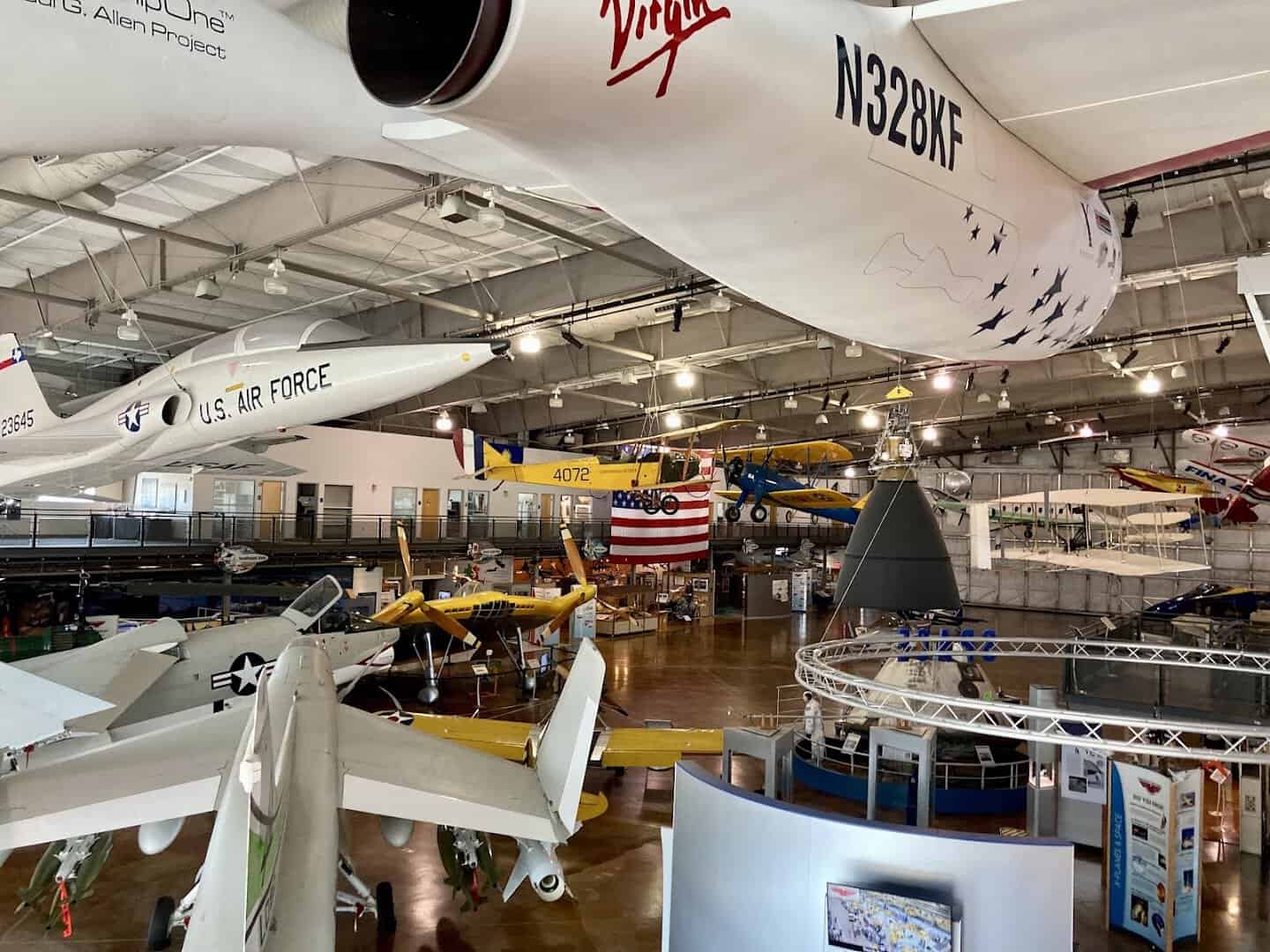
The Vought V-173, nicknamed the “Flying Pancake,” is a wide, flat, almost circular airplane built in the 1940s to take off and land in a tiny stretch of space. There is exactly one in the world, and it lives here in Dallas.
Retired Vought employees spent eight years lovingly restoring it, rolling the finished airplane out in February 2012 before it reached the museum floor. One reviewer called it “striking-looking and aerodynamically unique,” which is a very polite way of saying it looks like a flying saucer.
Standing next to it, you get why test pilots loved the thing. It is odd and beautiful at once, a reminder that early aviation was full of brave people trying gloriously strange ideas just to see what would leave the ground.
Push the Buttons, Fly the Sim
This is not a look-but-don’t-touch kind of place, and that is the best thing about bringing kids. The museum is loaded with hands-on corners built to make small humans forget they are technically learning something.
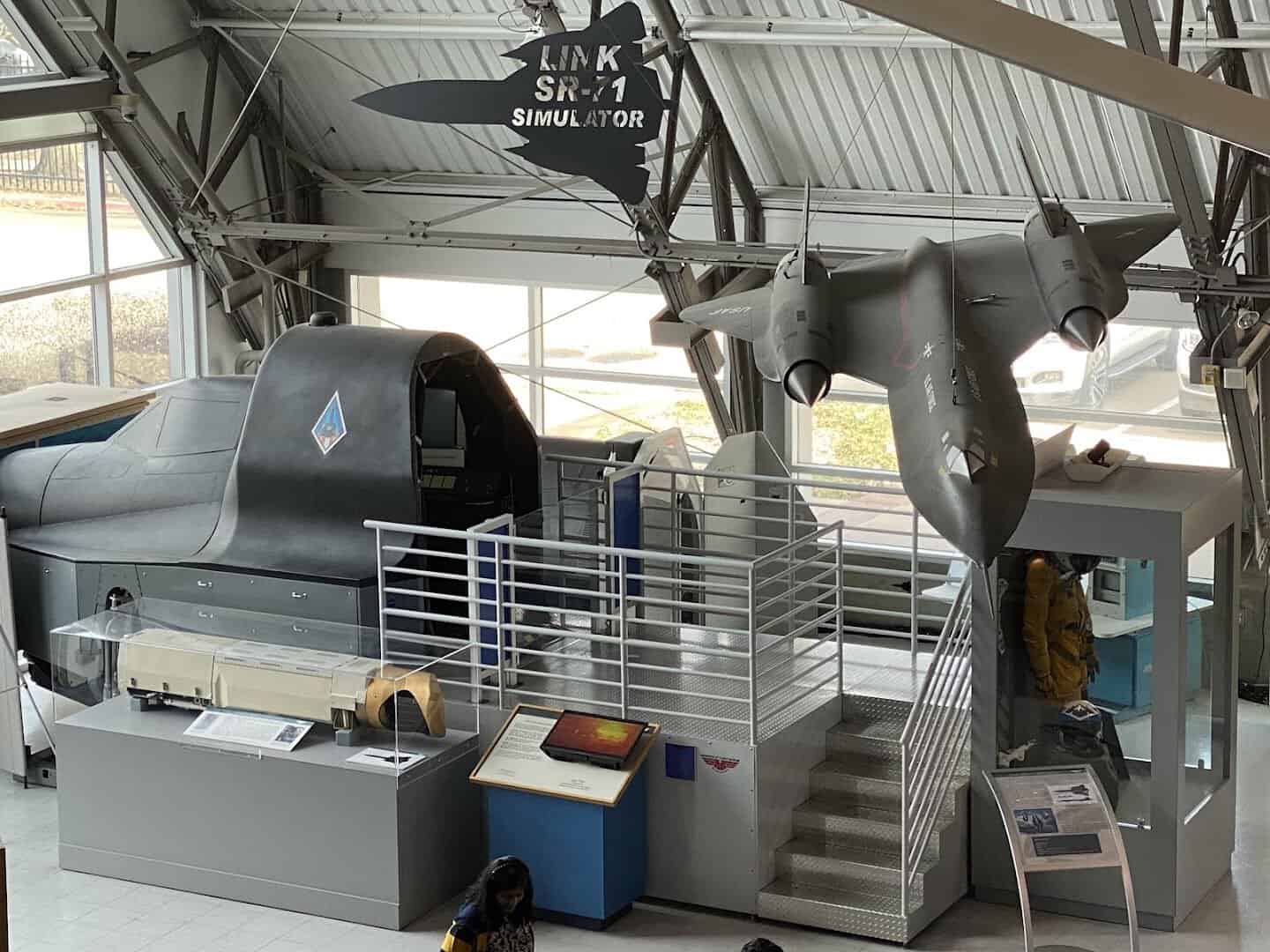
There is a whole collection of flight simulators, including one modeled on the SR-71 Blackbird, the fastest jet ever built. A children’s discovery area lets the youngest visitors climb, pretend, and push every button in reach.
The real secret weapon, though, is the docents. Many of them are former pilots, and they wander the floor happy to tell you what it actually felt like to fly the machine you are staring at.
Ask one a question and you might get a twenty-minute story you repeat at dinner. That living memory is the thing a plaque can never give you, and it is free with the price of a ticket.
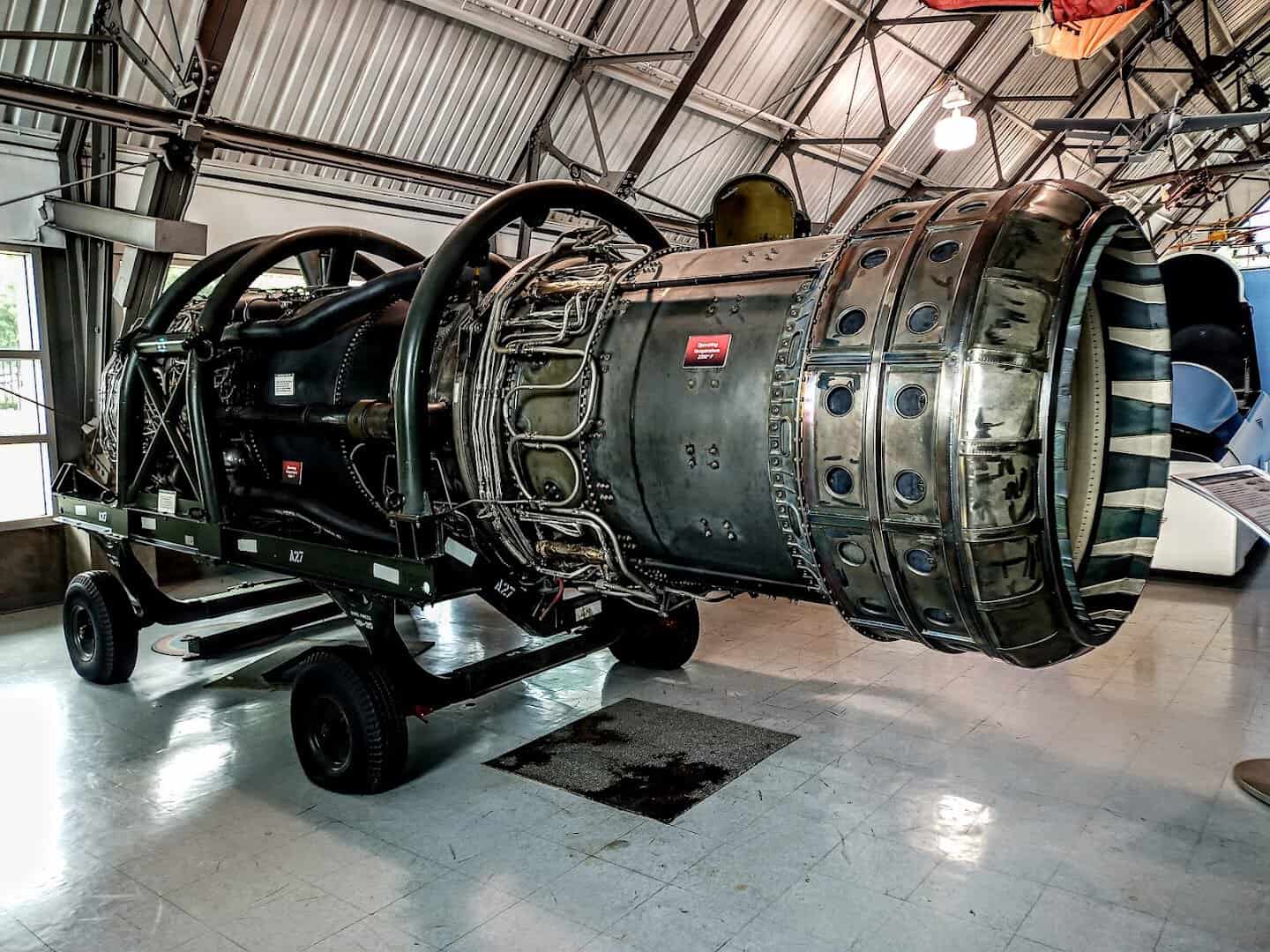
Pro tip: aim for a weekday morning if you can. The light through the tall windows is gorgeous, the crowds are thin, and the docents have time to really talk. On busy weekends you share them with a hundred curious kids.
From One Man’s Bookshelf to a Museum
The whole place traces back to a single aviation-obsessed Texan. George E. Haddaway, an aviation historian, spent a lifetime collecting books, journals, photographs, and records of flight, then donated the lot to the University of Texas at Dallas.
That gift became the seed. In November 1988, William E. “Bill” Cooper, future U.S. Senator Kay Bailey Hutchison, and Jan Collmer founded the museum as a nonprofit, so all that history could have a home the public could walk through.
It opened modestly in 1990, on a mezzanine inside the Love Field terminal, squeezed in among travelers. Word spread, the collection grew, and the little terminal display clearly needed room to stretch its wings.
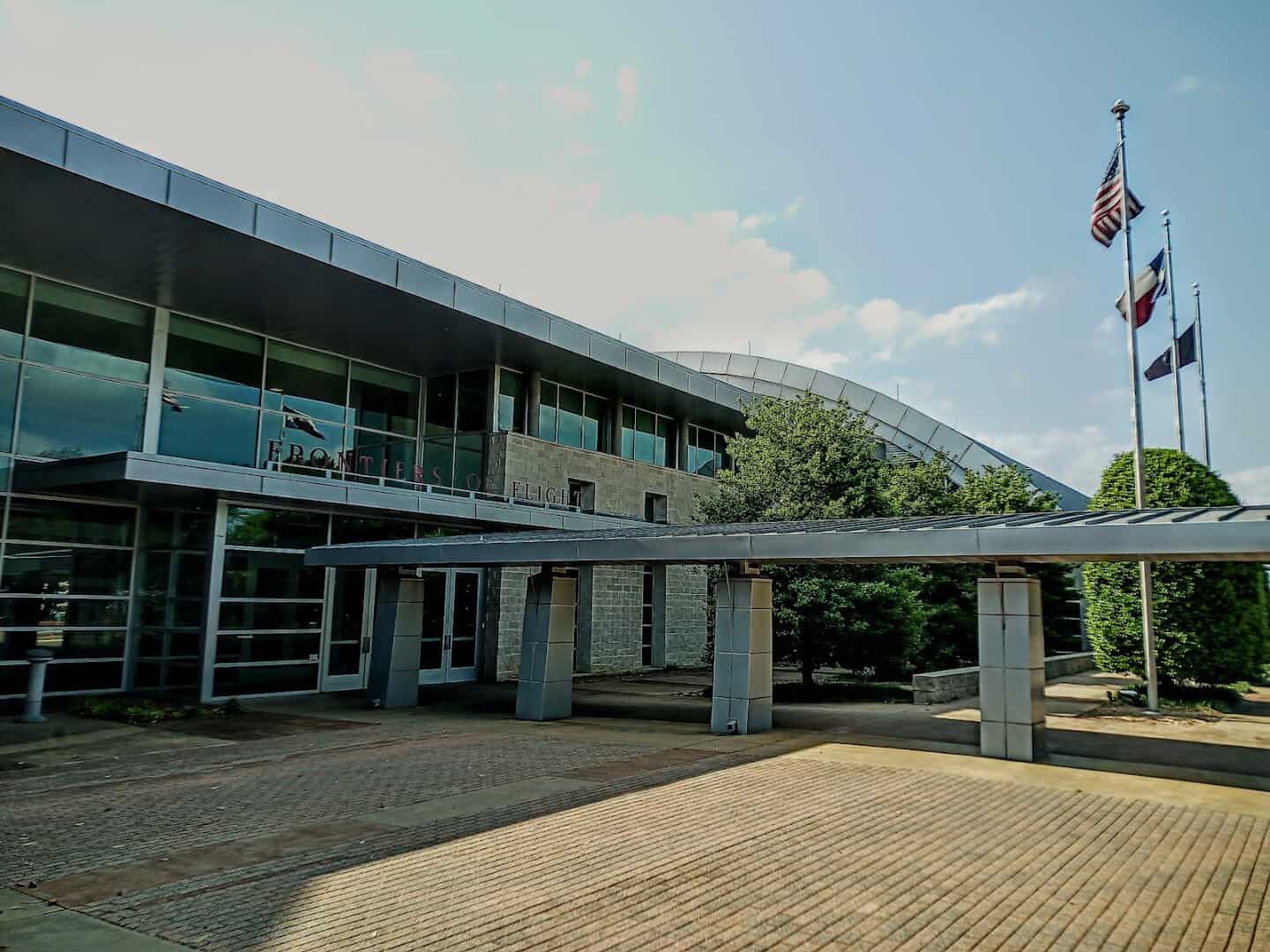
In June 2004, the museum moved into its current 100,000-square-foot home at the southeast corner of Love Field. Today it is a Smithsonian Affiliate and reaches around 152,000 young people and adults every year through its science and education programs.
What It Costs and When to Go
Admission is refreshingly reasonable for how much there is to see. Adults are $20, children ages 3 to 12 are $12, and seniors 65 and up pay $10. Veterans, active-duty military, and first responders also get in for $10, and little ones two and under are free.
The museum keeps generous hours. It is open Monday through Saturday from 10 a.m. to 5 p.m., and Sunday from 1 p.m. to 5 p.m. It closes only for a handful of major holidays, so most weekends are wide open.
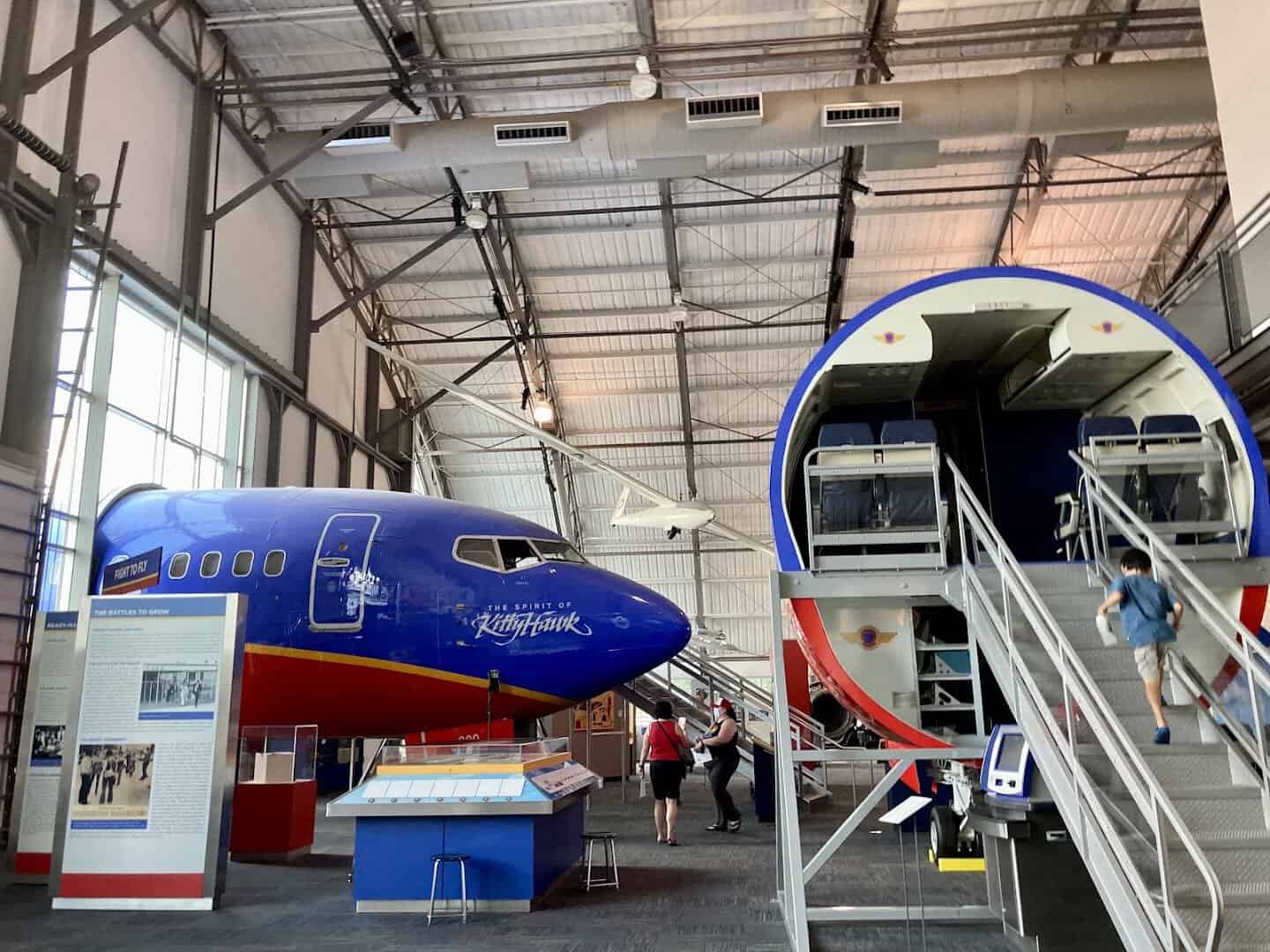
Parking is free, which feels like a small miracle this close to an airport. The building is fully wheelchair accessible, with loaner wheelchairs, an elevator to the second floor, and restrooms on every level. It is also a certified sensory-inclusive venue.
Give yourself two to three hours to see it properly. Plenty of families do the whole thing in a single afternoon, then grab lunch nearby, since you are only minutes from the heart of Dallas the entire time.
How to Get There
The museum sits right at Dallas Love Field, easy to reach whether you are flying in or driving across town. It makes a genuinely easy add-on to a Dallas trip, or a perfect rainy-day plan when the Texas heat sends everyone indoors.
Where: Frontiers of Flight Museum, 6911 Lemmon Ave, Dallas, TX 75209. Call ahead at 214-350-3600 to check on special exhibits before you go.
Plan Your Flight In
Some of the best Texas experiences are the ones hiding in plain sight, and this is one of them. You can stand under a fighter jet, peek inside a spacecraft that actually orbited the Earth, and shake hands with a pilot who flew the real thing, all in one afternoon.
So the next time you find yourself near Love Field with a few hours to spare, point the car toward Lemmon Avenue. Bring the kids, bring your own sense of wonder, and try not to spend the whole drive home talking about how tiny that Apollo capsule really is.
Featured image: Martin Handl via Frontiers of Flight Museum

Stella Raines
Editor-in-Chief
Stella brings over a decade of storytelling experience to TX Headlines. With roots in West Texas and a love for road trips, she leads the editorial team with an eye for the hidden stories that make Texas unforgettable.
More Stories
This Picturesque Texas Train Ride Steams Through the Piney Woods for a Relaxing Spring Day Trip
This Overlooked Texas Aviation Museum Is Home to a Real Spacecraft and the World’s Only Flying Pancake
This Giant Texas Flea Market Has 490 Booths You’ll Want to Wander Again and Again
This Underground Texas River Cavern Was Once a Secret Speakeasy and an Outlaw’s Hideout
Tags