This Crystal-Clear Texas Lake Is So Bright You Can See Straight to the Bottom
I have a simple rule about swimming. If I cannot see my own feet under the water, I am not getting in. Murky green lakes with a mystery bottom have never once tempted me.
So the first time someone showed me a photo of a Texas lake where you can count the pebbles ten feet down, I did a double take. I assumed the color had been cranked up in editing.
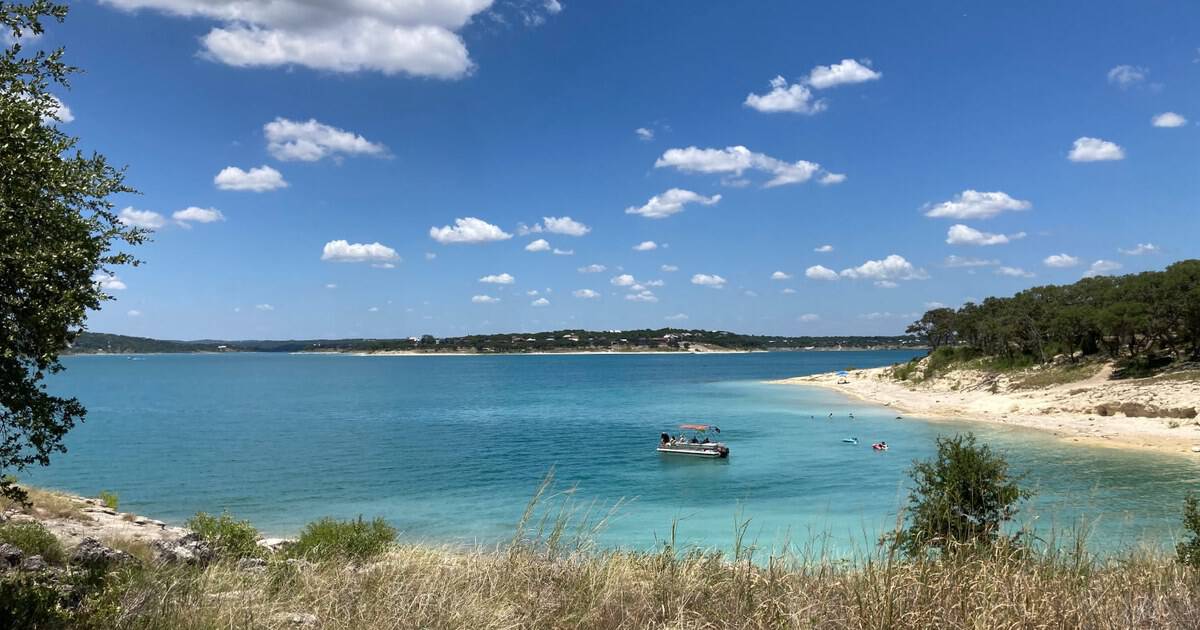
It hadn’t. Tucked into the Hill Country about twelve miles northwest of New Braunfels sits Canyon Lake, a reservoir with startlingly clear water that turns a bright, almost tropical turquoise in the summer sun.
Here’s why this one lake keeps going viral, and everything you need to plan a trip to it yourself.
The Water That Started All the Fuss
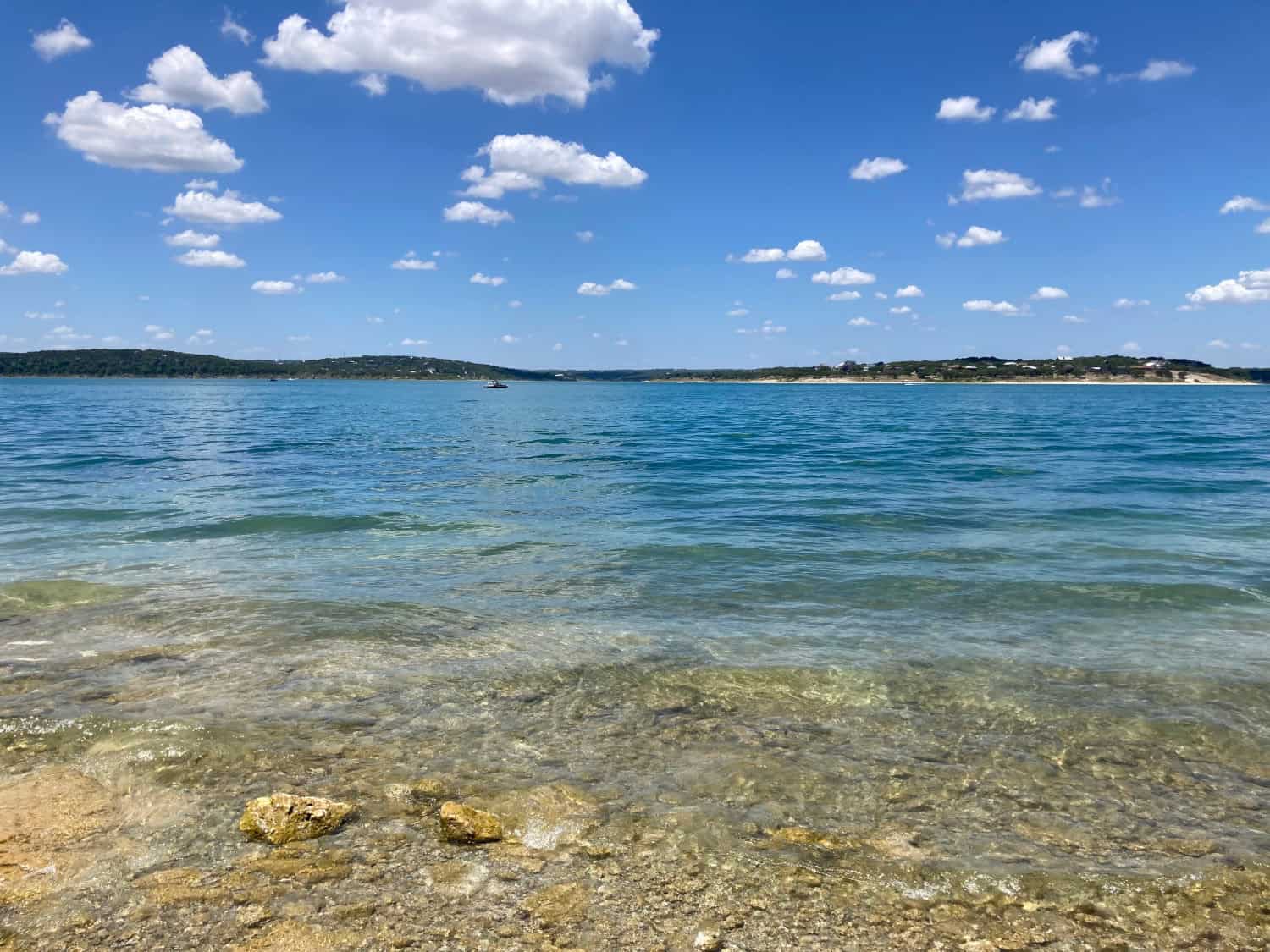
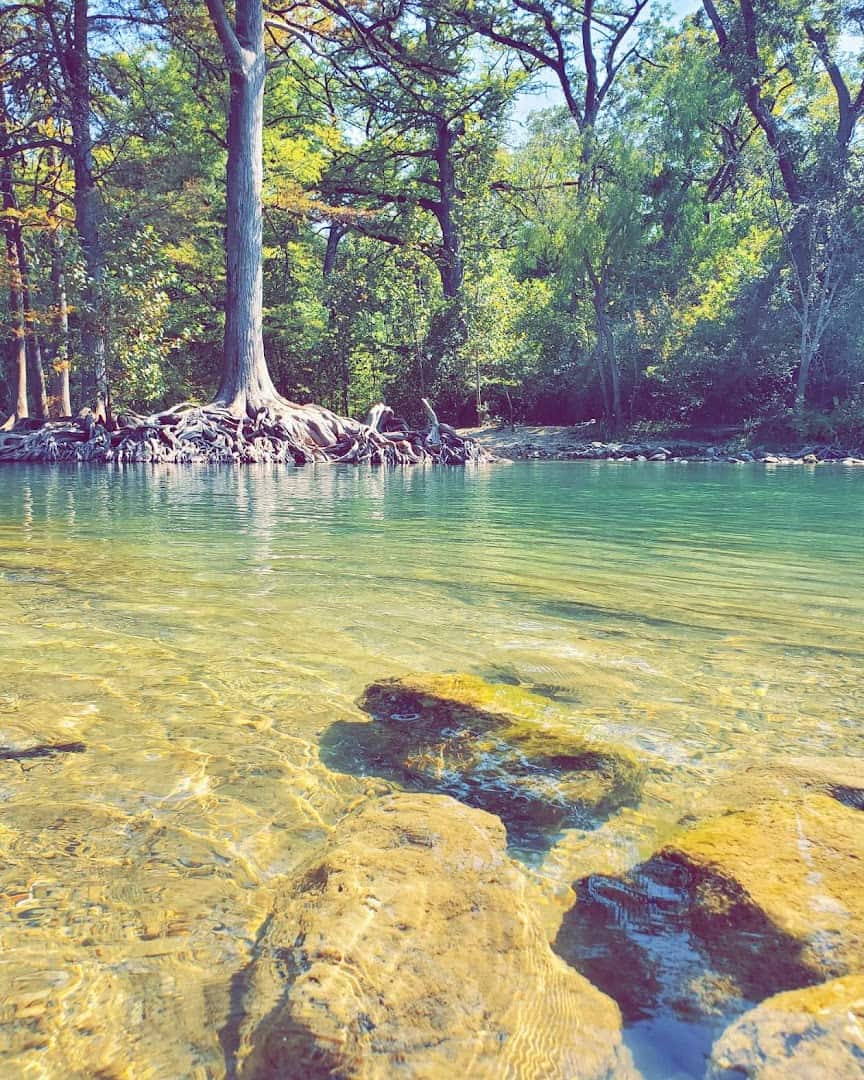
Let’s start with the thing you came for. The water at Canyon Lake really is that clear. On a calm day you can look over the side of a boat and watch the bottom slide past beneath you.
Visibility here often runs ten to fifteen feet down, a number most Texas lakes cannot dream of. In the shallow coves the effect is almost unreal, like someone drained a swimming pool and refilled it over a bed of pale stone.
This is not a happy accident. The whole lake sits in a bed of limestone, and you notice it the moment you arrive. It shows up in the rocky beaches, the pale bluffs, and the cliffs that jut out around the shoreline.
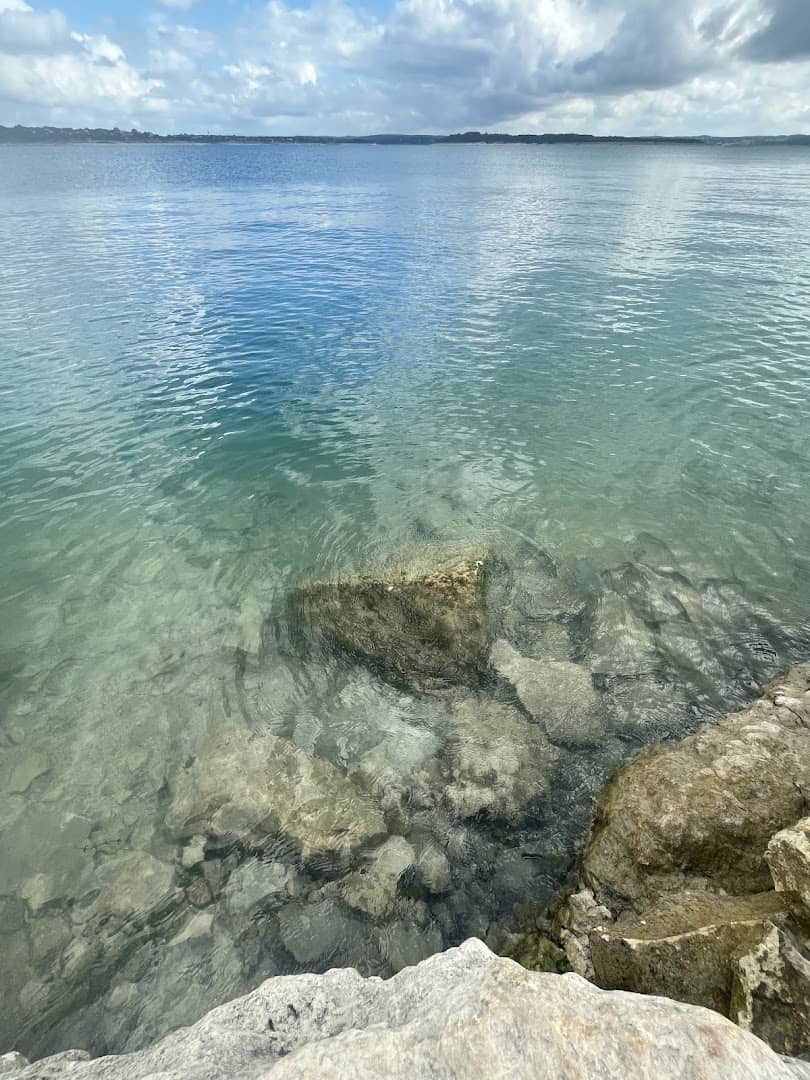
Water that filters through and over that limestone carries far less silt and algae than a muddy-bottomed lake. Less murk in the water means the light punches straight through to the floor.
The state agrees, and it has the numbers to prove it. The Texas Commission on Environmental Quality ranks Canyon Lake as the cleanest lake in the entire state. It scores at the top for water clarity while carrying the lowest levels of the nutrients that feed algae blooms.
The color shifts with the depth, too. Over the shallow limestone flats it glows a pale turquoise, while the deeper channels turn a rich sapphire blue that looks more like a postcard from the coast than a lake in Central Texas.
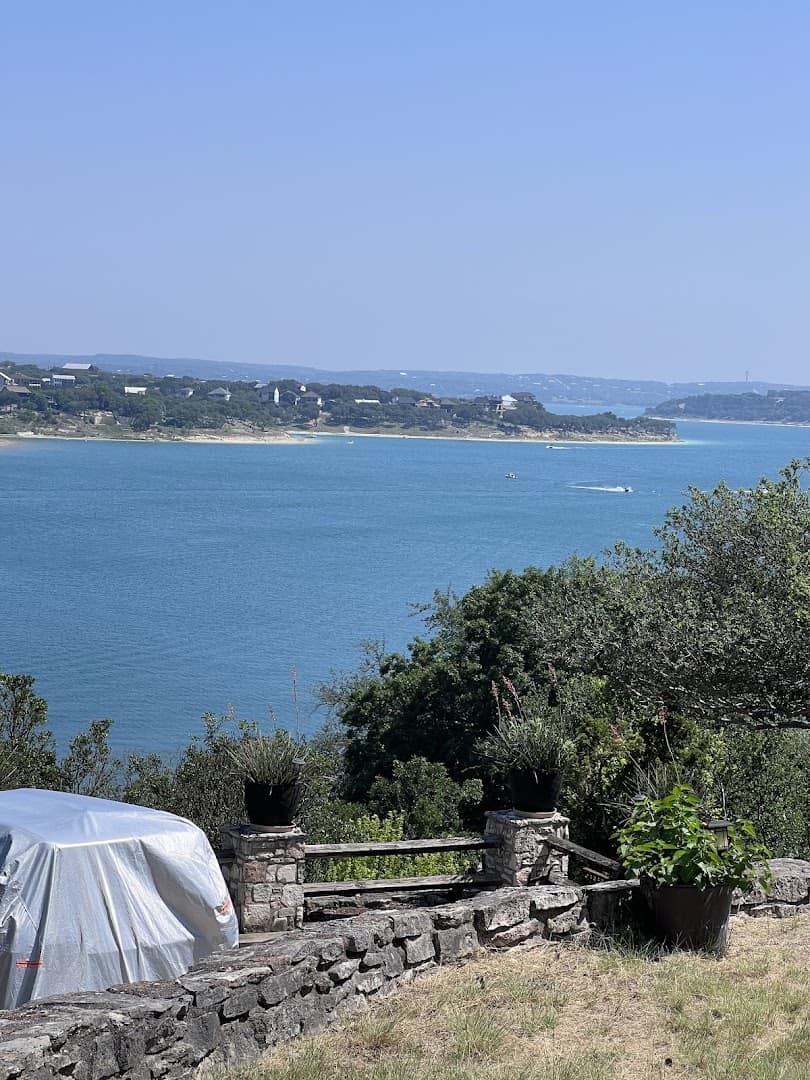
Did you know? Locals and tourism boards have long called this the “Water Recreation Capital of Texas.” Once you see that blue-green water framed by rugged limestone, the nickname stops sounding like marketing.
Wading In Where the Bottom Stays Visible
Clear water is prettiest when you are standing in it. Canyon Lake spreads across roughly 8,240 surface acres, with something like eighty miles of shoreline wrapped around it.
That is a lot of coves, beaches, and quiet corners to pick from. Swimming is welcome at the designated swim beaches, and that is where I would steer any first-timer.
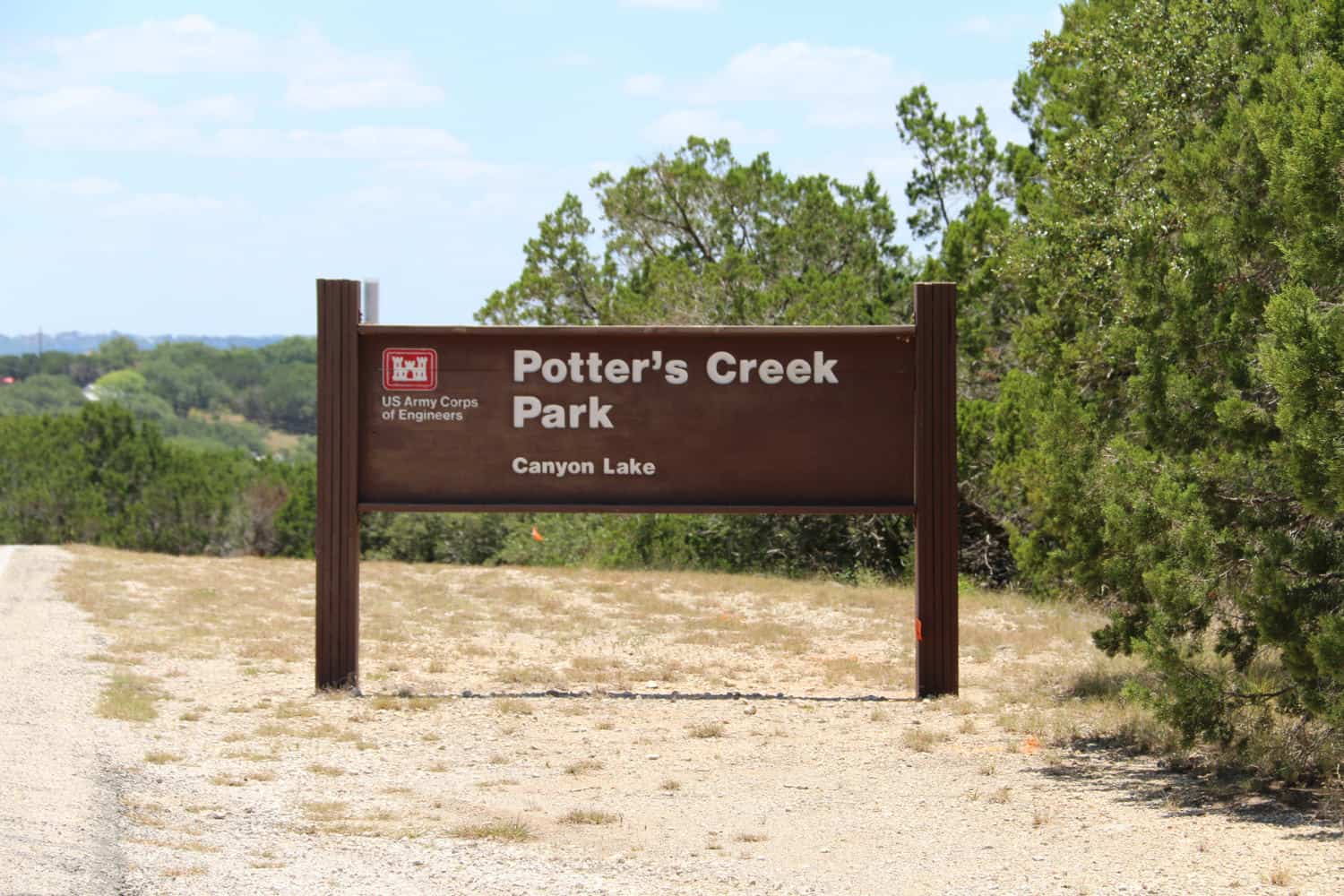
Parks like Comal Park, Potters Creek, and North Park all keep beaches where the water eases in gently. You can wade out over the bright limestone shallows and actually watch small fish dart around your ankles.
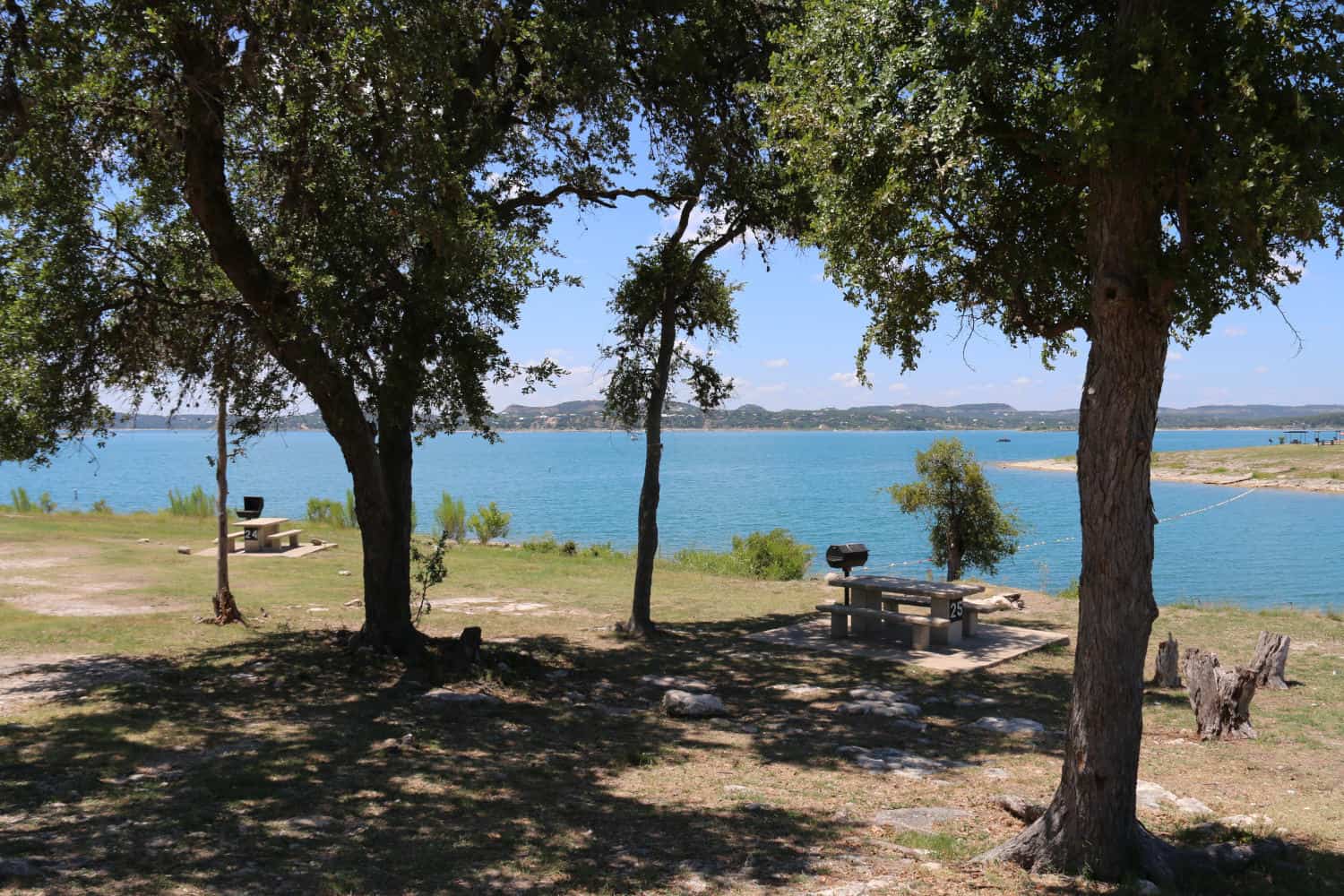
Bring a snorkel and mask if you have them. In most Texas lakes a snorkel is pointless, because there is nothing to see but green haze.
Here, the clarity turns the shallows into a window. Drifting face-down over the rocks is a small, cheap thrill you will not get at the average swimming hole.
The Secret World Below the Surface
The clarity is exactly why scuba divers quietly adopted this lake decades ago. It is one of the most popular freshwater dive spots in Central Texas, and the visibility is the whole reason.
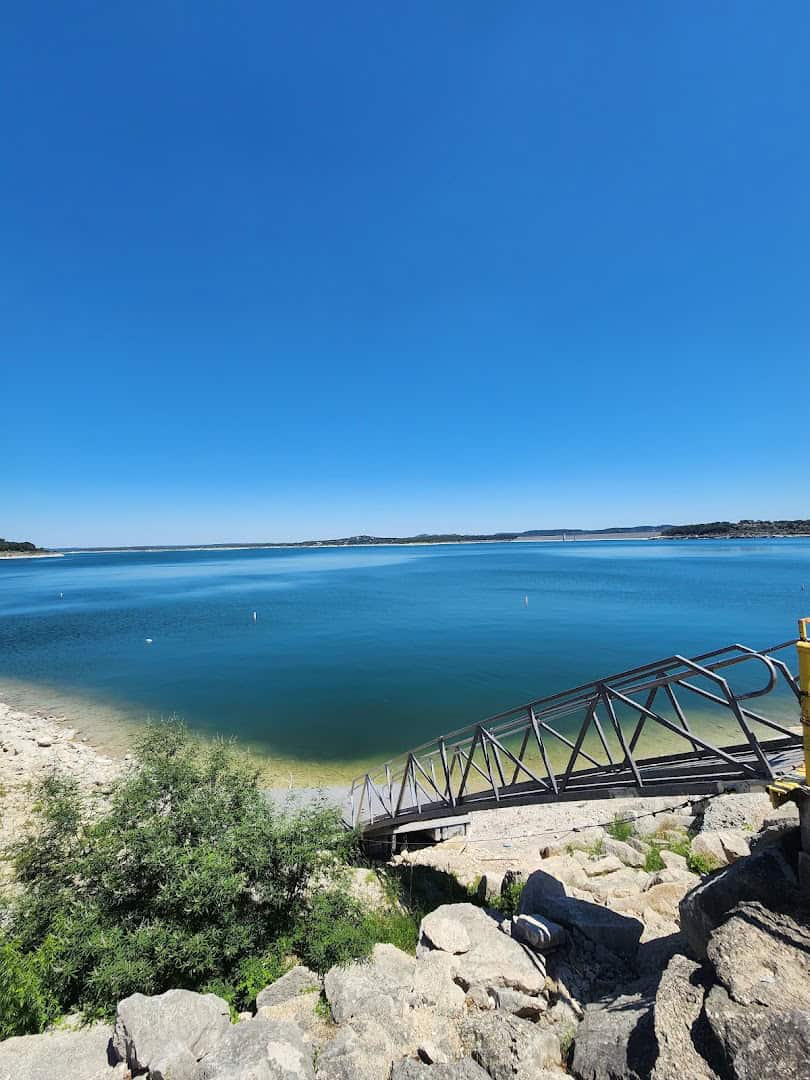
Most of the action happens around North Park, where divers drop to depths of around forty feet. Down there the lake hides a genuinely strange landscape.
Submerged trees still stand from before the valley flooded, along with rock ledges and quiet flats where the light filters down soft and blue. It feels like a sunken world that time forgot.
Local outfitters such as Canyon Lake Divers run training courses and guided dives. You do not need to be an expert to go take a look, and it is the rare Texas lake where the phrase “good visibility” is not wishful thinking.
Paddle, Ski, or Cast a Line
You do not have to go under to enjoy this water. On a warm weekend the surface fills with kayaks, paddleboards, ski boats, and wakeboarders carving long arcs across the coves.
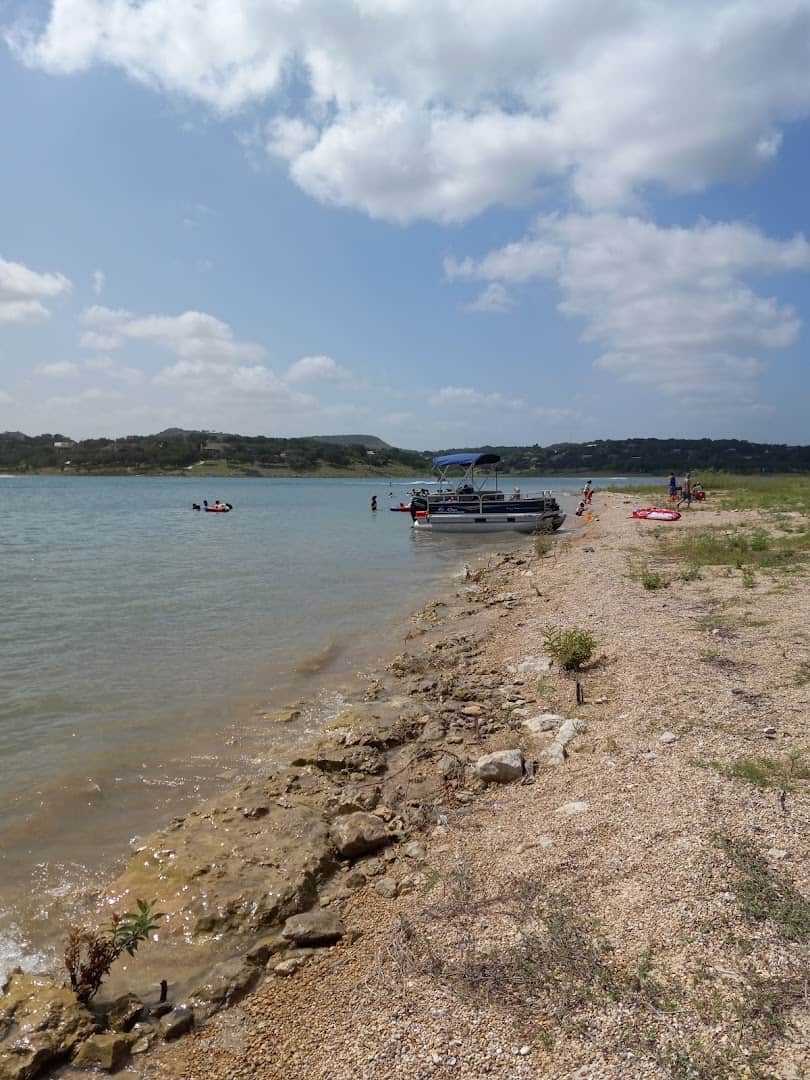
Two marinas serve the lake, so renting a board or launching a boat is straightforward even if you arrive with nothing but a swimsuit.
Paddling is my personal favorite here, and the clear water is the reason why. Gliding a kayak or paddleboard over water you can see straight through feels less like floating and more like flying a few feet above the rocks.
Anglers do well too. The lake holds a healthy population of largemouth bass along with striped bass, both stocked and thriving in the deep, clean water.
The same clarity that thrills swimmers means fish can be spotted cruising the shallows. Early morning, before the ski boats wake up, is the golden hour for a quiet cast.
Keep an eye on the shoreline while you drift, too. Herons stalk the shallows, hawks ride the thermals over the bluffs, and white-tailed deer come down to the water’s edge to drink in the cool of the morning.
Rugged Beauty Around Every Cove
The water is the headline, but the scenery earns its own paragraph. Canyon Lake sits deep in the Hill Country, and the shoreline is all cedar-covered hills and pale limestone bluffs.
Those cliffs are what make the coves feel private. Tuck a kayak into one of the quieter inlets and the ridge lines wall you off from the rest of the world.
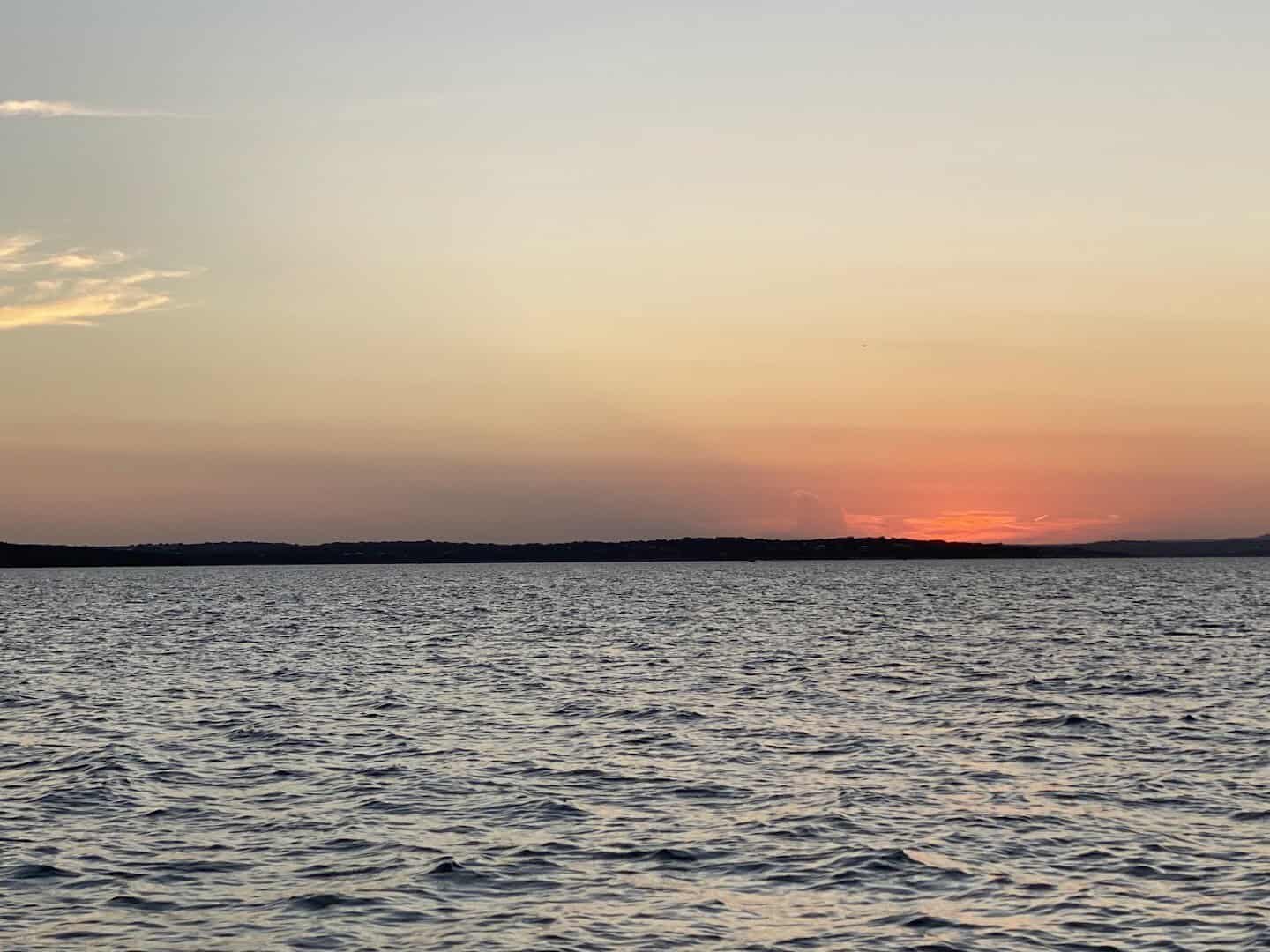
The light does something special here in the evening. As the sun drops behind the hills, the turquoise water goes gold and the whole lake seems to glow for a few minutes before dusk.
It is the kind of view that makes a person forget they came to swim. Plenty of visitors just find a rock, sit, and watch the color change.
How Engineers Turned a River Into a Lake
Canyon Lake did not exist before the 1960s. For most of its history this stretch of the Guadalupe River was just that, a river running through a limestone valley in Comal County.
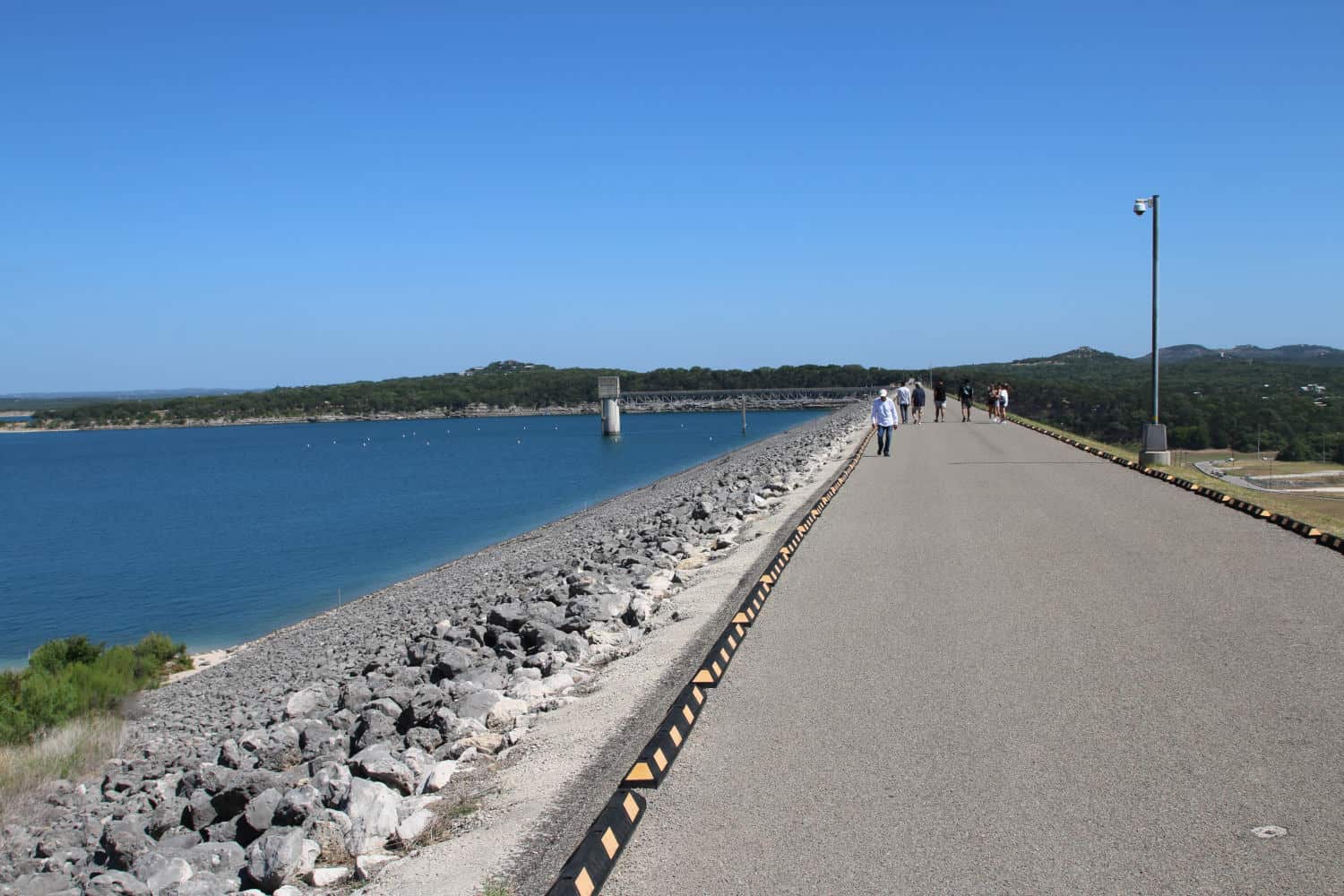
That changed with Canyon Dam. The U.S. Army Corps of Engineers, Fort Worth District, broke ground on June 27, 1958. They hired the Tecon Corporation of Dallas to build a massive rolled-earthfill dam across the river.
The goal was flood control, water supply, and recreation, in that order. The reservoir behind the dam began filling on June 16, 1964.
It is no small structure. Canyon Dam stands as the highest earthen dam the Corps ever built in Texas, rising some 224 feet above the streambed. The lake behind it holds a conservation storage of roughly 382,000 acre-feet of water.
The new lake reshaped the area almost overnight. By 1967 dozens of subdivisions ringed the fresh shoreline, and a permanent community of well over ten thousand grew up around the water.
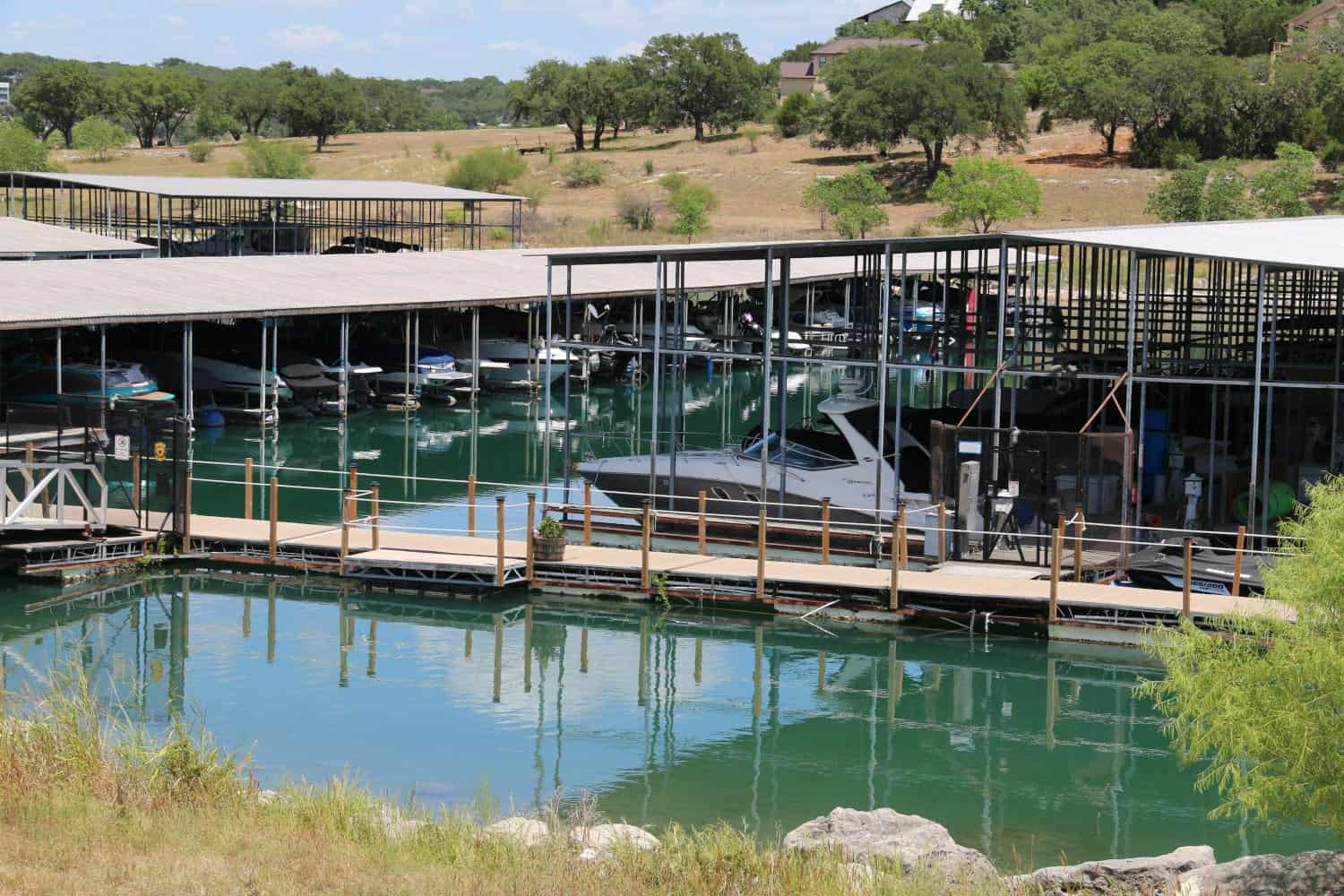
Today the Guadalupe-Blanco River Authority partners with the Corps to guard the water quality that makes the place special. The lake you swim in was drawn on an engineer’s table more than sixty years ago.
The Hidden Gorge a Flood Carved Open
Here is the part most first-time visitors never hear about. Just below the dam sits one of the most remarkable geological sites in Texas, and it was created almost overnight.
During one brutal week in the summer of 2002, more than thirty inches of rain fell on the upper Guadalupe watershed. The swollen lake overtopped its spillway for the first time in its history.
The rushing water sliced open the ground below and carved out a sixty-four-acre canyon now known as the Canyon Lake Gorge. What took nature ages elsewhere happened here in a matter of days.
The flood peeled back the earth and exposed layers of Cretaceous limestone that had been buried for ages. Fossilized sea creatures turned up in the freshly cut rock walls.
Most astonishing of all were the dinosaur tracks. A set of prints roughly 110 million years old sits in the stone, left by an Acrocanthosaurus and the plant-eating sauropod it was likely trailing.
You can walk it, but only with a guide. The nonprofit Gorge Preservation Society leads tours through the gorge on select days, and it is worth booking well ahead.
The guides do more than point at old rocks. They read the layers like a history book, walking you from a 110-million-year-old seabed up through the raw scar the 2002 flood left behind, all in the space of an afternoon.
It is not every lake that comes with its own dinosaur footprints and a front-row seat to millions of years of Texas history sitting right there in the rock.
Pro Tips Before You Go
A few things worth knowing before you load the car. The Corps operates seven major parks around the lake, and Comal County runs several more.
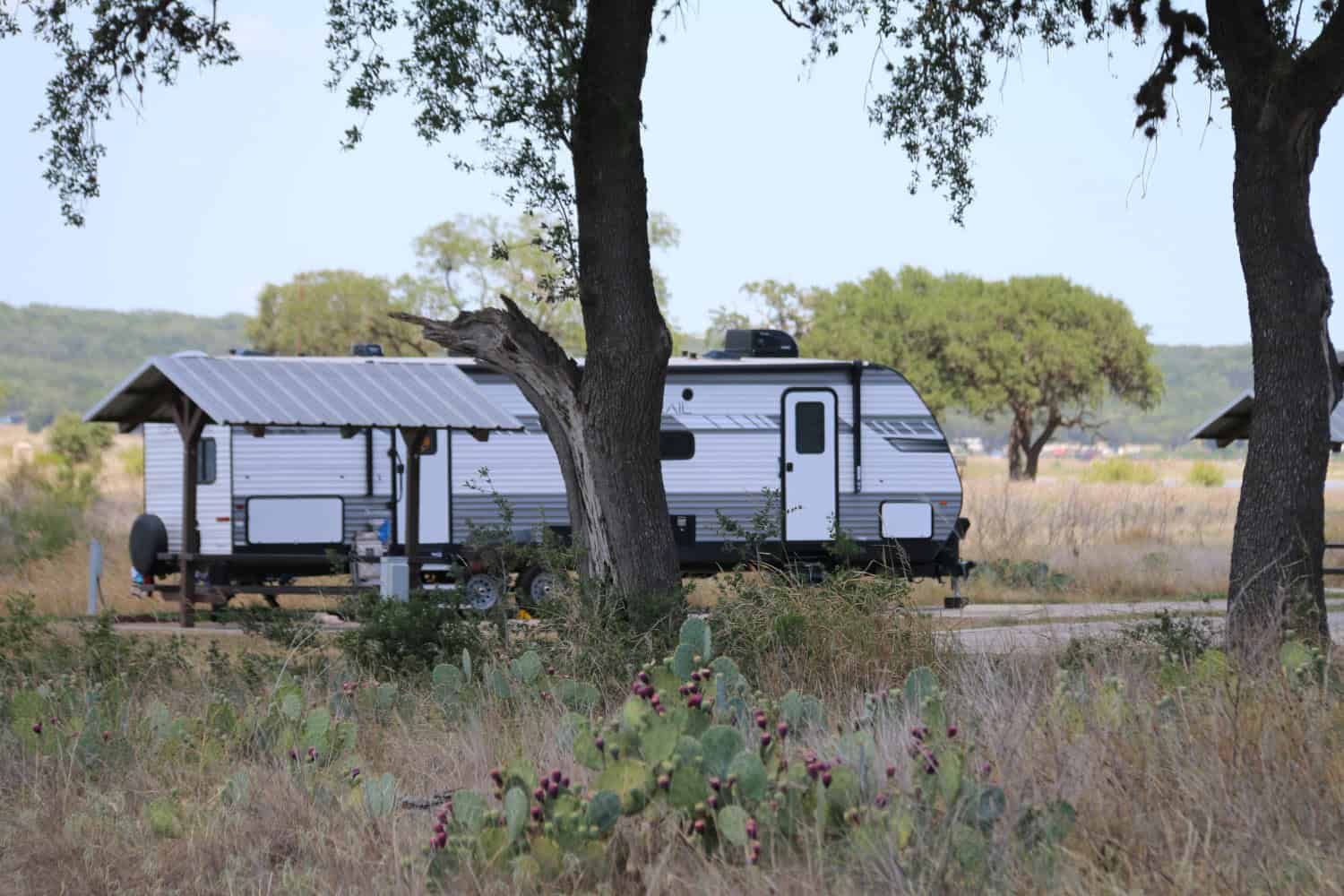
Most of them charge a modest day-use or boat-ramp fee, so bring a little cash or a card for the entrance booth. Several parks also offer camping if you want to turn a day trip into a weekend.
Pack a pair of water shoes while you are at it. The same limestone that keeps the water clear also makes the lake bed rocky underfoot, and a thin sole turns a happy wade into a careful shuffle.
Pro tip: for the best free view of the whole operation, head to Overlook Park. It sits on a hill above the dam’s spillway and gives you a sweeping look at the lake and the gorge below, at no charge.
Summer weekends draw a crowd, especially at the popular swim beaches, so arrive early to claim your patch of shoreline. For the clearest, calmest water and the fewest boats, aim for a weekday morning or the shoulder seasons of late spring and early fall.
How to Get There
Canyon Lake sits in the Hill Country of Comal County, an easy drive from both San Antonio and Austin and just up the road from New Braunfels. Overlook Park makes the best first stop for the big view.
Where: Overlook Park, 601 COE Road, Canyon Lake, TX 78133
Start Planning Your Clear-Water Escape
Whether you come to dive it, paddle it, fish it, or just wade out and marvel that you can see your own feet, this is one Texas lake that lives up to the photos.
So pack the snorkel and charge the camera. Then go find out for yourself just how far down that clear Hill Country water really lets you see.
Featured image: @ Canyon Lake

Stella Raines
Editor-in-Chief
Stella brings over a decade of storytelling experience to TX Headlines. With roots in West Texas and a love for road trips, she leads the editorial team with an eye for the hidden stories that make Texas unforgettable.
More Stories
This Wild Texas Nature Preserve Has Boardwalk Trails Winding Through Swamp, Bog, and Forest
This Short Texas Climb Is Just 218 Steps to One of the Most Incredible Views in the Hill Country
This Secret Texas State Park Lets You Camp Right on the Lake for Just $20 a Night
This Lush Texas Garden Lets Seniors Roam 28 Acres for Just $5
Tags