These 6 Texas Road Trips Are Perfect for RV Owners Over 55
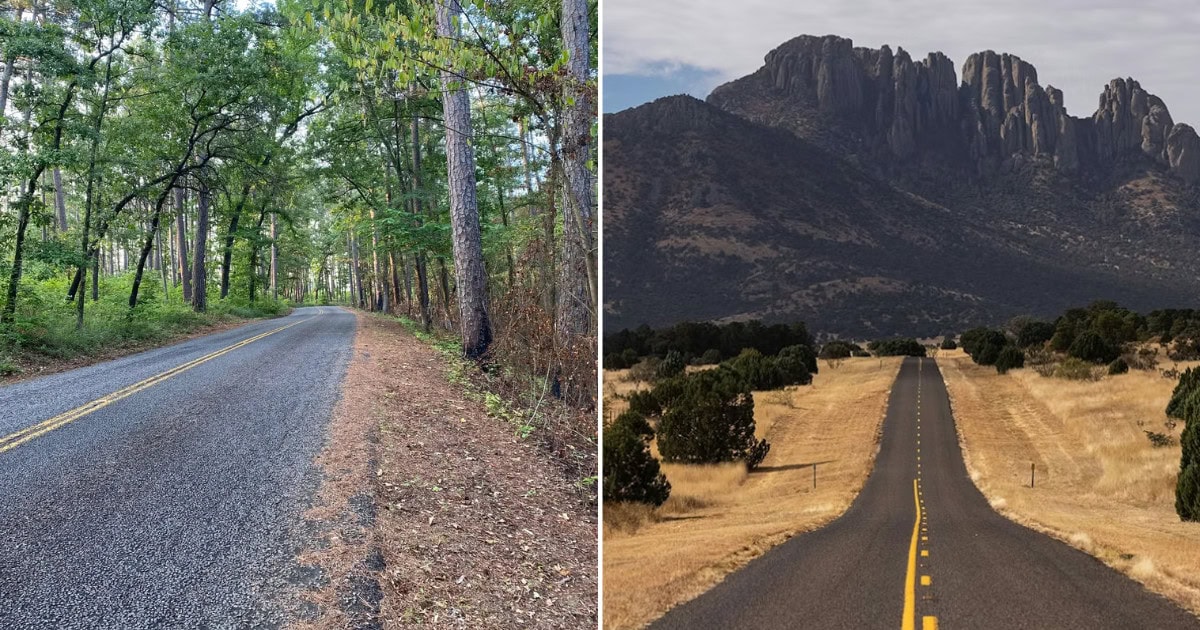
RV travel offers independence, comfort, and flexibility that appeals particularly to those of us who’ve earned the right to travel on our own terms.
Texas’s size and diversity make it ideal for RV adventures, with routes showcasing everything from coastal plains to mountain vistas, historic towns to natural wonders.
The best RV trips for mature travelers balance scenic beauty with practical considerations like quality campgrounds, reasonable driving distances, and attractions worth the journey.
These six road trips offer excellent RV facilities, interesting destinations, and the kind of varied experiences that make extended travel rewarding.
1. The Hill Country Loop — Austin to Fredericksburg to Bandera
This classic Texas route covers approximately 200 miles of scenic Hill Country, easily manageable in 3-5 days with multiple stops.
Start in Austin, where several quality RV parks offer easy access to the city’s attractions.
Head west through the Hill Country, stopping in Fredericksburg, where multiple RV parks cater to the tourist trade.
Continue to Bandera, the “Cowboy Capital of the World,” where dude ranches welcome RVers, and the genuine Western atmosphere transports you to another era.
The route features manageable two-lane roads suitable for larger RVs, though some Hill Country back roads require more careful navigation.
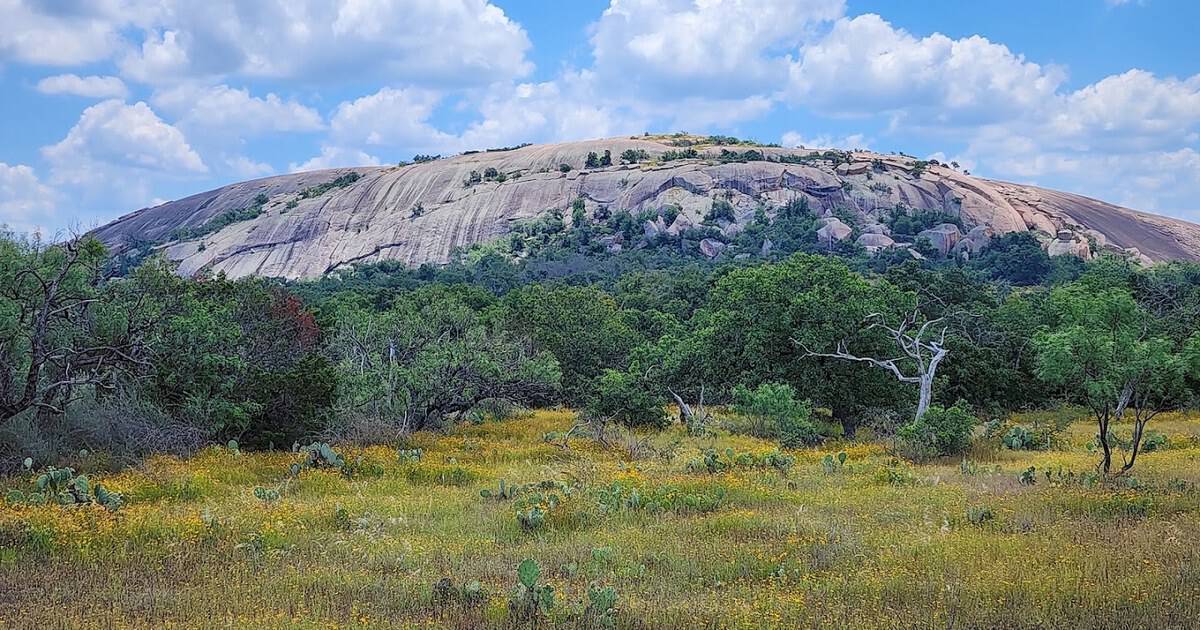
State parks, including Enchanted Rock and Lost Maple,s offer excellent RV camping with hookups and dump stations.
2. The Texas Coast — Galveston to South Padre Island
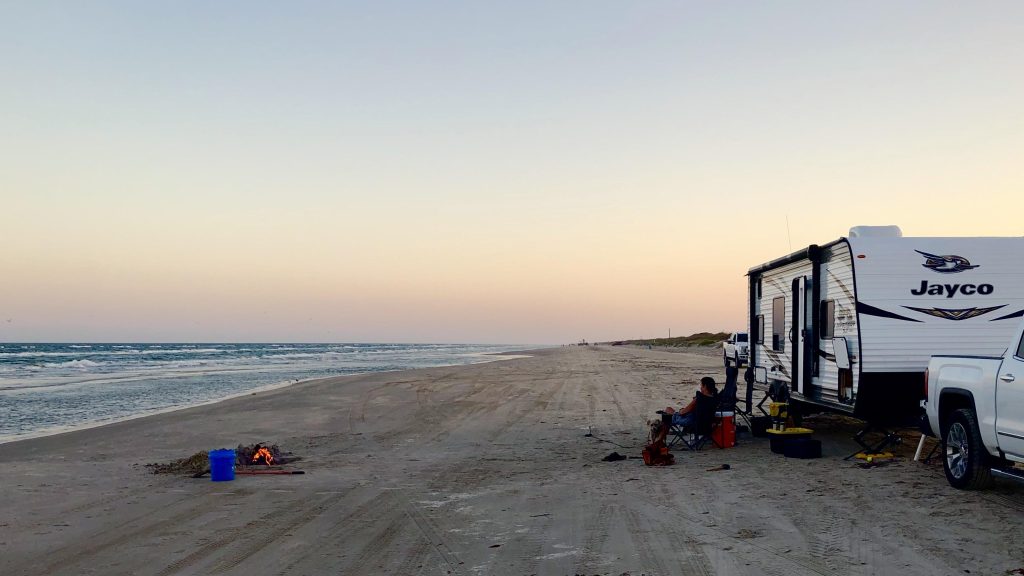
Stretching approximately 350 miles along the Gulf Coast, this route can be driven in segments or as a week-long journey.
Galveston offers multiple RV parks with beach access and proximity to the island’s historic district.
Continue south through coastal communities like Surfside Beach and Matagorda, where laid-back beach towns offer peaceful camping.
Rockport and Port Aransas provide excellent RV facilities combined with fishing, birding, and coastal charm.
The drive to Corpus Christi passes through the Aransas National Wildlife Refuge, winter home to Whooping Cranes.
South Padre Island at the route’s southern terminus offers numerous RV resorts with beach access and resort amenities.
The flat terrain, good roads, and abundant RV parks make this route technically easy, while the coastal scenery, seafood, and beach access provide constant interest.
3. Big Bend Country — Alpine to Marathon to Terlingua
This West Texas adventure covers approximately 150 miles through some of Texas’s most dramatic landscapes.
Alpine serves as a good base with several RV parks and full services. The town itself offers galleries, the Museum of the Big Bend, and a comfortable small-town atmosphere.
Marathon, 30 miles east, is tiny but charming, with the famous Gage Hotel anchoring the historic downtown.
Terlingua, the old mercury mining ghost town near Big Bend National Park, offers rustic RV camping and access to the park.
Big Bend Ranch State Park provides additional RV camping for those seeking more remote experiences. The route features excellent two-lane highways with minimal traffic and spectacular desert mountain scenery.
This trip requires more self-sufficiency, including topping off propane and water, but rewards adventurous travelers with a genuine wilderness experience and unmatched natural beauty.
4. The Piney Woods Loop — Tyler to Jefferson to Nacogdoches
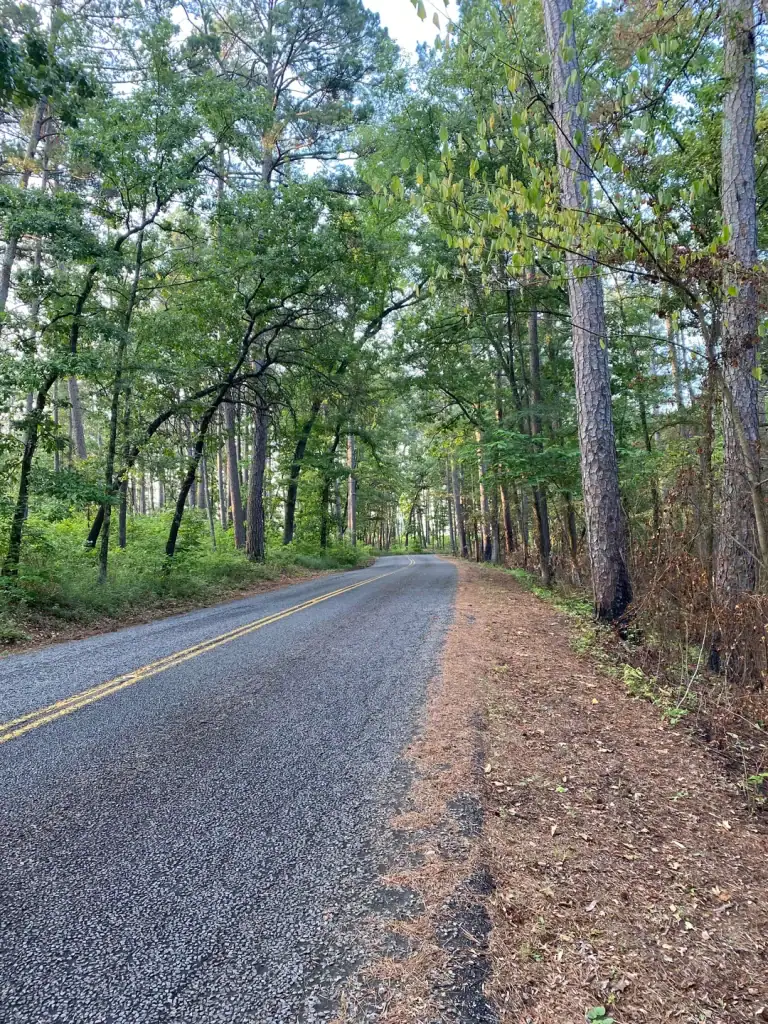
This East Texas circuit covers approximately 200 miles through lush pine forests and historic towns.
Tyler offers excellent RV parks and serves as the “Rose Capital of Texas” with beautiful municipal gardens and azalea trails.
Jefferson, a remarkably preserved 19th-century river port, features Victorian architecture, antique shops, and multiple bed-and-breakfasts alongside RV facilities.
The town’s history as a major steamboat port creates an atmosphere unlike anywhere else in Texas.
Caddo Lake near Jefferson offers unique camping among cypress forests and provides excellent birding and kayaking.
Nacogdoches, Texas’s oldest town, combines history with Stephen F. Austin State University’s cultural offerings.
The route features good highways, gentle terrain easy for RV navigation, and year-round green landscapes contrasting with most of Texas.
5. The Davis Mountains Loop — Fort Stockton to Fort Davis to Marfa
This West Texas circuit covers approximately 150 miles through mountain and desert landscapes.
Fort Stockton provides RV services at the eastern gateway to this route. Fort Davis, nestled in the Davis Mountains, offers excellent RV camping at Davis Mountains State Park plus private facilities.
The McDonald Observatory provides world-class stargazing programs, and the town itself charms visitors with its historic fort and small-town character.
Marfa, famous for its mysterious lights and thriving art scene, offers RV parks and the quirky culture that’s made this tiny town internationally known.
Alpine, the largest town in the region, provides full services and serves as a convenient base. The route features dramatic mountain scenery, clear air, and dark skies, rare in modern America.
6. The Bluebonnet Trail — Brenham to La Grange to Llano
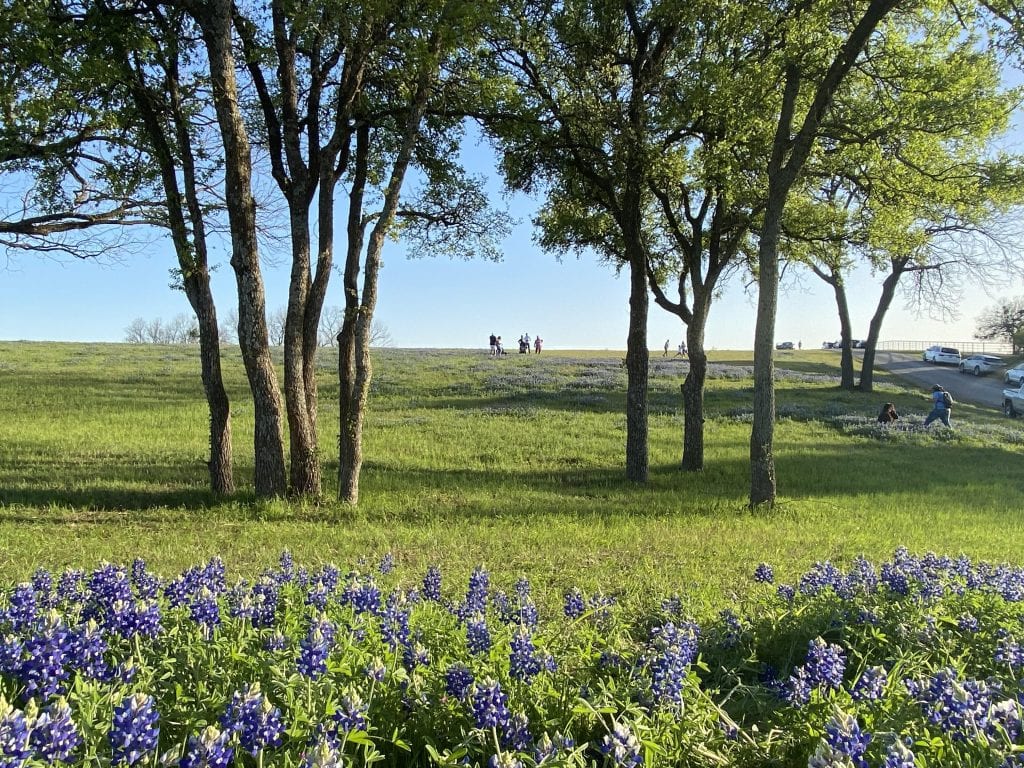
This springtime route of approximately 150 miles showcases Texas wildflowers at their peak.
Brenham anchors the eastern end with Blue Bell Creamery, antique shops, and several RV parks.
The countryside around Washington-on-the-Brazos bursts with bluebonnets in April, creating the iconic Texas spring landscapes.
La Grange offers the Painted Churches tour, showcasing stunning 19th-century Catholic churches decorated by German and Czech immigrants.
Continue to Llano in the Hill Country, where additional wildflower displays complement river recreation.
The route features easy driving on good highways with numerous photo opportunities during wildflower season.
RV facilities are adequate in larger towns, though advance reservations are essential during peak bluebonnet season in April.
Planning Your RV Adventure
Successful RV trips require more planning than car travel but reward you with comfort and flexibility.
Reserve campsites in advance, particularly for popular destinations during peak seasons. State parks often book up months ahead, while private RV parks may offer more availability but at higher rates.
Plan driving distances of 150-200 miles per day maximum, allowing time to actually enjoy destinations rather than spending all your time driving.
Factor in setup and breakdown time at each campground when calculating daily schedules.
The goal is enjoying the journey and destinations, not simply covering miles.
What Texas RV routes have provided your most memorable adventures?
Share your favorite routes, campground recommendations, and tips for fellow RVers seeking the perfect Texas road trip.

Stella Raines
Editor-in-Chief
Stella brings over a decade of storytelling experience to TX Headlines. With roots in West Texas and a love for road trips, she leads the editorial team with an eye for the hidden stories that make Texas unforgettable.
More Stories
This Secret Texas State Park Lets You Camp Right on the Lake for Just $20 a Night

This Lush Texas Garden Lets Seniors Roam 28 Acres for Just $5
This Secret Texas Canyon Hides a Living Waterfall, and February Is the Perfect Time to See It