Why is Hueco Tanks unique compared to the rest of Texas?
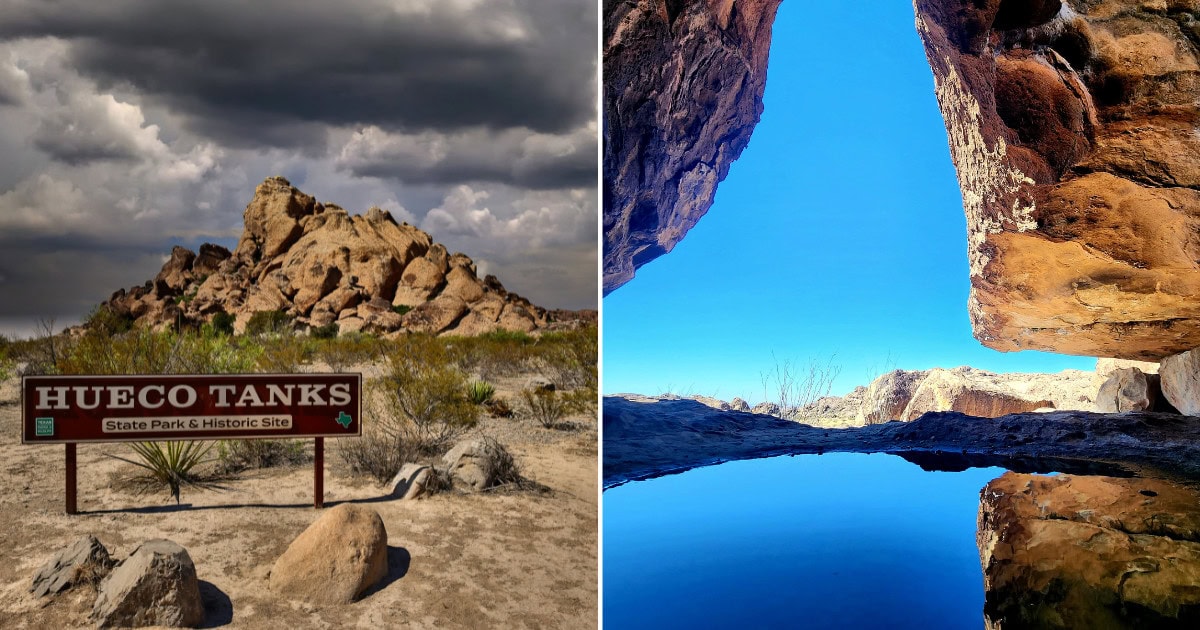
Hueco Tanks is a hard one to sum up in only so many words, as the site has over 10,000 years of human history.
In present-day Hueco Tanks, you can hike, rock climb, camp, bird watch, study nature, history, and even picnic or stargaze. The outdoor recreation activities are endless at this park, as well as the rich history.
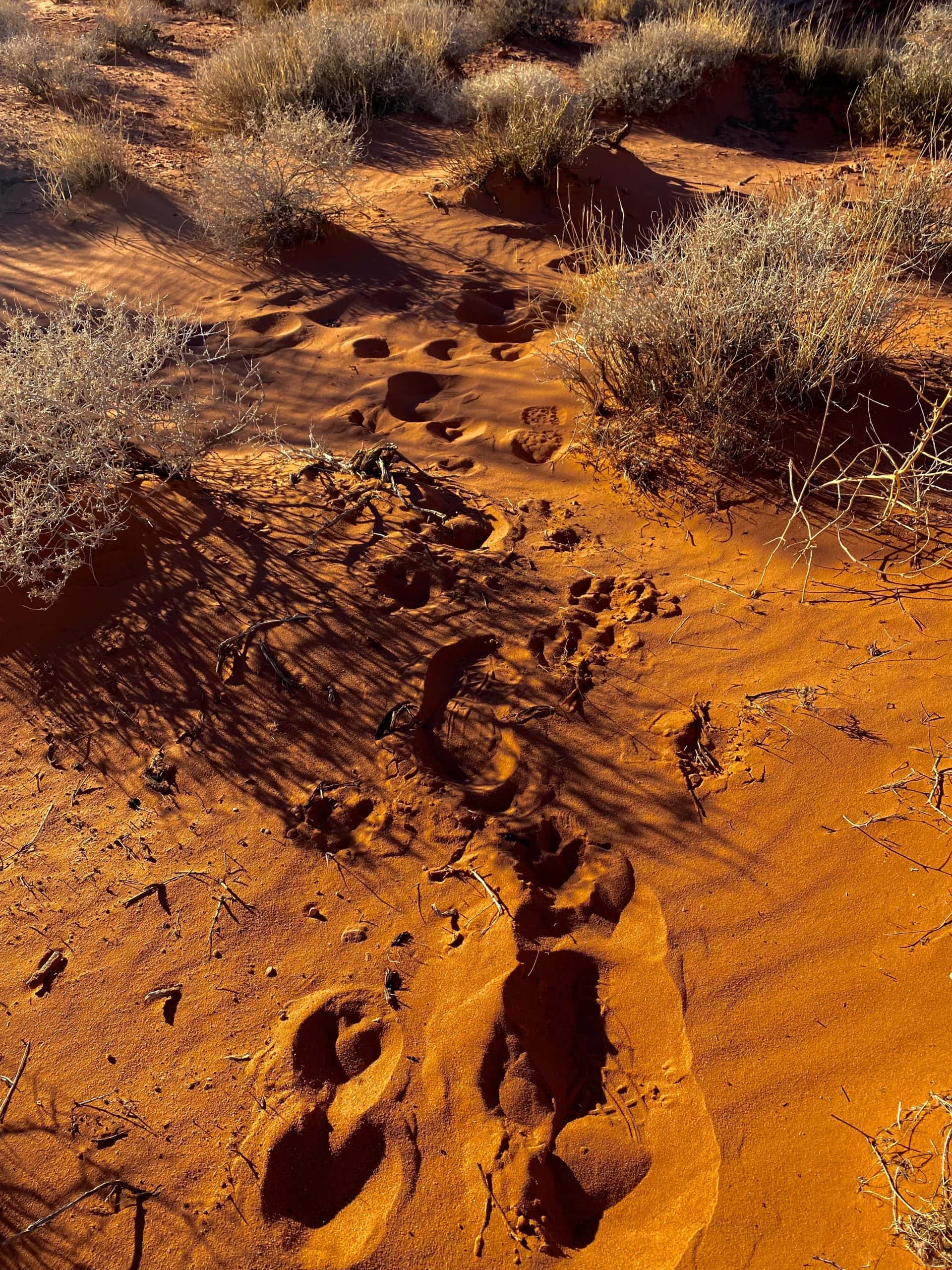
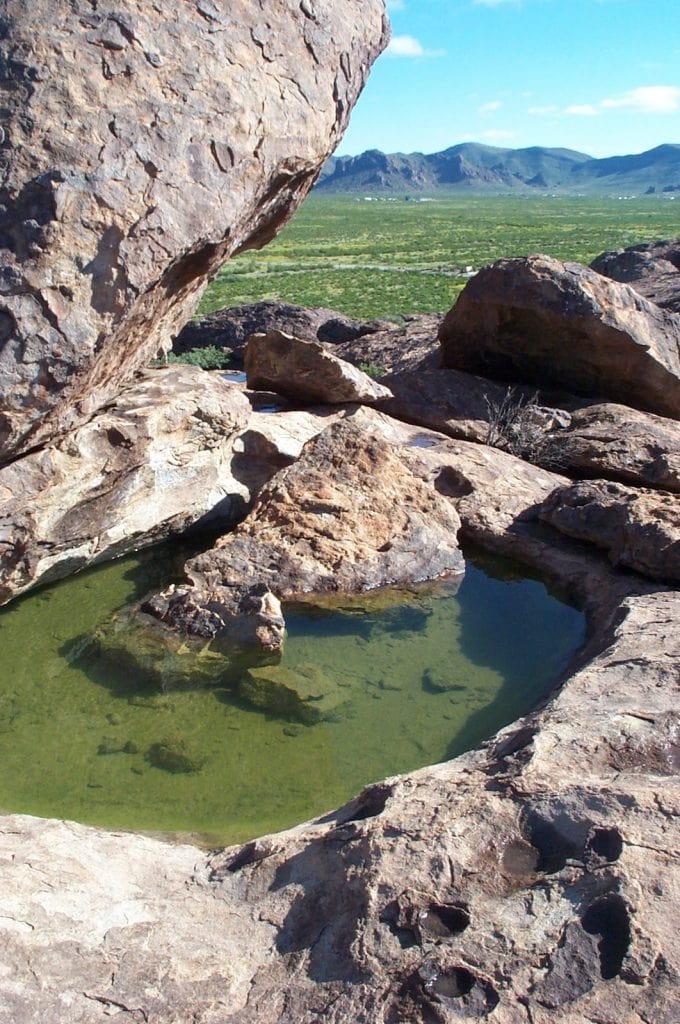
Hueco Tanks originally earned its name from the holes that appear to have been scooped out of the rocks. These holes were exposed due to continuous erosion. These scoops became known as “huecos” which is the Spanish word for “hollows”.
The huecos have always played a vital role in the historic significance of this site, as they collect rainwater. Thus they provide a desert oasis, time and time again.
This site has always been a crucial stop for travelers, hunters, and gatherers in the arid Chihuahuan Desert.
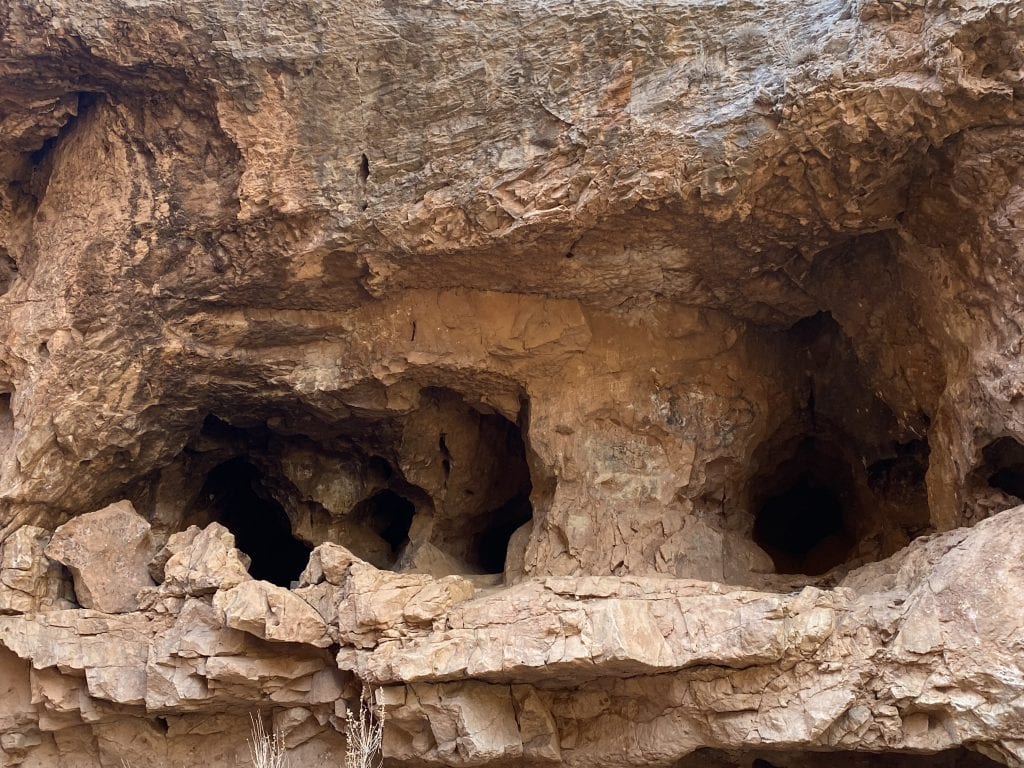
To the present day, Hueco remains an essential and ceremonial site to many modern tribes, including the Kiowa, Mescalero Apache, and Tigua.
Due to its prosperous history, access to the public is strictly regulated. Most areas require guided tours to protect the fragility of the land.
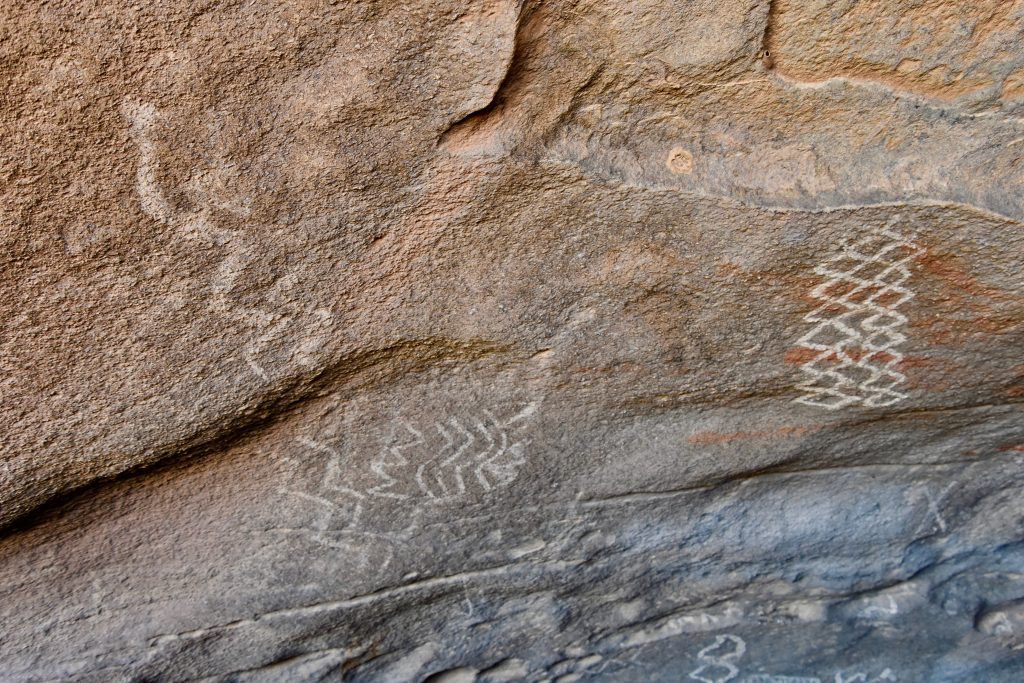
Present-day descendants still actively perform religious ceremonies on the site. This continues to honor thousands of years of uninterrupted tradition.
One of the major ancestral beliefs remaining strong to this day is the vitality of the huecos. They are viewed as a miraculous gift and meant to be honored.
The rain itself is also meant to be honored, as it is in most places that are so barren. Themed offerings are often given to the land as gratitude..
Even the most typical rock-climbing van-dwellers, who the site attracts, are asked to adhere to this level of respect, no matter how casual the visit.
Like all climbing areas made of sandstone, it’s considered unethical to climb on the rock until 24 hours after any rain event. Locals are very strict about this so use your judgment wisely.
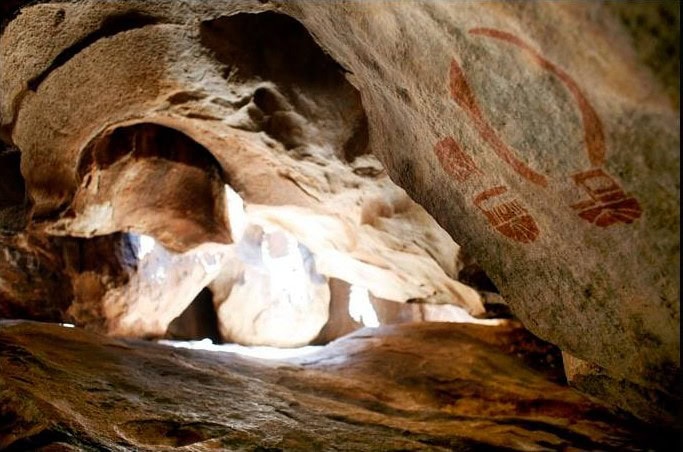
It is the site in the general area, where prehistoric and historic records exist simultaneously.
Additionally, it’s a major destination for modern adventure-seekers and rock enthusiasts.
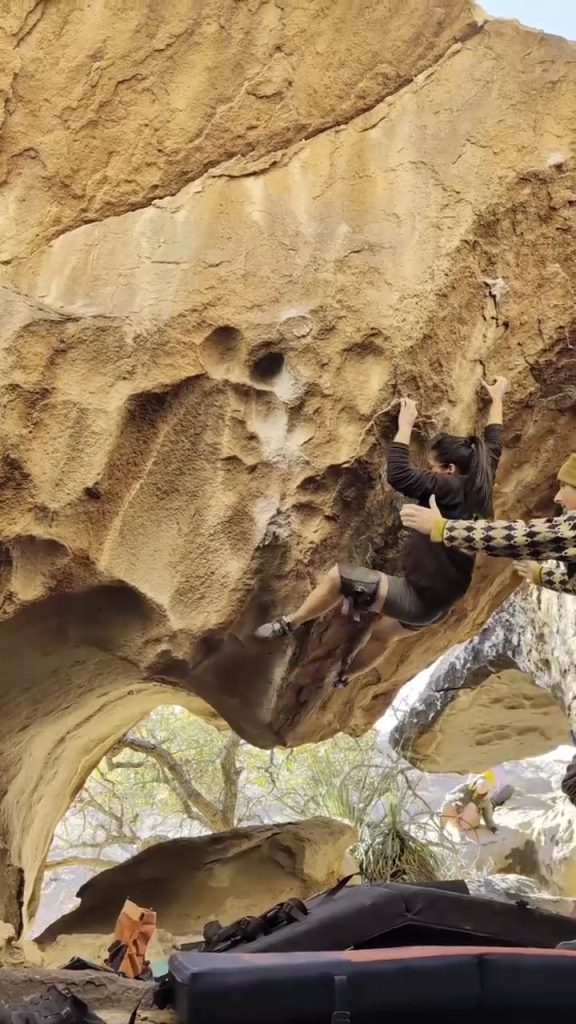
The massive huecos provide a more dynamic climbing style and three-dimensional movement. This attracts a surprisingly athletic and youthful crowd to the ancient site. This is impactful, as the history of Hueco Tanks is continuing to be developed, to our present day.
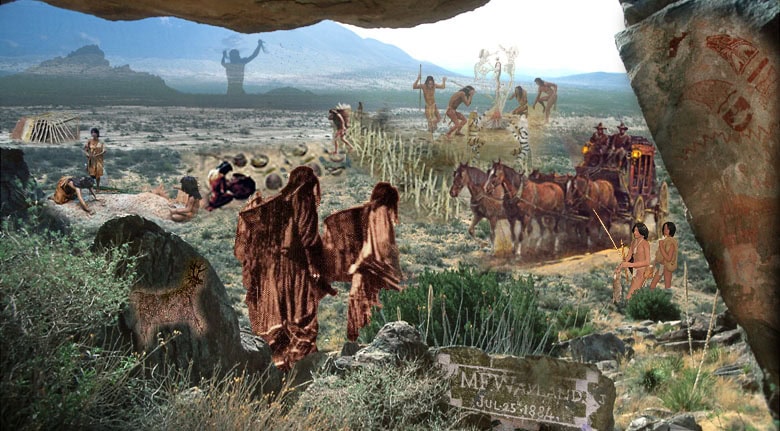
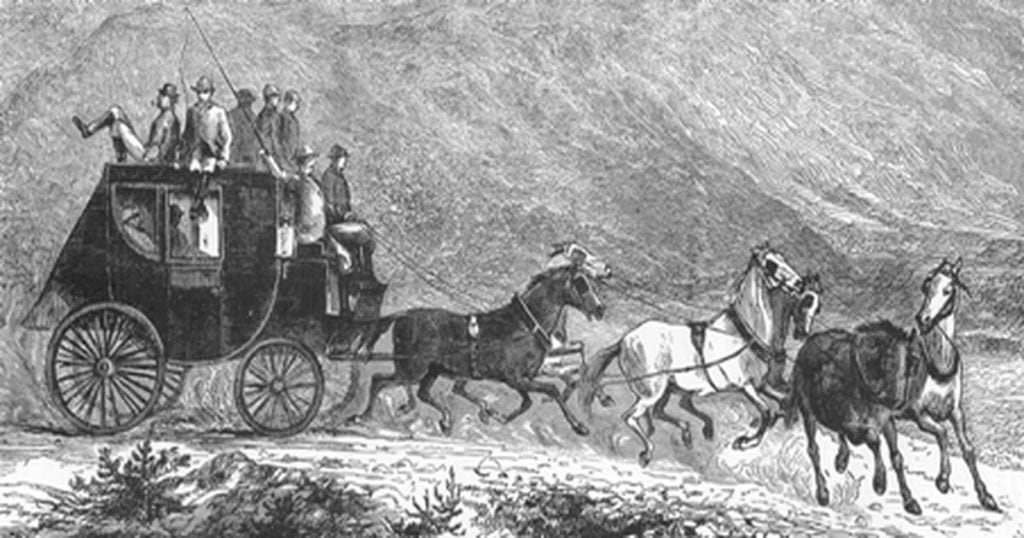
Between 1000 and 1300 AD, many groups lived among the rock hills. This time period is referred to as the Doña Ana phase. Fresh soil was targeted for vegetation and a trail was clearly created in ancient times, leading towards water and salt access. The area was used by Spanish explorers and travelers on the Butterfield Overland Mail route.
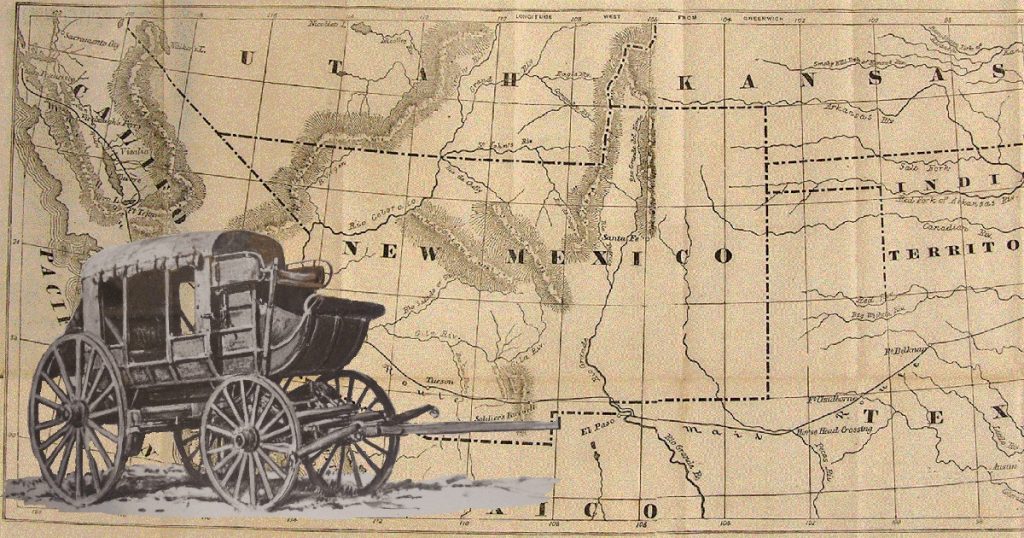
That trail continued to remain in use through the Gold Rush era, the cattle driving era, and has always been utilized by military officials.
The turn off to Hueco is only about 25 miles east of El Paso. There are only two ways to get there from the city, so be careful not to miss it.
There is a minimum of $150/guide a day required to explore the park. Once reservations are made, it’s heavily advised to obtain a TSSP, Texas State Parks Pass. One pass can cover a whole group entering in one vehicle.
The park is very heavily trafficked nowadays, as it has become quite famous. The park permits 10 visitors each morning to come in without a reservation. So if you fancy camping out early to get that worm and avoid the 100$ reservation fees, this could be an option for you.
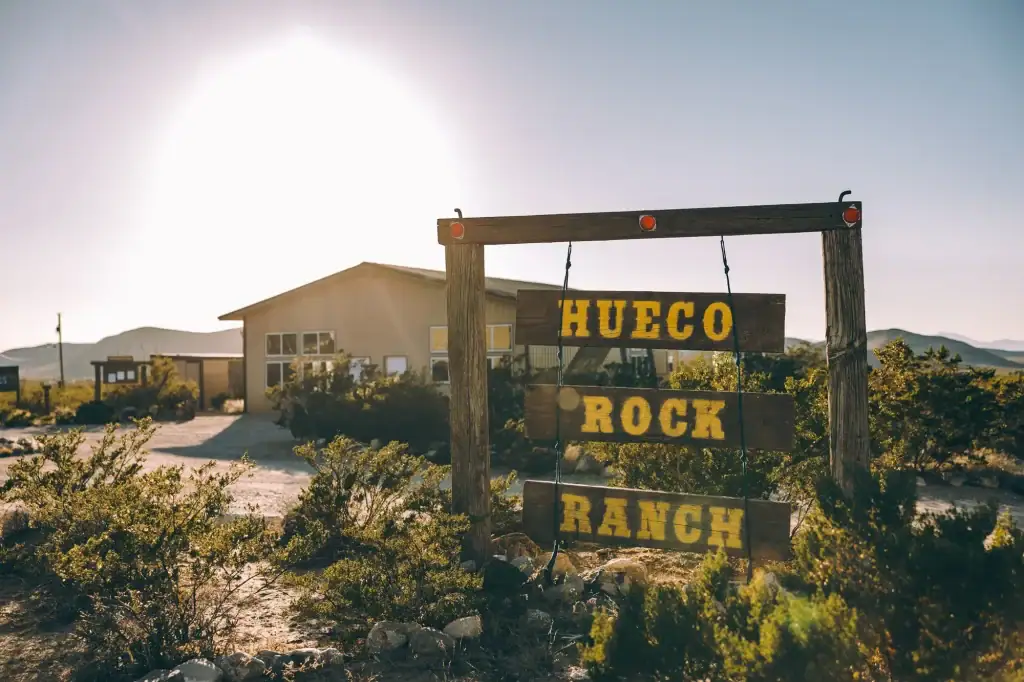
The Hueco Rock Ranch is an amazing option as far as accommodation goes, as long as you don’t have any dogs accompanying you. The ranch has a middle-of-the-desert feel to it, as it’s off the main road.
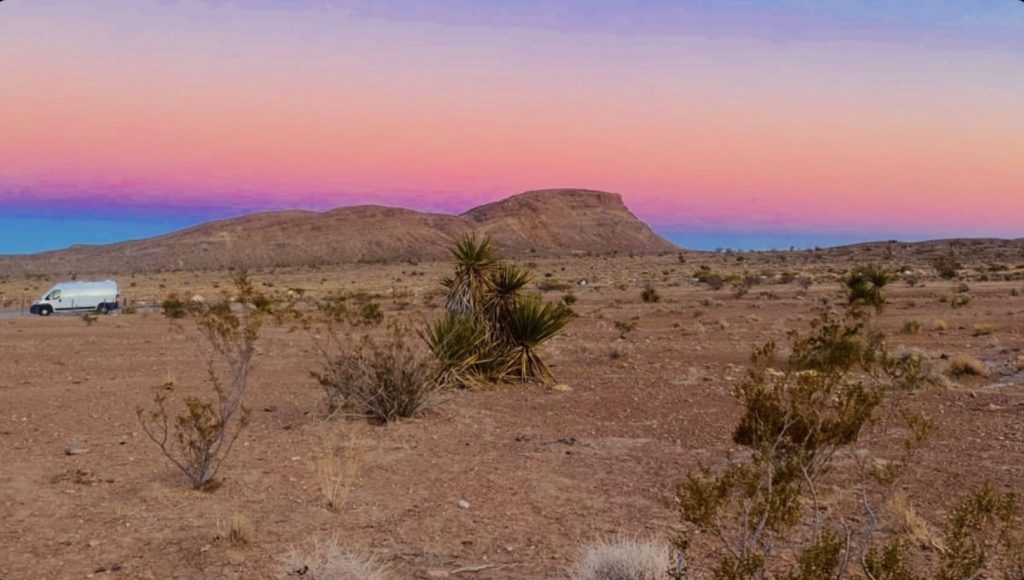
*Note: This base camp has been recently bought by the American Alpine Club. The new contact email for them is: [email protected]
Dogs are very tricky to bring along to Hueco. They’re prohibited in most areas and it’s often too hot to leave your dogs for a day, especially if traveling by van.
They are allowed in the park. However, it isn’t easy. Pets may be left unattended in an approved crate in the back of a truck, but “may not be exposed to excessive heat or cold (the rangers will make a subjective judgment regarding this).”
The other option is to leave them in a motorhome/ trailer/ van at a designated campsite.
Though, do note that leaving them in a tent is not a permitted option.
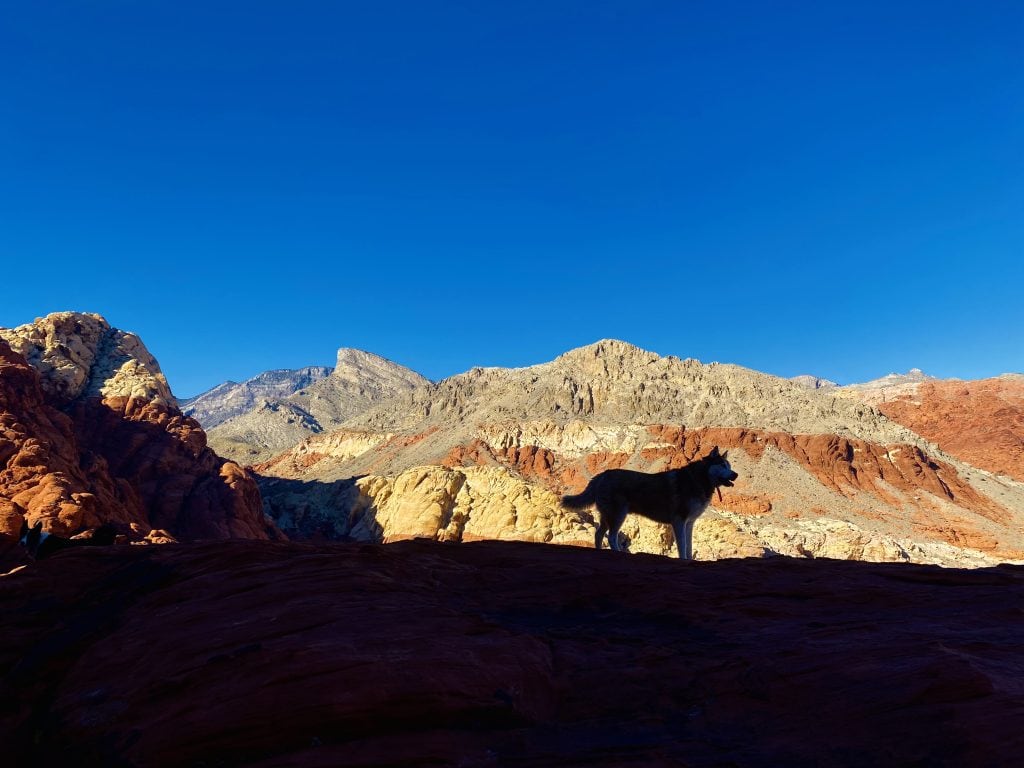
As far as rock climbers go, they are most of the remaining demographic, after the archaeological use of the area. It is, as you can assume, now one of the more regulated places to climb.
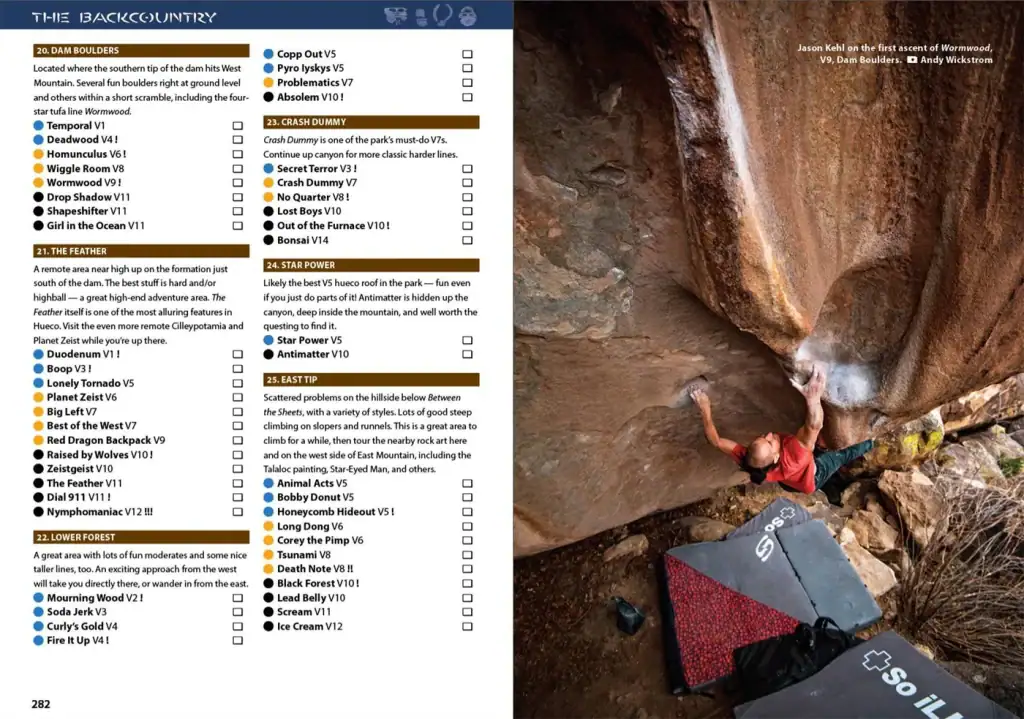
But it’s deeper than that. Hueco is a contender for the birthplace of modern bouldering. This kicked off in 1980, building to a climax in the early 2000’s, before the more recent restrictions slowed things down.
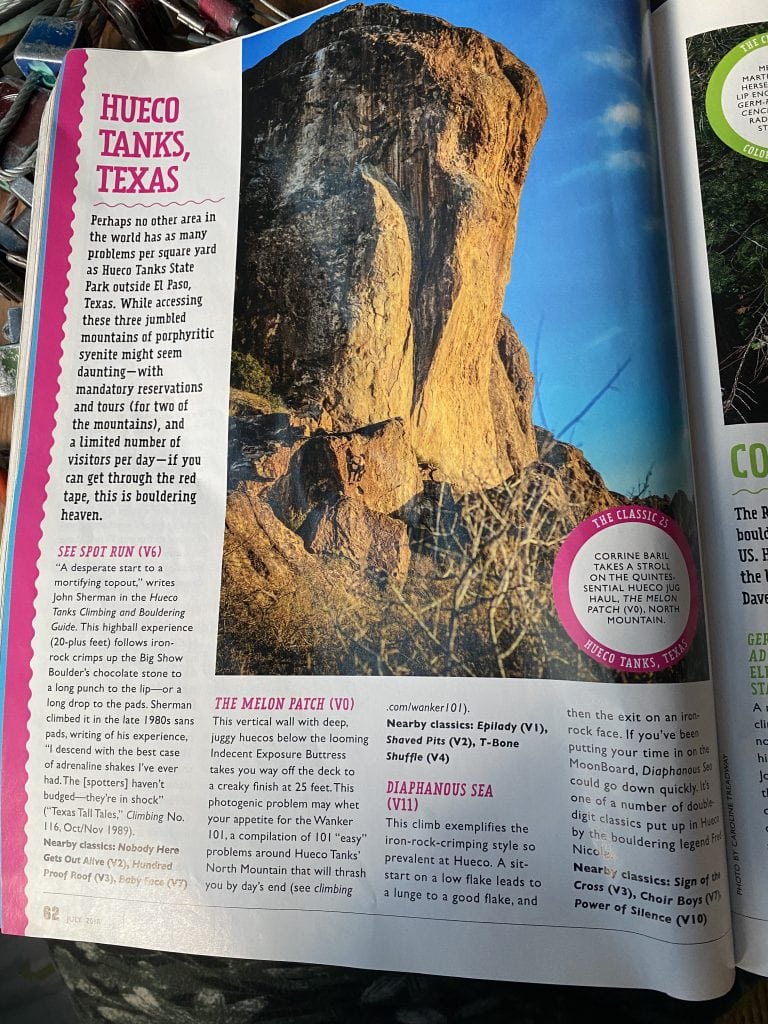
Before arrival, you must apply for a disorientation card. To obtain a card, you will have to watch the disorientation video. You will then be able to travel unescorted anywhere in the North Mountain zone.
Keep in mind that reservations are needed up to 3 months in advance for North Mountain, as it’s the biggest and most developed climbing area.
Zoned Access: The park is divided into self-guided and guided areas. Here’s a basic outline to help you differentiate where you’d like to go.
- North Mountain (Self-Guided): Open to 70 people daily. It is highly recommended to reserve permits up to 90 days in advance by calling (512) 389-8911.
- East Mountain, West Mountain, and East Spur (Guided Only): Access requires a guide. Tours must be booked at least one week in advance by calling (915) 857-1135
As most climbers live their lives according to freedom of will, these regulations often spike frustration and controversy.
This however, can be forgiven by learning about the area’s bountiful history.
There is a bouldering tour offered for climbers, which will be led by a member of the park staff.
If you’re not a climber or a major history buff and you just appreciate being in a beautiful place for a few days, there are some lovely trails for you. This is especially enchanting while the desert is in bloom.
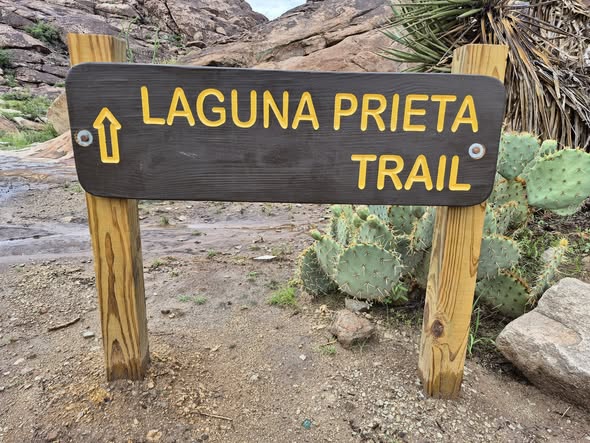
Laguna Prieta and Ponds trail are well known for spectating this.
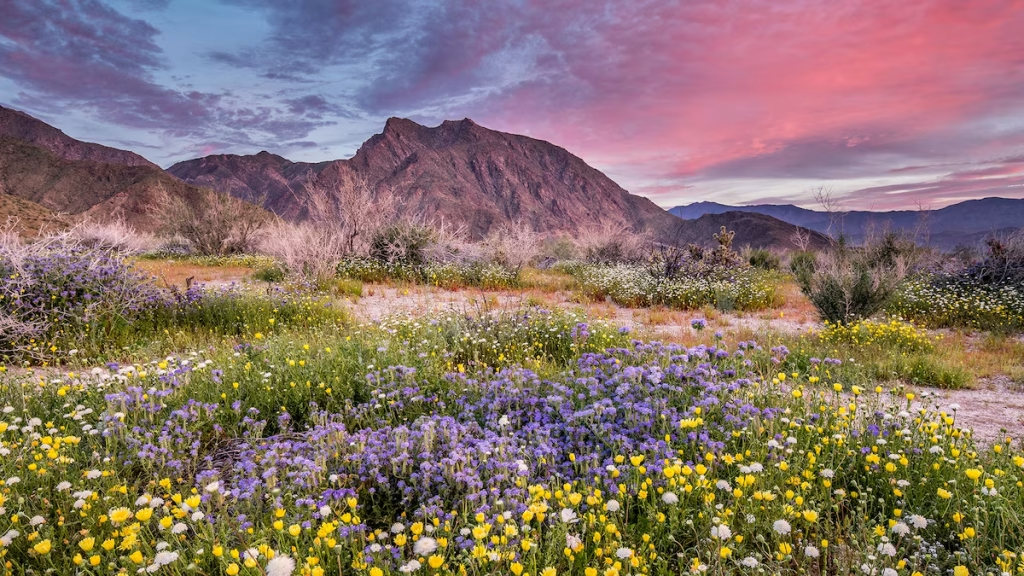
You can even hike the Laguna Prieta trail to the Kiva cave. It’s a simple hike, about 1km in length. However temperatures can spike quite high during the day, so it’s always recommended in the desert to start early and bring plenty of water.
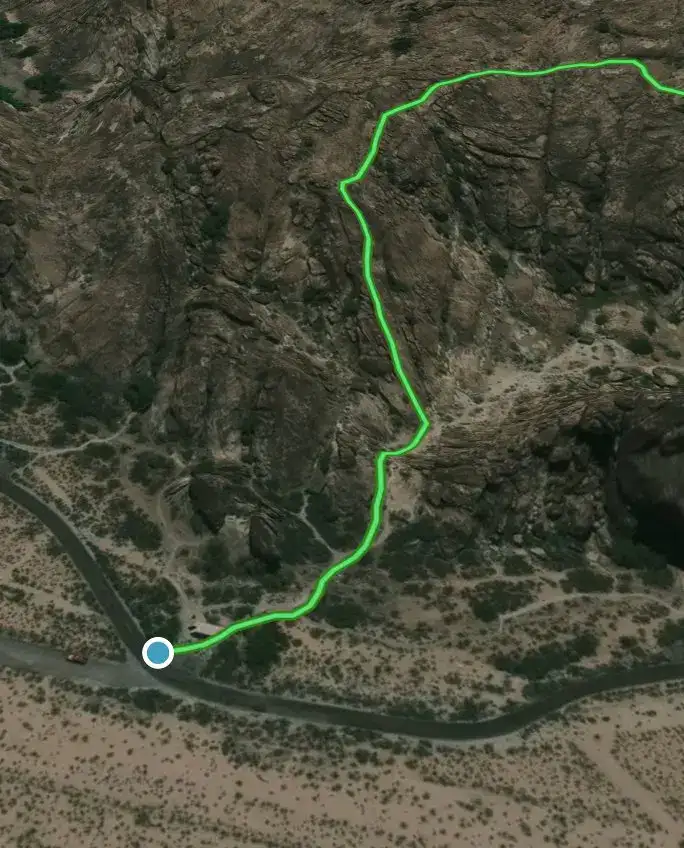
You can get a unique glimpse into the BaseCamp of Cerro del Indio.
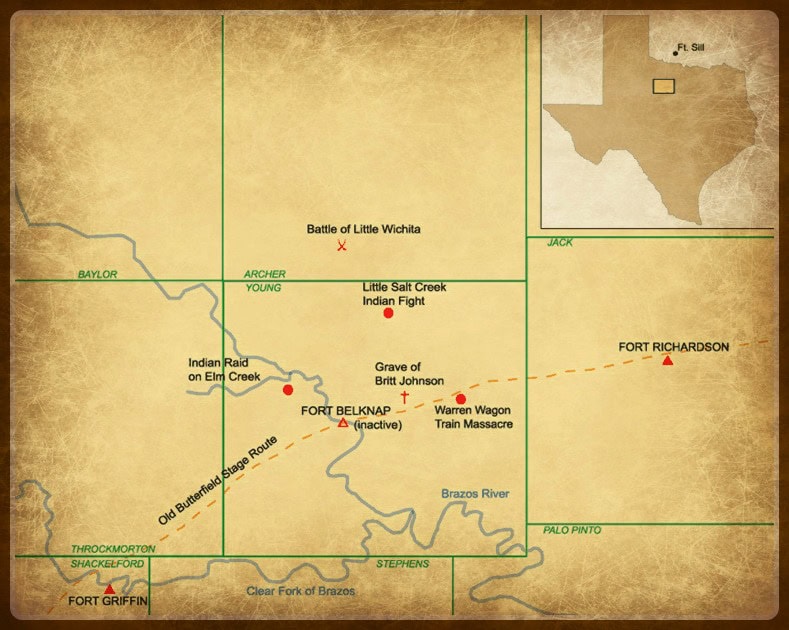
Cerro del Indio in Juarez Mexico, served as a crucial observation point for Apache warriors to survey nearby Rio Grande settlements, such as El Paso del Norte, to plan raids. The site features a natural spring, so Apache fighters could build a base camp to monitor their cattle and water their horses, and their people could continue the raid.

Hueco is very unique for the wide spectrum of visitors that flock to the site and their individual purpose for visiting the land.

Madeleine Gardner
Travel Writer
My name is Madeleine. I’m from Malibu, California. I live in my American van abroad with my two dogs and ship it around the world solo. Before I moved abroad I spent years traveling around the US & Canada up to Alaska and back. I’ve spent time in every single state. My favorite hobbies are hiking in the alpine with my two dogs, backpacking, park backcountry and park snowboarding, skateboarding, yoga, slack lining, surfing, free diving, photography, oil painting and rock climbing.
More Stories

These 10 Texas Spots Bloom Into Seas of Bluebonnets Each Spring

This Enchanting Texas Nature Trail Feels Like Hiking Through a Fairytale Forest

This Underrated Texas State Park Gives You a Full Day of Swimming and Hiking for Just $5

This Easy Texas Hike Leads to a Swinging Suspension Bridge Hidden in the Pines
Tags