This Tiny Texas Town on Route 66 Is a Neon-Lit Time Capsule of Roadside Americana
The first time I drove the old alignment of Route 66 across the Texas Panhandle, I did it on a whim and half a tank of gas. The interstate was faster. I took the frontage road anyway, chasing a rumor that the real thing still existed out here somewhere.
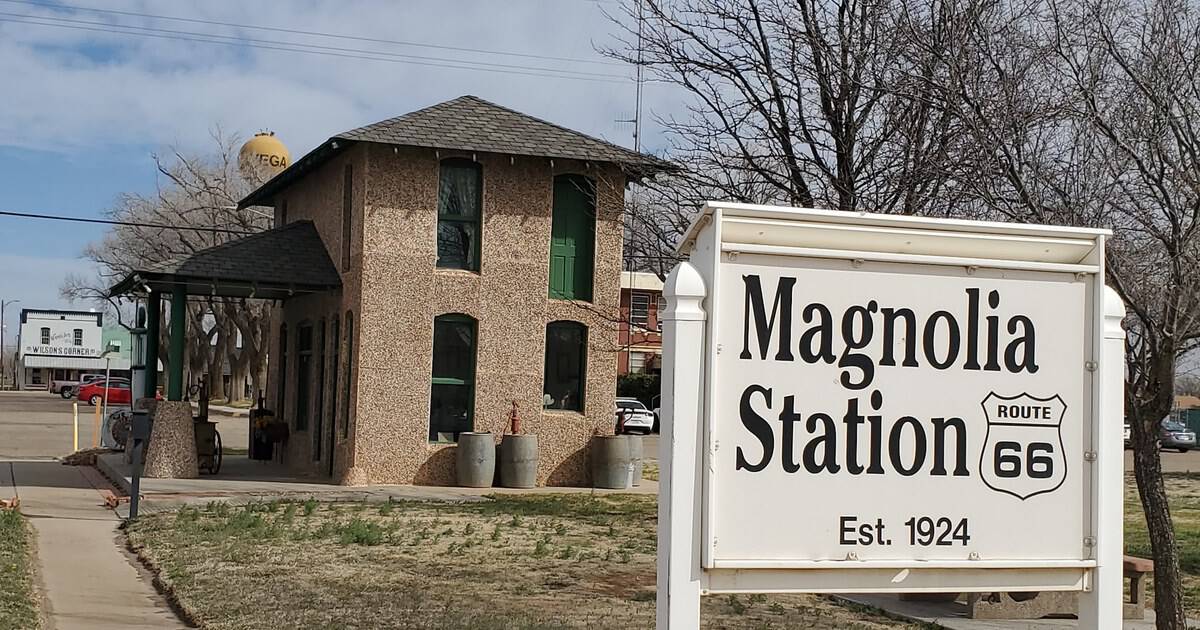
Then a two story gas station with a red flying-horse sign rose up out of the wheat, and I hit the brakes so hard my coffee jumped the cup holder. I had found it.
The town is Vega, and it sits in Oldham County about thirty minutes west of Amarillo, right where old Route 66 crosses US 385. Locals have called it the “Crossroads of the Nation” for a hundred years, and they are not exaggerating.
What Vega has, and what so many bigger towns lost, is neon-lit nostalgia kept fully switched on. Here’s why fewer than 900 people guard some of the most charming roadside Americana left in Texas, and why you should give it an afternoon.
The Little Station That Refused to Fade
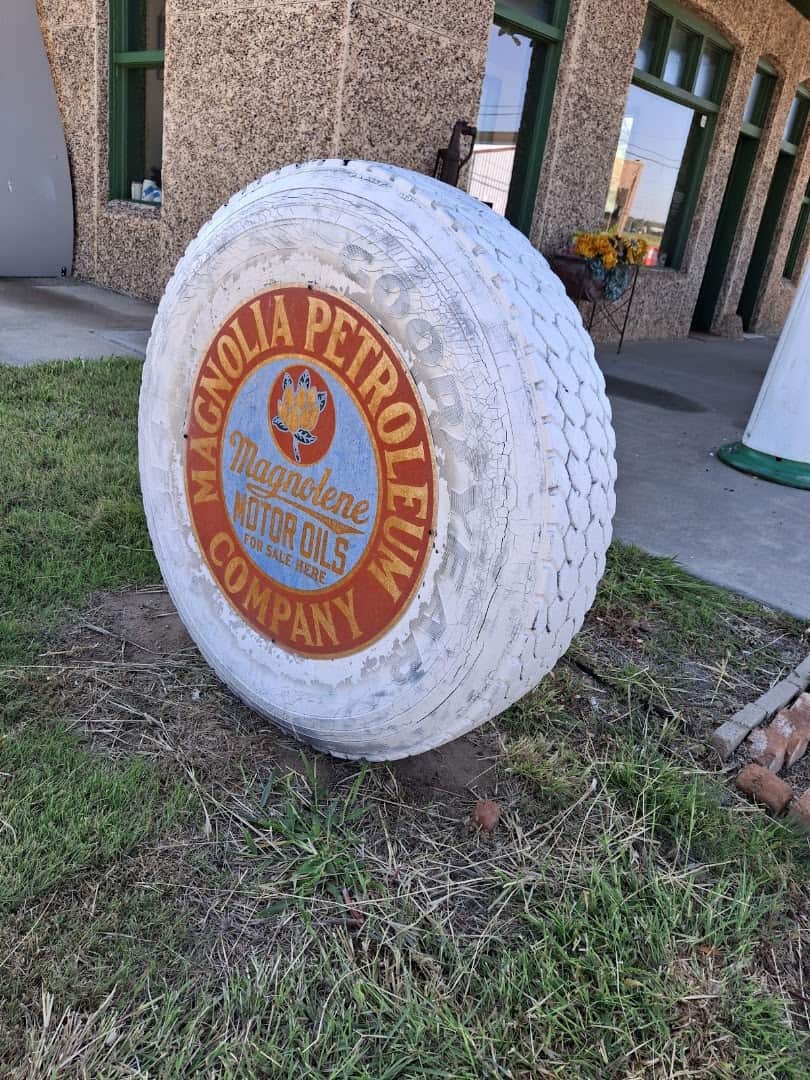
Start where I did, at the Magnolia Service Station. Colonel J.T. Owen built it in 1924, back when a gas stop doubled as a landmark. He gave it two floors so the operator could live upstairs and roll out of bed to pump gas at dawn.
For decades it fueled Route 66 travelers heading west toward California and the future. Over the years the same little building wore a lot of hats. It sold Magnolia gasoline, then Phillips 66, then Conoco, and at one strange point it even housed Slatz Barbershop.
When Interstate 40 opened in the 1970s, the traffic vanished and the pumps went quiet. The station sat empty and forgotten for years, a ghost of a busier road.
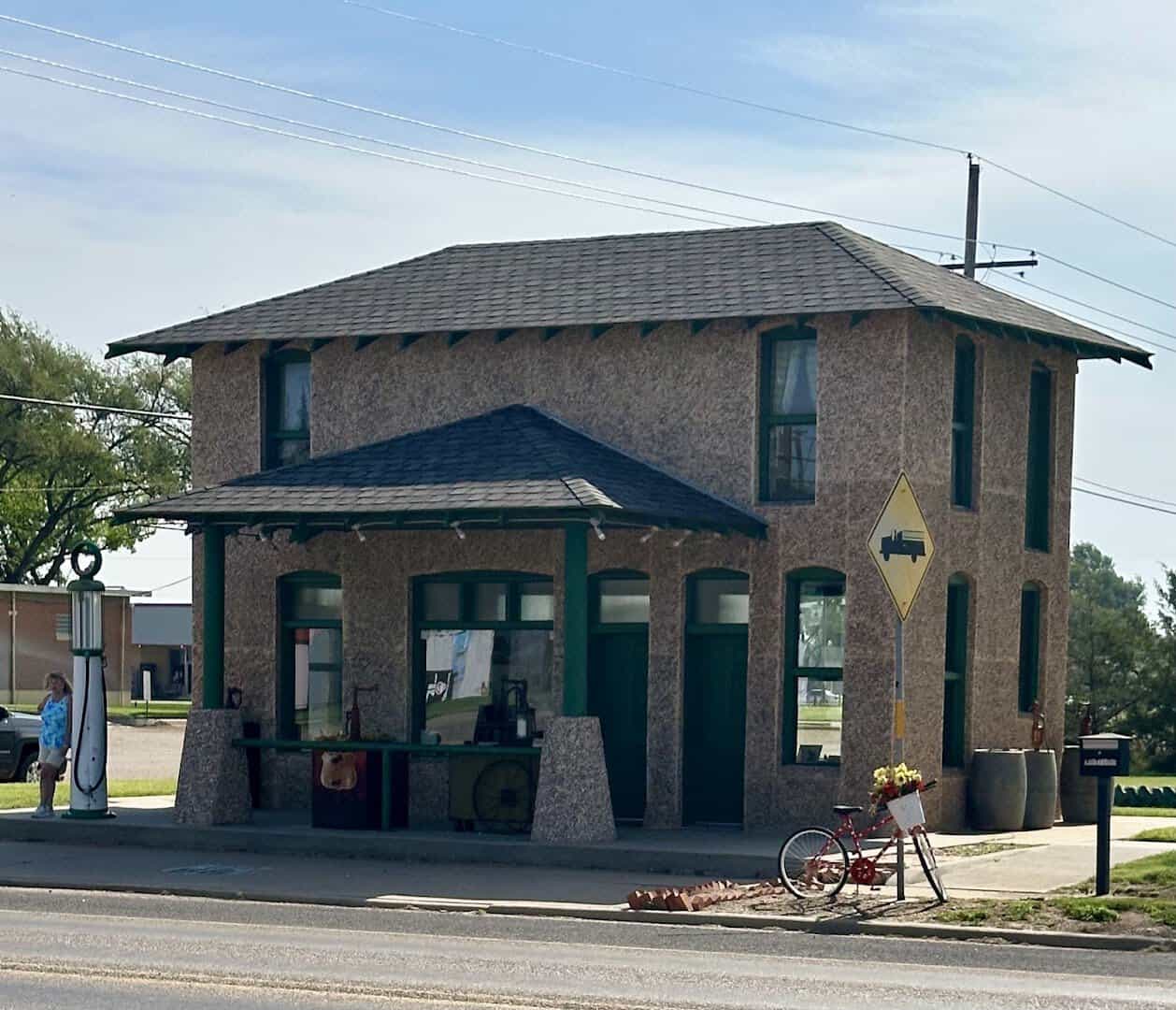
Then the town fought back. In 2001 the City of Vega applied to the National Park Service Route 66 Corridor Preservation Program and won a $50,000 grant.
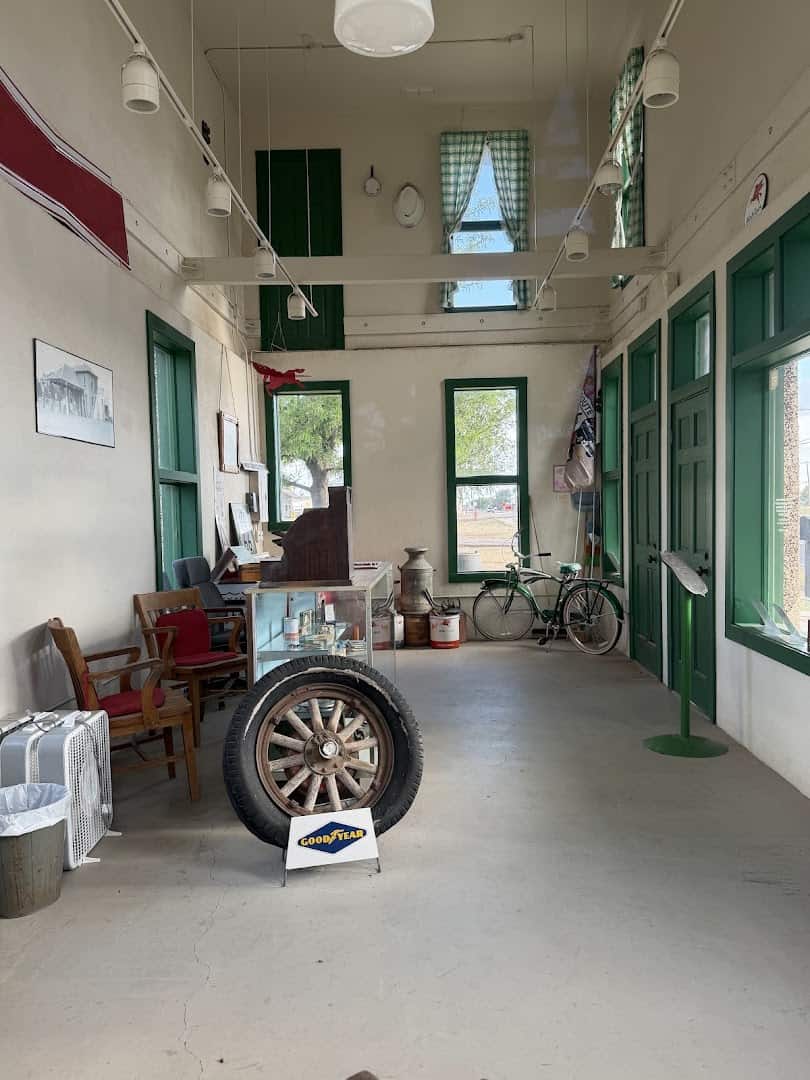
By 2004 the little Magnolia was restored right down to its flying-horse logo. Today it welcomes travelers as a visitor center full of photos and old artifacts.
Standing on that cracked apron, I got the feeling I would keep having all day in Vega. This place did not preserve its history behind glass. It just kept living in it.
Dot’s Mini Museum and the Art of Keeping Everything
A few blocks away sits my favorite kind of attraction, the kind one stubborn person built out of pure love. Dot’s Mini Museum is exactly what it sounds like, a tiny museum stuffed to the rafters with a lifetime of collecting.
Dot Leavitt and her husband moved to Vega in the 1940s and ran a freezer-storage business called Vega Zero Lockers. Dot could not throw anything away, and thank goodness for that. What started as clutter became a roadside treasure box.
Inside you’ll find vintage postcards, old gas station signs, dusty photographs, and the honest odds and ends of small-town Panhandle life. Nothing is curated to within an inch of its life. It is just Dot’s stuff, and it is wonderful.
Did you know? The museum sits right at what old maps called the “crossroads of the nation,” which makes it one of the most delightfully specific little stops on the whole Texas stretch of the Mother Road.
The World’s Largest Branding Iron Lives on a Lawn Here
I turned a corner near the Milburn-Price Culture Museum and stopped dead again. Stretched across the grass was a branding iron the length of a school bus.
It is 22 feet long, weighs about 3,000 pounds, and carries the famous XIT Ranch brand. Locals will happily tell you it is the world’s largest branding iron, and I am not inclined to argue with anyone standing next to three thousand pounds of steel.
The XIT once sprawled across three million Panhandle acres, the largest fenced ranch in the world in its day. An oversized monument to it feels exactly right out here where the ranching still runs deep in everyone’s blood.
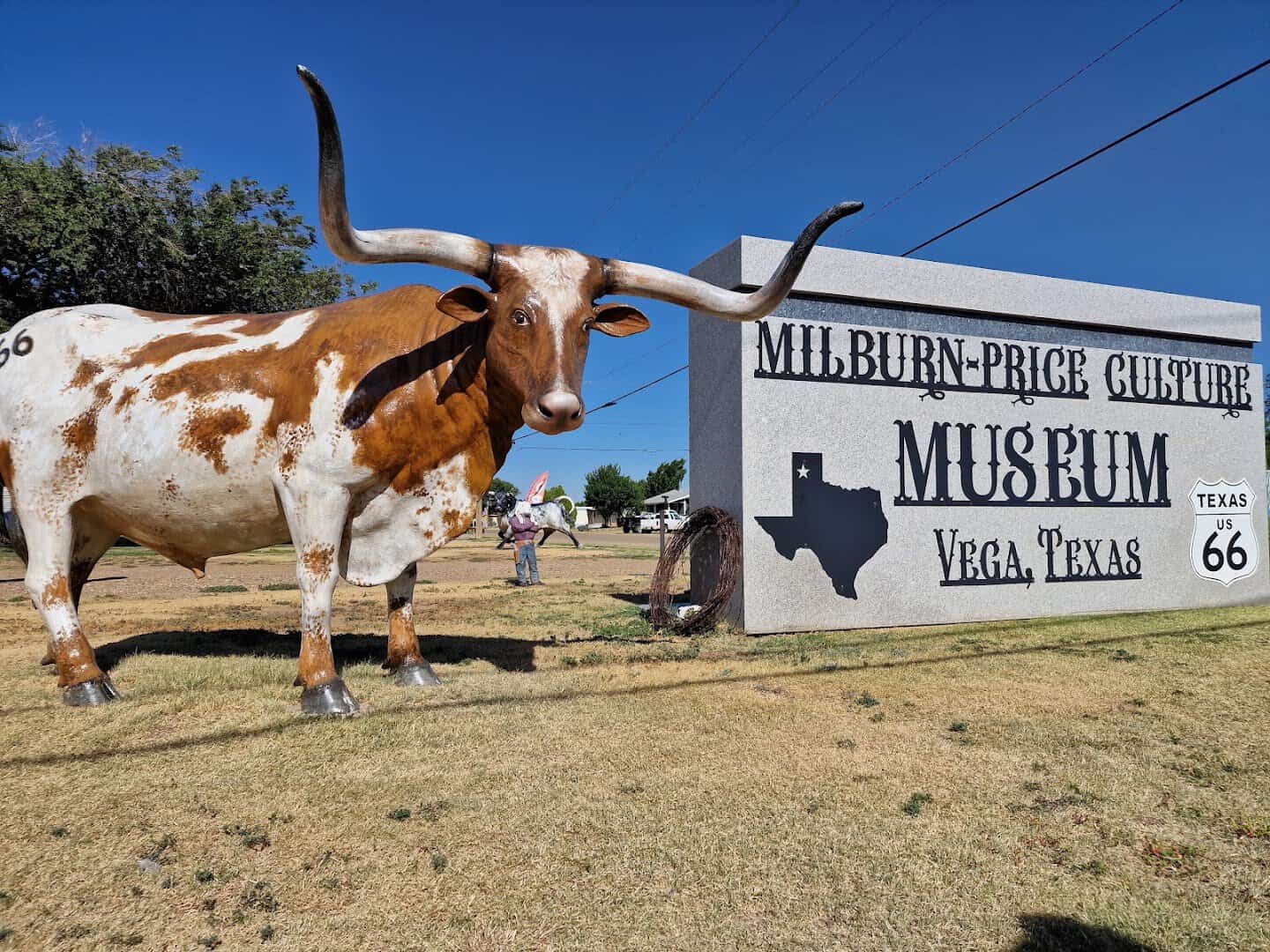
The museum itself fills an old lumber and hardware store, another good building given a second life. Inside, it keeps the local history of Oldham County, from the cowboys to the homesteaders to the highway.
The grounds are a scavenger hunt for the young and the young at heart. There is a climbable dinosaur, a painted tribute to Billy the Kid, and enough color to keep a carload of kids happy while you read every plaque.
Murals, Aliens, and a Rusted Pickup
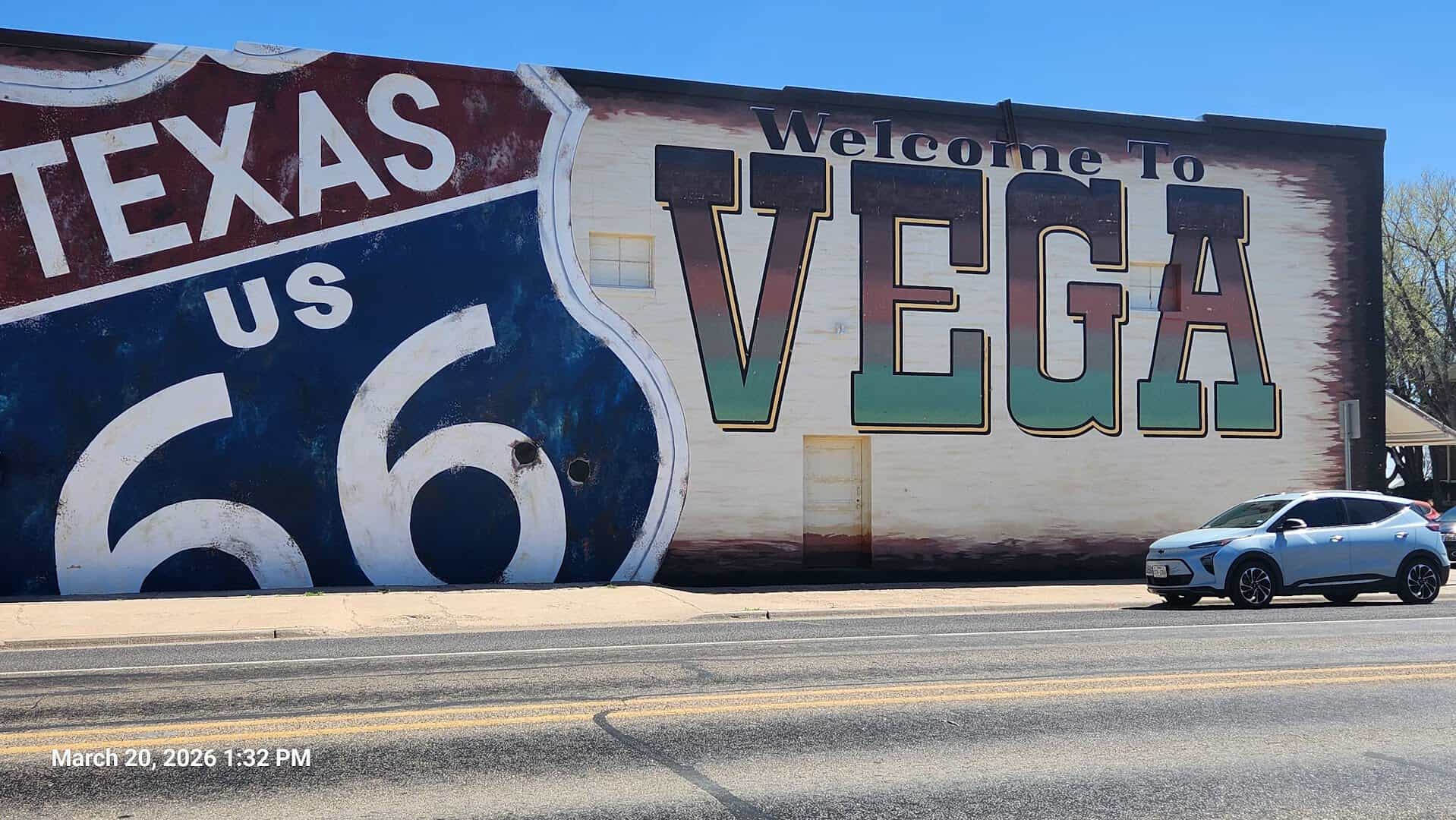
Cruise Vega’s main drags slowly, because the town rewards a wandering eye. Route 66 murals turn plain brick walls into a highway of memory, all vintage cars, painted highway shields, and scenes from the road’s neon heyday.
My favorite discovery was the least expected. Tucked along one street sits a rusted old pickup truck loaded with grinning green aliens, a wink at the Panhandle’s love of a good roadside joke.
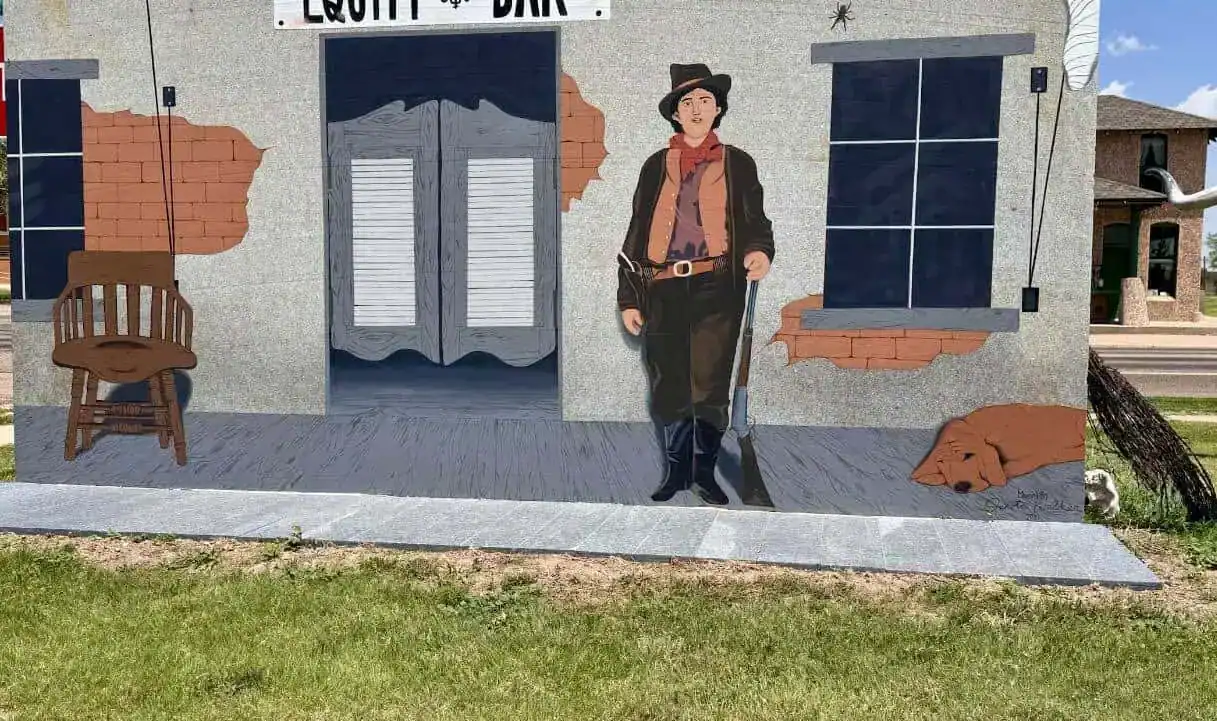
This is the charm of Vega in one image. It takes its history seriously and itself not seriously at all. The murals were painted by local hands and visiting artists, and together they make the whole downtown an open-air gallery.
Pro tip: give yourself time to just walk the couple of blocks around the Oldham County Courthouse. The 1915 courthouse anchors the square, and the storefronts around it still wear their Route 66 shields with pride.
The Oldest Hardware Store on the Mother Road
One of those storefronts is quietly the real thing. Roark Hardware has been selling nails and know-how on this stretch of pavement longer than any other hardware store on all 2,448 miles of Route 66.
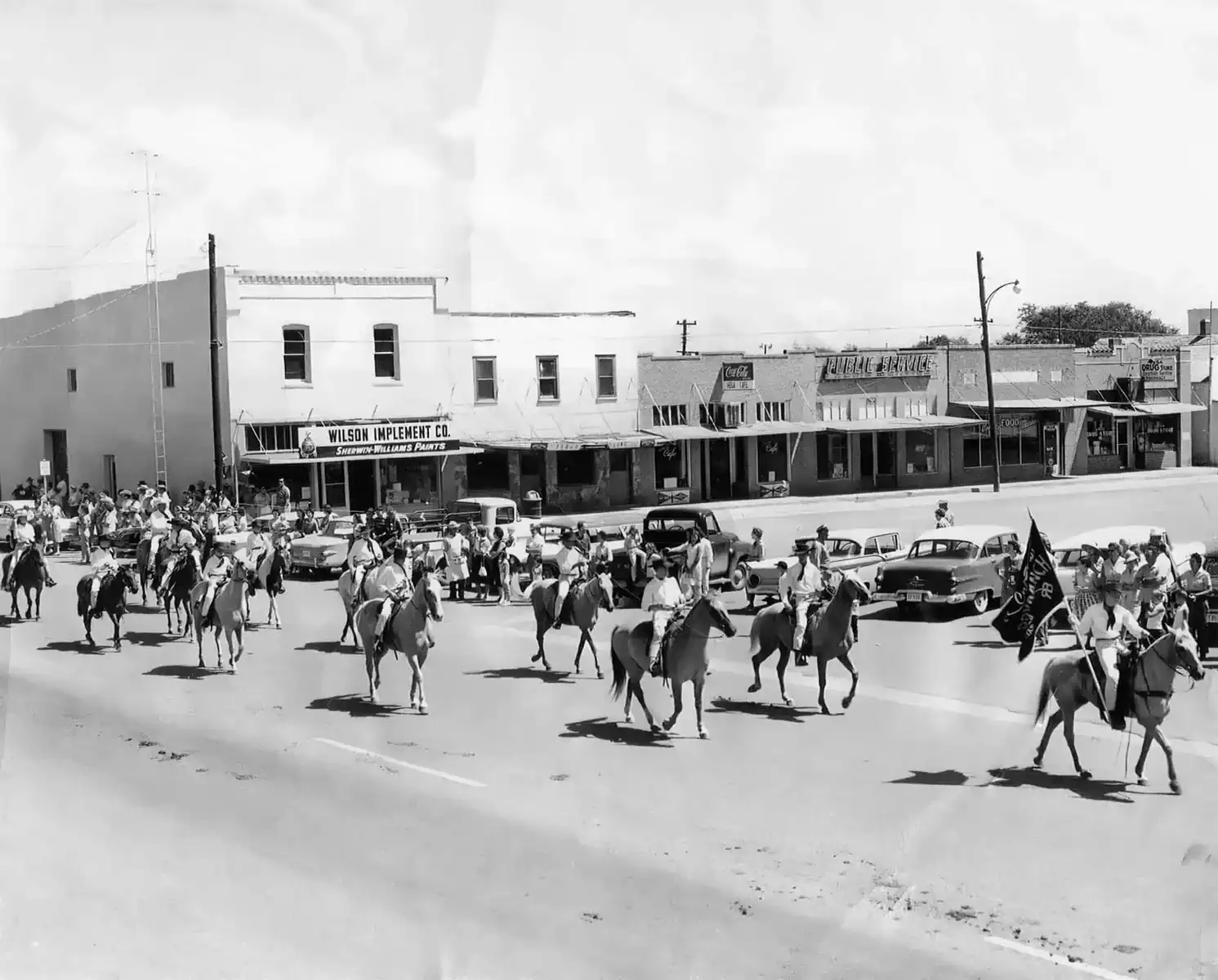
An old black-and-white photo from the 1930s shows it wearing a different name, Lone Star Hardware Co., but the doors have stayed open through every change the road threw at it. Step inside and it still smells like a real hardware store, oil and sawdust and cut keys.
It is not a museum piece, which is the whole charm. Ranchers and homeowners still come in for the part they need, the way they have for the better part of a century.
Look for the town library too, a couple of blocks over. The building went up in 1911 as a silent movie theater, which tells you everything about how long Vega has known how to show a visitor a good time.
Where the Chicken Fried Steak Is Hand-Breaded
All that wandering builds an appetite, and Vega feeds it the right way. My vote goes to the Hickory Inn Cafe on Vega Boulevard, a country cafe that has been doing the classics properly for years.
The star is the chicken fried steak, hand-breaded and fried to a golden crackle the way it is supposed to be. The smell of it hits you at the door, hot oil and pepper gravy, and any road-trip resolve about eating light dies right there.
If you want the full spread, the menu runs to hand-breaded chicken tenders, a great All-American cheeseburger on fresh-baked buns, and hand-cut fries. It is honest food in an honest room, and the welcome comes free.
The cafe kept the old neon sign from Hill’s Cafe, the diner that stood here before, so you are eating under a piece of the town’s history. That is Vega all over. Even the sign has a story.
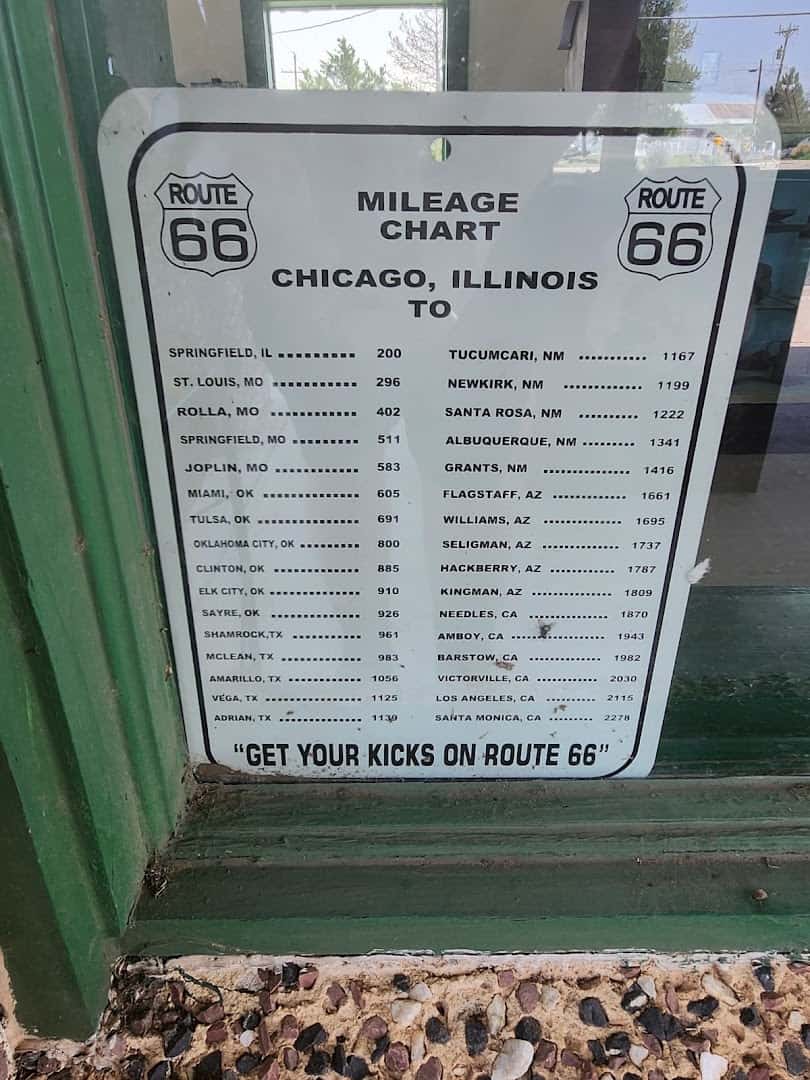
If you are in the mood for something else, the little town punches above its weight for a place under 900 people, with a handful of cafes and a Mexican spot on the roster. Save room, though, because the pie and the gravy are the reasons people remember Vega.
Neon That Still Glows After Dark
Stay until dusk and Vega hands you its best gift. The old signs flicker on one by one, and the little town starts to hum with the light that made Route 66 famous.
The Vega Motel is the heart of it. Ervin Pancoast built it in 1947, and it survives as one of the rare Route 66 motels that still has enclosed garages tucked right beside the rooms, so a weary driver could park inches from the pillow.
The motel’s restored neon sign is a genuine artifact, the kind of glowing script that once told a tired family “you made it, rest here.” Signs like it are why people still drive hundreds of miles for a road that technically no longer exists on the map.
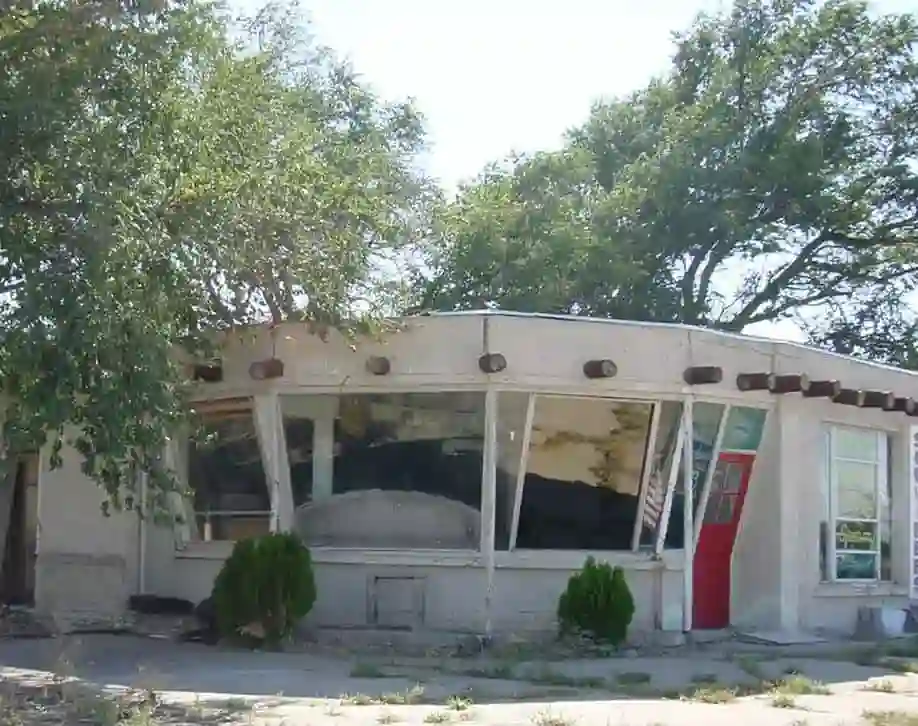
Pancoast built it to catch the westbound rush, and later owners have worked to bring it back to life for a new generation of Route 66 travelers. Slow down here after dark and you can almost hear the old cars idling at the curb.
Walk a few blocks after sunset and you can find more survivors, old cafe signs and Route 66 markers catching the last of the light. It is quiet, it is a little magic, and it is completely free.
How a Grassy Plain Became a Route 66 Town
Vega’s story starts with the railroad, not the highway. The area opened for homesteading in 1879, and eventually N.J. Whitfield bought the townsite for a dollar an acre and sold a strip to the railroad in 1903.
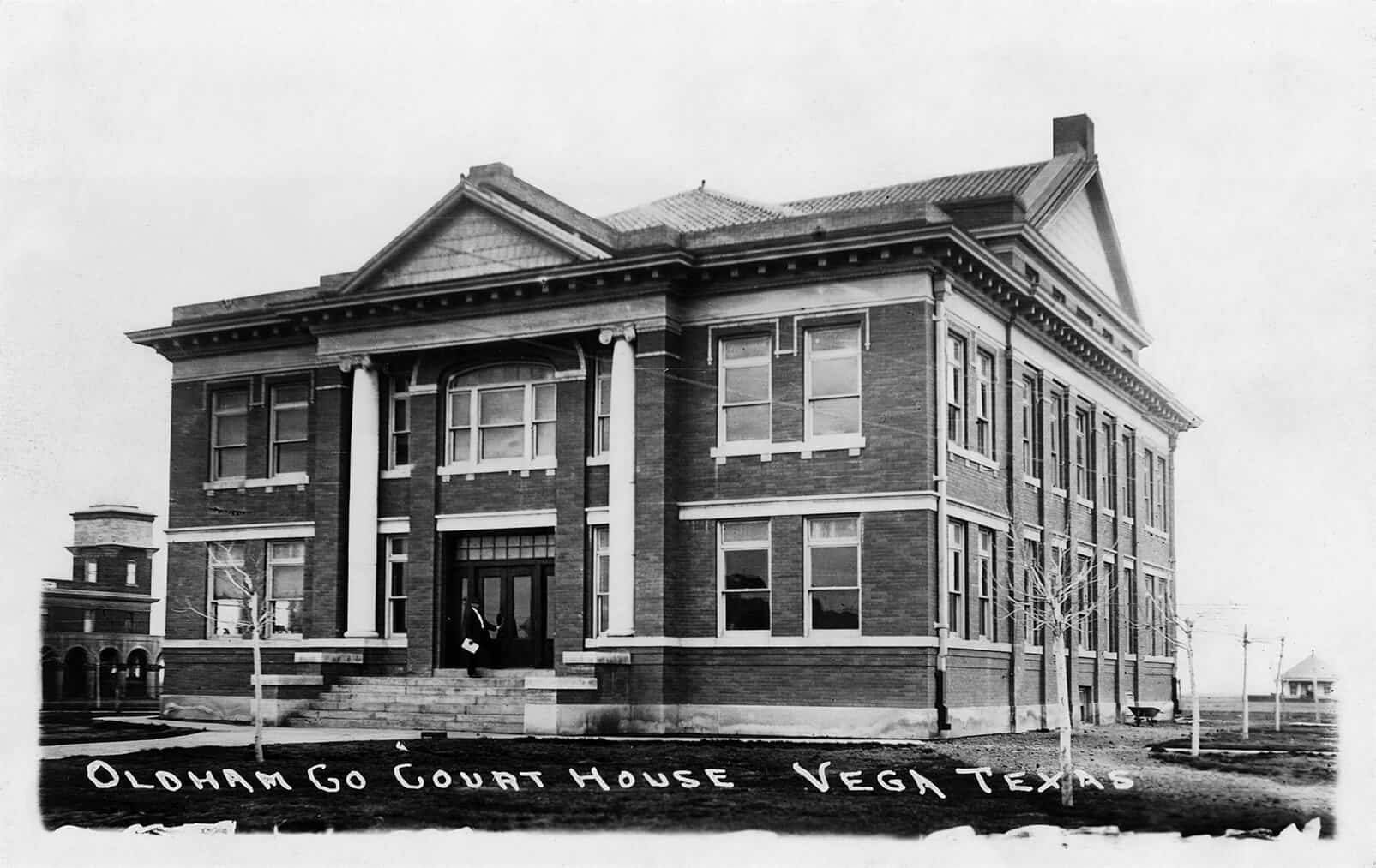
The name is Spanish for a wide grassy plain, which is exactly what the first settlers saw. A.M. Miller opened the first store that same year, and by 1904 the little settlement had a post office, a saloon, and a school.
The railroad reached town in 1908, a bank opened the same year, and the Vega Sentinel newspaper started printing in 1909. In 1915 Vega beat out the old cowboy town of Tascosa for the county seat, and the courthouse went up that year.
Then in 1926 the Mother Road came through, and Vega found its second calling. Tourist courts, cafes, and service stations sprang up to catch the westbound rush, and the town has been welcoming travelers ever since.
How to Get There
Vega sits right off Interstate 40 at exit 36, about 35 miles west of Amarillo, an easy day trip or a perfect stretch-your-legs stop on a longer Panhandle road trip.
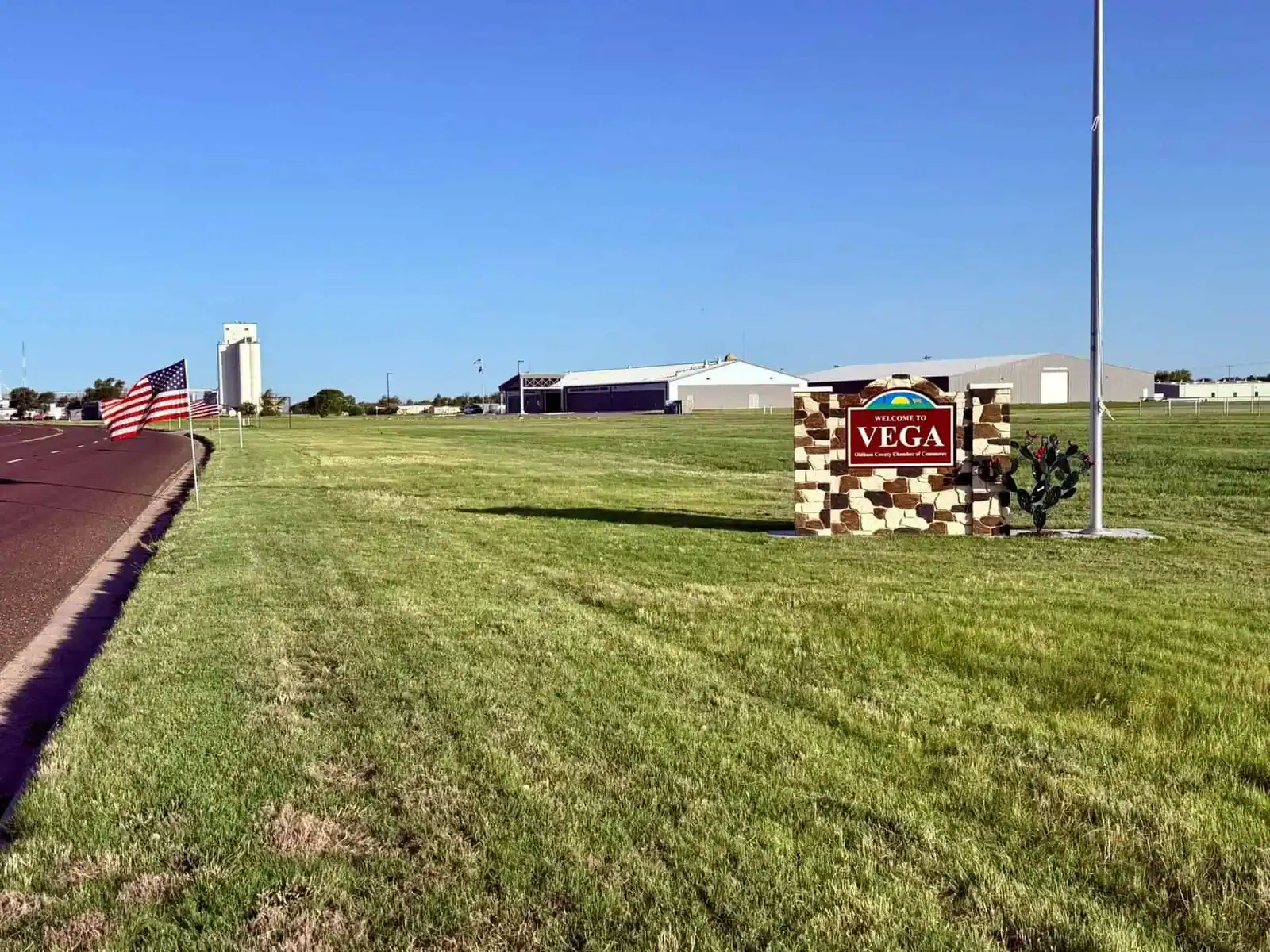
Where: Magnolia Service Station, 1005 Coke Street, Vega, TX 79092. Park downtown and explore the courthouse square, the museums, and the murals on foot, all within a few walkable blocks.
Tip: come with a full tank and an empty stomach. Vega is small, the stops are close together, and the whole town is best taken slowly on a bright Panhandle afternoon.
Point the Car West and Go Find It
You can drive the interstate across the Panhandle in a blur and never know Vega is there, humming away just off the frontage road with its neon and its pie and its 3,000-pound branding iron.
Or you can take the exit, roll into a town that never stopped believing in Route 66, and spend an afternoon in the America the highway promised. Grab a chicken fried steak, chase the murals, and stay for the neon. Vega has been waiting for you for a hundred years.
Featured image: Jeff Pipes via Magnolia Gas Station

Stella Raines
Editor-in-Chief
Stella brings over a decade of storytelling experience to TX Headlines. With roots in West Texas and a love for road trips, she leads the editorial team with an eye for the hidden stories that make Texas unforgettable.
More Stories
This Old-School Texas Buffet Piles Your Plate With Southern Classics and Homemade Pie
These Under-the-Radar Texas Towns Are Made for a Slow, Unforgettable Weekend
This Small Texas Town Has Its Own Eiffel Tower, and It Wears a Cowboy Hat
This Storybook Texas Town Is a Slice of Old-World Alsace You’d Swear Was in Europe
Tags