These Under-the-Radar Texas Towns Are Made for a Slow, Unforgettable Weekend
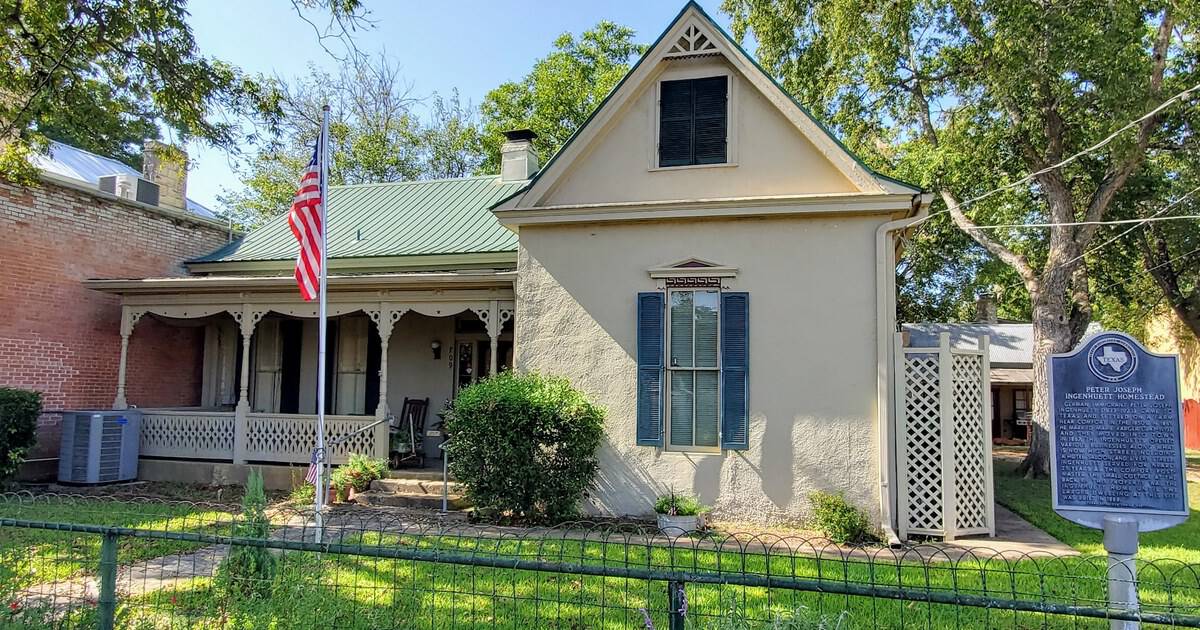
The first time I pulled off the highway on a whim, I had half a tank of gas and a paper map folding itself wrong in my lap. I ended up on a shaded courthouse square, eating a warm kolache and watching an old man water his petunias.
I have been chasing that feeling ever since. Texas is stitched together with towns that sit just far enough off the interstate to keep their own quiet rhythm, and finding one is a small, slow-burning joy.
None of these ten are secrets exactly. They are simply the kind of place you have to choose on purpose, and every single one of them rewards the drive. Here they are, in no real order.
1. Terlingua
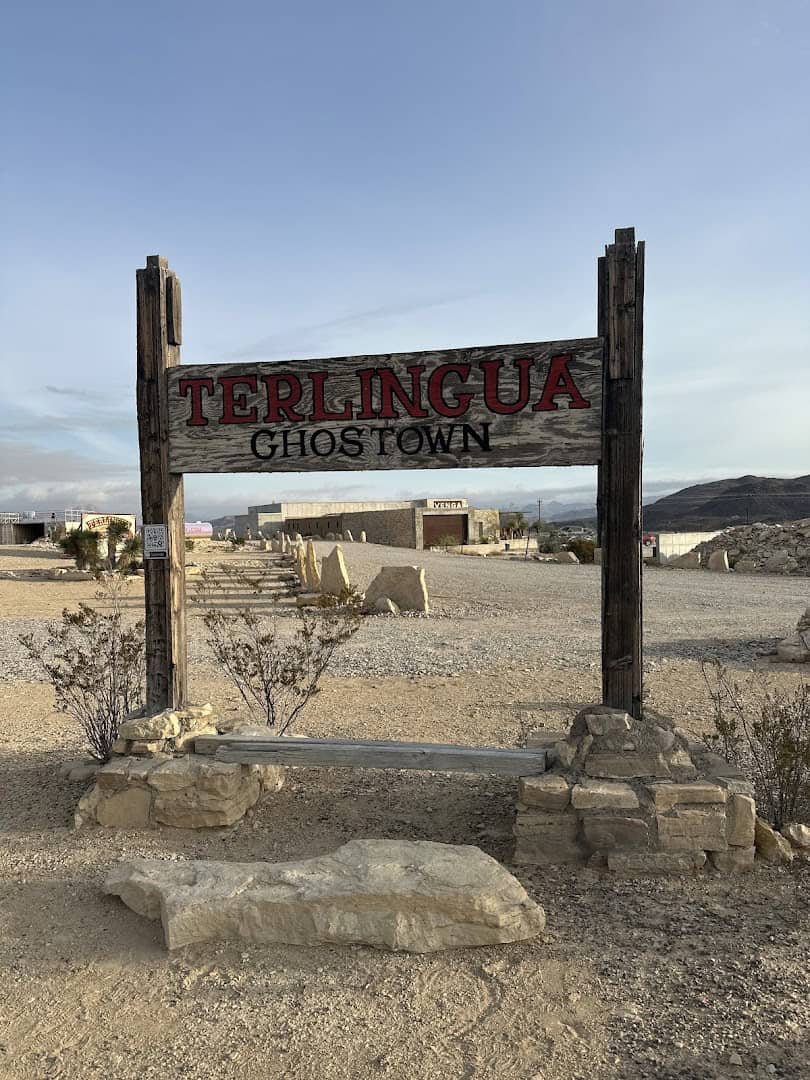
Out where the Chihuahuan Desert runs up against Big Bend, an old quicksilver town has quietly come back to life. The adobe ruins date to the 1903 Chisos Mining Company, opened by Chicago industrialist Howard Perry after he learned the debt-payment land he owned sat on rich cinnabar.
The mine emptied out after the wars, but the porch of the Terlingua Trading Company never did. Locals and travelers gather there at sundown, boots up on the rail, watching the light go gold over the ghost town.
In 1967 the first Terlingua chili cook-off crowned this the chili capital of the world, and the cauldrons still bubble every fall. Come after dark for the real payoff. This is some of the blackest sky in the Lower 48, and the stars pour down like spilled sugar.
Grab dinner at the Starlight Theatre, an old movie house on the ghost-town row where the plates are hearty and the live music runs late into the desert night.
Where: Terlingua, TX (West Texas, at the edge of Big Bend)
2. Marfa
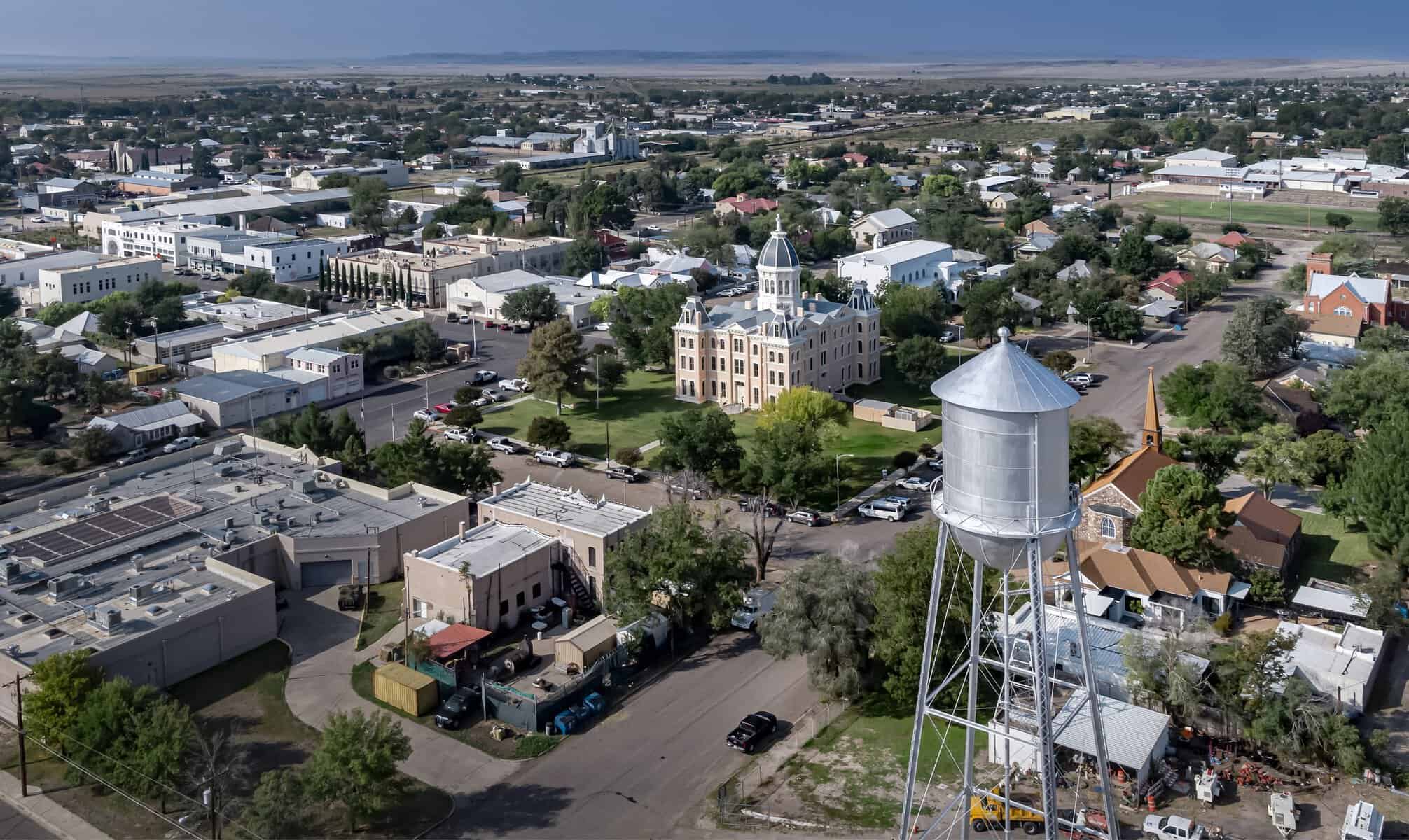
Marfa began in 1883 as a railroad water stop, named by an executive’s wife for a character in a Dostoyevsky novel she was reading on the train. For decades it was a ranching town and nothing more.
Then in 1971 the artist Donald Judd rolled in looking for space and silence, and he found both. He bought up buildings, filled an old army post with giant aluminum boxes, and in 1986 founded the Chinati Foundation on 340 acres of former Fort D.A. Russell.
The town has been an unlikely art capital ever since, its galleries tucked into old storefronts and food trucks parked along the quiet streets. Stay for the evening, when the desert cools and the light does strange soft things to the horizon.
Do not leave without a night drive east of town to watch for the Marfa Lights, the mystery orbs that have flickered out there longer than anyone can explain. I have seen them. I still cannot tell you what they are.
Where: Marfa, TX (West Texas)
3. Wimberley
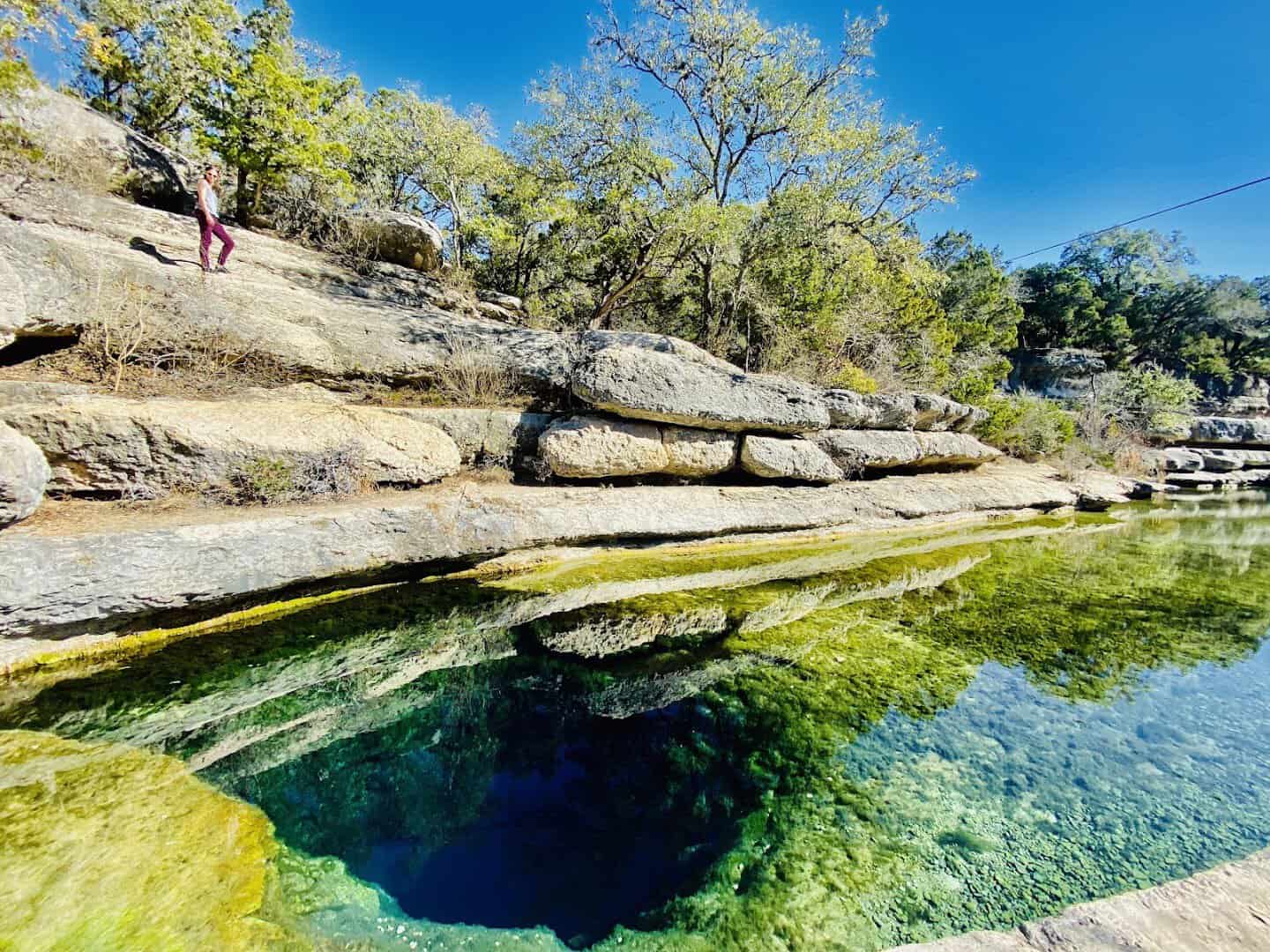
Tucked into the Hill Country between Austin and San Antonio, Wimberley is built around water. Jacob’s Well is the star: a perennial spring that drops straight down about thirty feet before angling off through underwater rooms, roughly 120 feet deep and a constant 68 degrees all year.
Down the road, Blue Hole gathers under a canopy of bald cypress, the kind of swimming spot that makes a July afternoon feel like a gift. Artists cluster here too, with pottery studios and jewelry makers scattered among the trees.
On the first Saturday of most months, Wimberley Market Days fills the square with vendors and the slow shuffle of people in no hurry. Pro tip: reservations for a swim book up fast in summer, so plan the water part of your trip before anything else.
Cap the day at the Corral, a drive-in theater under Hill Country stars, or just find a creekside porch and watch the water go by.
Where: Wimberley, TX (Central Texas, in the Hill Country)
4. Jefferson
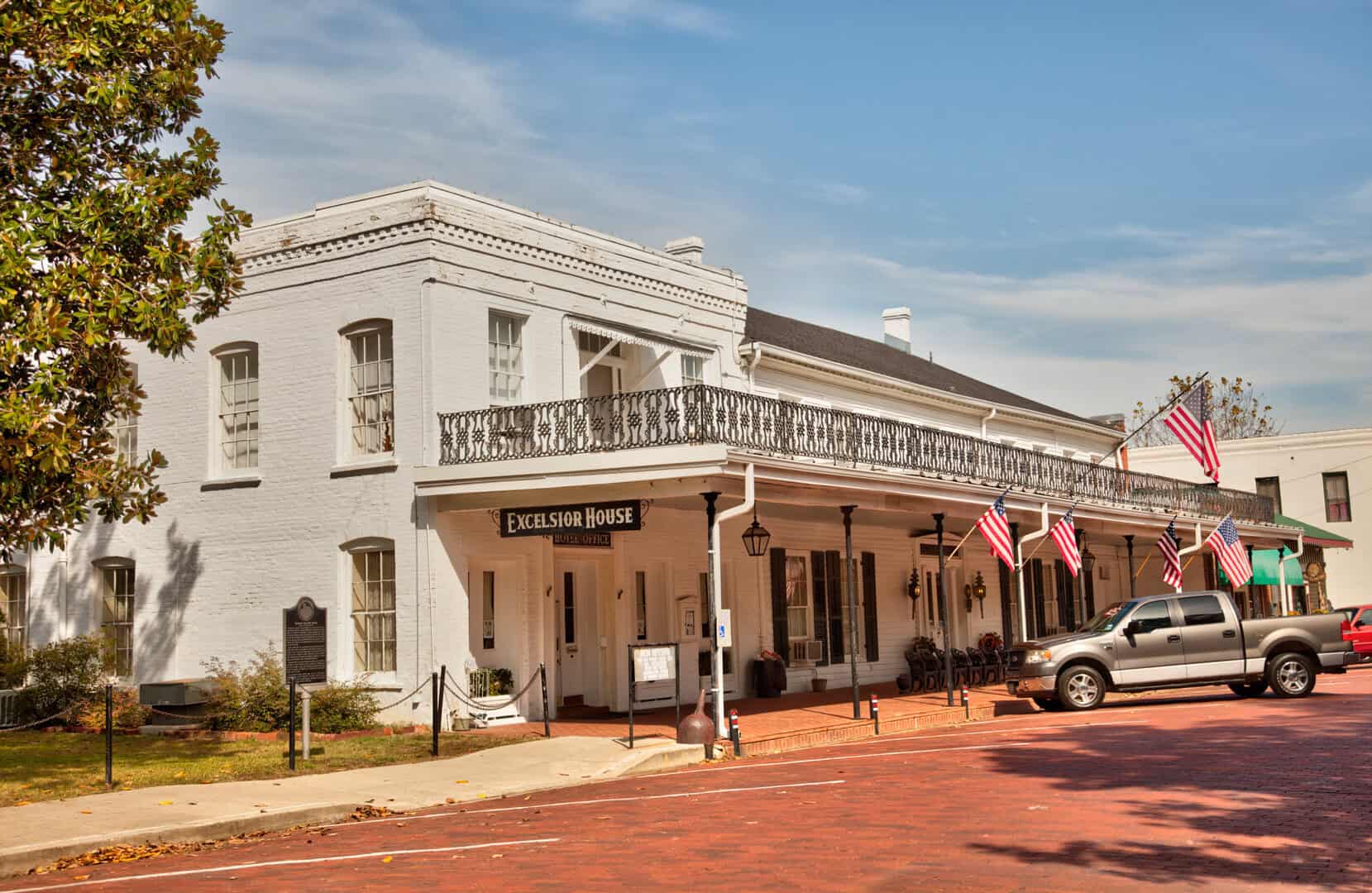
Long before Dallas boomed, Jefferson was one of the busiest inland ports in the country. Founded in 1840 by surveyor Allen Urquhart and developer Daniel Alley, it welcomed its first steamboat by 1844, ferrying furniture and fashion up from New Orleans through Caddo Lake and Cypress Bayou.
That riverboat money built the grand Victorian homes that still line the streets, many of them now bed-and-breakfasts with wide porches and creaking staircases. Old mercantiles hold antique shops stacked with treasures you did not know you needed.
A bayou boat tour drifts you under Spanish moss the way the cargo boats once came. It is a real living town, not a museum set, and that is exactly what makes wandering it feel like gentle time travel.
Ride the historic railway or settle in for a home-style plate lunch, then let a costumed guide walk you through the ghost stories after dark.
Where: Jefferson, TX (East Texas)
5. Alpine
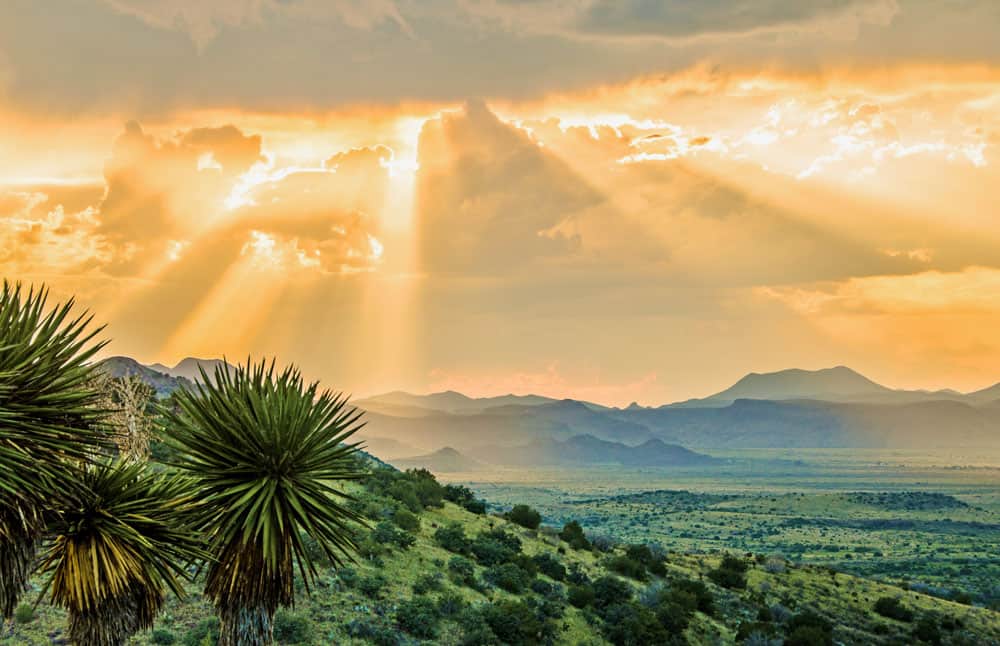
Perched near 4,500 feet between the Davis and Glass Mountains, Alpine is the mountain town that anchors the whole Big Bend region. The air is cooler, the light is sharper, and the pace slows the second you step out of the car.
Sul Ross State University, founded here in 1917 and known as the birthplace of collegiate rodeo, keeps the town young and full of music. Downtown, an alley between 5th and 6th Streets has bloomed into an open-air gallery with more than twenty murals.
The Museum of the Big Bend fills in the ranching and frontier story before you head south. Outfitters here can point you toward the best desert trails. Base yourself for a night. It is a soulful, unhurried place to start an adventure.
Catch a train pulling through downtown, browse the local galleries, and grab a coffee before the long, gorgeous road south toward the park.
Where: Alpine, TX (West Texas)
6. Comfort
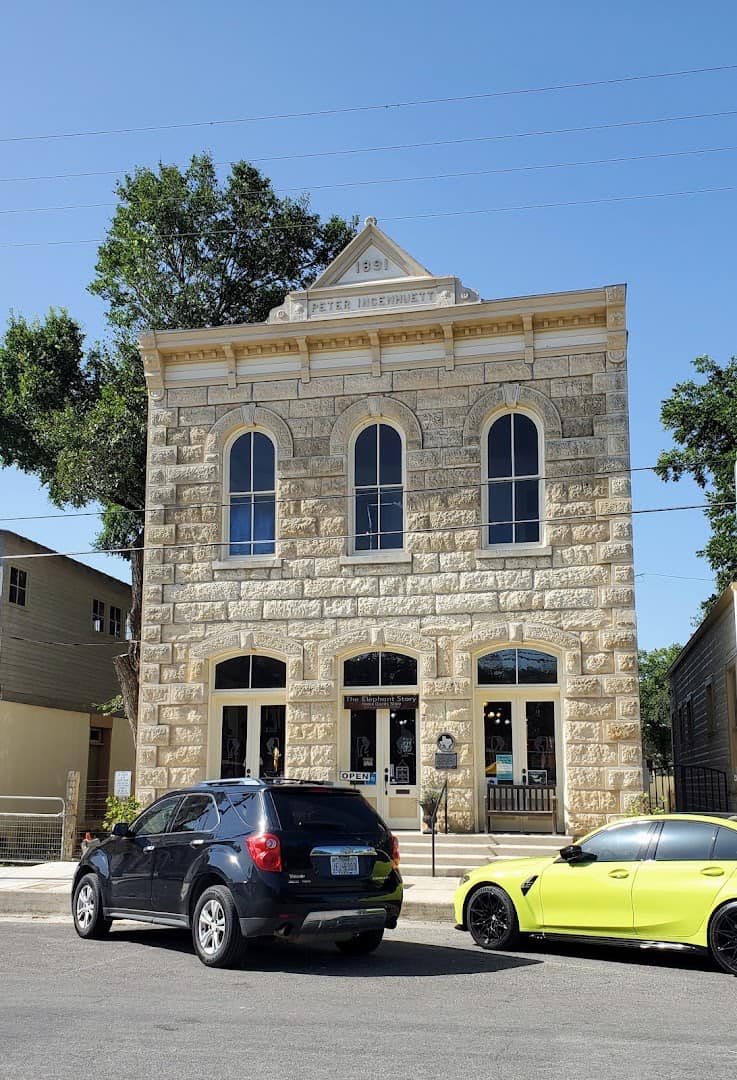
German immigrants known as Freethinkers settled Comfort in 1854, led by a young lawyer named Ernst Hermann Altgelt at the meeting of the Guadalupe River and Cypress Creek. They built for keeps, and they built in stone.
More than a hundred nineteenth-century buildings still stand, many showing fachwerk, the timber-and-limestone framing the settlers carried over from home. The whole downtown is a National Historic District now, an easy grid of antique stores, cafes, and honey-colored walls that glow at golden hour.
Did you know? The founders picked the name because they wanted, quite simply, a comfortable place to live. A century and a half later, they nailed it, and a slow afternoon here proves the point.
Poke through the antique shops, linger over a slice of pie, and follow the quiet lanes down to where the two waters meet.
Where: Comfort, TX (Central Texas, in the Hill Country)
7. Rockport
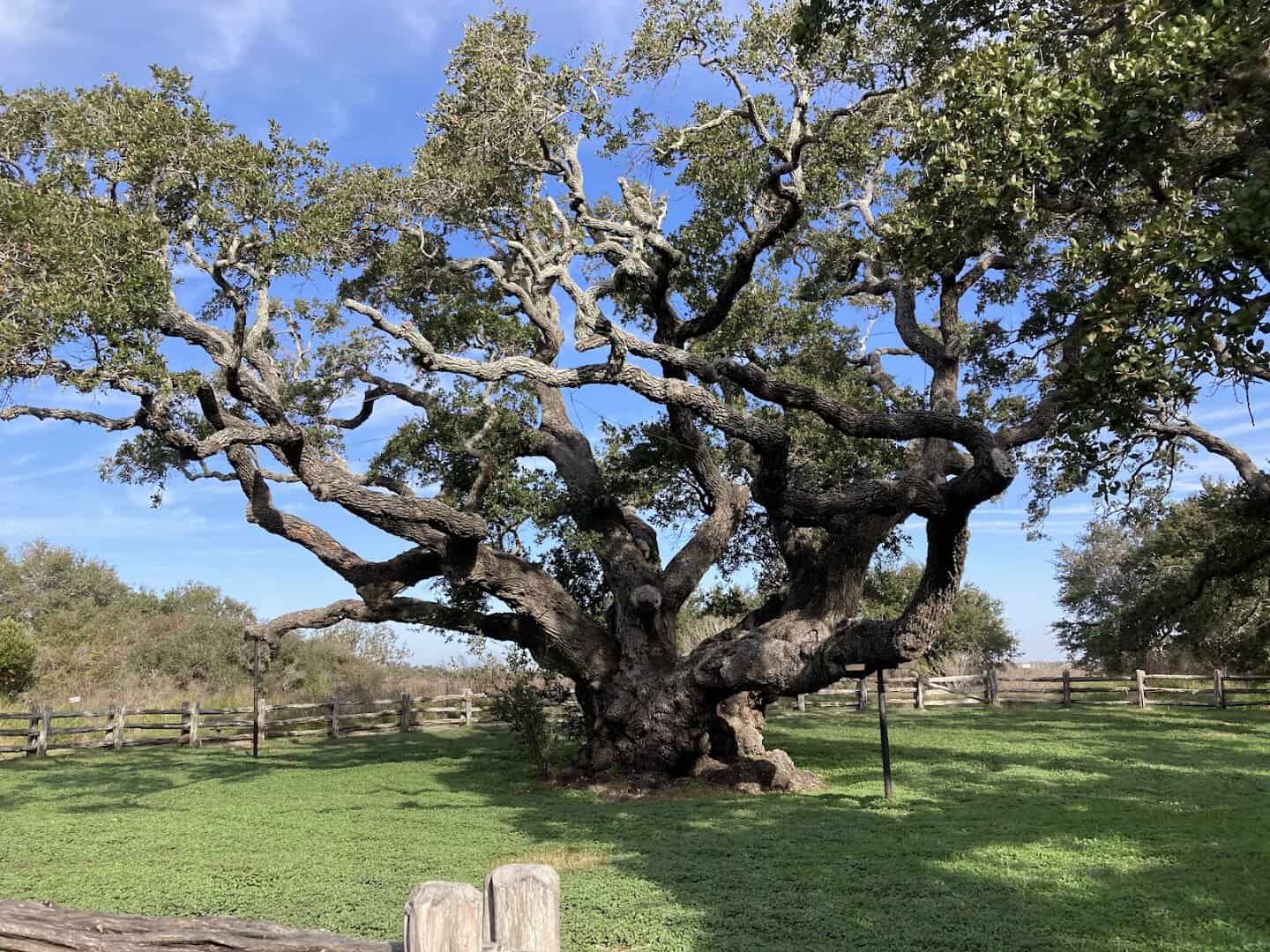
On the Gulf Coast near Aransas Bay, Rockport is where the live oaks lean. Decades of salt wind have sculpted them into low, twisting shapes that all reach inland, and standing among them feels like walking through a piece of wind-carved art.
The crown of it is the Big Tree at Goose Island, a coastal live oak thought to be more than a thousand years old with a trunk some thirty-five feet around. In winter, whooping cranes, among the rarest birds alive, glide into the nearby refuge for the season.
The town leans into its art too, with a working center for the arts and a giant blue crab sculpture that begs for a photo. Bring a camera, and bring an appetite for fresh Gulf shrimp off the boats.
Walk the harbor at sunset, tour a gallery or two, and let the salt air and the leaning oaks slow you all the way down.
Where: Rockport, TX (Gulf Coast)
8. Bandera
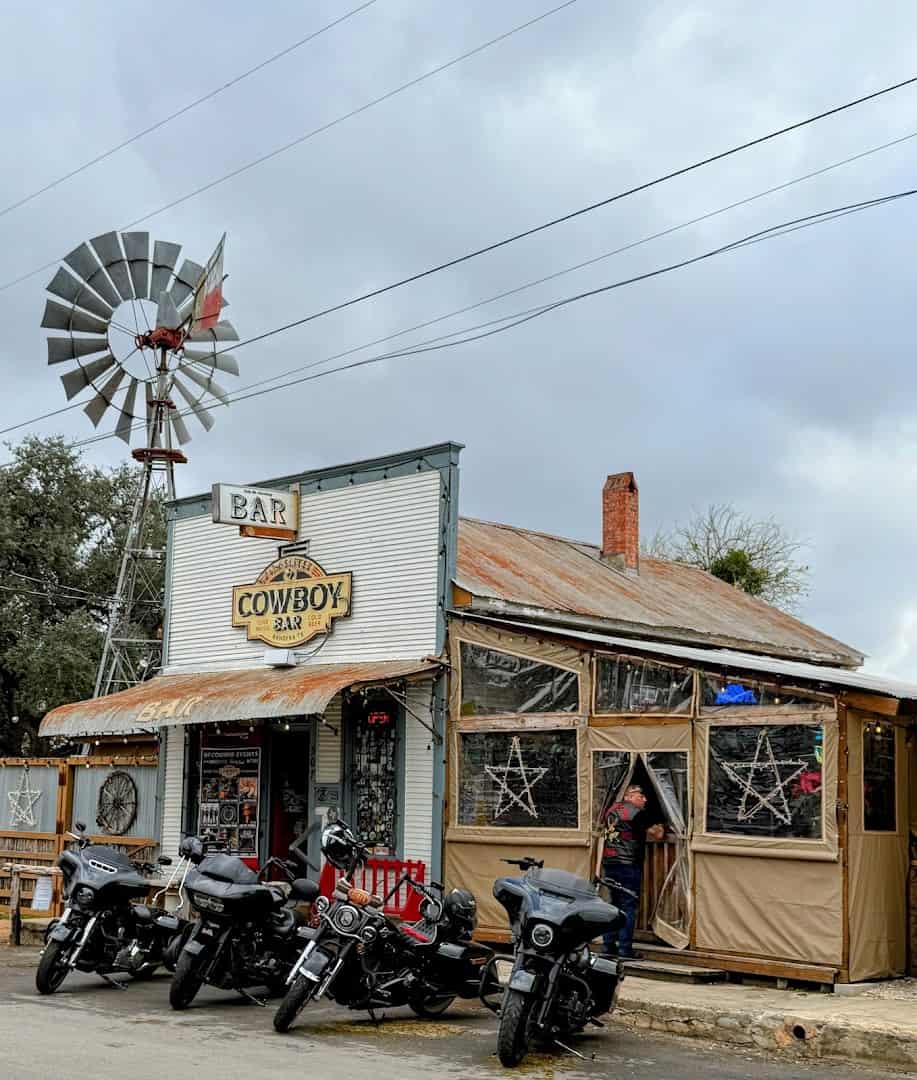
Bandera has called itself the Cowboy Capital of the World since 1948, and it earns the hat. In the trail-drive years it was a staging ground where cowboys pointed millions of longhorns north up the Western Cattle Trail.
The cowboy did not ride off into the sunset here. Dude ranches have taken guests since 1920, the first rodeo kicked up dust in 1924, and both still run today. Saddle shops line Main Street and honky-tonk music spills out the doors most nights.
The Medina River slides by cool and green under the cypress, perfect for a lazy paddle on a hot day. Come for a trail ride and stay for a two-step. Few places wear their heritage this comfortably.
Catch a rodeo on a summer weekend, tip your hat to a real working cowboy, and eat a chicken-fried steak the size of the plate.
Where: Bandera, TX (Central Texas, in the Hill Country)
9. Fredericksburg
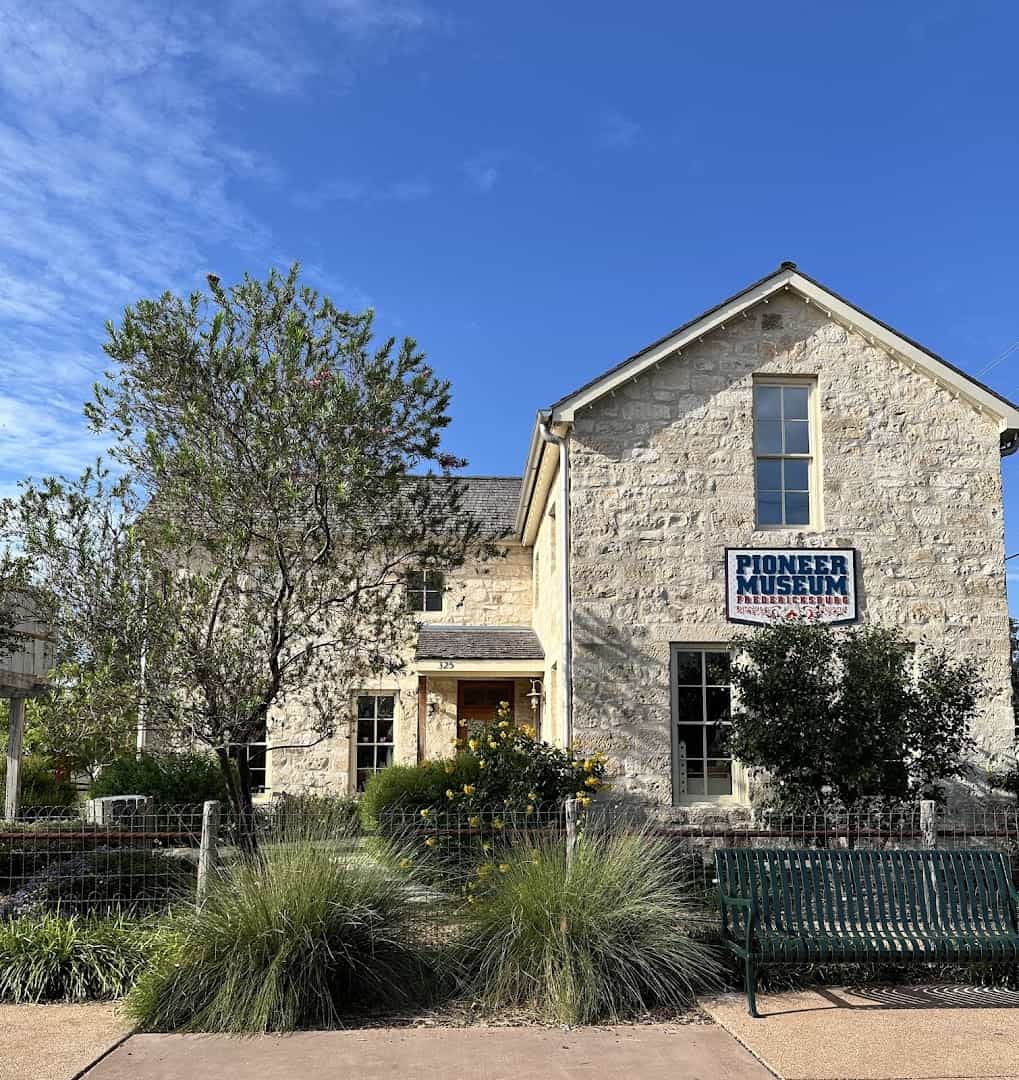
Fredericksburg has grown famous, but its heart is still the wide limestone Main Street the German settlers laid out in 1846 under a leader named Otfried Hans von Meusebach. Traditional bakeries and biergartens keep the old country close.
The countryside around it is a feast. Local surveyor Benjamin Enderle planted five peach trees in 1921 and started an industry that now grows some twenty varieties, and more than fifty wineries have turned these hills into Texas wine country.
In town, the National Museum of the Pacific War honors hometown son Fleet Admiral Chester Nimitz, born here in 1885. Go in June for peaches so juicy you eat them over the sink. It is worth the drive twice over.
Spend a morning on Main Street, an afternoon on the wine trail, and finish with a peach cobbler that tastes like the whole summer.
Where: Fredericksburg, TX (Central Texas, in the Hill Country)
10. Goliad
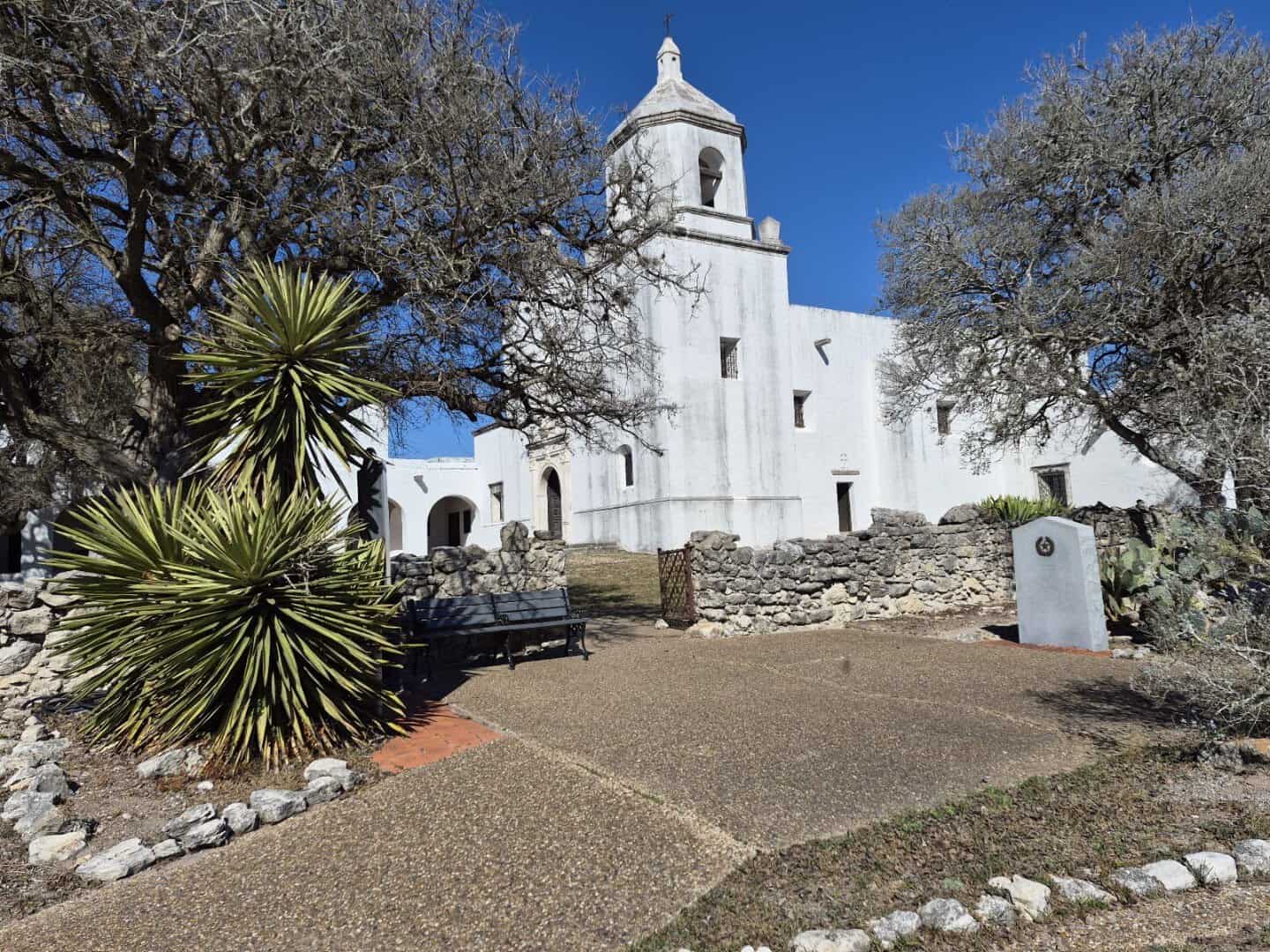
Down where the coastal plain rolls toward the San Antonio River, Goliad guards some of the oldest stories in Texas. Franciscan priests built Mission Espiritu Santo and the fort that became Presidio La Bahia in 1722, and moved both to this spot in 1749.
Together they make the only surviving Spanish colonial mission-and-presidio pair in Texas, their stone walls and whitewashed chapel looking much as they did centuries ago. The town square gathers under sprawling oaks around a stately courthouse.
Cafes and shops sit just off the corners, easy to wander between with an ice cream in hand. Walk the mission grounds in the late afternoon, when the light turns the limestone amber and the whole place feels wonderfully far from now.
Tour the reconstructed presidio, wander into Goliad State Park, and picnic under the oaks where so much Texas history began.
Where: Goliad, TX (South Texas)
Start Planning Your Texas Back-Roads Weekend
You do not need a reason bigger than a full tank and an open Saturday. Pick one of these towns, point the car that way, and let the interstate shrink in the mirror behind you.
Roll the windows down, order whatever the local place is known for, and talk to the person behind the counter. You will come home with the best kind of souvenir, a small Texas town that feels a little like it is yours to share.
Featured image: Michael Miller via Comfort Historic District

Stella Raines
Editor-in-Chief
Stella brings over a decade of storytelling experience to TX Headlines. With roots in West Texas and a love for road trips, she leads the editorial team with an eye for the hidden stories that make Texas unforgettable.
More Stories

This Underrated Texas State Park Gives You a Full Day of Swimming and Hiking for Just $5

This Small Texas Church Is Called the Queen of the Painted Churches, and Its Ceiling Will Stop You Cold

This Radiant Texas Museum Lets You Walk Through Nearly 200 Stained Glass Windows
