This Wild Texas Nature Preserve Is the Largest Urban Wilderness in America, and Bison Still Graze It
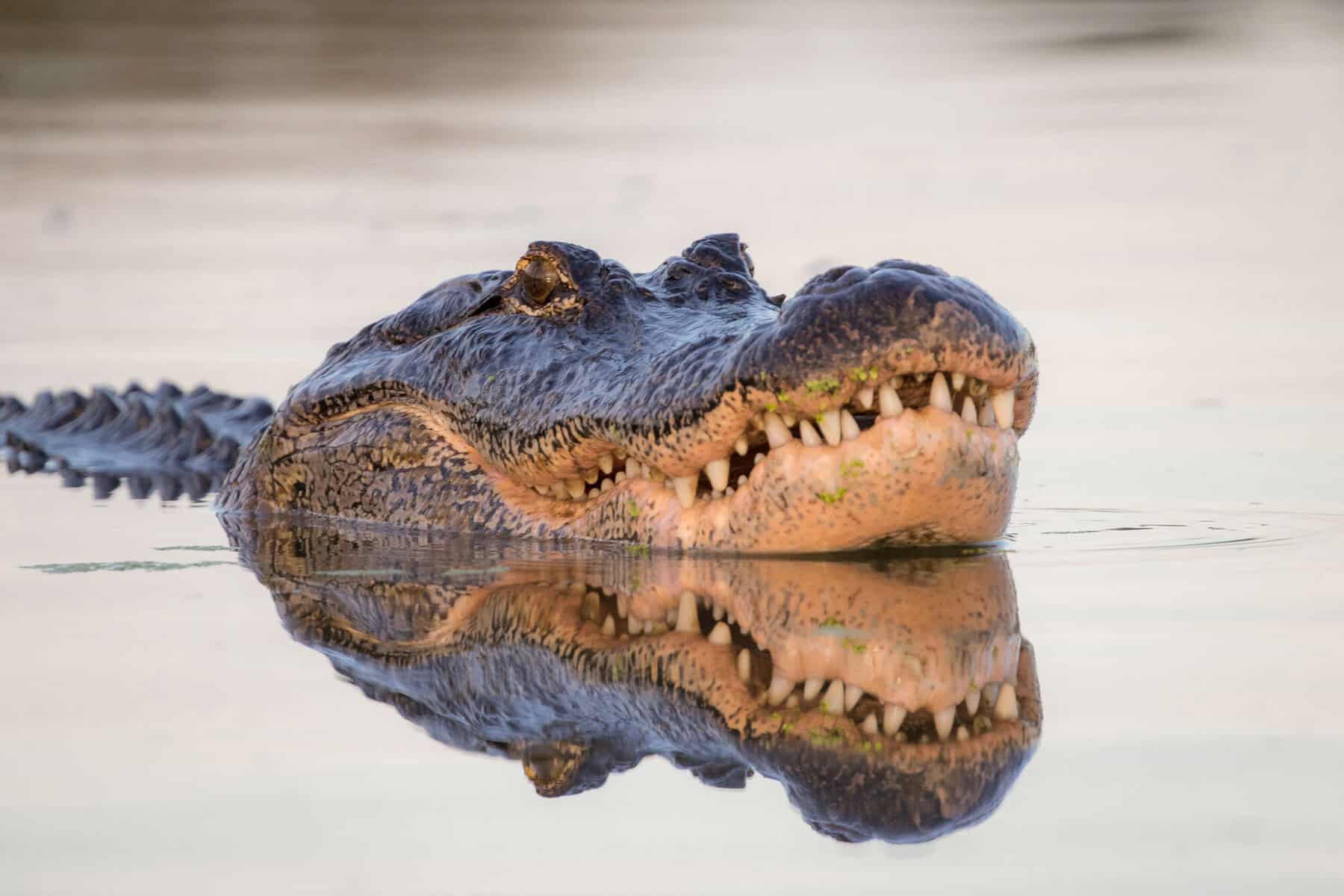
The frogs stopped singing all at once. I had been standing on a wooden boardwalk with my elbows on the rail, half daydreaming, and the sudden silence made me look down. Eight feet of alligator was drifting through the duckweed below me, entirely unbothered by my existence.
That was my introduction to Armand Bayou Nature Center in Pasadena, a place I had driven past for years without knowing what sat behind the treeline. What I found back there was wild green hush, twenty minutes from the Johnson Space Center.
Here is why this preserve belongs on your Texas list: what you can walk in a single morning, who you are likely to meet along the way, and how to plan a visit that ends with you a little muddy and completely happy.
A Boardwalk Into the Wet Green World
The smell hits you before anything else. Wet leaf litter, warm mud, and that faintly sweet green smell that only happens where fresh water sits still under a canopy. City air does not smell like that. You notice the difference within about ten steps.
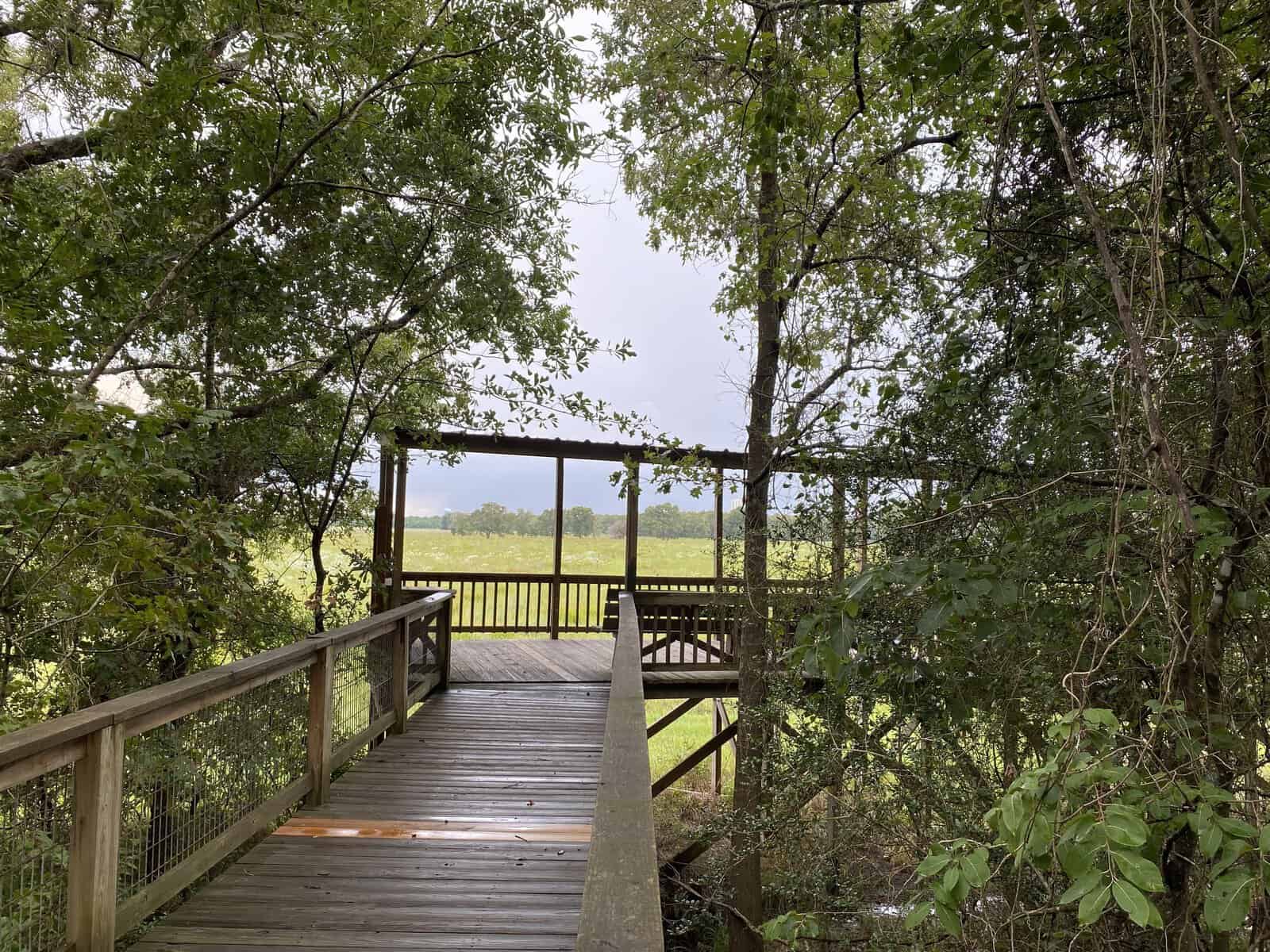
Most visits start on the Discovery Loop, an elevated boardwalk that leaves from the Hana Ginzbarg Welcome Center and carries you out over wetlands and forest without ever asking you to get your shoes wet.
It is the easy one, and it is also the one where I have seen the most. Turtles stacked on a half-sunk log like dinner plates. A green heron folded into itself, patient as furniture. Frogs everywhere, invisible and deafening.
The railing is your friend here. Lean on it, stop moving, and give the water two full minutes. Whatever went quiet when you arrived will start up again, and things you walked right past will suddenly be obvious.
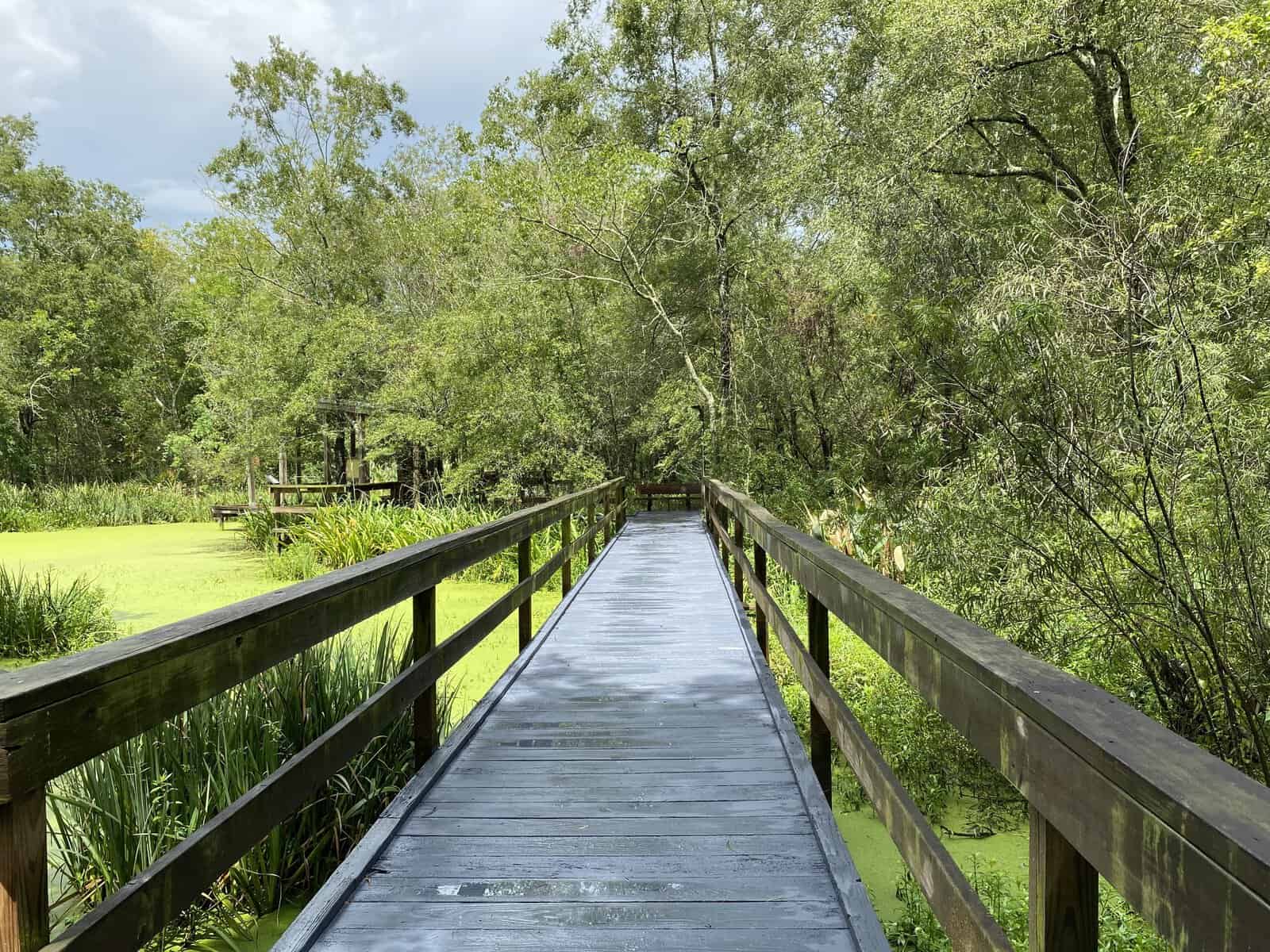
Beyond the boardwalk, roughly five miles of walking trails thread the property. They are flat, shaded for long stretches, and soft underfoot after rain in a way that turns an easy stroll into a good excuse for boots.
Prairie, Forest and Marsh Before Lunch
This is the part that surprised me most. The preserve sits at the meeting point of three Gulf Coast habitats that are all in short supply now: coastal tallgrass prairie, riparian forest, and the brackish marsh where the bayou meets tidewater.
You can walk all three in a morning. Not a rushed, checklist morning either. A genuine one, with time to stop.
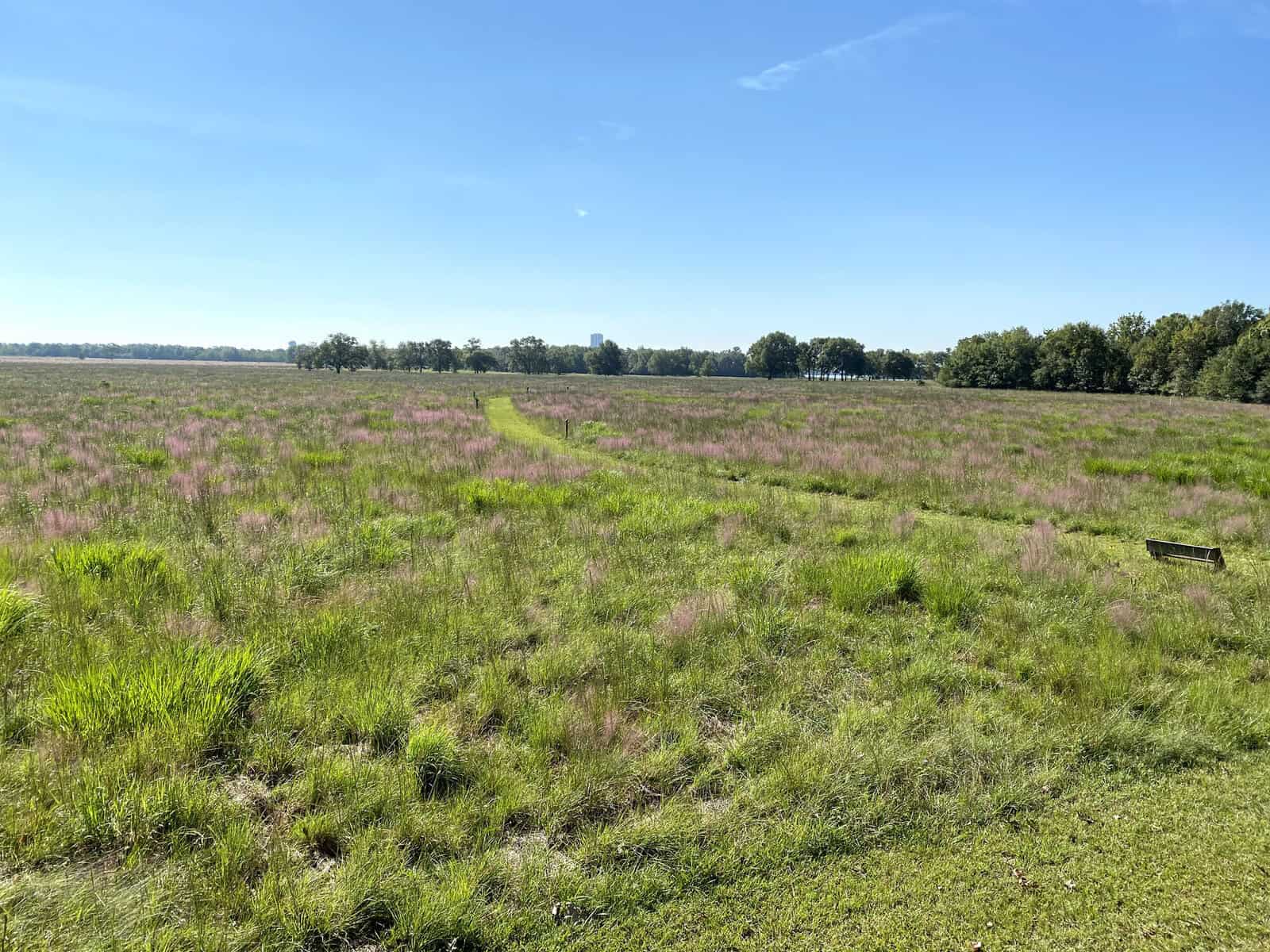
The Karankawa Trail runs about 1.38 miles and pushes through the middle of the forest until it opens onto the bayou shore. That first view of open water after all that shade is a small event every single time.
The Martyn Trail covers roughly 1.32 miles and leans historic, ending near the old farmstead. The Lady Bird Trail, named for Lady Bird Johnson, runs about 1.5 miles and skirts the edge of the prairie on its way back.
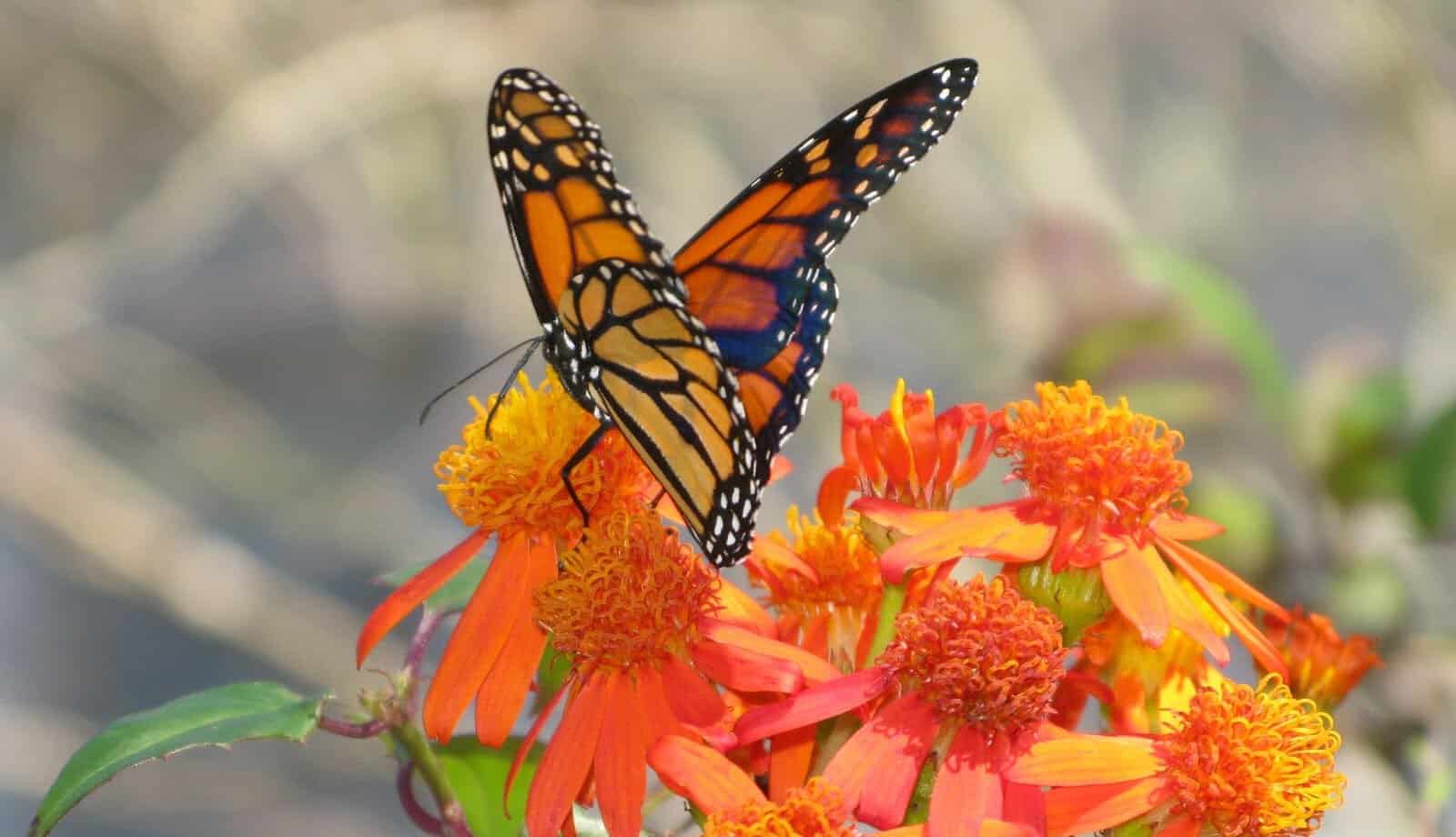
Link the three together and you get a loop of a little over three miles with all of 22 feet of elevation change. Nobody comes here for the climb. You come for how completely the scenery swaps out under your feet.
One minute you are in dim forest with vines overhead. The next you are standing in waist-high grass under enormous sky. Then the ground softens, the grass turns to reeds, and you can smell salt in the air.
Who You Might Meet Out There
More than 370 species of birds, mammals, reptiles and amphibians live in or move through this preserve. Reading that number is one thing. Standing still on a quiet trail while something rustles ten feet away is another.
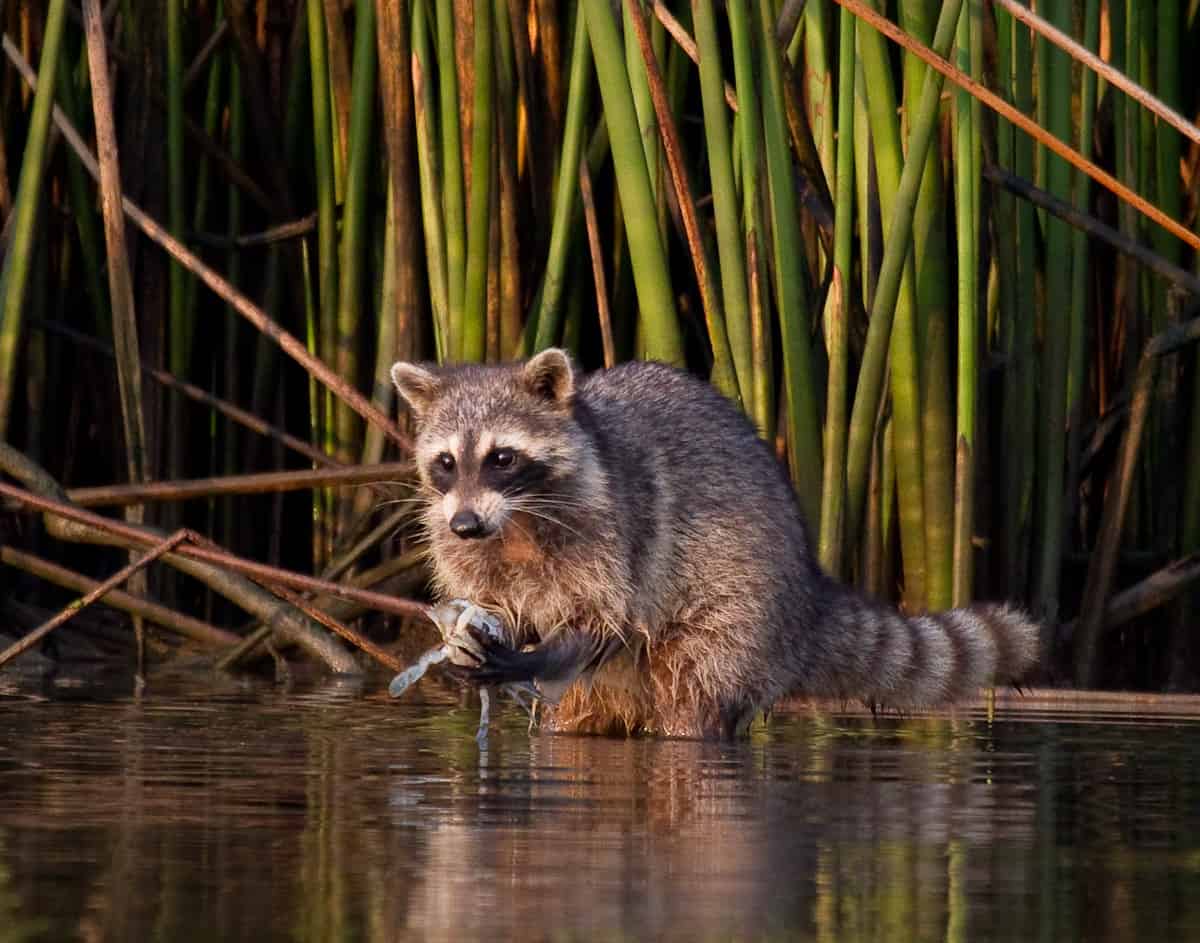
White-tailed deer are common at the edges of the prairie in early morning. Armadillos bulldoze through leaf litter with no apparent concern for stealth. Raccoons leave their little handprints in the mud along the bayou.
Coyotes are here too, though they will hear you long before you hear them. I have found tracks on the Karankawa Trail twice and never once seen the animal that made them.
The birds are the real headline. Over 220 species use this stretch during migration along the Central Flyway, which makes the preserve a stop on the Great Texas Coastal Birding Trail and a serious birding destination.
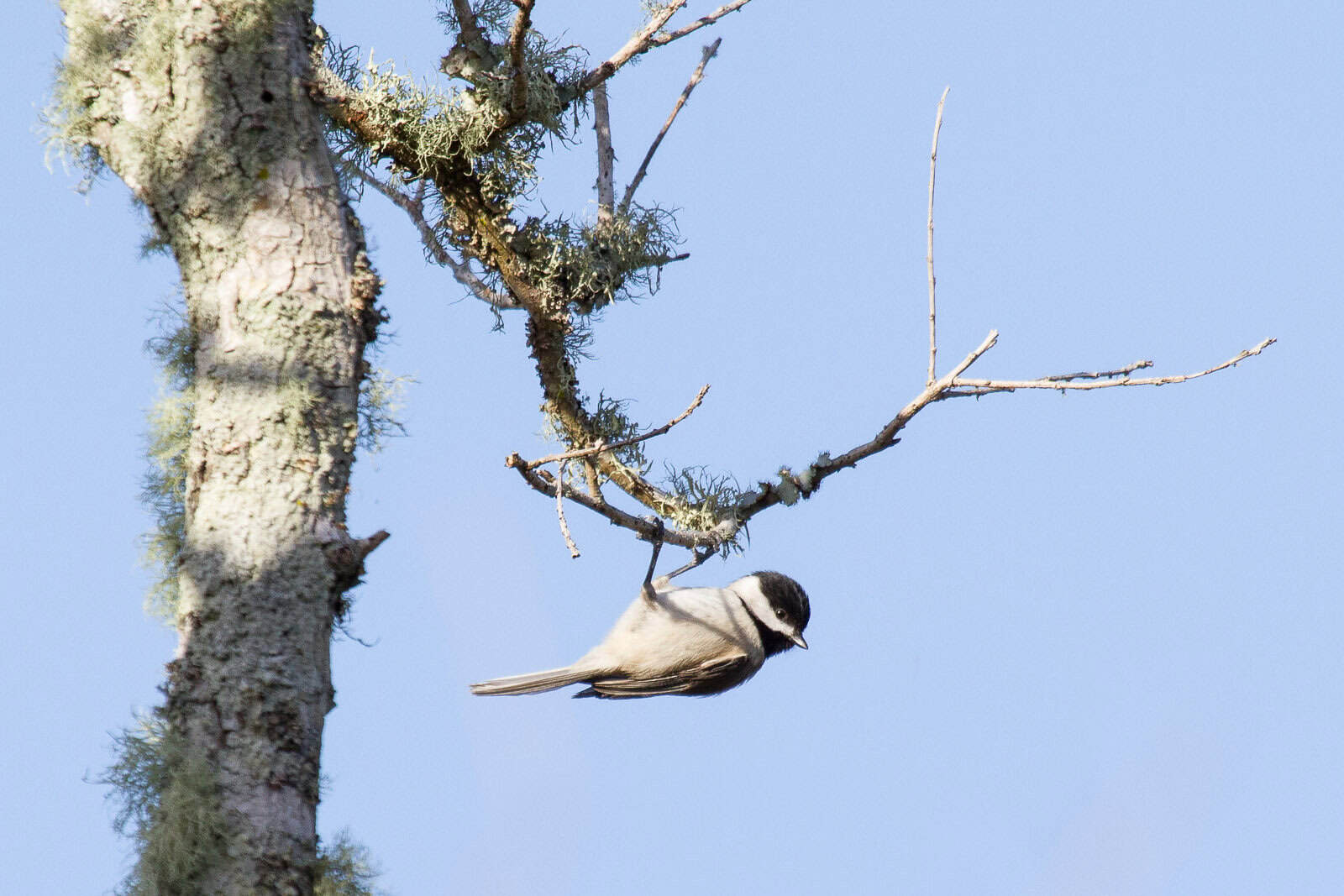
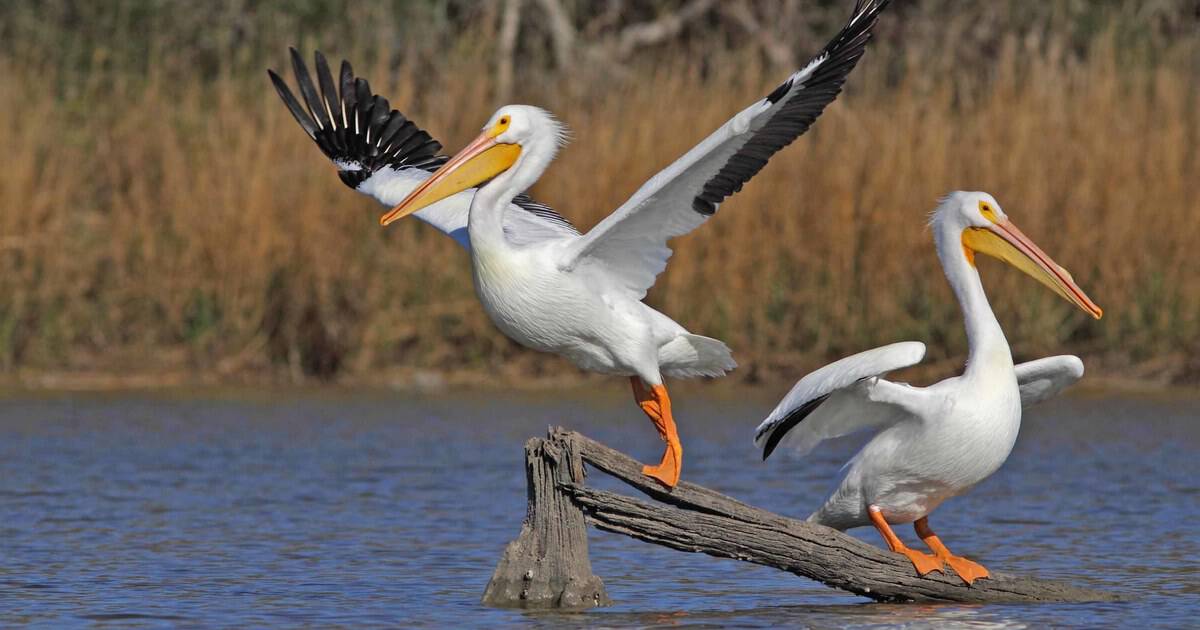
Red-shouldered hawks scream from the treeline. Herons and egrets work the shallows with that slow, deliberate patience. Bald eagles turn up. Purple martins, which have grown rare across much of their old range, still nest here.
Did you know? Late winter and early spring bring the heaviest migration traffic, so a chilly February morning here can out-bird a warm April one by a wide margin. Bring the binoculars in the off season.
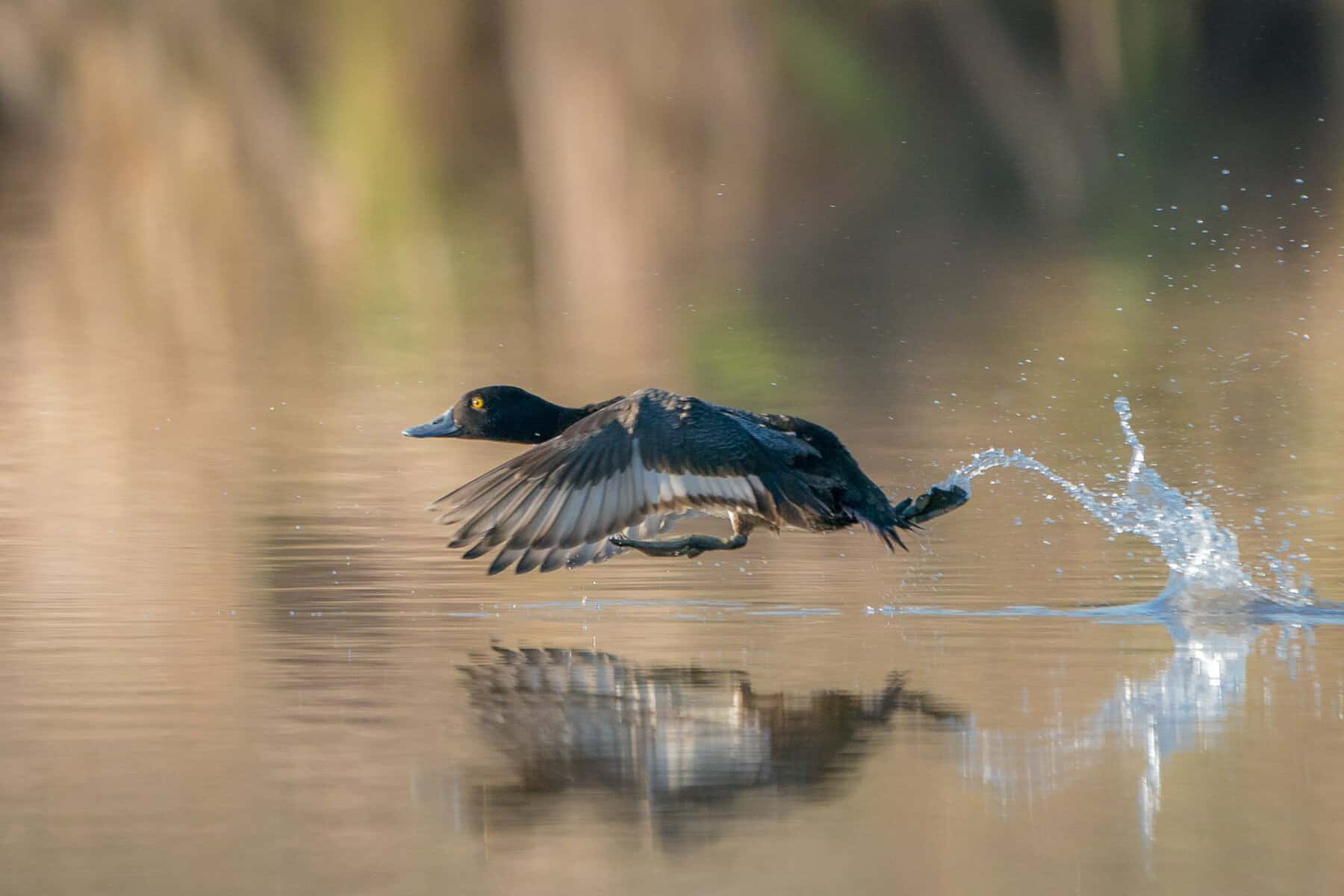
And yes, the alligators. They are calm, they are used to people watching them from a safe boardwalk, and they are one of the best conservation stories on the property. Keep your distance, keep your camera out, and enjoy them.
Why Are There Bison Behind the Treeline?
Because the prairie needs them, which took me an embarrassingly long time to understand.
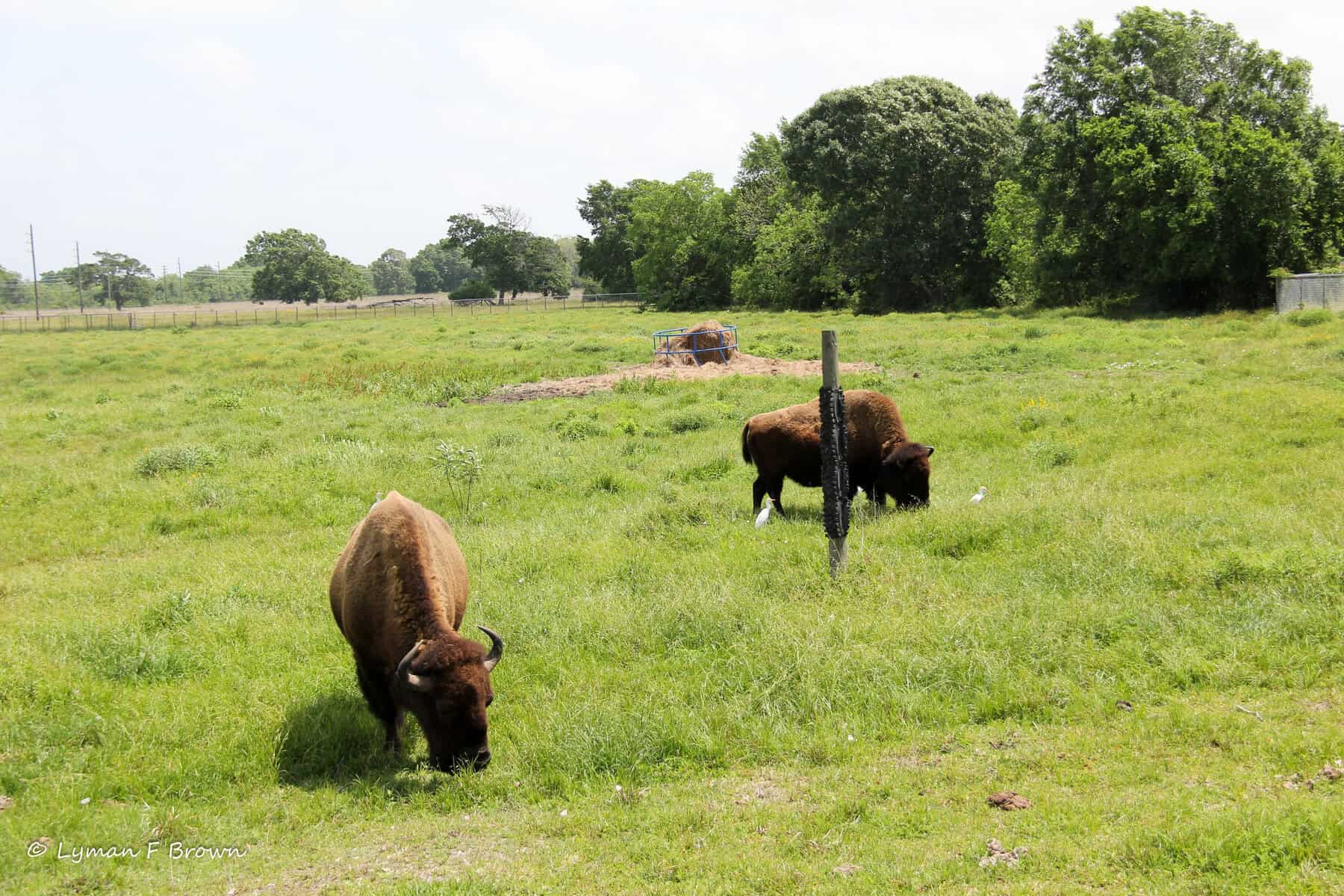
The preserve keeps a small bison herd on restored coastal prairie, viewable from a dedicated platform. My first reaction was that it felt like a novelty. My second, after listening to a staff member explain it, was that I had it backwards.
Texas coastal tallgrass prairie evolved with enormous grazing animals moving across it. Take the grazers away and the grass changes, the wildflowers thin out, and woody brush moves in. The bison do a job out here that no mowing schedule fully replaces.
More than 600 acres of tallgrass prairie here have been restored toward presettlement condition, with the stewardship team using prescribed mowing and fire to mimic what those old herds used to do across a hundred square miles.
Tim Pylate, the center’s executive director, put the value of that grass in numbers I have not been able to forget: “A single acre of Texas coastal tallgrass prairie can hold 1.5 million gallons of flood water and sequester a ton of carbon annually.”
Stand at the bison platform for a while and that stops being an abstraction. You are looking at a working piece of flood infrastructure that happens to have shaggy brown animals standing in it.
The Man the Bayou Is Named For
Armand Yramategui trained as an electrical engineer at Rice, which is not where you expect a conservation story to begin. He came from Basque stock, he was curious about everything, and nature won out over circuits.
By 1963 he was teaching natural science at the Houston Museum of Natural Science. In 1965 he became curator of the Burke Baker Planetarium, which meant his working life ran from tidal marsh to deep space and back.
He campaigned hard for wild Texas. The Big Thicket National Preserve and Padre Island National Seashore both had his voice behind them. He also spoke to colleagues about a quiet stretch of water then called Middle Bayou, and how beautiful it was.
He visited it only a handful of times. That handful turned out to be enough.
On January 28, 1970, Armand was driving out to view a comet when he got a flat tire. He was robbed of his astronomy equipment and killed. He was 46 years old.
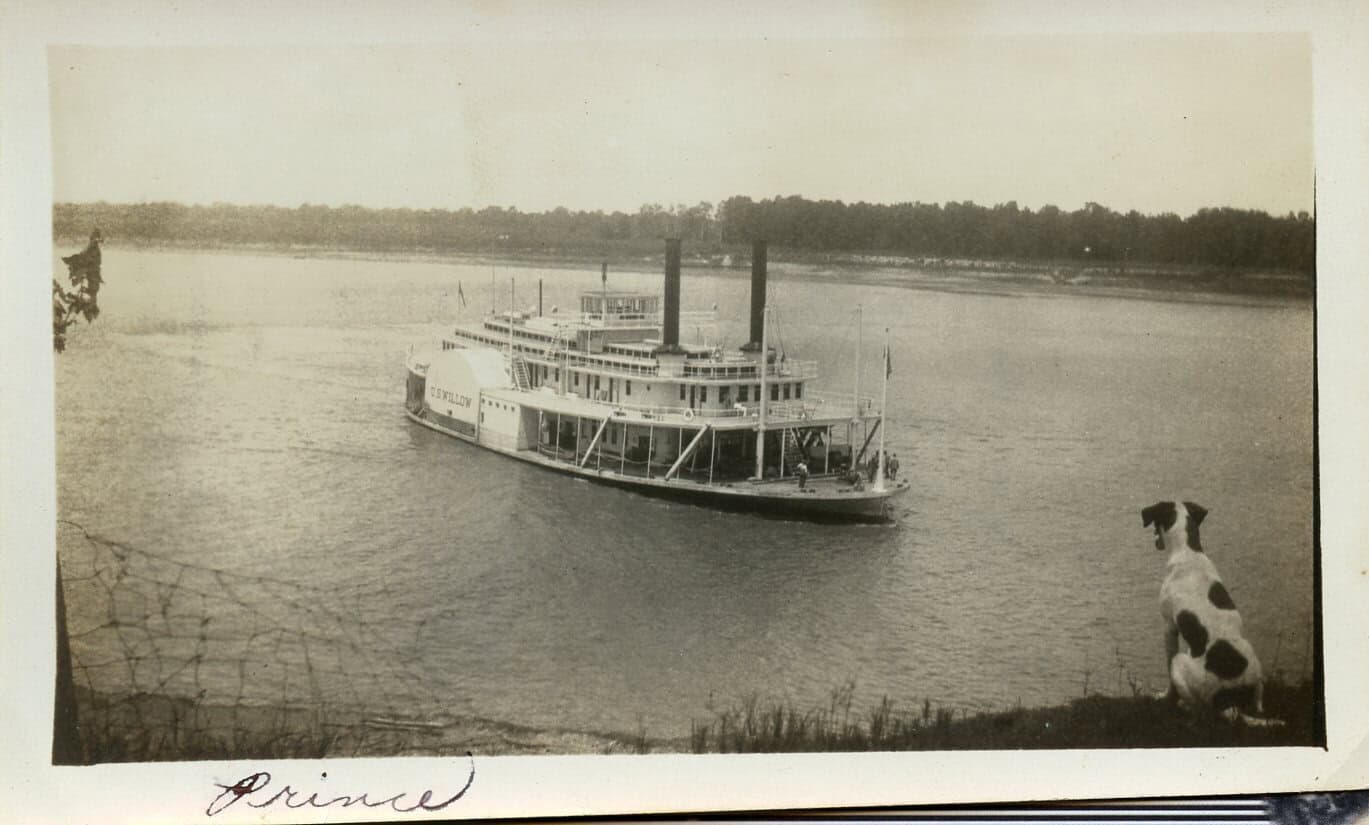
Pasadena’s city council renamed Middle Bayou in his honor. The water he had admired a few times, and talked about to anyone who would listen, has carried his name ever since.
The Woman Who Said “Wouldn’t It Be Wonderful”
Renaming a bayou is a gesture. Saving 2,500 acres of it from the bulldozers is a campaign, and that campaign belonged to Hana Ginzbarg.
She was born in Prague in 1925 and escaped Czechoslovakia at thirteen on one of the last Kindertransport trains out before the Nazi occupation. She arrived in Texas with a talent for refusing to accept that something could not be done.
Her friends remembered her opening line for almost every impossible idea: “Wouldn’t it be wonderful.” She used it about a major wilderness preserve inside a growing industrial corridor, at a moment when that sounded like fantasy.
NASA’s Manned Spacecraft Center had opened nearby in 1962, and subdivisions were spreading across the bay area fast. Every acre of that bayou had a plausible future as a cul-de-sac.
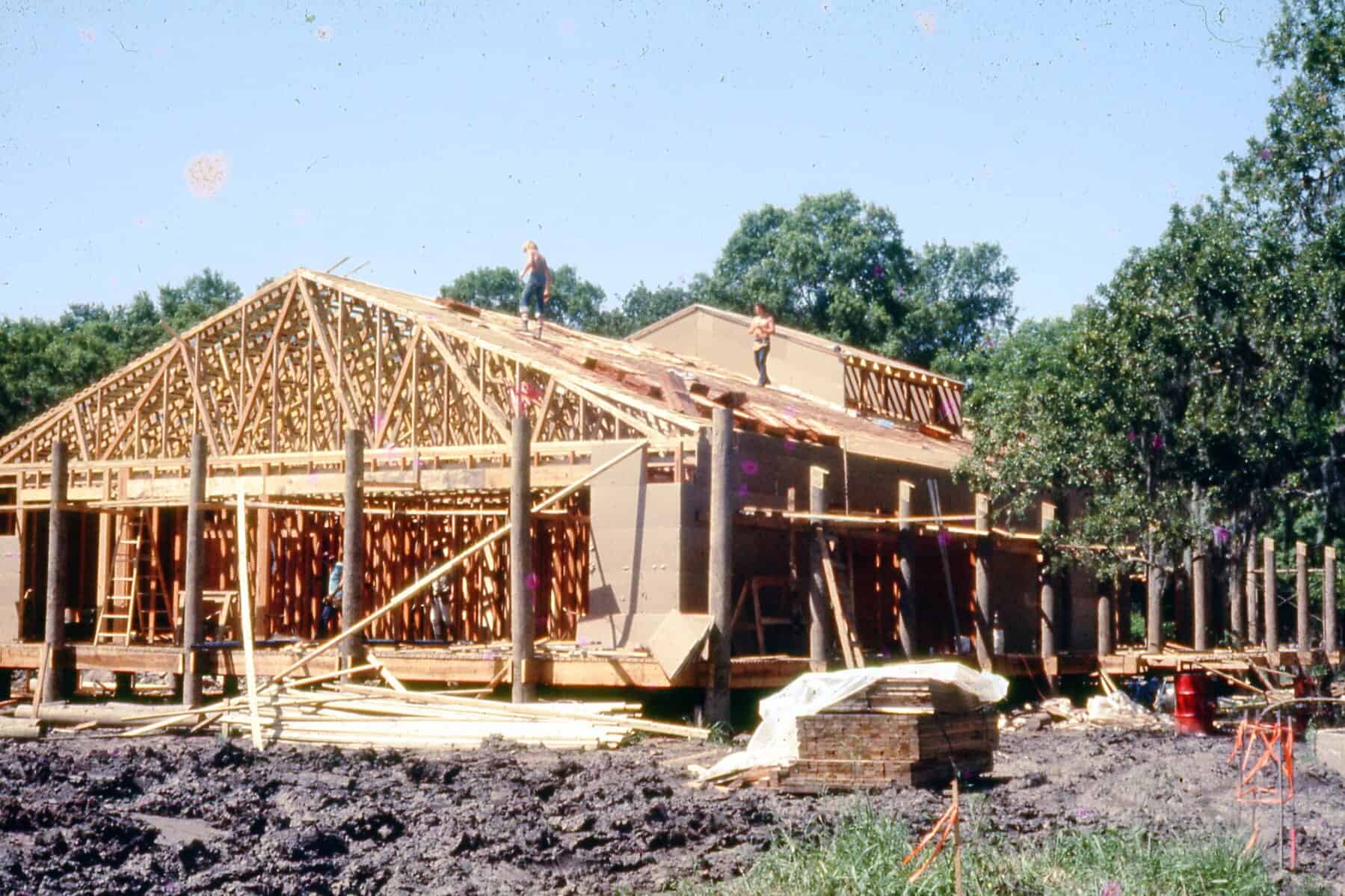
In four years Hana pulled together roughly $6.5 million to buy 1,900 acres of coastal prairie and flatwoods forest. The money came from the City of Pasadena, Harris County, the Armand Bayou Fund, the Bureau of Outdoor Recreation, and HUD.
The center was founded as a nonprofit in 1974 by Hana Ginzbarg and her allies, and became only the second nature center in Texas. She died on October 22, 2013, and the welcome center now carries her name.
I think about her every time I walk the boardwalk. Somebody had to look at that treeline in 1970 and see a preserve instead of a parcel.
The Farm That Would Not Sell
There is a third stubborn person in this story, and his name is on a trail and a farmstead.
Jimmy Martyn lived in a modest house near the banks of Middle Bayou from 1894 until his death in 1964. He held 28 acres that sat squarely in the path of residential development, and he declined to move.
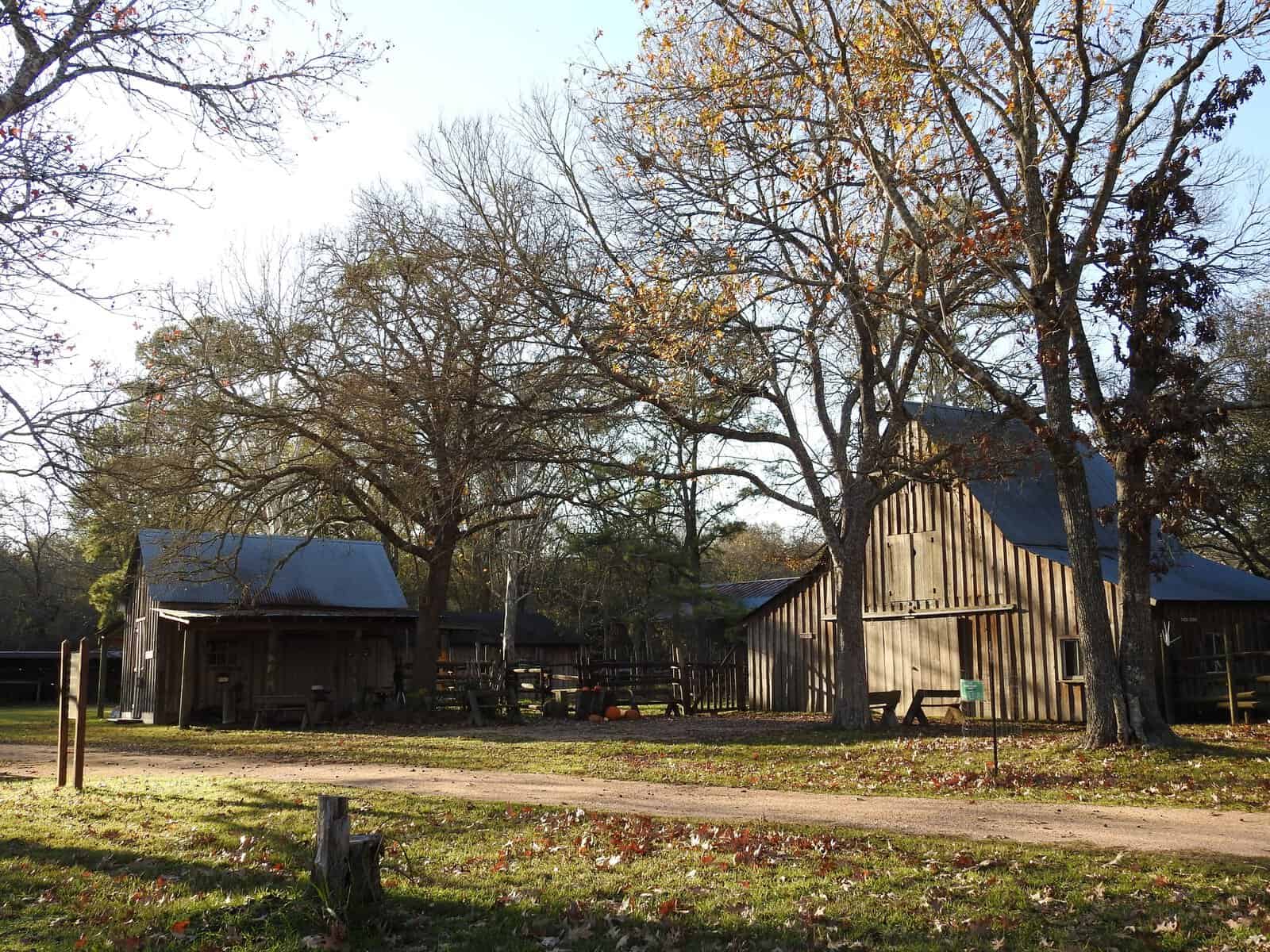
The number attached to that refusal has become local legend: a reported $500,000 offer from Friendswood Development, turned down flat. He stayed put until the end.
The Martyn Farm on the property honors him. It is a re-creation of a Gulf Coast farmstead as it would have looked around 1895, and it is the part of the visit that always catches families off guard.
The farmhouse is fully furnished. There is a vegetable garden and a butterfly garden, a shed packed with antique implements, and a small pond that seems to attract every dragonfly in the county.
Kids can try their hand at loom weaving on the porch. Watching a nine year old figure out a loom, with actual chickens in the background, is worth the admission on its own.
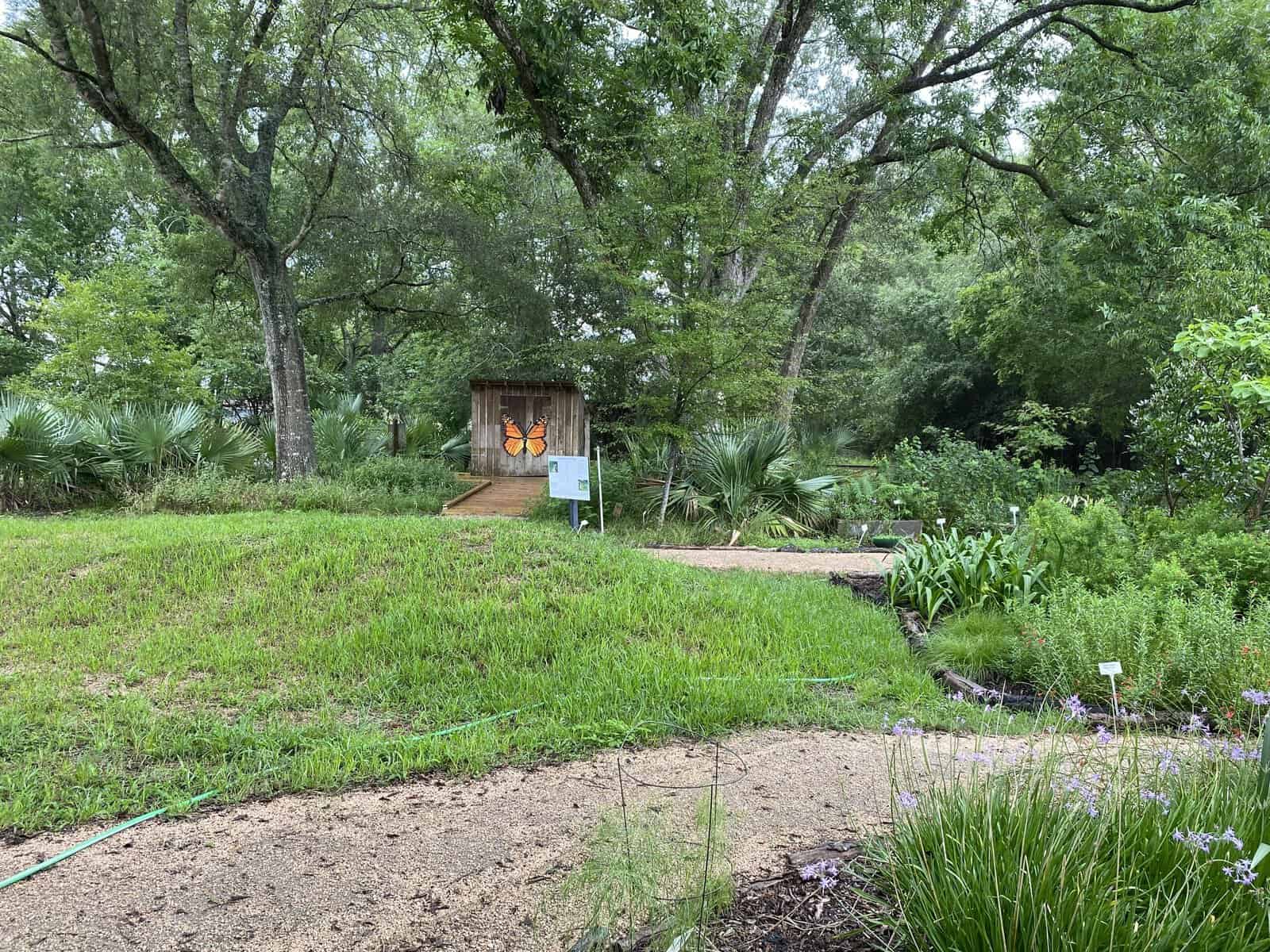
Like most families out here, the Martyns raised cattle, grew produce, and cut cedar from the surrounding woods. The farm makes that ordinary work feel close enough to touch.
Bigger Than It Was Last Year
This preserve is still getting bigger, which I did not expect from anything sitting inside a metro area this size.
On December 18, 2024, in its fiftieth anniversary year, the center announced the addition of 1,147 acres along the upper bayou, bringing the total to 3,947 acres. That makes it the largest urban wilderness preserve in the United States.
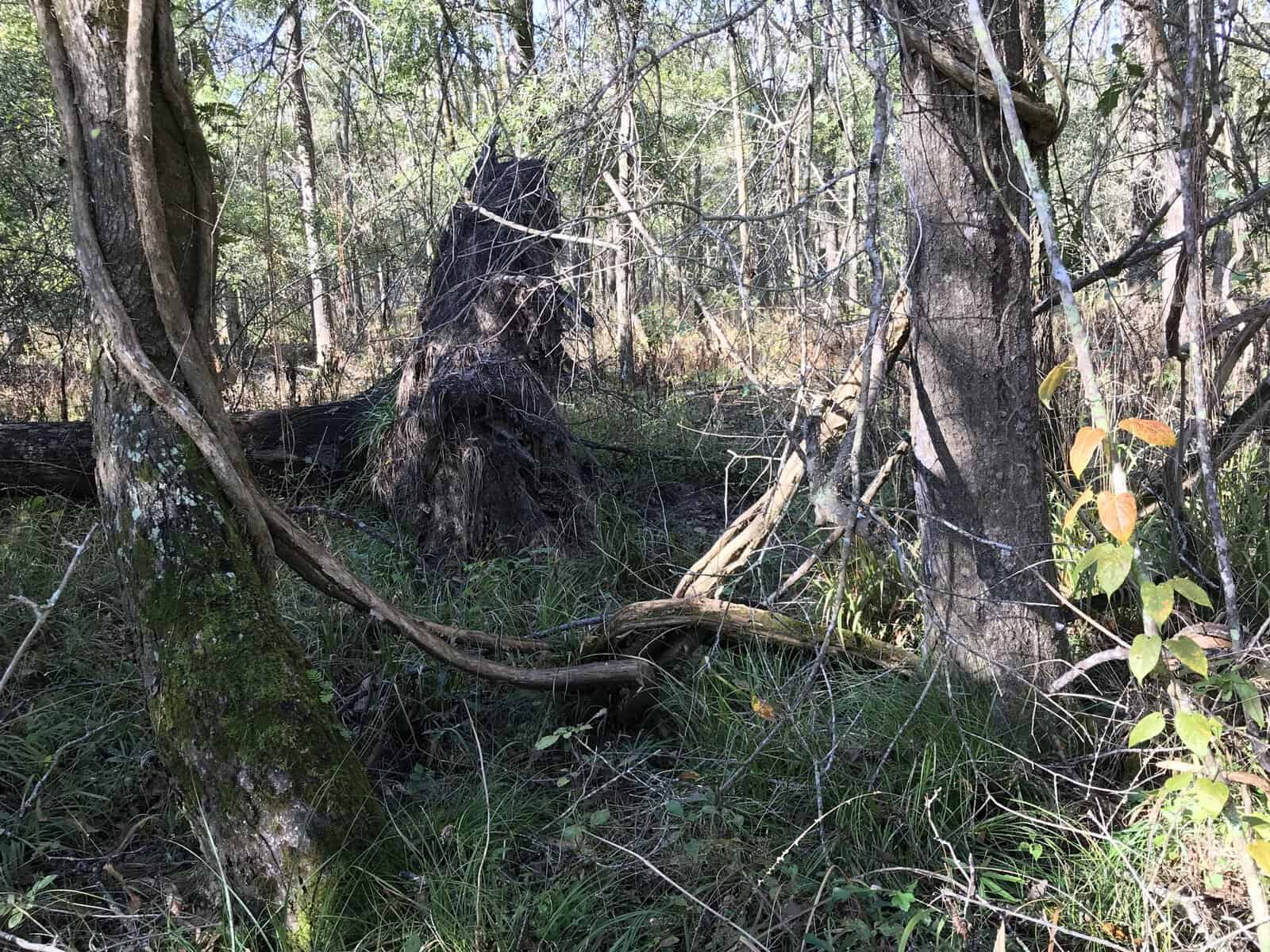
The new land was the old Clear Lake Oil Field. It is being turned back into coastal tallgrass prairie and riparian forest, a slow and unglamorous job that will outlast most of the people working on it.
Harris County put in $6.5 million and the center itself raised $5.5 million, with support from the RESTORE Act, the Galveston Bay Estuary Program, ExxonMobil, and a row of Texas foundations including Knobloch, Brown, Fondren and Cullen.
Harris County Commissioner Adrian Garcia framed the point plainly: the expansion protects communities from flooding while keeping the natural systems that make the county what it is.
Fifty years after Hana’s campaign, the same argument is still winning around here.
Get Out on the Water
Walking the preserve shows you one version of it. Floating through it shows you another, and the water version is quieter than you expect.
The Bayou Safari runs Sunday mornings at 10 a.m. and costs $13 for members or $15 for everyone else. It caps at 16 people, takes ages five and up, and needs a reservation.
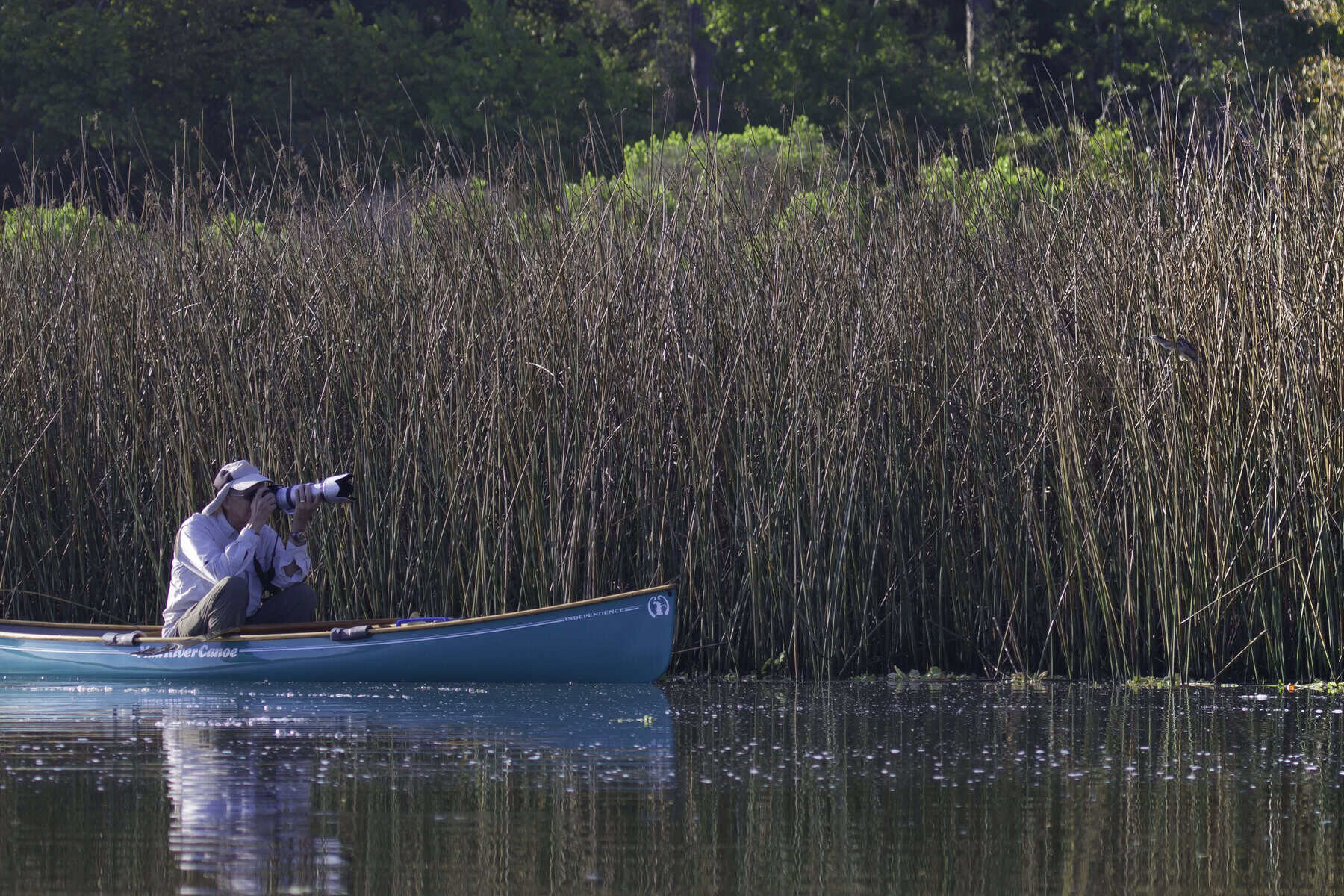
You start on the elevated boardwalk, meet the animal ambassadors in the lobby of the renovated Environmental Learning Center, then ride an electric vehicle down through riparian forest to the bayou, over to the prairie, past the farmhouse, and out to the bison.
Pontoon cruises are the other option, and the birding cruise is the serious one. It runs about three hours, two on the boat and one touring the Discovery Loop, and costs $40 for members or $45 for non-members.
That one is adults only, capped at 16, and starts at the front gate at 6:30 a.m. Yes, that is early. The light on the water at that hour makes up for it.
Shorter sunset and sunrise cruises have run around $35 for non-members, with a mini cruise closer to $24. Guided kayak trips turn up on the calendar too, and they put you at eye level with the marsh.
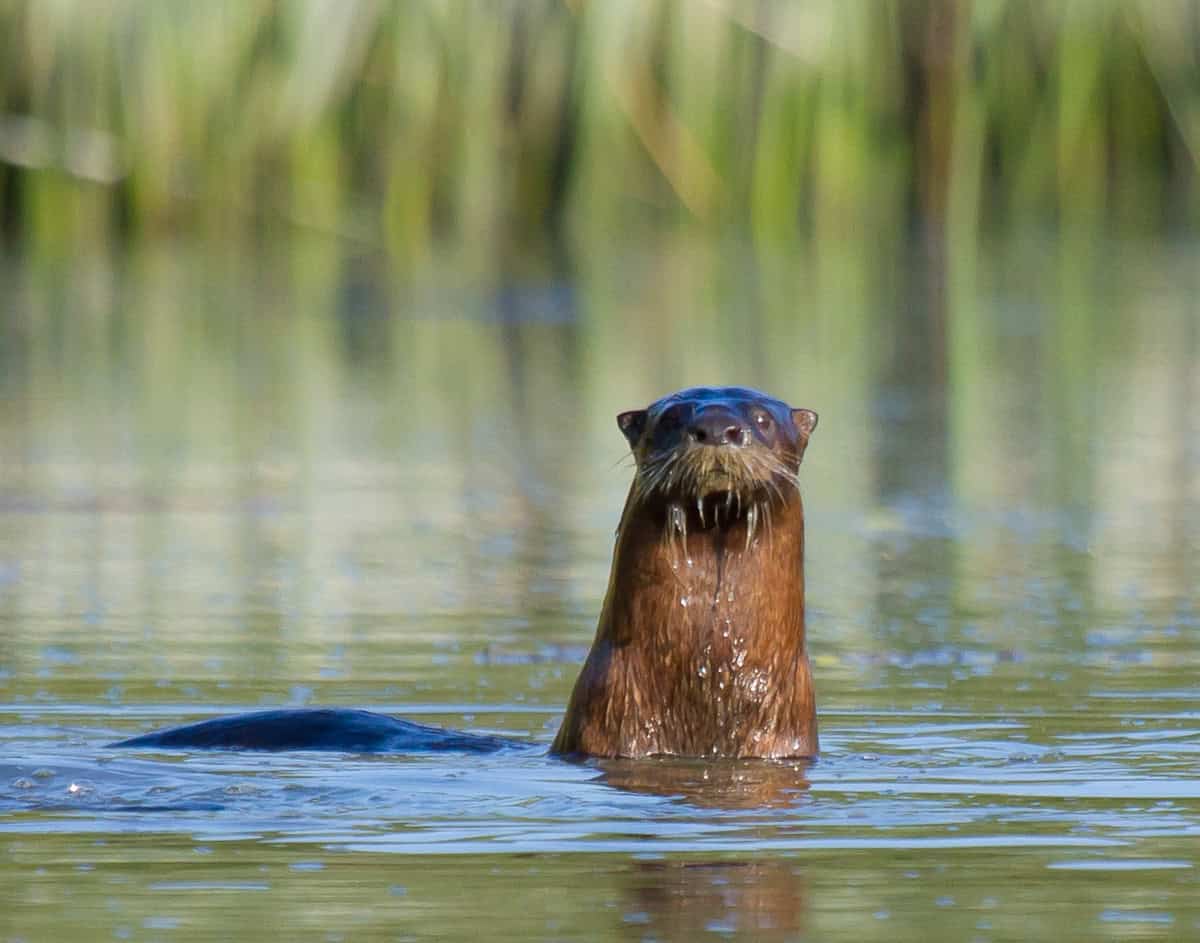
One Tripadvisor reviewer summed up a sunrise pontoon trip as “peaceful, informative, and beautiful,” which matches every account I have heard. Another simply called the whole place the “Best hidden gem out there.”
Book ahead. Every one of these tours has a small cap and a minimum party size, and the schedule shifts with the season, so check the current dates before you build a day around one.
Meet the Ambassadors
If the weather turns, or if you have a small person whose legs have given out, the indoor stops carry a visit beautifully.
The Environmental Learning Center holds live reptiles, fish and amphibians, including snakes, a Texas brown tarantula, and an alligator snapping turtle that looks like something dredged up from the Cretaceous.
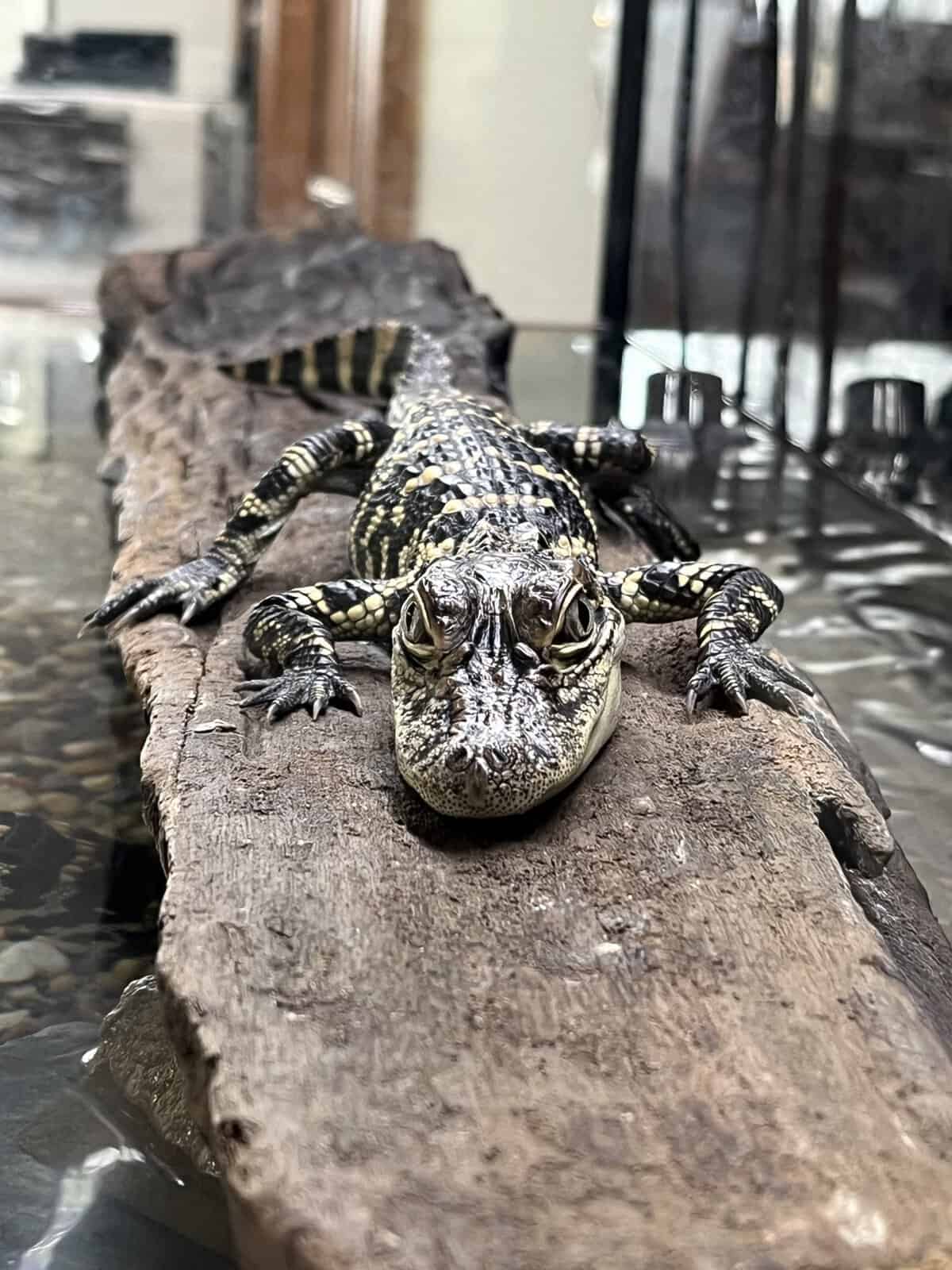
Ambassador animals greet visitors in the lobby and along the Discovery Loop. There is an opossum named Jam, a resident skunk, and Texas tortoises that move at exactly the speed you would hope.
The John P. McGovern Children’s Discovery Area is built for hands on the exhibits rather than off them. My rule with young kids is to save it for last so the trails still feel like the main event.
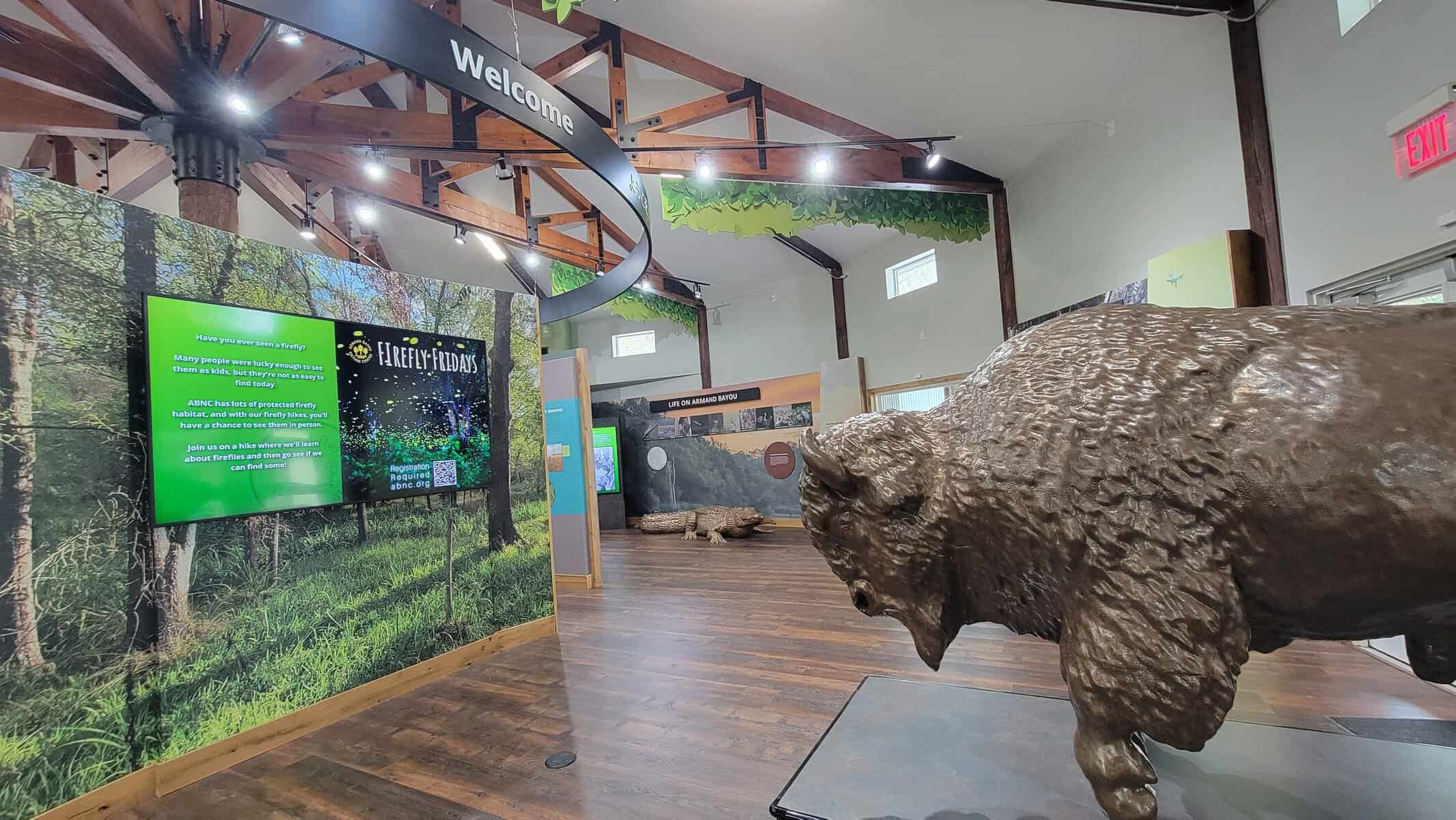
All of this looks sharper than it used to. A four year renewal campaign wrapped around the fiftieth anniversary put real money into the buildings, and the difference shows the moment you walk in.
Pro Tips for a Perfect Visit
Pro tip: come on the earliest slot you can manage. Wildlife is more active, the light is better, and the Gulf Coast humidity has not yet made its opinion known.
The center is open Wednesday through Saturday from 9 a.m. to 5 p.m. and Sunday from noon to 5 p.m., closed Monday and Tuesday. Last entry is 4 p.m., so do not cut it fine.
Admission runs $7 for general visitors and $5 for ages 4 to 12, guests 60 and over, teachers, first responders, college students and active duty military with ID. Children 3 and under get in free.
October through April is the sweet spot for comfort, and late winter into early spring is the sweet spot for birds. Summer visits work fine if you go early and carry more water than you think you need.
Wear closed-toe shoes. Lightweight long pants and sleeves beat shorts once you leave the boardwalk, and insect repellent is not optional out here. Bring water, a hat, sunscreen and binoculars.
Leave the dog at home, because pets are not allowed on the trails. Strollers handle the boardwalk and the main route well, and there are restrooms at more than one point along the way.
Give yourself three to four hours on a first visit. Two hours gets you the boardwalk and the farm. Four gets you all three habitats, the bison, and enough sitting still to actually see something.
If you want the place at full volume, aim for the fall festival in early November, when the farm fills up with demonstrations and the weather finally cooperates.
How to Get There
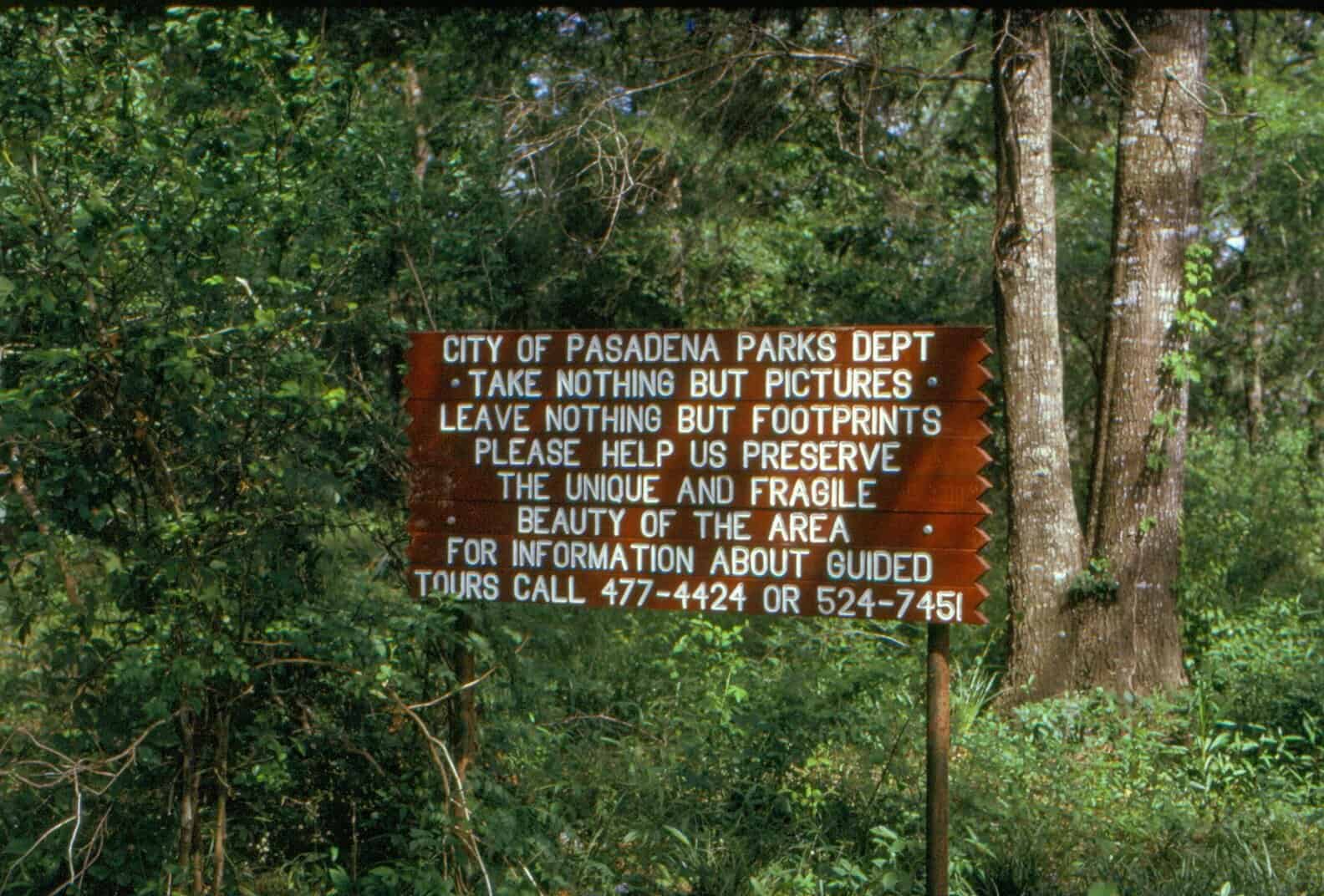
Where: Armand Bayou Nature Center, 8500 Bay Area Boulevard, Pasadena, TX 77507. Call (281) 474-2551 with questions about tours, group visits or the current program schedule.
The preserve sits between the Johnson Space Center and the Bayport industrial district, which is the whole improbable point of it. Bay Area Boulevard delivers you from ordinary suburban Houston to a working wilderness in about four minutes.
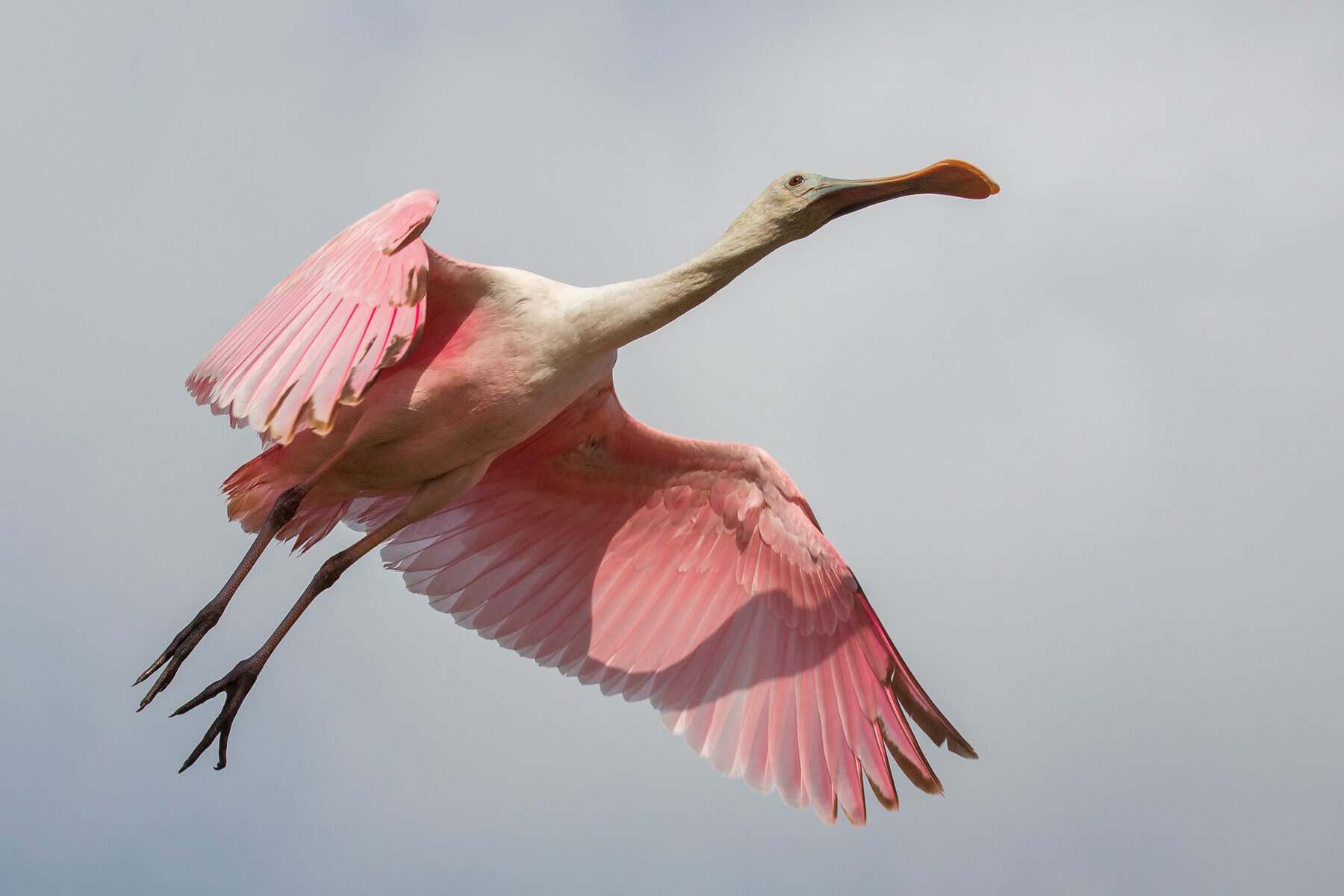
From central Houston, plan on roughly forty minutes without traffic. From Galveston, it is a comfortable hour up the bay. Pair it with the space center for a day that swings from rockets to roseate spoonbills.
Start Planning Your Walk Through Three Texas Wilds
What gets me about this place is the arithmetic of it. Prairie, forest and marsh, all in one morning, all inside the fourth largest city’s back yard, all because a few people refused to let it become something else.
You can stand at the bison platform, walk into deep forest, and finish with your elbows on a boardwalk rail watching an alligator ignore you. That is a very good Texas morning by any measure.
So pick a cool Saturday, set the alarm earlier than feels reasonable, and pack the bug spray. Then walk slowly and let the frogs tell you when something interesting has arrived.
Featured image: @ Armand Bayou Nature Center

Stella Raines
Editor-in-Chief
Stella brings over a decade of storytelling experience to TX Headlines. With roots in West Texas and a love for road trips, she leads the editorial team with an eye for the hidden stories that make Texas unforgettable.
More Stories
This Secret Texas Cavern Is an Ancient Riverbed That Once Hid a Prohibition Ballroom
This Turquoise Texas Lake Is a Hill Country Escape That Could Pass for the Caribbean
This Secluded West Texas Basin Is a Mile-High Camp Ringed by Volcanic Peaks and Blazing Stars
This Spring-Fed Texas Park Is Built Around the Largest Springs in the Southwest
Tags