These Large and Small Texas Zoos Have Zookeeper for a Day Programs that Let You Get Your Hands Dirty
I had shoveled what seemed like a literal ton of elephant droppings. I’d hosed down the stinky overnight accommodations for a pair of river otters. I was dirty and tired and my arms and legs ached.
But I was nine years old and I was happy—so happy that I’d spent the day a stone’s throw from elephants and tigers. I had had the wild adventure of being a “zookeeper for a day” at my local zoo.
What It’s Like to Be Zookeeper for a Day
We arrived at the zoo early that morning. I wanted to take the time to stop at every exhibit, but our destination was a classroom within the zoo’s reptile house building.
We gathered with a dozen or so children, most of whom had one or two adults accompanying them. After a short orientation that included warnings not to run or scream because that would scare the animals, we headed off to the veterinary center.
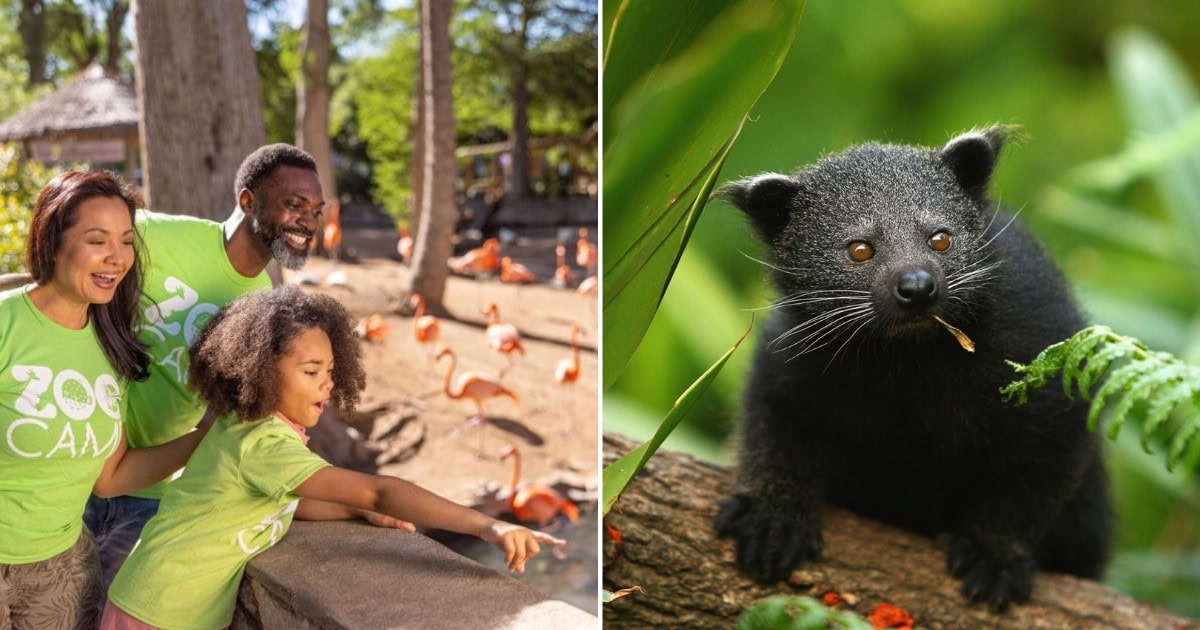
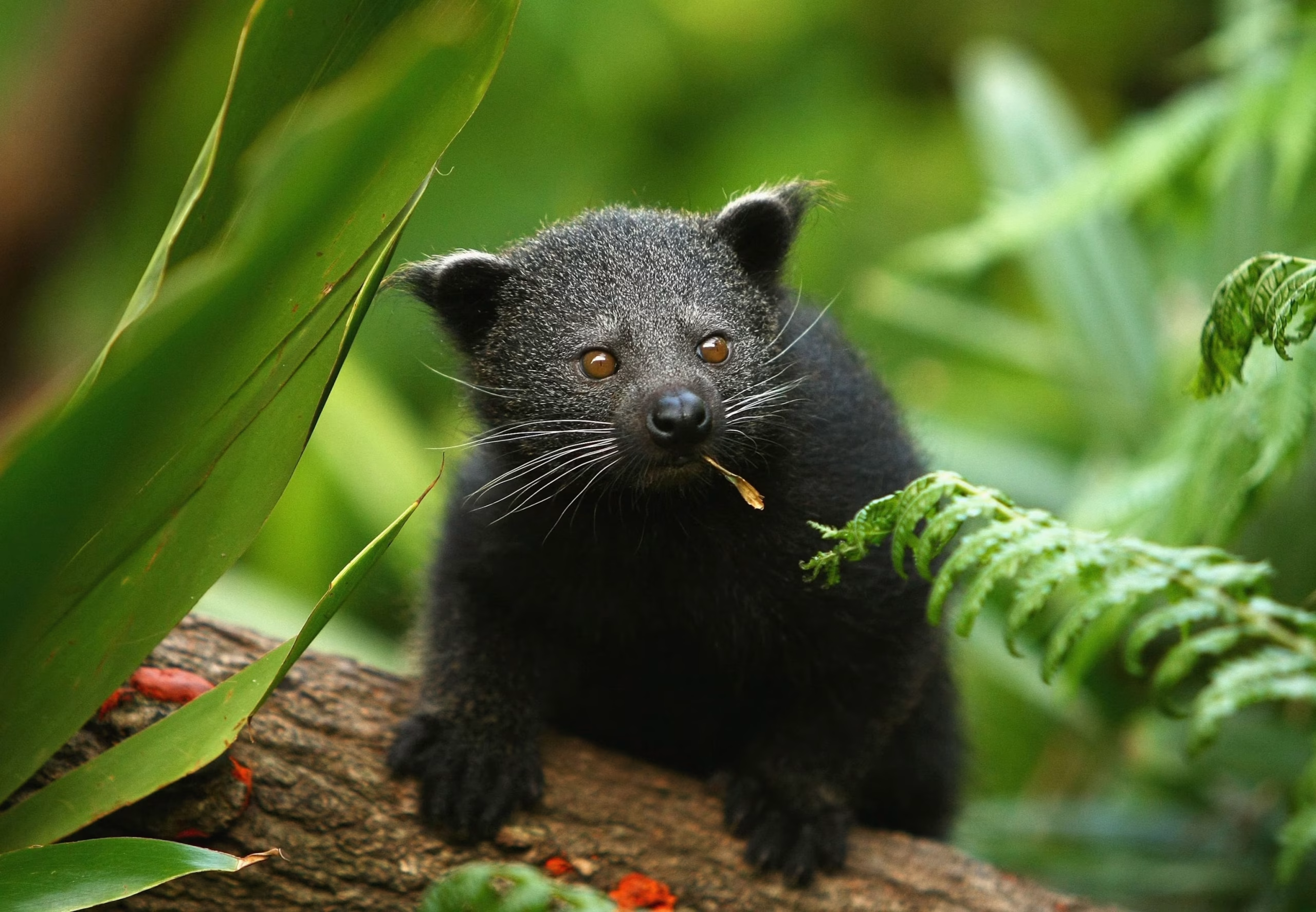
At the veterinary facility we first met a binturong, an Asian tree-dwelling mammal about the size of a medium-sized dog. We got to smell its fur, which uniquely carries the aroma of buttered popcorn.
Then, we looked through a window into another room where keepers were tending to very small tiger cubs. It was then that our zookeeper duties began in earnest.
First, each child mixed up a bottle of formula for the baby tigers. We watched in awe as the keepers fed the cubs.
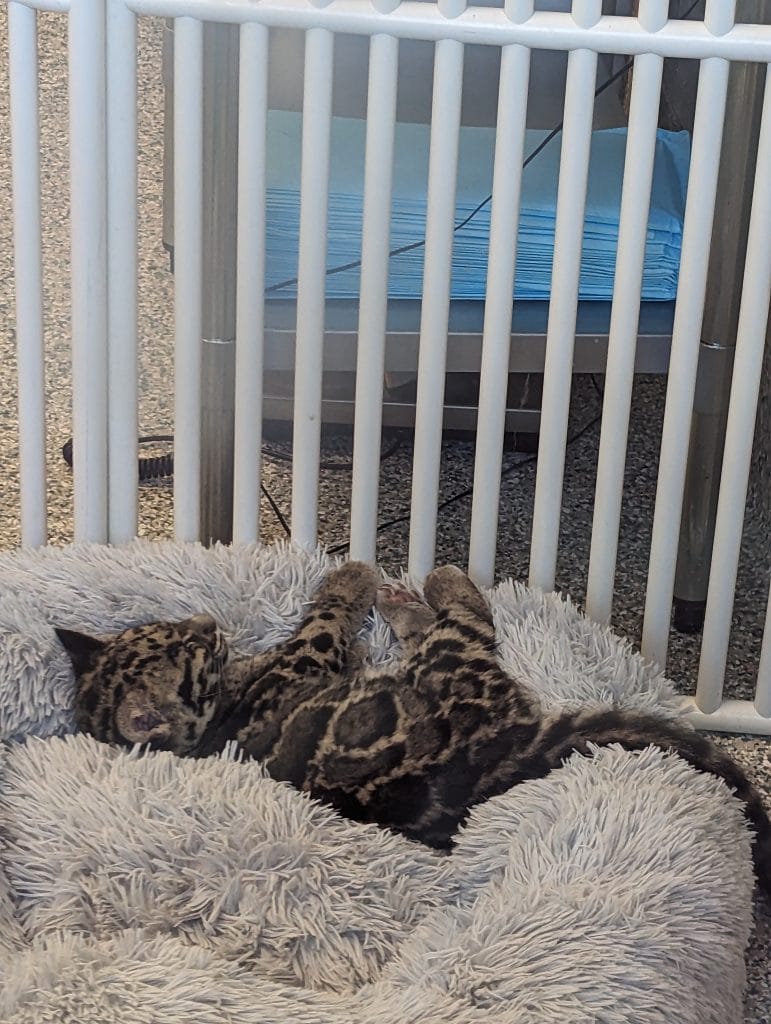
Then, we prepared breakfast for slightly older clouded leopard cubs. We mixed finely chopped meat, milk, and nutrient powder until it was the consistency of canned dog food. We watched through a window as the leopard cubs gobbled up their breakfast, then tackled each other in play.
Cute baby animals aren’t the only ones who need to eat, however. We mixed seed blends and chopped fruits for the birds in the aviary, and fruits and vegetables for the tortoises.
Next, we had to choose smaller groups and accompany a keeper on other chores. Some kids went to deliver the fruits we’d just prepared, but I chose the group going to the otters and elephants.
Along with our accompanying adults, we rode a golf cart down dirt paths that zoo visitors aren’t usually allowed to traverse. We went through several chain link gates, our keeper stopping the vehicle and unlocking them each time.
“We’ve had a lot of fun so far,” our zookeeper said, “but zookeepers have to do a lot of other things to keep the animals happy and healthy.”
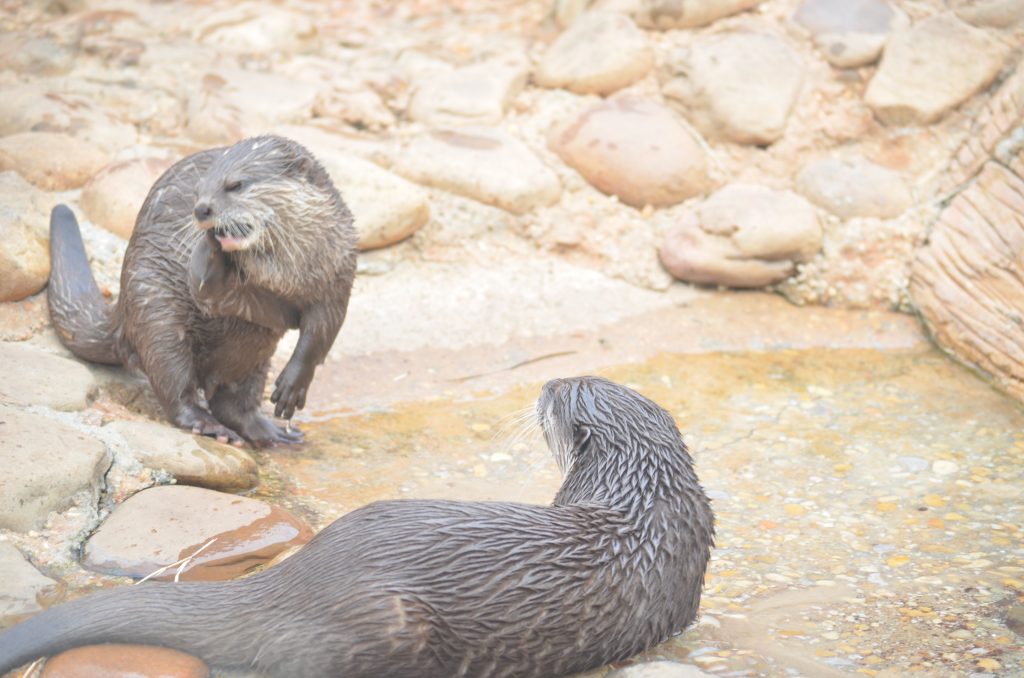
Our next task was cleaning the river otters’ nighttime enclosure. We used a water hose and sometimes a soapy scrub brush to wash their stinky residues away from the concrete “water slides” they enjoyed.
The hard work was worth it, because two playful river otters were just on the other side of the chain link fence—we were much closer to them than the visitors looking on from the path. Towering stands of bamboo shielded us from their view.
At times, the otters even stood on their rear legs with their front legs on the fence, chattering at us. We weren’t allowed to stick our fingers through and pet them, however, because of their needle-sharp teeth.
By the time we were finished cleaning the otter enclosure, we were very hungry. We rode the golf cart to the center of the zoo near the playground, where there were plenty of picnic tables.
We gobbled down our sandwiches, fruit, and juice. Some of the children were tempted by the playground, but our junior zookeeper responsibilities weren’t over yet.
“Bigger animals make bigger messes,” my zookeeper said as we rode the golf cart down secret, treelined pathways to the elephant barn.
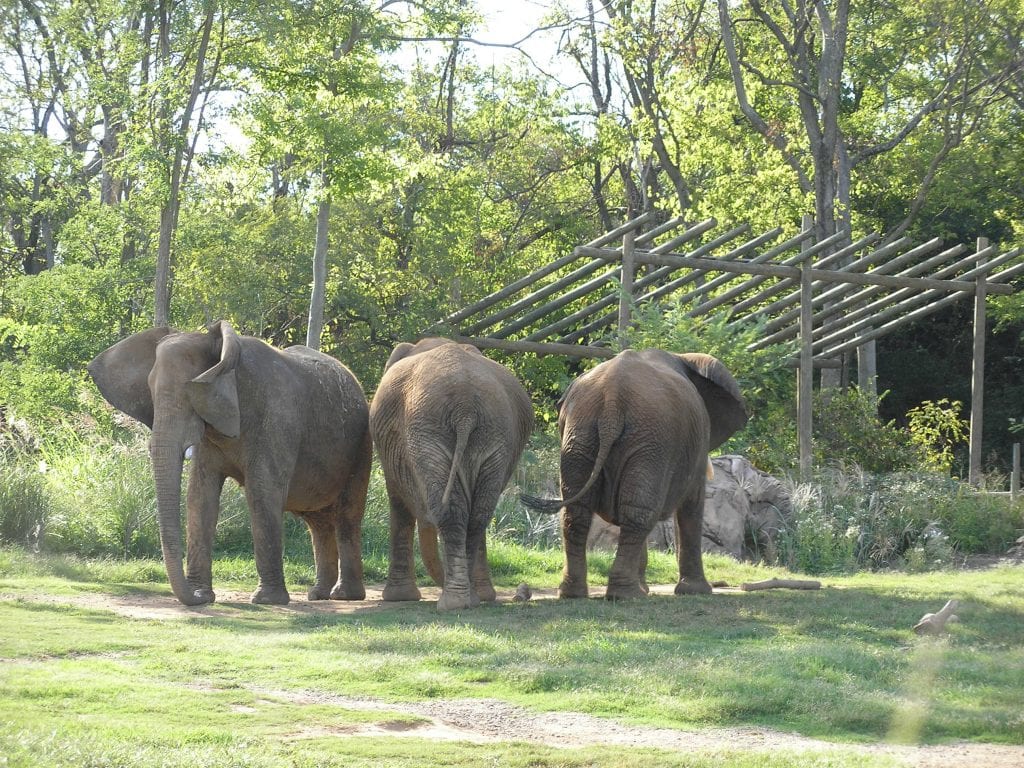
At night, the elephants were kept safe and warm inside a giant barn. Our job was to clean the elephant poop out of their stalls. There were mountains of it.
We used a rake called a manure fork to scoop the droppings into a wagon. The zookeeper drove the wagon outside the barn, where we shoveled it into a big pile.
We learned that some of the elephant manure is used to fertilize the gardens that beautify the zoo. Some of it was used to make fancy paper that you could buy in the zoo gift shop.
We were skeptical, but the zookeeper handed us a sheet of the pastel-colored paper to smell; in the end, it didn’t have any smell at all.
“You can make paper from elephant droppings because they don’t digest most of the plant fibers they eat,” she explained. “It’s similar to making paper from trees, but you’re having an elephant do part of the work instead of a machine.”
When we finished cleaning the barn, we spread fresh, sweet-smelling straw so the elephant would have a dry place to sleep and hefted bales of hay into the mangers.
The huge animals were watching us from outside the barn. We said goodbye to them, much closer than most visitors got to go, then cleaned up at a nearby sink.
After the program concluded, we were able to explore the rest of the zoo until closing time. We stopped by the gift shop, where I picked out a life-sized albino python plush that I promptly named Annie.
Exhausted after a day of excitement and hard work, I fell asleep in the car with Annie wrapped around my shoulders.
The Benefits of Zookeeper for a Day
Zookeeper for a Day is a fun and exciting experience that children can share with their onlooking families. But besides getting up-close views of animals, it also teaches important lessons.
Being a junior keeper was hard work. We didn’t just observe the keepers; we actually completed the tasks, if with a little expert assistance.
It also provided a window into a career that was on my “when I grow up” list, right alongside doctor, teacher, and astronaut. From that day on, I carried first-hand experience of what the job of zoo keeper might be like.
Texas Zoos With Zookeeper for a Day Programs
The Dallas Zoo’s Wild Adventures Camp has programs for students from kindergarten through eighth grade. All camps include guided zoo tours and up-close animal encounters.
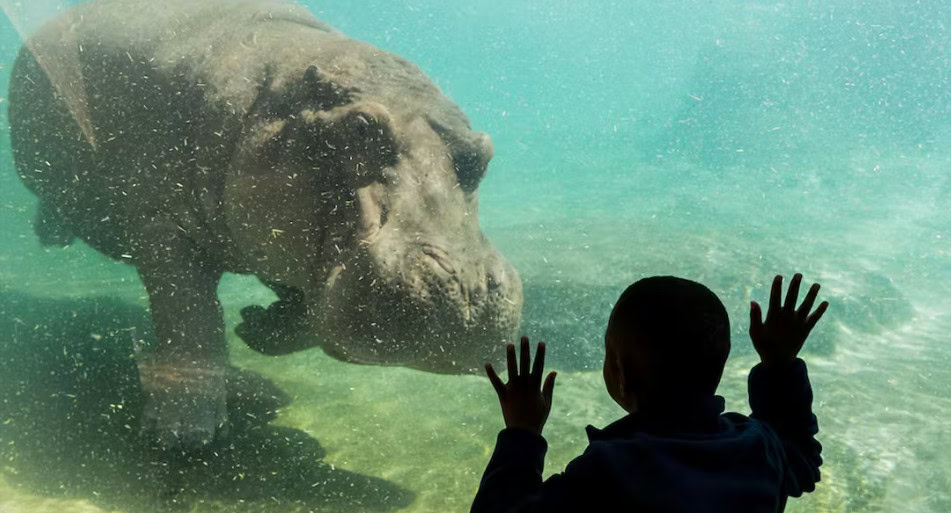
In June through August, campers can spend a full day outdoors at the zoo. Fall and winter camps are held from October through January to coincide with school breaks. Single day and weeklong camps are available.
You can use the map below to navigate to the Dallas Zoo.
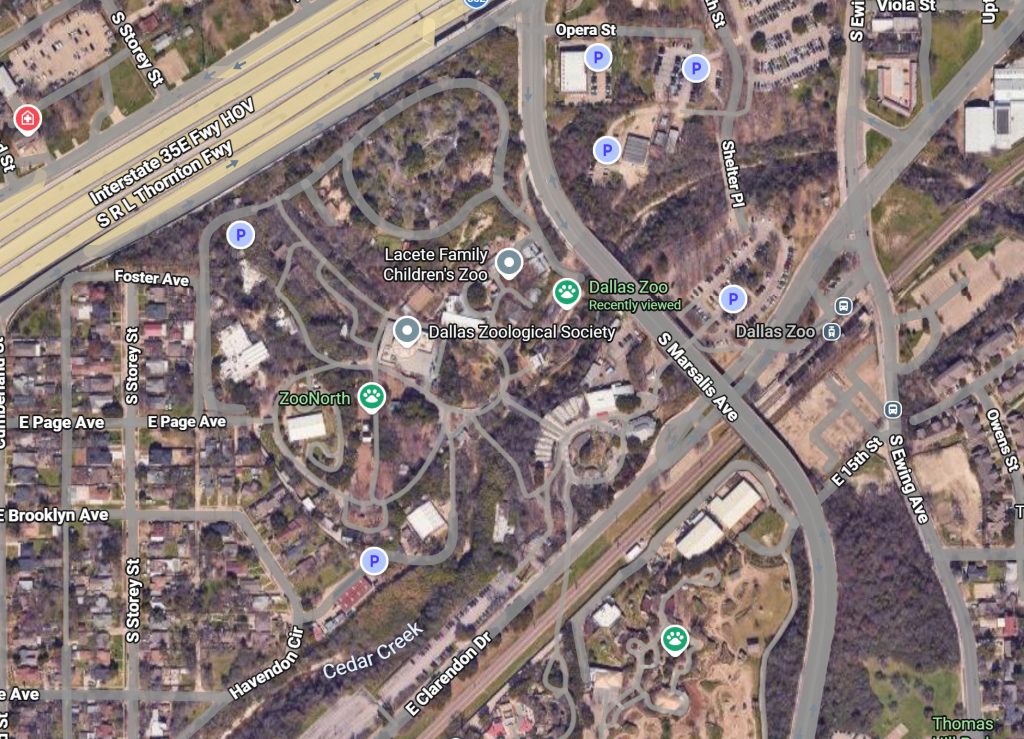
Where: Dallas Zoo, 650 S R.L. Thornton Fwy, Dallas, TX 75203
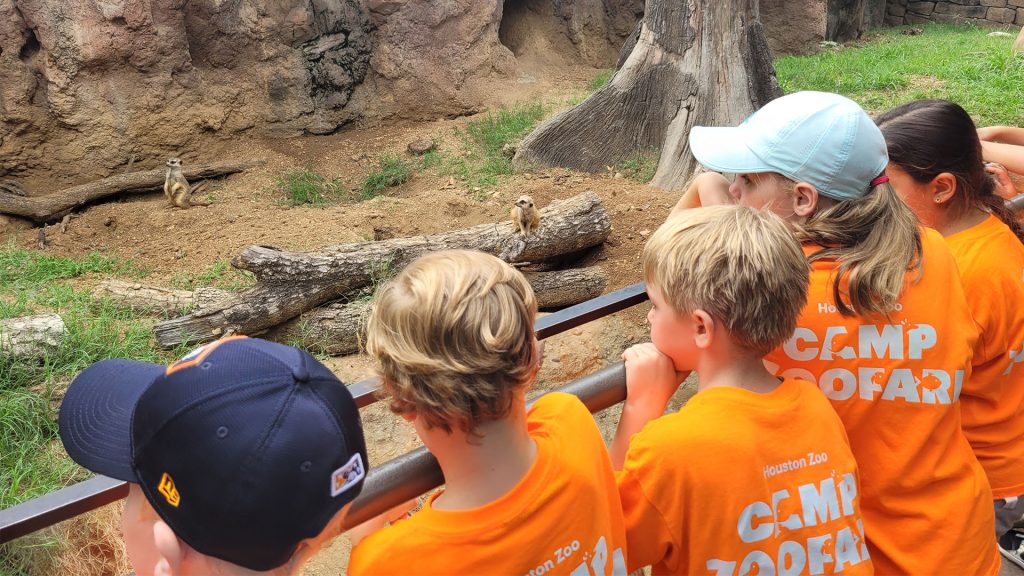
Camp Zoofari at the Houston Zoo is a week-long day camp for children ages six to twelve. Hands-on experiences vary by age, with programs for six to seven year olds, eight to nine year olds, and ten to twelve year olds. Each age range has three different concentrations, so campers can enjoy different hands-on encounters and keeper chats year after year!
You can use the map below to navigate to the Houston Zoo.
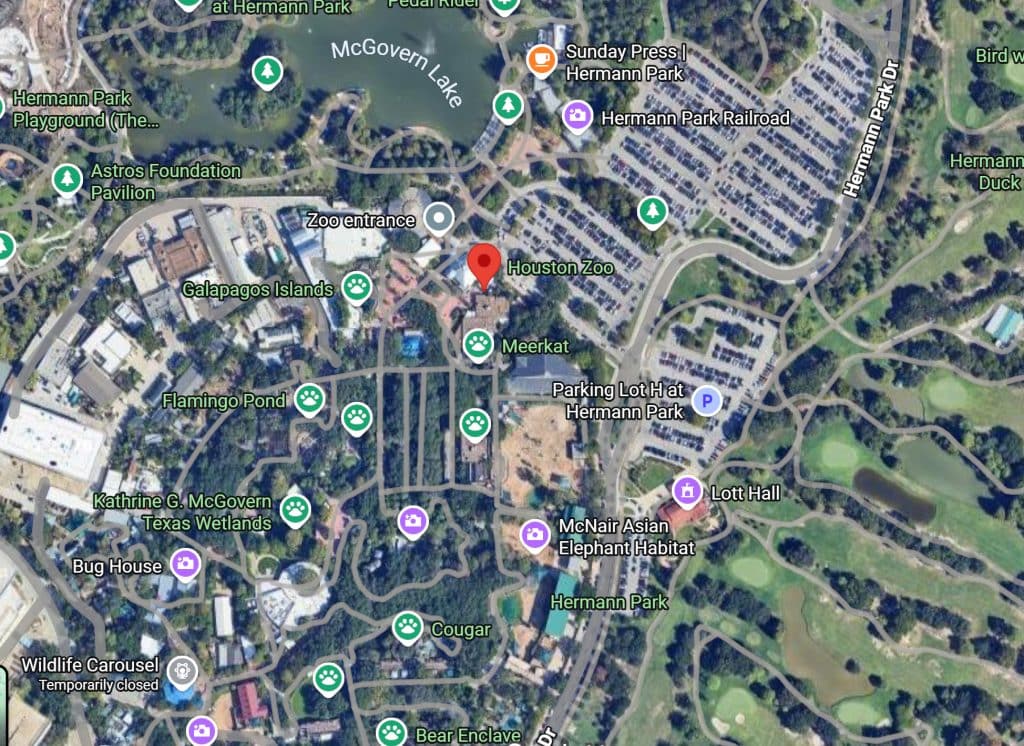
Where: Houston Zoo, 6200 Hermann Park Dr, Houston, TX 77030
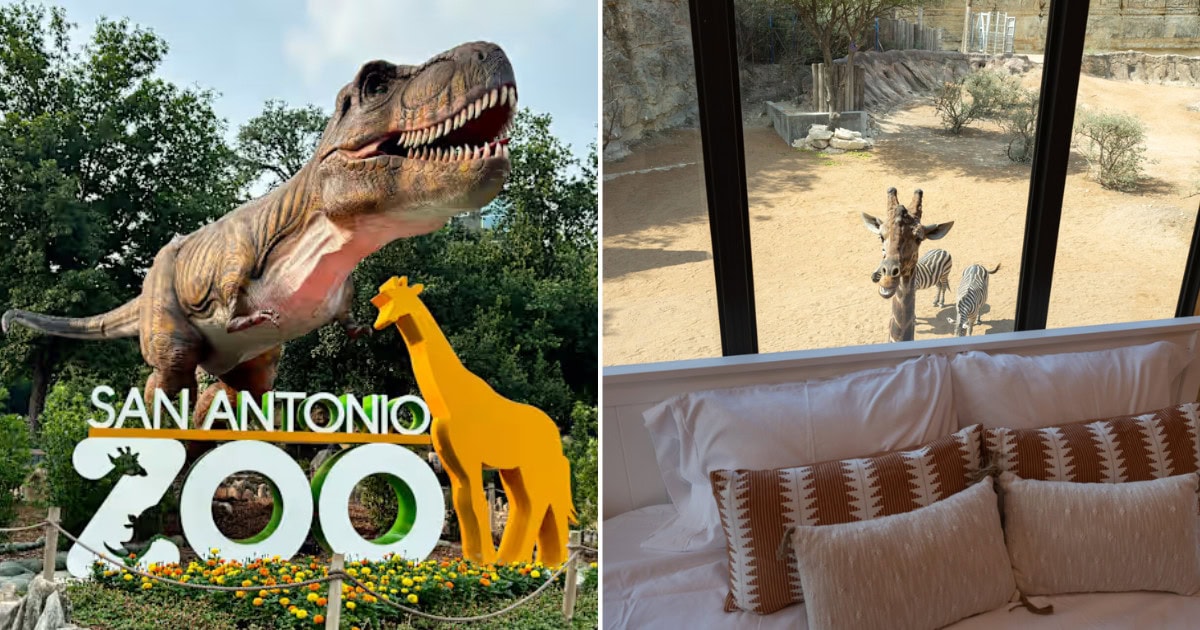
The San Antonio Zoo offers summer and school break camps. You can choose from a number of unique themes, like Zoo Before Time, where you’ll explore the prehistoric beasts that once roamed Texas and the modern animals that still carry on their traits.
If you didn’t get to be a junior zookeeper when you were a kid, don’t worry—the San Antonio Zoo also offers family and adult-only camps. Zoo Camp: Family Edition is a day camp designed for families with kids aged five and up. You’ll tour the zoo, meet animals, eat pizza, and go home with matching Zoo Camp t-shirts.
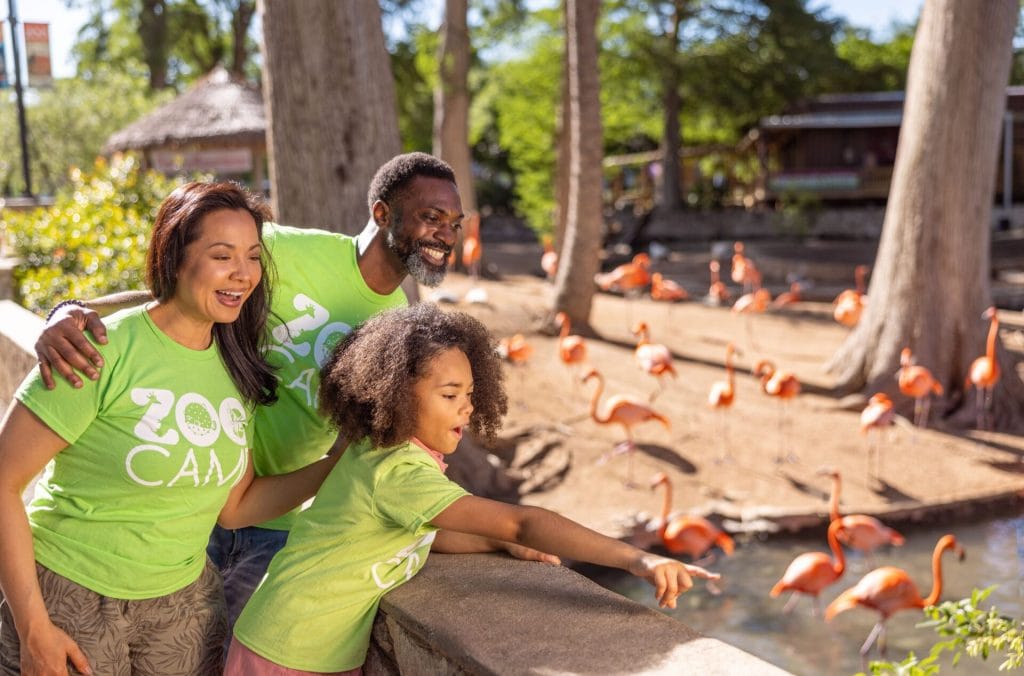
Zoo Camp: Grown Ups Gone Wild allows you to “rediscover the magic of camp in this program made just for adults.” Like the other programs, you’ll enjoy exclusive tours and keeper chats, animal meet and greets, and games. The only difference is that adult beverages are included!

You can use the map below to navigate to the San Antonio Zoo.
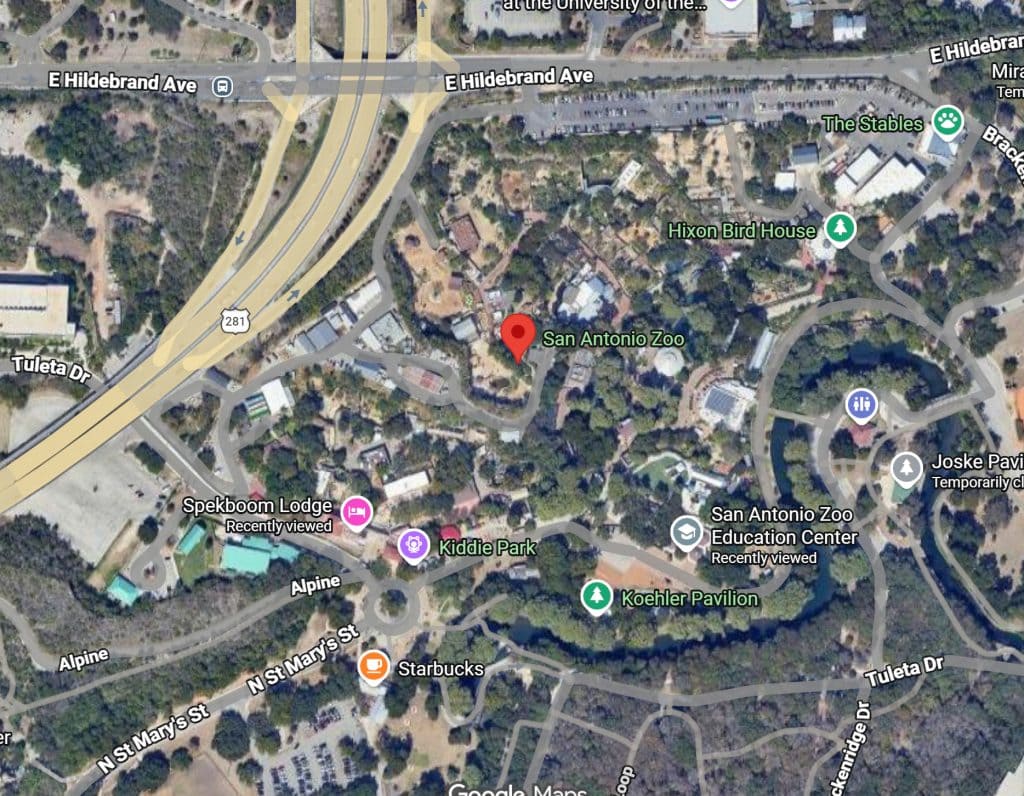
Where: San Antonio Zoo, 3903 N St Mary’s St, San Antonio, TX 78212
Several smaller Texas zoos also offer zookeeper experiences. At The Learning Zoo in Conroe, youths aged twelve and up are invited to put on their work boots and get dirty caring for “tortoises to tarantulas, parrots to porcupines.”
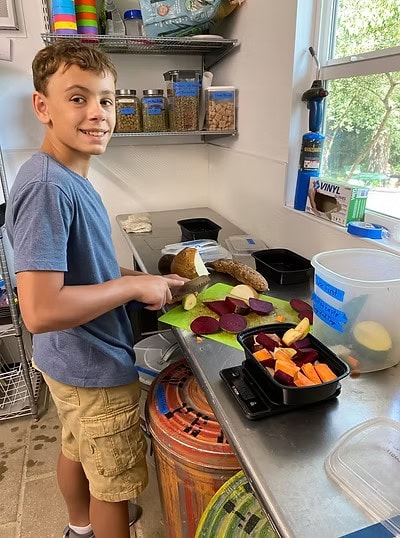
Activities include preparing specialized diets for the zoo’s diverse animal population; providing enrichment through puzzle feeders, toys, and scents; and cleaning the enclosures. This program is shorter than many others, lasting from 9 am until noon.
You can use the map below to navigate to The Learning Zoo.
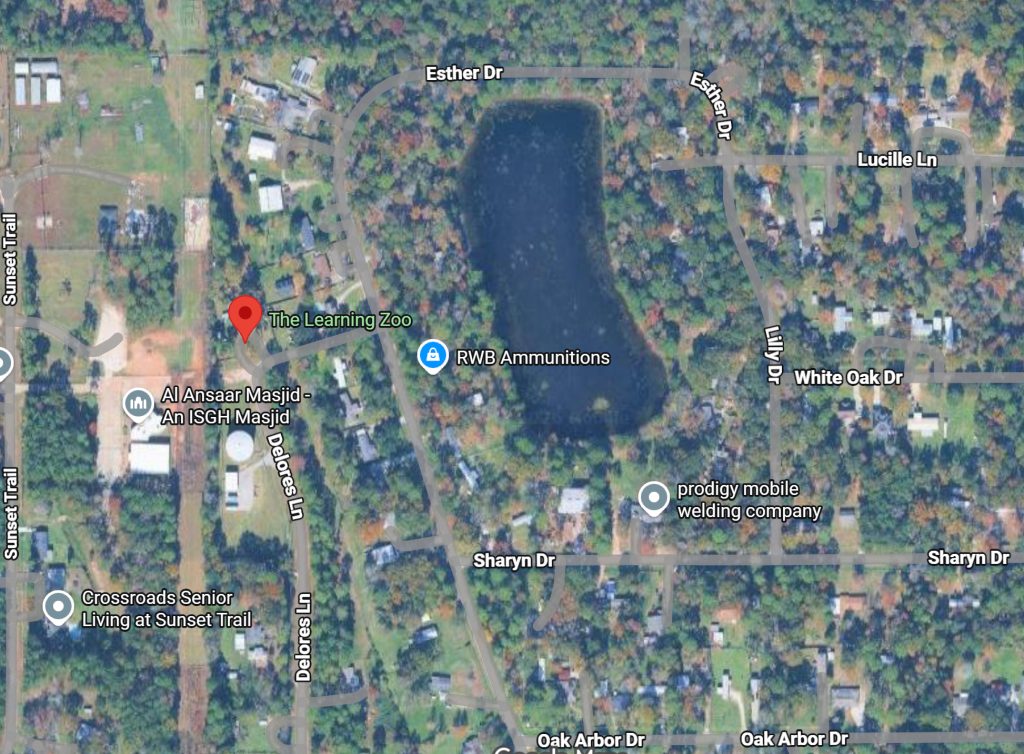
Where: 15428 Delores Ln, Conroe, TX 77384
Whether you’re an animal lover who is young or young at heart, Texas zoos have the right zookeeper for a day program for you. With behind-the-scenes access and up-close animal encounters, you’re sure to make memories you’ll never forget.

Cara Siera
Travel Writer
Cara Siera has a passion for travel, nature, and trying new foods, and she's been sharing her best stories as a freelance career and travel writer for over a decade. Her favorite memories revolve around family, friends, hole-in-the-wall restaurants, and unexpected animal encounters.