Find Unique Animals You Won’t See Everywhere in These Texas Zoos
I’ve visited zoos across the country and around the world. Each time I go, I always look for my favorite animals—lions, tigers, elephants, gorillas, and African wild dogs. But I also keep an eye out for animals I haven’t seen before.
The diverse animal populations at zoos across Texas never disappoint. Below, discover some of the unique animals Texas zoos have to offer, from seldom-seen exotic animals to native species from Texas and across the U.S.
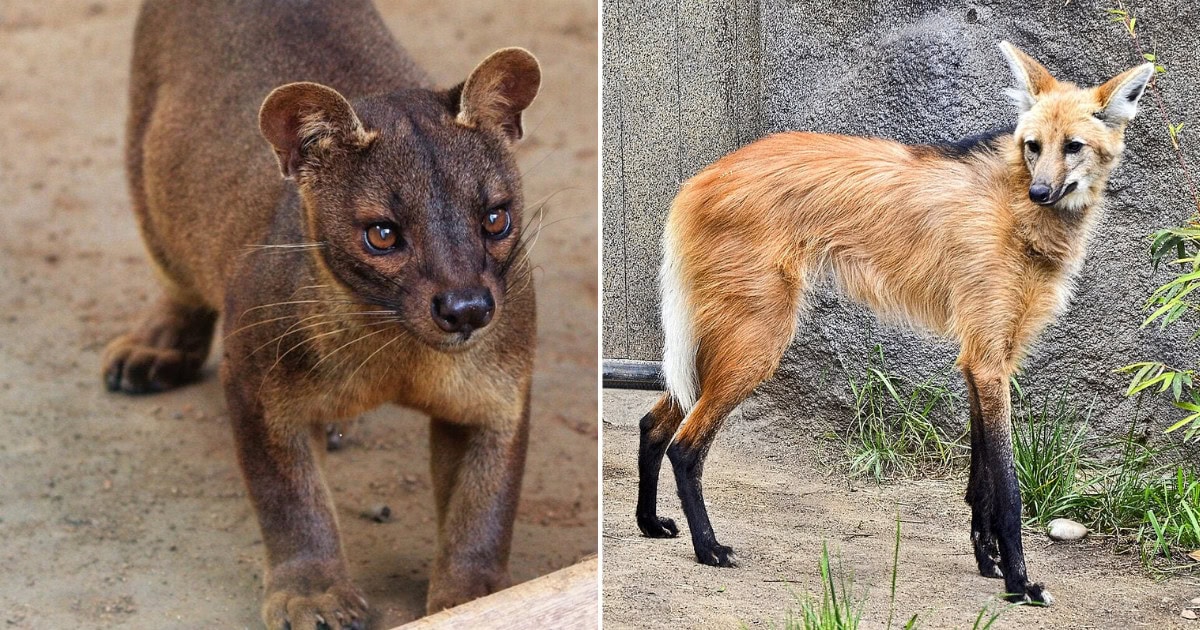
Fossa
The first time I laid eyes on a photograph of a fossa, I was more than intrigued. Its face was both catlike and doglike, but it was neither a cat nor a dog. It climbed trees and had retractable claws, but its body was buff and muscular like a small guard dog’s.
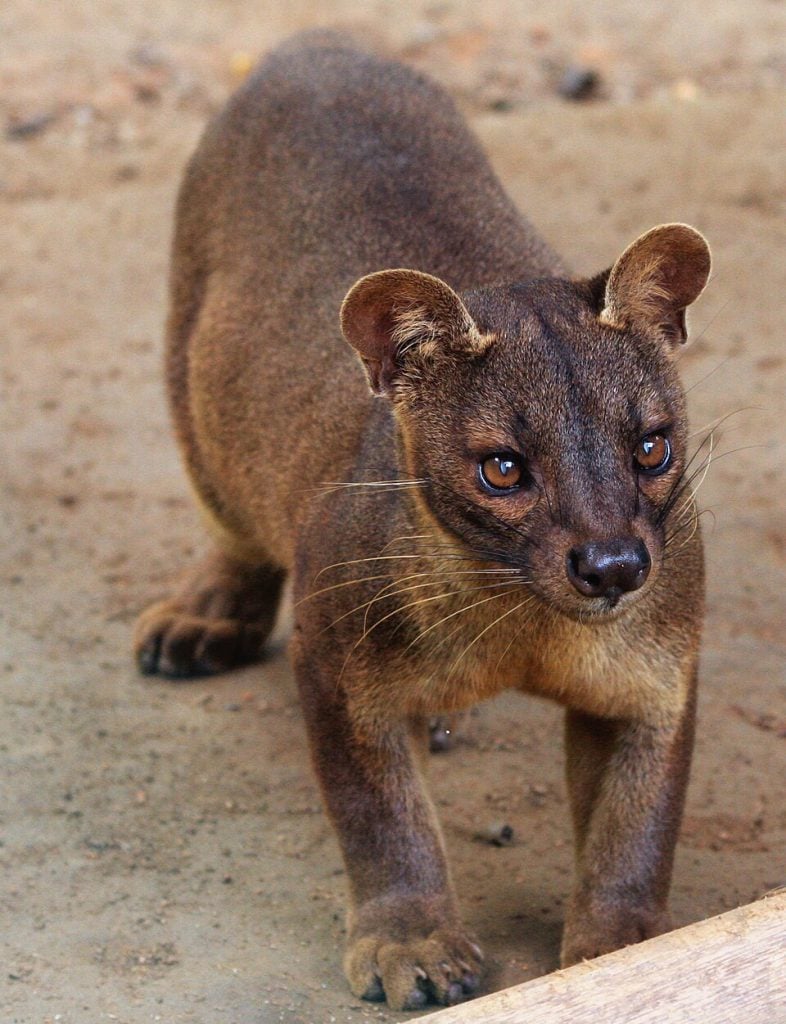
Fossas are unique, one of the largest carnivores in the mongoose family. They live in Madagascar, a large island off the coast of Africa that is also home to lemurs—one of the fossa’s favorite foods.
Fossas have a “vulnerable” conservation status, with only about 2,500 individuals remaining in the wild. As of 2018, fossas could only be seen in 47 zoos worldwide.
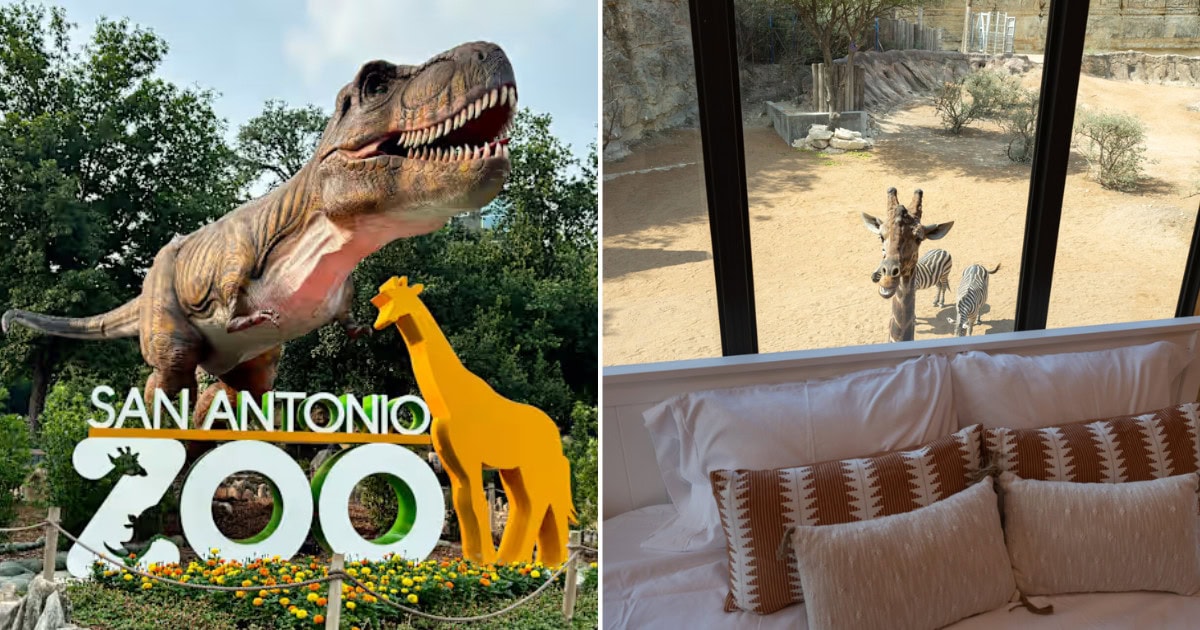
You can see fossas at two of those zoos in Texas—the San Antonio Zoo and the Houston Zoo.
Okapi
Everyone knows what giraffes and camels look like, but you may not have seen their relative, the okapi. Okapis look like a mash-up of other animals—the body of a horse, the legs of a zebra, and the horns of a giraffe.
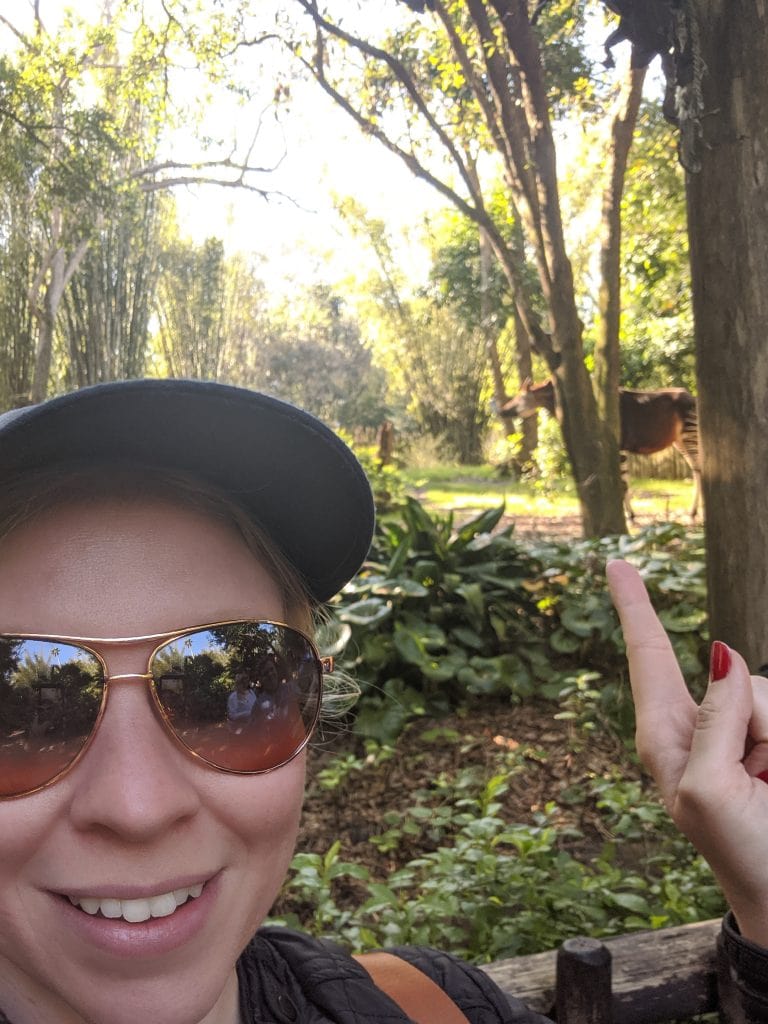
As of 2024, okapis could be seen at just 67 zoos around the world. You can view them in three Texas zoos: the San Antonio Zoo, Houston Zoo, and Dallas Zoo.
Caecilians
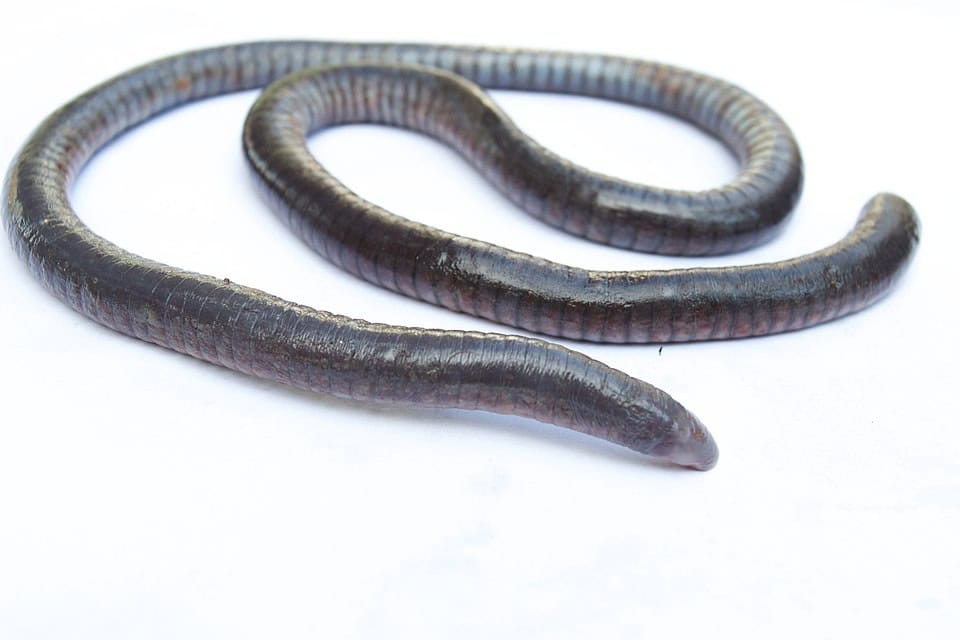
Caecilians are amphibians (like frogs), but they lack arms or legs. This makes them resemble worms or snakes. They live in soil or along muddy streambeds in the world’s tropical regions.
You can view caecilians at the San Antonio Zoo and the Dallas World Aquarium.
Ankole Cattle or Watusi
Whether you live in Texas or you’re just passing through, you’re probably familiar with Texas longhorn cattle. The Ankole is another historic long-horned breed.
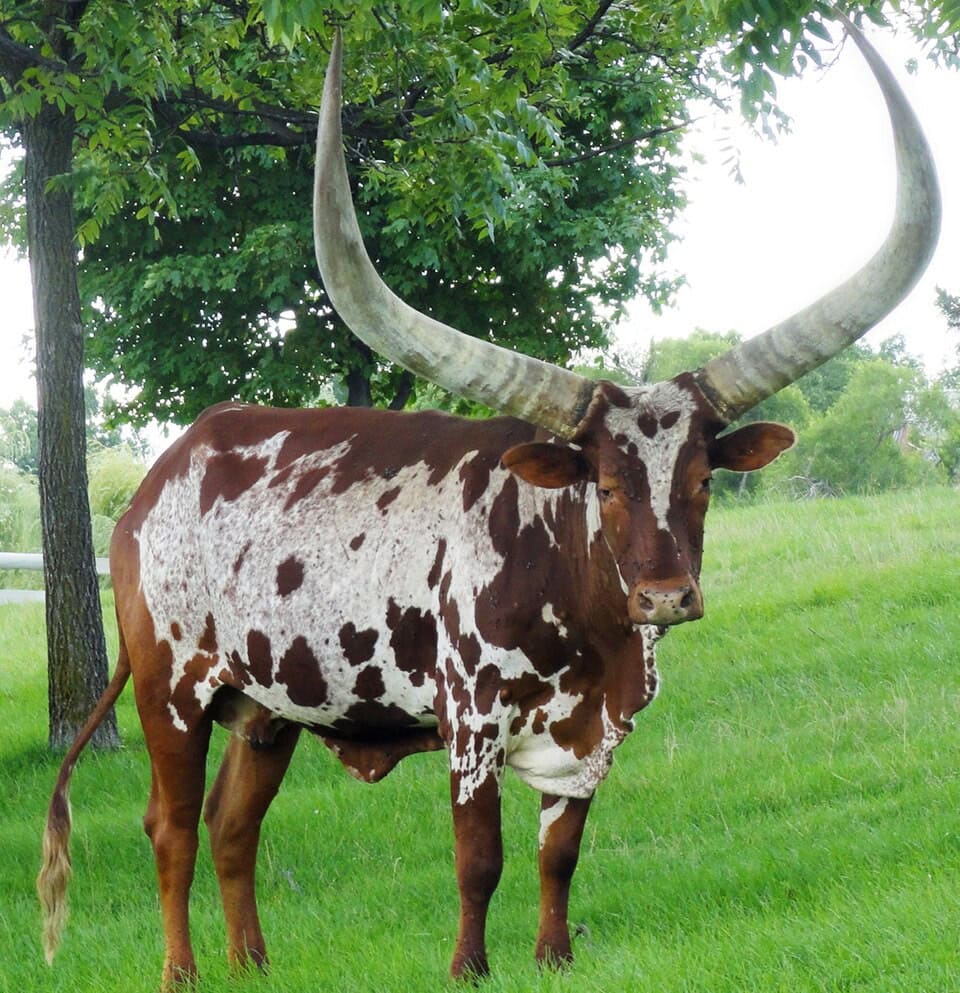
Ankole cattle come from Africa. They are a domestic breed that has been raised in countries like Uganda, Rwanda, and Burundi for generations.
Ankole horns can grow to be over six feet long. The horns help cool them down in hot weather by cooling the blood that passes through them.
Can you tell the difference between a Texas longhorn and an Ankole? The fur-covered space between the horns is one way. Ankoles have a “V” shaped indentation, while in longhorns, this area is flat.
You can see for yourself when you visit the Ankole cattle at the San Antonio Zoo.
Bobwhite Quail
The Northern bobwhite quail is a small ground-dwelling bird common across North America. If you live in rural Texas or rural areas across the U.S., you’ve probably heard its whistling “bob-white!” call from which it gets its name.
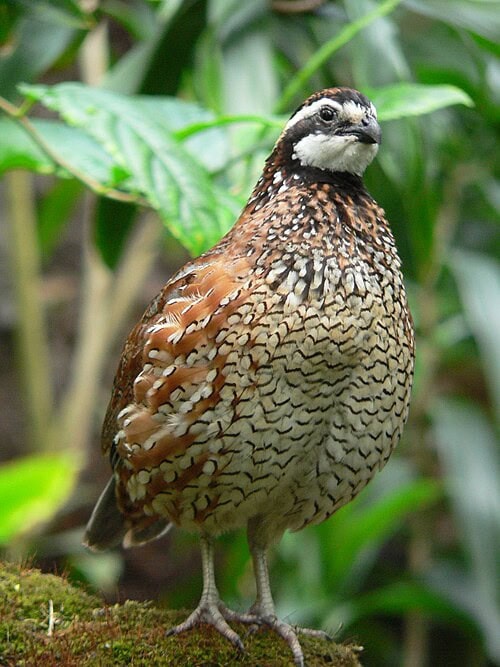
You’ve heard bobwhite, but have you seen them? Between their declining populations and secretive habits, you likely haven’t. But you can on your next trip to the Houston Zoo.
Hamerkop
The hamerkop’s uniquely shaped head might just remind you of a cartoon character. It has a thick bill for catching frogs and fish, and a tuft of feathers on the back of its head.
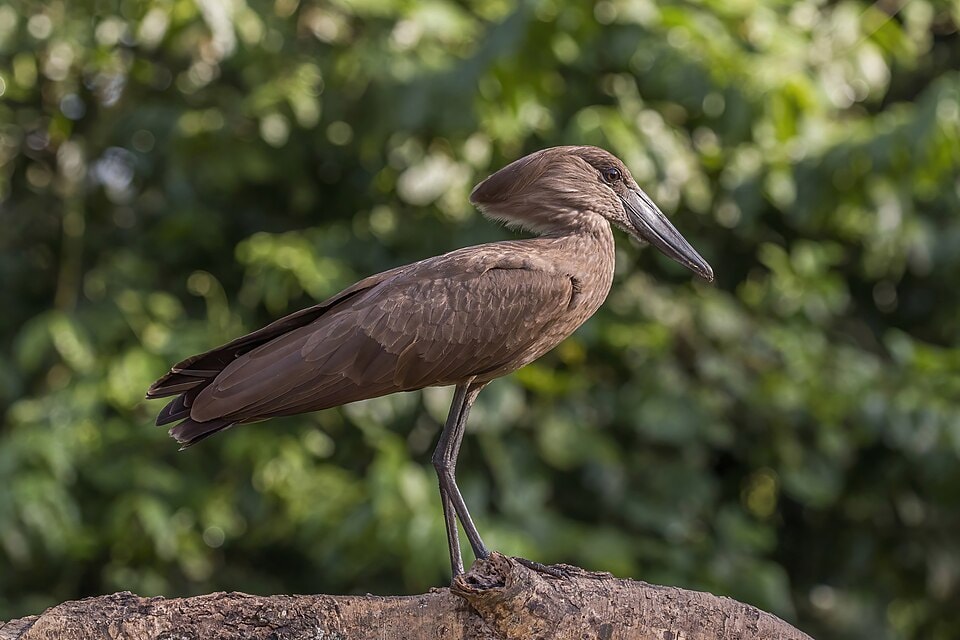
Though small, these birds are known for building giant, 50 to 60-pound nests from mud and sticks. Other birds and even small mammals and reptiles often take advantage of these abodes.
Hamerkops are native to Africa and the island of Madagascar, where, in legend, they are associated with lightning. You’ll also find it at the Houston Zoo’s Birds of the World exhibit.
Houston Toad
The Houston toad was once common across east and central Texas. Its back can be reddish-orange, mottled with black, making it recognizable among other native species.
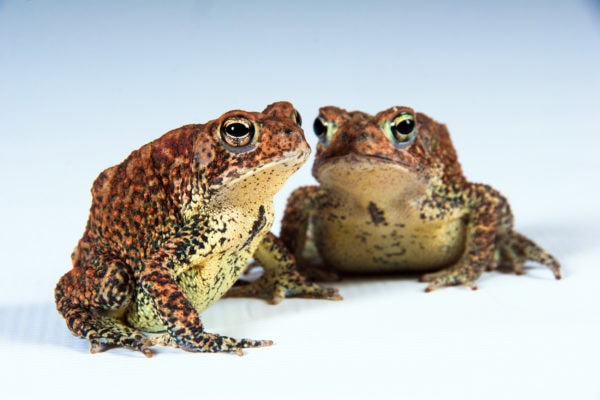
Its population has declined since the 1960s, due to both urban sprawl and frequent droughts that disrupt its rearing of tadpoles.
Today, only four small habitat areas support the Houston toad, earning it an endangered status. You might not find it in the wild, but you can see it at the Houston Zoo’s Reptile and Amphibian House.
The Houston Zoo is also involved in extensive conservation efforts to save the species from extinction. It maintains a 1,200-square-foot captive breeding facility with the goal of releasing eggs into the wild. In 2020, they helped release almost a million eggs.
Due to these efforts, choruses of singing toads can be heard in their home range near Bastrop State Park for the first time in many years.
Roseate Spoonbill
Spoonbills are named for their spoon-shaped beaks, which they use to filter small animals from the water to eat. There are six species of spoonbills in the world, and the roseate spoonbill is the only one native to the Americas.
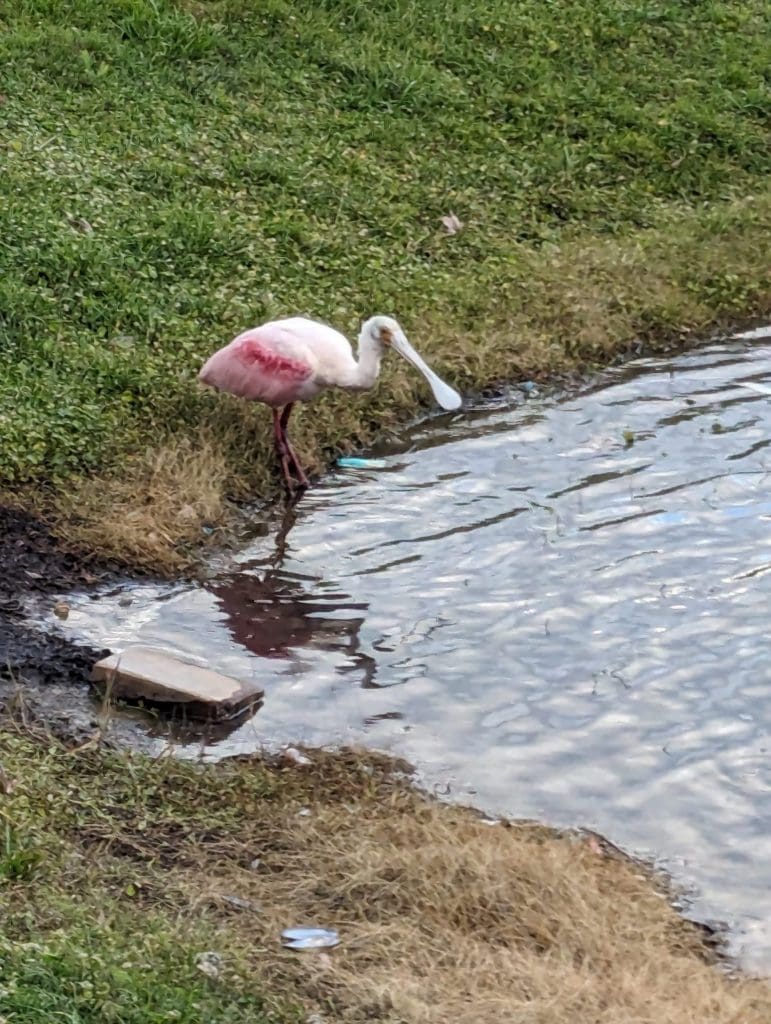
“Roseate” means rose-colored or pink. Like flamingos, roseate spoonbills get their pink color from the foods they eat.
I was so excited the first time I laid eyes on a roseate spoonbill—I knew they lived in the United States, but their range here is very small, encompassing only the tip of Florida and the Gulf Coast of Texas. But you can spy one anytime at the Fort Worth Zoo or the Houston Zoo.
Maned Wolf
As a kid, I went through a phase where I was all about wolves—didn’t you? There are 35 to 37 species of wild dogs in the world, and the maned wolf has to be one of the most interesting.
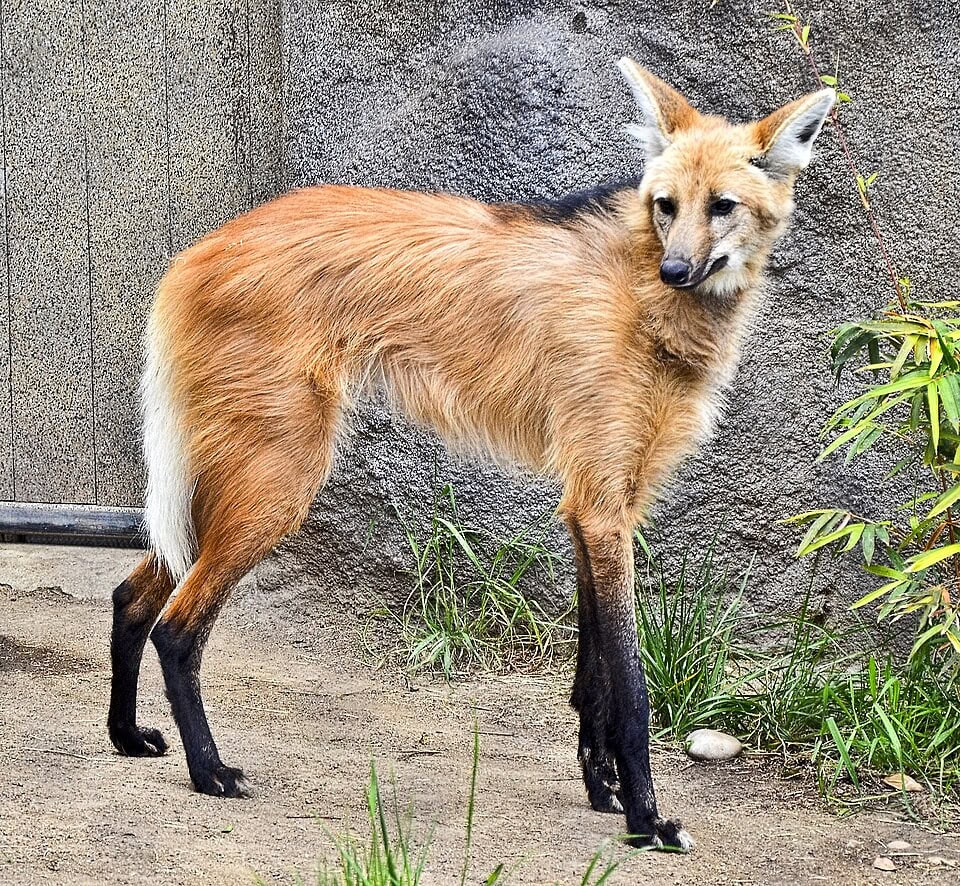
Maned wolves are the largest wild dog in South America. They have a similar color pattern to the familiar red fox—reddish-orange fur, white markings, and dark brown to black legs.
But it’s their legs that really set them apart—their legs are long and thin, making them taller than other dogs their size. In fact, they are taller than wolves and all other wild dogs. This causes them to have a peculiar loping gait.
Interestingly, they eat fruit as well as meat, and they are important to certain plants for dispersing their seeds. They are sometimes called a “skunk wolf” because when they mark their territories, it smells like cannabis.
About 150 institutions worldwide keep maned wolves, often for breeding programs to save them from extinction. They are notoriously difficult to keep because they need highly specialized diets to prevent health issues. But you can see them at the Dallas Zoo.
Galapagos Tortoise
Many zoos house giant tortoises, which can reach a weight of 500 pounds and live for well over a hundred years. Most of these are Aldabra tortoises from the islands of the Indian Ocean. Far fewer zoos are home to the famous Galapagos tortoise.
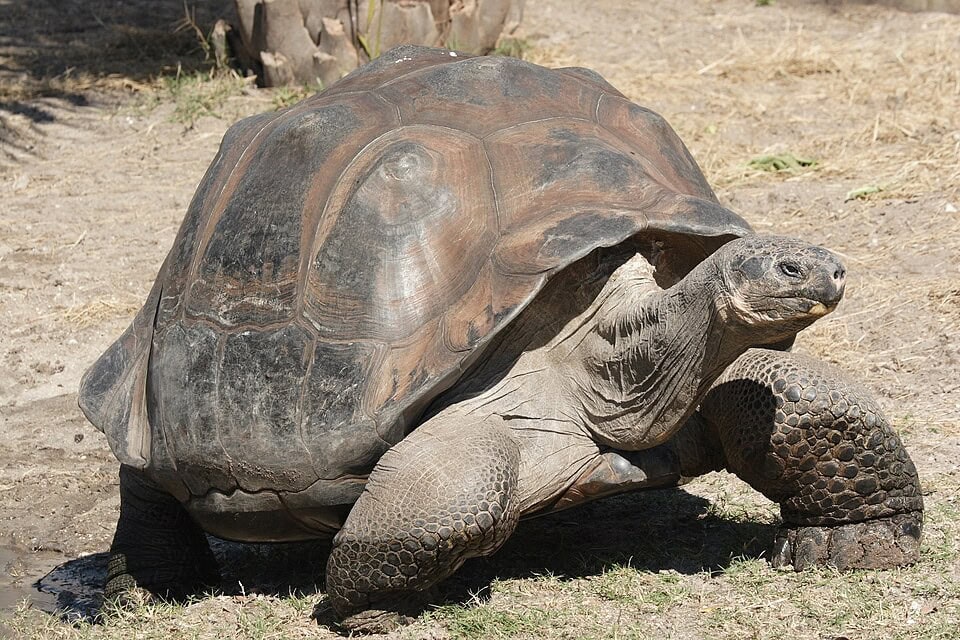
Galapagos tortoises are the largest in the world. They come from the Galapagos Islands off the coast of South America, which inspired Charles Darwin to pen his theory of evolution.
Hunting over the past two centuries caused Galapagos tortoise populations to drop from more than 250,000 to about 15,000. You can view a pair of these endangered animals at the Dallas Zoo.
Australian brush turkey
Wild turkeys are common across Texas—maybe you’ve seen flocks of them wandering grassy meadows, across roads, or perhaps in flight.
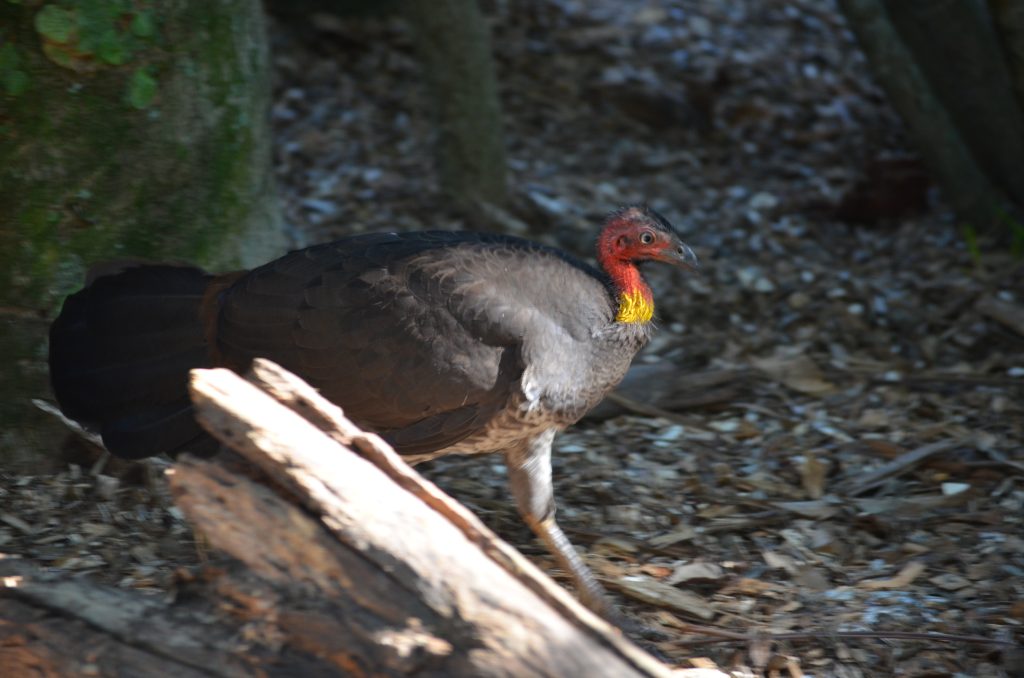
When visiting Australia, I saw Australian brush turkeys similarly roaming through neighborhoods, near hiking trails, and through a zoo where it wasn’t on display; it was just visiting, too.
But the Australian brush turkey is seldom seen in U.S. zoos. It looks similar to our turkey, with a red head and bright yellow wattle. But you can view them at the Fort Worth Zoo and see for yourself how they compare with our native variety.
Burrowing Owl
The burrowing owl is a cute Texas native. In the summer, it spreads across the Great Plains all the way to California. During the winter, it migrates to Texas.
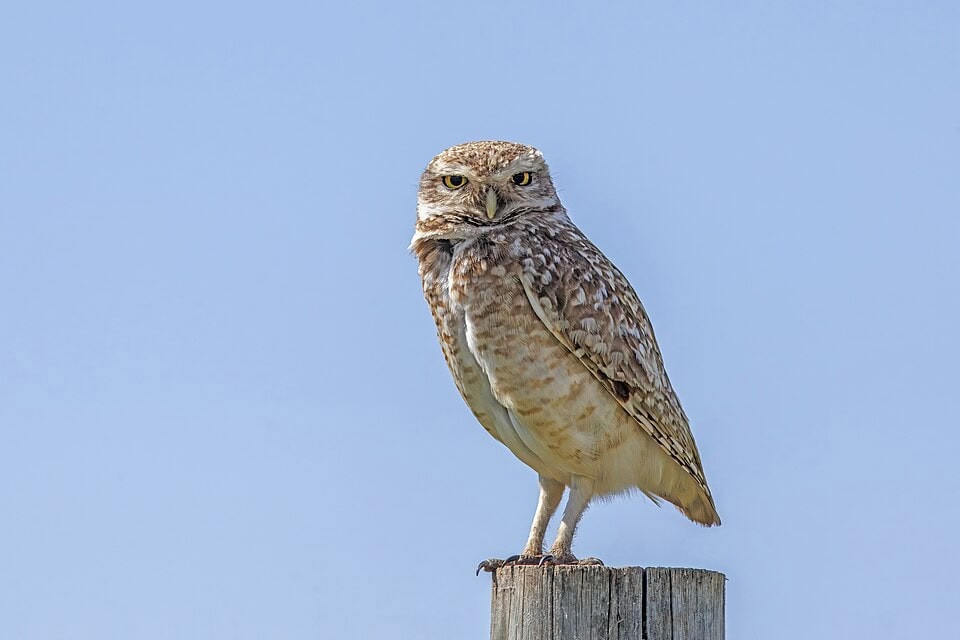
Burrowing owls are small, less than a foot tall. Even though they live in Texas, you might not have seen them in the wild because they live in underground burrows. Sometimes, they dig these themselves, and other times, they use prairie dog or gopher holes.
You’ll find burrowing owls in the High Plains & Prairies area of Texas Wild! at the Fort Worth Zoo. If you’re lucky, you might hear its defense mechanism—imitating a rattlesnake sound!
Greater Roadrunner
“Meep! Meep!” Many people only know roadrunners from Looney Tunes cartoons, but this bird is a real animal from the Southwestern United States and northern Mexico.
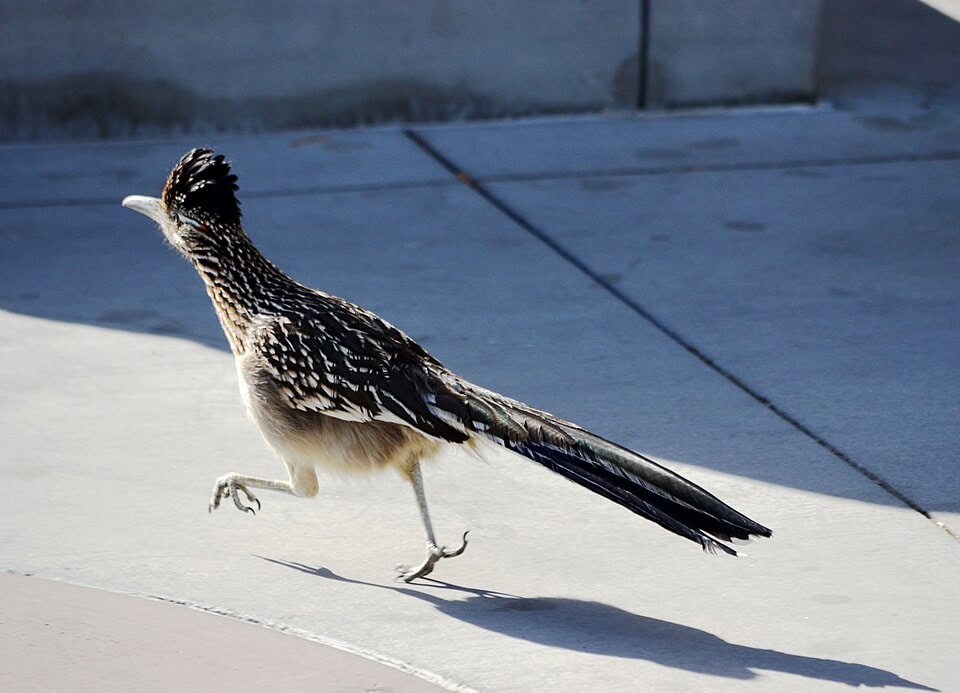
Roadrunners rarely fly, preferring to run quickly across the ground. You can observe them in the High Plains & Prairies area of Texas Wild! at the Fort Worth Zoo.
Lesser bird of paradise
Birds of paradise are famous for their long, elegant feathers and intricate courtship displays. A favorite of nature documentaries, I was in Papua New Guinea, a large island north of Australia, when I first got to see one.
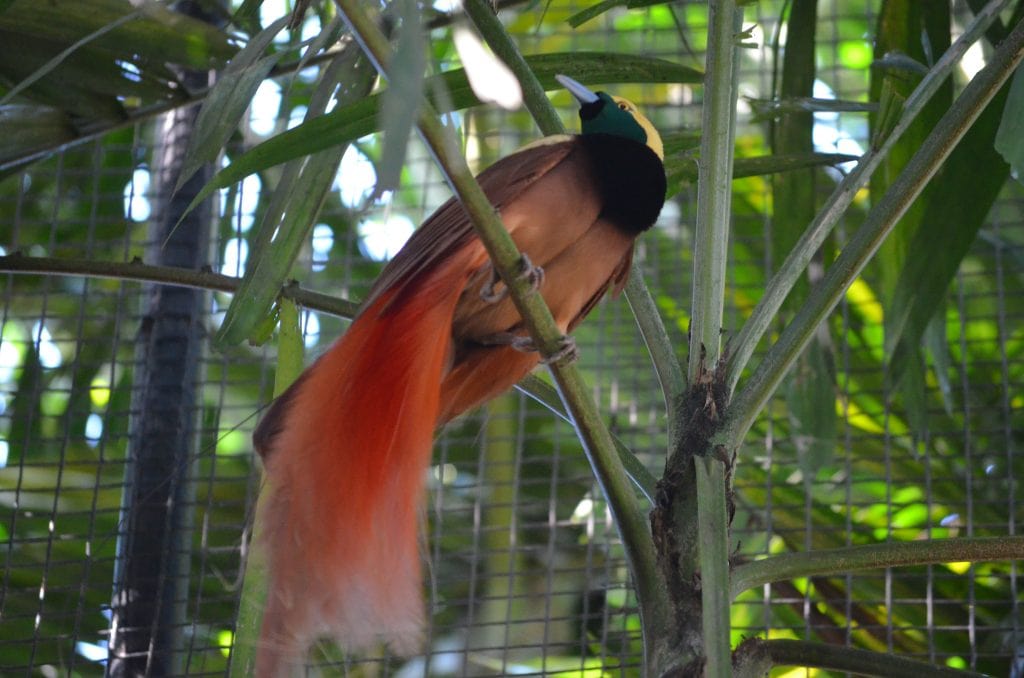
But you won’t have to travel around the world to catch a glimpse. You can see one at the Predators of Asia and Africa at the Fort Worth Zoo.
Scarlet Ibis
The scarlet ibis is red all over, from its feet to its feathers to its beak. A native of South America, this waterbird makes American bird watchers go wild when one gets blown off course by a storm, and it ends up in Texas, Florida, or the Carolinas.
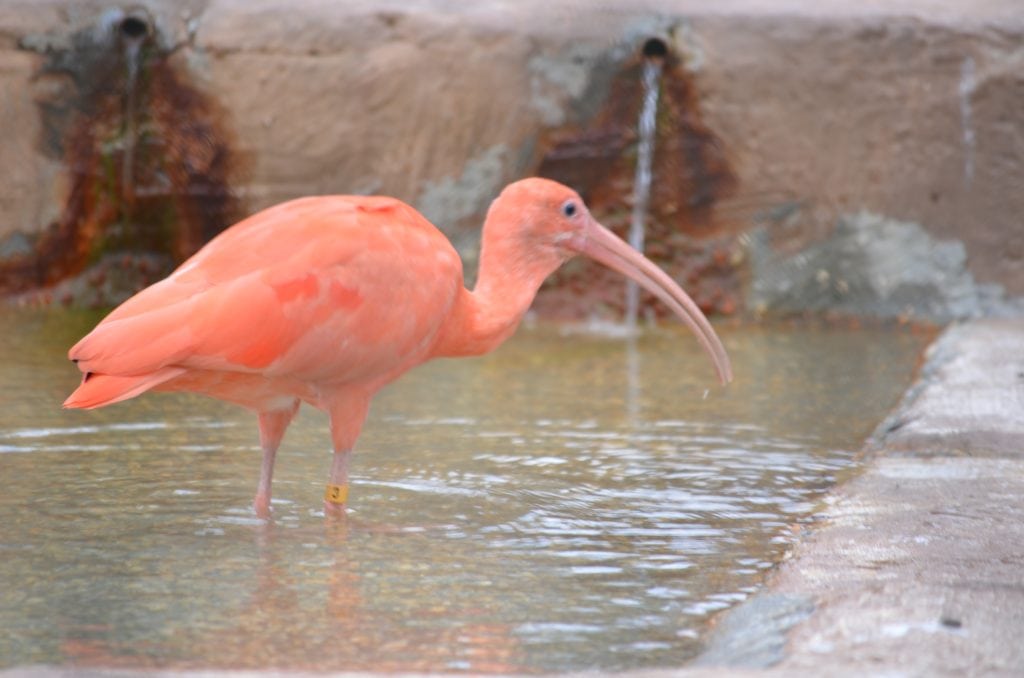
But you don’t have to wait for that to happen. The Fort Worth Zoo is part of the scarlet ibis Species Survival Plan. You can view them at the zoo’s Museum of Living Art exhibit.
Red Wolf
Grey wolves were once common across North America. The red wolf subspecies historically ranged across Arkansas, Oklahoma, Missouri, Texas, and Louisiana. Its fur is more reddish or rust-colored than that of other wolves.
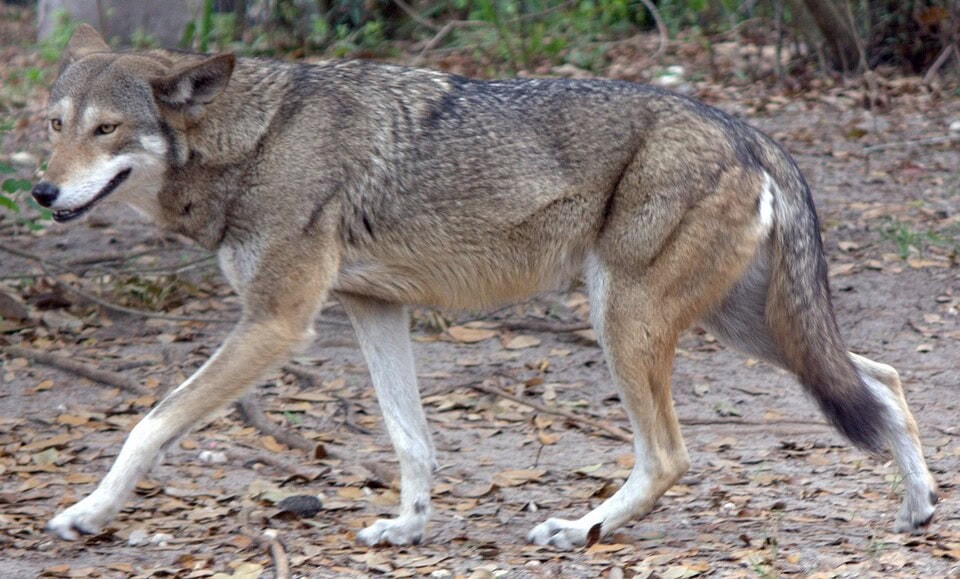
Unfortunately, the red wolf is no longer found in the wild in Texas, and it is critically endangered elsewhere. It was hunted to extinction because it was mistakenly blamed for killing cattle.
But you can still see red wolves in Texas, at the Texas Wild! Exhibit at the Fort Worth Zoo. The zoo participates in a Species Survival Plan for the red wolf in order to save it from extinction.
Where to See These Amazing Animals
You can see rare and amazing creatures by visiting any one of Texas’s top four zoos. Use the map below to navigate to one or more of them.
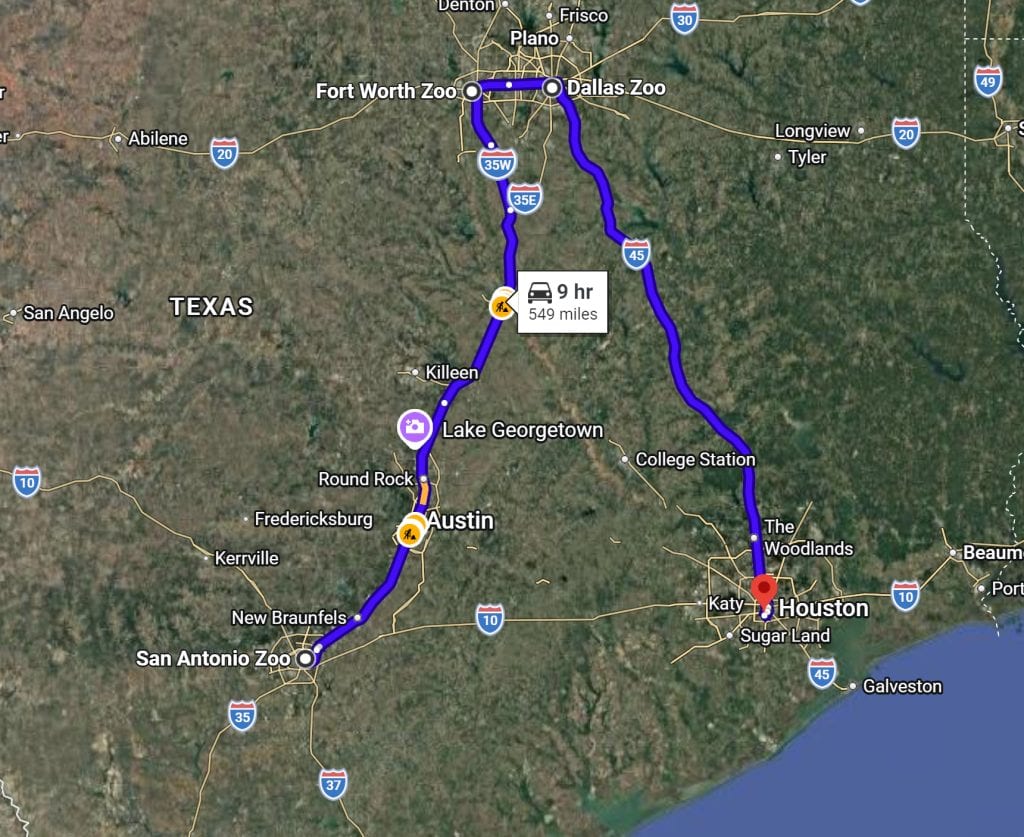
Where: Dallas Zoo, 650 S R.L. Thornton Fwy, Dallas, TX 75203
Fort Worth Zoo, 1989 Colonial Pkwy, Fort Worth, TX 76110
Houston Zoo, 6200 Hermann Park Dr, Houston, TX 77030
San Antonio Zoo, 3903 N St Mary’s St, San Antonio, TX 78212

Cara Siera
Travel Writer
Cara Siera has a passion for travel, nature, and trying new foods, and she's been sharing her best stories as a freelance career and travel writer for over a decade. Her favorite memories revolve around family, friends, hole-in-the-wall restaurants, and unexpected animal encounters.
#/media/File:Cryptoprocta_ferox.jpg)
.jpg)


.jpg)
.jpg)

_Colonia.jpg)

.jpg)