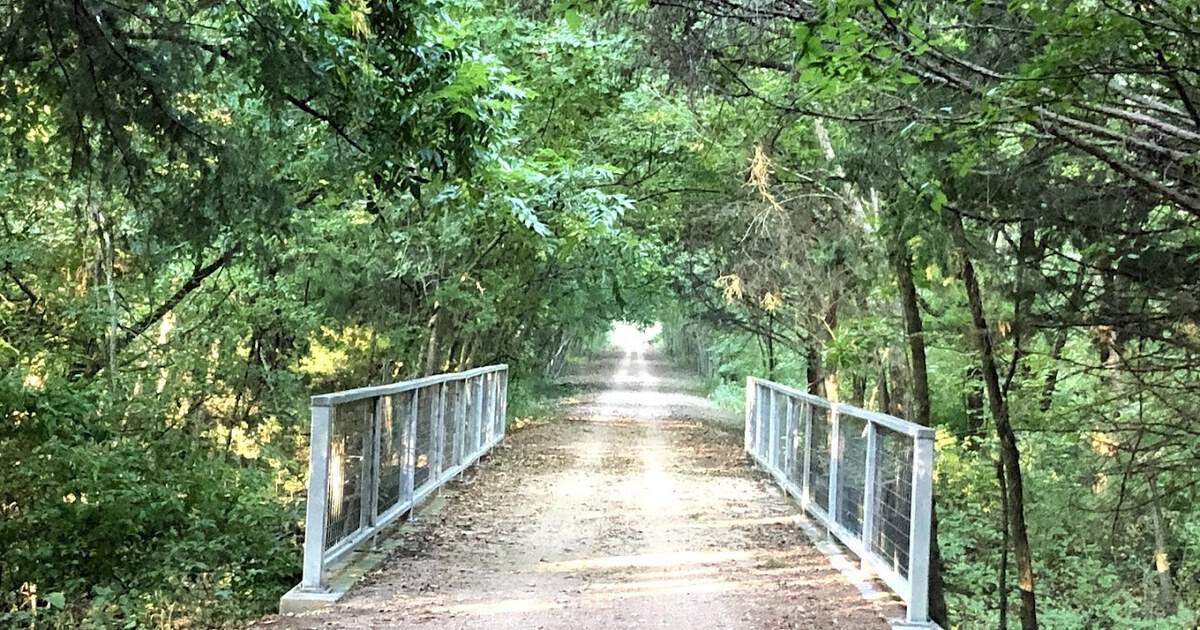
7 Dark Sky Parks in Texas That Belong on Your Stargazing Bucket List
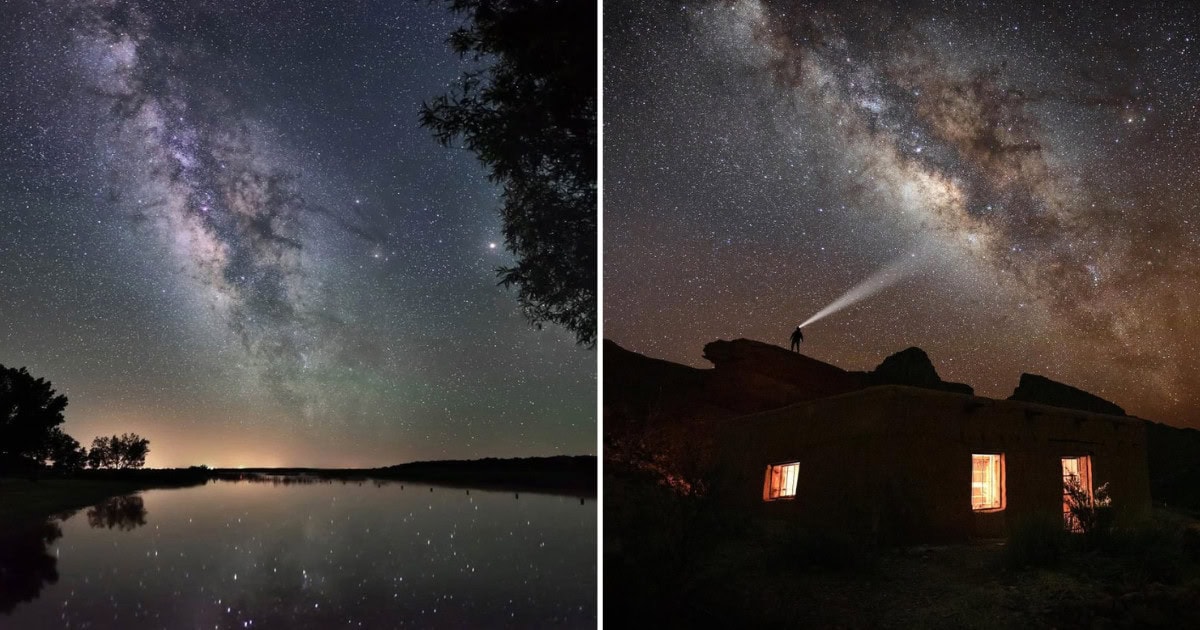
An estimated 80 percent of Americans have never seen the Milky Way from where they live.
Light pollution has stolen the stars from most of the country, turning the night sky into a washed-out gray canvas.
But Texas still holds some of the darkest skies remaining in the lower 48 states, and the parks that protect them have become pilgrimage sites for stargazers.
These seven certified dark sky destinations will remind you what the universe actually looks like when you turn off the lights.
1. Big Bend National Park
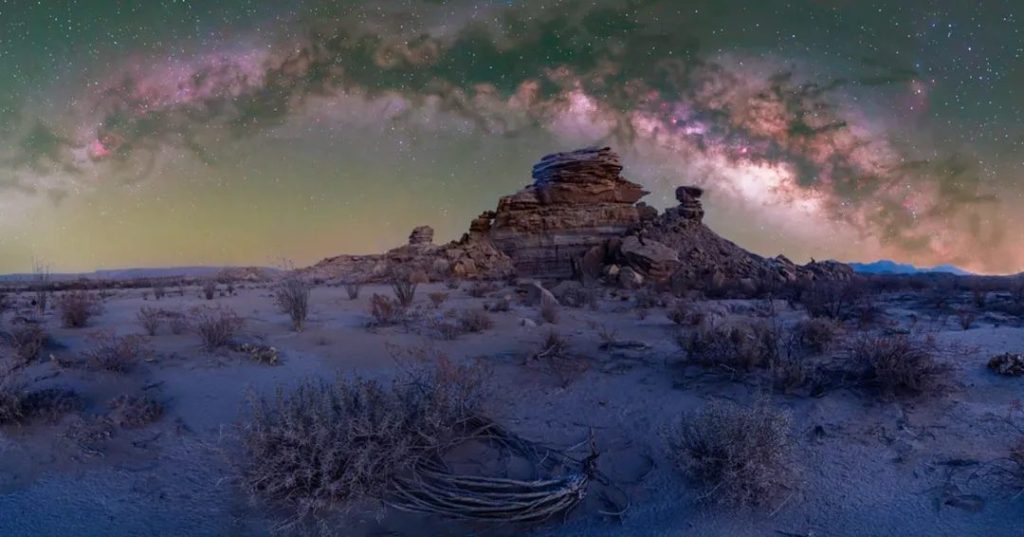
The crown jewel of Texas stargazing sits within the Greater Big Bend International Dark Sky Reserve, the largest dark sky certified place in the world at more than 15,000 square miles spanning both Texas and Mexico.
Big Bend National Park registers a Bortle Class 1-2, essentially as dark as Earth gets. The Milky Way here casts actual shadows on the desert floor.
Park rangers lead night sky programs, but you don’t need a telescope to be overwhelmed.
Just find a clearing away from the Chisos Basin lodge, let your eyes adjust for 30 minutes, and watch thousands of stars emerge where you thought there were only dozens.
2. Big Bend Ranch State Park
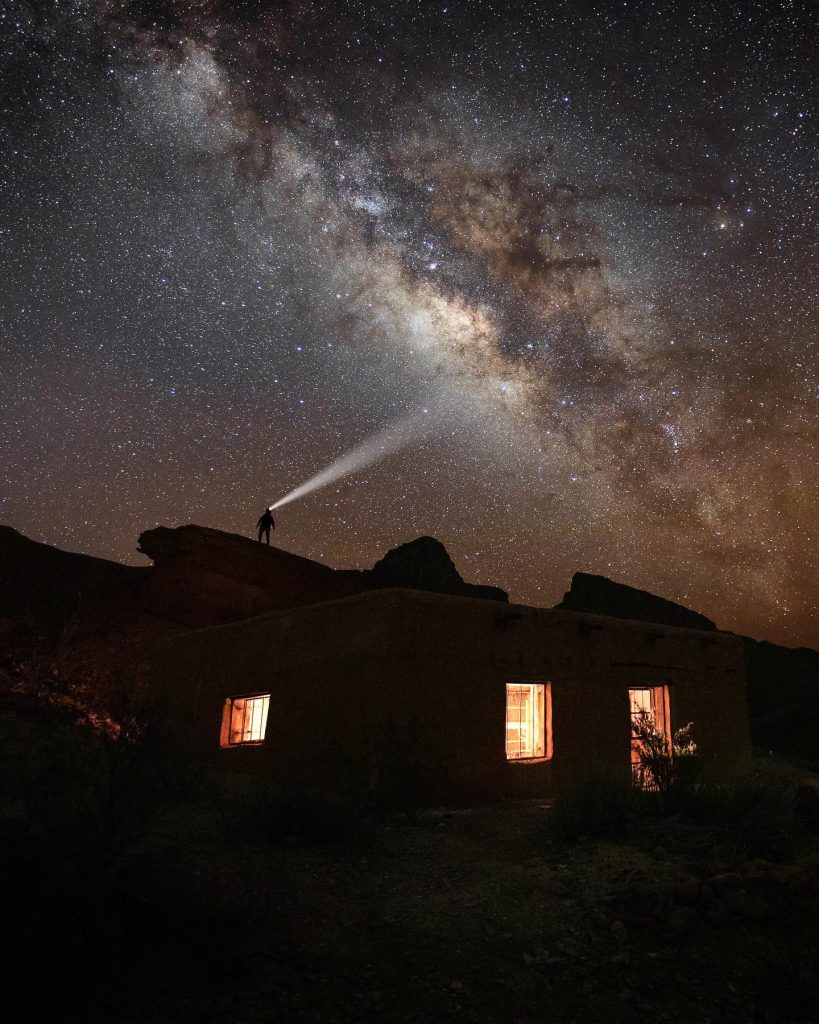
Adjacent to the national park, Big Bend Ranch State Park offers 300,000 acres of rugged backcountry with equally pristine skies.
The park holds a Bortle Scale rating of 1, the darkest classification possible, with Sky Quality Meter readings between 21 and 22, which the International Dark Sky Association considers exceptionally dark.
River Road, the West Contrabando Trailhead, and the Hoodoos area offer accessible stargazing spots.
Unlike the more visited national park, Big Bend Ranch feels truly remote, and the darkness here is profound enough to make city dwellers genuinely uncomfortable at first.
3. McDonald Observatory and Davis Mountains
The University of Texas McDonald Observatory has been studying the heavens from the Davis Mountains since 1939, and the region’s dark skies remain essential to its research.
The Frank N. Bash Visitors Center hosts Star Parties on Tuesday, Friday, and Saturday evenings, drawing as many as 1,000 guests for constellation tours and telescope viewing.
Amateur astronomers point 8-inch to 22-inch telescopes at planets, nebulae, and distant galaxies while staff explain what you’re seeing.
Local ordinances limit outdoor lighting throughout Jeff Davis County, making this one of the darkest populated areas in the continental United States.
4. Enchanted Rock State Natural Area
The massive pink granite dome north of Fredericksburg has drawn people for thousands of years, but its 2014 designation as a Gold-tier International Dark Sky Park added a new dimension to the experience.
Enchanted Rock holds a Bortle Scale rating of 3, dark enough to see the Milky Way clearly on moonless nights.
The park closes to day visitors after dark, so the only way to experience the celestial show is to camp or attend a scheduled ranger program.
After hiking 425 feet to the summit, spread out a blanket on the ancient rock and watch the granite cool beneath you as the stars ignite overhead.
5. Devils River State Natural Area
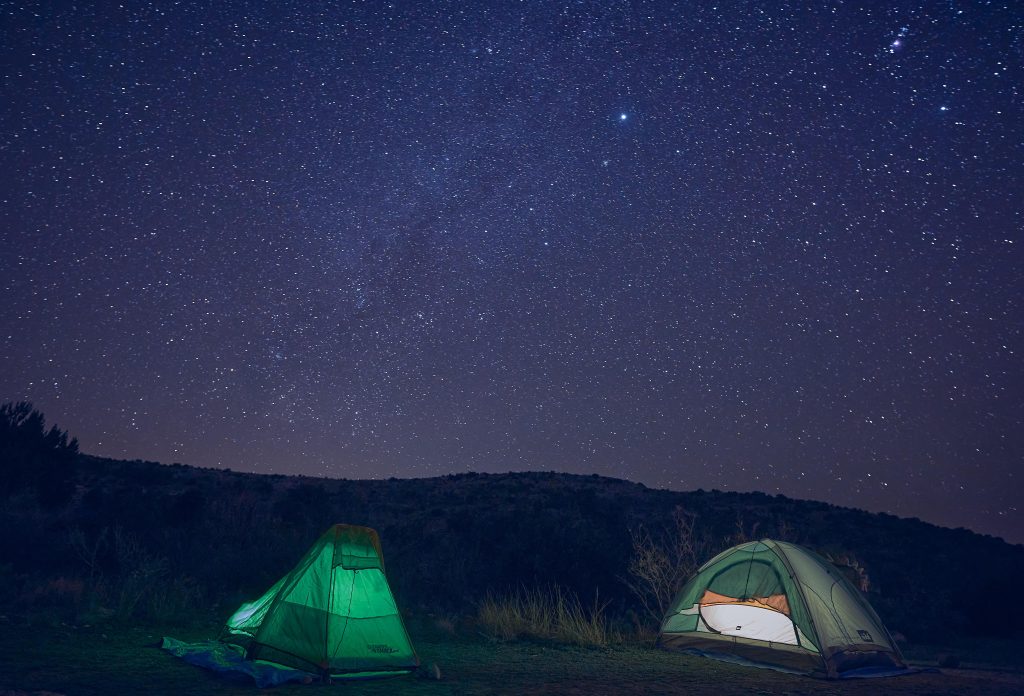
When the International Dark Sky Association named Devils River State Natural Area a Dark Sky Sanctuary in 2019, it became only the sixth such sanctuary in the world and the first in Texas.
The designation recognizes this as one of the darkest and most ecologically fragile sites on the planet.
Located about 60 miles north of Del Rio, the park holds a Bortle rating of 2, dark enough to see astronomical clusters invisible from most places.
The remote location surrounded by private ranches means virtually no artificial light reaches the area, and the pristine river that runs through it only adds to the otherworldly atmosphere.
6. Copper Breaks State Park
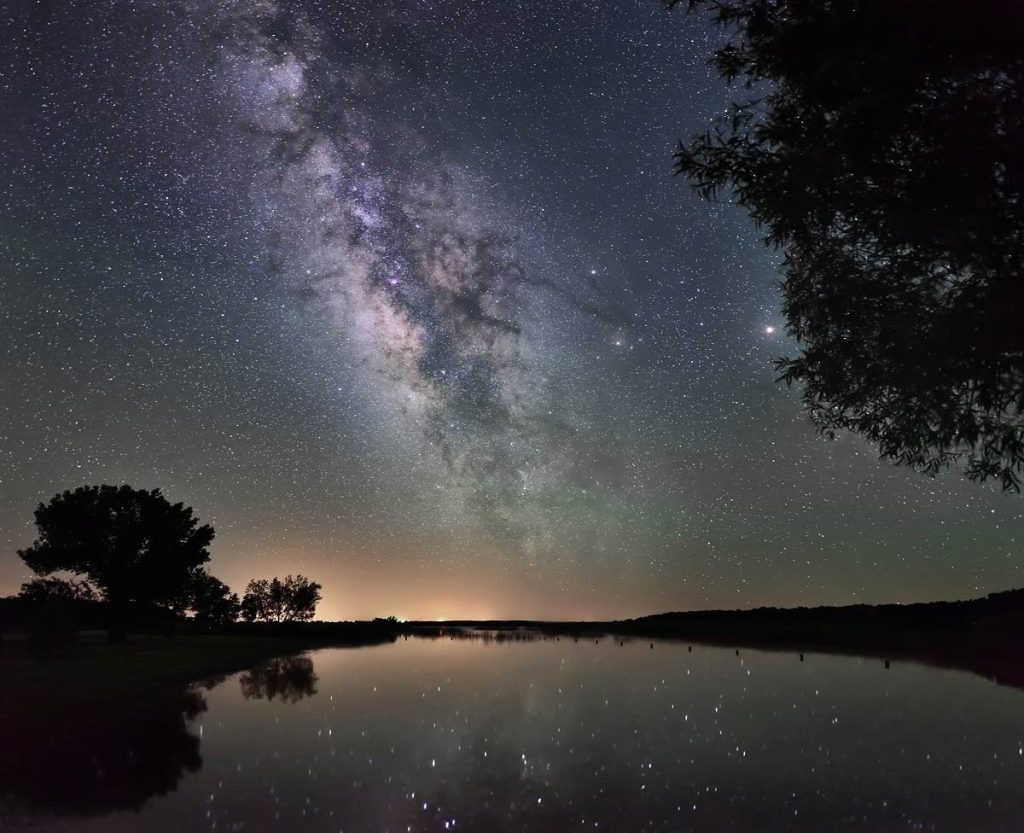
The rolling Panhandle plains around Copper Breaks have been hosting StarWalk programs since 1996, making it a pioneer in Texas dark sky programming.
The park earned Gold-tier International Dark Sky Park status in 2014 and continues offering monthly star parties from April through November.
Volunteer astronomers bring their telescopes and guide visitors through the night sky with knowledge and passion.
The park sits 90 miles from Wichita Falls, the nearest metropolitan area, ensuring minimal light pollution.
The quiet lakes and rugged canyon landscapes provide foreground beauty while the heavens provide the show.
7. Caprock Canyons State Park
The newest addition to Texas’s certified dark sky family, Caprock Canyons State Park, received its International Dark Sky Park designation in January 2026 after a year-long effort to meet all requirements.
The park’s 15,000 acres showcase the dramatic red-rock landscapes of the Caprock Escarpment, where the High Plains drop away to the Rolling Plains below.
The official Texas State Bison Herd roams here, and at night, the same darkness that once guided their ancestors by starlight returns.
The pristine night environment supports nocturnal creatures, including bats, owls, and opossums that play vital roles in the local ecosystem.
Where the Stars Still Shine
Texas has led the nation in dark sky conservation, with more certified dark sky places than almost any other state.
That leadership matters because light pollution grows by nearly 10 percent each year, and places where humans can still see the Milky Way are disappearing from the map.
These parks protect something increasingly rare: the view our ancestors took for granted, the one that inspired myths and navigation and wonder.
Pack a red flashlight, check the moon phase calendar, and give your eyes time to adjust.
The universe is still up there, waiting for you to look.
FB post credit: Airbnb

Stella Raines
Editor-in-Chief
Stella brings over a decade of storytelling experience to TX Headlines. With roots in West Texas and a love for road trips, she leads the editorial team with an eye for the hidden stories that make Texas unforgettable.
More Stories
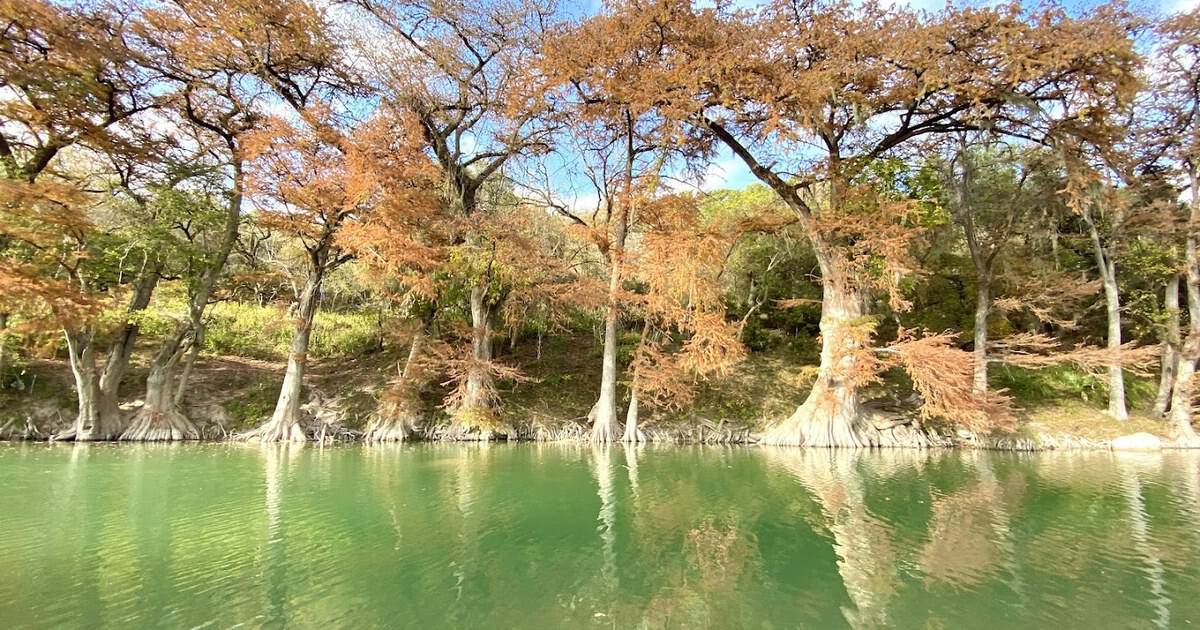
This 2-Mile Texas Trail Follows One of the Last Pristine Creeks in the State
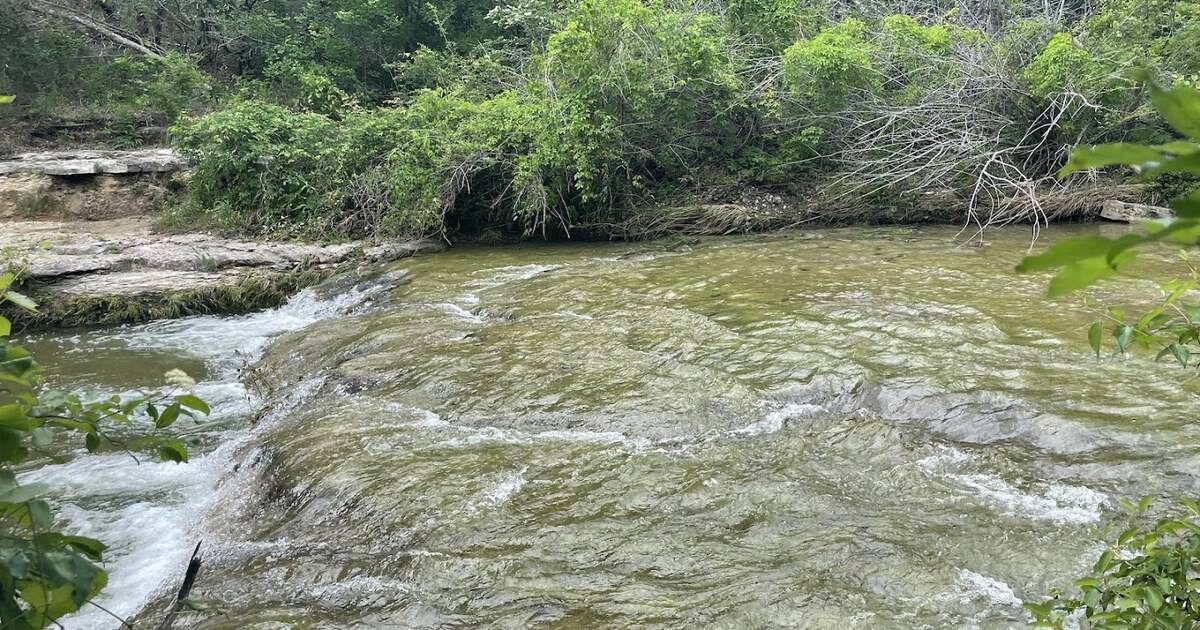
This Hidden Texas Trail Leads to Limestone Waterfalls and Spring Wildflowers
This Rugged Texas Ranch Has Nearly 30 Miles of Twisting Mountain Bike Trails That Keep Riders Coming Back