This Serene Texas Garden Is Completely Free, Yet It Feels Like a Private Retreat
There is a specific kind of quiet I go looking for when a city gets too loud. Not silence exactly, more like the hush that settles over water and stone when the world seems to forget you are standing there.
I have chased that feeling into old cathedrals, into canyons, into more than one empty museum on a slow weekday morning. The best version of it usually hides somewhere you would never expect a busy city to keep it.
Sunk into the old rock walls of Brackenridge Park in San Antonio, the Japanese Tea Garden is exactly that kind of place, a sunken hush carved out of a limestone quarry and planted into something close to a dream.
Here is why this South Texas landmark can feel like a private sanctuary even on a crowded Saturday, and why it will not cost you a single dollar to walk in and find out for yourself.
A Garden That Drops Below the City
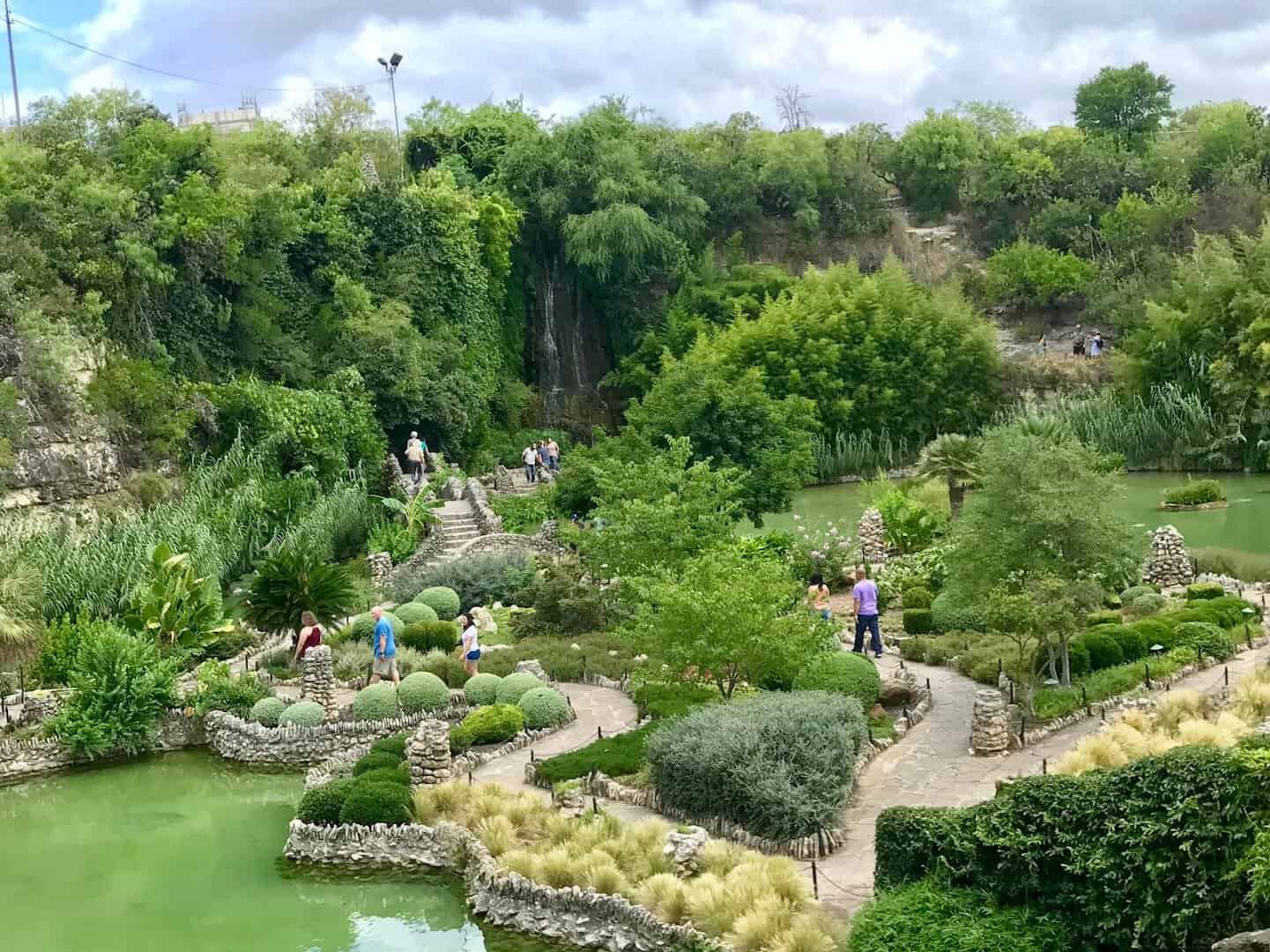
The first surprise is the descent. You step off an ordinary park road, pass under a rustic gate, and the ground falls away beneath you into a green bowl ringed by stone.
Those walls are the bones of an old cement quarry, and in places they rise around sixty feet. What was once an industrial pit now holds koi ponds, shaded paths, and flowers, so the whole garden feels tucked away from the ordinary world above.
That sunken shape is the secret to the whole experience. Traffic noise stays up at street level, the walls hold the calm inside, and a place open to thousands somehow keeps feeling like it belongs to you alone.
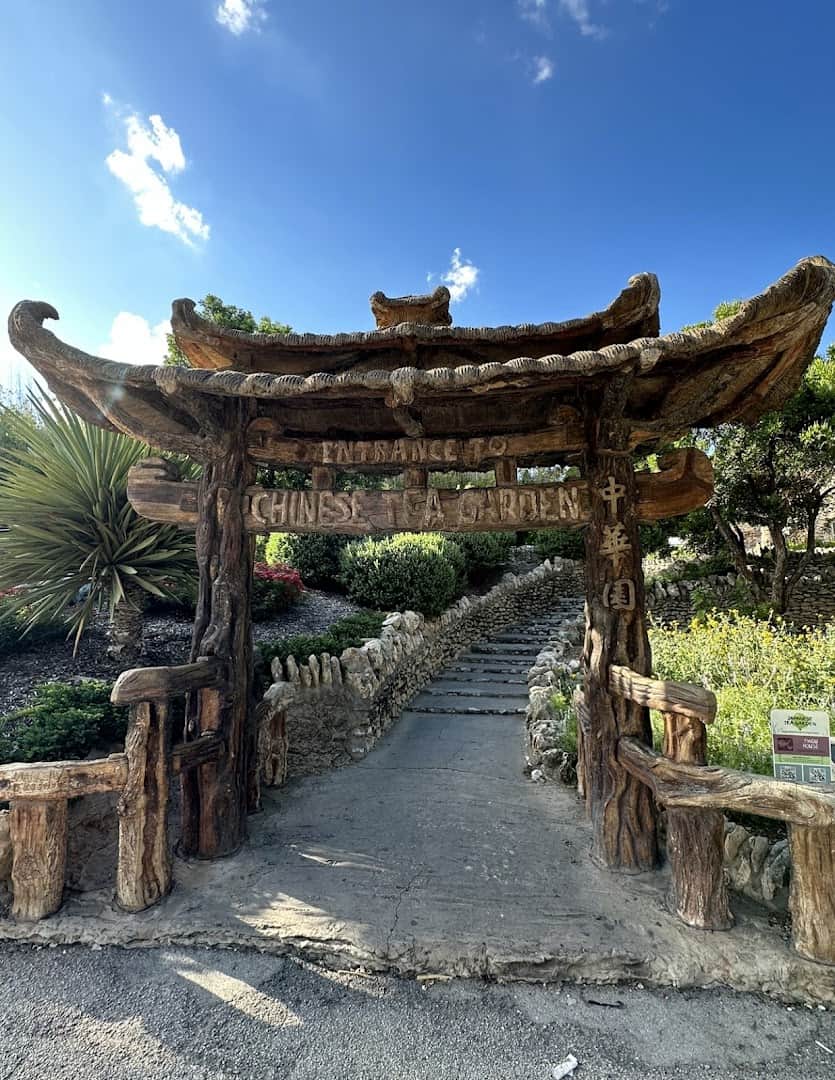
The entrance gate sets the tone before you even reach the water. It is a torii style arch built by the artist Dionicio Rodriguez, who shaped concrete to look uncannily like knotted wood and rough bark.
That technique has a name, faux bois, which is French for false wood. Rodriguez was a master of it, and once you spot the trick on the gate you start noticing his fake logs and branches around the garden, all of it solid concrete pretending to be timber.
Koi, Curved Bridges, and a Sixty-Foot Waterfall
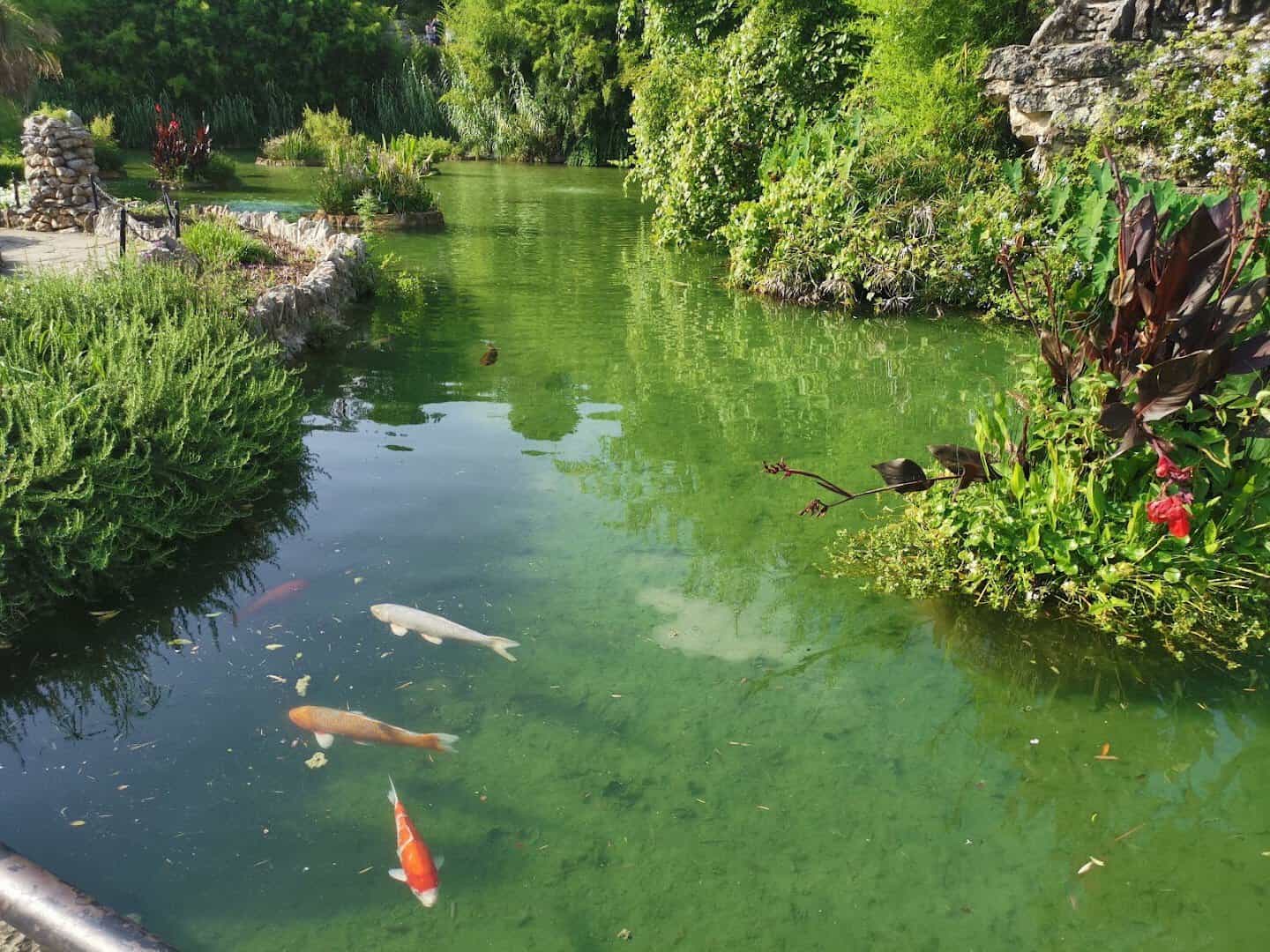
Once you are down inside the bowl, the garden asks you to slow down. Stone paths wander past ponds where fat, bright koi drift in slow orange and white ribbons just under the surface.
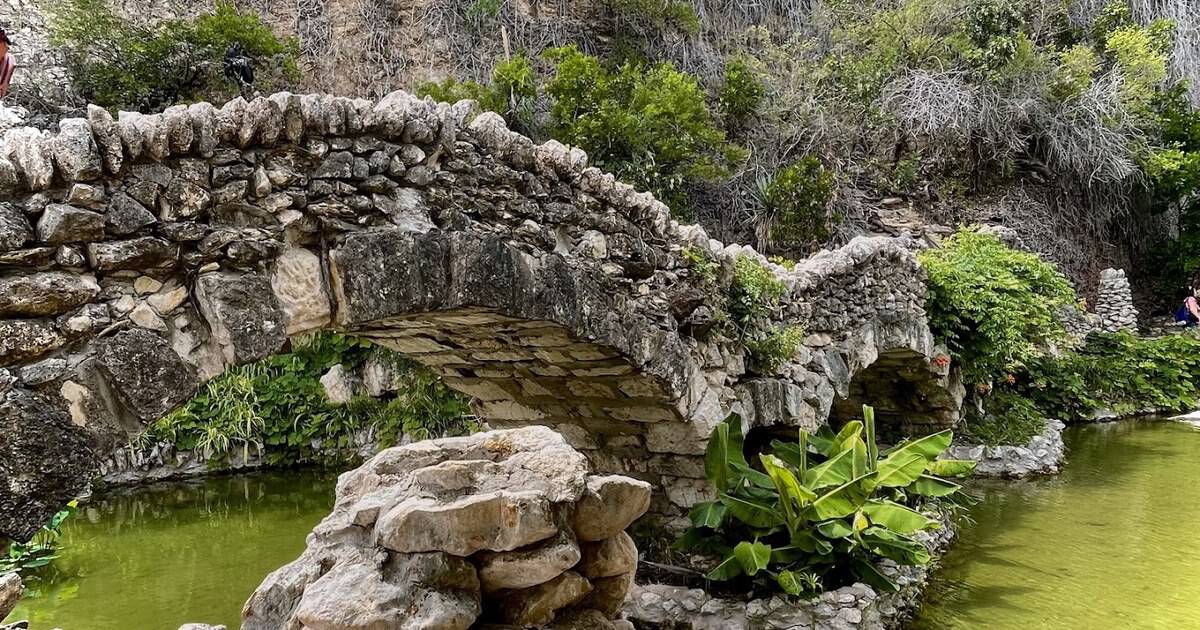
Curved stone bridges arch over the water, and each one gives you a new angle on the ponds, the plants, and the reflections. You will want to stop on every single one, and nobody here will rush you along.
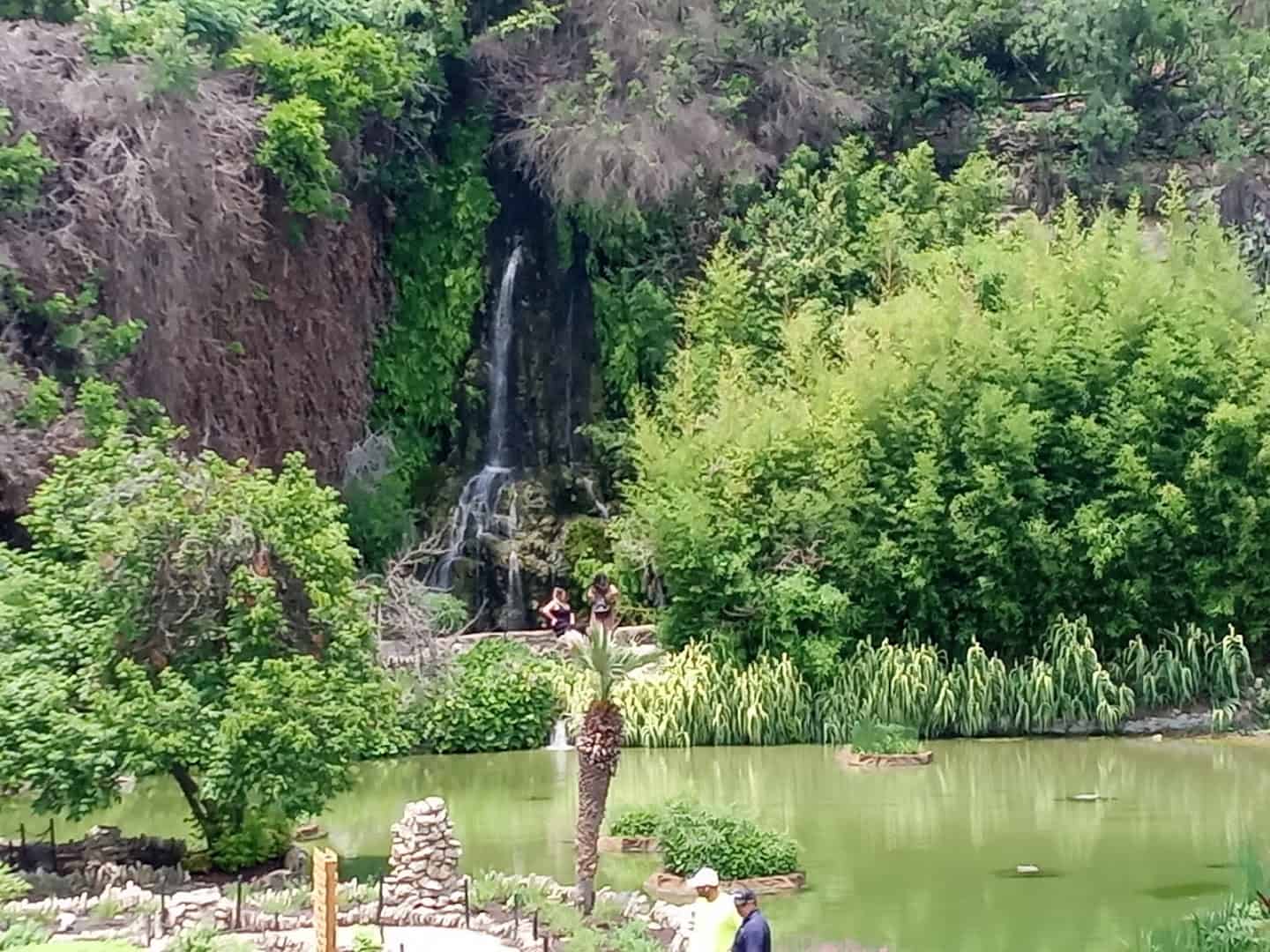
The showpiece is the waterfall. Water spills roughly sixty feet down the old quarry face into the ponds below, and the sound of it follows you around the garden like a soft, steady soundtrack.
Come early and the light does something lovely, catching the mist off the falls and turning the whole basin gold. Visitors keep calling it “a truly hidden gem,” and standing at the water it is easy to see why.
The koi are half the entertainment. They gather wherever a shadow crosses the water, hoping for food, and kids will happily lose twenty minutes watching them jostle and turn. There is something hypnotic about a pond full of slow, glowing fish.
The Pagoda and a Bloom for Every Season
Rising above the ponds is the garden’s most photographed structure, a Japanese pagoda first raised in 1918. Its open pavilion looks out over the water, and it is the natural spot to pause and take the whole scene in.
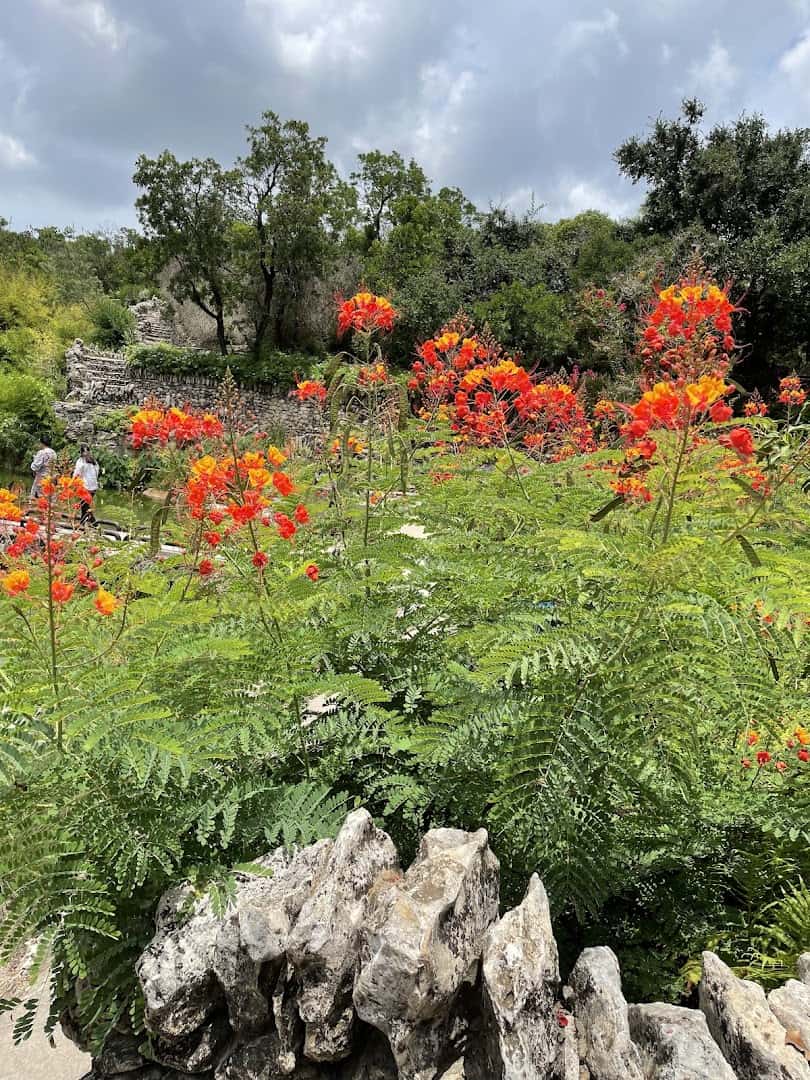
Around it, the planting is designed to give you something in bloom no matter when you come. The year round floral display means a February visit and an October visit look like two different gardens.
Palms, bamboo, and flowering shrubs crowd the stone, and shaded walkways keep you cool even at the height of a South Texas summer. It reads as lush and layered rather than manicured and stiff.
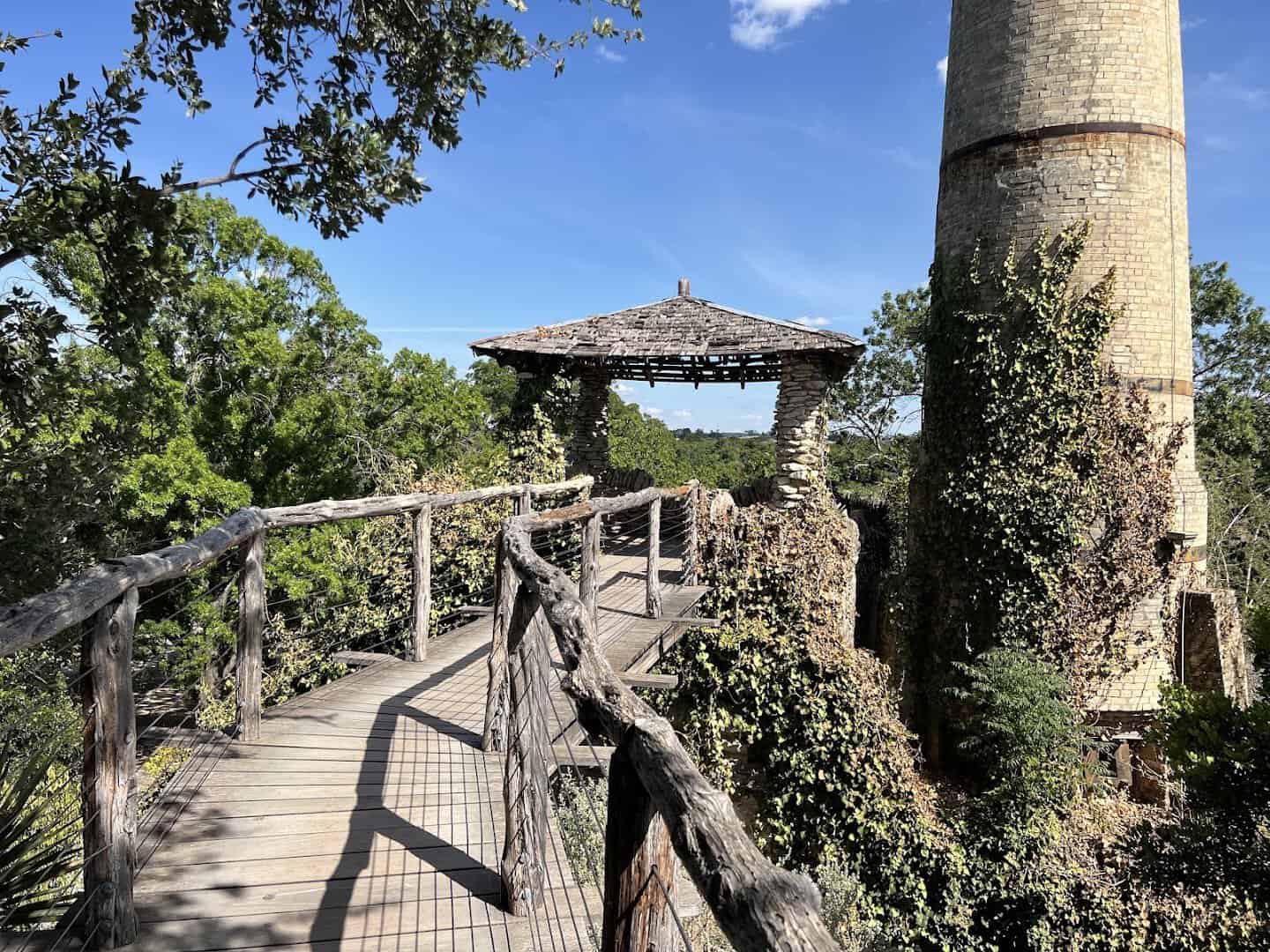
The bamboo is worth a slow walk of its own. Tall stands of it line some of the paths, and on a breezy day the canes knock together with a soft, hollow sound that makes the garden feel even further from the street.
Did you know the garden is a registered landmark on more than one list? It joined the National Register of Historic Places on October 22, 2004, and it also carries state historic and civil engineering honors.
From Cement Quarry to Sunken Garden
The story of how all this got here is half the fun. For decades this ground was a working limestone quarry, feeding the cement that helped build early San Antonio, until the rock ran out and the pit sat abandoned.
In 1917 the city parks commissioner, Ray Lambert, looked at that ugly hole and saw a garden. Between 1917 and 1918 his crews, which included prison labor, shaped the quarry into walkways, bridges, an island, and the pagoda.
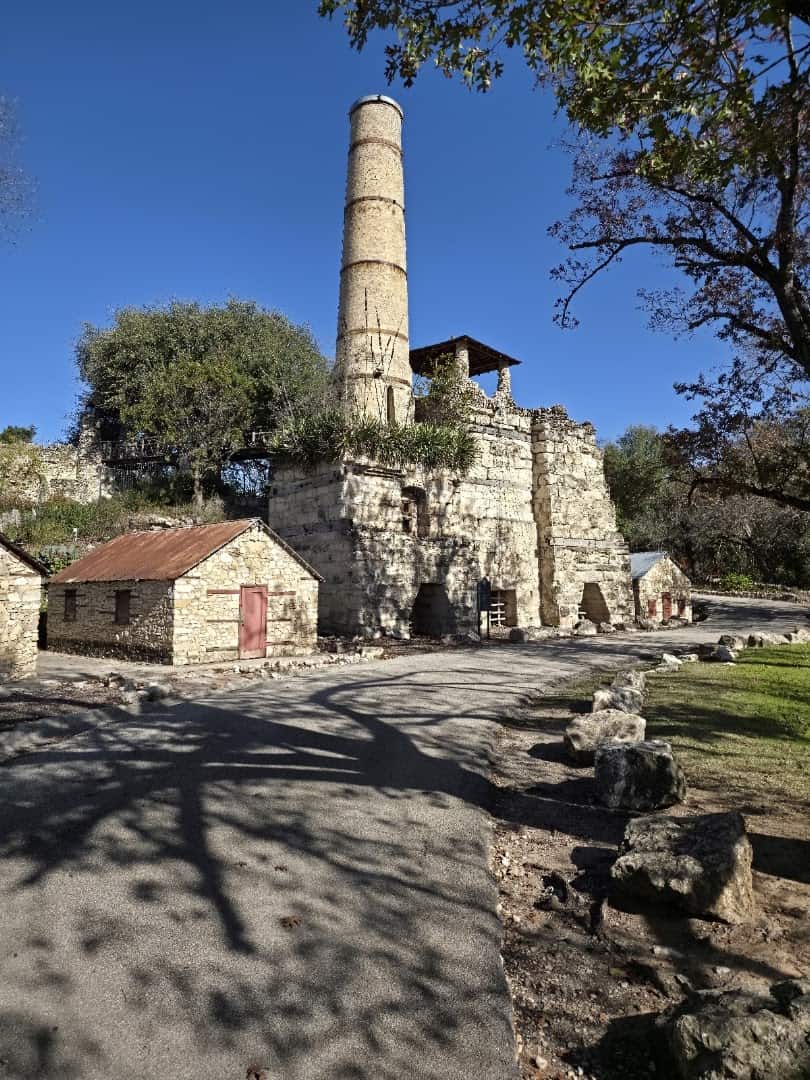
Lambert’s vision was ambitious for its day, turning a scar in the landscape into one of the loveliest public spaces in Texas. He called it the Japanese Tea Garden, and the name stuck for a generation.
It is a genuinely great Texas origin story. An ugly, played out pit became a place people now drive across the state just to sit quietly in. A landscape rarely gets a plot twist that good.
The Family Who Made It Home
The garden’s heart, though, belongs to one family. In 1926 the city invited a Japanese American artist named Kimi Eizo Jingu and his family to live on the grounds and care for the place.
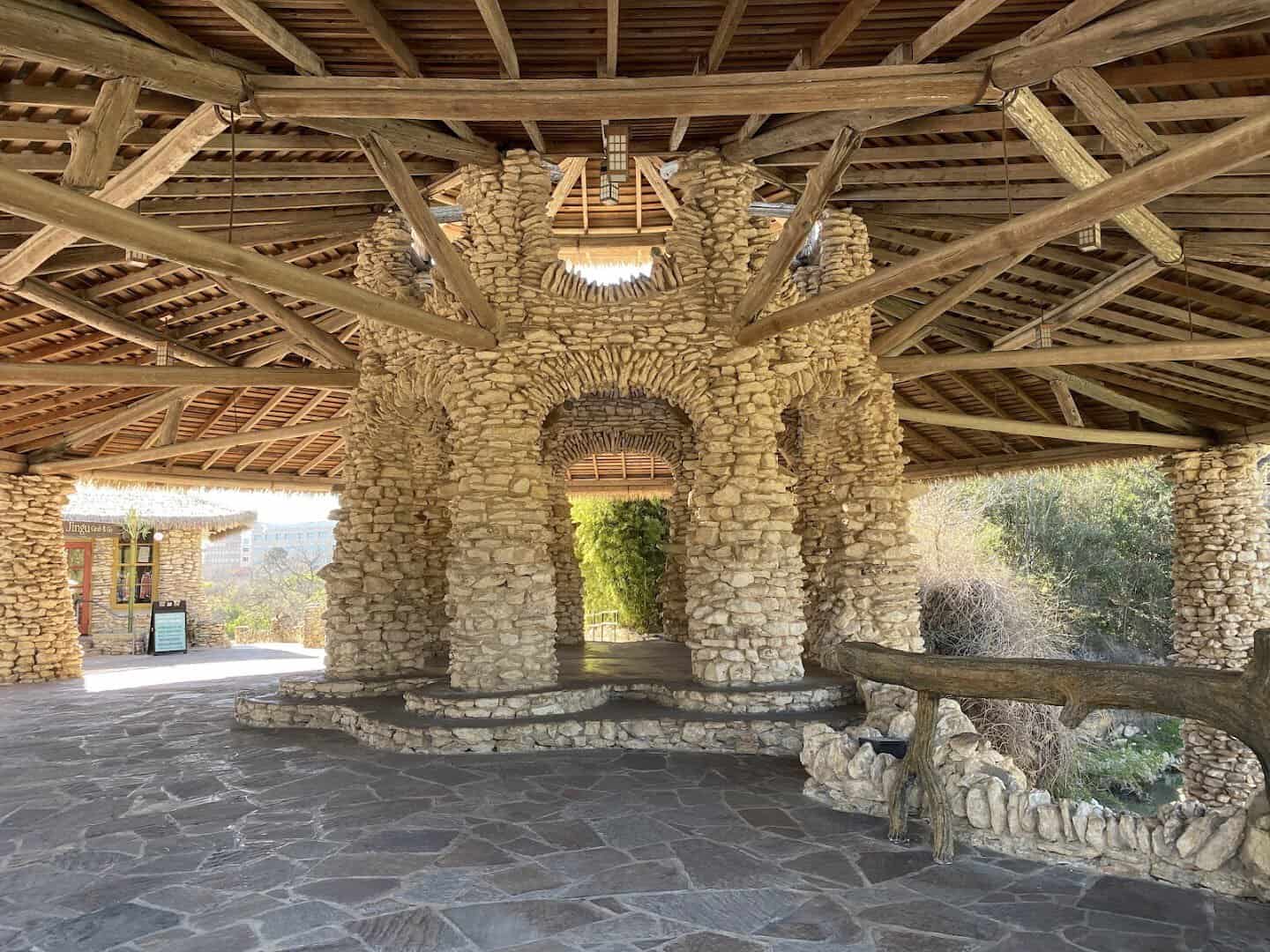
The Jingus opened a tea house on the property, the Bamboo Room, where guests could sit above the ponds over light lunches and cups of tea. For years the family and the garden were one and the same.
During World War II the garden’s name was changed and the Jingu family moved on, a hard chapter in an otherwise gentle history. The story does not end there, and the ending is the good part.
In 1984, under Mayor Henry Cisneros, the city restored the original Japanese Tea Garden name to honor the family and the garden’s roots. The councilman Van Archer had championed the change, and it landed as a genuine act of repair.
The garden itself got its own restoration a generation later. A roughly 1.6 million dollar project rebuilt the ponds and the waterfall and added a recirculation system for a healthy new koi population, work that spanned 2007 into 2008.
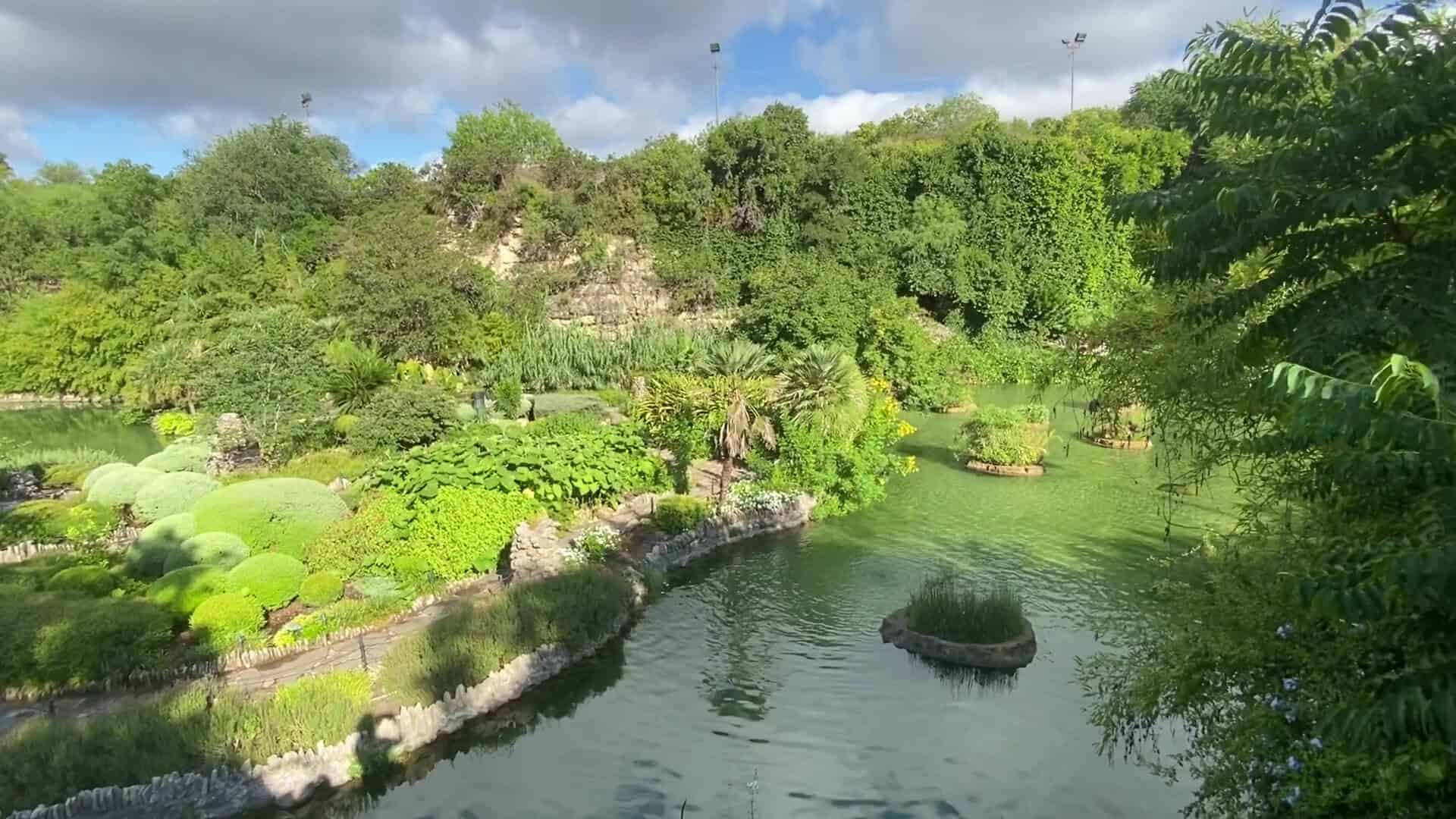
When the water flowed again, members of the Jingu and Lambert families stood together at the pond’s edge for the reopening in March 2008. Two families, one garden, finally sharing a good day in the same spot.
One of them was Mabel Jingu Enkoji, who had actually been born in the Jingu House on the grounds. Few gardens can hand you a history this personal along with the scenery.
Tea and a Bite at the Jingu House
That caretaker’s house is still the social center of the garden, and today it is the Jingu House cafe. After a roughly one million dollar restoration wrapped in 2011, the old home reopened as a place to eat.
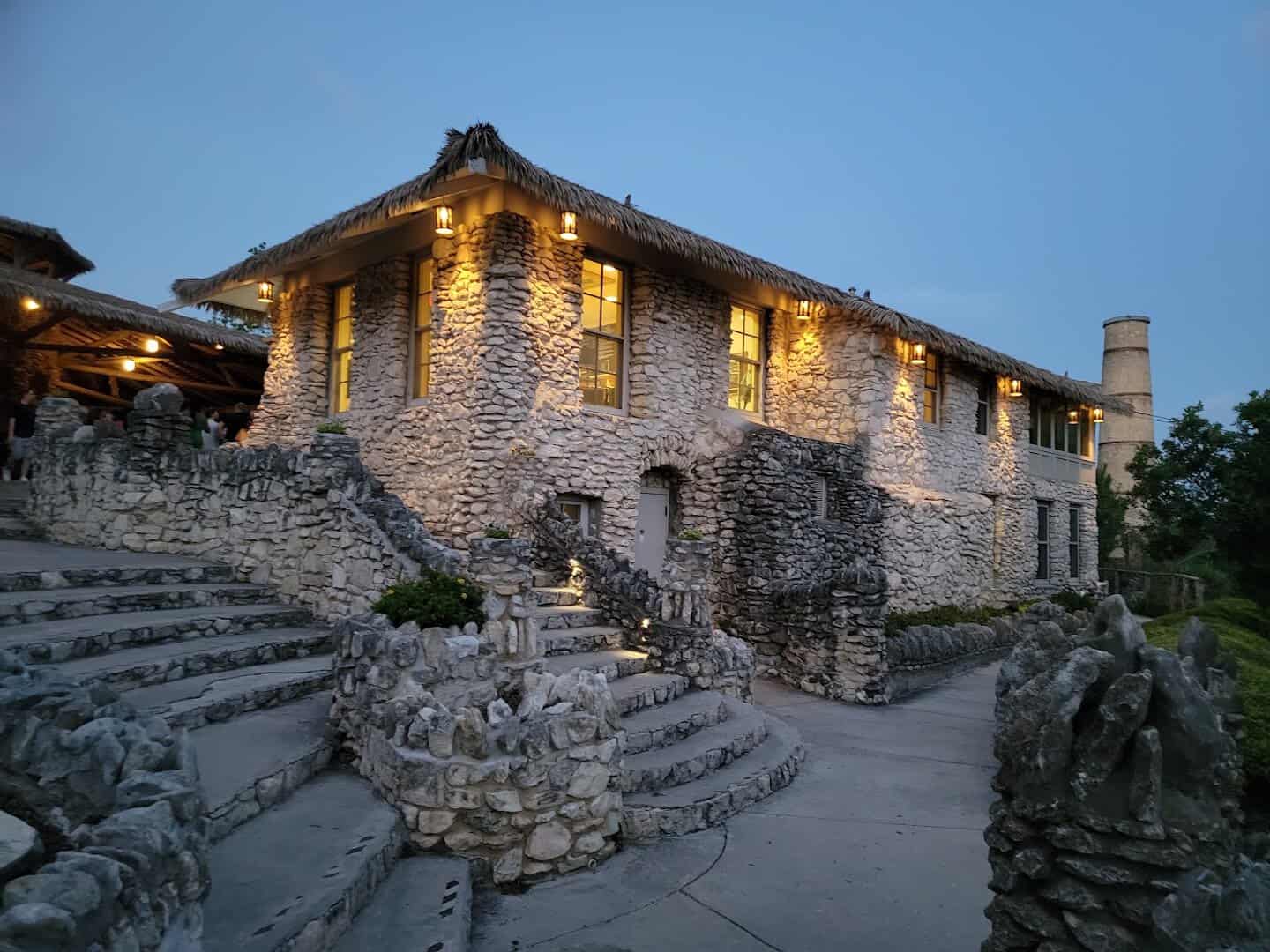
The menu leans into Asian dishes with a San Antonio accent, so you can pair a pot of tea with something more substantial. Sitting on the terrace with the ponds below you is the closest thing the garden has to a splurge.
It is a fitting second act for a building the Jingus once ran as the Bamboo Room. The family served tea above these same ponds a century ago, and the tradition of a good cup with a great view carries on.
You do not have to spend a cent to enjoy the garden itself, which is what makes the cafe feel like a bonus rather than a toll. Wander for free, then treat yourself only if you feel like it.
Why It Feels Exclusive When It Costs Nothing
Plenty of places charge you for beauty and still leave you feeling like one of a hundred people shuffling through. This garden pulls off the opposite trick, giving away something that feels expensive.
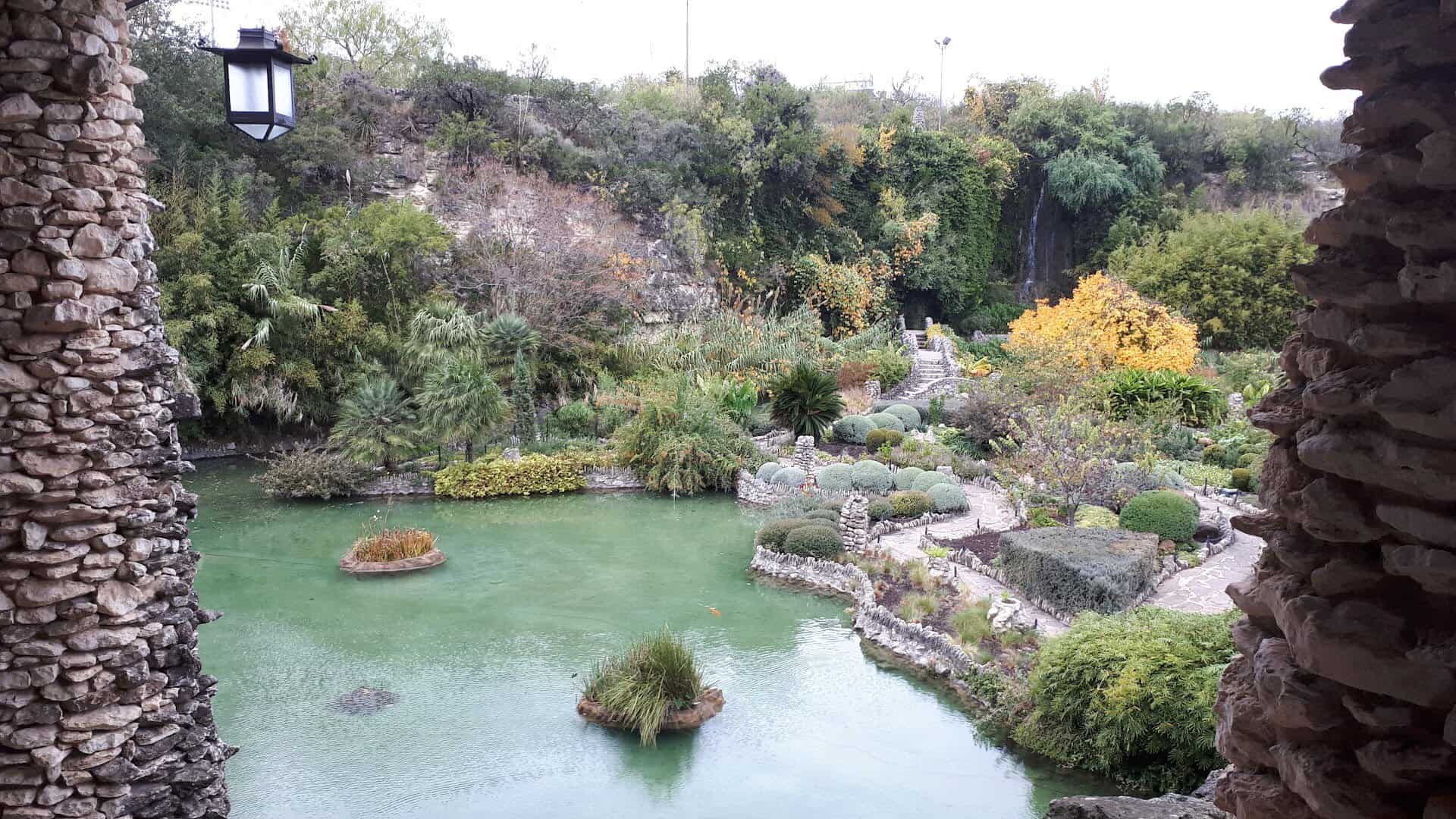
Part of it is that sunken design, which quietly closes out the rest of the city. Part of it is scale, small enough to feel intimate, rich enough that every corner rewards a second look.
One reviewer summed it up neatly, saying the best thing about the whole visit was that “it was free.” A private retreat with no ticket booth is a rare and generous thing.
It also means you can come back whenever you like. There is no pressure to see everything in one go, no sense of getting your money’s worth, just an open invitation to drop in for twenty quiet minutes on your way somewhere else.
Planning the Perfect Quiet Morning
If you want the garden at its most magical, go early. The gates open at 7 a.m. daily, and that first hour brings the softest light, the coolest air, and the fewest other footsteps on the paths.
Pro tip: wear shoes you can walk in, because the charm here is stone steps, gentle slopes, and bridges rather than flat, easy pavement. Plenty of benches are scattered around when you want to simply sit and watch the koi.
Because it is free and open daily, the garden slots easily into a bigger day out. The San Antonio Zoo and the wider Brackenridge Park are right next door, so you can build a whole afternoon around one parking spot.
Just across the road sits the Sunken Garden Theater, an outdoor amphitheater carved from the same quarry complex, with room for thousands under the open sky. It is a reminder that this whole corner of the city was reinvented from old industrial ground.
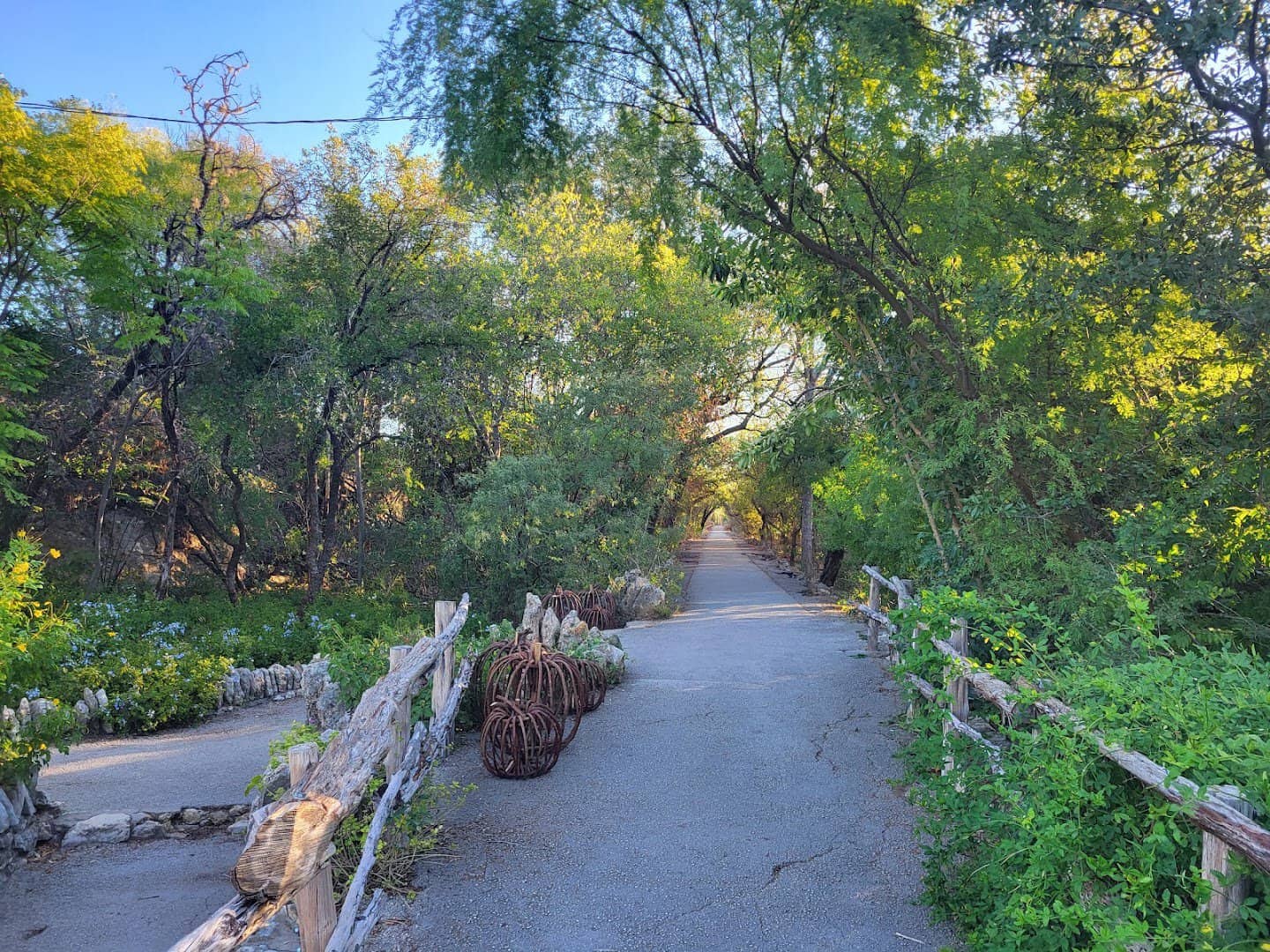
Photographers, come for that early light or stay for golden hour, when the low sun rakes across the water and lights up the falls. The reflections in the koi ponds are the kind of shot that looks staged even when you barely tried.
How to Get There
Where: Japanese Tea Garden, 3853 N. St. Mary’s Street, San Antonio, TX 78212. Admission is free, and the garden is open daily from 7 a.m. to 5 p.m., with the Jingu House cafe keeping its own separate hours.
Go Find Your Own Slice of Quiet
Some of the best places in Texas ask nothing of you but a little time and attention. This one hands you waterfalls, koi, bamboo, and a century of history, and then declines to charge you for any of it.
So the next time San Antonio feels too loud, point yourself toward this old quarry turned sanctuary. Grab a cup of tea, find a bench by the water, and let the city forget you are there for an hour.
Featured image: Sasha Ranes via Japanese Tea Garden

Stella Raines
Editor-in-Chief
Stella brings over a decade of storytelling experience to TX Headlines. With roots in West Texas and a love for road trips, she leads the editorial team with an eye for the hidden stories that make Texas unforgettable.
More Stories
This Hidden Texas Cave Is a Hand-Carved Fairy Tale Most Visitors Stroll Right Past

This Gorgeous Texas Library Hides a Byzantine Chapel Almost No One Knows About
This Cobblestone Texas Village Feels More Like Old Europe Than the Lone Star State

This Quiet Texas Park Hides a Legendary WWII Submarine That Sank a Japanese Carrier
Tags