This Quiet Texas Park Hides a Legendary WWII Submarine That Sank a Japanese Carrier
There is a particular thrill that comes from standing next to something that was built to vanish. Submarines do that to me. I grew up reading about the crews who spent months sealed inside a steel tube under the Pacific, and I never quite got over it.
So when I found out that one of the most storied submarines of World War II sits in a breezy little Texas park you could drive right past, I cleared my weekend on the spot.
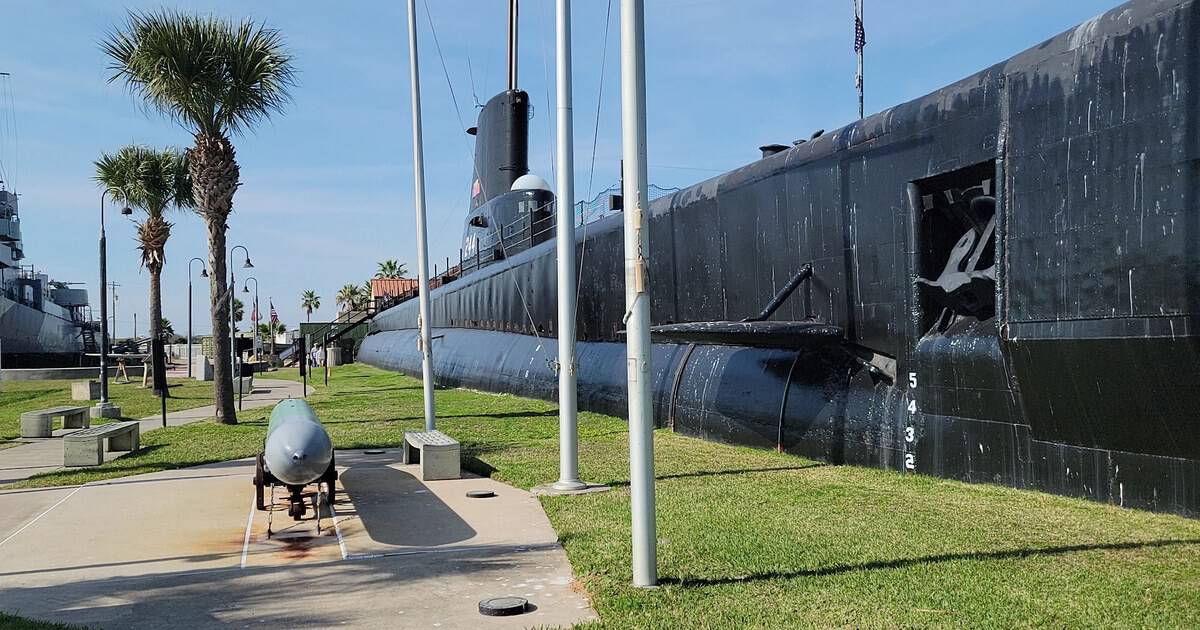
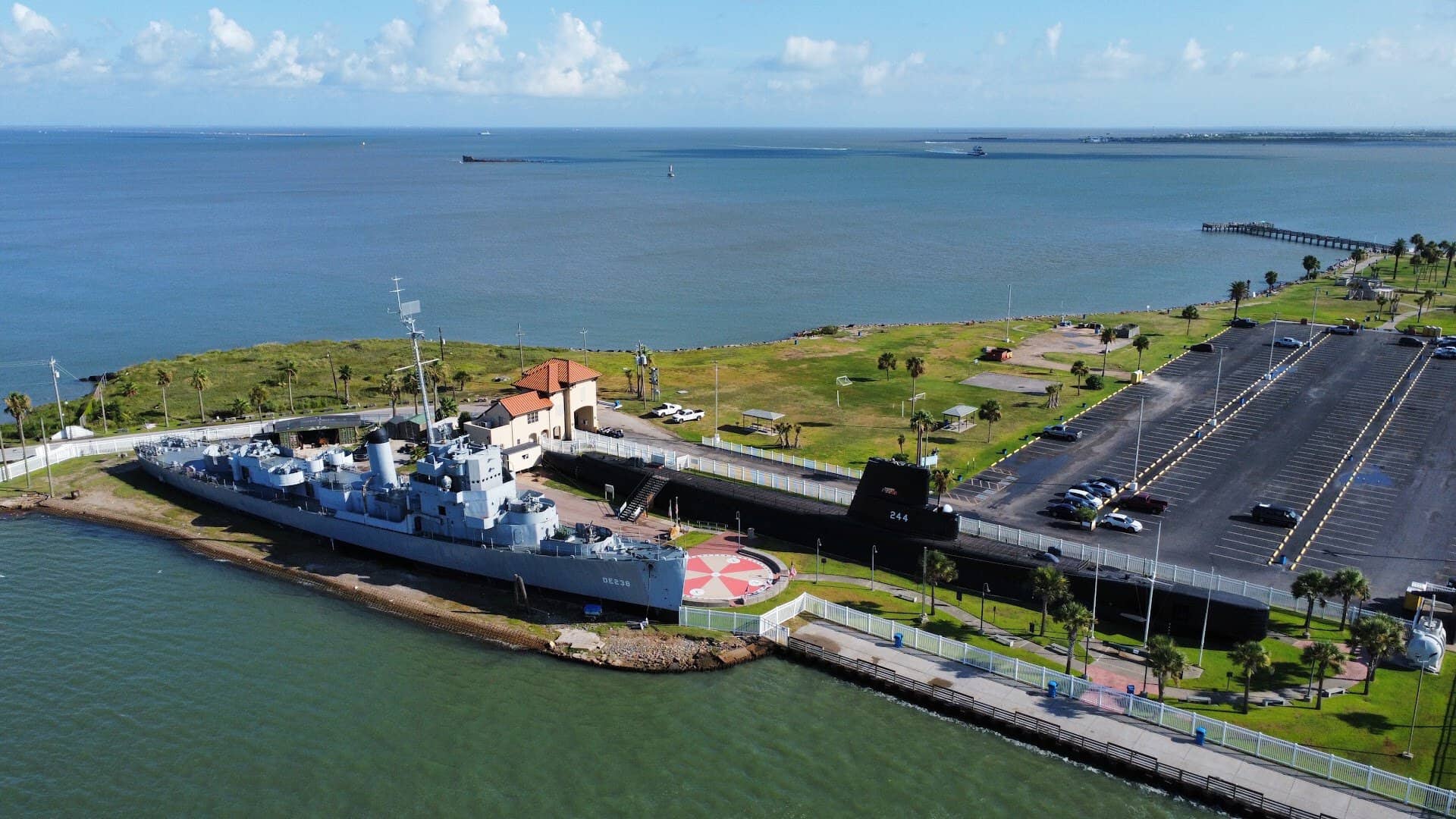
This is gray wartime steel you can climb straight into, moored on Pelican Island just north of Galveston at a place called Seawolf Park.
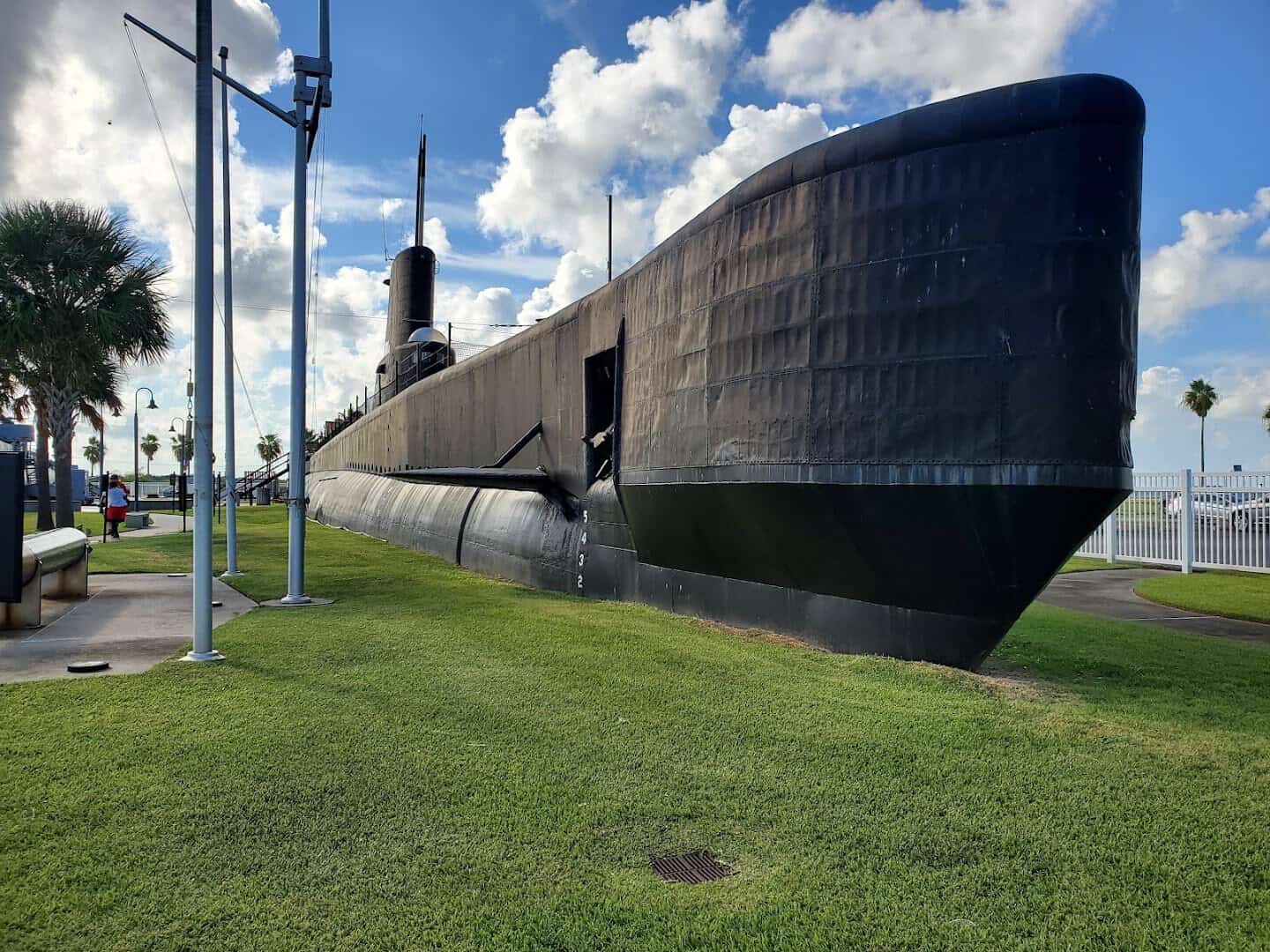
The boat is the USS Cavalla, and her crew called her the Avenger of Pearl Harbor.
Below, I will walk you through the submarine that earned that name, the destroyer escort docked beside her, the strange history of the ground they sit on, and everything you need to plan the trip.
The Boat That Is Not a Replica
Let me get the most important part out of the way first. The Cavalla is real.
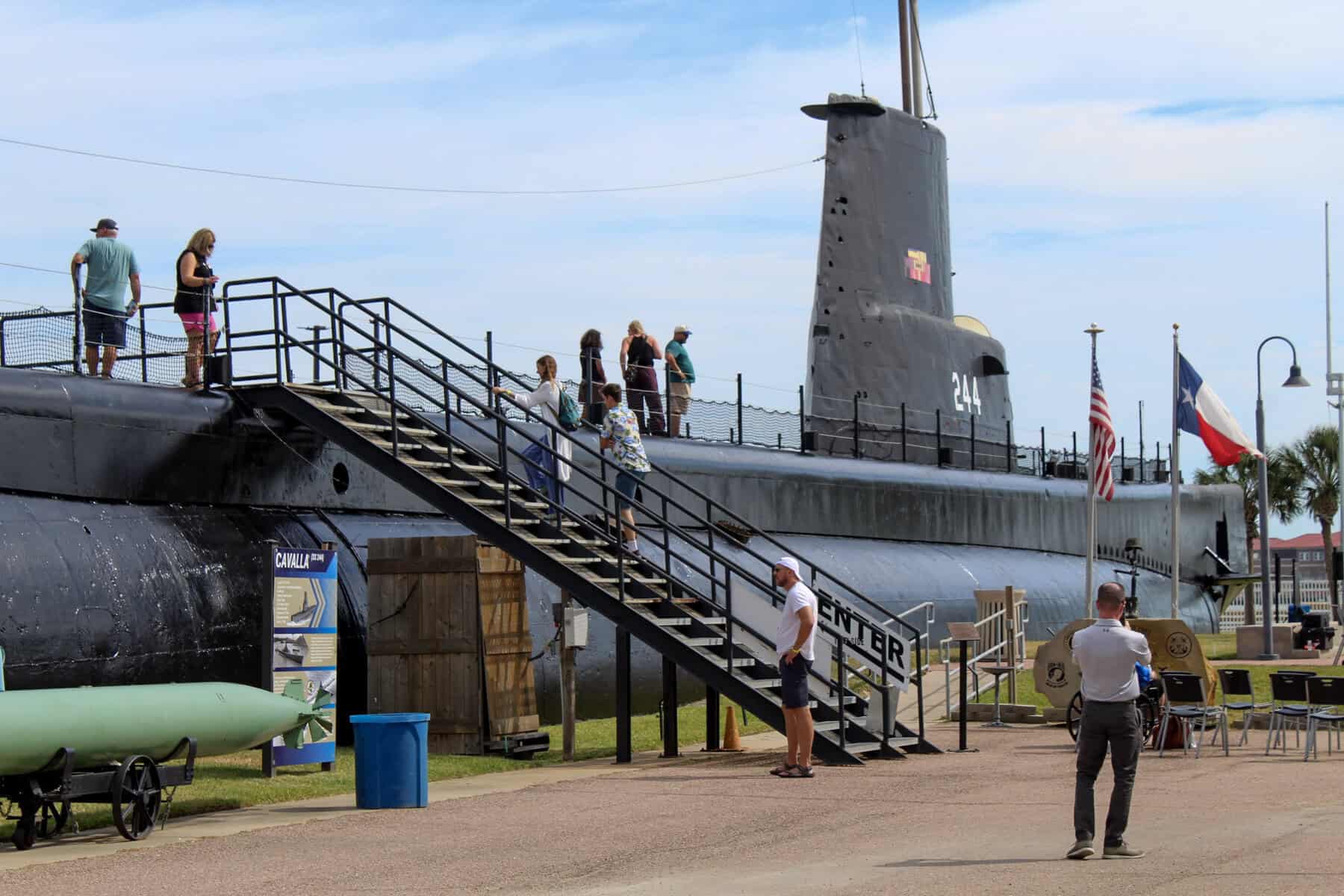
She is not a mock-up, not a movie prop, not a scaled model in a glass case. She is a genuine Gato-class fleet submarine that hunted in the Pacific, and you can walk her bow to stern.
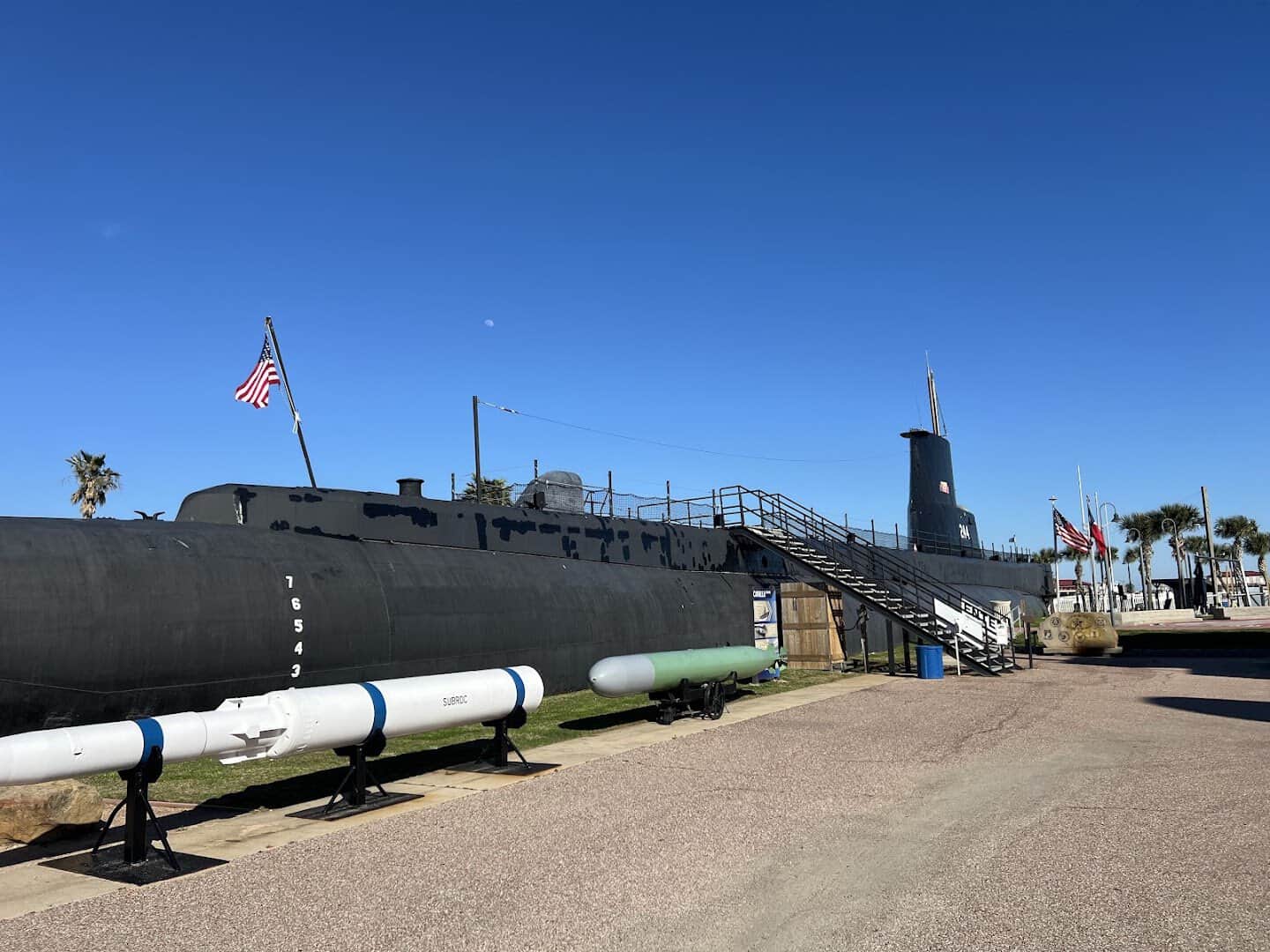
You start on the deck, up in the sea air, with the Galveston skyline shimmering across the channel. Then you fold yourself down through a hatch, and the world changes.
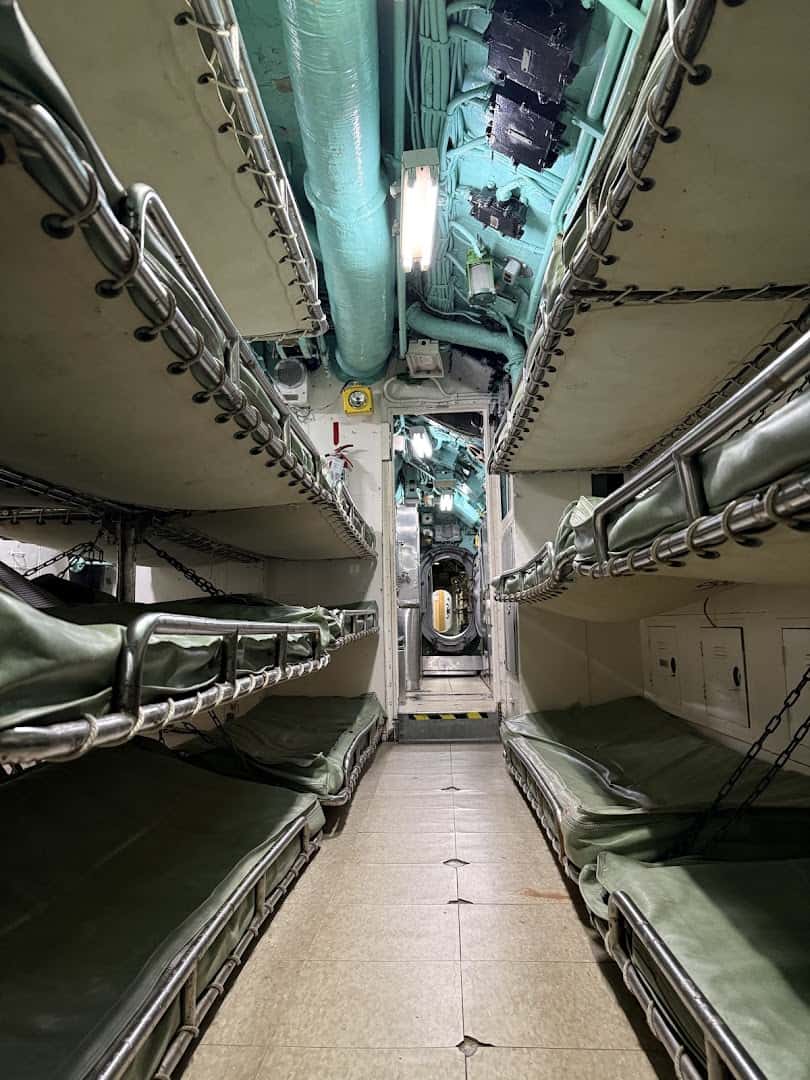
Inside, everything is close. The passageways are the width of your shoulders. Brass valves and painted gauges crowd every surface. Pipes run overhead where your head wants to be. You duck, you turn sideways, you climb.
What surprises most visitors is how much of this boat you actually get to see. Many museum submarines rope off half their compartments. The Cavalla lets you into the galley, the wardroom, the control room, even the cramped little shower the crew almost never used.
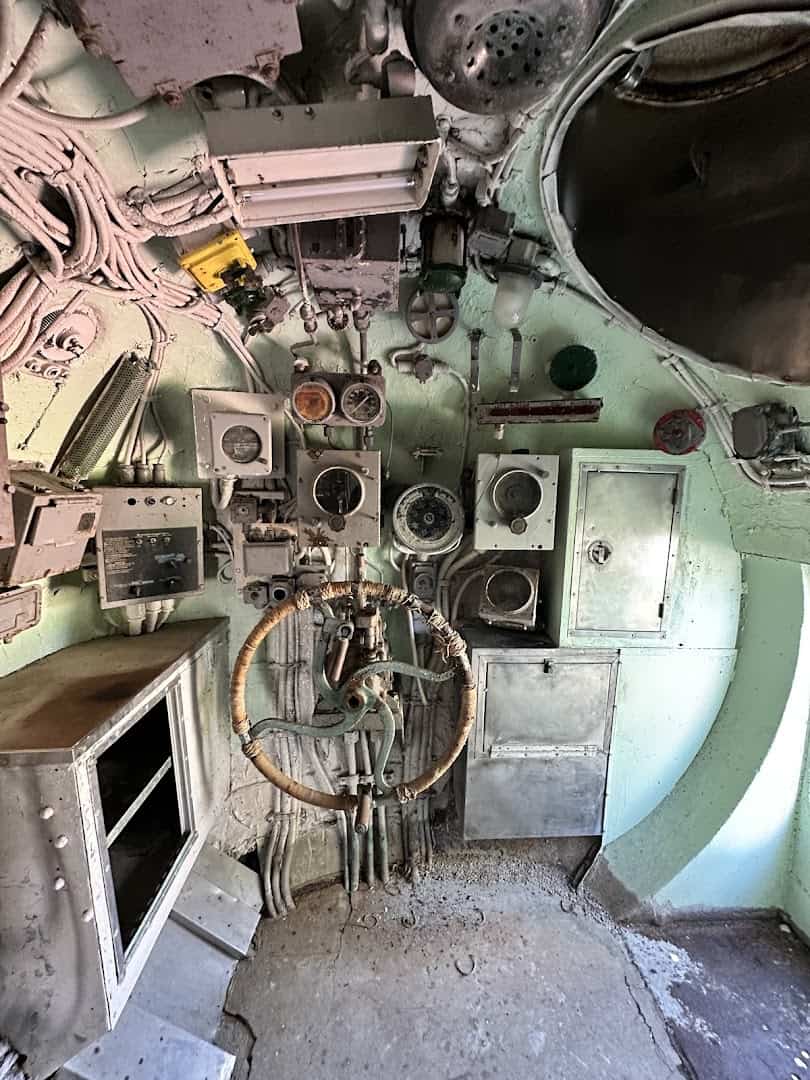
One reviewer summed up the feeling perfectly. “Going on the deck of the submarine was cool,” they wrote, “but it was awesome to squeeze through the hatches below and learn what life as a WWII submariner was all about.”
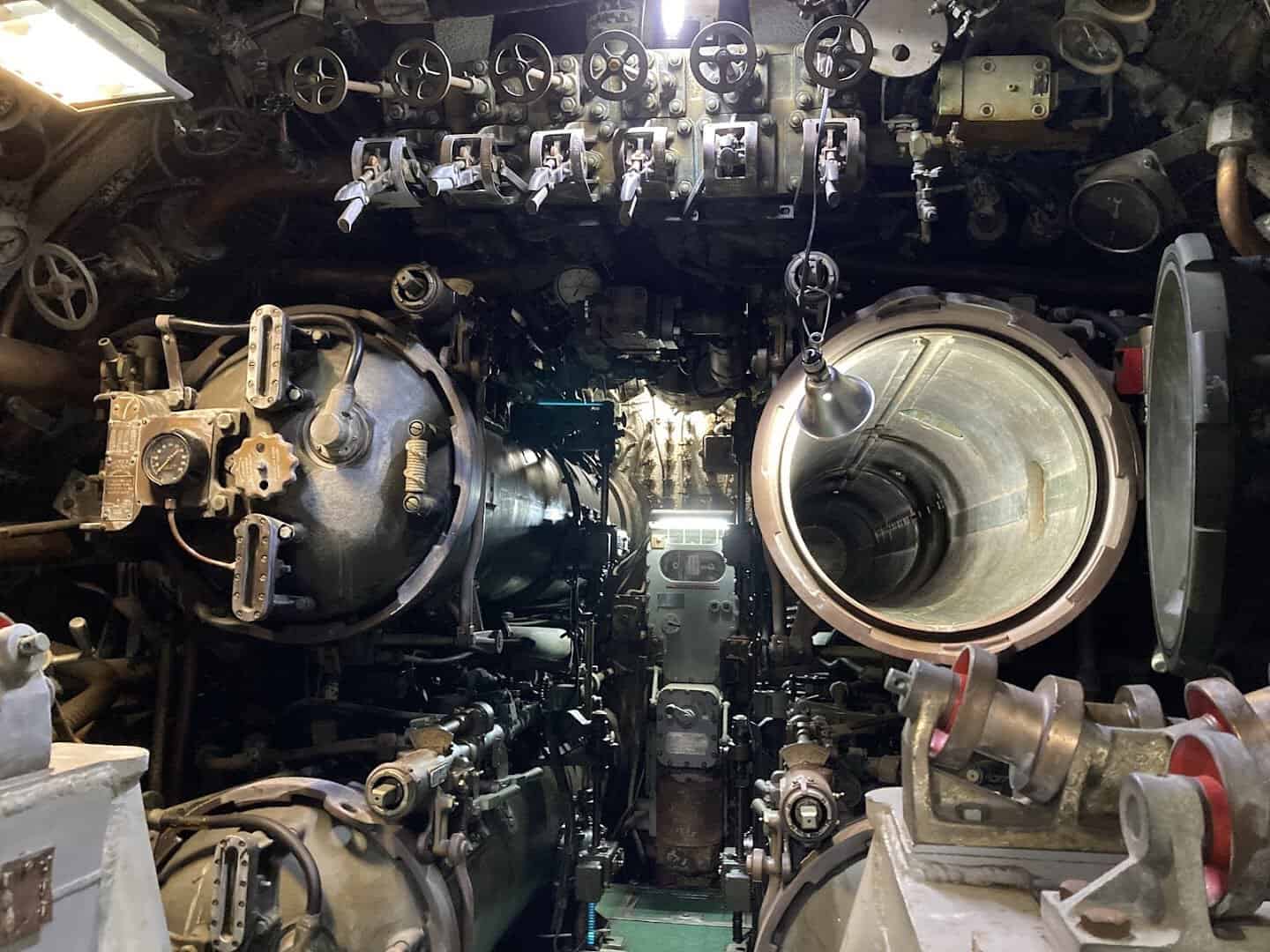
The torpedo rooms are the part that sticks with you. Sailors slept on bunks slotted between live torpedoes, close enough to reach out and pat the warheads. One display even holds an experimental peroxide-fueled torpedo, which is not something I would want to nod off beside.
Stand in the control room and picture sixty men working here at once, in the dark, in the heat, holding their breath while depth charges rattled the hull. The boat tells that story without a single word of narration. You feel it in the steel.
How Did She Become the Avenger of Pearl Harbor?
The nickname is not marketing. The Cavalla earned it in a single, remarkable stretch of June 1944.
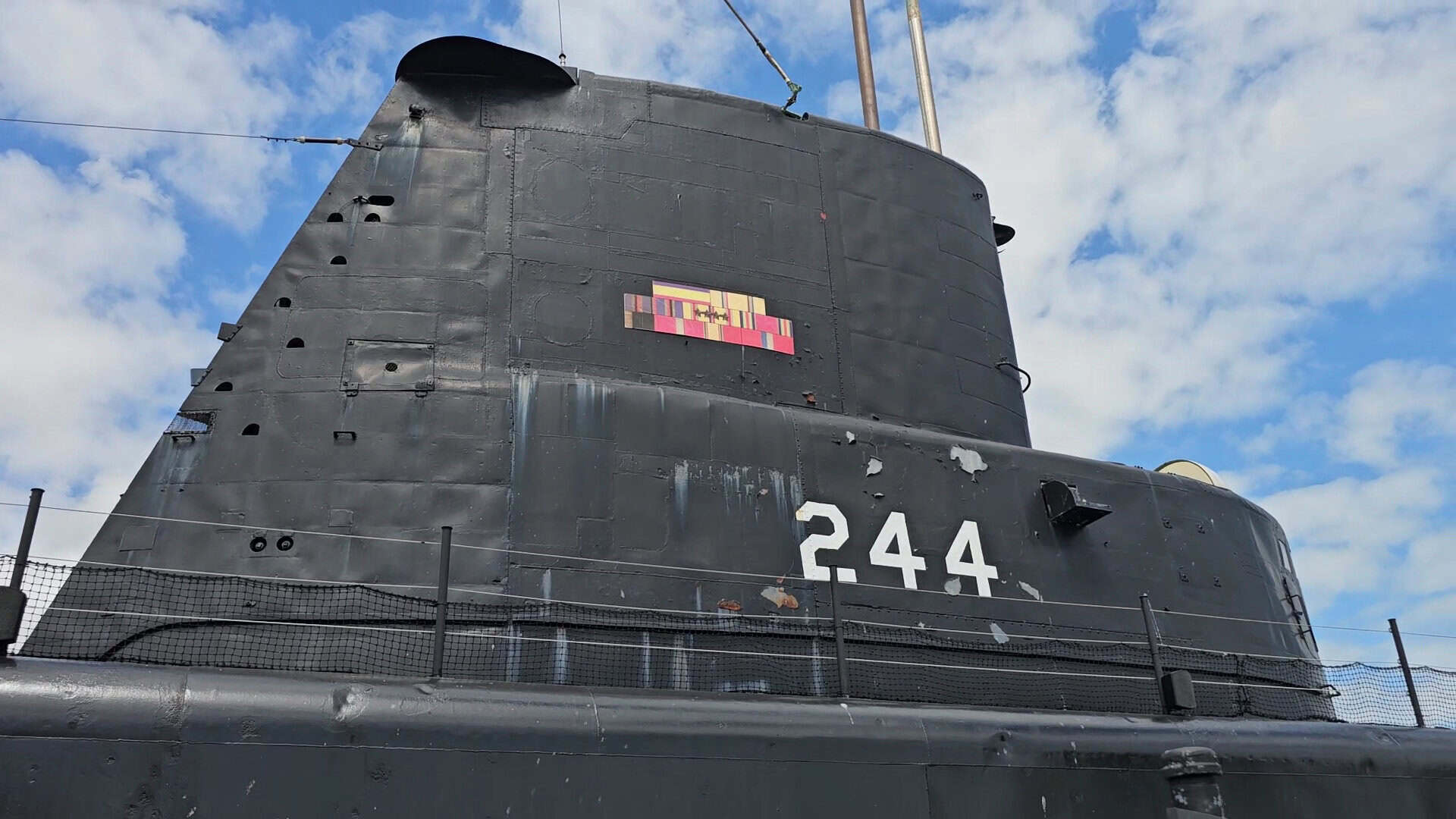
She was young for a warship. Built by Electric Boat up in Groton, Connecticut, she slid down the ways on November 14, 1943, and was commissioned on February 29, 1944. A leap-day boat, which her crew took as a sign of luck.
On her very first war patrol, the Cavalla stumbled onto a Japanese carrier task force steaming toward the Marianas. She trailed it and radioed what she saw, and that intelligence helped the U.S. Navy prepare for the Battle of the Philippine Sea.
Then came June 19, 1944. The Cavalla caught the fleet carrier Shokaku in the open, busy recovering her aircraft. She fired a spread of six torpedoes and landed several hits. The Shokaku, a carrier that had launched planes at Pearl Harbor two and a half years earlier, went down.
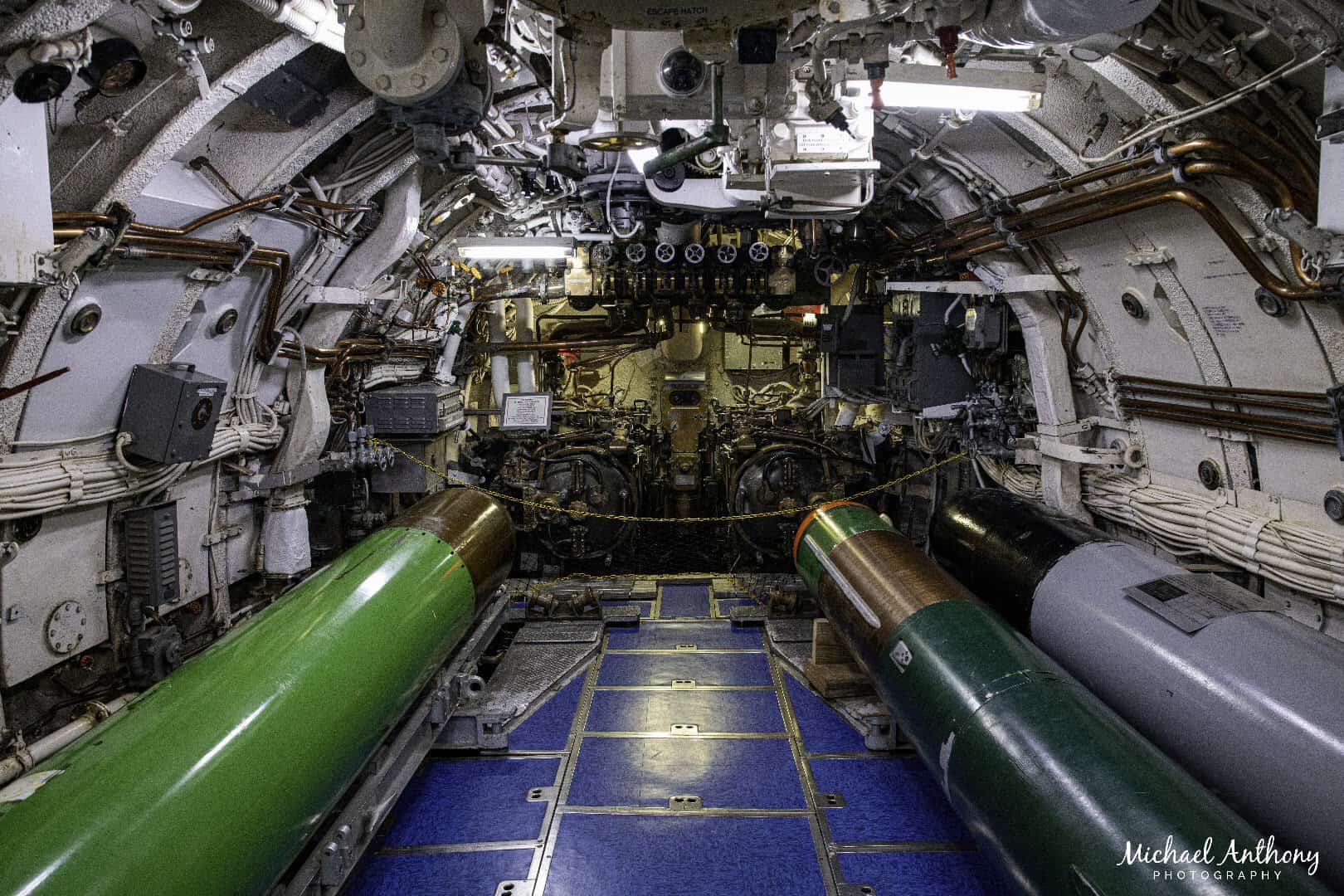
For that patrol the Cavalla received the Presidential Unit Citation, one of the highest honors a ship can carry. She would go on to make six war patrols in all before the fighting ended.
The numbers underneath the legend are impressive too. She runs about 311 feet from bow to stern, carried a crew of around sixty, packed ten torpedo tubes and two dozen torpedoes, and could make roughly 21 knots on the surface. A three-inch deck gun rounded out the arsenal.
Did you know? After the war the Cavalla was retired and recalled to service more than once, finally standing down for good on June 3, 1968. A boat this useful was hard to let go.
Predator and Protector
Cross the pier and a second warship waits for you, and she is nearly as rare as the submarine. This is the USS Stewart, a destroyer escort, and she is a genuine Texan.
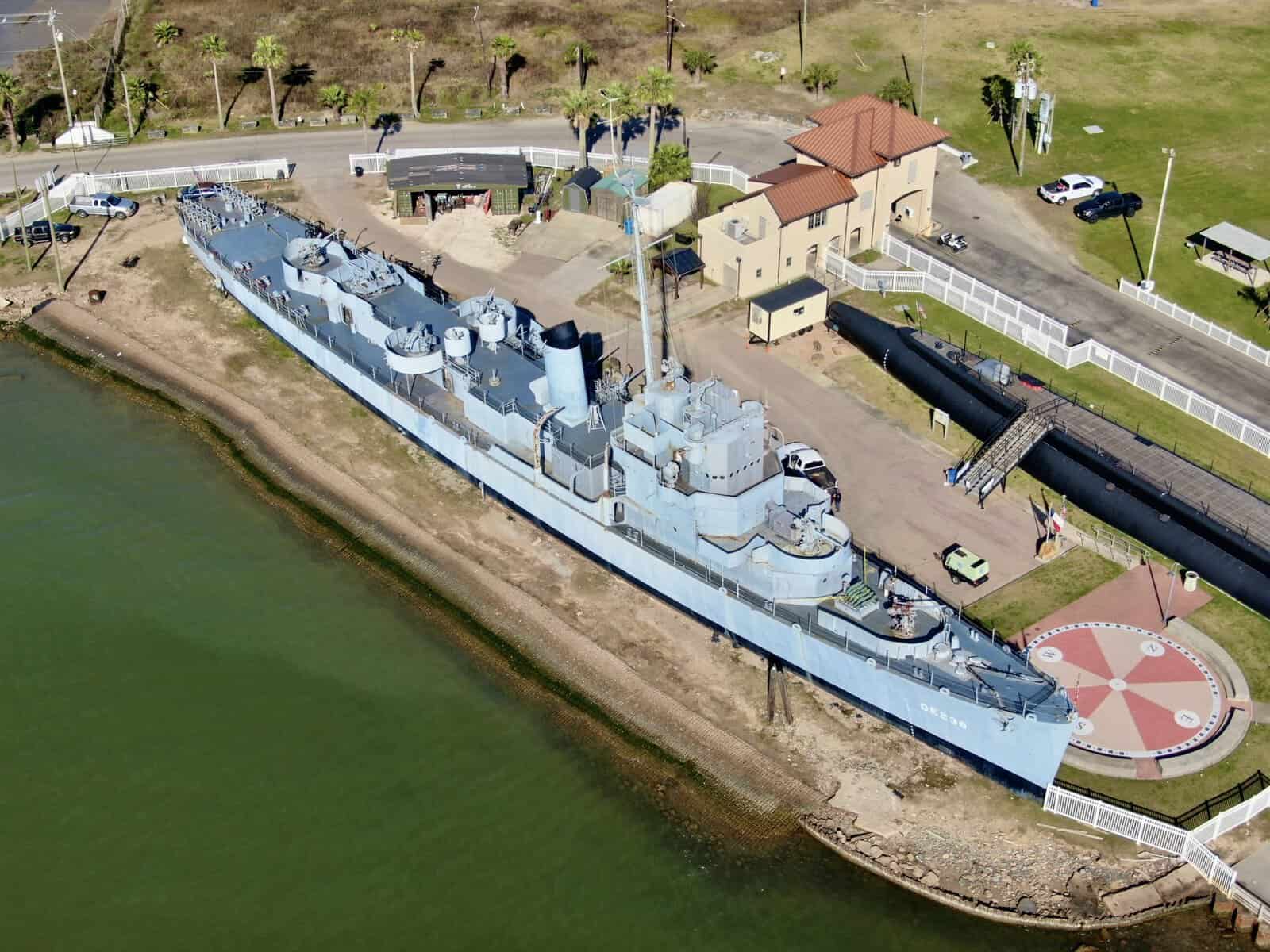
The Stewart was built by Brown Shipbuilding right up the coast in Houston, launched in November 1942 and commissioned the following May. She spent the war on the Atlantic, shepherding convoys and hunting the enemy submarines that preyed on them.
That pairing is the whole poetry of this park. One ship was the hunter beneath the waves. The other was the guardian on the surface, built to protect the ships a submarine would stalk. The predator and the protector, tied up a few steps apart.
The Stewart is special for another reason. She is the only surviving ship of her Edsall class, and one of just two preserved destroyer escorts left in the entire country.
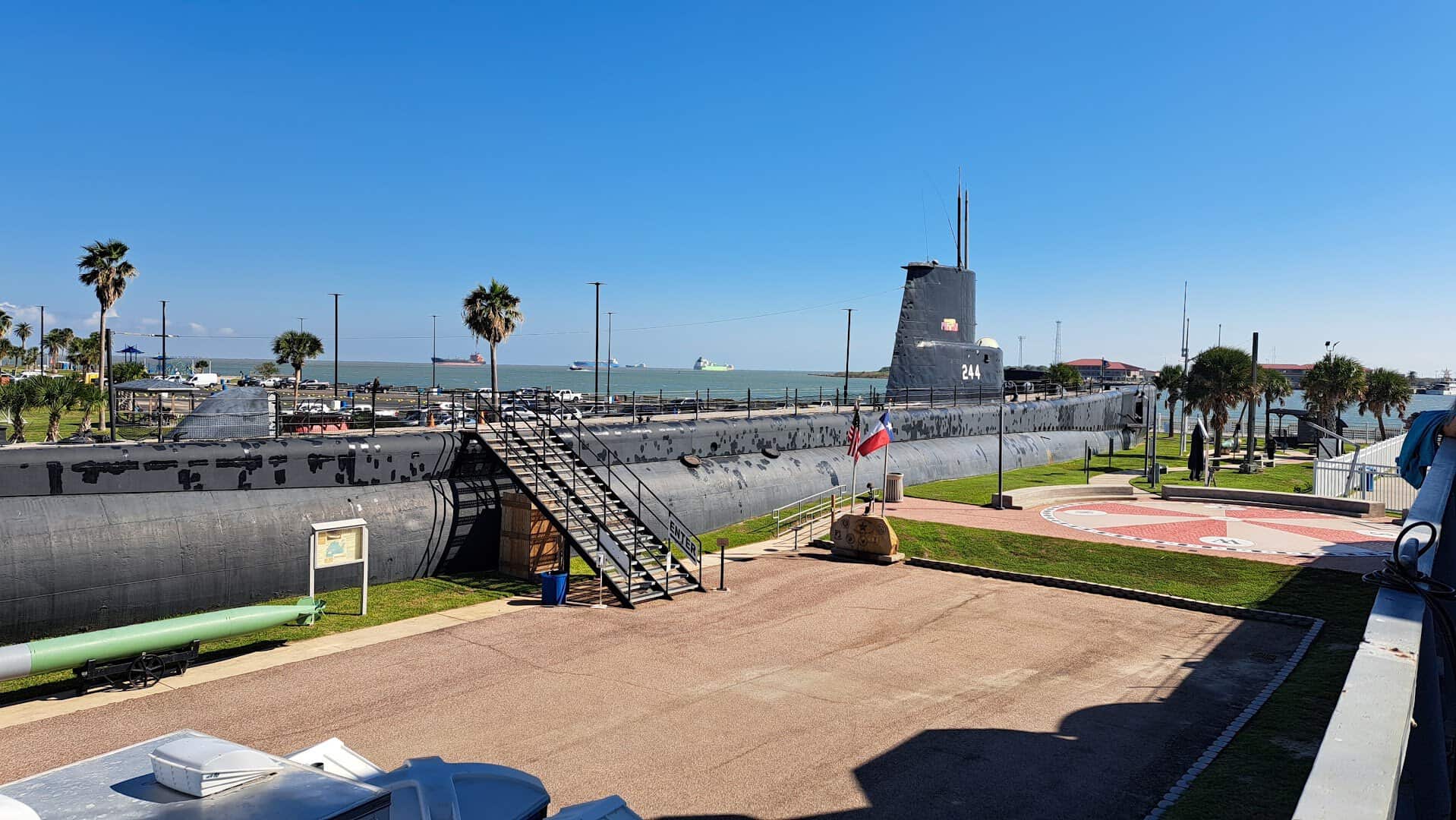
When she was donated to the city of Galveston in 1974 and towed to the park, she became a genuinely irreplaceable piece of history.
You tour her the same way you tour the sub, at your own pace. Climb past the gun mounts, peek into the radio room, trace the depth-charge racks along the stern, and stand where the crew watched the gray Atlantic roll by.
From the Ellis Island of the West
Here is the twist that makes this park stranger and richer than it first appears. Long before it held any warships, this patch of Pelican Island was one of the busiest doorways into America.
Galveston was once the second-largest immigration port in the country, and people called it the Ellis Island of the West. The federal immigration and quarantine station stood right here, screening the newcomers who arrived by ship.
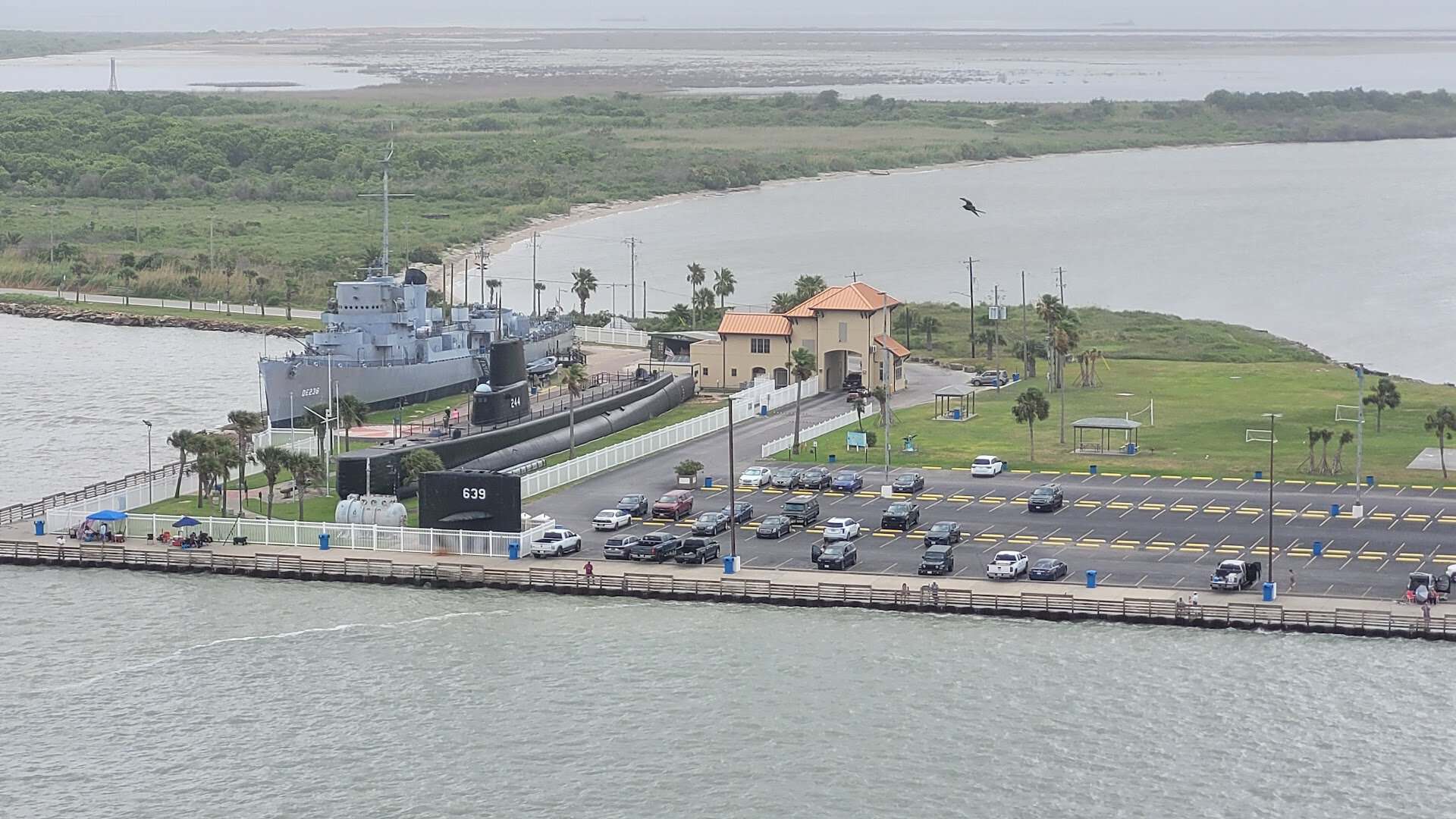
Built in 1906 and running by 1913, that station inspected something like 750,000 immigrants over roughly 35 years. Hundreds of thousands of American family stories began on this exact ground, with a doctor’s nod and a stamped paper.
The old station was cleared away in 1972 to make room for the park you visit today. So the same shoreline that once welcomed the living now honors those who served, layered history stacked on a single spit of land.
The park itself carries a memorial purpose. After the war, Congress invited each state to honor a submarine lost in the fighting, and Texas chose to remember the USS Seawolf. That is where the park gets its name, even though the boat you tour is the Cavalla.
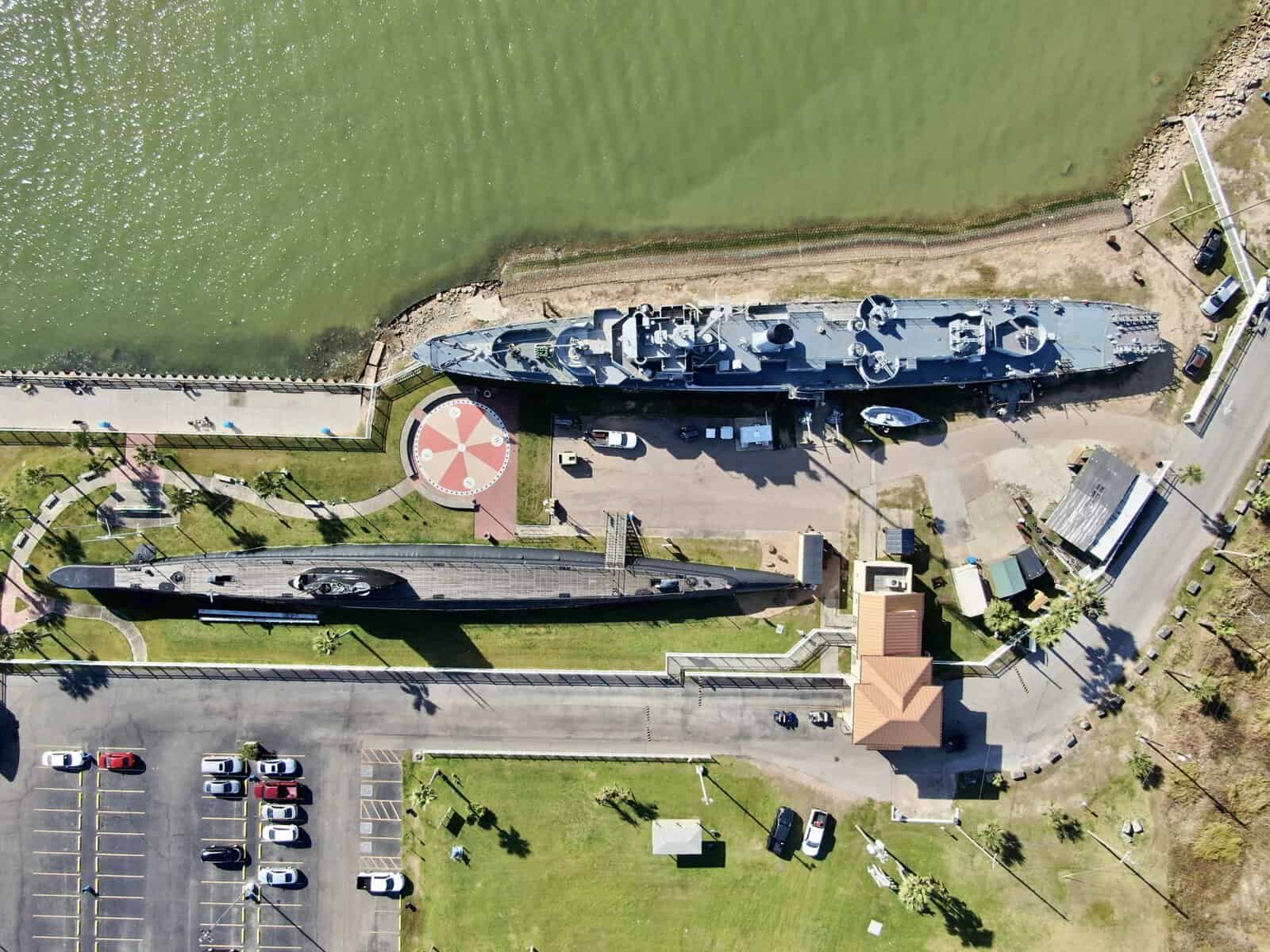
The Cavalla arrived on January 21, 1971, towed to Galveston and settled into the ground beside the water. In 2008 she was added to the National Register of Historic Places, formal recognition of what her crew already knew.
The Storm That Almost Took Her
The Cavalla has one more battle on her record, and this one she fought as a museum. In September 2008, Hurricane Ike drove a wall of water across Pelican Island.
The surge was strong enough to lift a submarine that had been half-buried in the earth since 1971. It shoved her out of place, tore a hole near the bow, and flooded the compartments visitors had been strolling through days before.
She could easily have been lost. Instead, a small army went to work. With FEMA support and a steady stream of donations, volunteers pumped her out, patched the hull, and coaxed her systems back to life over the next few years.
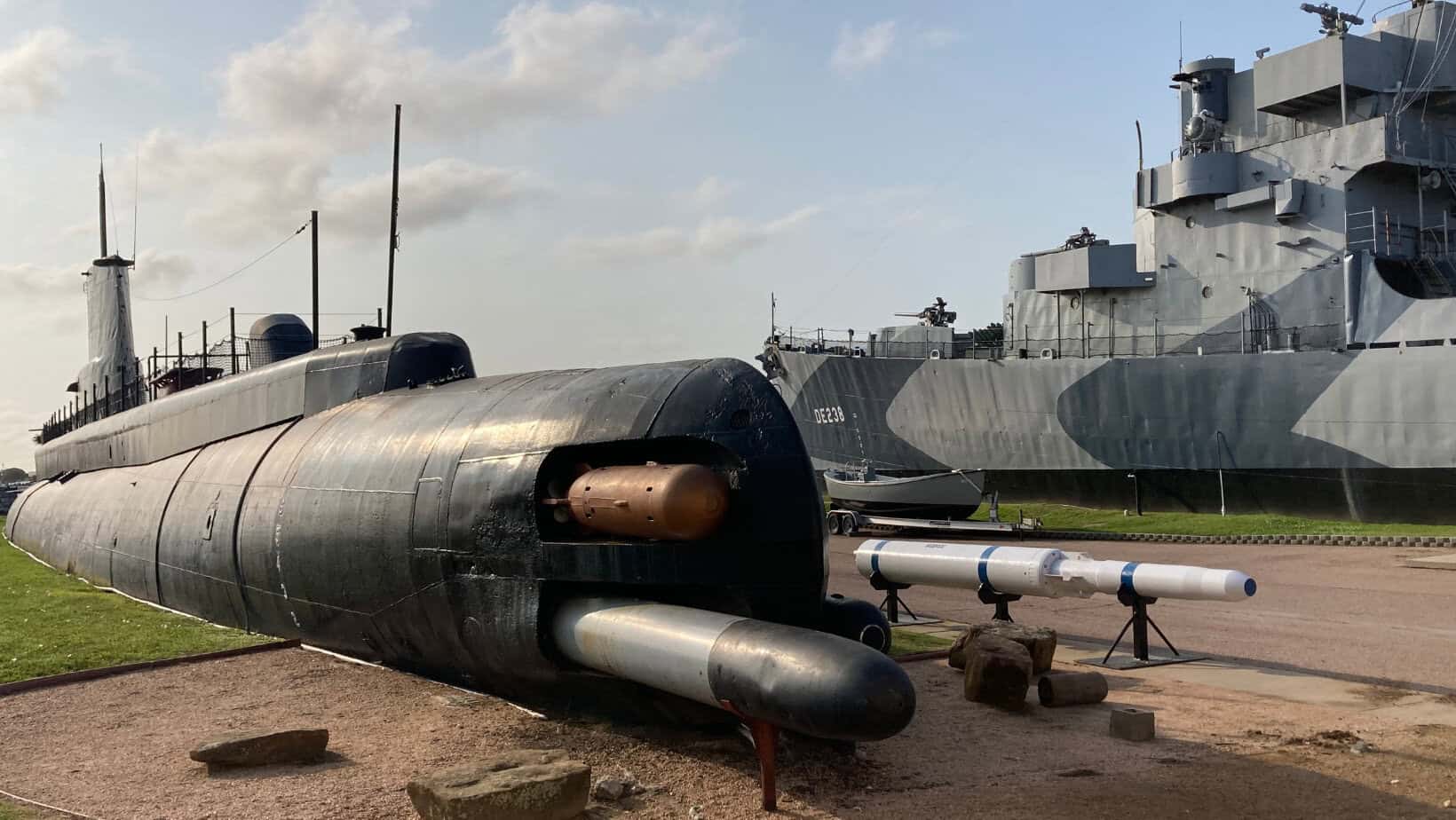
The group behind that rescue is the Cavalla Historical Foundation, which has cared for the ships since the late 1990s. They restored the long-idle Stewart too, and today they run the whole site as the Galveston Naval Museum.
That is a happy ending worth pausing on. The boat that sank a carrier and survived the Pacific also outlasted one of the fiercest storms ever to hit the Texas coast, and she is open for you today because people refused to give up on her.
More Than the Ships
Even if you somehow ran out of warship to explore, Seawolf Park earns the drive. It is first and foremost a park, and a lovely one.
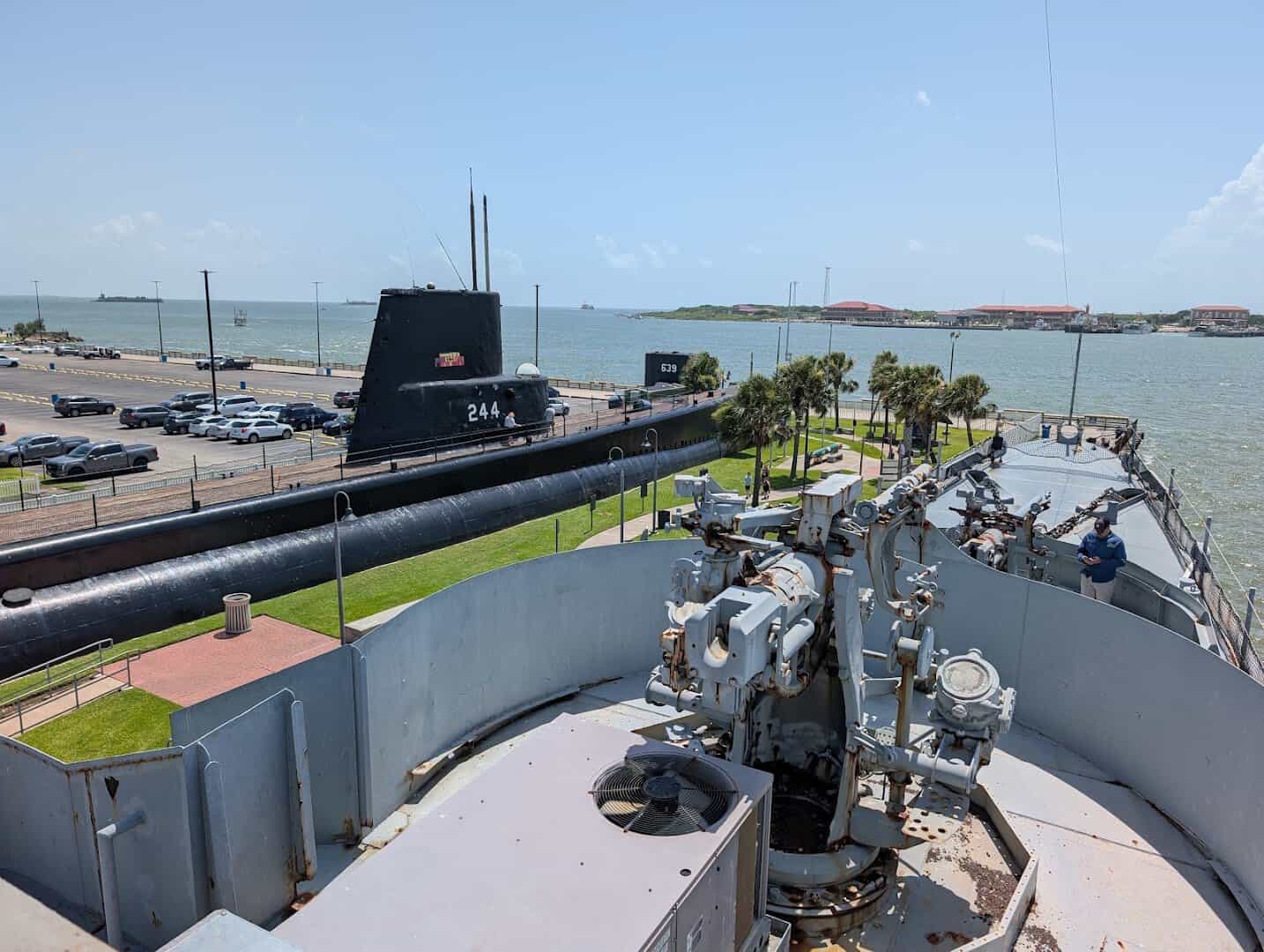
There is a long fishing pier where locals reel in flounder and redfish. Grab a wristband, stop by the bait stand, and cast a line into the same channel the big ships use.
Look out at the water and you might spot the wreck of the SS Selma, one of the largest concrete ships ever built, resting just offshore where it has sat for a century. Historic markers along the walkways fill in the rest of the story.
The channel itself is a show. Dolphins surface in the wake of passing tugs, cruise ships glide toward the terminal, and shrimp boats trundle home. Bring a picnic, claim a table by the grills, and let the kids loose on the playground.
One visitor called it “one of the best maintained public parks, spotless,” and that care shows in every swept walkway and freshly painted rail. Another put it plainly: “If you want to learn about history and enjoy ships, this is a must-see.”
Know Before You Go
Both ships are self-guided, and a single admission gets you aboard the submarine and the destroyer escort alike. Cameras are welcome, so bring the one in your pocket and use it.
At the time of writing, admission runs about $14 for adults, with seniors, veterans, and kids paying around $10, children under five free, and active-duty military admitted free with ID.
Parking is a separate fee of roughly $10 per vehicle. Prices do drift, so confirm the current rates on the official museum site before you go.
The museum is generally open daily, from the morning into the early evening, with the last tickets sold about an hour before closing. Calling ahead never hurts, especially around holidays.
Pro tip: wear closed-toe shoes you do not mind scuffing. Getting inside the ships means steep ladders and narrow hatches, and flip-flops will betray you. Bring water, and a light layer, because the steel holds the weather.
If steep ladders are not in the cards, you can still enjoy plenty. The grounds, the pier, and the topside decks reward a visit on their own, and the views are free to everyone.
History buffs, aim for early December if you can. The park hosts an annual Pearl Harbor remembrance, and standing on the deck of a boat that avenged that day, surrounded by veterans and their families, is something you will not forget.
How to Get There
The park sits on Pelican Island, reached by the causeway just off Interstate 45 as you come into Galveston. It is a short, scenic hop from the seawall and the historic Strand district, so it folds neatly into a bigger Galveston day.
Where: Seawolf Park, 100 Seawolf Parkway, Galveston, TX 77554.
Plan Your Texas History Weekend
Some Texas landmarks announce themselves from a mile away. This one hides in plain sight, a quiet green park with a legend tied up at the dock.
Pack a cooler, charge your camera, and point the car toward Galveston.
Climb down into that steel, put your hand on a torpedo tube, and let a piece of the Pacific war get real for an afternoon. You will drive home seeing submarines everywhere, and you will not mind one bit.
Featured image: David Adkins via Galveston Naval Museum

Stella Raines
Editor-in-Chief
Stella brings over a decade of storytelling experience to TX Headlines. With roots in West Texas and a love for road trips, she leads the editorial team with an eye for the hidden stories that make Texas unforgettable.
More Stories

This Gorgeous Texas Library Hides a Byzantine Chapel Almost No One Knows About
This Cobblestone Texas Village Feels More Like Old Europe Than the Lone Star State

This Underrated Texas State Park Gives You a Full Day of Swimming and Hiking for Just $5

This Small Texas Church Is Called the Queen of the Painted Churches, and Its Ceiling Will Stop You Cold
Tags