This Gorgeous Texas Library Hides a Byzantine Chapel Almost No One Knows About
Some of my favorite buildings in Texas are quietly lying about where they are. A corner of England on a back road. A piece of ancient Turkey behind a suburban gate. Show me a place that bends the map and I will drive an hour to see it.
So the first time I heard about an Oxford reading room hiding in northwest Houston, I did not believe it. A working English library, with a fifteen-hundred-year-old chapel sitting right beside it, tucked behind a gate in the suburbs?
Then I looked closer. It turns out the Lanier Theological Library is exactly that: an old-world hush off Hargrave Road, and free to anyone who registers ahead of time.
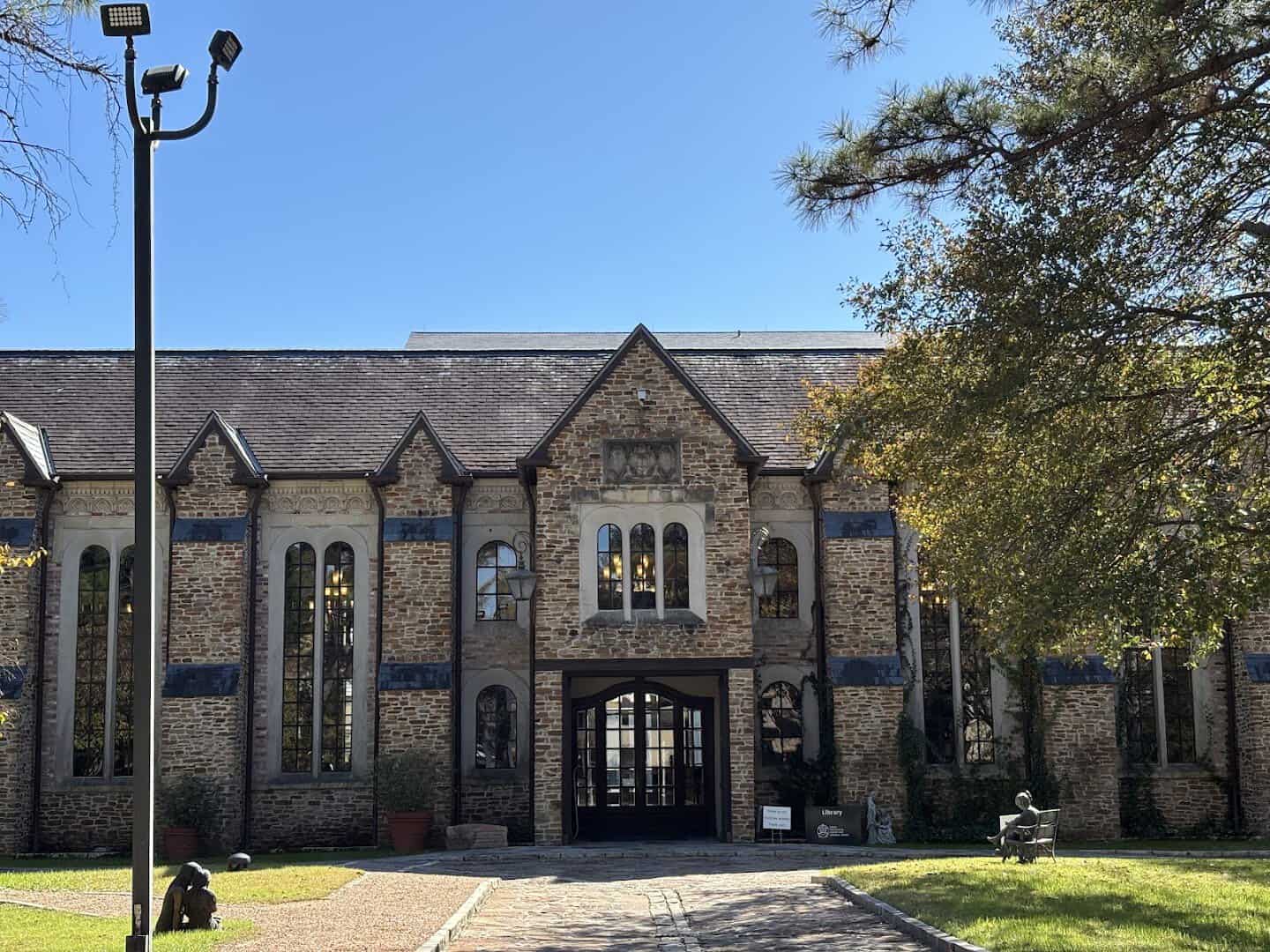
Below, here is what waits behind that gate, why one Houston trial lawyer built the whole thing, and how you can wander it yourself without paying a dime.
A Reading Room Borrowed From Oxford
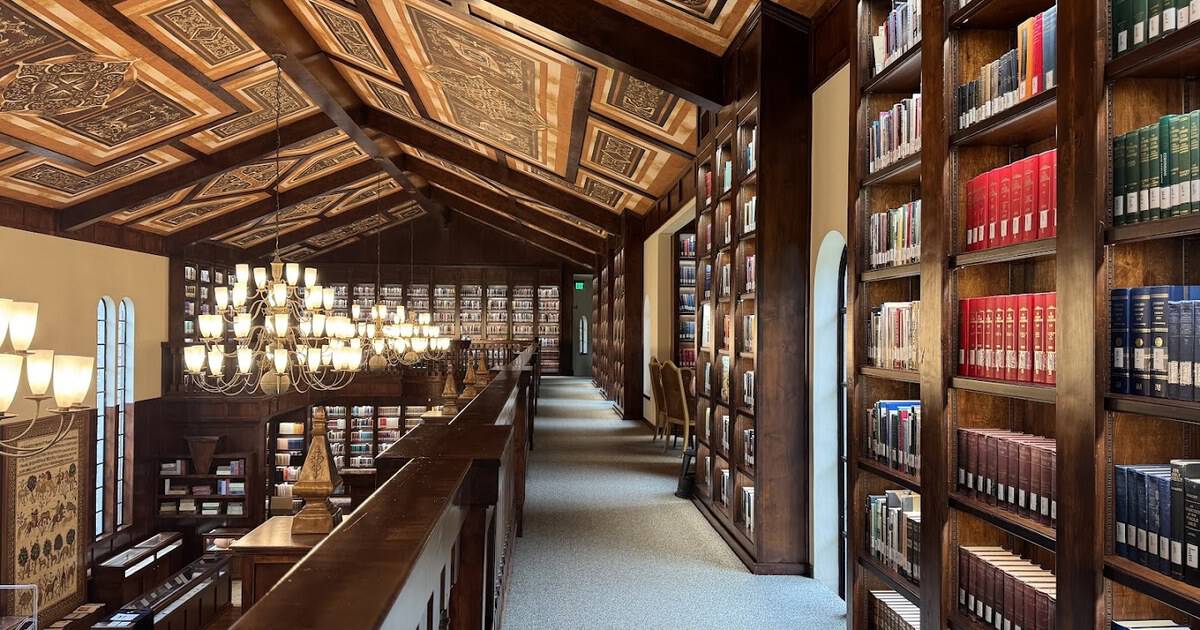
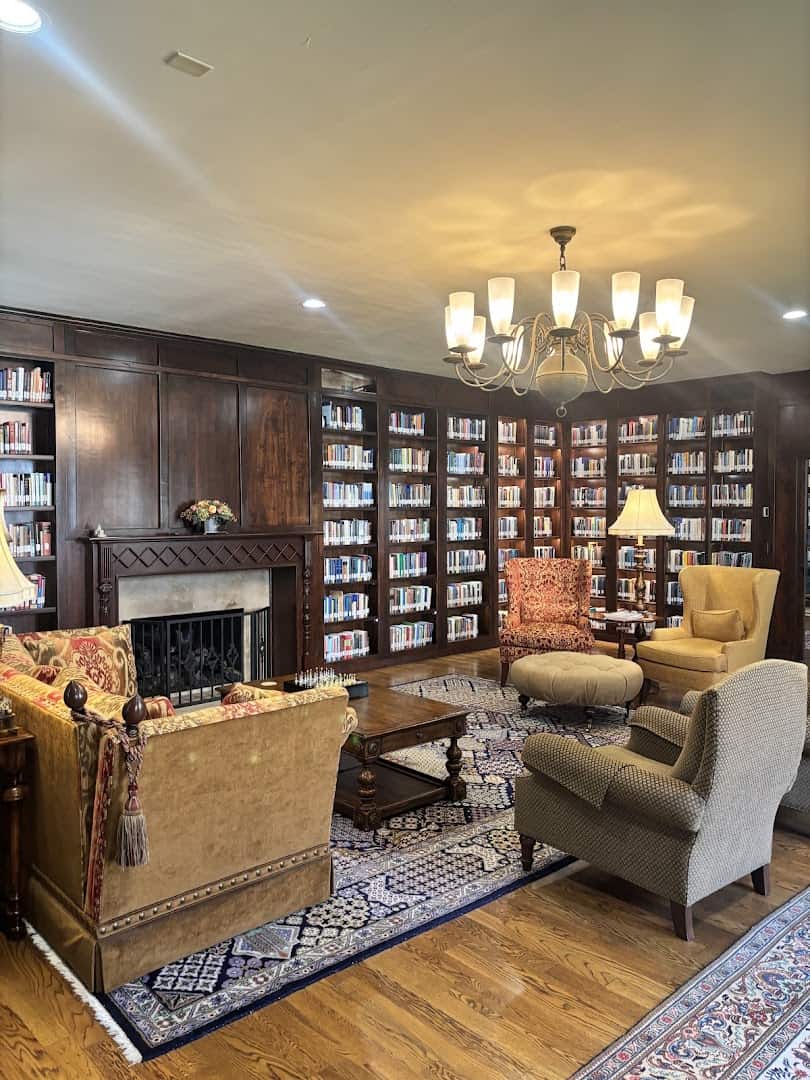
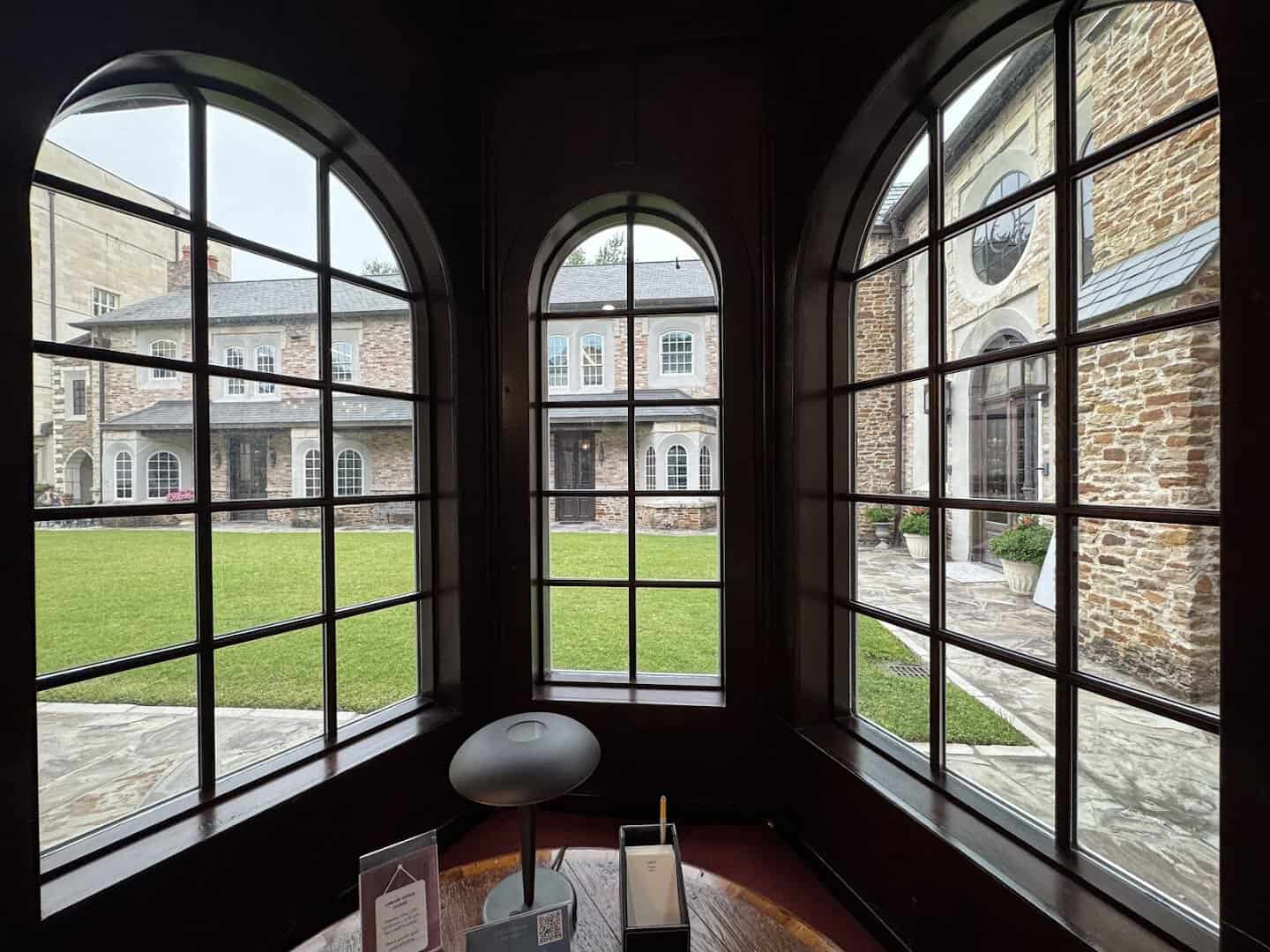
Step through the doors and the first thing you notice is the light. Green desk lamps glow along long wooden tables. Timbered ceilings arch overhead. Carved shelves climb the walls in a way that feels more like a college in England than anything you expect off a Houston freeway.
That is on purpose. The 17,000-square-foot library was designed as a loving copy of the reading rooms in and around the University of Oxford, right down to the leaded glass and the ironwork.
You can actually work here. The desks have outlets and Wi-Fi, and the lamps stay lit for anyone who wants to open a book and stay a while. It is a working research library, not a museum you shuffle past.
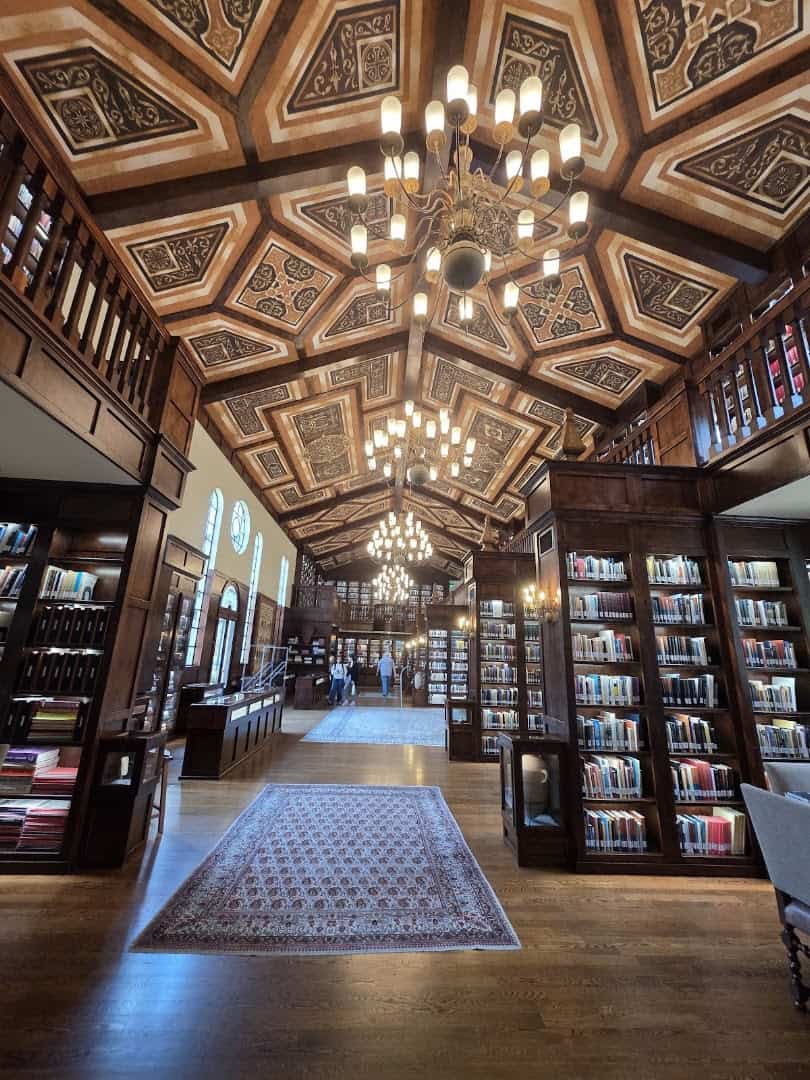
The collection is enormous for a private library. More than 100,000 volumes line the shelves, and the digital library adds roughly 900,000 more items on top of that. The focus is biblical studies, church history, ancient languages, and archaeology.
You will find commentaries and monographs, scholarly journals, and facsimiles of ancient scrolls and early printed Bibles. It is the kind of depth you expect from a university that has spent a century collecting, not from a building that opened in 2010.
Everything is shelved on the Library of Congress system, so if you have ever hunted a book in a university stack, you already know your way around. And if you have not, the staff will happily point you.
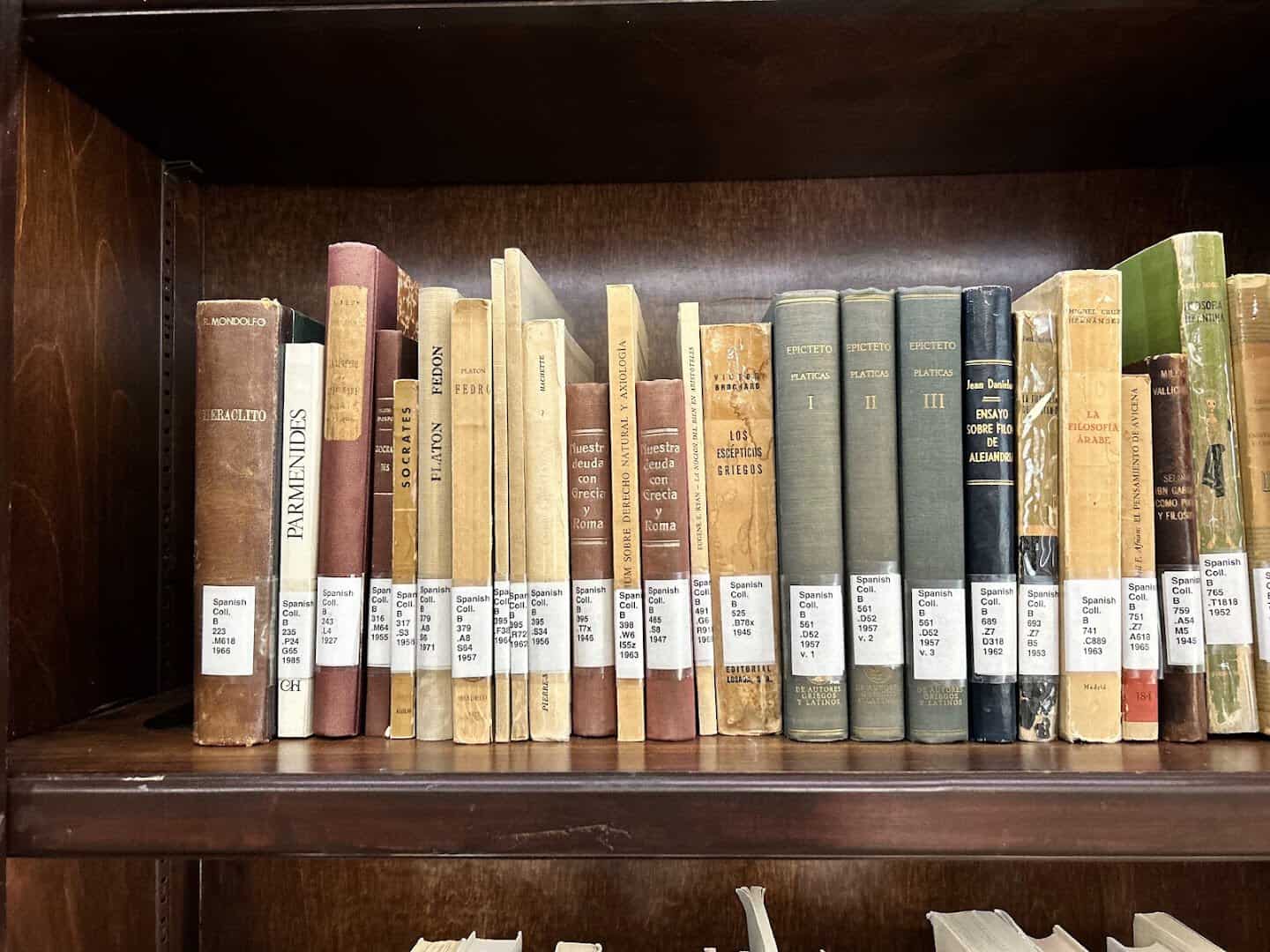
There is a smell to a room like this, the dry paper and old bindings that book people know instantly. It slows you down. People come to research a single citation and end up staying the whole afternoon.
The estate leans all the way into its English theme. Beyond the reading room there is a dining hall styled like a college feast, the kind of long-tabled space where you half expect a professor to stand and call for quiet.
The Chapel That Traveled 1,500 Years
Walk out the back and across the courtyard, and there it is: a small stone chapel that looks like it was lifted straight off a hillside in ancient Anatolia. Because, in a sense, it was.
The Stone Chapel is a careful replica of a Byzantine chapel that stood on the plains of Cappadocia, in what is now Turkey, around 500 A.D. The original is a ruin today. This one is whole.
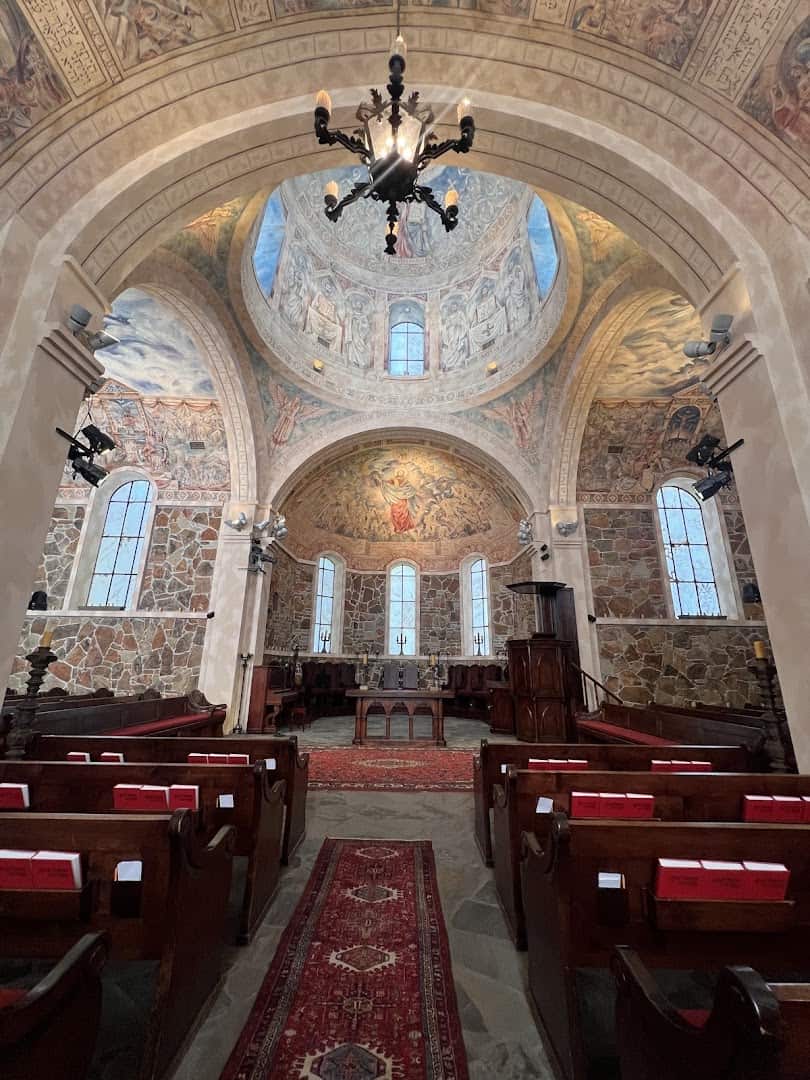
To rebuild it, the team worked from photographs taken of the crumbling original back in 1909, along with a Harvard student’s detailed study of the site published in 1971. The result is faithful down to the bones.
Like many Byzantine churches of that region, it is laid out in the shape of a cross, with a dome rising over the center where the two axes meet. The windows are cut from alabaster, a soft stone that lets in a warm, honeyed light instead of clear glass.
Look up and the ceiling opens into color. Texas artist Richard McCluskey painted the vaults with scenes from the Bible, so the whole space glows overhead like an illuminated manuscript you can stand inside.
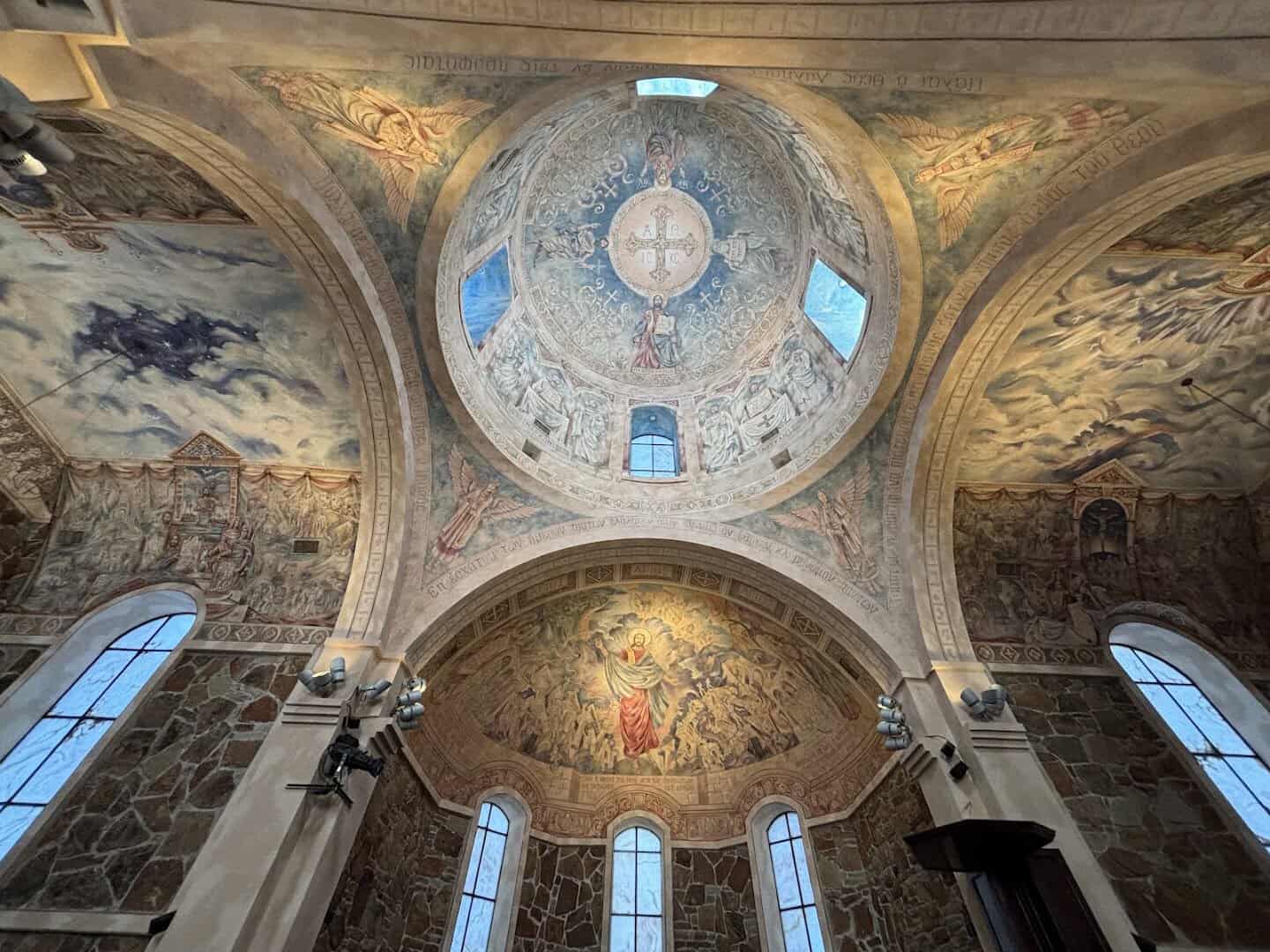
As the sun moves, the alabaster shifts the light around the room, from pale gold in the morning to something deeper by late afternoon. It is why the chapel closes by five, while the windows are still doing their best work.
The cross-shaped floor plan is not decoration. In Byzantine churches, the four arms meeting under a central dome were meant to put the story of the cross into the very shape of the building.
It is the kind of quiet that settles on your shoulders the moment you step in. No wonder couples ask to marry here and visitors linger far longer than they planned.
Dead Sea Scrolls, a 1611 Bible, and a Wardrobe
The shelves are only half the story. Scattered through the library are treasures that would draw a crowd in any museum, and here you can stand a few feet from them.
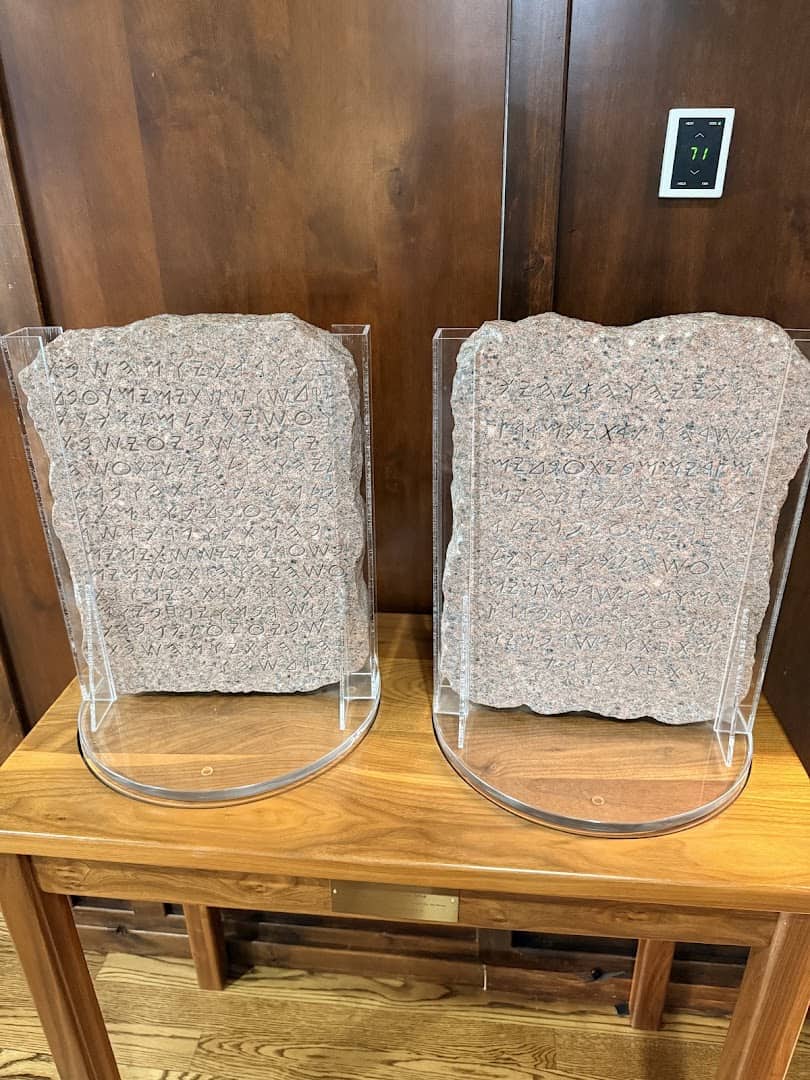
There is a genuine fragment of the Dead Sea Scrolls. There are two copies of the original 1611 King James Bible, the printing that shaped English for four centuries. There is a piece of ancient pottery older than most countries.
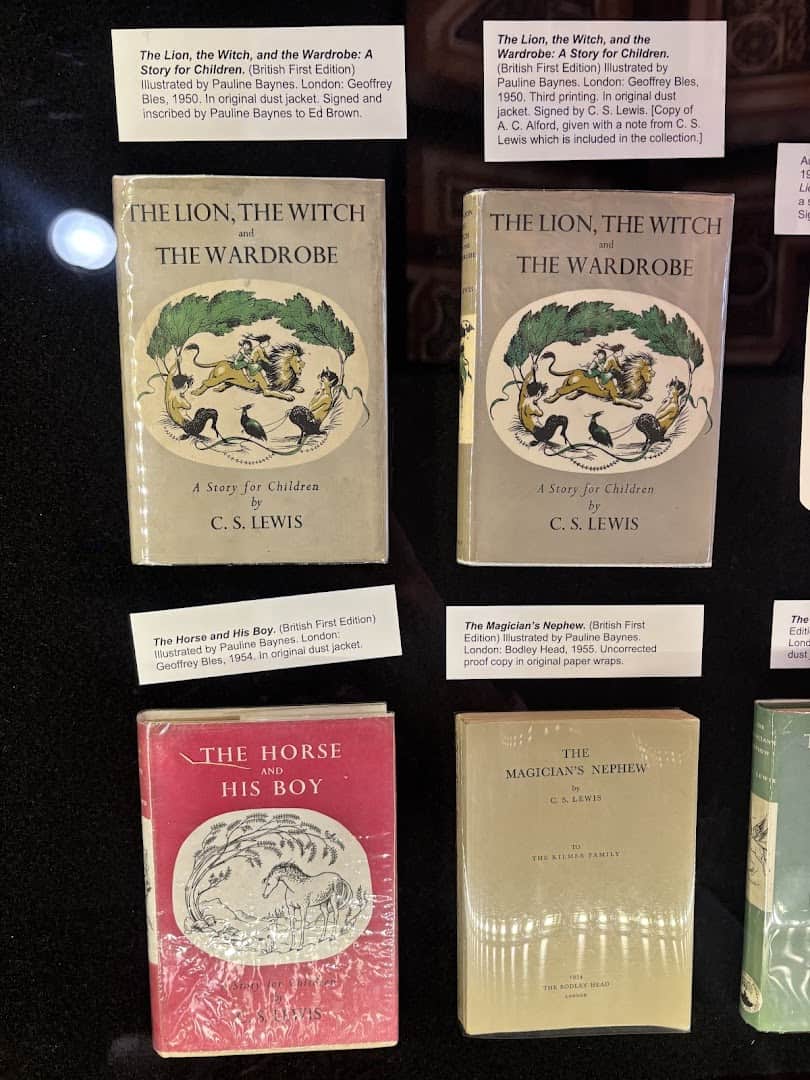
Then there is the C.S. Lewis collection, one of the largest in the United States. It holds around 60 first editions, starting with Lewis’s very first book, a slim 1919 volume of poems called Spirits in Bondage.
The Narnia fans among us get a real thrill here. Four original illustrations from Prince Caspian, drawn by Pauline Baynes herself, hang on the walls, along with handwritten letters in Lewis’s own hand and a painted map of Narnia.
Did you know there is even a nine-page manuscript of “Learning in War-Time,” the famous address Lewis gave to anxious Oxford students in 1939? Seeing his corrections in his own hand is like watching him think.
What ties all of it together is that none of this sits behind velvet rope. This is a working research library, and scholars fly in from around the world to study the primary sources on these shelves.
A regular speaker series brings in visiting experts on archaeology, ancient languages, and church history. On the right evening you can hear a leading scholar talk in the same rooms where the artifacts live.
A TARDIS in the Trees
Here is where the place stops being solemn and starts being fun. The founder has a sense of humor, and it shows up in the strangest corners of the grounds.
Out among the trees, a blue British police box stands guard. Yes, a full TARDIS from Doctor Who, and yes, it actually covers the property’s water supply. A Dalek lurks nearby too, a gift from a church friend who loves the show.
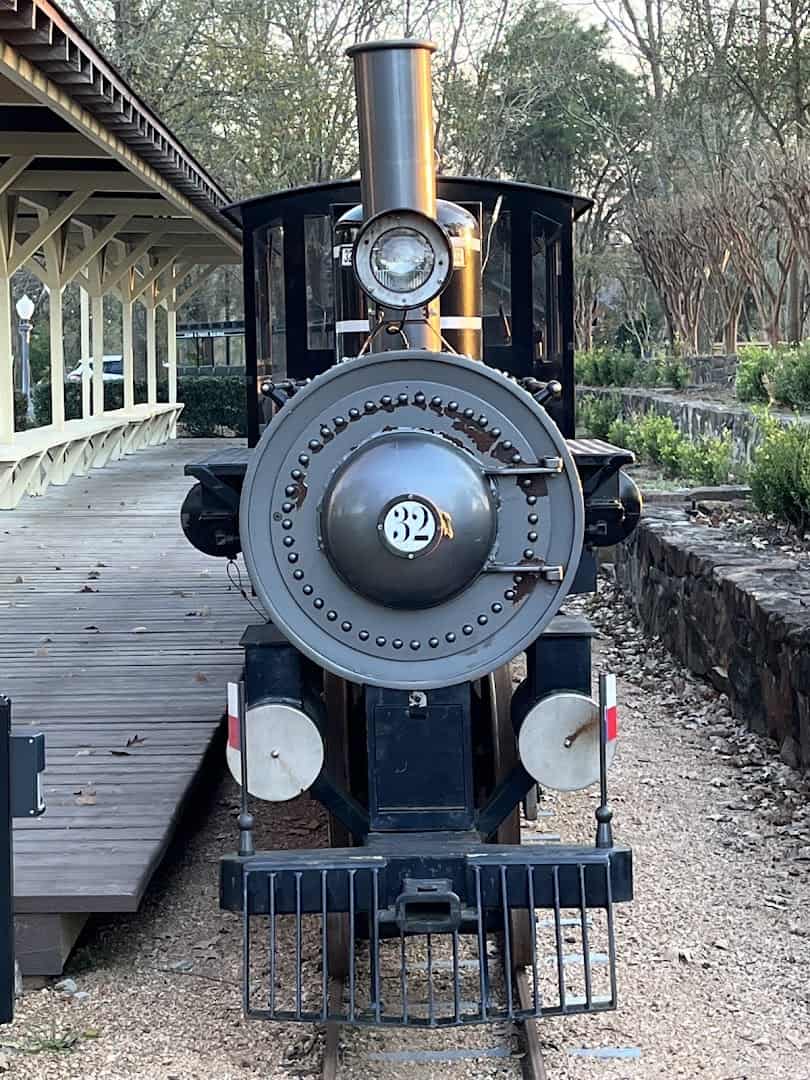
The whole estate keeps up the English theme everywhere you look. There is a little village feel to it, complete with a train and a cobblestone street that would not look out of place in a storybook.
Pro tip: give yourself time to walk the grounds, not just the buildings. The cobblestone paths and the courtyard are half the charm, and they are easy to rush past on the way to the front door.
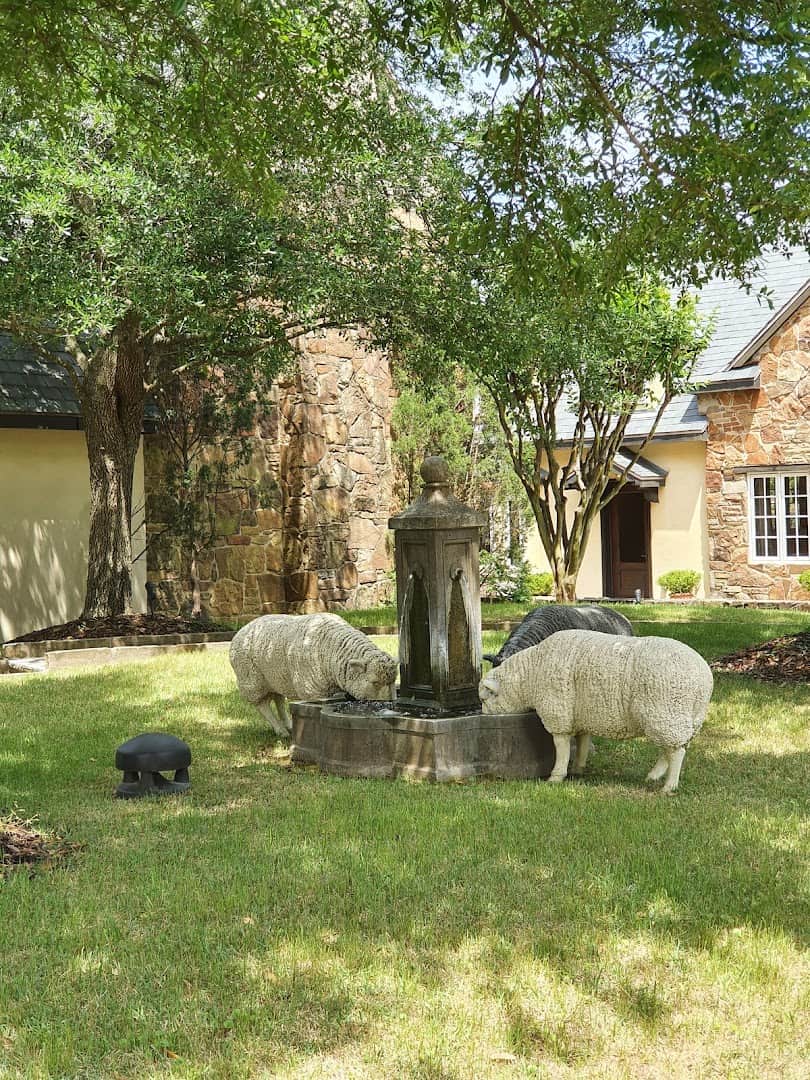
It all sits on a gated 35-acre estate, with the library and chapel on about ten of those acres. The rest is trees, courtyards, and cobblestone, the sort of grounds that reward a slow wander on a mild Texas afternoon.
How One Lawyer Built Oxford in Houston
None of this came from a university or a church endowment. It came from one man with a Sunday school habit and a very good idea.
Mark Lanier is a Houston trial attorney who founded the Lanier Law Firm, and he has taught Sunday school at Champion Forest Baptist Church for more than twenty years. Somewhere in those two decades, he decided teachers and scholars needed a better place to work.
In 2010 he flew to England, where his son Will was studying at Oxford. Together they toured Lanier’s favorite libraries and quietly took measurements, noting the lighting, the ceilings, the windows, even the bathrooms.
On the flight home he sketched a mashup of everything he loved into a single design, then handed the drawing to his contractor friend, Curtis. They broke ground and finished the whole library in under six months, which for a building this ornate is almost hard to believe.
“We wanted to put together a library that would be a world-class library that would draw scholars all around the world to use,” Lanier said. He built it not just for himself, but so anyone could reach the primary sources for free.
For the chapel, he found a photo of the ruined Turkish original online, then walked the ground with wooden stakes, a hammer, measuring tape, and string, marking off exactly where the ancient walls would rise again in Texas.
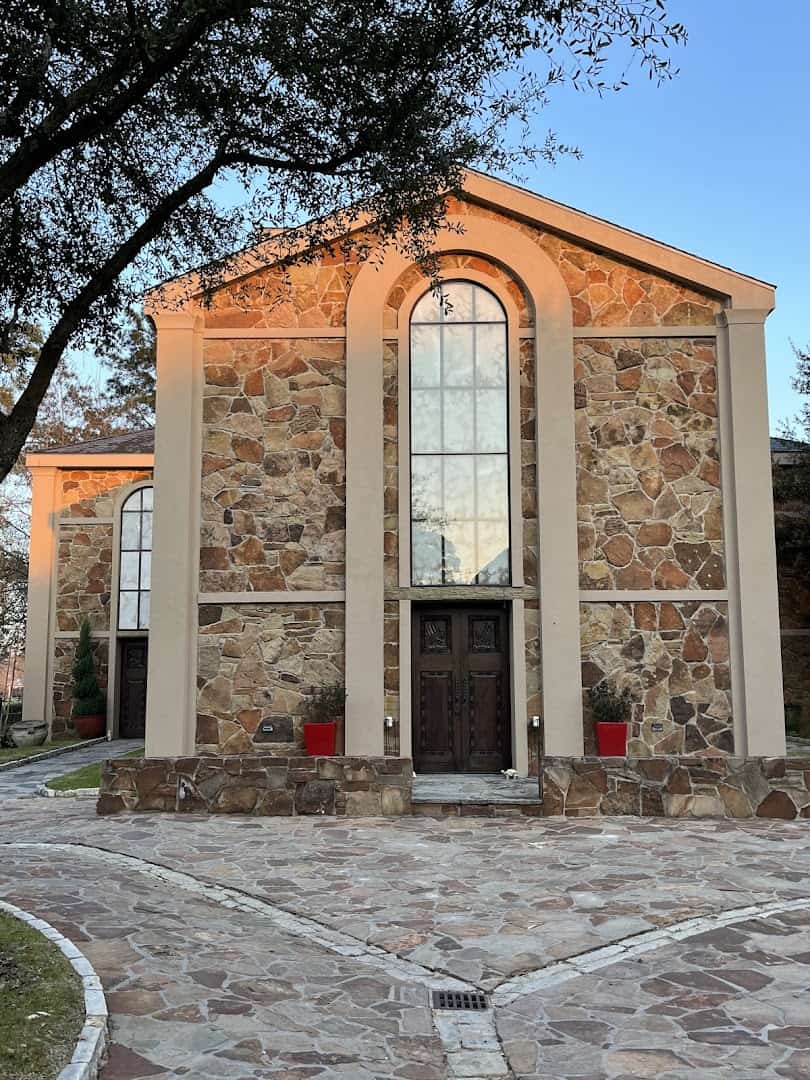
The project never really stopped growing. In 2023 a 40,000-square-foot learning center opened alongside the library, adding classrooms and conference space so more students and teachers can gather here to study.
How to Visit
The best part of this whole story is that you are invited. The library is open to the public and free to use, which for a collection like this feels almost too generous.
It is a research library, so you register first and bring a photo ID. When you arrive, you pull up to the Falba Gate and call the main number, and the staff opens it for you. It is gated, but the welcome is real.
Plan a weekday, since the library keeps regular business hours during the week and closes on weekends. The chapel typically shuts at 5 p.m., so give yourself daylight to see those alabaster windows do their thing.
Bring something to write with and plan to stay a while. This is a place made for slowing down, whether you come to chase a research question, admire the ceilings, or simply sit somewhere quiet for an hour.
It works just as well as a curious day trip as it does for serious study. You do not need to be a scholar to feel welcome here.
Tip: hours and access details drift, so call ahead before you drive out. A quick phone call also lets them tell you about any lectures on the calendar, which are worth building a trip around.
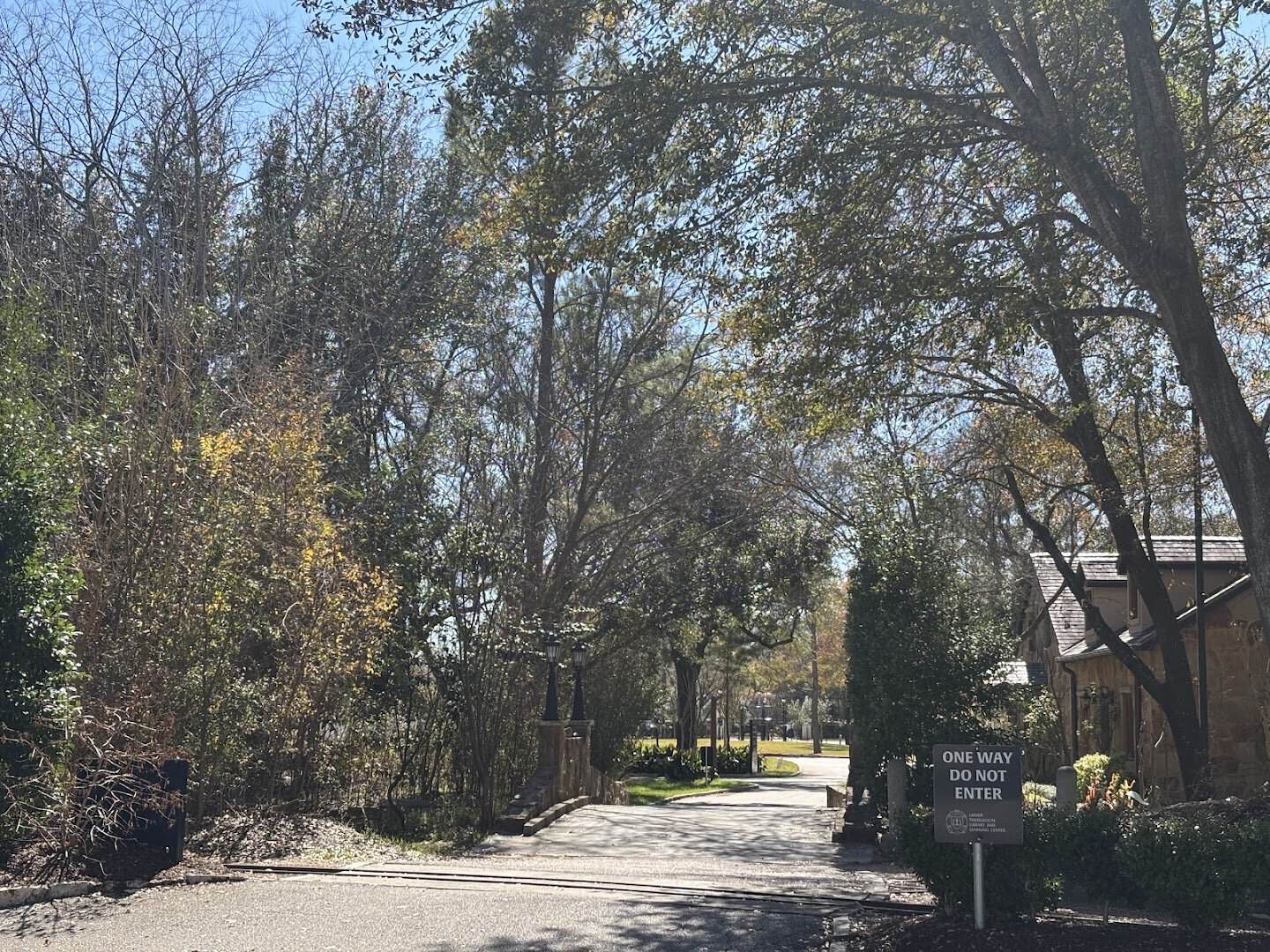
Where: Lanier Theological Library, 14130 Hargrave Rd, Houston, TX 77070
Plan Your Quiet Texas Detour
There is something wonderful about a place this grand that so few people know is here. No ticket booth, no crowd, no fuss. Just a gate, a phone call, and a room full of warm light waiting on the other side.
So the next time you are near Houston and craving somewhere calm and a little magical, point the car toward Hargrave Road. Bring a notebook, leave your expectations at the gate, and let a corner of Oxford and a piece of ancient Turkey surprise you.
Featured image: Christina Mitchell via Lanier Theological Library

Stella Raines
Editor-in-Chief
Stella brings over a decade of storytelling experience to TX Headlines. With roots in West Texas and a love for road trips, she leads the editorial team with an eye for the hidden stories that make Texas unforgettable.
More Stories

This Hidden Texas Cave Is a Hand-Carved Fairy Tale Most Visitors Stroll Right Past
This Serene Texas Garden Is Completely Free, Yet It Feels Like a Private Retreat
This Cobblestone Texas Village Feels More Like Old Europe Than the Lone Star State

This Quiet Texas Park Hides a Legendary WWII Submarine That Sank a Japanese Carrier
Tags