This Remote Texas Destination Is the Ultimate Paradise for Stargazing
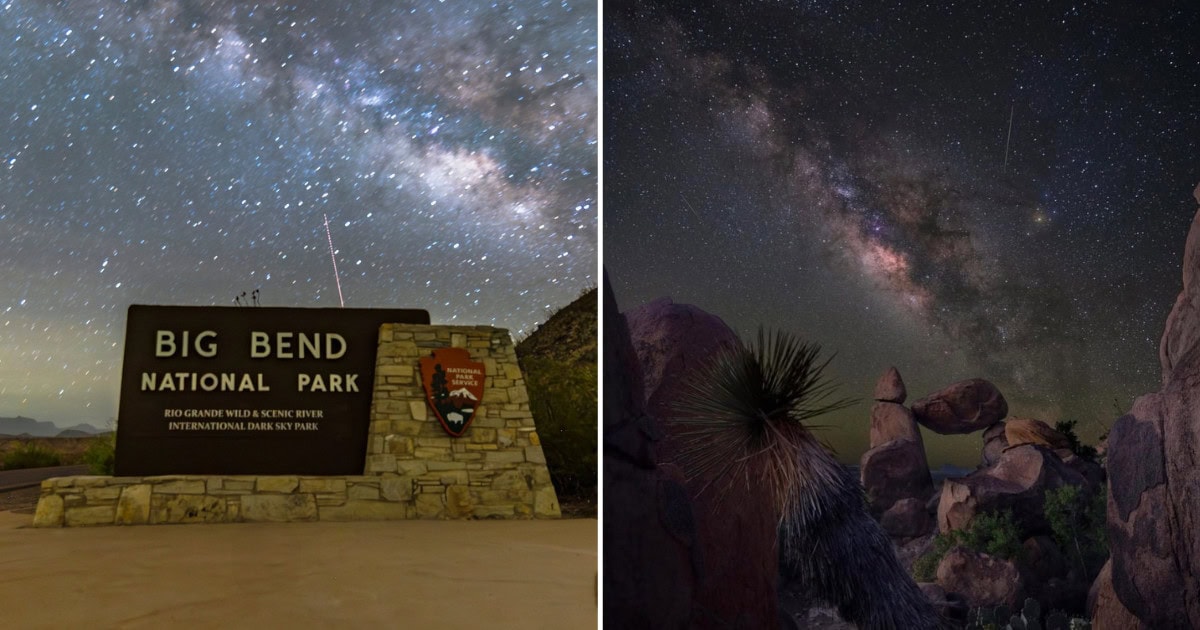
Standing in the Chisos Basin at 2 a.m., with no cell signal and no city glow for a hundred miles in any direction, you start to understand why ancient humans believed the sky was telling them stories.
Big Bend National Park occupies a corner of Texas that most Texans will never visit.
The park sits where the Rio Grande makes its dramatic southward curve—the “big bend” that gives it a name—and encompasses 801,163 acres of Chihuahuan Desert, volcanic mountains, and river canyons along the Mexican border.
It’s one of the least-visited national parks in the lower 48 states, which is precisely what makes it one of the most remarkable.
Where the Map Runs Out of Roads
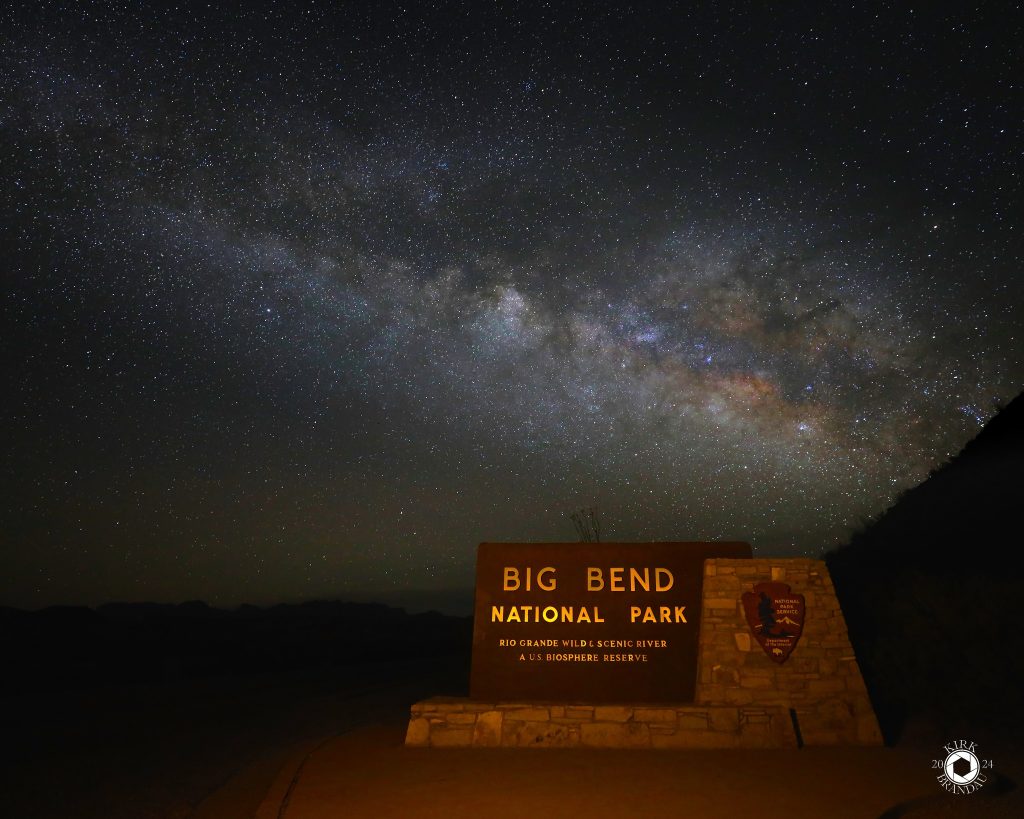
Big Bend occupies Brewster County in far southwest Texas, roughly 300 miles from San Antonio and El Paso alike.
The drive from most Texas cities takes at least five hours; from Houston, you’re looking at seven or eight.
The park’s northern entrance at Persimmon Gap sits 42 miles south of Marathon, the nearest town with reliable services.
This isolation isn’t accidental geography—it’s the reason the park exists. The Chihuahuan Desert here remained largely undeveloped because ranching was marginal, water scarce, and terrain difficult.
When Congress authorized the park in 1935 and it opened in 1944, they were preserving a landscape development had mostly ignored.
Darkness You Can Feel
What Gold Tier Means
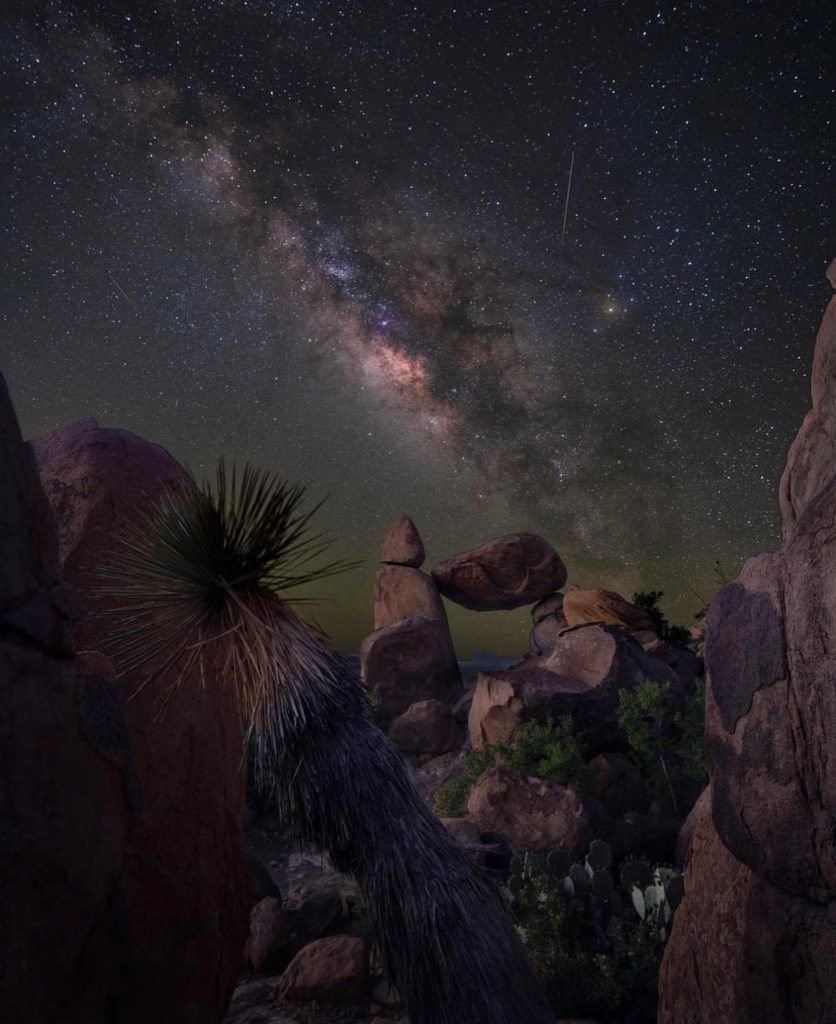
Big Bend’s dark sky designation isn’t marketing language. The park consistently registers Class 1-2 on the Bortle Dark-Sky Scale, where 1 represents theoretical perfect darkness and 9 represents inner-city sky glow.
Here, the Milky Way isn’t a faint smear—it’s a three-dimensional structure stretching overhead, bright enough to cast shadows on the desert floor.
The Greater Big Bend International Dark Sky Reserve, which includes Big Bend and surrounding protected lands, spans over 9 million acres—the largest dark sky certified area in the world.
Local communities have adopted lighting ordinances and retrofitted streetlights to preserve this darkness. The nearest significant light pollution comes from Alpine, 80 miles north.
Where to Look Up
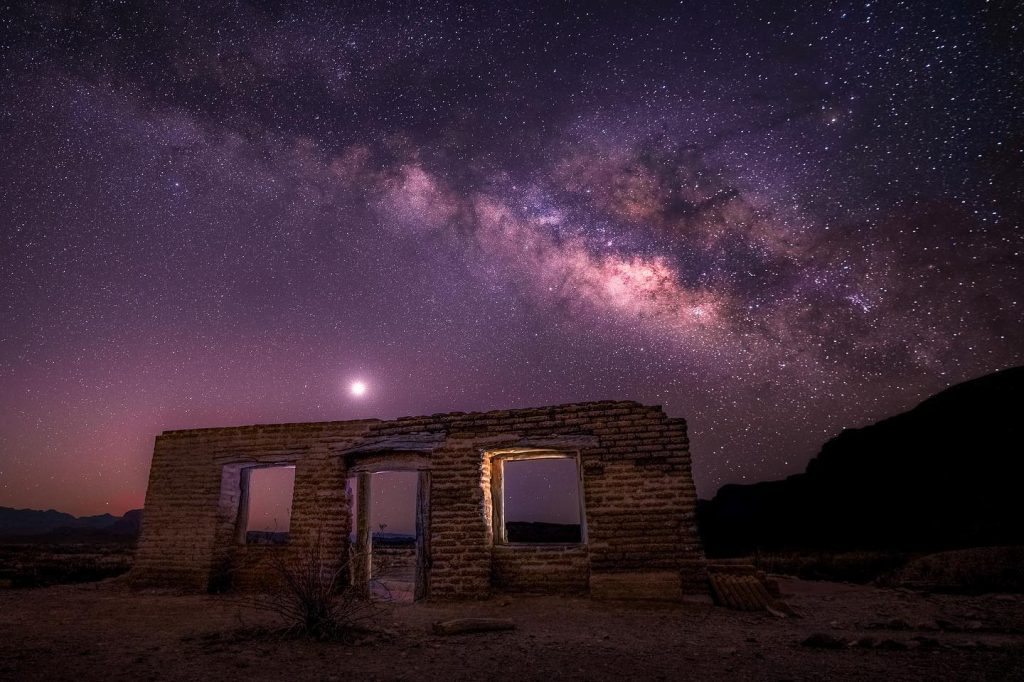
Nearly anywhere in the park offers exceptional stargazing, but several locations stand out. The Sotol Vista overlook on the Ross Maxwell Scenic Drive provides 360-degree views with minimal terrain blocking the horizon.
The parking area at Santa Elena Canyon offers the surreal experience of watching the Milky Way arc between canyon walls rising 1,500 feet above the Rio Grande.
The Chisos Basin itself, despite having the park’s only lodge and campground, remains remarkably dark—though the higher elevation means cooler temperatures, which can be a blessing or a challenge depending on the season.
Rio Grande Village on the park’s eastern side offers open desert views and proximity to the hot springs if you want to soak before your stargazing session.
The park offers ranger-led night sky programs throughout the year. These provide telescope access and expert guidance, though even without equipment, the naked-eye experience exceeds what most people have ever witnessed.
Timing Your Darkness
The best stargazing combines new moon nights with clear skies. March through October offers the clearest Milky Way views, with the galactic core visible overhead during summer.
Winter brings crisper air but colder temperatures requiring serious preparation for extended observation.
Preparing for the Edge
The Non-Negotiables
Big Bend’s remoteness demands preparation. Cell service essentially doesn’t exist—phones may occasionally catch a Mexican tower, but reliable communication requires satellite devices.
Fuel up before entering. The only gas station inside is at Panther Junction, and it occasionally runs dry. The nearest reliable fuel outside the park is in Study Butte or Alpine.
Water consumption increases dramatically in desert heat—plan on a gallon per person per day for hiking, more if temperatures push above 100 degrees (common May through September).
Be warned, the park’s summer heat poses a serious risk to unprepared visitors.
Wildlife Awareness
About 30 to 40 black bears live in the park, primarily in the Chisos Mountains—they’re generally not aggressive but require proper food storage.
Mountain lions number around two dozen, with roughly 150 sightings reported annually.
Rattlesnakes, including the aggressive Western Diamondback, inhabit all park ecosystems; watch where you step and put your hands.
Worth the Distance
Big Bend demands commitment. You won’t stumble across it on the way to somewhere else.
The drive alone filters out casual visitors, leaving the park to those willing to sacrifice time and comfort for genuine wilderness solitude under genuinely dark skies.
Standing in the desert at night, watching satellites trace silent arcs across the Milky Way while coyotes call from the blackness, it becomes clear why people drive eight hours to reach a place with no cell service and minimal amenities.
The sky tells stories here that city light has erased everywhere else—and Big Bend remains one of the last places in the lower 48 where you can still hear them.

Stella Raines
Editor-in-Chief
Stella brings over a decade of storytelling experience to TX Headlines. With roots in West Texas and a love for road trips, she leads the editorial team with an eye for the hidden stories that make Texas unforgettable.
More Stories
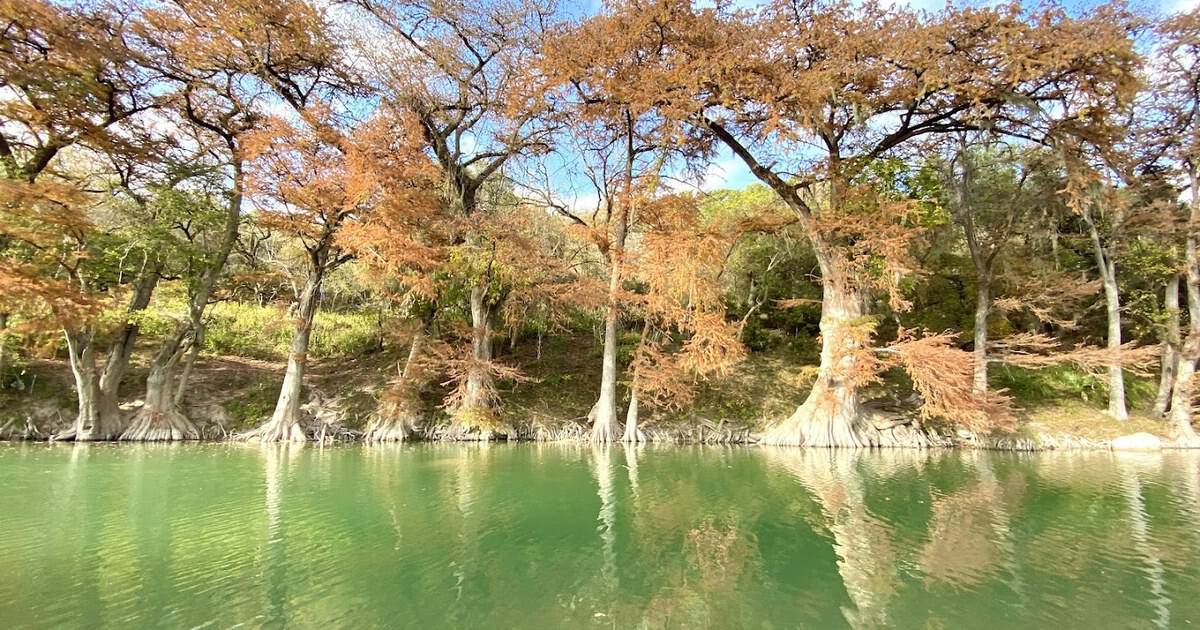
This 2-Mile Texas Trail Follows One of the Last Pristine Creeks in the State
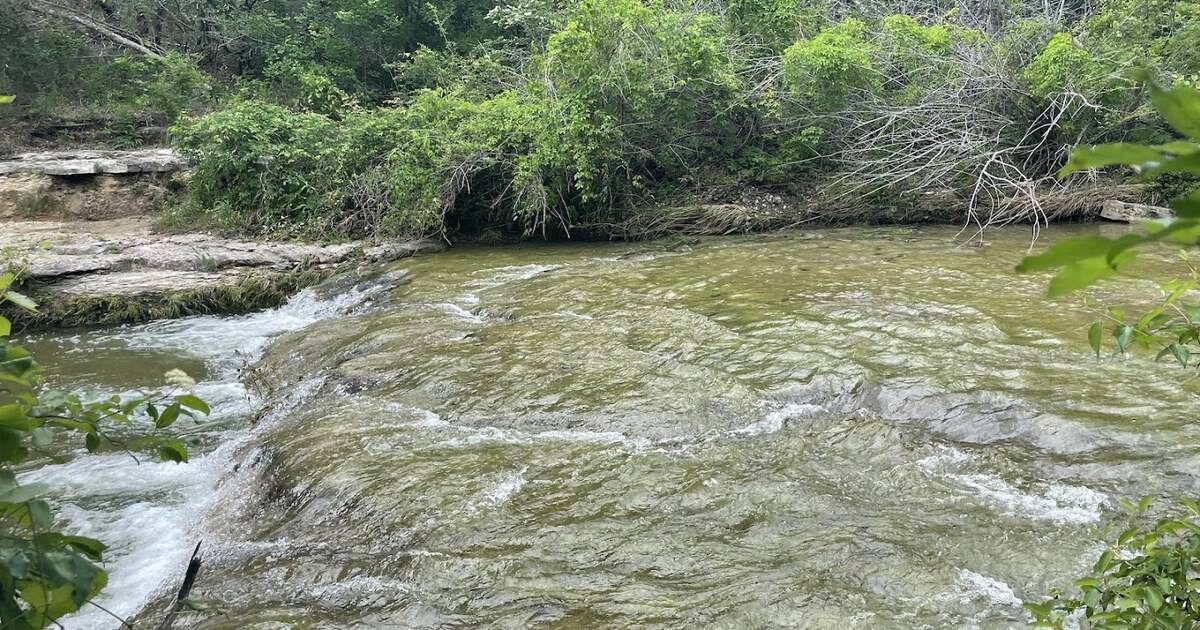
This Hidden Texas Trail Leads to Limestone Waterfalls and Spring Wildflowers
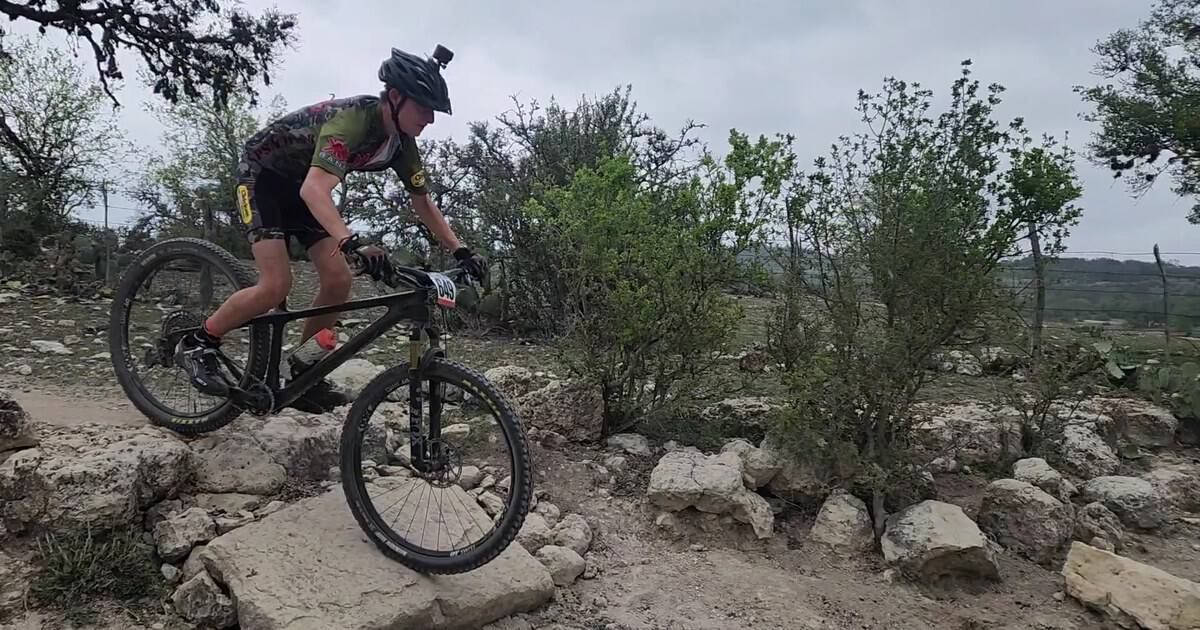
This Rugged Texas Ranch Has Nearly 30 Miles of Twisting Mountain Bike Trails That Keep Riders Coming Back
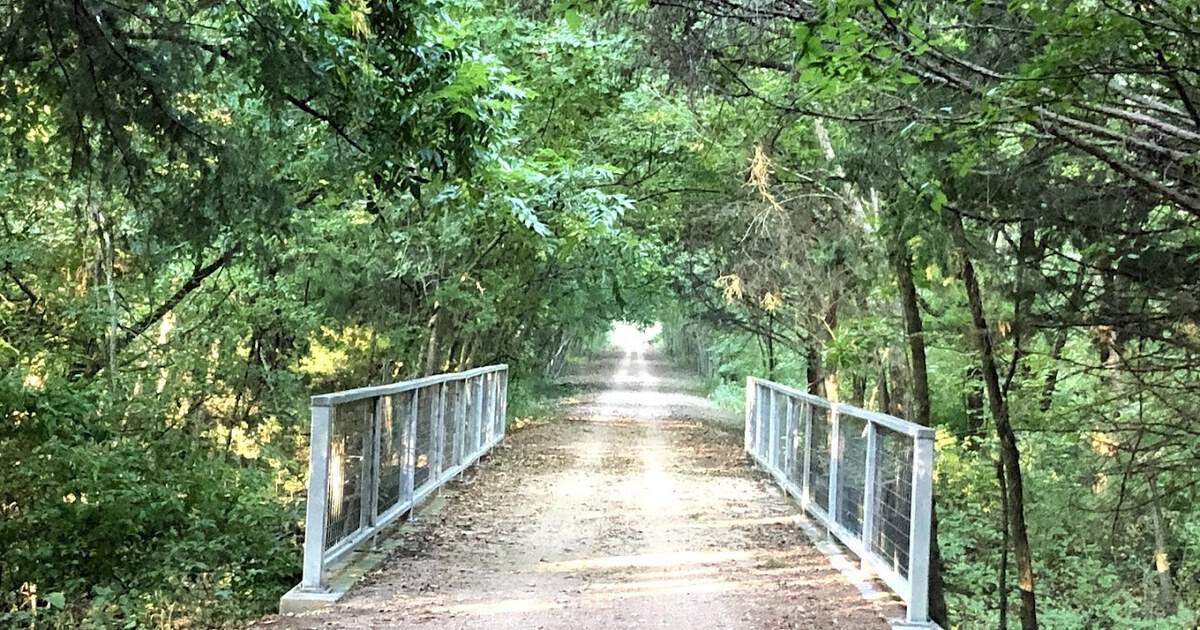
This Epic Texas Rail-Trail Stretches 130 Miles Past 19 Small Towns and Over 100 Old Trestles
Tags