The Texas Forest That Looks Like It Belongs in a Fairy Tale
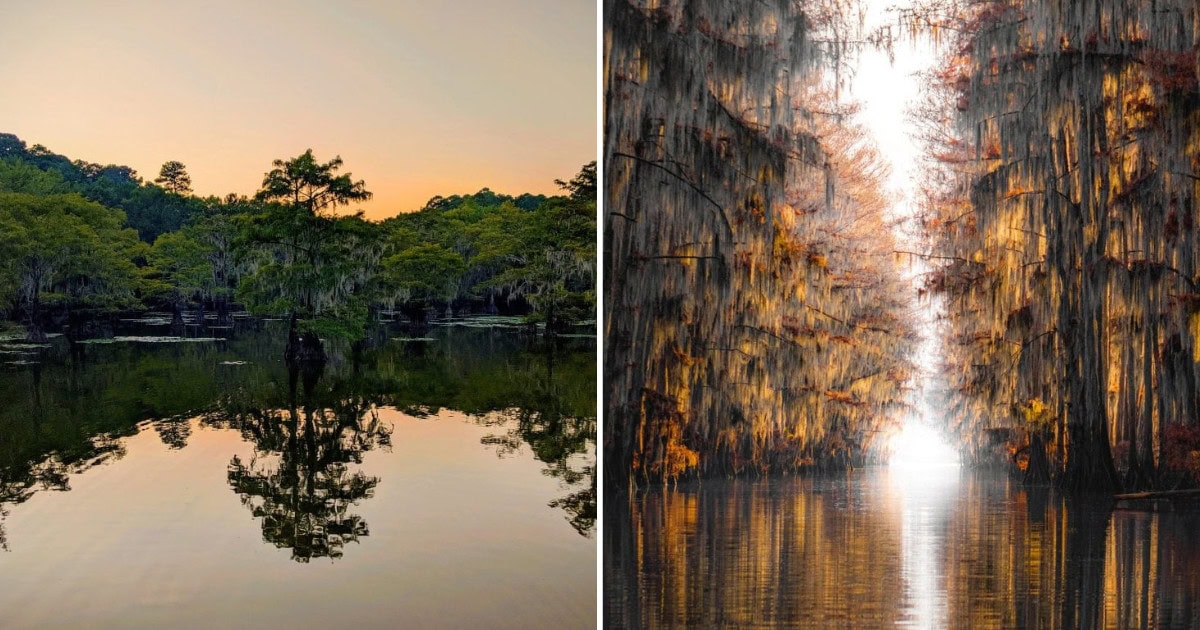
Somewhere in the far reaches of East Texas, where the state feels more like Louisiana than the Lone Star you imagined, ancient bald cypress trees rise straight out of the water.
Their trunks bulge at the surface. Spanish moss drapes from their branches in long, ghostly tendrils.
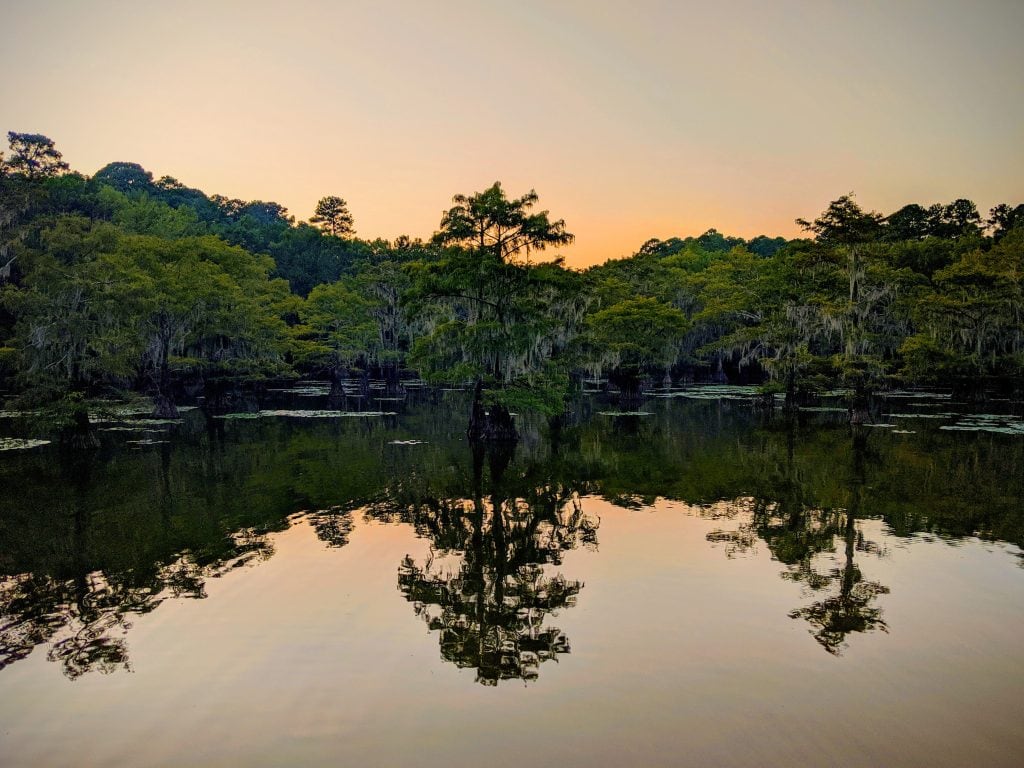
The water beneath them lies perfectly still, reflecting the trees like a mirror until a turtle surfaces or a heron takes flight.
This is Caddo Lake, and if you’ve never been here, you’ve never seen Texas like this.
For travelers seeking something different from the desert mesas and Hill Country vistas that define most Texas travel, Caddo Lake delivers a quiet, beautiful surprise.
Where Is Caddo Lake State Park?
Location & Regional Overview
Caddo Lake State Park sits in Harrison County in far Northeast Texas, just a few miles from the Louisiana border.
The nearest town is Karnack, a small community that serves as the gateway to the lake. The historic town of Jefferson, a former steamboat port with antebellum architecture and ghost tours, lies about 15 miles to the northwest.
The park is roughly 2.5 hours east of Dallas, about 30 miles west of Shreveport, Louisiana, and approximately 3 hours north of Houston.
This corner of Texas feels remote—piney woods stretch in every direction, and the pace slows considerably compared to the state’s urban centers.
Why Caddo Lake Is So Unique in Texas
Caddo Lake is one of the only natural lakes in Texas. While the state has over 200 reservoirs, nearly all were created by dams.
Caddo formed naturally, likely the result of a massive logjam on the Red River called the Great Raft, though Caddo Indian legend attributes its creation to an earthquake sent by the Great Spirit.
A dam was added in the early 1900s to stabilize water levels, but the lake retains its wild, primeval character.
The wetland ecosystem here is so significant that it’s protected under the international Ramsar Convention, which recognizes exemplary wetlands worldwide. Caddo Lake is one of only 27 U.S. wetlands with this designation.
Things to Do at Caddo Lake State Park
Kayaking & Canoeing
Paddling is the essential Caddo Lake experience. The state park offers canoe rentals at Saw Mill Pond, or you can bring your own kayak or canoe.
The Caddo Lake area has approximately 50 miles of marked paddling trails, ranging from easy loops around Saw Mill Pond to more adventurous routes like Hell’s Half Acre, which winds through dense cypress forest.
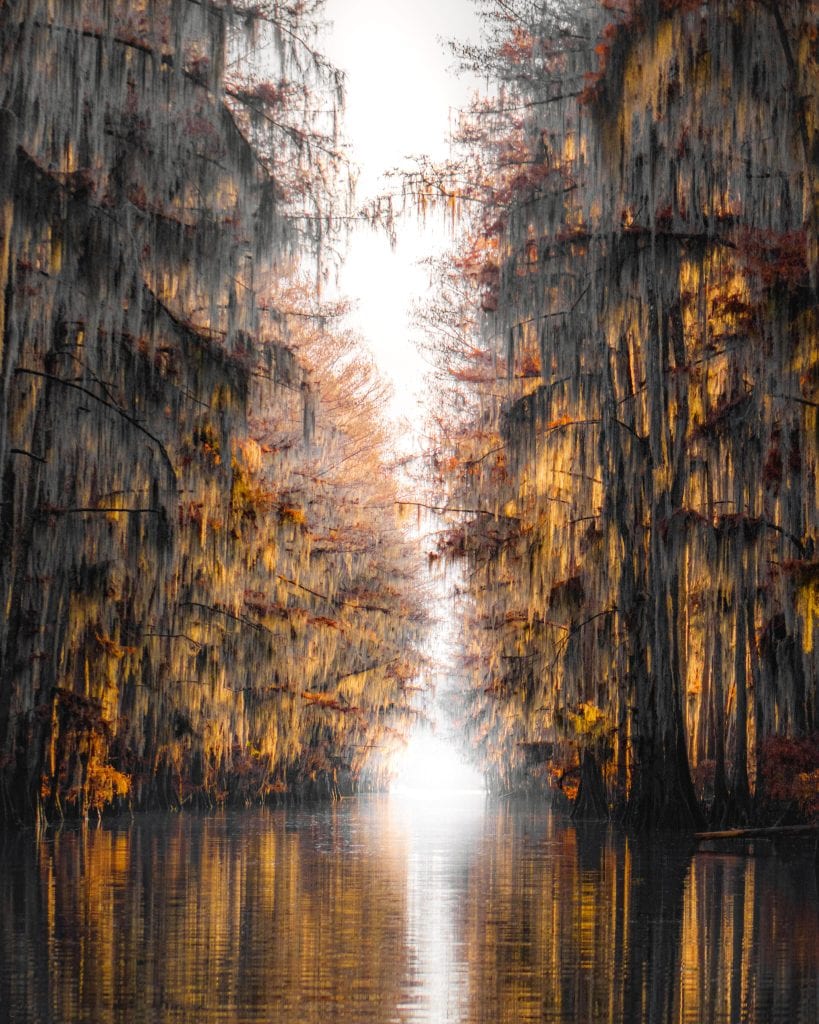
Paddling here is unlike anywhere else in Texas. You glide beneath towering trees, through narrow channels where branches nearly touch overhead, past turtles sunning on logs and herons stalking the shallows.
The water is stained a tea-brown color from tannins—perfectly natural—and the reflections can be so perfect that it’s hard to tell where the water ends, and the sky begins.
For those less confident in navigation, guided boat tours operate from the nearby town of Uncertain and offer an excellent introduction to the lake’s geography and wildlife.
Fishing
Caddo Lake is renowned for its fishing. More than 70 species of fish live in these waters, including largemouth bass, crappie, catfish, and chain pickerel.
The lake’s abundant vegetation and submerged structure provide excellent habitat, particularly for bass. Largemouth bass fishing is good year-round, with trophy-sized fish (over 8 pounds) available.
Spring, especially March, is prime time for bass. Crappie and white bass fishing peak in winter and early spring.
The state park has a fishing pier and boat ramp. You don’t need a fishing license to fish from shore within the state park, and the park office can lend fishing gear to visitors who didn’t bring their own.
Hiking Trails
The park offers 2.5 miles of trails through the forested uplands surrounding the bayou. The Caddo Forest Trail winds through bottomland forest where you might spot armadillos, white-tailed deer, raccoons, and woodpeckers.
The trail leads to a historic pavilion built by the Civilian Conservation Corps in the 1930s. The Pine Ridge Loop passes through mixed pine-oak forest and by some of the park’s historic cabins.
These aren’t long hikes, but they provide a welcome complement to time on the water and offer different perspectives on the park’s varied habitats.
Wildlife Watching
Caddo Lake’s watershed supports the greatest variety of native aquatic wildlife in Texas. The park sits within the Central Flyway, making it an important stopover for migratory birds.
Over 200 species of birds have been documented here, including great blue herons, egrets, barred owls, prothonotary warblers, and wood ducks.
American alligators live in the park and the surrounding waters. Observe them from a safe distance and follow posted safety guidelines.
Turtles are everywhere, often visible basking on logs. Beavers, raccoons, mink, and coypu inhabit the wetlands. With patience and quiet, the wildlife reveals itself.
Camping at Caddo Lake State Park
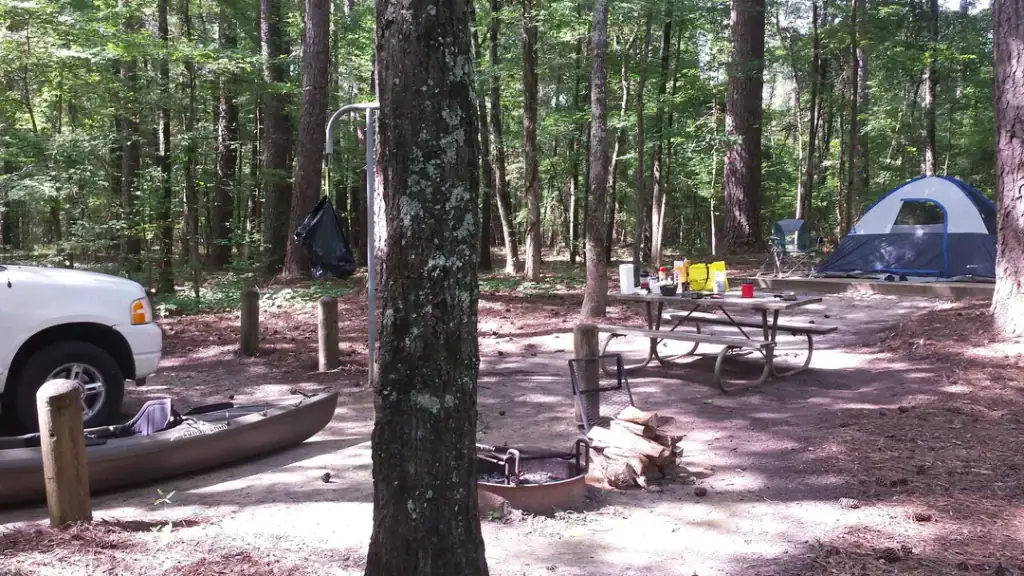
The park offers 46 campsites with options ranging from water-only sites to full-hookup sites with electricity, water, and sewer. Screened shelters provide a middle ground between tent camping and cabin stays.
The historic cabins are a highlight. Built by the Civilian Conservation Corps in the 1930s, these stone-and-timber structures range from two-person to six-person capacity. Some have their own restrooms and kitchenettes.
A Different Kind of Texas
Caddo Lake State Park asks visitors to slow down. There are no dramatic canyon overlooks or rushing rivers here.
The beauty is quieter, revealed in the stillness of the water, the slow drift of Spanish moss, the patience required to spot a heron or hear a warbler.
This is Texas at its most unexpected: a cypress swamp that feels like another world, a protected wetland of international significance, a place where 400-year-old trees rise from the water in shapes that defy explanation.
For travelers who think they know what Texas looks like, Caddo Lake is a gentle, gorgeous correction.
Book a cabin. Rent a canoe. Paddle into the maze of bayous at dawn. Discover the fairy-tale forest hiding in the far corner of the Lone Star State.

Stella Raines
Editor-in-Chief
Stella brings over a decade of storytelling experience to TX Headlines. With roots in West Texas and a love for road trips, she leads the editorial team with an eye for the hidden stories that make Texas unforgettable.
More Stories
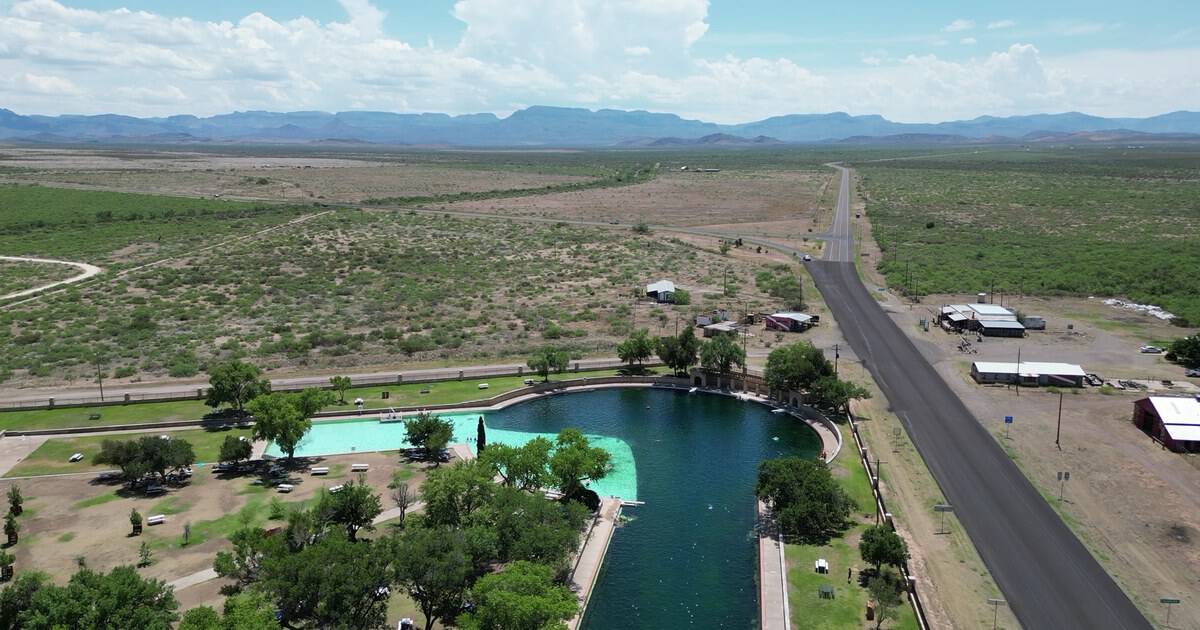
This Crystal-Clear West Texas Pool Is the World’s Largest Spring-Fed Swimming Hole, and It Stays 72 Degrees Year-Round
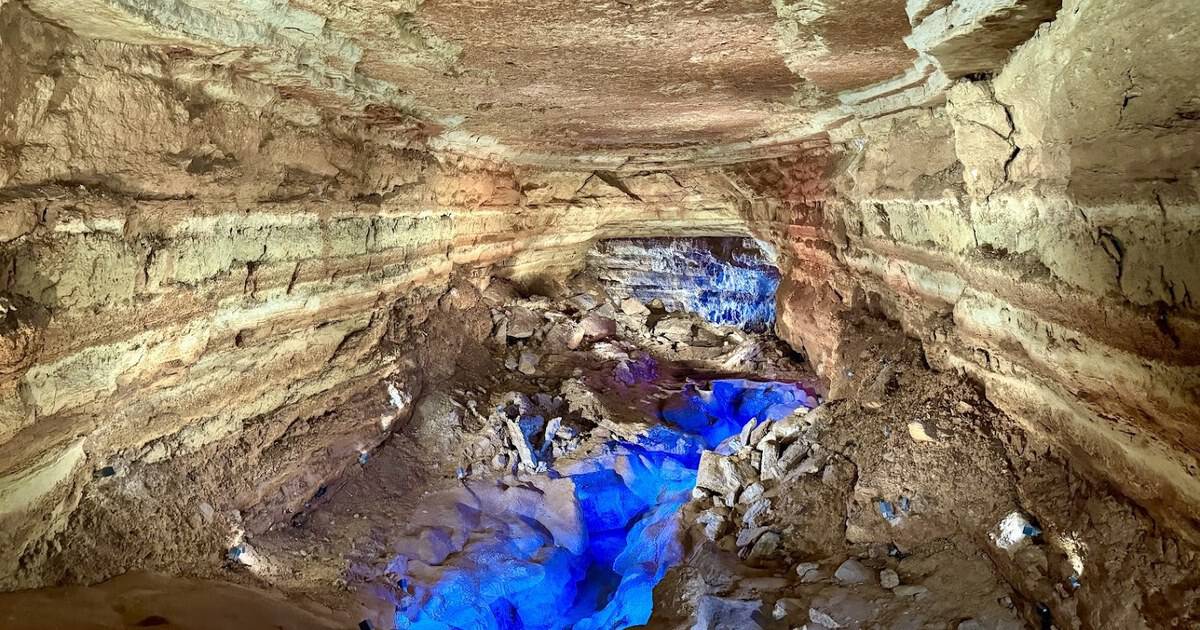
This Adventurous Texas Cavern Hides Glowing Blue Pools 180 Feet Underground
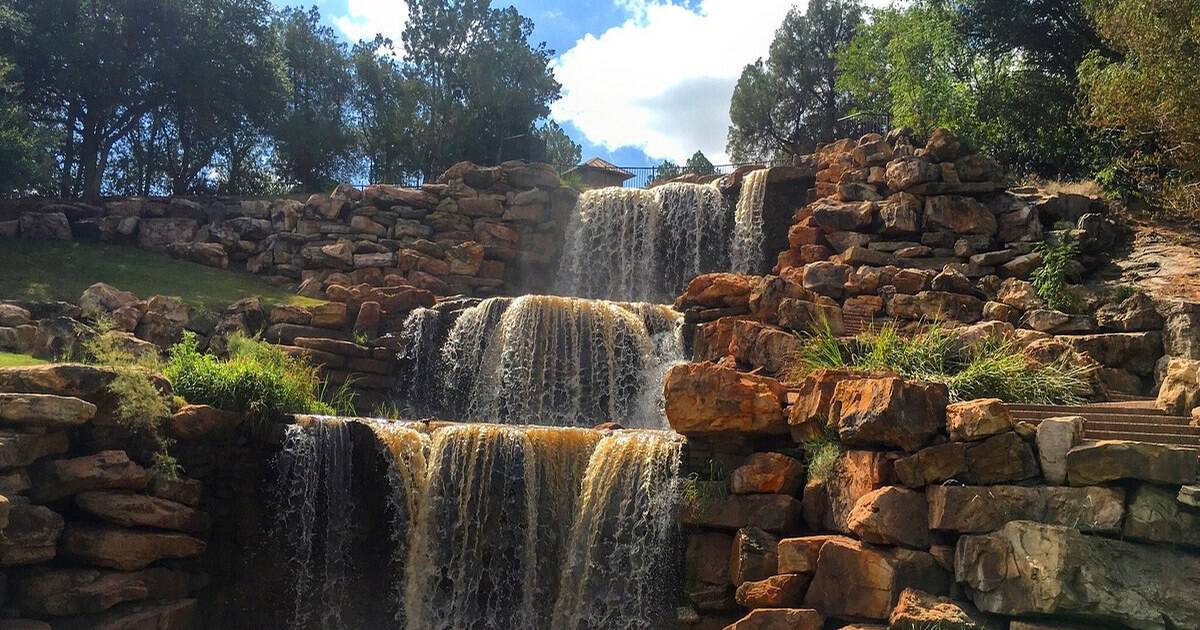
This Quiet North Texas Park Ends a Swaying Bridge at a 54-Foot Waterfall
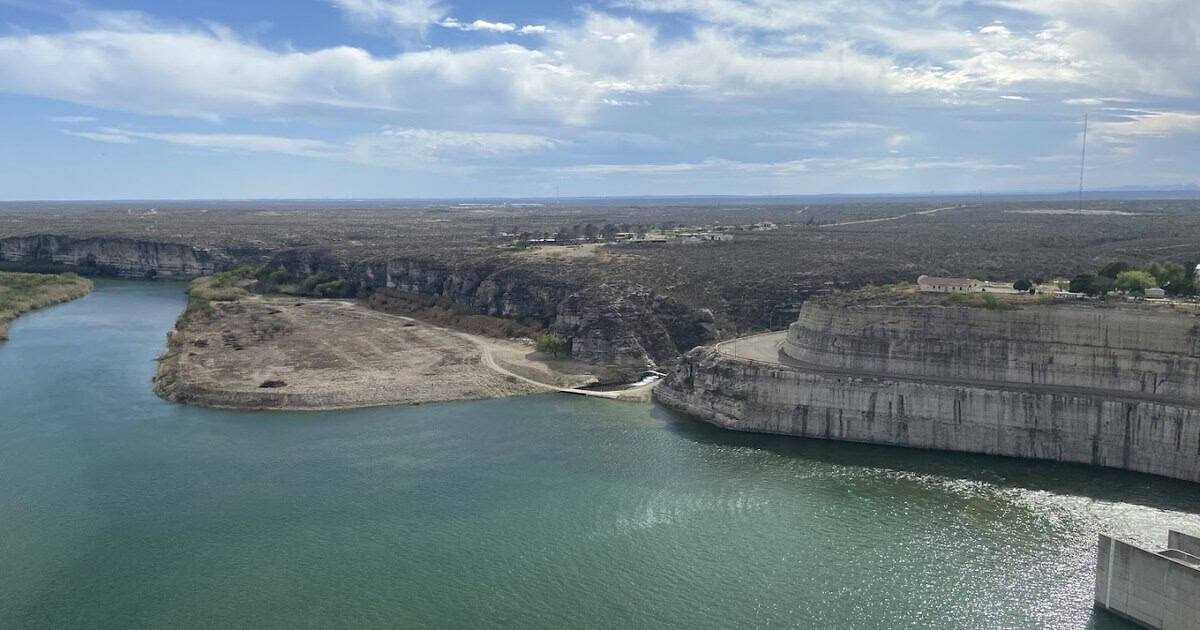
This Crystal-Clear Texas Lake Is the Deepest in the State, and Its Water Is Clear Enough for 100-Foot Dives
Tags