This Crystal-Clear Texas River Park Costs Just $7 to Enter and Feels Like a Million Bucks
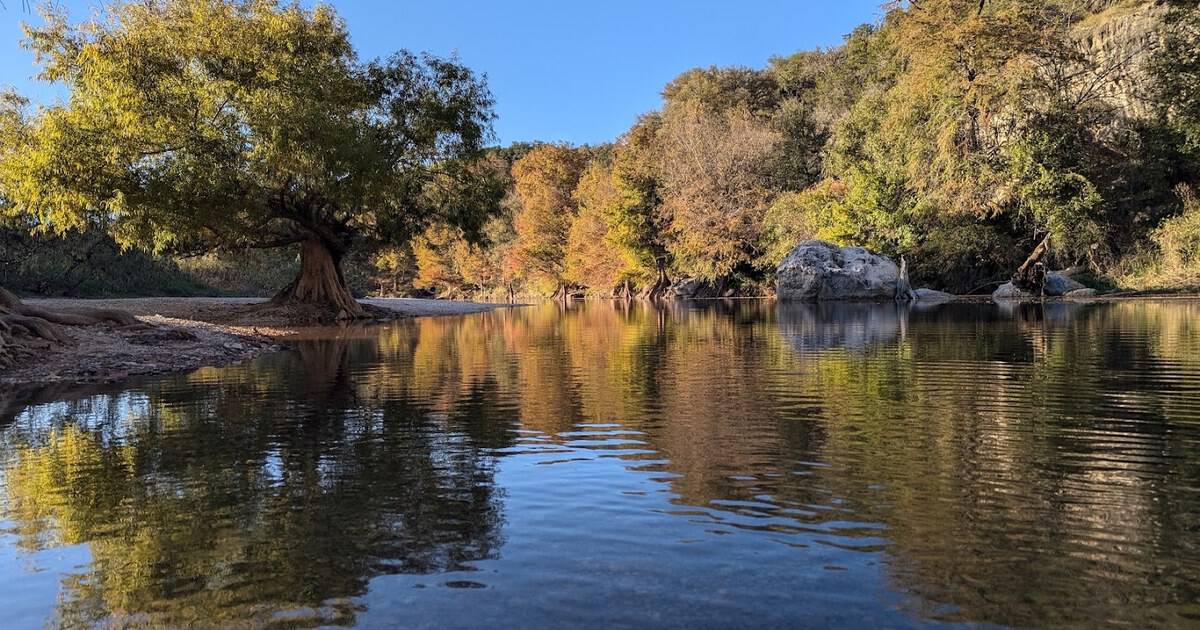
Nobody warns you how much a good river can undo a bad week. I slip in up to my shoulders, the current lifts the weight off my feet, and whatever I was stressed about that morning quietly floats downstream without me.
I chase that feeling every summer. The best version of it, in my opinion, does not come from a fancy resort with a swim-up bar. It comes from a stretch of cold, clear water under old trees, where the only sound is cicadas and somebody’s kid shrieking with joy.
Which brings me to a Hill Country state park that pulls off something almost unfair. For the price of a fast-food combo, it hands you four miles of the Guadalupe River and a wall of ancient cypress giants leaning over the water.
Below, here is what your seven dollars actually buys, and why families keep driving back for it year after year.
Seven Dollars for Four Miles of Green Water
Let’s talk about the fee first, because it is the hook and it is real. Adult day entry is just $7. Children twelve and under get in free. That is the whole cost of admission for a full day on one of the prettiest rivers in Texas.
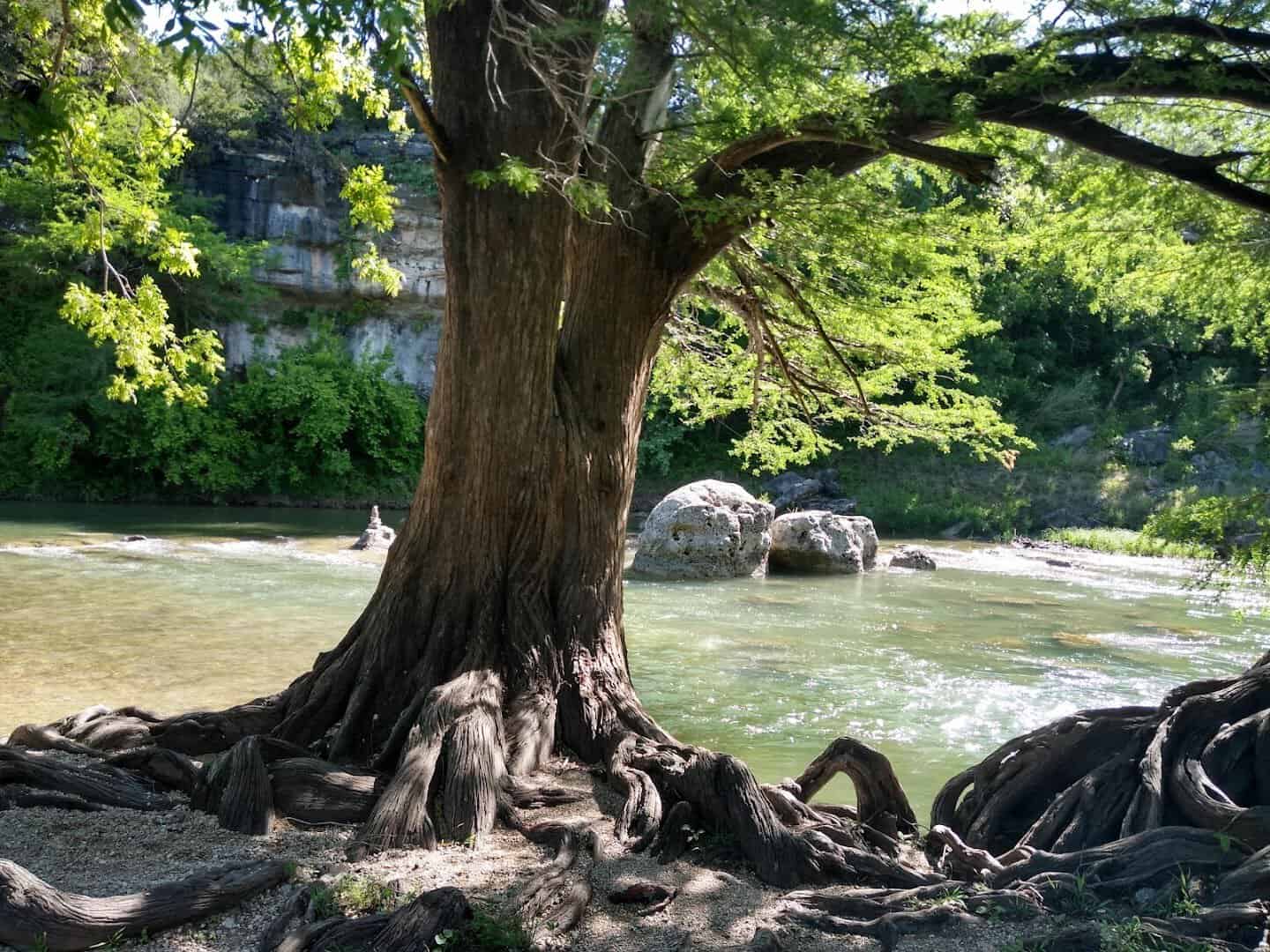
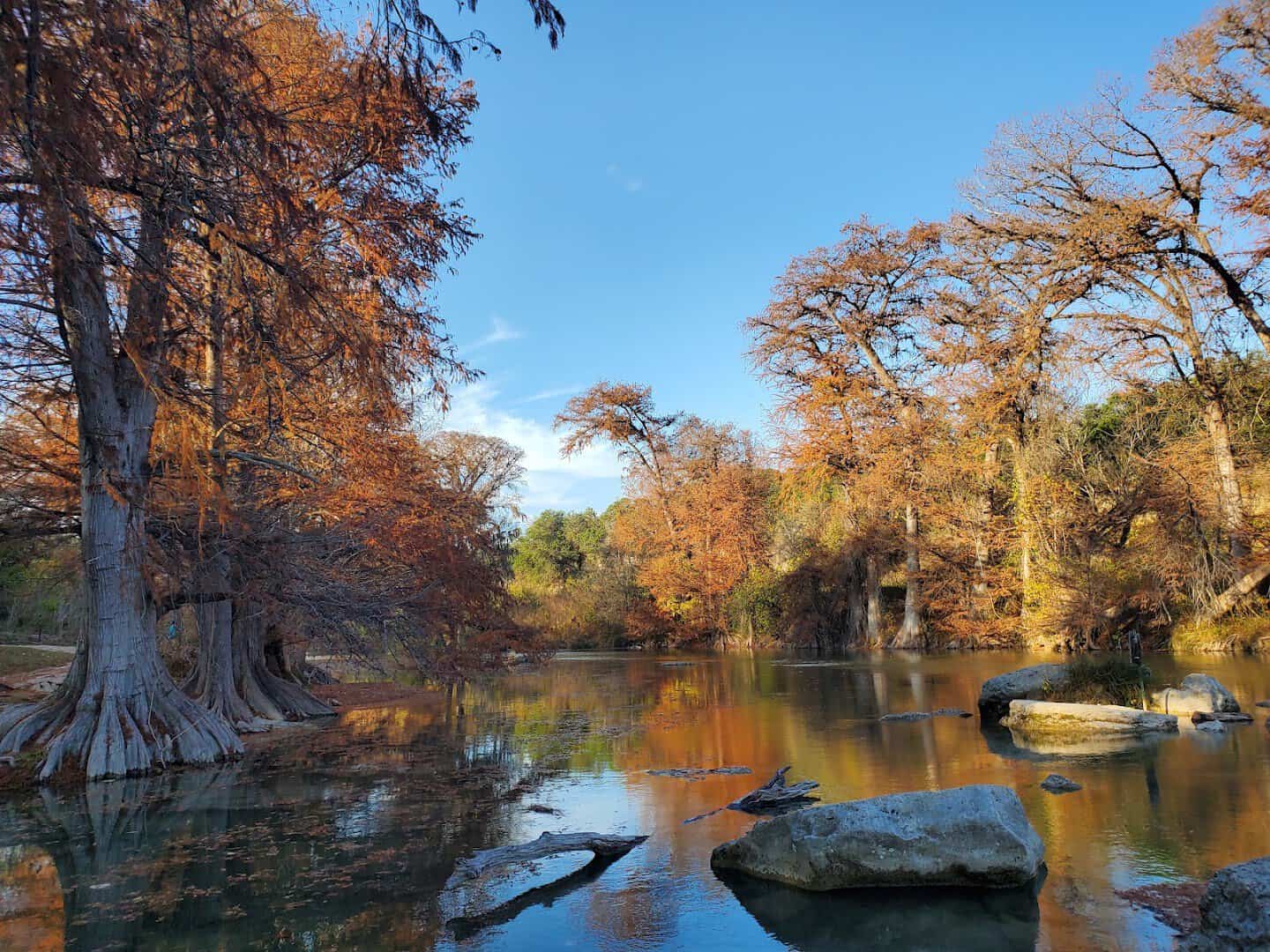
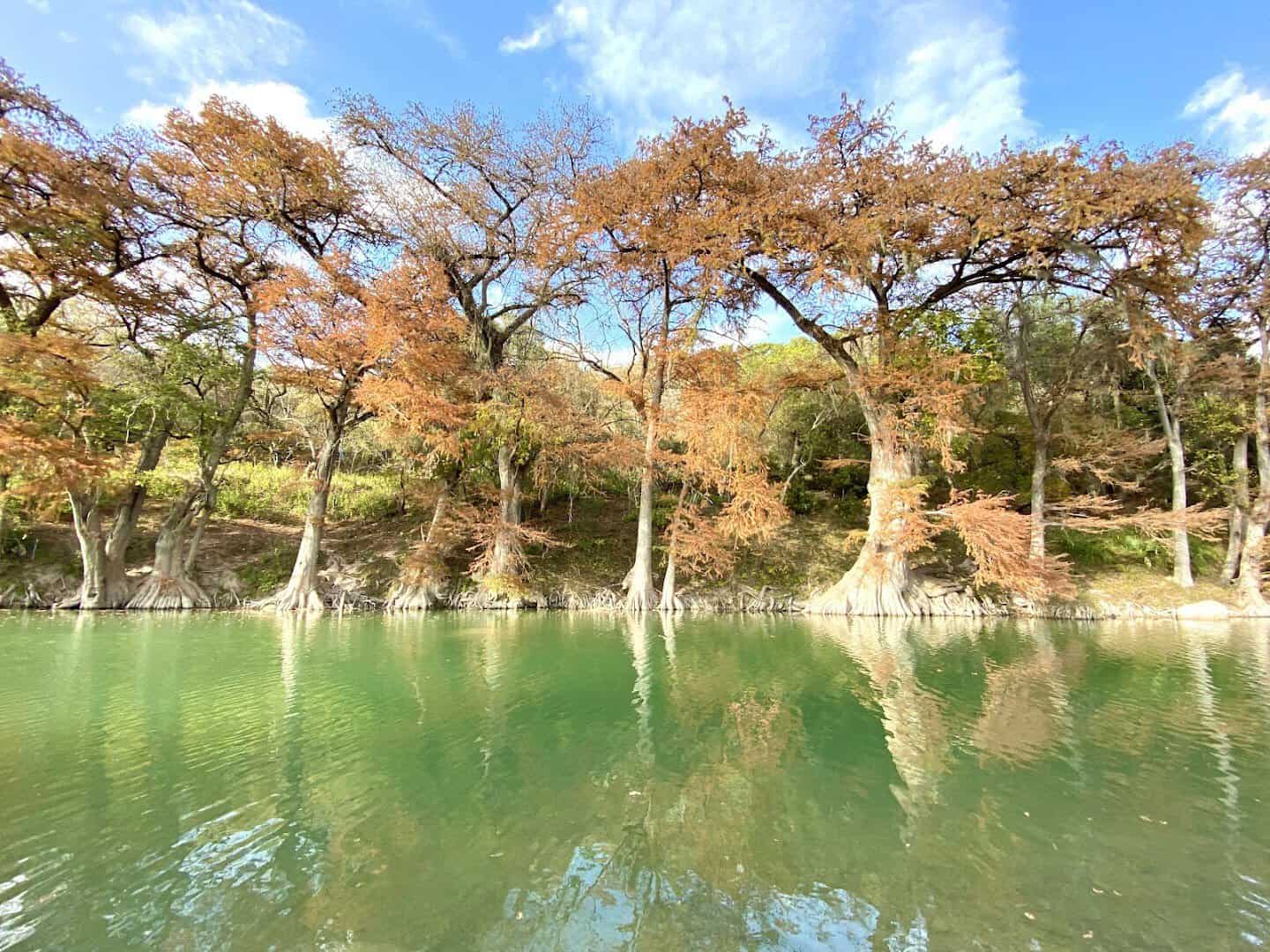
What that buys is the good part. The Guadalupe runs clear and cool here, shaded by towering bald cypress trees whose knees poke up along the bank like something out of a storybook. Limestone bluffs rise on the far side. The water glows a soft green in the afternoon light.
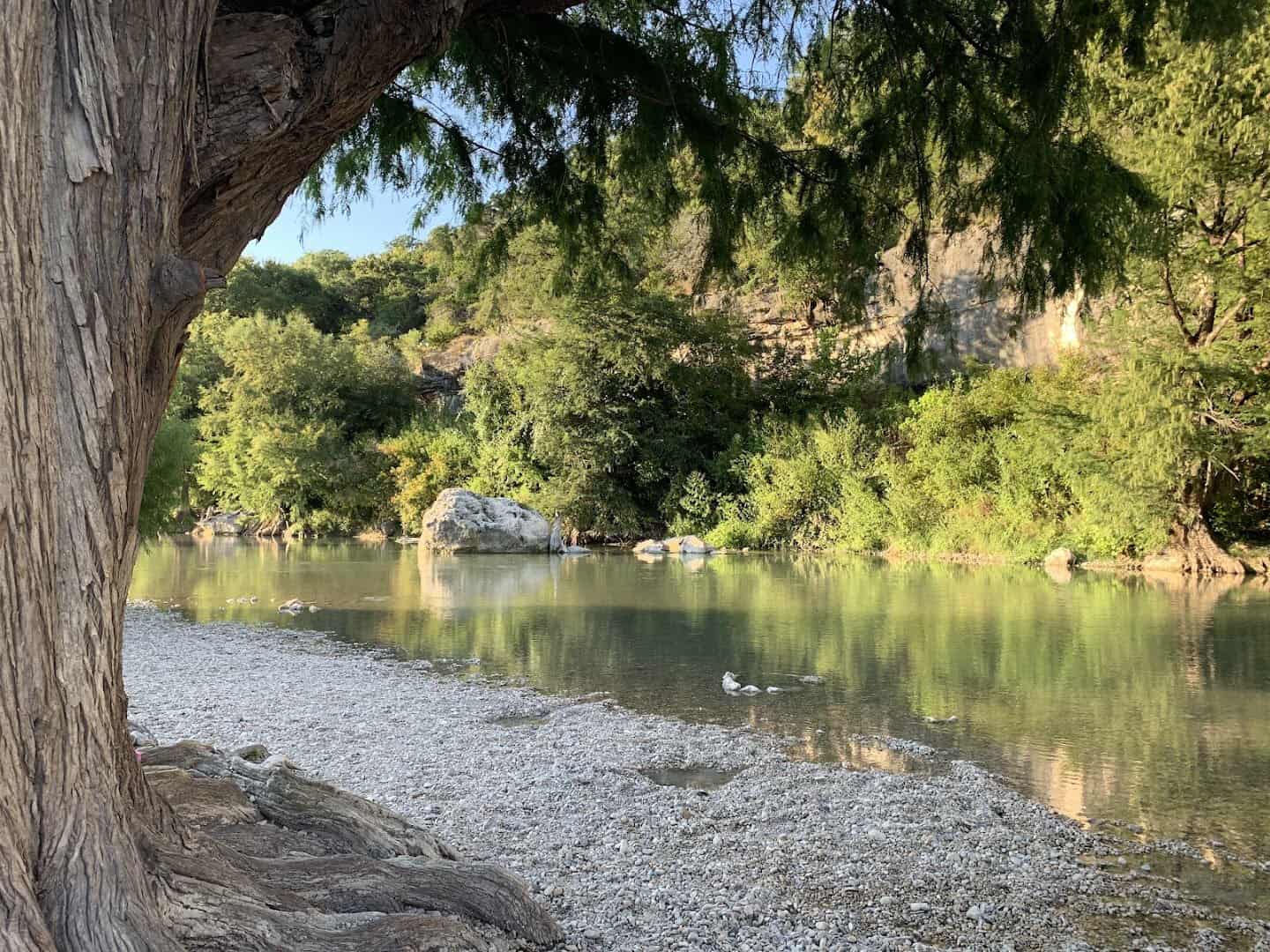
You can wade in from the gravel banks and float on your back for as long as your patience lasts. The current is gentle through most of the park, which is exactly why parents with small kids trust it.
Bring your own tube, though, because the park does not rent them. A cheap store tube and a rope to tie the cooler on is the entire equipment list most regulars bother with.
There are several swimming spots strung along the frontage, so even on a busy day you can walk a little and find a patch of shade to call your own. The banks are a mix of gravel and flat rock, easy on bare feet, easy to plant a chair on.
On a hot Saturday the swimming holes fill up with families, coolers, and folding chairs planted right in the shallows. It is loud in the best way.
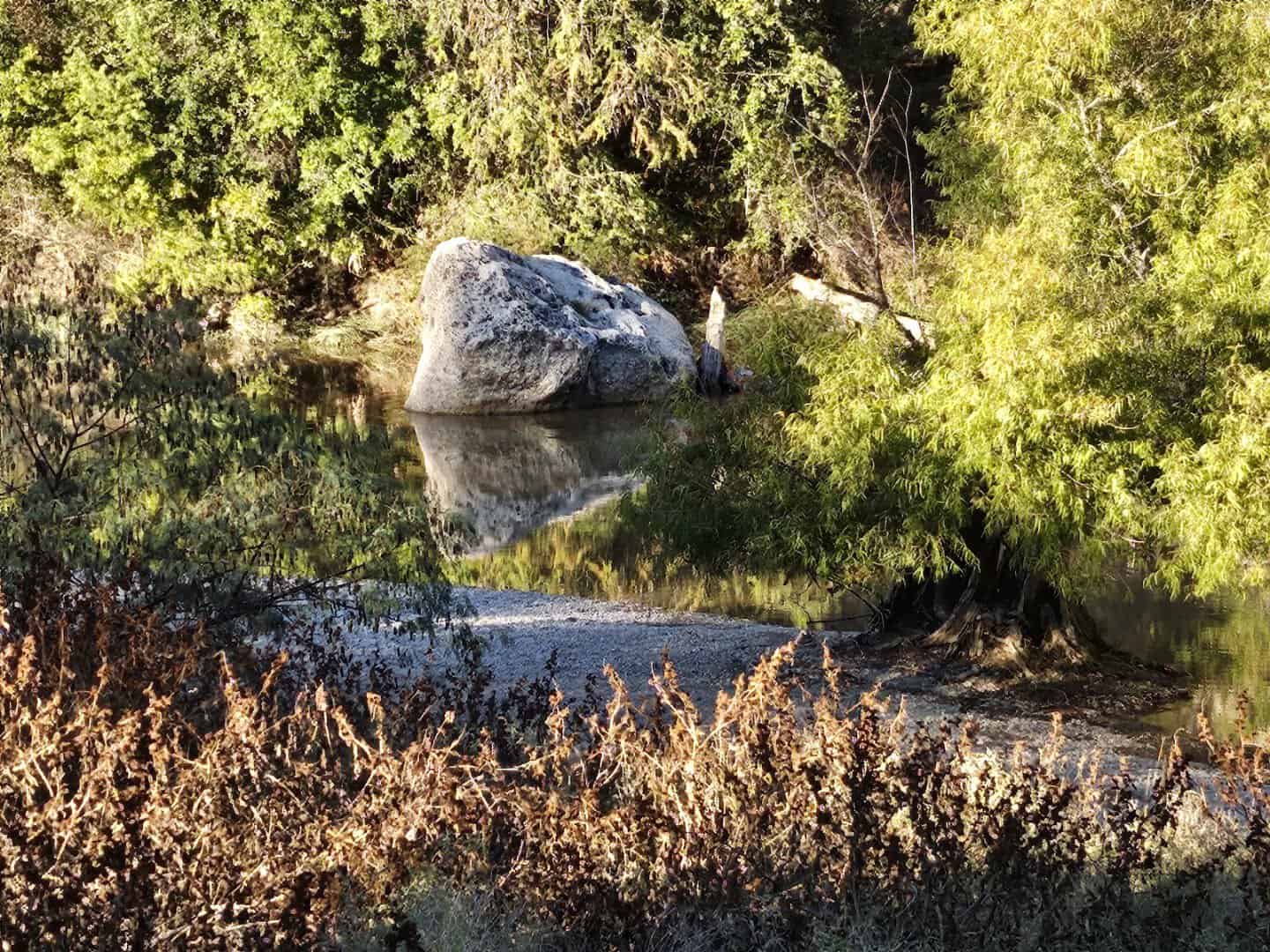
And when the sun drops behind the bluffs, the whole river cools down and empties out, and you get the water almost to yourself. That last hour of daylight is the one the regulars stay for.
Float It, Paddle It, or Fish It
Swimming is only the start. The park sits on a five-mile paddling trail, so a canoe or kayak lets you drift past scenery most day-trippers never reach. You put in, you point downstream, and the cypress corridor does the rest.
The paddle rewards you with quiet water and long shady straightaways where the bluffs close in overhead. It is calm enough for a first-timer and pretty enough that experienced paddlers make the same loop over and over just to sit inside it.
Water levels rise and fall with the season, so it pays to check the river before you load the kayak. Spring and early summer usually give you the fullest, friendliest flow, and a quick call to the park will tell you what the Guadalupe is doing that week.
Tubing is the local religion. On a summer weekend you will see whole families roped together, spinning slowly through the easy stretches, everyone pretending they are not about to lose a flip-flop to the river gods.
Anglers do well here too. The Guadalupe holds largemouth bass and catfish, and a quiet morning on the bank with a rod is its own kind of vacation. No crowds, no noise, just you and whatever is hiding under the cutbank.
Did you know the park runs a Discovery Center for exactly this reason? It is open Thursday through Sunday, and rangers use it to teach kids what lives in the water they are splashing around in. Snakes, turtles, and river fish get top billing.
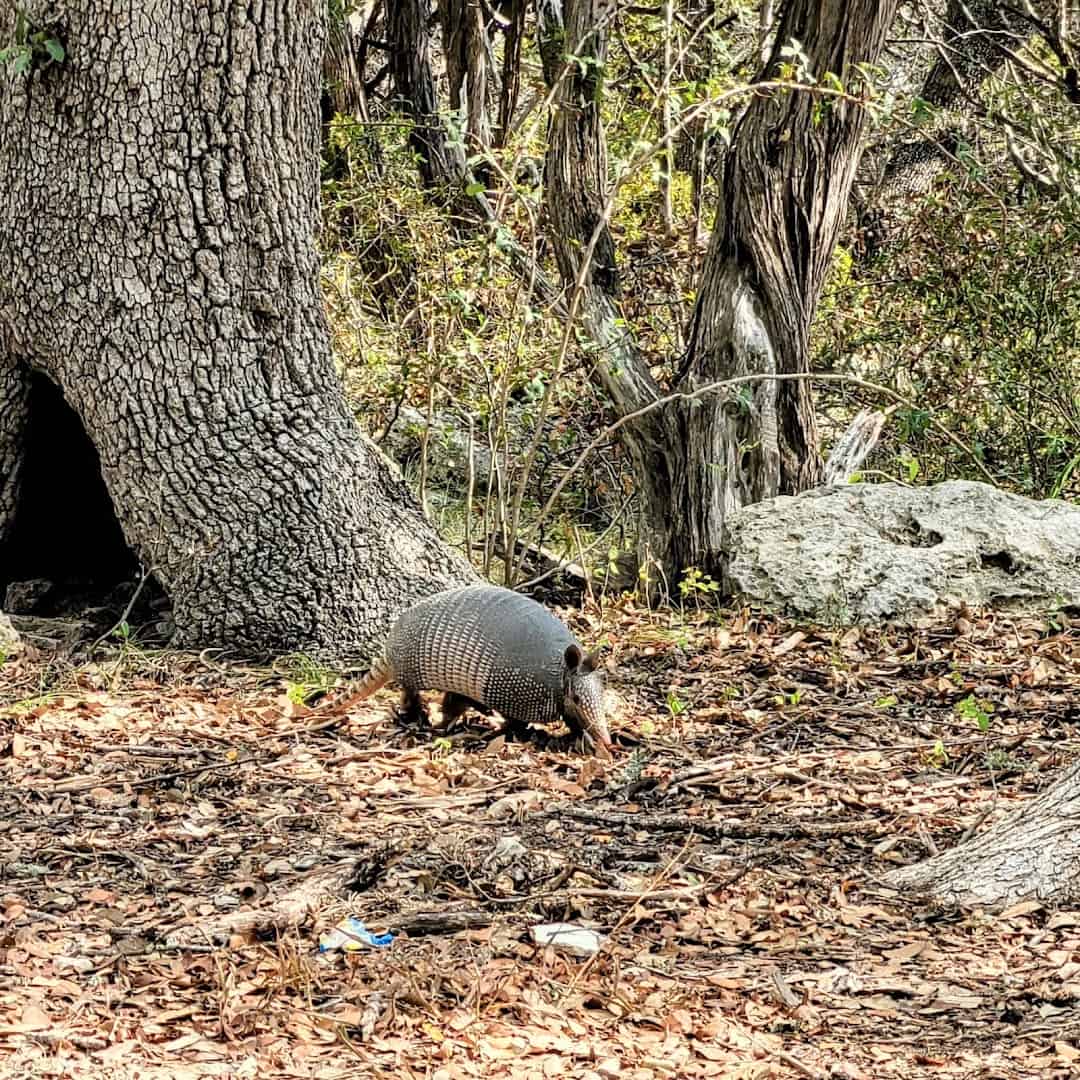
Rangers also lead free programs and guided walks on the weekends, the kind of thing that turns a lazy swim day into an accidental education. Kids who show up bored leave able to name three birds and a tree, which their parents rarely see coming.
Thirteen Miles of Trails and a Rare Little Bird
When you finally dry off, the park keeps going. Thirteen miles of trails thread through the woods, from easy flat loops to rockier climbs with a payoff view. The River Overlook Trail earns its name with a bluff-top look down at the water.
Cyclists get room to roam here too, with mountain-bike-friendly stretches winding through the cedar and oak. It is the kind of terrain where you can pick your own effort level, an easy cruise for the kids or a proper leg-burner for the grown-ups.
Birders treat this place like a pilgrimage. More than 240 species have been recorded inside the park boundaries. Slow down on the Painted Bunting Trail and you might see the little jewel it is named for, a bird so colorful it looks fake.
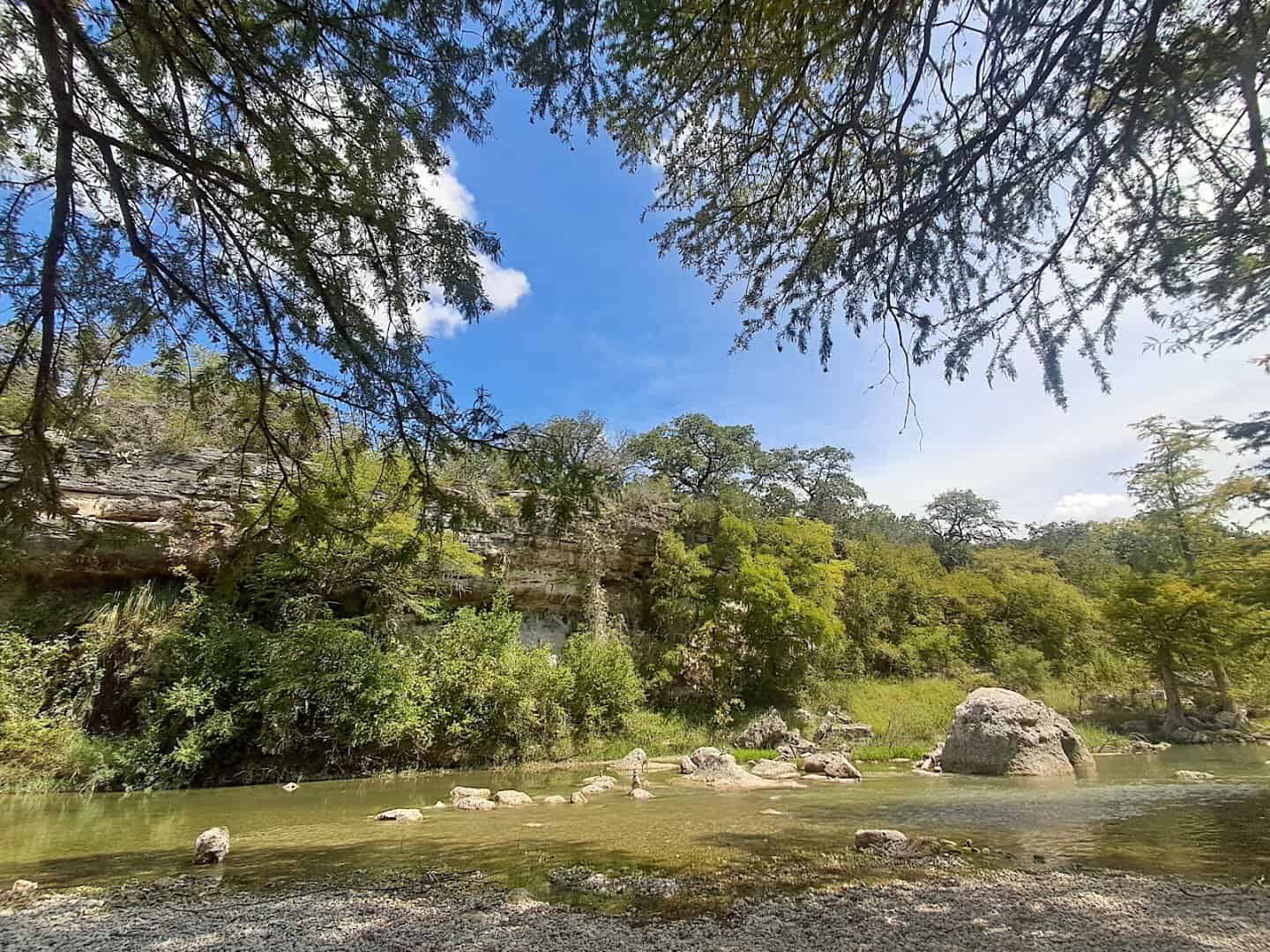
The real celebrity is shyer. The Ashe juniper woodland here is nesting ground for the golden-cheeked warbler, an endangered songbird that breeds only in Central Texas and nowhere else on Earth. Come in spring and a patient morning might reward you with a glimpse.
Pro tip: pack real shoes, not just river sandals. The trails run over limestone and cedar roots, and the prettiest overlooks are the ones you have to climb a little to earn.
The Wild Neighbor Next Door
Right beside the park sits Honey Creek State Natural Area, and it is the secret weapon most visitors miss. You cannot wander it alone. The only way in is a free ranger-guided tour, offered most Saturday mornings and select Sundays.
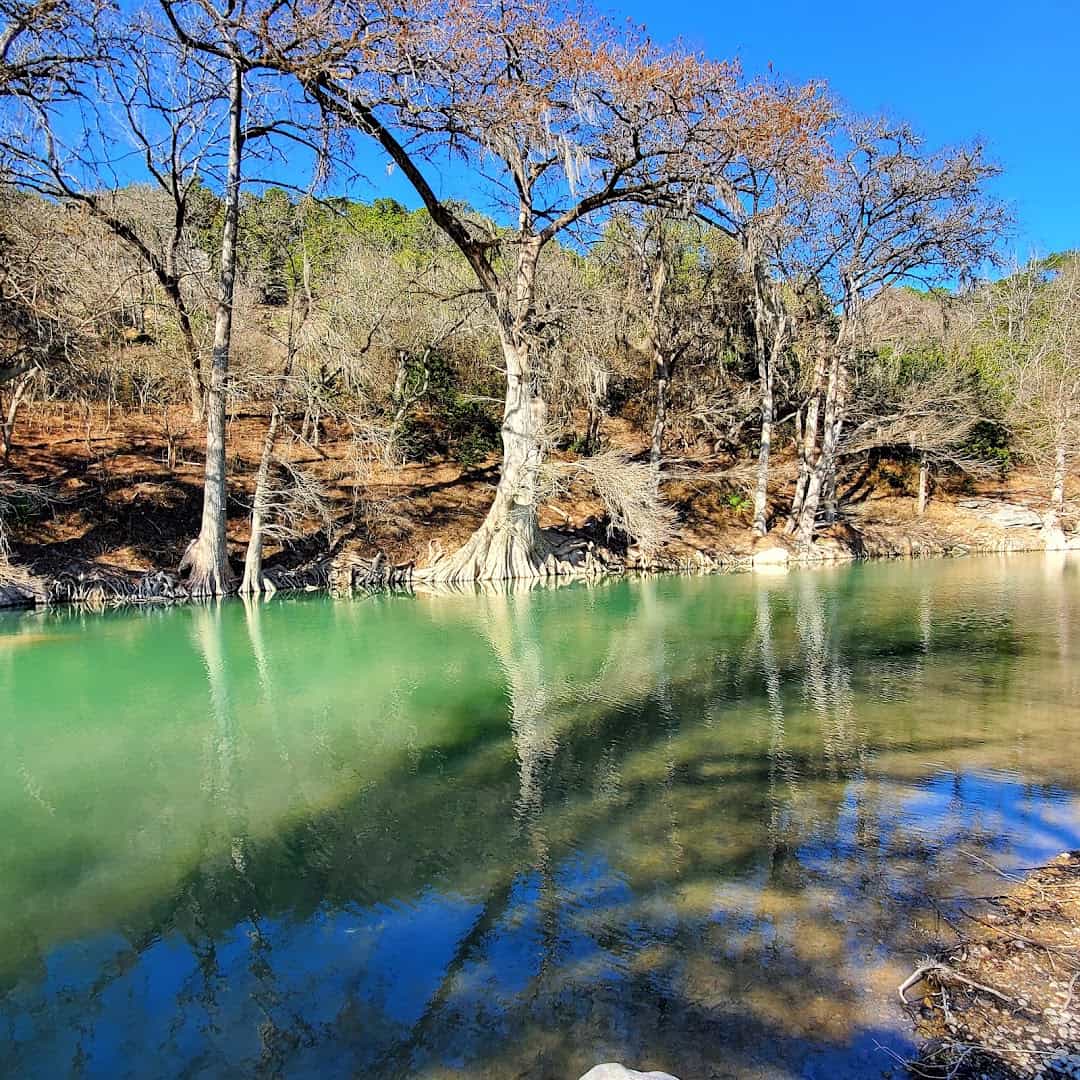
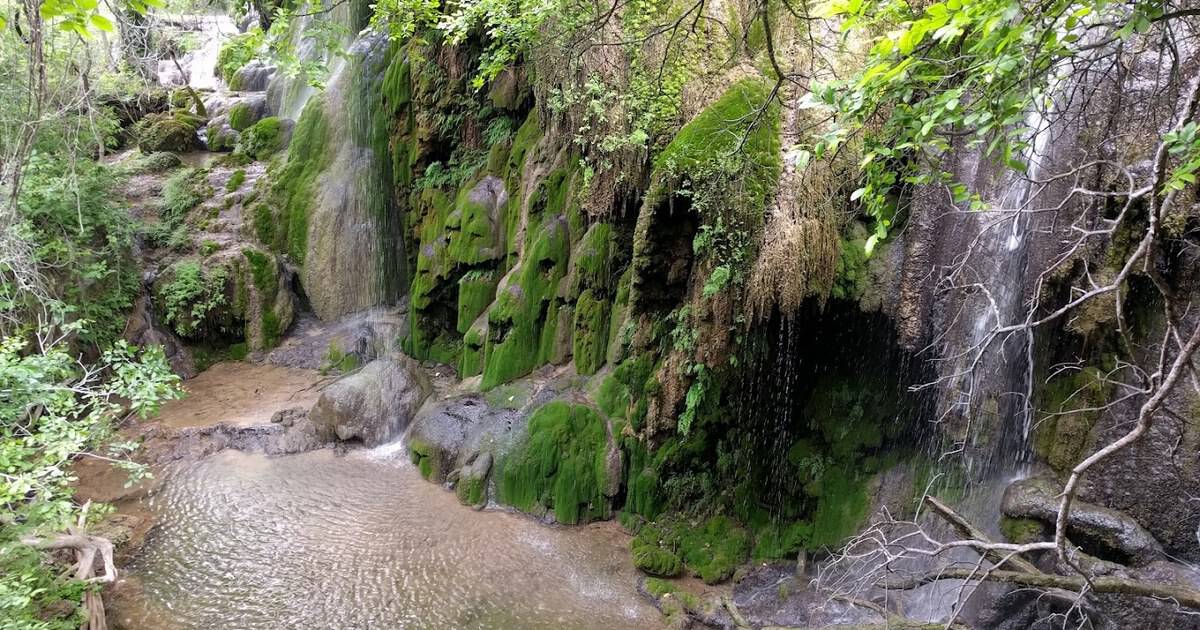
It is worth setting an alarm for. Guides walk you through a spring-fed creek canyon of ferns, mossy limestone, and clear pools that feel a world away from the busy swimming beach a few hundred yards over. Roughly two hours, gentle pace, endlessly photogenic.
The tour is as much a nature lesson as a walk. Guides point out the plants, the geology of the creek bed, and the way the spring keeps the canyon green even when the rest of the Hill Country has gone crispy and brown in August.
Because the tours are capped and popular, show up early and check the day’s schedule at headquarters. It is one of the few places in Texas where a guided walk through protected wilderness costs you nothing at all.
Why the Bargain? A Brief History
The deal has a backstory. The State of Texas acquired this land from private owners in 1974, and rancher and conservationist J. David Bamberger sold much of the acreage that now makes up the park’s north side.
The park opened to the public in 1983. Today it covers about 1,938 acres split by the river into two tracts. The developed Main Unit on the south side, roughly 1,239 acres, is the part you visit for swimming and camping.
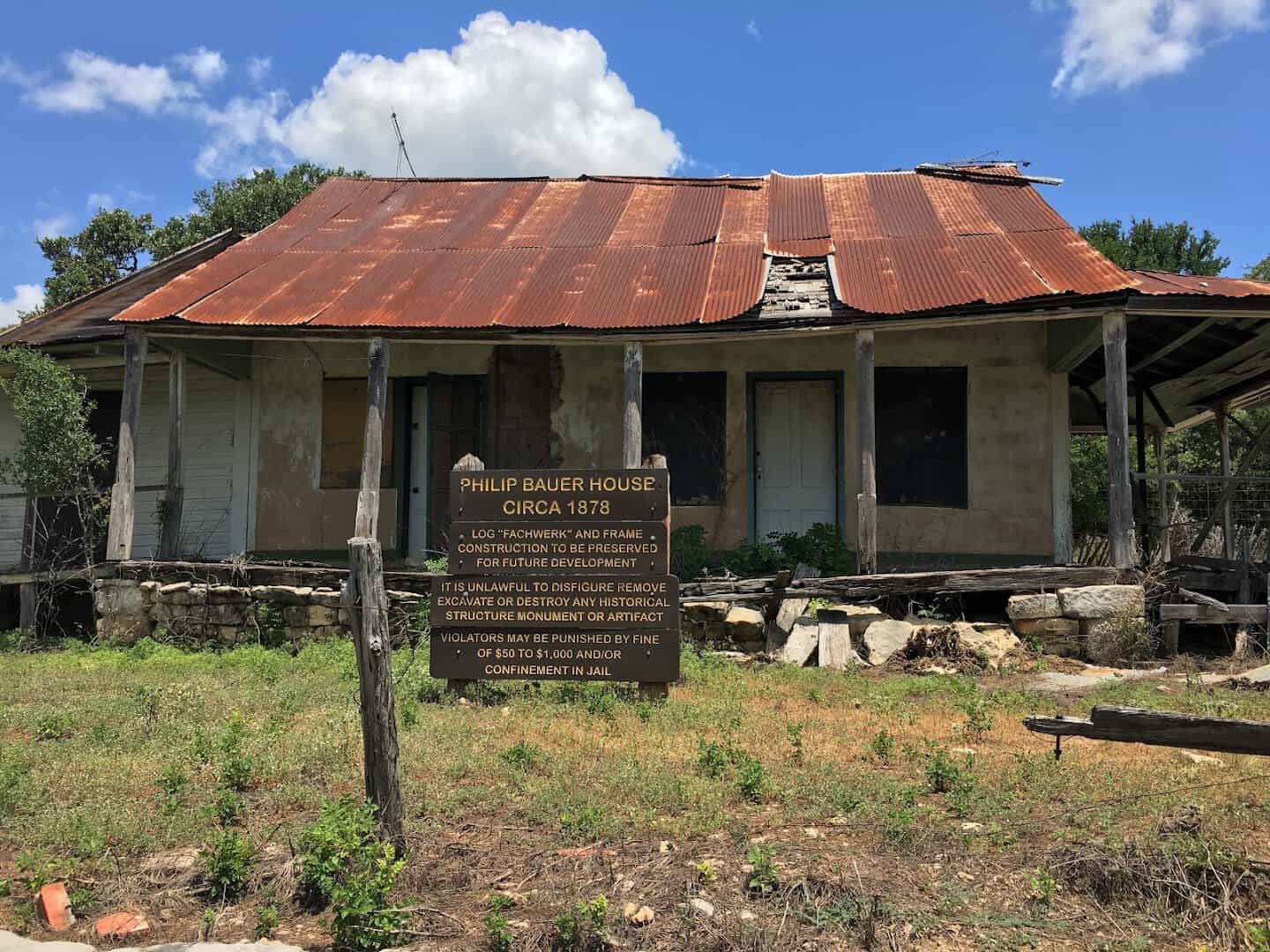
The quieter north side is the Bauer Unit, named for a German family who settled the land in the 1800s. Their weathered homestead, the Philip Bauer House, still stands from around 1878, protected now as a small piece of Hill Country history.
The unit holds trails rather than facilities, including the Bamberger Trail, a nod to the rancher whose sale helped create the park.
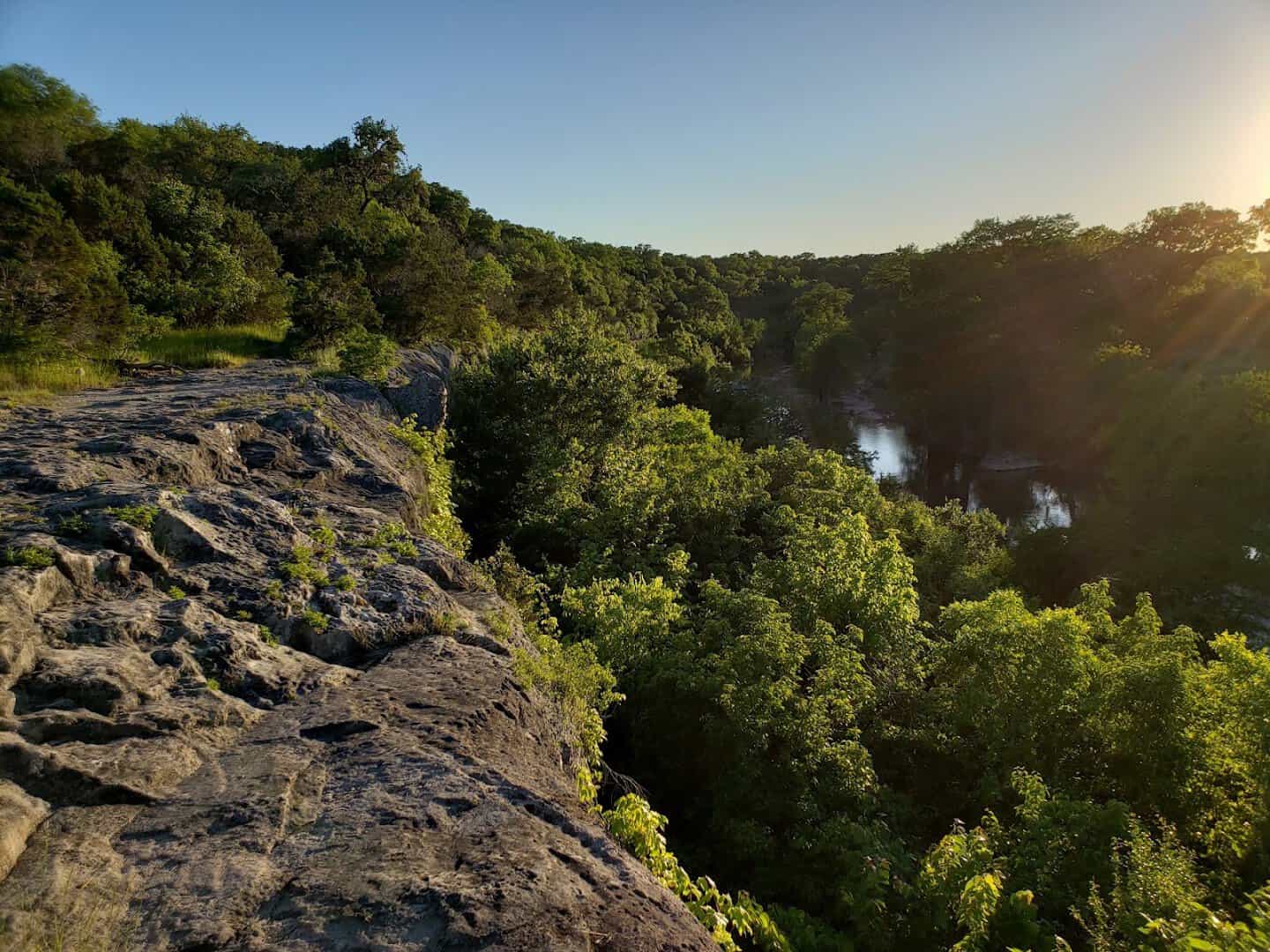
That history is why the whole thing feels less like a commercial water park and more like a piece of the Hill Country someone decided to protect. The seven dollars is not the value. It is the toll for keeping it wild.
It also explains the golden-cheeked warblers and the untouched canyon next door. Land that could have become another gated riverfront subdivision instead stayed open to anyone with a fistful of cash and a free afternoon. That is a rare kind of win in fast-growing Central Texas.
Pitch a Tent and Stay the Night
One day is rarely enough, and the park is built for staying. There are 85 campsites with water and electric hookups for the RV-and-cooler crowd, plus 9 walk-in tent sites for people who want their canvas a little closer to the trees.
Camping changes the whole trip. The day crowds go home, the river hushes, and after dark the Hill Country sky throws more stars at you than a city person expects. Morning coffee by the water is the reason people book these sites months out.
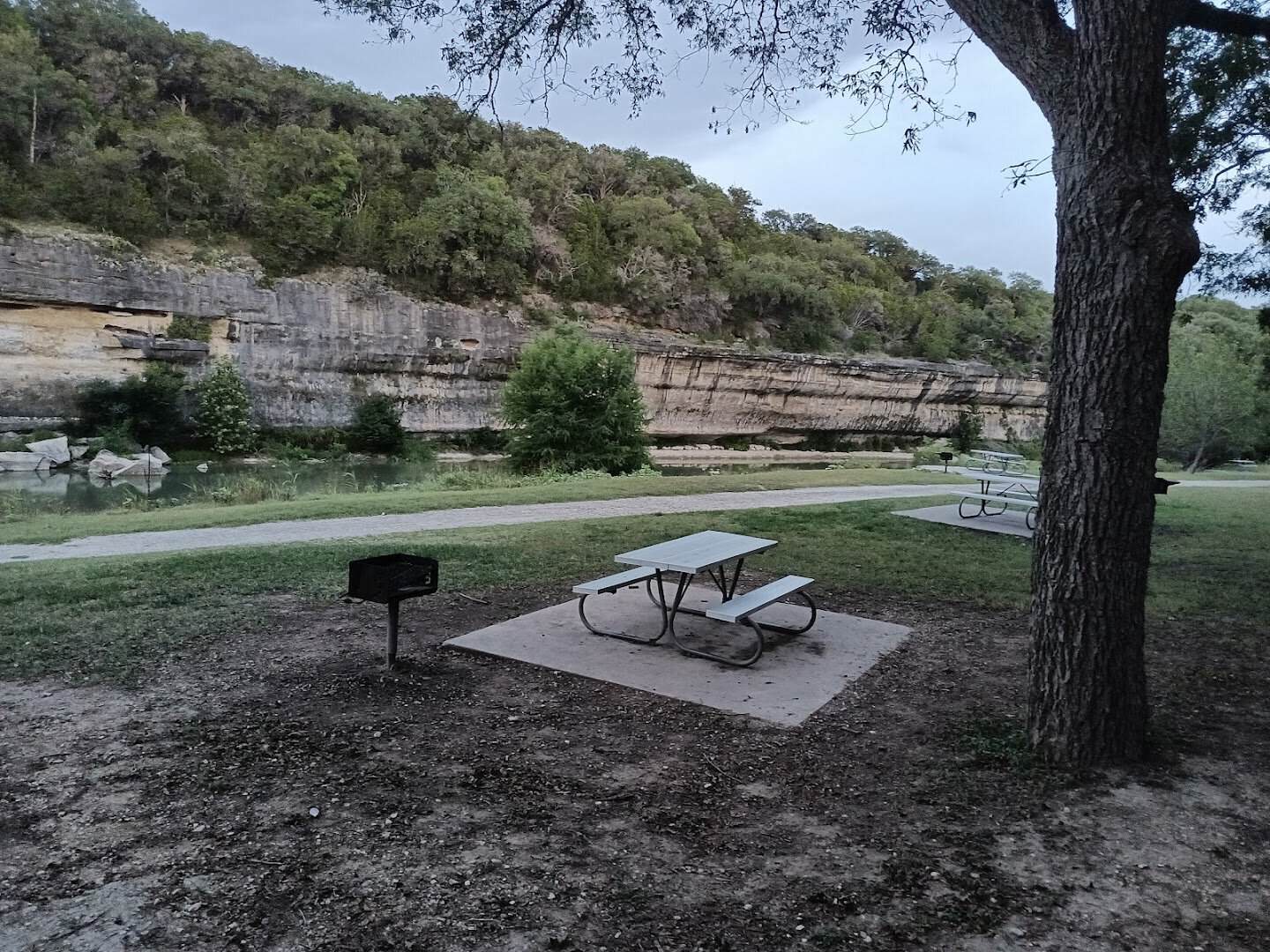
The sites come with the usual comforts of a well-run Texas state park: restrooms with showers, fire rings for the marshmallow crowd, and enough shade that a summer afternoon stays bearable. It is easy, low-fuss camping, friendly to first-timers.
Reserve ahead, especially between May and September. Weekends and holidays sell out fast, and the walk-in tent sites are the first to go because everyone quietly wants the best spot under the cypress.
What You’ll Pay and When to Go
Back to that famous fee. Seven dollars per adult, free for anyone twelve and under, and a Texas State Parks Pass gets you and your carload in free all year if you go often enough to justify it.
The park gate is open daily from 8 a.m. to 10 p.m., with headquarters staffed from 8 a.m. to 4:30 p.m. Popular summer days can hit capacity and close the gate to new arrivals, so early birds win.
Fall is the quiet stunner. The bald cypress along the river turn a deep rusty red, the crowds thin, and the water is still swimmable on a warm afternoon. With nearly 190,000 visitors a year, timing your trip well is half the trick.
Whenever you come, pack water, sun protection, and a little cash for the entrance station. Cell signal out here is spotty, which most people count as a feature rather than a flaw once they settle into the day.
How to Get There
The park sits in the Hill Country north of San Antonio, an easy drive from either that city or Austin. The entrance is off Park Road 31, and a friendly ranger station greets you at the gate.
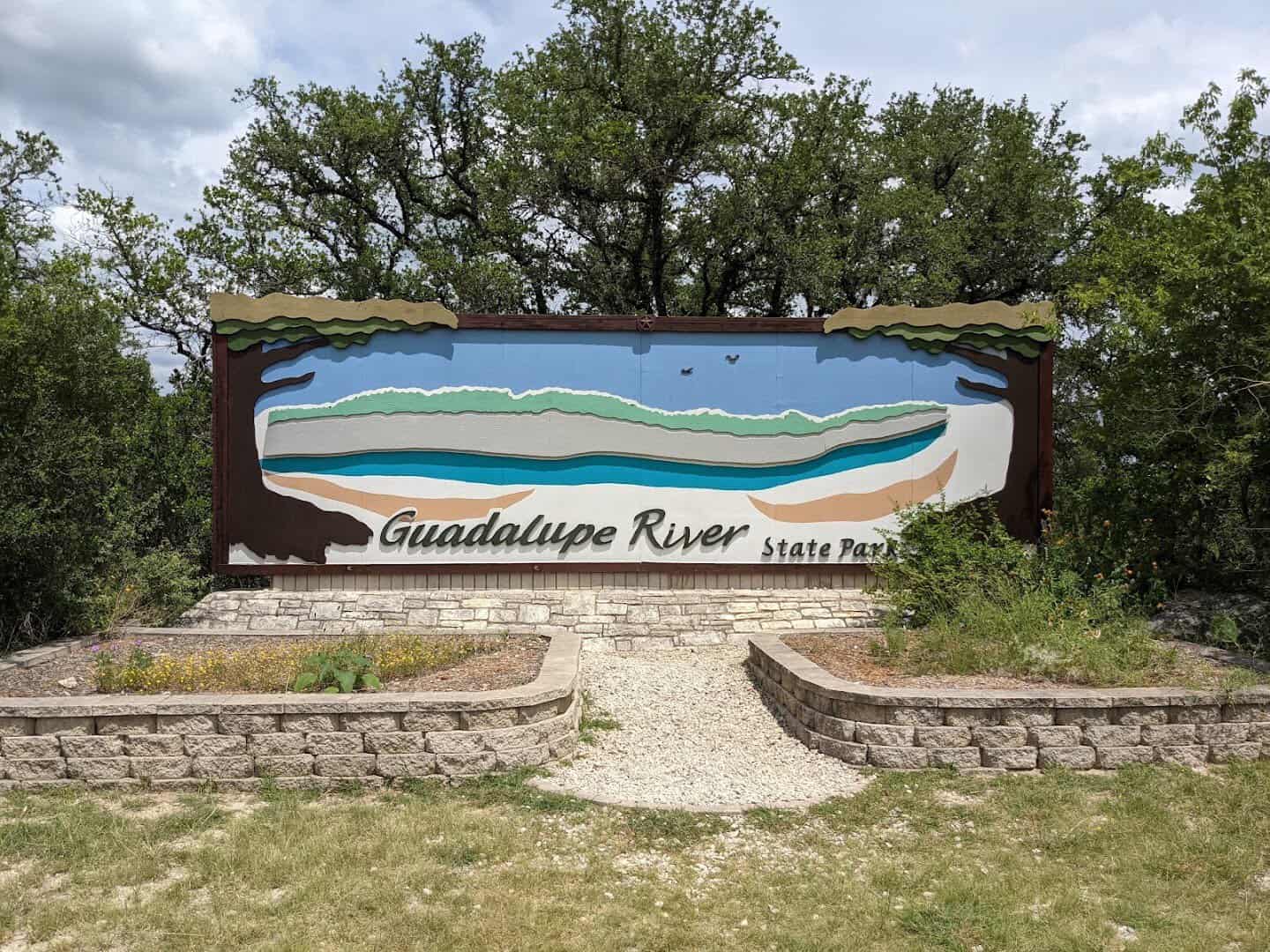
Where: Guadalupe River State Park, 3350 Park Road 31, Spring Branch, TX 78070
Point the Car Toward the River
You do not need a big budget to feel like you got away with something. You need cold clear water, old trees, and a whole day to do nothing important in the sun.
So pack the cooler, grab a tube and a pair of trail shoes, and dig seven dollars out of the cupholder. This little stretch of the Guadalupe has been quietly waiting for you, and it is a genuine steal.
Featured image: Elijah Slate via Guadalupe River State Park

Stella Raines
Editor-in-Chief
Stella brings over a decade of storytelling experience to TX Headlines. With roots in West Texas and a love for road trips, she leads the editorial team with an eye for the hidden stories that make Texas unforgettable.
More Stories
This Crystal-Clear Texas Lake Is So Bright You Can See Straight to the Bottom
This Secret Texas State Park Lets You Camp Right on the Lake for Just $20 a Night
This Lush Texas Garden Lets Seniors Roam 28 Acres for Just $5
This Secret Texas Canyon Hides a Living Waterfall, and February Is the Perfect Time to See It
Tags