The Most Breathtaking View in Texas (No Hiking Required)
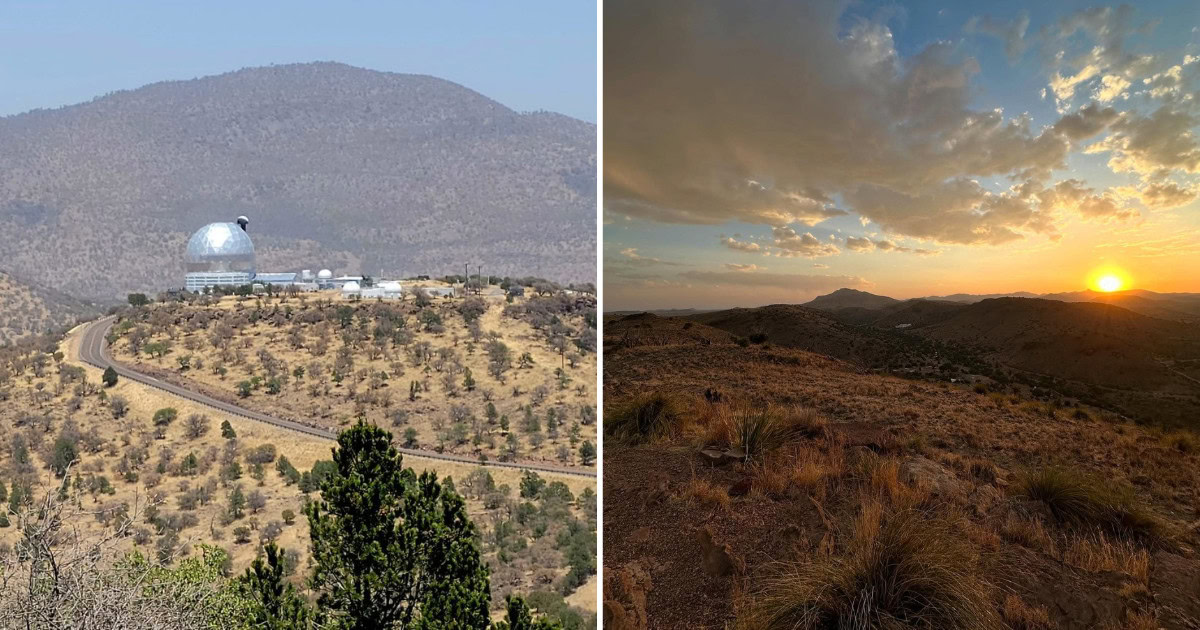
Pull off the road, step out of your car, and look at the breathtaking view in front of you.
There it is, the mountains stretching to the horizon, desert valleys dropping away beneath you, and a sky so impossibly big it makes everything else feel small.
This is the Davis Mountains of West Texas, and these are the most breathtaking drive-up views the Lone Star State has to offer.
No hiking boots required. No trail to conquer.
Just pull over, park, and let your eyes do the work.
Fort Davis sits at nearly 5,000 feet, the highest town in Texas, and the 75-mile scenic loop that winds through these volcanic peaks delivers panoramic vistas accessible to everyone, every age, every ability.
If you’ve only seen flat Texas, you haven’t seen Texas at all.
The Davis Mountains Scenic Loop
The Davis Mountains Scenic Loop follows Highway 118 and Highway 166 on a 75-mile journey through what locals call the “Texas Alps.”
Starting and ending in Fort Davis, this paved route is the highest public highway in the state, climbing to over 6,700 feet and connecting some of West Texas’s most dramatic landscapes.
You can drive the entire loop in about two hours without stopping, but you won’t want to rush.
Every curve reveals new vistas: volcanic peaks, windswept valleys, grasslands where pronghorn and javelina graze, and mountain ranges layered to the horizon in shades of blue and purple.
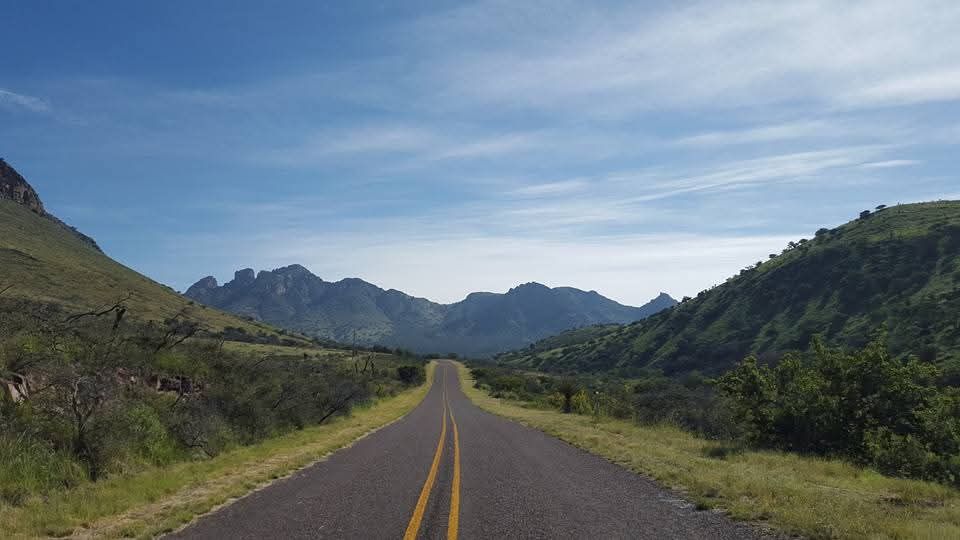
The loop passes through Davis Mountains State Park, climbs toward McDonald Observatory, and sweeps across high plains where you can see clear into Mexico on a good day.
Pull-offs dot the entire route, each one offering a new perspective on this ancient volcanic playground.
The road itself is the destination, a ribbon of pavement that Texas Highways magazine calls one of the most scenic drives in the state.
The Viewpoints You Can’t Miss
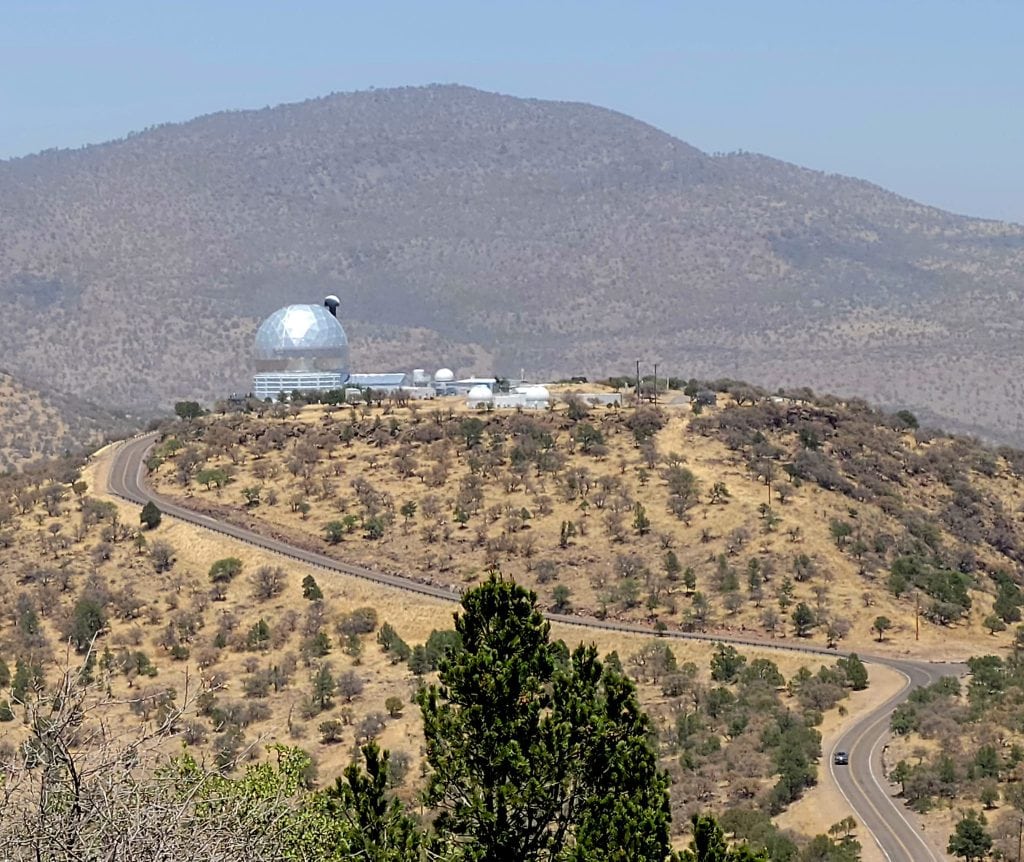
McDonald Observatory Summit (Mount Locke): At 6,791 feet, this is the highest point on any Texas highway. Drive up via Spur 78 and park at the summit for 360-degree mountain panoramas.
On clear days, visibility stretches over 100 miles. General admission is just $3, and the views from the parking areas alone are worth the trip. The visitor center is open Tuesday through Saturday.
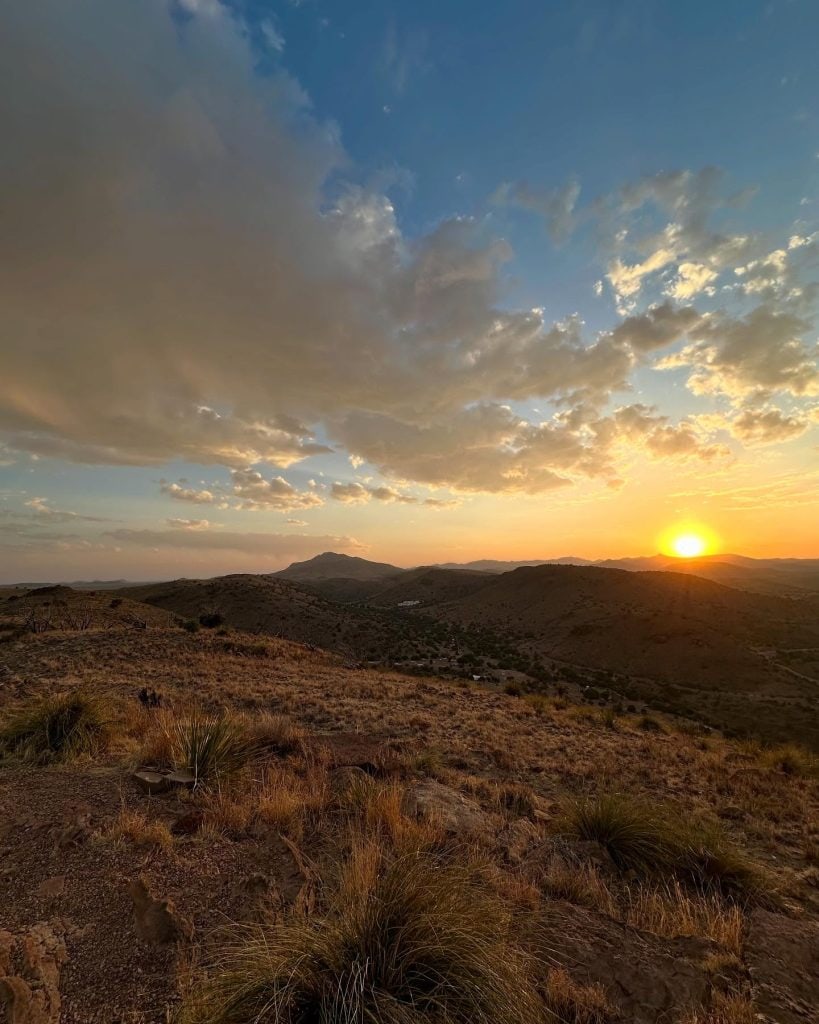
Davis Mountains State Park Skyline Drive: A five-mile paved scenic drive built by the CCC in the 1930s climbs through switchbacks to overlooks where Fort Davis sits nestled in the valley below.
The stone overlook shelter at the top frames the view through what they called a “picture window”—just drive up and walk a few steps. Park entry is $6 per adult.
Point of Rocks: Along Highway 166, massive boulders shelter picnic tables and deliver expansive views across the high desert. Pack a lunch and scan for pronghorn in the grasslands below.
H.O. Hill Overlook: Near the junction of Highways 118 and 166, this vantage point at over 6,700 feet marks the drainage divide between the Pecos River and the Rio Grande. Texas unfolds in every direction.
What Makes These Views Different
The Davis Mountains are a “sky island”—an isolated mountain range rising from the Chihuahuan Desert, ancient volcanic peaks between 35 and 39 million years old.
The highest point, Mount Livermore, reaches 8,383 feet. Unlike the Guadalupe Mountains to the north, where the best views require serious hiking, the Davis Mountains deliver their drama from the driver’s seat.
The clarity here is exceptional. High elevation means thin, clear air with minimal haze—it’s why the University of Texas built McDonald Observatory here, under some of the darkest skies in the continental United States.
That same clarity makes daytime views equally stunning. Sunrise paints the mountains pink and orange; late afternoon bathes them in gold.
Planning Your Visit
Fort Davis makes the ideal base camp at 4,982 feet in elevation. From here, tackle the scenic loop as a half-day or full-day adventure.
Getting there: Fort Davis is roughly 3.5 hours from El Paso, 4 hours from Midland. The region is remote—fill your gas tank in Fort Davis and download offline maps, as cell service is limited.
When to visit: Spring and fall bring ideal temperatures. Summer is hot in lowlands but cooler at elevation. Winter can be cold, but clear days offer the best visibility. Weekdays mean fewer visitors.
What to bring: Camera, water (high elevation causes faster dehydration), sunscreen and hat, layers (temperature drops with elevation), and snacks or a picnic lunch.
Beyond the Views
Davis Mountains State Park offers hiking trails for those who want to stretch their legs. Indian Lodge, a historic adobe hotel built by the CCC inside the park, offers overnight stays.
McDonald Observatory hosts Star Parties on Tuesday, Friday, and Saturday nights under some of the darkest skies in America. Nearby Marfa, about 20 miles south, delivers art galleries, quirky shops, and the mysterious Marfa Lights.
The View Is Waiting
Most of Texas spreads flat beneath an endless sky.
The Davis Mountains flips that script.
Here, you’re the one standing high, looking down on valleys and across to distant peaks, breathing air that feels cleaner and cooler than anywhere else in the state.
Have you driven the Davis Mountains Scenic Loop? Share your favorite overlook with us.

Stella Raines
Editor-in-Chief
Stella brings over a decade of storytelling experience to TX Headlines. With roots in West Texas and a love for road trips, she leads the editorial team with an eye for the hidden stories that make Texas unforgettable.
More Stories
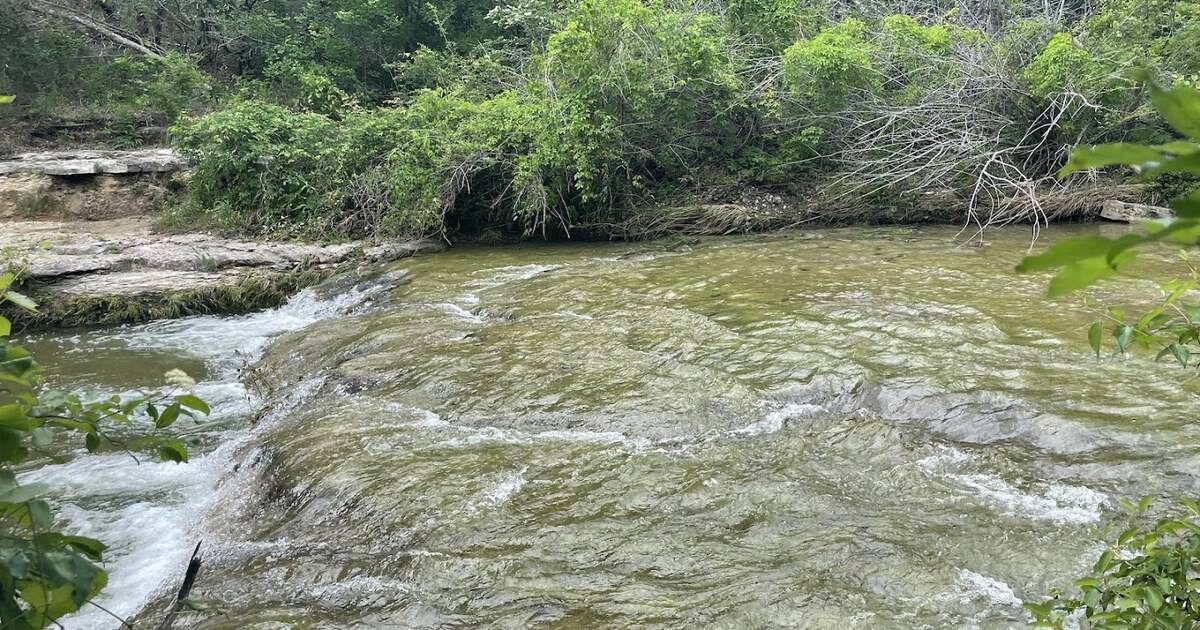
This Hidden Texas Trail Leads to Limestone Waterfalls and Spring Wildflowers
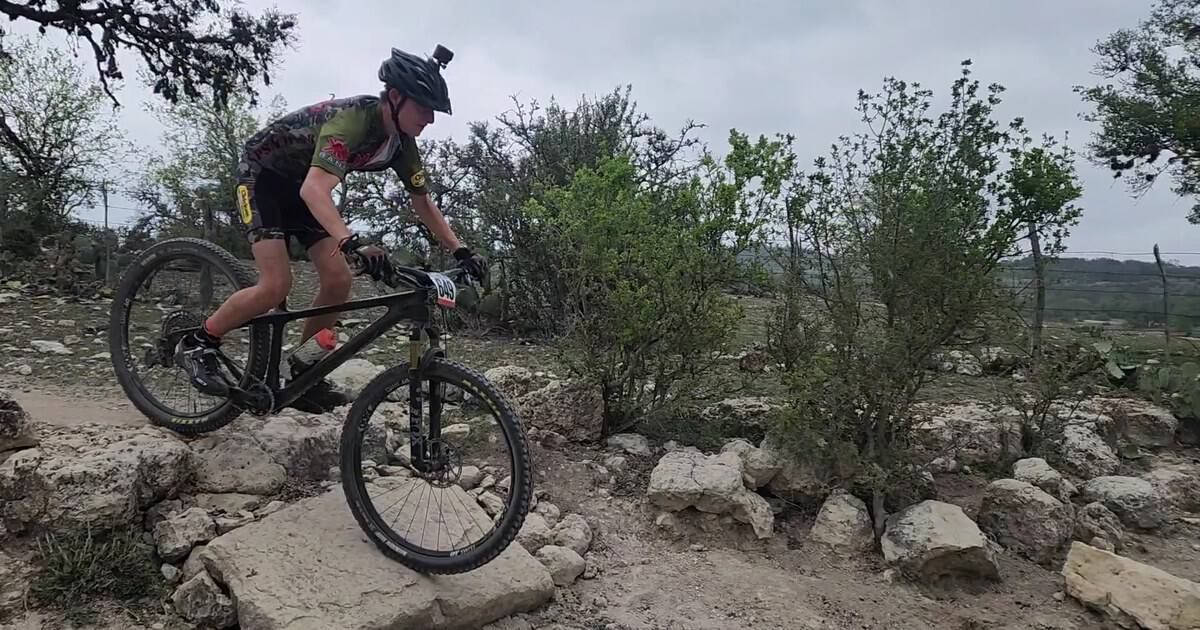
This Rugged Texas Ranch Has Nearly 30 Miles of Twisting Mountain Bike Trails That Keep Riders Coming Back
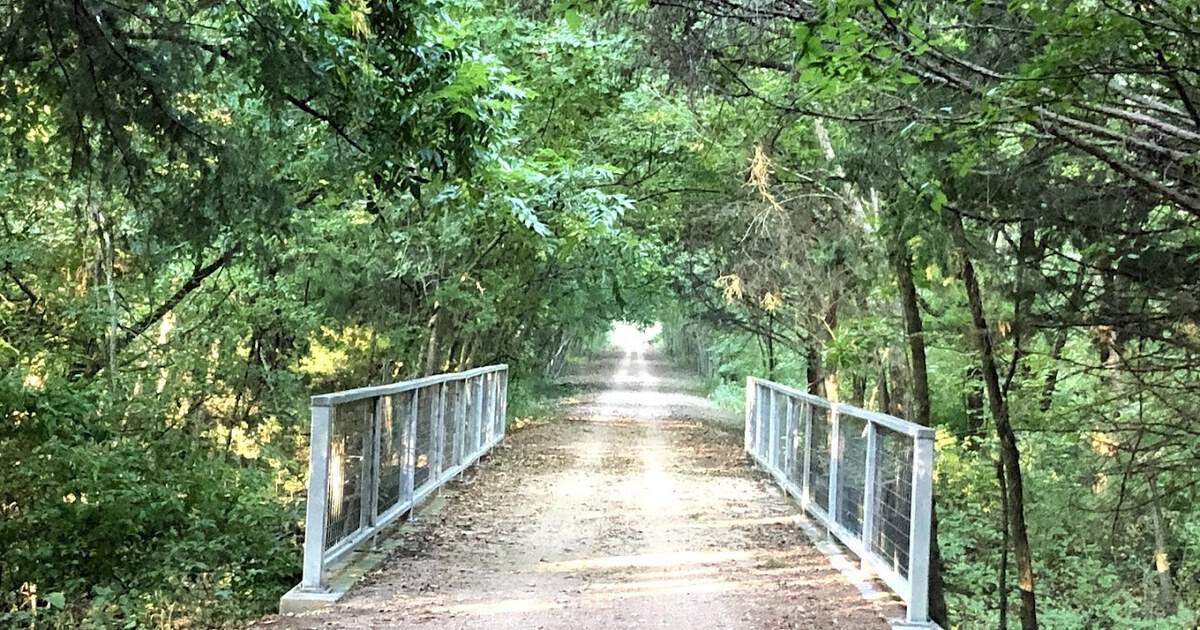
This Epic Texas Rail-Trail Stretches 130 Miles Past 19 Small Towns and Over 100 Old Trestles
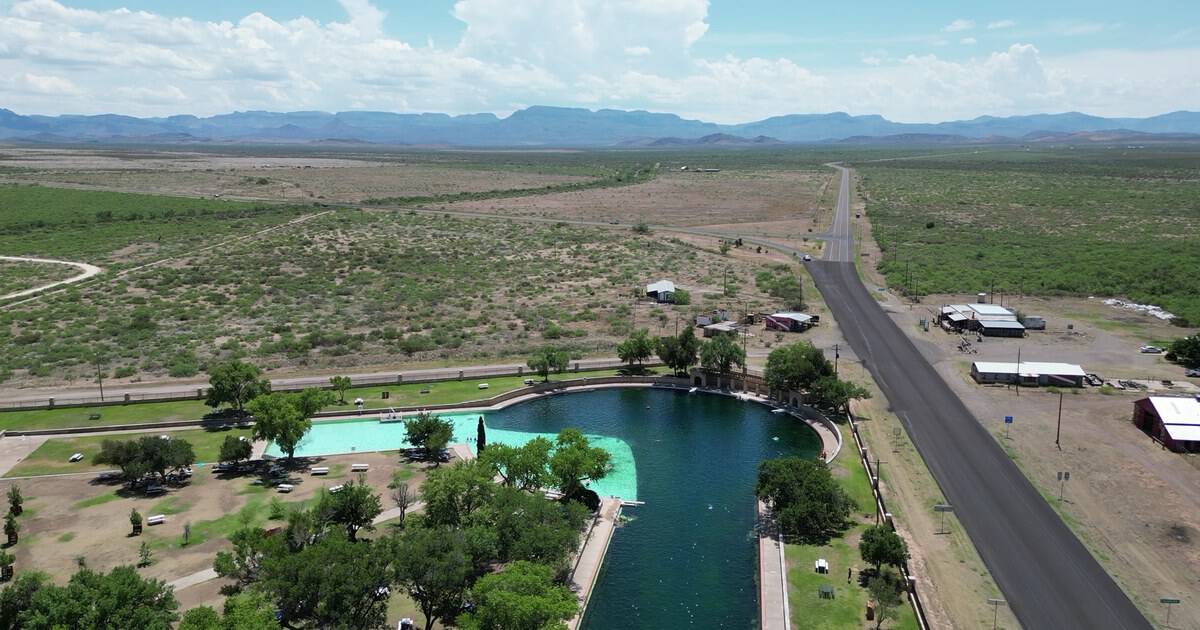
This Crystal-Clear West Texas Pool Is the World’s Largest Spring-Fed Swimming Hole, and It Stays 72 Degrees Year-Round
Tags