This 2-Mile Texas Trail Follows One of the Last Pristine Creeks in the State
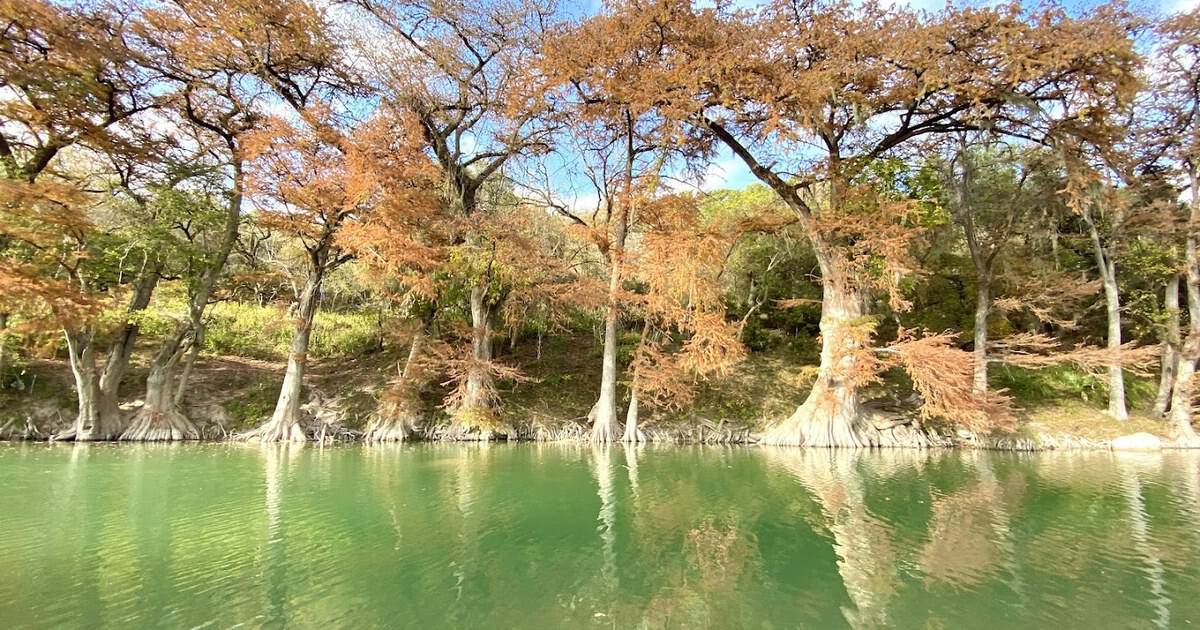
Some of the best hikes I know are the short ones. Give me two easy miles of good trail over ten grueling ones any day. That holds double when those two miles run alongside water clear enough to count the pebbles on the bottom.
There is a creek in the Texas Hill Country that fits that description exactly, and getting to it takes a little planning. It sits in a protected corner of Comal County, about thirty miles north of San Antonio.
That creek is Honey Creek, and its spring-fed clarity is the whole reason people fall for it. Here is why this two-mile trail earns the small effort it asks of you: the water, the wildlife, and the ranch families who lived here first.
Water So Clear It Almost Looks Fake
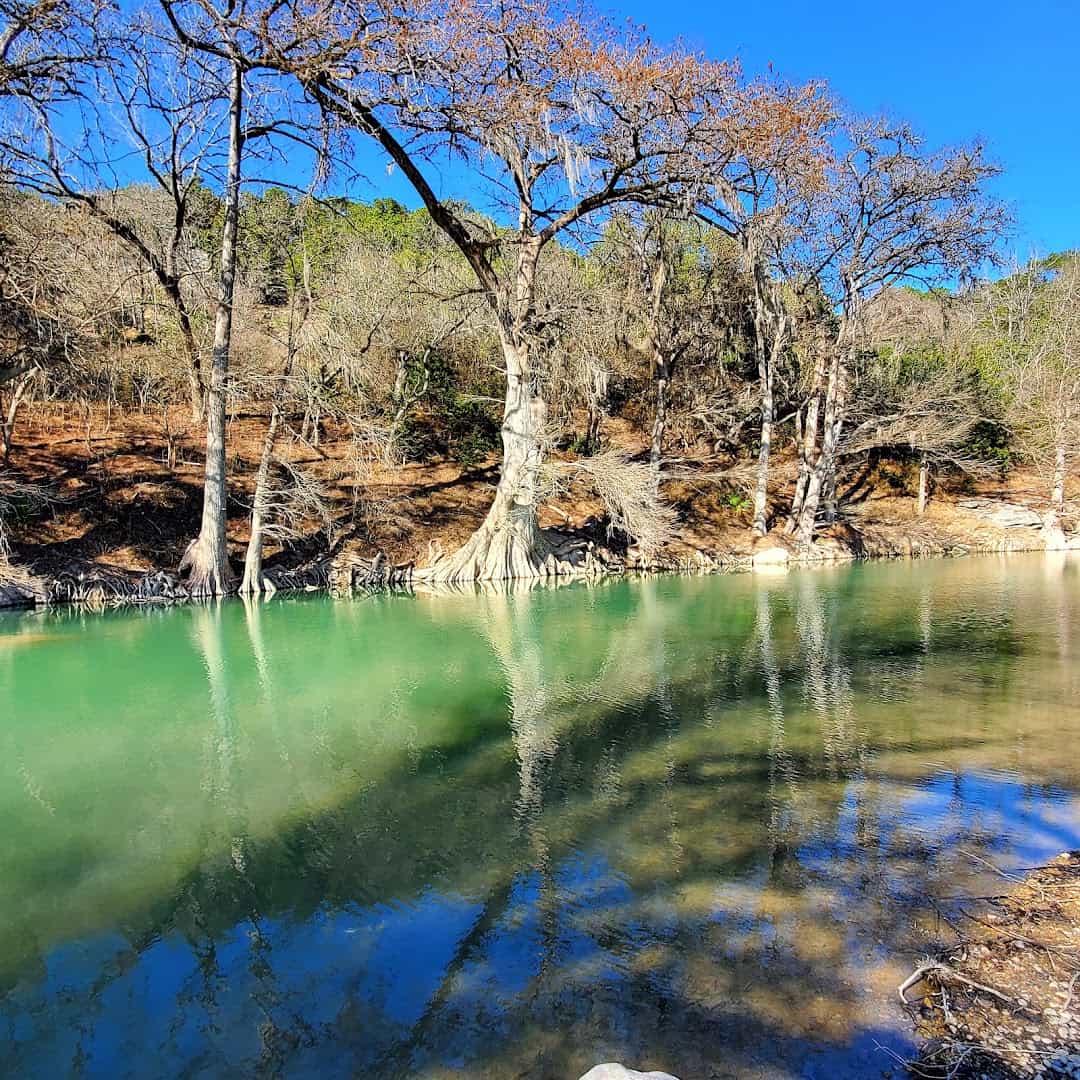
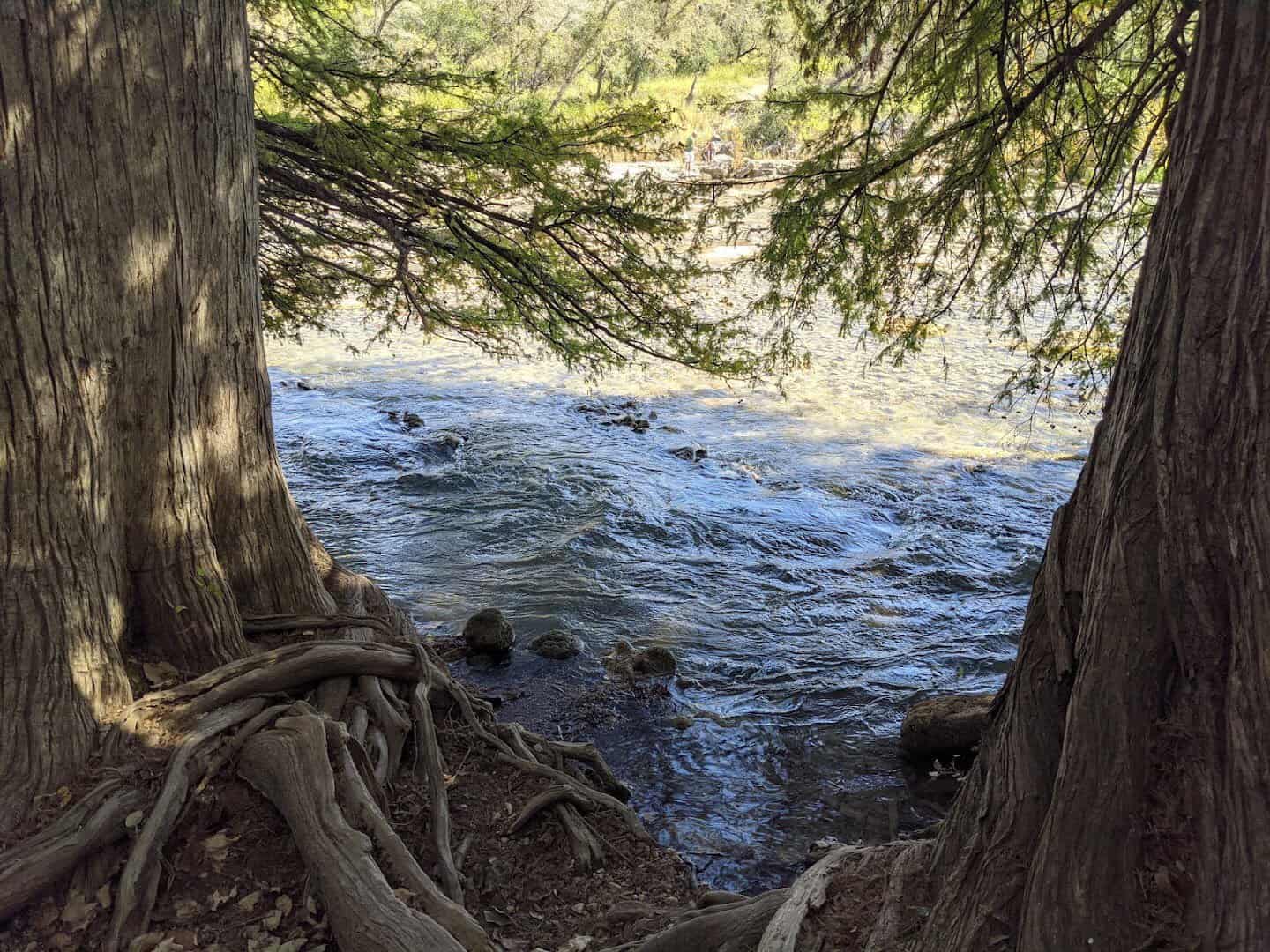
The first thing anyone tells you about Honey Creek is the water. It runs cool and glassy over pale limestone, and on a bright day you can watch fish hang in the current like they are floating on air.
That clarity is not luck. Honey Creek is fed by springs tied to the Edwards Aquifer, the same underground reservoir that supplies drinking water to nearly two million Texans and the city of San Antonio.
Water this clean is rare, and the state guards it closely. Naturalists call it one of the last pristine spring-fed creek systems in Texas, which is a big claim in a state full of gorgeous rivers.
Bald cypress trees line the banks, their knobby knees poking up through the shallows. Live oaks draped in Spanish moss lean over the trail, and the air near the water smells green and cool, like stone and wet leaves.
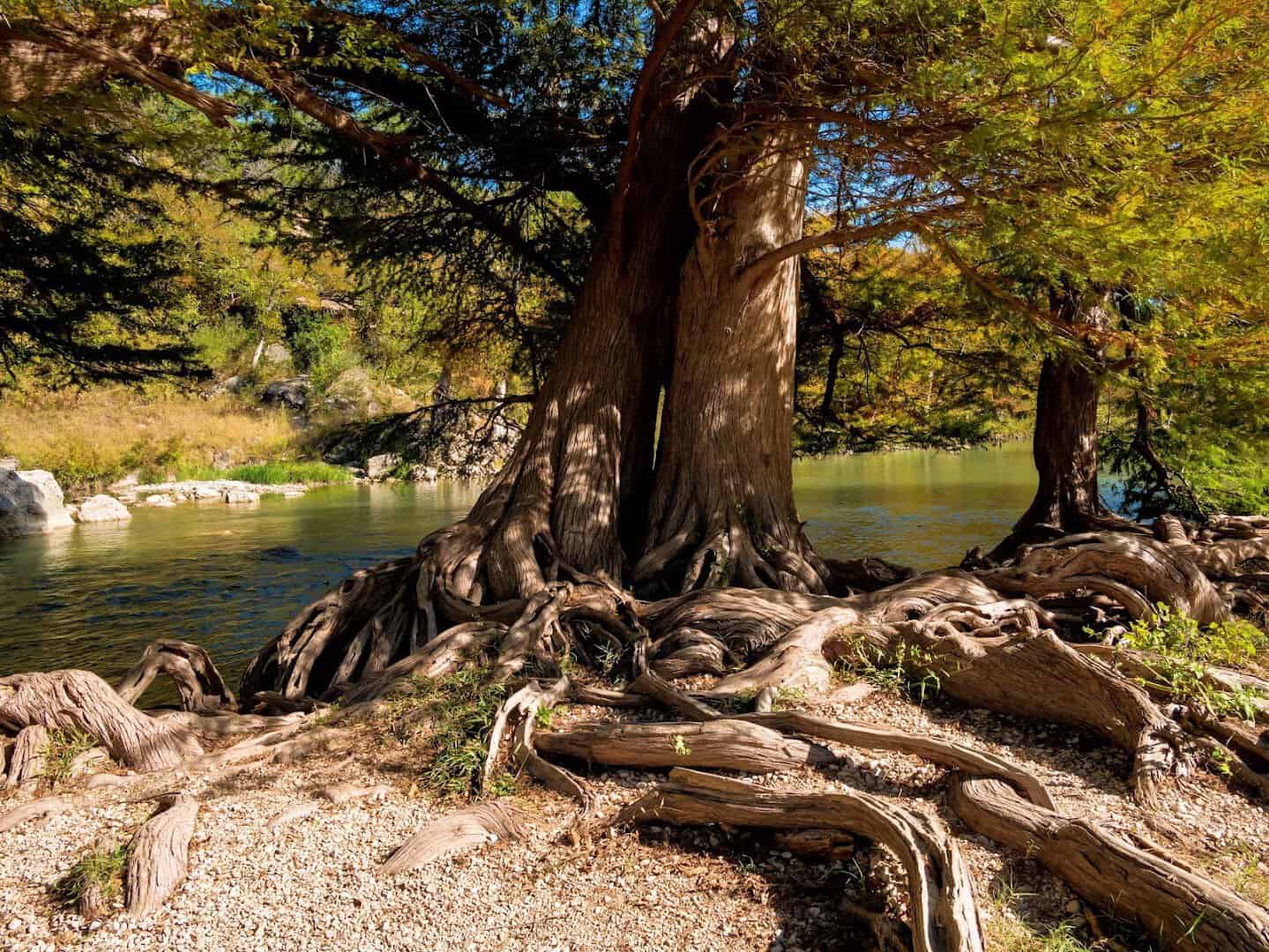
The creek runs about a mile and a half through its canyon before it spills into the Guadalupe River. Much of that stretch looks the way the Hill Country did a century ago, before the highways and the subdivisions arrived.
A Quieter Side of the Guadalupe
If you have been to this stretch of the Guadalupe before, you probably came to float it. Summer weekends here mean tubes, coolers, and a happy river full of people cooling off.
Honey Creek is the opposite of that. It sits right next door, yet it feels like a different world, hushed and slow and almost entirely to yourself. You will hear birdsong and moving water, not a Bluetooth speaker.
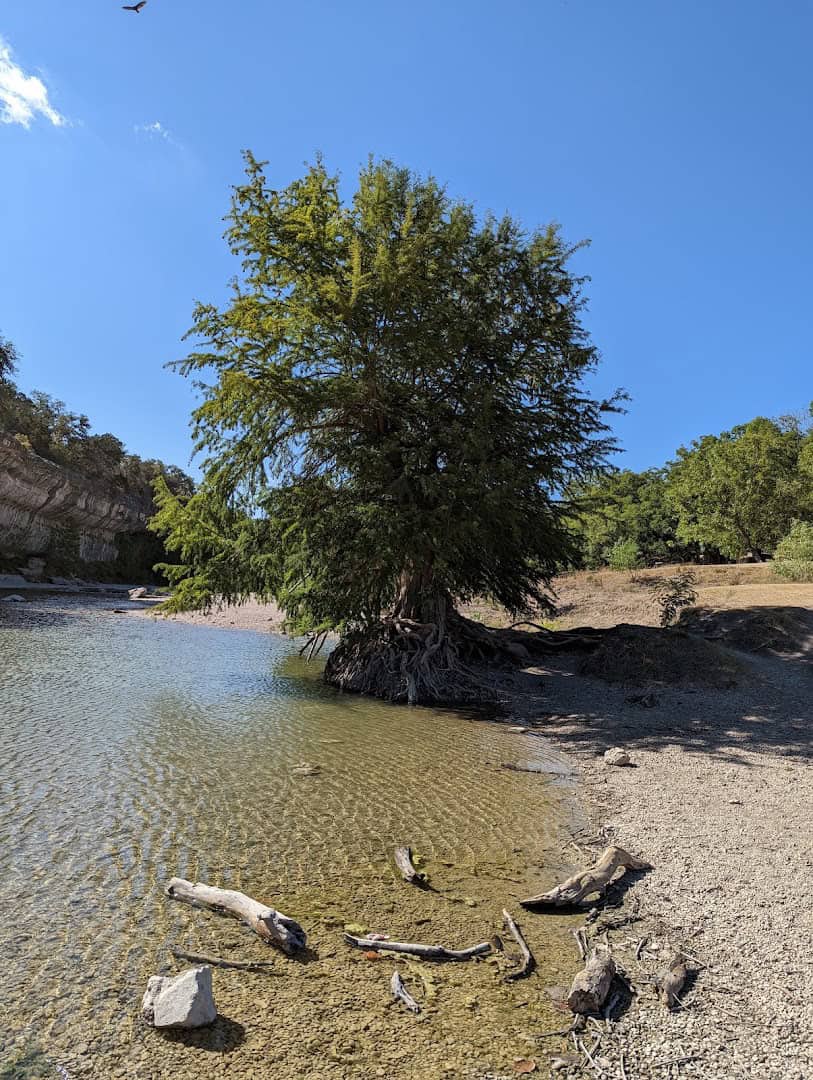
That contrast is the appeal. You can spend Saturday morning on a quiet, expert-led walk through a wild canyon, then go tube the busy river in the afternoon if you want both speeds in one day.
It also makes the drive an easy sell for a mixed group. The hikers get their peaceful canyon, the kids get their river float, and everyone ends up in the same corner of the Hill Country with plenty to talk about on the way home.
Why You Cannot Just Show Up
Here is the catch, and it is also the best part. You cannot wander into Honey Creek on your own. The land is a State Natural Area, not a State Park, and that one word changes everything.
A natural area is managed for preservation first and recreation second. To keep this fragile creek and its rare habitat intact, Texas Parks and Wildlife only lets people in on a guided walk led by a trained naturalist.
The walks run on weekend mornings, usually Saturdays starting at 9 a.m., and last about two and a half hours. That is a slow pace for two miles, and it should be.
The guides stop constantly to point out a bird, a fossil, a plant you would have walked right past. By the end you know the creek the way a local does, not the way a passing tourist does.
One hiker on AllTrails summed up the appeal simply, calling the guides “incredibly knowledgeable and personable.” That is the trade you make here. You give up spontaneity and gain an expert walking beside you the whole way.
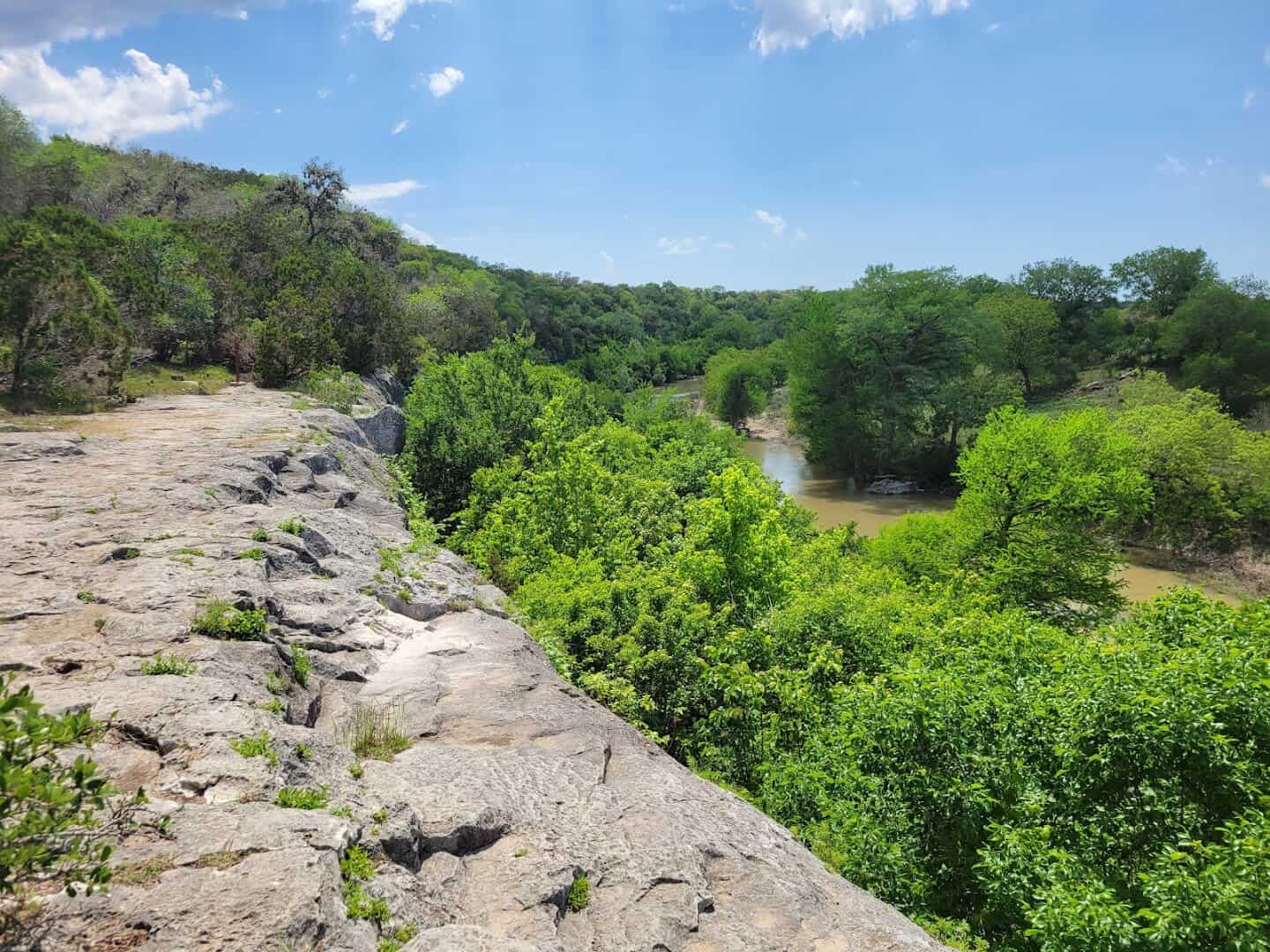
The talk covers everything. Geology, the plants underfoot, the birds overhead, and the human story of the families who once farmed this ground all get their moment. A good guide reads the group and leans into whatever sparks the most questions.
The Cave That Feeds the Creek
Part of what makes Honey Creek so clear is hidden underground, and it is genuinely wild. Beneath this land sits Honey Creek Cave, the longest cave system in all of Texas.
Surveyors have mapped more than twenty miles of passage down there, and an underground river runs through the dark. That river surfaces to become much of Honey Creek itself, which is why the water arrives so cold and so clean.
You will not tour the cave on the hike. It is a specialized place explored only by trained cavers with the right gear and permission. But knowing it is under your boots changes how the creek feels.
Divers and cavers have spent decades mapping those passages, wriggling through tight rock and swimming stretches of that cold underground river. It is one of the reasons this small pocket of the Hill Country draws scientists as much as hikers.
Did you know the limestone here holds fossils roughly 125 million years old? This whole region sat under a shallow sea back then, and the rock kept the receipts. Your guide will show you where to look for them.
Warblers, Turtles, and a Blind Salamander
Rare water grows rare life, and Honey Creek is a stronghold for creatures you will not find in many places. Birders come here hoping for the golden-cheeked warbler, an endangered songbird that nests only in Central Texas and nowhere else on Earth.
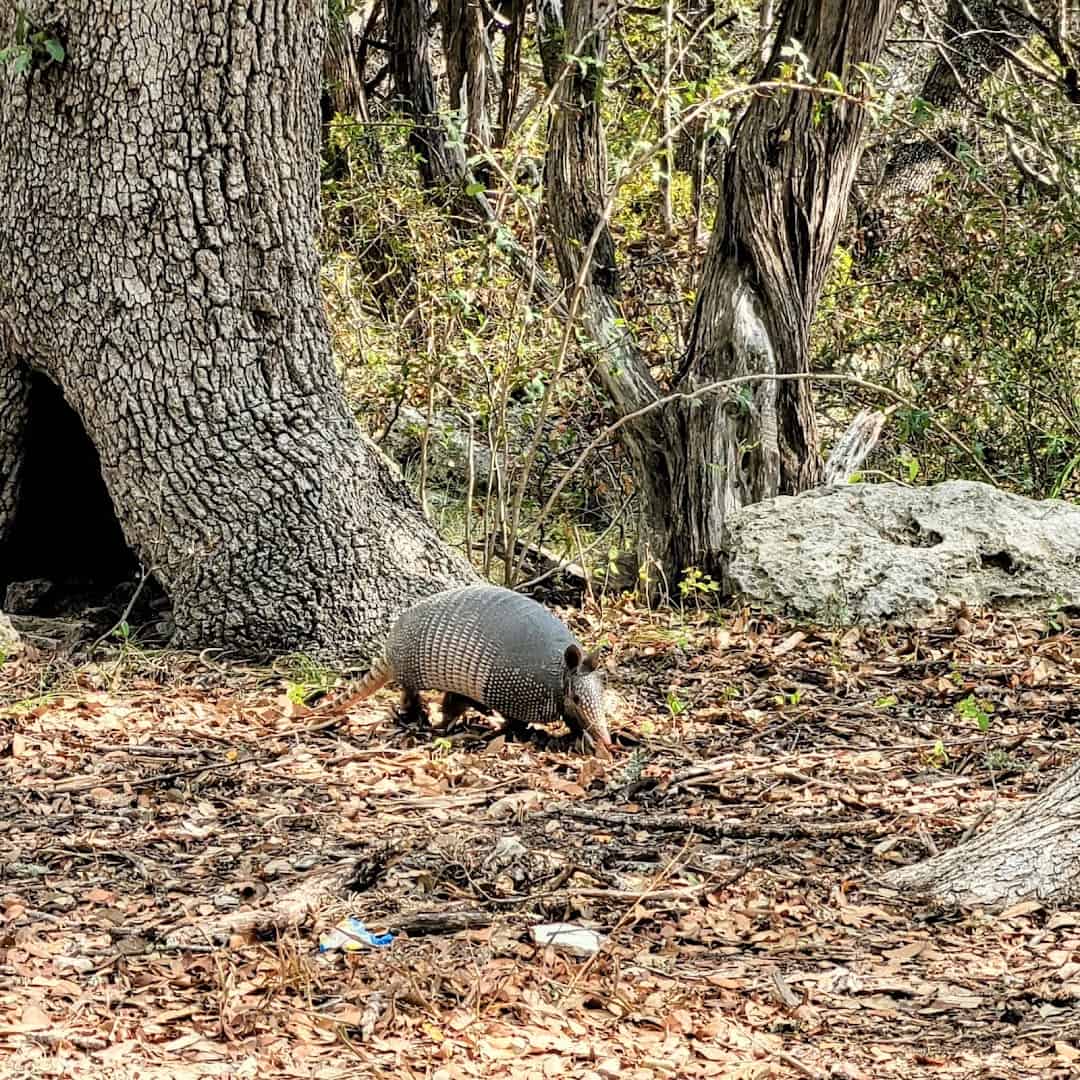
The black-capped vireo, another endangered bird, turns up here too. Spring mornings fill the canyon with song, which is why the park runs guided bird walks alongside the regular nature hikes.
Down in the water, keep an eye out for Cagle’s map turtle, a threatened species that basks on logs in the current. Its shell carries pale, maplike lines, and it is picky about clean water, so seeing one is a good sign.
The creek and its cave also shelter the Comal blind salamander, a pale, eyeless dweller found in only a handful of Central Texas springs. It spends its whole life underground, so you are unlikely to spot it, but it is down there.
The plant life is worth slowing down for too. Ferns cling to the shaded limestone, wildflowers dot the sunnier openings in spring, and the canyon walls themselves are a lesson in how water carves rock over a very long time.
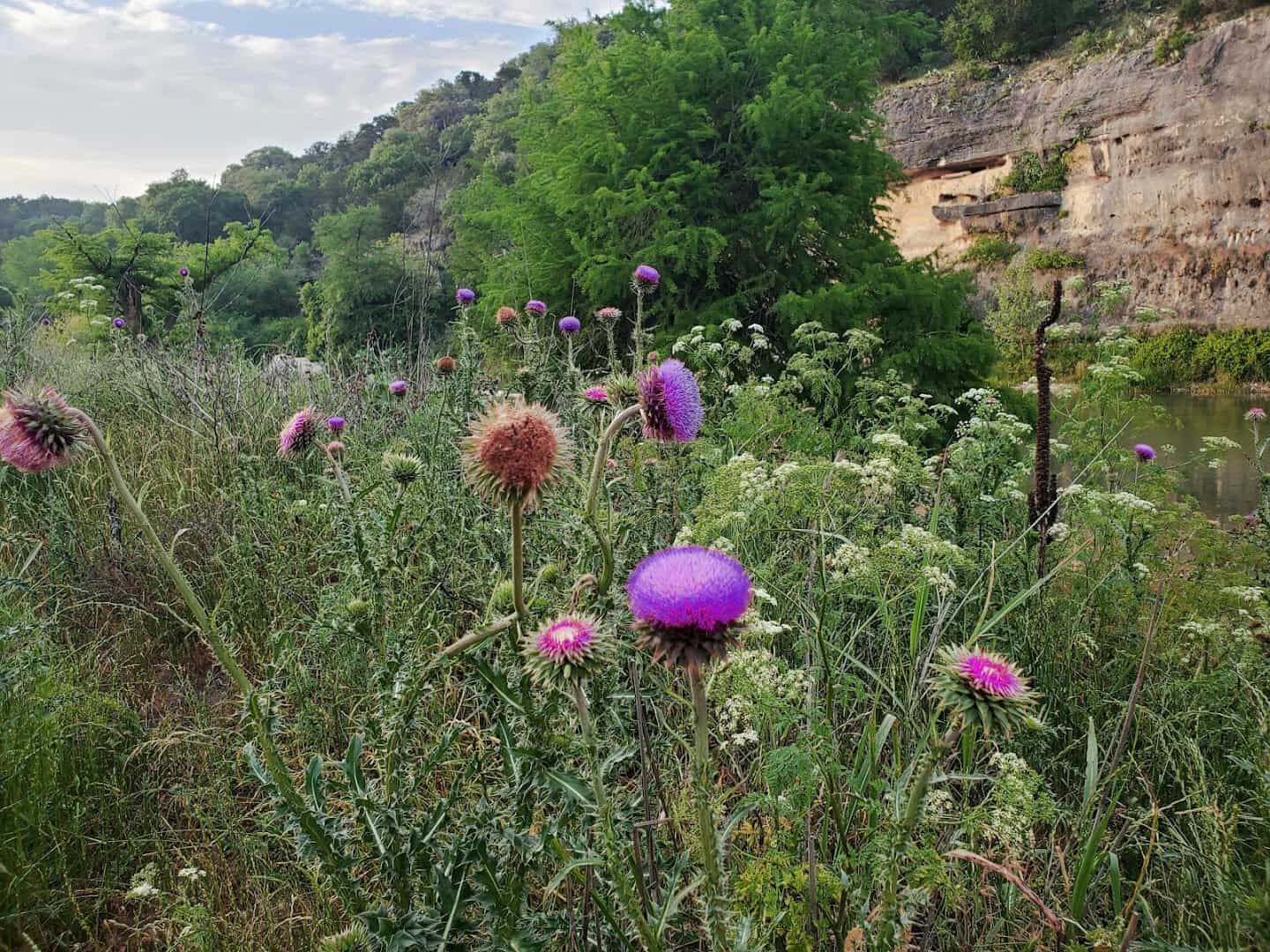
My favorite part is how much of this you would miss on your own. A guide knows where the turtles sun themselves and which trees the warblers favor, so the wildlife stops being luck and starts being a near-sure thing.
From Bavaria to a Ranch on Honey Creek
Long before it was protected land, this canyon was home. German immigrants began homesteading here in 1866, part of the same wave that Prince Carl von Solms-Braunfels helped bring to nearby New Braunfels.
Among them were the Doeppenschmidts, a family from Bavaria. Adam Doeppenschmidt pulled the family’s scattered parcels together by 1894, then sold the land in 1910 to Otto Weidner and Fred Rust.
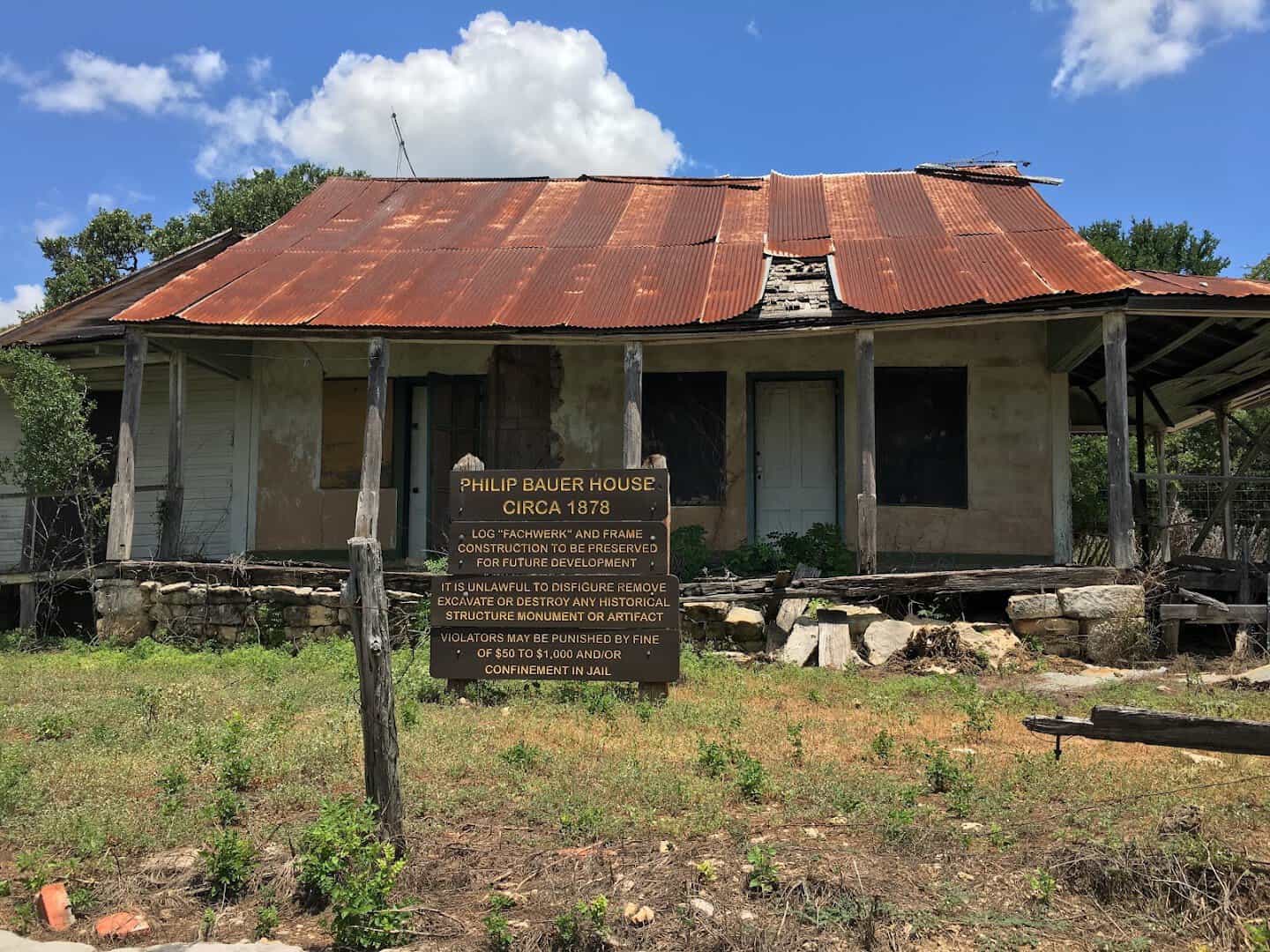
That Rust name is the one on the old homestead where the tours begin today. The Rust House is a well-kept example of the small farmsteads that dotted this canyon a hundred years ago, and guides often let you explore inside it.
The Weidner family worked the property as Honey Creek Ranch until 1971, when a Houston buyer took it over. Ranching kept the canyon from being carved into subdivisions, and by luck and stubbornness the creek stayed wild.
The turning point came in 1981, when The Nature Conservancy bought roughly 1,825 acres to keep them safe. The group handed the land to Texas Parks and Wildlife in 1985, and Honey Creek State Natural Area was born.
Protection has kept growing. The state and its partners added another 515 acres in 2023, pushing the natural area toward 2,800 acres. Every acre bought is another stretch of clean water kept out of harm’s way.
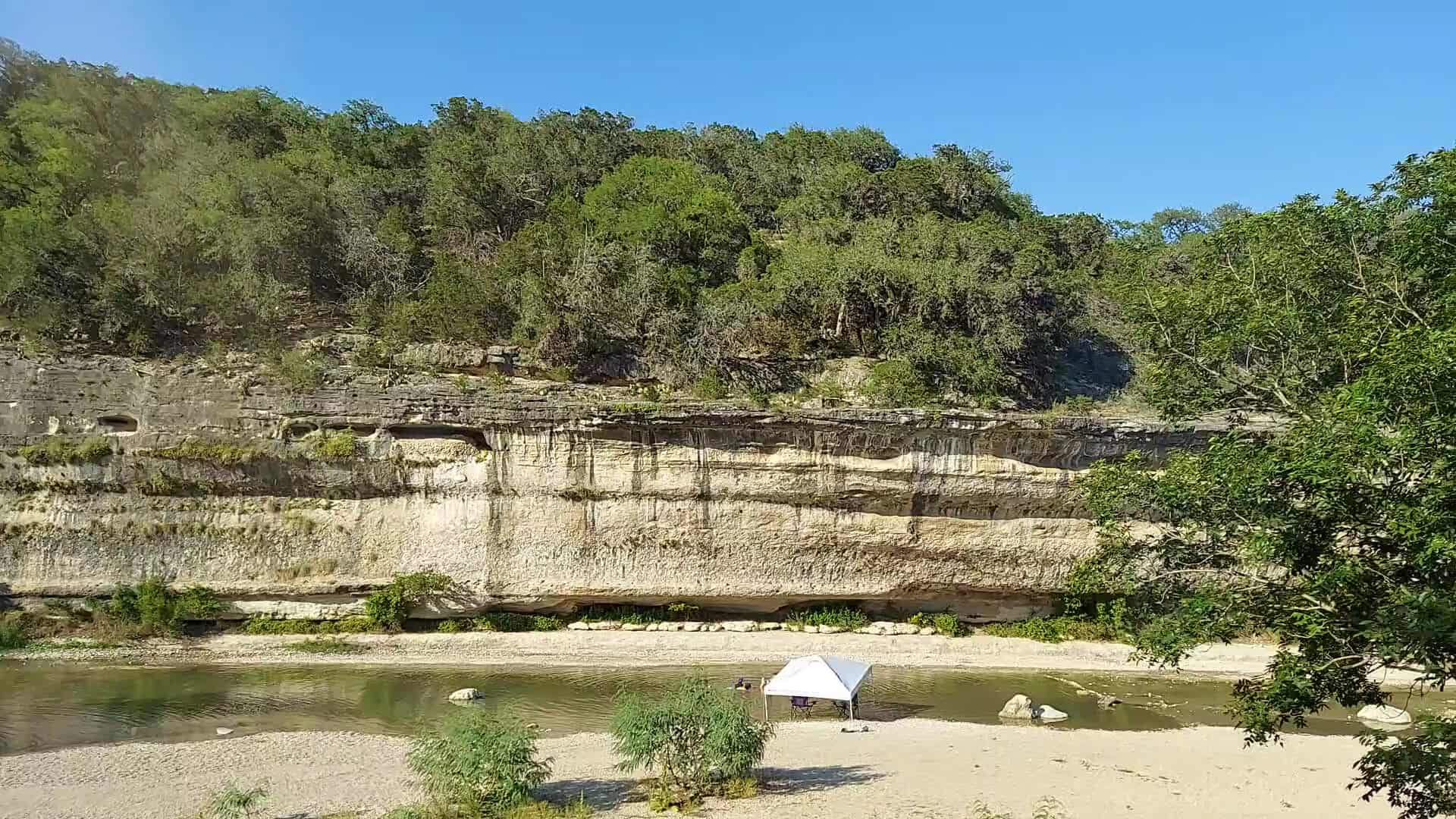
That work matters more each year. San Antonio’s suburbs keep creeping north, and this canyon sits over land that helps recharge the Edwards Aquifer. Buying it outright is one of the surest ways to keep the springs running clear.
What to Know Before You Go
A guided walk means a little homework up front, and it is worth doing right. Registration is required, so check the Honey Creek events page on the Texas Parks and Wildlife website and book your spot before you drive out.
The tour itself is free, but you still pay to enter Guadalupe River State Park, which runs about $7 for adults and is free for kids twelve and under. Reserving a day-use pass online ahead of time saves you a wait at the gate.
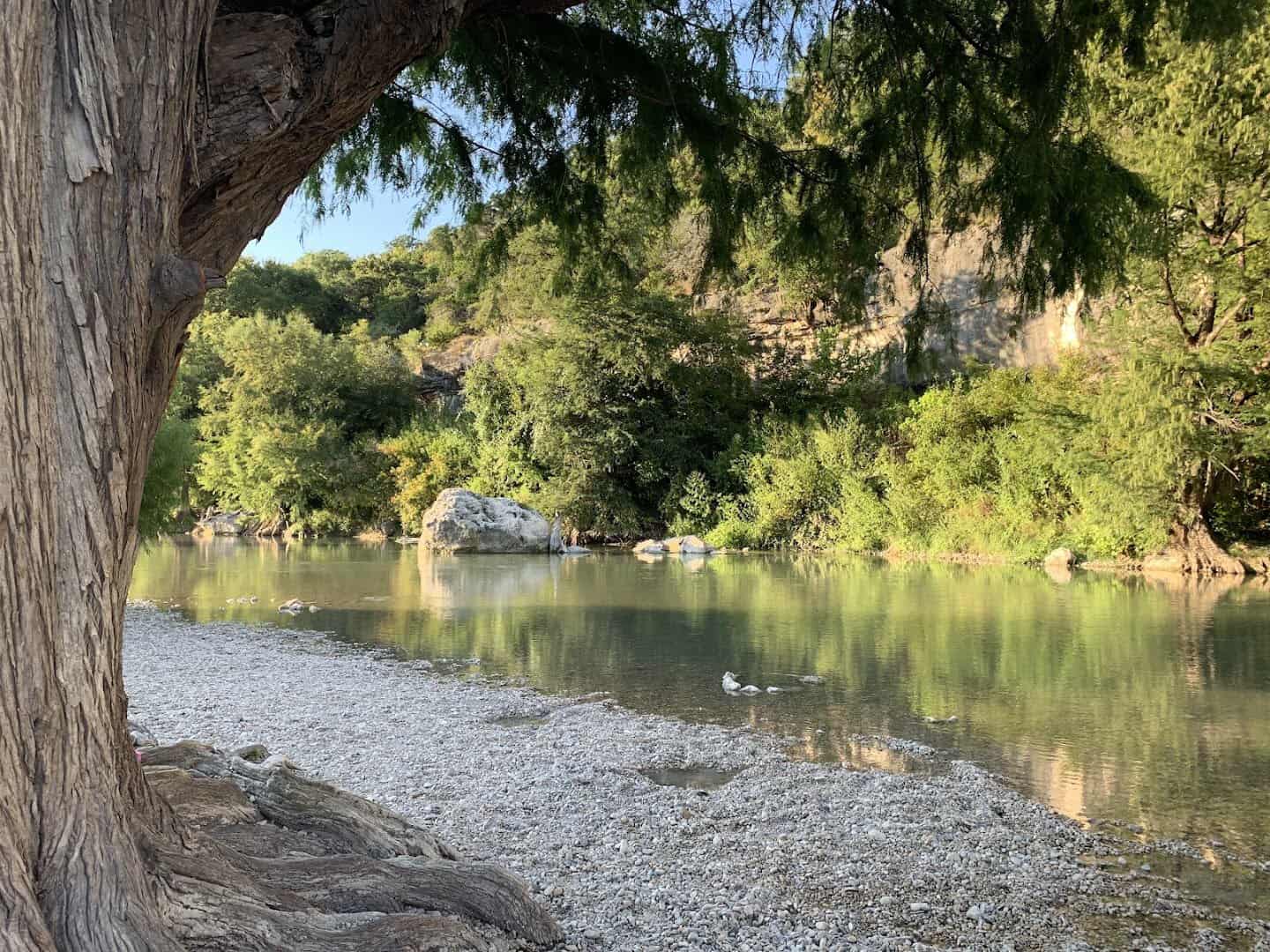
The trail is roughly two miles and rated moderate. Most of it is flat, but expect rocky footing, a few slopes, and two short but steep hills, so wear real shoes and not flip-flops.
Pro tip: there are no restrooms and no water fountains once the walk begins. Use the facilities at the state park first and pack your own water, especially in the warmer months.
Pets have to stay home, with service animals the only exception. That rule protects the wildlife and the water, and it is a big part of why the place still feels untouched.
Bring a camera, and consider leaving your phone in your pocket the rest of the time. This is one of those rare Texas spots where the water views really do make you forget the little screen for a couple of hours.
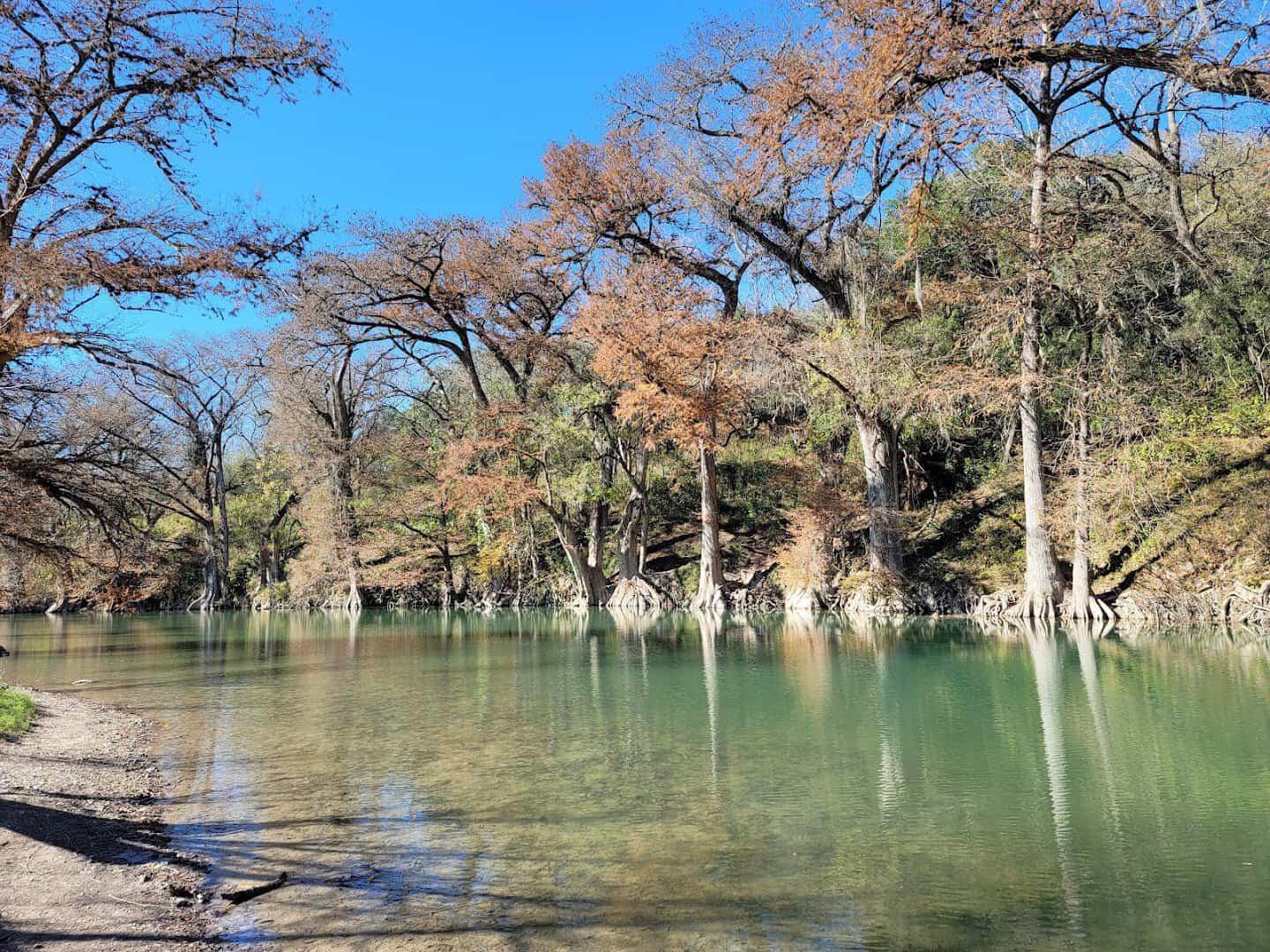
Mornings are the sweet spot for weather and wildlife alike. Come in spring and the songbirds are at full volume. Come in summer and that cool creek air is the best reward two easy miles can offer.
How to Get There
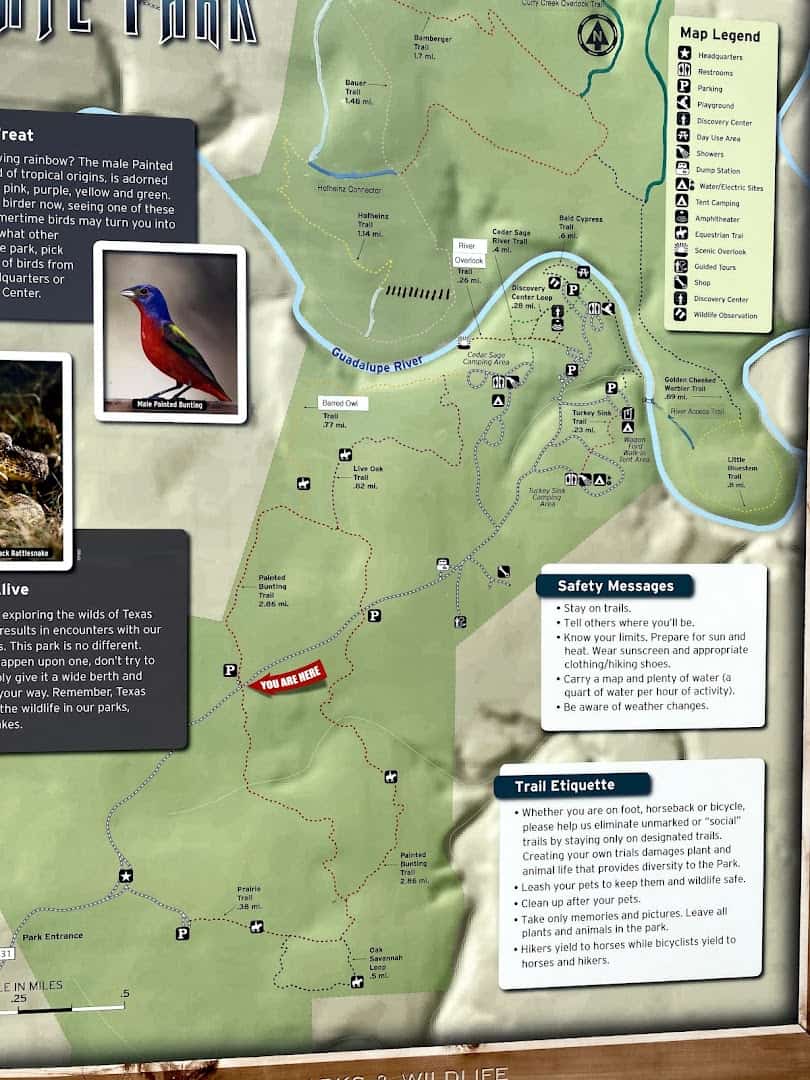
Honey Creek walks meet inside Guadalupe River State Park, an easy drive from San Antonio, Boerne, or the Bulverde and Spring Branch area.
Where: Guadalupe River State Park, 3350 Park Road 31, Spring Branch, TX 78070. Check in at park headquarters for your entry permit, then follow the signs to the Rust House meeting spot.
Put This Hill Country Walk on Your List
Not every great Texas hike is a lung-busting climb to a summit. Sometimes the reward is two slow miles beside water so clear it stops you mid-sentence, with a guide who can name every bird overhead.
So pick a Saturday, book your walk, and lace up something sturdier than sandals. This is one short trail that rewards the little bit of planning it asks for, and you will drive home already wondering when you can go back.
Featured image: Kanokwalee P via Guadalupe River State Park

Stella Raines
Editor-in-Chief
Stella brings over a decade of storytelling experience to TX Headlines. With roots in West Texas and a love for road trips, she leads the editorial team with an eye for the hidden stories that make Texas unforgettable.
More Stories
This Hidden Texas Trail Leads to Limestone Waterfalls and Spring Wildflowers
This Rugged Texas Ranch Has Nearly 30 Miles of Twisting Mountain Bike Trails That Keep Riders Coming Back
This Epic Texas Rail-Trail Stretches 130 Miles Past 19 Small Towns and Over 100 Old Trestles
This Crystal-Clear West Texas Pool Is the World’s Largest Spring-Fed Swimming Hole, and It Stays 72 Degrees Year-Round
Tags