This Hidden Texas Trail Leads to Limestone Waterfalls and Spring Wildflowers
I have a soft spot for places that hide in plain sight, and Austin is full of them.
You can sit in traffic on a six-lane road, ten minutes from a Costco, then walk a few hundred feet and hear water falling over stone. That trick never gets old for me.
The gap between the city and the wild is my favorite thing about the Hill Country, and northwest Austin hides one of the best examples of it anywhere in town.
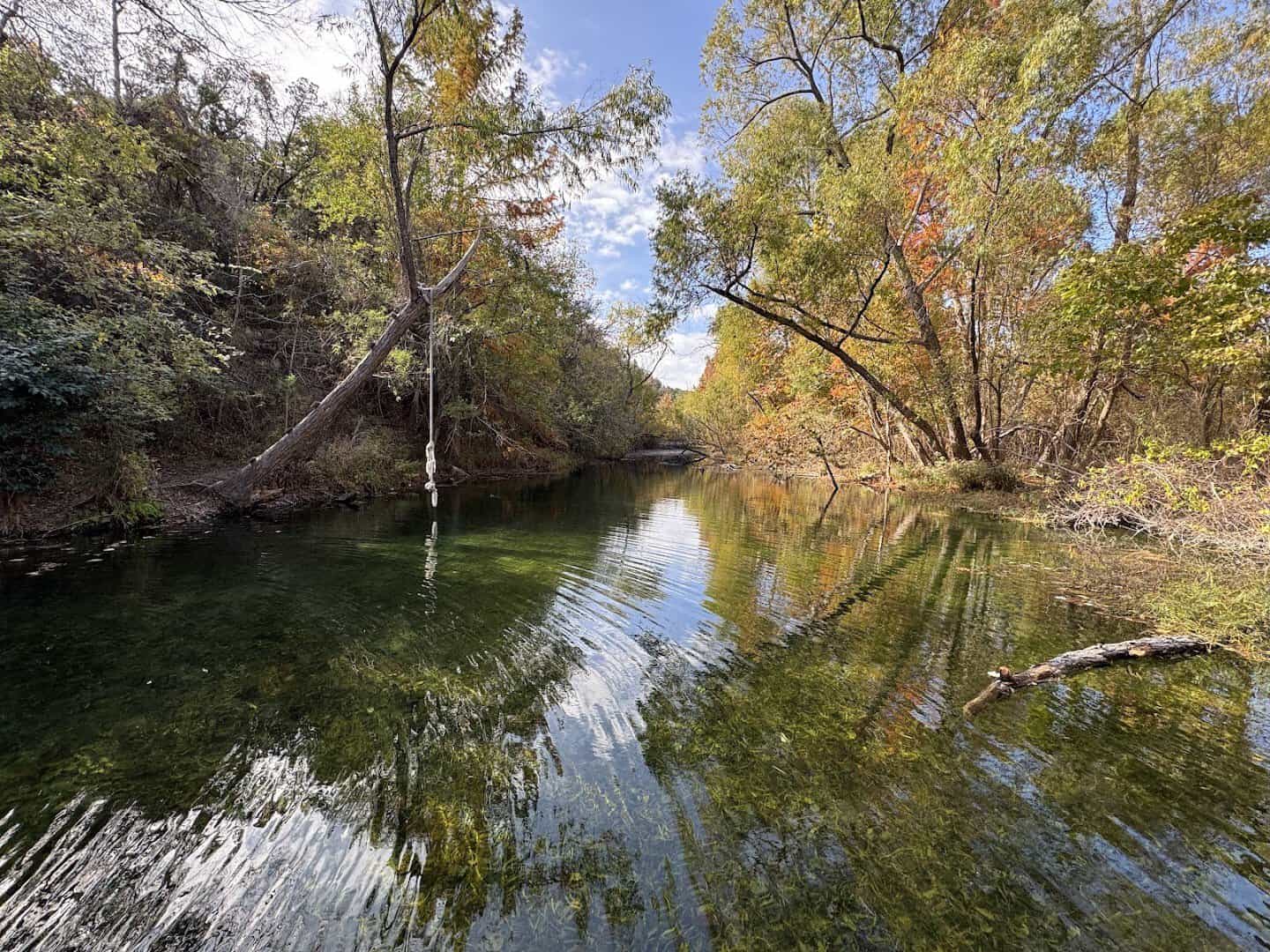
Tucked off Spicewood Springs Road, St. Edward’s Park is 80 acres of cool green quiet wrapped around Bull Creek. The water slides over limestone ledges, and in the right months the meadows fill with bluebonnets.
It is the rare spot that gives you a waterfall and a wildflower field on the same easy loop, if you time it right. Below, here is why this little greenbelt punches so far above its size, and how to make the most of a morning there.
The Trail That Finds the Falls
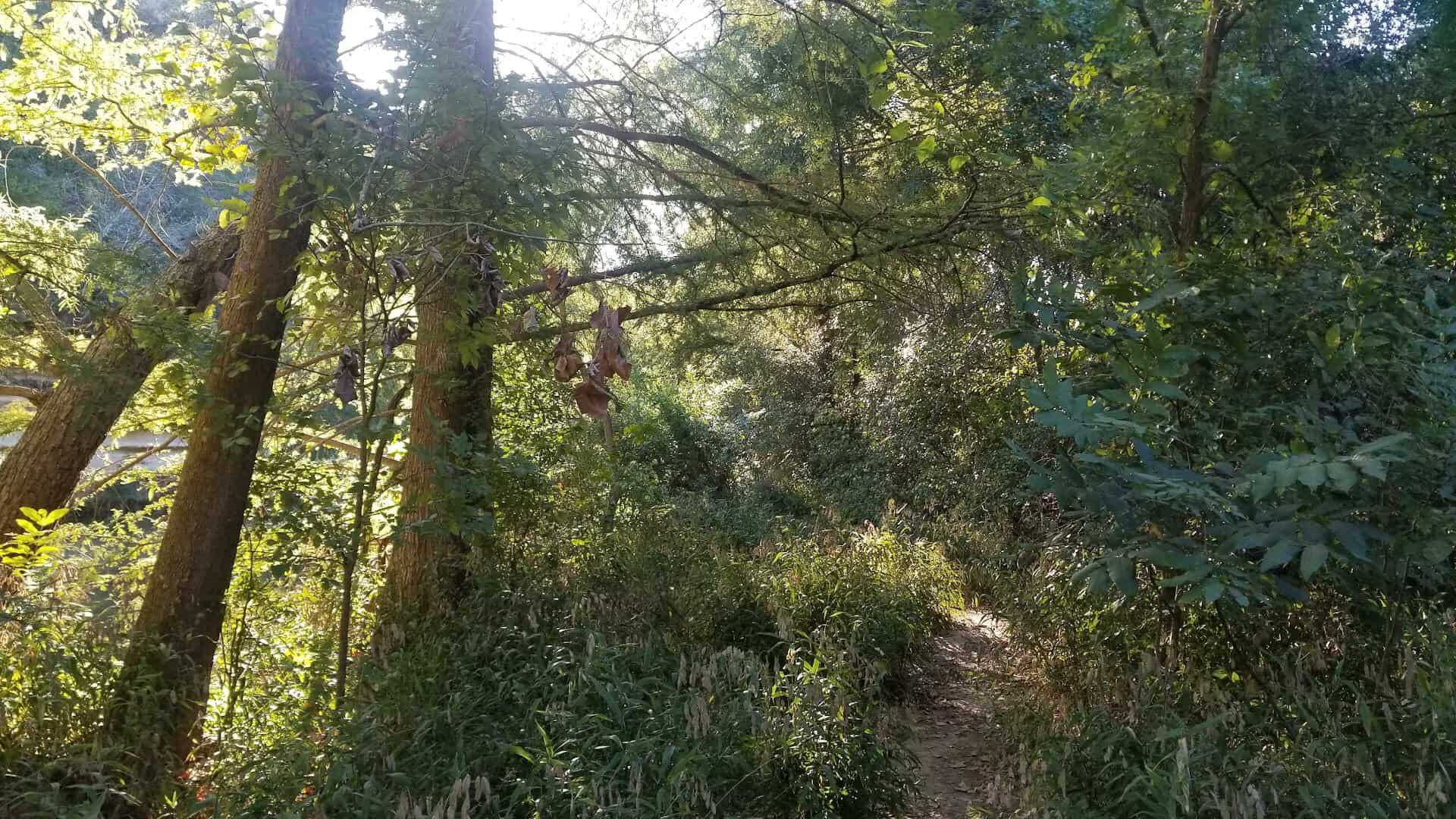
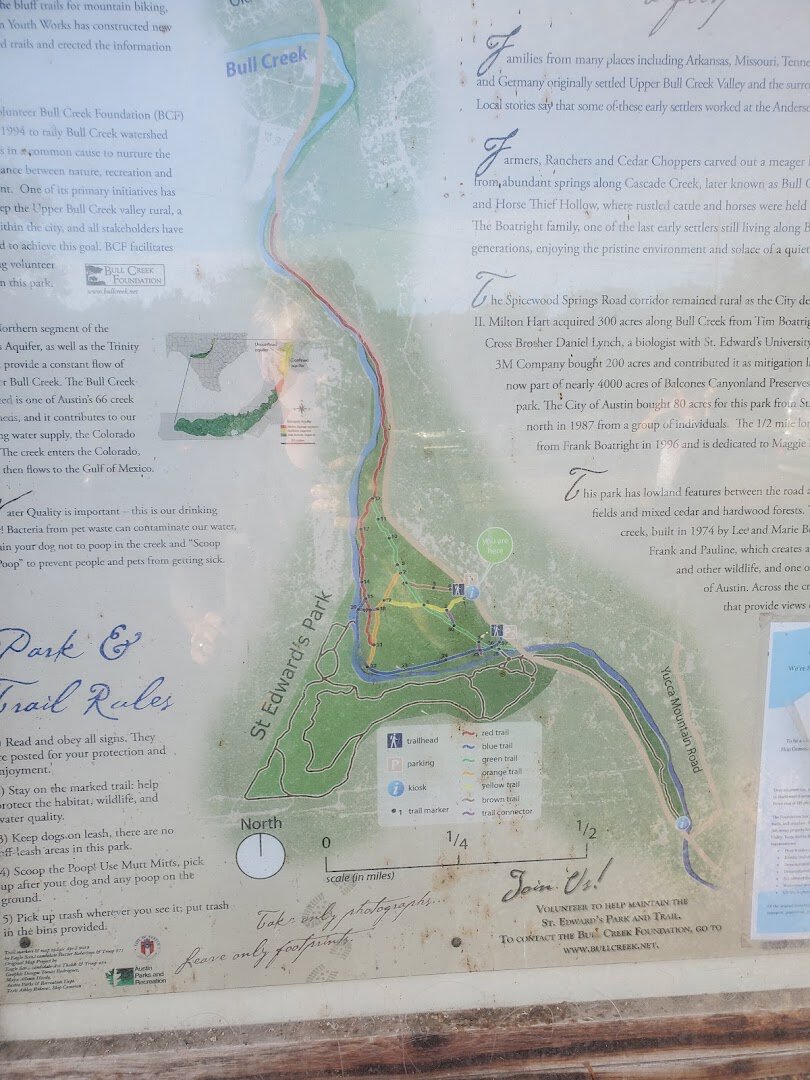
The park holds about 3.59 miles of trail, and the network is easier to read than it sounds. Colored posts mark the way, and the Green and Red Loop is the one most people come for.
It runs a little over two and a half miles and stays friendly the whole way. The elevation barely nudges, a gentle rise of around 150 feet, so you can finish the loop in under two hours at an easy pace.
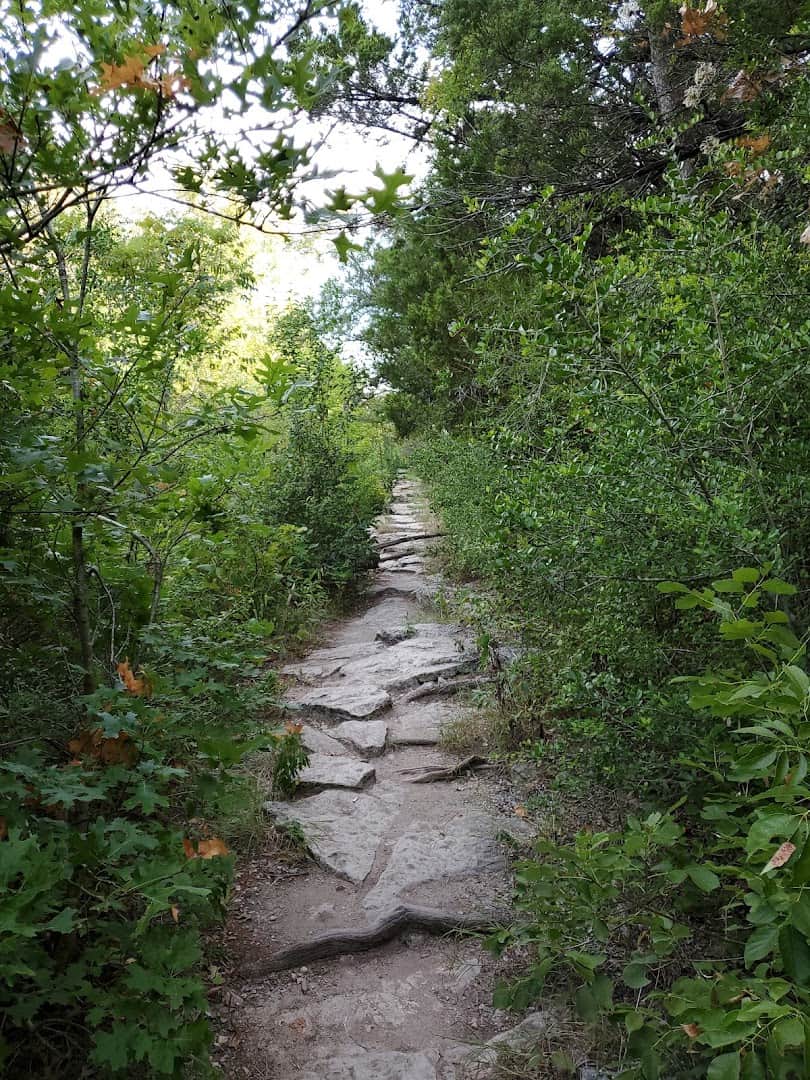
Families with young kids manage it fine, strollers less so once the path turns to rock and root. If you want a steeper stretch, the trails on the south and west side of the creek climb more than the ones on the north and east.
Mountain bikers share parts of the network too, so a bell or a friendly wave keeps everyone happy. Most of the time the loudest thing out here is the creek itself, and that is exactly the point of coming.
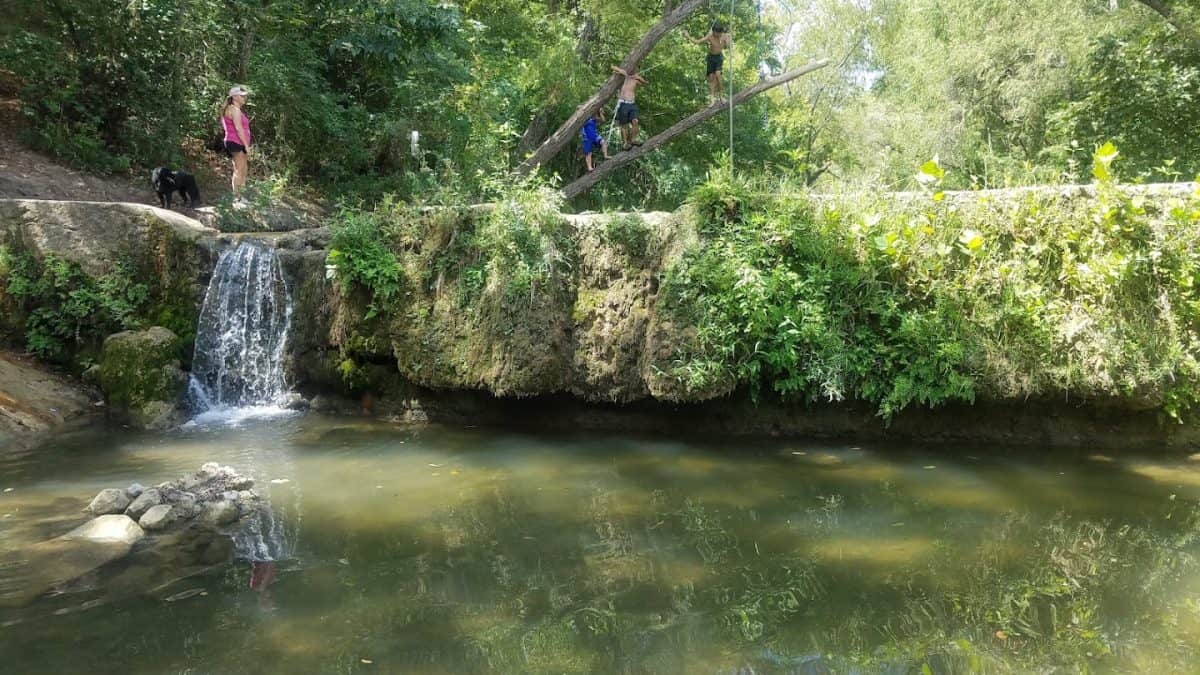
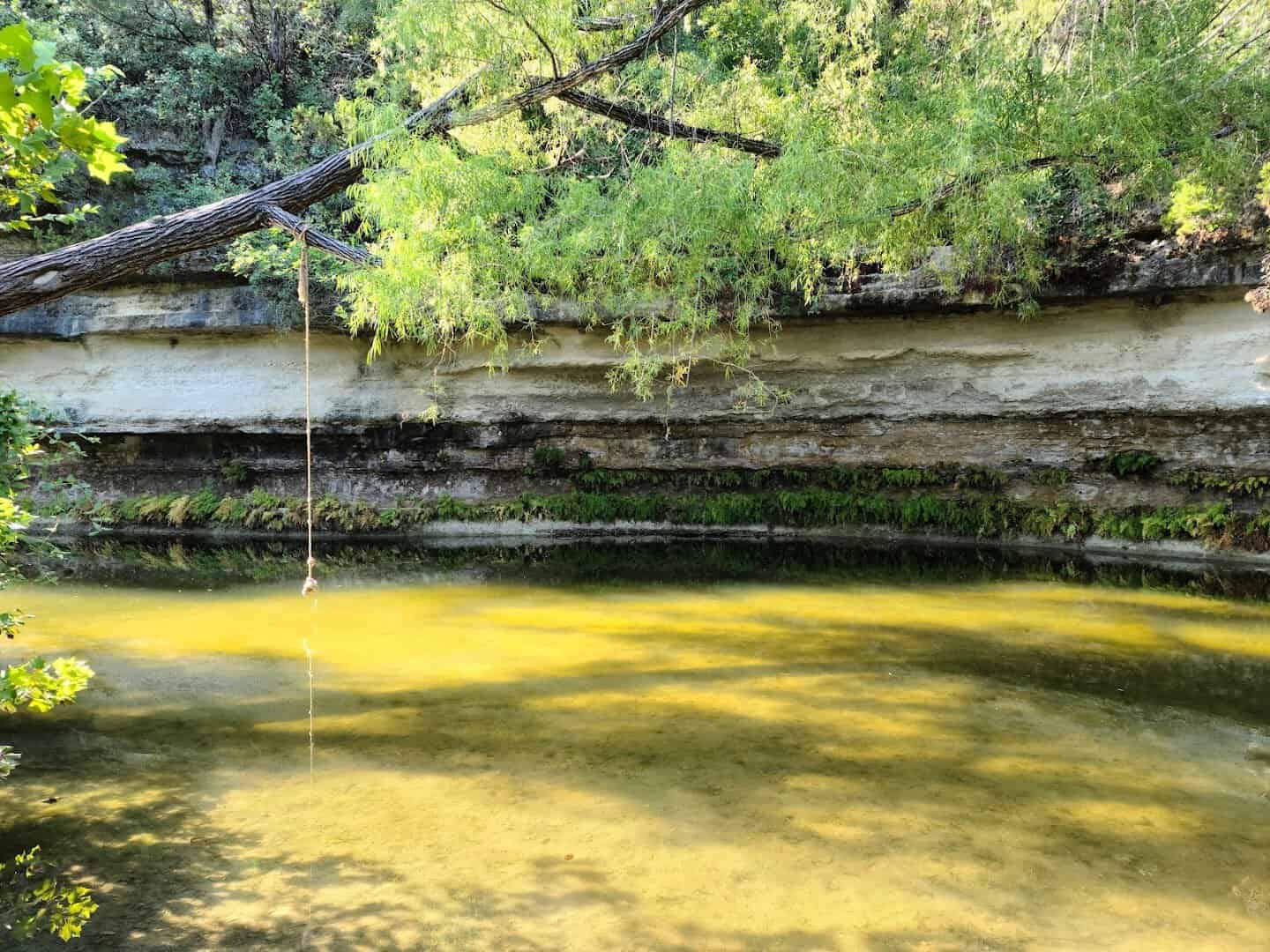
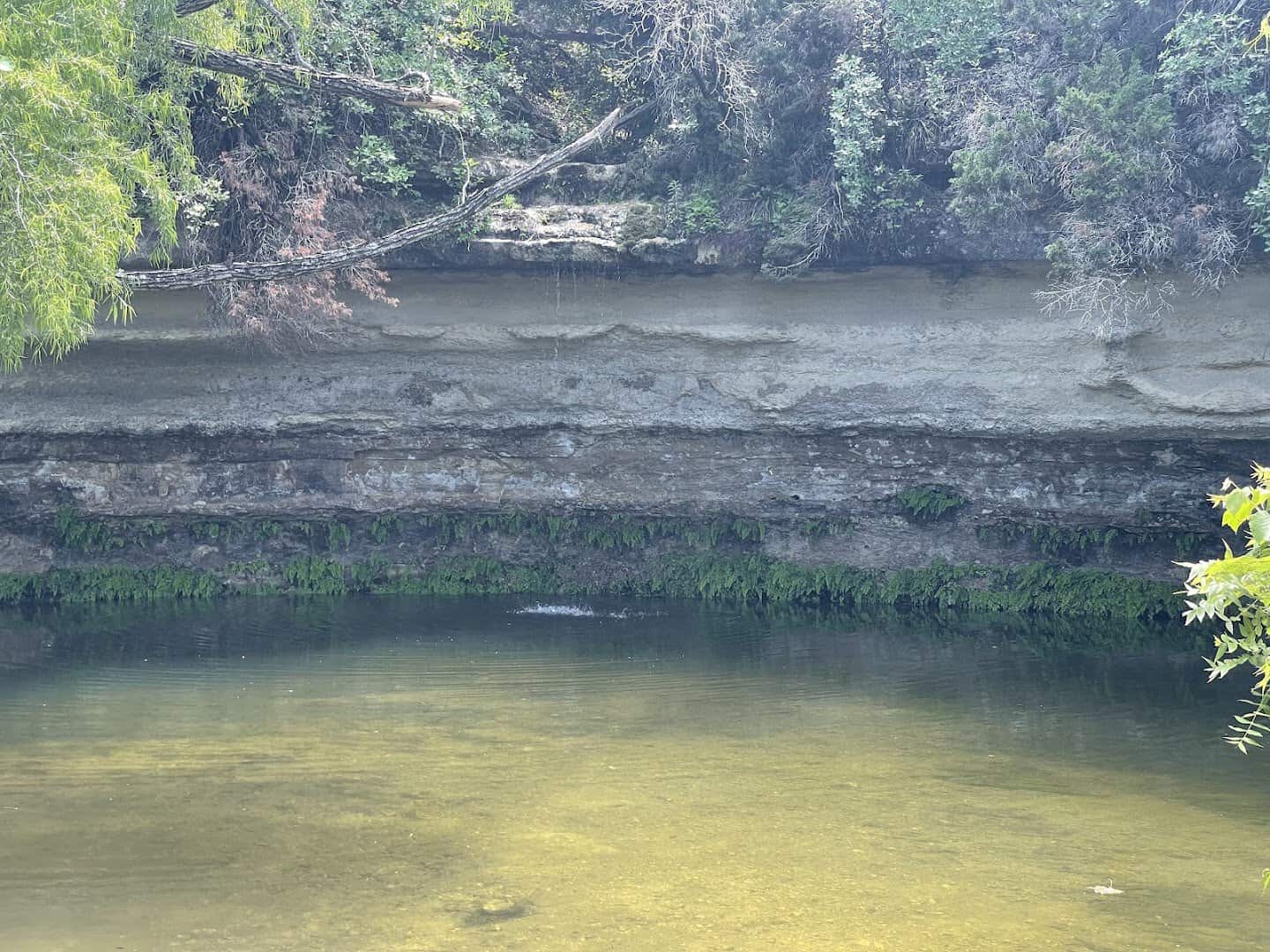
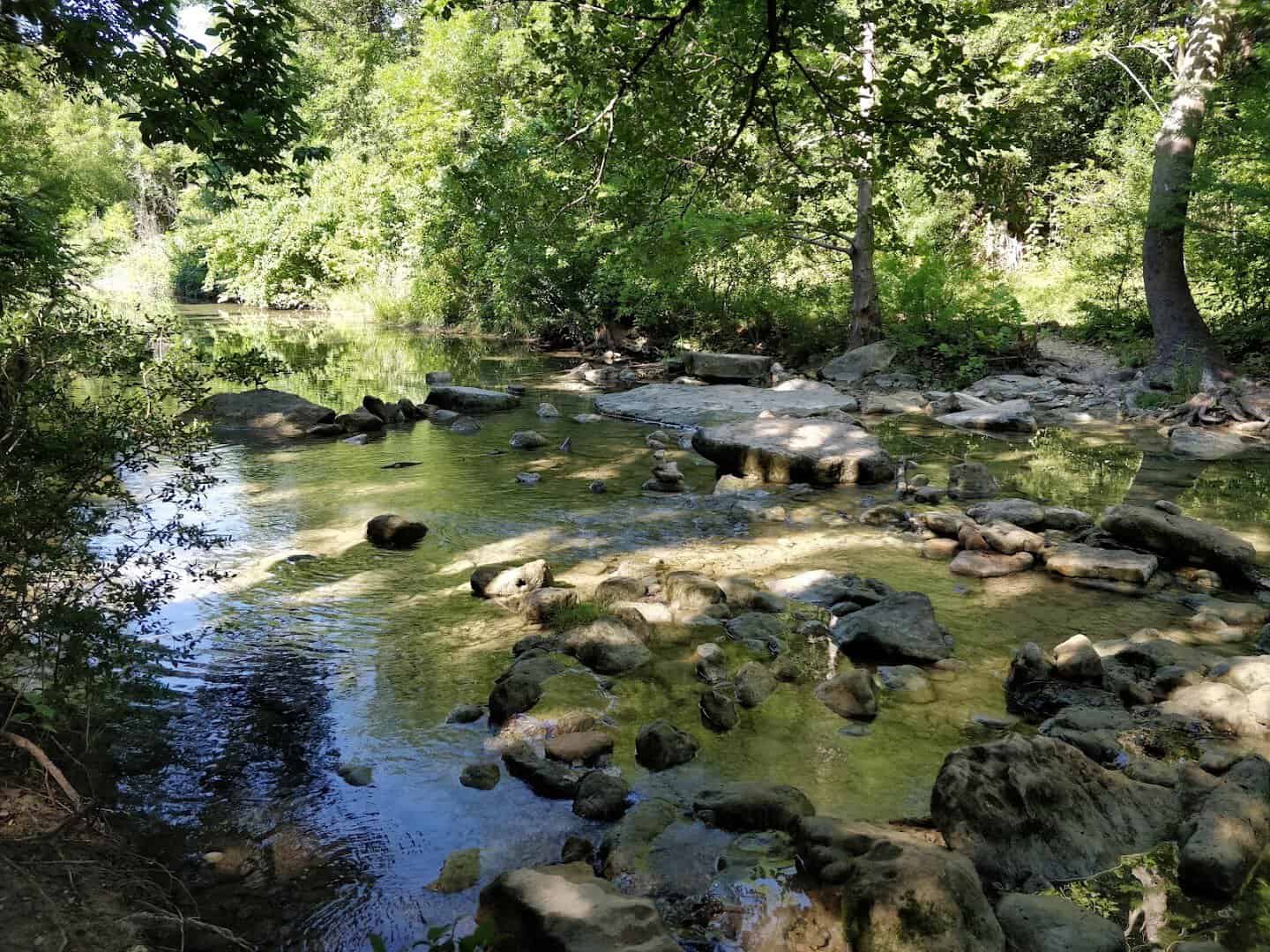
Then there is the payoff. Follow the water and you reach the spots where Bull Creek drops over stacked limestone shelves into clear pools below.
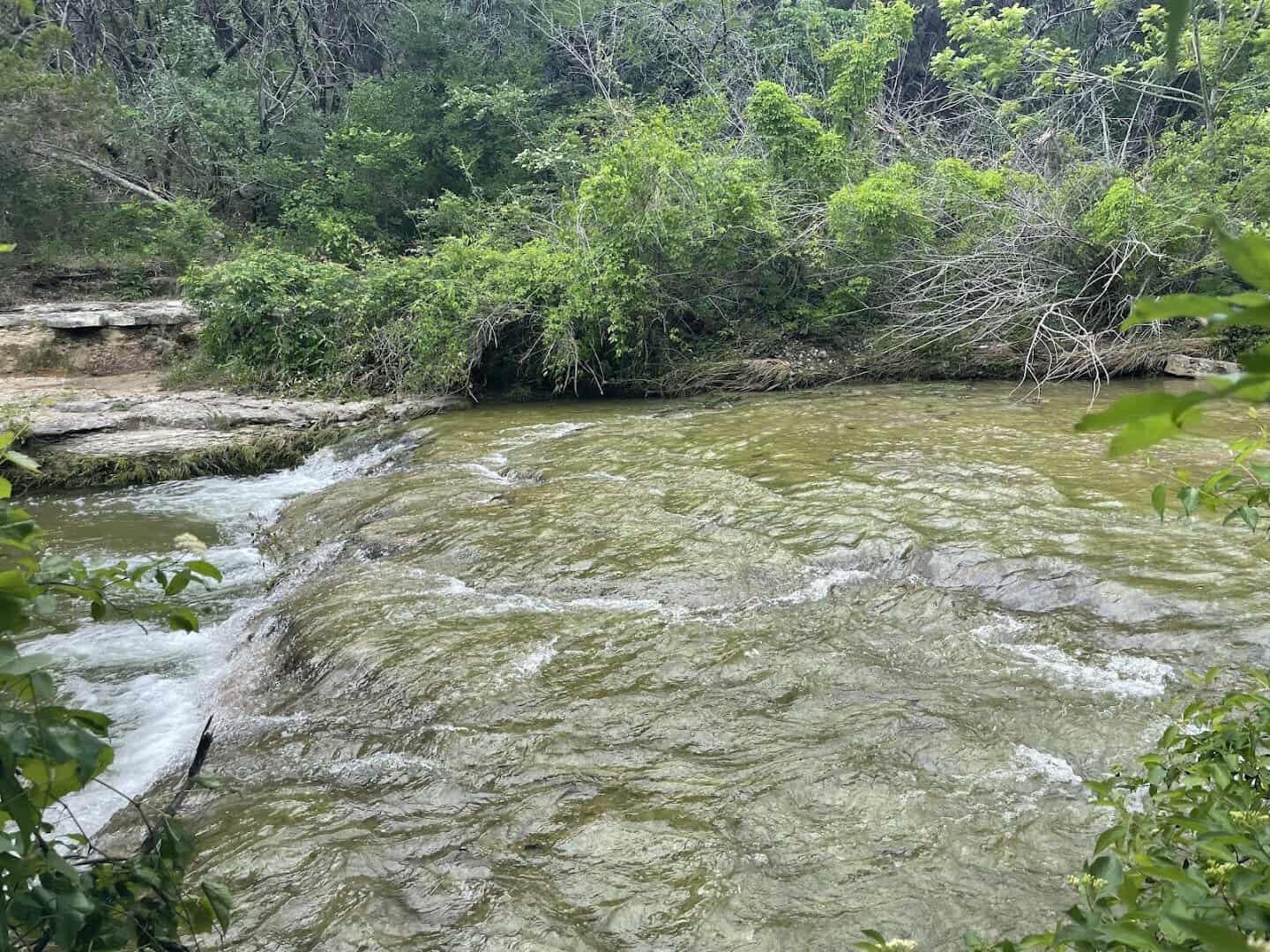
These are not thundering cascades. They are the soft, mossy kind, water spilling in sheets and threads over rock, loudest and fullest in late winter and spring after a good rain.
Stay to the left where the trail forks near the water and you will find the little waterfall most hikers are chasing. It hides just off the main path, which is half of why finding it feels like a secret you were let in on.
Even on the days the falls run thin, the ledges are worth the walk. Water pauses in shallow steps, catches the light, and turns the whole canyon floor into a series of small, still mirrors.
The rock does half the work here. Millennia of Bull Creek running over soft limestone carved those shelves, and the same water still smooths them a little more with every spring flood.
When the Meadows Turn Blue
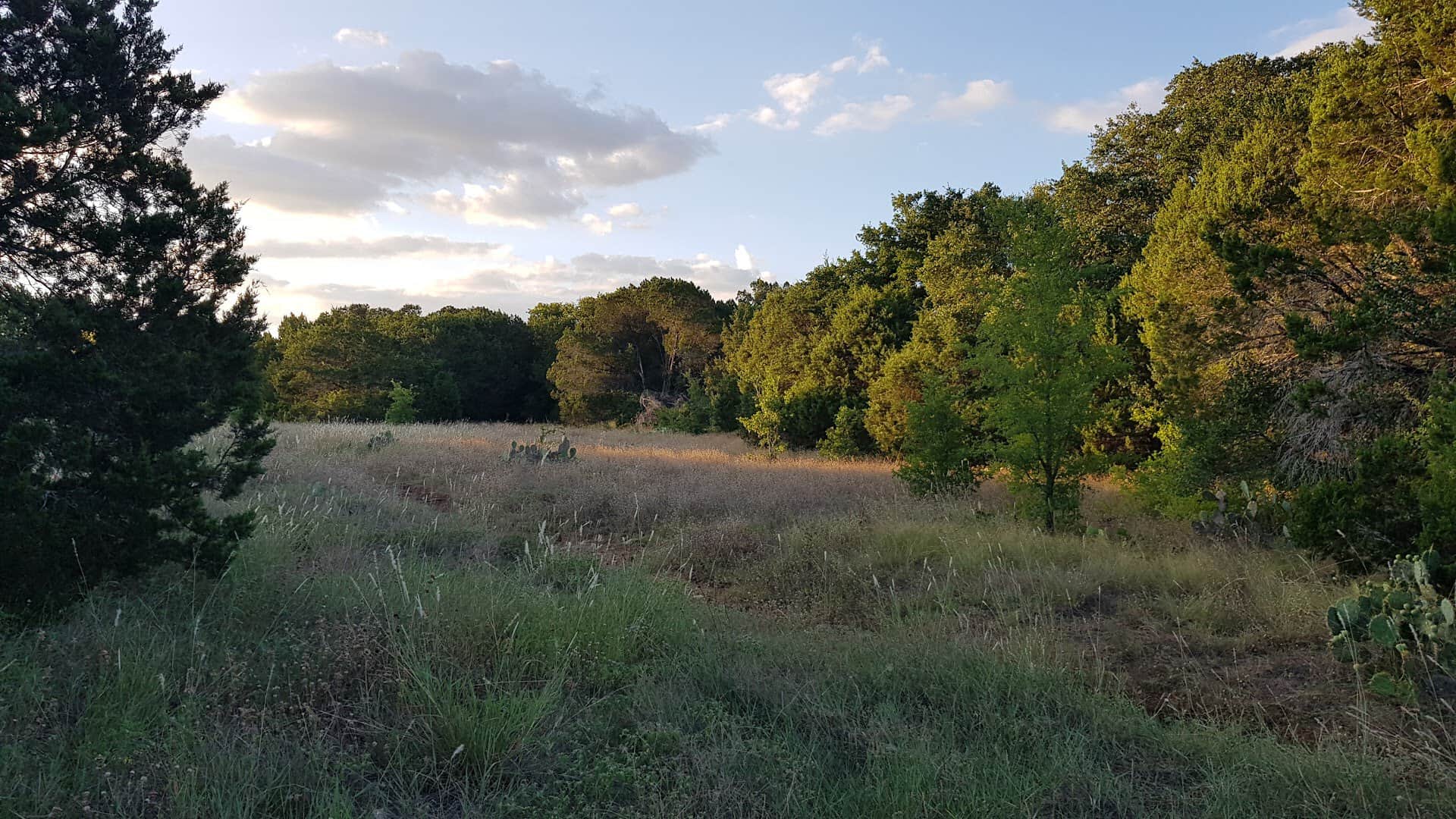
Come in spring and the park does a second trick. The open stretches between the woods and the creek fill in with wildflowers, and the stars of the show are bluebonnets and Indian paintbrush.
Blue and burnt orange scatter together the way only a Texas field seems to arrange them. It is the kind of scene Austinites drive out of town for, growing right beside the trail instead.
Timing is everything with wildflowers, and it shifts a little every year. The blooms usually run from late February through mid-April, depending on how much rain and warmth the season brought. A wet, mild winter pushes them early and thick.
A dry one holds them back, so it pays to watch the local bloom reports before you plan a photo trip. When Central Texas gets its winter rain, the payoff is a hillside you will remember.
Pro tip: chase the flowers and the water in the same trip. Both peak in that same window, late winter into spring, when the creek runs its clearest and the meadows are at their loudest.
Hit the park in March and you can catch a waterfall and a bluebonnet field on one short loop. The wildflowers here are part of the larger Edwards Plateau show, the ecoregion that paints Central Texas roadsides every April.
Kneel low for photos and you will find more than the famous two. Look for the yellow of golden-wave and the fine lace of smaller blooms threaded through the grass once you slow down and really look.
A gentle reminder that every Texan learns young: enjoy the bluebonnets, but tread lightly around them. Stay on the path, snap your shots, and leave the blooms for the next hiker who comes chasing that same blue.
Where the Creek Slows Down
Bull Creek is the reason the whole place exists, and it gives you more than waterfalls. Between the ledges, the water pools into swimming holes tucked under the trees.
These are shaded and calm, the kind of spot that feels ten degrees cooler than the parking lot you left behind. On a warm day, families spread out along the banks while the creek does the entertaining.
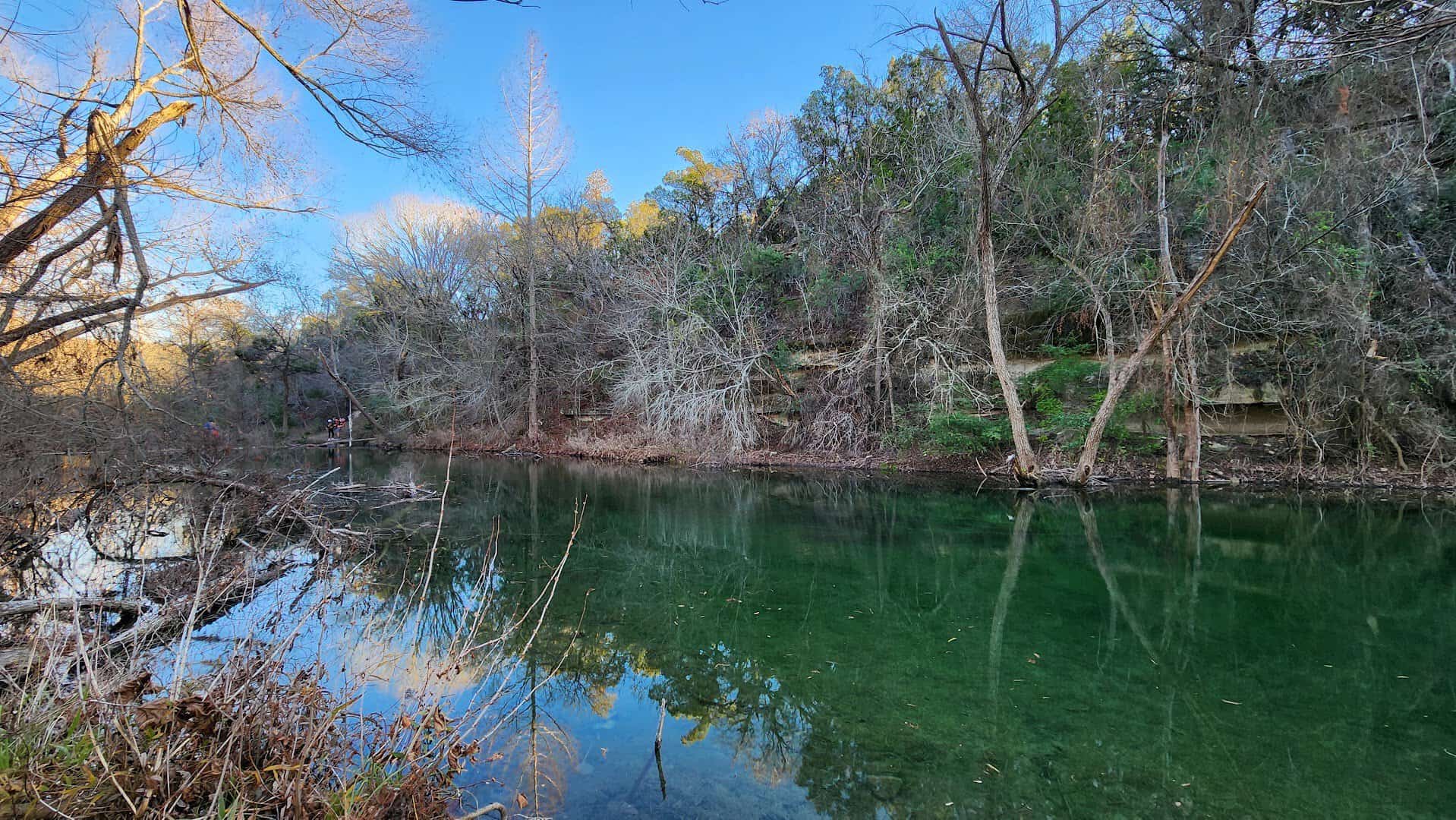
There are rope swings and regular swings near the water, hung by generations of local kids who found this place long before it made anyone’s hidden-gem list. Some knots out here are older than the trailhead signs.
One honest note that only makes it better: the creek ebbs and flows with the rain. It runs clearest and fullest in late winter and spring, so that is when the pools are deepest and the falls are actually falling.
Plan your visit for the week after a good soaking and you get the park at its very best. Come in a dry stretch and you trade the swim for a quieter, greener walk, which is not a bad deal either.
Limestone cliffs rise along parts of the canyon, pale walls streaked with green. The trail threads between them and the water. It is scenery you expect to drive an hour for, not the kind you find behind a suburban office park.
A Canyon Full of Wings
The same shady creek canyon that cools you off is prime habitat for one of the state’s most sought-after birds. The golden-cheeked warbler nests only in Central Texas and nowhere else on Earth.
It is a small songbird with a bright black-and-yellow head, and birders come to look for it here along the creek from about mid-March through the end of May, when the males sing from the oak and juniper.
Spotting one is a genuine bragging right, since this warbler is federally endangered and picky about where it lives. The park sits right inside the woodland it depends on.
It is not the only wing in the canyon. Herons stalk the shallows, wrens rattle from the brush, and the whole creek corridor turns into a flyway when spring migration rolls through Central Texas.
Did you know? That oak-juniper habitat is the same limestone Hill Country the Balcones Canyonlands were set aside to protect. This little greenbelt is a working piece of it.
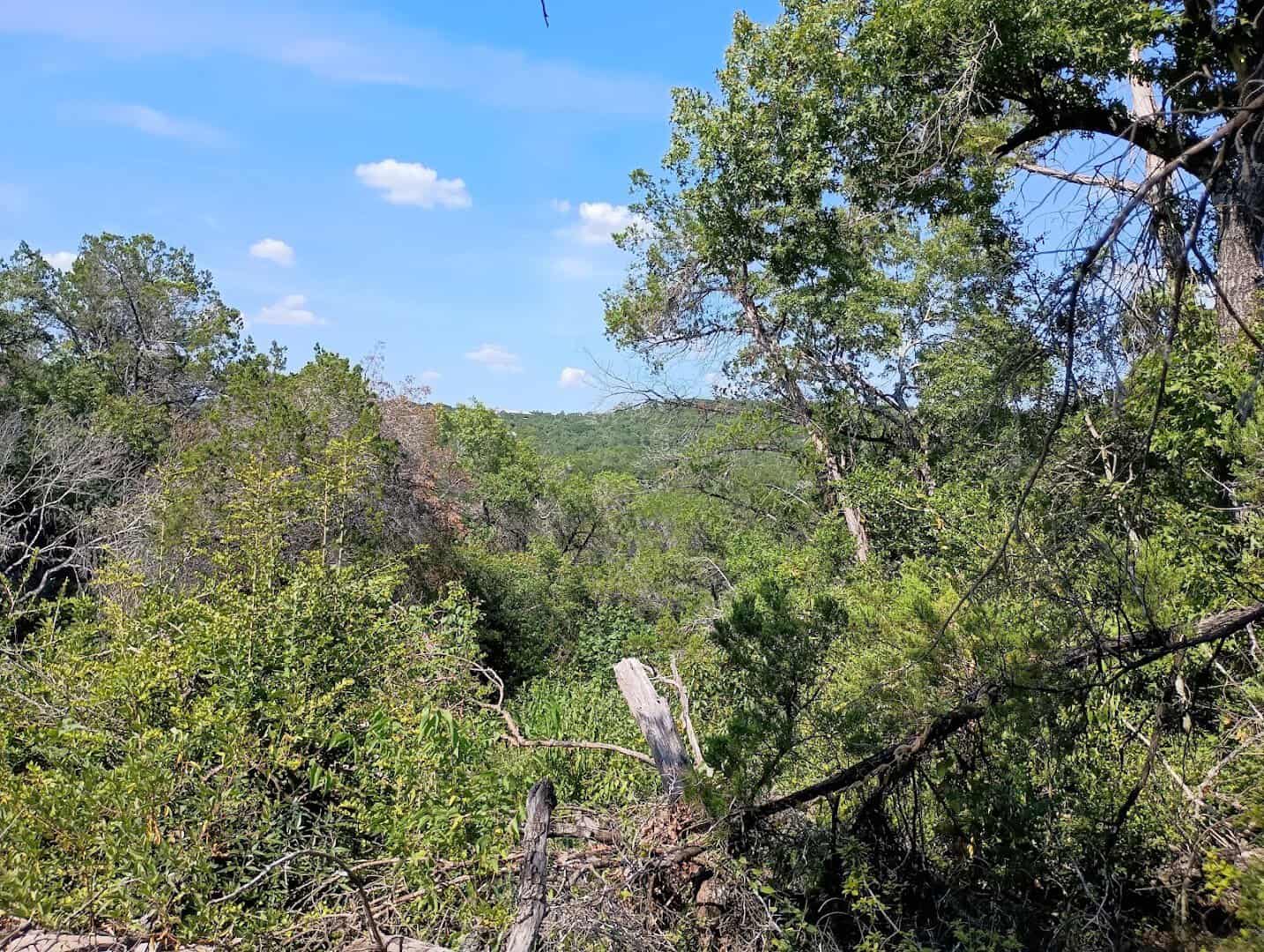
The park also sits along the Balcones Fault, where the flat blackland to the east buckles up into the rocky plateau to the west. That crack in the earth is why you get canyon, creek, and cliff all in one small park.
How a Ranch Became a Refuge
The Upper Bull Creek valley was settled back in the 1850s by a mix of Southern American, German, and Irish families. Some of them stayed for generations, ranching and farming the rocky ground that now holds the trails.
The park itself came together as a patchwork rather than a single grand purchase. Part of the land was given to nearby St. Edward’s University, the private Catholic school founded in 1885 that lent the park its name.
More acreage came from the 3M company as mitigation for development elsewhere in Austin, and the City of Austin bought the rest. The city opened it to the public in 1981.
The result was an 80-acre greenbelt that most of Austin still has not heard of. Turning old ranchland into a protected creek corridor is exactly the kind of quiet win that ages well.
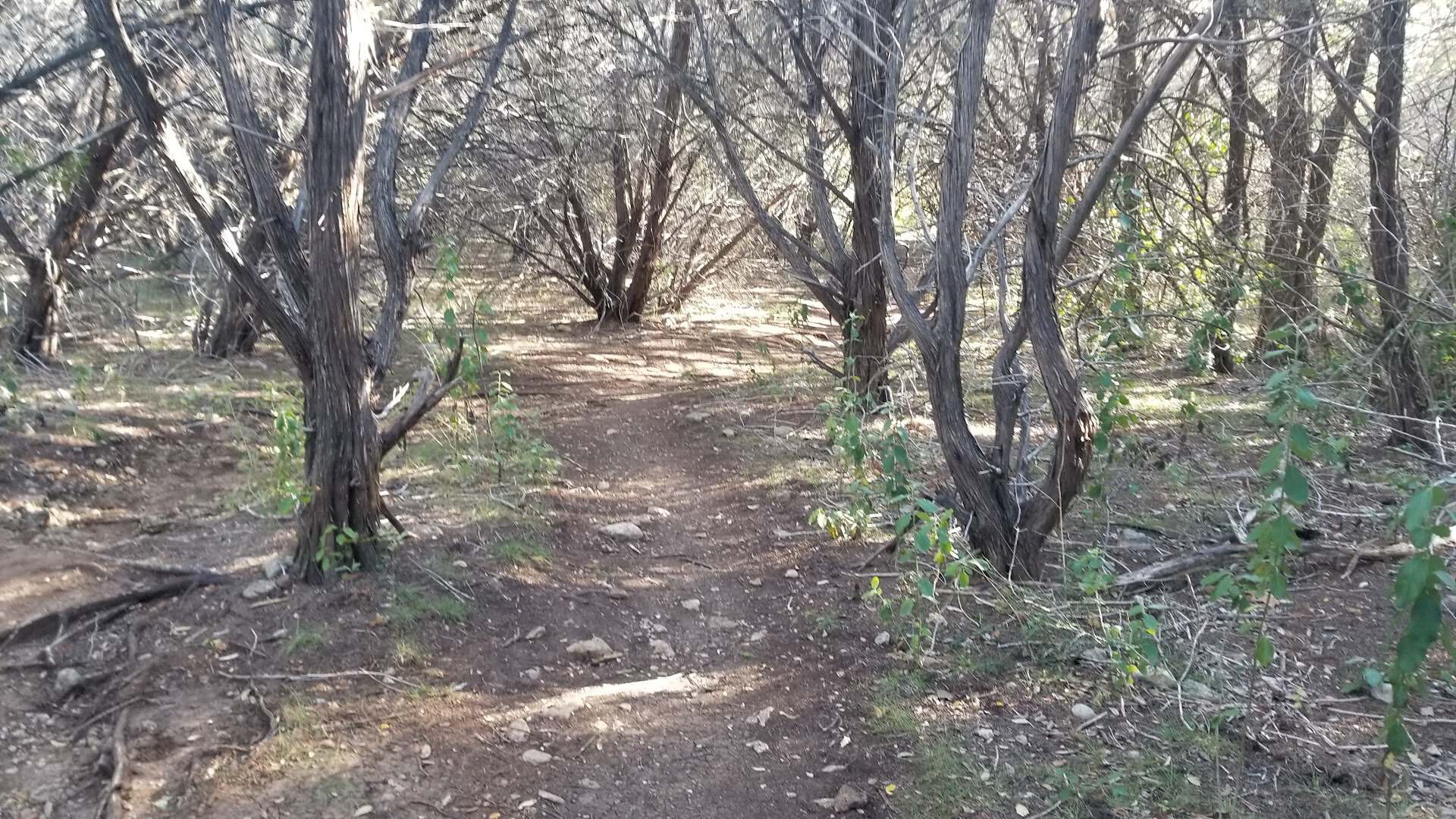
You can still feel that ranch past in the lay of the land, in the old fence lines and the cedar that crept back once the cattle left. Nature has been busy reclaiming the place for four decades now.
The story is still being written. In 2021 the city bought another 10 acres near Spicewood Springs Road, with plans to eventually link St. Edward’s Park to Bull Creek District Park and stitch together a longer trail.
Know Before You Go
The park is free, and it stays wonderfully low-key, which means it gives you no amenities to lean on. There are no restrooms and no water fountains on the trail, so fill your bottle before you arrive.
Parking is the real trick. The lot is modest, room for maybe a dozen cars, with a little shoulder space beyond that. Get there early, especially on a spring weekend, because the secret is not quite as secret as it used to be.
Good shoes help. The limestone near the water gets slick, and creek crossings mean you may get your feet wet in the wetter months. Leashed dogs are welcome, and plenty of Austinites treat this as their four-legged friend’s favorite walk.
Bring water and sun cover for the open wildflower stretches, and a little patience for the fork near the falls. Half the fun is that the best spots are not signed in neon. You find them, and then they are yours.
Pack out what you pack in, and give the swimming holes and the flowers the same light touch the locals do. A place this good stays good because people look after it.
How to Get There
St. Edward’s Park sits in northwest Austin, off Spicewood Springs Road, an easy drive from Loop 360 or MoPac. Aim for a weekday morning or an early weekend start and you will likely have the falls mostly to yourself.
Where: St. Edward’s Park, 7301 Spicewood Springs Rd, Austin, TX 78759
Go Chase the Water
The best part of a place like this is how little it asks of you. No entrance fee, no long drive, and no crowds if you time it right, just a short loop that trades a suburban parking lot for a limestone canyon.
Pack a water bottle, watch the spring forecast for a good soaking rain, and point the car toward Spicewood Springs Road. Catch it in March and you get waterfalls and bluebonnets in one walk. Try not to tell too many people where you found them.
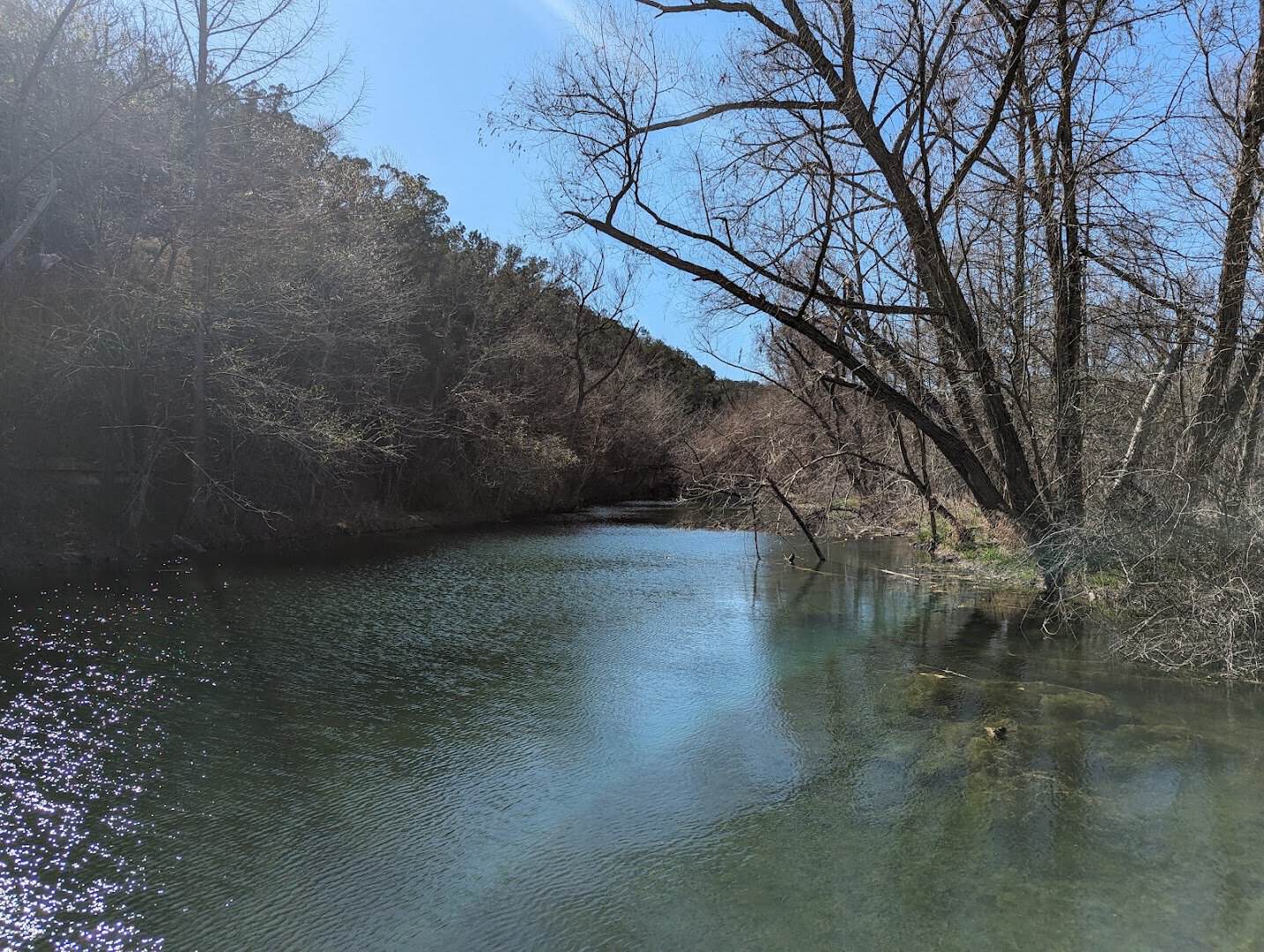
Featured image: Nick Athey via St. Edward’s Park
Featured image: Leah Baize via St. Edward’s Park

Stella Raines
Editor-in-Chief
Stella brings over a decade of storytelling experience to TX Headlines. With roots in West Texas and a love for road trips, she leads the editorial team with an eye for the hidden stories that make Texas unforgettable.
More Stories
These 5 Surreal Texas Places Are So Stunning You Won’t Believe They’re in Texas
5 Abandoned Texas Places That Are Eerie, Empty, and Still Open to Explore

8 Hidden Texas Bookstores That Book Lovers Will Want to Get Lost In
This Abandoned Texas Zoo Closed Nearly 90 Years Ago, and You Can Still Walk Through Its Ruins
Tags