This Crystal-Clear West Texas Pool Is the World’s Largest Spring-Fed Swimming Hole, and It Stays 72 Degrees Year-Round
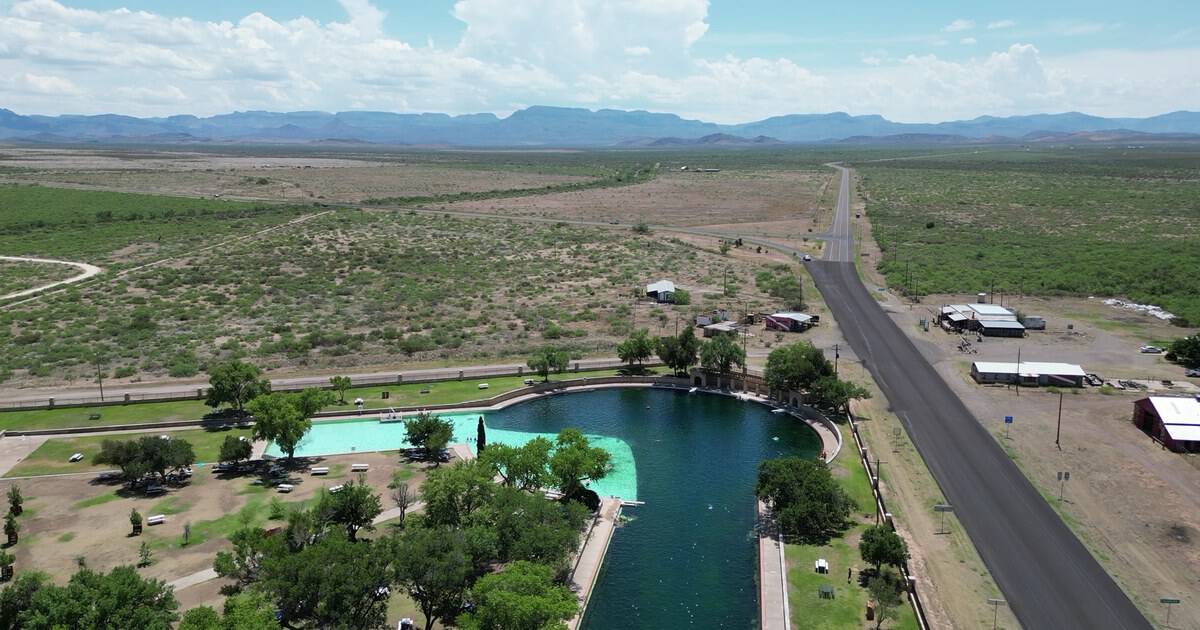
I have a real soft spot for a place that makes me want to swim in the middle of the desert. For most of my life I thought of far West Texas as scenery you drove through with the air conditioning cranked, not a spot you packed a swimsuit for.
So the first time someone told me there was a spring-fed pool out past Fort Stockton with water clearer than most aquariums, I figured they were exaggerating. Turns out they were selling it short.
You picture that drive and you picture heat, scrub, and dust to the horizon.
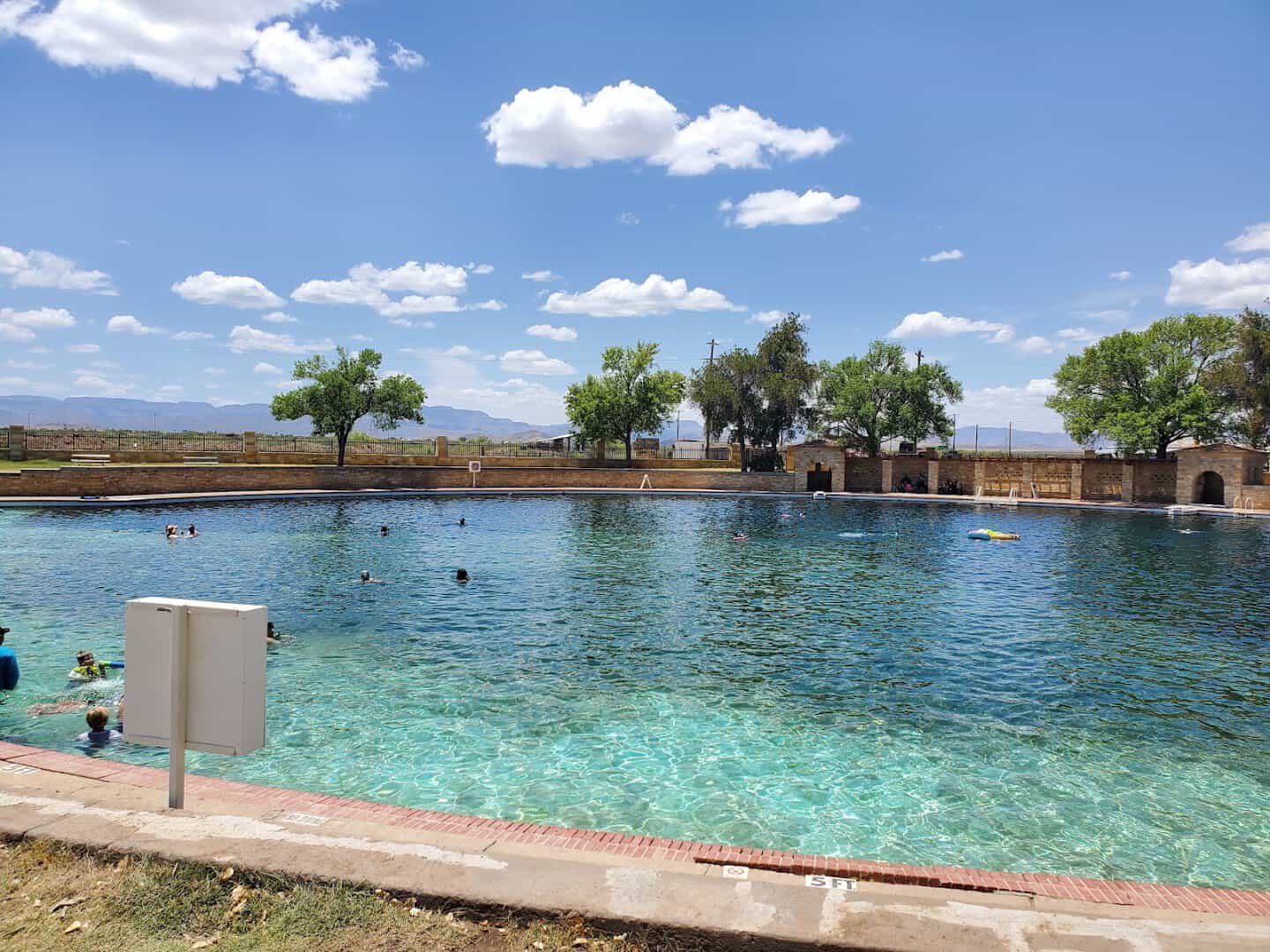
What you do not picture is diving into water so clear you can count the pebbles twenty feet down, surrounded by little silver fish, while a July afternoon bakes everything else for a hundred miles.
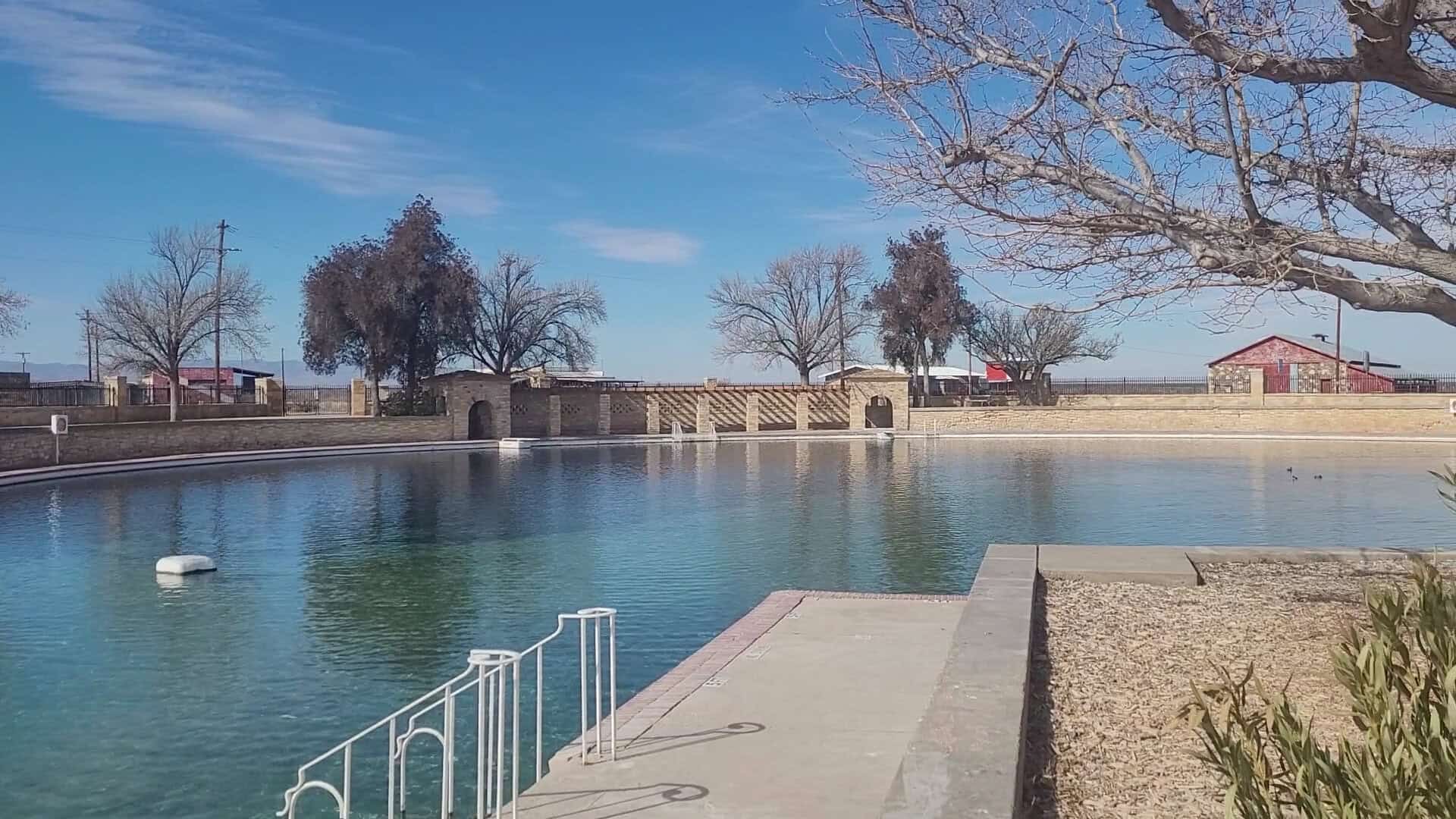
That is San Solomon Springs, and the pool it feeds sits inside Balmorhea State Park near the tiny town of Toyahvale. It is a true desert oasis, and it is the largest spring-fed swimming pool in the world.
Below, we will get into the water, the fish you will swim beside, the New Deal history behind it, where to sleep, and exactly what it costs to spend a day here.
A Pool the Size of a City Block
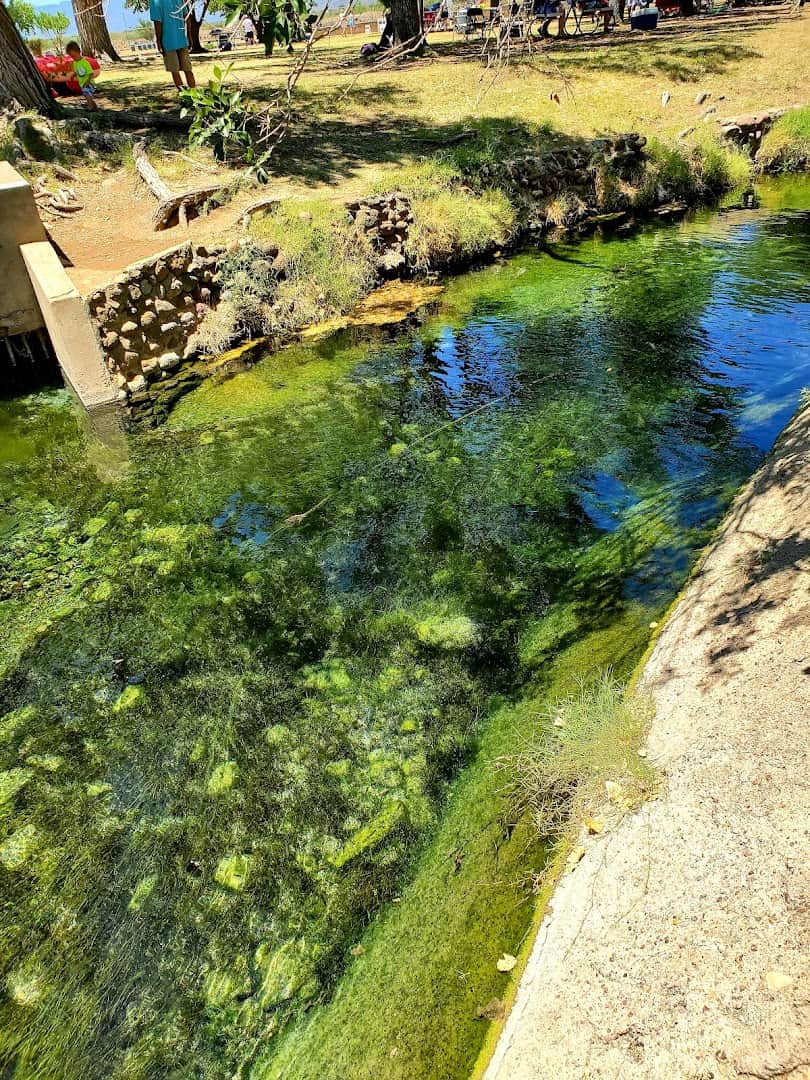
The first number that gets you is the temperature. The spring water holds steady between 72 and 76 degrees every single day of the year, in January and in August alike.
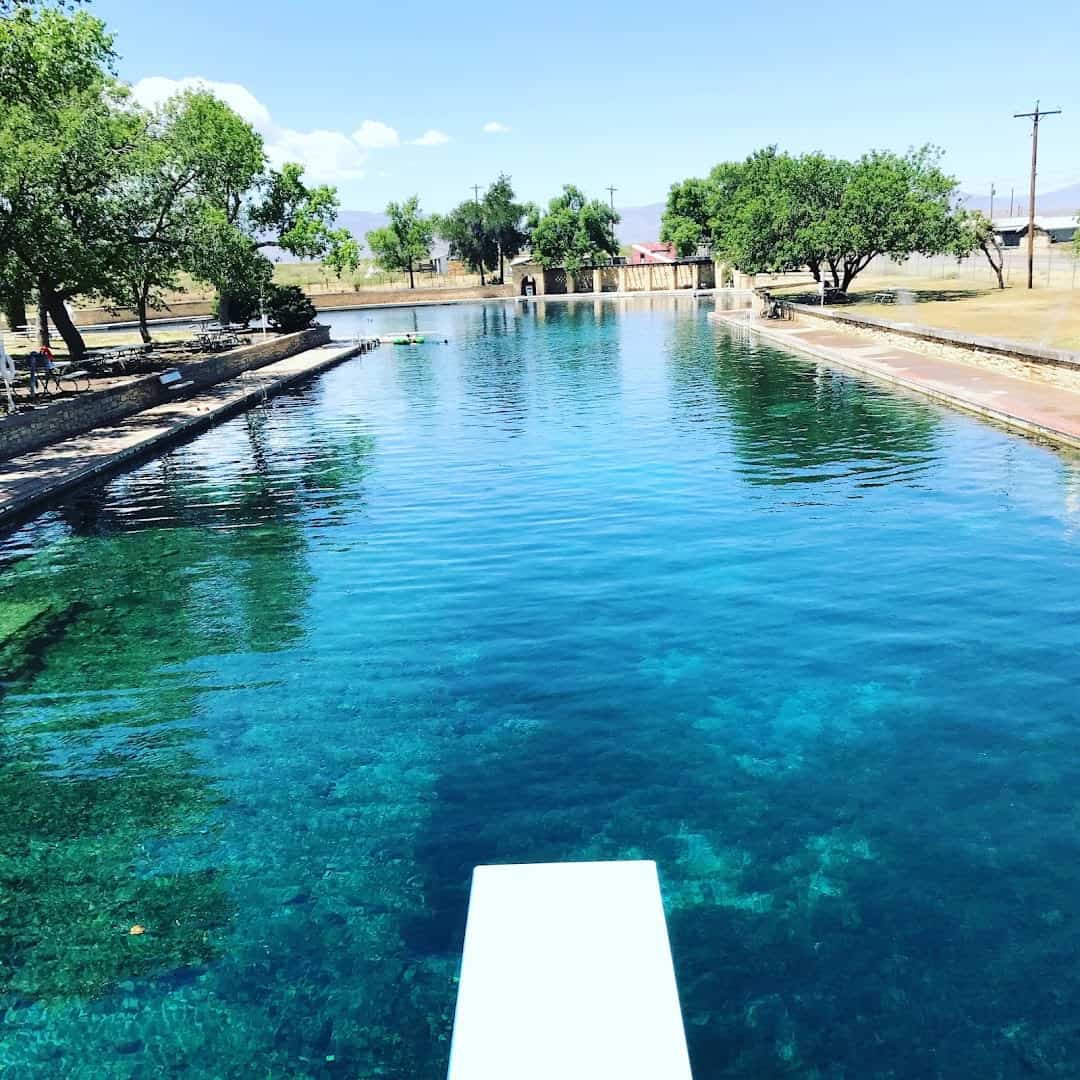
That means it feels bracing and cool when the desert is roasting in summer, and almost warm when the air turns cold. The springs simply do not care what season it is.
The pool covers 1.3 acres and holds around 3.5 million gallons. In places it drops to 25 feet deep, with a natural rock and gravel bottom rather than painted concrete.
No chlorine goes in. San Solomon Springs pushes more than 15 million gallons of fresh artesian water through the pool every day, so it is constantly refilling itself with water that filtered through underground rock long before you got there.
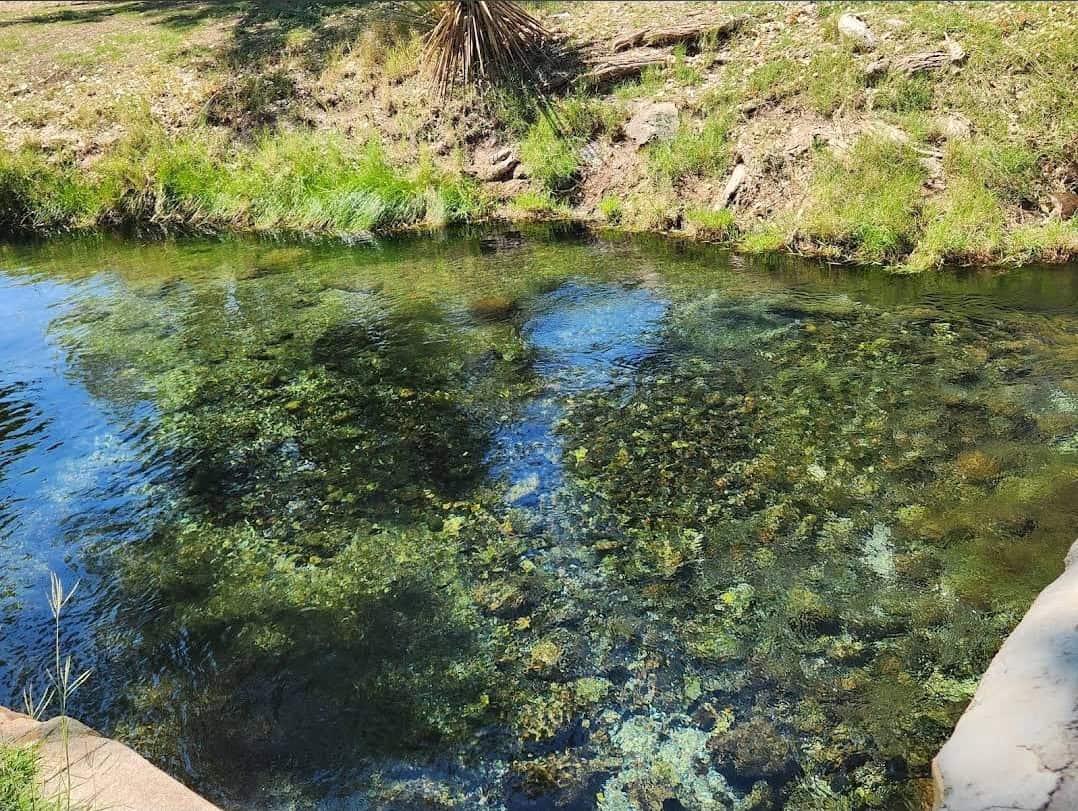
That is the trick behind the whole place. Because the springs never stop flowing, the water never sits still long enough to warm up, cloud over, or need chemicals. The pool empties and refills itself faster than any pump could manage.
That is why the clarity is unreal. One traveler on Tripadvisor simply titled their review “Clearest Water in Texas,” and once you are floating in it, you stop arguing with them.
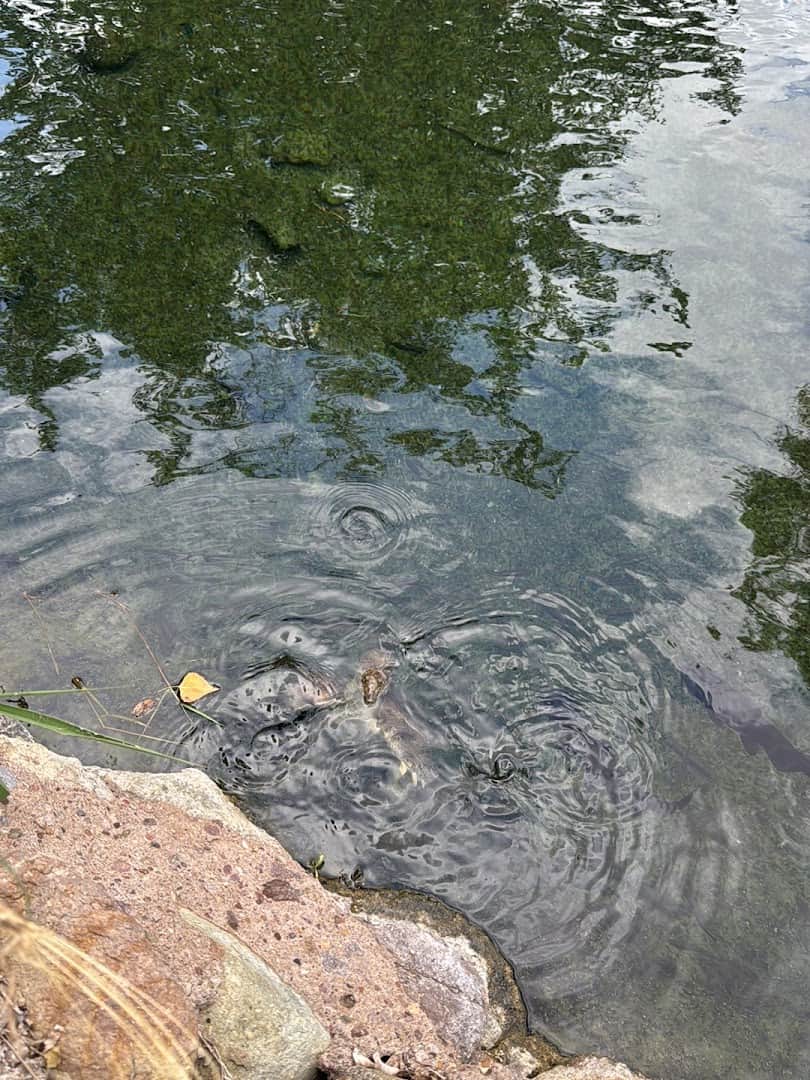
On a bright day you can see straight to the rock bottom, watch shafts of sunlight cut down through the deep end, and follow a fish until it disappears into the far side. Very few pools anywhere give you that.
Come on a cool morning and you may catch steam fog drifting off the surface, that dreamy haze that rises when the water is warmer than the desert air. It is the kind of sight that makes you forget you are in the middle of nowhere.
Swim With Fish You Cannot See Anywhere Else
Here is the part that turns a swim into an experience. You are not alone in there.
Thousands of small fish share the pool with you, and some of them live almost nowhere else on Earth. The Comanche Springs pupfish and the Pecos gambusia are both endangered, and these springs and canals are among the last places they survive.
You will also drift past Mexican tetra, headwater catfish, and Texas spiny softshell turtles cruising the deeper end. The fish are used to people and swim right up to you, curious rather than shy.
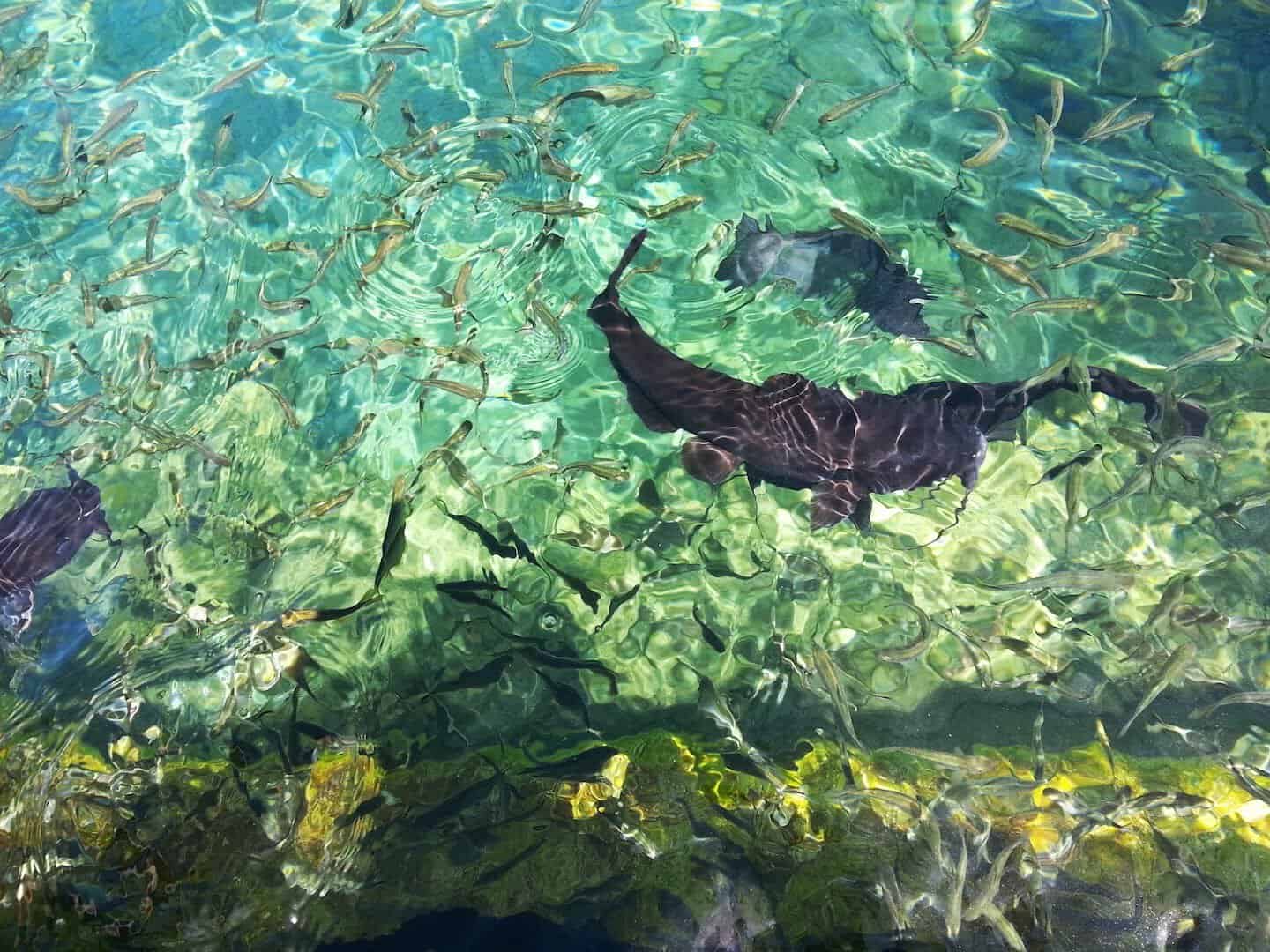
Grab a mask and snorkel and the whole thing opens up. The water is so clear that snorkeling here feels less like a pool and more like a window into a desert aquarium.
Scuba divers love it just as much. At about 25 feet deep and only a couple of acres across, there is no worry about drifting off or running down your bottom time, which makes it a favorite spot for open-water certification classes.
Think about how strange that is for a second. People strap on tanks and log real dives here, hundreds of miles from the ocean, in a pool the CCC dug during the Great Depression. There are dive shops in Texas that bring students out specifically for this.
One diver who reviewed it online called it “Amazing Scuba Diving,” and ranked it among their all-time favorite dives, in the middle of the desert of all places. Not bad for a swimming hole four miles from a town of a few hundred people.
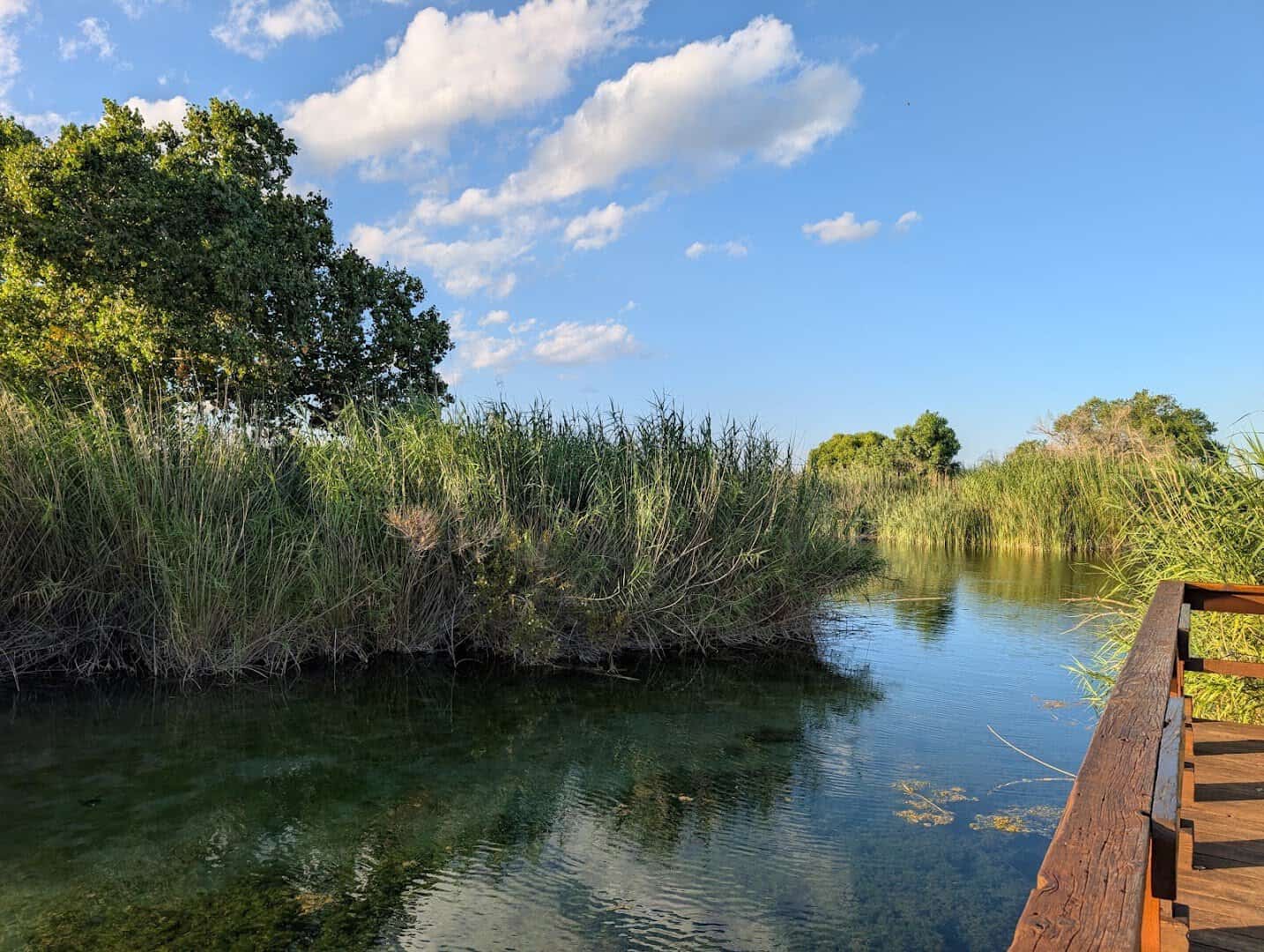
Did you know? If you are not certified, you can still see the underwater world here. Two restored cienegas, desert wetlands, sit beside the pool with an underwater viewing area where you can watch the fish and turtles through glass.
Those little wetlands are a quiet second act after the big pool. They shelter soft-shelled turtles, songbirds through the summer, and waterfowl that stop over in the cooler months, so bring a little patience and you will spot a lot more than you expect.
Built by Hand During the Great Depression
The pool did not carve itself, and the story of who did is my favorite part.
In 1934 the Texas State Parks Board bought the springs and the land around them. To build the park, they brought in Company 1856 of the Civilian Conservation Corps, one of the New Deal work programs that put young men to work during the Great Depression.
Those workers dug the enormous pool by hand and lined it with white and red rock. They shaped it with a wide circular center and two long wings stretching out on either side, a design meant to echo an eagle with its wings spread.
The pool opened to swimmers on June 7, 1936. Company 1856 kept building until they finished their work around 1940.
They left behind more than the pool. The same crews raised a limestone concession building, two bathhouses, a superintendent’s house, and a little cluster of adobe motel cabins that still welcome guests today.
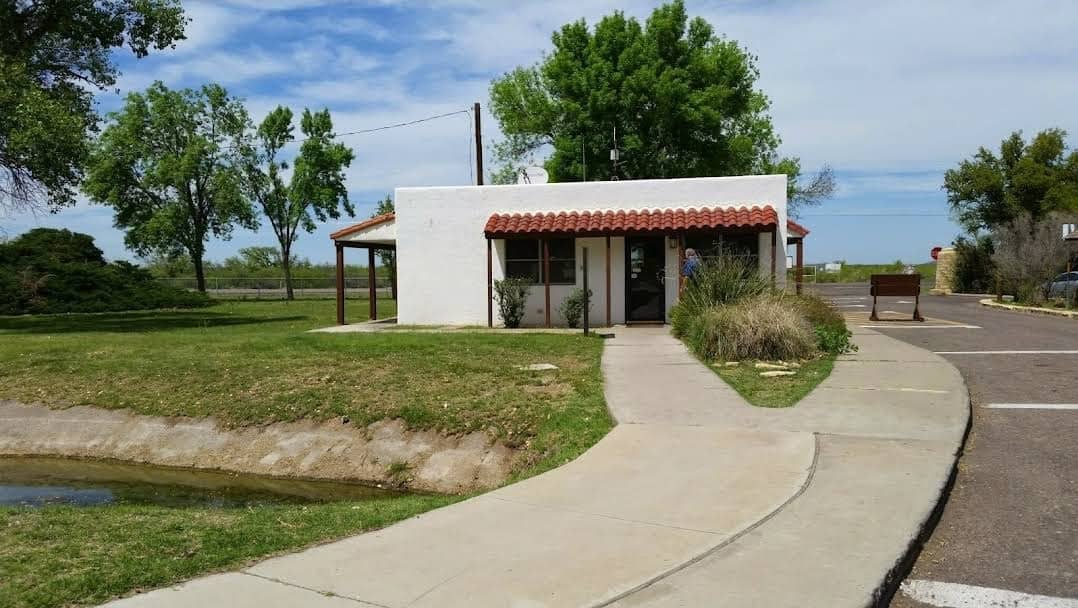
It was slow, physical work in a hard climate. Company 1856 built the park between roughly 1935 and 1940, moving rock and mixing concrete by hand in a stretch of country where summer temperatures climb well past 100 degrees.
The park itself carries a name stitched together from four men, Balcom, Morrow, and brothers Joe and John Rhea, who ran an irrigation company here in the early 1900s. Long before any of them, Indigenous communities relied on these springs for thousands of years.
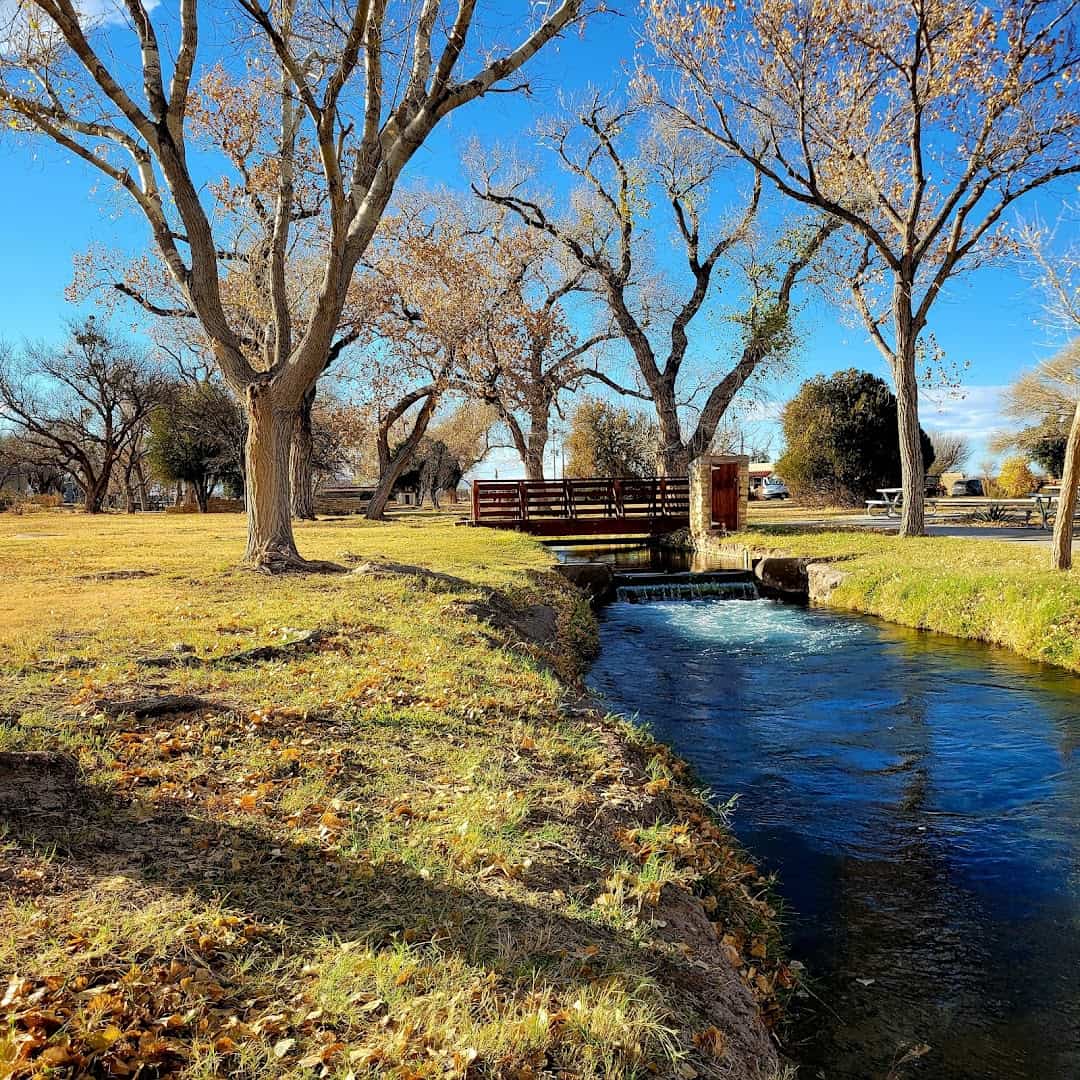
The water was a lifeline in the desert long before it was a swimming hole. Farmers dug canals to spread it across their fields, and those same canals still carry spring water out to the valley today, doing the job they were built for more than a century ago.
The Oasis Almost Went Quiet
There was a stretch when Texans worried they might lose this place. During a routine cleaning, crews found damage to the concrete apron under the diving board, and the pool closed for repairs.
What followed was a roughly two million dollar rescue. Workers built cofferdams to hold back the springs, carefully saved the historic diving board and the old brick edging, and rebuilt the damaged sections.
The pool reopened on March 1, 2019, in time for summer, with its high dive back in place. The National Trust for Historic Preservation counts it among the New Deal swimming pools worth saving, and standing at the edge today, it is easy to see why they fought for it.
Where to Sleep Under the Desert Stars
You do not have to rush out after your swim, and honestly you should not. West Texas has some of the darkest, most star-packed night skies in the country, and this is a wonderful place to sit under them.
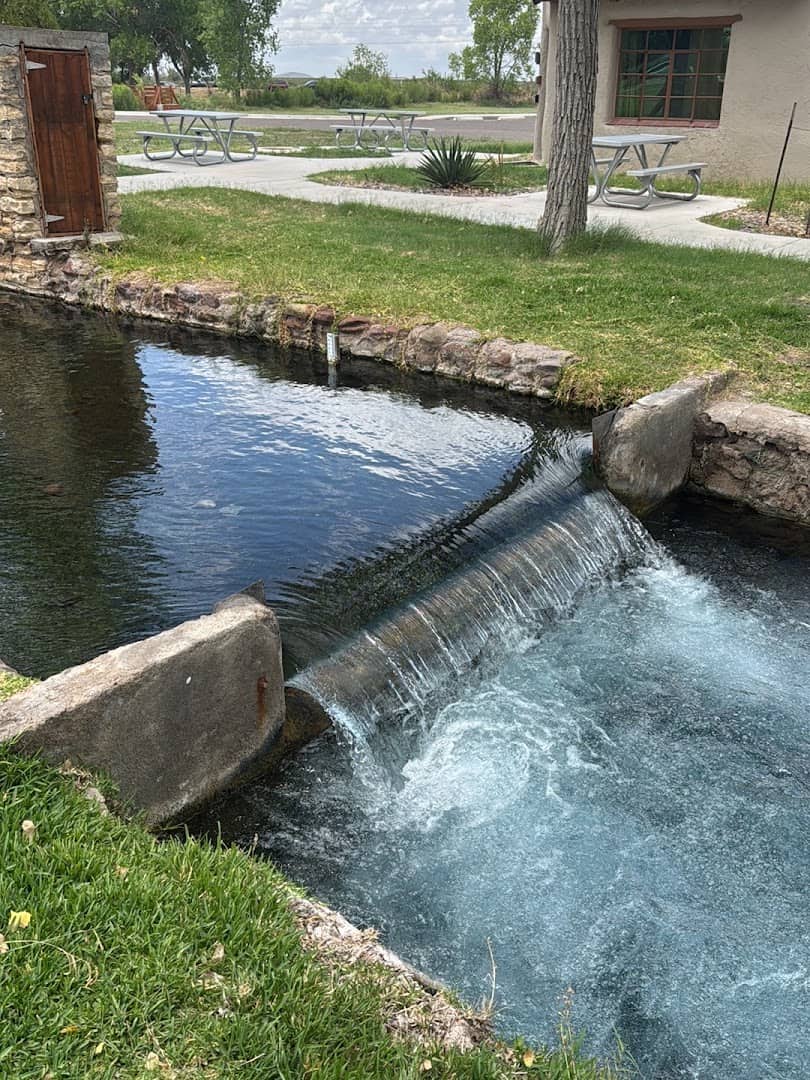
The San Solomon Springs Courts are those adobe cabins the CCC built in the 1930s. White-plastered walls, red tile roofs, and a Spanish Colonial look, they are considered one of the earliest examples of the American roadside motel.
Prefer a tent or an RV? The park has campsites too, tucked near the water so you can wake up and take a sunrise dip before the day crowd arrives.
The grounds are alive around the campsites. Keep an eye out for white-tailed deer, javelina, foxes, and the occasional bobcat, plus songbirds in summer and waterfowl passing through in the cooler months.
What It Costs and How to Beat the Crowds
The best part of the price: it is gentle. Day-use entry runs about $7 for anyone 13 and older, and kids 12 and under get in free.
For the cost of a fast-food lunch, you get a full day at the largest spring-fed pool on the planet. It may be the best swimming bargain in the state.
The park generally opens at 8 a.m. and closes at 7:30 p.m. or sunset, whichever comes first, all year long.
Here is the one thing you must not skip. This place fills up.
Day passes sell out through the summer, on weekends, and over school breaks, so reserve your spot online before you drive out. Turning up without a booking on a hot Saturday can mean being turned away at the gate.
Pro tip: aim for a weekday if you can. The pool is calmer, the fish feel closer, and you get that huge stretch of clear water more to yourself.
One more note for planners. The park closes for a few days in late spring each year for its annual pool cleaning, so check the dates before a springtime trip.
How to Get There
The park sits in Toyahvale, out in Reeves County, about four miles from the town of Balmorhea and an easy add-on to any trip toward Marfa, Fort Davis, or Big Bend.
Where: Balmorhea State Park, 9207 Texas 17, Toyahvale, TX 79786
From Interstate 10, take the exit toward Balmorhea and follow Texas Highway 17 south through town to Toyahvale. The pool is signed and easy to find once you are close.
Start Planning Your Desert Swim
There is something almost magical about floating in cool, clear spring water while the West Texas desert shimmers with heat all around you.
Pair that with a night under some of the darkest skies in the country and a quiet morning dip before the crowd arrives. You have the makings of a trip you will keep retelling for years, and one of those rare places that lives up to the hype.
Book your day pass, pack a snorkel and a towel, and go meet the little fish that live nowhere else. Just try not to plan your whole summer around going back, because you probably will.
Featured image: Nelson Cartagena via Balmorhea State Park

Stella Raines
Editor-in-Chief
Stella brings over a decade of storytelling experience to TX Headlines. With roots in West Texas and a love for road trips, she leads the editorial team with an eye for the hidden stories that make Texas unforgettable.
More Stories
This Adventurous Texas Cavern Hides Glowing Blue Pools 180 Feet Underground
This Quiet North Texas Park Ends a Swaying Bridge at a 54-Foot Waterfall
This Crystal-Clear Texas Lake Is the Deepest in the State, and Its Water Is Clear Enough for 100-Foot Dives
This Easy Texas Trail Leads to a 105-Degree Hot Spring Right on the Rio Grande
Tags