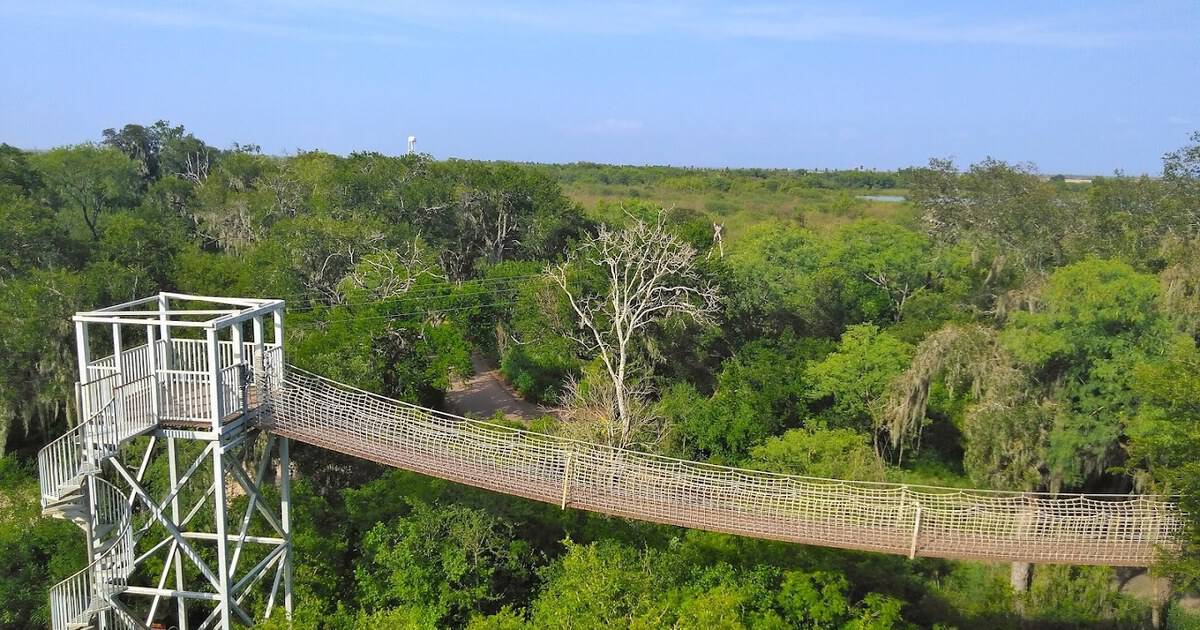
The Most Dangerous Animals in Texas (And How to Stay Safe)
Texas is a state full of natural beauty—from sprawling deserts to lush forests, and from winding rivers to endless plains.
But with all that breathtaking scenery comes a little bit of danger lurking in the wild. Whether you’re hiking, camping, or just enjoying the outdoors, it helps to know which animals can pose a real threat.
Don’t worry, we’re not trying to scare you away from Texas adventures!
We’re here to give you the lowdown on the most dangerous animals in the Lone Star State and how to stay safe while still having fun outdoors.
1. Rattlesnakes
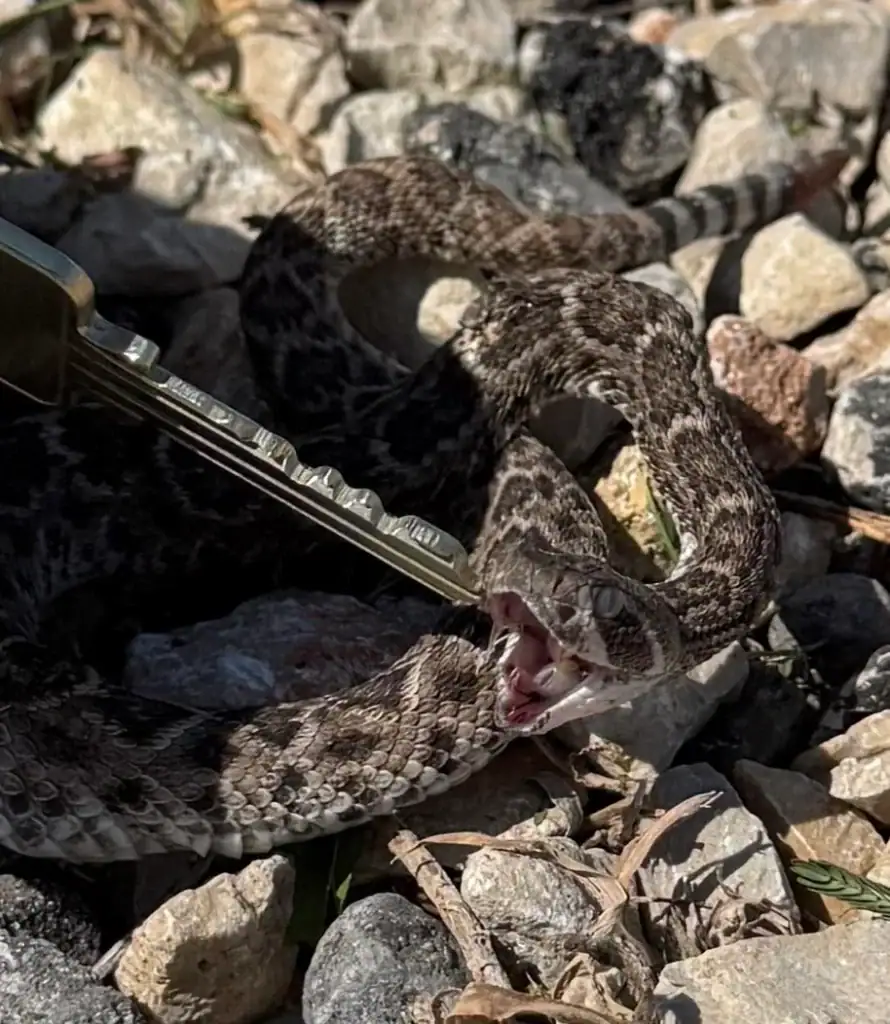
Rattlesnakes are the classic Texas danger story, and for good reason. With over 30 species slithering across the state, these venomous snakes are most active in the warmer months.
They’re masters of camouflage, often hiding in tall grass or rocky outcrops, so it’s easy to stumble across one without noticing.
If you do encounter a rattlesnake, give it plenty of space and don’t attempt to handle it.
Wearing sturdy boots and sticking to marked trails will go a long way in keeping you safe.
2. Copperhead Snakes
Copperheads may not be as aggressive as rattlesnakes, but their venom is still nothing to mess with.
These snakes prefer wooded areas and are often well-camouflaged among leaves and branches.
A bite can cause serious pain and swelling, so the key is awareness.
Keep your eyes on the ground when walking in forests, and teach kids to avoid picking up snakes they see on the trail.
3. Fire Ants
Tiny but fierce, fire ants can turn a simple picnic into a painful ordeal. Their bites cause burning sensations and allergic reactions in some people.
They build large mounds in open areas like yards, parks, and trails, so watch where you step.
The best way to avoid trouble? Don’t disturb their mounds, wear shoes outdoors, and keep your food sealed when camping or hiking.
4. Coyotes
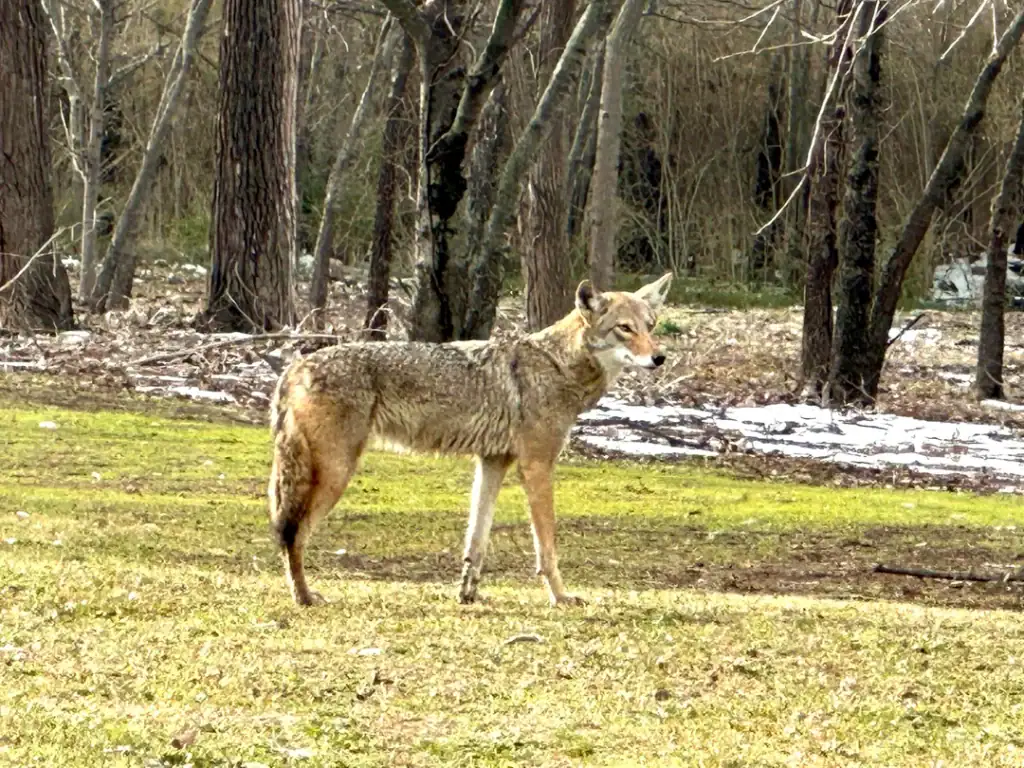
Coyotes are clever, quick, and surprisingly common in Texas, even near cities.
While attacks on humans are rare, coyotes will go after pets and can become bold if they get used to human food.
When hiking or camping, keep pets on a leash, never feed wildlife, and make plenty of noise to alert coyotes of your presence.
5. Bobcats
Bobcats are stealthy hunters, mostly active at dawn and dusk. They are generally shy around humans, but they can become aggressive if cornered or if they feel their kittens are threatened.
Spotting one is a rare thrill, but the best safety tip is to keep your distance and secure food sources when camping in rural areas.
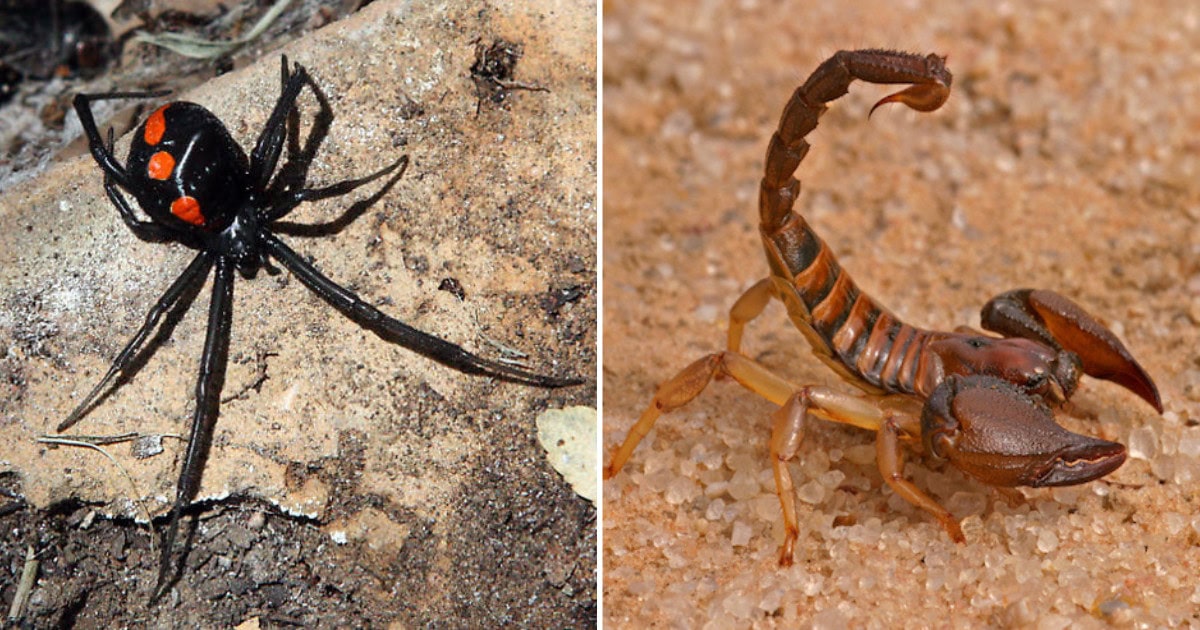
6. Texas Black Widow Spiders
Small, shiny, and notorious, black widow spiders pack a potent bite that can cause muscle cramps, sweating, and nausea.
They like dark, undisturbed spaces—think woodpiles, garages, or sheds.
Wearing gloves when handling firewood or cleaning storage areas and being mindful of where you put your hands is the easiest way to avoid an unwelcome surprise.
7. Alligators
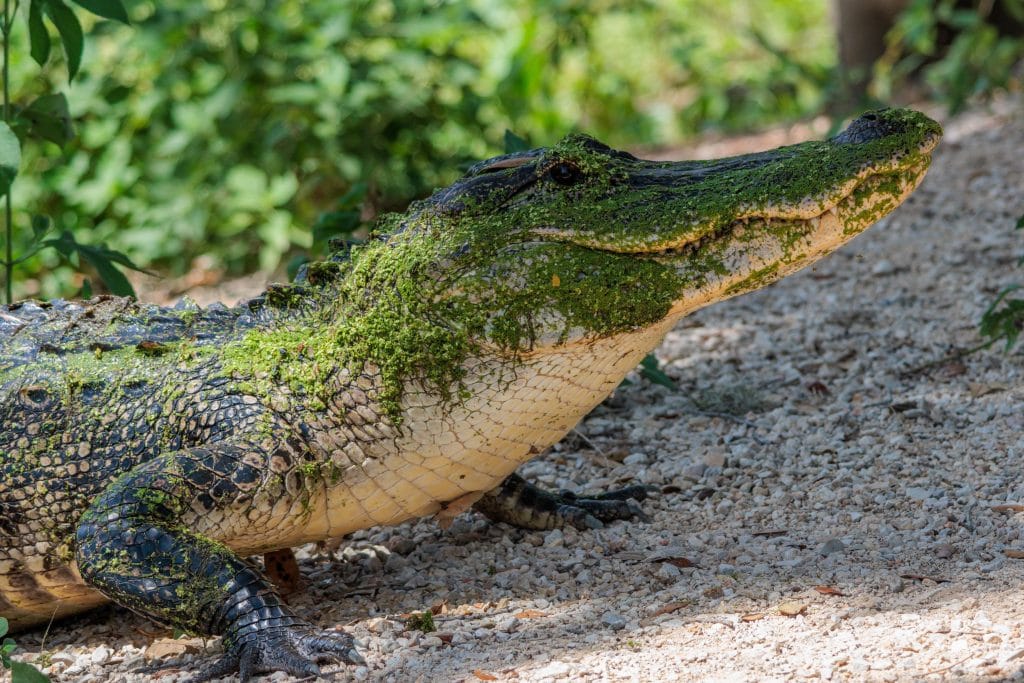
Found mostly in East and South Texas near rivers, lakes, and swamps, alligators are more curious than aggressive but should never be approached.
They can move surprisingly fast on land over short distances. Keep your distance, supervise pets and children near water, and never feed alligators, which can make them bolder around humans.
8. Wild Boars
Wild boars are strong, fast, and often travel in packs. They can become aggressive if threatened or cornered, and their tusks can inflict serious injuries.
They’re common in wooded areas and farmland, so staying on marked trails and making noise to alert boars of your presence is the best strategy.
9. Scorpions
Texas is home to several scorpion species, including the Arizona bark scorpion, which has venom strong enough to cause severe pain.
Scorpions like hiding under rocks, logs, or in shoes left outside. Shake out your shoes and clothing before wearing them, and consider using a flashlight when walking in rocky or desert areas at night.
10. Brown Recluse Spiders
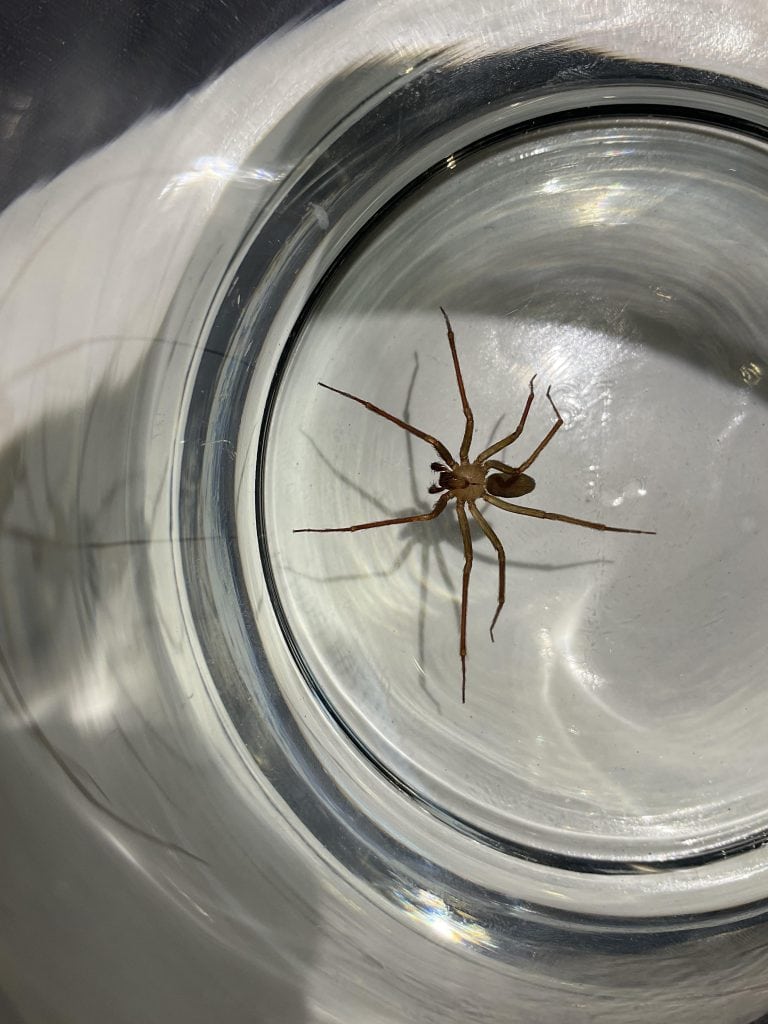
Brown recluse spiders are shy and non-aggressive, but their bite can cause serious tissue damage in rare cases.
They favor dark, quiet spots like closets, attics, or sheds. Be careful when reaching into storage areas, wear gloves, and shake out clothing or bedding that hasn’t been used in a while.
Staying Safe in the Texas Wilds
Texas is a playground for outdoor lovers, but respect for wildlife is key. The golden rule? Observe from a distance, stay on trails, wear protective clothing, and never feed or provoke animals.
Most encounters are harmless if you stay aware, and knowing which animals pose real risks means you can enjoy the Lone Star State safely and confidently.
With a little preparation and common sense, the wild side of Texas can be one of the most thrilling parts of your adventure.
Have you had any encounters with any of these wild animals? Share your experience below. We’d love to hear from you!

Stella Raines
Editor-in-Chief
Stella brings over a decade of storytelling experience to TX Headlines. With roots in West Texas and a love for road trips, she leads the editorial team with an eye for the hidden stories that make Texas unforgettable.
More Stories
This Easy Texas Hike Ends at a Swinging Rainbow Bridge Tucked Deep in the Woods
This Scenic Texas Nature Preserve Hides a Secret Beach Where You Can Dig for Prehistoric Shark Teeth

This Riverside Texas State Park Hides a Beautifully Rebuilt 1700s Spanish Mission