15 Places for Jaw-Dropping Fall Foliage Across the USA
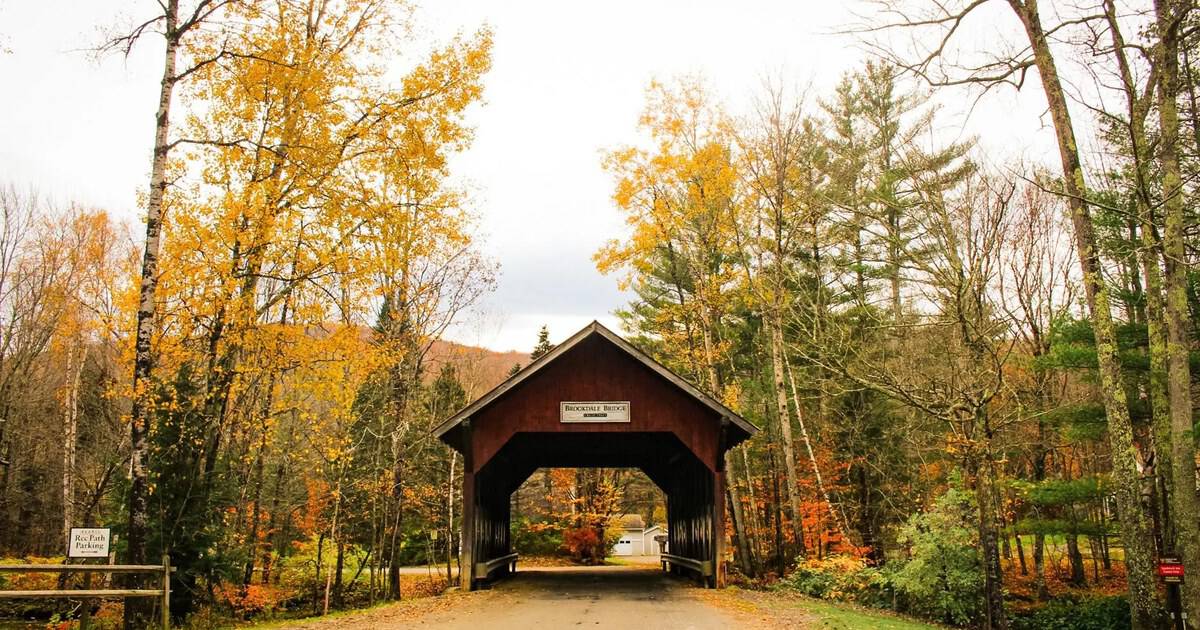
My grandmother kept a coffee can full of pressed leaves on her windowsill, one from every October for as long as I can remember. Sugar maple, sweetgum, a stray pin oak she swore came from someone’s Ohio yard. I never knew where half of them grew.
I just knew fall meant something worth saving. Fall foliage season turns whole towns into a postcard come alive, and the country somehow does it a little differently every few hundred miles.
Here’s where I’d point the car first, from Vermont church steeples to a Texas canyon most people never think to visit in the fall.
Every one of these earns its spot for the same reason: real color, not just a place that happens to have trees. That’s the bar for making this list at all.
1. Stowe, Vermont
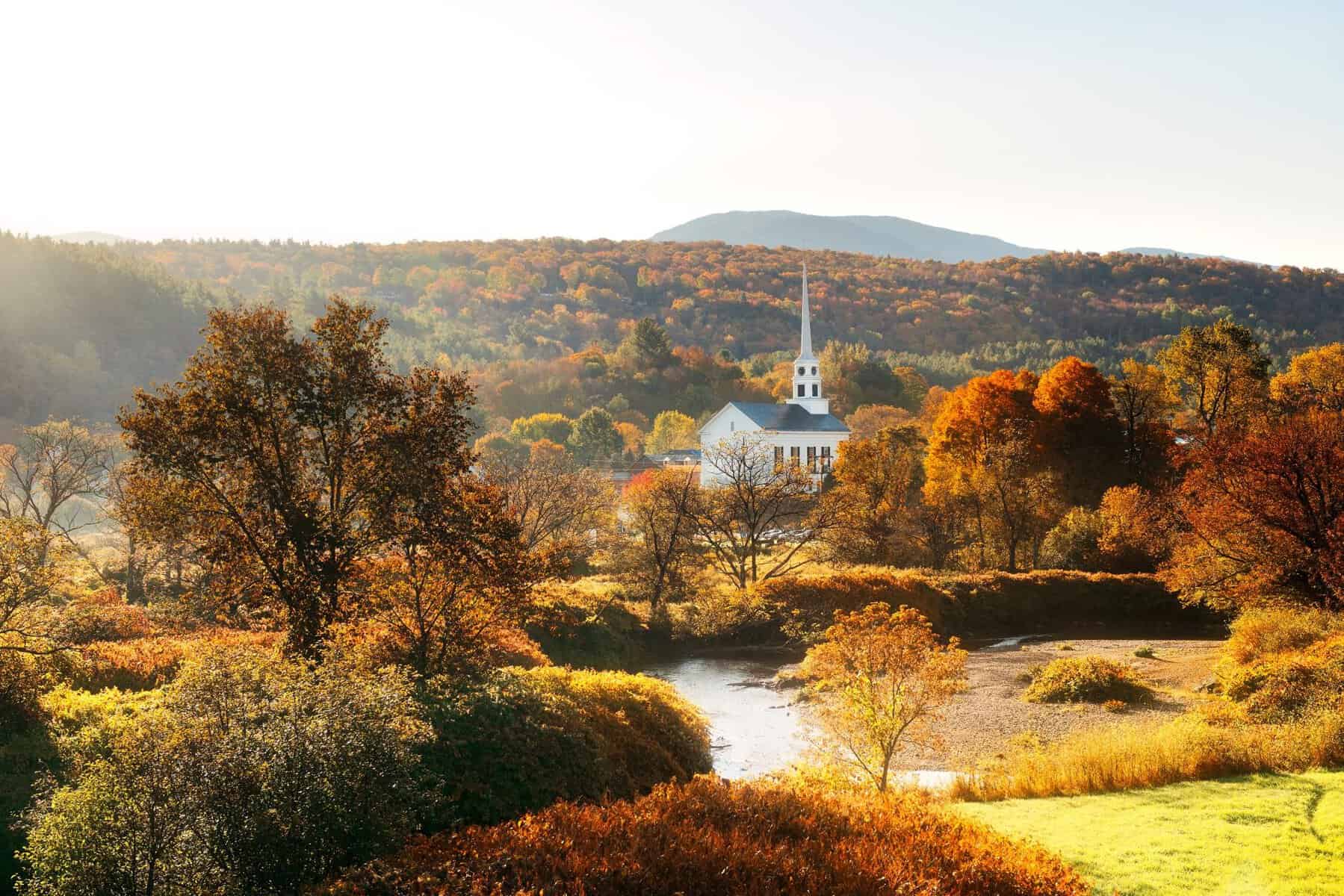
Stowe sits under Mount Mansfield, the highest point in Vermont, and by early October the whole ridge goes copper and gold above a white steepled church that looks built for a postcard. Locals call the aftermath stick season, but the weeks before that are the ones to plan around.
The Trapp Family Lodge, founded by the family behind The Sound of Music, sits just outside town with its own hillside of color. Farm stands sell cider donuts along Route 100 the whole month.
Peak color usually lands around the first week of October, and the mountain’s gondola keeps running into fall, so you can ride above the ridge line instead of hiking it.
Vermont’s own foliage forecasters track the color as it moves down the state each year, and Stowe usually shows near the top of the list the first week it starts to turn.
The town got its name from early Vermont settlers and has drawn visitors for the view since well before skiing turned it into a resort town.
Maple syrup producers along Route 100 often time their fall open houses to the same two weeks, so a foliage drive can turn into a tasting stop without much detour.
Fall also lines up with harvest season at nearby orchards, so apple picking and a color drive pair naturally on the same afternoon.
Where: Stowe, Vermont, roughly 3 hours north of Boston off Route 100.
2. Asheville, North Carolina
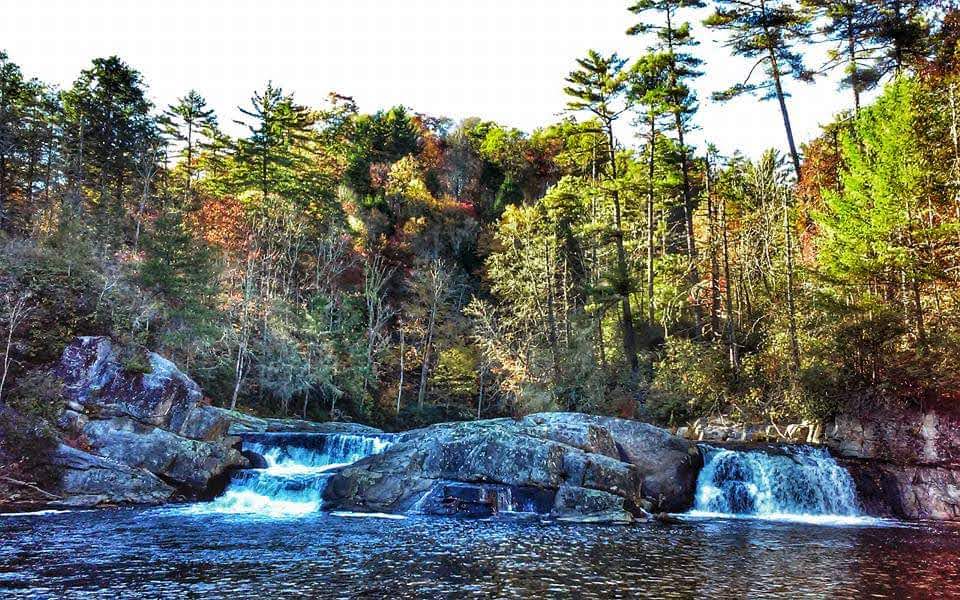
Asheville sprawls across enough elevation change that its leaf season stretches for weeks instead of days, climbing from the valley floor into the higher Blue Ridge peaks as October rolls on. I love that this town swaps a rush for a slow unfolding, ridge by ridge.
The Blue Ridge Parkway threads right past town, and the Biltmore Estate opens its own grounds for a color display that rivals any park.
The city sits at a lower elevation than the surrounding peaks, so color arrives on the mountains first and rolls down into downtown streets nearly a month later.
The surrounding Pisgah and Nantahala forests hold enough elevation range that one day trip can pass through several stages of the season, from bare ridge to full color to a still green valley.
The River Arts District fills a stretch of old industrial buildings with working studios, and its wide windows make for a good rainy day break between color drives.
Craft breweries cluster downtown in numbers that surprise first time visitors, many with patios positioned for a view of the ridgelines turning color above the rooftops.
The Biltmore’s own gardens plant for a long bloom and color season, so even the cultivated grounds hold their own against the wild mountainsides around them.
Where: Asheville, North Carolina, in the Blue Ridge Mountains of western North Carolina.
3. Vanderpool, Texas
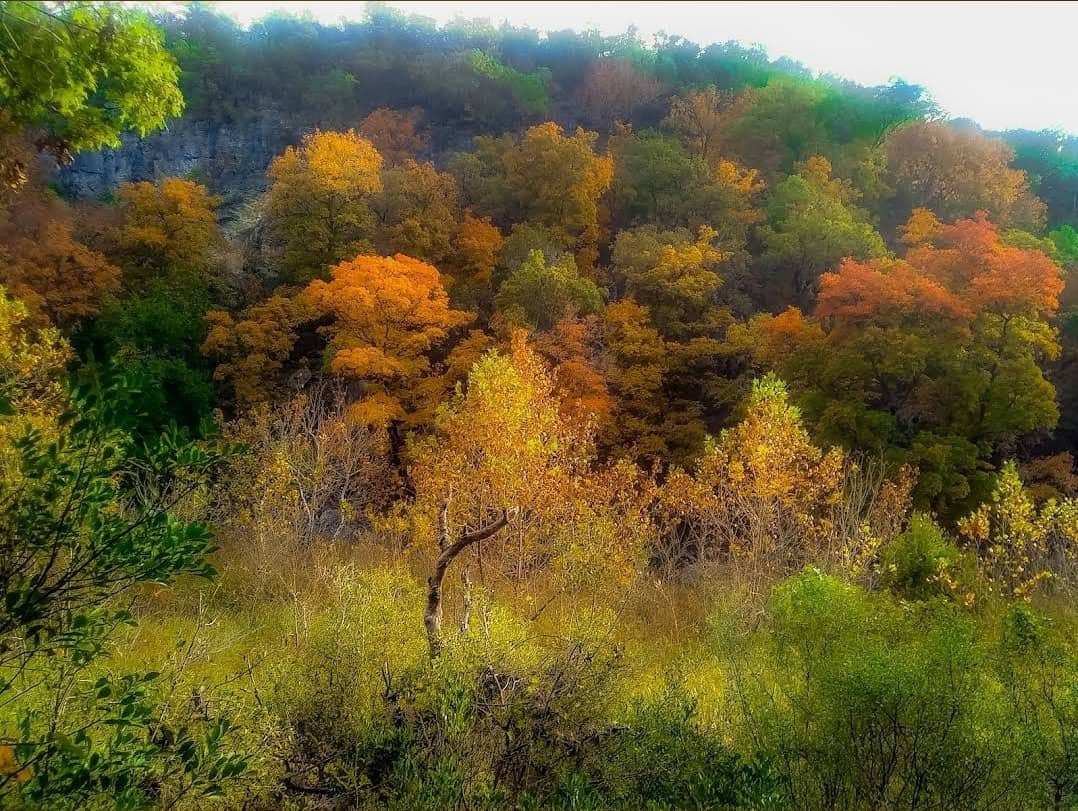
Texas doesn’t get much credit for fall color, and that’s exactly why Lost Maples catches people off guard. A rare stand of bigtooth maples flames orange and red along the Sabinal River canyon, usually peaking in early November, weeks after the rest of the state has gone brown.
The trees are thought to be leftovers from a cooler, wetter era, holding on in this one sheltered canyon while the climate around them changed. That alone makes the color feel earned.
The park caps visitors on the busiest fall weekends, so a weekday trip or an early arrival is worth the extra planning if the maples are your whole reason for going.
Canyon walls here run steep enough that the maples get some shade most of the day, which locals say helps hold the color longer than a more exposed stand would.
The Sabinal River stays clear enough most of the year to see straight to the bottom, which makes the reflected color in the pools almost as striking as the canopy above.
Camping sites inside the park fill up fast once the maples start turning, so booking ahead is worth it before making the drive out to the canyon.
The Texas Hill Country around the canyon adds its own color too, with cypress and Spanish oak turning along the rivers well before the bigtooth maples do.
Where: Lost Maples State Natural Area, near Vanderpool, Texas, about 90 miles west of San Antonio.
4. Gatlinburg, Tennessee
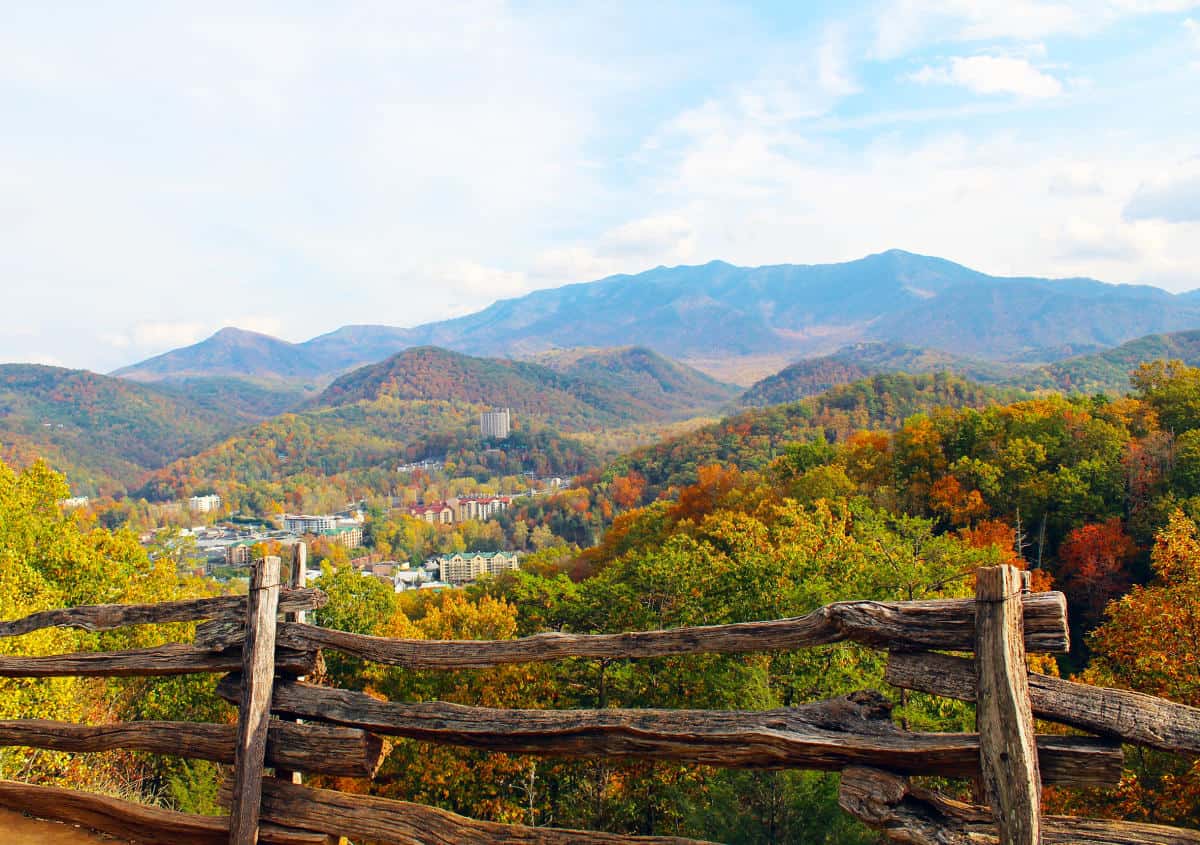
Gatlinburg climbs right up against the Great Smoky Mountains, and the elevation change means the color show here rolls on for weeks instead of days, starting high and working its way down toward the valley floor. Downtown mountain views alone are worth the trip.
The Smokies hold one of the widest varieties of tree species in North America, so the color comes in more shades than a single ridge usually manages.
An aerial tramway climbs above the tree line right from downtown, giving a wide, unbroken view of the color spreading across the ridges below.
Downtown restaurants and shop windows fill with pumpkins and mums by late September, matching the color already showing on the ridgelines above town.
Cades Cove, a broad valley ringed by mountains, sits a short drive from downtown and often holds its color a little differently than the higher ridges above town.
Local outfitters run guided drives along the loop roads during peak weeks, useful for anyone who would rather look at the view than watch the road.
Dollywood, just up the road in Pigeon Forge, runs its own fall festival timed to the same weeks, for a stop that mixes rides with ridge views.
Where: Gatlinburg, Tennessee, at the edge of the Great Smoky Mountains.
5. Mackinac Island, Michigan
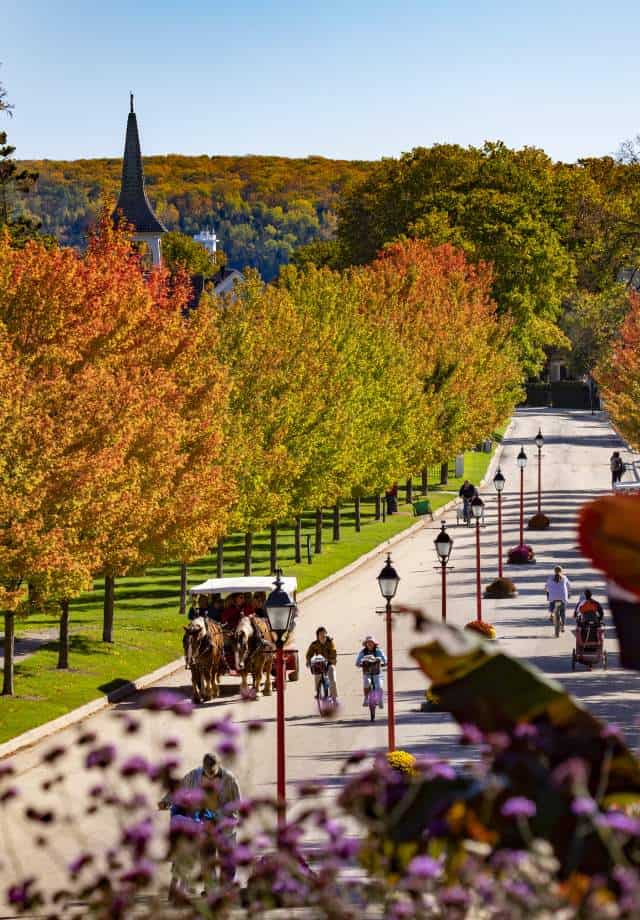
No cars are allowed on Mackinac Island, so the only sounds against a hillside of turning sugar maples are horse hooves and bicycle wheels. The Straits of Mackinac frame the whole scene in blue, and the Grand Hotel’s porch might be the best seat in the state.
Fudge shops line the main street year round, but fall is when the ferry crowds thin out and the island starts to feel like it belongs to whoever’s left.
Renting a bicycle is still the easiest way to circle the whole island in an afternoon, since walking it end to end eats most of a day.
The Grand Hotel closes for the season by late October, so a fall visit often means catching the tail end of one era and the start of a much quieter one.
The island banned motor vehicles back in 1898, not for the scenery but to keep horses from spooking, and the rule stuck long after the reason stopped mattering as much.
Ferries run a shorter fall schedule than summer, so it’s worth checking departure times before planning a same day round trip out to the island.
Where: Mackinac Island, Michigan, reached by ferry from Mackinaw City or St. Ignace.
6. Leavenworth, Washington
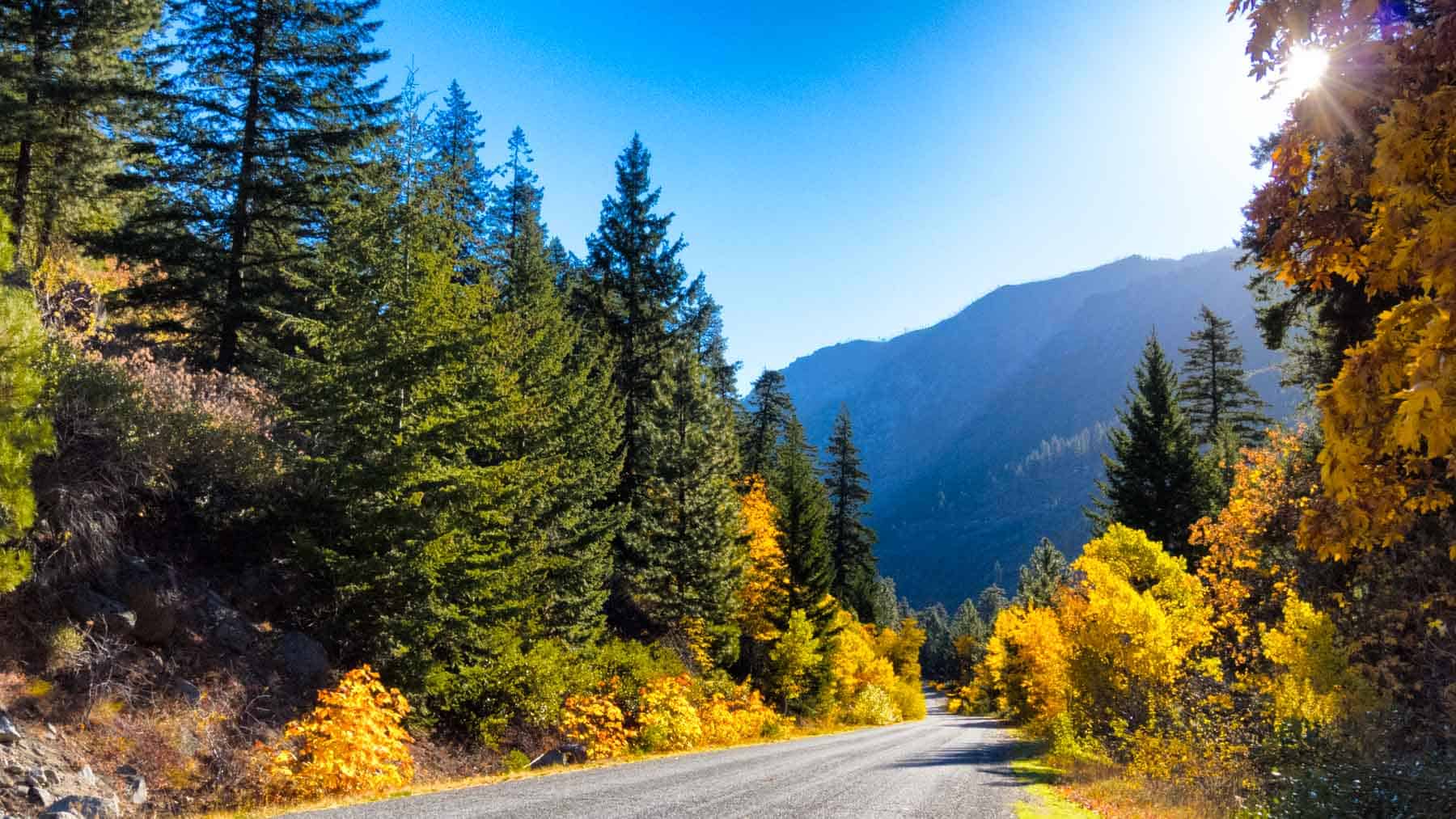
Leavenworth built itself into a Bavarian style village decades ago, and every fall the surrounding Cascades add their own trick: the western larch, a conifer that turns gold and drops its needles like a deciduous tree. Few evergreen forests pull off a color change at all.
The Wenatchee River runs right through town, so the gold shows up doubled in the current on a still afternoon.
Larch season runs later than most hardwood color, often into late October, which makes this one of the last stops on a fall road trip through the Northwest.
An Oktoberfest celebration runs through the peak weeks, so a fall trip here can pair a beer garden with a mountain drive without much extra planning.
The town’s shift to a Bavarian theme in the 1960s was a deliberate rescue plan after the railroad pulled out, and it worked well enough to become the whole identity.
Icicle Ridge and the trails above town offer a wider view of the larch color than the valley floor alone, for anyone willing to hike a little for it.
Shops along the main street lean into the season with real intent, not just decoration, since the town’s whole identity leans on visitors coming for a reason.
Where: Leavenworth, Washington, in the Cascade Mountains, about 2.5 hours east of Seattle.
7. New Paltz, New York
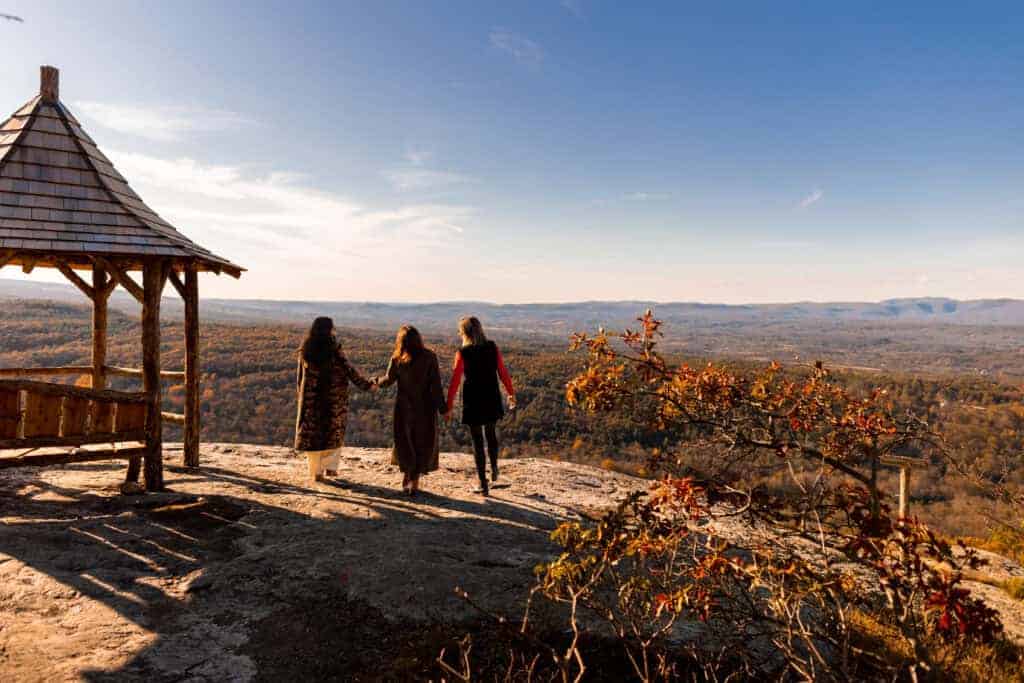
Mohonk Mountain House perches above its own glacial lake on the Shawangunk Ridge, and by mid October the hardwoods ringing the water go every shade between yellow and crimson at once. Gazebos dot the cliffside trails for exactly this kind of view.
The resort has been welcoming guests since 1869, and its ninety miles of carriage roads and hiking trails were practically designed for a slow color tour.
The Shawangunk Ridge is popular with rock climbers year round, but fall is when the cliffs framing the lake draw crowds for the view alone.
The estate around the resort protects thousands of acres from development, which is part of why the view from the cliffs still looks the way it did a century ago.
The Smiley family has owned and run the resort since it opened, and later generations still lead the conservation effort that keeps the surrounding cliffs undeveloped.
Day passes are available for visitors who want the grounds and the view without booking an overnight stay, a cheaper way to see the lake at peak color.
The lake itself formed naturally in a rock crevice, one of only a handful of true sky lakes left in the world, which makes the fall reflection especially rare.
Where: Mohonk Mountain House, New Paltz, New York, in the Hudson Valley.
8. Maroon Bells, Colorado
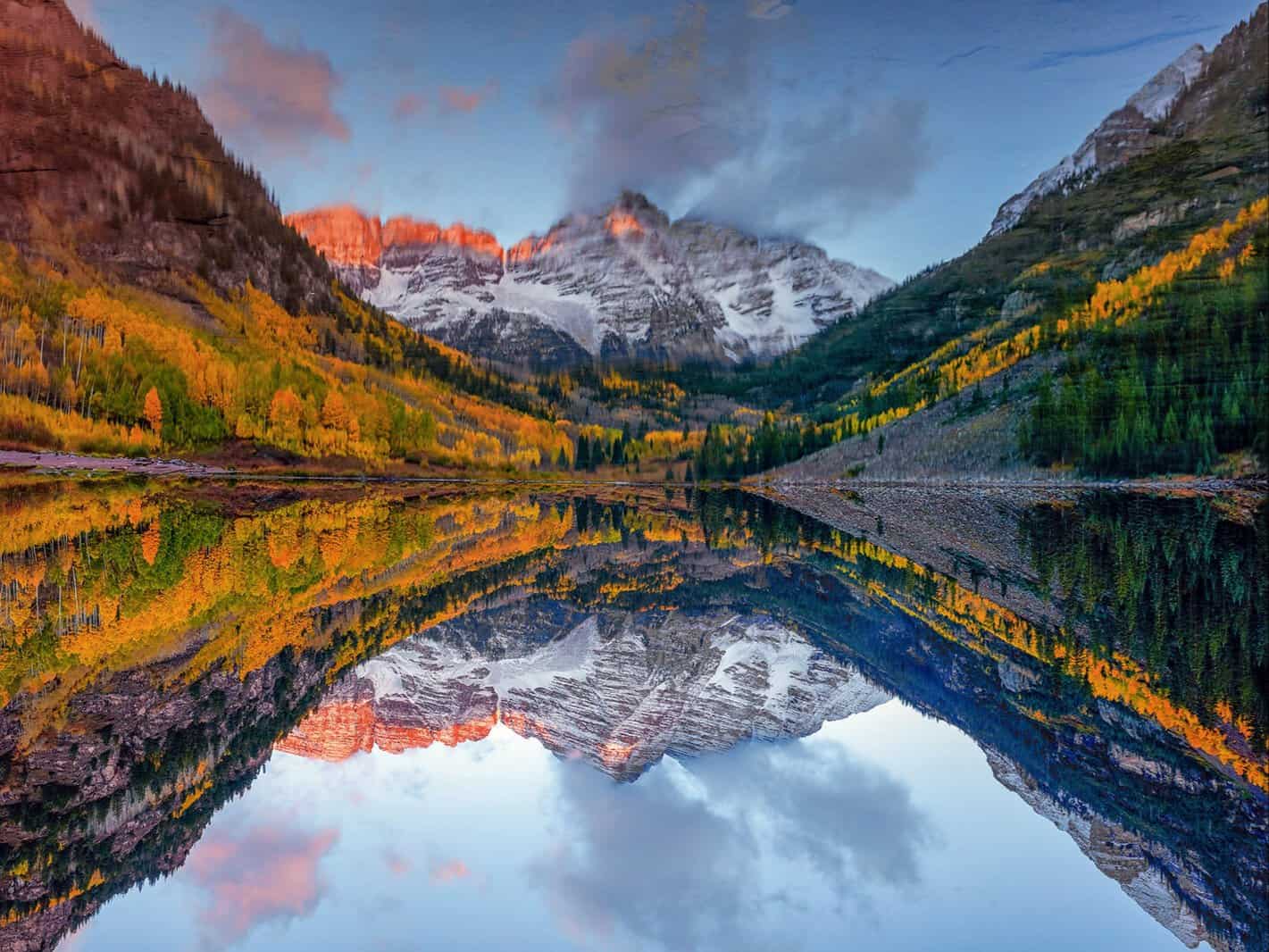
If there is a more photographed fall scene in America than the Maroon Bells, I have not found it. Two wine-colored peaks rise above Maroon Lake outside Aspen, and every late September their reflection lands in the water ringed by blazing gold aspens.
The aspens turn first at elevation, near 9,500 feet, so the color peaks here before almost anywhere else in the Rockies. A shuttle or timed reservation keeps the crowds thinner than the view deserves.
Get there for sunrise, when the light hits the peaks and turns that dark rock nearly pink above the gold.
Where: Maroon Bells Scenic Area, about 10 miles from downtown Aspen, Colorado.
9. Acadia National Park, Maine
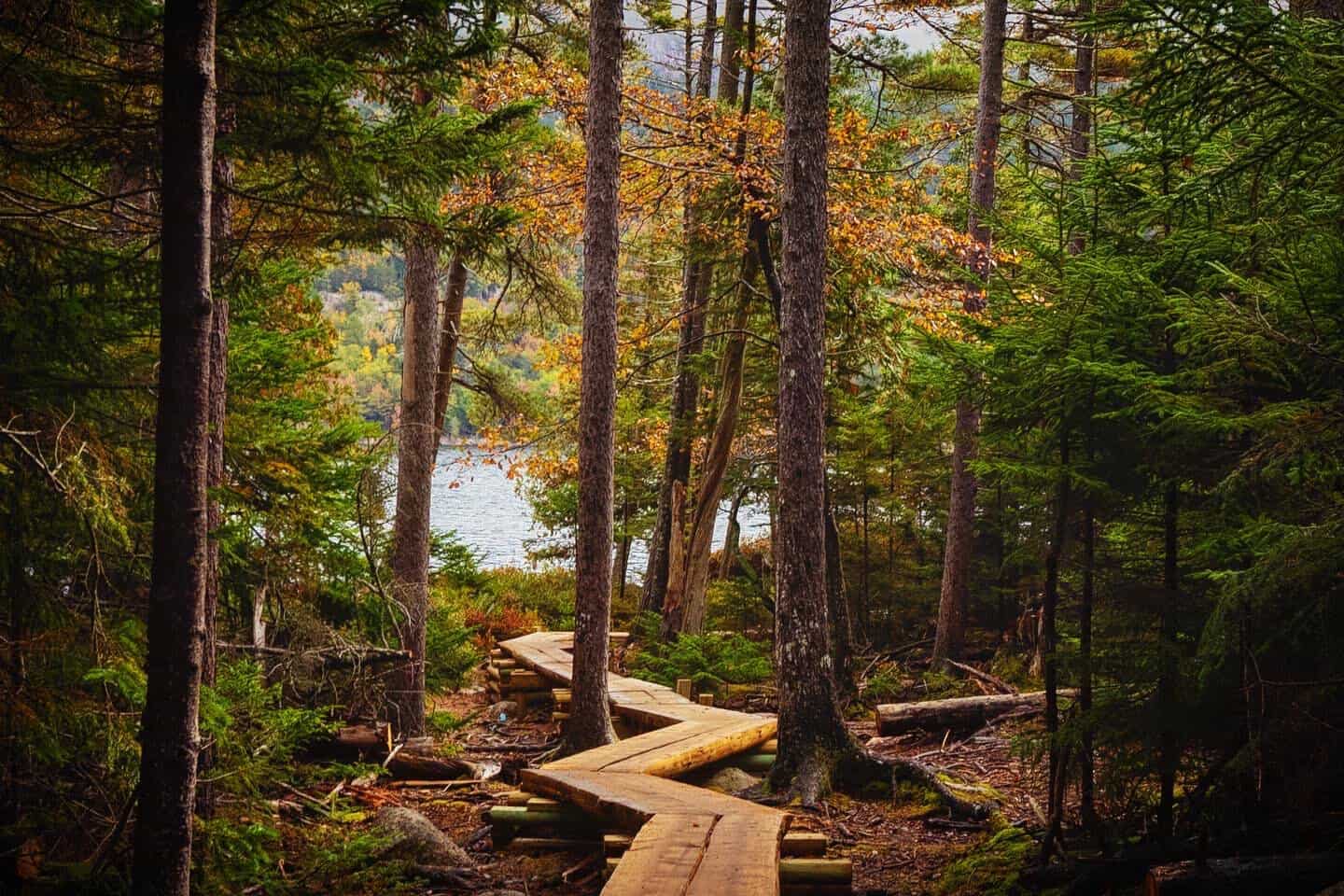
Acadia is where the fall forest runs right down to the sea. Around Jordan Pond, maples and birches blaze orange and gold beneath the smooth granite domes called the Bubbles, all of it doubling in the still water.
This is the one place on the list where the foliage shares the frame with the Atlantic. Drive the Park Loop Road, walk the pond path, and climb Cadillac Mountain for a view of the whole island on fire.
Peak color usually lands in mid-October, later than inland Maine because the ocean holds the warmth.
Where: Jordan Pond, Acadia National Park, near Bar Harbor, Maine.
10. Door County, Wisconsin
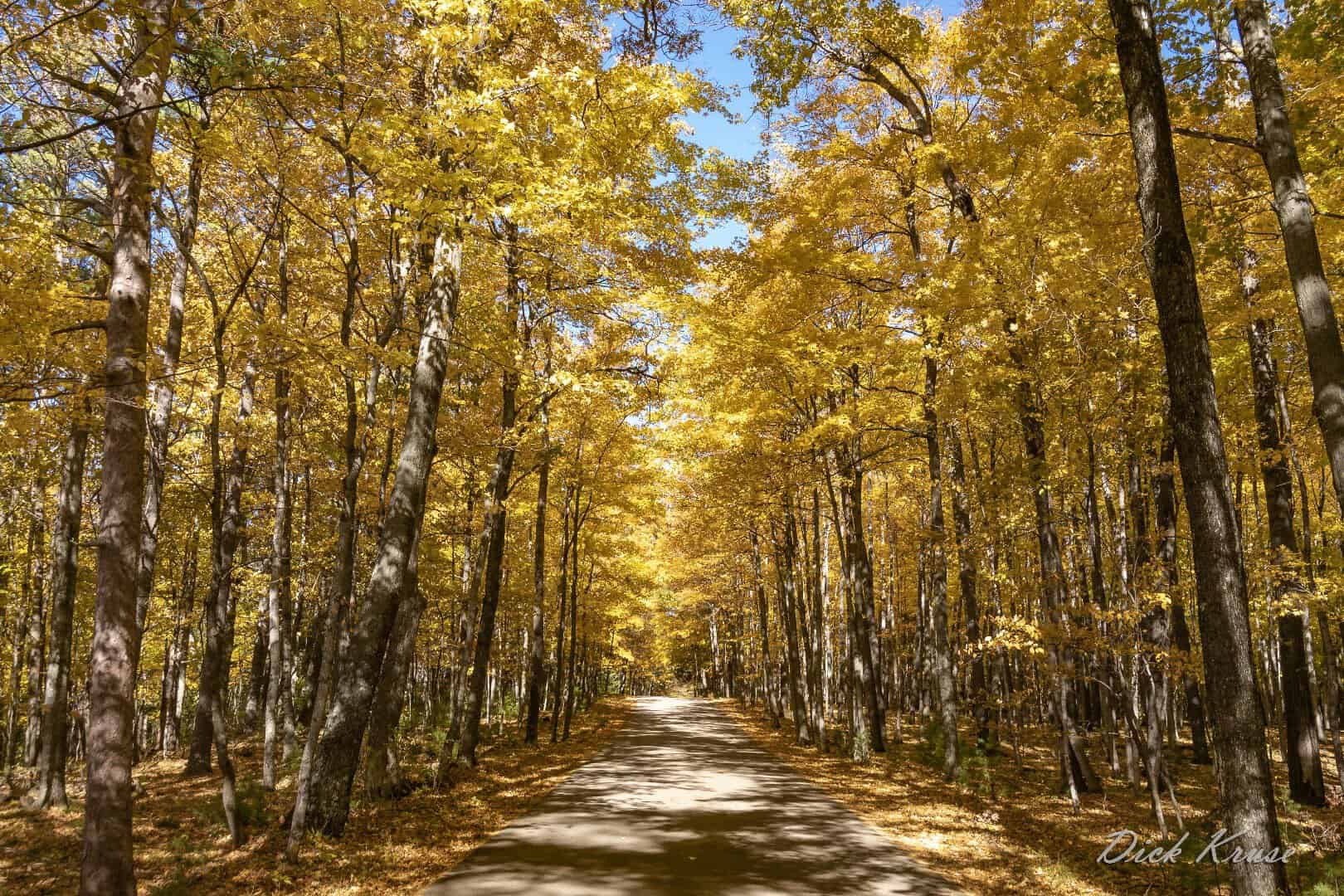
Door County juts 70 miles into Lake Michigan, and by mid-October the whole peninsula turns at once. The prettiest stretch might be the tunnel of maples along the park roads, where the canopy closes overhead in a wash of pure gold.
Peninsula State Park anchors it all, with limestone bluffs, an old lighthouse, and Eagle Tower looking out over the colored shoreline and the islands offshore.
Rent a bike and ride the tree-lined lanes, or just drive slowly with the windows down and let the gold close in.
Where: Peninsula State Park, Fish Creek, Door County, Wisconsin.
11. Hocking Hills, Ohio
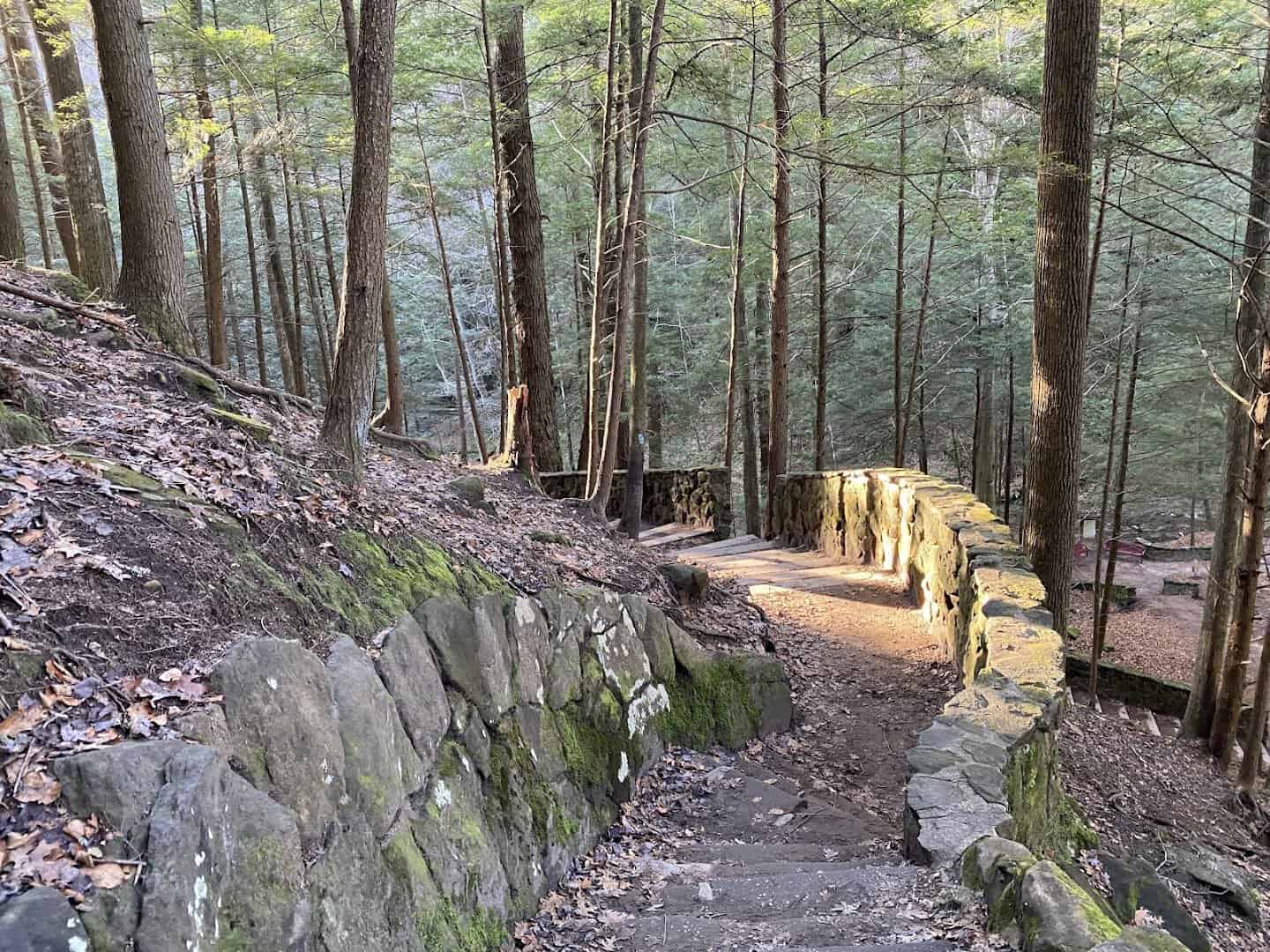
Hocking Hills hides its color down inside the earth. Sandstone gorges and hemlock forest wind between waterfalls, and in fall the maples and oaks up top drop their leaves along the trails and pools below.
The signature walk runs from Old Man’s Cave through Cedar Falls to Ash Cave, with color reflecting off every rock face and quiet pool along the way.
Go on a weekday morning if you can. The gorges are narrow enough that a little solitude changes the whole feel of the place.
Where: Old Man’s Cave, Hocking Hills State Park, near Logan, Ohio.
12. Bash Bish Falls, Massachusetts
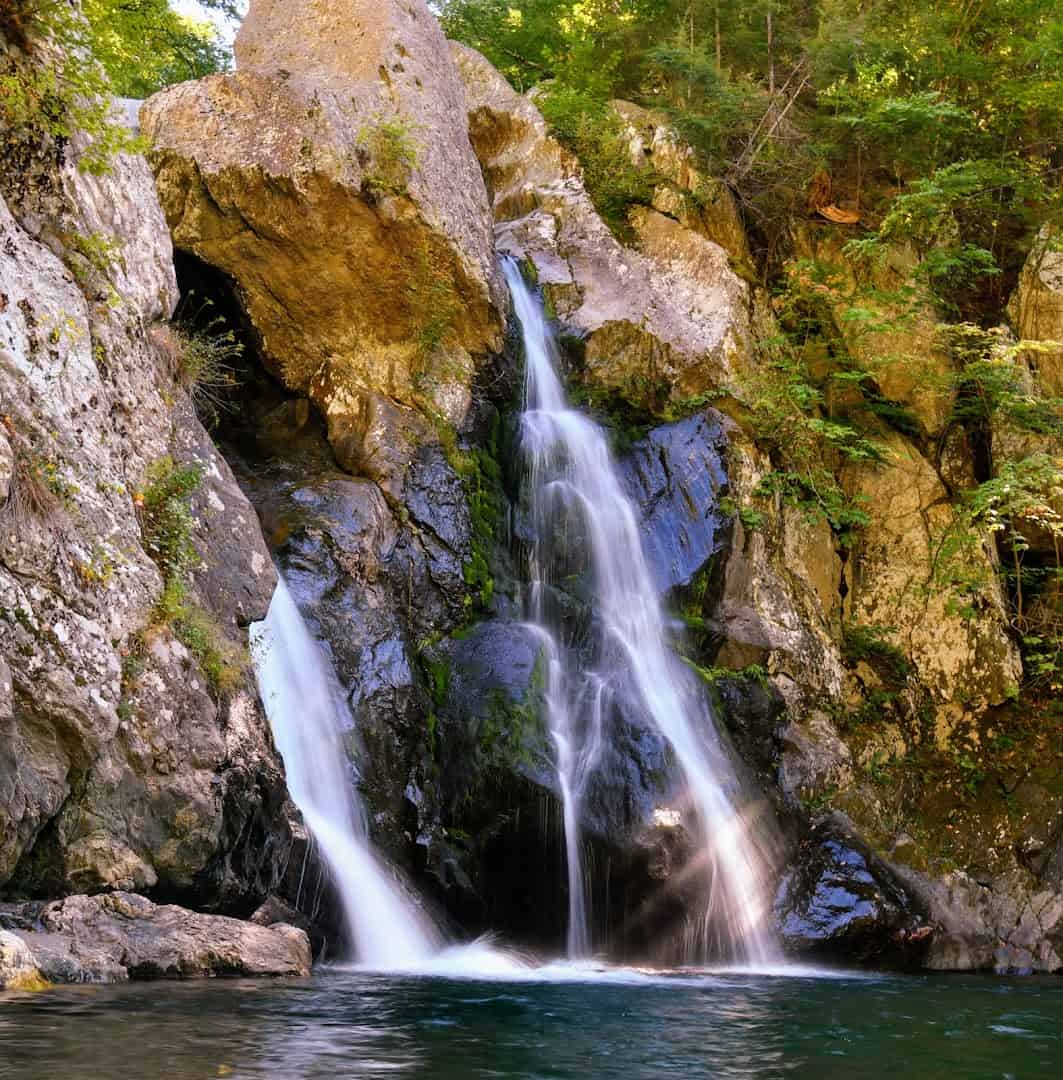
Tucked in the southwest corner of the Berkshires, Bash Bish Falls drops in a dramatic twin cascade around a jutting boulder, and in October the hardwoods framing it turn every shade of red and gold.
It is the tallest single-drop waterfall in Massachusetts, and a short walk down from the trailhead reaches the pool at its base. The whole Berkshires region glows this time of year.
Pair it with a drive through nearby Mount Washington State Forest, where the back roads are quiet and the color runs unbroken.
Where: Bash Bish Falls State Park, Mount Washington, Massachusetts.
13. Franconia Notch, New Hampshire
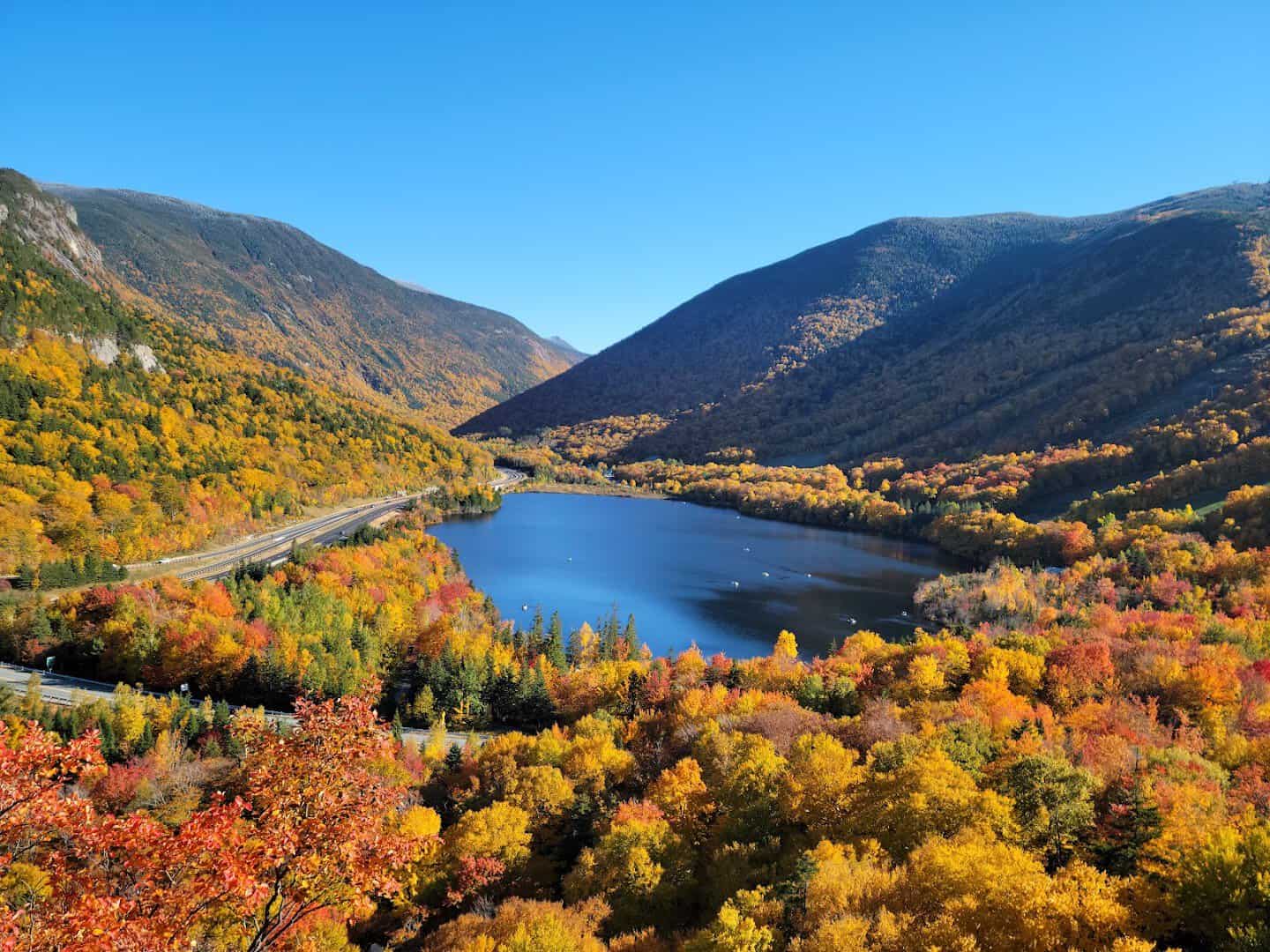
Franconia Notch cuts a dramatic pass through the White Mountains, and when the color comes in late September and early October, the whole valley lights up around Echo Lake and the Pemigewasset River.
Ride the aerial tram up Cannon Mountain for a view across a sea of red and gold, or walk the boardwalk through the Flume Gorge with the color towering overhead.
The range of elevation stretches the show for weeks, so the peaks and the valley floor rarely peak on the same weekend.
Where: Franconia Notch State Park, near Lincoln, New Hampshire.
14. Tallulah Gorge, Georgia
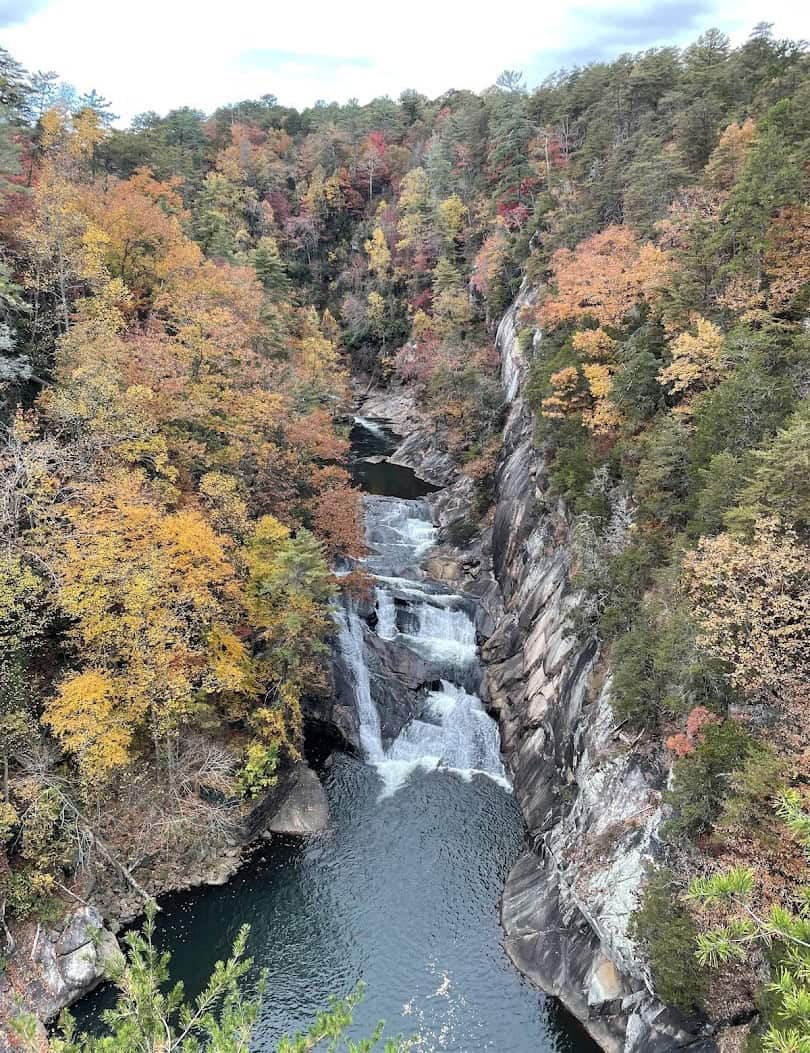
Georgia surprises people in the fall, and Tallulah Gorge is the proof. The chasm plunges nearly 1,000 feet, with waterfalls tumbling through it and hardwoods on the rim that turn brilliant in late October.
A suspension bridge swings 80 feet above the floor, and a chain of overlooks lets you watch the color spill down the sheer walls toward the river below.
The southern Appalachians hold their color later than the north, so this is a fine place to chase one last peak into November.
Where: Tallulah Gorge State Park, Tallulah Falls, Georgia.
15. Brown County, Indiana
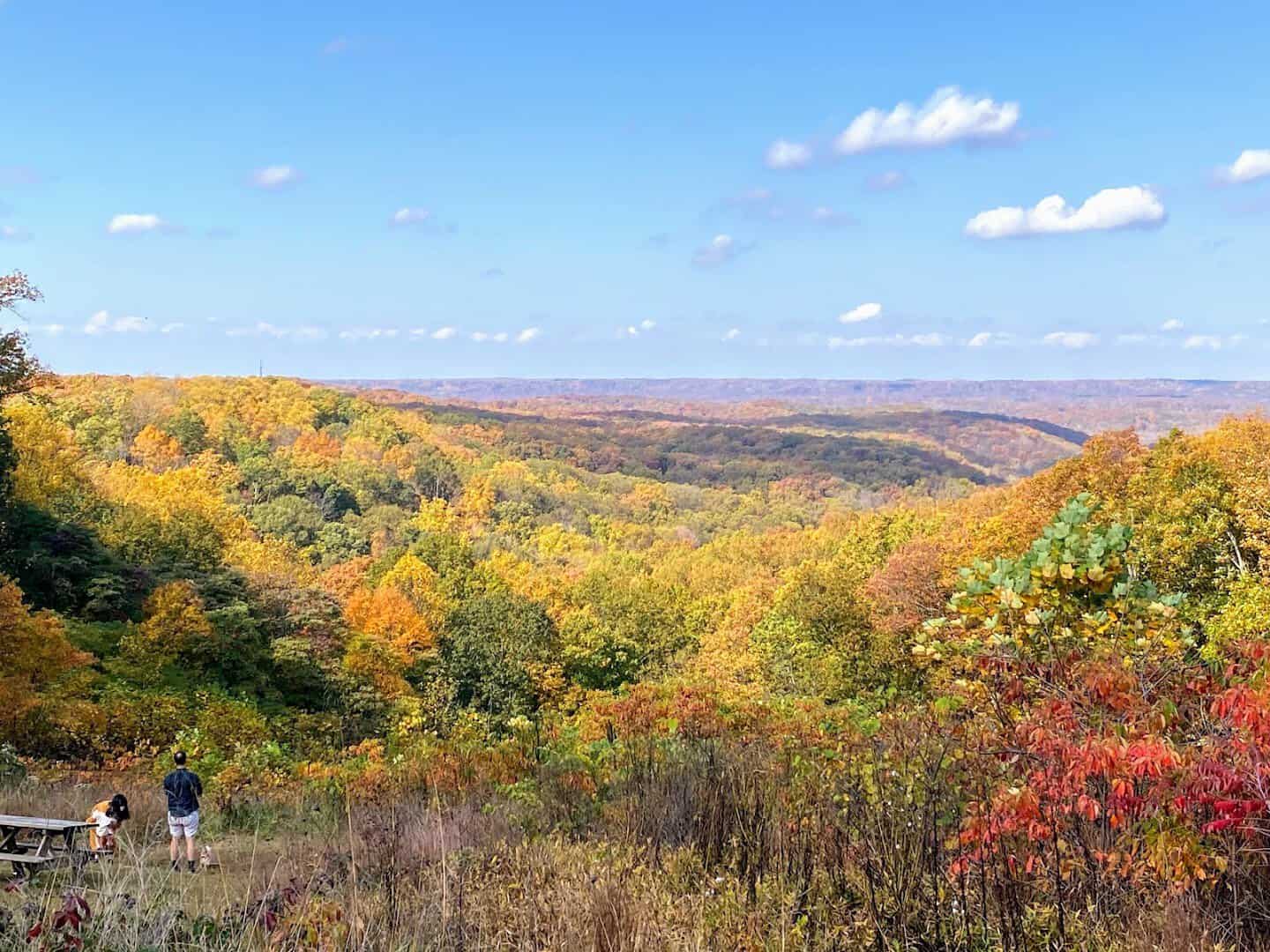
Brown County is the Midwest’s quiet answer to New England, a rolling stretch of hardwood hills that turns to fire every October. Locals have called it the Little Smokies for a century, and the artists who settled here came for exactly this light.
Brown County State Park is the heart of it, with fire towers and ridge roads that open onto miles of red and gold. The town of Nashville fills with studios, cider, and porch swings.
Climb a tower at peak color and the whole county rolls out beneath you in one unbroken quilt.
Where: Brown County State Park, near Nashville, Indiana.
Start Planning Your Fall Road Trip
One season, a handful of places, and not nearly enough weekends to hit them all in a single October. Pick the one that matches the trip you actually want, whether that’s a ferry to a car free island or a hike into a Texas canyon nobody expects.
Check a local foliage tracker before you go, since peak color shifts by a week or two most years. Grab a flannel, fill the tank, and go find your own coffee can worth keeping.
None of this needs a passport or a big budget. A tank of gas and a weekend usually gets you there, and the trees don’t care what else is on your calendar.
Featured image: @ Stowe

Stella Raines
Editor-in-Chief
Stella brings over a decade of storytelling experience to TX Headlines. With roots in West Texas and a love for road trips, she leads the editorial team with an eye for the hidden stories that make Texas unforgettable.