12 Eerie Ghost Towns in America Worth Exploring
The first time a ghost town ever got under my skin, I was a kid pressing my nose to a car window somewhere out west, watching a row of empty storefronts slide past in the gold light of late afternoon.
My dad slowed down without me asking. Nobody lived there. Curtains still hung in one window. I remember thinking the whole place was holding its breath, waiting for everyone to come home.
That feeling never left me. There is a hushed magic to a town the world walked away from, and America is full of them. Below, discover twelve of the most fascinating ghost towns in the country, each one a doorway into a bigger, wilder story.
1. Bodie, California
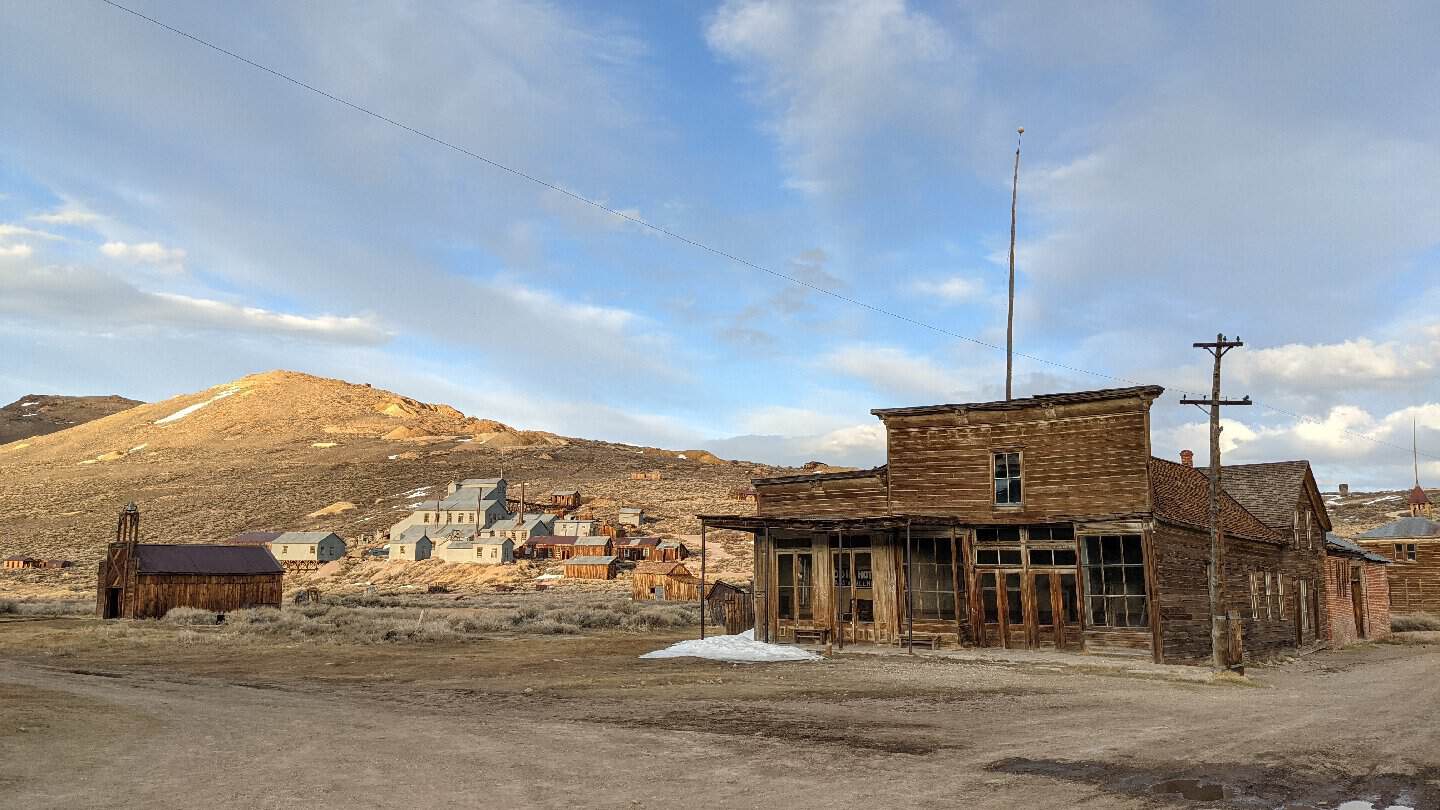
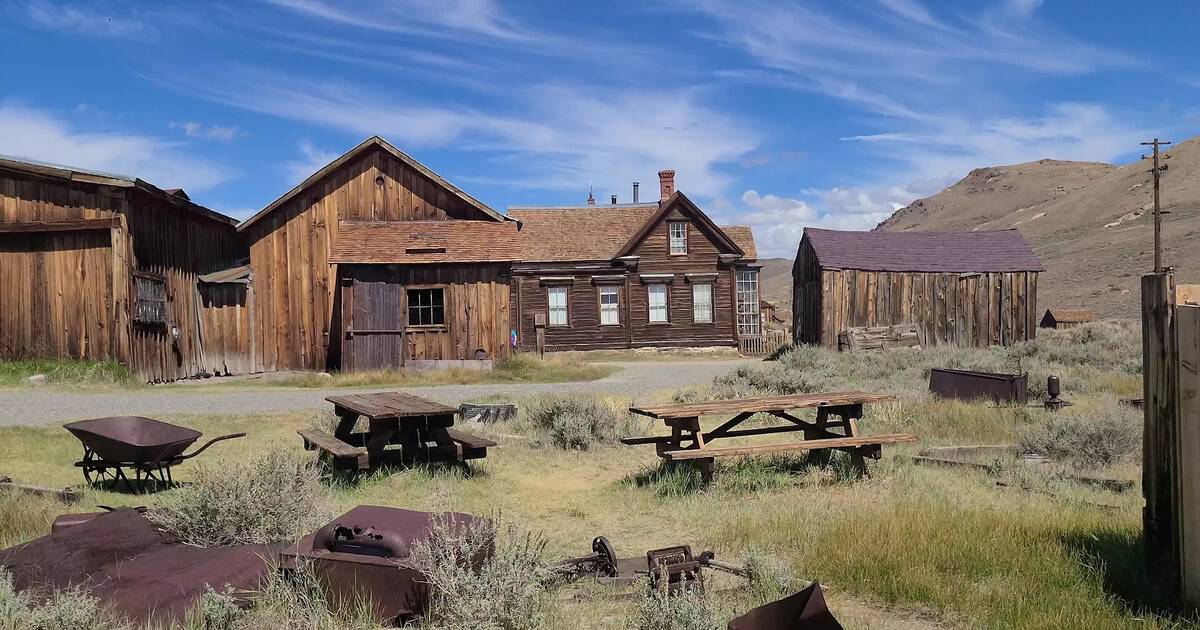
Nowhere does abandonment quite like Bodie. This High Sierra gold camp roared to nearly 10,000 people in 1880, complete with 65 saloons and a reputation for gunfighters.
When the gold thinned, the crowds left. Today about 200 weathered buildings survive in a deliberate state of “arrested decay,” preserved exactly as time left them, dishes still on tables inside.
Walk the empty streets and you can almost hear the piano. It is one of the most complete ghost towns you will ever stand in.
Between 1877 and 1882 the mines here gave up more than $38 million in gold and silver. In 2002 the state named Bodie its official Gold Rush ghost town.
Where: Bodie State Historic Park, end of Bodie Road (State Route 270), near Bridgeport, CA 93517.
2. Rhyolite, Nevada
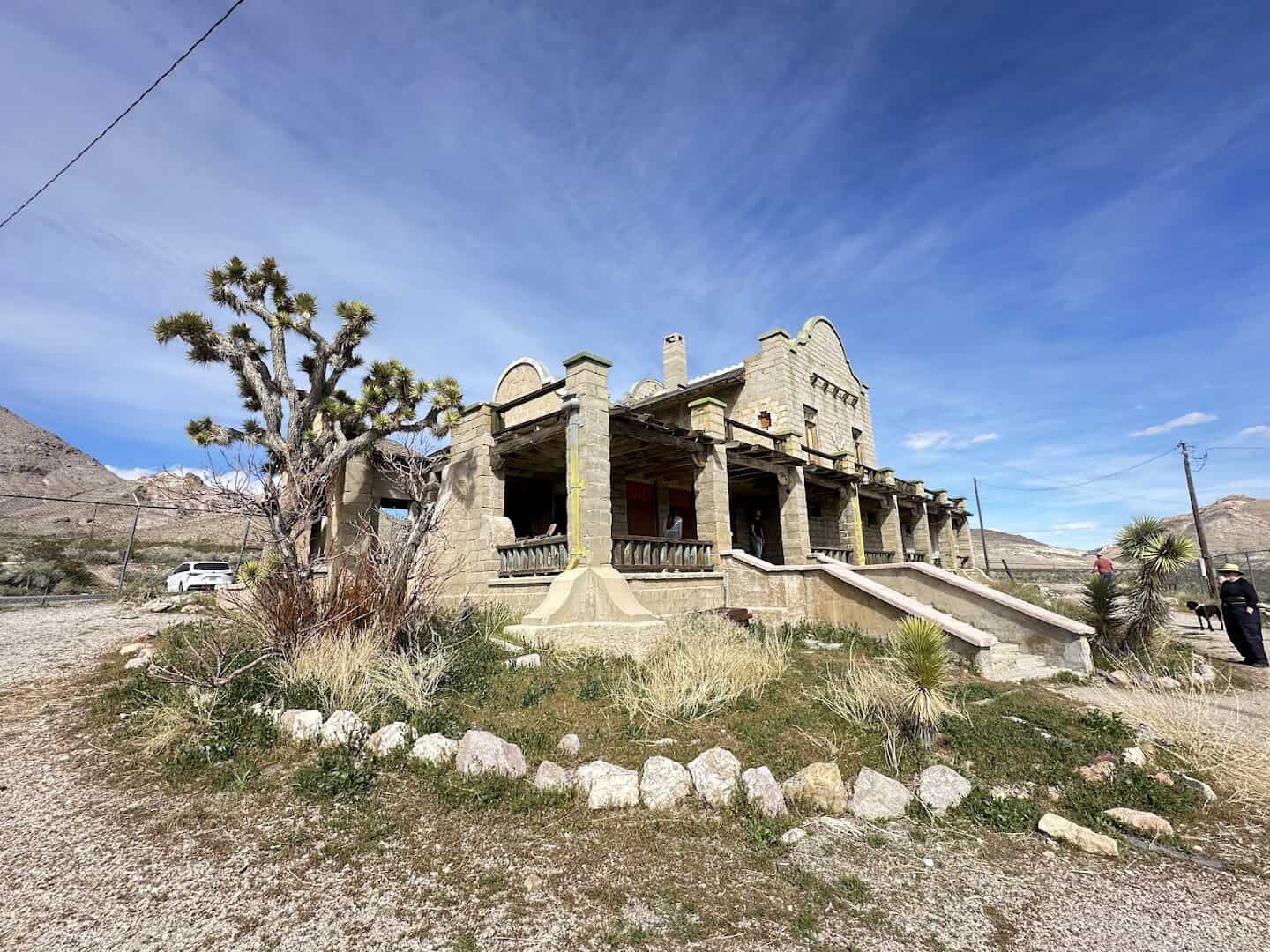
Rhyolite bloomed fast and faded faster. Founded in 1905 in the Bullfrog Mining District, it had electric lights, an opera house, and a stock exchange within two years.
My favorite piece of it still stands: a house that a 76-year-old miner named Tom Kelly built in 1906 out of some 50,000 glass bottles, the largest bottle house in the country.
The rest is elegant ruin, framed by desert mountains near the edge of Death Valley. It is pure golden-hour photography.
Hollywood loved it too. When the mines went quiet, Paramount rolled in and filmed here in the 1920s, and the ghostly bank and railroad depot have starred on screen ever since.
Where: Rhyolite Ghost Town, off State Route 374 about four miles west of Beatty, NV 89003.
3. Terlingua, Texas
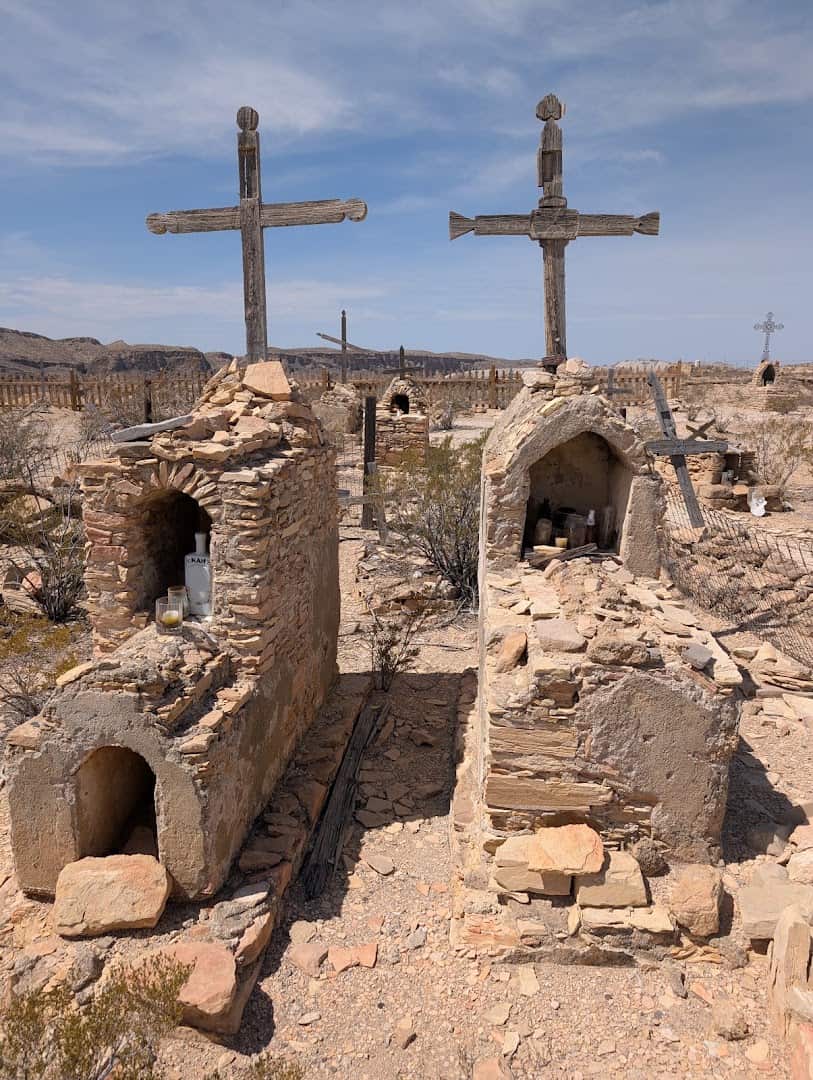
Every roundup needs a Texas star, and Terlingua is a fabulous one. Out where the desert rolls toward Big Bend, miners once pulled quicksilver from the red cinnabar in these hills.
By 1922, this stretch produced forty percent of all the mercury mined in the United States. When the mines closed after World War II, the town emptied.
Then it came roaring back. In 1967 Terlingua hosted the world’s first chili cook-off, and today its stone ruins host porch-sitters, musicians, and travelers at sunset. Did you know it is called the Chili Capital of the World?
Every November two big cook-offs fill the desert with smoke and steel guitar. The rest of the year, the old cemetery and adobe walls glow pink at dusk over Big Bend country.
Where: Terlingua Ghost Town, off FM 170 near Terlingua, TX 79852.
4. St. Elmo, Colorado
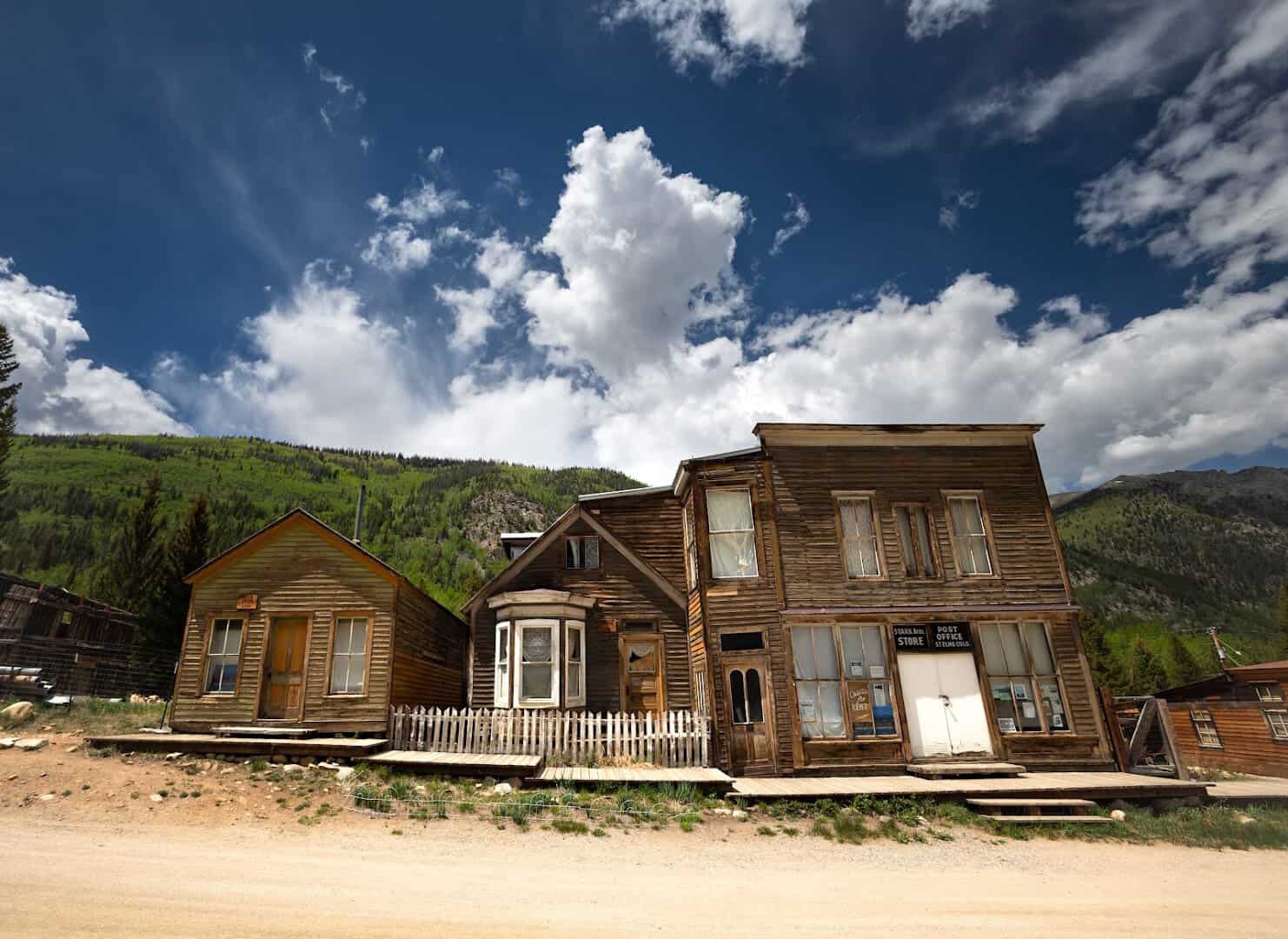
Tucked in the Chalk Creek canyon at nearly 10,000 feet, St. Elmo is one of the best-preserved ghost towns in the West. Prospectors struck gold here in 1875, and by 1881 the town held 2,000 people.
The Mary Murphy Mine was its beating heart, and the railroad through the Alpine Tunnel kept it humming until the trains stopped in 1926.
Its main street of frame buildings still stands proud in the pines. Bring a handful of seeds; feeding the resident chipmunks has become a beloved visitor ritual.
A few hardy full-timers and summer residents keep the lights on, which makes St. Elmo feel less abandoned than paused. The general store still opens its doors in season.
Where: St. Elmo, up County Road 162 along Chalk Creek from Nathrop, CO 81236.
5. Bannack, Montana
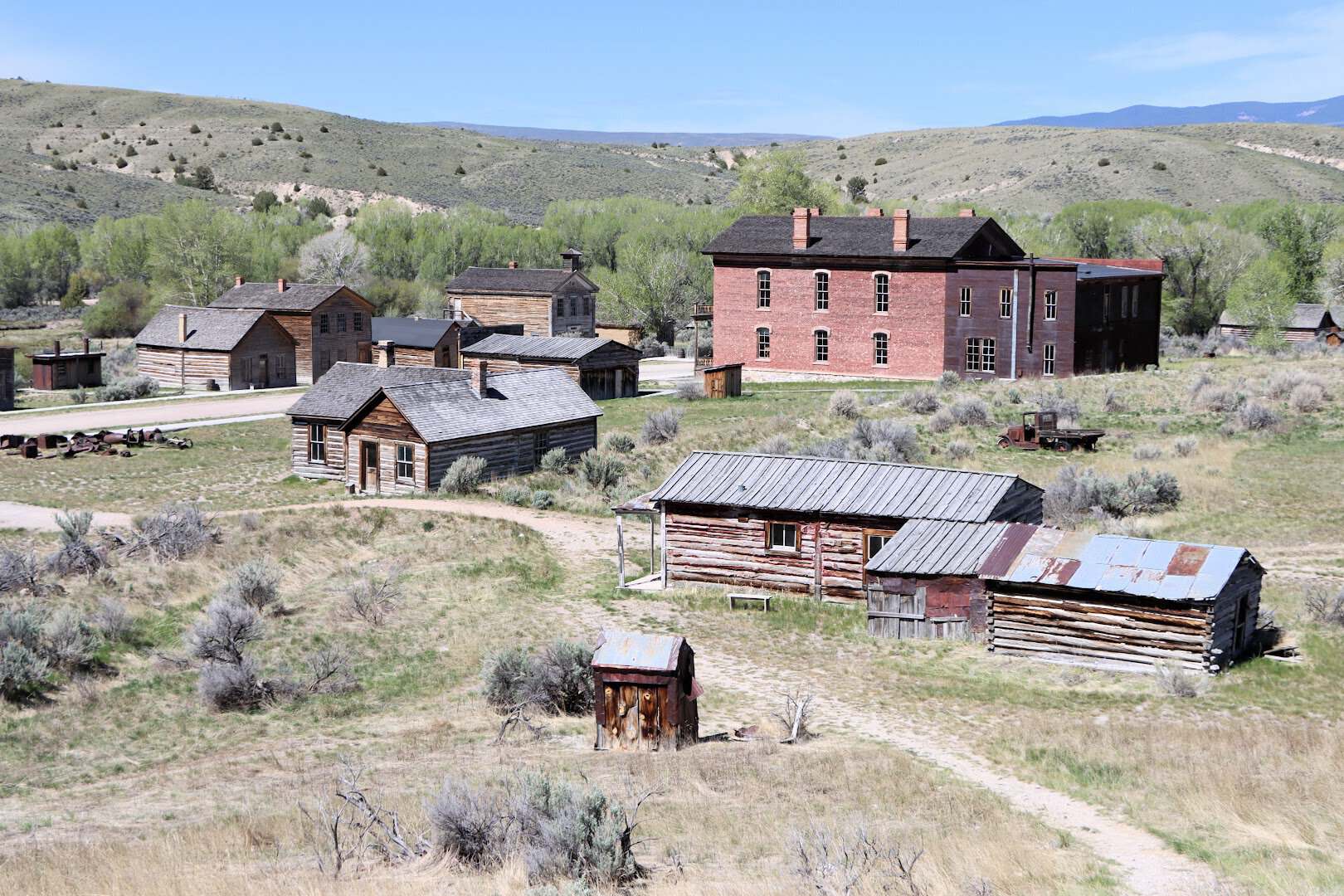
Bannack is where Montana began. John White found gold on Grasshopper Creek on July 28, 1862, and a stampede followed that briefly made this the territory’s first capital.
More than 50 log and frame buildings still line Main Street, and the whole town is a National Historic Landmark and state park with no gift-shop clutter to break the spell.
Pro tip: you can step inside many of the buildings, from the old hotel to the schoolhouse. The last residents left in the 1970s.
At its peak the boomtown drew thousands chasing the Grasshopper Creek strike. Today the same street sits silent under the big Montana sky, which is the whole eerie charm of it.
Where: Bannack State Park, 4200 Bannack Road, Dillon, MT 59725.
6. Kennecott, Alaska
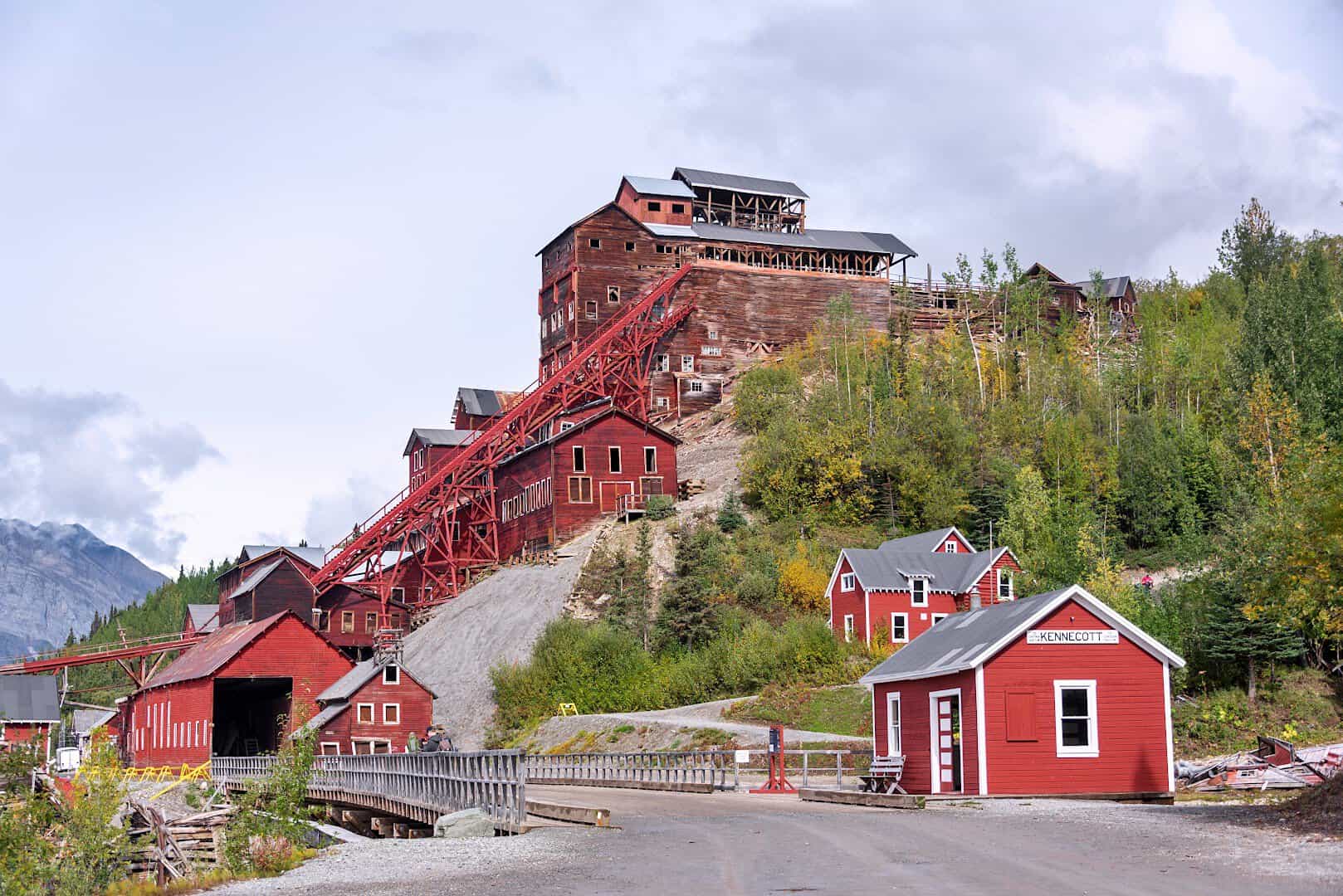
For sheer drama, nothing on this list beats Kennecott. Fourteen stories of blood-red mill buildings rise straight out of the Alaskan wilderness above a glacier, deep inside Wrangell-St. Elias National Park.
Prospectors found one of the richest copper deposits ever in 1900, and over 28 years the mines produced hundreds of millions of dollars in ore before closing in 1938.
The Park Service is stabilizing the buildings, and guided tours lead you through machinery frozen mid-task. Reaching it takes a long gravel road, and every mile is worth it.
Everything was left behind when the last train pulled out in 1938: tools, ledgers, even furniture. Wandering the mill feels like the workers just clocked out for the day.
Where: Kennecott Mines National Historic Landmark, end of McCarthy Road, McCarthy, AK 99588.
7. Old Cahawba, Alabama
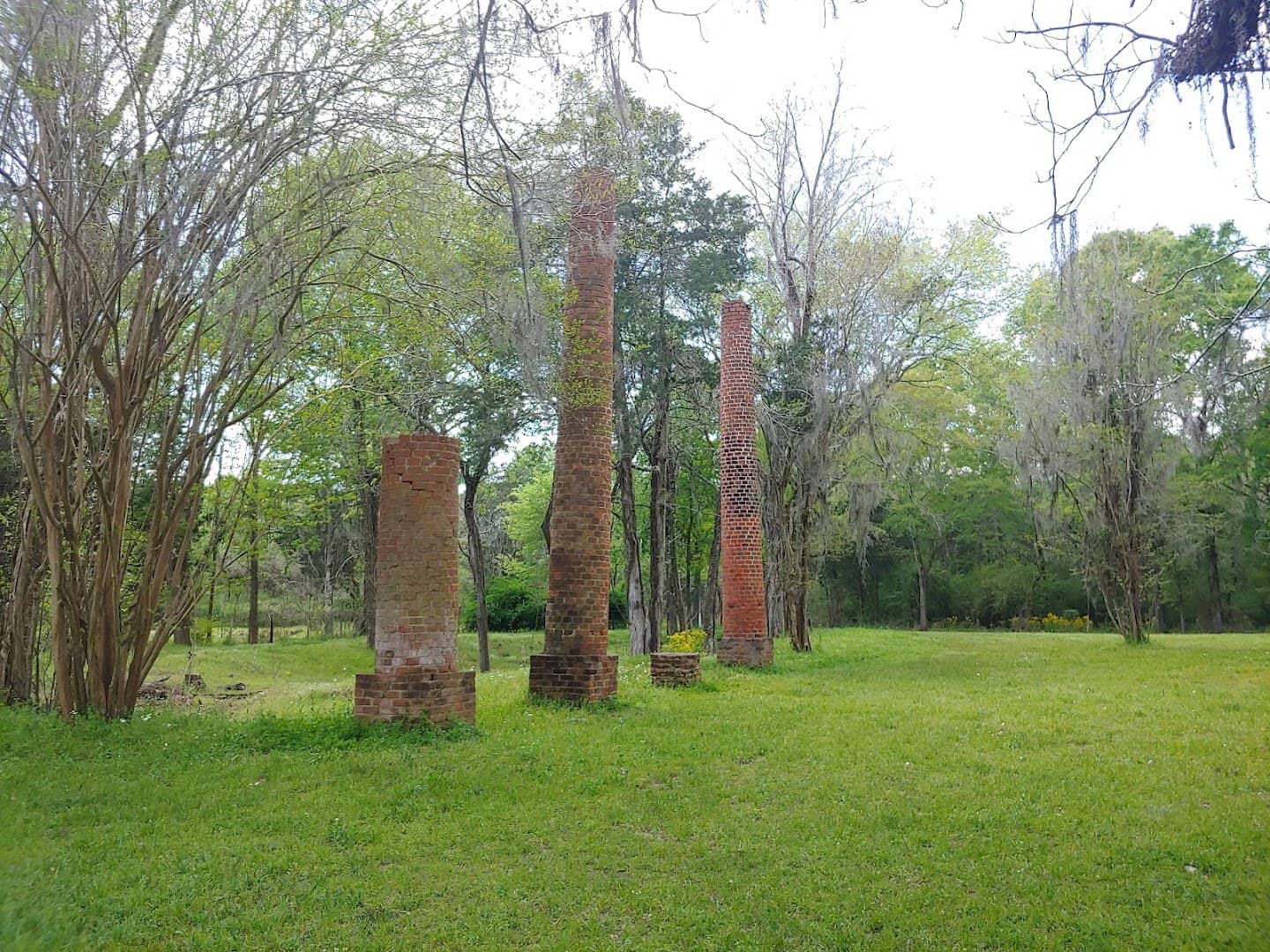
Alabama’s first state capital is now its most famous ghost town. Chosen in 1819 at the meeting of the Alabama and Cahaba rivers, Cahawba served as capital from 1820 to 1825 before growing into a wealthy river town.
Floods and fading fortunes emptied it, and by 1900 the streets belonged to the trees. Today columns and chimneys stand among moss-draped oaks like an open-air storybook.
The site is an archaeological park now, laced with quiet trails, interpretive signs, and layers of history reaching back a thousand years.
Long before the statehouse, a large Mississippian village stood on this same ground. Standing among the old streets, you feel Alabama’s whole story layered under your feet.
Where: Old Cahawba Archaeological Park, 9518 Cahaba Road, Orrville, AL 36767.
8. Thurmond, West Virginia
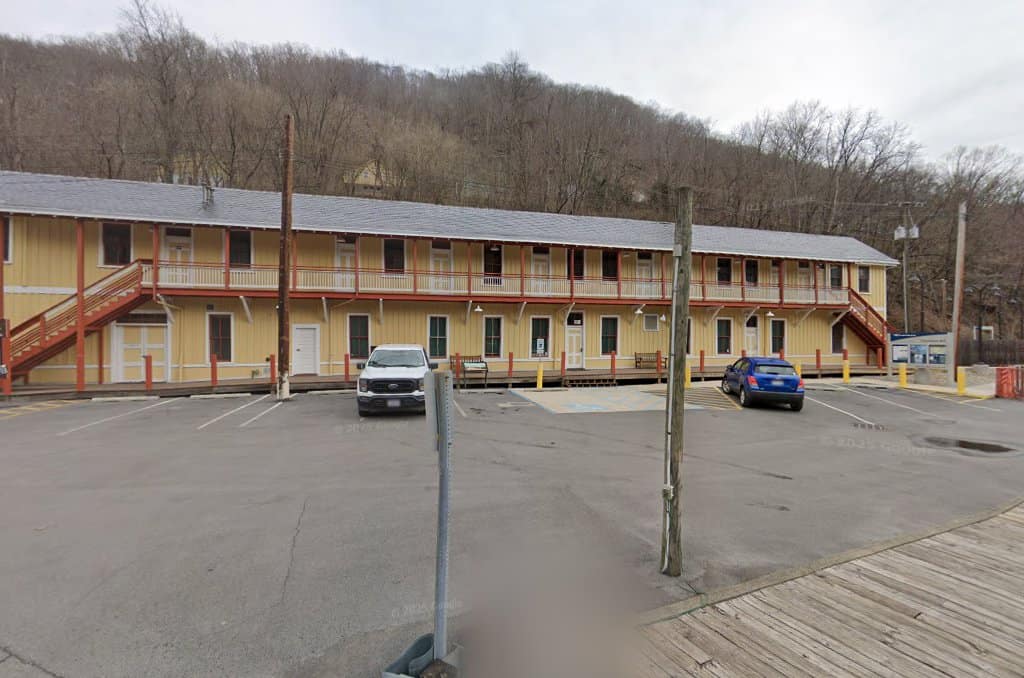
In the 1920s, more coal rolled through Thurmond than through Cincinnati. This railroad town on the New River saw fifteen passenger trains a day and 95,000 travelers a year in its prime.
When the railroad switched from steam to diesel in 1949, it no longer needed to stop here. The population today hovers around five.
The best part: Thurmond now sits inside New River Gorge National Park, its old depot restored as a visitor center. You can still ride a train right into a ghost town.
The line of brick storefronts along the tracks looks frozen in 1930. With whitewater rafting and hiking all around, this is one ghost town you can build a whole weekend around.
Where: Thurmond, off Route 25 in New River Gorge, near Glen Jean, WV 25846.
9. Jerome, Arizona
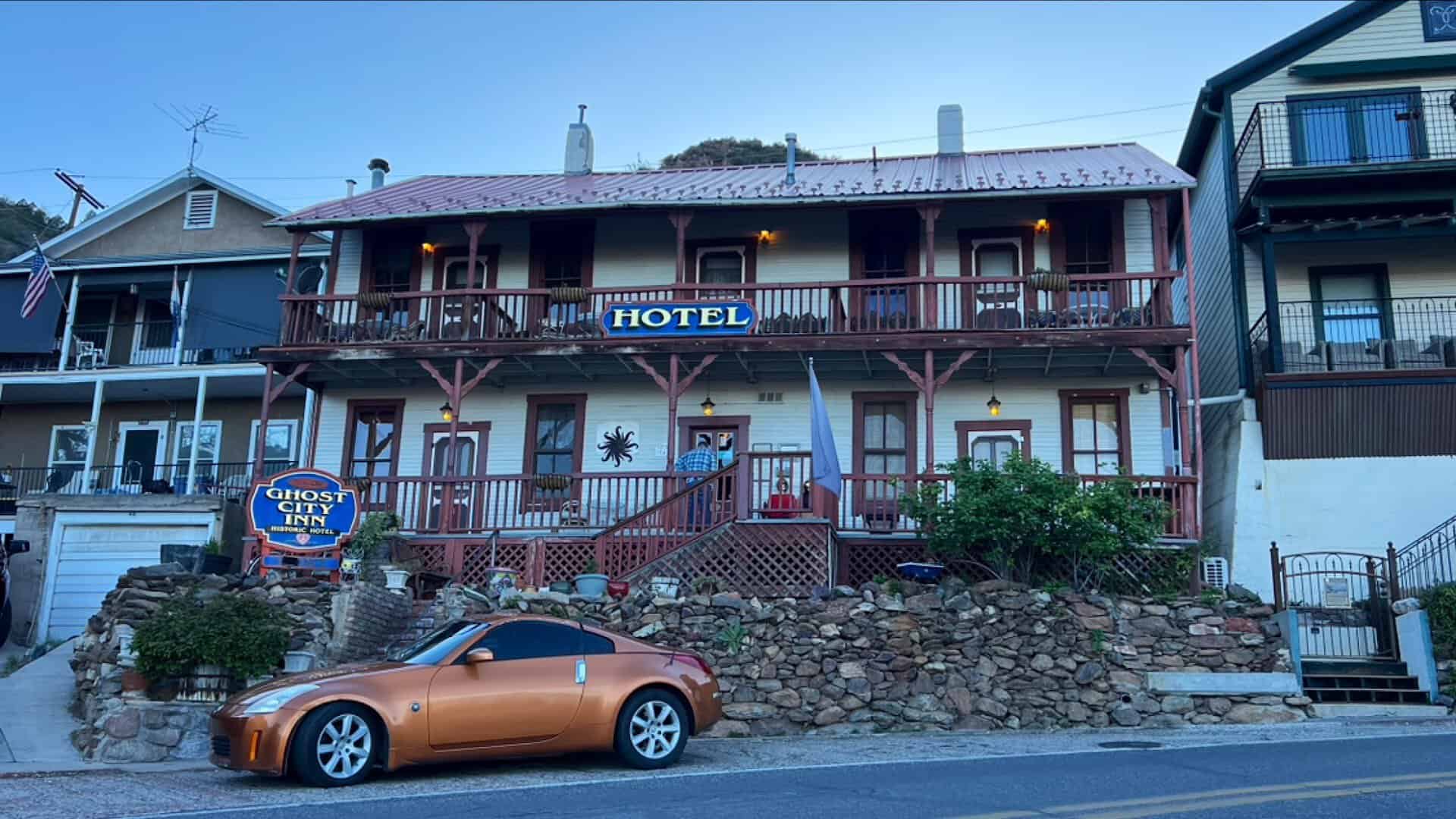
Jerome clings to Cleopatra Hill like it might slide off, and that tilt is half its charm. Copper was struck here in the 1870s, and at its peak the town held nearly 15,000 people.
When mining ended in 1953, most of them left, but Jerome refused to fully die. In the 1960s artists and free spirits moved into the crumbling buildings and brought it back.
Now this hillside town brims with galleries, wine-tasting rooms, and sweeping views across the Verde Valley. It bills itself as the largest ghost town in America.
Over 70 years the mines pulled a billion dollars in copper, gold, and silver from the hill. Old headframes and mine buildings still watch over the switchback streets.
Where: Jerome, along State Route 89A on Cleopatra Hill, Jerome, AZ 86331.
10. Grafton, Utah
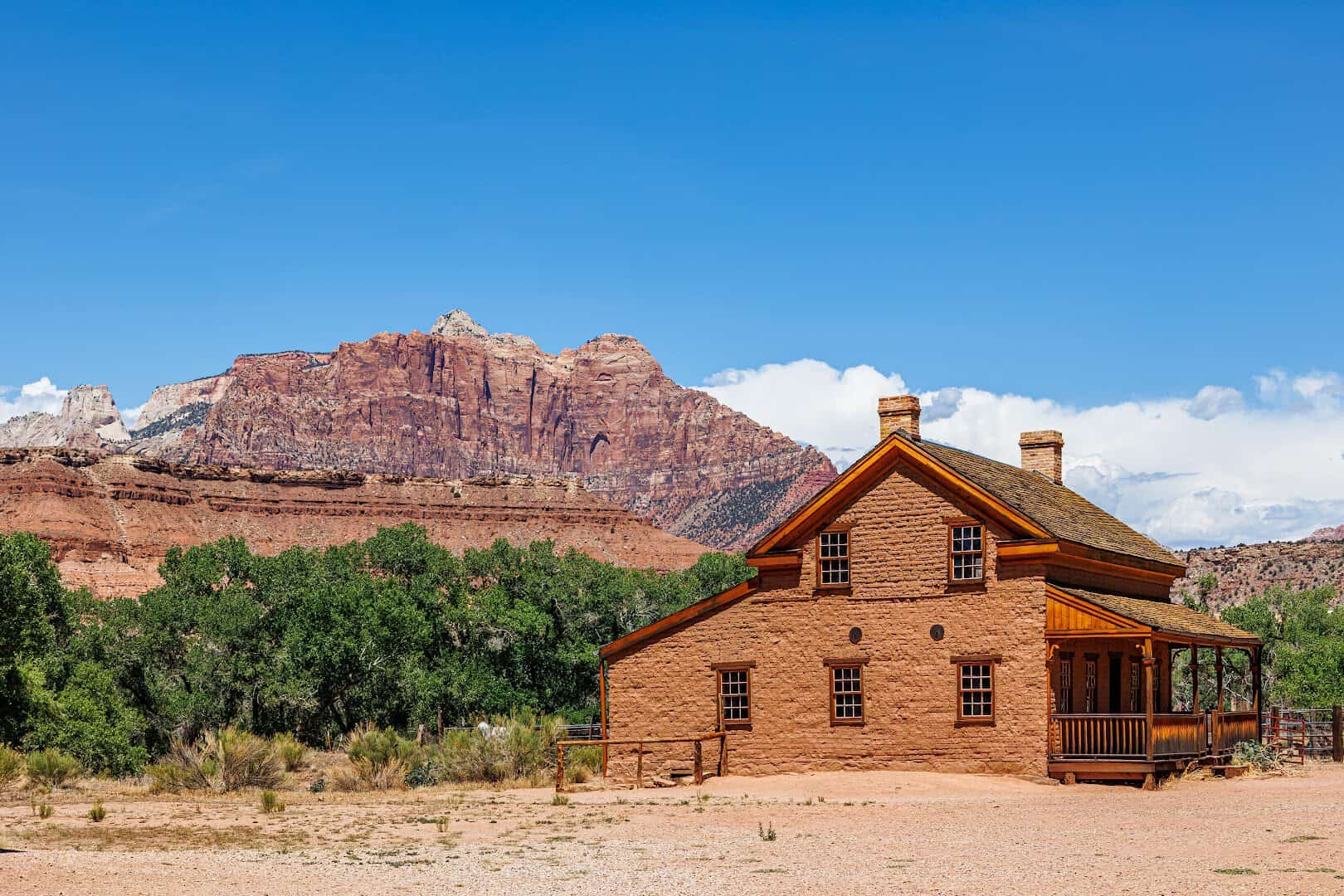
Grafton may be the most photographed ghost town in the West, and one look explains why. Mormon pioneers settled this bend of the Virgin River in 1859, farming in the shadow of Zion’s red cliffs.
Flash floods and hard farming eventually drove the families “down the hill,” leaving the town to the desert quiet by the early 1900s.
A restored 1886 schoolhouse, a handful of pioneer cabins, and a peaceful cemetery remain. Movie fans know it as the setting for the bicycle scene in Butch Cassidy and the Sundance Kid.
A local heritage group tends the buildings, so the town stays soft and lovely rather than crumbling. With Zion’s cliffs blushing behind it, this may be the prettiest ghost town anywhere.
Where: Grafton, off Grafton Road south of Rockville, UT 84763.
11. Elkmont, Tennessee
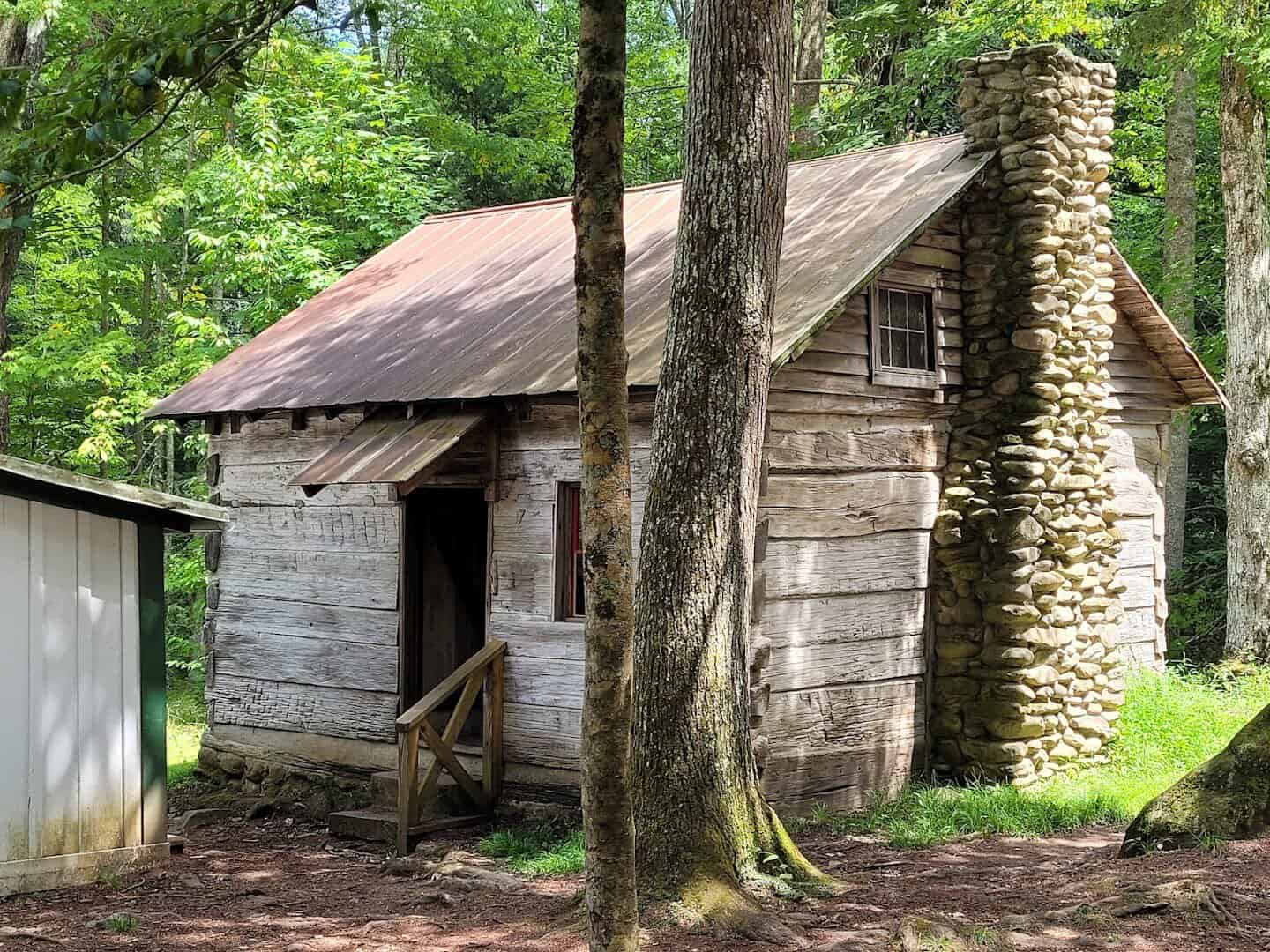
Elkmont is a ghost town with a garden-party past. Born as a logging camp in 1908, it reinvented itself as a genteel resort where wealthy Knoxville families built summer cottages and a grand clubhouse.
When the Great Smoky Mountains became a national park, the leases eventually ran out, and the cottages of “Daisy Town” were left to the forest.
Several buildings, including the restored Appalachian Clubhouse, still stand. Come in late spring for one of nature’s greatest shows: the park’s famous synchronous fireflies blinking in unison.
The demand is so high that the park runs a lottery months ahead for a firefly parking spot. By day, the weathered cottages sit quietly among ferns and rhododendron.
Where: Elkmont, off Elkmont Road in Great Smoky Mountains National Park, near Gatlinburg, TN 37738.
12. Shaniko, Oregon
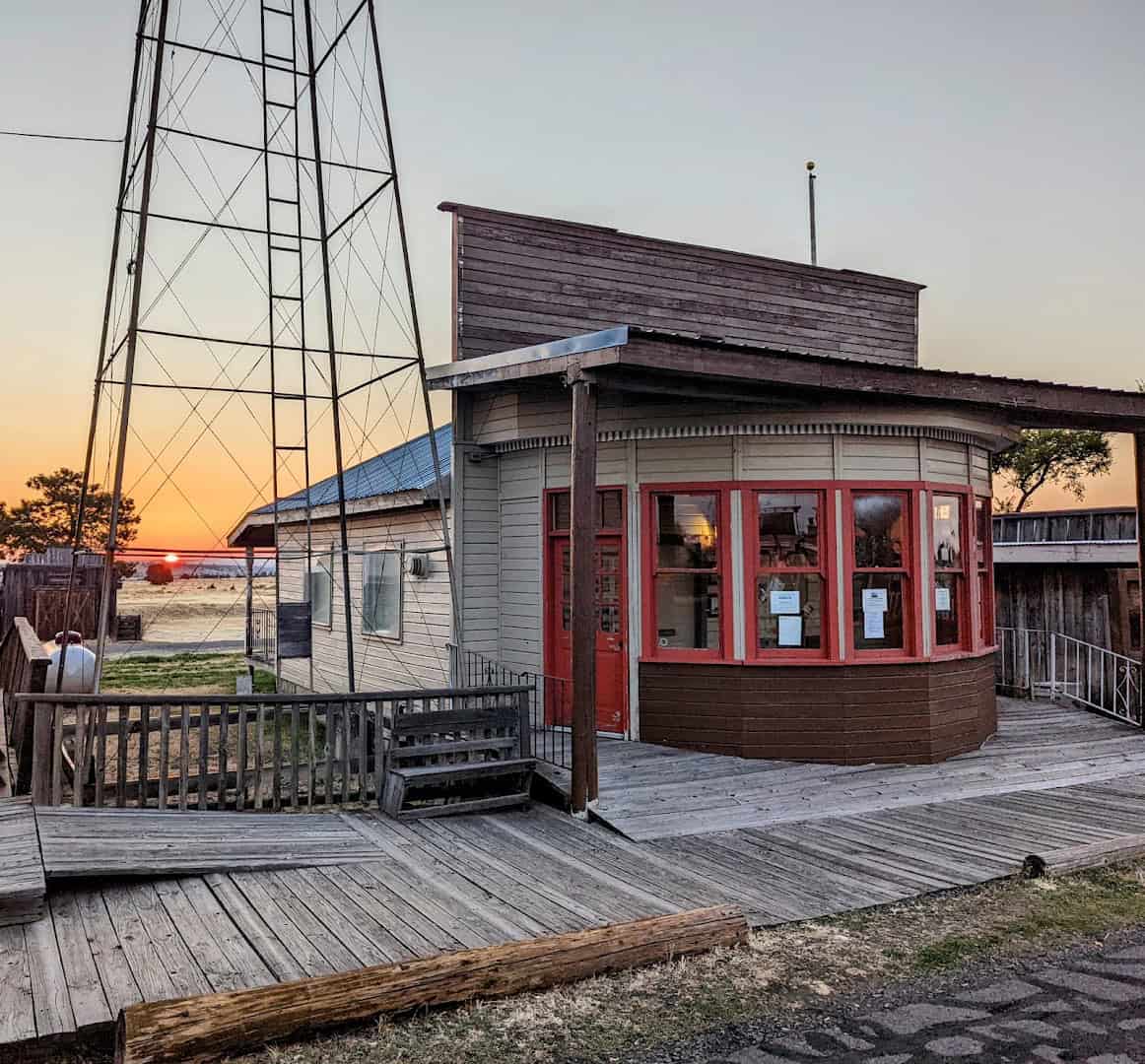
Shaniko once ruled the wool trade. Sitting on the high desert plateau along an early railroad, it earned the title “Wool Capital of the World” in 1903, when 2,000 tons of wool shipped out in a single year.
A new rail route bypassed the town a decade later, and the crowds drifted away. Oregon officially crowned it “Ghost Town of the Year” in 1959.
The best news is recent: its stately old hotel reopened in 2023 after years dark, and antique shops line the wooden boardwalks again.
The old water tower, jail, and wagon yard still stand against the wide-open sky. Oregon once crowned it “Ghost Town of the Year,” and it wears the title with pride.
Where: Shaniko, at the junction of U.S. 97 and Highway 218, Shaniko, OR 97057.
Plan Your Own Ghost-Town Road Trip
What I love about these places is that they are not really empty. Every leaning porch and silent mill still hums with the people who built it and the dreams they chased.
So pick one, fill the tank, and go stand where a whole world once was. Some of these towns sit an easy drive from a national park, so you can pair the ghosts with canyons or glaciers.
Bring a camera, bring your curiosity, and let America’s quietest towns tell you their loudest stories.
Featured image: P Sanchez via Bodie State Historic Park

Stella Raines
Editor-in-Chief
Stella brings over a decade of storytelling experience to TX Headlines. With roots in West Texas and a love for road trips, she leads the editorial team with an eye for the hidden stories that make Texas unforgettable.