12 Storybook Small Towns Across America That Feel Like a Fairytale
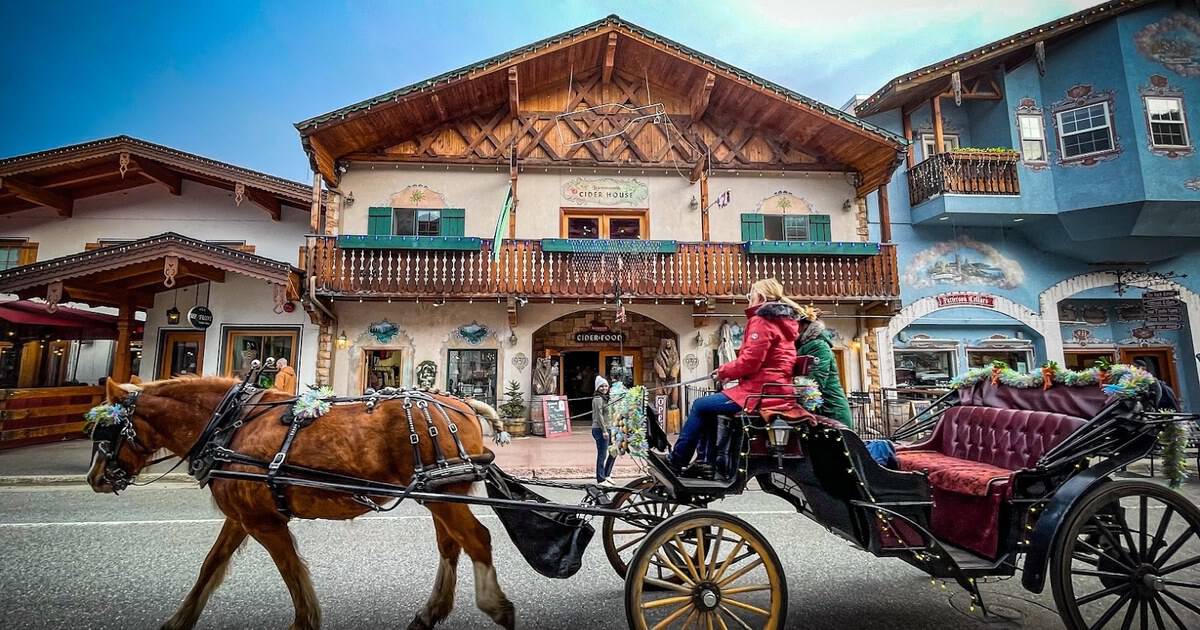
When I was small, I read the same book of fairytales until the cover finally gave up and slid right off. I wanted, more than anything, to climb into one of the pictures, the ones with crooked rooftops, cobbled lanes, and window boxes spilling over with flowers.
It turns out you do not need a passport or a magic wardrobe. Scattered across America are little towns that look like a storybook illustrator drew them, all gingerbread charm and painted rooflines and lanterns glowing at dusk.
Some borrowed their look from Bavaria or Denmark. Others simply froze in time and never let their old-world beauty fade. Below, discover twelve of them worth pointing the car toward this year.
1. Leavenworth, Washington
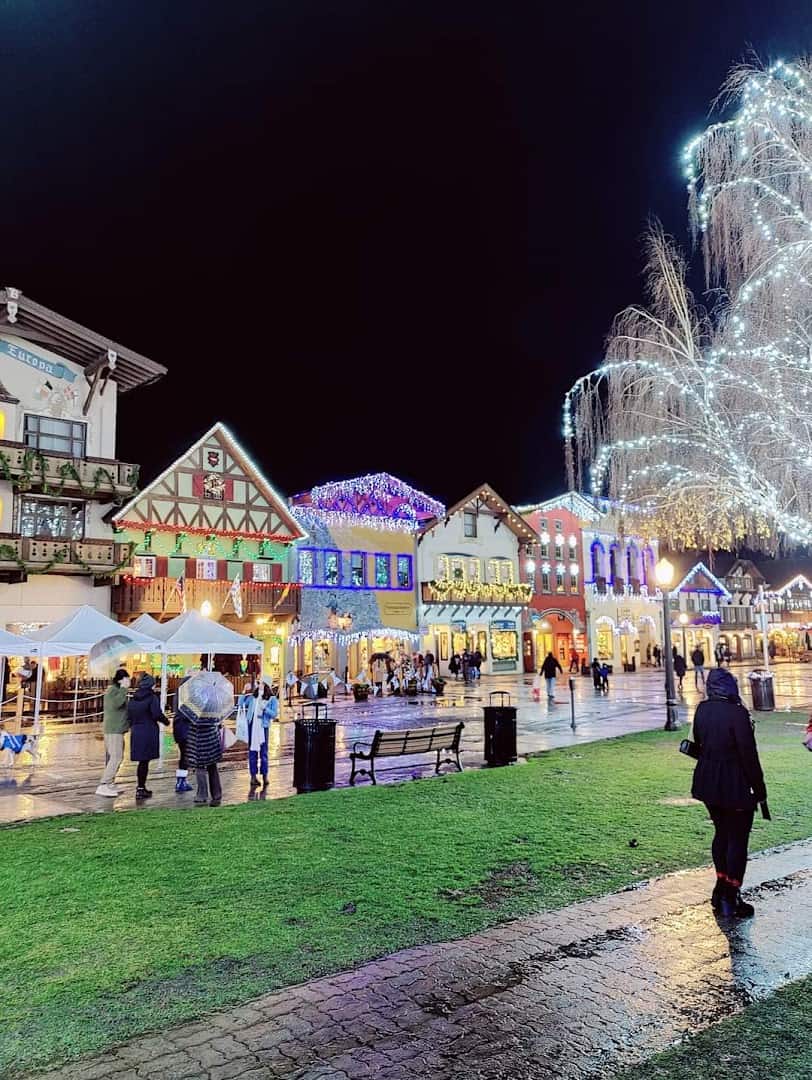
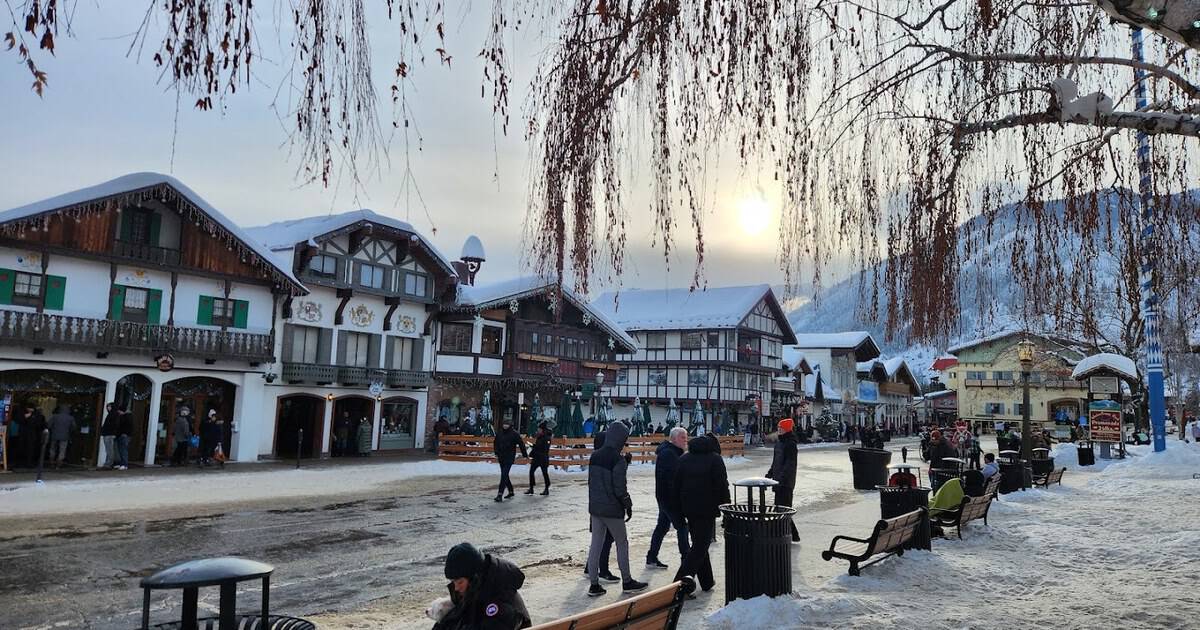
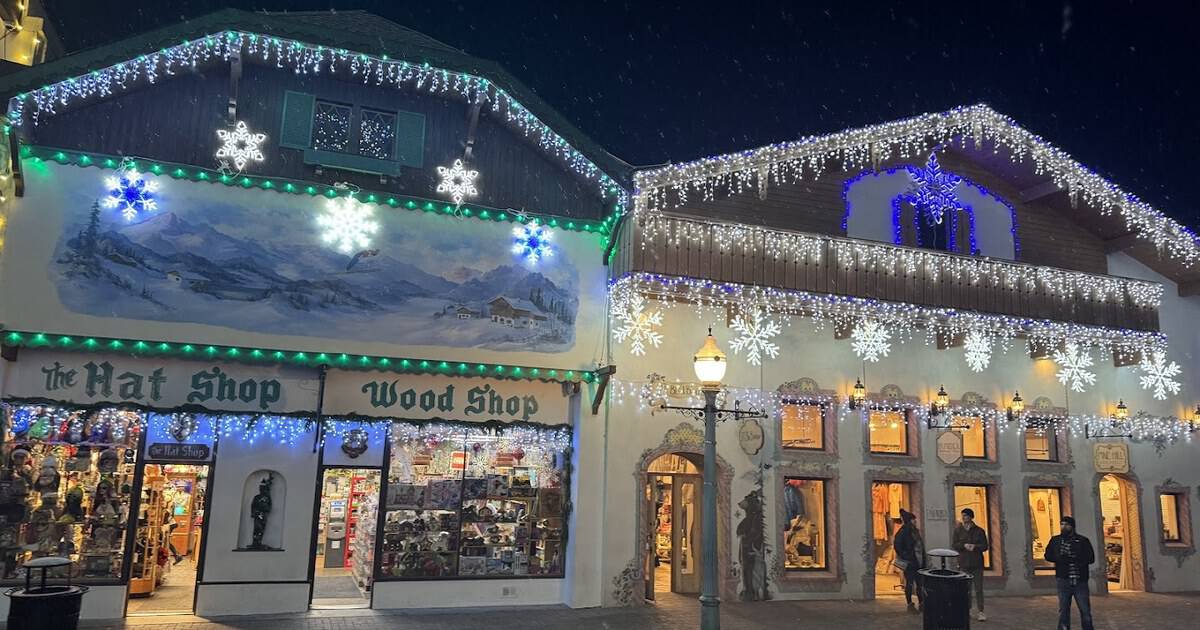
Tucked into the Cascade Mountains, Leavenworth looks like a slice of Bavaria drifted down out of the sky. Half-timbered facades, geranium-stuffed window boxes, and steep alpine rooflines line every block. Add winter snow and a million tiny lights and you are standing inside a snow globe.
It was a fading logging town until 1960, when two Seattle businessmen leaned into the mountain setting and remade Main Street as an alpine village. The gamble worked beautifully. More than two million visitors now come each year for the fairytale streets and the festivals.
Time your trip for the Christmas lighting or Oktoberfest and the whole village hums. Any season, though, those flower boxes and painted shutters make you feel like you stepped right into a picture book.
Where: Front Street, downtown Leavenworth, WA 98826, about two hours east of Seattle on US Highway 2.
2. Solvang, California
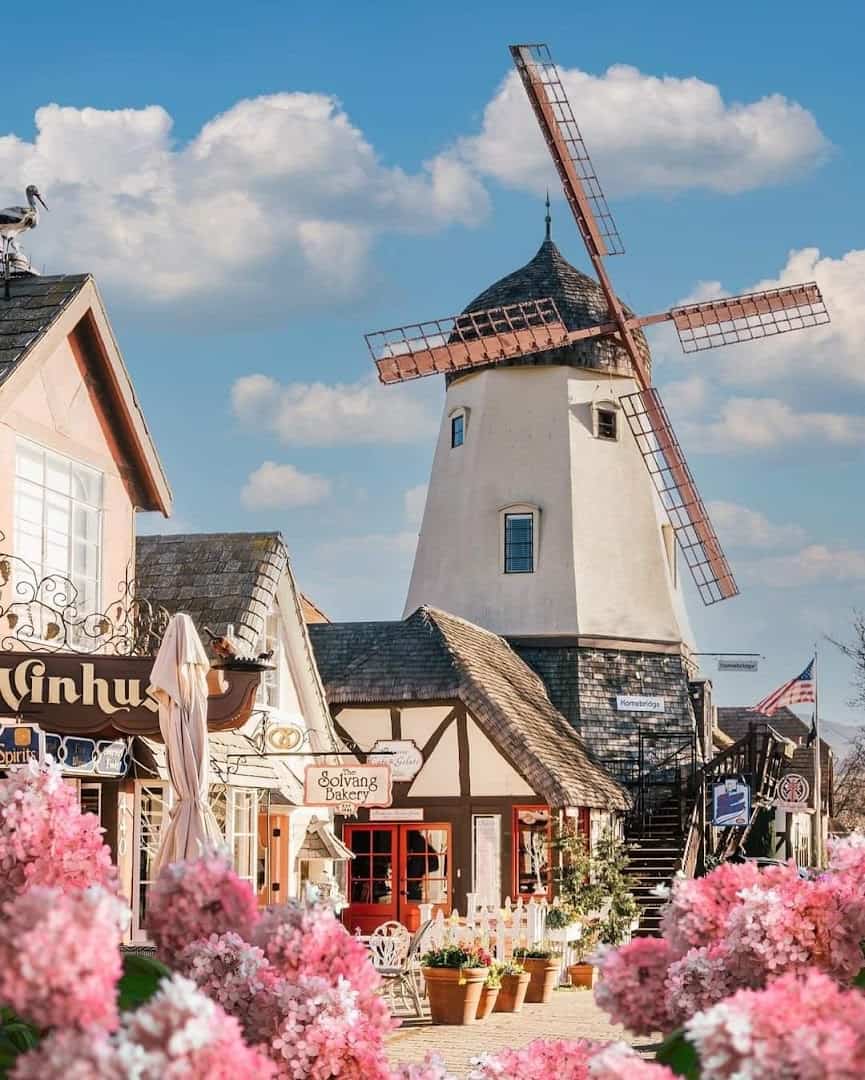
In the sunny Santa Ynez Valley, Solvang delivers Denmark with a California tan. Wooden windmills turn over cobbled sidewalks, thatched-look rooflines curve above bakeries, and the smell of fresh aebleskiver (round Danish pancakes) drifts out onto the street. My kind of morning, honestly.
Danish-American educators founded the colony in 1911, naming it Solvang, meaning “sunny field.” The town leaned fully into its Danish look after 1947, raising windmills and provincial storefronts. Six windmills stand today, keeping the old-world spell firmly intact.
Duck into a bakery for a warm butter cookie, then browse the little shops before climbing up for a windmill view. It is small, walkable, and honestly one of the sweetest afternoons in California.
Where: Solvang Visitor Center, 1639 Copenhagen Drive, Solvang, CA 93463, in the Santa Ynez Valley north of Santa Barbara.
3. Helen, Georgia
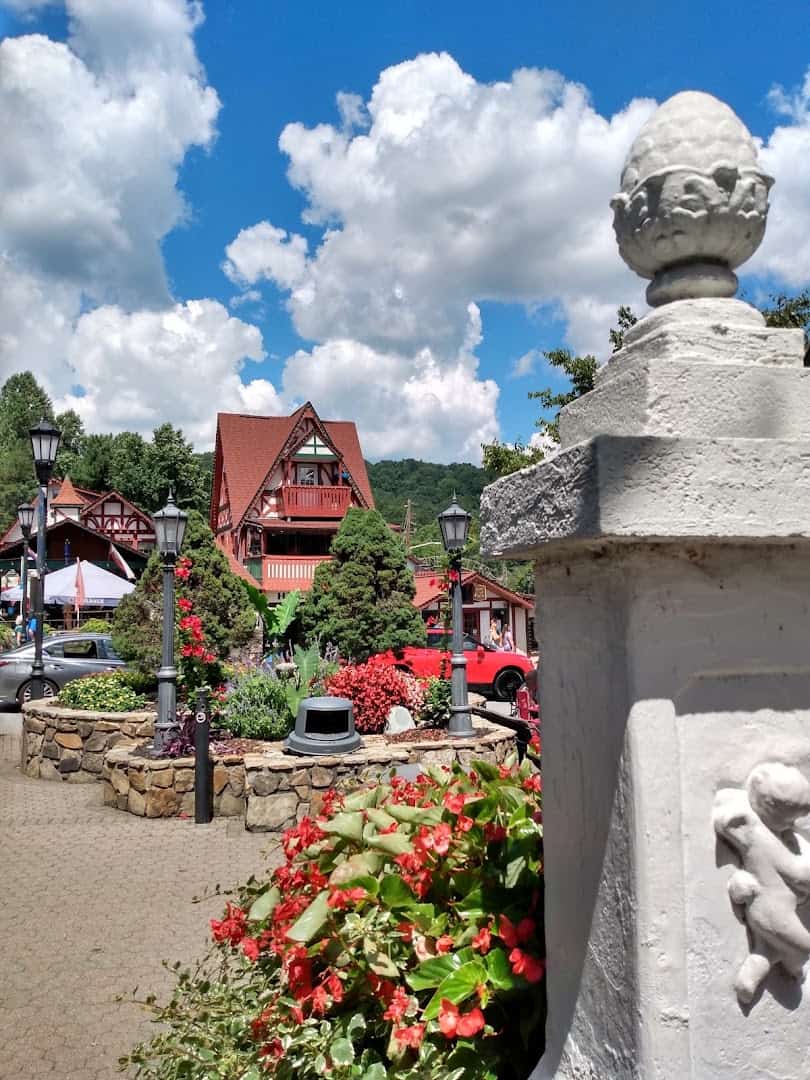
You would never guess a Bavarian village sits in the Blue Ridge foothills, but there it is. Helen wraps its whole downtown in stucco, timber trim, and steep gingerbread rooflines, with the Chattahoochee River rushing right past the cafe tables. Cobblestone alleys wander off in every direction.
In 1969, artist John Kollock pictured the tired sawmill town of 600 as an alpine dream. Business owners funded the whole makeover themselves. Now around two million people a year visit Georgia’s charming little corner of the Alps.
Float the Chattahoochee on an inner tube in summer, or come for Oktoberfest, one of the longest in the country. The mountain backdrop makes every photo look staged in the best way.
Where: Downtown Helen along Main Street, Helen, GA 30545, in the Blue Ridge Mountains north of Atlanta.
4. Frankenmuth, Michigan
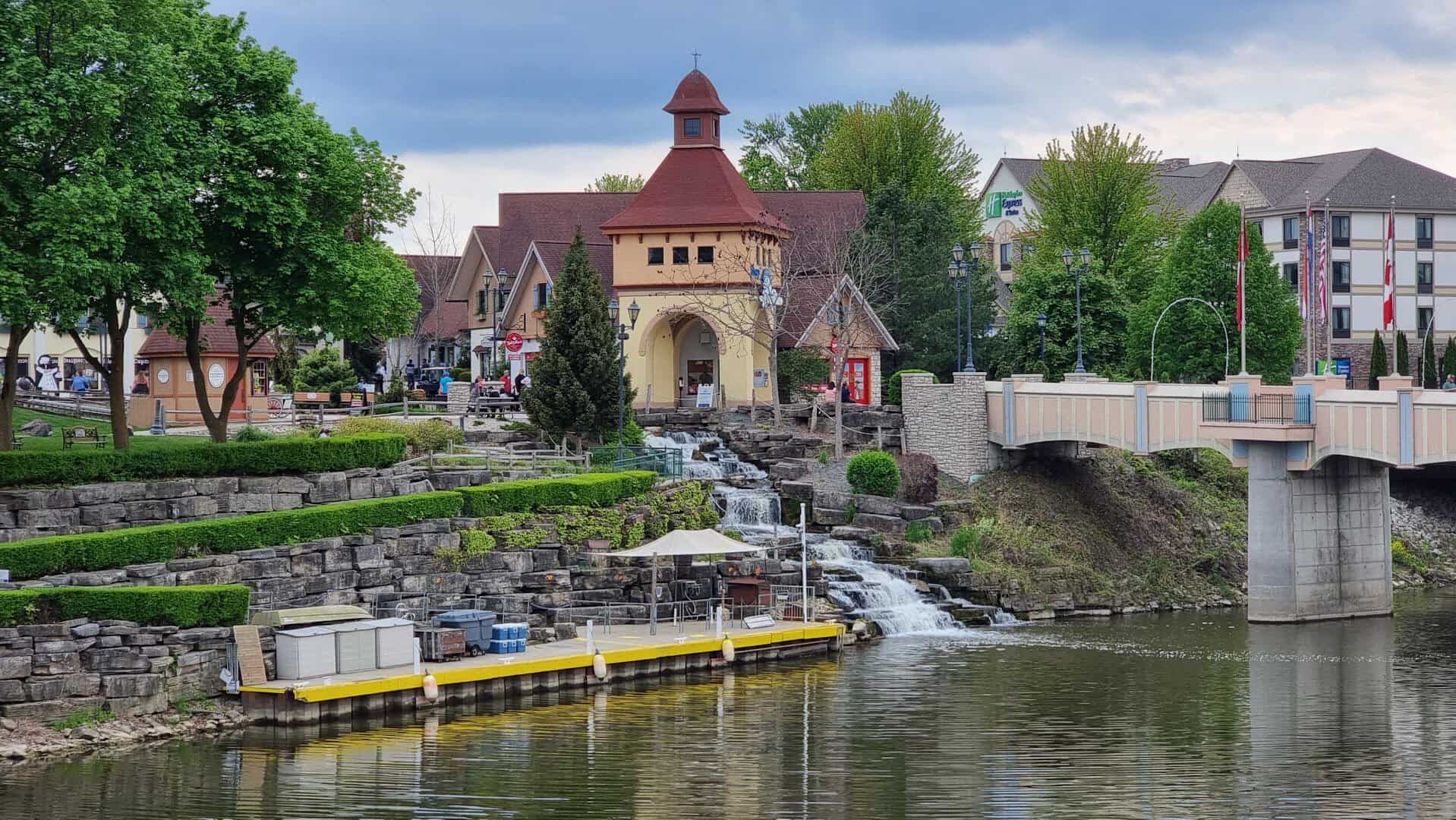
Known lovingly as Michigan’s Little Bavaria, Frankenmuth glows year-round. Timbered storefronts, a glockenspiel clock tower, flower-draped bridges, and horse-drawn carriages give the whole place a warm, wintry-fairytale feel even in July. Somewhere nearby, Bronner’s keeps Christmas twinkling all twelve months.
Fifteen German-Lutheran missionaries founded the town in 1845, naming it “courage of the Franconians.” The German roots never faded. Bronner’s Christmas Wonderland, the world’s largest Christmas store, opened its landmark building here in 1976 and sealed the storybook mood.
Sit down for a family-style chicken dinner, wander across the covered bridge, then lose an afternoon among Bronner’s acres of ornaments. It is cozy comfort turned all the way up.
Where: South Main Street, downtown Frankenmuth, MI 48734, about 90 minutes north of Detroit.
5. St. Augustine, Florida
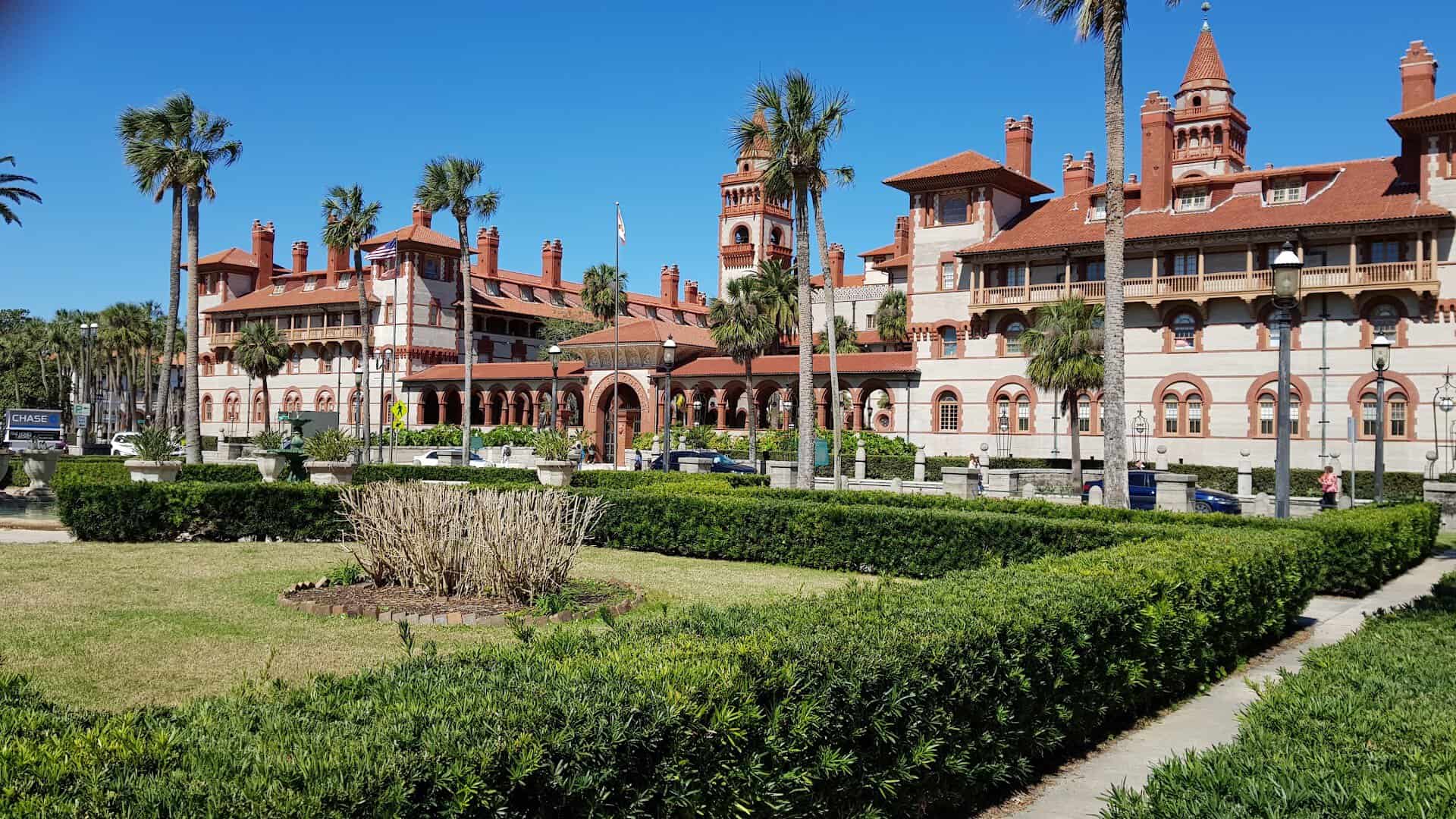
The oldest city in America wears its age like a crown. St. Augustine’s narrow lanes twist between coquina-stone walls, wooden balconies lean over cobbled St. George Street, and a proper stone fortress guards the waterfront. Wander at dawn and the centuries seem to press in close.
Spanish explorer Pedro Menendez de Aviles founded the city in 1565, more than 40 years before Jamestown. The Castillo de San Marcos, the oldest masonry fort in the continental United States, still stands watch, exactly the sort of castle a fairytale needs.
Climb the old fort walls, ride a horse-drawn carriage past the gas lamps, and slip down a hidden courtyard or two. History here is not behind glass, it is right under your feet.
Where: St. George Street, historic downtown St. Augustine, FL 32084, on Florida’s northeast Atlantic coast.
6. Stowe, Vermont
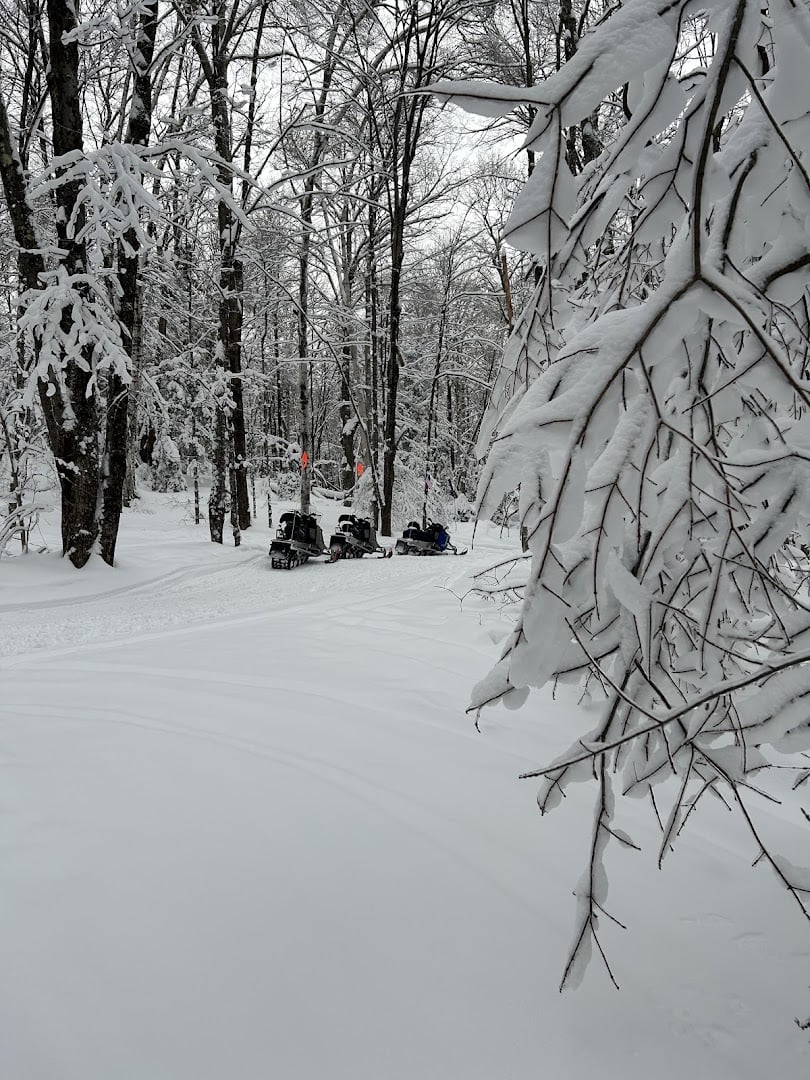
If you have ever pictured the perfect New England village, you have basically pictured Stowe. A tall white church steeple rises over clapboard shops, covered bridges cross tumbling brooks, and the Green Mountains frame it all. In autumn, the hills catch fire with red and gold.
The Stowe Community Church, built in the 1860s, carries Vermont’s tallest steeple, soaring more than 170 feet with four clock faces. Nearby Emily’s Bridge, a covered bridge from 1844, is the oldest Howe truss span in the state.
Come in October and the maples put on a show that pulls leaf-peepers from all over. Any month, the village green and that steeple make you want to slow the car right down.
Where: Stowe Community Church, 137 Main Street, Stowe, VT 05672, in northern Vermont’s Green Mountains.
7. Mackinac Island, Michigan
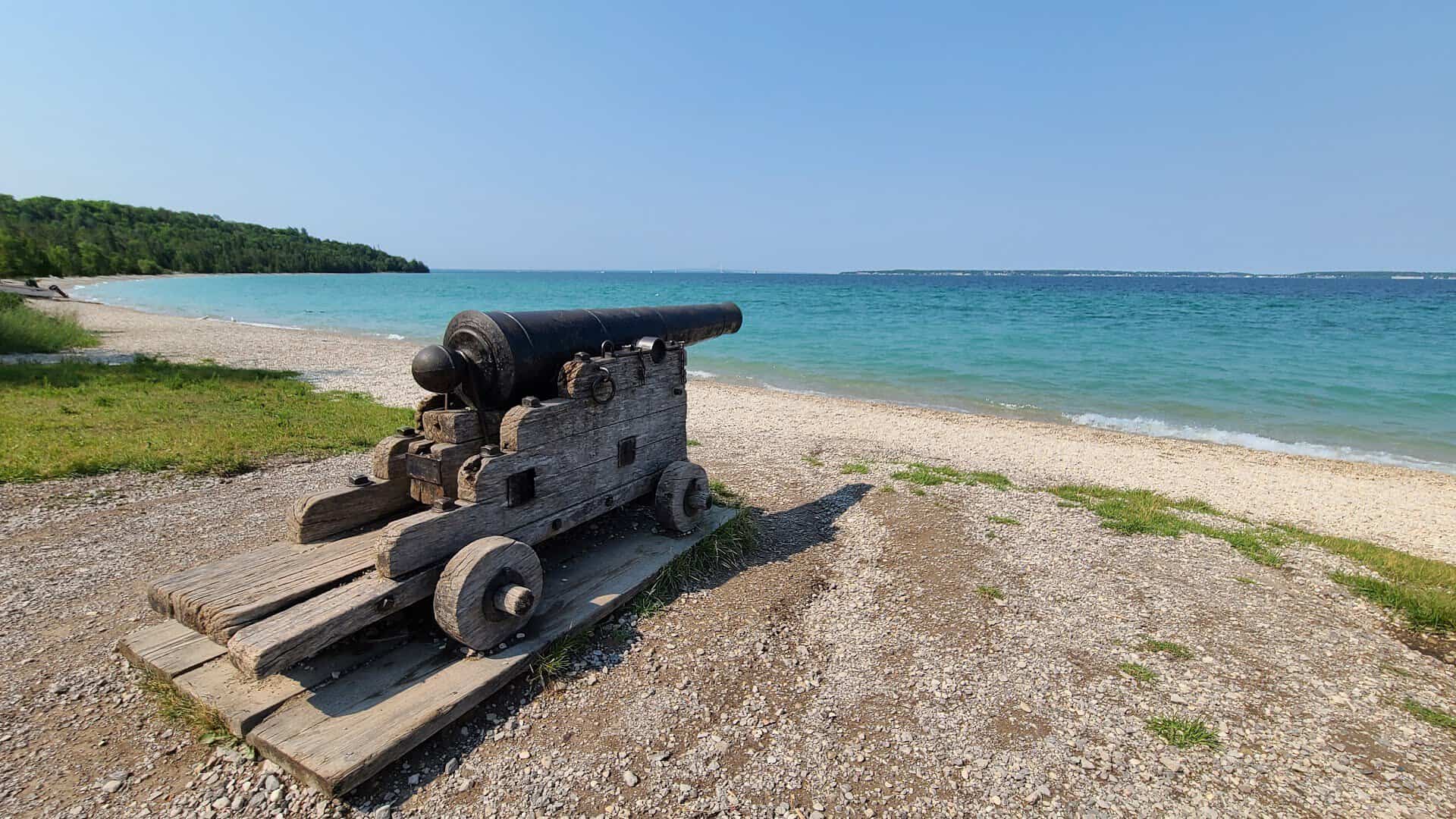
Step off the ferry onto Mackinac Island and time politely rewinds. Cars are banned, so you travel by bike, foot, or horse-drawn carriage past Victorian cottages and lilac gardens. The sweet smell of fresh fudge follows you down every lane like a friendly ghost.
Automobiles were outlawed here in 1898 to keep the horses calm, and the island never looked back. The grand porch of the 1887 Grand Hotel, said to be the world’s longest, still watches over the straits like something out of a storybook.
Rent a bike and pedal the eight-mile shoreline road, the only state highway in America with no cars on it. Then buy fudge. Everyone buys fudge here. It is basically the law.
Where: Mackinac Island, MI 49757, reached by passenger ferry from Mackinaw City or St. Ignace in Michigan’s Upper Peninsula gateway.
8. Telluride, Colorado
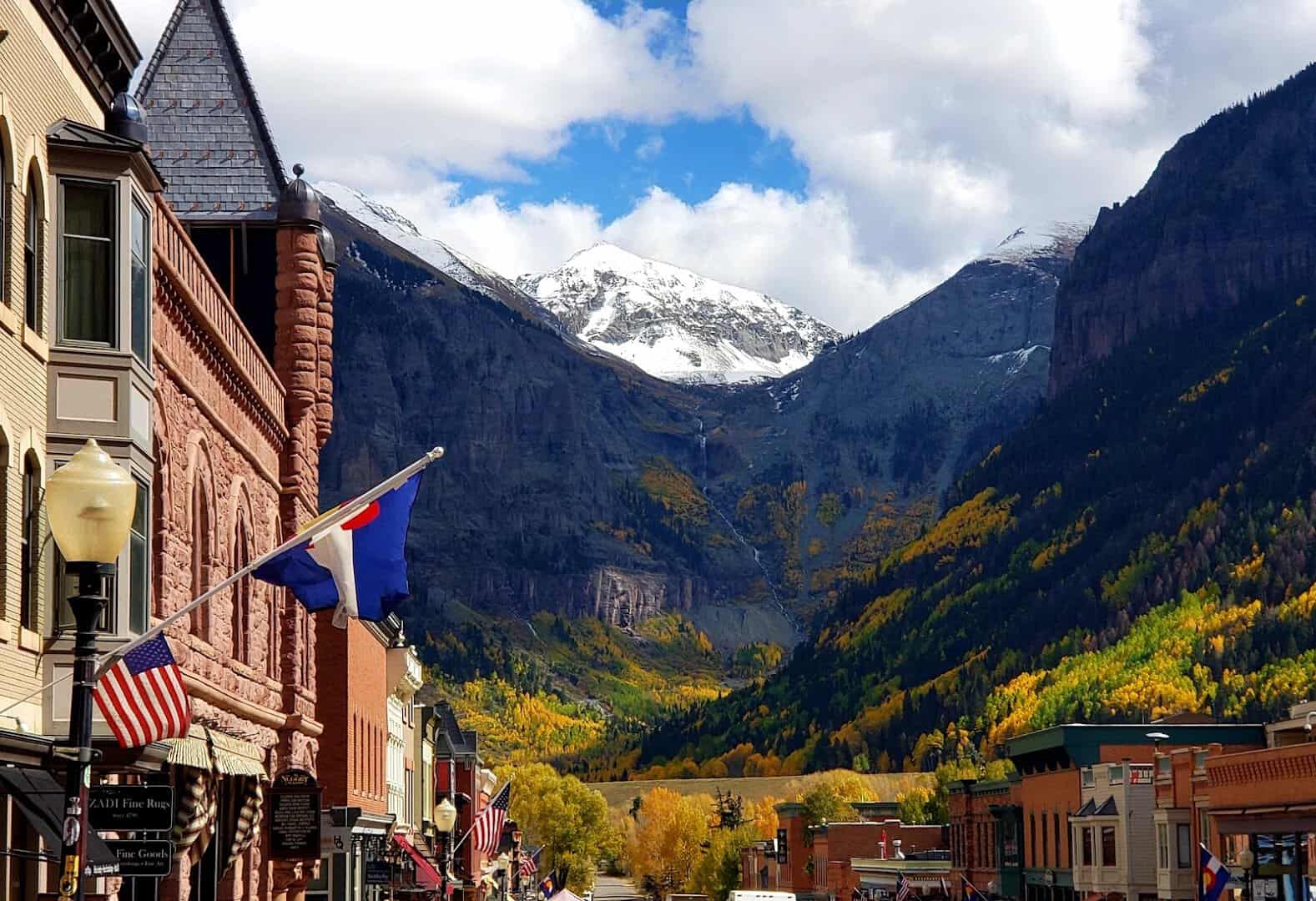
Telluride sits at the end of a box canyon, hemmed on three sides by soaring San Juan peaks. Brightly painted Victorian storefronts line Colorado Avenue, and a 365-foot waterfall named Bridal Veil Falls pours off the cliffs at the head of town, visible right from Main Street.
Founded as a gold and silver mining camp in 1878, the whole downtown became a National Historic Landmark, its Victorian buildings preserved just as the miners knew them. A ski resort revived the town in 1972, but the fairytale bones never changed.
Ride the free gondola up for a jaw-dropping view of the peaks, then wander the historic main street below. Few places anywhere pack this much drama into one tiny mountain valley.
Where: Colorado Avenue, downtown Telluride, CO 81435, in the San Juan Mountains of southwestern Colorado.
9. Jim Thorpe, Pennsylvania
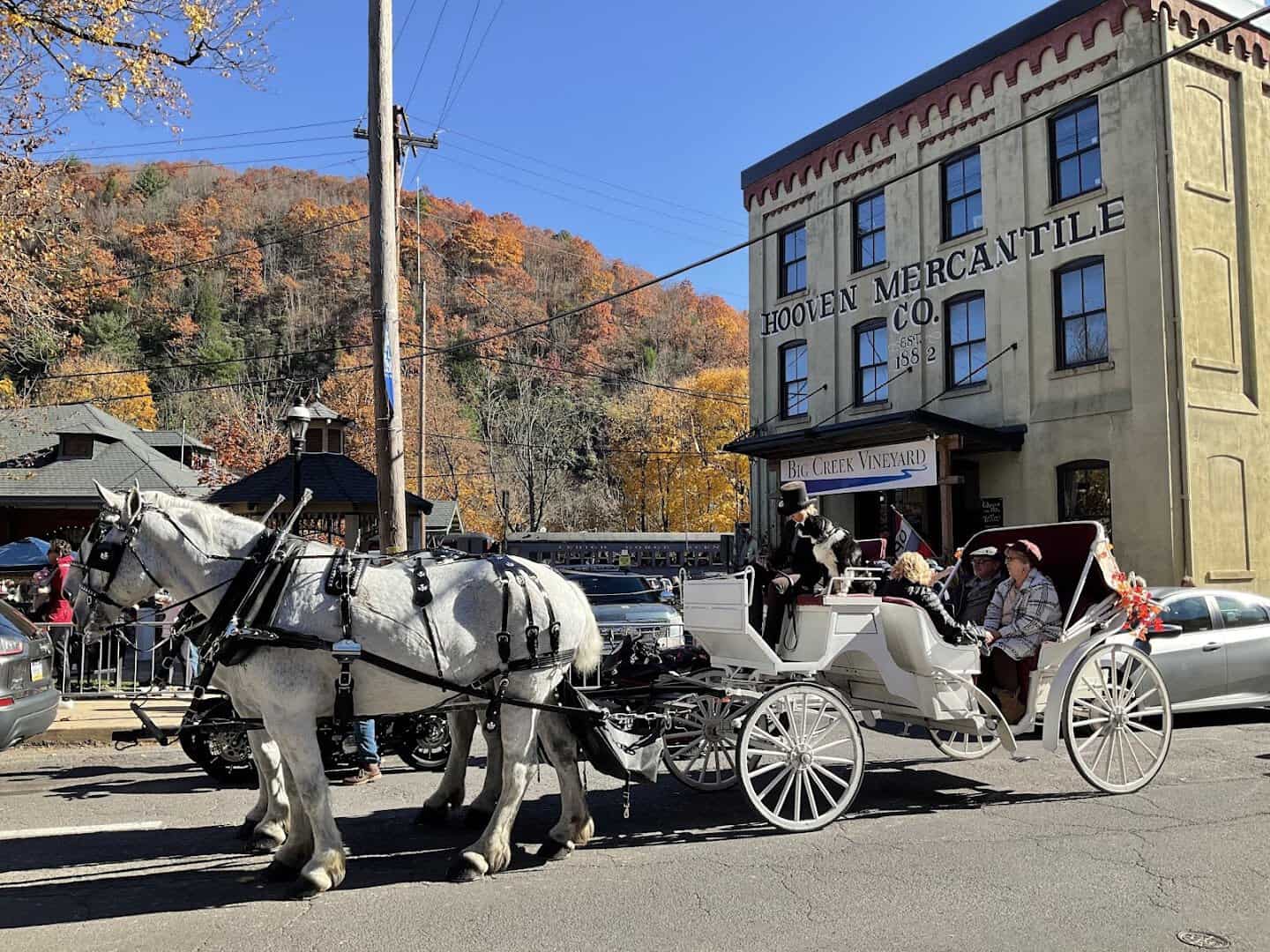
Nicknamed the Switzerland of America, Jim Thorpe tumbles down a steep Pocono hillside above the Lehigh River. Ornate Victorian mansions, a storybook train station, and tidy row houses stack up the slopes, framed by forested mountains that blush crimson every fall. It feels wonderfully, impossibly European.
Once a booming coal and railroad town called Mauch Chunk, it took the name Jim Thorpe in 1954. The Italianate Asa Packer Mansion, completed in 1861 for a railroad magnate, still crowns the hill in full Victorian splendor.
Tour the mansion, ride the scenic railroad through the river gorge, or simply wander the steep storybook streets. In fall the surrounding mountains turn the whole town gold.
Where: Asa Packer Mansion and downtown, Jim Thorpe, PA 18229, in the southern Pocono Mountains along the Lehigh River.
10. Fredericksburg, Texas
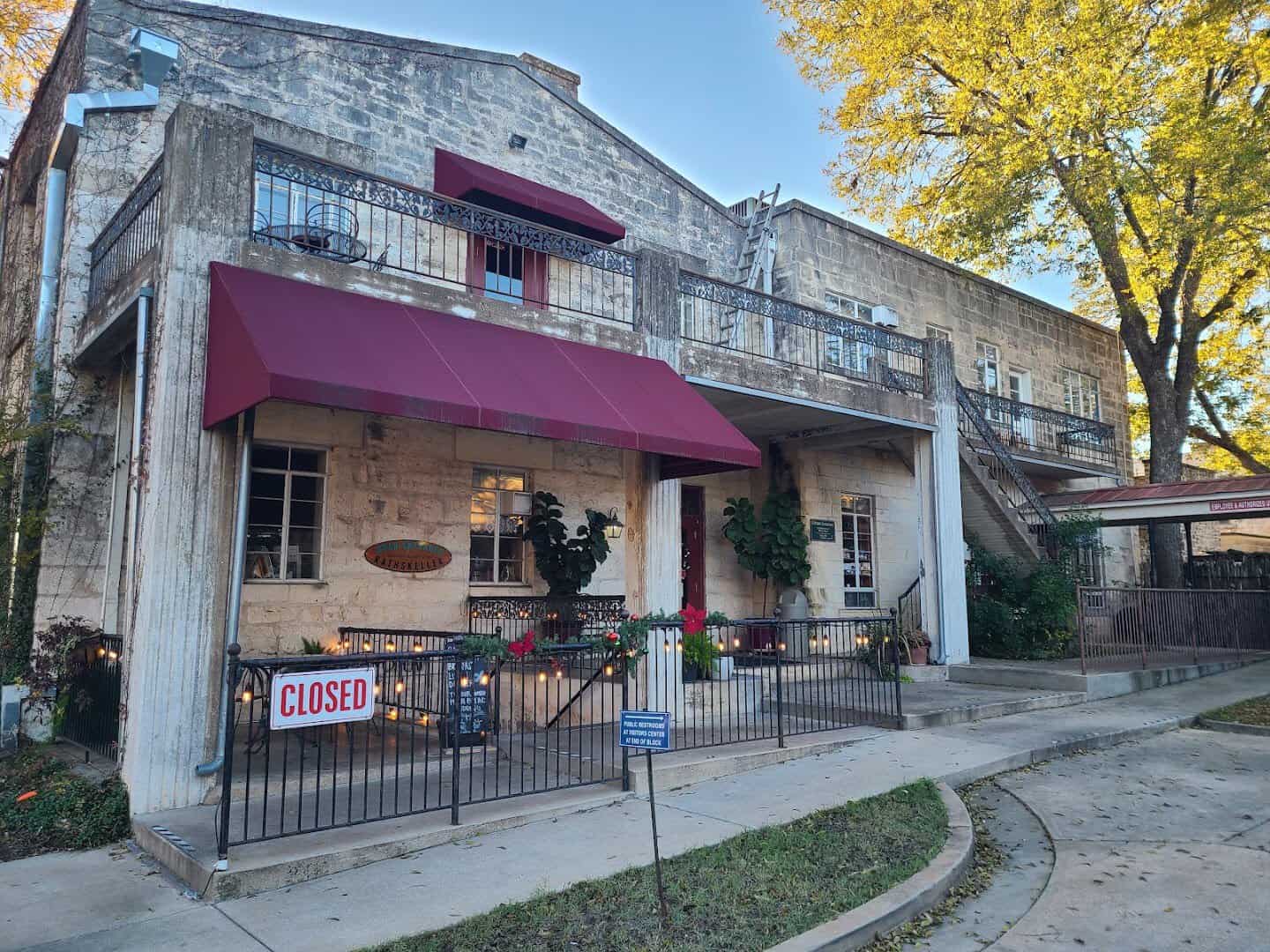
Deep in the Texas Hill Country, Fredericksburg keeps its German soul beautifully intact. Limestone cottages, timber-framed fachwerk walls, and a long, wide Main Street lined with bakeries and biergartens give it the feel of a village straight off the Rhine, wildflowers and all.
German immigrants founded the town in 1846 and laid it out like the villages of home. Their tiny “Sunday Houses,” little weekend cabins for farmers coming to town for church, still dot the streets, and more than 700 historic structures survive today.
Grab a pastry at a German bakery, browse the shops, and toast the evening at a Hill Country winery. Come in summer for peach season, the sweetest time to roll into town.
Where: Main Street, downtown Fredericksburg, TX 78624, in the Texas Hill Country west of Austin.
11. Galena, Illinois
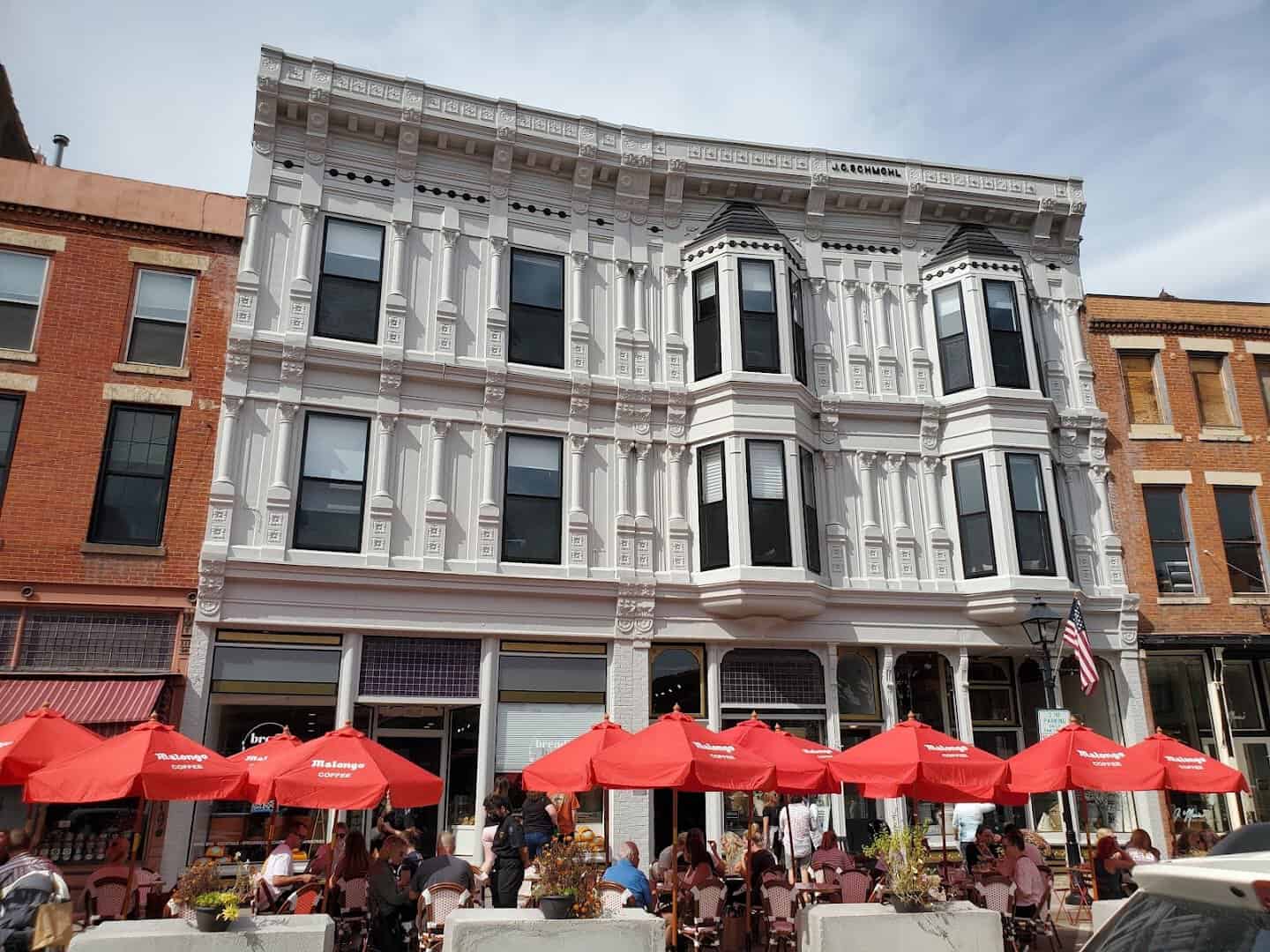
Galena looks like it wandered off a vintage postcard and decided to stay. Redbrick 19th-century storefronts climb the hillsides, church spires punctuate the skyline, and a walkable Main Street curves along the river below. Roughly 85 percent of the town sits in a historic district.
More than a thousand buildings here were raised before 1900, an astonishing survival. Ulysses S. Grant lived in Galena, and townsfolk gifted him an elegant Italianate home on Bouthillier Street when he returned a Civil War hero in 1865.
Browse the antique shops and boutiques along Main Street, then tour Grant’s home up on the hill. Come at Christmas and the whole redbrick downtown glows with candlelight.
Where: Main Street, downtown Galena, IL 61036, in the rolling hills of Illinois’ far northwest corner.
12. Eureka Springs, Arkansas
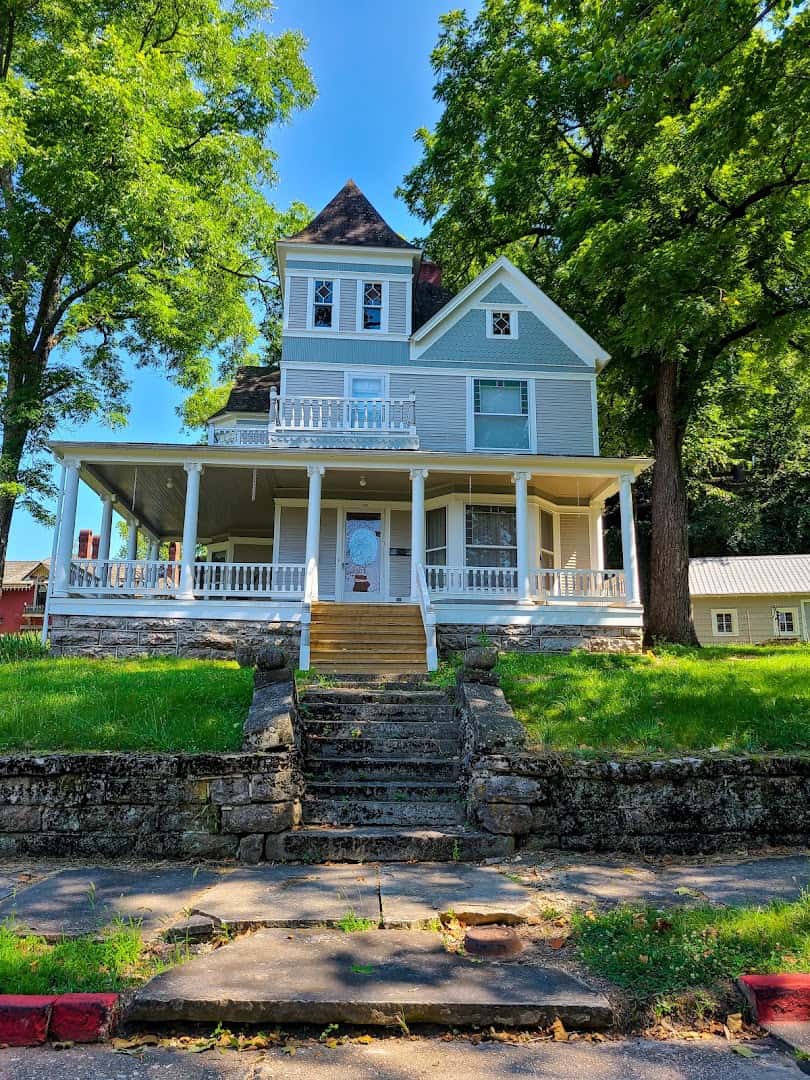
They call Eureka Springs the Little Switzerland of the Ozarks, and one glance explains why. Victorian cottages and manors cling to steep, winding streets, stone staircases climb between the buildings, and not a single downtown road runs perfectly straight. It is a hillside fairytale in miniature.
The town sprang up in 1879 around springs believed to hold healing waters, and 3,000 people arrived within a year. Its Victorian downtown survived almost untouched, and today the entire district is listed on the National Register with national significance.
Wander the twisting streets on foot, sip from a historic spring, and stay the night in a grand Victorian hotel. Every turn reveals another turret, balcony, or hidden staircase.
Where: Spring Street, downtown Eureka Springs, AR 72632, in the Ozark Mountains of northwest Arkansas.
Pack a Bag and Chase the Storybook
You do not have to cross an ocean to walk into a fairytale. From Bavarian Washington to Victorian Arkansas, these towns prove the storybook is closer than you think. Pick one, point the car toward it, and go collect a few pages of your own.
Featured image: BHANU PRAKASH SHIVAGANGAPPA via Leavenworth

Stella Raines
Editor-in-Chief
Stella brings over a decade of storytelling experience to TX Headlines. With roots in West Texas and a love for road trips, she leads the editorial team with an eye for the hidden stories that make Texas unforgettable.