12 Eerie Abandoned Places Across America
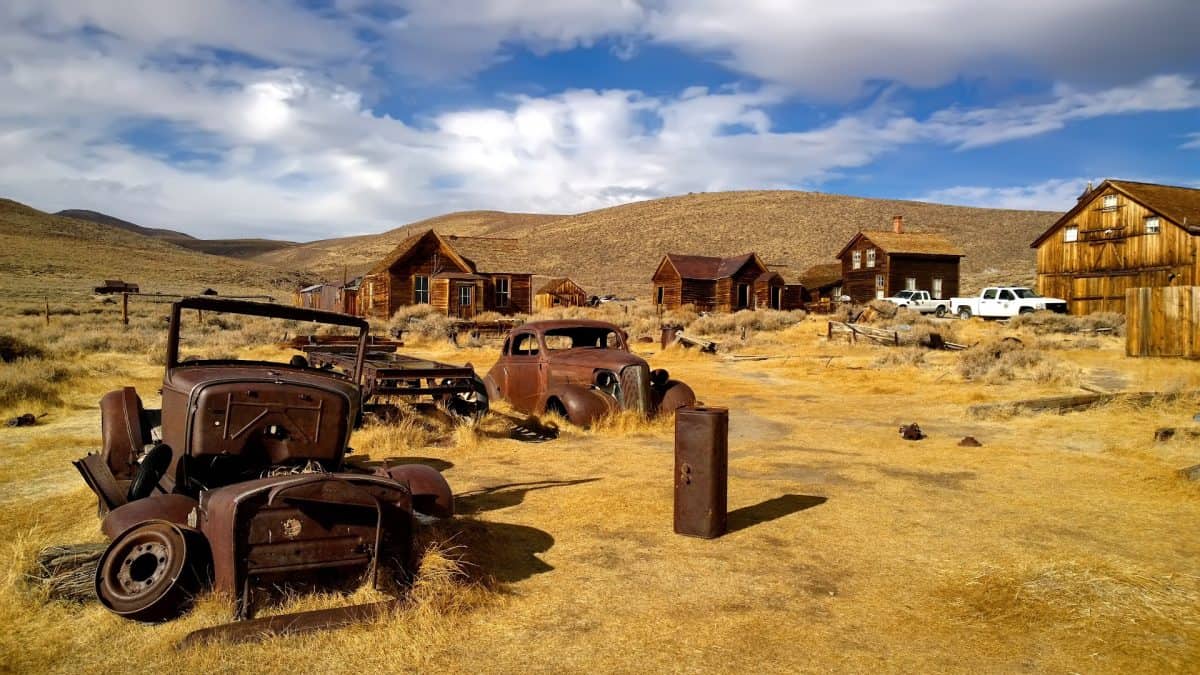
Some people collect postcards from places that are thriving. I collect the opposite. There is something about a town that emptied out and never filled back up, a staircase climbing to a room with no roof, a brick fort the swamp is slowly swallowing.
These are the beautiful ruins of America, the ghost towns and left-behind wonders that traded busy for quiet and somehow got more interesting for it. Below are twelve of the eeriest, most photogenic, spread from Alaska to Alabama, each with a story worth the detour.
Some you can wander through freely. Some you admire from behind a fence. All of them prove that a place does not have to be alive to be worth the drive.
1. Bodie, California
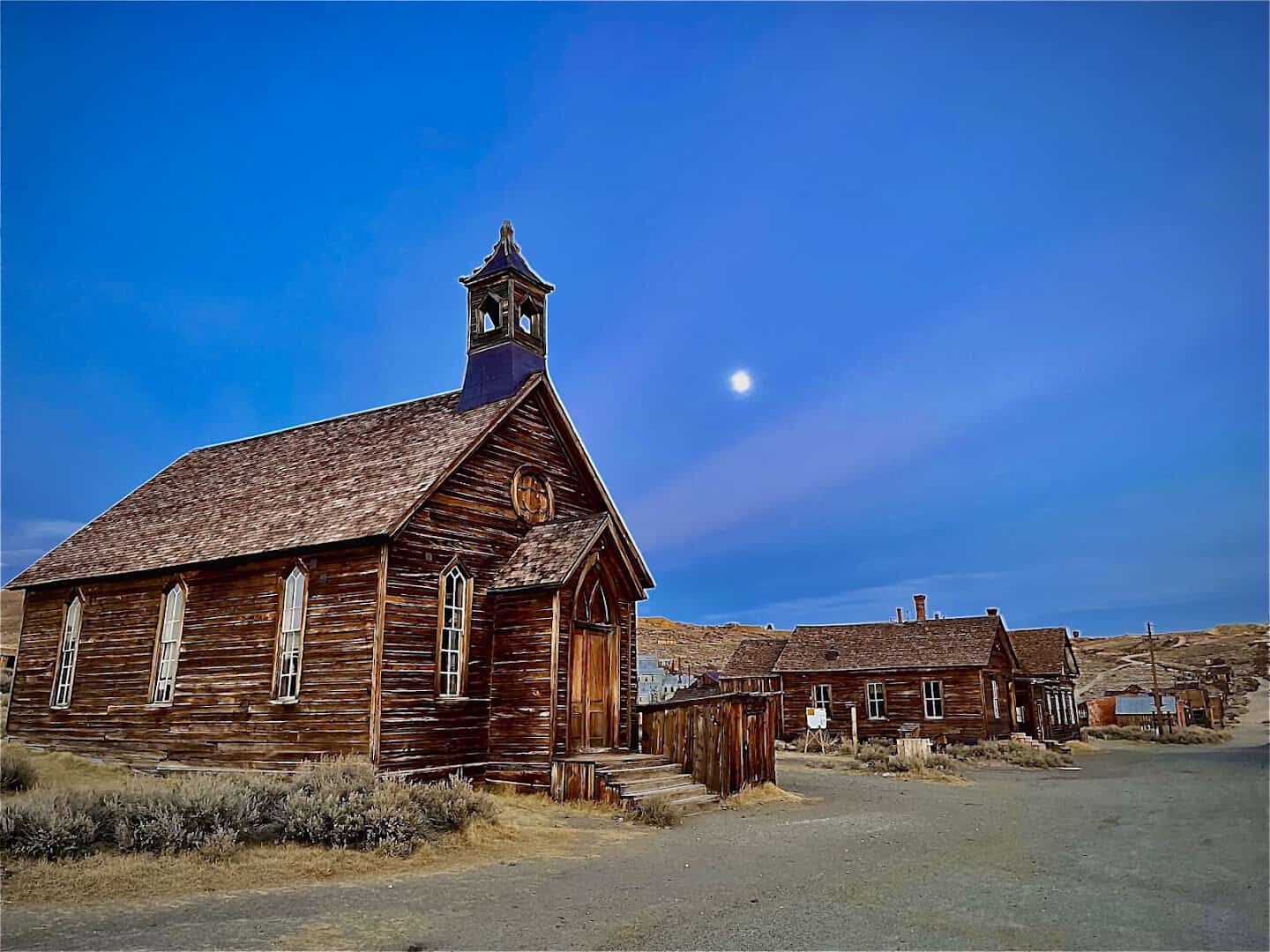
Gold turned Bodie from a lonely claim into a roaring camp of nearly 10,000 people in the late 1870s. It had saloons, a red-light district, and a reputation for gunfights. Then it did what boomtowns do. It ran dry.
The crowds chased the next strike and left the town to the wind at 8,000 feet. California now keeps it in a state of official “arrested decay,” meaning no repairs and no tidying, just held exactly as time left it.
Peer through a dusty window and you will still see tables set, goods on the store shelves, a life paused mid-sentence. It is the closest thing to a real haunted town that anyone actually protects.
About 100 buildings remain of the thousands that once stood, including a church, a schoolhouse, and the old Standard Mill on the hill. Roughly five percent of the town survived the years and the fires.
Where: Bodie State Historic Park, reached by Highway 270 east of Bridgeport, California.
2. Rhyolite, Nevada
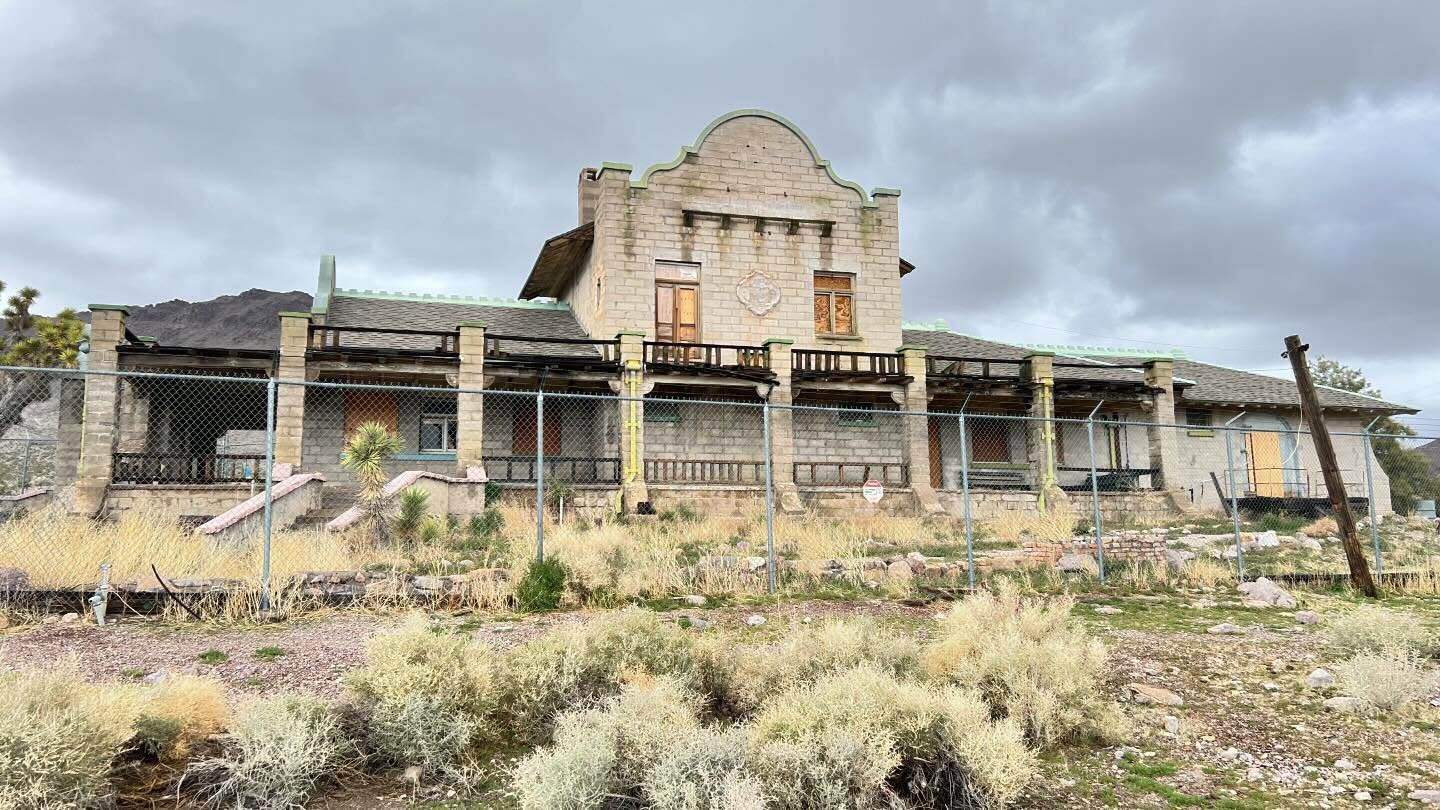
On the edge of Death Valley, Rhyolite exploded into being around 1905 when prospectors struck gold in the surrounding hills. Within a few years it had electric lights, an opera house, and even a stock exchange. Within a few more, it was empty.
The strangest survivor is the Bottle House, a home a miner built in 1906 from some 50,000 glass bottles. Nearby stand the hollow walls of the old Cook Bank building and a lonely train depot.
For an extra shiver, the neighboring Goldwell Open Air Museum fills the desert with ghostly white sculptures of shrouded figures. Sunset here is genuinely otherworldly, the ruins glowing gold while the sculptures throw long shadows across the sand.
Where: Rhyolite Ghost Town, off State Route 374 near Beatty, Nevada, just east of Death Valley.
3. St. Elmo, Colorado
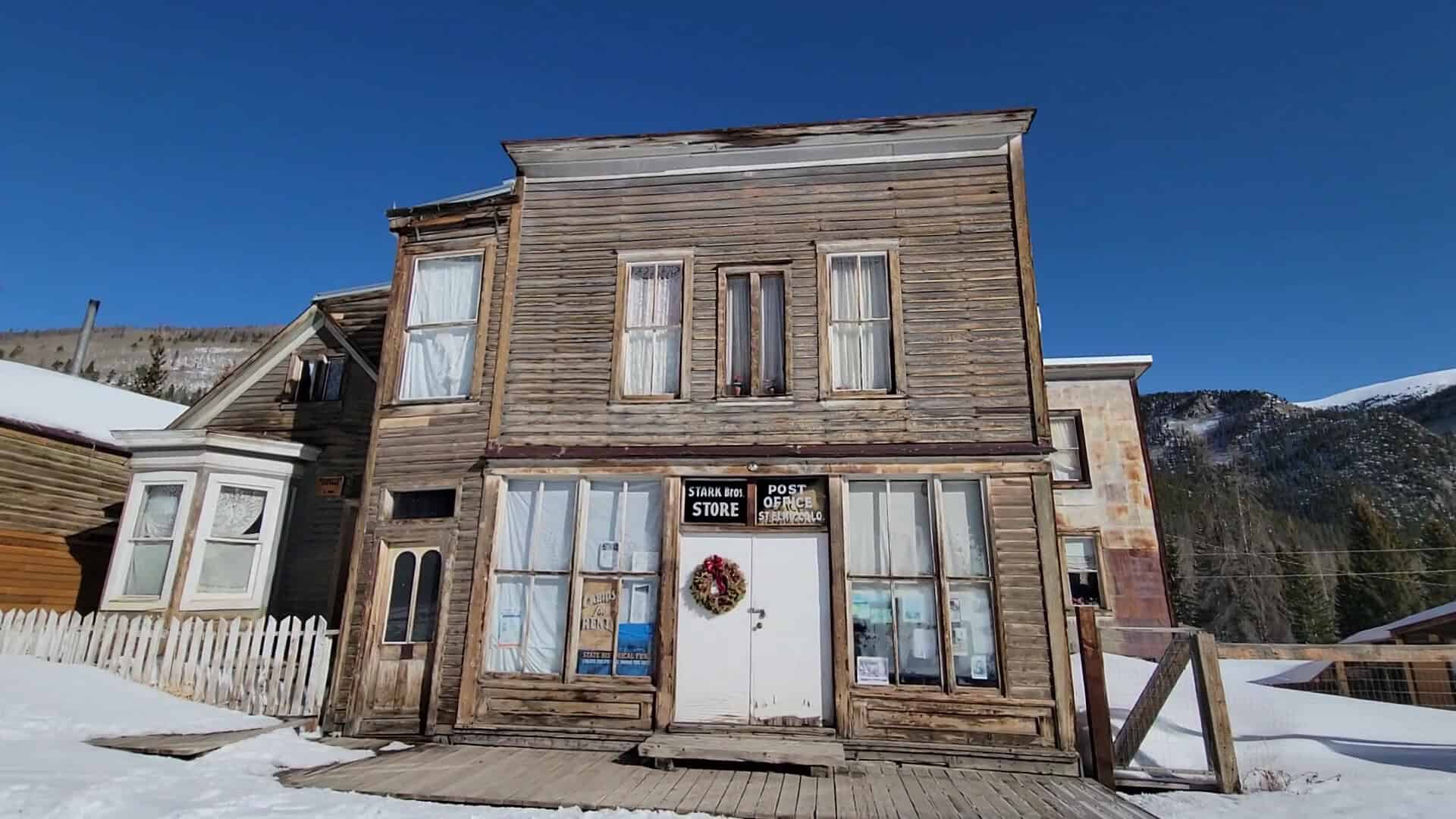
Founded in 1880, St. Elmo grew up around gold and silver mines high in the Sawatch Range. Nearly 2,000 people once filled its single main street. When the mines gave out and the railroad pulled its tracks, the town simply stopped.
Today it counts among the best-preserved ghost towns in Colorado, a tidy row of weathered wooden storefronts and cabins beside rushing Chalk Creek. The old general store still stands ready for customers who never come.
Bring peanuts. St. Elmo is famous for a welcoming committee of extremely bold chipmunks who will happily climb right into your photos.
Where: St. Elmo, Chaffee County, Colorado, about 20 miles southwest of Buena Vista up Chalk Creek Road.
4. Glenrio, Texas
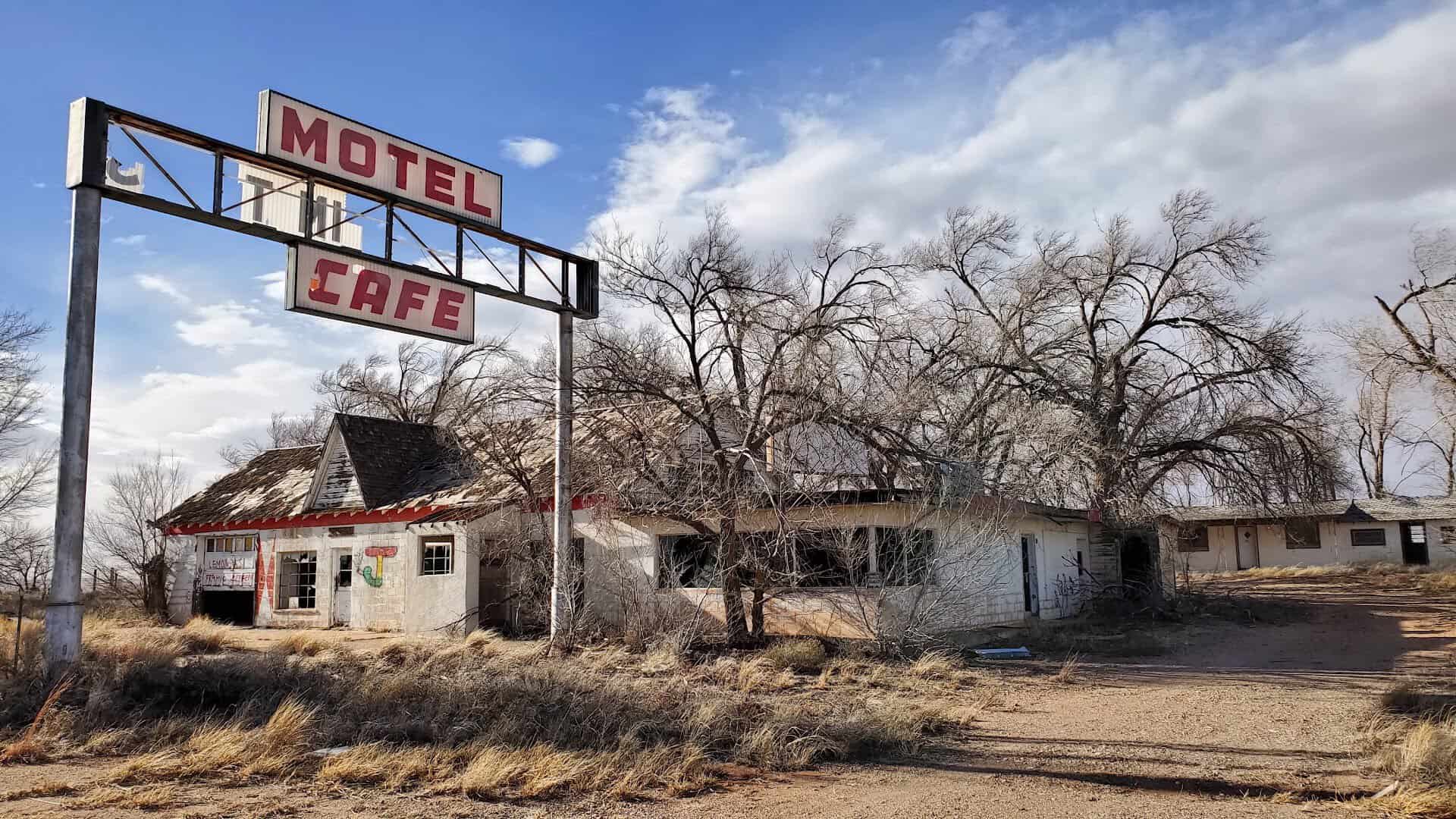
Glenrio sits right on the Texas and New Mexico line, a ghost town split down the middle by an old stripe of Route 66. In its heyday it was a busy highway pit stop, full of gas stations, motels, and diners catching travelers headed either way across the country.
Then Interstate 40 was built in the 1970s and slipped past a couple of miles to the south. The cars stopped coming, and Glenrio quietly emptied out.
Today its weathered buildings and a faded motel sign still line the cracked highway, so photogenic that the whole place is on the National Register of Historic Places. It is the classic American ghost town, frozen mid-road-trip.
Where: Glenrio, Deaf Smith County, Texas, on old Route 66 at the New Mexico state line, just off Interstate 40 near Adrian.
5. Ha Ha Tonka, Missouri
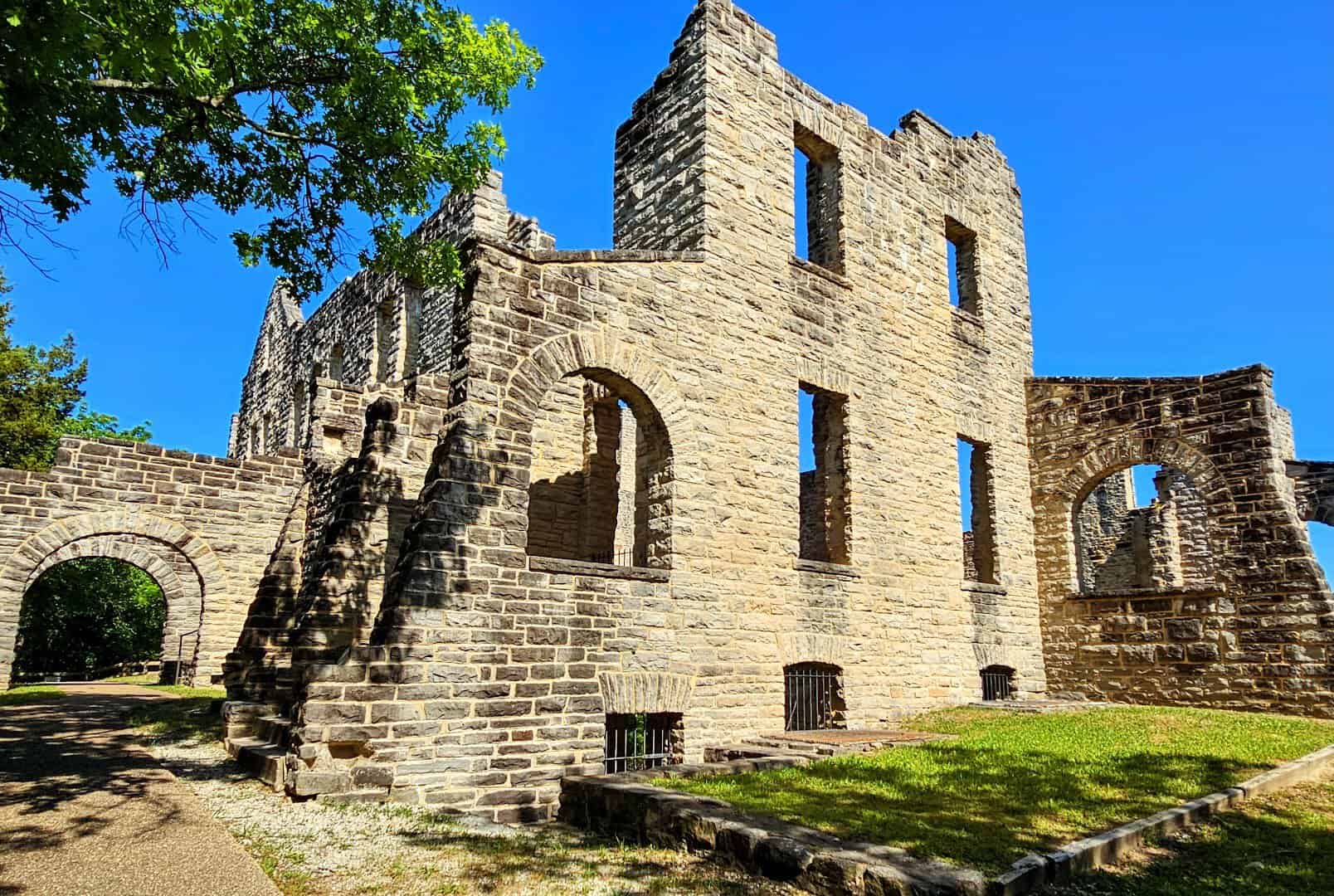
Kansas City businessman Robert Snyder started building his dream castle above the Lake of the Ozarks in 1905, hauling in stone masons from Europe. He died in a car accident barely a year later, and his sons finally completed the grand mansion in 1922.
It stood for only two decades. In 1942, sparks from a chimney caught the roof, and the whole estate burned down to a stone skeleton in a single afternoon.
Those honey-colored ruins still crown the bluff, empty archways framing wide views of turquoise water far below. A separate stone water tower rises nearby, tall and roofless.
Springs, caves, and a natural bridge surround the site, so the walk to the castle is half the fun. The park is free, and the trails stay open year-round.
Where: Ha Ha Tonka State Park, 1491 State Road D, Camdenton, Missouri.
6. Kennecott, Alaska
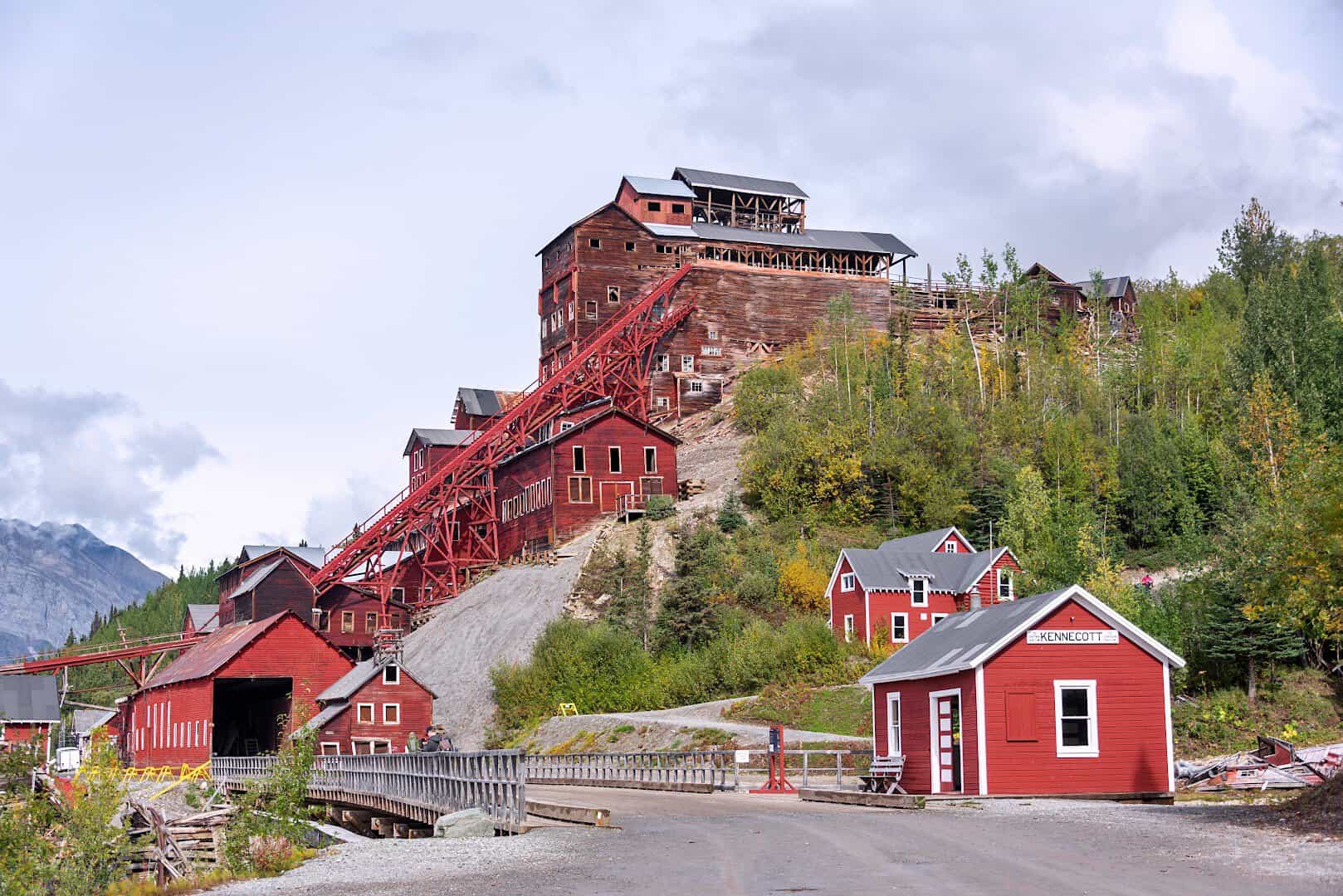
Deep in the Wrangell Mountains, Kennecott was a self-contained copper empire at the end of the world. From 1911 to 1938 its mines pulled more than 200 million dollars from the rock, housing hundreds of workers in a company town far from any road.
When the copper ran out, the last train rolled away in November 1938 and the town was abandoned within weeks. Dishes were reportedly left on tables in the rush to leave.
Its fourteen-story red mill building still climbs the mountainside above a glacier, rust-colored and enormous, one of the most striking abandoned structures anywhere in America.
Where: Kennecott Mines National Historic Landmark, near McCarthy, Alaska, inside Wrangell-St. Elias National Park.
7. Old Cahawba, Alabama
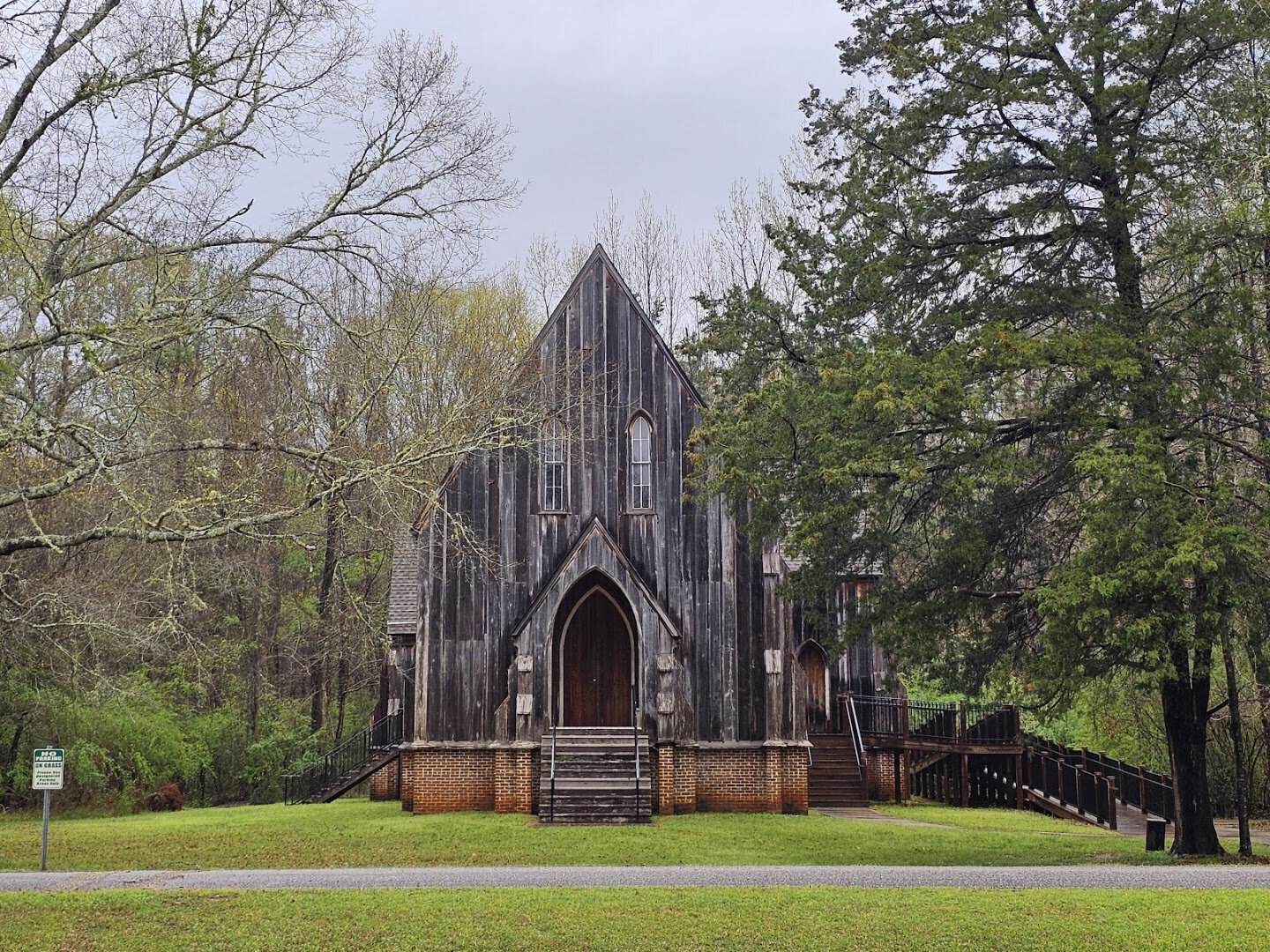
Cahawba was Alabama’s very first state capital, laid out in 1820 where two rivers meet. The honor did not last. A reputation for flooding helped move the capital to Tuscaloosa by 1826. The town rallied for a while, but by 1900 it had faded to a ghost town.
Now it is an archaeological park where nature holds the deed. Quiet lanes run between standing columns and old cemeteries, all of it wrapped in wildflowers, chinaberry trees, and Spanish moss.
It is haunting in the softest, most Southern way, more dreamlike than frightening. Come in spring when the whole site is blooming.
Where: Old Cahawba Archaeological Park, 9518 Cahaba Road, Orrville, Alabama.
8. Fort Macomb, Louisiana
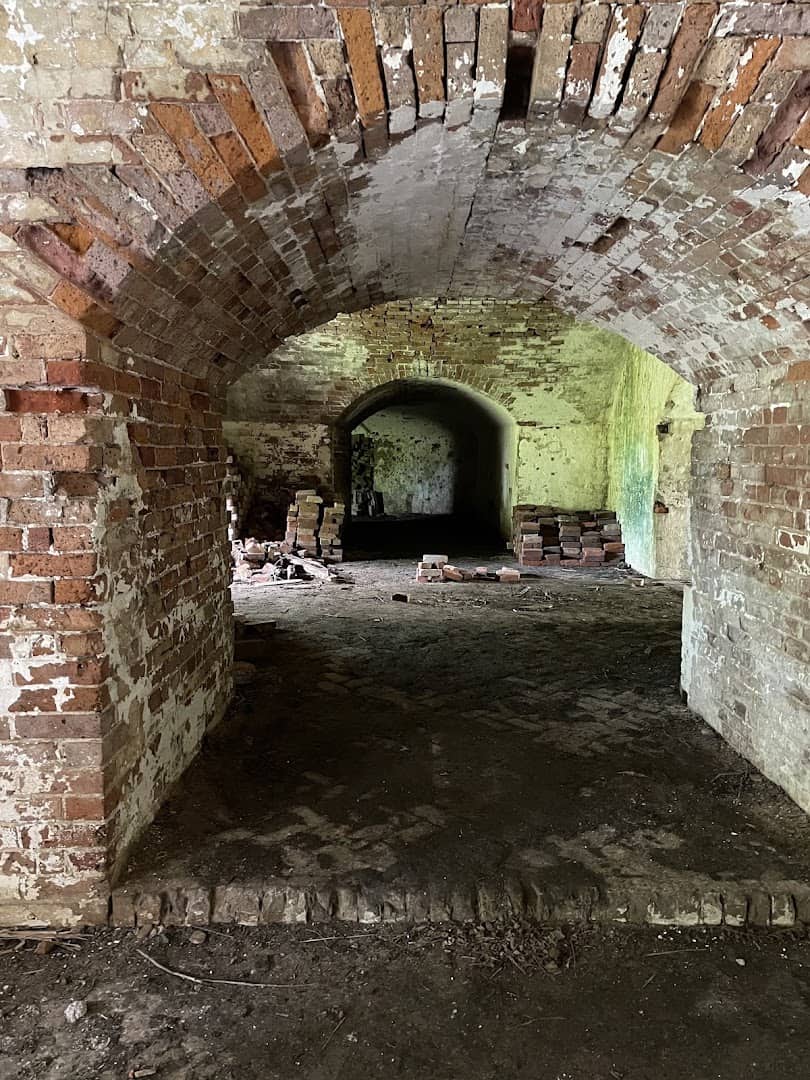
On a lonely pass east of New Orleans, Fort Macomb has been quietly returning to the marsh for more than 150 years. The brick fort went up in the 1820s to guard the water route into the city, and soldiers held it right through the Civil War.
The Army left it behind for good in 1871, and the swamp got to work. Today its arched brick tunnels are furred green with moss, and trees push up through the old ramparts.
It is hauntingly beautiful, and because the walls are fragile, the fort is fenced off at the roadside. Photographers still gather along the pass to catch it glowing at golden hour.
Where: Fort Macomb, Chef Menteur Pass, New Orleans, Louisiana, viewed from the roadside along Highway 90.
9. Bannack, Montana
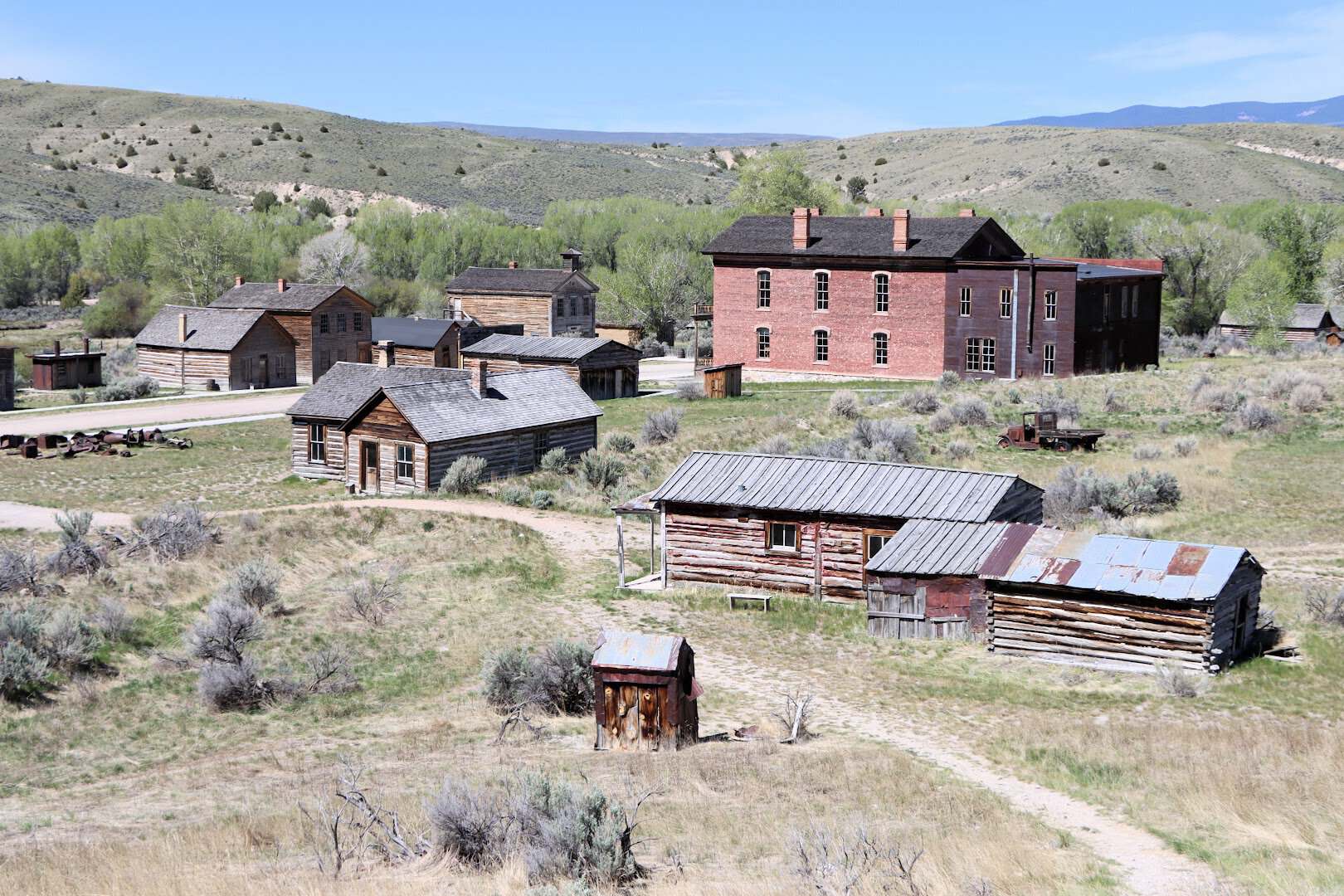
Gold on Grasshopper Creek in 1862 made Bannack Montana’s first big boomtown, and briefly its territorial capital. It also made it wild. The local sheriff, Henry Plummer, was accused of secretly leading a gang of road agents, and vigilantes hanged him from his own gallows.
Today around 60 buildings survive as Bannack State Park, empty but standing: a hotel, a church, a schoolhouse, storefronts with the wind whistling through them.
You can walk right inside most of them, boots on the old floorboards, and feel the frontier press in close. No gift shops, no crowds, just the town.
Every October the park hosts Bannack Days, when volunteers in period dress bring the empty streets back to life for a weekend. The rest of the year, it belongs to the wind.
Where: Bannack State Park, 4200 Bannack Road, Dillon, Montana.
10. Elkmont, Tennessee
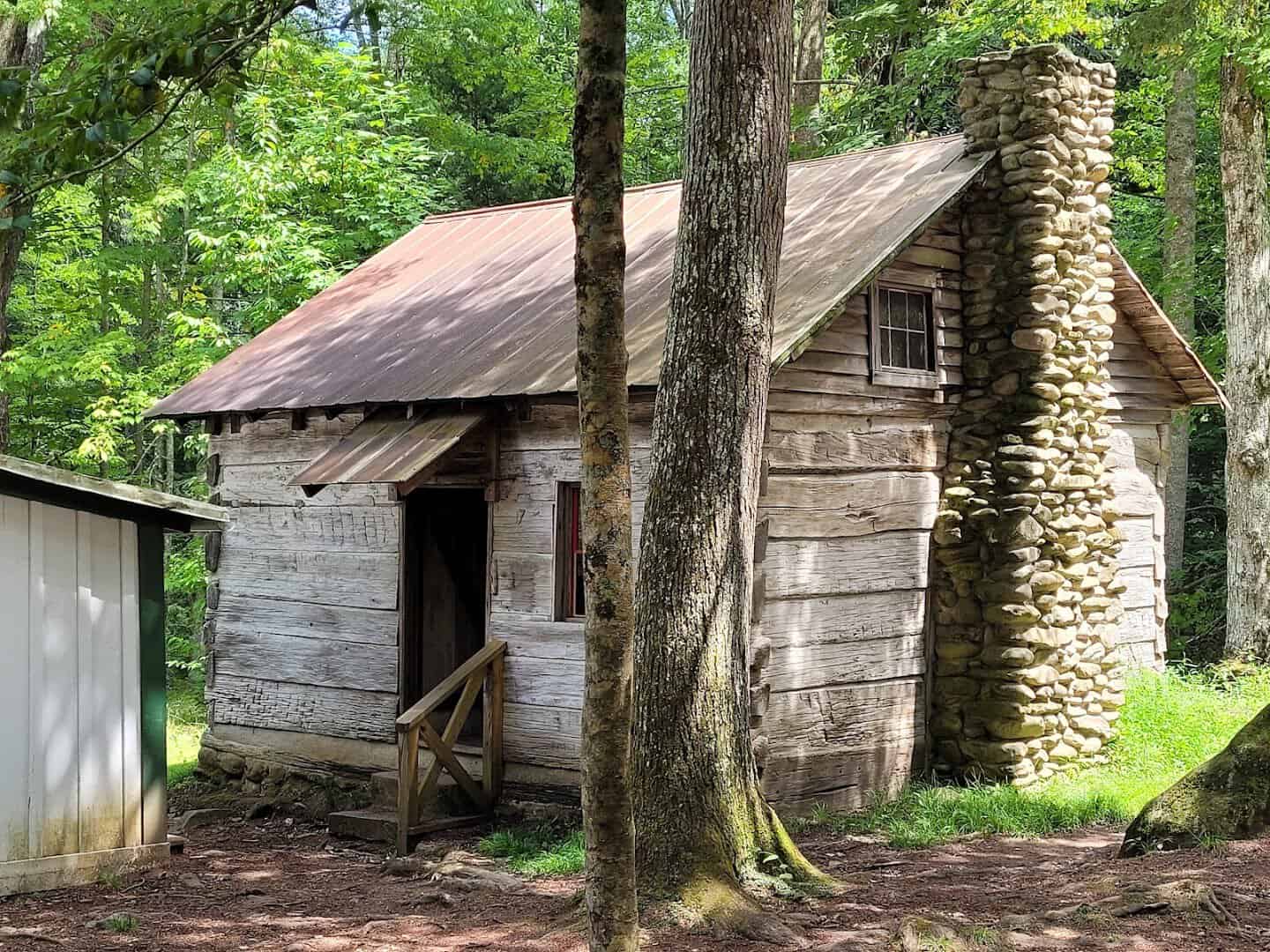
Before the Smokies became a national park, Elkmont was a giddy little resort where Knoxville’s well-to-do built summer cottages. The private Appalachian Club threw riverside dances, and the Wonderland Hotel welcomed guests starting in 1912. One cluster of cabins earned the nickname Daisy Town.
When the leases ran out in 1992, the park inherited around 70 empty buildings. Some have since been restored, but many still sit hushed and mossy under the trees.
Come in early summer and the synchronous fireflies blink all at once across the forest, a natural light show above the ghost cabins. The event draws such crowds that the park now runs a lottery for parking.
The rest of the year you can walk the easy Elkmont trails past porches and chimneys standing quiet in the green. It is peaceful and a little sad, in the best way.
Where: Elkmont Historic District, Great Smoky Mountains National Park, near Gatlinburg, Tennessee.
11. City Methodist Church, Gary, Indiana
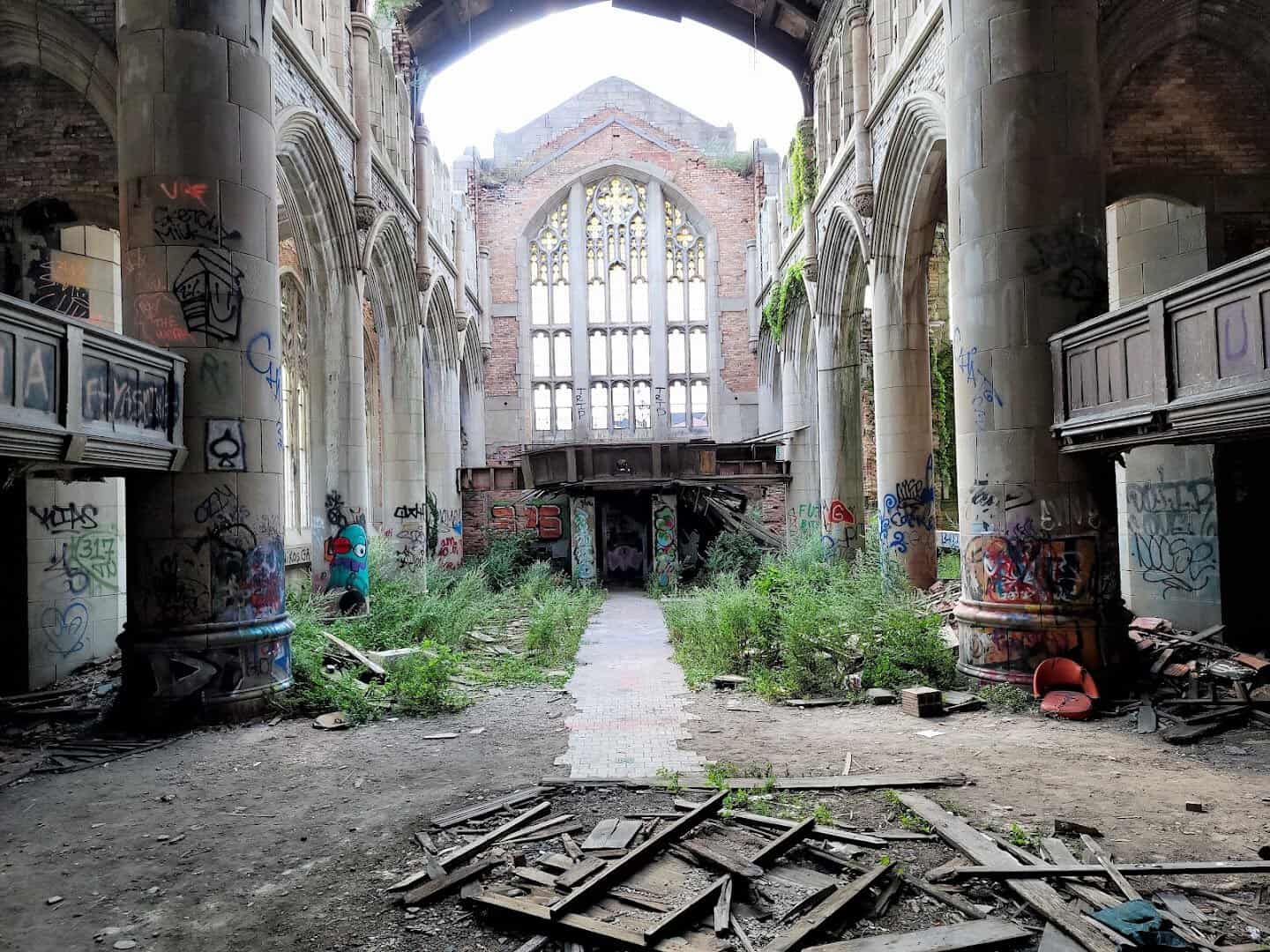
Built in 1926, this soaring Gothic church once seated more than a thousand worshippers in the heart of a booming steel city. Shrinking congregations closed its doors in 1975, and the roof gave way not long after.
What remains looks like a cathedral crossed with a forest. Nine-story stone arches open straight to the sky, young trees sprout from the old sanctuary floor, and daylight streams through empty window frames.
Film crews use it constantly, and the city has floated turning the shell into a preserved “ruin garden” that visitors could safely explore.
Where: City Methodist Church, 577 Washington Street, Gary, Indiana. Admire it from the sidewalk; the interior is fenced off.
12. Centralia, Pennsylvania
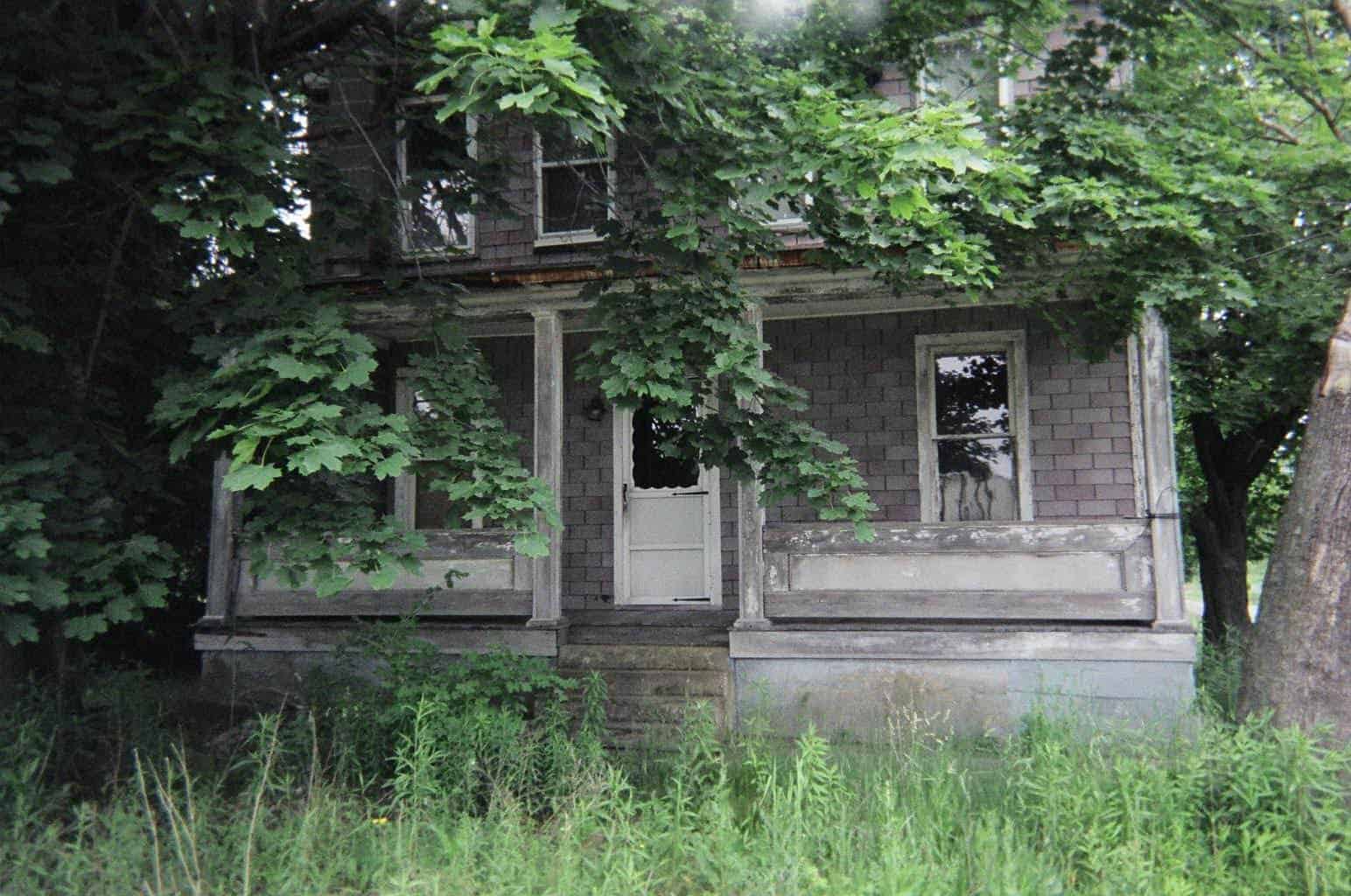
Centralia is a town being slowly erased by a fire nobody can put out. In 1962 a blaze reached the coal seams beneath the streets, and it has smoldered underground ever since. Smoke curls up from the ground, and the earth stays warm in winter.
Over the decades the state condemned Centralia and razed nearly every building, leaving a strange grid of empty streets, a lone hilltop cemetery, and a church still holding its services.
That smoldering, abandoned mood famously helped inspire the video game and film Silent Hill. Almost nobody lives here now, yet the roads still lead somewhere.
A handful of stubborn residents hung on for decades, and a few remain. Experts say the fire could keep burning for another century, which makes Centralia one of the strangest day trips in the country.
Where: Centralia, Columbia County, Pennsylvania, along Route 61 north of Ashland.
Pick Your Ghost Town and Go
Abandoned does not mean forgotten. Every one of these places is still telling its story, just to a quieter audience now. Some you can wander freely, some you view from a respectful distance, and all of them reward the traveler who likes a little mystery mixed into the miles.
So map a route, charge your camera, and go see where the crowds used to be. Just remember the golden rule of ruins: take only photos, and leave every eerie, wonderful thing exactly where you found it.
Featured image: Florida Gulf Discovery LLC via Bodie State Historic Park

Stella Raines
Editor-in-Chief
Stella brings over a decade of storytelling experience to TX Headlines. With roots in West Texas and a love for road trips, she leads the editorial team with an eye for the hidden stories that make Texas unforgettable.