12 Strange Natural Phenomena You Can See in America
I keep a running list of places I want to catch in the act. Not the overlooks and buildings that sit still for the camera, but the ones that actually do something.
The ground breathes steam, a waterfall glows like fire, the tide swallows itself whole. Show up in the wrong month, or blink at the wrong moment, and you miss the whole thing.
That is the pull of a living landscape. These are not postcards you can photograph any lazy afternoon. They are events, timed to the season, the tide, or the temperature, and America runs a calendar of them from the Pacific coast to the Gulf.
Below are twelve of the strangest natural shows in the country. Here is where each one happens, and exactly when to stand there and watch it unfold.
1. The Firefall, California
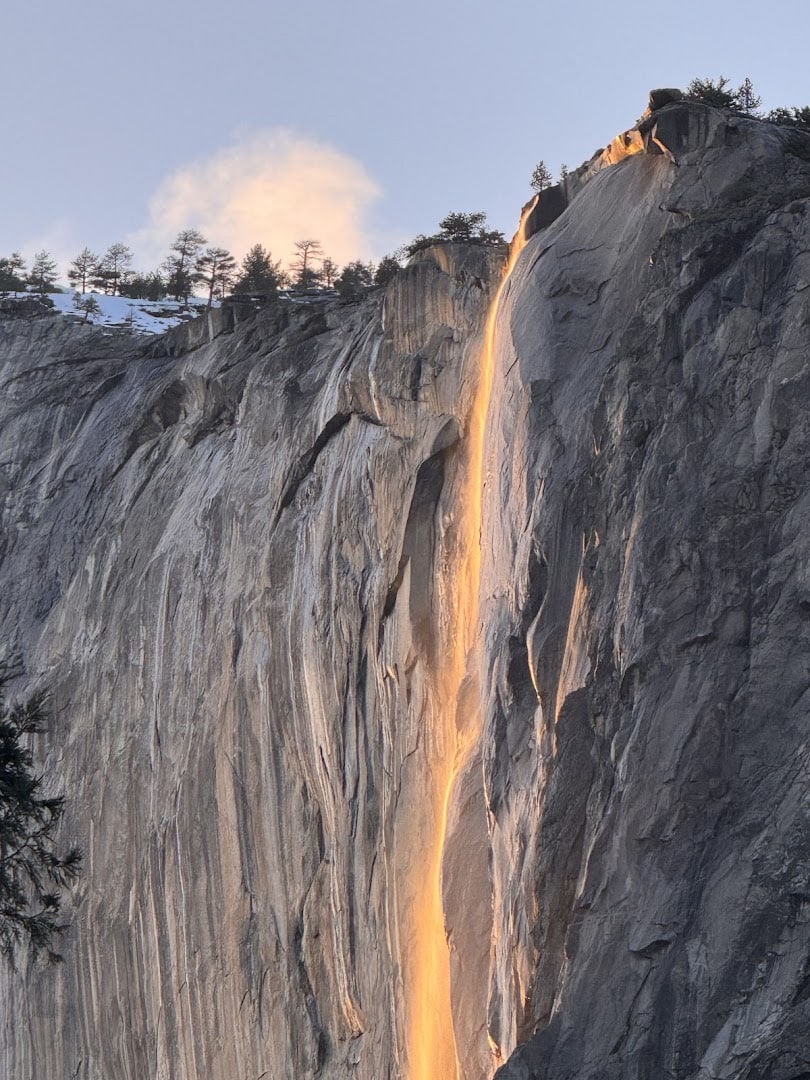
For about two weeks in February, one thin waterfall in Yosemite looks like it is pouring molten lava. As the sun drops, its light strikes Horsetail Fall at just the right angle and sets the falling water glowing orange and red against dark granite.
The effect only works if the fall is running, the sky is clear, and the timing is exact. Everything has to line up, which is why photographers stake out their spots hours early and hold their breath as the sun sinks.
When it fires, the whole cliff seems to catch light for a few short minutes. Then the sun drops behind the ridge and it winks out, as if someone flipped a switch on the mountain.
Where: Horsetail Fall on the east face of El Capitan, Yosemite Valley, California. The glow appears around mid to late February near sunset, and only when the fall carries enough winter runoff.
2. Synchronized Fireflies, Tennessee
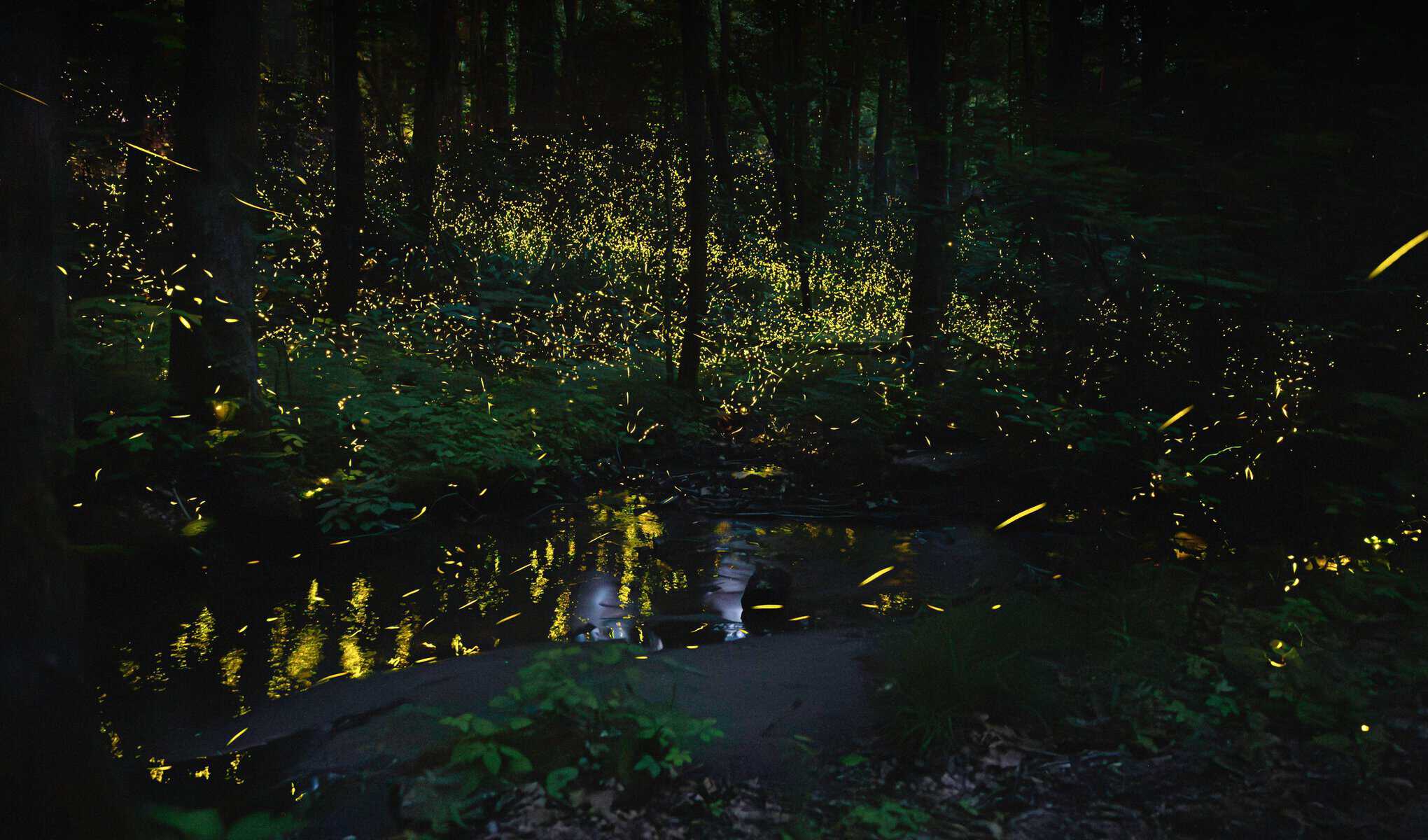
For about two weeks each spring, one kind of firefly in the Great Smoky Mountains flashes in unison. Thousands blink on together, fall dark together, then light the whole forest again like a slow, silent strobe.
The species is Photinus carolinus, one of only a handful of synchronous fireflies in North America. The park runs a vehicle lottery for the peak nights because the crowds would otherwise trample the very show they came to see.
Rangers ask visitors to cover flashlights with red cellophane so the light does not confuse the insects or ruin everyone’s night vision. Settle in, let your eyes adjust, and let the forest do the rest.
Where: Elkmont Campground, Great Smoky Mountains National Park near Gatlinburg, Tennessee. The peak flashing usually falls between late May and mid June, so enter the parking lottery well in advance.
3. Fly Geyser, Nevada
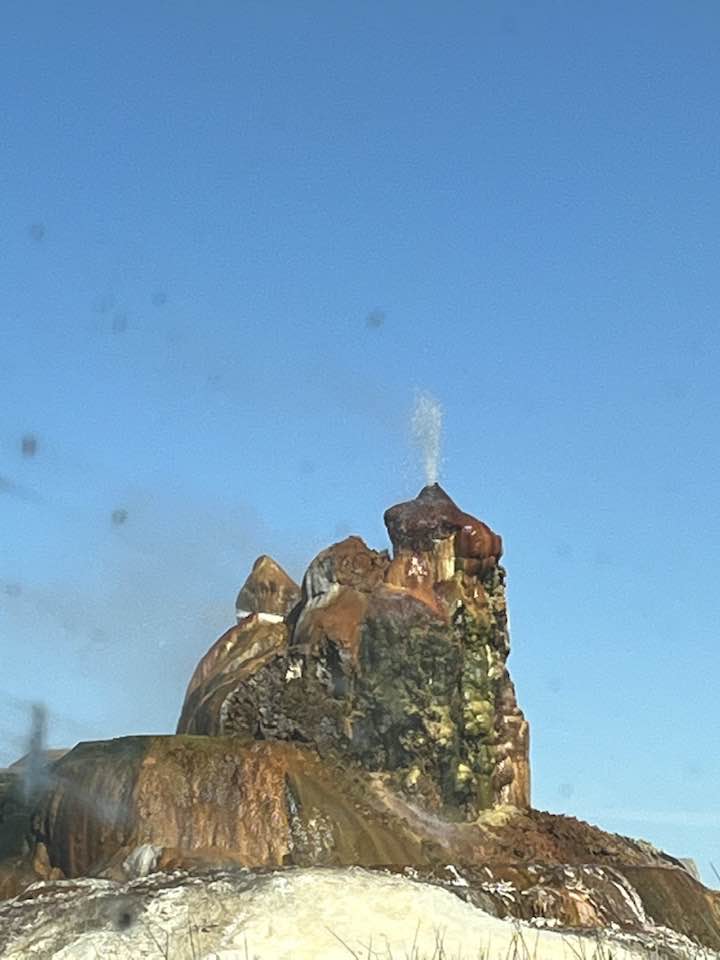
On a private ranch at the edge of the Black Rock Desert, a geyser the size of a haystack hisses and spits water in every direction at once. It started by accident in the 1960s, when a drilled well was left uncapped and mineral-rich water kept bubbling up.
Decade by decade the minerals stacked into knobby mounds, and heat-loving red and green algae streaked the surface. The result looks like a coral reef beamed in from another planet. The Nature Conservancy now protects the land around it.
Where: Fly Ranch, off State Route 34 north of Gerlach, Nevada. Reserve a guided nature walk through Friends of Black Rock High Rock, and aim for low morning or evening light on the mounds.
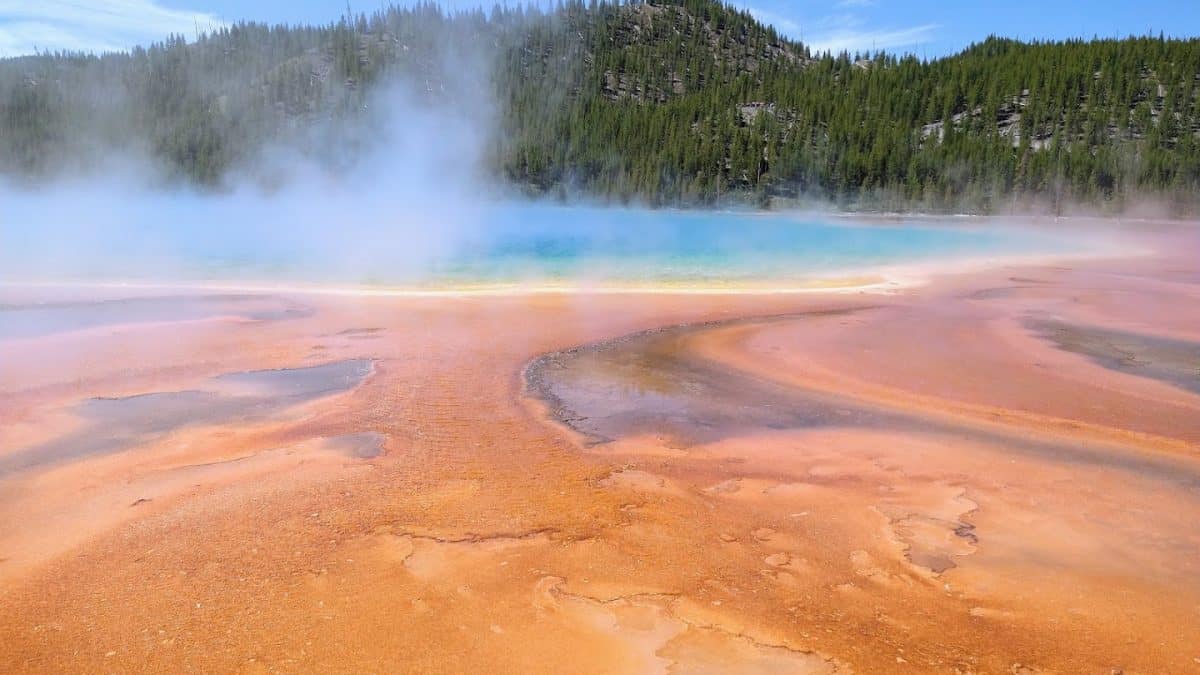
4. Grand Prismatic Spring, Wyoming
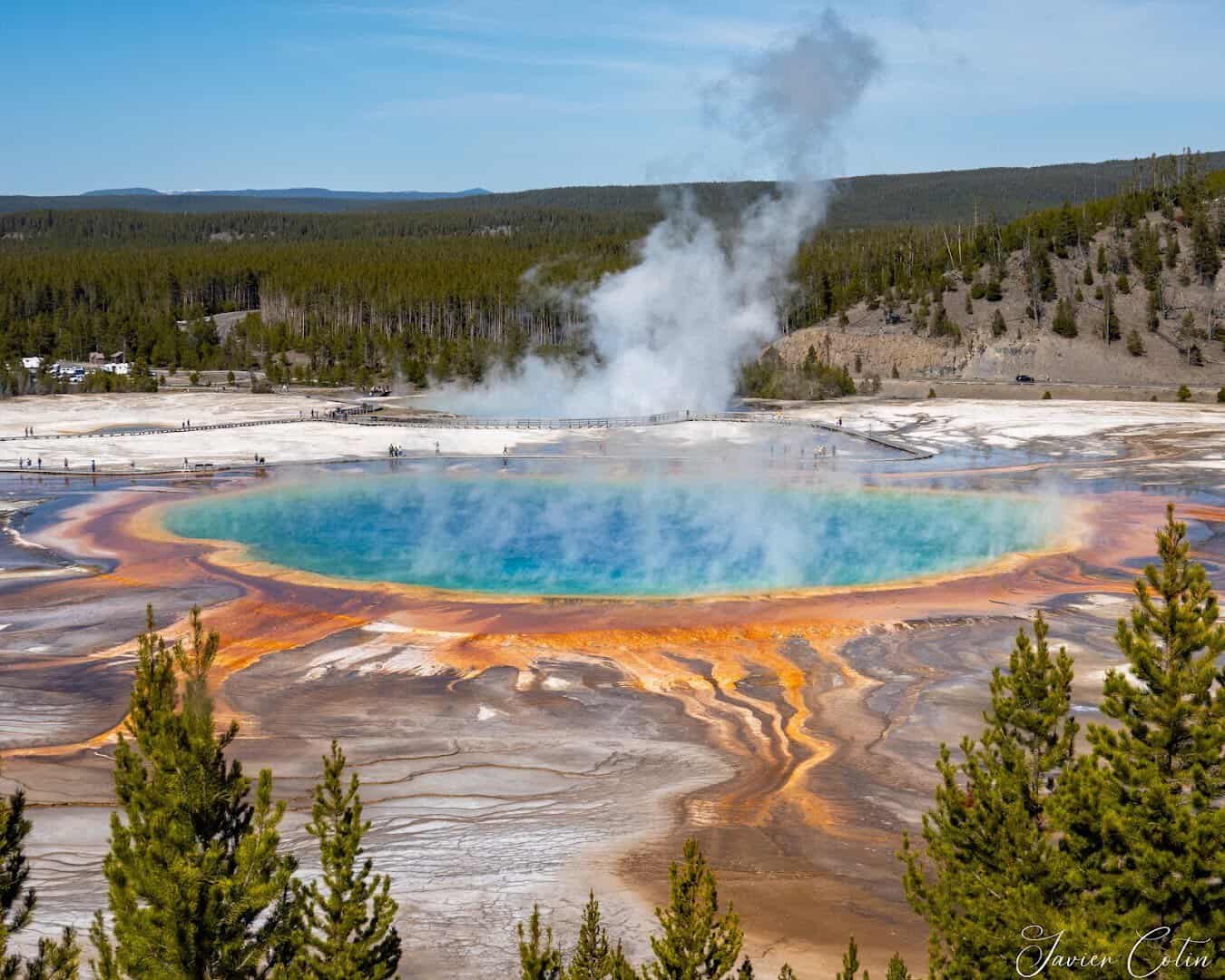
The largest hot spring in the country happens to be the most colorful too. Bands of orange, gold and lime green ring a center of the deepest blue, and every color comes from a different mat of heat-loving bacteria living at its own temperature.
Steam drifts across the whole pool all day long. From the boardwalk beside it the spring feels enormous but hard to read. From the overlook trail on the hill above, the full rainbow suddenly snaps into focus.
The spring stretches wider than a football field and runs hotter than boiling at its heart, which is why nothing but bacteria can live in the ring of colors. It is one of the most photographed sights in the whole park.
Where: Grand Prismatic Spring, Midway Geyser Basin, Yellowstone National Park, Wyoming. Come midday in summer for the brightest colors, and walk the short Fairy Falls overlook trail for the aerial view everyone remembers.
5. The Bat Emergence, Texas
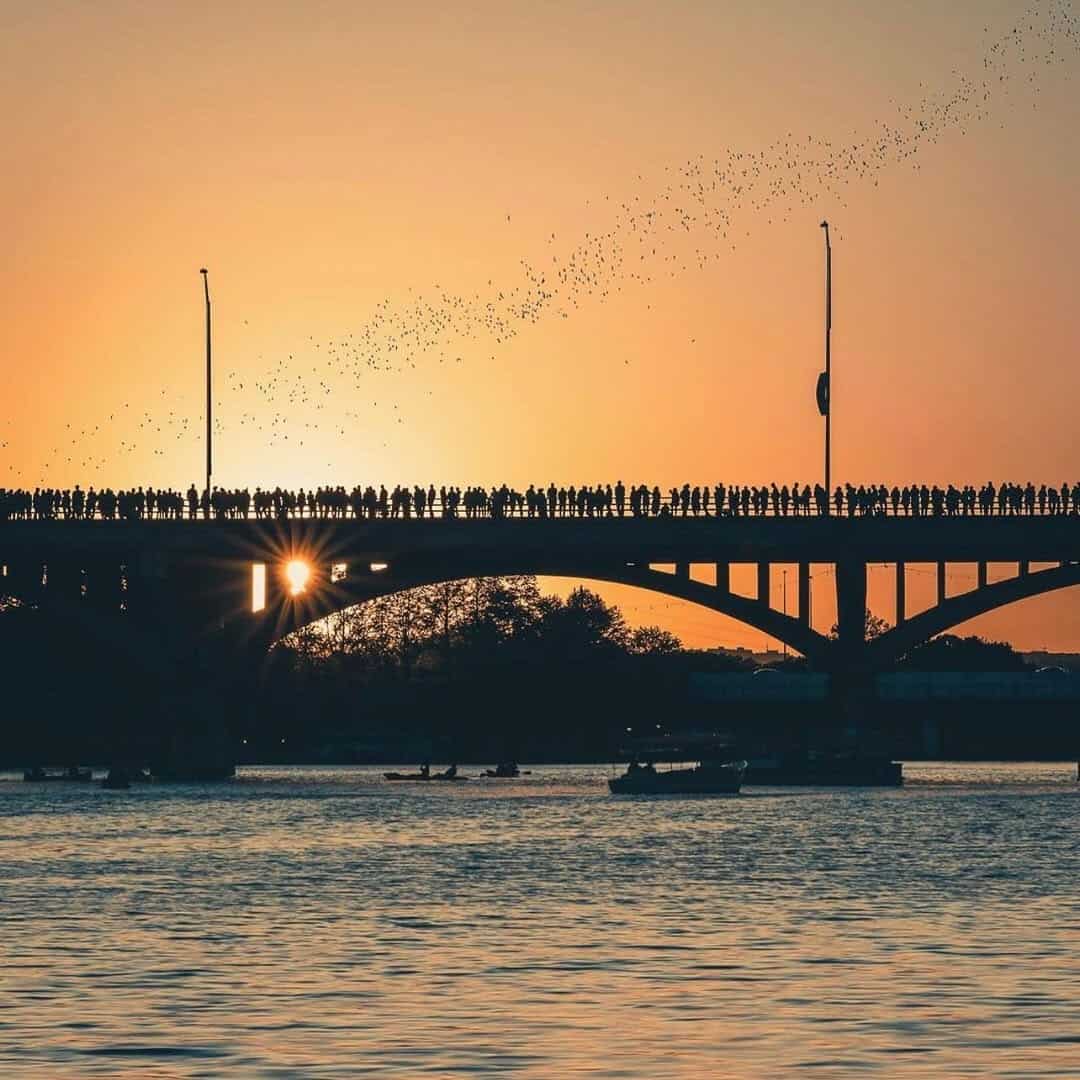
At dusk from spring through fall, up to 1.5 million Mexican free-tailed bats pour out from under a single downtown Austin bridge. It is the largest urban bat colony in North America, and the nightly exit can stretch close to a full hour.
Crowds gather along the railing and drift below in kayaks to watch the dark ribbon spiral up and stream off toward the horizon, hunting insects by the ton. It is loud, a little wild, and completely free.
The colony is mostly mothers and pups that fly up from Mexico each spring to raise their young in the warm gap under the bridge deck. Arrive early, because the best spots fill fast on a summer night.
Where: Congress Avenue Bridge over Lady Bird Lake, downtown Austin, Texas. The bats are in residence from about mid March to early November, with the biggest flights on warm August evenings right around sunset.
6. Sailing Stones, California
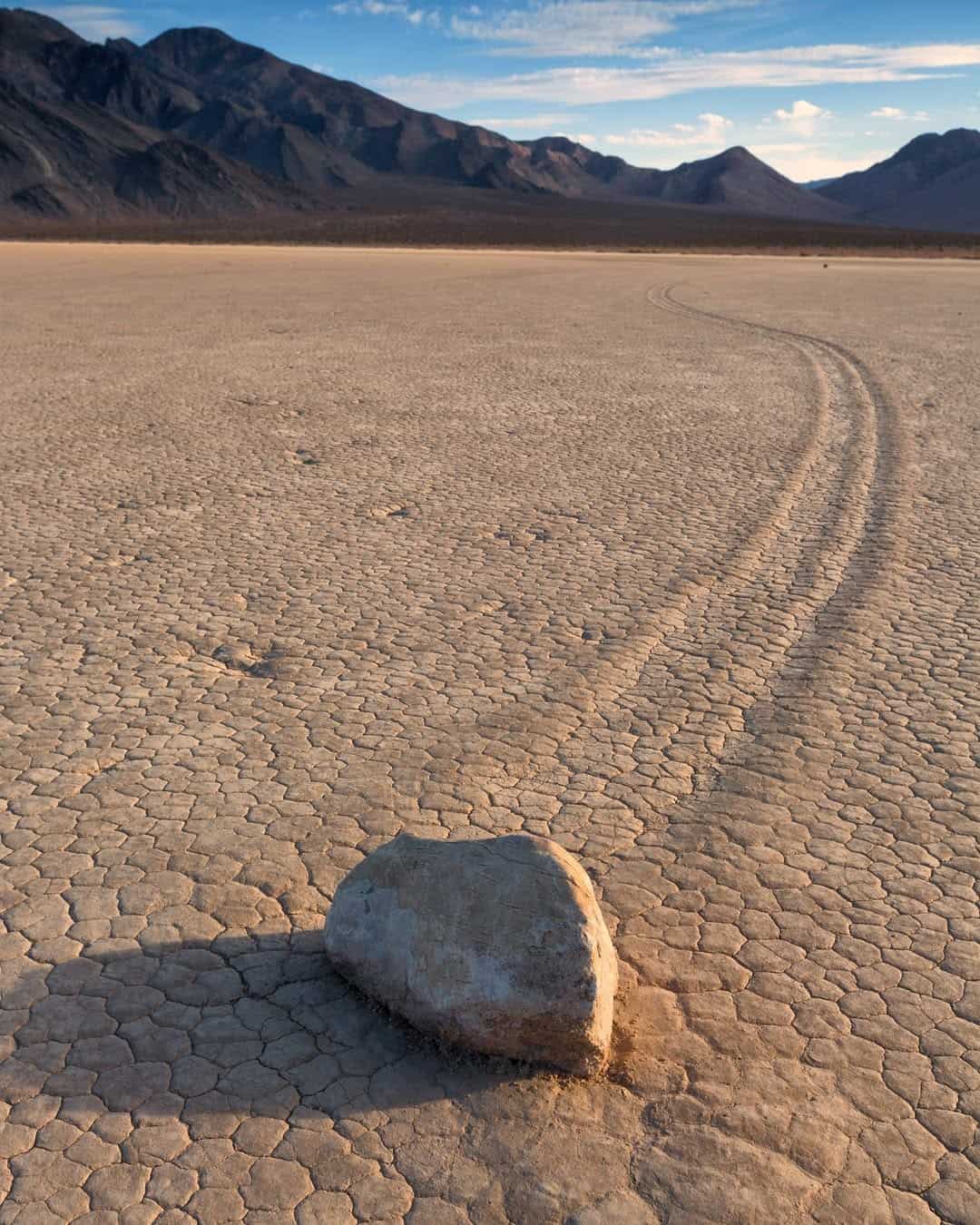
On a dry lakebed in Death Valley, rocks move across the ground on their own and leave long trails carved in the cracked mud behind them. For decades nobody could explain how heavy stones traveled with no one watching.
In 2014 researchers finally caught it in the act. Thin panels of overnight winter ice, a shallow film of water, and a light breeze are enough to nudge the stones along.
Some of the tracks run for hundreds of feet, curving and doubling back where a rock changed direction. As far as anyone knows, no one has ever watched a stone move in person.
Where: Racetrack Playa, Death Valley National Park, California. The playa sits at the end of a long, rough road, so visit in the cooler months and look for fresh tracks after a winter rain.
7. Thor’s Well, Oregon
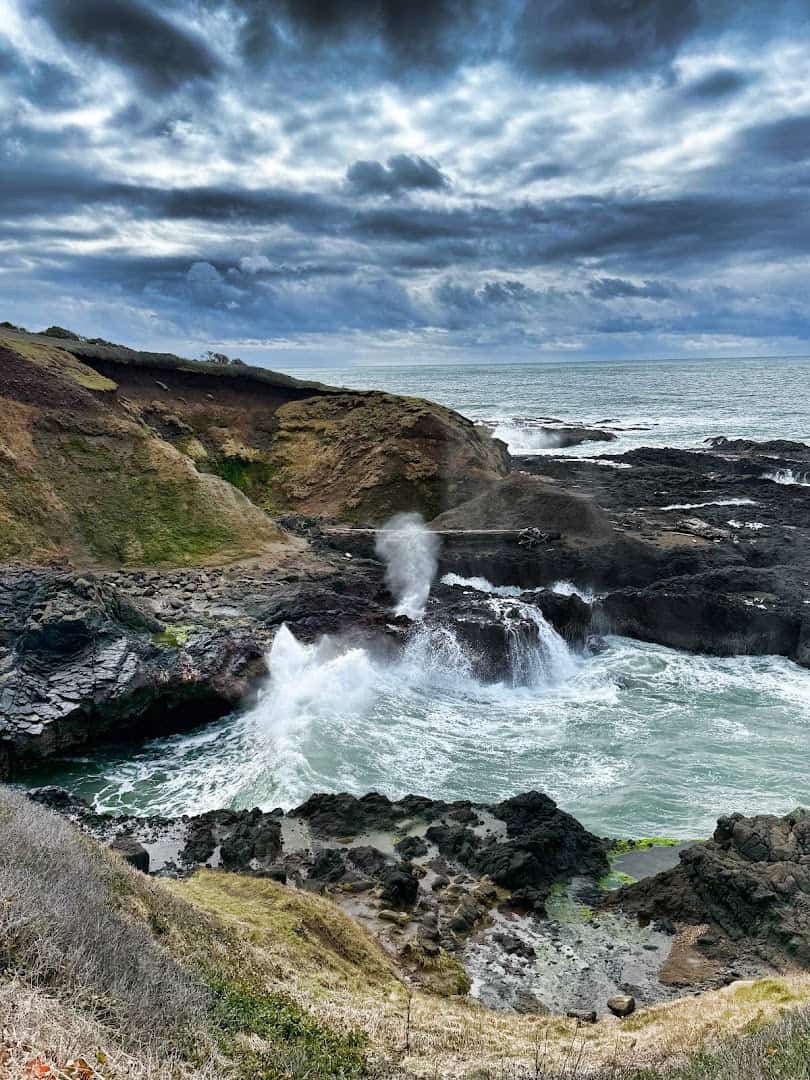
On the rocky central Oregon coast, the ocean looks like it is draining straight into a hole in the ground. Thor’s Well is a collapsed sea cave that fills and empties with every surge, spouting up in a burst and then gulping the water back down.
At high tide it churns, booms, and throws spray while photographers scramble for the shot. The rocks stay slick and the water is powerful, so this is one to admire from a safe, dry distance.
The same stretch of shore hides spouting horns and tide pools, so a single visit doubles as a whole coastal show. Watch the surf for a while before you pick your footing.
Where: Cape Perpetua Scenic Area, off Highway 101 south of Yachats, Oregon. The well is most dramatic in the hour before and after high tide, and downright cinematic at sunset.
8. The Manatee Gathering, Florida
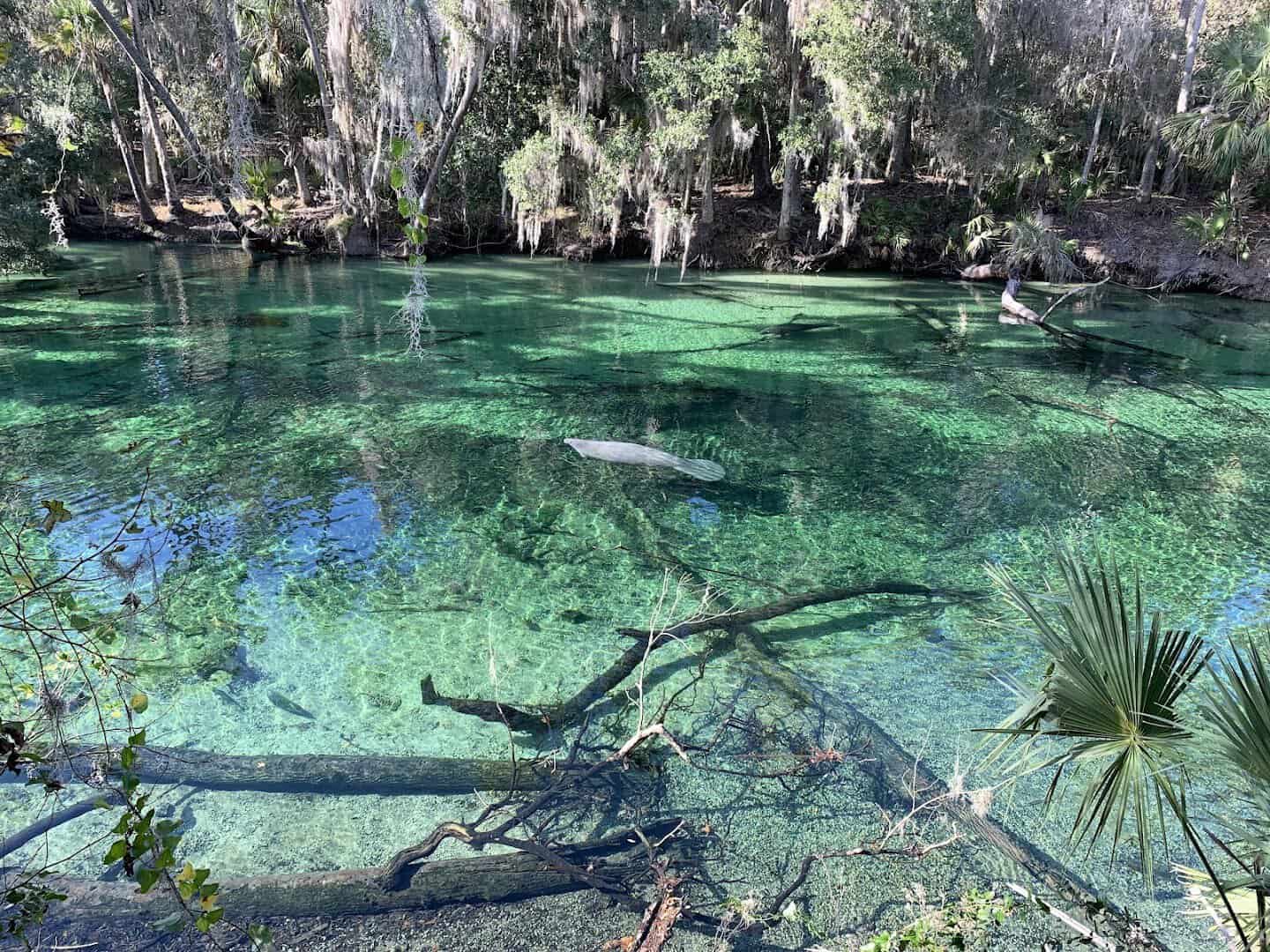
When the ocean turns cold, hundreds of manatees crowd into a single warm Florida spring to keep from freezing. The water stays near 72 degrees all year, so the gentle giants pile in and drift nose to tail in the clear blue run.
From the boardwalk above, you can count them resting on the sandy bottom, rolling slowly, and nosing up for a breath. On the coldest mornings the tally can top five hundred animals in one short stretch of water.
Where: Blue Spring State Park in Orange City, Florida, just north of Orlando. Manatee season runs from about mid November through March, and the biggest gatherings follow the coldest snaps.
9. Kilauea’s Glow, Hawaii
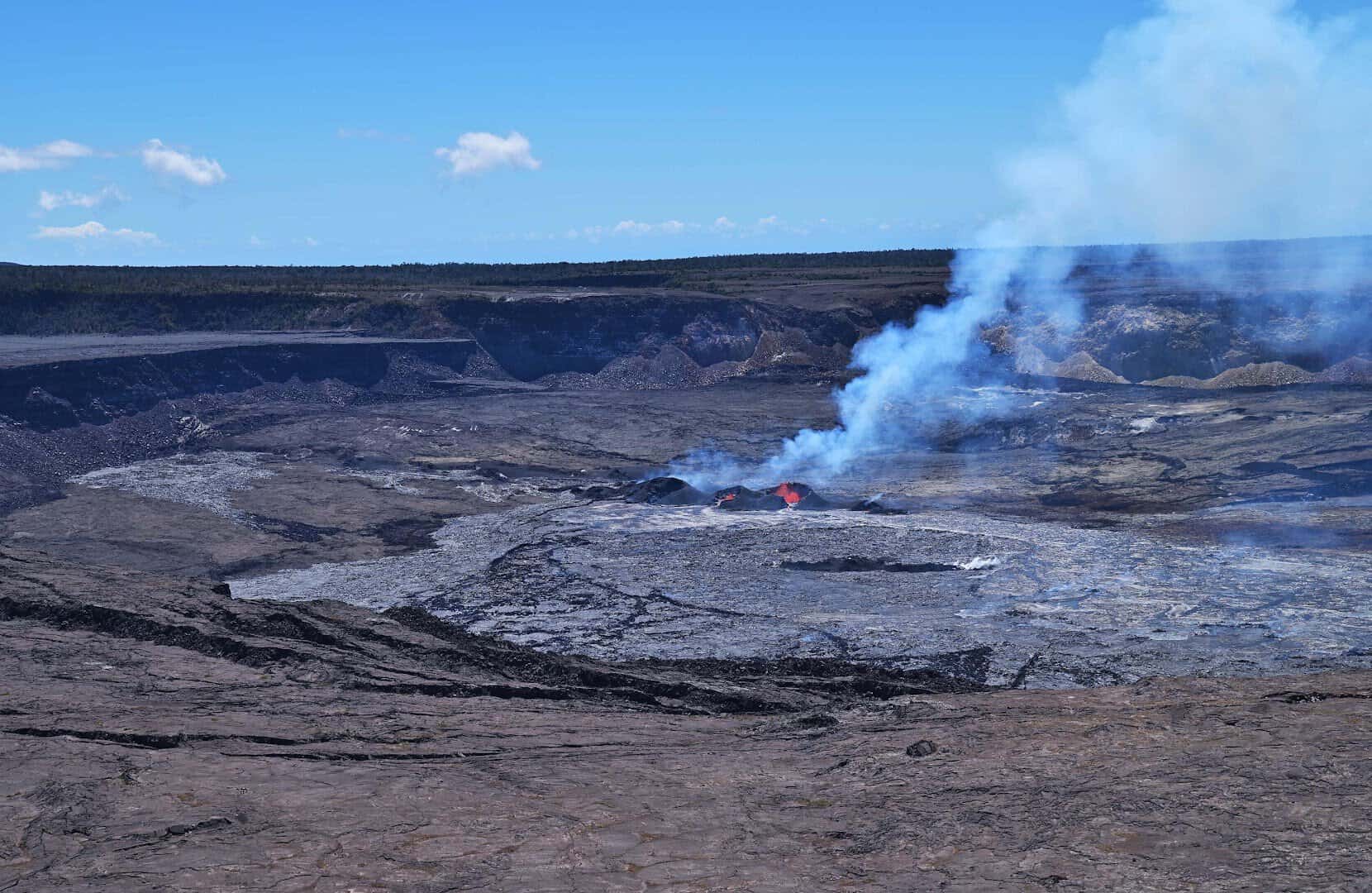
One of the most active volcanoes on Earth puts on a show you can feel in your chest. When Kilauea is erupting, molten rock fountains and pools inside its summit crater, and after dark the sky above the caldera turns a deep, restless orange.
Eruptions come and go on their own schedule, so catching one is part planning and part luck. When it is active, the glow pulsing through drifting steam and cloud is a sight that stays with you for years.
Where: The Halemaumau Crater overlooks in Hawaii Volcanoes National Park, on the Big Island of Hawaii. Check the park’s eruption updates before you drive out, and aim for a few hours after sunset.
10. Apostle Islands Ice Caves, Wisconsin
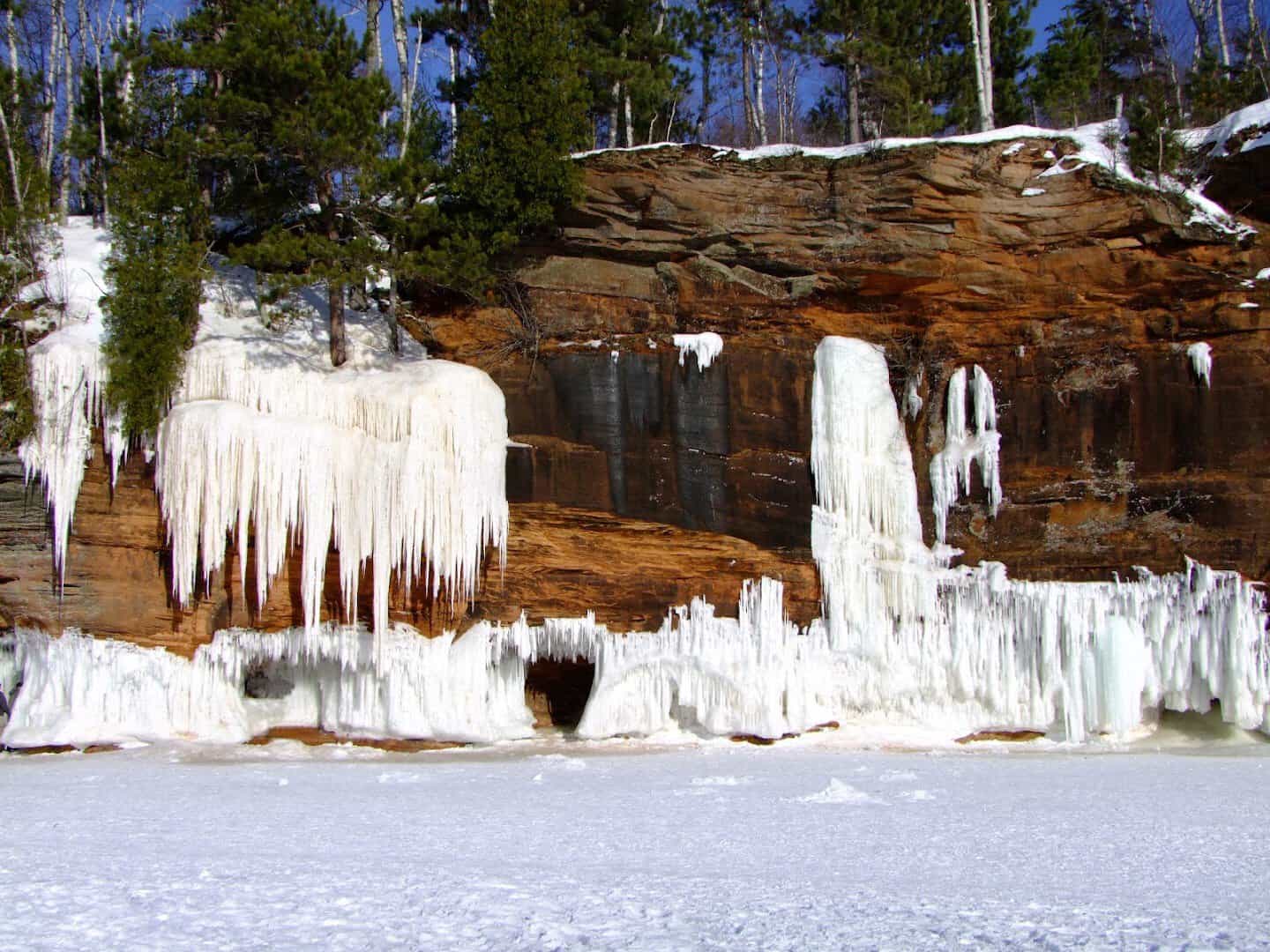
When Lake Superior freezes hard enough, the sea caves along its southern shore turn into a crystal cathedral. Waterfalls freeze mid-drop, the ceilings bristle with icicles, and the whole space glows a soft blue where daylight filters through.
It only happens in the coldest winters, when the lake ice grows thick enough to walk across, so some years the caves stay locked away entirely. When the ice does hold, word travels fast and the shoreline fills with visitors.
Where: Apostle Islands National Lakeshore, reached on foot across the ice from Meyers Beach near Bayfield, Wisconsin. Go in deep winter, and only when the Park Service has declared the lake ice safe.
11. Antelope Canyon Light Beams, Arizona
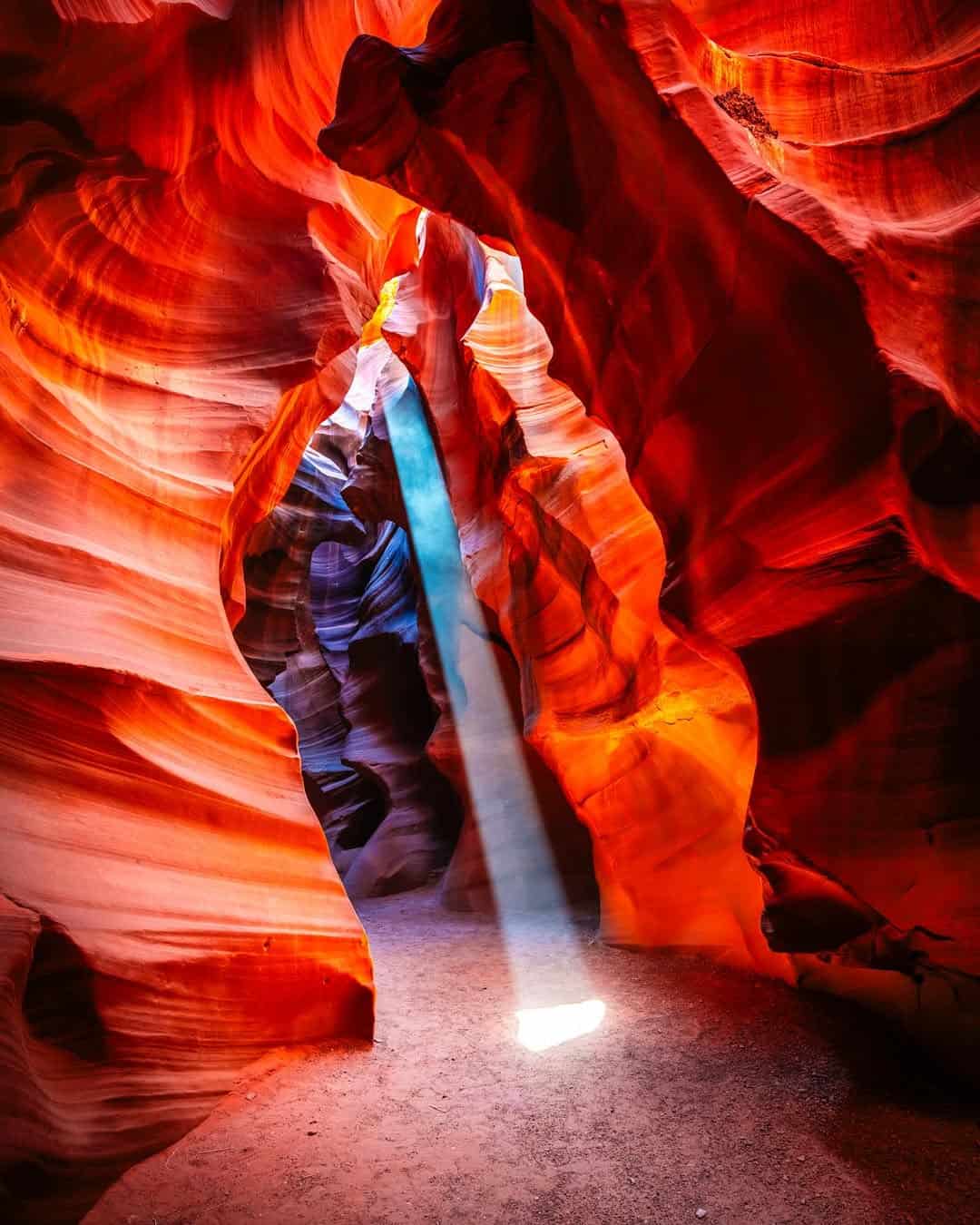
Inside a narrow slot canyon on Navajo land, the sandstone walls twist upward in frozen waves of red and orange. Around midday in the warm months, sunlight drops straight through the slit overhead and lands as solid beams of light on the sandy floor.
Fine dust and a little sand tossed by the guides make the shafts glow like something solid you could lean against. It feels less like a canyon and more like a cathedral carved by water and wind.
Where: Upper Antelope Canyon near Page, Arizona. The beams appear from roughly late March to early October, strongest between 11am and 1pm, and every visit goes with a Navajo guide.
12. Great Sand Dunes, Colorado
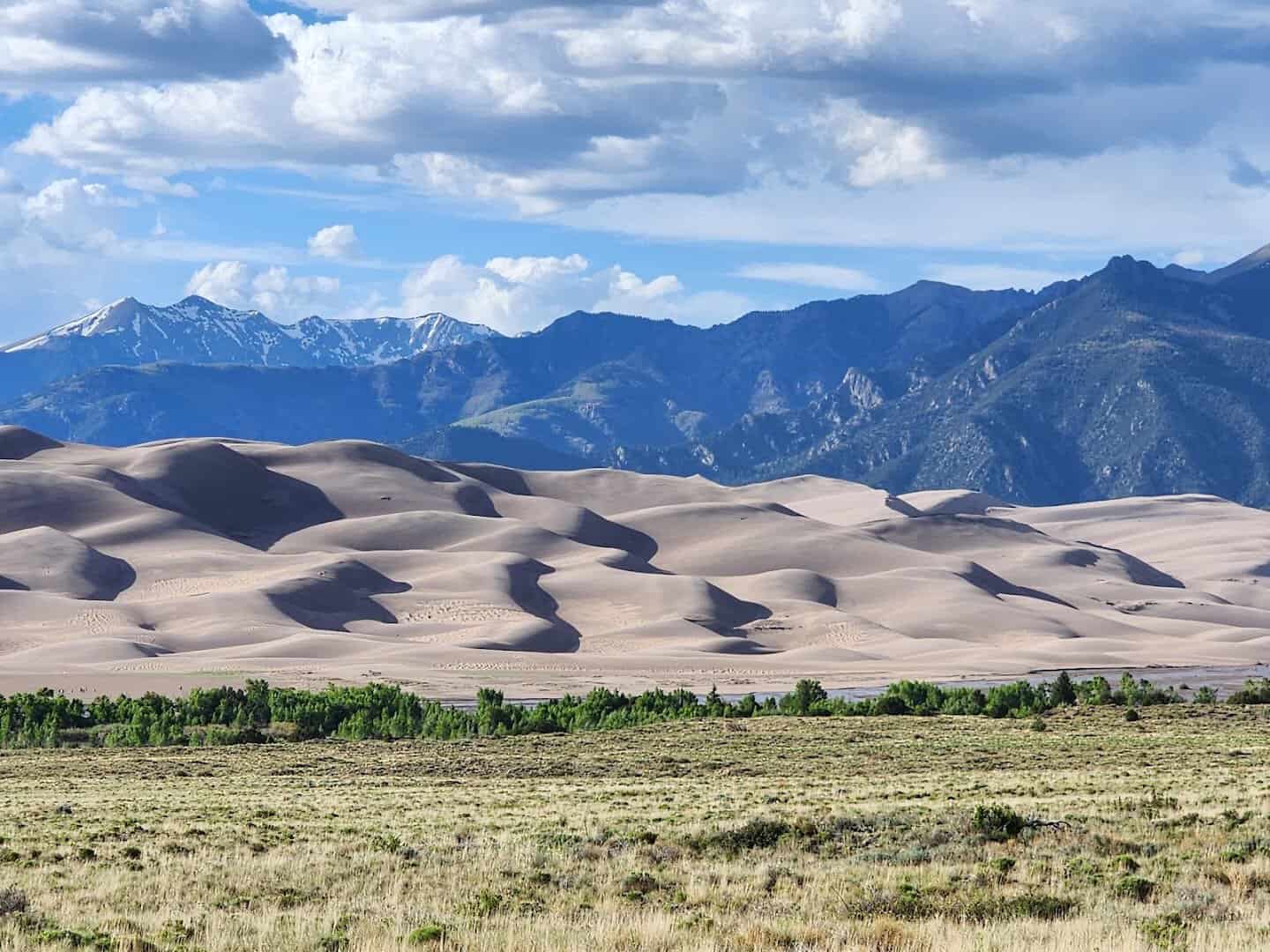
Against the jagged Sangre de Cristo Mountains rise the tallest sand dunes in North America, some cresting above 700 feet. Walk them on a hot, dry afternoon and they sometimes hum, a low booming as whole sheets of sand slide loose underfoot.
In late spring a wide, shallow creek flows along their base in gentle surging waves, and families float and splash it like a mountain beach. Desert, alpine peak and river all share one improbable view.
Where: Great Sand Dunes National Park and Preserve, near Mosca, Colorado. Come in late May or June for Medano Creek’s flowing water, and climb early or late to dodge the midday heat.
Chase One This Year
The best part of this list is that you cannot rush a single item on it. Each of these wonders keeps its own calendar, so half the joy is planning the trip around the season instead of forcing the season to suit you.
Pick the one that fits your next free week, check the timing twice, then go stand where the ground, the sky or the sea does something it only does for a little while. Trust me, you will not forget it.
Featured image: Rising Sun via Grand Prismatic Spring

Stella Raines
Editor-in-Chief
Stella brings over a decade of storytelling experience to TX Headlines. With roots in West Texas and a love for road trips, she leads the editorial team with an eye for the hidden stories that make Texas unforgettable.