10 Underrated Islands in the United States
Ask me to name a dream vacation and I will not reach for the crowded, sunscreen-slicked names everyone already knows. I want the ferry with six other cars on it, the beach where my footprints are the only ones, the town that runs on golf carts and gossip.
That is the magic of an American island you have never heard of. These are the quiet coasts, the ones that trade valet parking for wild horses and sea caves.
Below, ten underrated islands scattered across the country, each one worth the boat ride, and here is exactly how to get yourself out there.
1. Cumberland Island, Georgia
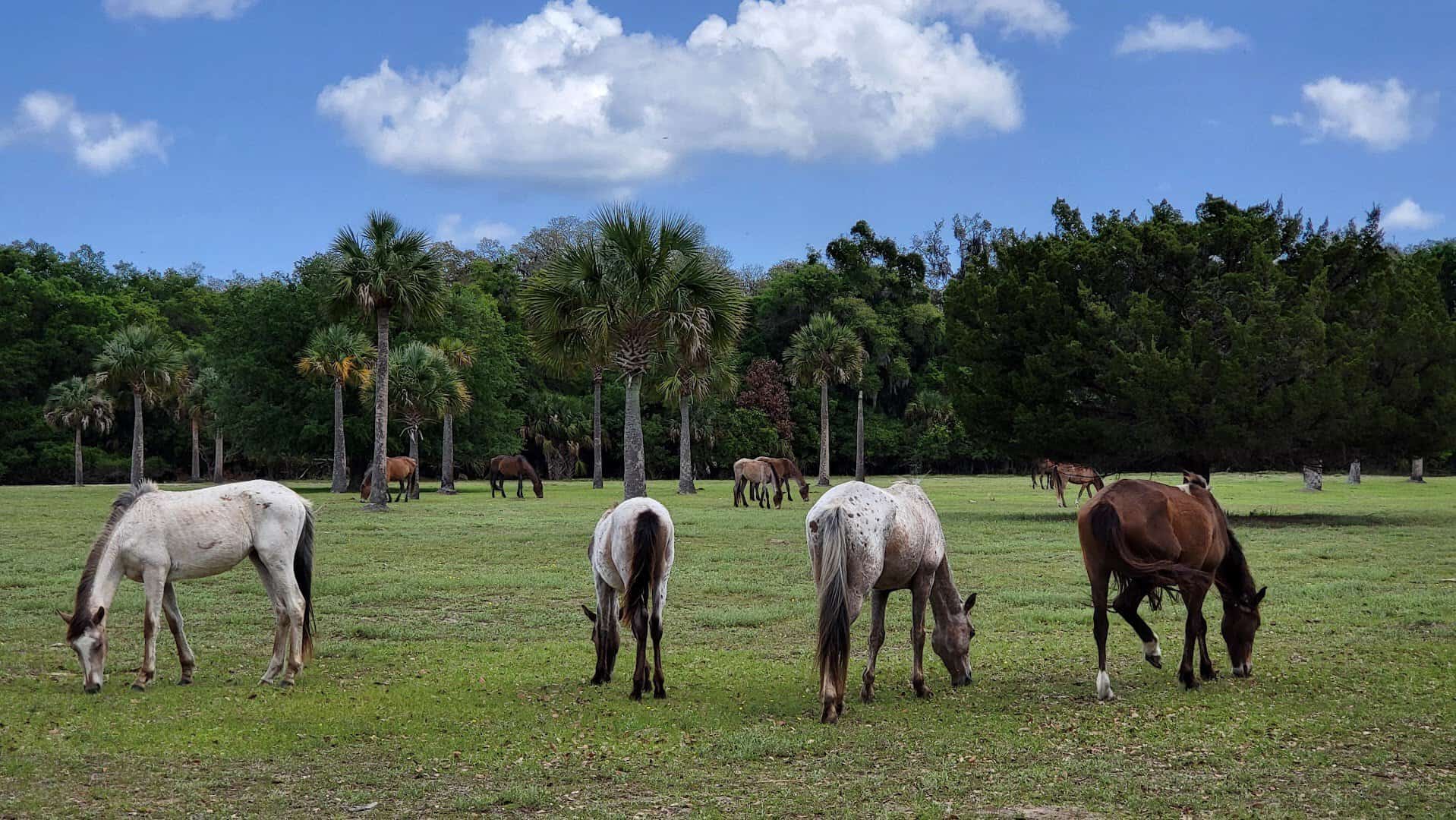
Georgia’s largest barrier island is a wilderness on purpose. Cars cannot come. Bridges do not exist. What you get instead is 17 miles of empty beach, maritime forest hung with Spanish moss, and a herd of feral horses that wander the dunes like they own the deed.
The ruins of Dungeness, the old Carnegie mansion, sit half-swallowed by palmetto. Nearby, the tiny 1893 First African Baptist Church is where John F. Kennedy Jr. married in 1996. Armadillos shuffle the trails and sea turtles nest on the sand.
Roughly 36,000 acres, most of it protected wilderness, and it feels less like a park than a secret you were let in on. Pack in your own water and a picnic, because there are no shops or snack bars waiting on the other side.
Where: Cumberland Island National Seashore, off St. Marys, Georgia. Take the passenger-only ferry from the St. Marys waterfront, about a 45-minute crossing. Reserve ahead, because no bridge and no car service means the boat is the only way on.
2. San Juan Islands, Washington
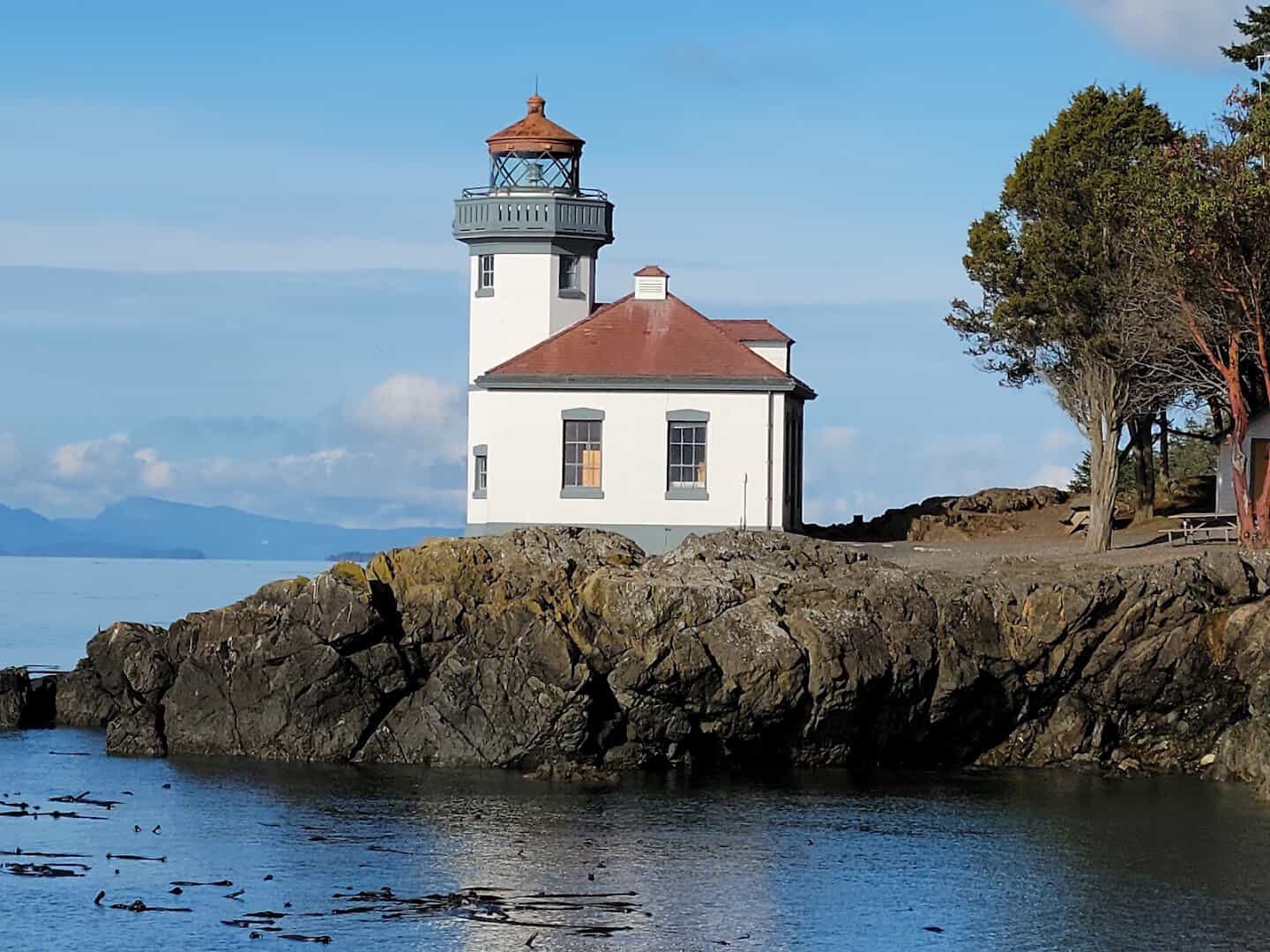
Tucked into the top corner of Washington, this archipelago hides more than 170 islands in cool green water. Four of them welcome the ferry, and every arrival feels like a soft landing into slower time. Friday Harbor greets you walkable and salty, all bookshops and boat masts.
This is orca country. From the rocks at Lime Kiln Point State Park you can sometimes watch killer whales surface right offshore, one of the few places on earth you can whale-watch with both feet on land.
History buffs get a bonus. The bloodless 1859 Pig War standoff played out here after a shot pig nearly started an international incident, and both old army camps still stand for you to wander.
Where: San Juan Island, Washington. Board a Washington State Ferry in Anacortes, about 80 miles north of Seattle, and ride 75 to 90 minutes to Friday Harbor. Walk-on passengers never need a reservation.
3. Ocracoke Island, North Carolina
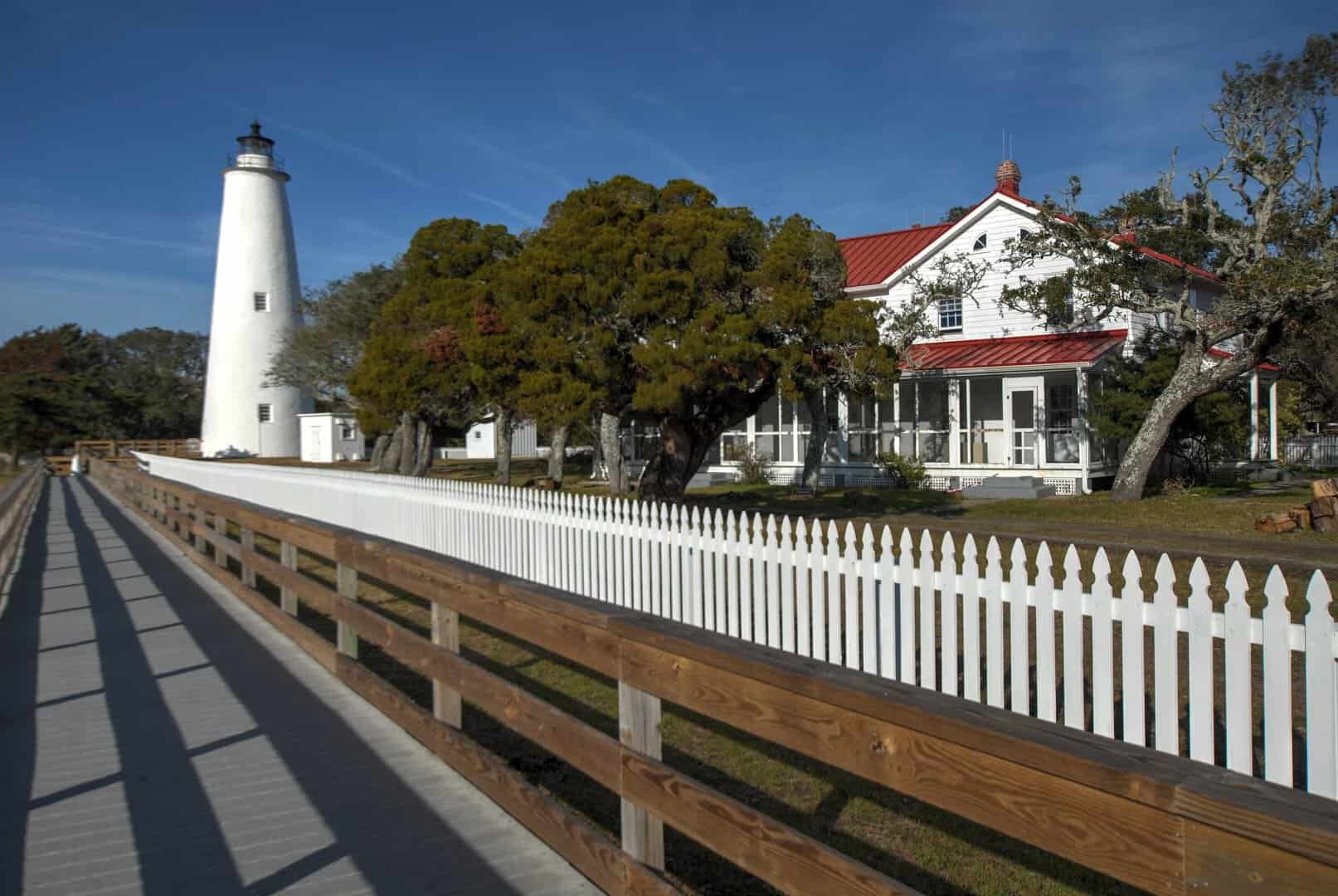
You can only reach Ocracoke by boat, and that gatekeeping keeps it wonderful. This 16-mile ribbon of the Outer Banks is mostly protected seashore, with a snug village at the far end where locals still speak a fading brogue called Hoi Toider.
The 1823 Ocracoke Lighthouse is the oldest still shining in North Carolina, a squat white tower you can walk right up to. Just offshore, the pirate Blackbeard met his end in 1718, so even the water here has stories to tell.
Wild Banker ponies graze in a park pasture, small tough horses said to have swum ashore from Spanish shipwrecks. The beach routinely lands on best-in-America lists, and there is not a high-rise in sight.
Bring a bike, let the days go soft, and plan your evening around the sunset over Silver Lake harbor while the shrimp boats come in.
Where: Ocracoke Island, North Carolina. The free Hatteras-Ocracoke ferry runs year-round and takes about an hour. Longer reserved ferries sail from Cedar Island and Swan Quarter for travelers coming up from the mainland.
4. Mustang Island, Texas
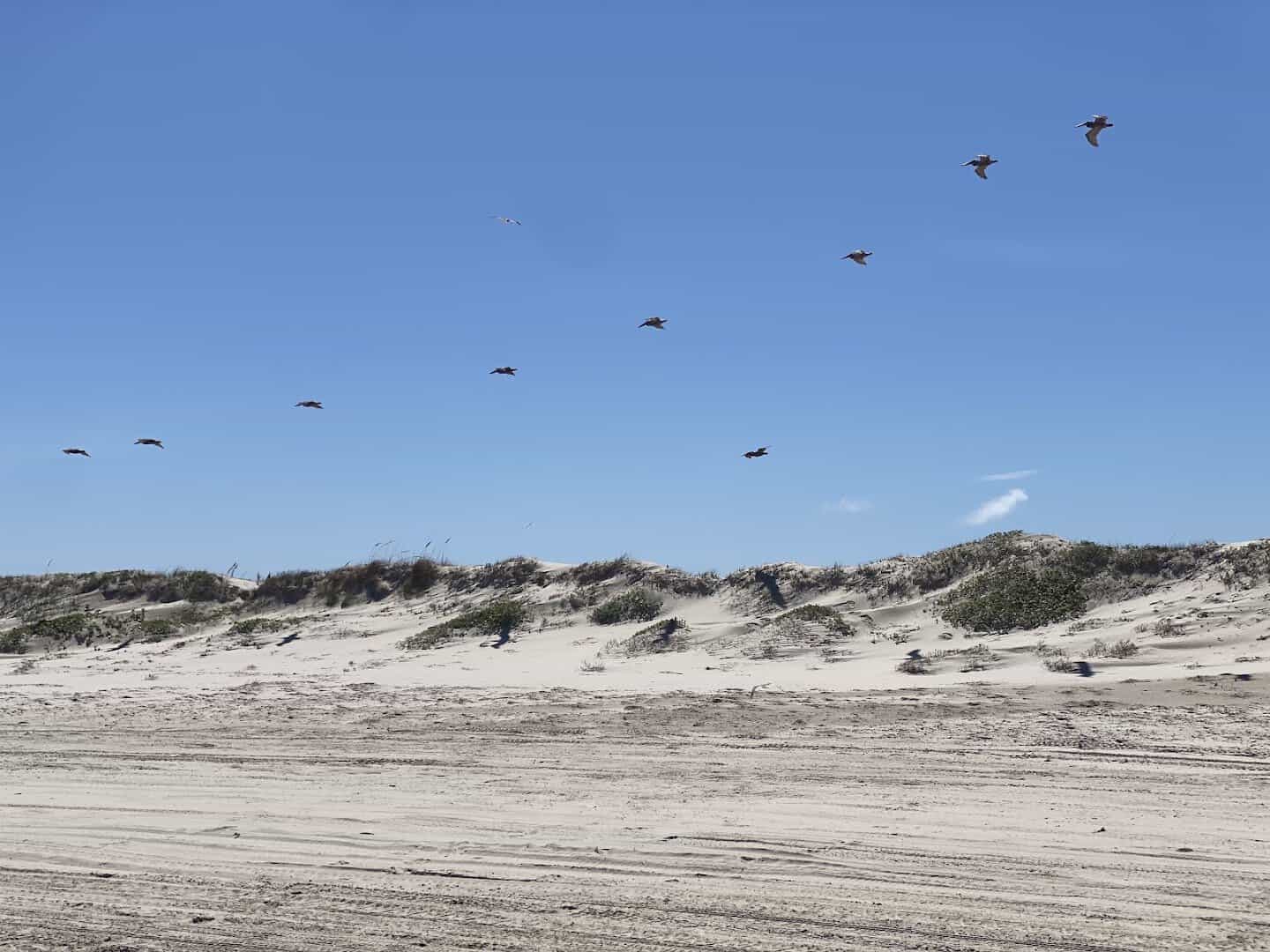
Texas keeps its best beach loose and unfussy, and Mustang Island is proof. This 18-mile barrier island near Port Aransas hands you tall wind-carved dunes, Gulf water you can drive right up to, and room to pitch a tent where the sand meets the surf.
Birders adore it. The island sits on the Great Texas Coastal Birding Trail and lights up with color during spring migration, when tired warblers drop out of the sky to rest.
Kemp’s ridley sea turtles nest along the shore, surfers chase the swell, and the Mustang Island Paddling Trail threads kayakers through calm back bays. It is the Texas coast at its most easygoing.
Where: Mustang Island State Park, Port Aransas, Texas. Ride the free 24/7 ferry from Aransas Pass, a quick five-to-ten-minute hop, or leave the boat behind and drive in on State Highway 361 from Corpus Christi and North Padre Island.
5. Beaver Island, Michigan
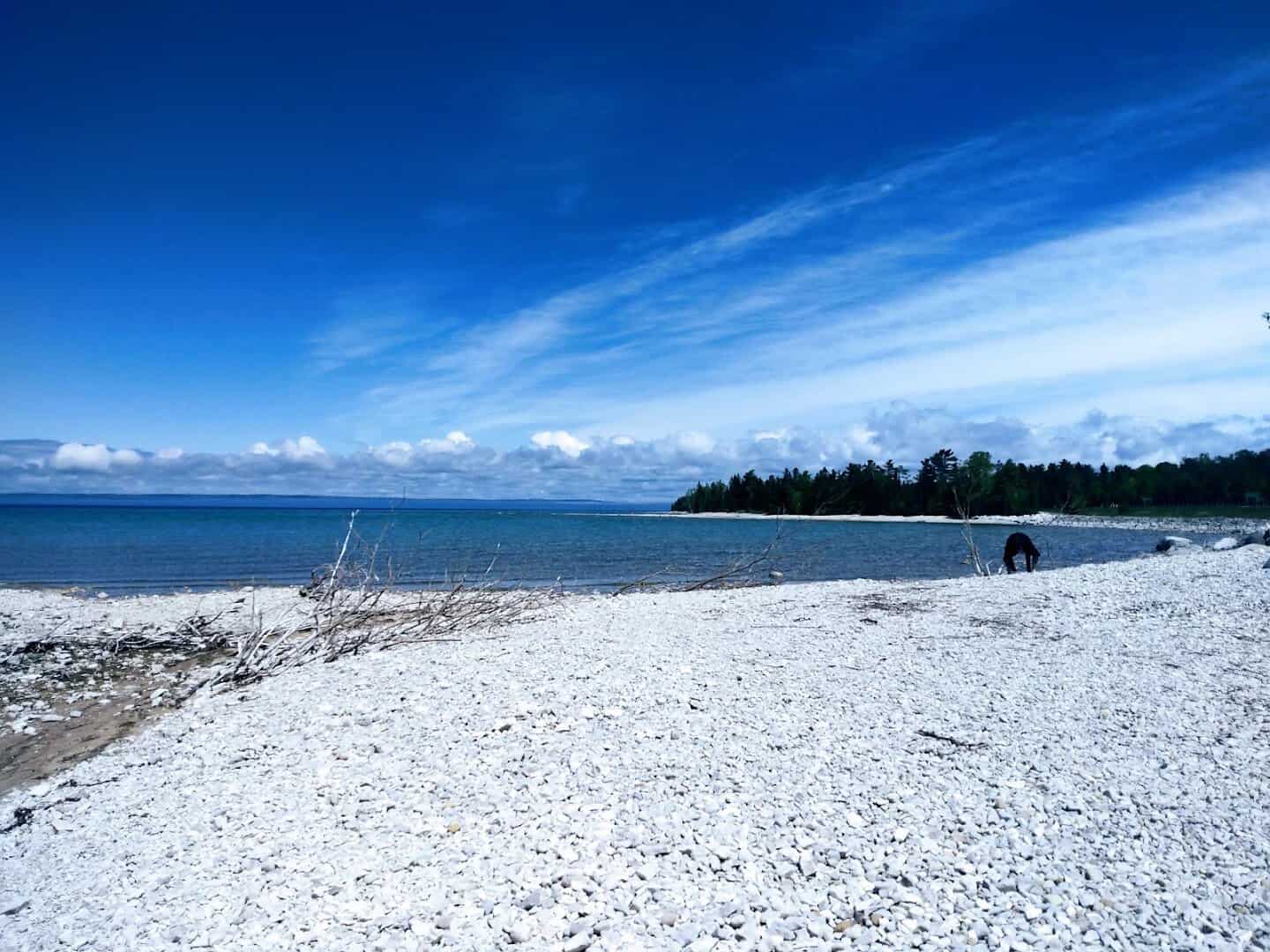
Thirty-two miles out in Lake Michigan floats the biggest island on the whole lake, and hardly anyone on the mainland thinks to go. Locals call it America’s Emerald Isle for its deep Irish roots, and the pace out here is gloriously unhurried.
Its backstory is one of a kind. From 1850 to 1856 a breakaway leader named James Strang actually crowned himself king and ruled the island as a self-declared monarchy, the only crowned king in American history.
Today two historic lighthouses stand watch and quiet inland lakes invite a paddle. Best of all, the low light pollution turns the night sky into a spilled jar of stars you will not want to sleep through.
Where: Beaver Island, Michigan. The Beaver Island Boat Company ferry sails from Charlevoix, a roughly two-hour ride, from April through December. Small commuter flights buzz over year-round when you would rather fly across in minutes.
6. Dry Tortugas, Florida
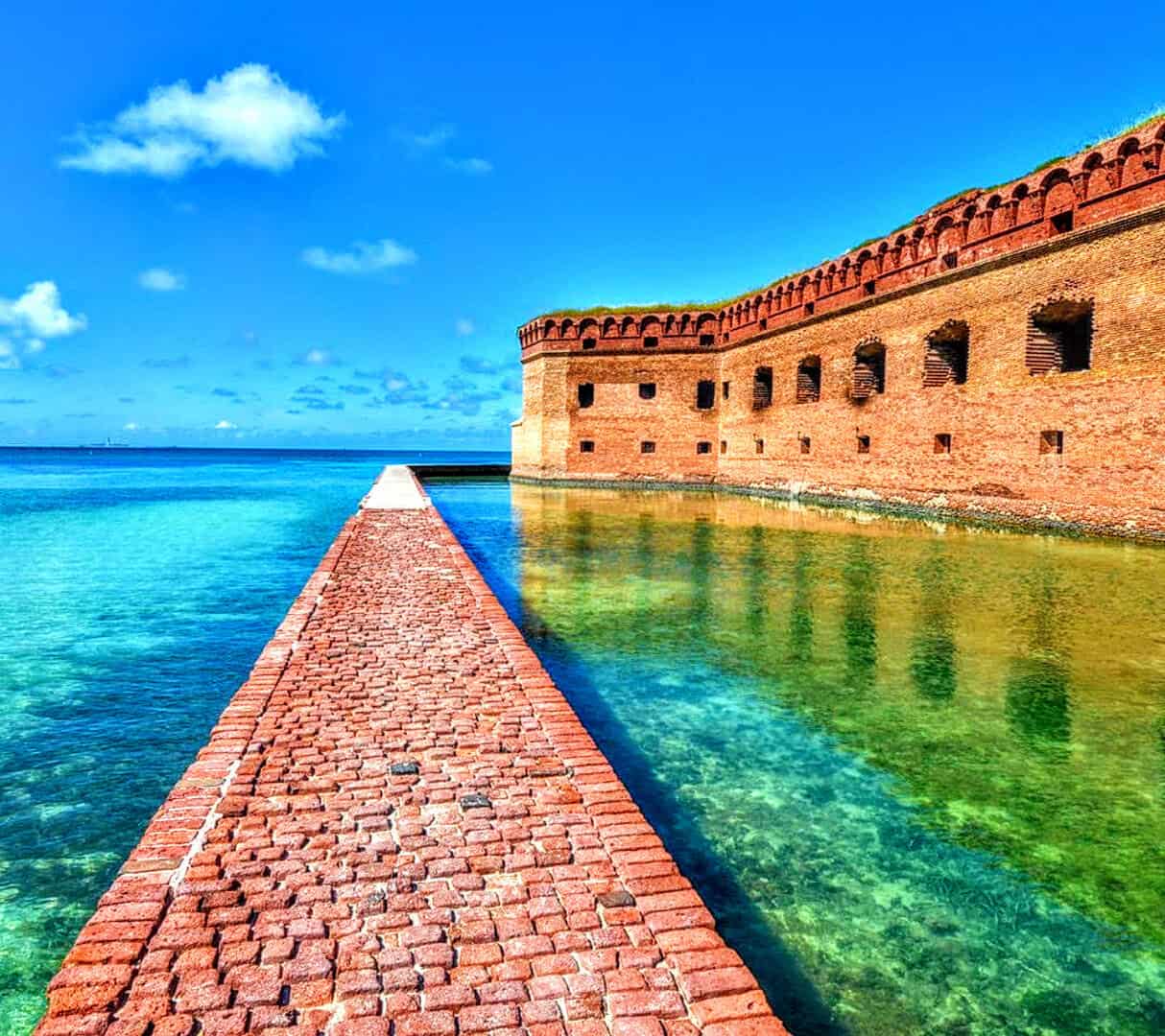
Almost 70 miles past Key West, where the map runs out of Florida, sit seven tiny coral islands in impossibly blue water. This national park is 99 percent ocean, and reaching it feels like sailing off the edge of the ordinary world.
Waiting at the end is Fort Jefferson, a colossal 19th-century fortress of some 16 million bricks, the largest brick building in the Americas. Snorkel its shallow reefs and you glide over living coral and darting fish.
Because the mainland glow never reaches out here, the stargazing is dazzling and the seabirds swarm the neighboring key by the thousands. Come for a day and you will wish you had booked the campsite.
Where: Dry Tortugas National Park, off Key West, Florida. The Yankee Freedom ferry makes the two-and-a-half-hour run from Key West as a day trip with meals and snorkel gear, or splurge on a seaplane. Book early either way.
7. Apostle Islands, Wisconsin
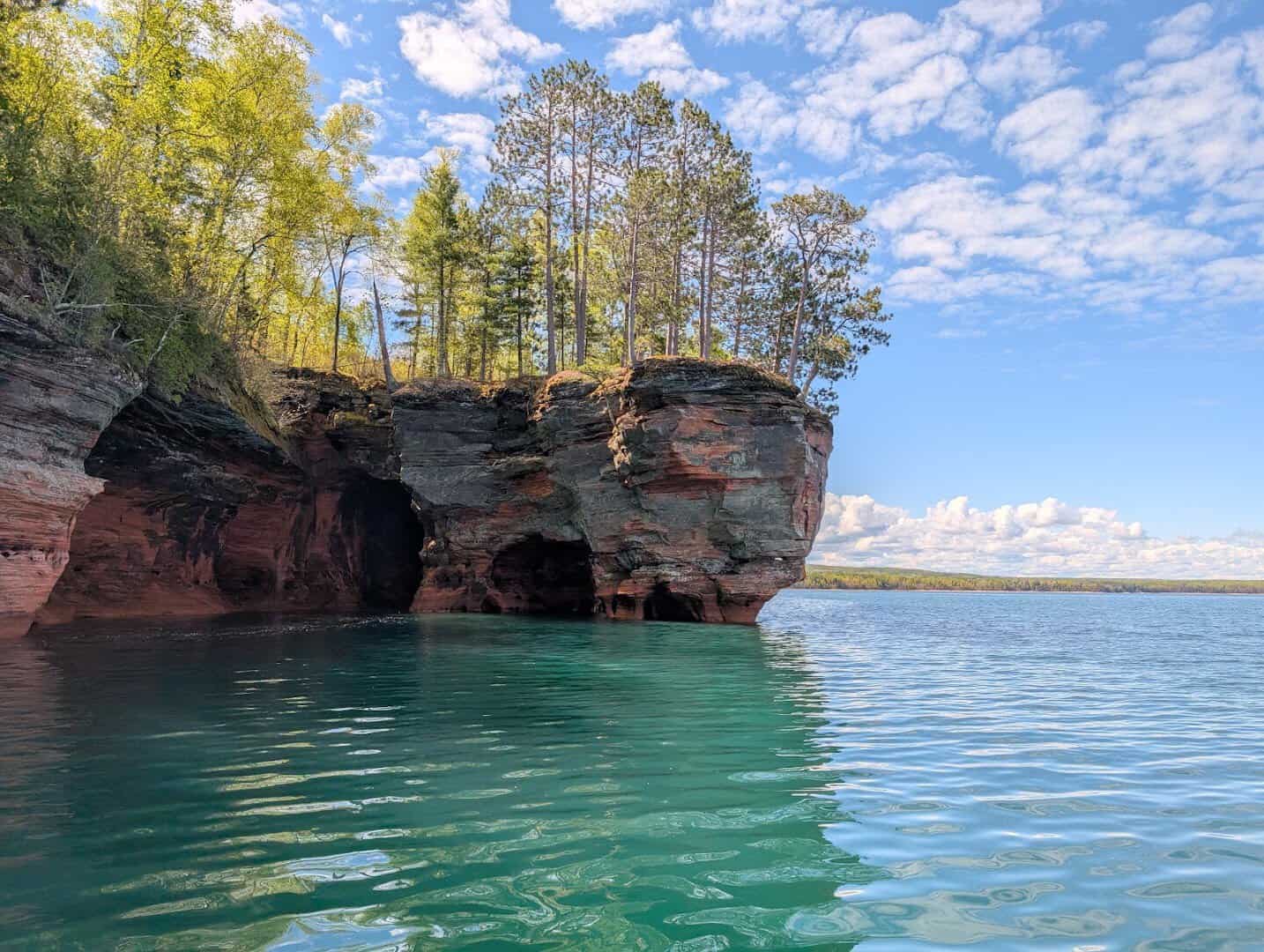
Lake Superior guards 21 wild islands off Wisconsin’s northern tip, and they are the freshwater adventure most people drive right past. From the harbor town of Bayfield, the water turns clear and cold and the islands scatter toward the horizon.
The showstoppers are the red sandstone sea caves, carved into arches and hollows you can paddle a kayak straight through in summer. The archipelago also holds one of the richest collections of historic lighthouses in the whole national park system.
Rare deep-freeze winters transform the caves into glittering ice cathedrals of hanging icicles and frozen spray. That sight is unpredictable and worth planning a whole trip around when the lake finally locks up.
Where: Apostle Islands National Lakeshore, Bayfield, Wisconsin. The islands are reached by guided cruise, water taxi, or kayak from Bayfield. To walk the famous mainland sea caves, drive to Meyers Beach, about 18 miles north of town.
8. Block Island, Rhode Island
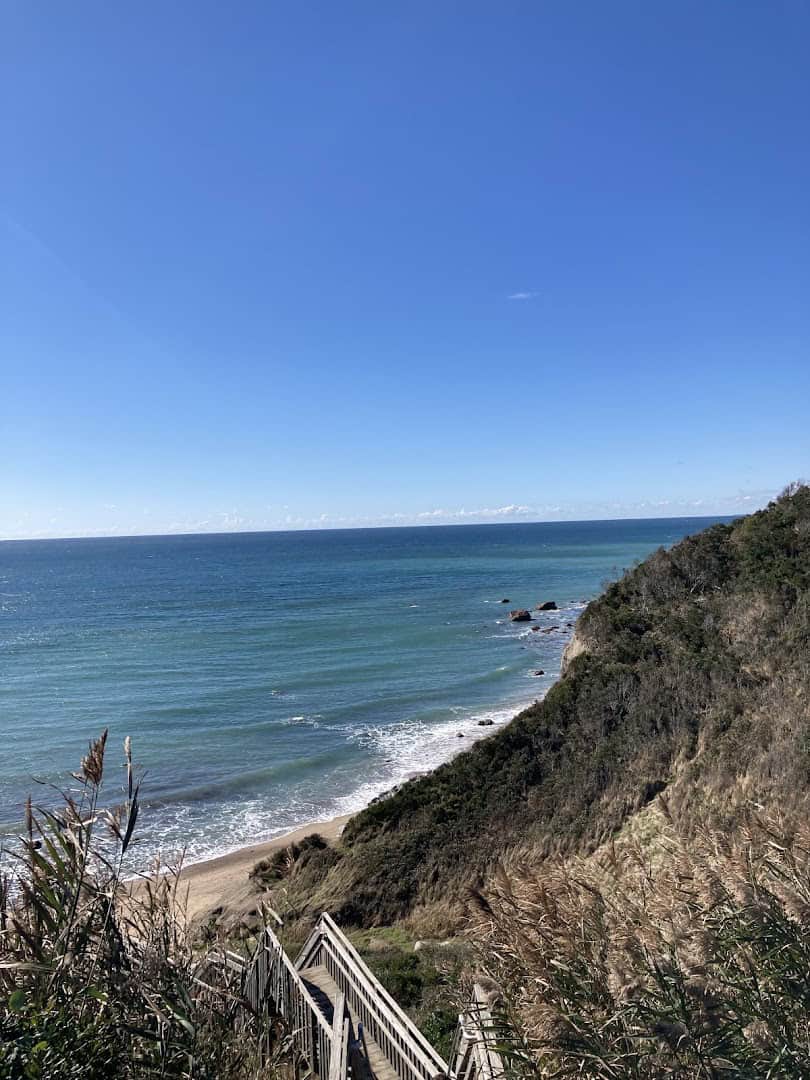
Thirteen miles off the Rhode Island coast, this ten-square-mile gem stays wild by design, with roughly 40 percent of its land conserved forever. The Nature Conservancy once named it one of the Last Great Places in the hemisphere.
The Mohegan Bluffs rise about 150 feet in ribbons of clay, and a long staircase drops you to a beach that feels earned. Two proud lighthouses anchor the ends of the island, the 1875 Southeast Light and the 1867 North Light.
Miles of Greenway trails lace the quiet interior, past stone walls and glacial ponds left behind by the last ice age. Leaving the car behind is half the joy. Rent a bike at the ferry dock and the whole island opens up in an afternoon.
Where: Block Island, Rhode Island. The Block Island Ferry sails from Point Judith in Narragansett, about 55 minutes on the traditional car ferry or roughly 30 on the seasonal high-speed passenger boat.
9. Channel Islands, California
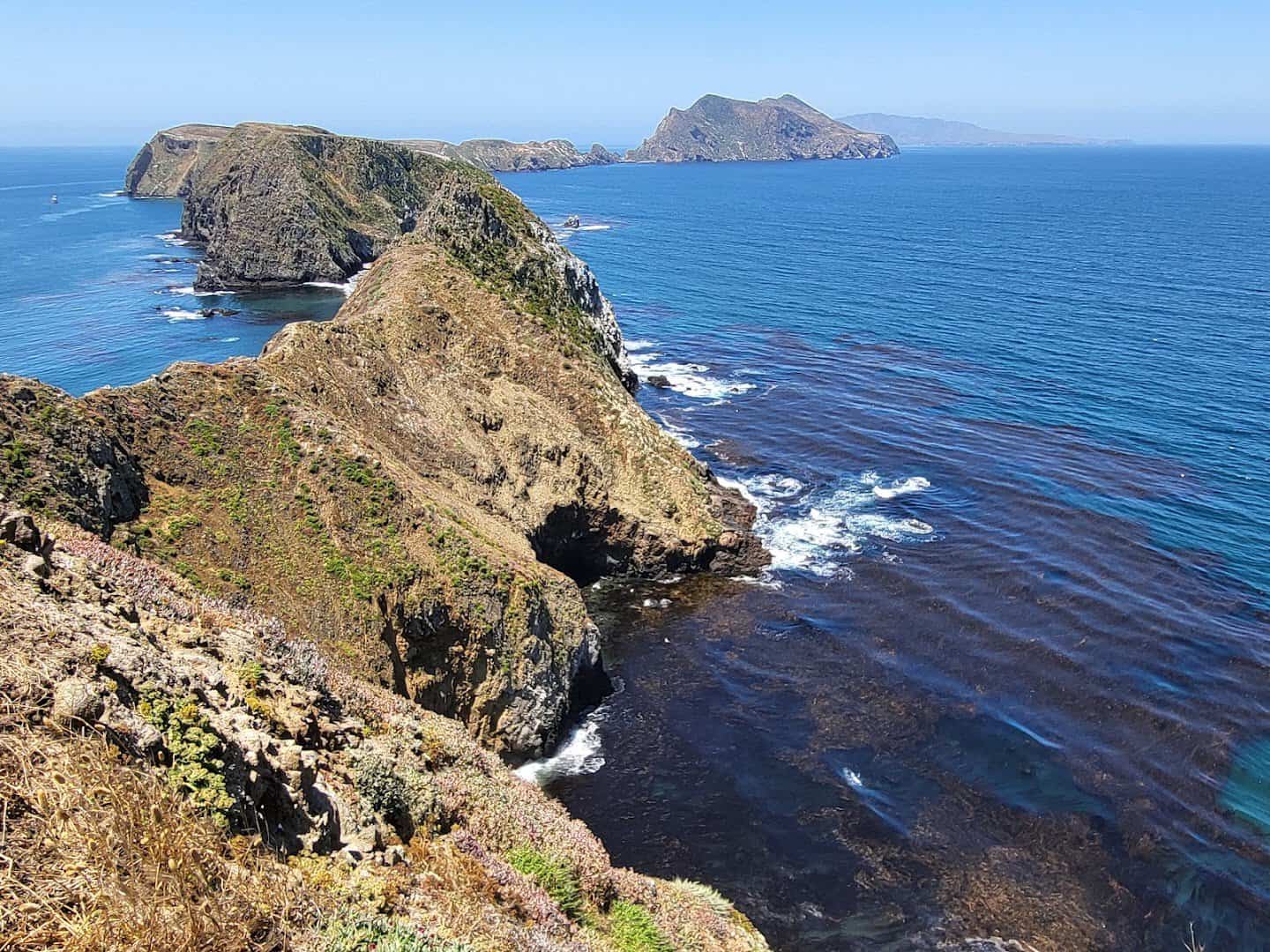
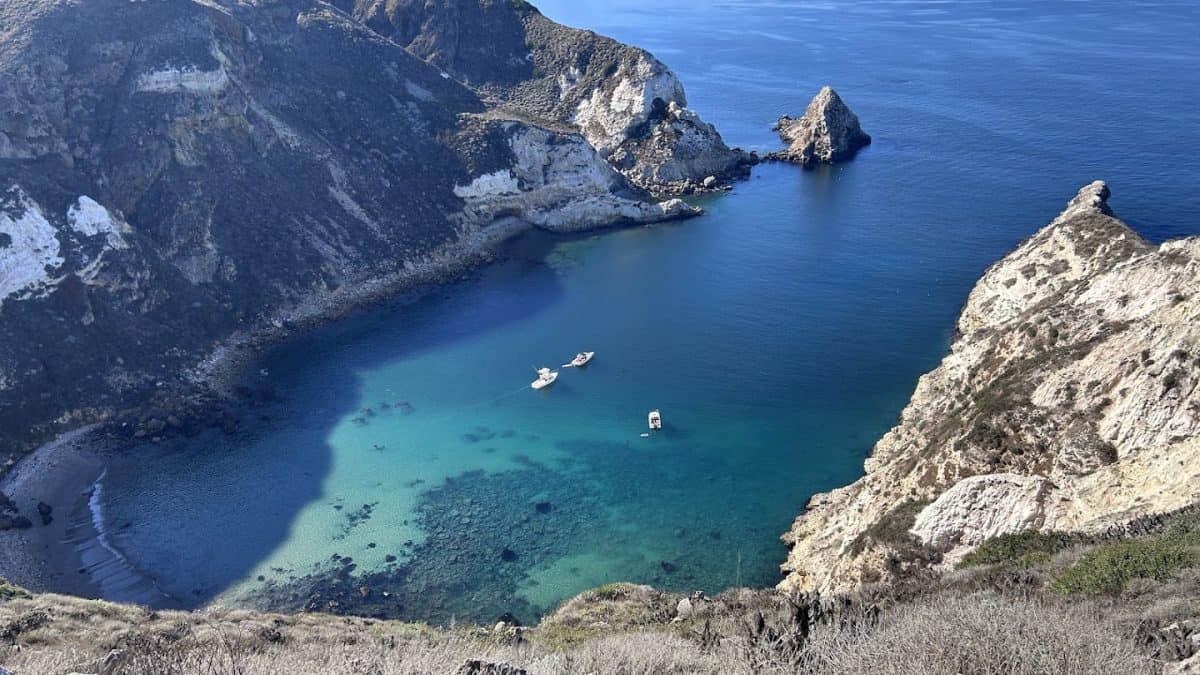
Off the crowded Southern California coast, five undeveloped islands sit so full of life that scientists call them the Galapagos of North America. There are no hotels, no snack bars, no crowds, just wind, cliffs, and creatures found nowhere else on the planet.
The star is the island fox, a bright-eyed animal no bigger than a house cat. Painted Cave on Santa Cruz ranks among the largest sea caves in the world, while Anacapa’s Arch Rock and 1932 lighthouse make the perfect postcard.
Thick kelp forests draw dolphins, sea lions, and passing gray and blue whales, and the dark skies overhead are a stargazer’s reward once the sun drops. Bring everything you need, because the islands sell you nothing but scenery.
Where: Channel Islands National Park, off Ventura, California. Island Packers boats depart Ventura Harbor and reach Anacapa or Santa Cruz in about an hour, running year-round to those two islands.
10. Tangier Island, Virginia
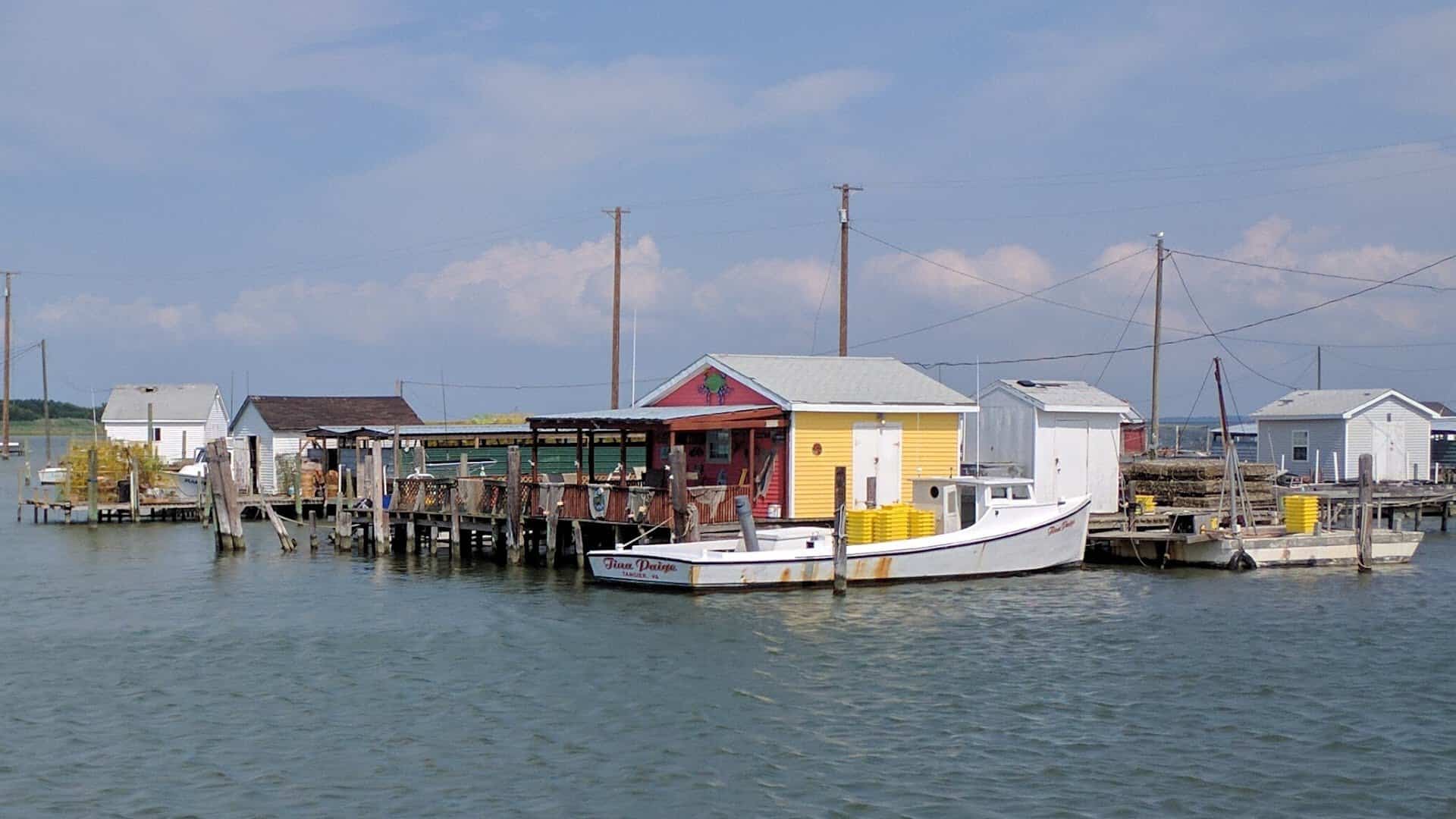
Way out in the Chesapeake Bay lies a place that feels lifted from another century. Tangier Island covers barely more than a square mile, and its people have crabbed these waters since the late 1600s.
They call it the soft-shell crab capital, and the whole rhythm of the island bends to the tide, in and out, every single day of the season.
There are almost no cars. You get around by golf cart, bicycle, or your own two feet, weaving past crab shanties perched on stilts over the water.
Centuries of isolation preserved a brogue so distinctive that visitors swear they hear echoes of old England in it. Come hungry, order the soft-shell crab, and let a waterman tell you how the season is running.
Where: Tangier Island, Virginia. Passenger cruise boats reach it from Crisfield, Maryland, in about an hour and 15 minutes, and seasonal service also runs from Onancock, Virginia. There is no bridge, so the boat is the whole adventure.
Cast Off for the Island You Have Not Met Yet
The best islands rarely shout for attention. They wait at the end of a ferry line, past the crowds, keeping their wild horses and sea caves and crab shanties for whoever bothers to make the crossing.
So pick one, check the boat schedule, and pack light. Whether you point the car toward a Texas dune or a Georgia wilderness, the water is doing you a favor, filtering out everyone who could not be bothered. Go meet the island that has been waiting for you.
Featured image: Alan Johnson via Channel Islands National Park

Stella Raines
Editor-in-Chief
Stella brings over a decade of storytelling experience to TX Headlines. With roots in West Texas and a love for road trips, she leads the editorial team with an eye for the hidden stories that make Texas unforgettable.