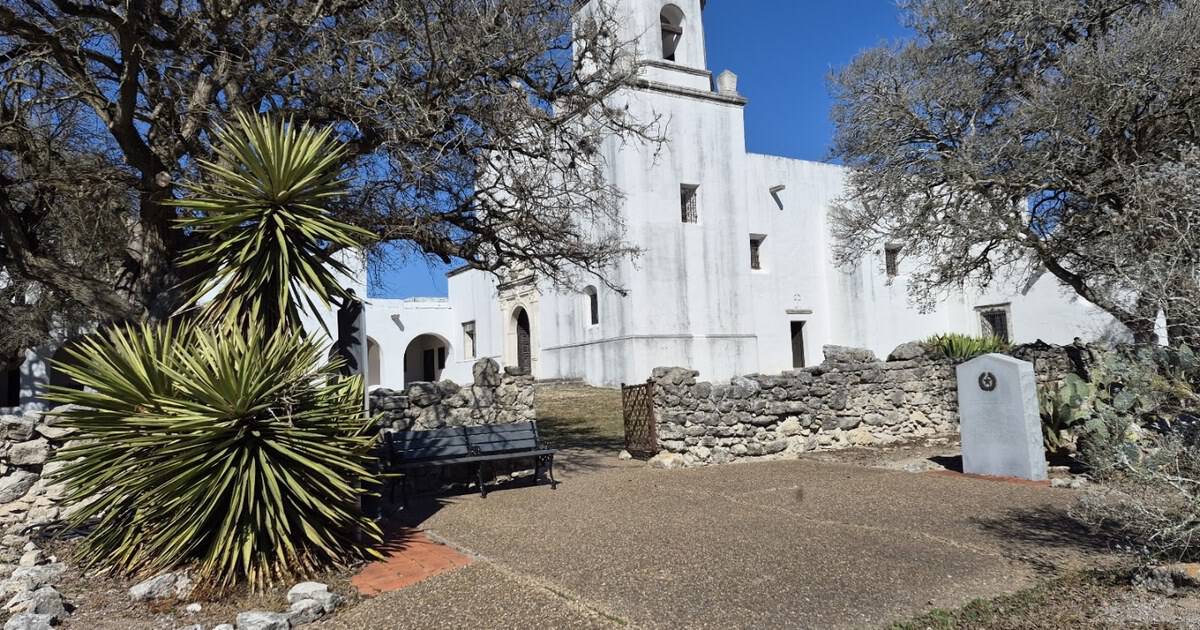
These 7 Texas Wildlife Refuges Welcome Visitors Year-Round
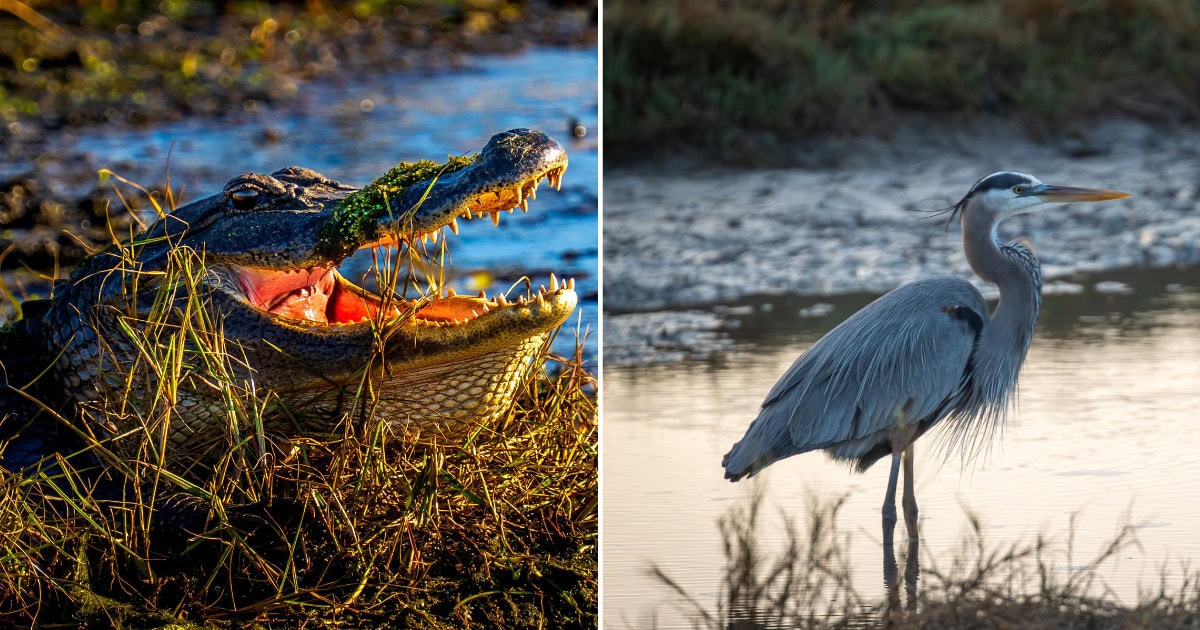
Experience Texas’s incredible biodiversity at these accessible refuges, where wildlife viewing, hiking, and nature photography await any season.
Texas wildlife refuges protect some of the state’s most important habitats while providing exceptional opportunities for wildlife observation, photography, and outdoor recreation.
Unlike some protected areas with restricted access, these refuges actively welcome visitors with trails, observation platforms, auto tours, and educational programs designed to connect people with nature.
Here are 7 Texas wildlife refuges offering year-round access and remarkable wildlife experiences for visitors of all ages and abilities.
1. Aransas National Wildlife Refuge — Austwell
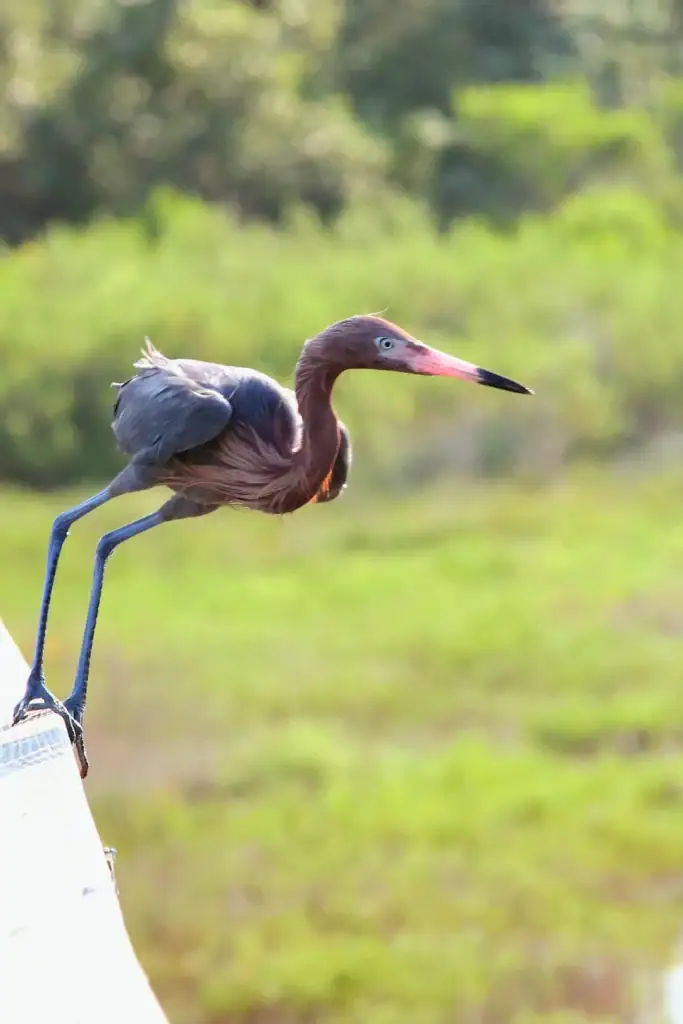
This 115,000-acre refuge between Corpus Christi and Rockport serves as the winter home for the endangered Whooping Crane, North America’s tallest bird.
From November through March, approximately 500 cranes winter in the refuge’s coastal marshes, providing spectacular viewing opportunities from observation towers and the 16-mile auto tour loop.
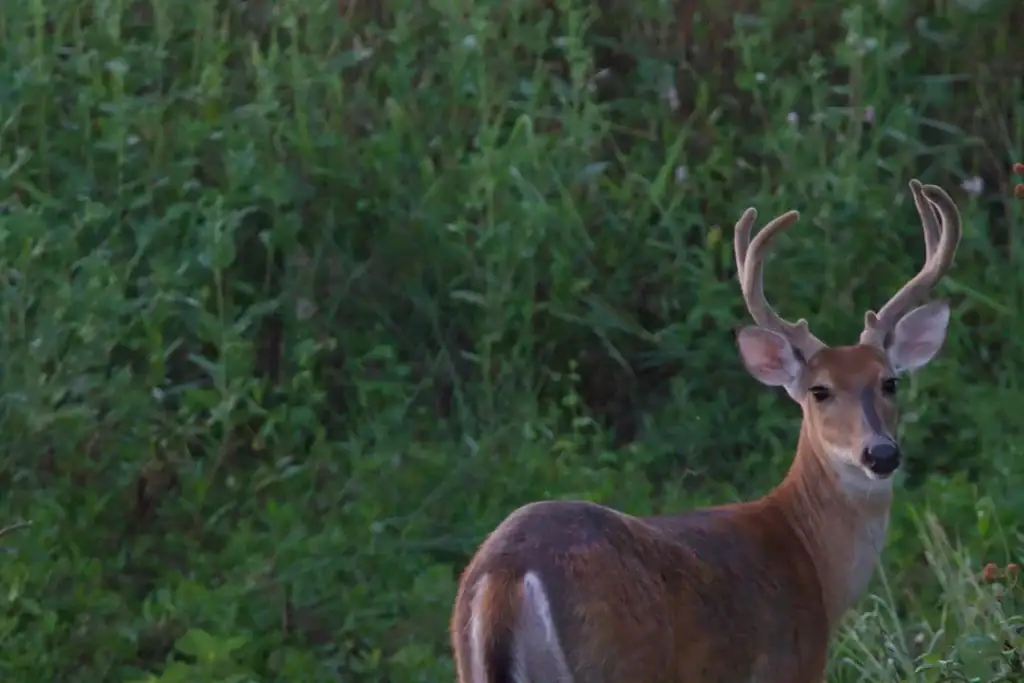
Beyond the famous cranes, the refuge hosts over 400 bird species plus alligators, white-tailed deer, feral hogs, and occasional bobcats or coyotes.
The auto tour route provides comfortable wildlife viewing for those with mobility limitations, while hiking trails offer closer access to different habitats.
The visitor center features excellent exhibits explaining coastal ecology and the whooping crane recovery program.
2. Anahuac National Wildlife Refuge — Anahuac
Located on the Texas Gulf Coast near Houston, this 37,000-acre refuge protects vital coastal marsh and prairie habitats hosting spectacular concentrations of waterfowl and wading birds.
The refuge features over 12 miles of auto tour roads, allowing comfortable wildlife viewing from your vehicle, making this exceptionally accessible for seniors and those with mobility limitations.
Winter brings massive flocks of Snow Geese, numerous duck species, and Sandhill Cranes, while year-round residents include Roseate Spoonbills, various herons and egrets, and alligators.
Spring and fall migration periods see shorebirds, terns, and songbirds passing through in impressive numbers.
3. Santa Ana National Wildlife Refuge — Alamo
This 2,088-acre refuge in the Lower Rio Grande Valley protects one of the last remaining tracts of subtropical forest in the United States, hosting species found nowhere else in the country.
Green Jays, Plain Chachalacas, Altamira Orioles, and Great Kiskadees delight birders seeking Mexican specialty species at the northern limit of their ranges.
The refuge features several miles of paved trails and a tram that tours the property, making wildlife viewing accessible regardless of fitness level.
Photography blinds and observation platforms provide excellent viewing opportunities, and the refuge hosts regular bird walks led by knowledgeable volunteers.
The Valley’s subtropical climate means comfortable visiting conditions during the winter months when much of Texas experiences colder weather.
4. Hagerman National Wildlife Refuge — Sherman
Located on the Big Mineral Arm of Lake Texoma north of Dallas, Hagerman protects 11,000 acres of water, marsh, and upland habitats supporting remarkable biodiversity.
The refuge serves as a crucial stopover habitat for migrating waterfowl and shorebirds along the Central Flyway.
The auto tour route provides comfortable wildlife viewing, while hiking trails offer closer access to different habitats and the Lake Texoma shoreline.
Their visitor center features exhibits on refuge ecology and wildlife, and staff regularly lead educational programs and guided walks.
The refuge’s proximity to the Dallas-Fort Worth metroplex makes world-class birding accessible as an easy day trip.
5. Attwater Prairie Chicken National Wildlife Refuge — Eagle Lake
This 10,541-acre refuge between Houston and San Antonio protects critical habitat for the endangered Attwater’s Prairie Chicken while showcasing coastal prairie ecosystems largely lost to development and agriculture.
During breeding season (March-April), visitors can observe the spectacular courtship displays of male prairie chickens from observation blinds, though reservations are required.
Beyond the prairie chickens, the refuge supports excellent birding year-round with grassland species, waterfowl, and raptors, including Crested Caracaras.
The five-mile auto tour loop provides comfortable wildlife viewing, and hiking trails explore different habitats.
6. Muleshoe National Wildlife Refuge — Muleshoe
Located in the Texas Panhandle, Muleshoe protects crucial playas (seasonal wetlands) that attract up to 250,000 Sandhill Cranes during winter migration, creating one of North America’s most spectacular wildlife events.
Peak viewing typically occurs from mid-December through early February when thousands of cranes fill the air with their distinctive calls before landing at sunset.
The refuge features a viewing platform overlooking the main playa, providing excellent crane observation without disturbing the birds.
Beyond cranes, the refuge supports waterfowl, raptors, and prairie species, including pronghorn antelope and prairie dogs.
7. Brazoria National Wildlife Refuge — Angleton
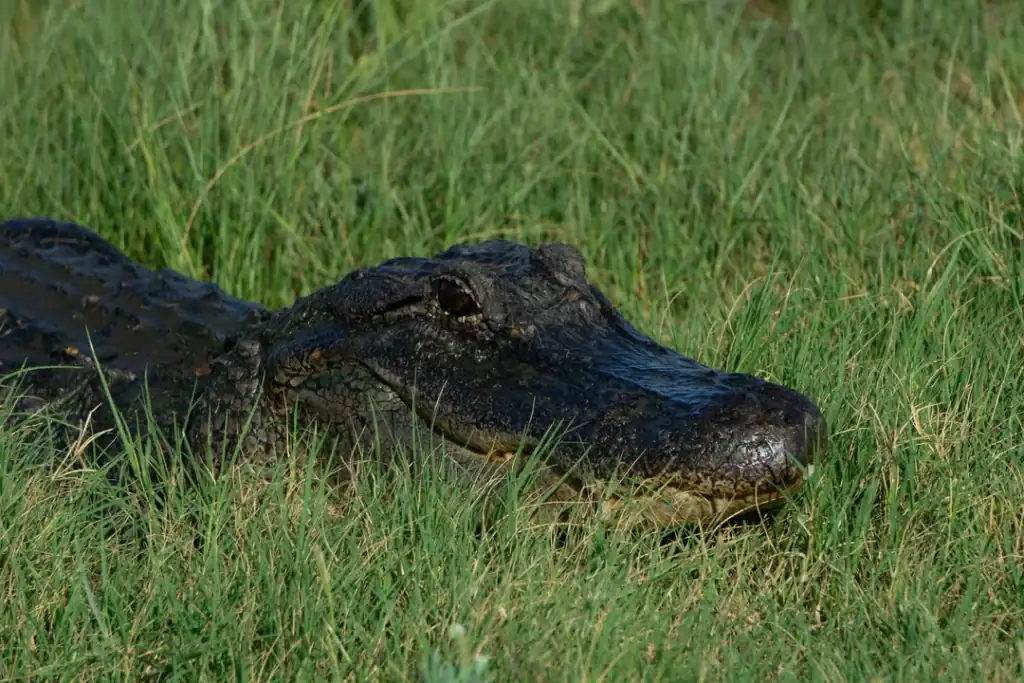
This 44,000-acre coastal refuge south of Houston protects diverse habitats, including coastal prairie, wetlands, and salt marsh, supporting over 300 bird species.
The refuge features multiple auto tour routes, hiking trails, and fishing opportunities, providing varied ways to experience coastal ecosystems.
Winter brings waterfowl in impressive numbers, along with wintering shorebirds and sparrows.
Year-round residents include alligators, Roseate Spoonbills, and various wading birds.
The refuge’s proximity to Houston makes it accessible for regular visits, and the variety of habitats means different areas shine in different seasons.
Connecting With Nature
Outdoor experiences and wildlife encounters at refuges often create lasting memories and environmental values, and we hope that your visit to these refuges will be fruitful.
Which Texas wildlife refuges have provided your most memorable wildlife encounters?
Share your experiences and favorite seasons to help fellow nature enthusiasts discover these remarkable protected areas offering year-round access to Texas’s incredible biodiversity.

Stella Raines
Editor-in-Chief
Stella brings over a decade of storytelling experience to TX Headlines. With roots in West Texas and a love for road trips, she leads the editorial team with an eye for the hidden stories that make Texas unforgettable.
More Stories
These 10 Peaceful Texas Walking Trails Are Made for an Easy, Scenic Stroll
This Easy Texas Hike Ends at a Swinging Rainbow Bridge Tucked Deep in the Woods
This Scenic Texas Nature Preserve Hides a Secret Beach Where You Can Dig for Prehistoric Shark Teeth