This Wild Texas Beach Has 58 Miles of Sand and Locals Love How Empty It Stays
Some beaches want to impress you. They line up the high-rises, the boardwalk games, and the frozen daiquiri stands, then charge you to park within a mile of the water. I have never fully trusted those beaches. The ones that stay with me are quieter and harder to reach.
There is a stretch of the Texas coast that fits that description almost perfectly, and the people who love it are in no hurry to tell you about it. It sits at the mouth of the Colorado River on the middle Gulf Coast.
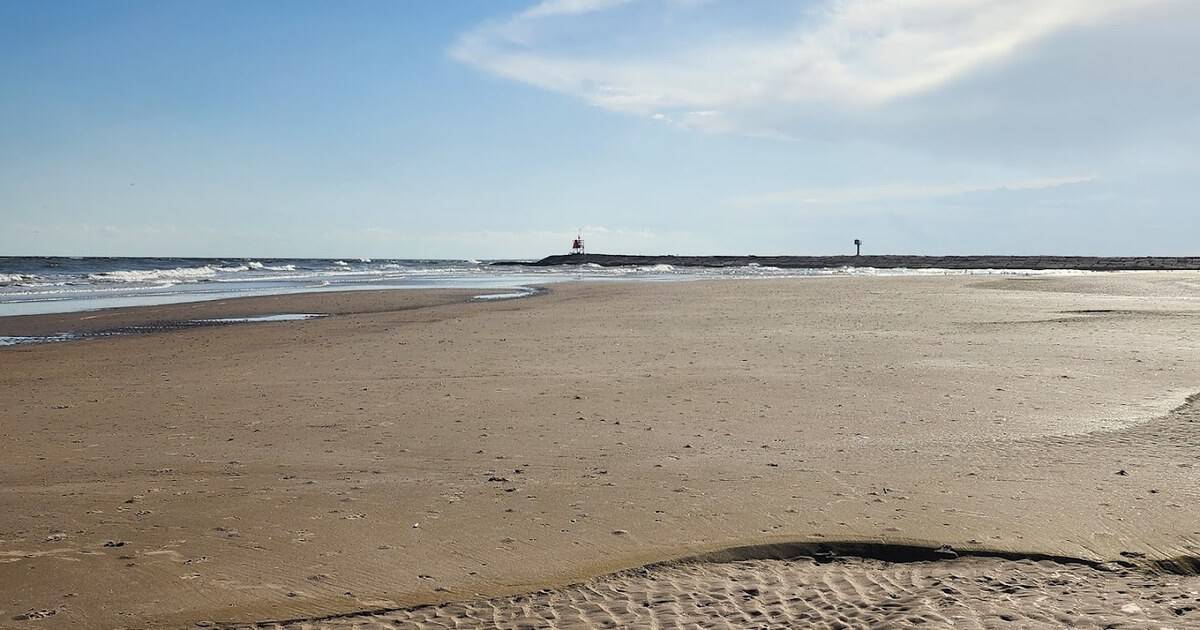
What it offers is something most Texas beaches gave up decades ago: miles of empty sand. No seawall, no skyline, no admission gate between you and the surf.
Below, here is why this overlooked shoreline keeps drawing Texans back, and how to plan a day or a weekend of your own.
Fifty-Eight Miles of Room to Breathe
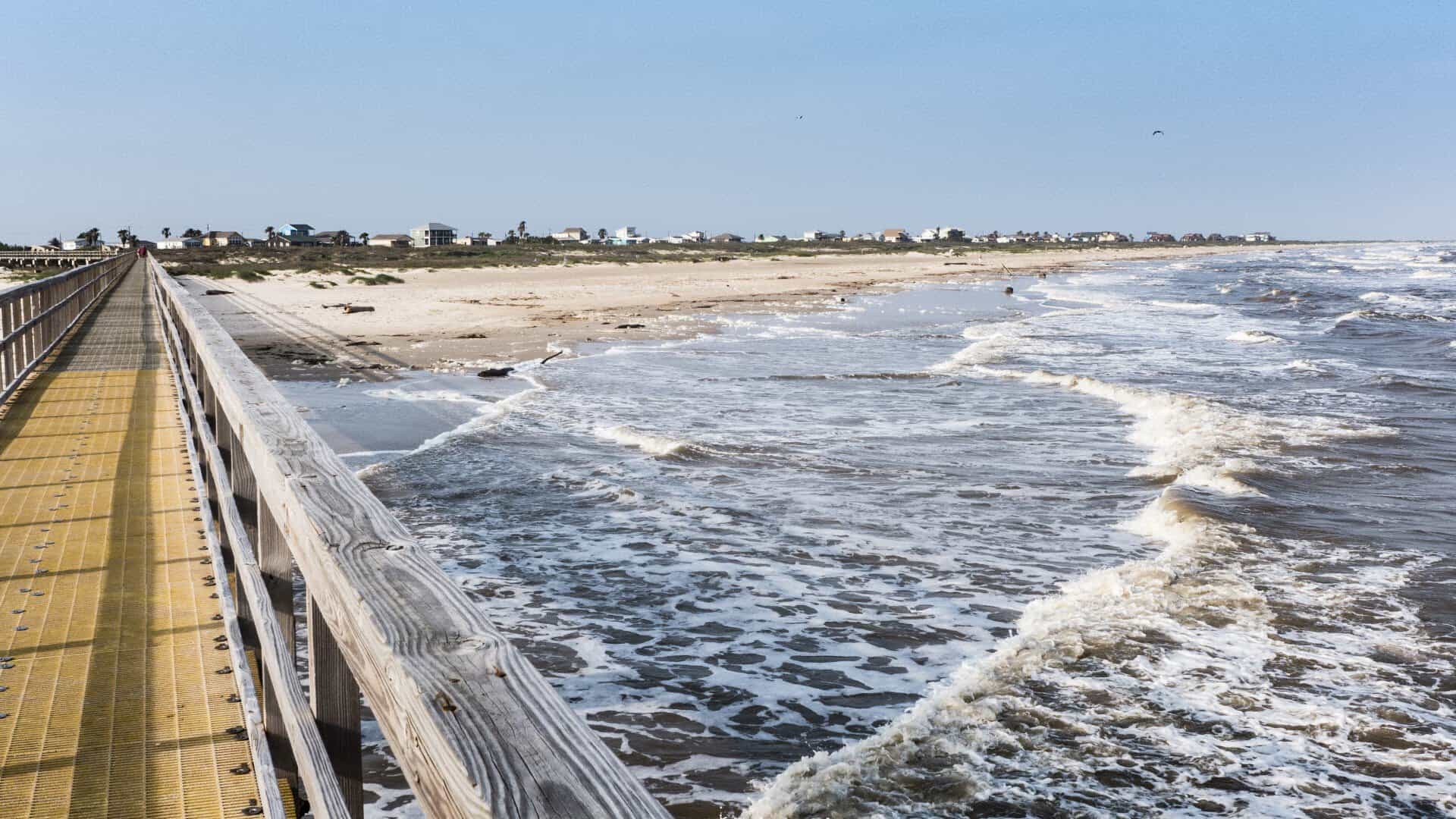
Matagorda Beach runs roughly 58 miles along the Gulf of Mexico, which is a genuinely hard number to picture until you are standing on it. There is no seawall. No condo skyline. Just sand, dunes, and open water in both directions for as far as you can see.
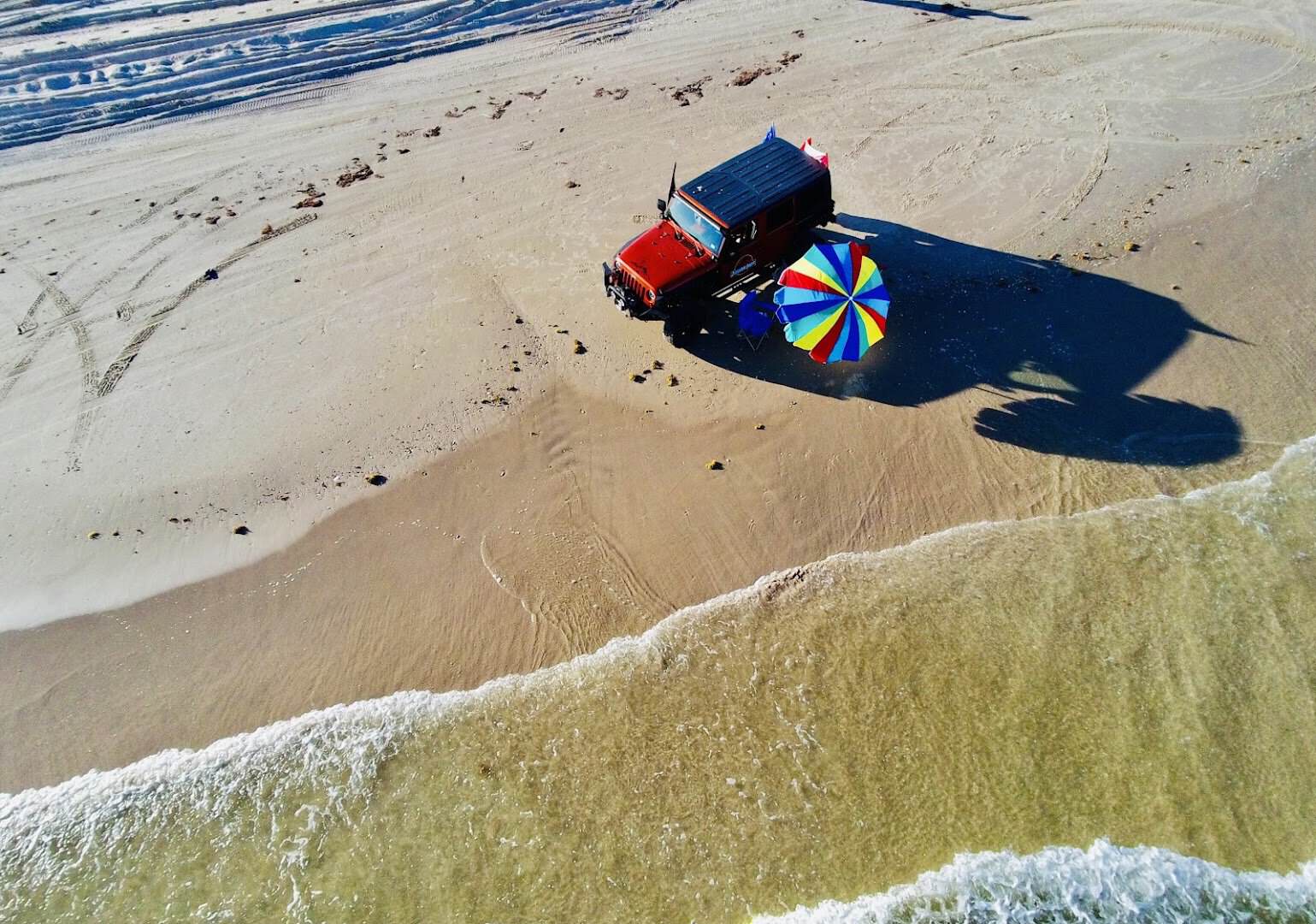
The Colorado River splits the beach into two halves. East of the river, about 23 miles are open to vehicles, so you can drive right down onto the firm sand near the waterline, unload a chair, and set up for the day.
The western 35 miles are a different animal. You can only reach them by boat or a long walk, which is exactly why they stay so wild and so empty. That inaccessibility is the whole point for the people who make the trip.
The water surprises first-timers. Past the sandbars it can turn a soft blue-green that looks nothing like the muddy Gulf people expect. The sand near the waterline is clean and firm underfoot. On a weekday you might share all of it with a few fishing trucks and a few gulls.
What you will not find is the usual coastal machinery. No arcade, no tram, no wall of matching beach towels for sale. That absence is the amenity here, and it is the reason longtime Texans keep calling this one of the most peaceful spots on the whole coast.
Where the River Meets the Gulf
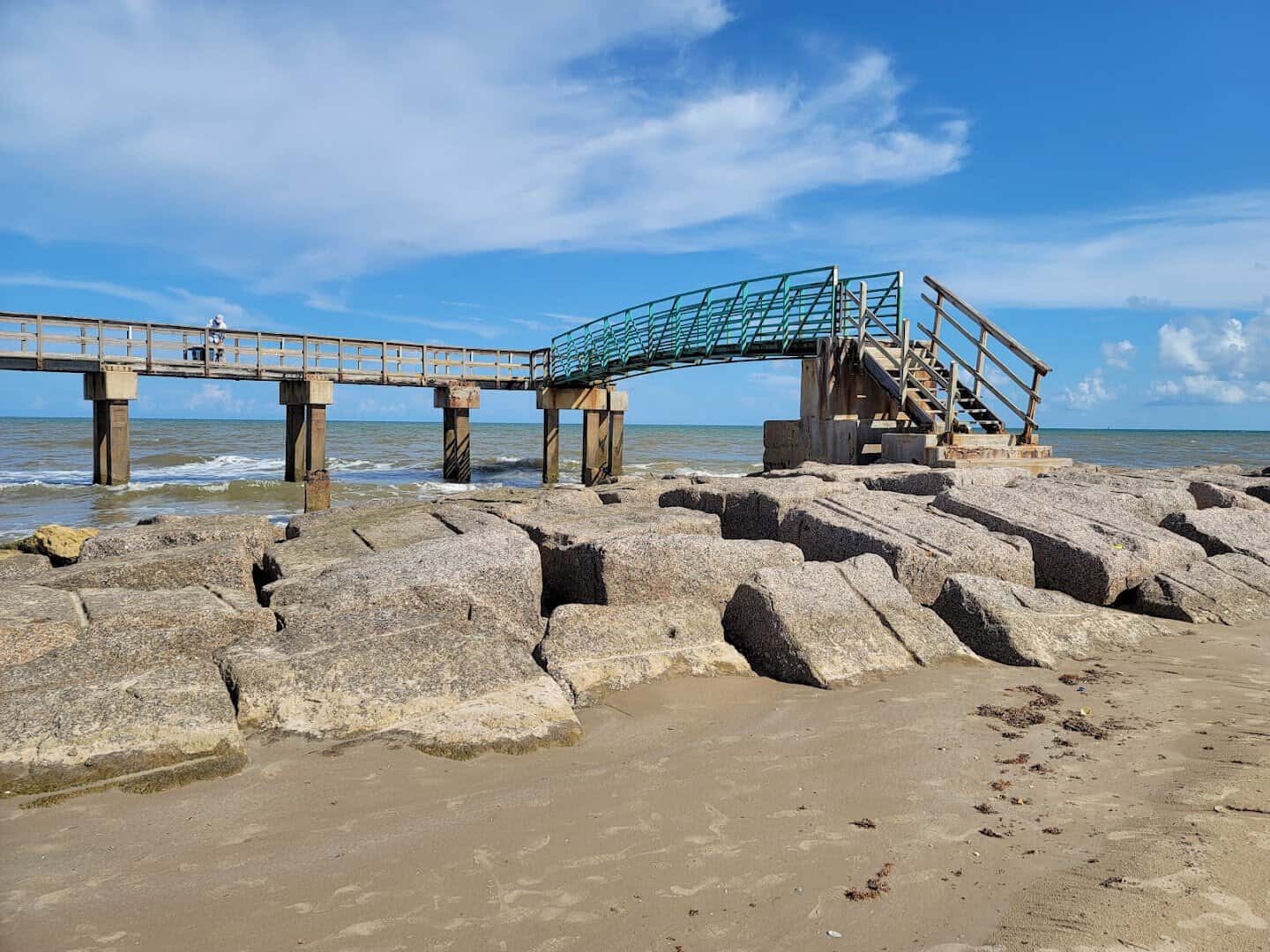
The heart of the beach is Jetty Park, where the Colorado River finally reaches the Gulf between two long rock jetties. It is the kind of spot where you can watch a shrimp boat slide out to sea on one side and kids casting off the rocks on the other.
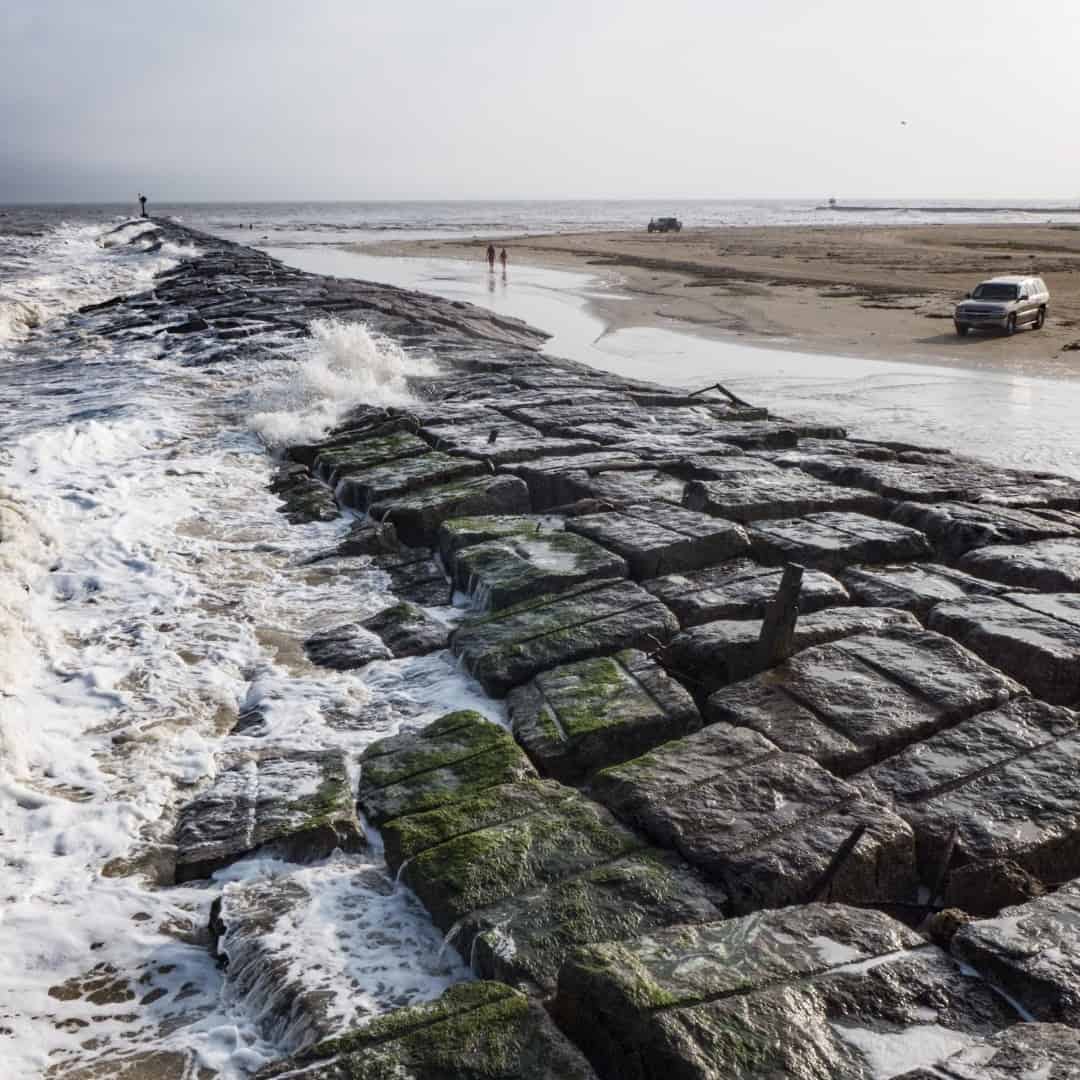
Anglers treat this river mouth as sacred ground. The mixing of fresh river water and salt Gulf water pulls in redfish, speckled trout, flounder, and black drum, and you can fish the surf, the jetty rocks, or the river channel all in one afternoon.
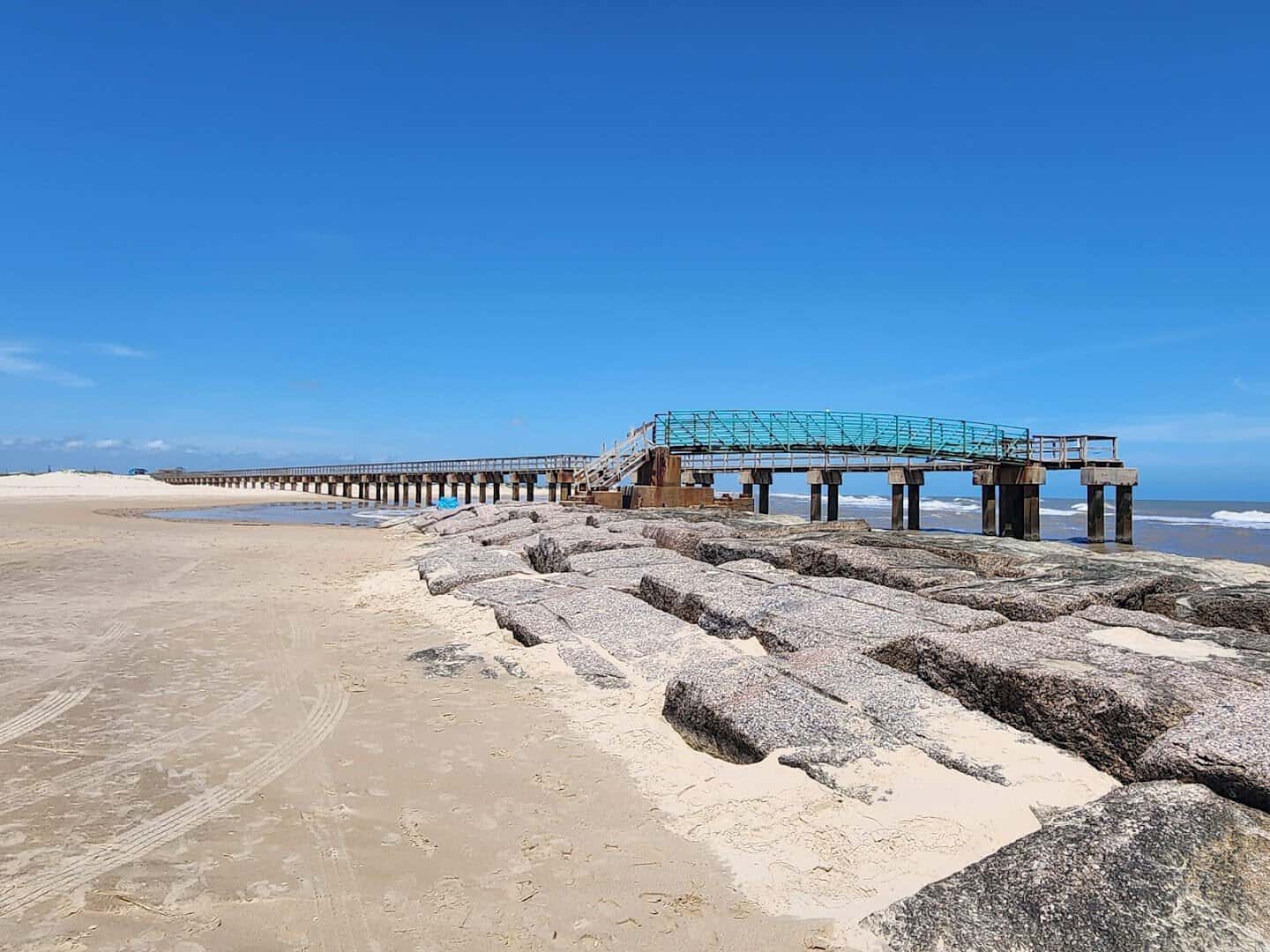
The park itself is easy to use. There are restrooms, showers, and picnic tables, plus straightforward beach access, and when the tide drops low enough you can even drive beneath the fishing pier to reach the sand beyond it.
Come at first light and the jetty rocks fill with quiet regulars, thermoses in hand, waiting on the outgoing tide. There is a whole culture built around that river mouth, and it runs on patience rather than crowds.
Pro tip: the currents where the river and jetties meet can move fast, so wade and swim well away from the passes and save the rocks for fishing and photos. Pick a calm stretch of open beach for getting in the water.
The Birding Capital You Probably Haven’t Heard Of
Here is the fact that reframes the whole place. In 2025 the state officially named this county the Birding Capital of Texas, a designation that runs for a full decade through 2035. More than 370 bird species have been recorded around this bay.
That is not a small claim, and the beach earns it. Walk the shoreline in spring or fall and you move through waves of migrating shorebirds, terns, and skimmers working the surf line while pelicans coast past just offshore.
I have a real weakness for roseate spoonbills, those flamingo-pink waders that look almost too tropical to be real, and this coast is one of the best places in the state to see them feeding in the shallow marsh edges.
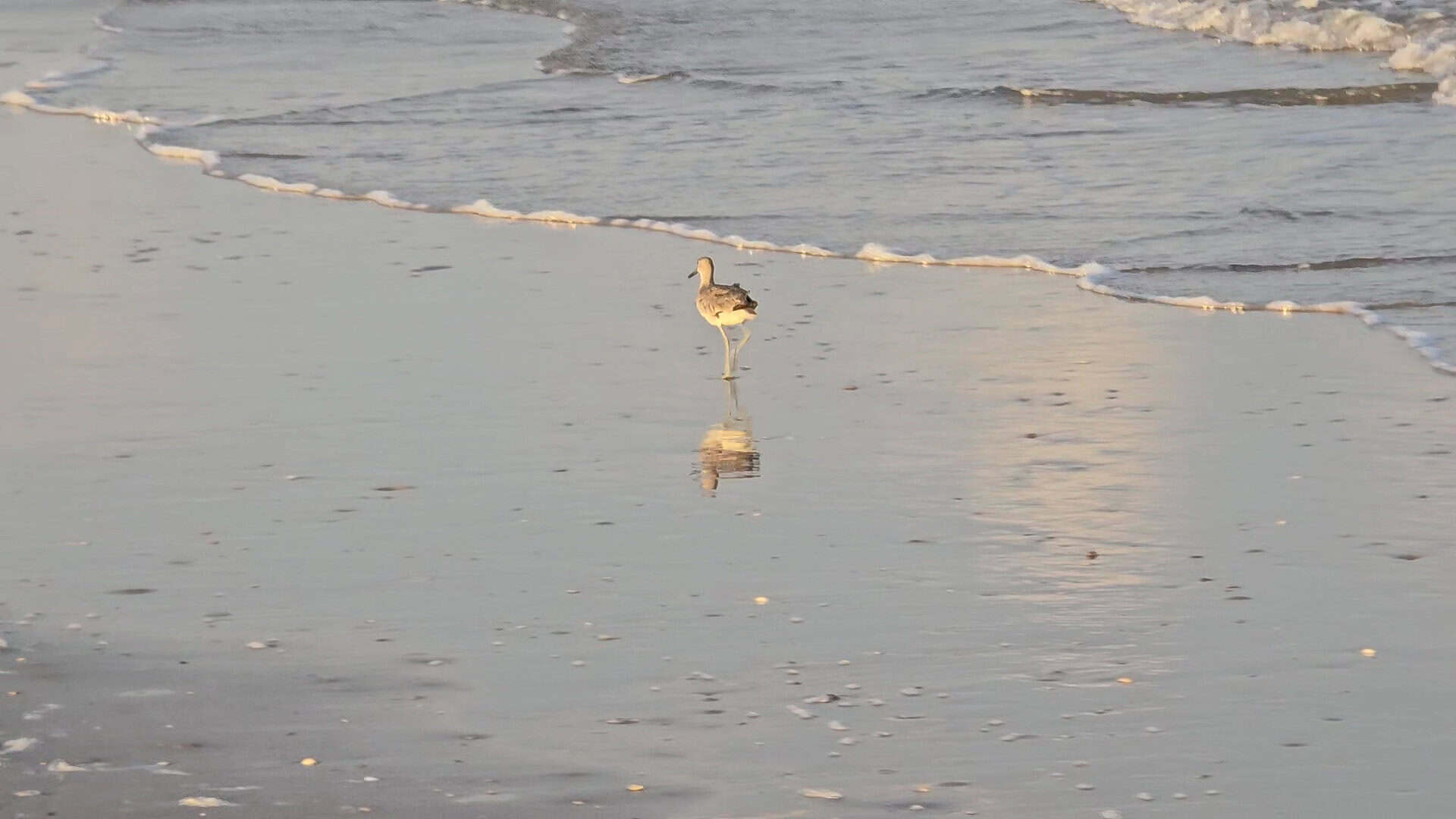
The rarest visitor is the whooping crane. These endangered, five-foot, snow-white birds winter along the bay side of nearby Matagorda Island, and glimpsing one against the marsh grass is the kind of thing serious birders drive hundreds of miles hoping for.
Did you know? Spring and fall migrations are the showstoppers, but the marshes and mudflats here stay busy with wildlife in summer and winter too. There is really no wrong season to bring binoculars.
Shells, Sandbars, and Slow Mornings
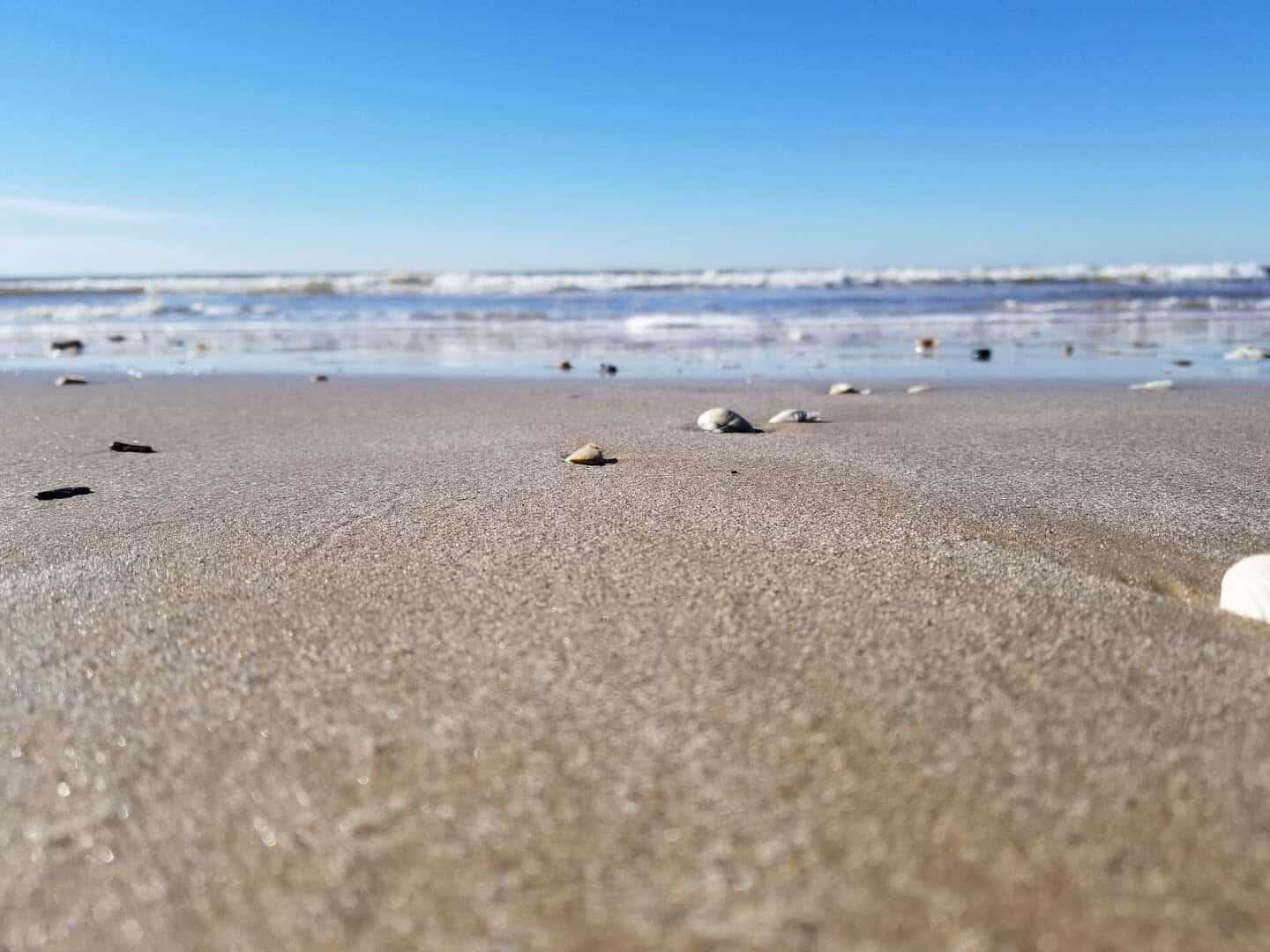
If birds are the headline, shells are the quiet obsession. Because so much of Matagorda stays undeveloped and lightly walked, the surf keeps delivering shells faster than anyone can pick them up.
Beachcombers rave about it. Some visitors describe mornings so thick with colorful shells that they could barely take a step without crunching one, and the isolated West Beach, reachable only by boat, is widely considered the best hunting ground of all.
The shallow, protected bay water is made for paddling, too. Marked kayak and paddling trails wind through the marsh and along the shoreline, and you can rent single or tandem kayaks nearby if you did not bring your own.
Paddling the back-bay side is a completely different trip from the open surf. You glide past oyster reefs and grassy flats, herons lifting off ahead of the bow, and the noise of the modern world simply stops reaching you out there.
None of it runs on a schedule. The appeal here is the slow morning: coffee on the tailgate, a long barefoot walk, a bucket filling with shells, and absolutely nowhere you have to be by ten.
A Nature Park Built on the Sand
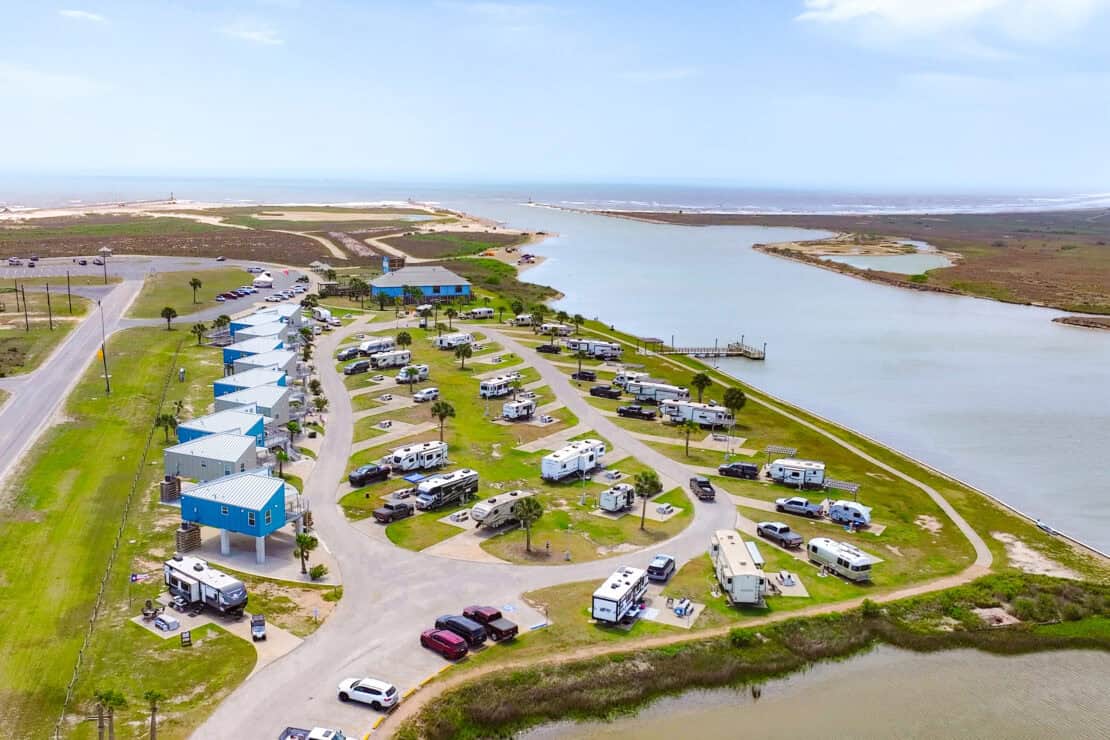
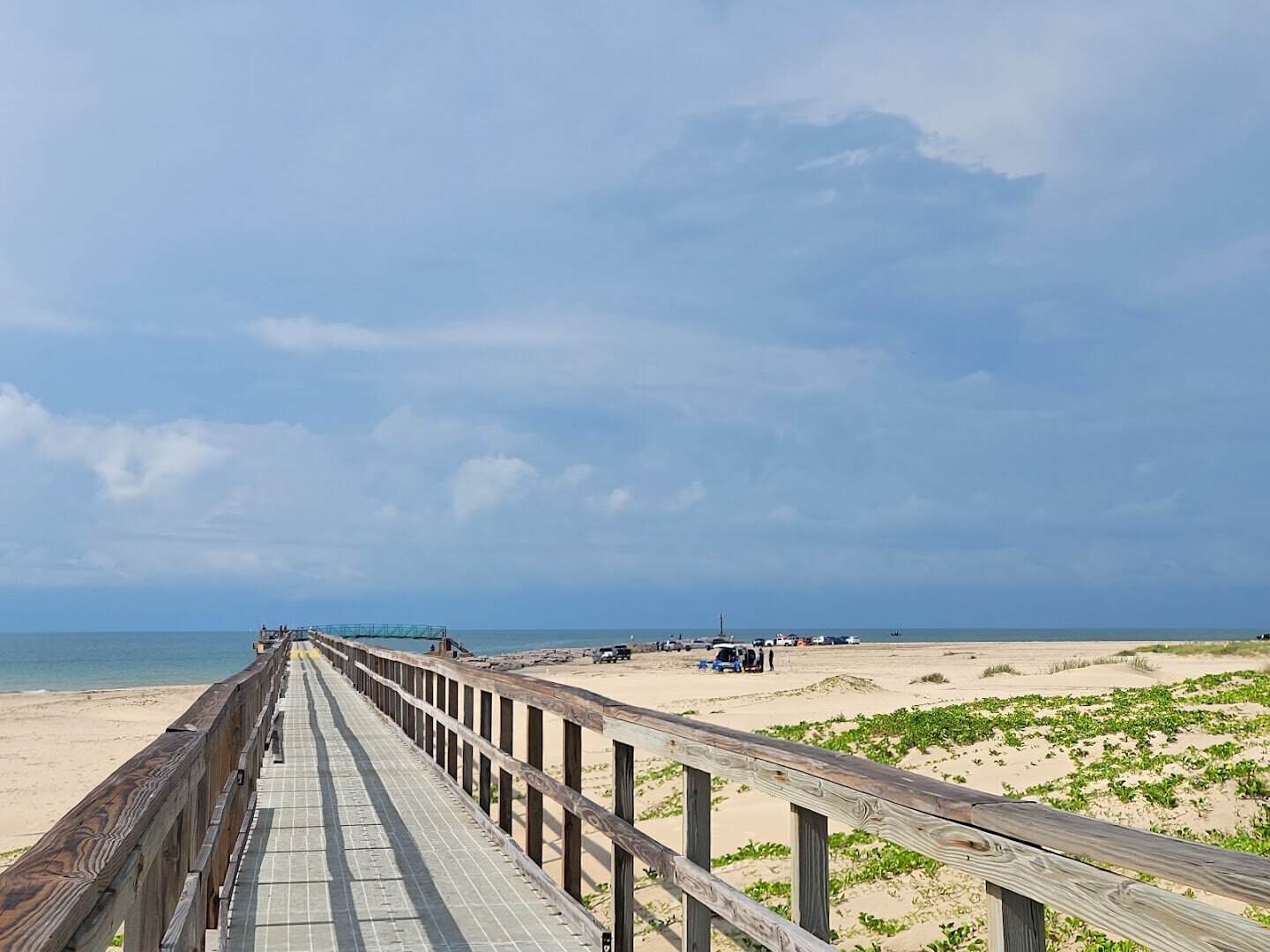
Anchoring all of this is Matagorda Bay Nature Park, a 1,600-acre preserve run by the Lower Colorado River Authority right where the river feeds into the Gulf. It is the easiest front door to the whole area.
A long boardwalk carries you over the dunes to a wide, clean stretch of beach, so you reach the sand without trampling the fragile grasses that hold the dunes together. The walk itself is a lovely, breezy way to arrive at the water.
The park’s nature center is a friendly introduction to the ecology of the river mouth, with exhibits on the fish, birds, and plants that thrive where the Colorado meets the salt. It is built with kids in mind but genuinely useful for any first-time visitor.
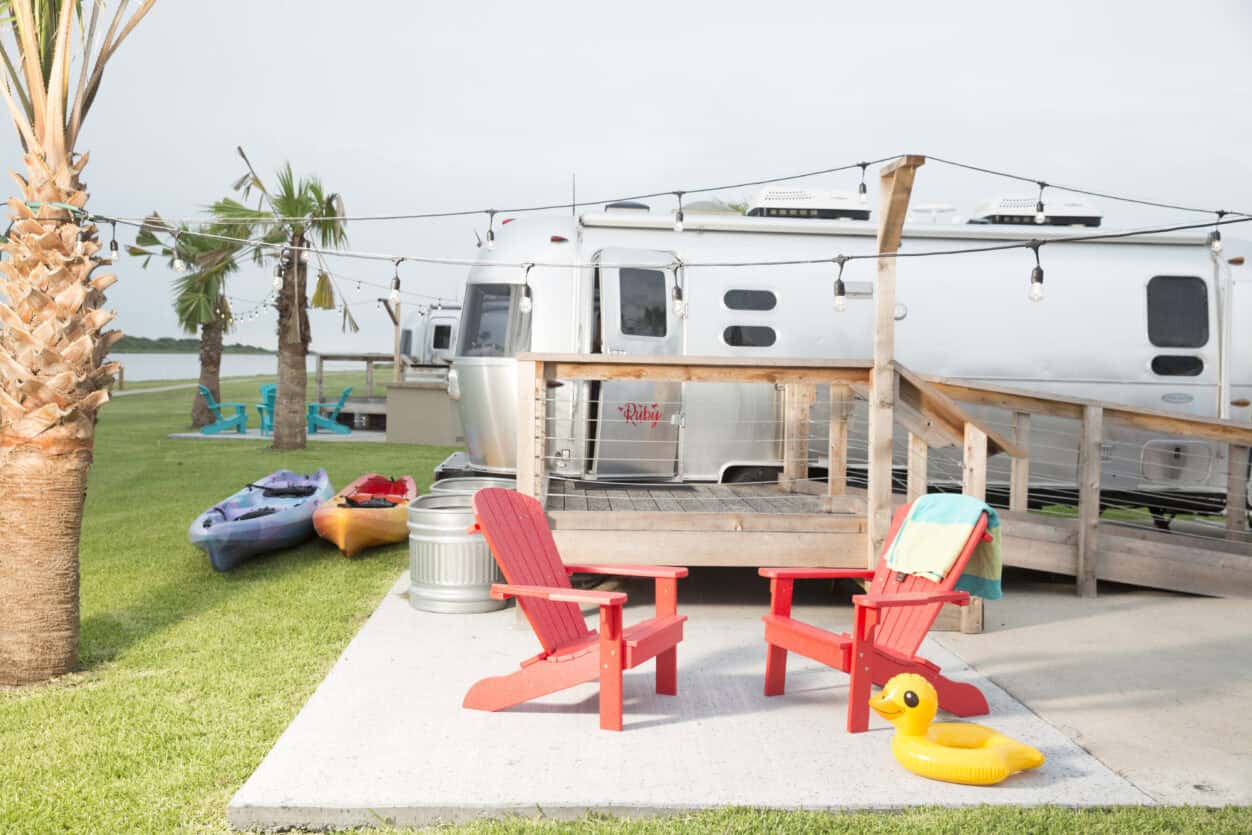
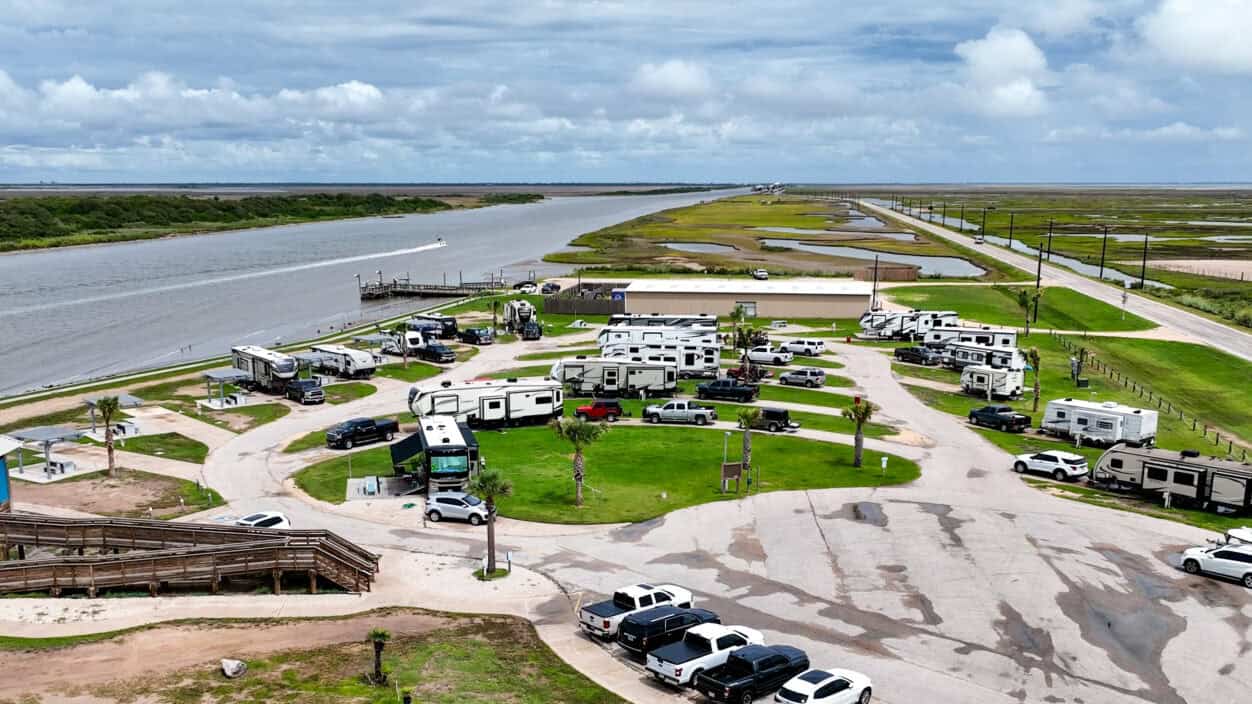
You can stay, too. The park offers RV sites, a cluster of beach bungalows, and even a few vintage Airstream trailers, along with a boat ramp, a fishing pier, and kayak rentals. The gift shop and grounds run daily from sunrise to sunset.
Entry is gentle on the wallet, just a few dollars a car, with kids getting in free and discounts for seniors and military. For a place this large and this quiet, it stays remarkably approachable for a family day out.
Visitors tend to agree on the verdict. A common refrain in reviews is that it is simply worth the trip, whether you came for the birding, a slow beach walk, or nothing more than a break from the crowds.
A Brief History at the River’s Mouth
People have been drawn to this river mouth for a very long time. The Karankawa lived along this stretch of coast for generations, fishing the bay and the surf that still feeds visitors today.
The town of Matagorda itself dates to 1822, when 52 families from Stephen F. Austin’s colony arrived at the mouth of the Colorado aboard a schooner called the Only Son. They came mostly from the northeast and put down roots on the sand and prairie.
It grew fast. In the 1800s Matagorda was one of the busiest ports in the young state, and for a time it ranked as the third-largest port in Texas, a hub of cotton, shipping, and coastal trade.
Storms and shifting trade routes eventually pulled the shipping business north and east. Galveston rose, the railroads rerouted the cotton, and the great port at the river mouth slowly went quiet.
In a way that is the beach’s good fortune. The commerce moved on and never really came back, and what stayed behind was the undeveloped, wide-open coastline that day-trippers and campers prize today.
Planning Your Trip: Permits, Camping, and Timing
The logistics here are refreshingly simple and cheap. To drive on Matagorda Beach you need an annual county beach vehicle permit, which runs about $10 and is good for the whole year.
Camping is the real steal. You can pitch a tent or park an RV directly on the beach for up to 72 hours at no charge, which means a sunrise-to-sunset-to-stars weekend on the sand can cost almost nothing.
The sand can be soft away from the waterline, so lower your tire pressure a little and keep to the firmer strip near the surf if you drive out. A basic recovery board in the truck is cheap insurance and good peace of mind.
For birding, aim for spring or fall migration. For shelling, come after a good blow, when the surf has pushed fresh shells up the beach. For pure quiet, almost any weekday will do, since the crowds rarely arrive even on holidays.
Pack like you are heading somewhere remote, because you are. Bring water, sunscreen, bug spray for the back beach, a cooler, and whatever you plan to eat, since the nearest full grocery run is back inland rather than at the sand.
How to Get There
The beach sits about 100 miles southwest of Houston, an easy couple of hours through the coastal prairie, with the town of Matagorda as your last stop for gas, ice, and bait before the sand.
Where: Matagorda Bay Nature Park, 6420 FM Rd 2031, Matagorda, TX 77457. From the town of Matagorda, follow FM 2031 south until it dead-ends at the beach and Jetty Park at the Colorado River mouth.
Point the Car South and Slow Down
Some places earn their crowds and some places are better precisely because they never got them. This long, wild ribbon of Gulf sand is firmly the second kind, and the locals who love it are quietly hoping it stays that way.
So grab a beach permit, a bag for shells, and a pair of binoculars, point the car toward the coast, and give yourself a weekend with nothing on the schedule but the tide. You may find yourself keeping the secret too.
Featured image: Michell Stovall via Matagorda Beach

Stella Raines
Editor-in-Chief
Stella brings over a decade of storytelling experience to TX Headlines. With roots in West Texas and a love for road trips, she leads the editorial team with an eye for the hidden stories that make Texas unforgettable.
More Stories
This Hidden Texas Beach Has Caribbean-Blue Water and Almost No Crowds
This Sprawling Texas Flea Market Hides Over 500 Vendors and Endless Fair Food

This Bewitching Texas Curiosity Shop Is Filled With Oddities That Make Every Shelf a Discovery

This Spotless Texas Resale Store Is Where $16 Completely Upgrades Your Wardrobe
Tags